Skip to content
Artwork for Invisible Not Broken - Chronic Illness Podcast Network
Health & FitnessAlternative HealthMental HealthExplicit

Invisible Not Broken - Chronic Illness Podcast Network

Hosts: Monica and Eva

The podcast network that speaks to people with chronic illness, invisible illness, disability, and chronic pain.


"Explicitly Sick Podcast" with Monica Michelle + "[Human]care Podcast" with Eva Minkoff


Be Kind. Be Gentle. Be A Bad Ass.


Hosted on Acast. See acast.com/privacy for more information.

Play
  • 22 episodes
  • Avg 54 min
  • English
Counted on this page — what you have heard stays on this device, so it is not something the list can be paged by.
  • November 1 · 1 hr 14 min

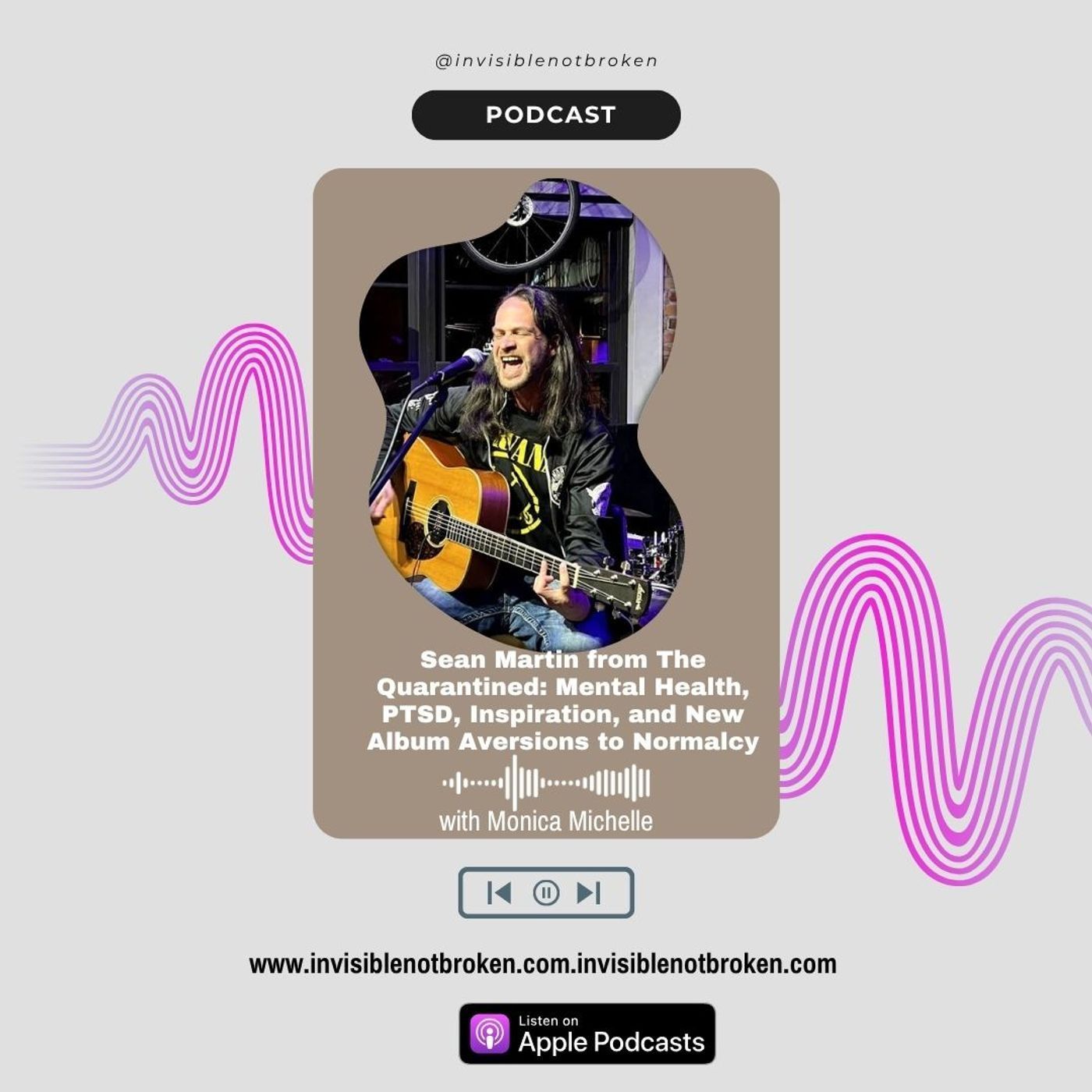
    Sean Martin The Quarantined: Mental Health, PTSD, Inspiration, and New Album Aversions to Normalcy

    In this episode, Sean Martin talks about his new album AVERSIONS TO NORMALCY and how mental health, PTSD, and empathy influence his music. keywords mental health, PTSD, empathy, history, art, society, resilience, healing, leadership, forgiveness key topics The connection between mental health and physical health The importance of hope and acceptance in recovery Seeing through bluster to understand underlying fears Military experience and PTSD advocacy The influence of history on understanding fascism and authoritarianism The concept of aversion to normalcy in societal collapse The use of art and music as healing tools The Socratic method as a tool for self-awareness The importance of self-reliance and community support The role of forgiveness in emotional healing sound bites "We are in a non-existential existence and that doesn't make any sense." "That's all I really give a shit about at that point." "You don't need to imagine. I'd be able to tell you exactly what it was." Chapters 00:00 Introduction to Sean Martin and the episode's themes 02:05 The link between mental health and physical health 04:01 Understanding motivations and empathy in conflict 08:22 The origins of the album 'Aversion to Normalcy' 12:35 The impact of fascism and authoritarianism in society 16:38 Post-military life and the journey to normalcy 21:22 The Socratic method and its applications 27:56 Recognizing and helping with PTSD episodes 33:36 Finding a new normal after combat trauma 44:00 Art as a tool for healing and expression 54:52 The significance of the album and upcoming projects

    • Transcript
  • September 6 · 1 hr 4 min

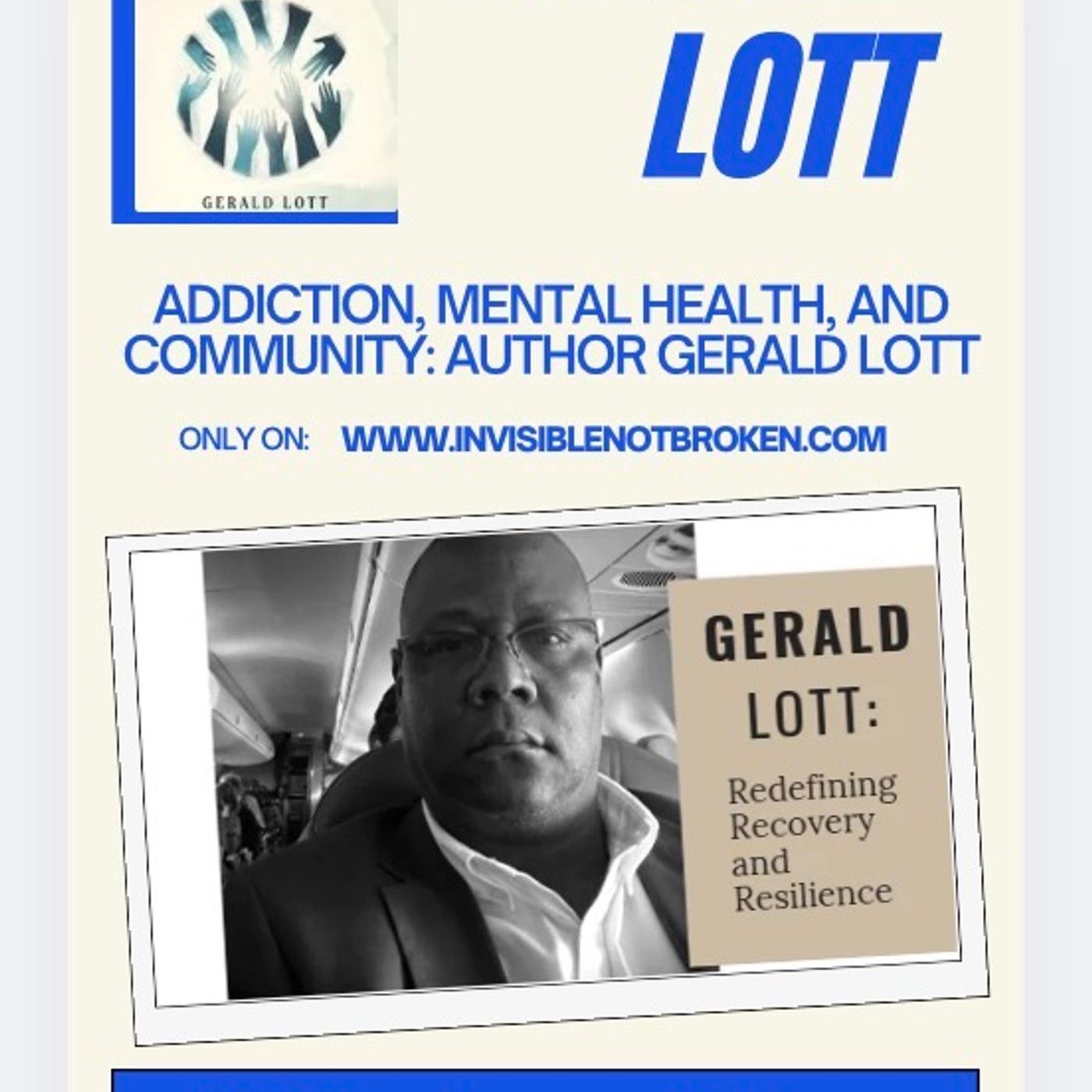
    Addiction, Mental Health, and Community: Author Gerald Lott

    content type Interview primary goal Educational summary Gerald Lott shares his profound insights on addiction, recovery, and community support, emphasizing the importance of connection, understanding, and practical approaches to overcoming substance abuse. keywords addiction, recovery, community support, sobriety, mental health, treatment options, sobriety community, mental health advocacy key topics The evolution of addiction treatment from medieval methods to modern approaches The importance of community and connection in recovery Different pathways to sobriety beyond traditional 12-step programs The role of family, friends, and community in supporting recovery The impact of societal perceptions and morality on addiction treatment Practical strategies for supporting loved ones in recovery The significance of hope, discipline, and personal responsibility in sobriety Innovative community programs like SVVO and their impact sound bites "Let the content dictate the format." "Addiction was medieval in its methods." "Narcan should be in every public space." Chapters 00:00 Gerald's background and early experiences with addiction 03:15 The misconception that you can't change someone 07:05 The importance of discipline and personal responsibility 10:14 The need for Narcan in public spaces 14:25 The influence of societal imagery and drug culture 18:32 The importance of community and enablers in recovery 22:09 Reflections on personal history and self-awareness 26:22 The importance of hope and connection in recovery 29:44 The influence of societal and economic factors on addiction 33:08 The emotional and social aspects of recovery 35:37 The value of honesty and self-awareness in healing 38:29 Writing a memoir and the truths of personal history 40:46 The complexity of childhood and family dynamics 43:18 The significance of relationships and community in healing 45:40 Trauma bonding and its effects on relationships 48:27 The importance of gratitude and positive focus 50:10 Balancing envy and inspiration in personal growth 51:35 Gerald's community initiatives and recovery programs 54:02 The challenges of rural recovery and community building 55:28 The future of recovery support and community engagement

    • Transcript
  • August 5 · 56 min

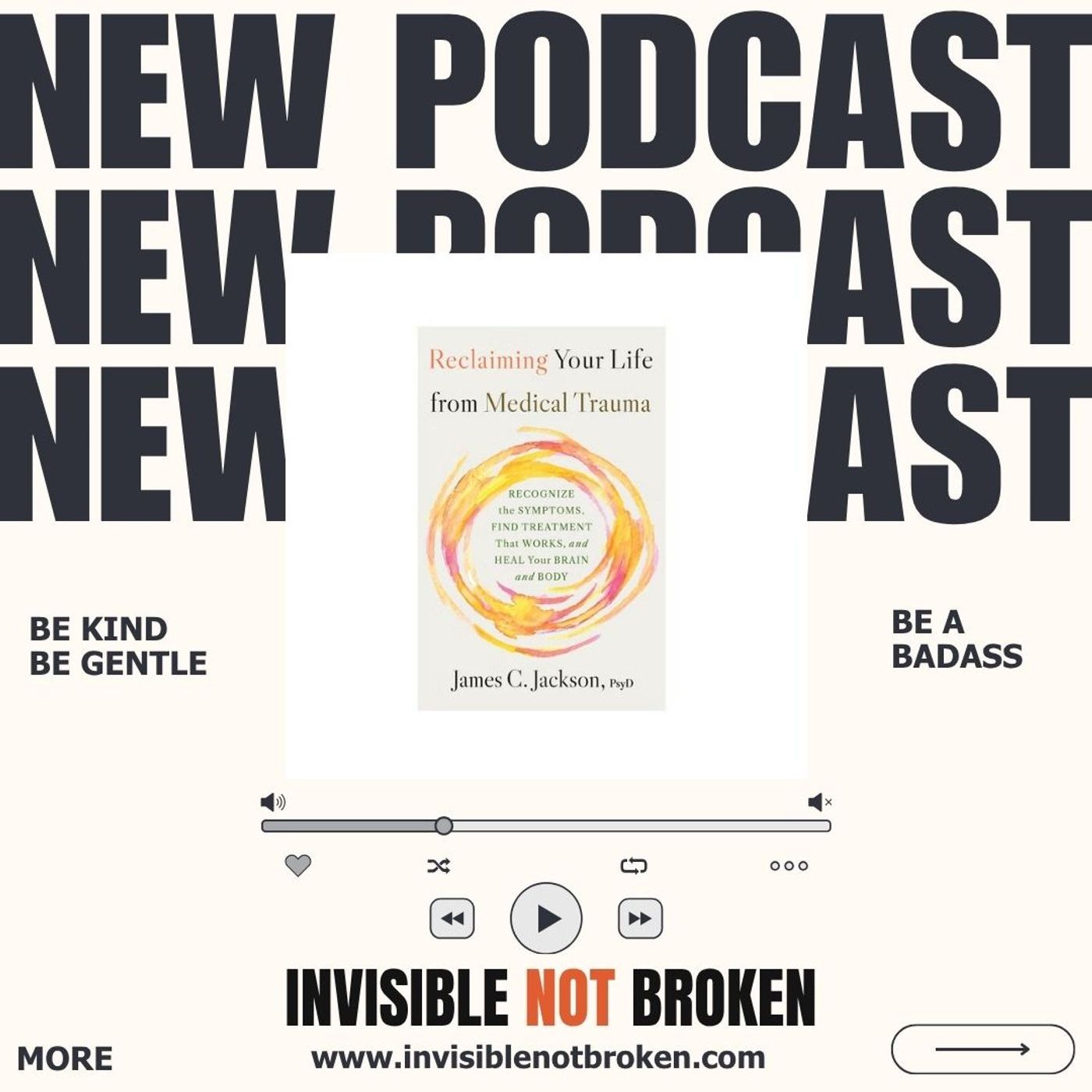
    Reclaiming Your Life After Medical Trauma with author Jim Jackson

    summary In this insightful interview, Jim Jackson discusses the profound impact of medical trauma, its recognition, and how healthcare providers and patients can work together to foster healing and resilience. Topics include trauma-informed care, the importance of empathy, and practical interventions to improve mental health outcomes for those affected by medical experiences. Chapters 00:00 Introduction to Medical Trauma and Its Impact 02:43 Understanding the Roots of Medical Trauma 05:31 Hypotheses and Findings on Trauma in Medical Settings 08:30 The Importance of Early Intervention 11:29 Addressing Racial and Marginalized Trauma 14:21 Trauma-Informed Care Approaches 16:56 The Role of Patient Stories in Understanding Trauma 19:41 Shifting Perspectives on Trauma 22:24 Hope and Healing in the Face of Trauma 25:23 The Publishing Journey and Future Directions 29:09 The Rise of Medical Trauma Awareness 32:05 Kintsugi: Finding Beauty in Brokenness 36:32 Communicating Medical Trauma Effectively 41:04 The Power of Lived Experience 47:02 Taking Action Against Medical Trauma 50:46 Advocating for Change in Healthcare

    • Transcript
  • July 15 · 43 min

    Mahima: Pelvic Floor, Social Media, and Hypermobility Physical Therapist

    Why is talking about pelvic floor health still taboo? Let's break the silence around this crucial topic! 💬 Tag someone who needs to hear this. In today's chat with Mahima Tiwari from Empower Heal, we dive into the importance of pelvic floor health for everyone—not just those who have given birth. It’s time to recognize that issues like erectile dysfunction and chronic pain deserve attention too. When we openly discuss these topics, we empower others to seek help and take charge of their health. Let’s change the narrative! For more insights and a deeper conversation, check the link in my bio. #PelvicFloorHealth #EmpowerHeal #HealthAwareness #EhlersDanlos #BreakTheSilence

    • Transcript
  • July 1 · 36 min

    Faye: Patient Advocacy, Disability Magazine, Safe Spaces, and Art Vs Generative AI

    Summary Faye Perez discusses her journey into independent patient advocacy, the importance of community support for those with chronic illnesses, and the launch of her new magazine, the Good News Gazette. The discussion highlights the need for safe spaces in healthcare, the role of art in healing, and the impact of generative AI on creativity. Faye emphasizes the significance of lifting each other up and fostering a supportive community for individuals navigating the complexities of chronic illness and disability. Chapters 00:00 Reconnecting with Faye: New Beginnings 02:49 The Role of Independent Patient Advocacy 05:57 Navigating the Healthcare System 08:49 Creating Safe Spaces for Patients 11:46 The Butterfly Guild: Affordable Advocacy Services 14:34 The Good News Gazette: A Positive Spin 17:46 Reflections on Society and Healthcare 18:54 Creating Joy Through Community and Art 20:41 Surprising Artistic Talents in the Community 22:26 The Importance of Real Art Over AI 23:57 Embracing Age and Authenticity 25:49 The Role of Universal Income in Supporting Artists 27:42 The Value of Community in the Disability Space 29:44 The Need for Societal Support for Artists 32:06 The Uniqueness of Human Creativity 33:48 The Impact of Stories and Community 36:08 Building a Supportive Community for All

    • Transcript
  • June 29 · 48 min

    Judy Kim: Stroke, Author, Art Therapy

    🌈 Ever had a moment where your life changed in an instant? 🌀 Judy Kim shares her powerful story of surviving a stroke and how it inspired her to write "Super Survivor." Her journey highlights the importance of sharing our stories and supporting one another. What’s a pivotal moment in your life that shaped who you are today? Drop your thoughts! #LifeChangingMoments #SuperSurvivor #Podcast #Community #Support #InvisibleNotBroken #JudyKim #ShareYourStory #Resilience #Empowerment

    • Transcript
  • June 3 · 50 min

    Ms. Wheelchair 2026 Nenia Ballard: Tiktok, Wheelchair Fashion, and Adaptive Clothing

    💥 Did you know that clothing can look completely different when you're seated? Nenia shares her journey in fashion reviews for wheelchair users, highlighting the need for brands to showcase their clothes on all body types. 💬 What has been your experience with fashion? Share your thoughts below! #FashionReview #DisabilityAwareness #AdaptiveClothing #InclusiveDesign Chapters 00:00 Introduction to Nenia Ballard and Fashion Reviews 02:57 The Challenges of Fashion for Wheelchair Users 05:55 Exploring Adaptive Clothing Brands 08:56 The Importance of Accessibility in Fashion 11:50 The Miss Wheelchair Experience 14:30 The Intersection of Disability and Fashion Advocacy 17:15 Shopping Challenges for Wheelchair Users 20:02 Knitting as Occupational Therapy 22:59 The Impact of Social Media on Disability Advocacy 25:53 Final Thoughts and Recommendations

    • Transcript
  • May 6 · 52 min

    Medical Anthropologist Emily Mendenhall On Long Covid, Her New Book, & US Healthcare

    🌍 Ever wondered how history influences our view of chronic illness? In our latest episode, we sit down with Emily Mendenhall to discuss her groundbreaking book, "Invisible Illness." She reveals the fascinating connections between past perceptions of hysteria and today's challenges with Long COVID. What do you think – does history repeat itself in the realm of health? Share your thoughts below! #ChronicIllness #InvisibleIllness #HysteriaHistory #LongCOVID #HealthAwareness #PodcastLife #MedicalAnthropology #Discussion #EngageWithUs

    • Transcript
  • April 27 · 31 min

    MMERI Scholars: How to Choose College for Disabled and Neurodivergent Students

    Social: Navigating college with a disability? 🎓🧩 Stop the guesswork. We're chatting with MMeri Scholars' founder about their MUST-HAVE list of truly accessible universities. Parents, don't miss this! 🏫✨ 🎧 Listen to Invisible Not Broken: 🔗 in bio. #CollegeBound #Neurodiversity #InvisibleNotBroken #SpecialNeedsParenting summary In this insightful interview, Lisa shares her expertise on college accessibility for students with disabilities, highlighting resources, challenges, and strategies for families and students to navigate higher education inclusively. keywords college accessibility, disabilities, inclusive education, college planning, neurodivergence, mental health, college resources, advocacy, higher education, college admissions Chapters 00:00 Introduction to M.M.E.R.I. and Its Mission 02:51 The Importance of Inclusivity in Education 05:46 Researching Accessible Colleges 08:39 Spotlighting Supportive Colleges 11:39 Identifying Red Flags in College Selection 14:21 Barriers in College Admissions 17:24 The Role of K-12 Education in College Readiness 19:52 Navigating College Applications and Testing 22:47 Blind Spots in College Admissions 25:28 Supporting Adult Learners 28:21 Getting the Guide into Schools 31:17 Conclusion and Resources

    • Transcript
  • April 22 · 58 min

    Mariah Tyler Moore: Writing, and Medical Gaslighting

    The conversation delves into the challenges of navigating childhood illness, the impact of medical gaslighting during adolescence, and the importance of advocating for oneself in the medical system. It also explores the impact of disability on work and housing, the role of writing as a coping mechanism and productivity, and the value of disabled voices in healthcare. The conversation delves into the importance of authenticity and the challenges of empathy and compassion in society. It also explores the role of AI in creativity and ethics, as well as the concept of creativity as a practice. Takeaways Creativity as a coping mechanism Navigating the challenges of being a sick child Advocating for oneself in the medical system Authenticity Paradox Radical Resilience Chapters 00:00 Navigating Childhood Illness 07:00 The Impact of Disability on Work and Housing 15:36 Writing as a Coping Mechanism and Productivity 29:27 The Value of Disabled Voices in Healthcare 41:06 The Role of AI in Creativity and Ethics 56:18 Creativity as a Practice

  • April 8 · 1 hr

    Lake: Education Access and Disability

    Summary In this conversation, the hosts discuss the challenges and experiences related to accessibility and accommodations in education, particularly for students with disabilities. They explore the differences between community colleges and universities, the bureaucratic hurdles in obtaining necessary accommodations, and the impact of societal structures on access to education. The discussion also touches on the role of technology, the financial burdens of education, and the importance of creating inclusive environments for all students. The conversation concludes with thoughts on the potential of AI in education and the need for systemic change to ensure equity and access for all learners.

    • Transcript
  • March 27 · 55 min

    The Blind Redhead: Tech, Access, Gaming, and Social Media Community

    Ever had that moment where a piece of tech or a daily habit just… clicked? 🧠✨ We’re diving deep into the world of Accidentally Accessible—those "mainstream" tools that have become game-changers for the blind and low-vision community. From the immersive audio of the Apple Vision Pro to the freedom of a Waymo ride, the line between "assistive tech" and "future tech" is blurring. 🚗💨 But wellness isn’t just about the gadgets. It’s about the things no one thinks about: 🔹 Navigating an airport solo as a woman ✈️ 🔹 The "Tuned Out Tuesday" ritual for mental clarity 🧘‍♀️ 🔹 Why Guide Dogs loving the movie Wicked is the wholesome content we need 🐕🎭 Whether you're looking for your next favorite Apple Shortcut or wondering if a Kickstrand is worth the hype, we’ve got you covered. 🎧 Listen to the latest episode of Invisible Not Broken now! Click the Bard Link in our bio to stream! 🔗 👇 WE WANT TO KNOW: 1️⃣ What is one thing you wish was "accidentally accessible" in your daily life? 2️⃣ What’s your #1 "must-have" travel tool?

    • Transcript
  • March 18 · 59 min

    Miranda: Disability Representation From Superman to Kpop Demon Hunter

    The conversation covers disability representation in media, the impact of disability on character development, personal stories and relationships, magic and disability representation, tropes and lazy use of magic, and the portrayal of disability in 'The Magicians' and 'Doctor Who'. The speakers discuss the need for more authentic and diverse representation of disability in media, as well as the challenges and opportunities in character development for individuals with disabilities. The conversation delves into the challenges of disability representation in media, highlighting the impact and complexity of portraying disabled characters. It also explores the importance of intentionality in representation and the need to humanize characters with disabilities. The conversation delves into the power of media representation and its role in normalizing disability, as well as the importance of creativity as a skill. It also explores the significance of disability representation in animation and the responsibility of creators in getting it right. Takeaways Disability representation in media Impact of disability on character development Representation challenges Impact of disability representation Complexity of disability representation Media as a Tool for Normalization Creativity as a Skill Chapters 00:00 The Magicians and Doctor Who 32:27 Intentionality in Representation 38:29 The Power of Media Representation 49:27 The Importance of Creativity 59:09 Animation and Disability Representation

  • January 7 · 50 min

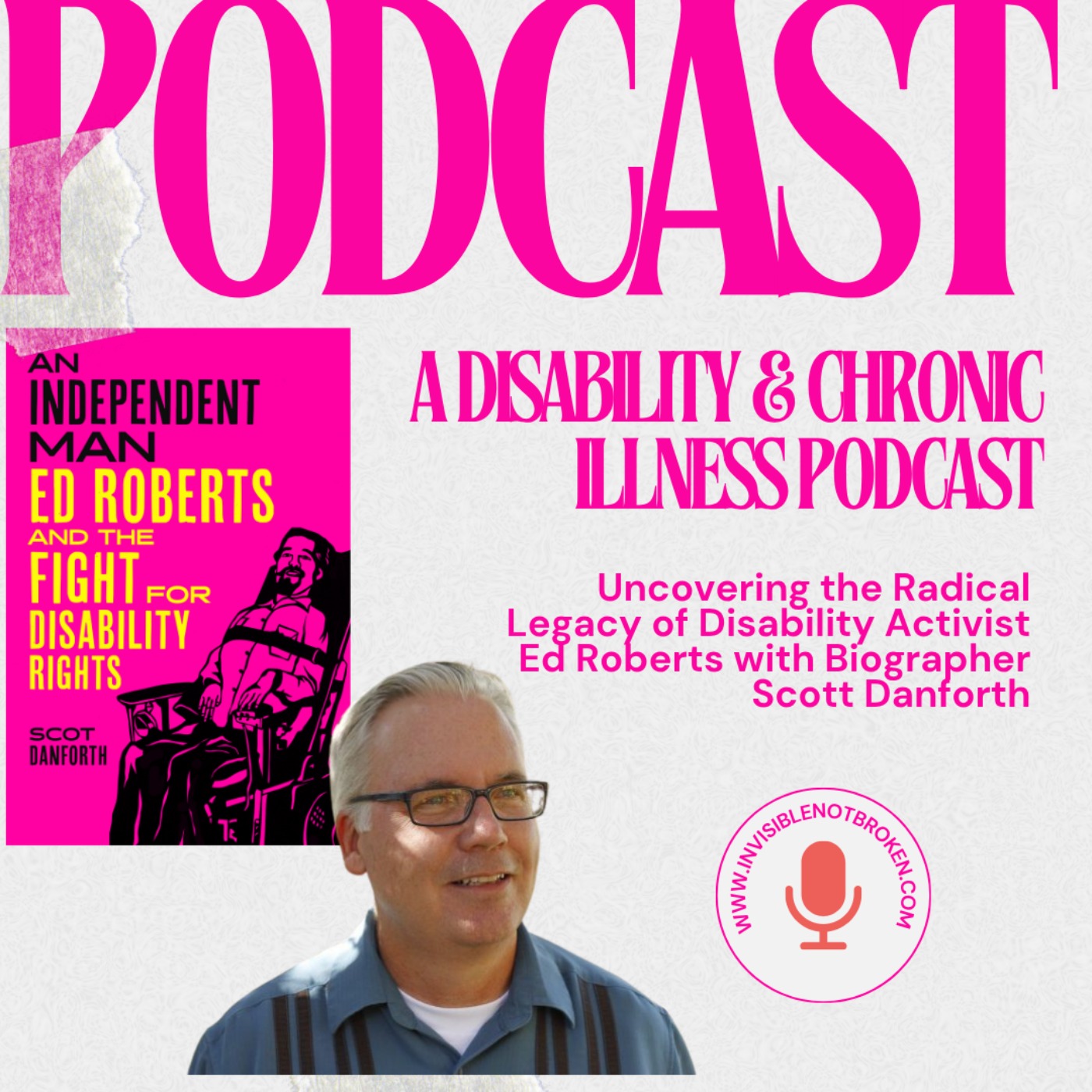
    Uncovering the Radical Legacy of Disability Activist Ed Roberts with Biographer Scot Danforth

    Uncovering the Radical Legacy of Disability Activist Ed Roberts with Biographer Scott Danforth Keywords Ed Roberts, disability rights, activism, biography, independence, community, technology, publishing, women in activism, accessibility Takeaways Ed Roberts was a pivotal figure in the disability rights movement. His activism began at UC Berkeley with the Rolling Quads. The fight for disability rights is ongoing and requires constant vigilance. Family dynamics play a crucial role in fostering independence for disabled individuals. Community building is essential for effective activism. Technology can greatly enhance accessibility for disabled individuals. The Center for Independent Living was a groundbreaking initiative for disability rights. Women played a significant but often overlooked role in the disability rights movement. Writing a biography involves difficult choices about what to include or exclude. The publishing process can be challenging, especially for underrepresented stories. Summary This conversation explores the life and legacy of Ed Roberts, a pivotal figure in the disability rights movement. Scott Danforth, the author of a biography on Roberts, discusses the challenges and triumphs of advocating for disability rights, the importance of community and independence, and the role of technology in enhancing accessibility. The conversation also touches on the often-overlooked contributions of women in the movement and the complexities of writing a biography. Danforth shares insights from his research and the publishing process, emphasizing the need for continued advocacy and the importance of storytelling in the fight for disability rights. Titles Unveiling Ed Roberts: A Disability Rights Pioneer The Legacy of Ed Roberts and Disability Activism Sound bites "This is not a very well-known man." "He had polio as a teenager." "He loved the technology." Chapters 00:00 Introduction to Ed Roberts and His Legacy 02:13 The Fight for Disability Rights 09:07 Independence and Family Dynamics 14:53 Building Community and Activism 21:28 Technological Advancements and Accessibility 26:57 Revitalizing the Center for Independent Living 27:24 The Legacy of Ed Roberts and Disability Activism 28:23 Unveiling the Myths of Disability Leadership 30:49 The Unsung Heroes of the Disability Rights Movement 31:54 Chronic Illness and the Overlooked Voices 33:30 The Joys and Challenges of Writing a Biography 35:21 The Process of Research and Writing 36:17 Editing and Storytelling in Biography 38:44 Navigating the Publishing Landscape 41:25 The Journey into Disability Studies 43:58 Dreams vs. Reality in Disability Advocacy 46:46 The Importance of Community and Creativity 48:23 Joy as Resistance in Activism Hosted on Acast. See acast.com/privacy for more information.

  • Dec 17, 2025 · 43 min

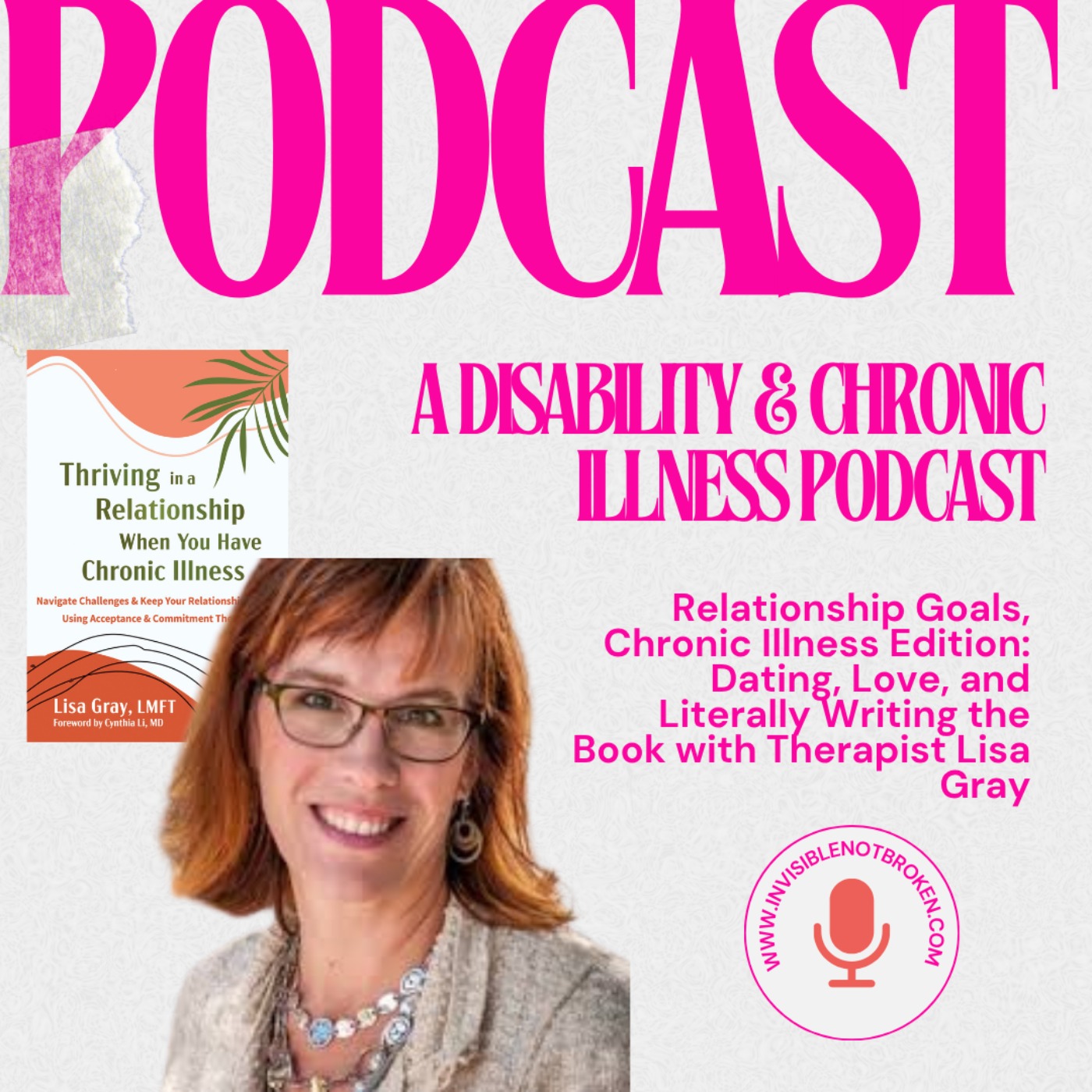
    Relationship Goals, Chronic Illness Edition: Dating, Love, and Literally Writing the Book with Therapist Lisa Gray

    Keywords chronic illness, relationships, conflict resolution, empathy, writing process, power imbalance, emotional management, self-help, therapy, communication Summary In this conversation, Lisa Gray, a marriage and family therapist, discusses the complexities of relationships when chronic illness is involved. She shares insights on conflict resolution, the importance of empathy, and how to navigate power imbalances in relationships. Lisa also delves into her writing process, the significance of finding meaning in chronic illness, and practical tools for writing and publishing. The discussion emphasizes the need for understanding, communication, and the ability to adapt in relationships affected by chronic illness. Takeaways Conflict increases intimacy if done right. Healthy conflict means knowing your partner better. Stop fighting when you're already mad. Impulse control is key in managing conflict. Power imbalances can affect relationships with chronic illness. Empathy must go both ways in relationships. Finding meaning is crucial in the grieving process. Values can guide actions despite chronic illness. Writing can be a therapeutic process. Use tools that work for your energy levels. Titles Navigating Relationships with Chronic Illness The Art of Healthy Conflict Sound bites "Empathy needs to go both ways." "Intimacy is very broad." "Weighted blankets are so comforting." Chapters 00:00 Introduction to Chronic Illness and Relationships 02:55 Navigating Conflict in Relationships 06:02 Impulse Control and Managing Emotions 09:07 Power Imbalances in Relationships 11:54 Empathy in Chronic Illness Relationships 14:57 Core Skills for Managing Chronic Illness 17:42 Finding Meaning and Values in Relationships 20:55 Personal Discoveries Through Writing 23:55 Building Empathy Through Curiosity 24:15 Exploring Virtual Reality and Empathy 25:39 Relationships and Support in Chronic Illness 28:05 Intimacy and Chronic Illness 30:30 The Writing Process and Tools for Writers 38:58 Publishing Insights and Resources Transcript Hosted on Acast. See acast.com/privacy for more information.

  • Dec 3, 2025 · 41 min

    Navigating the Patient Journey with Author Brenda Snow

    Summary In this conversation, Brenda Snow shares her personal journey as a patient diagnosed with multiple sclerosis and discusses her book, 'Diagnosed: The Essential Guide to Navigating the Patient Journey.' She emphasizes the universal experience of navigating chronic illness, the importance of grief and acceptance, and the need for strong doctor-patient relationships. Brenda also highlights the significance of maintaining one's identity while caregiving and the power of storytelling in healing. The discussion concludes with advice for aspiring writers and the importance of sharing personal narratives. Chapters 00:00 Introduction to Brenda Snow and Her Journey 02:49 The Universal Patient Experience 06:48 Navigating Grief and Acceptance 12:41 The Doctor-Patient Relationship 20:42 Identity and Caregiving 26:12 Finding Growth in Adversity 31:56 The Power of Storytelling 35:40 Advice for Aspiring Writers Hosted on Acast. See acast.com/privacy for more information.

  • Nov 19, 2025 · 1 hr

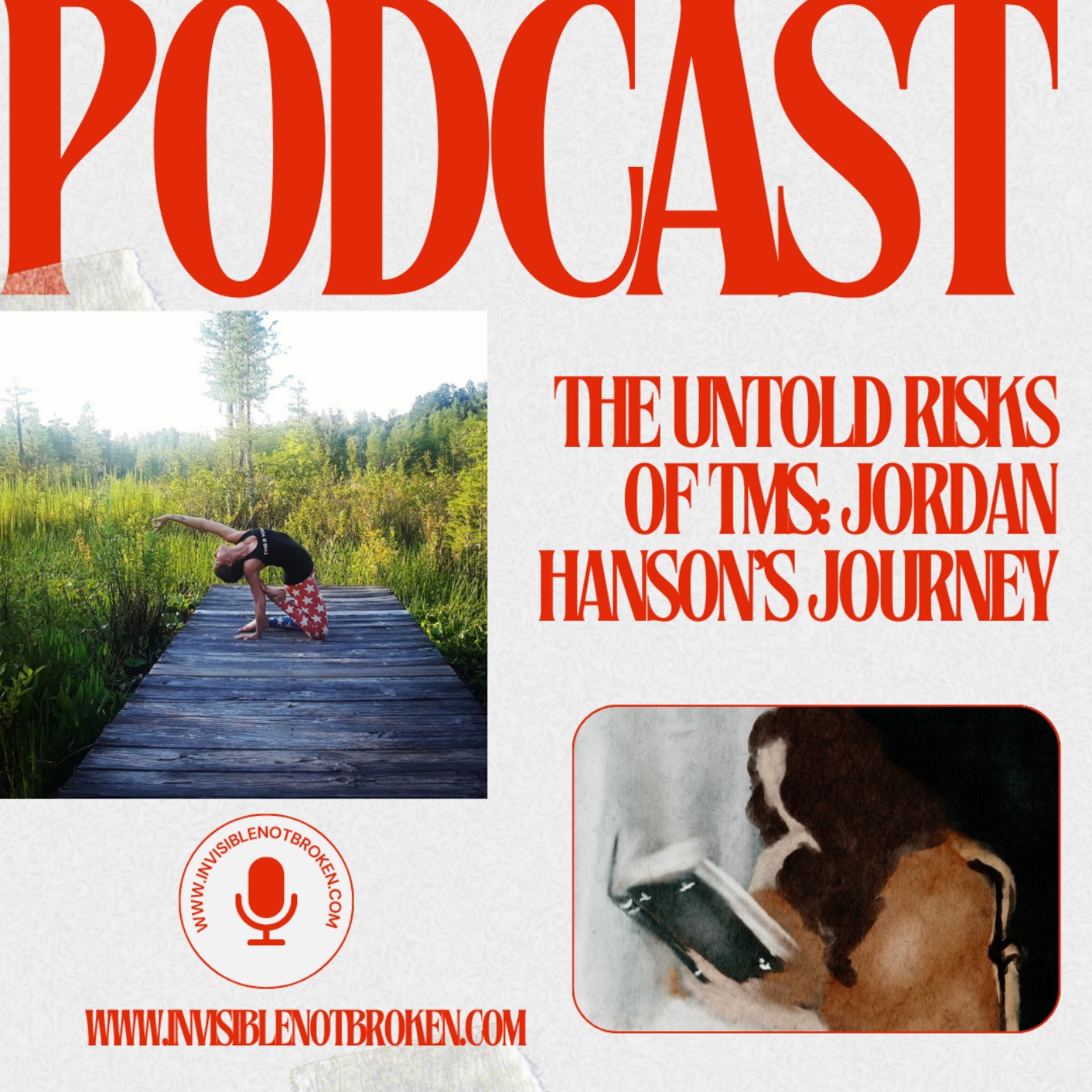
    The Untold Risks of TMS: Jordan Hanson's Journey

    Keywords TMS, transcranial magnetic stimulation, brain injury, mental health, medical gaslighting, patient advocacy, chronic illness, technology in healthcare, self-care, mindfulness Summary In this conversation, Jordan Hanson shares her personal journey with transcranial magnetic stimulation (TMS), a procedure intended to treat mental health issues. She discusses the initial excitement about the treatment, the subsequent negative effects she experienced, and the challenges of navigating the medical system. The conversation highlights the importance of patient advocacy, community support, and the role of technology in managing health. Jordan emphasizes the need for awareness and understanding of the risks associated with TMS and the importance of self-care and mindfulness in coping with chronic illness. Takeaways TMS is a procedure that uses magnetic fields to stimulate brain activity. Jordan experienced significant negative effects from TMS, including brain injury symptoms. Medical gaslighting is a common issue faced by patients seeking help. Community support is crucial for those dealing with chronic illness. Technology, including AI, can assist in managing health and communication. Self-care and mindfulness are essential for coping with chronic illness. Advocacy is important to raise awareness about the risks of TMS. Family planning can be complicated by health issues and uncertainties. Understanding the impact of chronic illness on daily life is vital. The journey of healing is ongoing and requires patience and support. Titles The Hidden Risks of TMS: A Personal Journey Navigating the Medical Maze: Jordan's TMS Experience Sound bites "I was called headache girl for a year." "I want to share my story to help others." "I have to protect myself and my energy." Chapters 00:00 Introduction to TMS and Jordan's Journey 01:13 Understanding the Impact of TMS on Life 01:28 Introduction and Background on TMS 04:20 Understanding Trans-Cranial Magnetic Stimulation (TMS) 07:23 The Experience of TMS Treatment 10:20 The Impact of TMS on Daily Life 13:09 Medical Gaslighting and Patient Advocacy 16:13 The Journey to Recovery and Diagnosis 19:14 Community Support and Sharing Stories 22:18 The Decision to Create a Documentary 25:13 Advocacy and Future Goals 36:11 The Need for Scientific Understanding in TMS 40:42 Coping with Chronic Illness and Disability 44:52 Navigating Family Planning Amidst Uncertainty 52:54 Leveraging Technology for Brain Injury Support 59:42 Personal Growth Through Adversity Hosted on Acast. See acast.com/privacy for more information.

  • Nov 3, 2025 · 1 hr 20 min

    Epilepsy, UK Health System VS US, and How We Can Do Better: Conversation With Célestine Laurin

    Epilepsy, UK Health System VS US, and How We Can Do Better: Conversation With Célestine Laurin Summary In this conversation, the speakers delve into the complexities of living with epilepsy and chronic illness, particularly focusing on the experiences of children and young adults. They discuss the challenges of diagnosis, the importance of support from family and friends, and the role of therapy in managing mental health. The conversation also touches on the stigma surrounding chronic illness, the impact of bullying, and practical advice for managing seizures and advocating for oneself in educational and social settings. Additionally, they explore how epilepsy is represented in the media and the need for better understanding and communication around the condition. This conversation delves into the complexities of living with epilepsy, particularly focusing on the challenges faced by women regarding medication and pregnancy. The speakers share personal experiences with the impact of epilepsy on their lives, careers, and the healthcare system. They discuss the stigma surrounding chronic illness, the importance of open communication with clients in business, and the differences in healthcare systems across countries. The conversation highlights the need for greater awareness and understanding of disability and chronic illness. In this conversation, the speakers discuss the challenges faced by individuals with disabilities, the impact of overprotection on children, and the need for inclusive spaces and universal design. They explore the healthcare systems in different countries, highlighting the disparities in access and affordability. The conversation emphasizes the importance of disability advocacy in health policy and the need for a more inclusive approach to legislation that considers the needs of all individuals, particularly those with chronic illnesses. Keywords epilepsy, chronic illness, mental health, therapy, support, bullying, childhood illness, accommodations, media representation, epilepsy, medication, women’s health, chronic illness, disability, healthcare, personal stories, photography, career choices, mental health, disability, healthcare, universal design, overprotection, advocacy, inclusivity, chronic illness, education, mental health, accessibility Hosted on Acast. See acast.com/privacy for more information.

  • Oct 29, 2025 · 52 min

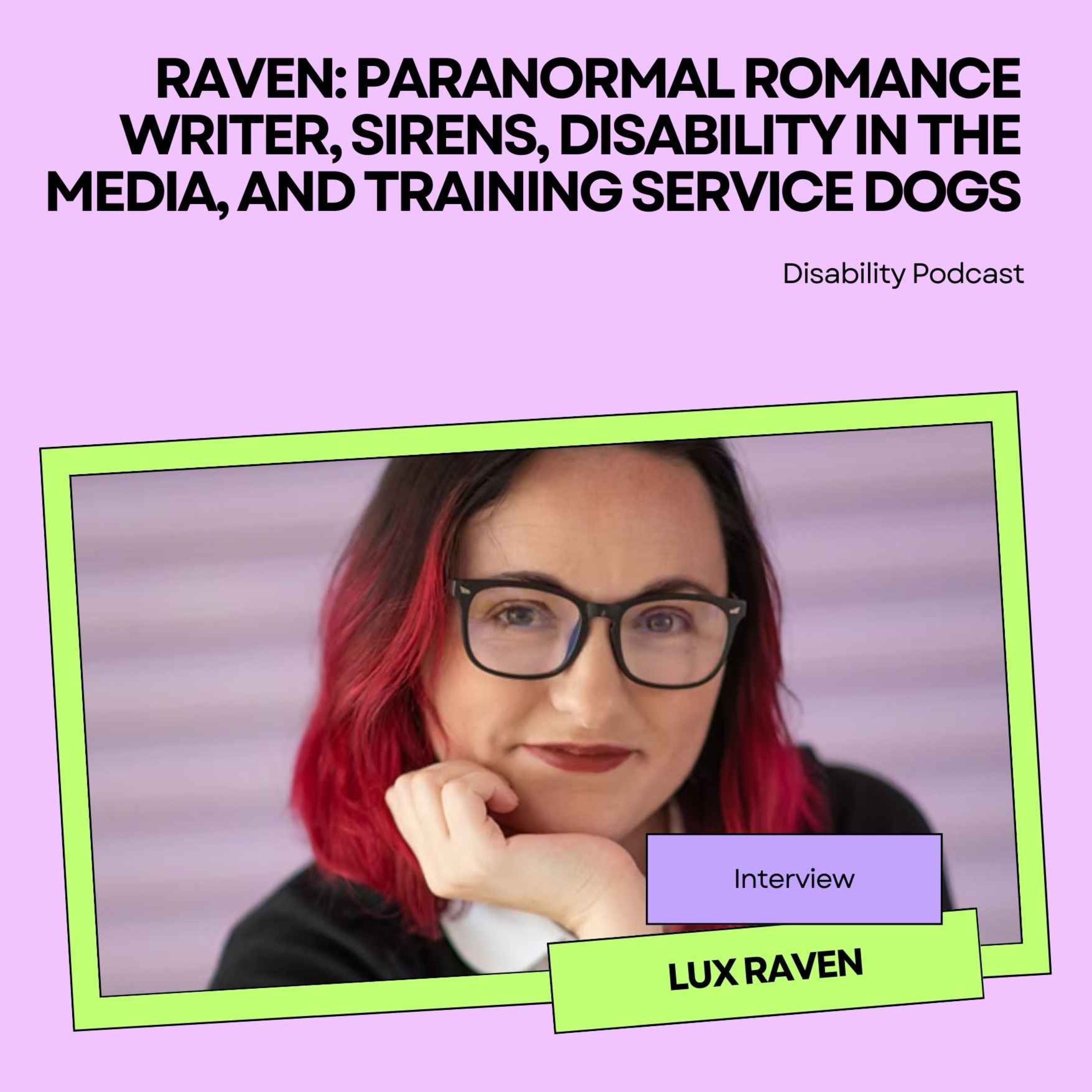
    Raven: Paranormal Romance Writer, Sirens, Disability in the Media, and Training Service Dogs

    Chapters 00:00 Introduction to Romance Writing and Disability 05:49 Life Changes During the Pandemic 11:53 Writing Romance with Chronic Illness 17:55 Representation of Disability in Romance 24:35 The Viral Success of a Romance Novel 31:07 Writing as a Form of Self-Discovery 36:06 Navigating Writing with Disabilities 49:59 The Journey of Training a Service Dog Summary In this conversation, the speakers delve into the intersection of romance writing and disability representation, particularly focusing on the experiences of chronically ill individuals. They discuss the impact of the pandemic on their lives, the process of writing romance novels that feature disabled characters, and the importance of authentic representation in literature. The conversation also touches on the viral success of one speaker's romance novel, the emotional journey of writing, and the practical challenges of writing with disabilities. Additionally, they explore the journey of training a service dog and how it has positively influenced their lives. Takeaways The pandemic led to significant life changes and new diagnoses. Writing romance novels became a creative outlet during difficult times. There is a need for authentic representation of disabled characters in romance. Readers appreciate seeing themselves reflected in literature. The success of a romance novel can be validating for writers. Writing can be a form of self-discovery and healing. Navigating the writing process with disabilities requires adaptation and support. Service dogs can provide emotional and physical support for their owners. Community and connection are vital for those with chronic illnesses. The journey of self-publishing can be empowering despite challenges. Hosted on Acast. See acast.com/privacy for more information.

  • Oct 28, 2025 · 53 min

    Tessa Lynn Hodge: CA District 23, Rural Healthcare, and Mental Health

    Summary In this conversation, Tessa Lynn Hodge discusses her journey from being a licensed clinical social worker to running for office in District 23. She emphasizes the importance of community engagement, healthcare reform, and the need for authenticity in politics. Tessa shares her experiences and insights on the challenges faced by her community, particularly in rural areas, and highlights the significance of mental health accessibility and telehealth. Her campaign focuses on putting people over party and advocating for grassroots funding to ensure real change. Keywords disability, politics, healthcare, community, mental health, grassroots, Tessa Lynn Hodge, election, advocacy, social work Hosted on Acast. See acast.com/privacy for more information.

Showing 1–20 of 22 episodes