Skip to content
Artwork for Fallthrough

Fallthrough

Fallthrough Media

A deep and nuanced conversational podcast focused on technology, software, and computing.

Play
  • 34 episodes
  • weekly
  • Avg 1 hr 7 min
  • English
Counted on this page — what you have heard stays on this device, so it is not something the list can be paged by.
  • #97
    Saturday · 1 hr 16 min

    Don't Mess with C++

    We've got another duo episode, but to continue the trend it's not with Matt! This week Steve joins Kris to talk about the drama around C++26 and its failed final vote, what a blue Texas could mean for tech, and how their AI workflows are holding up against a rapidly changing world. Steve starts by digging into how C++ standardization actually works and how the current situation the programming language finds itself in has never happened before. The conversation then turns to a discussion about what the B in BDFL actually means and whether "benevolent" actually holds up. Then it's to our take on some recent news: what a Blue Texas means for data centers, clean energy, and the future of AI as a whole. We wrap up with a message of abundance: even if we write 10x the software we've currently written by using AI, there's still plenty more software to write. It's an episode with Steve which means we have a ton of expanded content for our lovely supporters! This week that includes what C++ contracts actually are, the big push Go is making toward advanced static analysis tools, how generics work in Rust, yet another rant about POS systems, and how Tim Cook led Apple during a much more innovative time for the company compared to Steve Jobs. Are you not a supporter yet? Well you should fix that by heading over to https://fallthrough.fm/subscribe and signing up today! You'll get expanded content, higher quality audio, and help keep this podcast sustainable. If you prefer to watch this episode, you can view it on YouTube: https://youtu.be/G29iZ5HQgJk. Thanks for tuning in and happy listening! Table of Contents: Prologue (00:00:00) Chapter 1: It Was a Secret, Basically (00:01:25) Chapter 2: This C++ Standardization Stuff (00:02:41) Chapter 3: He's Not the BDFL (00:10:16) Chapter 7: No Committee Structure Is Immune From Politics (00:17:49) Chapter 8: Slightly More Back Into Tech (00:30:06) Chapter 9: An Anti-Trump Vote, Not a Pro-Democrat Vote (00:37:46) Chapter 11: Tech Plays a Really Big Part in All of This (00:50:26) Chapter 14: We Get New Models (00:59:20) Chapter 15: When Did Vibe Coding Become a Term? (01:08:28) Epilogue (01:14:15) Hosts Kris Brandow - Host Steve Klabnik - Host Socials: Website Bluesky Threads X/Twitter LinkedIn Instagram TikTok Changelog Zulip Gophers Slack (00:00) - Prologue (01:25) - Chapter 1: It Was a Secret, Basically (02:41) - Chapter 2: This C++ Standardization Stuff (10:16) - Chapter 3: He's Not the BDFL (17:49) - Chapter 7: No Committee Structure Is Immune From Politics (30:06) - Chapter 8: Slightly More Back Into Tech (37:46) - Chapter 9: An Anti-Trump Vote, Not a Pro-Democrat Vote (50:26) - Chapter 11: Tech Plays a Really Big Part in All of This (59:20) - Chapter 14: We Get New Models (01:08:28) - Chapter 15: When Did Vibe Coding Become a Term? (01:14:15) - Epilogue

    • Chapters
  • #96
    November 7 · 55 min

    The Good, the Bad, and the Sloppy

    We all love a duo episode, but this week's duo isn't Kris and Matt, it's Kris and Nick! Yes, after joining us last week as a guest, Nick Gerace of East River Source Control is back to join Kris. The two dig into the latest changes to the AI plans we've all come to love, what constitutes something actually being slop, and where in the loop humans belong. Nick is also apparently auditioning to become a Fallthrough co-host! Let us know your thoughts on that. In this episode, Nick argues that the frontier labs stay winning regardless of the strategy you pick, whether that's Oxide's human-centric approach or the software factory agent-centric approach. Meanwhile, Kris argues that Ghostty is definitely not "vibe-coded slop" while reminding everyone that most of the things we think we have stable definitions for we absolutely do not. The pair also discuss the origins of the term vibe coding, what's in Anthropic's S1, and why the collaborative infrastructure we built for humans works just as well for agents. We know you love that high-quality expanded content and we aim to please! In this week's supporter content we've got discussions about reducing single day multi-billion token usage down to something more reasonable, why Kris would rather listen to or read broken English over AI polish, a retrospective on Gas Town, the unique ways in which Opus 5 was awful, and why Apple still might be the dark horse when it comes to local AI. Haven't had a taste of expanded content yet? Get yours today by heading over to https://fallthrough.fm/subscribe and signing up today! You'll get bonus content in both our shows and higher quality audio-only editions. If you prefer to watch this episode, you can view it on YouTube: https://youtu.be/x6RlwY4t4-w. Thanks for tuning in and happy listening! Table of Contents: Prologue (00:00:00) Chapter 1: If This Is the Formal Job Offer (00:01:59) Chapter 2: A Bit of Churn in Our AI Plans (00:04:55) Chapter 4: The Shock Factor of Ongoing Change (00:11:26) Chapter 5: A Reduction in LLM-Generated Blog Posts (00:16:25) Chapter 7: This Is Not Vibe-Coded (00:21:53) Chapter 8: Slop to Me Is a Vibe (00:27:10) Chapter 9: Fully Give In to the Vibes (00:33:39) Chapter 12: The World Has Completely Changed (00:37:31) Chapter 13: We've Lost the Plot (00:39:27) Chapter 14: Thinking About the Anthropic S1 (00:43:36) Chapter 15: Using Sonnet for More Programming Tasks (00:48:50) Chapter 16: Only Engineers Can Use It (00:51:35) Epilogue (00:53:00) Hosts Kris Brandow - Host Nick Gerace - Guest Socials: Website Bluesky Threads X/Twitter LinkedIn Instagram TikTok Changelog Zulip Gophers Slack (00:00) - Prologue (01:59) - Chapter 1: If This Is the Formal Job Offer (04:55) - Chapter 2: A Bit of Churn in Our AI Plans (11:26) - Chapter 4: The Shock Factor of Ongoing Change (16:25) - Chapter 5: A Reduction in LLM-Generated Blog Posts (21:53) - Chapter 7: This Is Not Vibe-Coded (27:10) - Chapter 8: Slop to Me Is a Vibe (33:39) - Chapter 9: Fully Give In to the Vibes (37:31) - Chapter 12: The World Has Completely Changed (39:27) - Chapter 13: We've Lost the Plot (43:36) - Chapter 14: Thinking About the Anthropic S1 (48:50) - Chapter 15: Using Sonnet for More Programming Tasks (51:35) - Chapter 16: Only Engineers Can Use It (53:00) - Epilogue

    • Chapters
  • #95
    October 31 · 1 hr 7 min

    A Change Is Gonna Come

    We've got Nick Gerace back! Last time he was on he was at System Initiative, but now he's joined our very own Steve Klabnik at East River Source Control! Kris and Matt catch up with Nick on the move from one startup to another, what it's been like building beyond Git, and the consequences of our industry optimizing for speed over everything else. Nick dives into why ERSC is betting hard on monorepos and why their platform is centered around changes and not pull requests. The trio then discusses the importance of not allowing LLMs to co-author commits, how and why software is getting worse over time, and the nonsense that is the industry paying 300% to hire someone new rather than give someone a 30% raise that's already employed. If you're a fan of long and deep discussions, then this episode's expanded edition is absolutely for you! Available to our supporters, the trio digs deep into a variety of topics. Kris argues that Git in its creator's eye is a full VCS in the same way the Linux kernel is a full operating system and that Git and Go share a history of people misunderstanding what it means to be decentralized. The trio discuss the prioritization of free features and usage that has led to many of GitHub's stability problems. Along the way they make a pit stop at why you shouldn't believe that aliens helped build the pyramids if you don't believe they helped build your cellphone and whether local dev is dead. What's that? You're not a supporter yet and you want to listen to that extra hour of content? You can fix that by going to https://fallthrough.fm/subscribe and becoming a supporter today! If you prefer to watch this episode, you can view it on YouTube: https://youtu.be/d_KB6n3RkXA. No episode of the aftershow this week. We'll have more aftershow episodes soon! In the meantime, catch up on previous episodes at https://break.show. Thanks for tuning in and happy listening! Table of Contents: Prologue (00:00:00) Chapter 1: Not From a Shure SM7B (00:01:37) Chapter 2: If There's Something You Got to Tell Me (00:03:20) Chapter 3: Where Do You Need Me? (00:06:12) Chapter 4: It's Time to Move Beyond Git (00:08:58) Chapter 5: We Have a Big Belief in Monorepos (00:12:50) Chapter 6: Complaining About GitHub Since the Day I Started (00:17:13) Chapter 7: So Refreshing to Be Change-Based (00:21:45) Chapter 16: What's LLM Usage Look Like at ERSC? (00:27:16) Chapter 17: Where We've Been a Little More Flexible (00:29:49) Chapter 18: The Context Sharing Nobody Talks About (00:34:10) Chapter 19: I'm Not Even Fully Decided on That (00:36:42) Chapter 20: A Penny Off Next Quarter (00:40:31) Chapter 21: Software Is Getting Remarkably Worse (00:43:24) Chapter 22: What If Everything Was Just Actually Better? (00:45:49) Chapter 28: Don't Play With Our Lives (00:48:19) Chapter 29: Your Goal Is to Be a Dry Lifeguard (00:50:11) Chapter 30: We Have a Lot More Power Than We Think (00:55:45) Chapter 34: We Love to Promise Short-Termism (00:58:07) Chapter 35: We Often Place Blame on the Wrong People (01:00:48) Epilogue (01:05:17) Hosts Matthew Sanabria - Host Kris Brandow - Host Nick Gerace - Guest Socials: Website Bluesky Threads X/Twitter LinkedIn Instagram TikTok Changelog Zulip Gophers Slack (00:00) - Prologue (01:37) - Chapter 1: Not From a Shure SM7B (03:20) - Chapter 2: If There's Something You Got to Tell Me (06:12) - Chapter 3: Where Do You Need Me? (08:58) - Chapter 4: It's Time to Move Beyond Git (12:50) - Chapter 5: We Have a Big Belief in Monorepos (17:13) - Chapter 6: Complaining About GitHub Since the Day I Started (21:45) - Chapter 7: So Refreshing to Be Change-Based (27:16) - Chapter 16: What's LLM Usage Look Like at ERSC? (29:49) - Chapter 17: Where We've Been a Little More Flexible (34:10) - Chapter 18: The Context Sharing Nobody Talks About (36:42) - Chapter 19: I'm Not Even Fully Decided on That (40:31) - Chapter 20: A Penny Off Next Quarter (43:24) - Chapter 21: Software Is Getting Remarkably Worse (45:49) - Chapter 22: What If Everything Was Just Actually Better? (48:19) - Chapter 28: Don't Play With Our Lives (50:11) - Chapter 29: Your Goal Is to Be a Dry Lifeguard (55:45) - Chapter 30: We Have a Lot More Power Than We Think (58:07) - Chapter 34: We Love to Promise Short-Termism (01:00:48) - Chapter 35: We Often Place Blame on the Wrong People (01:05:17) - Epilogue

    • Chapters
  • #94
    October 24 · 1 hr 12 min

    The Tortoise and the Agent

    On this week's episode, Kris and Matt are joined by Fred Hebert and Reid Savage from Honeycomb to talk discuss building products with tiny teams, why code reviews are a useful bottleneck that we should keep around, and how AI mandates make a mistake in risk management. Fred discusses how his team uses vibe-coding to create false work that gets a new product standing on its own. Then the panel discusses having forgiving environments, why production isn't great place to learn, ensuring that worst case scenarios aren't avoided, and why the best use of AI is for personal tooling, not the stuff your team uses. Do you hear that? Yes! That is the sound of supporter content! This week that includes Fred's admission that AI has made his life as an engineer worse, Reid's argument for why managers are definitely sticking around, why we're still going to be buying technology instead of just vibe coding it, and Fred and Reid's must-read book list. Not a supporter yet? Become one today by going to https://fallthrough.fm/subscribe, you'll get extra content in Fallthrough, bonus discussions in Continue, and higher quality audio-only editions! If you prefer to watch this episode, you can view it on YouTube: https://youtu.be/m52ef550Fpg. No episode of the aftershow this week. We'll have more aftershow episodes soon! In the meantime, catch up on previous episodes at https://break.show. Thanks for tuning in and happy listening! Table of Contents: Prologue (00:00:00) Chapter 1: Team Tenant: Don't Be a Poison Pill for SaaS (00:00:47) Chapter 2: False Work: We Pretend That Releases Work (00:02:31) Chapter 3: Meant to Be Thrown Away (00:05:54) Chapter 7: Vocal Critics Because They're Heavy Users (00:07:36) Chapter 8: Substrates of Different Speeds (00:09:46) Chapter 9: Dogfood, Kibble, and a Forgiving Environment (00:13:02) Chapter 10: I Can't Build on This (00:15:07) Chapter 11: Prod Is the Worst Time to Learn (00:18:21) Chapter 12: Blocking Because It's Important (00:21:44) Chapter 13: Five Teams of One (00:23:55) Chapter 14: You Can't Eliminate Incidents (00:27:22) Chapter 18: If It's Not Broke, Don't Fix It (00:28:52) Chapter 19: Who Do We Kill in Space to Save on Earth? (00:30:29) Chapter 20: Carrots and Sticks (00:35:23) Chapter 21: We've Been Bad at Risk Management (00:37:41) Chapter 22: The Problem Isn't Code Review, It's CI (00:40:46) Chapter 24: Get Some of the AI Budget (00:42:45) Chapter 25: The Garbage Cloud (00:45:59) Chapter 26: Put It Behind Auth [Extended] (00:48:59) Chapter 27: Personal Software, Organizational Software (00:51:54) Chapter 28: Workarounds Are a Signal (00:53:58) Chapter 29: Restructure the Puzzle (00:57:54) Chapter 30: Blowing Through the Process (00:59:30) Chapter 31: Learning Out Loud (01:02:49) Chapter 32: An Oversized Sink (01:04:04) Chapter 34: No Novel Problems (01:07:04) Chapter 35: Reading Old Books Is Good (01:08:15) Epilogue (01:10:12) Hosts Matthew Sanabria - Host Kris Brandow - Host Fred Hebert - Guest Reid Savage - Guest Socials: Website Bluesky Threads X/Twitter LinkedIn Instagram TikTok Changelog Zulip Gophers Slack (00:00) - Prologue (00:47) - Chapter 1: Team Tenant: Don't Be a Poison Pill for SaaS (02:31) - Chapter 2: False Work: We Pretend That Releases Work (05:54) - Chapter 3: Meant to Be Thrown Away (07:36) - Chapter 7: Vocal Critics Because They're Heavy Users (09:46) - Chapter 8: Substrates of Different Speeds (13:02) - Chapter 9: Dogfood, Kibble, and a Forgiving Environment (15:07) - Chapter 10: I Can't Build on This (18:21) - Chapter 11: Prod Is the Worst Time to Learn (21:44) - Chapter 12: Blocking Because It's Important (23:55) - Chapter 13: Five Teams of One (27:22) - Chapter 14: You Can't Eliminate Incidents (28:52) - Chapter 18: If It's Not Broke, Don't Fix It (30:29) - Chapter 19: Who Do We Kill in Space to Save on Earth? (35:23) - Chapter 20: Carrots and Sticks (37:41) - Chapter 21: We've Been Bad at Risk Management (40:46) - Chapter 22: The Problem Isn't Code Review, It's CI (42:45) - Chapter 24: Get Some of the AI Budget (45:59) - Chapter 25: The Garbage Cloud (48:59) - Chapter 26: Put It Behind Auth [Extended] (51:54) - Chapter 27: Personal Software, Organizational Software (53:58) - Chapter 28: Workarounds Are a Signal (57:54) - Chapter 29: Restructure the Puzzle (59:30) - Chapter 30: Blowing Through the Process (01:02:49) - Chapter 31: Learning Out Loud (01:04:04) - Chapter 32: An Oversized Sink (01:07:04) - Chapter 34: No Novel Problems (01:08:15) - Chapter 35: Reading Old Books Is Good (01:10:12) - Epilogue

    • Chapters
  • #93
    October 17 · 1 hr 39 min

    Git Out

    Change is challenging but quite often the tools that we used to solve yesterday's problems are unfit for tomorrow's problems. In this episode, Kris and Matt are joined by Rain Paharia, one of Matt's colleagues at Oxide who is also the creator of cargo-nextest. The trio discuss version control, the most difficult problem of Rain's career, and the challenge of rigor in an age when it's becoming cheaper than ever. Rain brings their knowledge from a decade at Meta to our ongoing discussion of jj, git, and why version control systems are so much better at the big tech companies. The trio discusses their gripes with GitHub, including some fresh perspectives from Rain on GitHub's attempts to fix issues (including some awkwardness with how Stacked PRs actually work). Then the conversation shifts to discussing how the team at Oxide managed to create an incremental updating system that works on air-gapped racks with hundreds of components. Along the way the trio also discuss API versioning and property based testing. You might be wondering where Kris' voice is in this episode? Well, he can certainly be heard in this weeks' supporter content! This week the expanded edition includes deep conversations about why LLMs got better at code but worse at prose, why Rain doesn't allow LLMs to write comments, LLMs as cliche machines, and some discussion of our favorite topic, Go modules. Are you not a supporter yet? You should fix that! Head on over to https://fallthrough.fm/subscribe and sign up today. You'll get expanded content in Fallthrough, bonus discussions in Continue, and higher quality audio-only editions. If you prefer to watch this episode, you can view it on YouTube: https://youtu.be/C-xkusj-uvc. Thanks for tuning in and happy listening! Table of Contents: Prologue (00:00:00) Chapter 1: Meet Rain Paharia (00:01:39) Chapter 2: Three Months Without Telling Anyone (00:03:21) Chapter 3: JJ for Git Refugees (00:05:49) Chapter 4: Simpler and More Powerful (00:09:17) Chapter 5: Agents Actually Like JJ More (00:12:28) Chapter 6: Worth Spending Tokens on Beautiful Things (00:14:32) Chapter 7: Git Is a Little Bit Outsider Art (00:17:11) Chapter 8: Eleven Stacked Diffs (00:21:28) Chapter 9: Force Pushes Don't Work (00:25:26) Chapter 10: Super Pull Requests (00:27:50) Chapter 11: Does No One Have Product Vision at GitHub? (00:30:04) Chapter 12: Meta Had Docker Before Docker (00:32:38) Chapter 13: Meta's Final Form (00:35:19) Chapter 14: Minimum Upgradable Product (00:38:26) Chapter 15: The Hardest Problem of My Career (00:41:26) Chapter 16: Consider Fewer Microservices (00:44:28) Chapter 17: The Hardest Version of the Hardest Problem (00:46:58) Chapter 18: Everything Gets Translated to API Calls (00:50:39) Chapter 18: Everything Gets Translated to API Calls (00:51:28) Chapter 19: Update the Server Before the Client (00:55:19) Chapter 20: The Source of Truth Is Rust (00:58:43) Chapter 21: Burden Proportional to the Change (01:02:34) Chapter 22: A Little-Known Rust Feature (01:06:29) Chapter 23: No Secret Sauce (01:08:55) Chapter 24: Testing Is Hard (01:10:28) Chapter 25: Property-Based Testing 101 (01:12:42) Chapter 26: A Simpler, Less Efficient Version (01:17:02) Chapter 27: Two Lenses on the Same Thing (01:18:49) Chapter 28: Allow Me to Provide a Stepping Stone (01:24:03) Chapter 29: Six Bugs, Then None (01:28:18) Chapter 30: A Rock-Solid Window Manager (01:32:43) Epilogue (01:37:01) Hosts Matthew Sanabria - Host Kris Brandow - Host Rain Paharia - Guest Socials: Website Bluesky Threads X/Twitter LinkedIn Instagram TikTok Changelog Zulip Gophers Slack (00:00) - Prologue (01:39) - Chapter 1: Meet Rain Paharia (03:21) - Chapter 2: Three Months Without Telling Anyone (05:49) - Chapter 3: JJ for Git Refugees (09:17) - Chapter 4: Simpler and More Powerful (12:28) - Chapter 5: Agents Actually Like JJ More (14:32) - Chapter 6: Worth Spending Tokens on Beautiful Things (17:11) - Chapter 7: Git Is a Little Bit Outsider Art (21:28) - Chapter 8: Eleven Stacked Diffs (25:26) - Chapter 9: Force Pushes Don't Work (27:50) - Chapter 10: Super Pull Requests (30:04) - Chapter 11: Does No One Have Product Vision at GitHub? (32:38) - Chapter 12: Meta Had Docker Before Docker (35:19) - Chapter 13: Meta's Final Form (38:26) - Chapter 14: Minimum Upgradable Product (41:26) - Chapter 15: The Hardest Problem of My Career (44:28) - Chapter 16: Consider Fewer Microservices (46:59) - Chapter 17: The Hardest Version of the Hardest Problem (51:28) - Chapter 18: Everything Gets Translated to API Calls (55:19) - Chapter 19: Update the Server Before the Client (58:43) - Chapter 20: The Source of Truth Is Rust (01:02:34) - Chapter 21: Burden Proportional to the Change (01:06:29) - Chapter 22: A Little-Known Rust Feature (01:08:55) - Chapter 23: No Secret Sauce (01:10:28) - Chapter 24: Testing Is Hard (01:12:42) - Chapter 25: Property-Based Testing 101 (01:17:02) - Chapter 26: A Simpler, Less Efficient Version (01:18:49) - Chapter 27: Two Lenses on the Same Thing (01:24:03) - Chapter 28: Allow Me to Provide a Stepping Stone (01:28:18) - Chapter 29: Six Bugs, Then None (01:32:43) - Chapter 30: A Rock-Solid Window Manager (01:37:01) - Epilogue

    • Chapters
  • #92
    October 10 · 1 hr 7 min

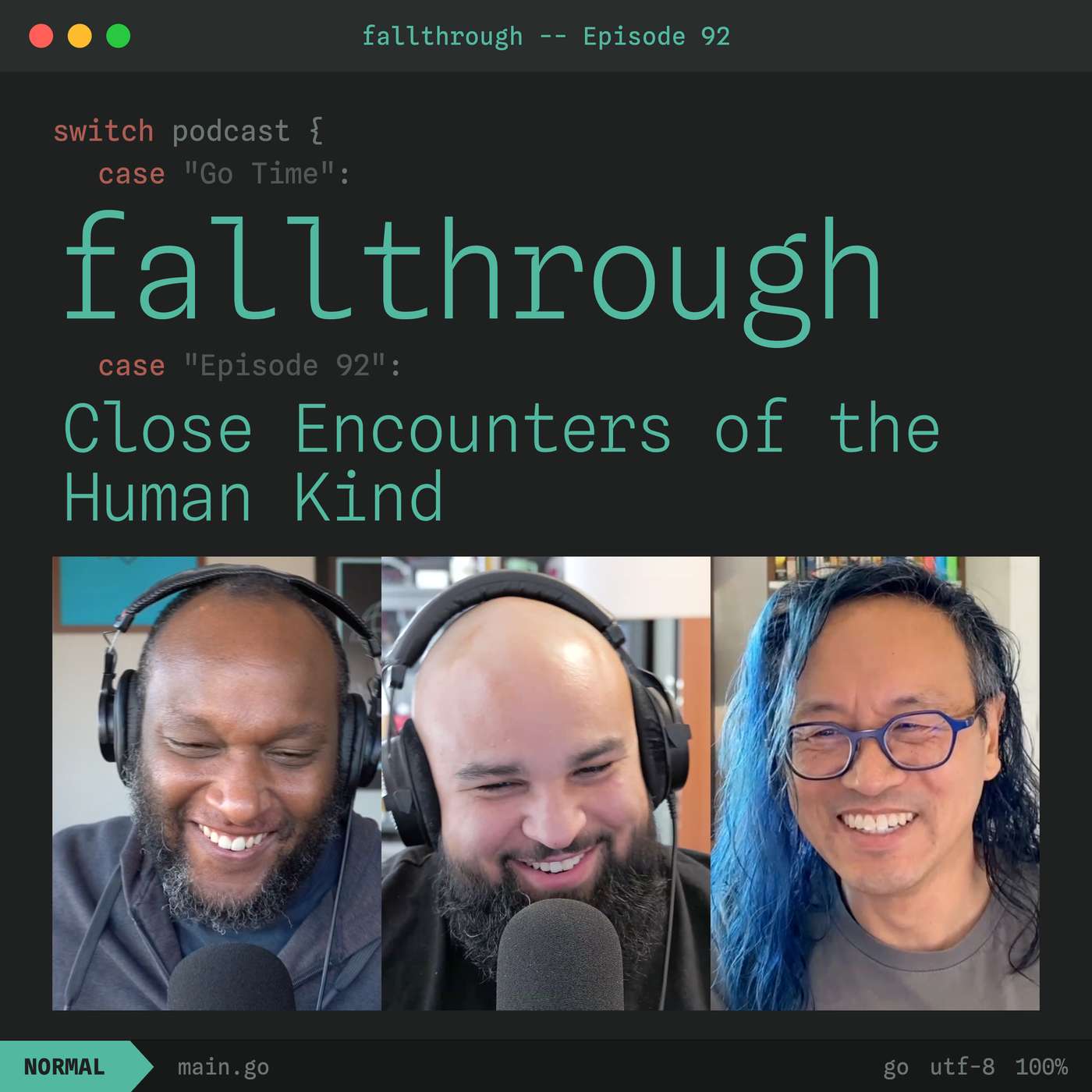
    Close Encounters of the Human Kind

    How should we spend our time now that writing code is cheap? In this episode, Kris and Matt are joined by Doug Soo, a staff engineer working on the storage systems at Honeycomb. They discuss his blog post Spend More Time Talking to Humans, how AI is changing software development, and how that affects the way we communicate. The trio go from hedging the claim that we trust the output of compilers so we should trust the output of agents, how correcting LLMs can lead to exhaustion with little benefit, the ways in which decision making has become the core job of software engineers, how change can be actively bad, and the difference between optimism and hope. For our wonderful supporters we have an expanded edition! In this week's expanded content we have advice on how to reconcile AI with your career, regardless of whether you're just getting started or if you've been doing this for 30 years; an MIT class that shaped the way Doug thinks; how to tell if you actually enjoy implementation and which implementation skills matter; and Kris' prediction that the era of agents is coming to an end. Not a supporter yet? You can fix that right now by going to https://fallthrough.fm/subscribe and signing up today. You'll get expanded editions of Fallthrough, bonus content in our other podcasts, and higher quality audio-only editions. Sign up today! If you prefer to watch this episode, you can view it on YouTube: https://youtu.be/kMo8aazKPCc. No episode of the aftershow this week. We'll have more aftershow episodes soon! In the meantime, catch up on previous episodes at https://break.show. Thanks for tuning in and happy listening! Table of Contents: Prologue (00:00:00) Chapter 1: Spend More Time Talking to Humans (00:01:26) Chapter 2: Who I Am and How I Got Here (00:03:34) Chapter 3: Your Users Are Twofold (00:05:04) Chapter 4: One to Two Weeks, One to Two Minutes (00:09:06) Chapter 5: Trust Was Earned (00:12:52) Chapter 6: Just Another Tool (00:15:34) Chapter 7: Faster, But Not Better (00:18:54) Chapter 8: A Big Fan of Pairing (00:21:18) Chapter 9: What Do You Do With All the Junior Engineers? (00:25:06) Chapter 10: Should We Slow Down With LLMs? (00:28:10) Chapter 11: Draining in a Different Way (00:31:33) Chapter 12: Now Everyone Is a Product Engineer (00:34:48) Chapter 13: Change Itself Is Actively Bad (00:37:35) Chapter 14: Stability and Primitives (00:40:57) Chapter 15: The Ultra Software Factory (00:43:12) Chapter 16: Where's the Net New Software? (00:47:23) Chapter 17: The Types of Recruiter Emails I Get (00:51:14) Chapter 18: You Must Use This Many Tokens (00:53:40) Chapter 19: Not Necessarily For and Against (00:58:07) Chapter 20: The Mediocre Answer Is Never Spicy (01:02:17) Epilogue (01:04:54) Hosts Doug Soo - Guest Matthew Sanabria - Host Kris Brandow - Host Socials: Website Bluesky Threads X/Twitter LinkedIn Instagram TikTok Changelog Zulip Gophers Slack (00:00) - Prologue (01:26) - Chapter 1: Spend More Time Talking to Humans (03:34) - Chapter 2: Who I Am and How I Got Here (05:04) - Chapter 3: Your Users Are Twofold (09:06) - Chapter 4: One to Two Weeks, One to Two Minutes (12:52) - Chapter 5: Trust Was Earned (15:34) - Chapter 6: Just Another Tool (18:54) - Chapter 7: Faster, But Not Better (21:18) - Chapter 8: A Big Fan of Pairing (25:06) - Chapter 9: What Do You Do With All the Junior Engineers? (28:10) - Chapter 10: Should We Slow Down With LLMs? (31:33) - Chapter 11: Draining in a Different Way (34:48) - Chapter 12: Now Everyone Is a Product Engineer (37:35) - Chapter 13: Change Itself Is Actively Bad (40:57) - Chapter 14: Stability and Primitives (43:12) - Chapter 15: The Ultra Software Factory (47:23) - Chapter 16: Where's the Net New Software? (51:14) - Chapter 17: The Types of Recruiter Emails I Get (53:40) - Chapter 18: You Must Use This Many Tokens (58:07) - Chapter 19: Not Necessarily For and Against (01:02:17) - Chapter 20: The Mediocre Answer Is Never Spicy (01:04:54) - Epilogue

    • Chapters
  • #91
    October 3 · 1 hr 16 min

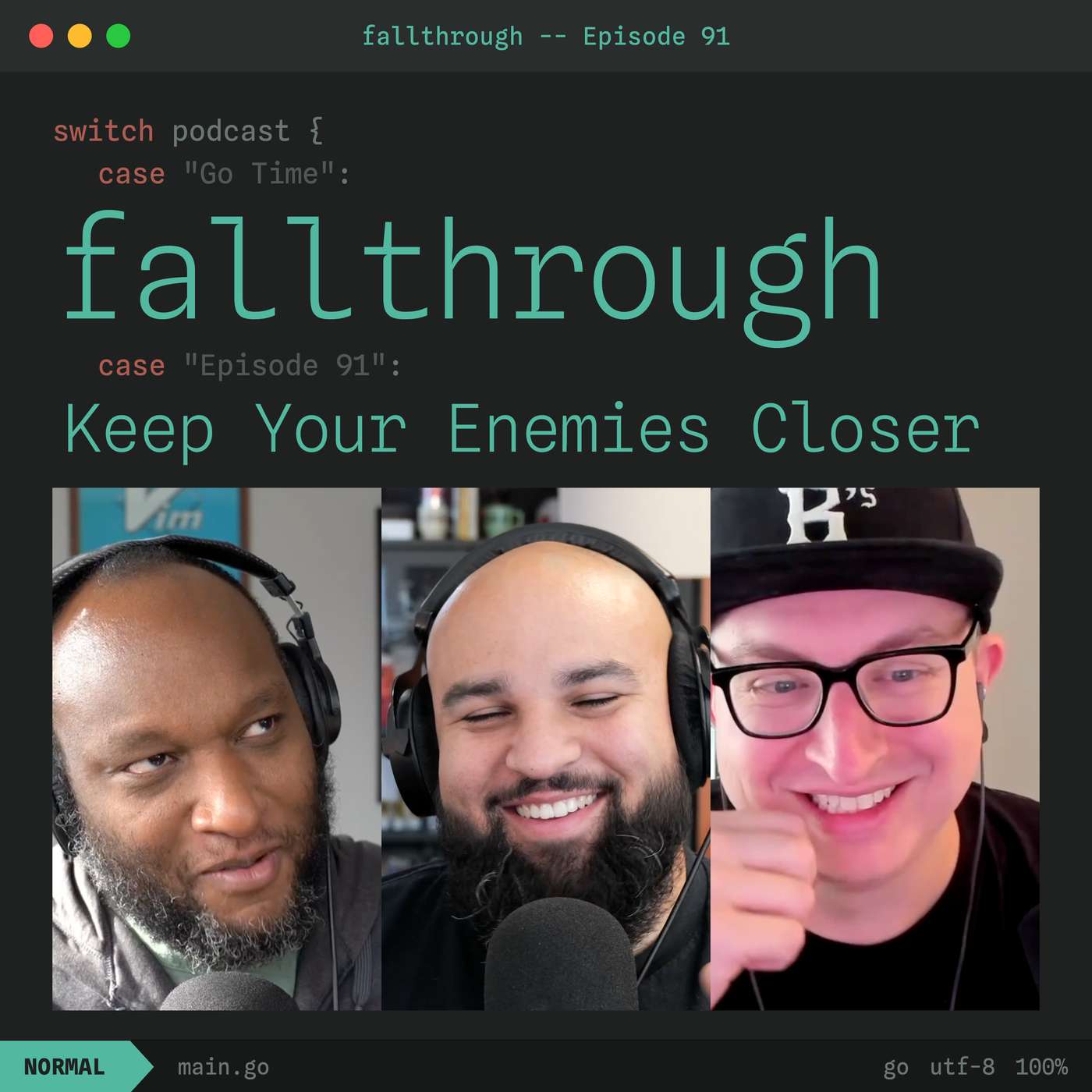
    Keep Your Enemies Closer

    Steve is back! He joins Kris and Matt to discuss the drama around DHH's latest keynote at Rails World and Steve's latest views on AI. Interestingly, Steve believes that he'll sit in opposition to how Kris and Matt see the current situation. We start with Steve giving us the long backstory of Rails and DHH. The trio then dives into a conversation about purity tests, whether you can learn from people you dislike, and why making Linux a viable third option for desktop environments is important. From there they dive into whether the agents that carried out hacks were actually told to do that, whether alignment is about intent or obedience, and whether it's better to be worried about Skynet now or later. Hilariously, during this conversation, Steve's AI personal assistant texts him during the recording, bringing up a deeper conversation about AI personal assistants and how much information we should actually give them. Supporter only content? But of course! This week the panel digs into whether AI agents are basically hammers, why agents make native apps economically viable, Kris' argument that the literacy crisis poses a much larger and more existential risk than AI, the ways in which the pronunciation trend on TikTok is weird classism, and what happens when Jev played the trolley problem. Not a supporter yet? You can fix that today by heading over to https://fallthrough.fm/subscribe where you can sign up to gain access to extra content in our podcasts and higher quality audio-only editions. If you prefer to watch this episode, you can view it on YouTube: https://youtu.be/0Rdd1RZx-t4. Thanks for tuning in and happy listening! Table of Contents: Prologue (00:00:00) Chapter 1: A Thing Called RailsConf (00:02:38) Chapter 2: This Is David at DavidConf (00:07:51) Chapter 3: A Purity Spiral (00:11:48) Chapter 6: This Guy Sucks, Therefore He Must Be Wrong (00:14:26) Chapter 7: A Quintessential Purity Test (00:20:09) Chapter 8: A Third Option for the Desktop (00:23:00) Chapter 9: Things Without Time Attached (00:28:15) Chapter 11: I Did This to Get Away From You (00:33:14) Chapter 12: We Told the Thing to Hack and It Hacked (00:35:44) Chapter 13: Remove Your Tie (00:40:46) Chapter 14: Unaligned Humans With Powerful Tools (00:45:45) Chapter 15: Worried About Skynet Now Rather Than Later (00:50:32) Chapter 16: Intelligence Is the Collective (00:53:54) Chapter 19: That's a Lot of Killing You Gotta Do (00:59:40) Chapter 20: Why Rich People Have Personal Assistants (01:02:17) Chapter 21: Science Fiction 18 Months Ago (01:05:31) Chapter 22: Not Where It Will Wind Up (01:10:15) Chapter 24: These Are Just Predictions (01:12:27) Epilogue (01:14:07) Hosts Matthew Sanabria - Host Kris Brandow - Host Steve Klabnik - Host Socials: Website Bluesky Threads X/Twitter LinkedIn Instagram TikTok Changelog Zulip Gophers Slack (00:00) - Prologue (02:38) - Chapter 1: A Thing Called RailsConf (07:51) - Chapter 2: This Is David at DavidConf (11:48) - Chapter 3: A Purity Spiral (14:26) - Chapter 6: This Guy Sucks, Therefore He Must Be Wrong (20:09) - Chapter 7: A Quintessential Purity Test (23:00) - Chapter 8: A Third Option for the Desktop (28:16) - Chapter 9: Things Without Time Attached (33:14) - Chapter 11: I Did This to Get Away From You (35:44) - Chapter 12: We Told the Thing to Hack and It Hacked (40:46) - Chapter 13: Remove Your Tie (45:45) - Chapter 14: Unaligned Humans With Powerful Tools (50:32) - Chapter 15: Worried About Skynet Now Rather Than Later (53:54) - Chapter 16: Intelligence Is the Collective (59:40) - Chapter 19: That's a Lot of Killing You Gotta Do (01:02:17) - Chapter 20: Why Rich People Have Personal Assistants (01:05:31) - Chapter 21: Science Fiction 18 Months Ago (01:10:15) - Chapter 22: Not Where It Will Wind Up (01:12:27) - Chapter 24: These Are Just Predictions (01:14:07) - Epilogue

    • Chapters
  • #90
    September 26 · 1 hr 8 min

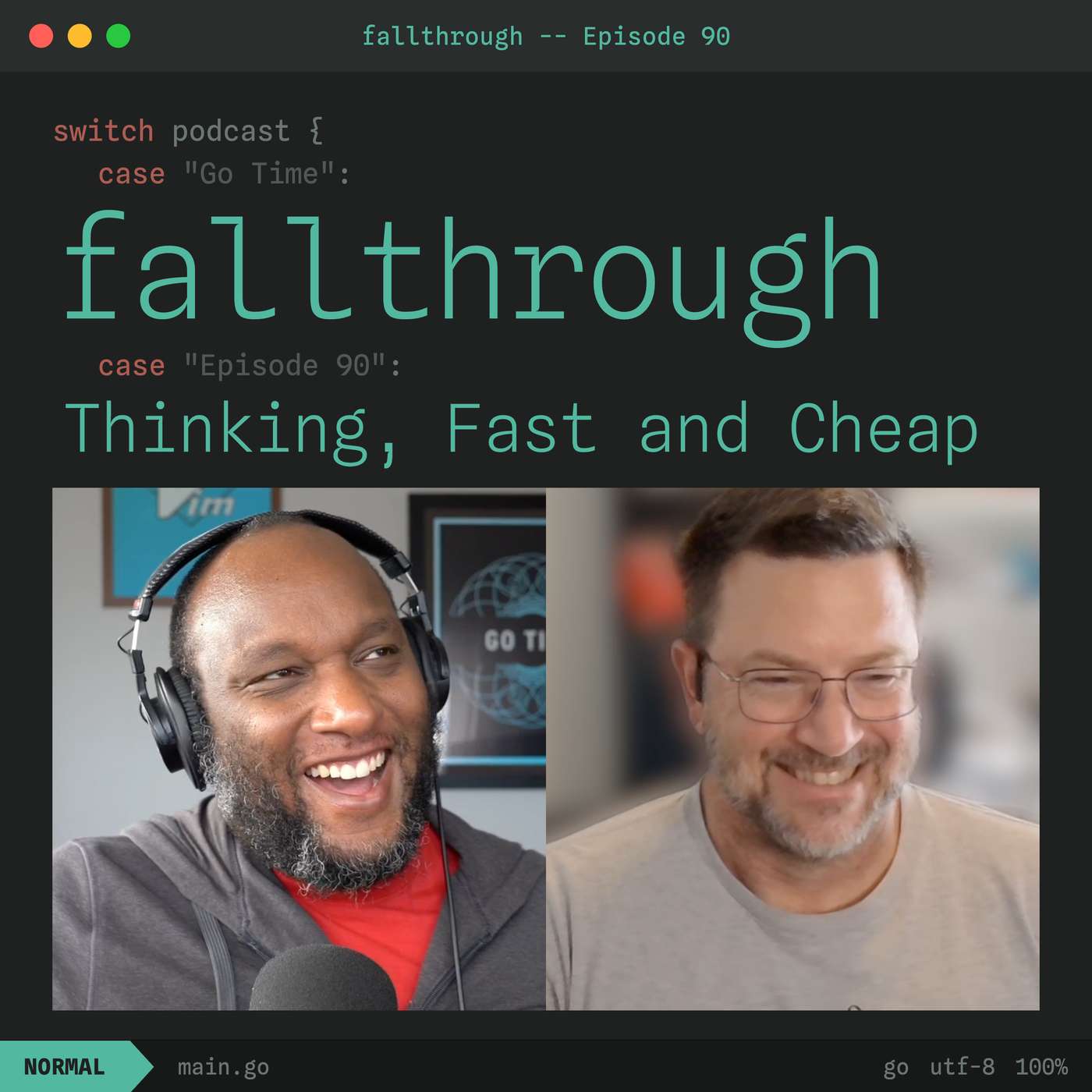
    Thinking, Fast and Cheap

    Another week, another duo episode, but this time around it's Dylan who's joining Kris! He brings a fresh perspective to the AI conversation that Kris and Matt have been engaging in. The big question: is AI going to kill us all? Dylan thinks the odds are "astronomically small" and neither Kris nor him are going to lose sleep over the fear driven hype. The two are asking bigger questions: whether what language models are doing is thinking, why those who build these models in AI labs aren't actually the people who understand them the best, and whether TypeSafe AI's new Jev model is an LLM and what one can do with it. They touch on token maxxing, the increasing flood of AI slop, whether we can truly look at the code we ship, and as always why Kris is unbothered by nearly all of this. We've got supporter content, of course! In this week's content we include a discussion of what one can actually build with TypeSafe AI's Jev, why good and evil aren't useful categories, a candid conversation about policing from two somewhat opposing vantage points, why filling potholes isn't an ideology, and more. Not a supporter yet? Fix that today by heading over to https://fallthrough.fm/subscribe where you'll get not only extra content but also higher quality audio. Sign up today! If you prefer to watch this episode, you can view it on YouTube: https://youtu.be/xCtImPOmEzg. No episode of the aftershow this week. We'll have more aftershow episodes soon! In the meantime, catch up on previous episodes at https://break.show. Thanks for tuning in and happy listening! Table of Contents: Prologue (00:00:00) Chapter 1: Hyperbolic Claims Make for Good Headlines (00:01:49) Chapter 2: A Thousand Things Would Need to Happen (00:04:19) Chapter 3: A Glass of Water Sweats Too (00:07:07) Chapter 4: Too Much Science Fiction (00:10:57) Chapter 5: Pilots, Not Aerospace Engineers (00:12:43) Chapter 6: Computers Are Dumb (00:16:32) Chapter 7: Token Maxing Has Gotten Absurd (00:22:25) Chapter 8: Average General Intelligence (00:28:05) Chapter 9: It's Just Jitter (00:29:33) Chapter 10: Jev: Still a Large Language Model (00:32:12) Chapter 12: Slop and Pangram (00:36:36) Chapter 13: My Doomer Take: Shipping Without Looking (00:41:37) Chapter 14: Words on Paper (00:48:34) Chapter 15: Sitting in a Stew (00:52:09) Chapter 16: People in Fear Are Not Rational (00:54:38) Chapter 17: The Deep Weirdos of Tech (00:57:10) Chapter 24: We Don't Have an Educated Populace (00:59:40) Chapter 25: Perpetually Unbothered (01:04:19) Epilogue (01:06:36) Hosts Dylan Bourque - Host Kris Brandow - Host Socials: Website Bluesky Threads X/Twitter LinkedIn Instagram TikTok Changelog Zulip Gophers Slack (00:00) - Prologue (01:49) - Chapter 1: Hyperbolic Claims Make for Good Headlines (04:19) - Chapter 2: A Thousand Things Would Need to Happen (07:07) - Chapter 3: A Glass of Water Sweats Too (10:57) - Chapter 4: Too Much Science Fiction (12:43) - Chapter 5: Pilots, Not Aerospace Engineers (16:32) - Chapter 6: Computers Are Dumb (22:25) - Chapter 7: Token Maxing Has Gotten Absurd (28:05) - Chapter 8: Average General Intelligence (29:33) - Chapter 9: It's Just Jitter (32:12) - Chapter 10: Jev: Still a Large Language Model (36:36) - Chapter 12: Slop and Pangram (41:37) - Chapter 13: My Doomer Take: Shipping Without Looking (48:34) - Chapter 14: Words on Paper (52:09) - Chapter 15: Sitting in a Stew (54:38) - Chapter 16: People in Fear Are Not Rational (57:10) - Chapter 17: The Deep Weirdos of Tech (59:40) - Chapter 24: We Don't Have an Educated Populace (01:04:19) - Chapter 25: Perpetually Unbothered (01:06:36) - Epilogue

    • Chapters
  • #89
    September 19 · 1 hr 3 min

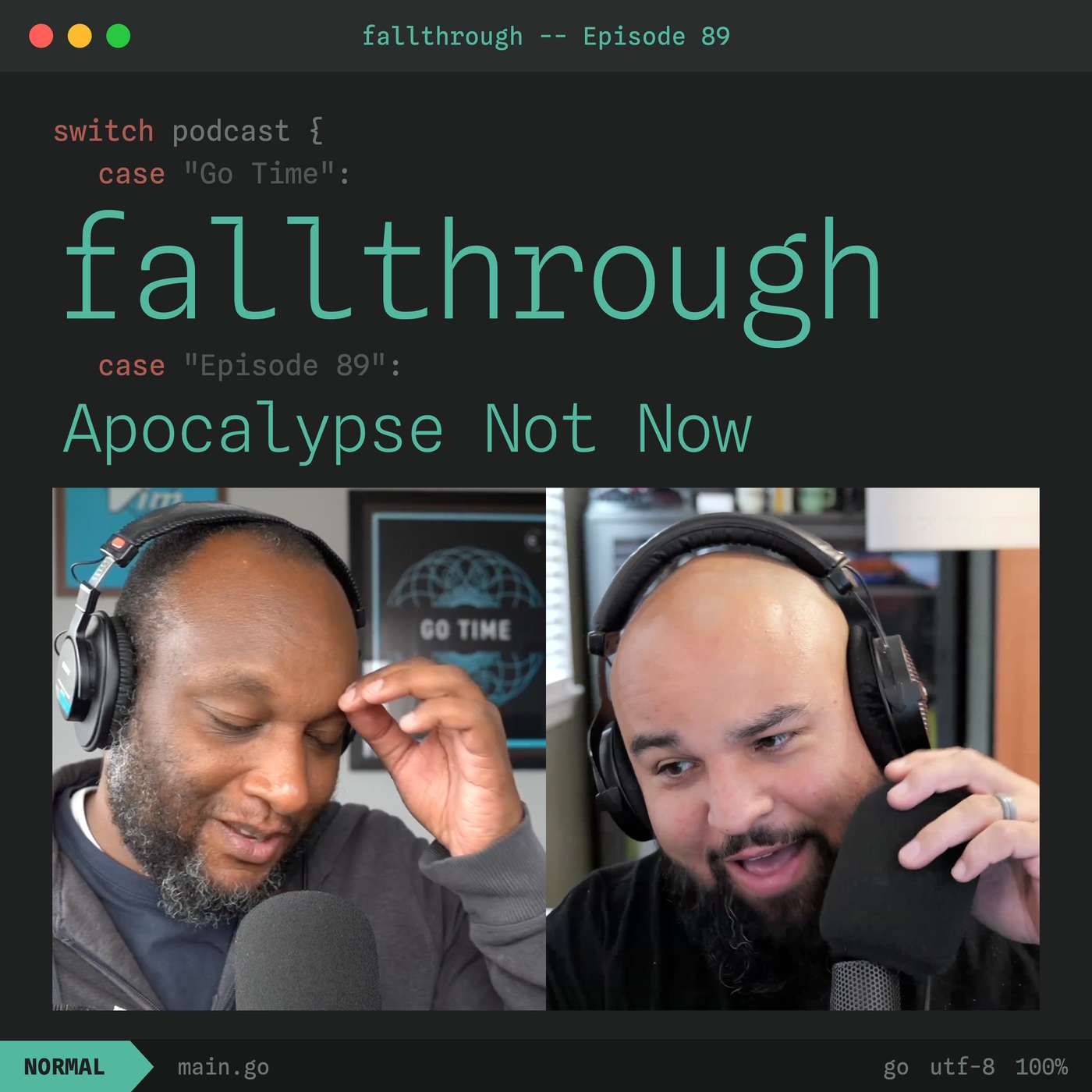
    Apocalypse Not Now

    Kris and Matthew have some more spicy and it's about the latest AI news cycle: a greater than ten percent chance that AI wipes out humanity inside a decade. Neither of them are worried about it, what does is why everyone else is so worried about it. Kris brings his usual devil's advocate perspective: a 10% chance of extinction is also a 90% chance of non-extinction. He then widens the field of view to the more full argument, which is that AI is the easiest thing for everyone to point at. Matt takes a different direction and takes the argument at face value and walks it forward, ending with him once again reminding everyone that he is a stanch supporter of the second amendment. In the end, the two settle on the wider issue, that we continually use proxies instead of understanding the actual underlying problems and ultimately that we need to build a world with fewer ceilings and more floors. We've got supporter content, of course! This week that includes a more nuanced perspective on what mid 20th century America was actually like when it comes to wealth inequality, whether we are actually living through the worst time in history, why no one has a billion dollars in their checking account, why Gen Z needs to stop telling Millennials to retire, the importance of people having high agency, and more. Not a supporter yet? Fix that today by heading over to https://fallthrough.fm/subscribe where you'll get not only extra content but also higher quality audio. Sign up today! If you prefer to watch this episode, you can view it on YouTube: https://youtu.be/s3Oz6RwkelQ. No episode of the aftershow this week. We'll have more aftershow episodes soon! In the meantime, catch up on previous episodes at https://break.show. Thanks for tuning in and happy listening! Table of Contents: Prologue (00:00:00) Chapter 1: A 10 Percent Chance of Extinction (00:02:12) Chapter 2: Fear Mongering at Its Finest (00:05:25) Chapter 3: A Lack of Imagination (00:07:25) Chapter 4: Doing Real Time Journalism, and Numbers Without Reference Points (00:10:08) Chapter 5: Let's Walk the Path to Extinction (00:18:04) Chapter 6: Technology Already Ruins People's Lives (00:21:50) Chapter 7: AI as the Easy Boogeyman (00:23:44) Chapter 8: When I Hear That, I Feel Nothing (00:29:49) Chapter 10: Scarier Things Than AI, and the Title Readers (00:33:34) Chapter 12: Frontier Labs and the Pressure to Ship (00:40:06) Chapter 13: The Age of Mass Proxying (00:43:21) Chapter 14: Blame the Whole Chain, Not Just the CEO (00:46:55) Chapter 15: A Billionaire Does Not Have One Checking Account [Extended] (00:49:56) Chapter 18: Install Floors, Not Ceilings (00:51:24) Chapter 22: College Is Not for Jobs, and Coalition Building (00:53:51) Chapter 24: Not Zero, but Very Low (00:56:25) Epilogue (01:02:14) Hosts Matthew Sanabria - Host Kris Brandow - Host Socials: Website Bluesky Threads X/Twitter LinkedIn Instagram TikTok Changelog Zulip Gophers Slack (00:00) - Prologue (02:12) - Chapter 1: A 10 Percent Chance of Extinction (05:25) - Chapter 2: Fear Mongering at Its Finest (07:25) - Chapter 3: A Lack of Imagination (10:08) - Chapter 4: Doing Real Time Journalism, and Numbers Without Reference Points (18:04) - Chapter 5: Let's Walk the Path to Extinction (21:50) - Chapter 6: Technology Already Ruins People's Lives (23:44) - Chapter 7: AI as the Easy Boogeyman (29:49) - Chapter 8: When I Hear That, I Feel Nothing (33:34) - Chapter 10: Scarier Things Than AI, and the Title Readers (40:06) - Chapter 12: Frontier Labs and the Pressure to Ship (43:21) - Chapter 13: The Age of Mass Proxying (46:55) - Chapter 14: Blame the Whole Chain, Not Just the CEO (49:56) - Chapter 15: A Billionaire Does Not Have One Checking Account [Extended] (51:24) - Chapter 18: Install Floors, Not Ceilings (53:51) - Chapter 22: College Is Not for Jobs, and Coalition Building (56:25) - Chapter 24: Not Zero, but Very Low (01:02:14) - Epilogue

    • Chapters
  • #88
    September 12 · 1 hr

    The Elements of Slop

    Kris and Matthew have some feelings about AI they want to discuss. No, not about benchmarks or agents, but about the people using it to write things they should be plenty capable of writing themselves: the five paragraph LinkedIn post, the blog post, the tweet. Both Matt and Kris stumbled upon Pangram from the same source: Bryan Cantrill. The two go from there, discussing the ridiculousness of people writing short form posts fully with AI, to the purity tests that people insist on having, to the literacy crisis. This episode has a ton of spice, especially in the expanded edition. Speaking of the Expanded edition, this episode has one! This week it includes a side project that burned five billion tokens, why there is no correct way to pronounce anything in English, why "don't reinvent the wheel" is some of the dumbest advice our industry repeats, the pushback Mitchell Hashimoto gets, the New York subway fare as a case study in being furious about something you don't understand, and why Kris thinks a decade should be the longest sentence anybody should serve. Not a supporter yet? Fix that today by heading over to https://fallthrough.fm/subscribe where you'll get not only extra content but also higher quality audio. Sign up today! If you prefer to watch this episode, you can view it on YouTube: https://youtu.be/floML9DtF2c. No episode of the aftershow this week. We'll have more aftershow episodes soon! In the meantime, catch up on previous episodes at https://break.show. Thanks for tuning in and happy listening! Show Notes: Kirsten Lowe - Literacy Crisis 101 Table of Contents: Prologue (00:00:00) Chapter 1: Feelings About AI, and the 35 Percent Blog Post (00:01:55) Chapter 2: AI Tells and the Reader Revolt (00:10:18) Chapter 3: Writing Was Never Valued, and Words Are Expensive (00:14:13) Chapter 5: The Literacy Crisis: Reading Without Comprehending (00:18:59) Chapter 7: No Compiler for Your Writing, and Writing Is Thinking (00:25:56) Chapter 10: Taught to Read Wrong, Taught to Hate Writing (00:28:25) Chapter 16: Purity Tests: Wealth Taxes, DHH, and Dirty Money (00:36:10) Chapter 18: Coalitions Over Cancellation (00:41:38) Chapter 19: The Master Branch Rename, and Performative Fixes (00:45:21) Chapter 21: Respect for Each Other, and Making the Wealthy Wealthier (00:49:31) Chapter 22: Forgiveness, and Letting People Change (00:53:45) Chapter 24: Back to Literacy (00:57:12) Epilogue (00:59:43) Hosts Matthew Sanabria - Host Kris Brandow - Host Socials: Website Bluesky Threads X/Twitter LinkedIn Instagram TikTok Changelog Zulip Gophers Slack (00:00) - Prologue (01:55) - Chapter 1: Feelings About AI, and the 35 Percent Blog Post (10:18) - Chapter 2: AI Tells and the Reader Revolt (14:13) - Chapter 3: Writing Was Never Valued, and Words Are Expensive (18:59) - Chapter 5: The Literacy Crisis: Reading Without Comprehending (25:56) - Chapter 7: No Compiler for Your Writing, and Writing Is Thinking (28:25) - Chapter 10: Taught to Read Wrong, Taught to Hate Writing (36:10) - Chapter 16: Purity Tests: Wealth Taxes, DHH, and Dirty Money (41:38) - Chapter 18: Coalitions Over Cancellation (45:21) - Chapter 19: The Master Branch Rename, and Performative Fixes (49:31) - Chapter 21: Respect for Each Other, and Making the Wealthy Wealthier (53:45) - Chapter 22: Forgiveness, and Letting People Change (57:12) - Chapter 24: Back to Literacy (59:43) - Epilogue

    • Chapters
  • #87
    September 5 · 49 min

    A Record of One's Own

    Matthew hosts this week, joined by Kris and by Bailey Townsend, an AT Protocol community ambassador who builds tools for the atmosphere. AT Proto is the protocol underneath Bluesky, and this is a conversation about what it actually is beyond a social network. Matthew moved his own account onto a personal data server he runs himself, which is how Bailey first turned up in his replies asking whether he meant to delete his rotation keys. From there the pair expand on what a PDS is: your data, your identity, and your own way of doing authentication. Along the way there is Tangled, Leaflet, Hubble quietly mirroring 24 million repositories, and the reality that it's just a giant, web scale database. We've got supporter content, of course! This week that includes a report from AT Protocol Community Day at the Recurse Center, the difference between a Bluesky feed and a list, Matthew confessing he has never liked a single post, SDKs and notorious OAuth, and why warranty history should be on an open protocol. Not a supporter yet? Fix that today by heading over to https://fallthrough.fm/subscribe where you'll get not only extra content but also higher quality audio. Sign up today! If you prefer to watch this episode, you can view it on YouTube: https://youtu.be/GelJdfqWrtU. No episode of the aftershow this week. We'll have more aftershow episodes soon! In the meantime, catch up on previous episodes at https://break.show. Thanks for tuning in and happy listening! Table of Contents: Prologue (00:00:00) Chapter 1: How Matthew Ended Up Running His Own Server (00:02:19) Chapter 2: What AT Proto Is, and What Bailey Builds On It (00:04:37) Chapter 3: Owning Your Data, and Taking It With You (00:08:17) Chapter 4: Beyond Bluesky: Tangled, Leaflet, and Owning Your Posts (00:11:30) Chapter 5: One Identity, Every App (00:15:09) Chapter 6: Auth for Free, and the Login That Was Never Bluesky (00:18:32) Chapter 7: One Database Everybody Shares (00:22:48) Chapter 8: Apps Come and Go, the Data Stays (00:25:24) Chapter 10: Hubble, a Backup of the Whole Network (00:28:54) Chapter 11: The Best Parts of the Internet, and What Centralizing Cost Us (00:32:18) Chapter 12: Spaces: Private Data Without the Encryption (00:34:24) Chapter 13: How to Get Into AT Proto (00:36:56) Chapter 17: From Markdown Files to Records (00:38:47) Chapter 18: Identity Without Records: The Wedding Site Login (00:40:01) Chapter 19: The Best of Sign In With Facebook, Without Facebook (00:42:06) Chapter 21: Closing Thoughts, and Where to Find Bailey (00:45:31) Epilogue (00:47:46) Hosts Matthew Sanabria - Host Kris Brandow - Host Bailey Townsend - Guest Socials: Website Bluesky Threads X/Twitter LinkedIn Instagram TikTok Changelog Zulip Gophers Slack (00:00) - Prologue (02:19) - Chapter 1: How Matthew Ended Up Running His Own Server (04:37) - Chapter 2: What AT Proto Is, and What Bailey Builds On It (08:17) - Chapter 3: Owning Your Data, and Taking It With You (11:30) - Chapter 4: Beyond Bluesky: Tangled, Leaflet, and Owning Your Posts (15:09) - Chapter 5: One Identity, Every App (18:32) - Chapter 6: Auth for Free, and the Login That Was Never Bluesky (22:48) - Chapter 7: One Database Everybody Shares (25:24) - Chapter 8: Apps Come and Go, the Data Stays (28:54) - Chapter 10: Hubble, a Backup of the Whole Network (32:18) - Chapter 11: The Best Parts of the Internet, and What Centralizing Cost Us (34:24) - Chapter 12: Spaces: Private Data Without the Encryption (36:56) - Chapter 13: How to Get Into AT Proto (38:47) - Chapter 17: From Markdown Files to Records (40:01) - Chapter 18: Identity Without Records: The Wedding Site Login (42:06) - Chapter 19: The Best of Sign In With Facebook, Without Facebook (45:31) - Chapter 21: Closing Thoughts, and Where to Find Bailey (47:46) - Epilogue

    • Chapters
  • #86
    August 29 · 57 min

    Be Kind, Rewind

    Matthew takes the host chair this week with Kris as an unusually quiet producer. They're joined by Ron Efroni and James Bayer from Flox for a long conversation about Nix. Ron co-founded Flox and is also the president of the NixOS Foundation. James gives a live demo, going from flox search to flox activate with no commit SHA anywhere in sight, and Matthew finally gets an answer to a flake.lock code review problem: what exactly am I approving when the diff is one hash for another? Ron makes the cancel worthy claim that Nix is not hard, it just lacks opinionation by design, which turns out to be the entire reason Flox exists. Then the conversation turns to agents, why skills are software, and the company that uses Flox to turn back time on a model and replay the exact environment a bad answer came out of. We've got supporter content, of course! This week that includes Kelsey Hightower's hand in the containerize project, Ron on where the open source ends and the invoice begins, the customer who compared Flox to really good Wi-Fi, what actually keeps Ron up at night, Kris talking about the truly absurd amount of hardware humming away in his apartment, and a closing detour through AOL discs, Blockbuster late fees, and dedicated tape rewinders. If you prefer to watch this episode, you can view it on YouTube: https://youtu.be/eWjJVaDKRWU No episode of the aftershow this week. We'll have more aftershow episodes soon! In the meantime, catch up on previous episodes at https://break.show. Thanks for tuning in and happy listening! Table of Contents: Chapter 1: Matthew Takes the Host Chair (00:00:58) Chapter 2: What Is Flox, and Who Is Actually Using It (00:02:34) Chapter 3: Do You Still Need Nix? Escape Hatches and SHA Pinning (00:09:43) Chapter 4: Live Demo: The Flox CLI and the Catalog (00:12:00) Chapter 5: What Goes In Your Repo, and the Nix Store (00:19:52) Chapter 6: Why Not Just Use Nix? Scale, Enterprise, Multiplayer (00:23:02) Chapter 7: Nix Is Not Hard, It Just Has No Opinions (00:24:59) Chapter 9: Packages, Environments, and Building the Artifact (00:30:59) Chapter 11: Does Local Dev Even Matter? (00:36:15) Chapter 12: Skills Are Software: Agent Stacks and Sovereign AI (00:39:03) Chapter 13: Turning Back Time on a Model, and the CVE Curve (00:45:45) Chapter 16: Don't Miss the Shot, and Why Nix Pilled (00:50:04) Epilogue (00:56:15) Host: Matthew Sanabria Co-Host: Kris Brandow Guests: Ron Efroni and James Bayer Producers: Matthew Sanabria and Kris Brandow Beats: Breakmaster Cylinder Socials: Website Bluesky Threads X/Twitter LinkedIn Instagram TikTok Changelog Zulip Gophers Slack (00:00) - Prologue (00:58) - Chapter 1: Matthew Takes the Host Chair (02:34) - Chapter 2: What Is Flox, and Who Is Actually Using It (09:43) - Chapter 3: Do You Still Need Nix? Escape Hatches and SHA Pinning (12:00) - Chapter 4: Live Demo: The Flox CLI and the Catalog (19:52) - Chapter 5: What Goes In Your Repo, and the Nix Store (23:02) - Chapter 6: Why Not Just Use Nix? Scale, Enterprise, Multiplayer (24:59) - Chapter 7: Nix Is Not Hard, It Just Has No Opinions (30:59) - Chapter 9: Packages, Environments, and Building the Artifact (36:15) - Chapter 11: Does Local Dev Even Matter? (39:04) - Chapter 12: Skills Are Software: Agent Stacks and Sovereign AI (45:45) - Chapter 13: Turning Back Time on a Model, and the CVE Curve (50:04) - Chapter 16: Don't Miss the Shot, and Why Nix Pilled (56:15) - Epilogue

    • Chapters
  • #85
    August 22 · 1 hr 58 min

    A Modest Proposal Proposal

    The proposal proposal gets the full Fallthrough treatment. Kris, Matthew, and Jamie dig into Austin's plan for taming the Go project's ever-growing proposal backlog. What starts as a recap becomes a referendum on how Go is governed, who gets heard, and what an open source community owes its members. Jamie brings a maintainer's reality check from Renovate's 1,700-item triage queue, Matthew wants to close the whole backlog and let people prove they care, and Kris argues the real product of a proposal system is discourse, not decisions. Along the way: whether Go is a democracy or a Google project, the joy economy that open source actually runs on, where "yes is forever" went when the UUID package shipped without consensus, and the gloves finally coming off over performative civility in Go's discussion spaces. We've got supporter content, of course! This week that includes Steve getting ratioed by Gen X on TikTok, T9 texting supremacy, why Go should never become a nation state, the IETF as proof that communities of joy do ship, and the biggest lie in open source. Not a supporter yet? Fix that today by heading over to https://fallthrough.fm/subscribe where you'll get not only extra content but also higher quality audio. Sign up today! If you prefer to watch this episode, you can view it on YouTube: https://youtu.be/CJkw4dqY38k No episode of the aftershow this week. We'll have more aftershow episodes soon! In the meantime, catch up on previous episodes at https://break.show. Thanks for tuning in and happy listening! Table of Contents: Prologue (00:00:00) Chapter 1: Ratioed on TikTok: Gen X vs the Millennials [Extended] (00:06:29) Chapter 2: The Proposal Proposal: Recap and First Reactions (00:06:32) Chapter 3: Nobody Wants to Run the Process (00:16:38) Chapter 4: Is Go Even a Democracy? (00:22:01) Chapter 5: Just Close the Backlog (00:28:18) Chapter 6: Let People Talk: Discourse Is the Product (00:38:20) Chapter 7: Discussion vs Commitment (00:47:53) Chapter 8: Missing Lexicographers and Shepherds (00:53:26) Chapter 9: The Joy Economy: Who Gets to Say No? (01:00:46) Chapter 11: Yes Is Forever: UUID, Accountability, and 5,000 Words (01:15:29) Chapter 12: What Could They Actually Do? (01:25:54) Chapter 13: Losing Faith: Modules, Blame, and Bright Spots (01:32:07) Chapter 14: Performative Civility: Speak Better, Never Listen Better (01:43:53) Epilogue (01:54:52) Hosts Matthew Sanabria - Host Kris Brandow - Host Jamie Tanna - Host Socials: Website Bluesky Threads X/Twitter LinkedIn Instagram TikTok Changelog Zulip Gophers Slack (00:00) - Start (00:00) - Prologue (06:32) - Chapter 2: The Proposal Proposal: Recap and First Reactions (16:38) - Chapter 3: Nobody Wants to Run the Process (22:01) - Chapter 4: Is Go Even a Democracy? (28:18) - Chapter 5: Just Close the Backlog (38:20) - Chapter 6: Let People Talk: Discourse Is the Product (47:53) - Chapter 7: Discussion vs Commitment (53:26) - Chapter 8: Missing Lexicographers and Shepherds (01:00:46) - Chapter 9: The Joy Economy: Who Gets to Say No? (01:15:29) - Chapter 11: Yes Is Forever: UUID, Accountability, and 5,000 Words (01:25:54) - Chapter 12: What Could They Actually Do? (01:32:07) - Chapter 13: Losing Faith: Modules, Blame, and Bright Spots (01:43:53) - Chapter 14: Performative Civility: Speak Better, Never Listen Better (01:54:52) - Epilogue

    • Chapters
  • #84
    August 15 · 1 hr 4 min

    Backlog to the Future

    Kris is back from GopherCon, Matt is back from the lawn, and Fallthrough is back with news: a brand new website and a whole new show, Continue: Go Proposals Edition, a weekly look at Go proposals. The topic for this week's Fallthrough? It's a listener-requested deep dive into what the two of them have actually been building with AI agents. In the regular edition, Kris runs a frontier-model pricing bake-off and comes away fascinated by how dirt cheap Luna is, Matt hands eight well-scoped Linear issues to overnight orbs and wakes up to three merged PRs, and the two land on a shared principle: even when the inference happens in a data center, the harness should run on hardware you own. It all wraps with Matt prototyping an integration by voice on a walk in the park. Expanded edition? We've got one of those! This week it includes Matt's deep dive on AMP betting everything on orbs, a breakdown of the proposal to change Go's proposal process, the one line that gives the whole document away, Kris's redesign built on gates, shepherds, and commitments, a hard conversation about civility and power in Go discourse, and the case for a decentralized Go. Not a supporter yet? Fix that today by heading over to https://fallthrough.fm/subscribe where you'll get not only extra content but also higher quality audio. Sign up today! If you prefer to watch this episode, you can view it on YouTube: https://youtu.be/U4ztdSztCy0 No episode of the aftershow this week. We'll have more aftershow episodes soon! In the meantime, catch up on previous episodes at https://break.show. Thanks for tuning in and happy listening! Table of Contents: Prologue (00:00:00) Chapter 1: New Website, New Show: Continue (00:02:28) Chapter 2: What Kris Built: PHP, Rhetoric Analysis, and Dirt Cheap Luna (00:12:55) Chapter 3: Matt's Agent Assembly Line: Linear Issues to Merged PRs (00:24:20) Chapter 4: Harness Hopping: Codex, Claude Code, and Agent Teams (00:33:35) Chapter 6: The Economics Flipped: Intelligence Too Cheap to Meter (00:36:39) Chapter 7: Keeping the Harness on Your Own Hardware: A Dollar of Orbs (00:43:35) Chapter 8: Vibe Coding, Skill Atrophy, and Prototyping on a Walk (00:52:42) Chapter 9: The Proposal Proposal [Extended] (01:02:14) Epilogue (01:03:16) Hosts Matthew Sanabria - Host Kris Brandow - Host Socials: Website Bluesky Threads X/Twitter LinkedIn Instagram TikTok Changelog Zulip Gophers Slack (00:00) - Prologue (02:28) - Chapter 1: New Website, New Show: Continue (12:55) - Chapter 2: What Kris Built: PHP, Rhetoric Analysis, and Dirt Cheap Luna (24:20) - Chapter 3: Matt's Agent Assembly Line: Linear Issues to Merged PRs (33:35) - Chapter 4: Harness Hopping: Codex, Claude Code, and Agent Teams (36:39) - Chapter 6: The Economics Flipped: Intelligence Too Cheap to Meter (43:35) - Chapter 7: Keeping the Harness on Your Own Hardware: A Dollar of Orbs (52:42) - Chapter 8: Vibe Coding, Skill Atrophy, and Prototyping on a Walk (01:02:14) - Chapter 9: The Proposal Proposal [Extended] (01:03:16) - Epilogue

    • Chapters
  • #83
    August 8 · 1 hr 9 min

    Vibe and Prejudice

    We've got the classic trio of Kris, Matt, and Steve back to discuss Steve's impending cancellation for putting himself in the middle of some drama! Steve gives us a recount of the current saga between Zig, Rust, Bun, Fil-C, and his own programming language, Rue. The group discuss the problems with the drama, especially since it overshadows an amazing technical feat: a million lines of code ported to a new language in a week, then shipped to real customers, with a product that pulls in billions of dollars. Steve also made the mistake of complimenting Zig, which caused a 163 comment dog pile onto him. We've got supporter content, of course! This week that includes what it costs a community when the BDFL of a language says your code sucks, why the fear that LLMs can appear to think says more about us than about them, Steve on why you cannot ban a bunch of floats in a text file, Fil-C's promise of memory safe C and the trade-offs its author will not name, the pull request titled make Zig actually memory safe (unlike Rust), Odin not being notable enough, and Steve drops some exclusive new thoughts: agentic development is actually RTS macro versus micro. Not a supporter yet? Fix that today by heading over to https://fallthrough.fm/subscribe where you'll get not only extra content but also higher quality audio. Sign up today! If you prefer to watch this episode, you can view it on YouTube: https://youtu.be/xjDWZPBfvVI No episode of the aftershow this week. We'll have more aftershow episodes soon! In the meantime, catch up on previous episodes at https://break.show. Thanks for tuning in and happy listening! Table of Contents: Prologue (00:00:00) Chapter 1: Bun Leaves Zig for Rust, in Public, by Accident (00:02:47) Chapter 2: Memory Problems, the Unsafe Burndown, and Andrew's Post (00:10:22) Chapter 4: A Million Lines in a Week (00:14:17) Chapter 8: Rue: The Compiler Steve Did Not Write (00:17:35) Chapter 9: 163 Replies for Complimenting Zig on Hacker News (00:22:50) Chapter 11: One Hundred Thousand Lines I Have Not Read (00:29:25) Chapter 12: Compilers Wrote More Assembly Than We Ever Did (00:33:49) Chapter 13: Vegan Plus Bacon, and the Cure for Binary Thinking (00:35:58) Chapter 14: Never Arguing About Tabs Versus Spaces Again (00:40:41) Chapter 15: Write the Documentation, Not the Code Review (00:44:37) Chapter 17: Effort Is What Makes It Not Slop (00:51:05) Chapter 18: Still the Chaotic Beginning (00:57:41) Chapter 19: Critical Thinking Is Curiosity, Not Skepticism (01:01:06) Epilogue (01:08:21) Hosts Matthew Sanabria - Host Kris Brandow - Host Steve Klabnik - Host Socials: Website Bluesky Threads X/Twitter LinkedIn Instagram TikTok Changelog Zulip Gophers Slack (00:00) - Start (00:00) - Prologue (02:47) - Chapter 1: Bun Leaves Zig for Rust, in Public, by Accident (10:22) - Chapter 2: Memory Problems, the Unsafe Burndown, and Andrew's Post (14:17) - Chapter 4: A Million Lines in a Week (17:35) - Chapter 8: Rue: The Compiler Steve Did Not Write (22:50) - Chapter 9: 163 Replies for Complimenting Zig on Hacker News (29:25) - Chapter 11: One Hundred Thousand Lines I Have Not Read (33:49) - Chapter 12: Compilers Wrote More Assembly Than We Ever Did (35:58) - Chapter 13: Vegan Plus Bacon, and the Cure for Binary Thinking (40:41) - Chapter 14: Never Arguing About Tabs Versus Spaces Again (44:37) - Chapter 15: Write the Documentation, Not the Code Review (51:05) - Chapter 17: Effort Is What Makes It Not Slop (57:41) - Chapter 18: Still the Chaotic Beginning (01:01:06) - Chapter 19: Critical Thinking Is Curiosity, Not Skepticism (01:08:21) - Epilogue

    • Chapters
  • #82
    August 1 · 1 hr 27 min

    Token Maxx: Fury Road

    On this week, we've got Kris, Matt, and Dylan! Yes, Dylan is back to talk about GopherCon and his experience as a self declared late adopter of agentic coding. Dylan chairs GopherCon, speaks at it next week, and describes his own AI hockey stick as happening in about two months. Dylan walks through what is on the GopherCon program, then explains his coding agent tipping point: a dependency injection refactor he had written off that Claude finished in an afternoon. But he's not all in yet: he still won't let one robot review and approve another robot's code. From there the conversation turns to the machine underneath: the model as a CPU and the harness as an operating system. The trio then arrives at money and the uncomfortable reality of how expensive tokens are, and whether that matters at all. They also answer an important question: should enterprises be subsidizing the cheap subscription plans individuals enjoy? We've got an Expanded edition for this episode which means we've got extra content! That includes what really happens to your conference proposal when 200 submissions compete for 25 slots, the mystery process that had Kris's Mac humming, the 200 gigabytes of Go module cache hiding on Dylan's drive, agents that shell out to Ruby and Perl when you asked for neither, caveman prompting, and the math on what a $250,000 engineer actually costs per month. Not a supporter yet? Fix that today by heading over to https://fallthrough.fm/subscribe where you'll get not only extra content but also higher quality audio. Sign up today! If you prefer to watch this episode, you can view it on YouTube. No episode of the aftershow this week. We'll have more aftershow episodes soon! In the meantime, catch up on previous episodes at https://break.show. Thanks for tuning in and happy listening! Table of Contents: Prologue (00:00:00) Chapter 1: GopherCon Next Week: Community Day, Filippo, and slog (00:03:25) Chapter 3: Foot Dragger: The Refactor Claude Finished in an Afternoon (00:13:05) Chapter 4: Fashionably Late: CoreWeave, and Dylan's AI Hockey Stick (00:22:03) Chapter 5: Token Hunger and Overzealous Junior Engineers (00:30:25) Chapter 6: The Harness Is the Operating System (00:36:07) Chapter 7: Two Skills Worth Writing: Dependabot Chains and Chaos Forensics (00:42:12) Chapter 9: Context Is Everything: Bootloaders, Distros, and Second Opinions (00:50:04) Chapter 11: Thinking Tokens, and Why the Model Is the Product (00:58:22) Chapter 12: Who Pays for the Tokens: Personal Plans vs Enterprise Tiers (01:00:45) Chapter 14: If Everybody Does It: Token Maxx and the TOS Problem (01:08:54) Chapter 15: Talking Matt Into GopherCon, Live (01:17:39) Epilogue (01:23:09) Hosts Dylan Bourque - Host Matthew Sanabria - Host Kris Brandow - Host Socials: Website Bluesky Threads X/Twitter LinkedIn Instagram TikTok Changelog Zulip Gophers Slack (00:00) - Prologue (03:25) - Chapter 1: GopherCon Next Week: Community Day, Filippo, and slog (13:05) - Chapter 3: Foot Dragger: The Refactor Claude Finished in an Afternoon (22:03) - Chapter 4: Fashionably Late: CoreWeave, and Dylan's AI Hockey Stick (30:25) - Chapter 5: Token Hunger and Overzealous Junior Engineers (36:07) - Chapter 6: The Harness Is the Operating System (42:12) - Chapter 7: Two Skills Worth Writing: Dependabot Chains and Chaos Forensics (50:04) - Chapter 9: Context Is Everything: Bootloaders, Distros, and Second Opinions (58:22) - Chapter 11: Thinking Tokens, and Why the Model Is the Product (01:00:45) - Chapter 12: Who Pays for the Tokens: Personal Plans vs Enterprise Tiers (01:08:54) - Chapter 14: If Everybody Does It: Token Maxx and the TOS Problem (01:17:39) - Chapter 15: Talking Matt Into GopherCon, Live (01:23:09) - Epilogue

    • Chapters
  • #81
    July 25 · 52 min

    I, Builder

    Kris and Matt have a pretty big question they're trying to answer this week: in the age of AI, what does it actually mean to build something? We start (for real this time!) with the "SDKs are dead" discourse, and whether you still need one when you can just wrap the HTTP calls yourself. Kris then jumps the conversation to Beej's article on what it means to "make" or "build" a thing, he argues that we already lived through this during the analog-to-digital shift in music, photography, and video. Matt adds his own perspective from when he remodeled his kitchen. The duo doesn't stop with just that. In this week's Expanded edition they discuss the "well, actually" brigade and when technical precision helps versus hurts, the "I versus we" of blame, the identities we get sold and comfort chambers we live in, how character limits and engagement incentives turned social media into rage bait, and Matt's take on why "a persistent machine I can run agents on" is just a computer. Not a supporter yet? Fix that today by heading over to https://fallthrough.fm/subscribe where you'll get not only extra content but also higher quality audio. Sign up today! If you prefer to watch this episode, you can view it on YouTube: https://youtu.be/LhtXfZHRyO0. No episode of the aftershow this week. We'll have more aftershow episodes soon! In the meantime, catch up on previous episodes at https://break.show. Thanks for tuning in and happy listening! Notes: On Making Table of Contents: Prologue (00:00:00) Chapter 1: SDKs in the Age of AI, Do We Still Need Them? (00:01:43) Chapter 3: What Does It Mean to Build Something? (00:22:12) Chapter 4: From Analog to Digital, AI as Just Another Tool (00:28:37) Chapter 5: Who Actually Built It? Ownership and Attribution (00:36:06) Epilogue (00:51:14) Hosts Matthew Sanabria - Host Kris Brandow - Host Socials: Website Bluesky Threads X/Twitter LinkedIn Instagram TikTok Changelog Zulip Gophers Slack (00:00) - Prologue (01:43) - Chapter 1: SDKs in the Age of AI, Do We Still Need Them? (22:12) - Chapter 3: What Does It Mean to Build Something? (28:37) - Chapter 4: From Analog to Digital, AI as Just Another Tool (36:06) - Chapter 5: Who Actually Built It? Ownership and Attribution (51:14) - Epilogue

    • Chapters
  • #80
    July 18 · 1 hr 11 min

    Everything Agentic All at Once

    Another week, another deep episode! Kris and Matthew are back and this one goes right off the rails in the best way. What was supposed to be a rundown of the new model landscape turns into a wide-ranging conversation about what AI coding agents actually mean for the people who write software. Matt brings a real dilemma: he had an LLM generate a working program and could not decide whether he still needed to read the code. That kicks off Kris's case for separating validation (did you build the right thing?) from verification (did you build the thing right?), an assertion that we already trust our compilers without reading the machine code, and why prototyping something and throwing it away can be a feature rather than a failure. Matt eventually closes the loop with a story about rewriting an LLM's code from scratch, converging on the exact same design, and finally understanding it. This conversation just kept going and going, and you can listen to the whole thing in the Expanded edition! This week that includes why the US dollar is already a digital currency, a frank conversation about America at its best and worst, why every confident prediction about the future turns out wrong, the mental health toll of clicking approve at two in the morning, and the software identity crisis quietly plaguing many of us. Not a supporter yet? Fix that today by heading over to https://fallthrough.fm/subscribe where you'll get not only extra content but also higher quality audio. Sign up today! If you prefer to watch this episode, you can view it on YouTube. No episode of the aftershow this week. We'll have more aftershow episodes soon! In the meantime, catch up on previous episodes at https://break.show. Thanks for tuning in and happy listening! Table of Contents: Prologue (00:00:00) Chapter 1: Catching Up and the AI News Cycle (00:01:57) Chapter 2: Do I Need to Read the Code? (00:08:00) Chapter 3: Trusting the Compiler and the Illusion of Reading Every Line (00:16:05) Chapter 4: Building It Twice: Prototyping and Throwing It Out (00:26:28) Chapter 5: Linus Says AI Is Fine; Cloud Code Is Melting My Brain (00:29:20) Chapter 6: Nobody Understands Computers; Architecture Is the Real Work (00:32:09) Chapter 7: Oxide: Architecting an Ephemeral Runner Pool, and Learning by Osmosis (00:39:35) Chapter 14: Space for Everyone, Matt's V2 Rewrite, and Comfort in Discomfort (00:49:54) Chapter 15: The Volatile Era: Adoption Phases, Subscriptions, and Token Christmas (00:59:06) Epilogue (01:09:06) Hosts Matthew Sanabria - Host Kris Brandow - Host Socials: Website Bluesky Threads X/Twitter LinkedIn Instagram TikTok Changelog Zulip Gophers Slack (00:00) - Prologue (01:57) - Chapter 1: Catching Up and the AI News Cycle (08:00) - Chapter 2: Do I Need to Read the Code? (16:05) - Chapter 3: Trusting the Compiler and the Illusion of Reading Every Line (26:28) - Chapter 4: Building It Twice: Prototyping and Throwing It Out (29:20) - Chapter 5: Linus Says AI Is Fine; Cloud Code Is Melting My Brain (32:09) - Chapter 6: Nobody Understands Computers; Architecture Is the Real Work (39:35) - Chapter 7: Oxide: Architecting an Ephemeral Runner Pool, and Learning by Osmosis (49:54) - Chapter 14: Space for Everyone, Matt's V2 Rewrite, and Comfort in Discomfort (59:06) - Chapter 15: The Volatile Era: Adoption Phases, Subscriptions, and Token Christmas (01:09:06) - Epilogue

    • Chapters
  • #79
    July 11 · 59 min

    Landlord of the Rings

    Kris and Matthew are back for a duo episode, and Kris has a hot take: ownership is terrible. What starts as a conversation about AI subscriptions versus API pricing turns into a wide-ranging discussion about what we actually gain by owning things, from Photoshop to your own compute to your house. Along the way, Kris and Matthew dig into why enterprises are drifting toward per-token pricing, why AMP's headless "own where it runs, rent the model" approach feels like the future, and why a number like "Meta spent 71 trillion tokens" tells you almost nothing about what got built. They also take apart the tired "now anyone can code" claim with a little help from Ratatouille, and land on a simple ask: think through your trade-offs before you repeat the take. We've got supporter content, of course! This week that includes a breakdown of flex pricing and overnight agents, a no-mercy ranking of the Claude, Codex, and Gemini ecosystems (plus whose face is more punchable), the hundred-million-token saga of fixing Time Machine backups, Jevons paradox coming for your codebase, and a full teardown of why the IRS can't just send you a bill. Not a supporter yet? Fix that today by heading over to https://fallthrough.fm/subscribe where you'll get not only extra content but also higher quality audio. Sign up today! If you prefer to watch this episode, you can view it on YouTube. No episode of the aftershow this week. We'll have more aftershow episodes soon! In the meantime, catch up on previous episodes at https://break.show. Thanks for tuning in and happy listening! Table of Contents: Prologue (00:00:00) Chapter 1: Fable's Extended Window and a $300 Opus Surprise (00:02:36) Chapter 2: Subscriptions vs API Pricing: Where the Money Is Heading (00:03:51) Chapter 4: AMP's Headless Agent: Own Where It Runs, Rent the Model (00:09:30) Chapter 6: The Hot Take: Ownership Is Bad (00:14:34) Chapter 7: IP Hoarding, Palantir, and Why Token Pricing Is Correct (00:18:38) Chapter 8: Be Honest With Yourself: Own vs Rent Math (00:24:07) Chapter 9: Token Counts Aren't Output: The Meta 71 Trillion Myth (00:29:44) Chapter 11: Local Hardware Trade-offs: Speed, Availability, Budget (00:40:06) Chapter 13: Anyone Can Cook, But Not Everyone Can (00:43:52) Chapter 14: Why the IRS Can't Just Send You a Bill [Extended] (00:50:25) Chapter 15: Check Your Gut: Chat Search and Apple Intelligence (00:50:25) Chapter 16: Home Ownership, Raises, and the Chip Shortage (00:53:27) Epilogue (00:57:25) Hosts Matthew Sanabria - Host Kris Brandow - Host Socials: Website Bluesky Threads X/Twitter LinkedIn Instagram TikTok Changelog Zulip Gophers Slack (00:00) - Prologue (02:36) - Chapter 1: Fable's Extended Window and a $300 Opus Surprise (03:51) - Chapter 2: Subscriptions vs API Pricing: Where the Money Is Heading (09:30) - Chapter 4: AMP's Headless Agent: Own Where It Runs, Rent the Model (14:34) - Chapter 6: The Hot Take: Ownership Is Bad (18:38) - Chapter 7: IP Hoarding, Palantir, and Why Token Pricing Is Correct (24:07) - Chapter 8: Be Honest With Yourself: Own vs Rent Math (29:44) - Chapter 9: Token Counts Aren't Output: The Meta 71 Trillion Myth (40:06) - Chapter 11: Local Hardware Trade-offs: Speed, Availability, Budget (43:52) - Chapter 13: Anyone Can Cook, But Not Everyone Can (50:25) - Chapter 15: Check Your Gut: Chat Search and Apple Intelligence (53:27) - Chapter 16: Home Ownership, Raises, and the Chip Shortage (57:25) - Epilogue

    • Chapters
  • #78
    July 4 · 1 hr

    Under Pressure

    On this week's episode, Kris and Matthew have a topic: tension. Not the bad kind you learn to avoid, but the productive kind that, like a code smell, is worth stopping to examine. They discuss the challenges of APIs and stability, whether SDKs are actually necessary, and as always a little bit of life advice for our wonderful viewers/listeners. We've got supporter content, of course! This week that includes Kris's deep dive on why it's actually called soccer (and the perfect apple-versus-fruit comeback for every European), his love letter to Gerrit and patch-based review, Matthew on why the pull request description means jack and what Jujutsu gets right, Kris's saga of building his own podcast platform out of Supercast, Transistor, and Riverside, and the great "machines that build machines, or is that just CICD?" debate. Not a supporter yet? Fix that today by heading over to https://fallthrough.fm/subscribe where you'll get not only extra content but also higher quality audio. Sign up today! If you prefer to watch this episode, you can view it on YouTube: https://youtu.be/3y6D1Gp4TSM. No episode of the aftershow this week. We'll have more aftershow episodes soon! In the meantime, catch up on previous episodes at https://break.show. Thanks for tuning in and happy listening! Table of Contents: Prologue (00:00:00) Chapter 1: Heat, the World Cup, and America Through European Eyes (00:00:52) Chapter 3: Fable Returns and the One Person Agent Operation System (00:05:35) Chapter 4: Issue Trackers Aren't Dead: Linear, plan.md, and Keeping Context (00:10:47) Chapter 7: Solutions Versus Tools and the Meta Repo Problem (00:14:40) Chapter 9: Bending to the Tool: Forks, Filesystems, and the git flow Confession (00:18:34) Chapter 10: Code Smells and the Oxide API Versioning Tension (00:31:11) Chapter 11: Stopping the World: Backward Compatibility and the Summer of Hell (00:38:08) Chapter 12: Do We Still Need SDKs? (00:48:44) Epilogue (00:57:36) Hosts Matthew Sanabria - Host Kris Brandow - Host Socials: Website Bluesky Threads X/Twitter LinkedIn Instagram TikTok Changelog Zulip Gophers Slack (00:00) - Prologue (00:52) - Chapter 1: Heat, the World Cup, and America Through European Eyes (05:35) - Chapter 3: Fable Returns and the One Person Agent Operation System (10:47) - Chapter 4: Issue Trackers Aren't Dead: Linear, plan.md, and Keeping Context (14:40) - Chapter 7: Solutions Versus Tools and the Meta Repo Problem (18:34) - Chapter 9: Bending to the Tool: Forks, Filesystems, and the git flow Confession (31:11) - Chapter 10: Code Smells and the Oxide API Versioning Tension (38:08) - Chapter 11: Stopping the World: Backward Compatibility and the Summer of Hell (48:44) - Chapter 12: Do We Still Need SDKs? (57:36) - Epilogue

    • Chapters
Showing 1–20 of 34 episodes