Skip to content
Artwork for ESPGHAN Podcast

ESPGHAN Podcast

ESPGHAN

Stay updated with the latest developments in Paediatric Gastroenterology, Hepatology, and Nutrition (PGHN) and get to know the experts behind the research and our organisation. The official podcast of the European Society for Paediatric Gastroenterology, Hepatology and Nutrition (ESPGHAN) explores cutting-edge studies, practice management strategies, and more. Join us three times a month for insightful interviews and commentary with leading professionals in the field, designed to enhance your knowledge and advance your expertise.

Our podcast features specialists from around the world, with a particular emphasis on the European community.

This podcast is hosted by the ESPGHAN Education Committee.

Disclaimer: Opinions expressed in this podcast are those of the guest invited and do not necessarily reflect the views or positions of ESPGHAN. These opinions are based on information and scientific data available at the time of recording and may change as research in the field advances.

New Episodes 1st, 10th  and 20th of the Month. For feedback, contact us: office@espghan.org | Playlist: ESPGHAN favourite Songs can be found on Spotify https://open.spotify.com/playlist/0YIHKjxITLEm9XNyHyypTo

Producer: Selma Ertl, MBA | Host: Dr. Alex Knisely | Recording: Manuel Schuster

Play
  • 21 episodes
  • fortnightly
  • Avg 22 min
  • English
Counted on this page — what you have heard stays on this device, so it is not something the list can be paged by.
  • August 19 · 21 min

    Peretti N.: Familial Hypercholesterolaemia

    Hello, and welcome to another ESPGHAN podcast! Let’s start by asking if you know a particular German idiom: What does "Leben wie Gott in Frankreich" mean? Literally, "to live like God in France"—but the French themselves describe those deliciously well set up as comme un coq en pâte, a rooster in dough... go figure. Living like God in France, as anyone knows who has eaten at a French table, can be improved, however, with one substitution: Leben wie Gott in Lyon. Yes, Lyon. This city, once named Lugdunum, was the capital of omnia Gallia (all three parts!). She has happily ceded that rôle to Paris. Instead, she enjoys the status of the capital of French cooking, and thus of gastronomy worldwide. Our guest today can vouch for the truth of this, as he lives in Lyon, where he is, very appropriately, a professor of both paediatrics and nutrition: Dr Noël Peretti. Prof Peretti clinically addresses many aspects of paediatric nutrition and malnutrition, but his research concentrates on lipids and their handling—only natural in Lyon. In Lyon, where, as in Hungary, many recipes begin, "Take something that used to be a pig," in Lyon, home of the celebration of the lardon that is the salade Lyonnaise... But revenons à nos moutons, or rather à nos porcs. Lipids, and their handling, and its disorders: Prof Peretti has chosen for discussion an article by Wiegman et al., from the European Heart Journal—"Familial Hypercholesterolaemia in Children and Adolescents: A European Atherosclerosis Society Consensus Statement." Let’s begin by defining the problem. One in 300 of us has familial hypercholesterolaemia (FH)—yes, that many, counting heterozygotes; biallelic FH affects perhaps one in 300,000. Overall, perhaps 500,000 children in Europe have FH. Biallelic FH can manifest with fatal atherosclerosis in adolescence or childhood. Heterozygous FH speeds the progression of atherosclerosis somewhat, but less severely. The challenge for public health is to achieve diagnosis of FH, with intervention, in childhood; of those 500,000 European children, fewer than 50,000 (10%) are identified. Guidelines for diagnosis and for intervention were published in 2015. Those diagnostic criteria accurately identified FH—but in too few children. In the years since those guidelines appeared, understanding of FH and choices among therapies have increased, as has the weight given to chronic hyperlipidaemia. Algorithms for diagnosis and for treatment thus have been revisited. The work by Wiegman et al. presents state-of-the-art recommendations for FH, which Prof Peretti helped to formulate and which he sets out now for ESPGHAN listeners. Literature Wiegman A et al. Familial Hypercholesterolaemia in Children and Adolescents: A European Atherosclerosis Society Consensus Statement. Eur Heart J. 2026 May 25:ehag382. doi: 10.1093/eurheartj/ehag382. Online ahead of print. PMID: 42179051. Prof. Peretti´s favourite song: Le Poinçonneur des Lilas – Serge Gainsbourg ESPGHAN favourite Songs can be found on Spotify: https://open.spotify.com/playlist/0YIHKjxITLEm9XNyHyypTo
  • August 9 · 24 min

    Koeglmeier J.: Practical Tool in Vegan Diets

    Today on the ESPGHAN podcast—hello, listeners! Y’all right?—we’ll address, with the help of Dr Jutta Koeglmeier, of London’s Great Ormond Street Hospital for Sick Children, what some persons might call a first-world problem. For millennia the principal issue with nutrition was: Will there be enough? In wealthy nations, at least, during the last century, there certainly was enough nutrition; the issues shifted in two directions, one being: Will it reach those who need it? and the other: Will some people overfeed themselves? Now a third issue is cropping up in those wealthy nations: Will some people adopt diets that slide into underfeeding? One such diet is that imposed by veganism, which abjures (along with quite a bit else) the ingestion of food or drink not derived directly from vegetable sources. Might adherence to strict veganism lead to deficiencies in macronutrients or micronutrients? Clearly, yes. Beyond supplementation, since veganism and scepticism toward pills and Big Pharma often are parabiosed, how can such outcomes be avoided? Dr Koeglmeier proposes three contributions in guiding today’s chat. These are "Developing a Food Exchange System for Meal Planning in Vegan Children and Adolescents", by Menal-Puey et al.; "Does the Healthy Plate Model Workshop Improve Nutrition Knowledge, Behaviors, and Habits in School-Age Children? The Impact of Workshop on Dietary Habits: Original Article", by Şahin and Özkaya; and "Vegan Diet and Nutritional Status in Infants, Children and Adolescents: A Position Paper Based on a Systematic Search by the ESPGHAN Nutrition Committee", by Verduci et al. (Complete PubMed details can be found in the podcast précis on the ESPGHAN website.) Starting with the ESPGHAN stance toward veganism—summed up as "perhaps all very well for some, but keep an eye on how things are going for children on a vegan diet!"—what can professional nutrition counselling offer? As always here, listen and find out... Literature Menal-Puey S et al. Developing a Food Exchange System for Meal Planning in Vegan Children and Adolescents.Nutrients. 2018 Dec 25;11(1):43. doi: 10.3390/nu11010043. PMID: 30585248. PMCID: PMC6356333. Şahin HS, Özkaya V. Does the Healthy Plate Model Workshop Improve Nutrition Knowledge, Behaviors, and Habits in School-Age Children? The Impact of Workshop on Dietary Habits: Original Article. BMC Public Health. 2025 Jan 13;25(1):136. doi: 10.1186/s12889-025-21375-6. PMID: 39806359. PMCID: PMC11727504. Verduci E et al. Vegan Diet and Nutritional Status in Infants, Children and Adolescents: A Position Paper Based on a Systematic Search by the ESPGHAN Nutrition Committee. J Pediatr Gastroenterol Nutr. 2025 Nov;81(5):1318–1345. doi: 10.1002/jpn3.70182. Epub 2025 Aug 17. PMID: 40819279. PMCID: PMC12580465. Dr. Koeglmeier´s favourite song: Here Comes the Sun – The Beatles ESPGHAN favourite Songs can be found on Spotify: https://open.spotify.com/playlist/0YIHKjxITLEm9XNyHyypTo
  • July 19 · 19 min

    Thomson M.: Effective GI bleeding management and endoscopy

    Hello, listeners! Today’s guest on the ESPGHAN podcast is Prof Dr Mike Thomson, who needs no introduction as an expert in paediatric therapeutic endoscopy—whoops! Well, that’s him introduced, then. Prof Thomson trained in Aberdeen, and after ten years knocking about various junior posts in the United Kingdom (with a jolly in Brisbane, lucky man!), he was lured into the lair of the southern beast, that is to say, London. There, at the Royal Free Hospital, he stayed for ten more years, leaving to take up his present position in Sheffield. He offers for discussion two articles and an essay on interventional endoscopy and paediatric gastrointestinal haemorrhage, titled: "Acute Upper Gastrointestinal Bleeding in Childhood: Development of the Sheffield Scoring System to Predict Need for Endoscopic Therapy"; "There Is No Excuse for Mortality Due to Lack of Competency and Training of Paediatric Endoscopists in Gastrointestinal Bleeding Therapy in 2018"; and "A Management Strategy for Nonvariceal Gastrointestinal Bleeding in Children: An ESPGHAN Position Paper." Whilst full bibliographic details are available in a précis on the ESPGHAN website, there can be no harm in noting here that the first author of each is a certain Thomson M. Endoscopy in practice is, of course, practical: one learns how to do it by doing it. Yet the lessons that practising endoscopy teaches can be gathered, studied, and passed along to those less experienced at the trade, in hopes of minimising individual re-invention of the bicycle. When the day comes that listeners must, on their own, glove up for an endoscopy in a child with haematemesis, then to have paid attention to this podcast, to have become familiar with Prof Thomson’s writings, may prove useful indeed. Stepping onto the pedals, one can be more confident that the bicycle beneath one is sturdily built and that the ride ahead will not be disastrously wobbly. Literature Thomson MA et al. Acute Upper Gastrointestinal Bleeding in Childhood: Development of the Sheffield Scoring System to Predict Need for Endoscopic Therapy. J Pediatr Gastroenterol Nutr. 2015 May;60(5):632–636. doi: 10.1097/MPG.0000000000000680. PMID: 25539193. Thomson M. There Is No Excuse for Mortality Due to Lack of Competency and Training of Paediatric Endoscopists in Gastrointestinal Bleeding Therapy in 2018. J Pediatr Gastroenterol Nutr. 2018 Dec;67(6):684–688. doi: 10.1097/MPG.0000000000002148. PMID: 30211844. Thomson M et al. A Management Strategy for Nonvariceal Gastrointestinal Bleeding in Children: An ESPGHAN Position Paper. J Pediatr Gastroenterol Nutr. 2026 Mar;82(3):895–915. doi: 10.1002/jpn3.70278. Epub 2026 Jan 1. PMID: 41479032. Prof. Thompson´s favourite song: Three Little Birds - Bob Marley ESPGHAN favourite Songs can be found on Spotify: https://open.spotify.com/playlist/0YIHKjxITLEm9XNyHyypTo
  • July 14 · 24 min

    JPGN Journal Club July 2026: AI in Medicine – From Disease Trajectories to HCC Risk Prediction

    Welcome back to ESPGHAN Journal Club! We have another Manager’s Special at the ESPGHAN podcast supermarket – Aisle 2, listeners! Two at once, tag-team interviewing: Prof Dr Carolin Schneider of the Rheinisch-Westfälische Technische Hochschule Aachen, in Aachen (soon to take up a professorship in Dresden), and Dr Jake Mann of Birmingham. Dr Mann is… well, he’s the bloke that you all know – or so let’s hope! – from faithful attendance at ESPGHAN Journal Club. No need to rabbit on about him. Prof Schneider is a new rocket, or rather perhaps someone riding a new rocket. She comes from Neuss, the garden spot of the Ruhrpott, across the River Rhine from Düsseldorf – and she stayed close to home for her medical training: Lured irresistibly by Printen, a regional type of gingerbread and the emblem of the city of Aachen – Charlemagne’s capital – she headed a few kilometres to the southwest, matriculated at RWTH Aachen University, and took all the prizes. She now heads a laboratory at her alma mater, administratively within the department of gastroenterology. Her Printen-fuelled career-rocket is powered by artificial intelligence (AI), that is to say, by the use of AI to mine large data sets for features that may be of value in population screening. She and Jake have recommended two articles for listener attention: “Learning the natural history of human disease with generative transformers” and “Machine learning predicts hepatocellular carcinoma risk from routine clinical data: A large population-based multicentric study”, the latter from her team. The former describes use of GPTs – generative pre-trained transformers; a form of AI – to model health trajectories for populations and to identify biomarker combinations of predictive value for morbidity of multiple aetiologies. The latter uses AI as well, again seeking biomarker combinations, but those associated predictively with a particular single disorder – hepatocellular carcinoma. Now, a recommendation: Seek out these publications (elsewhere on the ESPGHAN website is a précis of this podcast, with bibliographic data). Pore over them. Then come back to the podcast and listen again. Why? To cite Mark Twain: “The statements are interesting, but tough.” They are written in Epidemiology and in Statistics, neither of which is a language that many of us speak. And to plough through these articles and to emerge at the other end feeling that one has understood them… is tough. Prof Schneider and Jake in the following discussion are excellent guides on a listener’s pilgrimage to the Celestial City of comprehension – yes, the metaphor is from John Bunyan, as were the statements on which Twain commented. But only to a certain extent can their unaided efforts make the crooked straight and the rough places plain. So aid them – read, ponder, and make time to listen to this podcast more than once. Literature Clusmann J et al. Machine learning predicts hepatocellular carcinoma risk from routine clinical data: A large population-based multicentric study. Cancer Discov 2026 Mar 26. DOI: 10.1158/2159-8290.CD-25-1323. Online ahead of print. PMID: 41881847 Shmatko A et al. Learning the natural history of human disease with generative transformers. Nature 2025 Nov;647(8088):248–256. DOI: 10.1038/s41586-025-09529-3. Epub 2025 Sep 17. PMID: 40963019. PMCID: 12589094. Erratum: Nature 2025 Nov;647(8091):E8. DOI: 10.1038/s41586-025-09879-y. PMID: 42225015

  • July 9 · 19 min

    Grammatikopoulos T.: Portal Hypertension – What Does Baveno Mean for Children?

    Welcome back, ESPGHAN podcast listeners! Today’s discussant is Dr Tassos Grammatikopoulos, of King’s College Hospital in London, and today’s theme is portal hypertension in children, an academic interest of Dr G. Tassos, Dr Grammatikopoulos, would you please oblige me at the appropriate moment with a rimshot? I’ll cue you. Gastroenterologists and hepatologists interested in portal hypertension have, since 1990, held occasional meetings in Baveno, a lakeside town that lies in northern Italy, at the southern foot of the Simplon Pass, in the Piedmont. From 1799 to 1800 it was Austrian... but, as usual, given the geography of the Piedmont, things went downhill— Dr Grammatikopoulos, that’s your cue! Went downhill, geddit?— and the town has ever since been more or less Italian, with French interludes. The German-speaking now are, I understand, welcome again. What is done at Baveno by the members of the international group of portal-hypertension enthusiasts who constitute the "Baveno Coöperation"? How do their opinions shape care clinically and in research settings? What rôle do Baveno meetings play in shaping paediatric work? How do ESPGHAN and the Coöperation, well, uhm, coöperate? As background, Dr Grammatikopoulos has provided references to several reports of recommendations issued from Baveno, titled Portal hypertension in children: Expert pediatric opinion on the report of the Baveno V consensus workshop on methodology of diagnosis and therapy in portal hypertension; Primary prophylaxis of variceal bleeding in children and the role of mesorex bypass: Summary of the Baveno VI pediatric satellite symposium; and Baveno VII – renewing consensus in portal hypertension, with an erratum. (A précis of this podcast that contains full bibliographic details is available at the ESPGHAN website.) But those are background, and Dr Grammatikopoulos is foreground. He can tell us what Baveno and its guidelines are all about. Literature de Franchis R et al. Baveno VII – renewing consensus in portal hypertension. J Hepatol. 2022 Apr;76(4):959–974. DOI: 10.1016/j.jhep.2021.12.022. Epub 2021 Dec 30. PMID: 35120736. PMCID: 11090185. Erratum: J Hepatol. 2022 Jul;77(1):271. DOI: 10.1016/j.jhep.2022.03.024. Epub 2022 Apr 14. PMID: 35431106. Shneider BL et al. Portal hypertension in children: Expert pediatric opinion on the report of the Baveno V consensus workshop on methodology of diagnosis and therapy in portal hypertension. Pediatr Transplant. 2012 Aug;16(5):426–437. DOI: 10.1111/j.1399-3046.2012.01652.x. Epub 2012 Mar 13. PMID: 22409296. Shneider BL et al. Primary prophylaxis of variceal bleeding in children and the role of mesorex bypass: Summary of the Baveno VI pediatric satellite symposium. Hepatology. 2016 Apr;63(4):1368–1380. DOI: 10.1002/hep.28153. Epub 2015 Oct 23. PMID: 26358549. Dr. Grammatikopoulos favourite song: Ena To Helidoni - Grigoris Bithikotsis ESPGHAN favourite Songs can be found on Spotify: https://open.spotify.com/playlist/0YIHKjxITLEm9XNyHyypTo
  • June 30 · 21 min

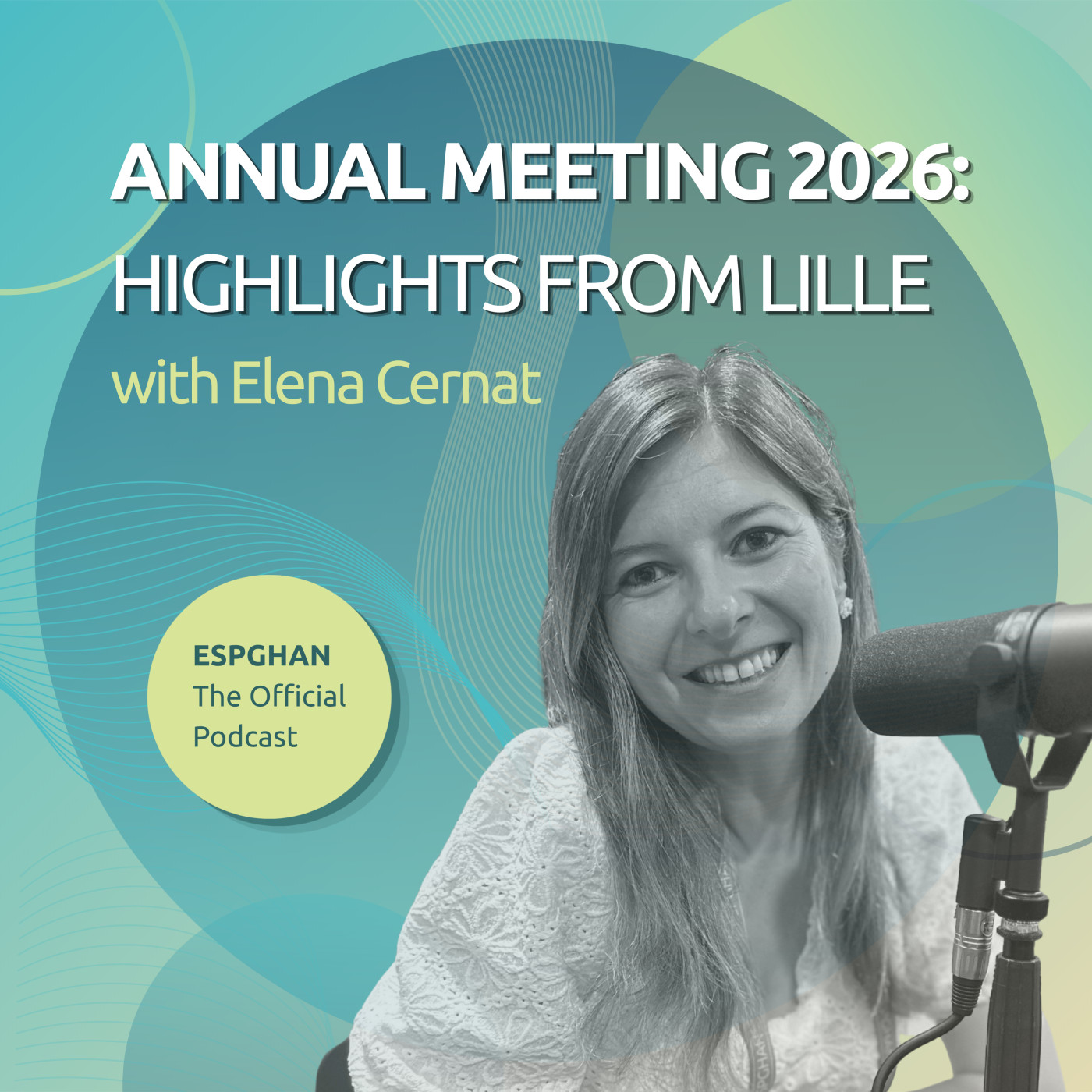
    Annual Meeting 2026: Highlights from Lille with Elena Cernat

    Podcast listeners, we’re here today from ESPGHAN with the berry-picked best and freshest of what your society had to offer at its 58th Annual Meeting in Lille from 24 through 27 June. Mind you, “the best” reflects the opinion of our discussant, Dr Elena Cernat – she’s done the culling and the selecting. We should go into Dr Cernat’s background a bit. She comes from southeastern Romania and began her medical training at the opposite end of the country, in Cluj-Napoca (or Kolozsvár, or Klausenburg – Romania has always been multicultural), leaving for Valencia through the Erasmus programme and taking her degree there. She now works in Yorkshire – that is, in Leeds – and she has served as ESPGHAN’s abstract reviewer, for podcast purposes, for several years. Here are her choices. As always, though, what matters is: what you think. Listen along and, we hope, enjoy! Nutrition 1 PROSPECTIVE COURSE OF MORE THAN ONE HUNDRED EUROPEAN CHILDREN WITH SHORT BOWEL SYNDROME TREATED WITH TEDUGLUTIDE FOR 2 YEARS Lorenzo Norsa et al. Objectives and Study: Teduglutide is a therapeutic option for patients with intestinal failure from short bowel syndrome (SBS); however, long-term real-world data in paediatrics remain limited. Methods: In 104 paediatric patients receiving teduglutide, clinical response and parenteral nutrition (PN) weaning were assessed at 12 and 24 months. Demographic, anatomical, nutritional, and laboratory variables were compared between patients weaned and not weaned off PN at 24 months. Results: Among the 68 patients who responded at 12 months (defined as a PN reduction of ≥20%), 57 (84%) maintained their response at 24 months, while only 11 (16%) lost response. Conversely, 9 of 36 (25%) initial non-responders achieved a response at 24 months (p<0.001). Regarding PN weaning, 19 out of 21 patients (90.5%) who were weaned at 12 months remained PN-independent at 24 months; one died from a teduglutide-unrelated cause, and one restarted PN after 18 months because of poor weight gain. Twelve children (8/12 responders at 12 months) achieved PN weaning between 12 and 24 months. Overall, 31 (30%) patients were weaned off PN at 24 months (Figure 1). Weaned patients had significantly longer residual small bowel length (p=0.043), greater preservation of the ileocecal valve (p=0.005), and, at baseline, higher citrulline levels (p<0.001), lower PN dependency indices (p=0.002), and higher oral-enteral caloric intake (p=0.001). Conclusions: This real-world paediatric study demonstrates that PN independence in children with SBS treated with teduglutide is durable and can be achieved progressively over time, including beyond the first year of treatment. Anatomical and functional intestinal markers appear critical in determining PN independence. These findings support the long-term effectiveness of teduglutide as an individualized treatment strategy in paediatric intestinal failure. Nutrition 2 PERSONALIZED NUTRITIONAL STRATEGIES TO PREVENT POSTNATAL GROWTH FALTERING IN PRETERM INFANTS Objectives and Study: Extremely preterm and very low birthweight (VLBW) infants are highly vulnerable to postnatal growth faltering (GF) due to immature gastrointestinal function, increased nutritional needs, and clinical comorbidities. Current ESPGHAN nutritional recommendations may underestimate protein requirements for the highest-risk infants. This study evaluated whether an individualized, nutrition-focused follow-up strategy could reduce growth faltering and improve linear growth in infants <28 weeks’ gestational age (GA) and/or <1000 g at birth. Methods: A cohort of 229 preterm infants was analyzed across three groups: an intervention group receiving individualized weekly nutritional assessments and targeted adjustments, with protein increased up to 5.5 g/kg/day; a retrospective control group matched for GA, birthweight, and sex; and an external group from Weill Cornell Medicine (WCM). Growth (weight, length, head circumference) and z-scores were measured at birth, 14 days, 36 weeks postmenstrual age (PMA), and discharge. Growth faltering was defined as a >1-point decline in z-score for weight or length from birth. Logistic and linear regression models were adjusted for major morbidities. Results: Baseline characteristics were comparable across groups. The intervention significantly reduced GF compared with controls: 17.8% lower at 36 weeks PMA (p=0.021) and 25.3% lower at discharge (p=0.001), with outcomes similar to the WCM reference group (Figure 1). Exponential weight gain improved in the intervention group at 36 weeks PMA (16.1 [13.9; 17.15] vs. 15 [13.6; 16.3] g/kg/day, p=0.04). Length growth was also higher in the intervention and WCM groups, while head circumference growth showed no differences. Protein intakes in the intervention group frequently exceeded current ESPGHAN upper limits (≈4.5–5 g/kg/day), paired with adequate energy provision, and were associated with improved growth. Conclusions: Individualized nutritional follow-up effectively reduces growth faltering and enhances linear and weight growth in extremely preterm infants. Many infants appear to require protein intakes above current recommendations to achieve optimal growth, without adverse effects. Dr. Cernat has chosen the following song: Non, je ne regrette rien - Edith Piaf ESPGHAN favourite Songs can be found on Spotify: https://open.spotify.com/playlist/0YIHKjxITLEm9XNyHyypTo
  • June 19 · 30 min

    Pop T.: Wilson’s disease

    Hello, trouble! Yes, we here at ESPGHAN Podcasting Central mean you, our loyal listener. But you’re only the best kind of trouble, and we’re happy to see you again. Today’s guest is Prof Tudor Pop, from Cluj-Napoca, Romania’s second city. Transylvania, the region in northern Romania in which his hometown lies, has a long and complex ethnic history. Thus, you may know Romanian Cluj-Napoca as the Saxon Klausenburg or the Magyar Kolozsvár; Transylvanian settlements that haven’t been named in at least three languages are rare. Prof Pop has remained true to Cluj-Napoca and to the Iuliu Hațieganu University of Medicine and Pharmacy. There, he was awarded his medical diploma in 1995 and, rising through the paediatric ranks, became a professor in 2022. A stroll through Prof Pop’s listings on PubMed makes it clear that, whilst he has contributed widely to paediatrics, his international activity centres on Wilson disease, with special attention to its natural history and to diagnostic accuracy. That disorder is indeed the subject of the work he would like us to consider—a short bibliography is available in the documentation accompanying this podcast on the ESPGHAN website. Today, we can look forward to an account of his experience with Wilson disease in Romania, together with a review of the diagnostic and treatment guidelines promulgated by hepatology associations, particularly newer approaches that may not yet be widely available. Literature Ferenci P et al. Age and sex, but not ATP7B genotype, effectively influence the clinical phenotype of Wilson disease. Hepatology. 2019 Apr;69(4):1464–1476. DOI: 10.1002/hep.30280. Epub 2019 Mar 1. PMID: 30232804. Collins CJ et al. Direct measurement of ATP7B peptides is highly effective in the diagnosis of Wilson disease. Gastroenterology. 2021 Jun;160(7):2367–2382.e1. DOI: 10.1053/j.gastro.2021.02.052. Epub 2021 Feb 25. PMID: 33640437. PMCID: PMC8243898. Pop TL et al. Acute liver failure with hemolytic anemia in children with Wilson's disease: Genotype–phenotype correlations? World J Hepatol. 2021 Oct 27;13(10):1428–1438. DOI: 10.4254/wjh.v13.i10.1428. PMID: 34786177. PMCID: PMC8568853. European Association for the Study of the Liver. EASL-ERN Clinical Practice Guidelines on Wilson's disease. J Hepatol. 2025 Feb 22:S0168-8278(24)02706-5. DOI: 10.1016/j.jhep.2024.11.007. Online ahead of print. PMID: 40089450. Djebrani-Oussedik N et al. Relative exchangeable copper: A highly specific and sensitive biomarker for Wilson disease diagnosis. JHEP Rep. 2025 Jul 31;7(10):101537. DOI: 10.1016/j.jhepr.2025.101537. eCollection 2025 Oct. PMID: 40980162. PMCID: PMC12446559. Prof Pop´s favourite song: Enescu - Romanian Rhapsodie No. 1 ESPGHAN favourite Songs can be found on Spotify https://open.spotify.com/playlist/0YIHKjxITLEm9XNyHyypTo
  • June 9 · 27 min

    Broekaert I.: Gastrostomies and Jejunostomies

    Well, would you look at that! Here’s another friend of ESPGHAN podcasting coming by to see what we have for listeners today. Welcome, and settle in for a session with a real mover and shaker, Dr Ilse Broekaert, who oversees ESPGHAN’s educational activities, and who has led efforts to introduce Europe-wide certification in paediatric gastroenterology, hepatology, and nutrition – more about this, however, at the site linked below. Dr Broekaert, or Ilse – the better to avoid umlaut confusion, which plays hob with attempts to pronounce her surname – works in Cologne, or Köln (no getting away from umlauts, is there?), where she settled in after earning her medical degree in Bochum. One might expect that she devoted herself early to gastroenterology, hepatology, and nutrition, and indeed that was the case, but... like Mae West and the snow, she drifted, wandering off into allergology and pulmonology, adding to her board certification in gastroenterology another certification yet. Glancing through her list of publications leaves one rather at a loss: she’s made contributions across the board, it seems. To what is she devoting herself now? Lucky, then, that Ilse has asked that this chat centre on three publications, titled “The use of jejunal tube feeding in children: A position paper by the gastroenterology and nutrition committees of the European Society for Paediatric Gastroenterology, Hepatology, and Nutrition 2019”, “Safety of the one step percutaneous endoscopic gastrostomy (push-PEG) button in pediatric patients”, and “Retrospective study on safety and complications of direct percutaneous endoscopic gastrostomy in children below 10 kg”, a great help in focussing the interview! Keep listening to learn how attitudes and approaches to tube feeding and percutaneous endoscopic gastrostomy placement have evolved in the past decade, the present clinical and parental environment for feeding by this route, and, of course, what can go wrong – and how to make sure that it doesn’t. Literature Broekaert IJ et al. The use of jejunal tube feeding in children: A position paper by the gastroenterology and nutrition committees of the European Society for Paediatric Gastroenterology, Hepatology, and Nutrition 2019. J Pediatr Gastroenterol Nutr 2019 Aug;69(2):239–258. Doi: 10.1097/MPG.0000000000002379. PMID: 31169666 Brinkmann J et al. Safety of the one step percutaneous endoscopic gastrostomy (push-PEG) button in pediatric patients. J Pediatr Gastroenterol Nutr 2023 Dec 1;77(6):828–834. Doi: 10.1097/MPG.0000000000003930. Epub 2023 Aug 23. PMID: 37608440. PMCID: PMC10642703 Broekaert IJ, Hünseler C. Retrospective study on safety and complications of direct percutaneous endoscopic gastrostomy in children below 10 kg. J Pediatr Gastroenterol Nutr 2025 Aug;81(2):417–420. Doi: 10.1002/jpn3.70085. Epub 2025 May 22. PMID: 40401400. PMCID: PMC12314583 Link, sub-specialty certification https://www.espghan.org/knowledge-center/education/ESPGHAN_European-PGHN-Exam Dr. Broekaert´s favourite song: Jesu, Joy of Man´s Desiring ESPGHAN favourite Songs can be found on Spotify https://open.spotify.com/playlist/0YIHKjxITLEm9XNyHyypTo
  • May 19 · 26 min

    Morris T.: Preventing Metabolic Bone Disease in Children on Home Parenteral Nutrition

    Good morning, evening, afternoon — whenever and wherever you may be — ESPGHAN is bringing you another podcast, this one, as we say in Hungary, egy unikum, a one-off and a first for this series. We’ve done gastroenterologists and hepatologists to death, really; it’s long been time for a new start, a new star. And we’ve found him in Dr Timothy Morris of Royal Manchester Children's Hospital, a Paediatric Chemical Pathologist A glance at Dr Morris’ curriculum vitae is shaming — unlike me, for one, who am very much a Feld-, Wald-, und Wiesenpathologe; it’s the parable of the talents, really, and I’m the servant who has kept them buried — he has done so much, in so many different areas, and done it so well! First carrying away all the prizes with a degree in genetics; throwing over post-graduate studies in plant genetics for three years as a financial analyst; a second degree in medicine; and, after two years on the wards as a junior doctor, entry into his present field — chemical pathology — but who can predict if he will stay there? Something tells me that he has a restless eye, and that he already is considering which field next to conquer. Today he’s asked us to work through a problem in calcium metabolism, namely metabolic bone disease, or MBD, in children with intestinal failure who are on home parenteral nutrition. His team’s findings, from Tridimas A et al., as published in JPGN Rep, require a bit of background for best appreciation. Let’s start by addressing MBD. Rickets and osteomalacia are two types of MBD. Osteoid mineralisation is deficient in both conditions. To be rickety, you must have active growth plates. Osteomalacia is a broader church, with not only children but also adults among her communicants. Contributors to osteomalacia in persons receiving parenteral nutrition (PN) are many; aluminium toxicity aside, they converge in hypocalcaemia, with secondary hyperparathyroidism in consequence. This aggravates deficiency of mineralisation and leads to frank osteopenia and osteoporosis, with broken bones. Osteopenia occurs in approximately 45% of children with intestinal failure, with 16%–25% having osteoporosis. MBD can be assessed by bone biopsy or by X-ray densitometry, but “blood work” is generally deployed instead. Dr Morris’ team began by determining how frequently MBD was found in a cohort of 37 children with intestinal failure who were receiving PN at home. Laboratory data over a span of 4½ years found elevated parathyroid hormone (PTH) values in 22 (59%). Of these, 5 had elevated PTH values in >50% of measurements. A flow-chart protocol was followed for 4 months, cascading from an initial PTH determination — high, normal, or low? — via determinations of calcium and magnesium, adjustments in calcium and phosphate concentrations in administered PN, and PTH determinations that began the cascade again. During protocol use, PTH values were elevated in 6 children (18%), and persistent elevation of PTH was found in none. Are the before-and-after comparisons fair? Would longer follow-up during protocol use have found more instances of secondary hyperparathyroidism? An open question, perhaps. But to monitor PTH values closely, using the flow-chart protocol to guide intervention, appears promising in respect of slowing or halting the development of MBD in children who receive PN at home. Literature Tridimas A et al. Reducing metabolic bone disease burden in intestinal failure children on home parenteral nutrition.JPGN Rep. 2023 Nov 6;4(4):e368. doi: 10.1097/PG9.0000000000000368. eCollection 2023 Nov. PMID: 38034429. PMCID: PMC10684215. Dr. Morrison´s favourite song: Michel de la Barre - 5e suite, premiere livre de pieces pour la flute traversiere ESPGHAN favourite Songs can be found on Spotify https://open.spotify.com/playlist/0YIHKjxITLEm9XNyHyypTo
  • May 9 · 20 min

    Alcázar López M. & Fiore G.: Microbiotia and Obesity

    Mireia Alcázar López and Giulia Fiore are early-career nutrition scientists focusing on the relationship between the gut microbiome and obesity in children. Dr. Alcázar trained at Universitat Rovira i Virgili (Reus campus) in Catalonia, while Dr. Fiore trained at multiple institutions in Milan and conducted collaborative research in Reus with Dr. Alcázar. Their research investigates how caregiver dietary interventions and counselling can influence the gut microbiome and whether these changes correlate with shifts in metabolic risk. They explore both what has been learned to date and what gaps remain, with the goal of informing clinical strategies for managing childhood obesity. Selected Literature: Alcázar M et al. Effectiveness of a motivational intervention to improve gut microbiota diversity in children with obesity: A randomized clustered open-label intervention trial. Presented, ESPGHAN 2025. Fackelmann G et al. Gut microbiome signatures of vegan, vegetarian and omnivore diets and associated health outcomes across 21,561 individuals. Nat Microbiol 2025;10(1):41–52. Fiore G et al. Effects of dietary interventions on gut microbiota and related cardiometabolic changes in children and adolescents with overweight or obesity: A meta-analysis of intervention trials. Presented, ESPGHAN 2025. Houtman TA et al. Gut microbiota and BMI throughout childhood: The role of Firmicutes, Bacteroidetes, and short-chain fatty acid producers. Sci Rep 2022;12(1):3140. Dr. Alcazar & Fiore´s favourite song: Ob-La-Di, Ob-La-Da - Beatels ESPGHAN favourite Songs can be found on Spotify https://open.spotify.com/playlist/0YIHKjxITLEm9XNyHyypTo
  • April 30 · 23 min

    JPGN Journal Club May 2026: Emerging Insights into Eosinophilic Oesophagitis

    Welcome to the third ESPGHAN Journal Club of 2026, with Dr Jake Mann! Jake has chosen for today’s session two studies in eosinophilic oesophagitis – for convenience’ sake, henceforward “EOE”. One describes an interesting rise in instances of diagnosed EOE in two regions of Spain; the other provides data suggesting that to assess EOE by both histopathologic and molecular-biologic criteria as bipartite, or with two distinct and perhaps separable components, inflammation and remodelling, may be of prognostic value. What might public-health officials do to address the purported rise in the incidence of Spanish EOE? Will histopathologic studies of EOE acquire new life? The answer to both is: “Anything can, and probably will, happen in Spring.” For details, listen – or read – further: The bibliographic citations are below. LiteratureArias A et al. Prevalence of eosinophilic esophagitis doubles in less than a decade: A population-based study in 2 regions of Spain. J Investig Allergol Clin Immunol 2026 Mar 30:0. Doi: 10.18176/jiaci.1161. Online ahead of print. PMID: 41910381.Eindor‐Abarbanel A et al. Beyond eosinophils: A proteomic dissection of remodeling and inflammation in suspected eosinophilic esophagitis. J Pediatr Gastroenterol Nutr 2026 Apr; 82(4):1078‐1087. Doi: 10.1002/jpn3.70347. PMID: 41536225. PMCID: PMC13050820.

  • April 19 · 23 min

    Verduci E. & Koeglmeier J.: Vegan Diet

    Dr. Elvira Verduci is a physician and clinical nutritionist at the University of Milan, where she heads the Division of Metabolic Diseases at Vittore Buzzi Children’s Hospital. She maintains a rare-disease registry for congenital defects in amino-acid metabolism and transport and serves as secretary to ESPGHAN’s Nutrition Committee. Her research interests include metabolic programming and childhood obesity. Dr. Jutta Kögelmeier, trained in Germany and the UK, is the clinical lead for nutrition and intestinal-failure rehabilitation at Great Ormond Street Hospital for Sick Children. Together, Dr. Verduci and Dr. Kögelmeier focus on vegan and vegetarian diets in childhood, examining their effects on growth, nutritional adequacy, and health outcomes compared with omnivorous diets. They provide guidance for clinicians and families on monitoring and supporting children and adolescents adopting plant-based diets. Selected Literature: Koller A et al. Health aspects of vegan diets among children and adolescents: A systematic review and meta-analyses. Crit Rev Food Sci Nutr 2024;64(33):13247–13258. Melina V et al. Position of the Academy of Nutrition and Dietetics: Vegetarian diets. J Acad Nutr Diet 2016;116(12):1970–1980. Neufingerl N, Eilander A. Nutrient intake and status in children and adolescents consuming plant-based diets compared to meat-eaters: A systematic review. Nutrients 2023;15(20):4341. Dr. Verduci & Koegelmeier´s favourite song: Viva La Vida - Coldplay ESPGHAN favourite Songs can be found on Spotify https://open.spotify.com/playlist/0YIHKjxITLEm9XNyHyypTo
  • April 9 · 18 min

    Walker A.: Obesity & Autism

    Anna Walker is a specialist paediatric dietitian at Bristol Royal Hospital. She has a diverse international background, having been raised in Finland and educated in the United States, England, and Finland, with professional experience spanning Finland, Norway, England, and Cambodia. Her work focuses on dietetic care for children with obesity, particularly exploring the potential links between obesity and neurodevelopmental disorders, including autism. She investigates how aspects of neurodevelopmental disorders may contribute to obesity in children and provides practical guidance on managing their diets clinically. Selected Literature: Sammels O et al. Autism spectrum disorder and obesity in children: A systematic review and meta-analysis. Obes Facts 2022;15(3):305–320. Mathew NE et al. Dietary intake in children on the autism spectrum is altered and linked to differences in autistic traits and sensory processing styles. Autism Res 2022;15(10):1824–1839. Hawton K et al. Complications of excess weight seen in two tier 3 paediatric weight management services: An observational study. Arch Dis Child 2025;110(3):216–220. Dr. Walker´s favourite song: Wish You Were Here - Pink Floyd ESPGHAN favourite Songs can be found on Spotify https://open.spotify.com/playlist/0YIHKjxITLEm9XNyHyypTo
  • March 19 · 20 min

    Van der Doef H.: Vascular complications after Liver Transplant

    Dr. Hubert P. J. van der Doef of Beatrix Children’s Hospital and the University Medical Centre Groningen, The Netherlands, trained in Utrecht and completed a fellowship in paediatric gastroenterology, hepatology, and nutrition at Groningen. He initially worked on cystic fibrosis but has since focused on vascular complications in pediatric liver transplantation, particularly how to identify and manage issues related to the hepatic artery and portal vein. Dr. van der Doef emphasizes the importance of multi-institutional collaborations and supranational registries to understand the factors that influence clinical outcomes. Using data from the HEPATIC and PORTAL registries, supported by Delphi analysis, he contributes to developing standardized core outcome sets and evidence-based clinical guidelines for managing vascular complications in pediatric liver transplantation. Selected Literature: de Ville de Goyet J et al. European Liver Transplant Registry: Donor and transplant surgery aspects of 16,641 liver transplantations in children. Hepatology 2022;75(3):634–645. Stevens JP et al. Portal vein complications and outcomes following pediatric liver transplantation: Data from the Society of Pediatric Liver Transplantation. Liver Transpl 2022;28(7):1196–1206. Li W et al. Treatment strategies for hepatic artery complications after pediatric liver transplantation: A systematic review. Liver Transpl 2024;30(2):160–169. Dr. Van der Doef´s favourite song: Joost Klein - Europapa ESPGHAN favourite Songs can be found on Spotify https://open.spotify.com/playlist/0YIHKjxITLEm9XNyHyypTo
  • March 9 · 20 min

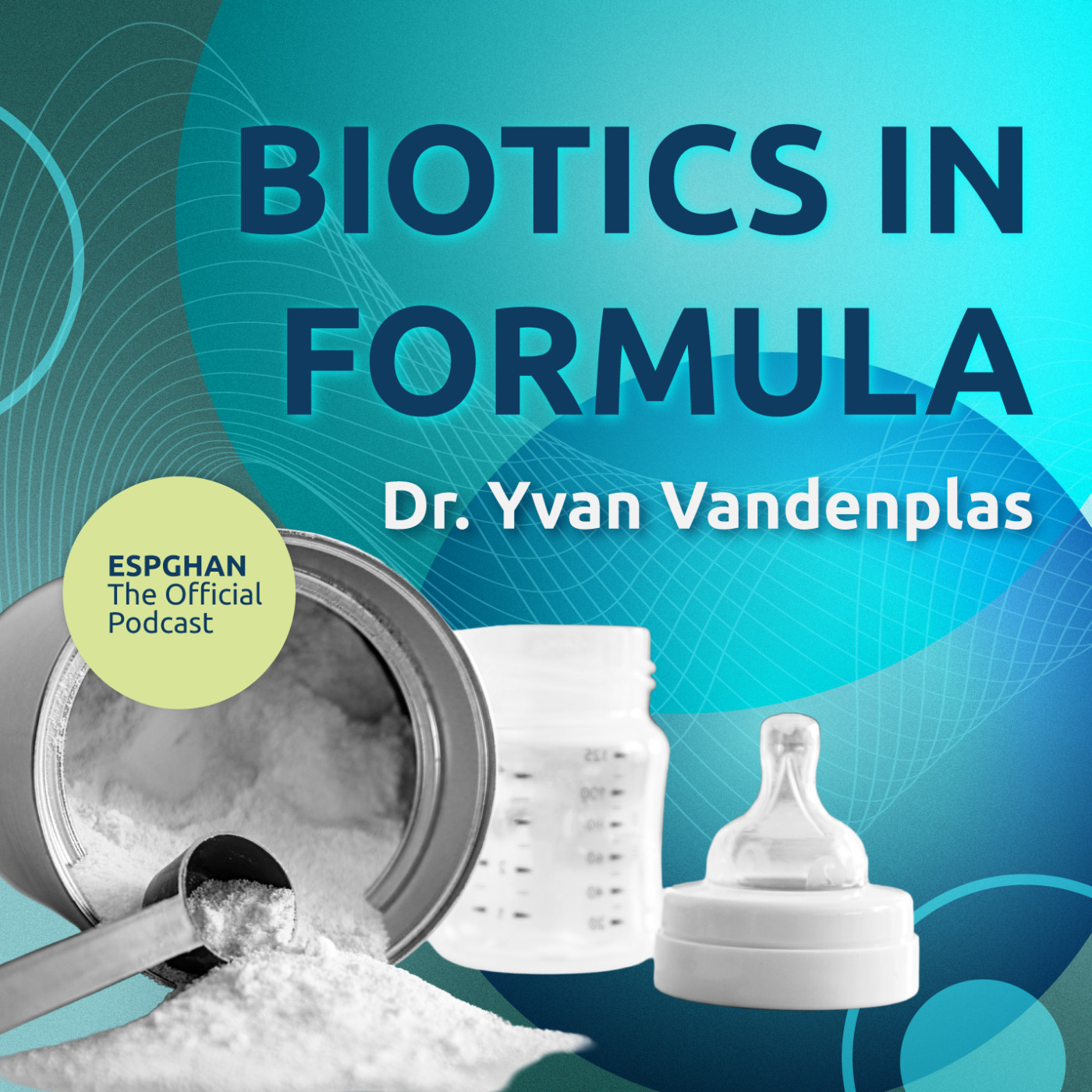
    Vandenplas Y.: Biotics in formula

    Prof Dr Yvan Vandenplas, Associate Editor of Nutrients, trained in medicine with specialty training in paediatrics at the Free University of Brussels. From the completion of his paediatric training in 1986, he moved seamlessly into an appointment in 1987 as head of the University Hospital Brussels unit for paediatric gastroenterology and nutrition. He served as Chair of Paediatrics there from 1994 to 2021. When he stepped down from that position, what had marked every other caesura in his professional life occurred once again: he was simply too good to let wander away. He now serves as consultant and emeritus professor within the same complex of institutions in which he has spent fifty highly productive years. Prof Vandenplas has led the recent work of the ESPGHAN Special Interest Group on Gut Microbiota and Modifications, addressing the supplementation of infant formula with biotics, including prebiotics, probiotics, postbiotics, synbiotics, and manufactured human milk oligosaccharides. These efforts have resulted in a series of technical reviews and recommendations that are poised to serve as practical clinical guidelines; the bibliographic list appears below. He challenges listeners: with this literature as your guide, would you recommend adding “biotics” to infant formula—and why or why not? Which biotics would you choose? And with regard to human milk oligosaccharides, do you believe a “more-is-better” shotgun approach is preferable, or should specific oligosaccharides be selected and modified to address allergy risk or to mirror shifts in breast milk composition as the infant ages? In short, the future is already here, and caregivers would do well to keep pace. Titles Recommendations on the Health Outcomes of Infant Formula Supplemented with Bioticsby the European Society for Pediatric Gastroenterology, Hepatology, and Nutrition (ESPGHAN) Special Interest Group on Gut Microbiota and Modifications Technical Review by the ESPGHAN Special Interest Group on Gut Microbiota and Modifications on the Health Outcomes of Infant Formula Supplemented with Postbiotics Literature Dinleyici EC et al. Technical review by the ESPGHAN special interest group on gut microbiota and modifications on the health outcomes of infant formula supplemented with probiotics. J Pediatr Gastroenterol Nutr. 2025 May 12. doi: 10.1002/jpn3.70068. Online ahead of print. PMID: 40356343. Hojsak I et al. Technical review by the ESPGHAN special interest group on gut microbiota and modifications on the health outcomes of infant formula supplemented with manufactured human milk oligosaccharides. J Pediatr Gastroenterol Nutr. 2025 Mar 24. doi: 10.1002/jpn3.70032. Online ahead of print. PMID: 40123480. Mihatsch W et al. Technical review by the ESPGHAN special interest group on gut microbiota and modifications on the health outcomes of infant formula supplemented with prebiotics. J Pediatr Gastroenterol Nutr. 2025 May 19. doi: 10.1002/jpn3.70064. Online ahead of print. PMID: 40384260. Salvatore S et al. Technical review by the ESPGHAN special interest group on gut microbiota and modifications on the health outcomes of infant formula supplemented with synbiotics. J Pediatr Gastroenterol Nutr. 2025 Mar 21. doi: 10.1002/jpn3.70031. Online ahead of print. PMID: 40114538. Dr. Vandenplas´s favourite song: Louis Neefs - Wat Een Leven ESPGHAN favourite Songs can be found on Spotify https://open.spotify.com/playlist/0YIHKjxITLEm9XNyHyypTo

  • March 1 · 23 min

    JPGN Journal Club: March 2026: Biomarkers and Risk Stratification for Varices in Children with Portal Hypertension

    A round of applause, dear readers: We’ve made it into, good Heavens, 2026! Breasted the tape? Or limped across the finish line? No matter. To mis-quote Scripture, that is of course Stephen Sondheim: We’re still here. Among the “we,” and our lodestar, is Dr Jake Mann. He’s selected two articles for consideration: From Jezequel M et al., in work done at Lille, J Pediatr Gastroenterol Nutr brings us – Splenic stiffness does not predict esophageal varices in children with portal hypertension; and from a cluster of Parisian institutions, by Grimaud E et al. and published in Hepatology – Serum bile acid levels predict the development of portal hypertension and high-risk esophageal varices following successful Kasai in biliary atresia. In short: How to foretell the variceal future. What sorts of cohorts were assembled, and what data were collected? How were those data analysed? All-comers in Lille, in Paris persons with a certain disorder treated in a certain way with a certain age and meeting certain clinical criteria… A lot to sort out here, and the comparisons and contrasts are better listened to than read, you’ll agree. Or: Back to Sondheim, in the tale of Sweeney Todd, the demon barber of Fleet Street, who shaved the faces of gentlemen / Who never thereafter were heard of again… What happened next?Well, that’s the play –And he wouldn’t want us to give it away. Happy listening! Enjoy ESPGHAN Journal Club – enjoy the play! Literature Grimaud E et al. Serum bile acid levels predict the development of portal hypertension and high-risk esophageal varices following successful Kasai in biliary atresia. Hepatology 2025 Oct 23. DOI: 10.1097/HEP.0000000000001592. Online ahead of print. PMID: 41129338 Jezequel M et al. Splenic stiffness does not predict esophageal varices in children with portal hypertension. J Pediatr Gastroenterol Nutr 2026 Jan; 82(1):156–164. DOI: 10.1002/jpn3.70247. Epub 2025 Oct 27. PMID: 41144851. PMCID: PMC12780471

  • February 20 · 20 min

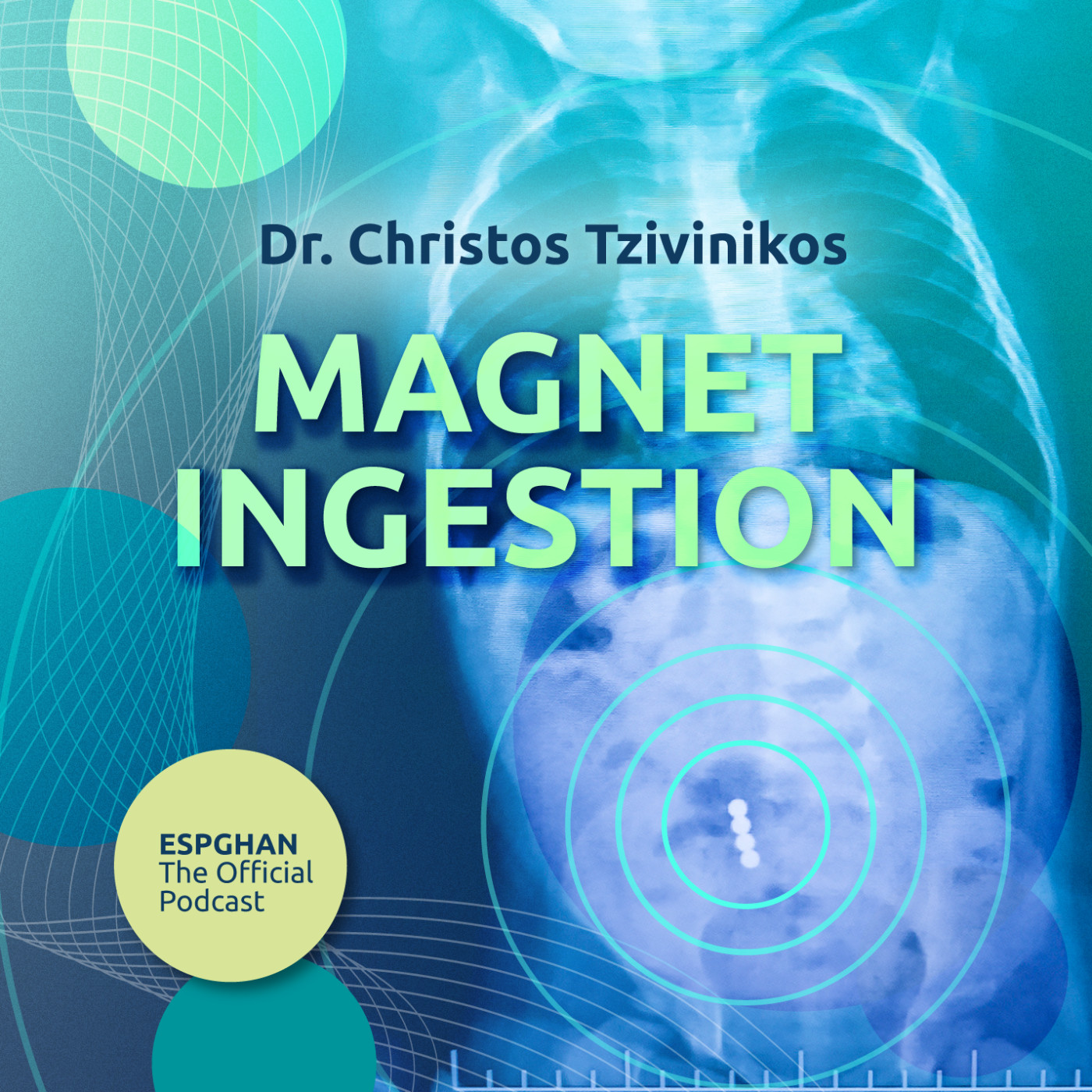
    Tzivinikos C.: Magnet ingestion

    Dr. Christos Tzivinikos graduated in 1999 from the Medical School of the Aristotle University of Thessaloniki, Greece. After several years serving as a medical officer aboard ships in the Greek navy, he began specialty training in paediatrics in the United Kingdom in 2005. Further training in gastroenterology followed between 2012 and 2015, culminating in a consultancy at Alder Hey Children’s Hospital in Liverpool, which he held until 2018. He then moved to Dubai, United Arab Emirates, to establish a paediatric gastroenterology, hepatology, and nutrition department at Al Jalila Children’s Specialty Hospital. Dr. Tzivinikos shares his expertise on foreign-body ingestion in children, focusing particularly on button batteries and rare-earth magnets. This discussion addresses three key questions: How dangerous are rare-earth magnets? When and how should ingested magnets be removed? Are current efforts sufficient for advocacy and awareness? Literature Online course – Paediatric Gastroenterology: Management of Foreign Body Ingestion in Children: https://www.futurelearn.com/courses/paediatric-gastroenterology-management-of-foreign-body-ingestion-in-children/1 Nugud A et al. Pediatric magnet ingestion, diagnosis, management, and prevention: A European Society for Paediatric Gastroenterology, Hepatology, and Nutrition (ESPGHAN) position paper. J Pediatr Gastroenterol Nutr. 2023 Apr 1;76(4):523-532. doi: 10.1097/MPG.0000000000003702. Epub 2023 Mar 22. PMID: 36947000 Furlano RI et al. Mistakes in paediatric foreign body ingestion and how to avoid them. UEG Education. 2024;24:1-7. Non-indexed journal. Dr. Tzivinikos´s favourite song: Theodorakis ‘s song - Aprilis ESPGHAN favourite songs can be found on Spotify: https://open.spotify.com/playlist/0YIHKjxITLEm9XNyHyypTo
  • February 10 · 20 min

    Uhlig H.: monogenic IBD: diagnosis, treatment, transition

    In 1990, Prof. Holm Uhlig entered the School of Medicine at the University of Leipzig – a city in Saxony with a long and turbulent history. The University, founded in 1409, had survived centuries of upheaval, including the Battle of Leipzig in 1813, when Napoleon’s forces were defeated and King Frederick Augustus I of Saxony was taken prisoner. Studying medicine in Leipzig during the 1990s meant navigating a period of significant transition following German reunification, yet Dr. Uhlig successfully completed his medical degree. Following his studies, he conducted research in paediatric immunology in Leipzig before spending three years at the Sir William Dunn School of Pathology in Oxford. He later returned to Leipzig to work in paediatrics from 2004 to 2010, then returned to Oxford, where he currently serves as Professor of Paediatric Gastroenterology and Director of the Centre for Human Genetics. Dr. Uhlig’s foundational work, completed during his first stay in Oxford, identified interleukin-23 as a key promoter of intestinal inflammation. This discovery has enabled the development of therapies targeting the alpha subunit of interleukin-23, modulating mucosal inflammatory activity. His team continues to unravel the complex pathophysiology of inflammatory bowel disease (IBD), using molecular-genetic analysis to identify monogenic contributions. Their ultimate goal is to develop genetics-based, patient-specific therapies. Dr. Uhlig suggests correlated reading (see below) and invites reflection on key questions: What is the genetic basis of inflammatory bowel disease? How can research in genetics and immunology improve patient care? What are the most exciting recent developments in the field? Literature Bolton C et al. An integrated taxonomy for monogenic inflammatory bowel disease. Gastroenterology. 2022 Mar;162(3):859-876. doi: 10.1053/j.gastro.2021.11.014. Epub 2021 Nov 13. PMID: 34780721. PMCID: PMC7616885; erratum, Gastroenterology. 2022 Jun;162(7):2143. doi: 10.1053/j.gastro.2022.04.007. Epub 2022 Apr 11. PMID: 35421357 Kammermeier J et al. Genomic diagnosis and care coordination for monogenic inflammatory bowel disease in children and adults: Consensus guideline on behalf of the British Society of Gastroenterology and British Society of Paediatric Gastroenterology, Hepatology and Nutrition. Lancet Gastroenterol Hepatol. 2023 Mar;8(3):271-286. doi: 10.1016/S2468-1253(22)00337-5. Epub 2023 Jan 9. PMID: 36634696 Griffin H et al. Neutralizing autoantibodies against interleukin-10 in inflammatory bowel disease. N Engl J Med. 2024 Aug 1;391(5):434-441. doi: 10.1056/NEJMoa2312302. PMID: 39083772. PMCID: PMC7616361 Prof Uhlig´s favourite song: J.S. Bach – Suite Nr. 1 für Violoncello Solo in G-Dur ESPGHAN favourite songs can be found on Spotify:https://open.spotify.com/playlist/0YIHKjxITLEm9XNyHyypTo

  • January 20 · 21 min

    Strozyk A.: Food Ladder

    Dr. Agata Stróżyk, a dietitian at the Medical University of Warsaw, shared her expertise on the “food ladder” in both theory and practice, providing insights for clinicians, patients, and families. She addresses questions such as: Could you explain what a food ladder is? What steps does a child typically go through during the food ladder process? What are the key benefits of milk and egg reintroduction for patients and families? What positive outcomes do you observe clinically? At the same time, what are the most common barriers and facilitators to successful reintroduction, and how important is it to monitor each step of the ladder carefully to ensure safety and build confidence in both the child and the caregivers? As a dietitian, what practical advice would you give to clinicians conducting an oral food challenge with baked milk or egg? For example, how can existing recipes be adapted to match a child’s individual food preferences or their stage of oral-motor development? What would you suggest if a child with a food allergy is also a picky eater or has multiple food allergies – such as to both milk and wheat? Below are references she has selected to guide listeners in addressing these questions. Literature Venter C et al. Better recognition, diagnosis and management of non-IgE-mediated cow's milk allergy in infancy: iMAP – an international interpretation of the MAP (Milk Allergy in Primary Care) guideline. Clin Transl Allergy. 2017 Aug 23;7:26. doi: 10.1186/s13601-017-0162-y. eCollection 2017. PMID: 28852472; cf. also Correction to: Venter C et al. Better recognition, diagnosis and management of non-IgE-mediated cow's milk allergy in infancy: iMAP – an international interpretation of the MAP (Milk Allergy in Primary Care) guideline. Clin Transl Allergy. 2018 Jan 25;8:4. doi: 10.1186/s13601-017-0189-0. eCollection 2018. PMID: 29416848 Meyer R et al. World Allergy Organization (WAO) Diagnosis and Rationale for Action against Cow's Milk Allergy (DRACMA) Guideline update – VII: Milk elimination and reintroduction in the diagnostic process of cow's milk allergy. World Allergy Organ J. 2023 Jul 24;16(7):100785. doi: 10.1016/j.waojou.2023.100785. eCollection 2023 Jul. PMID: 37546235. PMCID: PMX10401347 Gibson V et al. Barriers and enablers of dietary reintroduction following negative oral food challenge: A scoping review. J Allergy Clin Immunol Pract. 2025 Apr;13(4):851-860.e7. doi: 10.1016/j.jaip.2025.01.012. Epub 2025 Jan 17. PMID: 39828135 Dr. Stróżyk´s favourite song is: Małomiasteczkowy - Dawid Podsiadło ESPGHAN favourite songs can be found on Spotify: https://open.spotify.com/playlist/0YIHKjxITLEm9XNyHyypTo
  • January 10 · 21 min

    Malmberg E.: Celiac disease

    Your ESPGHAN podcast team are collecting expertise from as many learnèd, skilled, and experienced paediatric gastroenterologists and hepatologists as possible! Oh, and from dietitians… they’re among the most important links in the chain between gastroenterologist and the universal goal – a healthy child and a happy family. Today’s note accompanies an encounter with Dr Elin Malmberg Hård af Segerstad, whose principal interests lie in the origins and management of the immune dysregulation manifest as coeliac disease. In a person with an inherited susceptibility to coeliac disease, what triggers the development of that disease? Can triggers be avoided, and if so, how? After diagnosis and treatment, how can a patient with coeliac disease be monitored for compliance with dietary regimens? Who is best positioned to monitor such patients? Dr Hård af Segerstad poses questions on three points as an armature for discussion: What rôle does diet play in the development of coeliac disease in children? Can dietary modifications prevent coeliac disease? How can gluten-free diet adherence be best assessed in children with coeliac disease? How does clinical practice at present fall short in this regard? What is the rôle of the dietitian in the management of coeliac disease in children? Should all children with coeliac disease have access to an experienced dietitian? In addressing these questions, she builds on three articles listed below – consensus summaries of best practice. But she also goes into detail on particular aspects of dietetic care not covered in those articles, so listen carefully! Literature Mearin ML et al. ESPGHAN position paper on management and follow-up of children and adolescents with celiac disease. J Pediatr Gastroenterol Nutr 2022 Sep 1; 75(3):369–386.Doi: 10.1097/MPG.0000000000003540. Epub 2022 Jun 27. PMID: 35758521 Luque V et al. Gluten-free diet for pediatric patients with coeliac disease: A position paper from the ESPGHAN gastroenterology committee, special interest group in coeliac disease. J Pediatr Gastroenterol Nutr 2024 Apr; 78(4):973–995.Doi: 10.1002/jpn3.12079. Epub 2024 Jan 30. PMID: 38291739 Szajewska H et al. Early diet and the risk of coeliac disease: An update 2024 position paper by the ESPGHAN special interest group on coeliac disease. J Pediatr Gastroenterol Nutr 2024 Aug; 79(2):438–445.Doi: 10.1002/jpn3.12280. Epub 2024 Jun 7. PMID: 38847232 Dr. Malmberg´s favourite song: Måns Zelmerlöw - Heroes ESPGHAN favourite songs can be found on Spotify: https://open.spotify.com/playlist/0YIHKjxITLEm9XNyHyypTo
Showing 1–20 of 21 episodes