Skip to content
Artwork for CyberCode Academy
CyberCode Academy · Yesterday · 24 min

Course 43 - Practical Malware Development | Episode 9: Finalizing Client-Side Command & Control

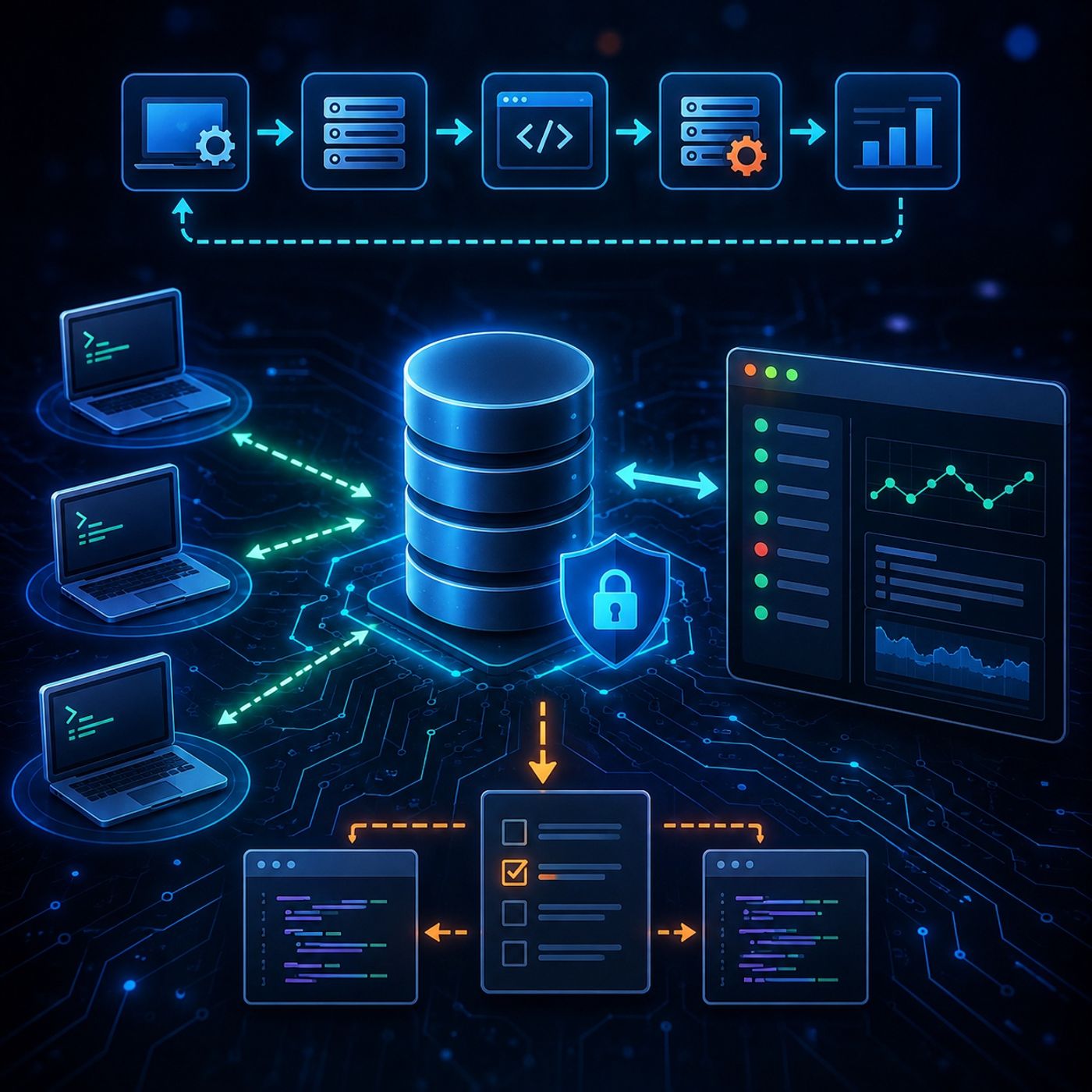
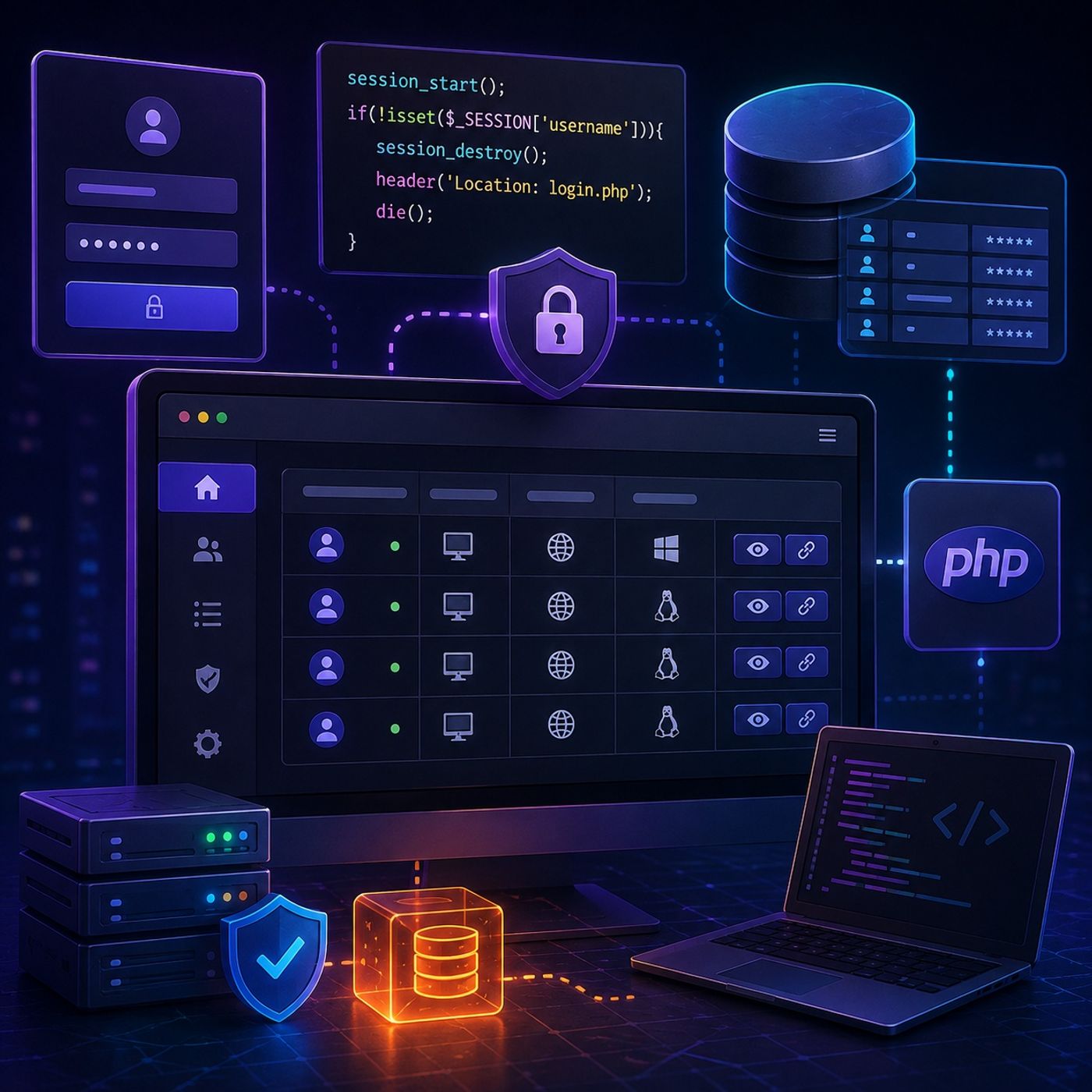
This final hands-on integration session, we bring the client-side component and the central control panel together into a complete communication workflow.The episode focuses on transforming an isolated client application into an integrated node capable of registering its system information, periodically checking for pending tasks, processing authorized instructions, and returning execution results to the backend.For educational purposes, this architecture should be operated exclusively within an authorized laboratory, isolated test environment, or controlled security research network.1. Registering the Client NodeWe begin by configuring the client application to communicate with the server-side backend.The client is provided with the appropriate network endpoint and constructs an HTTP POST request containing system metadata such as: Host name IP address Operating system The request is sent to the registration endpoint, allowing the backend to create or update the corresponding client record in the database.This establishes the initial relationship between the client application and the control panel.2. Building the Command Polling LoopOnce registration is complete, we implement the client's continuous communication loop.Using a while loop, the client periodically contacts the server to determine whether a new task is available for its associated record.The process follows a repeating cycle:Check In → Retrieve Pending Task → Process Task → Return Result → Check In AgainThis introduces the concept of a persistent polling-based architecture and demonstrates how a client can maintain communication with a centralized backend.3. Refactoring the Command ParserThe next step is modifying the internal command-processing logic so that it can return useful execution information.Rather than simply performing an operation without producing a return value, the parser is refactored from a void-style workflow into one that returns a string.This allows the application to capture textual results from supported system operations, such as network configuration information or directory listings, and pass those results to the communication layer.The resulting architecture separates two responsibilities: Command processing: Determines what operation should be performed and produces its result. Network communication: Transmits that result back to the backend. This separation makes the overall application easier to understand and extend.4. Returning Processing ResultsAfter processing a task, the client packages the resulting output into an HTTP request and submits it to the server's result-handling endpoint.The backend then associates the returned information with the appropriate database record.This completes the communication cycle:Server Task → Client Processing → Result Generation → HTTP Submission → Database UpdateThe control panel can subsequently retrieve the updated information for administrative monitoring.5. Optimizing Command State ManagementOn the server side, we refine the database workflow so that consumed commands are automatically cleared from the corresponding record.This prevents previously processed tasks from remaining in a pending state and being repeatedly returned to the client.Proper state management ensures that each task progresses through a predictable lifecycle:Pending → Retrieved → Processed → ClearedThis also helps keep the administrative interface synchronized with the actual state of the client workflow.6. Completing the End-to-End ArchitectureWith the client and server components integrated, the complete system can now be viewed as a sequence of interconnected stages:Client Startup ↓ System Registration ↓ Database Client Record ↓ Periodic Task Check ↓ Task Processing ↓ Result Generation ↓ Result Submission ↓ Database Update ↓ Administrative MonitoringThis final integration demonstrates how individual components developed throughout the previous episodes can be combined into a single database-backed application architecture.Key TakeawaysBy the end of this episode, you will understand how to: Configure a client application to communicate with a backend service. Register system metadata through an HTTP POST request. Implement a continuous polling workflow. Refactor application logic to return execution results. Separate processing logic from network communication. Submit generated results back to a server-side endpoint. Maintain client and task state within a database. Automatically clear processed task states. Connect client registration, task management, result handling, and administration into one complete workflow. This episode concludes the technical integration journey by demonstrating how a client application and database-backed web interface can communicate as a unified system within a controlled security research environment. You can listen and download our episodes for free on more than 10 different platforms: https://linktr.ee/cybercode_academy

0:00-24:00

transcript

No transcript — this publisher did not publish one.

show notes

This final hands-on integration session, we bring the client-side component and the central control panel together into a complete communication workflow.The episode focuses on transforming an isolated client application into an integrated node capable of registering its system information, periodically checking for pending tasks, processing authorized instructions, and returning execution results to the backend.For educational purposes, this architecture should be operated exclusively within an authorized laboratory, isolated test environment, or controlled security research network.1. Registering the Client NodeWe begin by configuring the client application to communicate with the server-side backend.The client is provided with the appropriate network endpoint and constructs an HTTP POST request containing system metadata such as:
  • Host name
  • IP address
  • Operating system
The request is sent to the registration endpoint, allowing the backend to create or update the corresponding client record in the database.This establishes the initial relationship between the client application and the control panel.2. Building the Command Polling LoopOnce registration is complete, we implement the client's continuous communication loop.Using a while loop, the client periodically contacts the server to determine whether a new task is available for its associated record.The process follows a repeating cycle:Check In → Retrieve Pending Task → Process Task → Return Result → Check In AgainThis introduces the concept of a persistent polling-based architecture and demonstrates how a client can maintain communication with a centralized backend.3. Refactoring the Command ParserThe next step is modifying the internal command-processing logic so that it can return useful execution information.Rather than simply performing an operation without producing a return value, the parser is refactored from a void-style workflow into one that returns a string.This allows the application to capture textual results from supported system operations, such as network configuration information or directory listings, and pass those results to the communication layer.The resulting architecture separates two responsibilities:
  • Command processing: Determines what operation should be performed and produces its result.
  • Network communication: Transmits that result back to the backend.
This separation makes the overall application easier to understand and extend.4. Returning Processing ResultsAfter processing a task, the client packages the resulting output into an HTTP request and submits it to the server's result-handling endpoint.The backend then associates the returned information with the appropriate database record.This completes the communication cycle:Server Task → Client Processing → Result Generation → HTTP Submission → Database UpdateThe control panel can subsequently retrieve the updated information for administrative monitoring.5. Optimizing Command State ManagementOn the server side, we refine the database workflow so that consumed commands are automatically cleared from the corresponding record.This prevents previously processed tasks from remaining in a pending state and being repeatedly returned to the client.Proper state management ensures that each task progresses through a predictable lifecycle:Pending → Retrieved → Processed → ClearedThis also helps keep the administrative interface synchronized with the actual state of the client workflow.6. Completing the End-to-End ArchitectureWith the client and server components integrated, the complete system can now be viewed as a sequence of interconnected stages:Client Startup

System Registration

Database Client Record

Periodic Task Check

Task Processing

Result Generation

Result Submission

Database Update

Administrative MonitoringThis final integration demonstrates how individual components developed throughout the previous episodes can be combined into a single database-backed application architecture.Key TakeawaysBy the end of this episode, you will understand how to:
  • Configure a client application to communicate with a backend service.
  • Register system metadata through an HTTP POST request.
  • Implement a continuous polling workflow.
  • Refactor application logic to return execution results.
  • Separate processing logic from network communication.
  • Submit generated results back to a server-side endpoint.
  • Maintain client and task state within a database.
  • Automatically clear processed task states.
  • Connect client registration, task management, result handling, and administration into one complete workflow.
This episode concludes the technical integration journey by demonstrating how a client application and database-backed web interface can communicate as a unified system within a controlled security research environment.

You can listen and download our episodes for free on more than 10 different platforms:
https://linktr.ee/cybercode_academy
links1