Skip to content
Artwork for CyberCode Academy
CyberCode Academy · Today · 16 min

Course 43 - Practical Malware Development | Episode 4: System Navigation and Command Execution

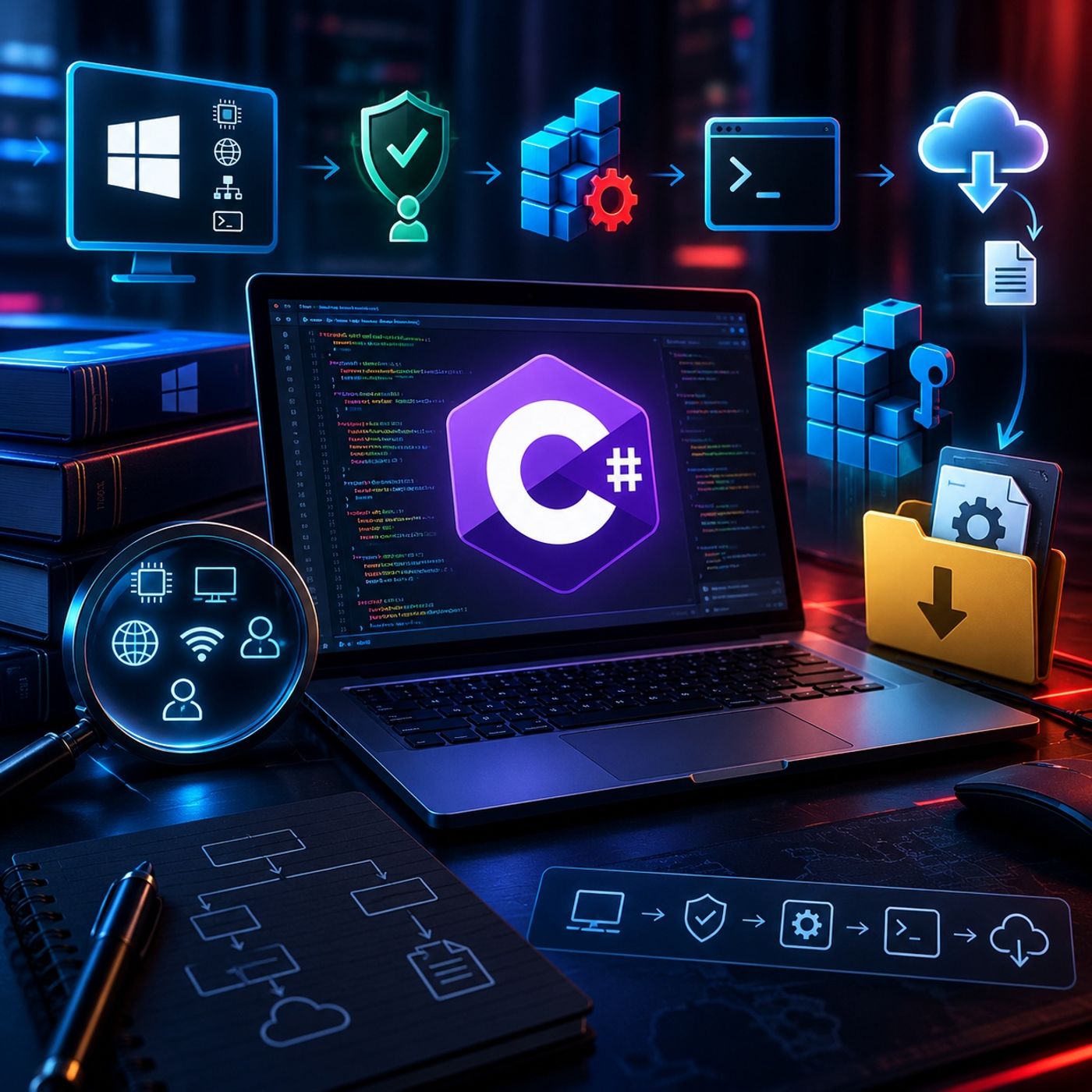
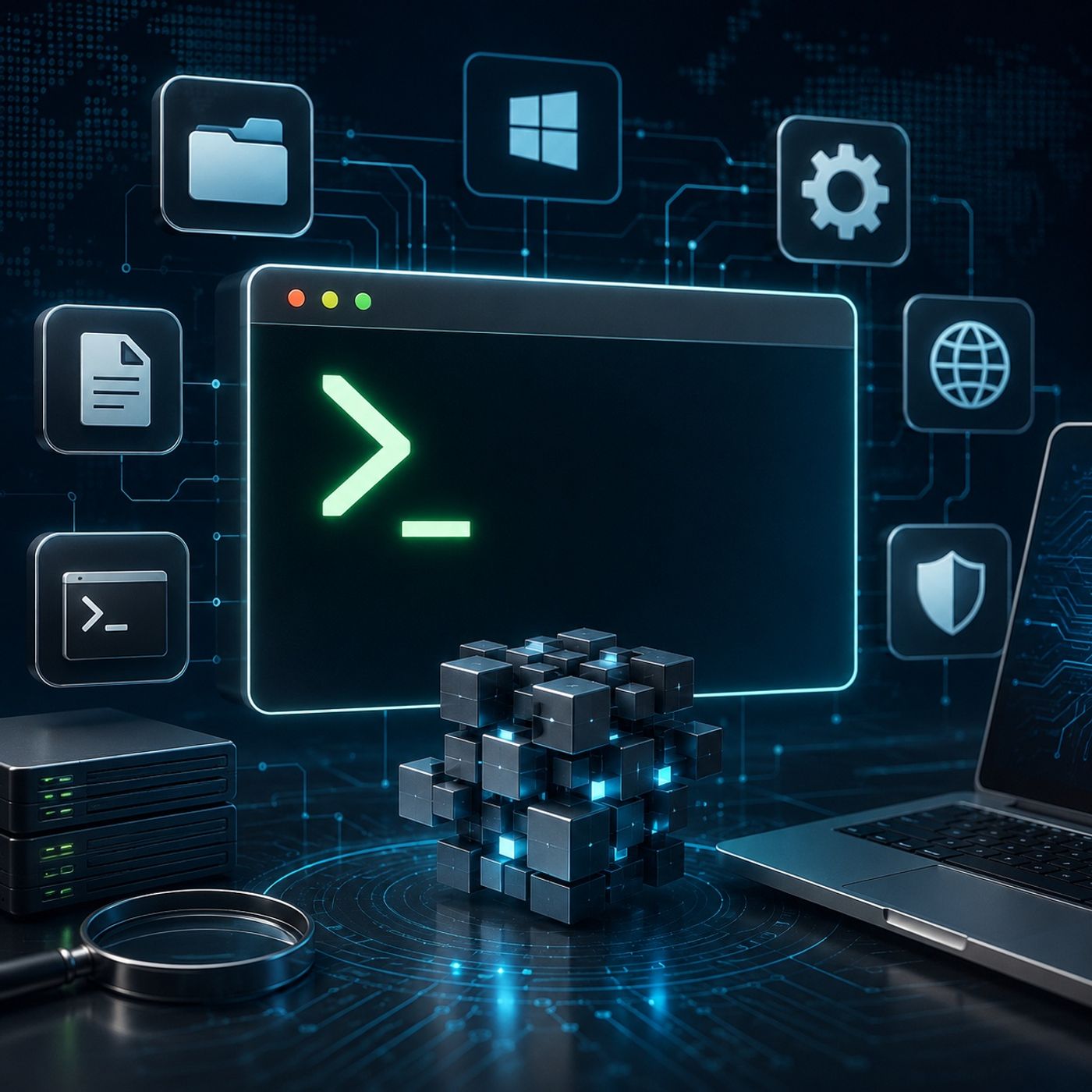
In this episode, we build a custom interactive command-line shell in C#, exploring how applications can combine filesystem navigation, system reconnaissance, and operating-system command execution into a single interface.The episode takes a practical, step-by-step approach, beginning with basic directory operations and gradually introducing system information gathering and command execution.1. Directory NavigationWe begin by building the foundations of the custom shell around local filesystem interaction.Using C# system I/O functionality and the Directory class, we implement commands that allow the application to: Change the current directory Display the current working location List files and directories Process filesystem paths dynamically Format command output using StringBuilder These components establish the basic navigation capabilities expected from a command-line environment.2. System ReconnaissanceOnce filesystem navigation is in place, we expand the shell with system-information commands.The application can query important host information, including: Operating system details Current username Network and IP information Process information Current security and administrative privileges This demonstrates how C# applications can interact with Windows APIs and built-in system classes to obtain information about the environment in which they are running.3. Command ExecutionThe final stage introduces operating-system command execution through the C# Process class.The shell is designed to distinguish between its own built-in commands and commands that are not recognized internally. Unrecognized input can then be passed to the Windows command interpreter.The implementation demonstrates concepts such as: Creating and managing processes Redirecting standard output Capturing standard error Reading process results programmatically Presenting command output through the custom interface This creates a bridge between the C# application and the underlying operating system.4. Putting the Shell TogetherThe episode brings all three capabilities into one workflow:Directory Navigation → System Reconnaissance → Command Processing → OS InteractionRather than relying exclusively on the standard command prompt, the custom application provides its own interface for interacting with the local environment.From a cybersecurity perspective, understanding these mechanisms is particularly valuable for authorized security testing, malware analysis, and defensive research, because similar operating-system interaction techniques can appear in both legitimate administration tools and malicious software.Key TakeawaysBy the end of this episode, learners should understand how to: Build a basic command-line interface in C# Navigate the Windows filesystem programmatically Enumerate files and directories Collect system and user information Inspect process and privilege information Create and manage processes with the Process class Capture standard output and error streams Connect a C# application to the Windows command interpreter This episode provides an important foundation for understanding C# system programming and Windows security tooling, while demonstrating how relatively simple programming components can be combined to create a powerful operating-system interaction framework. You can listen and download our episodes for free on more than 10 different platforms: https://linktr.ee/cybercode_academy

0:00-16:24

transcript

No transcript — this publisher did not publish one.

show notes

In this episode, we build a custom interactive command-line shell in C#, exploring how applications can combine filesystem navigation, system reconnaissance, and operating-system command execution into a single interface.The episode takes a practical, step-by-step approach, beginning with basic directory operations and gradually introducing system information gathering and command execution.1. Directory NavigationWe begin by building the foundations of the custom shell around local filesystem interaction.Using C# system I/O functionality and the Directory class, we implement commands that allow the application to:
  • Change the current directory
  • Display the current working location
  • List files and directories
  • Process filesystem paths dynamically
  • Format command output using StringBuilder
These components establish the basic navigation capabilities expected from a command-line environment.2. System ReconnaissanceOnce filesystem navigation is in place, we expand the shell with system-information commands.The application can query important host information, including:
  • Operating system details
  • Current username
  • Network and IP information
  • Process information
  • Current security and administrative privileges
This demonstrates how C# applications can interact with Windows APIs and built-in system classes to obtain information about the environment in which they are running.3. Command ExecutionThe final stage introduces operating-system command execution through the C# Process class.The shell is designed to distinguish between its own built-in commands and commands that are not recognized internally. Unrecognized input can then be passed to the Windows command interpreter.The implementation demonstrates concepts such as:
  • Creating and managing processes
  • Redirecting standard output
  • Capturing standard error
  • Reading process results programmatically
  • Presenting command output through the custom interface
This creates a bridge between the C# application and the underlying operating system.4. Putting the Shell TogetherThe episode brings all three capabilities into one workflow:Directory Navigation → System Reconnaissance → Command Processing → OS InteractionRather than relying exclusively on the standard command prompt, the custom application provides its own interface for interacting with the local environment.From a cybersecurity perspective, understanding these mechanisms is particularly valuable for authorized security testing, malware analysis, and defensive research, because similar operating-system interaction techniques can appear in both legitimate administration tools and malicious software.Key TakeawaysBy the end of this episode, learners should understand how to:
  • Build a basic command-line interface in C#
  • Navigate the Windows filesystem programmatically
  • Enumerate files and directories
  • Collect system and user information
  • Inspect process and privilege information
  • Create and manage processes with the Process class
  • Capture standard output and error streams
  • Connect a C# application to the Windows command interpreter
This episode provides an important foundation for understanding C# system programming and Windows security tooling, while demonstrating how relatively simple programming components can be combined to create a powerful operating-system interaction framework.

You can listen and download our episodes for free on more than 10 different platforms:
https://linktr.ee/cybercode_academy
links1