The Death of Stalin — How Fear Makes Power Fragile
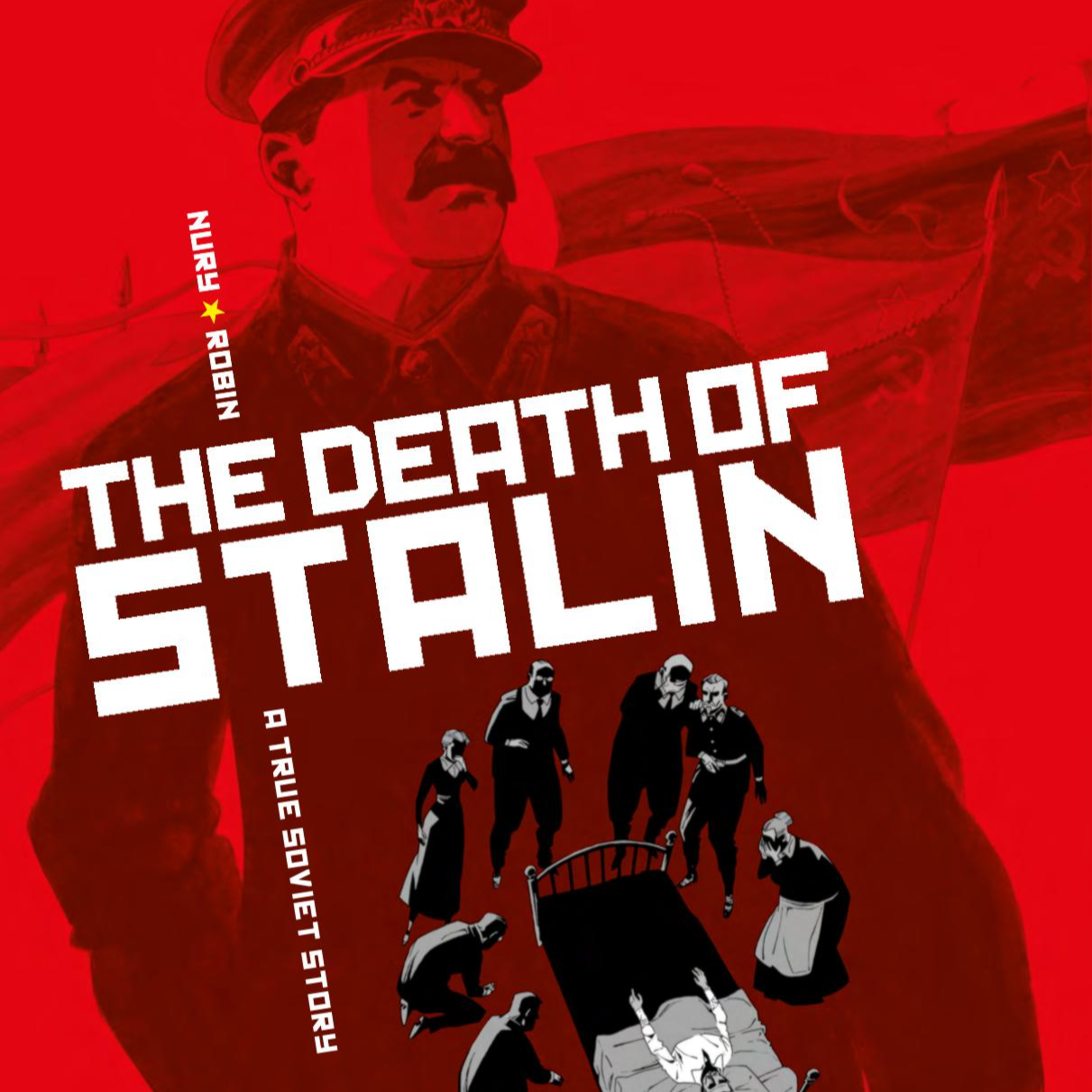
A government can concentrate enormous power while simultaneously damaging its own ability to understand what is happening inside it. Welcome to Crisis in Perception, where we examine the systems shaping our world. Using The Death of Stalin, written by Fabien Nury and illustrated by Thierry Robin, this Deep Dive examines the institutional consequences of governing through fear. The fictionalized graphic novel uses Stalin’s final days and the struggle surrounding his death to explore how terror reshapes information, incentives, responsibility, and political behavior. From the Radio Moscow recording crisis to the difficulty of obtaining medical care after Stalin collapses, the same pattern repeatedly emerges: people become more concerned with avoiding punishment than communicating reality accurately. The succession struggle then shows how surveillance, secrecy, propaganda, political files, and mutual complicity can continue influencing behavior even when the leader at the center of the system disappears. At the center of the investigation is a reinforcing loop between fear, silence, information failure, institutional paralysis, and further coercion. 📺 Watch on YouTube: https://youtu.be/m0rd54SrUF8 ❤️ Support / Episode Post on Patreon: https://www.patreon.com/CrisisinPerception/posts/death-of-stalin-170729613?utm_medium=clipboard_copy&utm_source=copyLink&utm_campaign=postshare_creator&utm_content=join_link This episode discusses key plot outcomes from the referenced fictional work in order to analyze its underlying social, economic, and systemic themes. If these ideas resonate, consider reading the work yourself or borrowing it from your local library. Supporting authors and libraries helps keep critical inquiry accessible. If you value systems-level analysis like this, please follow, rate, and share the project. This content was created using AI-assisted tools for research synthesis, structuring, and narration support. All analysis, framing, and editorial decisions are guided by human judgment as part of the Crisis in Perception project.