Skip to content
Artwork for BackTable ENT & Allergy
Health & FitnessMedicineEducation

BackTable ENT & Allergy

BackTable

The go-to podcast for otolaryngologists, allergists, and head and neck surgeons. Tune in every week for practical, physician-led conversations on common and complex clinical topics in allergy, immunology otolaryngology, rhinology, laryngology, otology, and head and neck surgery. Hear how experienced physicians approach real cases, and get practical advice from your peers in your field.

Play
  • 21 episodes
  • weekly
  • Avg 55 min
  • English
Counted on this page — what you have heard stays on this device, so it is not something the list can be paged by.
  • Tuesday · 59 min

    Ep. 289 Pharmacist Impact on Asthma & COPD Care with Dr. Joelle Ayoub

    What if your pharmacist could help optimize a patient’s asthma treatment before their next clinic visit? On this episode of the BackTable ENT & Allergy Podcast, Dr. Basil Kahwash welcomes clinical pharmacist Dr. Joelle Ayoub to discuss how ambulatory care pharmacists can partner with ENT and allergy clinics to optimize asthma management. Dr. Ayoub shares her experience working in a family medicine clinic, collaborating with providers through referrals, reviewing medications, and providing direct patient education on inhaler use and disease management. --- Get the BackTable app https://www.backtable.com/app --- Timestamps 00:00 - Introduction 02:40 - The Role of the Clinic Pharmacist 05:04 - Teaching Patients and Improving Inhaler Technique 12:36 - Choosing Inhalers and Applying Guidelines 18:51 - Comparing MDI, DPI, and SMI Devices 28:15 - Tracking Asthma Control and Monitoring Adherence 33:55 - Inhaler Education and Overcoming Barriers 40:00 - Using Social Media for Patient and Provider Education 44:16 - Pharmacist Collaboration and the Future of Team Care 50:58 - Answering Biologics Patient Questions 53:15 - SMART Therapy and Digital Inhaler Advances 55:19 - Wrap Up --- More about this episode They discuss common gaps in asthma care, with a focus on inhaler technique and medication adherence. Dr. Ayoub explains how device complexity, cost, and a patient’s ability to use their inhaler can all affect treatment. She also reviews the major inhaler types, common technique errors, and what to consider when choosing the right device for each patient. With this, Dr. Ayoub shares practical approaches to adherence monitoring, asthma guideline updates, and biologic monitoring. Throughout, Dr. Ayoub emphasizes the benefits of multidisciplinary collaboration and how pharmacists can help bridge gaps in care for patients with asthma. --- Resources Joelle Ayoub, PharmD, BCACP, APh - https://www.westernu.edu/bios/?bio=jayoub --- BackTable ENT & Allergy is the go-to podcast for otolaryngologists, allergists, and head and neck surgeons. Download the free BackTable app to get early access to new episodes, cases, and courses curated by physicians in your specialty. ► https://www.backtable.com/app

  • August 18 · 56 min

    Ep. 288 AERD: Diagnosis & Treatment Strategies with Dr. Andrew White

    Aspirin or biologics? How do you choose the right treatment for AERD? On this episode of the BackTable ENT & Allergy Podcast, Dr. Basil Kahwash interviews Dr. Andrew White, Director of the AERD Clinic at Scripps Clinic, to discuss the diagnosis and management of this often underrecognized condition. They cover practical strategies for identifying AERD, the importance of a detailed NSAID history, and how treatment decisions are shaped by patient goals and disease severity. --- Get the BackTable app https://www.backtable.com/app --- Timestamps 00:00 - Introduction 02:08 - What Is AERD and Prevalence 06:32 - History Taking and Mechanism 11:10 - Typical Symptom Progression and Alcohol Intolerance 16:41 - When to Do Aspirin Challenge 19:00 - Challenge Protocol And Upper Airway Reactions 24:53 - Aspirin Desensitization vs Challenge 27:58 - Aspirin therapy after desensitization and Risk of GI Bleeds 31:17 - Biologics Change AERD 33:42 - Choosing Aspirin Desensitization vs Biologics 35:52 - Patient Counseling and Motivational Interviewing 41:26 - Convenience and Cost of Therapy 44:10 - ENT Allergy Collaboration 47:22 - Rapid Fire Pearls 51:13 - Future Research & Management Direction 54:05 - Final Takeaways --- More about this episode Dr. White explains that AERD affects about 8 to 10 percent of asthmatics, with even higher rates in those with severe asthma or nasal polyps. He reviews typical adult-onset progression, alcohol-related respiratory symptoms, and the underlying pathophysiology, including imbalances in arachidonic acid mediators and leukotriene surges after NSAID exposure. The conversation includes practical questions to ask when taking an NSAID history, such as reactions to common pain relievers or alcohol, and when to consider aspirin challenge. Dr. White also details long-term treatment strategies, including the role of biologics like dupilumab and aspirin therapy after desensitization, with considerations for dosing and gastrointestinal risk. He explains how factors like asthma severity, recurrent polyp disease, sense of smell, cost, and convenience all influence therapy choice. The episode concludes with a discussion of multidisciplinary collaboration, patient counseling, and Dr. White’s insights on future research directions in AERD management. --- Resources Aspirin sensitivity and severity of asthma: evidence for irreversible airway obstruction in patients with severe or difficult-to-treat asthma https://pubmed.ncbi.nlm.nih.gov/16275362/ Polyphenolic Activation of Basophils Explains Alcohol Hypersensitivity in AERD https://pubmed.ncbi.nlm.nih.gov/41065188/ New insights into the mechanisms of aspirin-exacerbated respiratory disease https://pubmed.ncbi.nlm.nih.gov/39641750/ The role of aspirin desensitization followed by oral aspirin therapy in managing patients with aspirin-exacerbated respiratory disease: A Work Group Report from the Rhinitis, Rhinosinusitis and Ocular Allergy Committee of the American Academy of Allergy, Asthma & Immunology https://pmc.ncbi.nlm.nih.gov/articles/PMC7980229/ Safety and outcomes of aspirin desensitization for aspirin-exacerbated respiratory disease: A single-center study https://pubmed.ncbi.nlm.nih.gov/28550988/ Selection of aspirin dosages for aspirin desensitization treatment in patients with aspirin-exacerbated respiratory disease https://pubmed.ncbi.nlm.nih.gov/17208597/ Factors influencing aspirin therapy after desensitization (ATAD) tolerance in aspirin-exacerbated respiratory disease (AERD) patients https://pubmed.ncbi.nlm.nih.gov/41022281/ Feed the Good Wolf: Motivational Interviewing, Cognitive Behavioral Therapy, and Mindset https://pubmed.ncbi.nlm.nih.gov/42103433/ --- BackTable ENT & Allergy is the go-to podcast for otolaryngologists, allergists, and head and neck surgeons. Download the free BackTable app to get early access to new episodes, cases, and courses curated by physicians in your specialty. ► https://www.backtable.com/app
  • August 11 · 59 min

    Ep. 287 Unified Airway: Unified Biology, Unified Inflammation with Dr. Cedric "Jamie" Rutland

    Can viewing the airway as one connected system change the future of respiratory care and improve patient outcomes? On this episode of the BackTable ENT & Allergy Podcast, Dr. Cedric Jamie Rutland, pulmonary and critical care medicine physician, joins Dr. Basil Kahwash to discuss the unified airway hypothesis and its implications for clinical care. They explore how upper and lower airway inflammation are closely linked, and why multidisciplinary collaboration is essential for treating the whole patient. --- Get the BackTable app https://www.backtable.com/app --- Timestamps 00:00 - Introduction 05:06 - Understanding the Unified Airway 14:27 - Decoding Asthma Biomarkers 20:34 - Endotyping in Clinical Practice 26:36 - Addressing Asthma Symptom and “Outgrowing” Asthma 32:13 - Strategies for Precision Biologics 34:23 - Navigating Insurance and Treatment Indications 35:36 - Treating the Whole Patient and Breaking Down Specialty Silos 46:07 - Effective Patient Communication 51:36 - Asthma Lightning Round 57:33 - Biologics and Airway Remodeling 1:00:00 - Closing Thoughts --- More about this episode The conversation covers the biology of type II inflammation, the use of biomarkers and biologics for more personalized treatment, and practical strategies for overcoming insurance barriers and specialty silos. Dr. Rutland shares insights on patient communication, the limitations of current diagnostics, and the impact of chronic inflammation on systemic disease. The episode highlights the need for ENT, allergy, and pulmonology teams to work together and embrace a connected view of airway disease to achieve better patient outcomes. --- Resources Dr. Jamie Rutland - https://www.lung.org/media/meet-our-experts/cedric-jamie-rutland-md --- BackTable ENT & Allergy is the go-to podcast for otolaryngologists, allergists, and head and neck surgeons. Download the free BackTable app to get early access to new episodes, cases, and courses curated by physicians in your specialty. ► https://www.backtable.com/app

  • August 4 · 27 min

    Ep. 286 What's The Big Deal With This BackTable App? with Dr. Aaron Fritts

    BackTable is moving beyond the traditional podcast experience and into a platform built specifically for clinicians. On this episode of the BackTable ENT & Allergy Podcast, hosts Drs. Gopi Shah and Ashley Agan welcome Dr. Aaron Fritts, interventional radiologist and BackTable CEO and Co-Founder, to discuss the history and future of BackTable, and what listeners can look forward to on the new BackTable App. --- Get the BackTable app https://www.backtable.com/app --- Timestamps 00:00 - Introduction 00:51 - Meet the CEO and Co-Founder 02:32 - How Backtable Got Its Name 04:32 - Why Move to the App 07:31 - Community and Learning Features 12:36 - Playlists and Transcripts 15:42 - Beyond Backtable Content 18:07 - Searchability and Other Platform Limits 19:35 - Privacy and NPI Verification 21:31 - Download the App and Give Feedback 22:53 - October Timeline and Academy Party 24:26 - Closing Thoughts --- More about this episode Dr. Fritts shares how BackTable started as an app concept for medical devices in 2016, evolved into the IR podcast in 2017, and expanded to the ENT show in 2020. He explains how Gopi coined the name “BackTable” as an homage to the informal, behind-the-scenes conversations that fuel clinical learning. With eight shows now producing 30 to 40 episodes each month, BackTable will begin releasing most new podcast episodes exclusively on the BackTable app starting in October. The conversation highlights the app’s robust features designed for busy clinicians, including physician-only NPI-verified guest Q&As, quick-study cases, searchable and organized playlists, episode transcripts, offline listening, upcoming CarPlay integration, and access to resources like the Curbsiders internal medicine podcast. The BackTable app is free to download and free to use, providing easy access to a growing library of high-yield medical education content. --- Resources Download the BackTable App on Google Play https://play.google.com/store/apps/details?id=com.backtable.app&hl=en_GB Download the BackTable App on the Apple App Store https://apps.apple.com/us/app/backtable/id6751363383 --- BackTable ENT & Allergy is the go-to podcast for otolaryngologists, allergists, and head and neck surgeons. Download the free BackTable app to get early access to new episodes, cases, and courses curated by physicians in your specialty. ► https://www.backtable.com/app

  • July 28 · 1 hr 3 min

    Ep. 285 Post-Operative Care & Complications in Coblation Intracapsular Tonsillectomy in Children with Dr. Kevin Huoh and Dr. Stephen Chorney

    Most surgeons trained learning extracapsular tonsillectomies. What does the evidence say about intracapsular tonsillectomies? Two pediatric otolaryngologists explain why they made the switch and never looked back. On this episode of the BackTable ENT Podcast, hosts Dr. Ashley Agan and Dr. Gopi Shah sit down with pediatric otolaryngologists Dr. Stephen Chorney from UT Southwestern and Children's Health Dallas and Dr. Kevin Huoh from Children's of Orange County to examine post-operative complications after tonsillectomy and adenoidectomy, with a focus on coblation intracapsular tonsillectomy. --- Get the BackTable app https://www.backtable.com/app --- This podcast is supported by Smith + Nephew https://www.smith-nephew.com/en/ --- Timestamps 00:00 - Introduction 02:53 - Why Switch Techniques? 07:58 - Risk Stratification and Patient Selection 11:04 - Respiratory Complications and Management 15:57 - Preop Screening 21:35 - Risks for Post-op Bleeding and Counseling 26:16 - Managing Post-op Bleeding 31:56 - Surgical Tips to Prevent Bleeds and Management 39:30 - Intracapsular Tonsillectomy in Older Kids 43:44 - Post Op Pain Plan and Return To School 48:33 - Use of Toradol & Readmission for Pain and Dehydration 53:16 - Caution of Burn and Stenosis Injuries 61:01 - Final Takeaways --- More about this episode Dr. Chorney and Dr. Huoh share why they each committed fully to the intracapsular technique and what that shift has meant in practice, from secondary hemorrhage rates hovering around 0.5–0.6% to fewer nursing line calls, readmissions for pain and dehydration, and faster returns to school and normal activity. They walk through their approach to patient risk stratification and admission criteria (age <3, severe OSA/comorbidities, AHI >30/ICU consideration) as well as how to manage the most common post-operative respiratory complications. The conversation also covers practical guidance for handling outside-ER bleed calls, the role of nebulized TXA, toradol considerations, and managing dehydration. They also share for navigating intracapsular coblation in older children, strategies to reduce burn injuries, and a closer look at the rare but serious risk of pharyngeal stenosis. Check out this episode to hear Dr. Chorney and Dr. Huoh discuss how intracapsular tonsillectomy doesn't just improve outcomes but can transform the recovery experience for patients and their families. --- Resources Extracapsular vs Intracapsular Tonsillectomy: Outcomes in Children with a Focus on Developmental Delay https://pubmed.ncbi.nlm.nih.gov/34839135/ Current Status and Future Trends: Pediatric Intracapsular Tonsillectomy in the United States https://pubmed.ncbi.nlm.nih.gov/32969500/ Dr. Chorney Episode 259 - Understanding Coblation Tonsillectomy https://www.backtable.com/shows/ent/podcasts/259/understanding-coblation-tonsillectomy-benefits-outcomes-techniques Dr. Huoh Episode 110 - Intracapsular Tonsillectomy in Children https://www.backtable.com/shows/ent/podcasts/110/intracapsular-tonsillectomy-in-children --- BackTable ENT & Allergy is the go-to podcast for otolaryngologists, allergists, and head and neck surgeons. Download the free BackTable app to get early access to new episodes, cases, and courses curated by physicians in your specialty. ► https://www.backtable.com/app

  • July 23 · 1 hr 7 min

    Ep. 284 Optimizing Nasal Airway for CPAP Compliance with Dr. Michael Hutz and Dr. Atul Malhotra

    Is nasal obstruction the overlooked culprit behind CPAP intolerance? On this episode of BackTable ENT & Allergy, Dr. Gopi Shah interviews Dr. Atul Malhotra and Dr. Michael Hutz to examine the critical but often underappreciated role of the nose in obstructive sleep apnea management. They discuss how nasal obstruction can undermine CPAP adherence, why relying solely on AHI may miss key issues, and how identifying the true cause of intolerance can lead to more personalized and effective therapy. --- Get the BackTable app https://www.backtable.com/app --- This podcast is supported by Aerin Medical https://vivaer.com/ --- Timestamps 00:00 - Introduction 04:05 - OSA Presentation and AHI Limitations 08:13 - Understanding CPAP Intolerance and Nasal Obstruction 15:24 - Evaluating Nasal Obstruction 20:32 - Nasal Anatomy and Workup 27:47 - DICE Technique and Assessing Dynamic Nasal Collapse 32:51 - Medical and Non-Surgical Management 37:29 - Surgical Options and VivAer 43:39 - Nasal Procedures and CPAP Success 51:57 - Nasal Surgery and Heart Outcomes 55:23 - Beyond CPAP: Nasal Breathing, Myofunctional Therapy, and Collaborative Care 01:04:51 - Wrap Up --- More about this episode The physicians review practical strategies for evaluating nasal obstruction, from targeted patient questionnaires, physical exams, nasal endoscopy, and selective imaging. The doctors also detail medical and surgical treatment options, from allergy management and nasal sprays to septoplasty, turbinate reduction, functional rhinoplasty, and temperature-controlled radiofrequency (VivAer). Throughout the episode, they highlight how comprehensive nasal evaluation and intervention can significantly improve CPAP comfort and adherence. --- Resources Dr. Atul Malhotra - https://providers.ucsd.edu/details/22362/sleep-medicine-pulmonology-(lung) Dr. Michael Hutz- https://doctors.rush.edu/details/19100 CPAP treatment persistence following nasal procedures in obstructive sleep apnea - https://www.tandfonline.com/doi/pdf/10.1080/13696998.2026.2671550 Design and rationale for treating Obstructive Sleep Apnea using Targeted Hypoglossal Nerve Stimulation trial - https://www.sciencedirect.com/science/article/pii/S1551714422001306 The Impact of Mouth-Taping in Mouth-Breathers with Mild Obstructive Sleep Apnea - https://pmc.ncbi.nlm.nih.gov/articles/PMC9498537/ VATRAC Trial of VivAer - https://aerinmedical.com/company/news-and-media/aerin-medical-announces-positive-two-year-outcomes-from-the-vatrac-trial-of-vivaer/ --- BackTable ENT & Allergy is the go-to podcast for otolaryngologists, allergists, and head and neck surgeons. Download the free BackTable app to get early access to new episodes, cases, and courses curated by physicians in your specialty. ► https://www.backtable.com/app

  • July 21 · 1 hr 14 min

    Ep. 283 Streamlining Surgery: The Future of the OR with Dr. Raj Sindwani

    What if the next major advance in ENT surgery isn’t a new instrument, but a better-integrated operating room? In this episode of the BackTable ENT & Allergy Podcast, Cleveland Clinic rhinologist and skull base surgeon Dr. Raj Sindwani joins Dr. Gopi Shah and Dr. Ashley Agan to discuss how reducing cognitive load, improving workflows, and creating a more efficient OR environment can enhance the surgical experience. --- Get the BackTable app https://www.backtable.com/app --- This podcast is supported by Stryker https://www.stryker.com/us/en/ent.html --- Timestamps 00:00 - Introduction 03:50 - Where Surgery Happens: Choosing the Right Site for Service 06:27 - Quality Safety And Throughput 09:48 - Reducing Cognitive Load In Surgery 15:34 - Building an Efficient OR Ecosystem And Culture 23:06 - Tech Adoption and Team Training 26:19 - Smarter Surgical Navigation and Augmented Reality 37:02 - Navigation Accuracy, Registration, and Smart Coaching 40:29 - Inside the Stryker RISE Platform 49:55 - Integration Challenges and Voice-Control Safety 56:36 - Surgical Ergonomics and Injury Prevention 01:09:14 - The Future of Surgical Innovation and AI in the OR --- More about this episode Dr. Sindwani explores how minimizing unnecessary friction, improving team dynamics, and thoughtfully integrating technology can help surgical teams focus on what matters most: patient care. The conversation examines the operating room as an ecosystem where people, processes, and technology all contribute to patient outcomes. Dr. Sindwani shares strategies for reducing extrinsic cognitive load, including standardizing room setup, minimizing interruptions, and optimizing the surgical environment. He also discusses advances in sinus and skull base navigation, augmented reality guidance, and Stryker’s RISE platform, highlighting how integrated technology can simplify workflow, improve ergonomics, and reduce distractions in the OR. Throughout the episode, Dr. Sindwani emphasizes the importance of thoughtful technology adoption, team collaboration, and designing the operating room of the future around safety, efficiency, and the needs of both patients and surgeons. --- Resources Dr. Raj Sindwani https://providers.clevelandclinic.org/provider/raj-sindwani/4268990 Stryker ENT https://www.stryker.com/us/en/ent.html Stryker RISE Platform https://www.stryker.com/us/en/portfolios/medical-surgical-equipment/integration-and-connectivity/or-integration/rise.html Technological Advances in Sinus and Skull Base Surgery by Dr. Raj Sindwani https://www.oto.theclinics.com/article/S0030-6665(17)30050-6/fulltext Ergonomics in ENT Practice NIH Article https://pmc.ncbi.nlm.nih.gov/articles/PMC11455805/ --- BackTable ENT & Allergy is the go-to podcast for otolaryngologists, allergists, and head and neck surgeons. Download the free BackTable app to get early access to new episodes, cases, and courses curated by physicians in your specialty. ► https://www.backtable.com/app

  • July 14 · 36 min

    Ep. 282 Awake Cochlear Implantation: An Expert Guide with Dr. Sarah Mowry

    Have you considered performing a cochlear implant while your patient is awake? In this episode of the Backtable ENT & Allergy Podcast, Dr. Walter Kutz and Dr. Brandon Isaacson sit down with Dr. Sarah Mowry to explore her protocol for cochlear implants under local anesthesia, an approach especially relevant for older adults concerned about the cognitive risks of general anesthesia. Dr. Mowry shares her criteria for patient selection, preoperative counseling strategies, and how she adapts the OR setup to maximize comfort and communication during awake surgery. --- Get the BackTable app https://www.backtable.com/app --- Timestamps 00:00 - Introduction 02:06 - Why to Consider Awake Cochlear Implants 05:32 - Indications for Awake CI 08:50 - Local Blocks and Pain Control 10:58 - Counseling and Expectations 14:40 - Preventing Intraoperative Vertigo and Converting to General Anesthesia 17:17 - Set Up and Communication with Patient 19:14 - Lesser Occipital Nerve Block and Potential Role of Processed EEG 26:32 - Pitch Matching for Single-Sided Deafness, CI, and Anxiety Considerations 29:00 - Feedback from Patients and Electrode Choice 31:30 - Advice to Surgeons and Closing Remarks --- More about this episode The conversation covers her anesthesia protocol, including lesser occipital and postauricular nerve blocks, minimizing propofol, and using topical 2% lidocaine in sensate areas like the facial recess and epitympanum. Dr. Mowry discusses practical strategies of using warmed irrigation to reduce intraoperative vertigo and contingency plans for conversion to general anesthesia. She discusses electrode considerations and the potential role of processed EEG to titrate anesthesia depth and practical tips for surgeons interested in adopting awake cochlear implantation. Throughout, they highlight the importance of individualized patient care, multidisciplinary teamwork, and the growing role of local anesthesia in otologic surgery. --- Resources Cochlear Implantation Under Local Anesthesia With Conscious Sedation in the Elderly: First 100 Cases https://pubmed.ncbi.nlm.nih.gov/32663339/ Cochlear implantation under local anesthesia in 117 cases: patients' subjective experience and outcomes https://pubmed.ncbi.nlm.nih.gov/34487218/ --- BackTable ENT & Allergy is the go-to podcast for otolaryngologists, allergists, and head and neck surgeons. Download the free BackTable app to get early access to new episodes, cases, and courses curated by physicians in your specialty. ► https://www.backtable.com/app
  • July 7 · 1 hr 1 min

    Ep. 281 Expert Insight on Congenital CMV & Pediatric Hearing Loss with Dr. Albert Park

    Did you know that congenital CMV-related hearing loss can develop several years after birth? On the BackTable ENT & Allergy Podcast, hosts Dr. Gopi Shah and Dr. Jeff Hyzer interview pediatric otolaryngologist Dr. Albert Park about the latest evidence on congenital CMV and its role in pediatric sensorineural hearing loss. The discussion covers diagnosis, risk factors, screening protocols, testing strategies, antiviral treatment, genetic workup, long-term surveillance, and future directions for early detection and prevention. --- Get the BackTable app https://www.backtable.com/app --- Timestamps 00:00 - Introduction 02:47 - Basics of CMV Infections and Hearing Loss Presentation 07:57 - CMV Screening Workflow 11:33 - Saliva vs. Urine Based Screening 14:00 - Early Workup and Communication 19:37 - Late Onset Workup and Use of Antivirals 24:39 - Treatment with Antiviral Medications 27:22 - Head Ultrasound vs. MRI 30:06 - Role of Genetic Testing 32:47 - Surveillance and Progression Risk 37:29 - CI Outcomes and Predictors 42:18 - BAHA and Older Candidates 45:44 - Awareness, Prevention Efforts, and Education 54:25 - Vaccines and Universal Screening Pitfalls 57:40 - Advocacy and Closing Thoughts --- More about this episode Dr. Park explains the differences between congenital and acquired CMV, reviews epidemiology and, and highlights that hearing loss may be present at birth or develop later in childhood. He discusses Utah’s evolution from hearing-targeted CMV testing to universal NICU screening, emphasizing the importance of diagnosis within the first 21 days of life. The conversation covers saliva versus urine testing, dried blood spot testing, and the role of a multidisciplinary team in evaluation and management. Dr. Park also reviews antiviral treatment strategies, imaging and genetic testing considerations, audiologic surveillance, and cochlear implantation outcomes. Finally, he discusses ongoing advocacy efforts, emerging prenatal screening technologies, and future directions and challenges for CMV prevention and early detection. --- Resources Nance & Morton NEJM Paper Cited - 20% of Congenital SNHL linked to Congenital CMV https://www.nejm.org/doi/full/10.1056/NEJMra050700 Dr.Kimberlin’s work supporting antiviral treatment for 6 months https://www.nejm.org/doi/full/10.1056/NEJMoa1404599?utm_source=openevidence Dr.Vossen’s antiviral therapy research https://pubmed.ncbi.nlm.nih.gov/38336204/ AAP Red Book https://publications.aap.org/redbook Dr. Smith’s Research - Genetic Testing for Congenital Bilateral Hearing Loss in the Context of Targeted Cytomegalovirus Screening https://pubmed.ncbi.nlm.nih.gov/31985074/ Dr.Park’s Research Congenital Cytomegalovirus Testing Outcomes From the ValEAR Trial https://pubmed.ncbi.nlm.nih.gov/38415855/ Dr.Park’s Research - Analysis of an Expanded Targeted Early Cytomegalovirus Testing Program https://pubmed.ncbi.nlm.nih.gov/36884018/ Dr.Foulon - Hearing Loss With Congenital Cytomegalovirus Infection https://pubmed.ncbi.nlm.nih.gov/31266824/ Research about the use of Vaclovir to reduce vertical transmission https://pubmed.ncbi.nlm.nih.gov/32919517/ Dr.Gantt’s research on the Ping-Pong Effect https://pubmed.ncbi.nlm.nih.gov/29889809/ --- BackTable ENT & Allergy is the go-to podcast for otolaryngologists, allergists, and head and neck surgeons. Download the free BackTable app to get early access to new episodes, cases, and courses curated by physicians in your specialty. ► https://www.backtable.com/app
  • June 30 · 1 hr 4 min

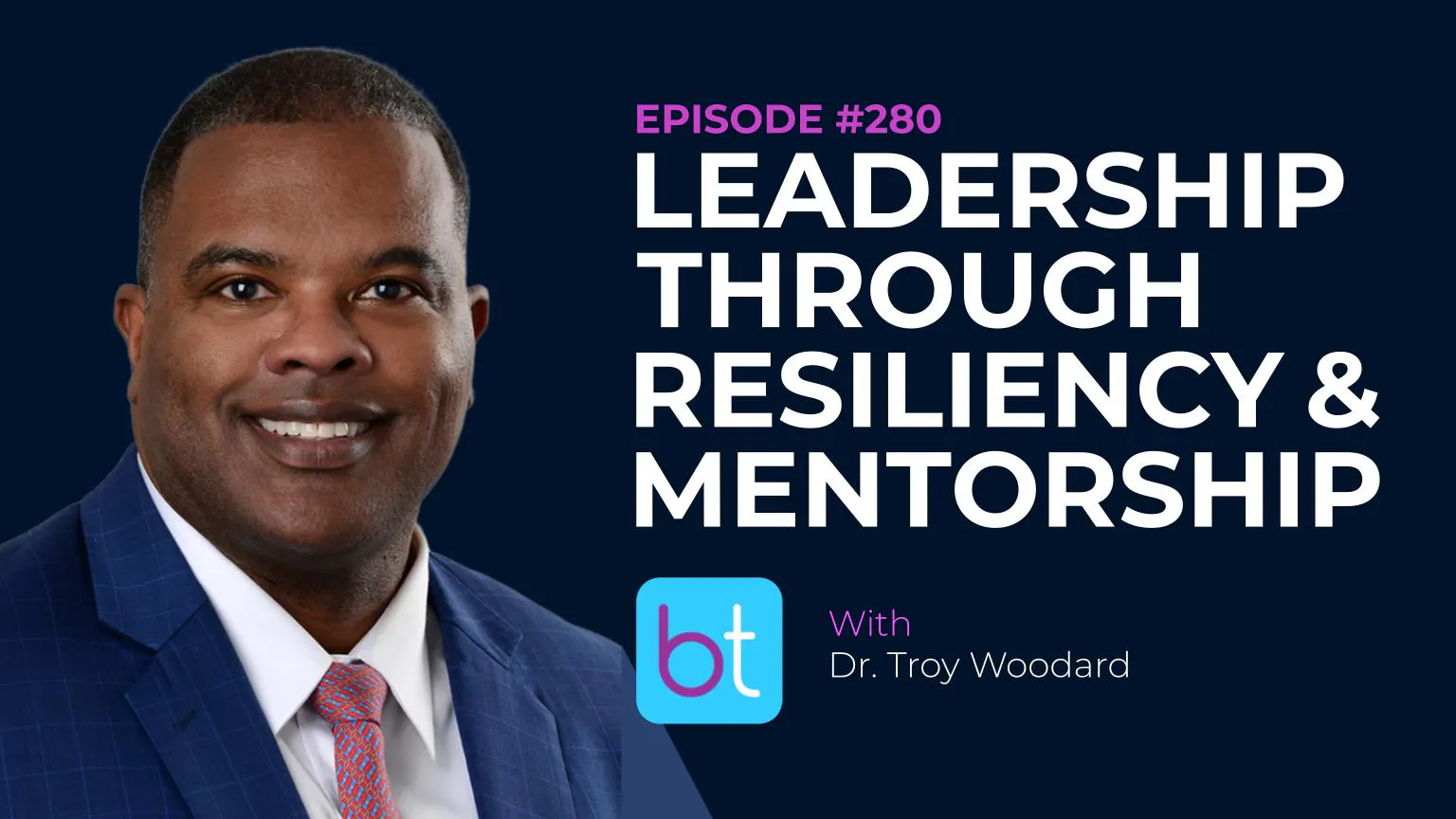
    Ep. 280 Leadership Through Resiliency & Mentorship with Dr. Troy Woodard

    Every leader has a story. The experiences, mentors, and moments along the way shape not only who we become, but how we lead. In this episode of BackTable ENT and Allergy, Drs. Ashley Agan and Gopi Shah interview internationally renowned rhinologist Dr. Troy Woodard about his leadership journey and the lessons learned along the way. Together, they explore how leadership is about actions rather than titles, the value of national involvement, and the importance of embracing change and personal growth throughout a career. --- Get the BackTable app https://www.backtable.com/app --- Timestamps 00:00 - Introduction 02:20 - From Fan Moment to Bio 04:15 - Early Leadership Roots 06:40 - Lead Without a Title 08:43 - Finding Leadership Itch 14:56 - Burnout and the Pivot 19:16 - Coaching and Victim Mindset 22:31 - FMLA Reset and Purpose Shift 27:11 - Letting Go to Grow 30:14 - Listening Tour at Buffalo 33:59 - DEI and Minority Leadership 35:47 - Mentorship and Leaky Pipeline 39:48 - Purpose Through Outreach 44:28 - Respectful Change Leadership 47:25 - Emotional Intelligence Growth 50:27 - Advice for New Leaders 52:53 - Handling Dream Crushers 56:50 - Imposter Syndrome Breakthrough 01:01:01 - Leadership Impact and Closing Remarks --- More about this episode Dr. Woodard describes early leadership roles, being raised by a single mother, the mentors who impacted his career, and how responsibility and service shaped his work ethic. He explains that leadership doesn’t require a title and recounts pivoting from limited departmental opportunities to national involvement through the Academy and ARS, including advocacy work. Woodard discusses burnout, executive coaching, emotional intelligence, delegation, mentorship and ultimately, how recognizing and embracing a changing purpose mid-career is a normal part of professional growth. Now Chair of Otolaryngology-Head and Neck Surgery at the University at Buffalo, he practices “listening tours,” mentors faculty, and emphasizes how diversity drives excellence while highlighting mentorship and pipeline development. --- Resources Dr. Troy Woodard’s Public Email twoodard@buffalo.edu --- BackTable ENT & Allergy is the go-to podcast for otolaryngologists, allergists, and head and neck surgeons. Download the free BackTable app to get early access to new episodes, cases, and courses curated by physicians in your specialty. ► https://www.backtable.com/app
  • June 23 · 58 min

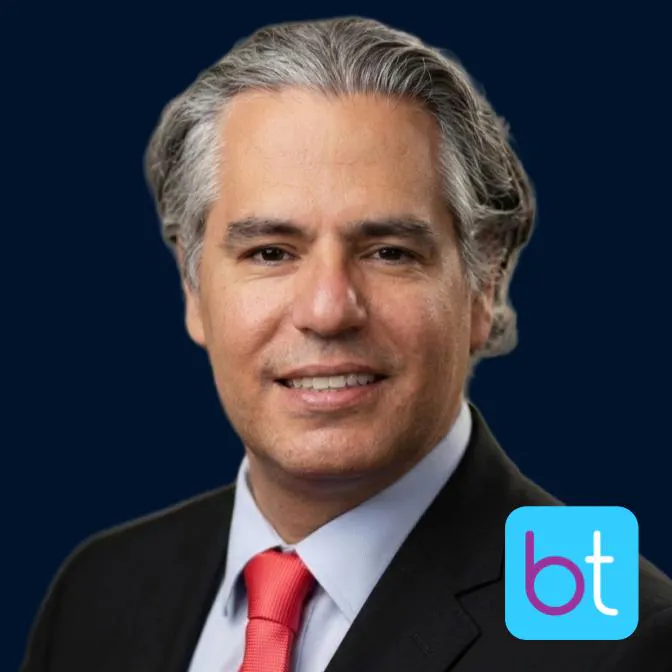
    Ep. 279 Collaborative Care in Chronic Sinusitis & Allergies with Dr. Karen Kaufman

    When should recurrent sinus infections trigger an allergy or immune workup? In this episode of the BackTable ENT and Allergy podcast, Dr. Karen Kaufman of Kaufman Allergy, Asthma, & Immunology in Vienna, Virginia, sits down with Dr. Ashley Agan to discuss chronic sinusitis evaluation, allergy testing, immunotherapy, immune deficiency screening, and building a private practice. --- Get the BackTable app https://www.backtable.com/app --- Timestamps 00:00 - Introduction 02:53 - Chronic Sinusitis Basics 06:44 - Sinusitis Types and Polyps 10:18 - Testing and Treatment Plan 18:40 - When to Suspect Immunodeficiency 25:44 - Allergy Testing Methods 38:39 - Why Go Solo 43:10 - Practice Growth, Visibility, Team Building, and Systems 51:55 - ENT and Allergy Collaboration 55:50 - Closing Remarks --- More about this episode Dr. Kaufman explains how to distinguish chronic sinusitis from other causes of nasal and facial symptoms, when to evaluate for allergy and immune dysfunction, and how sinusitis phenotypes influence treatment decisions. She also shares her experience launching a private practice during the pandemic and discusses strategies for practice growth through community engagement, increased visibility, and social media. --- Resources Dr. Karen Kaufman - https://kaufmanallergy.com/ Jeffery Modell Foundation 10 Warning Signs of Primary Immunodeficiency - https://www.uhhospitals.org/-/media/files/rainbow/services/allergy-and-immunology/10warningsigns.pdf --- BackTable ENT & Allergy is the go-to podcast for otolaryngologists, allergists, and head and neck surgeons. Download the free BackTable app to get early access to new episodes, cases, and courses curated by physicians in your specialty. ► https://www.backtable.com/app

  • June 16 · 1 hr 28 min

    Ep. 278 Comprehensive Evaluation and Surgical Management of Nasal Septal Perforations with Dr. Oswaldo Henriquez

    Septal perforations can be deceptively challenging, with a wide range of etiologies, symptoms, and treatment options to consider. In this episode of BackTable ENT and Allergy podcast, hosts Dr. Ashley Agan and Dr. Gopi Shah interview Dr. Oswaldo Henriquez, a board-certified otolaryngologist and rhinologist at WellStar Health System in Atlanta, to explore the complexities of evaluating and managing nasal septal perforations. The conversation covers how perforation size and location shape symptoms, the most common causes including iatrogenic trauma and chronic nose picking, and a thorough, stepwise approach to diagnosis and treatment. --- Get the BackTable app https://www.backtable.com/app --- Timestamps 00:00 - Introduction 03:01 - Septal Perforations Overview 07:58 - Causes and Risk Factors 13:26 - History Red Flags and Differential Diagnosis 16:28 - Exam and Documentation Tips 21:22 - Labs Biopsy and Imaging Workup 31:19 - Conservative Care and Septal Buttons 34:20 - Surgery Candidacy and Counseling 41:35 - Surgical Techniques Landscape 47:38 - Scaffolds and Grafts 49:07 - Septal Blood Supply Map 53:00 - CAT Scan Planning Tips 55:15 - AEA Flap Technique 01:05:22 - Real Case Walkthrough 01:10:41 - Postop Care and Swelling 01:20:44 - Pitfalls and Success Rates 01:24:09 - Wrap Up --- More about this episode Dr. Henriquez outlines the key components of a comprehensive workup, including endoscopic exam, measurement, biopsy, and CT imaging for surgical planning. He discusses management options from conservative care and septal buttons to advanced endoscopic pedicled flap repairs, sharing insight on surgical techniques, success rates, splinting, and post-op care. The episode provides practical tips for physicians at any career stage looking to refine their approach to septal perforations, from diagnosis through recovery. --- Resources ENT Animations https://www.youtube.com/@Dr.IsamAlobid --- BackTable ENT & Allergy is the go-to podcast for otolaryngologists, allergists, and head and neck surgeons. Download the free BackTable app to get early access to new episodes, cases, and courses curated by physicians in your specialty. ► https://www.backtable.com/app

  • June 9 · 45 min

    Ep. 277 Molecular Diagnostics for Thyroid Nodules with Dr. Erik Alexander

    For years, an indeterminate thyroid biopsy meant diagnostic surgery but molecular testing is now changing that reality entirely. On this episode of the BackTable ENT podcast, Dr. Ashley Agan interviews endocrinologist Dr. Erik Alexander about how molecular testing and a systematic, layered approach to thyroid nodule evaluation are reducing diagnostic surgeries and enabling more individualized patient care. --- Get the BackTable app https://www.backtable.com/app --- This podcast is supported by Veracyte https://www.veracyte.com/ --- Timestamps 00:00 - Introduction 02:48 - Incidence, Presentation, and Workup of Thyroid Nodules 06:26 - Hormonal Impact and Indications for FNA 10:49 - FNA workflow and Bethesda Categories 16:10 - Role of Molecular Testing for Indeterminate Nodules 19:59 - Evolution of Molecular Testing and Afirma 23:51 - Basics of DNA based Testing and RNA based Testing 28:34 - Comparing DNA based and RNA Based Testing 32:10 - Utility of Molecular Testing and Sampling Techniques 35:55 - Cost Coverage and Practical Limits 39:20 - Clinical Implications and Future Impact 42:00 - Final Takeaways --- More about this episode Together they walk through the full evaluation pathway, including ultrasound risk stratification using the TI-RADS criteria, the role of TSH testing, and how FNA indications have shifted from biopsying every solid nodule to a more selective, risk-adapted approach. The discussion covers the Bethesda classification system and addresses why the one-third of patients landing in indeterminate categories (Bethesda III, IV, and V) have historically been the most challenging and most overtreated group. The conversation then explores molecular diagnostics as an additional layer of risk assessment, highlighting key differences between DNA-based mutation panels and RNA-based expression classifiers. Dr. Alexander also discusses practical considerations like insurance coverage, sampling technique, turnaround time, and the future potential of molecular testing to move beyond diagnosis toward individualized prognosis. --- Resources American College of Radiology: TI-Rads Guidelines https://edge.sitecorecloud.io/americancoldf5f-acrorgf92a-productioncb02-3650/media/ACR/Files/RADS/TI-RADS/TI-RADS-Assessment-Categories.pdf American Thyroid Association - Nodule Guidelines https://pmc.ncbi.nlm.nih.gov/articles/PMC4739132/ Bethesda System for Reporting Thyroid Ctyopathology https://www.ncbi.nlm.nih.gov/books/NBK278969/table/thyroid-nod-canc-eld.T.bethesda_system_f/ --- BackTable ENT & Allergy is the go-to podcast for otolaryngologists, allergists, and head and neck surgeons. Download the free BackTable app to get early access to new episodes, cases, and courses curated by physicians in your specialty. ► https://www.backtable.com/app

  • June 2 · 1 hr 3 min

    Ep. 276 LPR vs. LPS: Key Differences & Diagnostic Techniques with Dr. Inna Husain

    Not all chronic cough, globus, or voice changes are due to reflux, so how do you distinguish laryngopharyngeal symptoms (LPS) from true laryngopharyngeal reflux disease (LPRD)? In this episode of the BackTable ENT & Allergy podcast, Dr. Ashley Agan interviews laryngologist Dr. Inna Husain about how nuanced diagnostic definitions and a careful clinical approach can improve patient outcomes and avoid both under- and overdiagnosis. Together, they discuss the differences between GERD and LPRD, review the importance of detailed patient histories, endoscopic findings, and the evolving role of biomarkers like pepsin. --- Get the BackTable app https://www.backtable.com/app --- Timestamps 00:00 - Introduction 02:14 - LPS Versus LPR Basics 06:34 - GERD Versus LPRD 11:28 - Clinic Workup and Scoping 18:02 - San Diego Consensus Debate 24:14 - Testing Over Empiric PPIs 31:45 - Managing Proven Reflux 34:59 - Stroboscopy Before Surgery 36:10 - Pepsin Therapies and Tests 39:54 - What Counts as Abnormal Reflux 44:24 - Tapering Off PPIs Safely 50:12 - Long Term Plan and Dietitians 55:39 - GLP One Drugs and Reflux 57:34 - Menopause Rhinitis and Hormones 01:00:09 - Final Pearl For ENTs --- More about this episode They outline contemporary workup strategies, including the San Diego Consensus on Bravo testing, 24-hour pH impedance, and alternatives for negative reflux testing. The conversation covers management strategies, from selective PPIs and lifestyle tailoring to emerging therapies and the impact of GLP-1 drugs, helping ENT specialists refine their approach to complex laryngopharyngeal complaints. --- Resources San Diego Consensus for LPS and LPRD: https://doi.org/10.14309/ajg.0000000000003482 Dr. Inna Husain https://innahusainmd.com/ --- BackTable ENT & Allergy is the go-to podcast for otolaryngologists, allergists, and head and neck surgeons. Download the free BackTable app to get early access to new episodes, cases, and courses curated by physicians in your specialty. ► https://www.backtable.com/app

  • May 26 · 53 min

    Ep. 275 Evaluation & Management of Unilateral Vocal Fold Paralysis in Adults with

    With such a wide range of presentations and severity, how do laryngologists approach the diagnosis and treatment of unilateral vocal fold paralysis? In this episode of the BackTable ENT and Allergy Podcast, Dr. Rebecca Howell, Laryngologist at the University of Cincinnati, joins Dr. Stephen Schoeff to discuss the evaluation and management of unilateral vocal fold paralysis. --- Get the BackTable app https://www.backtable.com/app --- Timestamps 00:00 - Introduction 02:18 - Classic Symptoms of Vocal Fold Paralysis 04:15 - Etiology and Imaging Workup 08:40 - Injection Timing and Materials 23:20 - Permanent Options and Framework Surgery 28:41 - Arytenoid Adduction Risks and When to Add Adduction 30:56 - Awake Thyroplasty Technique compared to Sedation and OR Setup 35:48 - Reinnervation and Bilateral Medialization Choices 42:10 - Vocal Fold Long-term Injectables 51:54 - Closing Remarks --- More about this episode Dr. Howell reviews the spectrum of patient presentations and common causes, including thoracic surgery, ACDF, thyroid surgery, intubation injuries, and idiopathic cases. She explains when to pursue imaging from brainstem to chest, how to set realistic recovery expectations, and the benefits of early intervention. The episode covers office-based injection augmentation, the pros and cons of injectable materials, and treatment durability, as well as risks like calcium hydroxylapatite. Long-term care options are discussed, including framework surgery, arytenoid adduction, bilateral approaches for vocal fold atrophy, reinnervation, and patient selection considerations. --- Resources Pathophysiology of Iatrogenic and idiopathic vocal fold paralysis may be distinct - Ted Mau: https://pubmed.ncbi.nlm.nih.gov/31498451/ Vocal Fold augmentation with injectable calcium hydroxylapatite - Clark Rosen: https://pubmed.ncbi.nlm.nih.gov/15331112/ Using High-Speed Videoendoscopy to Analyze Laryngeal closure parameters during normal swallow - Rebecca Howell: https://pubmed.ncbi.nlm.nih.gov/39659169/ Arytenoid abduction for bilateral vocal fold immobility - Gayle Woodson: https://pubmed.ncbi.nlm.nih.gov/22001662/ Laryngeal Reinnervation for Unilateral Vocal Fold Paralysis - Randal Paniello : https://profiles.wustl.edu/en/publications/laryngeal-reinnervation-for-unilateral-vocal-fold-paralysis/ --- BackTable ENT & Allergy is the go-to podcast for otolaryngologists, allergists, and head and neck surgeons. Download the free BackTable app to get early access to new episodes, cases, and courses curated by physicians in your specialty. ► https://www.backtable.com/app

  • May 19 · 1 hr

    Ep. 274 Pediatric Thyroid Nodules: Clinical Insights & Approaches with Dr. Wen Jiang

    Pediatric thyroid nodules are rare, but their risk of malignancy is significantly higher than in adults, raising the stakes for accurate diagnosis and multidisciplinary management. In this episode of the BackTable ENT Podcast Dr. Gopi Shah and co-host Dr. Jeff Hyzer interview Dr. Wen Jiang, pediatric otolaryngologist at Rady Children’s Hospital in San Diego, for an in-depth discussion on the evaluation and management of thyroid nodules in children. --- Get the BackTable app https://www.backtable.com/app --- Timestamps 00:00 - Introduction 02:27 - Thyroid Nodule Risks and Care Team 06:47 - Age-related Differences in Nodule Presentation and Outcomes 08:50 - Initial workup 13:42 - Ultrasound Interpretation 16:07 - Lymph Node Mapping and CT 19:58 - Incidental Findings 24:14 - Role of FNA, Molecular Testing, and Radiofrequency Ablation 32:40 - Molecular Testing Results and Counseling 38:04 - Neck Dissection Strategy 40:44 - Hypocalcemia Protocol Considerations 44:01 - Parathyroid and Recurrent Laryngeal Nerve Dissection Tips 47:33 - Postop Care and Follow-up 51:25 - Using Radioactive Iodine and Targeted Therapy 54:55 - AI’s and Ultrasound and Final Thoughts --- More about this episode Dr. Jiang highlights the key differences between pediatric and adult thyroid nodules. She describes her multidisciplinary approach including collaboration with radiology, pathology, endocrinology and nuclear medicine. The discussion reviews the initial workup for pediatric thyroid nodules and why ultrasound remains the primary diagnostic tool. She also discusses situations where CT with contrast can be helpful for surgical planning. This episode explores the growing role of reflex molecular testing in guiding management decisions and outlines the impacts of molecular testing results. Dr. Jiang shares her approach to patient counseling along with management of calcium and PTH after surgery. The conversation concludes with emerging applications of molecular diagnostics and AI models for improving thyroid ultrasound interpretation. --- Resources Dr. Jiang's Research on Pediatric Thyroid Nodule Management - https://pubmed.ncbi.nlm.nih.gov/26770219/ Bethesda System for Thyroid Cytopathology - https://pmc.ncbi.nlm.nih.gov/articles/PMC7182964/ --- BackTable ENT & Allergy is the go-to podcast for otolaryngologists, allergists, and head and neck surgeons. Download the free BackTable app to get early access to new episodes, cases, and courses curated by physicians in your specialty. ► https://www.backtable.com/app

  • May 12 · 36 min

    Ep. 273 Integrating Narrative Medicine into Patient Care with Dr. Alessandra Colaianni

    From clinic to the OR, storytelling quietly shapes every decision in clinical care. This episode of BackTable ENT & Allergy examines how narrative medicine and the stories at the heart of each patient encounter can elevate your clinical practice, enhance empathy, and deepen the doctor-patient relationship. Pediatric ENT Dr. Gopi Shah interviews Dr. Alessandra (Alessa) Colaianni, a head and neck surgical oncologist at the University of North Carolina, about the power and relevance of narrative medicine in modern surgical care. --- Get the BackTable app https://www.backtable.com/app --- Timestamps 00:00 - Introduction 05:53 - What is Narrative Medicine? 11:36 - Narrative Medicine in Clinic 17:28 - Narrative Medicine in the OR 21:09 - Patient Case Presentation and Boundaries 25:05 - Writing For Reflection and the impact of AI 29:35 - Resources And Podcasts 33:19 - Final Takeaways --- More about this episode Dr. Colaianni is a published writer whose work has been featured in the New York Times, New Yorker, and the New England Journal of Medicine. She describes her lifelong interest in writing and shares how earning a master’s degree in the history and philosophy of science at the University of Cambridge during medical school helped her reconnect with the humanistic side of medicine. She reframes narrative medicine not as an extra task, but as an approach already woven into daily clinical work through history-taking, listening, and documentation. The conversation explores the influence of patient identity, socioeconomic context, and the “characters” in each patient’s story on clinical decisions and care. Dr. Colaianni reflects on the role of storytelling in surgical training, the apprenticeship model, and how thoughtful boundaries can foster meaningful doctor-patient relationships. The episode concludes with a discussion of AI’s potential impact on empathy and recommended reading for further exploration of narrative medicine. --- Resources Dr.Colaianni’s published work https://www.alessandracolaianni.com Columbia University Division of Narrative Medicine https://www.mhe.cuimc.columbia.edu/division-narrative-medicine Columbia University Narrative Medicine Youtube channel https://www.youtube.com/@columbiauniversitynarrativ8472 The Nocturnists podcast https://thenocturnists.org/podcast Autobiography of a Face by Lucy Grealey https://www.amazon.com/Autobiography-Face-Lucy-Grealy The Empathy Exams by Leslie Jameson https://www.graywolfpress.org/books/empathy-exams The Collected Schizophrenias Essays by Esmé Weijun Wang https://www.graywolfpress.org/books/collected-schizophrenias My Own Country: A Doctor’s Story by Abraham Verghese https://www.amazon.com/My-Own-Country-Doctors-Story --- BackTable ENT & Allergy is the go-to podcast for otolaryngologists, allergists, and head and neck surgeons. Download the free BackTable app to get early access to new episodes, cases, and courses curated by physicians in your specialty. ► https://www.backtable.com/app

  • May 5 · 56 min

    Ep. 272 Allergy Education on Social Media and Beyond: Challenges and Strategies with Dr. Zachary Rubin

    From the clinic to the camera, discover how an allergist turned social media into a patient education powerhouse. On this week’s episode of the BackTable ENT & Allergy Podcast, allergist Dr. Zachary Rubin of Oak Brook Allergists joins host Dr. Basil Kahwash to discuss his path from fellowship training to becoming a widely followed social media educator and author of the New York Times bestselling book “All About Allergies”. He explains how the COVID-19 pandemic and the rapid spread of online medical misinformation inspired him to educate the public through social media, developing an authentic on-camera style and consistent brand that has expanded his reach far beyond the clinic. --- Get the BackTable app https://www.backtable.com/app --- Timestamps 00:00 - Introduction 05:21 - Learning the Creator Playbook 10:10 - Authenticity and Creating a Personal Brand 16:51 - Writing for Patients and Clinicians 20:41 - Balancing Clinic and Content Creation 26:15 - How to Start Your Public Voice 29:11 - Professional Boundaries and Handling Criticism Online 36:34 - How Patients Following Your Content Impacts the Clinic 43:08 - The Unexpected Doors Content Creation Can Open 48:44 - Future of Public Health 53:09 - Final Advice --- More about this episode The conversation explores strategies for communicating complex medical topics, such as using metaphors to improve public understanding, and the importance of professionalism, boundaries, and safety in the online space. Dr. Rubin offers advice on avoiding individualized medical advice, managing online harassment, and navigating the nonfiction publishing world. He also discusses the impact of advocacy and media engagement for both patients and healthcare professionals, showing how physicians can leverage media to make a difference well beyond their practice. --- Resources Dr. Zachary Rubin https://www.oakbrookallergists.com/our-team/zachary-e-rubin-md/ --- BackTable ENT & Allergy is the go-to podcast for otolaryngologists, allergists, and head and neck surgeons. Download the free BackTable app to get early access to new episodes, cases, and courses curated by physicians in your specialty. ► https://www.backtable.com/app
  • April 28 · 32 min

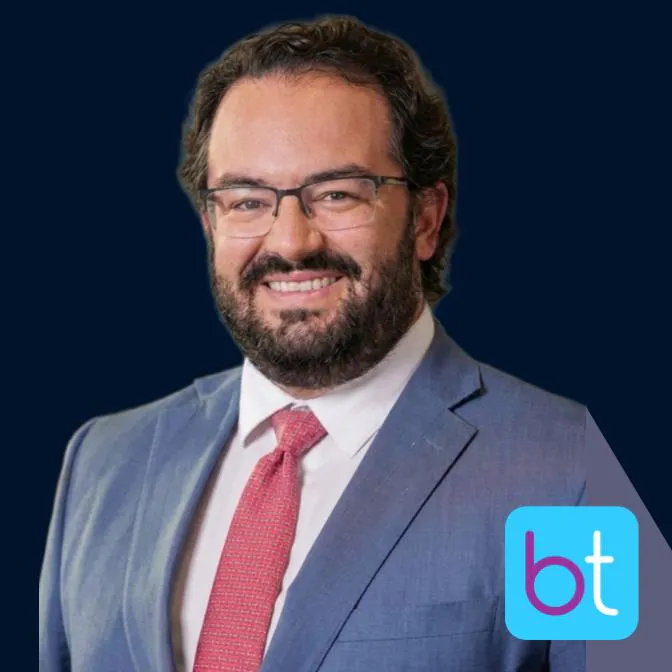
    Ep. 271 The OR Surgical Tech in Pediatric ENT with Jose Flores

    Behind every smooth surgery is a team member you may not see in the spotlight—but without them, the operation doesn’t run. In this episode of the BackTable ENT podcast, Jose Flores, a surgical technologist at Rady Children’s Hospital in San Diego and ENT service coordinator, joins host Dr. Gopi Shah to discuss the importance of the surgical technologist’s role in the OR and how it directly impacts patient care. --- SYNPOSIS Jose discusses his journey from being a medical assistant to finding his calling in the operating room, specifically in ENT. They explore the critical yet often overlooked role of OR scrub techs, the necessity of proper preparation and organization, and the importance of good communication and teamwork within the surgical team. Jose also shares personal experiences and advice for both new surgical techs and medical students, emphasizing the rewarding nature of working in pediatric ENT. --- TIMESTAMPS 00:00 - Introduction 01:29 - Jose Flores’s Journey to Becoming a Surgical Tech 05:41 - Daily Responsibilities and Preparation 10:11 - Communication and Teamwork in the OR 15:30 - Building Strong Surgical Tech Relationships 18:51 - Advice for New Surgical Techs 21:25 - The Role of Techs in Quality and Safety 23:15 - Giving and Receiving Feedback 27:02 - Fostering Respect and Recognition 30:40 - Final Thoughts and Contact Information --- RESOURCES Jose Flores’s Story: https://vimeo.com/1096085041

  • April 21 · 45 min

    Ep. 270 Management of Sinonasal Tumors with Skull Base Involvement: Part 2 with Dr. Zara Patel, Dr. JP Almeida and Dr. Garret Choby

    Could that routine epistaxis actually be the first sign of a challenging skull base tumor? This week’s episode of the BackTable ENT Podcast is part two of the sinonasal tumor and skull base involvement discussion. Host Dr. Satyan Sreenath is joined again by Dr. Joao Paulo Almeida, Dr. Zara Patel, and Dr. Garret Choby for a case-based deep dive into the multidisciplinary management of complex sinonasal tumors. --- Get the BackTable app https://www.backtable.com/app --- Timestamps 00:00 - Introduction 01:20 - Case 1: Juvenile Nasopharyngeal Angiofibroma 05:03 - Considerations for Pre-Operative Embolization 08:10 - Disaster Scenario: High Volume Loss 09:21 - Operative Approach 18:10 - Post-Op Imaging Considerations 21:00 - Case 2: Invasive Keratinizing Squamous Cell Carcinoma 24:40 - Operative Approach vs. Neoadjuvant Treatment Strategies 28:30 - Importance of Diagnostic Nasal Endoscopy 30:15 - Operative Approach 32:37 - Lumbar Drain Considerations 40:35 - Closing Thoughts --- More about this episode The panel works through advanced cases presenting with epistaxis, using them to highlight key principles in evaluation, imaging, staging, and operative planning. They first discuss a 16-year-old male with a large juvenile nasopharyngeal angiofibroma extending to the skull base and middle cranial fossa, focusing on vascular supply, preoperative embolization, surgical strategy near the carotid, and planning for intraoperative hemorrhage and postoperative surveillance. They also emphasize the importance of thorough endoscopic evaluation and early referral to experienced centers. They then review a 72-year-old female with invasive, HPV-negative keratinizing squamous cell carcinoma involving the anterior cranial fossa and dura. The conversation addresses tumor board decision-making, neoadjuvant considerations, endoscopic craniofacial resection, reconstruction strategies, and management of delayed positive margins. It highlights how accurate histopathology and coordinated multidisciplinary care guide outcomes in these complex cases. --- Resources Joao Paulo Almeida, MD, PhD https://medicine.iu.edu/faculty/68351/almeida-joao-paulo Satyan B. Sreenath, MD https://medicine.iu.edu/faculty/60724/sreenath-satyan Zara M. Patel, MD https://med.stanford.edu/profiles/zara-patel Garret W. Choby, MD https://providers.upmc.com/provider/garret-w-choby/2592344 --- BackTable ENT & Allergy is the go-to podcast for otolaryngologists, allergists, and head and neck surgeons. Download the free BackTable app to get early access to new episodes, cases, and courses curated by physicians in your specialty. ► https://www.backtable.com/app

Showing 1–20 of 21 episodes