Center of Excellence - Pharma 4.0 by Dr. Jayant Joshi
Continuous Regulatory Confidence in Pharma 4.0
Continuous Regulatory Confidence in Pharma 4.0
As pharmaceutical manufacturing becomes increasingly digital, connected, and AI-driven, regulatory compliance must evolve from periodic, point-in-time checks to continuous, risk-based digital assurance.
In this episode, we explore how Pharma 4.0 can embed regulatory confidence directly into digital operations—creating an environment where trusted data, validated technology, cybersecurity, automated monitoring, and human accountability work together continuously.
Key topics covered:
Moving from point-in-time compliance to continuous digital assurance
Building a trusted digital compliance layer across pharmaceutical operations
Strengthening data integrity using ALCOA+ principles
Immutable logs, digital identities, e-signatures, and role-based access control
Continuous compliance analytics and real-time evidence dashboards
Risk-based computer software assurance and digital validation
Governing AI through model monitoring, explainability, bias and drift detection
Applying Zero Trust and network segmentation across IT, OT, and IoT environments
Managing supplier, cloud, and global regulatory complexity
Using regulatory intelligence and automated rule mapping
Maintaining human oversight and accountability in increasingly autonomous systems
The six pillars of trust: governance, data integrity, validation, cybersecurity, human oversight, and auditability
Building continuous inspection readiness and real-time assurance
The episode reinforces a powerful Pharma 4.0 principle: technology enables compliance, while accountable people and validated processes assure it.
Ultimately, continuous regulatory confidence emerges when trusted data + validated technology + human accountability operate together—helping pharmaceutical organizations reduce compliance risk, improve quality, accelerate validation, and protect patient safety.
Resources:
Book Series: Center of Excellence – Pharma 4.0 https://www.amazon.com/dp/B0F1DX4XXB
Book Series: Cybersecurity for Pharma 4.0 https://www.amazon.com/dp/B0HFW5988N
Podcast: https://pharma4coe.podbean.com
YouTube Channel: https://www.youtube.com/@COE-PHARMA4.0
Udemy Course: Smart Manufacturing in Pharma https://www.udemy.com/course/smart-manufacturing-in-pharma/
Website: https://respa.com
#Pharma40 #Pharma4_0 #RegulatoryCompliance #RegulatoryAffairs #DigitalCompliance #ContinuousCompliance #DigitalAssurance #PharmaceuticalManufacturing #PharmaManufacturing #GxP #DataIntegrity #ALCOAPlus #ComputerSoftwareAssurance #CSA #AIinPharma #AIGovernance #MLOps #Cybersecurity #ZeroTrust #DigitalTransformation #PharmaDigitalTransformation #QualityAssurance #InspectionReadiness #PatientSafety #FutureOfPharma
Today · 22 min
TP
The Pharma Closeout | Daily Pharmaceutical and Biotech News in 15 Minutes
Welireg plus Lenvima gains FDA approval in advanced clear-cell kidney cancer, with better disease control but no demonstrated survival advantage. Lilly says FDA approved weekly insulin Onswik, entering a market where Novo’s Awiqli is already available. Merck’s remigromig meets its pivotal vision goal, but safety and dosing questions remain. Plus: Acadia advances after a Phase 2 miss; Kyverna reports autoimmune follow-up; Elevar gains bile-duct cancer approval; Takeda’s Adzynma gets a boxed warning; and Gossamer files despite PROSERA’s miss.
Alex Mercer and Maya Patel host. Get the daily rundown in your inbox — subscribe at https://thepharmacloseout.com.
👉 Quer receber os áudios todos os dias no seu WhatsApp?
https://vedanta.com.br/podcast
🎓 Cursos Gratuitos e Turmas Regulares:
https://vedanta.com.br/
Today · 14 min
TS
The Science, Microbes & Health Podcast
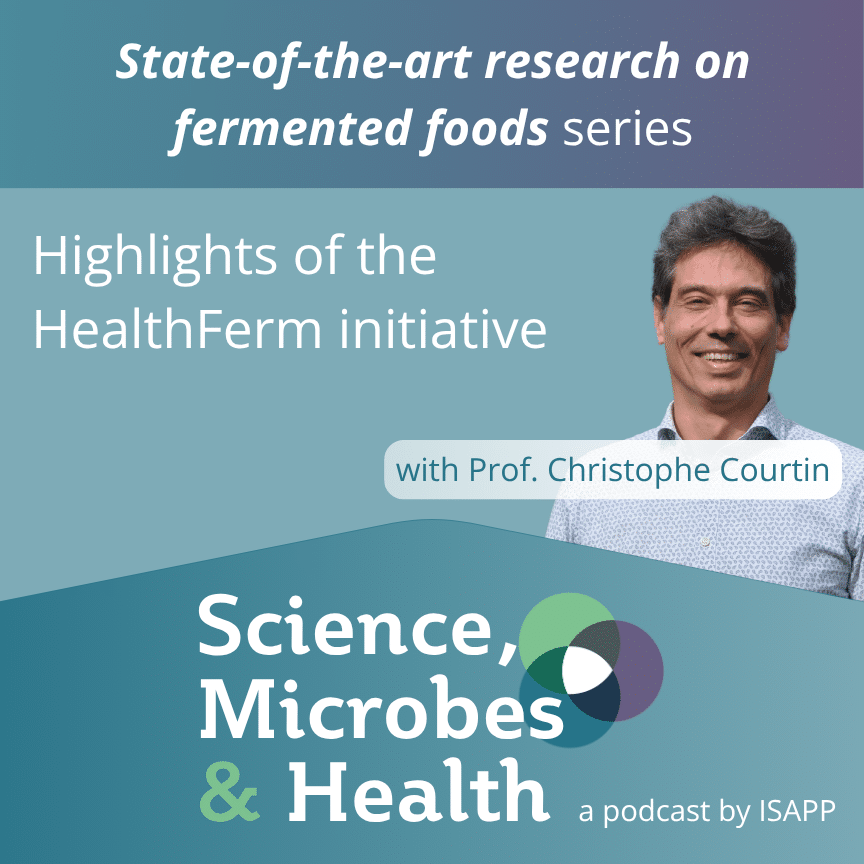
Highlights of the HealthFerm initiative, with Prof. Christophe Courtin
This episode features Prof. Christophe Courtin from KU Leuven (Belgium), speaking about the European HealthFerm initiative. HealthFerm began in September 2022 and brought together multiple institutions and companies to advance the project with a grant of 30 million Euros. The main aim of the project was to improve public acceptance of plant-based foods through fermentation. A citizen science component of the project involved gathering fermented food samples from all over Europe, both home fermenters and small bakeries, to analyze the microorganisms. The researchers received over 650 sourdough starter samples and around 200 other fermented foods samples; from these, they identified some new species that still need to be named. Another part of the project involved a clinical trial on how the body responds if short-chain fatty acids are released in the small intestine versus in the colon. They found that small intestinal release increased GLP-1 levels more than PYY; the opposite happened with colonic release. Another study in the project compared oat to fermented oat, and found that the fermentation changed the fiber (degree of polymerization), and also led to positive health effects. Prof. Courtin says the potential for future research in this area is to find out how to add nutritional benefits through fermentation (for example, vitamin B12 in plant-based foods), as well as how to change the fiber profile in a food to yield specific health benefits.
Episode abbreviations and links:
Study on properties of a plant-based gurt: Process-induced changes in starch, dietary fiber, and protein in a fermented plant-based dairy alternative (yo)gurt.
Paper exploring oat fermentation: Enzyme activity and constituent extractability of kilned and non-kilned oats at pH values relevant for acidic food fermentations.
Study on gut microbiota signatures of type 2 diabetes risk: Gut microbiome composition and functional potential associate with incident type 2 diabetes in 4,685 adults from a Swedish prospective cohort
About Prof. Christophe Courtin:
Prof. Christophe Courtin is a full professor at the Laboratory of Food Chemistry and Biochemistry at KU Leuven, Belgium. His research focuses on cereal constituents, the enzymes that degrade them and microorganisms in cereal processing. The emphasis is on a basic understanding of the structure and properties of these constituents as well as on their technological and health functionality in cereal-based processes and products. Expertise and an extensive network in this area have been built up through over 40 supervised PhDs, projects and national and international collaborations. He coordinates HealthFerm, a 23 partner Horizon Europe project. He is author of 380 peer-reviewed papers (WoS h-index: 74) and inventor on 12 patent families. Recent awards are the Harald Perten Prize (ICC, 2021) and the Belfort Lecture Award (Whistler Centre for Carbohydrate Research, Purdue University, 2023).


 Center of Excellence - Pharma 4.0 by Dr. Jayant Joshi