Skip to content
Artwork for Wonder

Wonder

GeoCo

Welcome to Wonder, the planet earth podcast for curious people. Hosted by earth scientists Holly Cooke & Dr Anthony Reid.

Play
  • 20 episodes
  • weekly
  • Avg 30 min
  • English
  • August 20 · 30 min

    This critical metal is only found in mine waste? Dr Olivia Mejias Gonzalez on indium...

    ✨ The Weirdest Critical Metal You've Never Heard Of: Indium, Mine Waste & the Hunt for Hidden SuppliesYou've touched it hundreds of times. It's in your phone screen, your laptop, your solar panels, your TV. But unless you're a obsessed with periodic table trivia, you probably have no idea what it is.Meet indium. Its a critical metal so rare, yet so essential. But here's the catch: there's basically no such thing as an indium mine.Today we're talking to the wonderful Dr Olivia Mejas-Gonzales, a research fellow at the Centre in Critical Resources for the Future, who did her entire PhD on this obscure element. Olivia - you're going to love her. She's a dynamic Chilean and a curious scientist who's not afraid of getting her hands dirty. Olivia shares some of her experience working underground at El Teniente, one of the world's great copper mines; including the challenges she faced - and overcame - being the only female on site at the time. Amazing!And Indium? Well for Olivia that story involves mine waste, surprising mineral discoveries, mysterious supergene enrichment zones, and some super cool synchrotron research. Plus, she's got a teaser about using biology to extract critical metals from waste rock. Trust us, you'll want to hear more.🎯 This episode:🌍 Why indium is critical (answer: every screen you own)💻 The supply chain paradox: we need it desperately, we barely mine it🪨 Why indium is almost nothing in the Earth's crust⛏️ How indium hides as a byproduct of zinc extraction, mostly in China🔬 Olivia's PhD adventure: finding indium in mine waste environments🪣 Supergene enrichment: when waste rock dumps hide geological surprises🔄 The living angle: can organisms dissolve and extract critical metals?🧪 Synchrotron science and the power of asking unconventional questionsAnd one of the standout quotes from Olivia:"I'm just curious without fear to fail. It doesn't matter if I fail because I know I will try again."Kinda one of the standout quotes from our whole Wonder series to be real!🔗 Find us:📺 @theGeoCo on YouTube📻 Wonder on Spotify🐦 @theGeoCo on TikTok📸 @theGeoCo on Instagram📬 Geoco News on Substack: thegeoco.substack.comThis episode was produced in partnership with the ARC Training Centre in Critical Resources, which brings together industry, four of Australia's leading universities, and state and federal governments to address the challenge of securing our future resources.🙏 We acknowledge the Kaurna people of the Adelaide Plains, on whose country the Wonder podcast is made.Thank you to Podbooth studios, Adelaide where we record our podcast.— Holly and Anthony
  • August 11 · 25 min

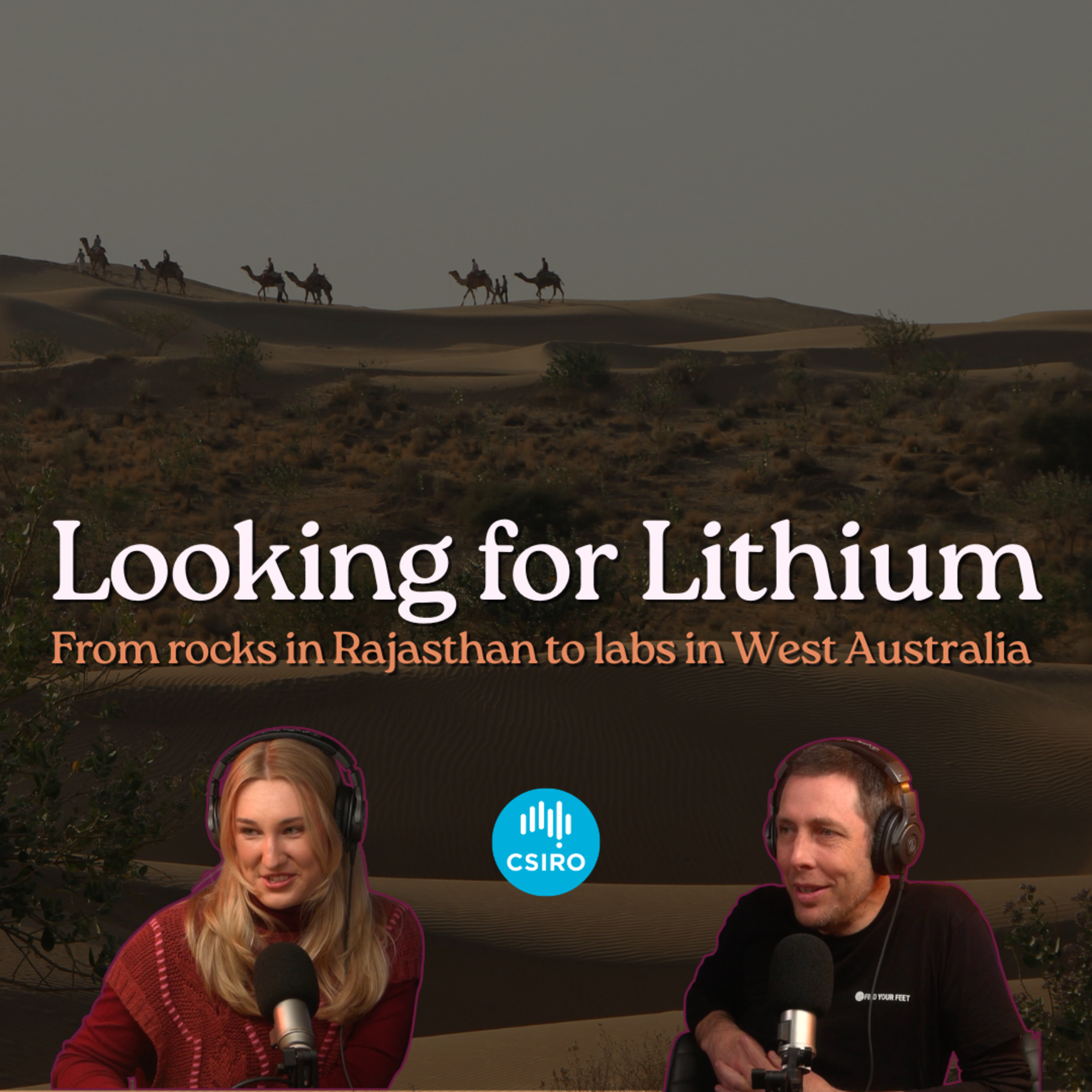
    Looking for Lithium: from rocks in Rajasthan to laboratories in Western Australia

    Electric vehicles are the future. But here's the problem: India's lithium demand is skyrocketing, but the local supply is nearly zero. Enter pegmatites: fancy, crystal-studded rocks hiding in the Rajasthan desert that might just hold the key to India's battery revolution.Today we're back with Dr Louise Schoneveld and Dr Mario Iglesias-Martinez from CSIRO to tell the complete story of the CSIRO's Australia-India research partnership on critical metals, centering here on lithium exploration. And boy we cover it all. From fieldwork in India's desert landscape to the analytical work happening in Western Australian laboratories, it's a tale involving unexpected geological encounters, shepherd guides, sparkly purple minerals, and the kind of detective work that makes the journey from field to lab the best kind of science.From pegmatite formation theory (yes, there's a debate, of course!) to the geochemistry that helps you sort the lithium-rich rocks from lithium-poor ones, this episode digs into what happens when you find a promising rock in Rajasthan and bring it home to Australia for detailed analysis, and its all part of a larger collaboration to tackle a global supply chain challenge.🎯 This episode:💎 Why pegmatites are fancy granites with bigger crystals (and what makes them really fancy)🔋 India's lithium challenge: massive demand, almost no domestic supply🏜️ Exploring Rajasthan: a region previously mined for tin and tungsten, now reimagined for lithium🪨 Two competing theories of pegmatite formation, and why it matters which one is right👀 The Clevelandite moment: how a feldspar on a roadside sparked a breakthrough🧪 Geochemistry in the field: reading element ratios to find the fertile pegmatites🤝 Fieldwork as collaboration: Indian Institute of Technology researchers and good science📍 For a bit of background - these are the main lithium and related minerals we talk about on the episode: - Lepidolite (bright purple lithium-bearing mica; stunning) - Spodumene (chunky lithium silicate with crystals measuring centimetres) - Clevelandite (the sodic feldspar that started it all)Funded by the Australian Government, the India-Australia Critical Minerals Research Partnership ran from January 2023 to 30 June 2026, advancing sustainable and environmentally responsible critical minerals development for the benefit of both nations.🔗 Find us:📺 @theGeoCo on YouTube📻 Wonder on Spotify🐦 @theGeoCo on TikTok📸 @theGeoCo on Instagram📬 Geoco News on Substack: thegeoco.substack.com🙏 We acknowledge the Kaurna people of the Adelaide Plains, on whose country the Wonder podcast is made.— Holly, Anthony & the CSIRO team

  • August 5 · 16 min

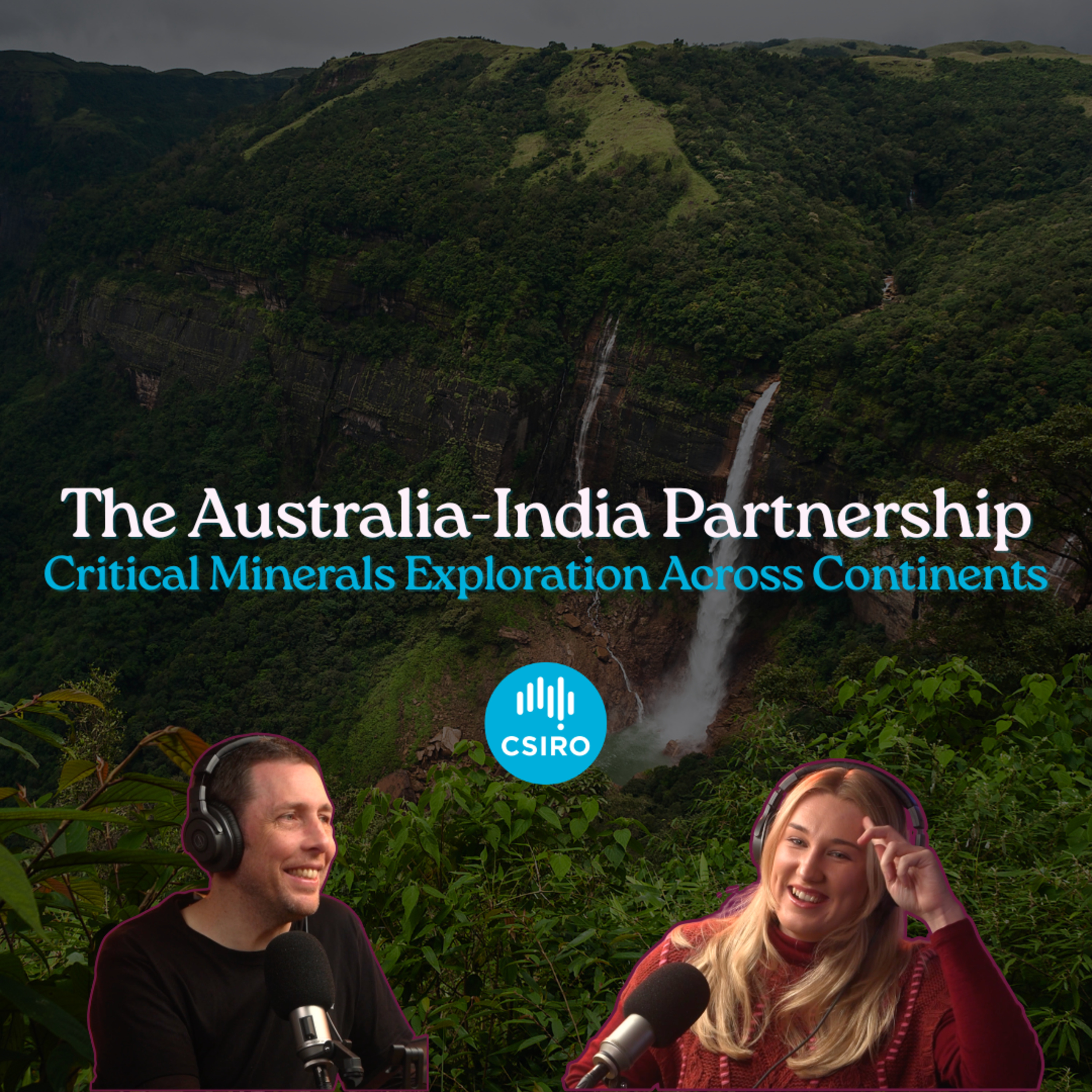
    The Australia-India Partnership: CSIRO on Critical Minerals Exploration Across Continents

    When you connect wirelessly to anything, you have CSIRO to thank - they are the ones who invented Wi-Fi. But beyond the banknotes and wireless tech, Australia's national science agency is working on something equally important: methods to find the critical minerals that will power the future. Funded by the Australian Government, the India-Australia Critical Minerals Research Partnership ran from January 2023 to 30 June 2026, advancing sustainable and environmentally responsible critical minerals development for the benefit of both nations. As part of a special partnership between CSIRO and Wonder podcast, we sit down with Dr Louise Schoneveld and Dr Eric Romaneido from CSIRO's Mineral Resources Group and discuss this important multi-year research collaboration that they have been part of. From the dense forests of Meghalaya to the ancient weathered rocks of Odisha, this is the story of how science travels, how geology shapes exploration, and how Australia and India are building resilience in global supply chains. It's a love letter to fieldwork and the diverse, brilliant minds making modern minerals exploration smarter. In this episode: 🔍 Why critical minerals matter (and why you should care) ⚒️ CSIRO's greatest hits and their mineral resources mission 🗺️ Exploring the three distinct geological region across India where the research fieldwork was undertaken: jungles, deserts, and weathered coasts 🌏 The Australia-India partnership tackling sustainable mineral development 👥 All about the diverse team running the program, spanning postdocs, students, and research scientists from Australian and Indian institutions. 🔗 Find us: @theGeoCo on YouTube 📻 Wonder on Spotify @theGeoCo on TikTok and Instagram Geoco News on Substack: thegeoco.substack.com We acknowledge the Kaurna people of the Adelaide Plains, on whose country the Wonder podcast is made. — Anthony, Holly & the CSIRO Australia-India Partnership team

  • July 28 · 28 min

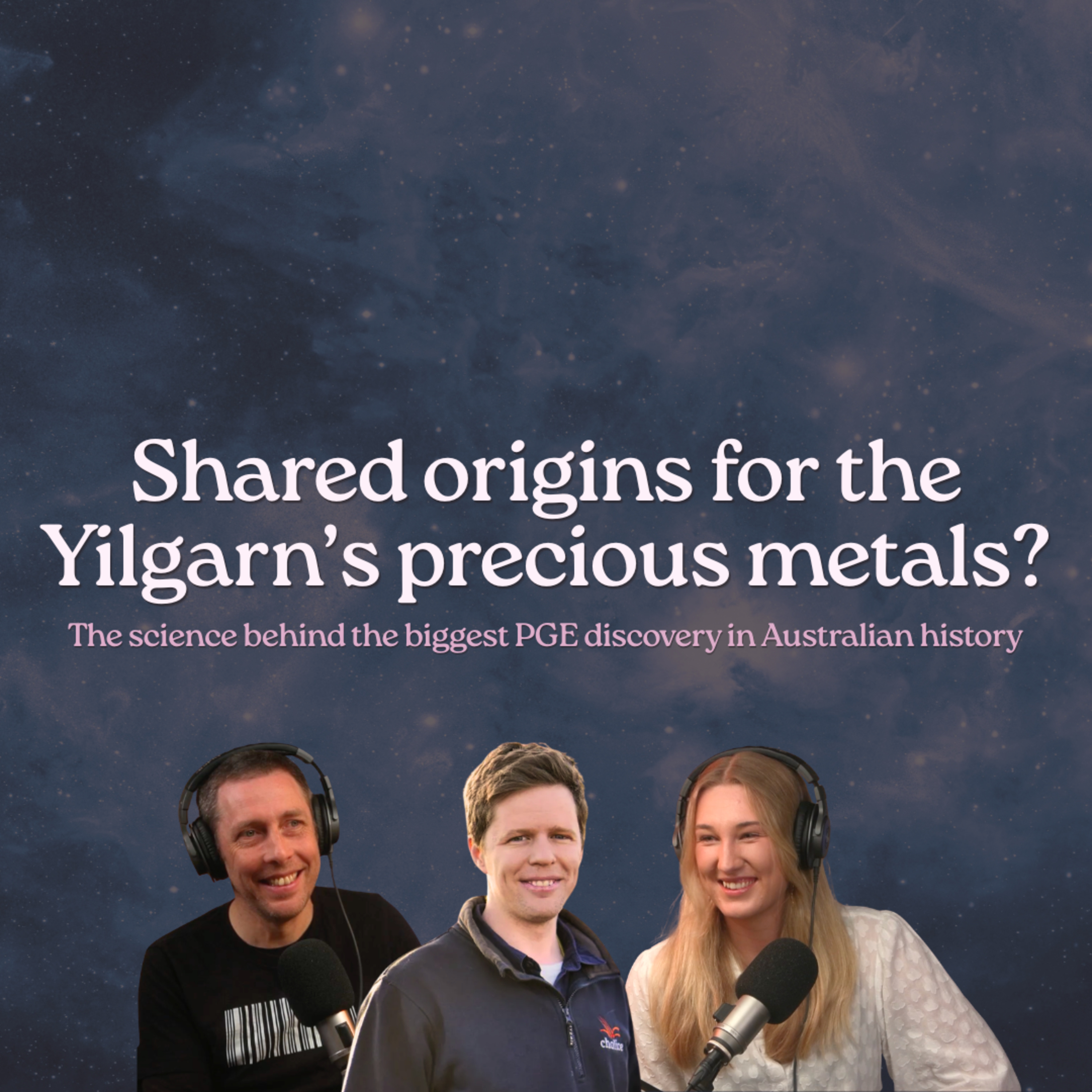
    Shared origins for the Yilgarn's precious metals?

    Australia's largest platinum deposit was hiding 70km from Perth CBD, and nobody had thought to look. In 2020, Chalice Mining drilled the very first hole at a site on the western edge of the Yilgarn Craton, ancient geology everyone had ignored because the exciting stuff was supposed to be much further away from the city.... That hole hit platinum, palladium, nickel, and copper. It was Australia's largest PGE discovery in history. There is a road that passes within 200 metres of it. Generations of geologists drove right by. Matt Demmer is one of the economic geologists working to understand the Gonneville deposit ever since, first with Chalice Mining, now also completing his PhD at the ARC Centre for Critical Resources. He joins Holly and Anthony to discuss how you find things nobody expected, what the sulfur isotopes inside the rocks are whispering about deep Earth recycling, and why thinking about mineral systems as interconnected planet-wide stories might be the key to finding the next one. A 15-year industry career feeding directly into frontier academic research: as Holly puts it, spectacularly punk geology. ---- Make sure you're following Wonder wherever you get your podcasts — and chuck that notifications bell on! We release a GeoCo News email newsletter. You wouldn't want to miss out... sign up here Find us at www.thegeoco.com.auAnd on Instagram & TikTok: @thegeoco GeoCo comes to you from the traditional country of the Kaurna people of the Adelaide Plains, South Australia. We pay our respects to their Elders past, present, and emerging.

  • July 22 · 32 min

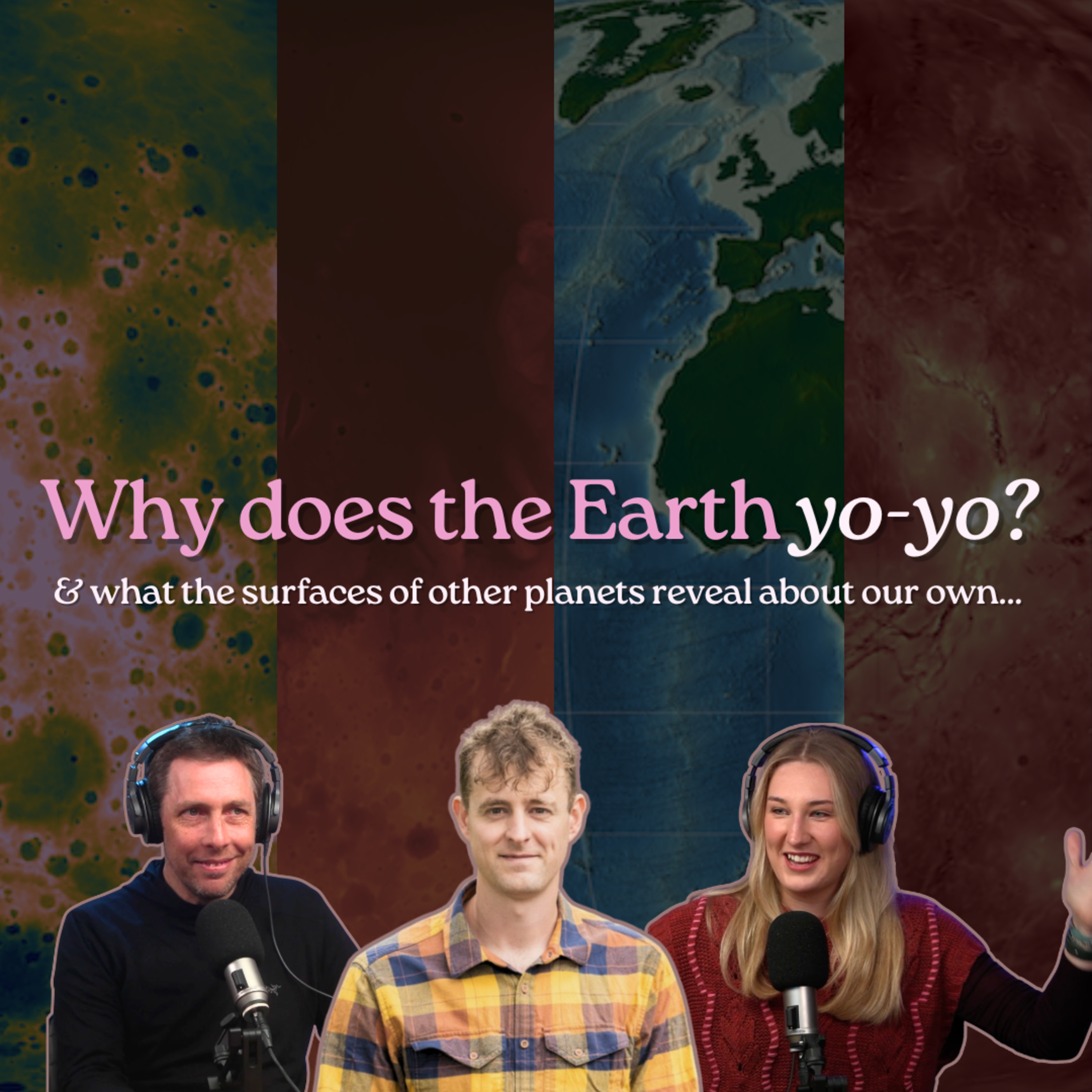
    Why the Earth's surface yo-yos: Dr Mark Hoggard on the flowing mantle

    The Earth bobs up and down like a yo-yo over geological time, and it's drawn a treasure map of the world's metals... What if the ground beneath your feet has been silently rising and falling for millions of years, driven not by earthquakes but by something churning deep in the mantle? And what if that same invisible process explains where the world's great copper, zinc, and nickel deposits are hiding? Dr Mark Hoggard (ANU and previously of Cambridge, Harvard, Columbia) joins Holly and Anthony for a conversation that will genuinely change how you picture Earth. Starting with a tour of the solar system's rocky planets and ending with a treasure map of Earth's metal deposits, this one covers deep Earth dynamics, dynamic topography, the mystery of the Eastern Highlands, and how the thickness of tectonic plates controls where critical minerals form. "The idea that old rocks in the middle of Australia do nothing for a billion years is not true," Mark says — and by the end of the episode, you'll understand exactly why. Make sure you're following Wonder wherever you get your podcasts — and chuck that notifications bell on! We release a GeoCo News email newsletter. You wouldn't want to miss out... sign up here Find us at www.thegeoco.com.auAnd on Instagram & TikTok: @thegeoco GeoCo comes to you from the traditional country of the Kaurna people of the Adelaide Plains, South Australia. We pay our respects to their Elders past, present, and emerging.

  • July 15 · 33 min

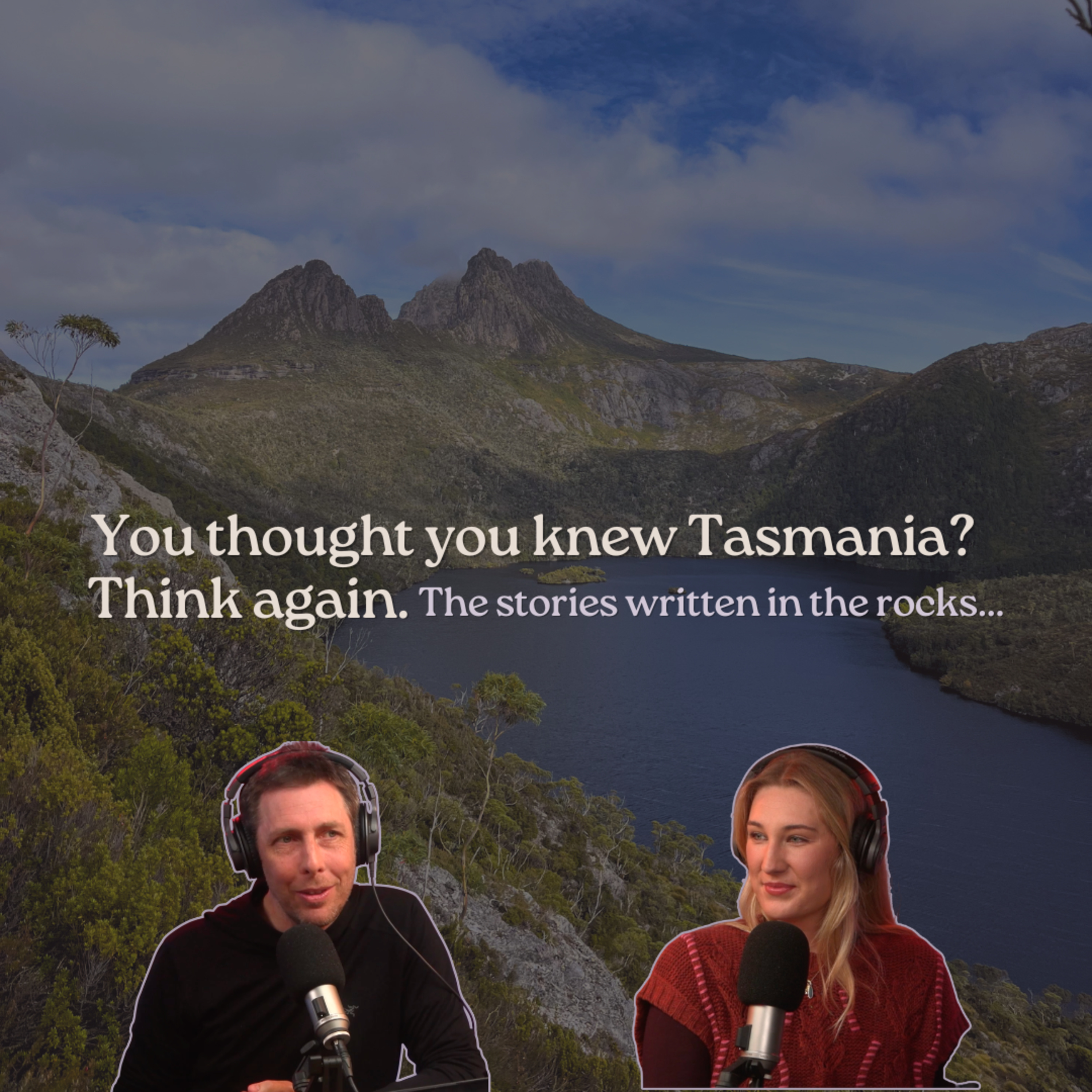
    Tasmania's epic geological record with Dr Jacqui Halpin

    On today's episode of Wonder, Holly & Anthony are joined online by Dr Jacqueline Halpin from the University of Tasmania for an armchair geological tour of one of Australia's most spectacular and surprising places. If you've hiked the Overland Trail, wandered Salamanca, or stared up at kunanyi/Mt Wellington from the Hobart warf, this one is for you. Tasmania's geology is in-your-face, world-class, and wildly underrated! It turns out the rocks of Tasmania have a story that starts not on this continent, but in North America, 1.4 billion years ago. From the ancient quartzites of Rocky Cape (cousins to the Rocky Mountains), through violent continental collisions in the Cambrian, Devonian beach granites, Gondwana-breaking dolerites, and a Pleistocene ice cap that carved the deepest lake in Australia... Jacqui walks us through the extraordinary archive written into Tasmania's landscape. Find us at www.thegeoco.com.au | Instagram & TikTok: @thegeoco | Newsletter: thegeoco.substack.com GeoCo comes to you from the traditional country of the Kaurna people of the Adelaide Plains, South Australia. We pay our respects to their Elders past, present, and emerging.

  • June 2 · 35 min

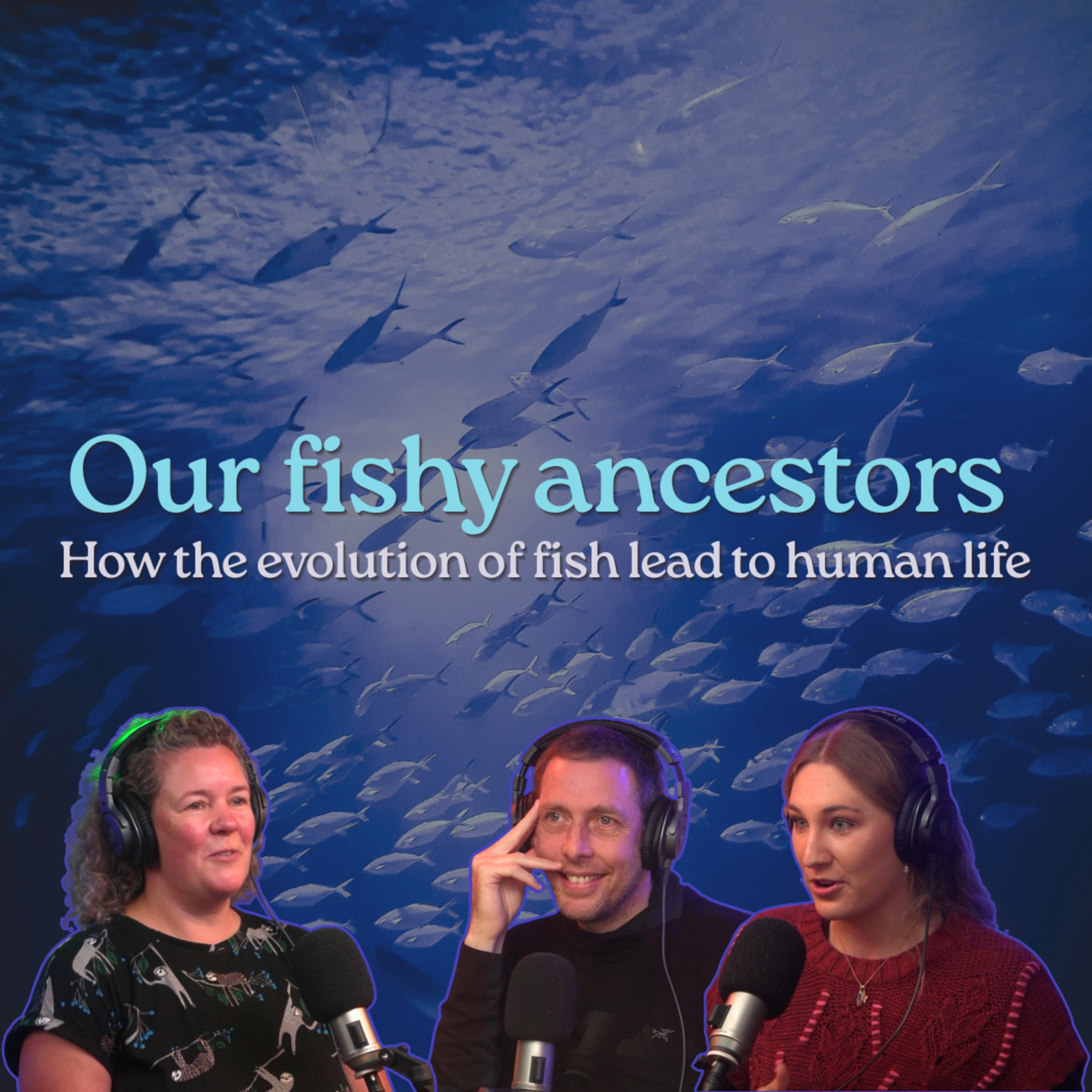
    Our fishy ancestors: Dr Alice Clement on the palaeontology of the lobe-finned fish

    Did you know that humans are a type of lobe-finned fish!? Turns out our story begins 400 million years ago, when some very special fishies began making the move from sea to land, and we want to talk about it!! Dr Alice Clement heads up the Early Vertebrate Evolution Lab at Flinders University and has dedicated her career to understanding this history of life on Earth ... how the evolution of fish is the story of our own beginnings, too. Alice joins us in the studio for a conversation about her first fieldwork at the GoGo Formation in the Kimberley - one of the most extraordinary fossil sites in the world - to the moment she split open a limestone nodule and found a beautifully preserved fish inside (now on display at Melbourne Museum!). Alice brings the joy of discovery into every corner of this fun episode. One of our favourite moments was when she walked us through her favourite fossil - an Elpistostege - a predatory fishapod from a famous site in Quebec that Alice then helped image using high-powered X-rays. The x-rays revealed finger bones, hidden inside a fish's fin, that are anatomically equivalent to your own. How good! And we get the full story of Materpiscis, the pregnant fish with a fossilised embryo and umbilical cord still intact, whose species name is Attenborough (yes, the Sir David...). Alice is a wonderful guest, and this won't be the last time you hear her on Wonder. Thanks to the Geological Society of Australia for making this episode of Wonder possible! Find us at www.thegeoco.com.au Instagram & TikTok: @thegeoco Sign up for GeoCo News on Substack: thegeoco.substack.com GeoCo comes to you from the traditional country of the Kaurna people of the Adelaide Plains, South Australia. We pay our respects to their Elders past, present, and emerging.

  • May 26 · 31 min

    Discovering an ancient continent & other wild adventures in Madagascar with Professor Alan Collins

    What does it take to discover a continent? Apparently four months in the Madagascan wilderness with no phone, some crunchy crickets to snack on, and a whole lot of time bouncing around on terrible roads in a beat-up Peugeot while thinking some very big thoughts. Professor Alan Collins from Adelaide University joins Holly and Anthony for a conversation that spans the formation of Gondwana, the naming of a long-lost ancient continent, and the importance of being beautifully, productively bored. This is a genuine delight as Alan shares with us his vintage field photos, stories of sleeping in remote villages, learning Malagasy on the fly, and finding dinosaur bones by the side of the road. What a geology-kinda-life!! And the science? Alan's research reconstructed continental collisions 600–700 million years ago when the oceans were pink and the continents a rusty-red... and a mountain range as mighty as the Himalaya that has long since vanished. Alan walks us through the plate reconstructions and explains why understanding all of this helps us understand why our planet turned out the way it did. Oh, and we find out where the name Azania actually came from. Spoiler: it involves a very well-thumbed Lonely Planet! Alan is a returning guest on Wonder. If you’ve heard him before, you’ll already know why we had to get him back. If you haven’t, this is a very good place to start. Make sure you're following Wonder wherever you get your podcasts - and chuck that notifications bell on! Find us at ⁠⁠⁠⁠⁠www.thegeoco.com.au⁠⁠⁠⁠⁠ And on Instagram & TikTok: @thegeoco We release a GeoCo News email newsletter. You wouldn't want to miss out... ⁠⁠⁠⁠sign up here https://thegeoco.substack.com/?u...​ Thanks to the ⁠⁠⁠⁠⁠⁠⁠⁠⁠⁠⁠Geological Society of Australia⁠⁠⁠⁠⁠⁠⁠⁠⁠⁠⁠ for making this episode of Wonder possible! GeoCo comes to you from the traditional country of the Kaurna people of the Adelaide Plains, South Australia. We pay our respects to their Elders past, present, and emerging.

  • May 19 · 34 min

    How did the Canadian Rockies form, with Nick Zentner

    The Rocky Mountains - lands of towering peaks glacier carved valleys, huge faults and unique geological heritage. In this episode of Wonder, we lace up our boots and head into the heart of the Rockies with the endlessly enthusiastic Nick Zentner, professor of geology at Central Washington University . Nick is a great storyteller, and together we unravel the colossal forces that built this iconic mountain range. Nick is a friend of our little podcast and we really appreciate his generosity of spirit in giving us his time. Make sure you're following Wonder wherever you get your podcasts - and chuck that notifications bell on! Find us at ⁠⁠⁠⁠⁠www.thegeoco.com.au⁠⁠⁠⁠⁠ And on Instagram & TikTok: @thegeoco We release a GeoCo News email newsletter. You wouldn't want to miss out... ⁠⁠⁠⁠sign up here https://thegeoco.substack.com/?u...​ Thanks to the ⁠⁠⁠⁠⁠⁠⁠⁠⁠⁠⁠Geological Society of Australia⁠⁠⁠⁠⁠⁠⁠⁠⁠⁠⁠ for making this episode of Wonder possible!GeoCo comes to you from the traditional country of the Kaurna people of the Adelaide Plains, South Australia. We pay our respects to their Elders past, present, and emerging.

  • May 5 · 32 min

    Writer & illustrator Vojta Hybl on the art of knowing the Earth

    We adored our time with writer, illustrator, educator, and 'not-geologist(!!!)', Vojta Hybl (aka @vojta.illustrates). Look, we don't have better words to summarise these ideas than those Vojta gifted us throughout this conversation.... so, please, go listen & enjoy 💗 What a joy. Here you can Vojta's gorgeous new book, Rocks, A Guide to the Stones Around Us and the Stories They Tell. Make sure you're following Wonder wherever you get your podcasts - and chuck that notifications bell on! We release a GeoCo News email newsletter. You wouldn't want to miss out... ⁠⁠⁠⁠sign up here.⁠⁠⁠⁠ Find us on Instagram & TikTok: @thegeoco Thanks to the ⁠⁠⁠⁠⁠⁠⁠⁠⁠⁠⁠Geological Society of Australia⁠⁠⁠⁠⁠⁠⁠⁠⁠⁠⁠ for making this episode of Wonder possible! GeoCo comes to you from the traditional country of the Kaurna people of the Adelaide Plains, South Australia. We pay our respects to their Elders past, present, and emerging.

  • April 28 · 31 min

    Did plants drive ancient ice ages? Rewinding the Earth's evolution with Professor Ben Mills (Part 2)

    We start todays episode at the end of the world with Professor of Earth System Evolution, Ben Mills. Soon we're looking at his incredible grid cell model of the Earth and watching 537 million years of evolution play out in pixels: continents drifting, plants evolving, ice sheets growing, CO2 falling, climates flipping. Ben then really shows us something cool: a simulation wherein we build, or rather terraform, an exoplanet from scratch into a habitable planet. In realtime we seed a lifeless world with cyanobacteria... wait for oxygen... drop in algae, tinker with plants... And how did we go? Well, let's just say we're glad Gaia took care of this all on our planet, because left to us three, we're probably not making it out of the Snowball... If you haven't listened to part 1 yet, don't start this episode until you've done that!!! Watch here. Make sure you're following Wonder wherever you get your podcasts - and chuck that notifications bell on! We release a GeoCo News email newsletter. You wouldn't want to miss out... ⁠⁠⁠sign up here.⁠⁠⁠ Find us on Instagram & TikTok: @thegeoco Thanks to the ⁠⁠⁠⁠⁠⁠⁠⁠⁠⁠Geological Society of Australia⁠⁠⁠⁠⁠⁠⁠⁠⁠⁠ for making this episode of Wonder possible! GeoCo comes to you from the traditional country of the Kaurna people of the Adelaide Plains, South Australia. We pay our respects to their Elders past, present, and emerging.

  • April 21 · 31 min

    Does life regulate the Earth's atmosphere? The Gaia hypothesis with Professor Ben Mills (Part 1)

    Todays show is something super special for you guys... Professor Ben Mills joins us in studio (all the way from the UK!) to walk us through what is genuinely one of the most interesting scientific ideas about our planet: the Gaia hypothesis. The Gaia hypothesis posits that life doesn't just passively inhabit habitable conditions on the Earth ... rather, life itself regulates the atmosphere, oceans and climate over billions of years and thus maintains a habitable planet. Ben explains it all to us, and on the way we walk through his origin story as a mathematician at the University of East Anglia, through his chance introduction to the Gaia hypothesis under PhD supervisor Andy Watson, and into the heart of modern Earth system modelling – where simple equations on a piece of paper are now evolving into 3D simulations of our living planet. Along the way we get into oxygen, wildfires, cigarettes in bell jars, Daisy World, and what all of this might tell us about finding life on other worlds. Make sure you're following Wonder wherever you get your podcasts - and chuck that notifications bell on! We release a GeoCo News email newsletter. You wouldn't want to miss out... ⁠⁠sign up here.⁠⁠ Find us on Instagram & TikTok: @thegeoco Thanks to the ⁠⁠⁠⁠⁠⁠⁠⁠⁠Geological Society of Australia⁠⁠⁠⁠⁠⁠⁠⁠⁠ for making this episode of Wonder possible! GeoCo comes to you from the traditional country of the Kaurna people of the Adelaide Plains, South Australia. We pay our respects to their Elders past, present, and emerging.

  • April 15 · 20 min

    How gold nuggets grow with Dr Chris Voisey (Part II)

    Today we continue our electrifying conversation with the hilarious Dr Chris Voisey about his impressive experiments and what they tell us about the mysterious ways of gold nugget formation. Find Chris and friends Nature Geoscience paper here. Thanks to the ⁠⁠⁠⁠⁠⁠⁠⁠Geological Society of Australia⁠⁠⁠⁠⁠⁠⁠⁠ for making this episode of Wonder possible! Make sure you're following Wonder wherever you get your podcasts - and chuck that notifications bell on! We release a GeoCo News email newsletter. You wouldn't want to miss out... ⁠sign up here.⁠ Find us on Instagram ⁠⁠⁠⁠⁠⁠⁠⁠⁠⁠⁠⁠⁠⁠@thegeoco or our website ⁠⁠⁠⁠⁠⁠⁠⁠⁠⁠⁠www.thegeoco.com.au⁠⁠⁠⁠⁠⁠⁠⁠⁠⁠⁠ GeoCo comes to you from the traditional country of the Kaurna people of the Adelaide Plains, South Australia. We pay our respects to their Elders past, present, and emerging.

  • April 8 · 30 min

    The electric growth of gold in earthquakes with Dr Chris Voisey (Part I)

    Gold is one of the most chemically inert elements on the periodic table, and the fluids that carry it through the crust contain barely any of it… so how on Earth do we end up with enormous gold nuggets? Dr Chris Voisey, research fellow at Monash University, joins Wonder to talk about the geology of gold deposits, the mystery of how gold nuggets actually form, and the weird property of quartz crystals that might hold the answer: piezoelectricity. This is part 1 of two conversations we have with Chris – say tuned!! Find more from Dr Chris Voisey from his piece in The Conversation, 'How do you make a giant gold nugget? Take a vein of quartz, add a few thousand earthquakes'. Or check out his article in Nature Geoscience 'Gold nugget formation from earthquake-induced piezoelectricity in quartz'. Make sure you're following Wonder wherever you get your podcasts - and chuck that notifications bell on! We release a GeoCo News email newsletter. You wouldn't want to miss out... ⁠sign up here.⁠ Find us on Instagram & TikTok: @thegeoco Thanks to the ⁠⁠⁠⁠⁠⁠⁠⁠Geological Society of Australia⁠⁠⁠⁠⁠⁠⁠⁠ for making this episode of Wonder possible! GeoCo comes to you from the traditional country of the Kaurna people of the Adelaide Plains, South Australia. We pay our respects to their Elders past, present, and emerging.

  • March 31 · 29 min

    From the Himalaya to Uluru, Dr Melanie Finch explains how the greatest mountains on Earth grow

    Fifty million years ago, two colliding tectonic plates began building the biggest mountain range on Earth today. Structural geologist Dr Melanie Finch from the University of Melbourne joins Wonder to explain exactly how these mountains are rising: deep in the crust, where it's too hot for rocks to snap, thin layers of rock flow like honey, slowly pushing everything above them skyward. These are shear zones, and just three of these conveyor belts built the entire Himalaya. In this episode, Melanie takes us from the marine fossils sitting on top of Mount Everest to the five kilometre high mountains that once stood in the middle of Australia – where, to our delight, we also detour into the geological story of Uluru. Find more beautifully written pieces by Melanie in The Conversation, 'The epic, 550-million-year story of Uluṟu, and the spectacular forces that led to its formation' and on her website. Thanks to the ⁠⁠⁠⁠⁠⁠⁠Geological Society of Australia⁠⁠⁠⁠⁠⁠⁠ for making this episode of Wonder possible! Make sure you're following Wonder wherever you get your podcasts - and chuck that notifications bell on! We release a GeoCo News email newsletter. You wouldn't want to miss out... sign up here. Find us on Instagram ⁠⁠⁠⁠⁠⁠⁠⁠⁠⁠⁠⁠⁠⁠@thegeoco or our website ⁠⁠⁠⁠⁠⁠⁠⁠⁠⁠www.thegeoco.com.au⁠⁠⁠⁠⁠⁠⁠⁠⁠⁠ GeoCo comes to you from the traditional country of the Kaurna people of the Adelaide Plains, South Australia. We pay our respects to their Elders past, present, and emerging.

  • Nov 25, 2025 · 30 min

    The Brilliant Stone Structures that Preserve Earth's Earliest Life with Heidi Allen

    Thanks to the ⁠⁠⁠⁠⁠⁠Geological Society of Australia⁠⁠⁠⁠⁠⁠ for making this episode of Wonder possible! Find us at ⁠⁠⁠⁠⁠⁠⁠⁠www.thegeoco.com.au⁠⁠⁠⁠⁠⁠⁠⁠ Instagram ⁠⁠⁠⁠⁠⁠⁠⁠⁠⁠⁠⁠@thegeoco⁠⁠⁠⁠⁠⁠⁠⁠⁠⁠⁠ Got questions? Get in touch- ⁠⁠⁠⁠⁠hello@thegeoco.com.au⁠⁠⁠⁠⁠ GeoCo connects to you from the traditional country of the Kaurna people of the Adelaide Plains, South Australia. We pay our respects to their Elders past, present, and emerging.

  • Nov 5, 2025 · 31 min

    Why Lithium in the Universe is an Elemental Mystery, with Professor Brian Fields

    It's the lightest metal on the periodic table and a crucial component in our modern technologies... but lithium also presents a fascinating cosmological problem. Professor Brian Fields joins WONDER podcast from the University of Illinois and shares with us the mysteries of primordial lithium formation in the universe - a story that takes us from interstellar dust to the big bang itself. Turns out, geologists aren't the only ones hunting for lithium... Thanks to the ⁠⁠⁠⁠⁠⁠Geological Society of Australia⁠⁠⁠⁠⁠⁠ for making this episode of WONDER possible! Find us at ⁠⁠⁠⁠⁠⁠⁠⁠www.thegeoco.com.au⁠⁠⁠⁠⁠⁠⁠⁠ Instagram ⁠⁠⁠⁠⁠⁠⁠⁠⁠⁠⁠⁠@thegeoco⁠⁠⁠⁠⁠⁠⁠⁠⁠⁠⁠ Got questions? Get in touch- ⁠⁠⁠⁠⁠hello@thegeoco.com.au⁠⁠⁠⁠⁠ GeoCo connects to you from the traditional country of the Kaurna people of the Adelaide Plains, South Australia. We pay our respects to their Elders past, present, and emerging.

  • Oct 12, 2025 · 36 min

    The Lightest Metal on Earth with Professor Carl Spandler

    Professor Carl Spandler joins WONDER podcast to walk us through the lightest metal of all - lithium! We dive head first into Carl's world of critical minerals, from crystals the size of cars to manipulated markets and the 'science fights' behind the genesis of lithium ore deposits. Enjoy with us these explorations of the geological cycle of metal on Earth... soon enough these stories will take WONDER deep into space and the beginning of time itself... Carl joins us from the ⁠⁠⁠ARC Critical Resources for the Future⁠⁠, who made this episode of Wonder possible! Find us at ⁠⁠⁠⁠www.thegeoco.com.au⁠⁠⁠⁠ Instagram ⁠⁠⁠⁠⁠⁠⁠⁠@thegeoco⁠⁠⁠⁠⁠⁠⁠ Got questions? Get in touch- hello@thegeoco.com.au GeoCo connects to you from the traditional country of the Kaurna people of the Adelaide Plains, South Australia. We pay our respects to their Elders past, present, and emerging.

  • Sep 22, 2025 · 34 min

    Geological Kinship Across the Pacific with Nick Zentner

    On todays episode of WONDER, Holly & Anthony cross live to Washington State for a chat with Nick Zentner! Nick is a professor at Central Washington University and he chats to us live from Ellensberg (not Seattle; close but no cigar for Holly, can't tell you why that brain fade happened!!)... Here we cover the ancient kinship between Australian and North American geology, and also, we explore the sense that human wellbeing deeply links to those conversations about Earth that bring joy and closeness to our lives. https://www.nickzentner.com/ Thanks to our sponsors at the ⁠⁠⁠⁠⁠⁠Geological Society of Australia⁠⁠⁠⁠⁠⁠. Find us at ⁠⁠⁠⁠⁠⁠⁠⁠www.thegeoco.com.au⁠⁠⁠⁠⁠⁠⁠⁠ Instagram ⁠⁠⁠⁠⁠⁠⁠⁠⁠⁠⁠⁠@thegeoco⁠⁠⁠⁠⁠⁠⁠⁠⁠⁠⁠Got questions? Get in touch- ⁠⁠⁠⁠⁠hello@thegeoco.com.au⁠⁠⁠⁠⁠ GeoCo connects to you from the traditional country of the Kaurna people of the Adelaide Plains, South Australia. We pay our respects to their Elders past, present, and emerging.

  • Sep 10, 2025 · 32 min

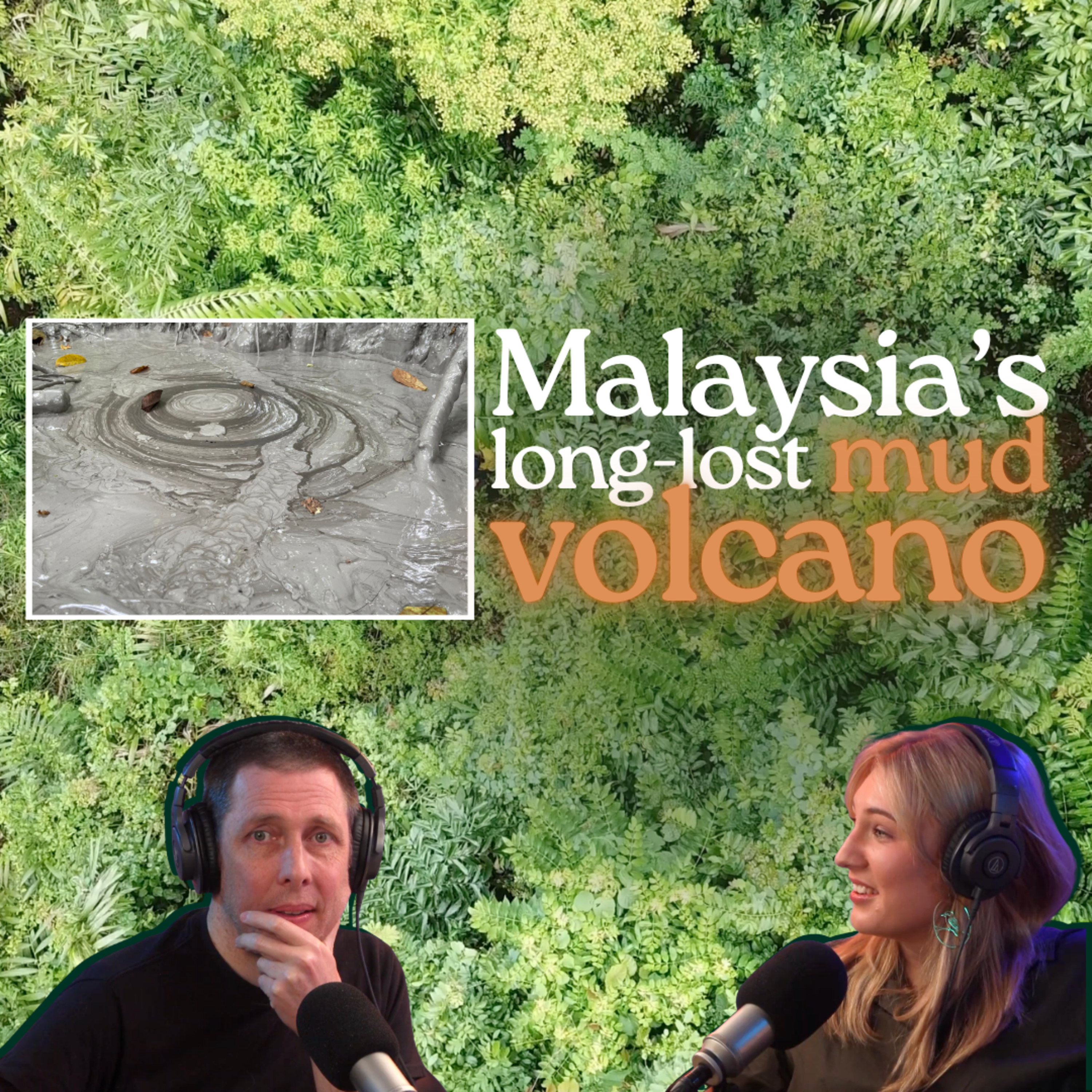
    Mud Volcanoes & Jungle Expeditions Gone Wrong with Dr Mark Tingay

    Bubbling mud? The origins of life? Field expeditions into Malaysian jungle? On this episode of Wonder, we're joined by the Mud Volcano Guy himself and we cover it all! With Dr Mark Tingay we expore the weird and wonderful world of mud volcanoes, and Mark shares his unbelievable saga to find a long-lost mud volcano hidden in the thicket of Malaysian jungle... This episode is supported by the ⁠⁠⁠⁠⁠Geological Society of Australia⁠⁠⁠⁠⁠. Find us at ⁠⁠⁠⁠⁠⁠⁠www.thegeoco.com.au⁠⁠⁠⁠⁠⁠⁠ Instagram ⁠⁠⁠⁠⁠⁠⁠⁠⁠⁠⁠@thegeoco⁠⁠⁠⁠⁠⁠⁠⁠⁠⁠ Got questions? Get in touch- ⁠⁠⁠⁠hello@thegeoco.com.au⁠⁠⁠⁠ GeoCo connects to you from the traditional country of the Kaurna people of the Adelaide Plains, South Australia. We pay our respects to their Elders past, present, and emerging.

Showing 1–20 of 20 episodes