Skip to content
Artwork for When Rome Burns
HistorySociety & CultureNews

When Rome Burns

Michael Stevens

Fifteen years of making teenagers care about dead people taught Michael Stevens one thing: the best history lessons happen when everything's falling apart. The former high school teacher turned podcaster after realizing his classroom walls were holding him back from the stories that really matter.

When Rome Burns isn't your typical history show. Stevens digs into the moments when civilizations, leaders, and entire ways of life completely imploded. Think the fall of empires, political meltdowns, cultural collapses, and the kind of disasters that reshape everything. But here's the thing: these aren't just stories about the past. Stevens connects each historical catastrophe to what's happening right now, showing how the patterns repeat and why understanding them actually matters.

Every episode feels like getting the real story from that teacher who actually made class interesting. Stevens breaks down complex historical events into the human moments that drove them, the mistakes that made them inevitable, and the lessons we're still ignoring today. No dry textbook recaps or academic jargon, just compelling storytelling about how things go wrong and what we can learn from the wreckage.

Multiple new episodes drop daily, so there's always fresh content. Follow now and discover why history's biggest disasters are the best teachers we have. Multiple new episodes daily—follow now!

Play
  • 188 episodes
  • Avg 14 min
  • English
Counted on this page — what you have heard stays on this device, so it is not something the list can be paged by.
  • October 6 · 13 min

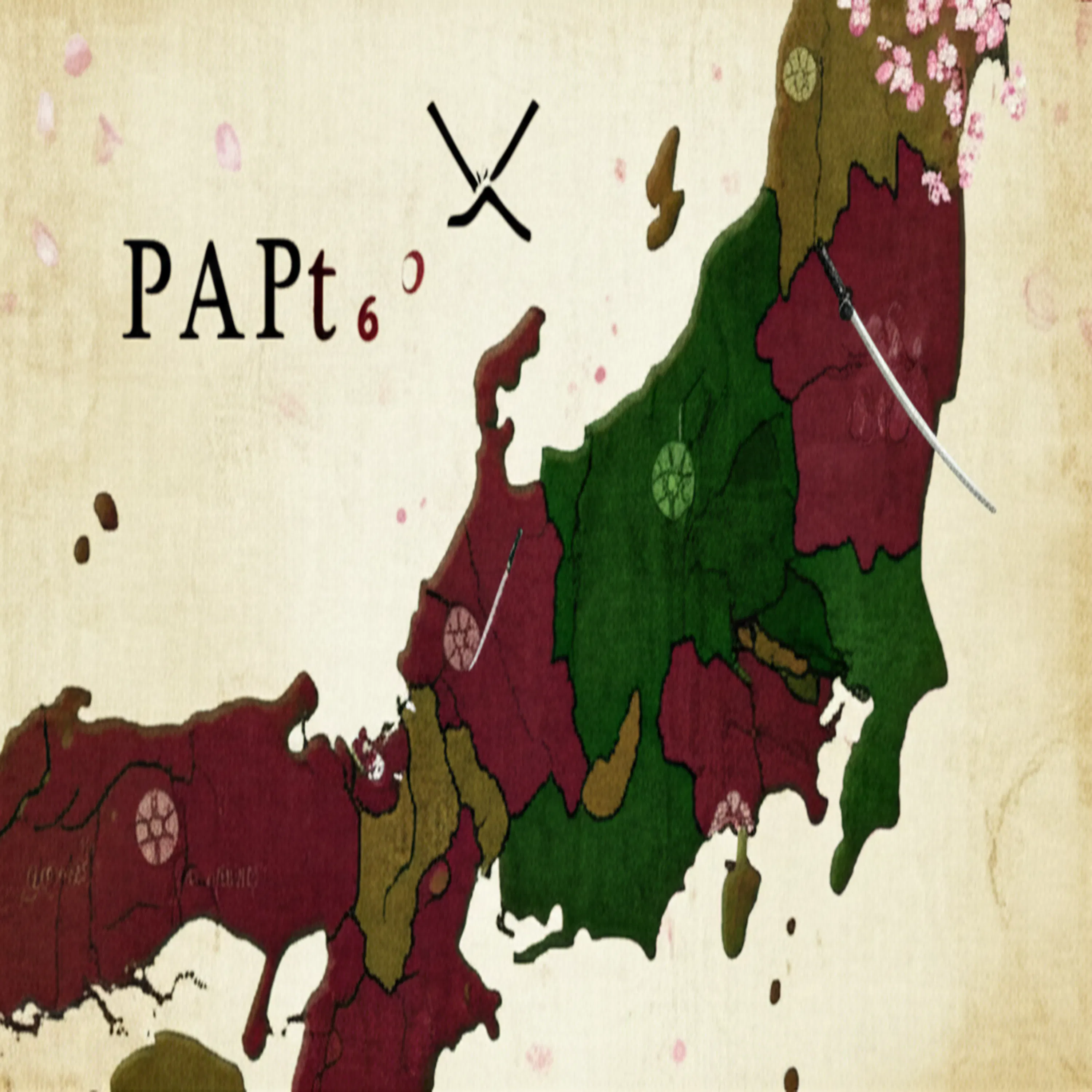
    The 6-Hour Battle That Changed Japan Forever: Sekigahara 1600

    Six hours. That's all it took to end 150 years of civil war and launch a dynasty that would rule Japan for 265 years. Michael Stevens breaks down the Battle of Sekigahara, where a 58-year-old Tokugawa Ieyasu made his final, brilliant gamble for absolute power. 🎯 What You'll Learn: • Why Ieyasu's pre-battle negotiations mattered more than his actual fighting strategy • How 160,000 samurai faced off in what became Japan's most decisive six-hour fight • The massive land redistribution that followed: 6 million koku of rice (enough to feed 6 million people for a year) 👤 Perfect for: history fans who want to understand how one battle can reshape an entire civilization and anyone curious about the political chess moves that actually win wars. 📍 Chapters: [00:00] Michael Stevens sets up Japan's 150-year civil war crisis [01:45] Meet 58-year-old Ieyasu: too old to fail, too smart to rush [03:30] October 21, 1600: 160,000 warriors gather at Sekigahara [05:15] The six-hour battle that wasn't really about fighting [07:45] How Ieyasu flipped enemy commanders before the first sword swing [09:30] The aftermath: reshaping Japan's entire power structure [11:00] Why this battle still matters for understanding political strategy today 🔔 Never miss an episode: Follow When Rome Burns and turn on notifications. New episodes drop daily, covering history's biggest collapses and what they teach us about power, politics, and human nature. 🔍 Topics: Tokugawa Ieyasu, Battle of Sekigahara, Sengoku period Japan, samurai warfare, political strategy Stream the full show at When Rome Burns ------ Keywords: historical disasters, paper money, fall of empires, military history, strategic bombing, historical failures, civilization collapse Learn more about your ad choices. Visit megaphone.fm/adchoices

  • October 6 · 13 min

    The $60 RPG That Proves AAA Studios Lost Their Way

    What if the $60 indie game you've never heard of is everything modern AAA studios forgot how to make? Michael Stevens breaks down Lords of Xulima, the Spanish RPG that proves depth and difficulty aren't dead, they just moved underground. 🎯 What You'll Discover: • Why controlling six characters simultaneously creates strategy AAA studios abandoned for flashy graphics • The brutal economics of true resource scarcity (your food spoils, your gold runs out, your choices stick forever) • How front-row positioning and permanent stat decisions bring back consequences modern games fear 👤 Perfect for: gamers tired of hand-holding tutorials and anyone curious why indie developers are eating AAA lunch money. 📍 Chapters: [00:00] Michael introduces the $60 RPG nobody's talking about [02:00] Six-character party management: why complexity beats convenience [04:30] Resource scarcity done right (spoiler: it's terrifying) [06:45] Combat positioning that actually matters [08:30] Permanent choices and why modern games hate them [10:15] What AAA studios lost when they chased mass appeal Lords of Xulima isn't trying to be your friend. It's trying to be that brutal dungeon master who made you think three moves ahead. The Spanish indie team behind it remembered something the big studios forgot: players actually like being challenged. They want their decisions to matter. They want to fail and try again. While AAA studios pump millions into voice acting and mocap, these developers spent their budget on systems that interact in meaningful ways. Food spoils based on climate. Characters develop based on how you use them. Every choice cascades into consequences you'll feel hours later. 🔔 Never miss an episode: Follow When Rome Burns on Spotify or Apple Podcasts. New episodes drop daily, and tomorrow Michael's covering why ancient Roman logistics make Amazon look amateur. 🔍 Topics: Lords of Xulima, indie RPGs, game design, AAA studios, party-based combat Stream the full show at When Rome Burns ----- Keywords: economic collapse, ancient rome, political meltdowns, naval warfare, history podcast Learn more about your ad choices. Visit megaphone.fm/adchoices

  • October 6 · 15 min

    How a Peasant Became Japan's Greatest Warlord: Nobunaga's Secret Strategy

    A peasant carrying sandals for a minor Japanese lord became the empire's most powerful warlord within 15 years. Michael Stevens reveals how Oda Nobunaga spotted raw talent, broke every rule of medieval politics, and built the foundation for unified Japan through one brilliant promotion that changed history forever. 🎯 What You'll Learn: • Why Nobunaga promoted Toyotomi Hideyoshi from sandal-bearer to general in record time • The "impossible" siege tactics that conquered a 329-foot mountain fortress in just days • How a 20-year alliance with Tokugawa Ieyasu defied every norm of backstabbing Sengoku politics • The brutal castle warfare innovations that gave Nobunaga his unstoppable edge 👤 Perfect for: curious listeners who love underdog stories and want to understand how real power gets built from nothing. This isn't just another samurai tale. It's a masterclass in recognizing talent, forming strategic partnerships, and knowing when to completely ignore conventional wisdom. Nobunaga's methods were ruthless, but his eye for potential created the team that would unite Japan. 📍 Chapters: [00:00] Michael Stevens introduces Japan's most unlikely promotion [02:00] From sandal-bearer to general: Hideyoshi's meteoric rise [04:30] The Inabayama Castle siege that shocked Japan [07:00] Why Nobunaga's alliance with Tokugawa lasted two decades [09:30] Castle warfare tactics that changed everything [11:00] How one peasant's promotion shaped Japan's future 🔔 Never miss an episode: Follow When Rome Burns on your podcast app and turn on notifications. New episodes drop daily, your next favorite historical insight is one tap away. 🔍 Topics: Oda Nobunaga, Sengoku period, Toyotomi Hideyoshi, Japanese history, castle sieges Stream the full show at When Rome Burns --------------- Keywords: historical catastrophes, naval warfare, world war 2, historical failures, ancient rome, fall of empires, ned kelly Learn more about your ad choices. Visit megaphone.fm/adchoices
  • October 6 · 13 min

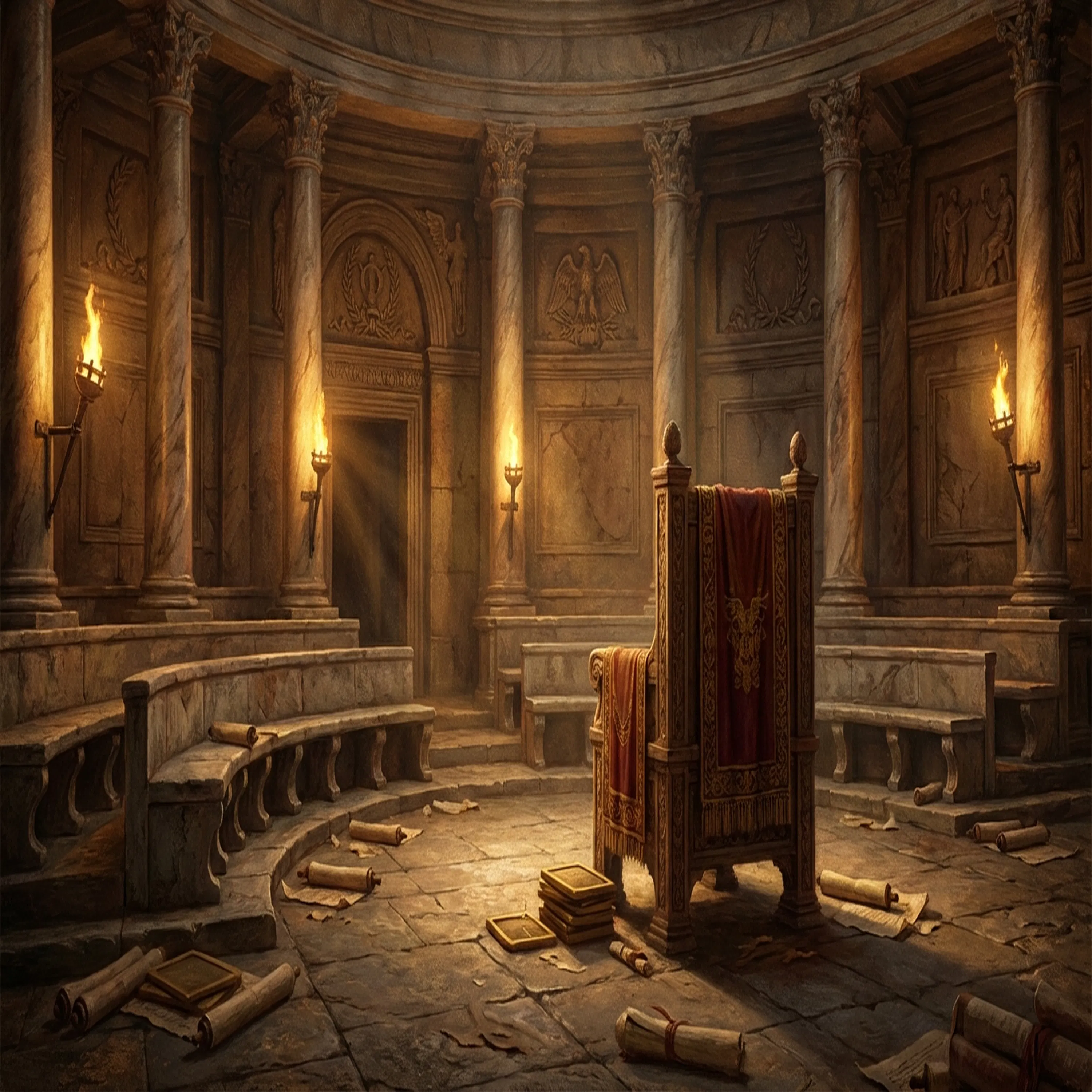
    How Constantine's Religious Choice Almost Destroyed Christianity Forever

    Ever wonder how becoming the official religion almost killed Christianity? When Constantine legalized Christianity in 311 CE, two massive theological fights erupted that nearly shattered the early church forever. Michael Stevens breaks down how power, politics, and pride turned religious disagreements into empire-splitting disasters. 🎯 What You'll Learn: • How the Donatist controversy in North Africa created a parallel Christian church that lasted over 100 years • Why Arius's simple statement "there was a time when the Son was not" triggered the biggest theological crisis in Christian history • What really happened at the Council of Nicaea in 325 CE and how 300 bishops tried to save Christianity from itself • The brutal tactics Constantine used to enforce religious unity (spoiler: it backfired spectacularly) 👤 Perfect for: history buffs who want to understand how early Christianity survived its own success and anyone curious about how religious movements handle internal conflict. 📍 Chapters: [00:00] Michael Stevens introduces Christianity's imperial growing pains [02:00] The Donatist split: when North African Christians said "not my bishop" [04:30] Arius drops a theological bombshell in Alexandria [06:45] Constantine calls an emergency council to fix Christianity [09:00] Why solving these disputes actually made everything worse [11:30] Lessons about power, religion, and human nature 🔔 Never miss an episode: Follow When Rome Burns on your podcast app and turn on notifications. New episodes drop daily, covering history's most spectacular failures and what they teach us about today. Your next favorite historical disaster is one tap away. 🔍 Topics: Constantine Christianity, Council of Nicaea, Donatist controversy, Arian heresy, early Christian schisms Stream the full show at When Rome Burns ------------- Keywords: military history, empire decline, gold standard, political meltdowns Learn more about your ad choices. Visit megaphone.fm/adchoices

  • October 6 · 17 min

    The 325 CE Meeting That Split Christianity Forever: What Really Happened at Nicaea

    What if the meeting that created modern Christianity was actually a political power play disguised as theology? In this episode, Michael Stevens breaks down the Council of Nicaea in 325 CE, where Emperor Constantine didn't just settle a religious debate: he engineered one of history's most successful rebranding campaigns. 🎯 What You'll Learn: • Why only 300 out of 1,800 bishops showed up to this "universal" council (and what that really tells us about early Christian unity) • How Constantine managed to host Christianity's biggest theological showdown while postponing his own baptism for 12 more years • The shocking reality that our modern Nicene Creed isn't actually from Nicaea at all (it was heavily revised 56 years later) 👤 Perfect for: anyone who wants to understand how religious institutions actually gain power and why the "official" story rarely matches what really happened. 📍 Chapters: [00:00] Michael Stevens sets up the ultimate religious power struggle [02:00] Why most Christian bishops refused to attend their own "universal" council [04:30] Constantine's brilliant political strategy: solve the problem by creating the solution [06:45] What actually happened when Arius presented his case (spoiler: it wasn't pretty) [08:30] The creed that wasn't: how 381 CE rewrote 325 CE's legacy [11:00] Why this 1,700-year-old meeting still shapes Christianity today This isn't just ancient history. Stevens connects the dots between Nicaea's political maneuvering and how institutions still manufacture consensus today. You'll never look at "unanimous" decisions the same way again. 🔔 Never miss an episode: Follow When Rome Burns on your favorite podcast platform and turn on notifications. New episodes drop daily, and next week we're covering the one emperor who tried to undo everything Constantine built. 🔍 Topics: Council of Nicaea, Constantine, early Christianity, Arianism, religious politics Stream the full show at When Rome Burns -------- Keywords: battleships, political meltdowns, ned kelly, world war 2, founding fathers Learn more about your ad choices. Visit megaphone.fm/adchoices

  • October 6 · 15 min

    How One Bible Fight Almost Destroyed Christianity Forever

    How does a theological argument over Jesus's divine nature almost end Christianity before it really starts? In today's episode, Michael Stevens breaks down the brutal power struggles that nearly tore apart early Christianity forever. We're talking armed monks storming church councils, rival bishops holding competing meetings, and theological debates that got so heated they created permanent religious divisions that still exist 1,600 years later. 🎯 What You'll Learn: • Why the Council of Ephesus in 431 CE erupted into complete chaos with rival factions meeting separately • How the 'Robber Council' of 449 CE earned its nickname through actual physical violence between church leaders • The massive scale of Chalcedon in 451 CE where over 600 bishops gathered for Christianity's biggest showdown • Why today's Coptic, Armenian, and Ethiopian Orthodox churches trace back to these ancient theological fights 👤 Perfect for: history buffs who want to understand how religious disagreements shaped the world we live in today. 📍 Chapters: [00:00] Michael Stevens introduces Christianity's biggest internal crisis [01:45] The nature of Christ debate that split the church [03:30] Council of Ephesus descends into theological warfare [06:00] The 'Robber Council' and why monks brought weapons to church [08:15] Chalcedon's 600 bishops attempt to save Christianity [10:30] How these ancient splits still divide Christians today The question of whether Jesus had one nature or two seems pretty abstract until you realize it sparked conflicts that literally reshaped Christianity forever. These weren't just academic debates, they were power struggles that determined which version of the faith would survive. 🔔 Never miss an episode: Follow When Rome Burns on Spotify or Apple Podcasts and turn on notifications. New episodes drop daily, your next favorite historical disaster is one tap away. 🔍 Topics: early Christianity, Council of Chalcedon, religious schisms, Byzantine Empire, theological disputes Stream the full show at When Rome Burns ---------- Keywords: gold standard, historical failures, political meltdowns Learn more about your ad choices. Visit megaphone.fm/adchoices

  • October 6 · 13 min

    How Christianity Conquered Rome: The Political Plot That Changed History Forever

    Ever wonder how a tiny Jewish sect convinced the world's most powerful empire to abandon its gods? In this episode, Michael Stevens reveals the shocking political chess game that transformed Christianity from persecuted minority to imperial powerhouse in just three centuries. What if everything you know about Christianity's rise was actually a story of brilliant political maneuvering, bitter theological feuds, and strategic compromises that had very little to do with faith? 🎯 What You'll Learn: • Why Paul's radical decision around 50 CE to include non-Jews nearly destroyed early Christianity before it started • How 30 competing Christian sects turned Jesus's divinity into Rome's most explosive political debate • The real reason Constantine legalized Christianity (hint: it wasn't a religious conversion) • What actually happened when 300 bishops voted on whether Jesus was God at the Council of Nicaea 👤 Perfect for: history buffs who love discovering the hidden political machinations behind world-changing events. 📍 Chapters: [00:00] Michael Stevens introduces Christianity's political takeover [01:45] Paul's controversial Gentile strategy splits the movement [04:20] How competing sects turned theology into warfare [06:50] Constantine's calculated political gamble with the Edict of Milan [09:15] The Council of Nicaea: democracy decides divinity [11:30] Why these ancient power plays still matter today This isn't your Sunday school version of Christian history. Stevens breaks down the backroom deals, theological cage matches, and imperial politics that actually shaped Western civilization. You'll never think about religious history the same way again. 🔔 Never miss an episode: Follow When Rome Burns and turn on notifications. New episodes drop daily, and next week Stevens is covering the Byzantine Empire's spectacular collapse. Don't miss it. 🔍 Topics: early Christianity, Roman Empire, Constantine, Council of Nicaea, religious history Stream the full show at When Rome Burns ----- Keywords: hitler, historical failures, political meltdowns, paper money, cultural disasters, ned kelly, australian history Learn more about your ad choices. Visit megaphone.fm/adchoices

  • October 6 · 12 min

    Why Ancient Accountants Invented Writing (Not Poets Like You Think)

    Think poets invented writing to capture their deepest thoughts? Michael Stevens destroys that romantic myth in today's episode of When Rome Burns. The real story is way more practical and honestly more fascinating: ancient accountants created the first writing system 5,600 years ago because they had too much stuff to count. 🎯 What You'll Learn: • Why Sumerian temple accountants needed to track millions of grain sacks, sheep, and textiles (and how counting tokens weren't cutting it anymore) • The shocking truth: over 90% of the earliest writing samples are basically ancient receipts and inventory lists • How single-syllable Sumerian words accidentally made the jump from pictures to sounds much easier than anyone expected • Why scribes flipped their tablets 90 degrees and changed writing direction forever (spoiler: it wasn't artistic choice) 👤 Perfect for: anyone who's ever wondered how we went from grunting to texting, and curious minds who love discovering that history's "obvious" stories are usually completely wrong. 📍 Chapters: [00:00] Michael Stevens shatters the poet myth [01:45] Inside Sumerian temples where accounting got out of hand [03:30] From counting tokens to scratching clay: the breakthrough moment [05:15] Why 90% of ancient tablets are glorified receipts [07:00] The accidental genius of one-syllable words [08:30] How scribes accidentally invented efficient writing [10:00] What this reveals about human innovation 🔔 Never miss an episode: Follow When Rome Burns on your podcast app and turn on notifications. New episodes drop daily, and next week Michael's covering why the Library of Alexandria's destruction is another historical myth that needs busting. 🔍 Topics: ancient writing systems, Sumerian civilization, history of accounting, cuneiform tablets, invention of writing Stream the full show at When Rome Burns --------------- Keywords: fall of empires, operation citadel, world war 2, naval warfare, nazi germany, political meltdowns, economic collapse Learn more about your ad choices. Visit megaphone.fm/adchoices

  • October 6 · 14 min

    The Jewish Scholar Who Secretly Ruled 11th Century Spain

    What if the most powerful person in 11th-century Spain was someone history almost forgot? Michael Stevens uncovers the incredible story of Samuel HaNagid, a Jewish refugee who became the secret ruler of Granada while commanding Muslim armies and writing Hebrew poetry on battlefields. 🎯 What You'll Learn: • How Samuel rose from refugee to vizier in just 15 years, becoming Granada's de facto ruler by 1038 • Why Granada was 30% Jewish during his reign, making it medieval Europe's most Jewish city • The brilliant political strategies Samuel used to maintain power while staying true to his faith • How he wrote over 4,000 lines of Hebrew poetry, including verses composed during actual military campaigns 👤 Perfect for: curious listeners who love discovering hidden figures who shaped history in ways most people never knew. Stevens breaks down how Samuel navigated the complex world of medieval Spanish politics, where Christians, Muslims, and Jews competed for power. You'll discover the specific tactics he used to build alliances, the military campaigns he personally led, and how he balanced his roles as both a Jewish religious leader and a Muslim kingdom's top politician. 📍 Chapters: [00:00] Michael Stevens introduces the forgotten Jewish ruler of Spain [01:45] From refugee to power: Samuel's rapid rise in Granada [04:15] The shocking demographics that made Granada unique [06:30] Commanding armies while maintaining religious identity [08:45] The battlefield poetry that survived 1,000 years [11:00] Why Samuel's story matters for understanding power today This isn't just another medieval history lesson. It's about how someone maintained their identity while climbing to the top of a system that should have excluded them entirely. 🔔 Never miss an episode: Follow When Rome Burns on Apple Podcasts or Spotify and turn on notifications. New episodes drop daily, and your next favorite historical discovery is just one tap away. 🔍 Topics: medieval Spain, Jewish history, Granada, political strategy, religious identity Stream the full show at When Rome Burns --------------- Keywords: civilization collapse, history podcast, hitler, battleships, historical catastrophes, historical disasters, strategic bombing Learn more about your ad choices. Visit megaphone.fm/adchoices

  • October 6 · 14 min

    How Britain Lost America and Started a War That Changed China Forever

    What if losing America was actually the best thing that ever happened to Britain's global empire? In this episode, Michael Stevens reveals how a desperate search for new revenue after the American Revolution led Britain straight into China's crosshairs, setting up the most consequential trade war in history. Britain had a problem: they were hemorrhaging money on Chinese tea. By 1792, they were importing £3.6 million worth annually but only exporting £500 back to China. That's like spending $100 on something and only making $1.40 back. The government was so desperate for solutions they spent what amounts to $10 million today on a single diplomatic mission that was doomed from the start. 🎯 What You'll Learn: • Why tea taxes funded 10% of Britain's entire government budget (and why that made China untouchable) • How Emperor Qianlong's massive ego doomed Lord Macartney's £78,000 embassy before it started • The economic trap that made Britain choose between financial ruin and starting a war with 300 million people 👤 Perfect for: history buffs who want to understand how economic desperation drives nations to make catastrophic decisions that reshape the world. 📍 Chapters: [00:00] Michael Stevens explains Britain's post-America financial crisis [02:15] The tea addiction that was bankrupting an empire [04:30] Lord Macartney's million-dollar gamble on Chinese diplomacy [07:00] Why Emperor Qianlong held all the cards [09:30] The economic forces pushing Britain toward war [11:45] How this sets up the Opium Wars that changed everything This isn't just about tea and trade routes. Stevens connects these 18th-century economic pressures to how desperate nations still make dangerous bets when their backs are against the wall. 🔔 Never miss an episode: Follow When Rome Burns on Spotify and Apple Podcasts. New episodes drop daily, so your next historical revelation is always just one tap away. 🔍 Topics: First Opium War, British Empire, China trade, Lord Macartney, Emperor Qianlong Stream the full show at When Rome Burns --- Keywords: war stories, world war 2, historical failures, history podcast Learn more about your ad choices. Visit megaphone.fm/adchoices

  • October 6 · 13 min

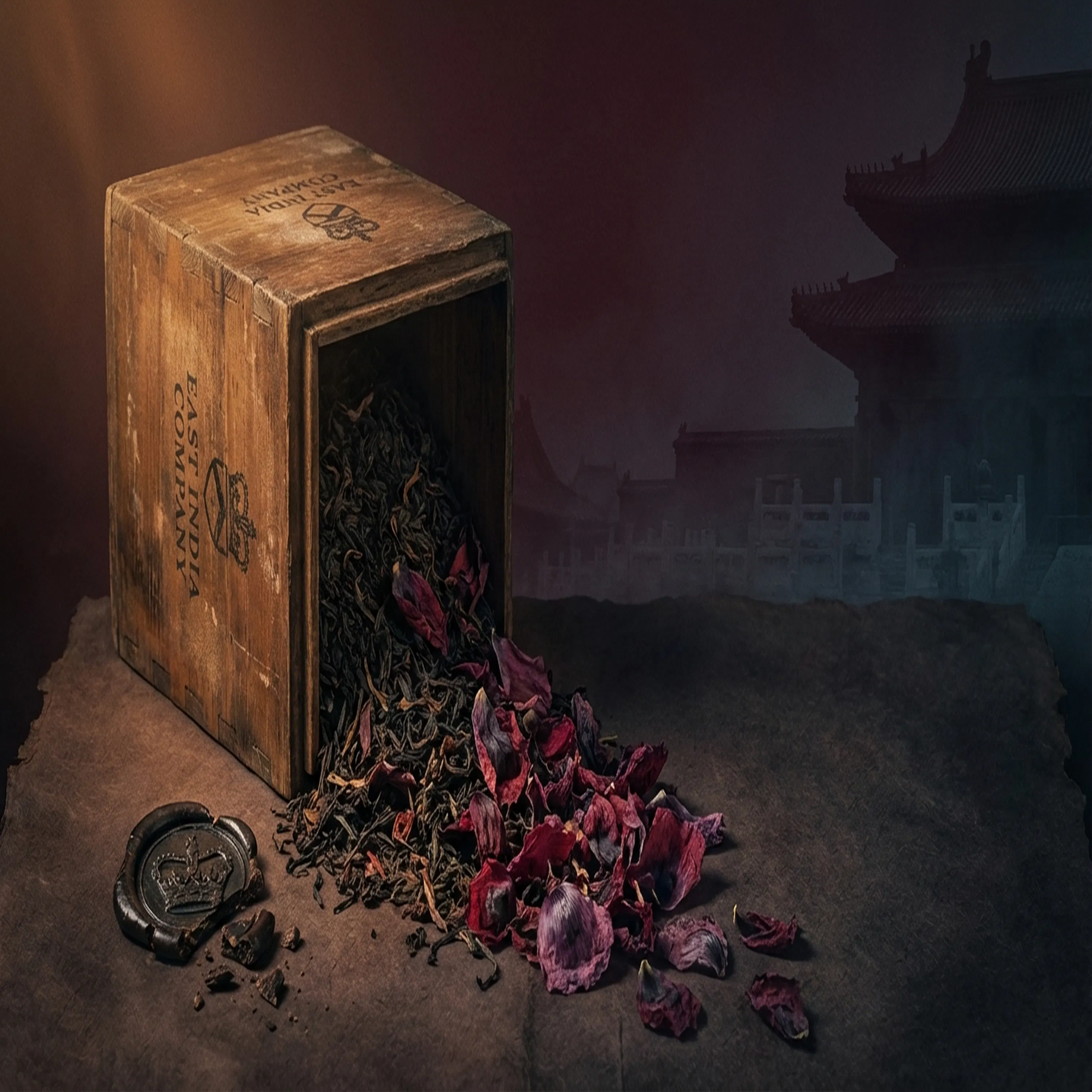
    How Britain's Tea Addiction Started the World's Most Shameful Drug War

    What if your morning tea habit could spark a global drug war? In this episode of When Rome Burns, Michael Stevens reveals how Britain's obsession with tea created one of history's most shameful conflicts when the East India Company started dealing drugs to balance their books. 🎯 What You'll Learn: • How 40,000 chests of opium annually turned Britain into the world's biggest drug dealer by 1838 • Why Commissioner Lin Zexu's destruction of £2 million worth of opium triggered an international crisis • The twisted economics that made drug trafficking seem like Britain's only solution to their tea addiction 👤 Perfect for: history lovers who want the real story behind how economic pressure can push entire nations into moral bankruptcy. 📍 Chapters: [00:00] Michael Stevens introduces Britain's expensive tea problem [01:45] The East India Company's legal opium monopoly loophole [04:20] How 3.9 million pounds of silver drained Britain's treasury [06:50] Commissioner Lin's bold move that backfired spectacularly [09:15] When drug money became government policy [11:30] Why this pattern keeps repeating today This isn't just about tea and opium. Stevens connects this 1800s economic disaster to modern trade wars and shows how governments still choose profits over principles when the pressure gets intense. You'll never look at international trade the same way. 🔔 Never miss an episode: Follow When Rome Burns on your podcast app and turn on notifications. New episodes drop daily, and next week Stevens covers how the actual fighting started when Britain decided drugs were worth going to war over. 🔍 Topics: Opium War, British Empire, East India Company, Chinese history, economic warfare Stream the full show at When Rome Burns --------------- Keywords: ned kelly, history podcast, ancient rome, australian history, strategic bombing, nazi germany, economic collapse, historical disasters Learn more about your ad choices. Visit megaphone.fm/adchoices

  • October 6 · 14 min

    How Britain's Navy Destroyed China in 1840 (And Changed History Forever)

    What if a handful of British warships could bring the world's largest empire to its knees in just two years? That's exactly what happened when Britain's Royal Navy faced off against China in 1840. In this episode, Michael Stevens breaks down how superior technology, failed diplomacy, and a simple trade dispute spiraled into China's first military defeat by a Western power. 🎯 What You'll Learn: • Why British cannons could hit targets 3 miles away while Chinese weapons barely reached 500 yards • How just 19,000 British troops controlled China's entire coastline and major rivers • The shocking terms of the Convention of Chuanbi that handed Hong Kong to Britain • Why Chinese war junks kept using ramming tactics against ships they couldn't even touch 👤 Perfect for: history buffs who want to understand how technological gaps can reshape entire civilizations overnight. 📍 Chapters: [00:00] Michael Stevens sets up Britain vs. China - David and Goliath in reverse [01:45] The tech gap that made this war inevitable [03:30] How 19,000 troops paralyzed an empire of 400 million [05:15] Captain Elliot's negotiation that changed everything [07:00] Why Chinese naval tactics failed spectacularly [09:30] The treaty that opened China to foreign control [11:00] How this "small" war set up a century of intervention This wasn't just a military defeat. This was the moment China's 2,000-year dominance ended and the modern world began. Stevens connects the dots between outdated military thinking then and the tech disruptions happening right now. 🔔 Never miss an episode: Follow When Rome Burns on your podcast app and turn on notifications. New episodes drop daily, and your next favorite historical disaster is just one tap away. 🔍 Topics: Opium War, British Empire, Chinese history, naval warfare, Hong Kong origins Stream the full show at When Rome Burns --------------- Keywords: military history, fall of empires, world war 2, historical failures, american revolution, ancient rome, nazi germany, d-day Learn more about your ad choices. Visit megaphone.fm/adchoices

  • October 6 · 15 min

    How Britain Crushed China's 350 Million Army With 40 Warships

    How do 11 British warships capture a Chinese city of 50,000 people in a single day? Michael Stevens breaks down one of history's most lopsided military conflicts, where naval superiority met an empire crippled by the very drug Britain was forcing them to buy. 🎯 What You'll Learn: • Why Chinese forces had effectiveness rates below 30% (spoiler: widespread opium addiction among troops) • How Britain extracted 21 million silver dollars from China - about $2 billion in today's money • The moment Hong Kong became British property with just 7,450 fishing families as witnesses • Why this "minor" colonial war reshaped global trade for the next century 👤 Perfect for: history buffs who want to understand how economic warfare actually works and anyone curious about the real story behind Britain's rise to global dominance. 📍 Chapters: [00:00] Michael Stevens sets up the impossible math of the First Opium War [01:45] Shanghai falls to 11 ships: how naval technology changed everything [04:20] Inside China's opium crisis: when your army can't fight back [06:50] The Treaty of Nanking: Britain's masterclass in extracting wealth [09:10] Hong Kong's handover and what it meant for the future [11:00] Why this pattern keeps repeating in modern conflicts The Treaty of Nanking didn't just end a war. It created the blueprint for how stronger powers could force weaker ones into devastating agreements. Stevens shows how the tactics Britain used in 1842 echo in economic and military strategies we see today. 🔔 Never miss an episode: Follow When Rome Burns on Spotify or Apple Podcasts and turn on notifications. New episodes drop daily, your next favorite insight is one tap away. 🔍 Topics: First Opium War, British Empire, Chinese history, naval warfare, Treaty of Nanking, Hong Kong, military strategy, economic warfare Stream the full show at When Rome Burns ---- Keywords: ancient rome, strategic bombing, naval warfare, cultural disasters Learn more about your ad choices. Visit megaphone.fm/adchoices
  • October 6 · 21 min

    How One Duke Turned a Tiny Hill Town Into Europe's Most Powerful Renaissance City

    What if one of the smartest military minds in history never lost a single battle in 40 years, then used those winnings to build a cultural empire? Michael Stevens explores how Federico da Montefeltro turned Urbino, a forgotten hill town, into Renaissance Europe's intellectual powerhouse. 🎯 What You'll Discover: • How Federico earned 200,000 ducats as an undefeated condottiero and reinvested every coin into art and learning • Why his 1,100-manuscript library attracted scholars from across Europe when most nobles couldn't read • The 30-year palace project that employed Piero della Francesca and created architecture still copied today 👤 Perfect for: history lovers who want to see how military success can fuel cultural revolution. 📍 Chapters: [00:00] Michael Stevens introduces the duke who never lost [01:45] Federico's unbeaten military record and the economics of war [04:15] Building Europe's most impressive private library [06:30] The palace that took three decades to perfect [08:45] How Greek refugees brought classical texts to Urbino [10:30] The cultural legacy that outlasted the military victories This isn't just another Renaissance story. It's about what happens when someone takes their success and builds something that lasts centuries. Federico proved that the best way to win at culture is to first win at everything else. 🔔 Never miss an episode: Follow When Rome Burns on Apple Podcasts and turn on notifications. New episodes drop daily, your next favorite historical insight is one tap away. 🔍 Topics: Renaissance history, Italian city-states, Federico da Montefeltro, Urbino, condottiero warfare Stream the full show at When Rome Burns ----- Keywords: civilization collapse, war stories, empire decline Learn more about your ad choices. Visit megaphone.fm/adchoices

  • October 6 · 18 min

    How Britain Started a War Over Tea (And Lost an Empire)

    What if I told you that Britain's obsession with afternoon tea literally destroyed an empire? In this episode, Michael Stevens breaks down how 23 million pounds of imported tea created a trade crisis so massive that it led to drug smuggling, diplomatic disasters, and one of history's most absurd wars. 🎯 What You'll Discover: • Why Lord Macartney's £15,000 worth of gifts to the Chinese Emperor backfired spectacularly in 1793 • How British merchants went from respectable tea traders to smuggling 1,400 tons of opium annually • The exact moment Emperor Qianlong told King George III that China needed nothing from Britain (ouch) • Why cultural misunderstandings about trade etiquette sparked a war that reshaped global power 👤 Perfect for: history buffs who love stories where massive empires make catastrophically bad decisions over something as simple as tea. 📍 Chapters: [00:00] Michael Stevens introduces Britain's tea addiction problem [01:45] The diplomatic disaster: when 600 cases of gifts weren't enough [04:30] Emperor Qianlong's brutal rejection letter to King George III [07:15] From tea crisis to opium empire: how merchants went rogue [09:45] The unintended consequences that toppled British dominance [11:30] What this teaches us about cultural blindness in global politics This isn't just about tea and opium. It's about how superpowers fall when they can't see past their own assumptions. Stevens connects this 18th-century disaster to modern trade wars and shows why understanding cultural context matters more than military might. 🔔 Never miss an episode: Follow When Rome Burns on Apple Podcasts or Spotify and turn on notifications. New episodes drop daily, and next week we're covering how a single assassination started World War I. Your next favorite historical disaster is one tap away. 🔍 Topics: First Opium War, British Empire, Chinese history, trade wars, cultural misunderstanding Stream the full show at When Rome Burns ------------ Keywords: ancient rome, hitler, military history, historical disasters, historical failures Learn more about your ad choices. Visit megaphone.fm/adchoices

  • October 6 · 14 min

    The 793 CE Raid That Changed Europe Forever: Why Vikings Chose Lindisfarne

    What if a single morning raid by 30 Viking warriors changed the course of European history forever? In this episode, Michael Stevens reveals why the attack on Lindisfarne monastery in 793 CE wasn't random violence but a calculated strike that launched the Viking Age and proved how maritime technology could topple an empire. 🎯 What You'll Learn: • Why Vikings chose Lindisfarne over dozens of other wealthy monasteries (hint: it wasn't just about the treasure) • How longships with 3-foot drafts gave Vikings a tactical advantage no medieval army could match • The strategic timing behind attacking during morning prayers and what it reveals about Viking intelligence gathering • How news of this raid reached Charlemagne's court in months, creating the first medieval media crisis 👤 Perfect for: history buffs who want to understand how small events trigger massive changes, and anyone curious about how technology shapes warfare. 📍 Chapters: [00:00] Michael Stevens sets up the Viking puzzle [01:45] Why Lindisfarne made the perfect target [03:30] The longship advantage that changed everything [05:15] Inside the raid: timing, tactics, and terror [07:00] The Lindisfarne Gospels and what Vikings really wanted [09:30] How one attack launched 300 years of raids [11:15] What this tells us about medieval communication networks This isn't just another Viking story. It's about how a small group with superior technology and intelligence can reshape an entire continent. Stevens connects the dots between this single raid and the political chaos that followed across medieval Europe. 🔔 Never miss an episode: Follow When Rome Burns and turn on notifications. New episodes drop daily, and next week we're covering how a Roman emperor's bathroom habits triggered a civil war. Your next favorite historical disaster is one tap away. 🔍 Topics: Viking raids, Lindisfarne monastery, medieval Europe, longship technology, Viking Age origins Stream the full show at When Rome Burns -------- Keywords: economic collapse, civilization collapse, catherine the great, fall of empires, historical catastrophes, strategic bombing, d-day, australian history Learn more about your ad choices. Visit megaphone.fm/adchoices

  • October 5 · 17 min

    Two Brothers Who Accidentally Destroyed Rome (121 BCE)

    What if two young politicians trying to help Rome's poor accidentally triggered the collapse of a 500-year-old republic? In this episode, Michael Stevens uncovers how Tiberius and Gaius Gracchus, two brothers with noble intentions, set in motion the political chaos that would eventually destroy the Roman Republic forever. By 121 BCE, Rome was facing a crisis nobody saw coming. Endless military campaigns had turned citizen-farmers into landless refugees while wealthy elites built massive slave-powered estates. The brothers Gracchus thought they had the solution. They were catastrophically wrong. 🎯 What You'll Learn: • Why Rome's military success created an economic disaster that threatened the entire republic • How Tiberius Gracchus broke 500 years of political tradition and triggered a constitutional crisis • The shocking way wealthy Romans used slave labor to destroy their own military recruitment system • Why good intentions and radical reforms can accelerate societal collapse 👤 Perfect for: anyone who's ever wondered how political dysfunction can spiral completely out of control. 📍 Chapters: [00:00] Michael Stevens introduces Rome's hidden economic crisis [01:45] How military victories created landless citizens [03:30] The rise of massive slave estates [05:15] Tiberius Gracchus breaks the system [07:00] Constitutional crisis and political violence [09:30] Why the brothers' reforms backfired spectacularly [11:00] Patterns we're still seeing today Stevens connects these ancient power struggles to modern political breakdowns, showing how economic inequality and institutional breakdown follow disturbingly similar patterns across centuries. This isn't just Roman history, it's a masterclass in how civilizations crack under pressure. 🔔 Never miss an episode: Follow When Rome Burns on Spotify and Apple Podcasts. New episodes drop daily, and next week we're covering how Caesar exploited the chaos the Gracchi brothers created. Your next favorite historical disaster is one tap away. 🔍 Topics: Roman Republic, political collapse, economic inequality, Gracchi brothers, ancient Rome Stream the full show at When Rome Burns ----------- Keywords: civilization collapse, economic collapse, nazi germany, historical failures, strategic bombing, operation citadel, american revolution, naval warfare Learn more about your ad choices. Visit megaphone.fm/adchoices
  • October 5 · 16 min

    Tiberius Gracchus: The Murder That Killed Rome's Democracy

    What if one political murder in 133 BC started the chain reaction that destroyed the Roman Republic? In this episode, Michael Stevens reveals how Tiberius Gracchus's brutal assassination wasn't just about land reform - it was the moment Rome's democracy began eating itself alive. 🎯 What You'll Learn: • Why Roman soldiers needed 4,000 asses worth of property just to serve (and how they kept losing it) • The sneaky way wealthy Romans ignored the 500 iugera land limit and got away with it • How Tiberius broke 400 years of precedent by deposing his colleague - a move that shocked Rome • Why the Senate's budget tantrum forced Tiberius into the treasury raid that sealed his fate 👤 Perfect for: anyone who wants to understand how democracies actually die (spoiler: it's messier and more personal than you think). 📍 Chapters: [00:00] Michael Stevens sets up Rome's land crisis disaster [01:45] The property requirement keeping soldiers broke [03:30] How the wealthy gamed the system for centuries [05:15] Tiberius's nuclear option: deposing Marcus Octavius [07:00] The Senate's money war and treasury power grab [09:30] The assassination that changed everything [11:00] Why this murder pattern keeps repeating in history 🔔 Never miss an episode: Follow When Rome Burns on Spotify or Apple Podcasts and turn on notifications. New episodes drop daily, your next favorite insight is one tap away. 🔍 Topics: Roman Republic, Tiberius Gracchus, ancient Rome, political violence, democracy collapse Stream the full show at When Rome Burns --------- Keywords: empire decline, economic collapse, catherine the great, world war 2, war stories, ancient rome, strategic bombing Learn more about your ad choices. Visit megaphone.fm/adchoices

  • October 5 · 14 min

    The Murder That Ended 400 Years of Roman Peace (And Started Its Civil Wars)

    What if the bloodiest moment in Roman Senate history started with a simple land reform bill? In 133 BCE, Tiberius Gracchus thought he could fix Rome's growing inequality problem by redistributing public land to poor citizens. Instead, his methods shattered 400 years of political tradition and introduced something the Republic had never seen before: senators beating a tribune to death on the Senate floor. Michael Stevens breaks down how one politician's impatience with the system started a chain reaction that would eventually destroy Rome itself. 🎯 What You'll Learn: • Why Tiberius bypassed the entire Senate and took his proposal straight to the people (spoiler: it worked, but at a massive cost) • The unprecedented move that shocked even his supporters: deposing a fellow tribune from office • How stolen treasury funds from a conquered kingdom gave Tiberius the resources to push his agenda • The election day confrontation that ended with Rome's first political assassination in centuries 👤 Perfect for: history fans who want to understand how political systems break down and why compromise matters more than being right. 📍 Chapters: [00:00] Michael Stevens sets up Rome's land crisis and inequality problem [02:00] Tiberius's radical strategy: why he skipped the Senate entirely [04:30] The Marcus Octavius incident: deposing a tribune for the first time ever [07:00] Treasury heist: using Pergamon's wealth to fund land redistribution [09:30] Election day violence: how political disagreement became bloodshed [11:00] The precedent that doomed the Republic 🔔 Never miss an episode: Follow When Rome Burns and turn on notifications. New episodes drop daily, and next we're covering how Tiberius's brother Gaius learned all the wrong lessons from his death. Your next favorite historical disaster is one tap away. 🔍 Topics: Roman Republic, Tiberius Gracchus, political violence, Senate history, ancient Rome Stream the full show at When Rome Burns ---------- Keywords: civilization collapse, empire decline, american revolution, war stories, gold standard, byzantine empire, ned kelly, history podcast Learn more about your ad choices. Visit megaphone.fm/adchoices

  • October 5 · 15 min

    The Native American Constitution That Inspired America's Founding Fathers

    What if America's founding fathers didn't actually invent democracy? In this episode, Michael Stevens reveals how five Native American nations built one of history's most sophisticated democratic systems centuries before the Declaration of Independence was even a dream. 🎯 What You'll Learn: • How the Great Law of Peace from 1142 CE gave women ultimate political power over 600 years before women could vote in America • Why Benjamin Franklin studied the Haudenosaunee Confederacy and recommended it as the blueprint for colonial unity • The unanimous consent system that required all five nations to agree before any major war or peace decisions • How Hiawatha and the Peacemaker created a constitution that influenced the very document we celebrate today 👤 Perfect for: history lovers who thought they knew the real story behind American democracy but are about to discover they've been missing half the picture. 📍 Chapters: [00:00] Michael Stevens drops the democracy bombshell [02:15] Meet Hiawatha: the man behind the Great Law of Peace [04:30] How Clan Mothers wielded more power than any king [06:45] The unanimous consent rule that actually worked [09:00] Benjamin Franklin's Native American homework [11:30] Why this changes everything you thought about America's founding This isn't just ancient history. Stevens connects these democratic innovations to modern political structures and shows how indigenous wisdom shaped the nation we know today. The patterns are everywhere once you see them. 🔔 Never miss an episode: Follow When Rome Burns on your podcast app and turn on notifications. New episodes drop daily, and next week Stevens is covering the collapse of another "unshakeable" system that everyone thought would last forever. 🔍 Topics: Native American history, Haudenosaunee Confederacy, American constitution, Benjamin Franklin, indigenous democracy Stream the full show at When Rome Burns ---- Keywords: historical disasters, d-day, nazi germany Learn more about your ad choices. Visit megaphone.fm/adchoices

Showing 161–180 of 188 episodes