Skip to content
Artwork for When Rome Burns
HistorySociety & CultureNews

When Rome Burns

Michael Stevens

Fifteen years of making teenagers care about dead people taught Michael Stevens one thing: the best history lessons happen when everything's falling apart. The former high school teacher turned podcaster after realizing his classroom walls were holding him back from the stories that really matter.

When Rome Burns isn't your typical history show. Stevens digs into the moments when civilizations, leaders, and entire ways of life completely imploded. Think the fall of empires, political meltdowns, cultural collapses, and the kind of disasters that reshape everything. But here's the thing: these aren't just stories about the past. Stevens connects each historical catastrophe to what's happening right now, showing how the patterns repeat and why understanding them actually matters.

Every episode feels like getting the real story from that teacher who actually made class interesting. Stevens breaks down complex historical events into the human moments that drove them, the mistakes that made them inevitable, and the lessons we're still ignoring today. No dry textbook recaps or academic jargon, just compelling storytelling about how things go wrong and what we can learn from the wreckage.

Multiple new episodes drop daily, so there's always fresh content. Follow now and discover why history's biggest disasters are the best teachers we have. Multiple new episodes daily—follow now!

Play
  • 149 episodes
  • Avg 14 min
  • English
Counted on this page — what you have heard stays on this device, so it is not something the list can be paged by.
  • Today · 15 min

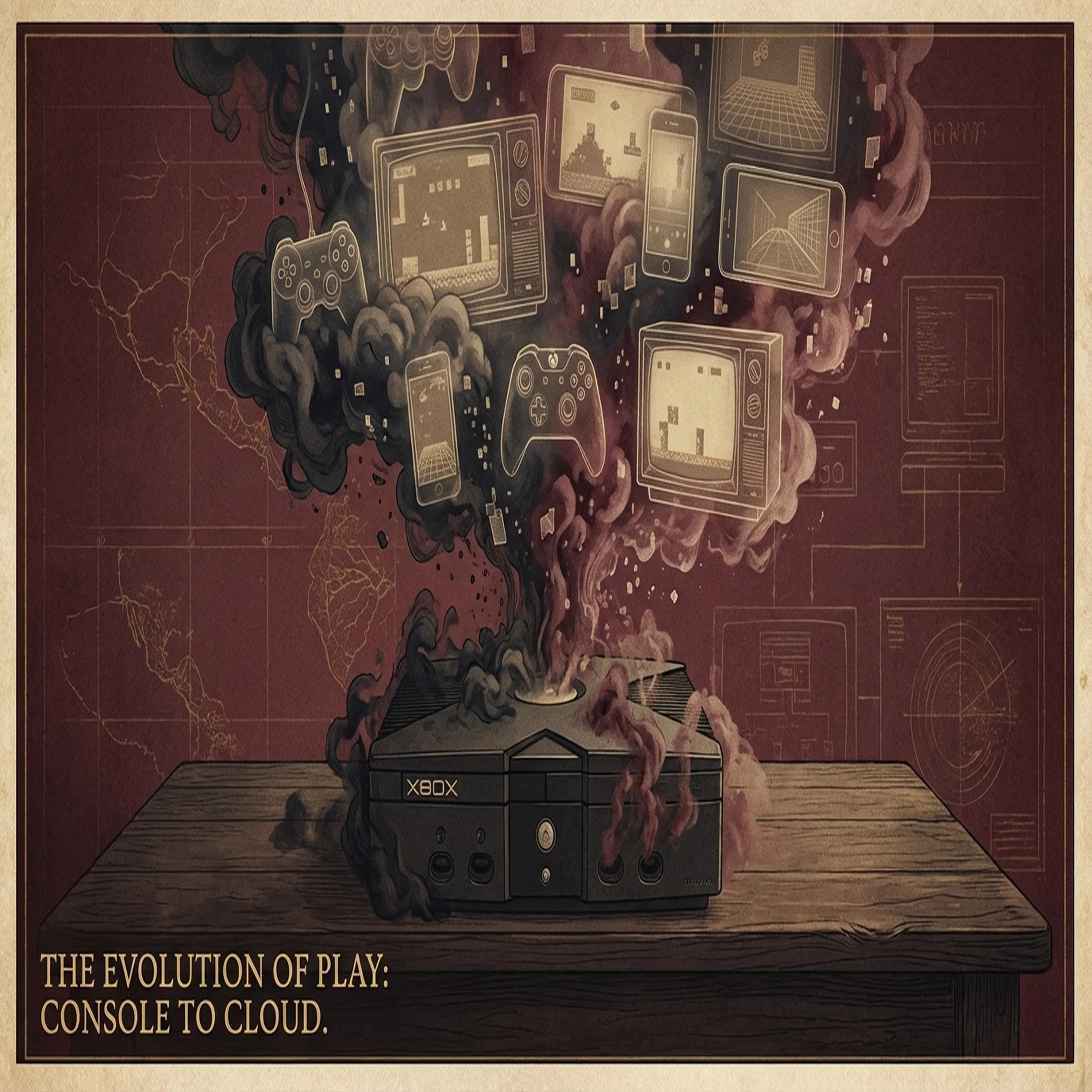
    How Cities: Skylines Beat EA's SimCity at Their Own Game

    What happens when a scrappy 13-person Finnish studio takes down EA's multi-million dollar SimCity franchise? In this episode, Michael Stevens breaks down how Cities: Skylines became the city-building champion that fans actually wanted, proving that sometimes David really can beat Goliath in the gaming world. 🎯 What You'll Learn: • How Cities: Skylines sold over 1 million copies in just 30 days with zero marketing budget • Why EA's SimCity 2013 disaster created the perfect opening for a tiny competitor • The genius design choices that let players build cities with over 1 million citizens • How Steam Workshop's 200,000+ mods turned players into co-developers 👤 Perfect for: gamers, history buffs, and anyone fascinated by how underdogs can disrupt entire industries through smart strategy and timing. 📍 Chapters: [00:00] Michael Stevens introduces the David vs. Goliath story of city builders [01:45] SimCity 2013's spectacular failure opens the door [03:30] Meet Colossal Order: 13 people who changed gaming [05:15] The technical magic that made unlimited cities possible [08:00] Steam Workshop transforms players into content creators [10:30] Why passion projects sometimes beat corporate machines [12:15] Key lessons for any underdog facing industry giants This isn't just a gaming success story. It's a masterclass in how understanding your audience, learning from competitors' mistakes, and building community can topple even the biggest players. Stevens connects this modern David vs. Goliath tale to historical patterns of disruption that repeat across industries and centuries. The best part? Cities: Skylines didn't just win by being different. It won by being what SimCity used to be before corporate priorities got in the way. Sometimes the best way forward is remembering what made something great in the first place. 🔔 Never miss an episode: Follow When Rome Burns on Apple Podcasts or Spotify and turn on notifications. New episodes drop daily, your next favorite insight is one tap away. 🔍 Topics: Cities Skylines, SimCity, gaming history, underdog stories, Finnish game development Stream the full show at When Rome Burns --------------- Keywords: fall of empires, byzantine empire, gold standard Learn more about your ad choices. Visit megaphone.fm/adchoices
  • Today · 15 min

    The $1.2 Billion Company That Nearly Destroyed England in 1720

    What if Britain's first "too big to fail" bailout happened 300 years ago? In 1720, the South Sea Company became so massive and so politically connected that when it collapsed, the government had no choice but to rescue it. Michael Stevens breaks down how a single company nearly brought down the entire British economy and why their solution sounds eerily familiar. 🎯 What You'll Learn: • How the South Sea Company accumulated £30 million in government debt (roughly $4 billion today) • Why King George I and Parliament members personally owned shares, making regulation impossible • The exact two-week period when stock prices crashed from £1,000 to under £200 per share • How Britain's bailout strategy created the template for modern financial rescues 👤 Perfect for: anyone who's ever wondered if our current financial crises are really that different from the past. 📍 Chapters: [00:00] Michael Stevens reveals Britain's first government bailout [01:45] How the South Sea Company became untouchable [03:30] When your customers are also your regulators [05:15] The two-week collapse that changed everything [07:00] Why the government couldn't let it fail [09:30] Patterns that repeat across three centuries [11:00] What this teaches us about today's economy This isn't just ancient history. Stevens connects the South Sea Bubble directly to modern bailouts, showing how the same political pressures and economic realities that forced Britain's hand in 1720 still drive government decisions today. The names change, but the game stays the same. 🔔 Never miss an episode: Follow When Rome Burns on your podcast app and turn on notifications. New episodes drop daily, your next favorite historical insight is one tap away. 🔍 Topics: South Sea Bubble, financial crisis, government bailout, British history, economic collapse Stream the full show at When Rome Burns --------- Keywords: d-day, civilization collapse, fall of empires, american revolution Learn more about your ad choices. Visit megaphone.fm/adchoices

  • Today · 16 min

    John Blunt: The Financial Genius Who Created History's First Stock Market Crash

    What if the smartest financial mind in 1720s England single-handedly created history's first stock market crash? In this episode, Michael Stevens reveals how John Blunt, a former clerk turned financial mastermind, turned England's crushing debt into a speculative bubble that nearly destroyed the economy. Here's the wild part: Blunt knew exactly what he was doing. 🎯 What You'll Learn: • How England's £50 million debt (equivalent to the entire government's annual income) became Blunt's opportunity • The psychological tricks Blunt used to drive South Sea Company stock from £128 to over £1,000 in eight months • Why Spain's trade restrictions didn't stop investors from pouring money into a company that couldn't actually trade 👤 Perfect for: anyone who's ever wondered how financial bubbles actually start and why smart people make terrible investment decisions when greed takes over. 📍 Chapters: [00:00] Michael Stevens introduces the man behind history's first stock crash [02:00] From scrivener to schemer: John Blunt's rise to power [04:30] The brilliant con: turning government debt into investment gold [07:00] How Blunt manipulated public perception and stock prices [09:30] The warning signs everyone ignored [11:00] Why this pattern keeps repeating in modern markets The craziest part? Blunt's scheme was technically legal. He found loopholes in a system that wasn't ready for someone this clever and ruthless. Stevens connects Blunt's tactics to modern financial manipulation, showing how the same psychological triggers still work today. 🔔 Never miss an episode: Follow When Rome Burns and turn on notifications. New episodes drop daily, and tomorrow Stevens covers what happened when Blunt's bubble finally burst. Your next favorite historical disaster is one tap away. 🔍 Topics: South Sea Bubble, stock market crash, financial history, John Blunt, 18th century England Stream the full show at When Rome Burns ------ Keywords: ancient rome, political meltdowns, civilization collapse, hitler Learn more about your ad choices. Visit megaphone.fm/adchoices

  • Today · 17 min

    Japan's 150-Year Civil War That Created the Greatest Warriors in History

    What if 150 years of constant warfare actually created the most skilled warriors in human history? Michael Stevens breaks down Japan's Sengoku period, when the country completely collapsed into warring states and somehow emerged stronger than ever. From 1467 to 1615, Japan had no central government. Over 250 independent warlords carved up the islands, fighting epic battles that make Game of Thrones look tame. But here's what's wild: this chaos didn't destroy Japanese culture. It perfected it. 🎯 What You'll Learn: • How the 10-year Onin War turned Kyoto into a battlefield and triggered centuries of conflict • Why Oda Nobunaga's 3,000 matchlock rifles at Nagakute changed warfare forever (spoiler: samurai swords became pretty useless) • The surprising economic boom that happened during all this fighting, creating thriving castle towns and trade networks • How constant war actually strengthened Japanese society instead of destroying it 👤 Perfect for history buffs who want the real story behind legendary samurai battles, not the Hollywood version. 📍 Chapters: [00:00] Michael Stevens introduces Japan's century of chaos [02:00] The Onin War: how one succession dispute broke everything [04:30] Rise of the daimyo: 250 warlords carve up Japan [07:00] Guns vs. swords: how firearms ended samurai dominance [09:30] The economic miracle nobody talks about [11:00] Why chaos sometimes builds stronger civilizations Stevens connects this historical meltdown to modern lessons about resilience, adaptation, and how societies rebuild from collapse. Sometimes the best way forward is through complete destruction. 🔔 Never miss an episode: Follow When Rome Burns and turn on notifications. New episodes drop daily, covering history's most spectacular disasters and what they teach us about surviving our own chaotic times. 🔍 Topics: Sengoku period, samurai warfare, Japanese history, Oda Nobunaga, medieval Japan Stream the full show at When Rome Burns ---------- Keywords: civilization collapse, catherine the great, war stories, battleships, australian history Learn more about your ad choices. Visit megaphone.fm/adchoices

  • Today · 23 min

    How a College Assignment Accidentally Built Gaming's Most Influential Channel

    What if a random college assignment accidentally created one of gaming's most powerful educational forces? In this episode, Michael Stevens breaks down how Extra Credits transformed from Daniel Floyd's simple 2008 class project into the channel that literally changed how an entire industry thinks about game design. 🎯 What You'll Learn: • How a college student's assignment analysis sparked a movement that reached millions • The exact moment when academic content jumped from classroom to cultural phenomenon • Why figuring out live streaming technology in 2012 was like building the plane while flying it • What happens when educational content accidentally becomes industry-standard viewing 👤 Perfect for: gamers, creators, and anyone curious about how accidental success really works. 📍 Chapters: [00:00] Michael Stevens introduces the Extra Credits origin story [02:15] Daniel Floyd's college assignment that started it all in 2008 [04:30] The unexpected online traction that changed everything [06:45] Live Q&A sessions and real-time audience engagement challenges [09:00] How streaming technology limitations forced creative solutions [11:30] Why accidental movements often beat planned ones Stevens connects this gaming education breakthrough to broader patterns of how influence actually spreads. It's not about perfect planning or massive budgets. It's about genuine insight meeting the right moment, then adapting fast enough to keep up with your own success. The Extra Credits story reveals something crucial: the most impactful educational content often starts as something else entirely. Floyd wasn't trying to revolutionize gaming education. He was just trying to pass a class. But when authentic expertise meets genuine curiosity, accidents become empires. 🔔 Never miss an episode: Follow When Rome Burns on your podcast app and turn on notifications. New episodes drop daily, your next favorite insight is one tap away. 🔍 Topics: Extra Credits, gaming education, content creation, accidental success, educational influence Stream the full show at When Rome Burns ------- Keywords: cultural disasters, hitler, d-day, civilization collapse, military history Learn more about your ad choices. Visit megaphone.fm/adchoices

  • Today · 12 min

    Cloud Chamber: The Game Where 10,000 Players Solve Mysteries With No Combat

    What if a video game with no combat, no points, and no way to "win" could captivate 10,000 players at once? Michael Stevens explores Cloud Chamber, a revolutionary experiment that's rewriting the rules of what games can be. 🎯 What You'll Learn: • How Cloud Chamber turns fragmented storytelling into a collaborative puzzle that requires an entire community to solve • Why thousands of players are spending hours discussing narrative clues instead of fighting enemies or collecting items • The science fiction literary influences that shaped this "Massively Multiplayer Story Game" concept • How multiple valid interpretations can emerge from the same source material, creating richer discussions 👤 Perfect for: anyone curious about innovative storytelling, whether you're a gamer, sci-fi fan, or just fascinated by how communities form around shared mysteries. 📍 Chapters: [00:00] Michael Stevens introduces the game that broke all the rules [01:45] What happens when story becomes the only mechanic [03:30] How 10,000 players collaborate without traditional gameplay [05:15] The sci-fi literature roots that inspired everything [07:00] Why fragments require community discussion to unlock meaning [09:30] Multiple interpretations, same story: how it actually works [11:00] What this means for the future of interactive storytelling This isn't just about gaming. It's about how humans naturally want to solve puzzles together, how stories can create communities, and why sometimes the most engaging experiences happen when you remove everything we think makes something "fun." 🔔 Never miss an episode: Follow When Rome Burns on Spotify or Apple Podcasts and turn on notifications. New episodes drop daily, your next favorite insight is one tap away. 🔍 Topics: massively multiplayer games, collaborative storytelling, science fiction, community building, experimental game design Stream the full show at When Rome Burns ------------ Keywords: paper money, operation citadel, founding fathers, ned kelly, historical catastrophes, nazi germany, catherine the great, hitler Learn more about your ad choices. Visit megaphone.fm/adchoices

  • Today · 14 min

    Hannibal's Insane 37 Elephant March That Almost Destroyed Rome

    What if I told you that 37 war elephants once came within miles of ending the Roman Empire forever? In this episode, Michael Stevens breaks down Hannibal's absolutely bonkers decision to march an army and a zoo across the Alps to surprise attack Rome itself. 🎯 What You'll Learn: • Why Hannibal chose the "impossible" Alpine route when he could have sailed directly to Italy • How he lost 45,000 soldiers in just 15 days but still terrified Rome more than any enemy before or since • The brilliant psychological warfare behind bringing elephants that local tribes had never even imagined • What Rome's diplomatic response to the 8-month siege of Saguntum reveals about their fatal overconfidence 👤 Perfect for: history buffs who love stories about audacious military gambles that nearly changed everything. This isn't just ancient warfare tactics. It's about how one man's willingness to attempt the impossible almost toppled a superpower that thought it was untouchable. Sound familiar? 📍 Chapters: [00:00] Michael Stevens sets up Hannibal's impossible choice [01:45] The siege of Saguntum: 8 months that should have been a warning [04:15] Building an army of enemies: Africans, Spaniards, and Gauls united against Rome [06:30] The Alpine crossing: 90,000 men enter, 45,000 emerge [09:00] Why elephants were the ancient world's psychological nuclear weapons [11:15] Rome's reaction: panic in the streets of an "invincible" empire 🔔 Never miss an episode: Follow When Rome Burns on Apple Podcasts or Spotify and turn on notifications. New episodes drop daily, and next week we're covering what happened when Hannibal actually reached Rome's gates. 🔍 Topics: Hannibal, Punic Wars, Roman Empire, Alpine crossing, ancient warfare Stream the full show at When Rome Burns -------- Keywords: ancient rome, military history, historical disasters, history podcast, fall of empires, d-day, world war 2 Learn more about your ad choices. Visit megaphone.fm/adchoices
  • Yesterday · 13 min

    The 6 Impossible Coincidences That Started World War 1

    What if I told you that World War I started because a driver took a wrong turn? Michael Stevens breaks down the six impossible coincidences that turned a routine royal visit into the assassination that changed everything. June 28, 1914. Franz Ferdinand decides to visit Sarajevo on the worst possible day. Seven amateur assassins position themselves along his route. One throws a bomb that bounces off his car. Then the driver makes a fatal wrong turn and stops directly in front of another conspirator. You can't make this stuff up. 🎯 What You'll Learn: • Why Franz Ferdinand picked the anniversary of a Serbian defeat to visit Sarajevo (spoiler: nobody thought this through) • The bomb that bounced and how it actually made the real assassination possible • The wrong turn that put the Archduke face-to-face with his killer 👤 Perfect for: anyone who's ever wondered how random events can reshape history and change millions of lives forever. 📍 Chapters: [00:00] The worst possible day for a royal visit [01:45] Seven young men with a terrible plan [03:30] The bomb that bounced off Franz Ferdinand's car [05:15] How a failed attack led to the real one [07:00] The driver's wrong turn that changed everything [09:30] From amateur hour to world war Stevens connects these amateur-hour mistakes to the massive war that followed, showing how the smallest human errors can trigger the biggest disasters. This isn't just about one assassination. It's about how incompetence and bad timing can literally reshape civilization. The patterns here are wild, and they're still playing out today. One moment of bad judgment, one wrong turn, one person in the wrong place at exactly the wrong time. 🔔 Never miss an episode: Follow When Rome Burns on your podcast app and turn on notifications. New episodes drop daily, and next week we're covering how the Roman Empire's tax system destroyed itself. Your next favorite disaster story is one tap away. 🔍 Topics: World War 1, Franz Ferdinand assassination, Sarajevo 1914, historical coincidences, chain of events Stream the full show at When Rome Burns ------------ Keywords: historical failures, ancient rome, economic collapse, historical disasters Learn more about your ad choices. Visit megaphone.fm/adchoices

  • Yesterday · 14 min

    The $2M MMO That Tried to Clone EVE Online and Failed Spectacularly

    What happens when a tiny indie studio tries to clone one of gaming's most complex universes? Perpetuum thought they had the perfect plan: copy EVE Online's winning formula, add terraforming, and watch the players flood in. Instead, they created one of gaming's most expensive lessons about why copying success is harder than it looks. In this episode, Michael Stevens breaks down how a $2 million dream became a cautionary tale about ambition, inexperience, and the brutal reality of game development. 🎯 What You'll Learn: • Why Perpetuum's single-server architecture was both genius and fatal • How a team with zero game development experience raised $2 million • The real reason players abandoned ship despite solid terraforming mechanics • What EVE Online actually did right that copycats keep missing 👤 Perfect for: gamers, entrepreneurs, and anyone fascinated by ambitious failures that teach us more than easy wins. 📍 Chapters: [00:00] Michael Stevens introduces gaming's $2M disaster [01:45] The EVE Online clone that sounded foolproof [04:20] How complete beginners raised serious investor money [06:50] Terraforming: the feature that should have changed everything [08:30] Why copying a proven formula still failed spectacularly [11:10] The harsh lessons about complex game development 🔔 Never miss an episode: Follow When Rome Burns on your podcast app and turn on notifications. New episodes drop daily, your next favorite disaster story is one tap away. 🔍 Topics: game development, EVE Online, indie gaming, startup failures, MMO history Stream the full show at When Rome Burns ------ Keywords: byzantine empire, cultural disasters, founding fathers, paper money Learn more about your ad choices. Visit megaphone.fm/adchoices

  • Yesterday · 16 min

    The 30 Days That Killed 20 Million People: How One Telegram Doomed Europe

    What if one telegram could kill 20 million people? In July 1914, that's exactly what happened when Germany sent Austria-Hungary a single message that would destroy an entire generation. Michael Stevens breaks down the 30 days that turned a regional conflict into humanity's first global catastrophe. Here's what most history classes miss: World War I wasn't inevitable. It was a cascade of terrible decisions, starting with Germany's "blank check" on July 5th that promised Austria unlimited support. What followed was the most catastrophic month in human history. 🎯 What You'll Discover: • Why Austria waited 23 days after the assassination to act (and how that delay made war certain) • The single diplomatic move that could have prevented 20 million deaths • How Serbia actually said "yes" to 9 out of 10 demands, but it didn't matter • The exact moment Russia's mobilization made peace impossible 👤 Perfect for history lovers who want to understand how small decisions create massive consequences. 📍 Chapters: [00:00] Michael Stevens opens with the telegram that changed everything [01:45] Germany's blank check: the promise that doomed Europe [03:30] Austria's 23-day wait: why delay made war inevitable [05:15] Serbia's surprising response: saying yes to almost everything [07:00] Russia's fatal mistake: partial vs. full mobilization [09:30] The point of no return: when diplomacy died [11:00] What this teaches us about preventing modern conflicts This isn't just ancient history. Stevens connects these 30 days to today's geopolitical tinderboxes, showing how the same patterns play out when leaders prioritize pride over peace. Every decision that July followed the same tragic logic we see in conflicts today. 🔔 Never miss an episode: Follow When Rome Burns on your podcast app and turn on notifications. New episodes drop daily, and next week Stevens covers how the war machine actually worked once the shooting started. 🔍 Topics: World War 1, July Crisis 1914, Austria Hungary, German diplomacy, Russian mobilization Stream the full show at When Rome Burns --------------- Keywords: naval warfare, historical catastrophes, war stories, cultural disasters, byzantine empire, civilization collapse, strategic bombing, gold standard Learn more about your ad choices. Visit megaphone.fm/adchoices
  • Yesterday · 12 min

    Why Skyrim's Creator Calls This 1992 Game the 'Original Open World RPG'

    What if everything you know about open-world gaming started with a 1992 RPG that nobody talks about? Michael Stevens reveals why Todd Howard considers Ultima VII the true godfather of games like Skyrim, and how this forgotten masterpiece solved problems modern developers still struggle with today. 🎯 What You'll Discover: • Why Ultima VII's NPCs had more realistic daily routines than most 2024 games • The revolutionary physics system that let players bake actual bread and murder anyone (including the main quest giver) • How a 30-year-old game's AI scheduling system directly inspired The Elder Scrolls series • The technical wizardry that packed full voice acting onto floppy disks when most games were still text-only 👤 Perfect for: gamers and history buffs who love discovering the hidden origins of things they think they know. This isn't just gaming nostalgia. Stevens connects Ultima VII's innovations to modern game design, showing how Richard Garriott's team created solutions that developers are still copying three decades later. From emergent storytelling to consequence-heavy player choice, this episode reveals the DNA of every open-world RPG you've ever loved. 📍 Chapters: [00:00] Michael Stevens opens with Todd Howard's bold claim [01:45] The NPC revolution nobody saw coming [04:15] How to break a game and why that's actually genius [06:30] Physics systems that put modern games to shame [08:45] Voice acting miracles on ancient hardware [11:00] Why we're still catching up to 1992's vision 🔔 Never miss an episode: Follow When Rome Burns on your podcast app and turn on notifications. New episodes drop daily, and your next favorite rabbit hole is just one tap away. 🔍 Topics: gaming history, RPG evolution, Ultima VII, Todd Howard, open world design Stream the full show at When Rome Burns ------ Keywords: american revolution, historical failures, naval warfare, world war 2 Learn more about your ad choices. Visit megaphone.fm/adchoices

  • Yesterday · 9 min

    This 2014 Game Beats Every Modern RPG

    What if the best RPG ever made came out a decade ago and nobody talks about it? Michael Stevens just discovered why a 2014 crowdfunded game might be the perfect blueprint for fixing everything wrong with modern gaming. Spoiler: it involves $2.9 million in Kickstarter funding and a conversation system that's older than most of today's gamers. 🎯 What You'll Learn: • Why Wasteland 2's 80+ hour campaign beats most modern RPGs despite using 1988 technology • How the original Wasteland literally created Fallout (and why that matters today) • The one design choice that makes branching storylines actually matter for your choices • Why keyword-based dialogue feels ancient but works better than today's voice acting 👤 Perfect for: gamers who remember when RPGs required actual planning and history buffs curious about how digital storytelling evolved. 📍 Chapters: [00:00] Michael introduces gaming's best kept secret [01:45] The $2.9 million Kickstarter that changed everything [04:20] Why Wasteland created Fallout (the real origin story) [06:50] Conversation trees that actually branch your story [09:15] 80 hours of gameplay that doesn't waste your time [11:30] What modern developers can learn from 2014 🔔 Never miss an episode: Follow When Rome Burns on your podcast app and turn on notifications. New episodes drop daily, and tomorrow Michael's covering why ancient Rome's tax system predicted modern crypto crashes. 🔍 Topics: Wasteland 2, RPG games, game design, Kickstarter success, Fallout origins Stream the full show at When Rome Burns -------------- Keywords: fall of empires, founding fathers, cultural disasters, australian history, d-day, catherine the great, military history Learn more about your ad choices. Visit megaphone.fm/adchoices

  • Yesterday · 14 min

    The One Telegram That Killed 20 Million: How July 1914 Destroyed Europe

    What if I told you that a single diplomatic telegram in July 1914 set off a chain reaction that killed 20 million people? Michael Stevens breaks down how a few catastrophic miscommunications turned a regional spat into humanity's first total war. 🎯 What You'll Learn: • Why Austria-Hungary waited 23 days to respond to the assassination (and how that delay doomed Europe) • The shocking truth about Serbia's response: they actually accepted 9 out of 10 Austrian demands • How Russia's secret mobilization three days before war was declared made conflict inevitable • Why Kaiser Wilhelm II was literally sailing around on a yacht while his empire stumbled into disaster 👤 Perfect for: history buffs who want to understand how small decisions create massive consequences. 📍 Chapters: [00:00] The telegram that changed everything [02:15] Austria's 23-day delay: procrastination with deadly consequences [04:30] Serbia's surprising acceptance and why it didn't matter [06:45] Russia's secret mobilization: the point of no return [08:30] The Kaiser's yacht trip: leadership failure at the worst moment [10:00] How diplomatic incompetence killed 20 million people This isn't just ancient history. Stevens connects these 1914 communication failures to modern diplomatic crises, showing how the same patterns of miscommunication and ego still drive nations toward conflict today. You'll never look at international news the same way. 🔔 Never miss an episode: Follow When Rome Burns on your podcast app and turn on notifications. New episodes drop daily, and next week Stevens is covering the Russian Revolution's bloody finale. Your next favorite historical disaster is one tap away. 🔍 Topics: World War 1, diplomatic history, Austria-Hungary, Russian mobilization, assassination of Archduke Franz Ferdinand Stream the full show at When Rome Burns ----- Keywords: world war 2, fall of empires, historical catastrophes, australian history, cultural disasters Learn more about your ad choices. Visit megaphone.fm/adchoices

  • Yesterday · 13 min

    The TIE Fighter Game That Broke Every Space Combat Rule

    What if the most innovative space combat game you've never played completely threw out everything Star Wars taught us about dogfighting? In this episode, Michael Stevens breaks down GoD Factory: Wingmen, the multiplayer TIE Fighter game that dared to keep you fighting even after you died. 🎯 What You'll Learn: • How 9DOF movement lets spaceships flip, roll, and strafe like real zero-gravity combat • Why becoming a gunner after death kept matches intense instead of boring • The cross-platform tech that balanced keyboard pilots against controller aces • What killed this promising Early Access game despite its brilliant mechanics 👤 Perfect for: gamers and history buffs curious about how innovative ideas sometimes fail despite being ahead of their time. 📍 Chapters: [00:00] Michael introduces the TIE Fighter game that broke all the rules [01:45] Nine degrees of freedom: why most space games feel like flying underwater [03:30] Death as a feature, not a punishment [05:15] Cross-platform balance before it was cool [07:00] The Early Access trap that killed momentum [09:30] Lessons from a brilliant failure [11:00] Why innovation isn't always enough This isn't just about a forgotten game. It's about how great ideas can still crash and burn when timing, marketing, and money don't align. Stevens connects this gaming failure to bigger patterns about innovation, risk, and why being first doesn't guarantee success. GoD Factory tried to solve real problems with creative solutions, but creativity alone doesn't pay the bills. Sometimes the most interesting stories come from the projects that should have worked but didn't. 🔔 Never miss an episode: Follow When Rome Burns on Apple Podcasts or Spotify and turn on notifications. New episodes drop daily, your next favorite insight is one tap away. 🔍 Topics: space combat games, game development, Early Access, innovation failure, multiplayer design Stream the full show at When Rome Burns --------- Keywords: australian history, empire decline, gold standard, d-day, world war 2, war stories, fall of empires, military history Learn more about your ad choices. Visit megaphone.fm/adchoices

  • Yesterday · 15 min

    This Polish Studio Beat AAA Games With A Camera Trick Nobody Expected

    What if I told you 7 people armed with nothing but consumer cameras just revolutionized how video games look? Michael Stevens uncovers how The Astronauts, a tiny Polish studio, used a photography trick to create visuals so stunning that AAA studios are scrambling to catch up. 🎯 What You'll Discover: • How Adrian Chmielarz and Andrzej Poznanski went from communist-era Poland to beating studios with 500+ employees • The photogrammetry technique that turns real forests into game worlds so realistic players think they're looking at photos • Why a 7-person team with free software just proved that creativity destroys big budgets every time 👤 Perfect for: gamers and creative professionals who want to see how constraints breed the most innovative solutions. 📍 Chapters: [00:00] Michael Stevens introduces the David vs Goliath story of Polish game development [01:45] The Astronauts' communist origins and why growing up with nothing became their superpower [04:20] Breaking down photogrammetry: how they scanned entire forests with cameras you can buy at Best Buy [07:30] The moment their Vanishing of Ethan Carter screenshots broke the internet [09:15] Why this changes everything about how games get made [11:00] The key lessons for anyone fighting bigger, richer competitors This isn't just about gaming. It's about what happens when smart people refuse to accept that they can't compete with the giants. Stevens connects this Polish studio's breakthrough to every underdog story that matters: sometimes the best solutions come from having no other choice. 🔔 Never miss an episode: Follow When Rome Burns on Apple Podcasts or Spotify and turn on notifications. New episodes drop daily, your next favorite insight is one tap away. 🔍 Topics: indie games, photogrammetry, Polish gaming, innovation, creative problem solving Stream the full show at When Rome Burns --- Keywords: cultural disasters, founding fathers, war stories Learn more about your ad choices. Visit megaphone.fm/adchoices

  • Yesterday · 16 min

    Why WWI Wasn't a War: It Was the Collapse That Created Every Modern Crisis

    A broken-down car, a wrong turn, and suddenly 17 million people are dead. Michael Stevens breaks down how World War I wasn't really a war at all - it was the moment the entire world order collapsed and rebuilt itself into the mess we're still living with today. Think you know WWI? Think again. This wasn't some inevitable clash of empires. This was cousins Nicky and Willy (aka Tsar Nicholas II and Kaiser Wilhelm II) stumbling into a catastrophe that would kill more people than anyone thought possible and create every single modern conflict we're dealing with right now. 🎯 What You'll Learn: • How Franz Ferdinand's driver literally drove into history's biggest "oops" moment • Why four massive empires collapsed in just four years (and what replaced them) • The exact moment the old world died and our chaotic modern era began • Why understanding this collapse explains everything happening in politics today 👤 Perfect for: curious listeners who want to understand how we ended up in today's political chaos 📍 Chapters: [00:00] Michael Stevens sets up the real story behind WWI [01:30] The assassination that almost didn't happen [04:00] How family drama between cousins became global warfare [07:00] The body count that shocked the world [10:00] Four empires fall, modern problems begin [12:00] Why this collapse created today's crisis patterns Stevens connects every historical moment to what's happening right now. You'll finish this episode seeing current events completely differently. 🔔 Never miss an episode: Follow When Rome Burns on Spotify or Apple Podcasts and turn on notifications. New episodes drop daily, your next favorite insight is one tap away. 🔍 Topics: World War 1, Franz Ferdinand assassination, Russian Empire collapse, modern political crisis, historical patterns Stream the full show at When Rome Burns --------------- Keywords: ancient rome, history podcast, strategic bombing, world war 2, fall of empires Learn more about your ad choices. Visit megaphone.fm/adchoices

  • Yesterday · 15 min

    Why Call of Duty Gets WWI Wrong (And What Games Actually Teach History)

    Most people think video games ruin history education. Michael Stevens just proved them dead wrong. Turns out Call of Duty's biggest competitor isn't another shooter, it's actually teaching real WWI tactics better than most textbooks. 🎯 What You'll Learn: • Why Battlefield 1's 15 million sales did more for WWI awareness than decades of documentaries • How Verdun's obsessive accuracy (down to 1916 rifle reload speeds) creates genuine historical empathy • The flight simulator so realistic that WWI pilots would recognize every control and combat maneuver • Why strategy games force you to face the same impossible decisions that broke generals in 1917 👤 Perfect for: history buffs who game, gamers curious about real events, and anyone who thinks learning has to be boring. 📍 Chapters: [00:00] Michael introduces the gaming history revolution [02:15] Battlefield 1's massive cultural impact on WWI knowledge [04:30] Verdun's brutal trench warfare accuracy [06:45] Rise of Flight's authentic aerial combat physics [09:00] The Great War strategy game's logistical nightmares [11:30] Why games teach history better than traditional methods Stevens breaks down exactly how these games balance fun with historical accuracy, and why that balance matters more than purists admit. You'll discover which details game developers obsess over (weapon mechanics, terrain maps, actual battle formations) and which ones they purposely ignore to keep things playable. The takeaway? When done right, interactive history doesn't dumb things down. It makes the past visceral, personal, and impossible to forget. Pretty wild how pushing buttons on a controller can teach you more about trench warfare psychology than reading about it ever could. 🔔 Never miss an episode: Follow When Rome Burns on Spotify or Apple Podcasts and turn on notifications. New episodes drop daily, your next favorite insight is one tap away. 🔍 Topics: WWI games, historical accuracy, Battlefield 1, educational gaming, interactive history Stream the full show at When Rome Burns -------- Keywords: catherine the great, military history, gold standard Learn more about your ad choices. Visit megaphone.fm/adchoices

  • Yesterday · 12 min

    The $50 Game That's Destroying $100 Million War Games

    What if a $50 indie game could teach you more about military strategy than Hollywood's biggest war movies? In this episode, Michael Stevens breaks down Pike and Shot, a scrappy Renaissance warfare game that's quietly revolutionizing how we think about historical strategy games. 🎯 What You'll Learn: • Why pike and shot formations dominated European battlefields for 200 years (and how one indie dev nailed the tactics) • How tiny game studios are beating AAA publishers at their own game using modified engines and smart design • The real reason most strategy games fail at historical accuracy (it's not what you think) • Why focusing on solid mechanics over flashy graphics creates better gameplay experiences 👤 Perfect for: history buffs, strategy game fans, and anyone curious about how small teams create big impact. 📍 Chapters: [00:00] Michael Stevens introduces the $50 game changing everything [01:30] Pike and shot formations: why they ruled Renaissance warfare [04:00] How indie developers are outsmarting big studios [07:00] The AI design that makes enemies challenging, not cheap [09:30] What AAA war games get wrong about historical combat [11:00] Why budget constraints actually improve game design This isn't just about gaming. It's about how constraints force innovation, how historical accuracy can enhance entertainment, and why sometimes the smallest players make the biggest waves. Stevens connects Renaissance military tactics to modern game design in ways that'll change how you see both. The developers behind Pike and Shot prove that passion and focus beat massive budgets every time. They studied actual historical formations, learned from tactical manuals, and created something that feels authentic without sacrificing fun. 🔔 Never miss an episode: Follow When Rome Burns on Spotify and Apple Podcasts. New episodes drop daily, and your next favorite historical insight is just one tap away. 🔍 Topics: Renaissance warfare, indie game development, military strategy, pike and shot formations, historical accuracy Stream the full show at When Rome Burns ------------- Keywords: paper money, hitler, history podcast Learn more about your ad choices. Visit megaphone.fm/adchoices

  • Yesterday · 16 min

    How One Attack Changed Japan Forever: The Oda Nobunaga Military Revolution

    What if one surprise attack could completely reshape a nation's destiny? Michael Stevens breaks down how political chaos in 16th-century Japan created the perfect conditions for military genius Oda Nobunaga to change everything with a single brilliant move that nobody saw coming. When 150 different domains are constantly at war, most people just try to survive. But Nobunaga saw opportunity where others saw only destruction. His legendary attack on the Imagawa clan proves that sometimes the best strategy is the one that seems impossible. 🎯 What You'll Learn: • How Japan's 150-year civil war created the conditions for revolutionary military tactics • Why Nobunaga's 3,000 troops could defeat 25,000 seasoned warriors through pure strategic brilliance • The surprising role hostage exchanges played in shaping Japan's future leaders 👤 Perfect for: history buffs who love underdog victories and anyone fascinated by how chaos creates opportunity. 📍 Chapters: [00:00] Michael Stevens sets up Japan's century of chaos [01:45] The Sengoku period: when 150 domains fought for survival [03:30] Nobunaga's impossible position in tiny Owari province [06:00] The Imagawa clan's massive military advantage [08:15] The attack that changed everything forever [10:30] Why this moment still matters for understanding power This isn't just ancient history. Stevens connects Nobunaga's rise to the patterns we see today when established powers underestimate hungry outsiders. The same dynamics that let a minor lord reshape Japan are still playing out in politics, business, and culture right now. Want to understand how smart strategy beats overwhelming force? This episode shows exactly how it's done, using one of history's most decisive moments as the perfect case study. 🔔 Never miss an episode: Follow When Rome Burns on your podcast app and turn on notifications. New episodes drop daily, and next week Stevens covers what happened when Nobunaga's momentum finally ran out. 🔍 Topics: Sengoku period Japan, Oda Nobunaga, military strategy, Warring States, Japanese history Stream the full show at When Rome Burns ---------- Keywords: d-day, world war 2, fall of empires, operation citadel, civilization collapse, cultural disasters, battleships, strategic bombing Learn more about your ad choices. Visit megaphone.fm/adchoices

  • Yesterday · 16 min

    This War of Mine: The Game That Turns War Into a History Lesson

    What if video games could teach history better than any textbook? Michael Stevens discovered a game that turns war's darkest moments into unforgettable lessons about human survival. This War of Mine doesn't just entertain - it forces players to make impossible choices that mirror real civilian experiences during the Siege of Sarajevo. 🎯 What You'll Learn: • How survivor testimonies from 1990s Bosnia shaped every gameplay mechanic and design choice • Why the game deliberately makes you fail (and why that failure teaches more than any victory could) • The psychological impact that leaves players genuinely traumatized and unable to complete playthroughs • How the developers turned profit into purpose by donating proceeds to war victim charities 👤 Perfect for: curious listeners who love learning how creativity can transform education and make history feel personal. 📍 Chapters: [00:00] Michael Stevens introduces the game that changed war education [01:30] From Sarajevo survivors to game mechanics: the real inspiration [04:00] Why failing feels so real (the psychology behind player trauma) [07:00] When entertainment becomes education: measuring the impact [10:00] The charity connection that proves games can change the world [12:00] What other historical events deserve the video game treatment Ever wonder why some history sticks with you while other lessons fade? It's because the best learning happens when you're forced to live the consequences. This War of Mine proves that interactive media can create empathy in ways traditional education never could. The game's creators didn't just research war - they interviewed actual survivors, then built those experiences into every decision tree and resource scarcity mechanic. Players report genuine stress, guilt, and sleepless nights. That's not good game design by accident. That's intentional education through emotional engagement. 🔔 Never miss an episode: Follow When Rome Burns on Spotify and turn on notifications. New episodes drop daily, your next favorite insight is one tap away. 🔍 Topics: video games, Siege of Sarajevo, war education, interactive learning, historical empathy Stream the full show at When Rome Burns ------------ Keywords: gold standard, history podcast, ancient rome, founding fathers, nazi germany Learn more about your ad choices. Visit megaphone.fm/adchoices

Showing 1–20 of 149 episodes