Skip to content
Artwork for When Rome Burns
HistorySociety & CultureNews

When Rome Burns

Michael Stevens

Fifteen years of making teenagers care about dead people taught Michael Stevens one thing: the best history lessons happen when everything's falling apart. The former high school teacher turned podcaster after realizing his classroom walls were holding him back from the stories that really matter.

When Rome Burns isn't your typical history show. Stevens digs into the moments when civilizations, leaders, and entire ways of life completely imploded. Think the fall of empires, political meltdowns, cultural collapses, and the kind of disasters that reshape everything. But here's the thing: these aren't just stories about the past. Stevens connects each historical catastrophe to what's happening right now, showing how the patterns repeat and why understanding them actually matters.

Every episode feels like getting the real story from that teacher who actually made class interesting. Stevens breaks down complex historical events into the human moments that drove them, the mistakes that made them inevitable, and the lessons we're still ignoring today. No dry textbook recaps or academic jargon, just compelling storytelling about how things go wrong and what we can learn from the wreckage.

Multiple new episodes drop daily, so there's always fresh content. Follow now and discover why history's biggest disasters are the best teachers we have. Multiple new episodes daily—follow now!

Play
  • 188 episodes
  • daily
  • Avg 14 min
  • English
Counted on this page — what you have heard stays on this device, so it is not something the list can be paged by.
  • Saturday · 16 min

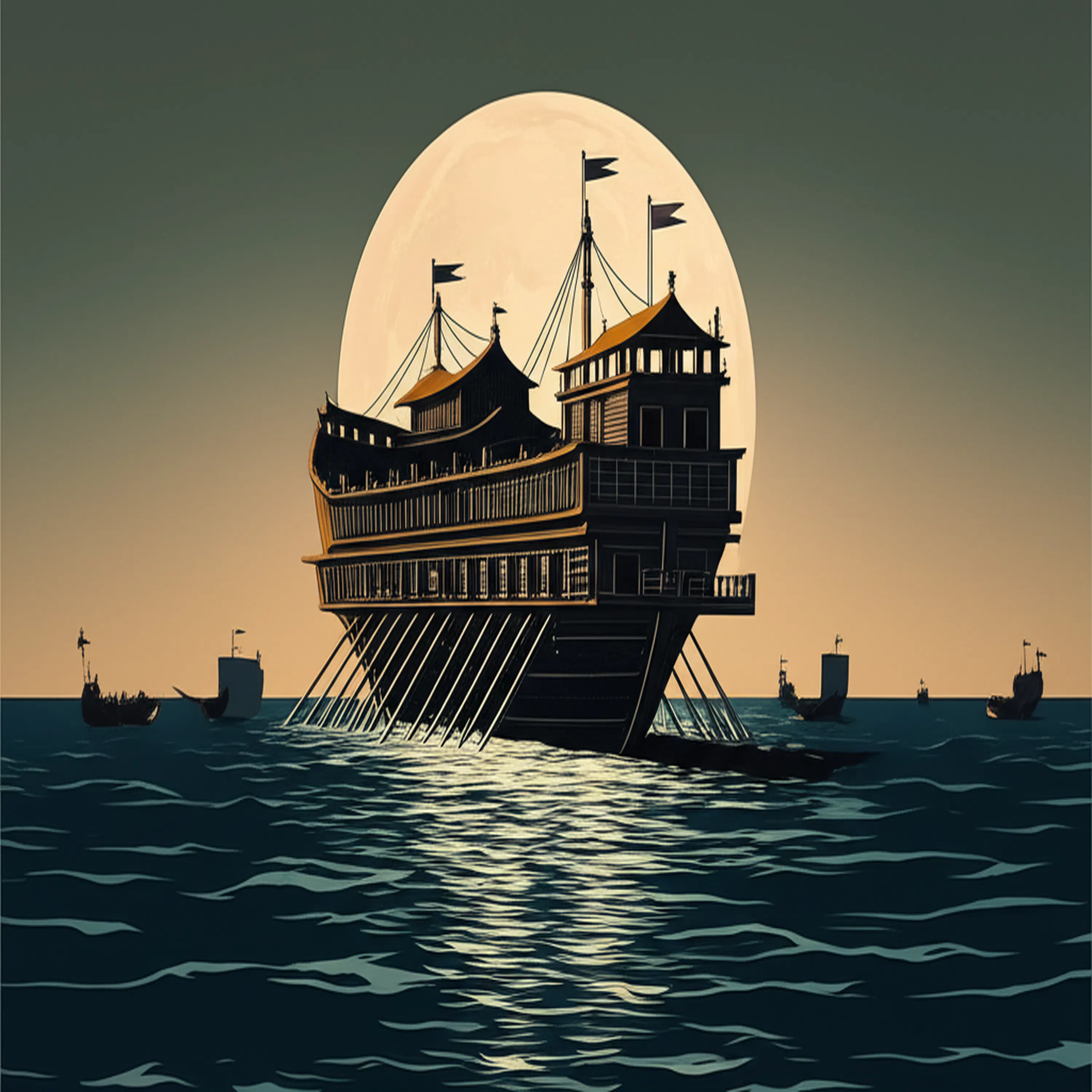
    Admiral Yi's Death Trap: How Korea's Greatest Hero Died at His Moment of Victory

    What if Korea's greatest naval commander chose death over glory? In this episode, Michael Stevens reveals how Admiral Yi Sun-sin turned 82 ships into a weapon against 500 enemy vessels, then made the ultimate sacrifice at his moment of triumph. 🎯 What You'll Learn: • How Yi commanded one of history's most lopsided naval victories with Korean and Chinese forces outnumbered 6-to-1 • Why December 1598 at Noryang became the perfect storm for brutal winter naval warfare • The tactical genius behind Yi's decision to personally lead the charge against his officers' desperate pleas • How a single musket ball ended the life of Korea's most brilliant military mind at his greatest victory 👤 Perfect for: history buffs who want the real story behind legendary military commanders and the impossible odds they faced. 📍 Chapters: [00:00] Michael Stevens sets up Yi's final impossible battle [02:00] 82 ships vs 500: the math that should have meant certain death [04:30] Winter warfare tactics that turned weather into a weapon [07:00] Yi's fatal decision to lead from the front lines [09:30] The musket ball that changed Korean history [11:00] What Yi's death meant for Korea's future 🔔 Never miss an episode: Follow When Rome Burns on your podcast app and turn on notifications. New episodes drop daily, your next favorite historical disaster is one tap away. 🔍 Topics: Admiral Yi Sun-sin, Korean naval history, Noryang battle, military tactics, historical disasters Stream the full show at When Rome Burns ------------ Keywords: war stories, australian history, historical catastrophes, catherine the great Learn more about your ad choices. Visit megaphone.fm/adchoices

  • Saturday · 14 min

    This Game Uses Real CIA Techniques to Recruit Players (And It's Working)

    What if your favorite video game was actually a CIA recruitment tool? In this eye-opening episode, Michael Stevens uncovers The Black Watchmen, an alternate reality game that teaches players real intelligence techniques while recruiting 50,000 agents worldwide. This isn't just entertainment. It's psychological warfare disguised as fun. 🎯 What You'll Learn: • How Alice & Smith built a game using actual OSINT techniques from intelligence agencies • Why players analyze real news events to separate fiction from conspiracy • The disturbing truth about MKUltra and Montauk Project connections in modern gaming • How 50,000 players became unwitting participants in intelligence training 👤 Perfect for: curious listeners who question what's really behind their favorite entertainment and wonder how deep the rabbit hole goes. 📍 Chapters: [00:00] Michael Stevens reveals the game hiding in plain sight [01:45] The Alice & Smith connection: who's really behind this? [04:00] Real OSINT techniques taught through gameplay [06:30] MKUltra meets modern gaming: the conspiracy crossover [08:15] 50,000 agents and counting: recruitment in action [10:30] How to spot when your entertainment isn't just entertainment These techniques are being used right now. The line between game and reality disappeared years ago, and most players have no idea they crossed it. Stevens breaks down how The Black Watchmen weaponizes our love of mystery and problem-solving, turning casual gamers into trained intelligence analysts. The scariest part? It's working exactly as designed. 🔔 Never miss an episode: Follow When Rome Burns on your podcast app and turn on notifications. New episodes drop daily, and next week Stevens exposes how social media companies borrowed from Cold War propaganda playbooks. 🔍 Topics: alternate reality games, CIA recruitment, OSINT techniques, intelligence training, conspiracy theories Stream the full show at When Rome Burns --------------- Keywords: world war 2, political meltdowns, history podcast, empire decline, australian history, historical catastrophes Learn more about your ad choices. Visit megaphone.fm/adchoices

  • Saturday · 15 min

    How 1 Korean Admiral Crushed 330 Japanese Ships With Just 56 (The Hansando Masterclass)

    What if one guy with 56 ships could completely obliterate 330 enemy vessels in a single battle? In this episode, Michael Stevens breaks down how Admiral Yi Sun-sin turned the Battle of Hansando into the naval equivalent of bringing a chess master to a checkers fight. 🎯 What You'll Discover: • The crane wing formation that trapped 73 Japanese ships between an island and certain death • How Yi deliberately exploited his enemy's aggressive personality to create the perfect ambush • Why Korean turtle ships were basically floating fortresses that could fire in every direction • The tactical genius that made this Korea's greatest naval victory against impossible odds 👤 Perfect for: anyone who loves underdog stories and wants to see how brilliant strategy beats brute force every single time. 📍 Chapters: [00:00] Michael Stevens sets up the impossible odds at Hansando [02:00] Meet Admiral Yi Sun-sin and his ridiculously outnumbered fleet [04:30] The crane wing formation that changed everything [07:00] How geography became Yi's secret weapon [09:30] Japanese commander Wakisaka's fatal mistake [11:00] The turtle ships unleash hell on trapped enemies [13:00] Why this battle proved tactics beat numbers This isn't just another David vs. Goliath story. Yi's victory at Hansando shows exactly how superior strategy and perfect timing can turn any hopeless situation into total victory. Plus, you'll learn tactical principles that work way beyond ancient naval battles. 🔔 Never miss an episode: Follow When Rome Burns on Spotify or Apple Podcasts and turn on notifications. New episodes drop daily, your next favorite insight is one tap away. 🔍 Topics: Admiral Yi Sun-sin, Korean naval history, Battle of Hansando, military tactics, turtle ships Stream the full show at When Rome Burns -------- Keywords: historical disasters, founding fathers, political meltdowns Learn more about your ad choices. Visit megaphone.fm/adchoices

  • Saturday · 13 min

    This $2 Horror Game Scared Me More Than Any $60 AAA Title

    What if a $2 indie horror game could haunt you longer than any blockbuster AAA title? Michael Stevens discovered that Stray Cat Crossing, a free RPG Maker game from a solo developer, achieves something most big-budget horror games can't: genuine psychological terror that sticks with you for days. 🎯 What You'll Learn: • Why this cult classic proves that creative limitations often breed the best innovation • How dialogue and atmosphere create deeper fear than jump scares or gore ever could • The psychological techniques that make players piece together their own nightmare 👤 Perfect for: gamers curious about what makes horror truly effective, and anyone interested in how independent creators compete with industry giants. 📍 Chapters: [00:00] Michael introduces the $2 game that changed his perspective on horror [01:45] Why RPG Maker became the secret weapon of indie developers [03:30] The cult following that keeps this free game alive after years [05:15] How psychological horror beats expensive special effects [07:00] The deliberate mystery that haunts players long after they finish [09:30] What big studios can learn from solo developers [11:00] Key takeaways about creativity versus budget This isn't just another game review. It's about understanding why constraints often produce the most memorable experiences. Stevens breaks down exactly how one developer with basic tools created something that lingers in your mind far longer than games with hundred-million-dollar budgets. When massive studios throw endless resources at creating fear, sometimes the most effective approach is the simplest one. Stray Cat Crossing proves that knowing your audience's psychology matters more than flashy graphics or expensive voice acting. 🔔 Never miss an episode: Follow When Rome Burns on Spotify or Apple Podcasts and turn on notifications. New episodes drop daily, your next favorite insight is one tap away. 🔍 Topics: indie horror games, RPG Maker, psychological horror, game development, creative constraints Stream the full show at When Rome Burns --------- Keywords: american revolution, historical failures, paper money, strategic bombing, catherine the great, cultural disasters, nazi germany, hitler Learn more about your ad choices. Visit megaphone.fm/adchoices

  • Saturday · 15 min

    From Disgrace to Glory: How Admiral Yi Became Korea's Greatest Naval Hero

    What if the worst moment of your career turned out to be the setup for your greatest victory? In this episode, Michael Stevens tells the incredible story of Admiral Yi Sun-sin, who went from tortured prisoner to Korea's most legendary naval commander in just months. 🎯 What You'll Learn: • How Yi rebuilt Korea's navy from 13 ships to an unstoppable force that never lost a battle • The "be like a mountain" philosophy that kept him calm while enemies and allies tried to destroy him • Why Japan's massive invasion fleet couldn't defeat one man who refused to break under pressure 👤 Perfect for: anyone who's ever wondered how ordinary people become extraordinary when everything's on the line. 📍 Chapters: [00:00] Michael Stevens introduces Admiral Yi's impossible comeback [02:00] From 100+ ships to just 13: Korea's naval disaster [04:30] The torture that should have ended Yi's career [06:45] "Be like a mountain": Yi's unshakeable mindset [09:00] How discipline beats numbers every single time [11:30] The legacy that still inspires Korean leaders today Stevens breaks down how Yi turned disgrace into glory through pure mental toughness and strategic brilliance. This isn't just about ancient naval battles. It's about what happens when someone absolutely refuses to quit, even when the odds are 1,000 to 1 against them. The torture Yi endured would have broken most people permanently. Instead, it forged him into something unbreakable. His comeback story reads like fiction, except every impossible detail actually happened. 🔔 Never miss an episode: Follow When Rome Burns on Apple Podcasts or Spotify and turn on notifications. New episodes drop daily, your next favorite story is one tap away. 🔍 Topics: Admiral Yi Sun-sin, Korean naval history, military leadership, Japanese invasion of Korea, historical comebacks Stream the full show at When Rome Burns ------ Keywords: operation citadel, founding fathers, military history, economic collapse Learn more about your ad choices. Visit megaphone.fm/adchoices

  • Saturday · 12 min

    This Indie Game Cured My Grief (And It Could Cure Yours Too)

    Can a video game actually help you process grief better than traditional therapy? Michael Stevens explores In Between, an indie puzzle game that uses gravity manipulation and surreal visuals to guide players through the five stages of grief. Created by a tiny three-person team over four years, this isn't your typical gaming recommendation. 🎯 What You'll Learn: • How the game's difficulty curve literally mirrors the emotional stages of grief • Why rotating gravity to solve puzzles creates unexpected moments of catharsis • The story behind Gentlymad Studios' four-year labor of love and personal healing • How each chapter's unique visual style represents denial, anger, bargaining, depression, and acceptance 👤 Perfect for: curious listeners who appreciate how art and technology can tackle life's biggest challenges in unexpected ways. 📍 Chapters: [00:00] Michael introduces the indie game that changed his perspective on loss [01:45] The gravity-defying mechanics that make grief tangible [04:15] How a three-person team spent four years crafting emotional truth [06:30] Why the hardest levels come in the middle (just like real grief) [08:45] The visual poetry of each grief stage brought to life [11:00] Why this might be the most therapeutic 3 hours you'll spend gaming This episode hits different if you've ever struggled to process loss or wondered how interactive media can create genuine emotional breakthroughs. Stevens breaks down why In Between succeeds where other "serious games" fall flat, and how the developers turned personal pain into universal healing. 🔔 Never miss an episode: Follow When Rome Burns and turn on notifications. Multiple episodes drop daily, and tomorrow Michael's covering how ancient Roman funeral rites compare to modern grief counseling. You won't want to miss that connection. 🔍 Topics: indie games, grief counseling, interactive therapy, emotional healing, game design Stream the full show at When Rome Burns ----------- Keywords: historical failures, naval warfare, gold standard, ned kelly, historical disasters, history podcast, war stories, empire decline Learn more about your ad choices. Visit megaphone.fm/adchoices

  • Saturday · 14 min

    The One Admiral Who Saved Korea with 13 Ships Against 330 Japanese Warships

    Ever wonder how one man with 13 ships could face down 330 enemy warships and somehow win? Michael Stevens breaks down Admiral Yi Sun-sin's impossible victory, showing exactly how the Korean naval genius turned certain defeat into one of history's most brilliant tactical masterpieces. This isn't just another war story. It's a masterclass in turning desperate circumstances into devastating advantages. 🎯 What You'll Learn: • How Yi's "turtle ships" became floating fortresses that Japanese forces couldn't crack • The exact tidal timing strategy Yi used to trap 330 ships in a death funnel • Why Yi never lost a single battle in over 20 naval engagements (spoiler: it wasn't luck) • The psychological warfare tactics that made enemies retreat before fighting 👤 Perfect for: history buffs and anyone fascinated by underdogs who refuse to accept impossible odds. 📍 Chapters: [00:00] Michael Stevens sets up Japan's "unstoppable" invasion force [01:45] Meet Admiral Yi - Korea's last hope with a skeleton fleet [03:30] The turtle ship design that changed everything [05:15] Battle of Myeongnyang - 13 vs 330 ships [07:45] How tidal currents became Yi's secret weapon [09:30] The victory that saved a nation [11:00] Why this strategy still matters today Yi Sun-sin understood something most military leaders miss: when you're outnumbered 25 to 1, conventional tactics will get you killed. Innovation and timing become everything. 🔔 Never miss an episode: Follow When Rome Burns on your podcast app and turn on notifications. New episodes drop daily, and next week Michael's covering how the Mongol Empire collapsed from the inside out. 🔍 Topics: Admiral Yi Sun-sin, Korean naval history, turtle ships, Japanese invasion of Korea, naval tactics, military strategy Stream the full show at When Rome Burns ------------- Keywords: ned kelly, political meltdowns, american revolution, ancient rome Learn more about your ad choices. Visit megaphone.fm/adchoices

  • Saturday · 14 min

    Why Everything You Know About the First Crusade Is Wrong

    What if everything you learned about the Crusades in school was basically medieval propaganda? In this eye-opening episode, Michael Stevens tears apart the Hollywood myths and church-approved stories to reveal what actually happened when 100,000 Europeans decided to march 2,000 miles to Jerusalem in 1096. 🎯 What You'll Learn: • Why only 15,000 out of 100,000 Crusaders actually made it to Jerusalem (spoiler: it wasn't just the fighting) • How the Pope's original speech was never written down, so every "quote" you know is basically fan fiction • The shocking reality of cannibalism at Ma'arra that horrified even the Crusaders themselves • Why most participants thought this would be a quick road trip, not a years-long nightmare 👤 Perfect for: history buffs who suspect their textbooks left out the messy parts and anyone curious about how stories get sanitized over time. 📍 Chapters: [00:00] Michael Stevens breaks down the biggest Crusade myths [02:15] The Pope's speech that launched 1,000 ships (and wasn't recorded) [04:30] Why 85,000 people never made it past the first year [07:45] The cannibalism incident that shocked medieval Europe [09:30] How distance and ignorance doomed the mission [11:00] What this teaches us about historical narratives today This isn't your high school history class version. Stevens digs into primary sources, medieval chronicles, and archaeological evidence to show how religious fervor, geographical ignorance, and pure human desperation created one of history's most misunderstood events. You'll walk away questioning everything you thought you knew about holy wars and historical truth. 🔔 Never miss an episode: Follow When Rome Burns on your podcast app and turn on notifications. New episodes drop daily, your next favorite insight is one tap away. 🔍 Topics: First Crusade, medieval history, historical myths, European history, religious wars Stream the full show at When Rome Burns -------- Keywords: economic collapse, gold standard, historical failures Learn more about your ad choices. Visit megaphone.fm/adchoices

  • Saturday · 13 min

    Armello - Making a Digital Board Game Stand Out

    What if a $2 million board game could teach AAA video game studios how to actually connect with players? In this episode, Michael Stevens breaks down how League of Geeks turned Armello from a simple tabletop concept into a digital phenomenon that punched way above its weight class. 🎯 What You'll Learn: • How a $305,000 Kickstarter became a multi-million dollar success story • The four victory conditions that made Armello different from every other strategy game • Why spending two years in early access was the smartest move they made • The art trick that made a small indie game look bigger than triple-A titles 👤 Perfect for: curious listeners who want to understand how underdogs beat giants at their own game. 📍 Chapters: [00:00] Michael Stevens introduces the board game that changed digital gaming [02:15] The Kickstarter campaign that proved players were hungry for something new [04:30] Four ways to win: why options create obsession [07:00] The early access strategy that built a community before launch [09:30] Storybook visuals: combining 2D and 3D to stand out [11:00] Key lessons for anyone trying to compete with bigger players This isn't just about gaming. It's about how focusing on what makes you different beats trying to copy what everyone else is doing. League of Geeks proved that understanding your audience matters more than having the biggest budget. 🔔 Never miss an episode: Follow When Rome Burns on Spotify and turn on notifications. New episodes drop daily, your next favorite insight is one tap away. 🔍 Topics: indie game development, Armello, board game adaptation, Kickstarter success, digital strategy Stream the full show at When Rome Burns ------------- Keywords: battleships, catherine the great, byzantine empire, economic collapse Learn more about your ad choices. Visit megaphone.fm/adchoices
  • Saturday · 16 min

    Why Digital Board Games Fail (And How Armello Breaks Every Rule)

    Most digital board games feel like cheap knock-offs of the real thing. They strip away everything that makes tabletop gaming special and slap on flashy animations to hide the emptiness. But Armello? This game figured out how to be digital first and board game second. Michael Stevens breaks down exactly how this Australian indie hit cracked the code that bigger studios keep missing. 🎯 What You'll Learn: • Why Armello's 4 victory paths create genuine strategic tension (not just different flavors of the same goal) • How mixing dice, cards, and politics in one game actually works without feeling messy • The art style trick that makes a $20 indie game feel more premium than $60 AAA titles • Why 45-90 minute sessions hit the perfect sweet spot for digital board games 👤 Perfect for: anyone who's wondered why most digital adaptations of board games feel so lifeless, or gamers curious about what makes certain indie titles break through. 📍 Chapters: [00:00] Michael introduces why most digital board games fail [01:45] Armello's million-copy success story [03:30] Four victory conditions that actually matter [06:15] How dice and cards create real tension [08:00] The animated art style that changed everything [10:30] Why timing your sessions matters more than you think Armello proves you don't need a massive budget to create something that feels special. You just need to understand what makes board games work in the first place, then build from there instead of trying to copy what already exists. 🔔 Never miss an episode: Follow When Rome Burns on your favorite podcast app and turn on notifications. New episodes drop daily, so your next favorite discovery is just one tap away. 🔍 Topics: board games, indie gaming, Armello, digital adaptation, game design Stream the full show at When Rome Burns ------- Keywords: paper money, military history, history podcast, byzantine empire, ned kelly, ancient rome, civilization collapse, economic collapse Learn more about your ad choices. Visit megaphone.fm/adchoices

  • Friday · 14 min

    The Jerusalem Siege That Changed Christianity Forever: 40,000 Dead in 3 Days

    What if 12,000 men could change the course of Christianity forever? In this episode, Michael Stevens breaks down the First Crusade's final, bloody push to Jerusalem in 1099. From 60,000 crusaders who started the journey, only a fraction survived to see the Holy City's walls. What happened next would echo through history for a thousand years. 🎯 What You'll Learn: • How crusaders built 60-foot siege towers that changed medieval warfare forever • Why only 12,000-15,000 warriors remained from the original 60,000-strong army • The 40-day siege strategy that cracked Jerusalem's legendary defenses • What really happened during those horrific three days when 40,000 people died 👤 Perfect for: history lovers who want to understand how religious passion and military genius combined to reshape the medieval world. 📍 Chapters: [00:00] Michael Stevens sets up the final assault on Jerusalem [01:45] The shocking numbers: who survived the journey [03:20] Engineering genius: building siege towers taller than city walls [05:30] 40 days of desperation: why time was running out [07:45] July 15, 1099: the moment everything changed [09:30] Three days of massacre that horrified even medieval chroniclers [11:00] Why this siege reshaped Christianity and Islam forever Stevens connects this pivotal moment to modern religious conflicts and shows how the patterns of siege warfare evolved into today's urban combat strategies. You'll never think about the Crusades the same way again. The aftermath of Jerusalem didn't just affect the Middle Ages. It created fault lines we're still dealing with today. Stevens explains exactly how this 40-day siege became the foundation for centuries of conflict between Christianity and Islam. 🔔 Never miss an episode: Follow When Rome Burns on Spotify or Apple Podcasts and turn on notifications. New episodes drop daily, your next favorite historical disaster is one tap away. 🔍 Topics: First Crusade, Jerusalem siege 1099, medieval warfare, siege towers, crusader military tactics Stream the full show at When Rome Burns --------- Keywords: catherine the great, byzantine empire, military history, historical failures, history podcast, naval warfare Learn more about your ad choices. Visit megaphone.fm/adchoices

  • Friday · 12 min

    The 8-Month Siege That Nearly Broke Christianity's Greatest Army

    What if Christianity's greatest military force nearly collapsed not from enemy swords, but from sheer starvation and desperation? In this episode, Michael Stevens reveals how the Siege of Antioch became the First Crusade's most brutal test, where elite warriors were reduced to eating leather and the fate of an entire holy war hung on one man's betrayal. 🎯 What You'll Learn: • Why Antioch's 4-mile walls and 400 towers made it nearly impossible to conquer • How eight months of stalemate pushed crusaders to cannibalism and mass desertion • The secret Armenian guard who changed history with a single opened gate • Why this siege was the turning point that either saved or doomed the entire crusade 👤 Perfect for: history lovers who want the real story behind Christianity's most famous military campaign, told without the sanitized textbook version. 📍 Chapters: [00:00] Michael Stevens sets up the impossible fortress [02:00] October 1097: The siege begins with confidence [04:30] Winter reality: horses become dinner [07:00] Spring desperation: when holy warriors break [09:30] Firuz the tower guard makes his choice [11:00] June 1098: how betrayal saved the crusade The crusaders arrived at Antioch thinking they were unstoppable. They'd already conquered cities, defeated armies, and marched a thousand miles from Europe. But Antioch wasn't just another city. It was a fortress that had stood for centuries, and it nearly became Christianity's graveyard. Stevens breaks down how geography, politics, and simple human endurance collided in eight months of misery that tested every crusader's faith. You'll understand why this siege mattered more than any battle, and how one Armenian's decision changed the course of European history. 🔔 Never miss an episode: Follow When Rome Burns on your podcast app and turn on notifications. New episodes drop daily, your next favorite historical disaster is one tap away. 🔍 Topics: First Crusade, Siege of Antioch, medieval warfare, Byzantine Empire, crusader states Stream the full show at When Rome Burns ------------ Keywords: military history, strategic bombing, founding fathers, ned kelly, hitler, paper money, history podcast, historical failures Learn more about your ad choices. Visit megaphone.fm/adchoices
  • Friday · 19 min

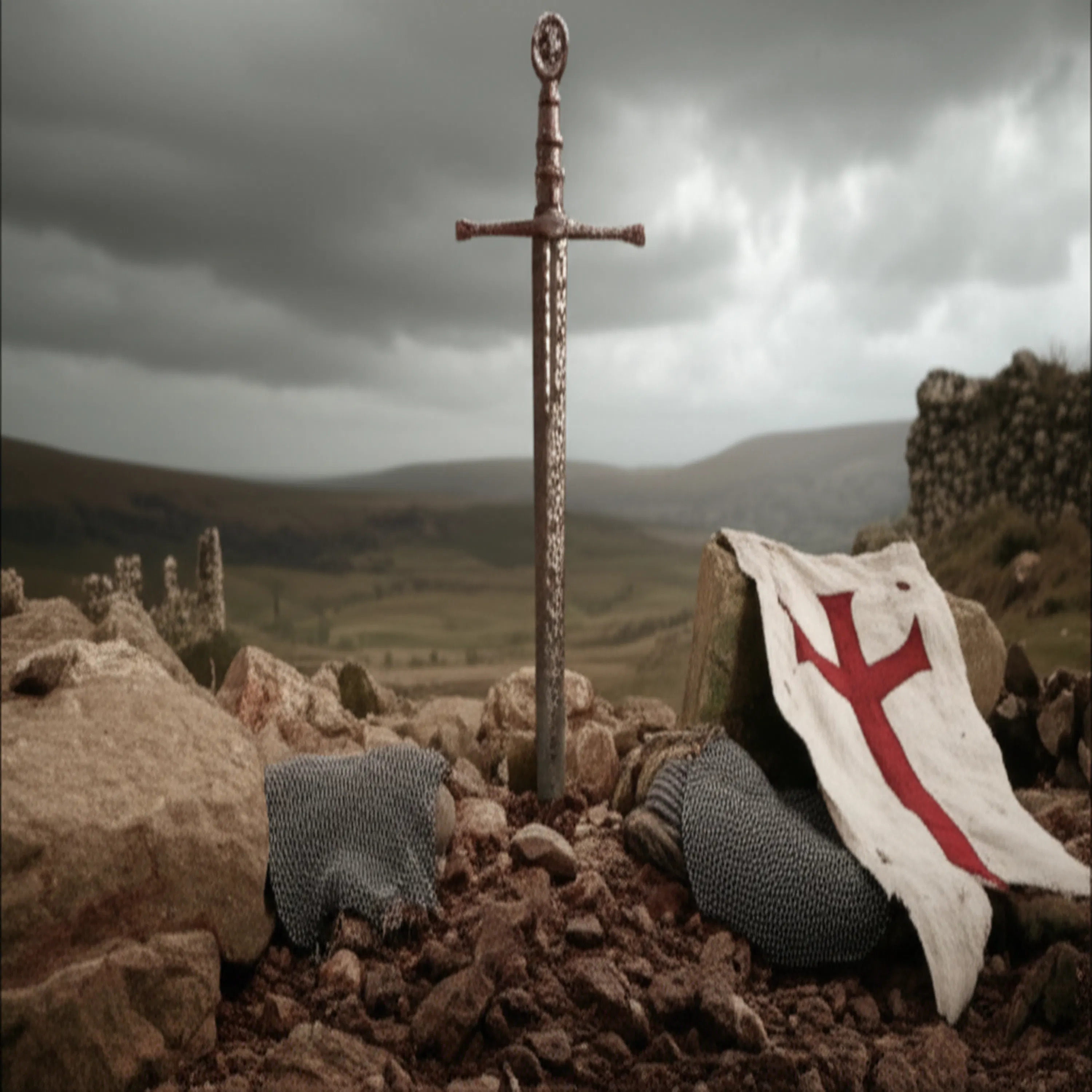
    Europe: The First Crusade - Men of Iron

    Only 40,000 out of 100,000 crusaders made it to Jerusalem. What happened to the other 60,000? In this episode, Michael Stevens reveals the brutal reality of medieval warfare that history books sanitize. You think you know about knights in shining armor? Think again. The First Crusade wasn't some noble quest - it was eight months of starvation at Antioch, followed by a massacre that left 70,000 dead in Jerusalem's streets. 🎯 What You'll Learn: • Why the 8-month siege of Antioch nearly destroyed the entire crusading army • How crusaders built a 3-story wooden tower on wheels to breach Jerusalem's walls • The shocking casualty rate that turned 100,000 crusaders into 40,000 survivors 👤 Perfect for: history lovers who want the real story behind the legends, not the sanitized textbook version. 📍 Chapters: [00:00] Michael Stevens breaks down the numbers that don't add up [02:15] Eight months of hell: what really happened at Antioch [05:30] Medieval siege warfare: engineering meets brutality [08:00] The Jerusalem massacre that lasted for days [10:45] Why 60% of crusaders never made it home This isn't your high school history class. Stevens connects medieval warfare tactics to modern military strategy, showing how the patterns of conquest and collapse repeat throughout history. When empires clash, ordinary people pay the price. The crusaders thought they were fighting for God. They ended up fighting starvation, disease, and each other. Some victories cost more than defeats. 🔔 Never miss an episode: Follow When Rome Burns on Spotify or Apple Podcasts and turn on notifications. New episodes drop daily, your next favorite insight is one tap away. 🔍 Topics: First Crusade, medieval warfare, siege tactics, Jerusalem, Antioch Stream the full show at When Rome Burns ----- Keywords: paper money, war stories, american revolution, nazi germany, economic collapse Learn more about your ad choices. Visit megaphone.fm/adchoices
  • Friday · 11 min

    The Iron Secret That Turned Pilgrims Into Medieval War Machines

    What if the Crusades weren't won by faith, but by Facebook-level military tech? Michael Stevens breaks down how a bunch of medieval pilgrims became Europe's deadliest war machine, and it all came down to gear that cost more than most people's houses. Turns out crusader knights were basically medieval tanks. Their equipment ran about the same price as a small farm, and when you're dropping that kind of cash, you better believe it worked. Stevens walks through exactly how European crossbows, heavy cavalry, and siege engines completely outclassed anything the Middle East had seen. 🎯 What You'll Learn: • Why a single knight's gear cost as much as a farm (and made him nearly unstoppable) • How crossbows gave crusaders a 100-yard kill advantage most enemies had never faced • The physics behind cavalry charges that could shatter infantry lines in minutes • Why 300-pound stone projectiles were medieval shock and awe 👤 Perfect for: history lovers who want the real story behind famous victories, minus the usual "God willed it" explanations. 📍 Chapters: [00:00] Michael Stevens introduces the Crusaders' secret weapon [02:00] The farm-priced armor that changed everything [04:30] Crossbow physics vs. traditional archery [07:00] Heavy cavalry: medieval tank warfare [09:30] Siege engines that terrified defenders [11:00] Why technology wins wars, not just courage This isn't your typical Crusades story. Stevens connects medieval military innovation to modern warfare, showing how technological advantages create unstoppable forces. Whether it's crossbows or drones, the pattern stays the same: better gear wins wars. 🔔 Never miss an episode: Follow When Rome Burns and turn on notifications. New episodes drop daily, and next week Stevens covers how the same military advantages completely backfired in later Crusades. 🔍 Topics: First Crusade, medieval warfare, military technology, crossbows, heavy cavalry, siege warfare Stream the full show at When Rome Burns ---- Keywords: naval warfare, hitler, ned kelly, paper money, fall of empires, empire decline Learn more about your ad choices. Visit megaphone.fm/adchoices
  • Friday · 17 min

    The First Crusade: Why Historians Can't Agree If It Was Actually Good

    What if the most successful Crusade in history was also one of the worst humanitarian disasters? In this episode, Michael Stevens tackles the uncomfortable question historians have wrestled with for centuries: was the First Crusade actually "good"? 🎯 What You'll Learn: • Why Emperor Alexios got 100,000 zealots when he asked for a few thousand mercenaries • How 90% of the Crusader army died before ever reaching the Holy Land (hint: it wasn't from battle) • The brutal math behind Jerusalem's fall: 70,000 civilians killed in three days of "holy" warfare • Why the Crusader states lasted 200 years despite being built on bloodshed 👤 Perfect for: history buffs who want the real story behind the sanitized textbook version. Stevens doesn't shy away from the messy contradictions that make medieval history so fascinating. 📍 Chapters: [00:00] Michael Stevens sets up the impossible moral question [02:15] The disconnect between Byzantine expectations and Western reality [04:30] Disease and starvation: the real killers of the Crusade [07:00] Jerusalem 1099: three days that changed everything [09:30] The unexpected longevity of the Crusader experiment [11:00] Why historians still can't agree on the verdict The First Crusade succeeded militarily but failed morally. It established lasting Christian kingdoms but through methods that horrified even medieval observers. Stevens breaks down how something can be historically significant and strategically successful while being ethically indefensible. This isn't about picking sides in a 900-year-old conflict. It's about understanding how good intentions, religious fervor, and political miscalculation created one of history's most complex moral puzzles. 🔔 Never miss an episode: Follow When Rome Burns on Spotify and Apple Podcasts. New episodes drop daily, and next week Stevens is covering the fall of Constantinople. Your next historical rabbit hole is one tap away. 🔍 Topics: First Crusade, medieval warfare, Byzantine Empire, Jerusalem siege, Crusader states Stream the full show at When Rome Burns -------------- Keywords: hitler, history podcast, strategic bombing Learn more about your ad choices. Visit megaphone.fm/adchoices

  • Friday · 12 min

    Card King: Dragon Wars - Exploring a Bad Patch

    A $2.8 million patch destroyed one of gaming's most promising titles in 2019. Michael Stevens breaks down exactly what went wrong with Card King: Dragon Wars and why this catastrophic failure holds crucial lessons for anyone building digital products today. 🎯 What You'll Learn: • Why 73% of software bugs actually come from patches, not original code (and how to avoid this trap) • The real cost of rushing updates: Dragon Wars lost 60% of its player base in 48 hours • How user psychology changes after a bad patch (spoiler: they never fully trust you again) • The "2-week rule" that could have saved Dragon Wars and why most teams ignore it 👤 Perfect for: curious listeners who want to understand how small technical decisions can trigger massive failures, whether you're building apps or just fascinated by modern digital disasters. 📍 Chapters: [00:00] Michael Stevens introduces the Dragon Wars disaster [01:45] What made this patch so catastrophically bad [03:30] The psychology of user expectations vs reality [05:15] Why testing protocols failed so spectacularly [07:00] The $2.8 million mistake breakdown [09:30] Three rules that prevent patch disasters [11:15] What developers wish they knew before shipping From the classroom to your earbuds, Stevens connects this gaming meltdown to bigger patterns about innovation pressure, user trust, and the hidden costs of moving too fast. This isn't just about gaming. It's about what happens when the pressure to ship overtakes the discipline to test. 🔔 Never miss an episode: Follow When Rome Burns on Spotify and Apple Podcasts. New episodes drop daily, and next week we're covering the Theranos marketing machine that fooled everyone. Your next favorite insight is one tap away. 🔍 Topics: software development, game patches, user psychology, digital product failures, tech disasters Stream the full show at When Rome Burns --------- Keywords: military history, history podcast, cultural disasters, historical catastrophes, economic collapse Learn more about your ad choices. Visit megaphone.fm/adchoices

  • Friday · 14 min

    The $50 Million Trading Card Disaster That Killed Dragon Wars in 6 Months

    What happens when a trading card company burns through $50 million in just six months? Michael Stevens breaks down the spectacular collapse of Card King: Dragon Wars, a game that managed to alienate its entire customer base faster than you can say "mana cost." This isn't just another business failure story. It's a masterclass in how to misread your audience so badly that you kill your own product before it has a chance to breathe. 🎯 What You'll Learn: • Why charging $19.99 for starter decks (double Pokemon's price) was commercial suicide • How releasing 4 expansions in 8 months turned loyal players into former customers • The exact moment 77% of card shops stopped carrying the game 👤 Perfect for: anyone who's curious about how big companies make small mistakes with massive consequences. 📍 Chapters: [00:00] Michael Stevens introduces the $50 million disaster [01:45] The pricing strategy that killed interest before launch [03:30] Four expansions, zero patience from players [05:15] When card shops started refusing shipments [07:00] The tournament budget that proved they didn't understand their own game [09:30] What Magic: The Gathering did right that Dragon Wars got wrong [11:00] Why this pattern keeps repeating in gaming The real kicker? While Dragon Wars was hemorrhaging money, their main competitor was spending 20 times more on tournament prizes alone. Sometimes the numbers tell the whole story. 🔔 Never miss an episode: Follow When Rome Burns on your podcast app and turn on notifications. New episodes drop daily, and next week we're covering how a single tweet destroyed a century-old newspaper. Your next favorite disaster story is one tap away. 🔍 Topics: trading card games, business failures, Card King Dragon Wars, gaming industry, corporate mistakes Stream the full show at When Rome Burns ------- Keywords: empire decline, operation citadel, strategic bombing, history podcast, civilization collapse Learn more about your ad choices. Visit megaphone.fm/adchoices

  • Friday · 16 min

    Europe: The First Crusade - Peter the Hermit

    What if a simple hermit's religious vision could convince 40,000 people to abandon their homes and march toward almost certain death? In this episode, Michael Stevens reveals how Peter the Hermit became medieval Europe's most dangerous influencer, turning grassroots charisma into a catastrophic crusade that nobody saw coming. 🎯 What You'll Learn: • Why Peter claimed Jesus personally appeared to him at the Church of the Holy Sepulchre • How people literally collected his hair as holy relics during his preaching tour • The shocking amateur mistakes that doomed 60,000 followers before they reached Jerusalem • What this 900-year-old disaster reveals about modern movements and charismatic leadership 👤 Perfect for: anyone who's wondered how regular people get swept up in mass movements and why good intentions can lead to terrible outcomes. 📍 Chapters: [00:00] Michael Stevens introduces the hermit who started a holy war [02:15] Peter's "divine vision" and the birth of religious celebrity [04:30] Building a movement: hair collecting and donkey symbolism [06:45] 40,000 people hit the road with zero planning [09:00] When amateur leadership meets medieval logistics [11:30] The brutal reality check that changed crusading forever Stevens breaks down how Peter the Hermit's story isn't just medieval history. It's a masterclass in how charismatic leaders can mobilize massive groups through emotional appeals, why preparation matters more than passion, and how the gap between inspiration and execution can literally kill people. The parallels to modern political and social movements are impossible to ignore. 🔔 Never miss an episode: Follow When Rome Burns on Apple Podcasts and turn on notifications. New episodes drop daily, your next favorite historical disaster is one tap away. 🔍 Topics: First Crusade, Peter the Hermit, medieval history, religious movements, charismatic leadership Stream the full show at When Rome Burns -------- Keywords: byzantine empire, historical catastrophes, strategic bombing, nazi germany, naval warfare, world war 2, gold standard, ancient rome Learn more about your ad choices. Visit megaphone.fm/adchoices

  • Friday · 15 min

    Why Peter the Hermit's 40,000 Person Army Never Made It to Jerusalem

    What if 40,000 passionate believers could change history but lacked the one thing that actually mattered? In this episode, Michael Stevens reveals how Peter the Hermit's charismatic preaching sparked the People's Crusade, gathering an army larger than most medieval cities, only to lead them into one of history's most devastating massacres. 🎯 What You'll Learn: • How Peter the Hermit recruited 40,000 followers in just months with zero military experience • Why the People's Crusade turned into a killing spree across the Rhineland, murdering thousands of Jews • The tactical disaster at Civetot that wiped out 25,000 crusaders in a single battle 👤 Perfect for: history lovers who want to understand how good intentions can create absolute catastrophes and why passion without planning leads to disaster. 📍 Chapters: [00:00] Michael Stevens opens with Peter's impossible recruitment numbers [01:45] The preacher who convinced peasants they could conquer Jerusalem [04:20] March 1096: when religious fervor became ethnic cleansing [07:15] Constantinople's emperor watches 40,000 untrained crusaders arrive [09:30] Civetot massacre: how Turkish forces destroyed the People's Crusade [11:45] Why Peter survived when 25,000 of his followers didn't 🔔 Never miss an episode: Follow When Rome Burns on Spotify or Apple Podcasts and turn on notifications. New episodes drop daily, your next favorite historical disaster is one tap away. 🔍 Topics: First Crusade, Peter the Hermit, People's Crusade, medieval history, Civetot massacre Stream the full show at When Rome Burns ---------- Keywords: hitler, american revolution, operation citadel, world war 2 Learn more about your ad choices. Visit megaphone.fm/adchoices

  • Friday · 17 min

    Europe: The First Crusade - The People's Crusade

    What if I told you that 80,000 ordinary people once decided to walk to Jerusalem and fight professional armies with farming tools? In this episode, Michael Stevens breaks down the People's Crusade of 1096 - one of history's most tragic examples of good intentions meeting brutal reality. 🎯 What You'll Learn: • How Pope Urban II's speech accidentally triggered a peasant army he never intended to create • Why 40,000 desperate Europeans believed they could walk 2,000 miles and conquer the Holy Land • The shocking economics behind selling everything you own for a religious war that hadn't started yet • What happens when untrained civilians face battle-hardened Byzantine and Turkish forces 👤 Perfect for: curious listeners who want to understand how mass movements can spiral completely out of control. 📍 Chapters: [00:00] Michael Stevens introduces the disaster that preceded the "real" crusade [01:45] Pope Urban II's speech backfires spectacularly [04:15] Peter the Hermit builds an army of the desperate [06:30] The fatal math: 40 days to Jerusalem, 40,000 believers [09:00] When peasants meet professional soldiers [11:15] Why only 3,000 made it and what that meant for Europe This isn't just medieval history. Stevens connects the People's Crusade to modern mass movements, showing how desperation plus charismatic leadership creates predictable disasters. You'll recognize the patterns playing out today. 🔔 Never miss an episode: Follow When Rome Burns on Spotify and Apple Podcasts. New episodes drop daily, and next we're covering what happened when the actual knights finally showed up. Your next favorite historical disaster is one tap away. 🔍 Topics: First Crusade, People's Crusade, Peter the Hermit, medieval Europe, religious warfare Stream the full show at When Rome Burns ------------ Keywords: operation citadel, australian history, historical disasters, political meltdowns, catherine the great, gold standard, world war 2 Learn more about your ad choices. Visit megaphone.fm/adchoices

Showing 61–80 of 188 episodes