Women's Training and Nutrition: What the Evidence Says | Dr. Lauren Colenso-Semple
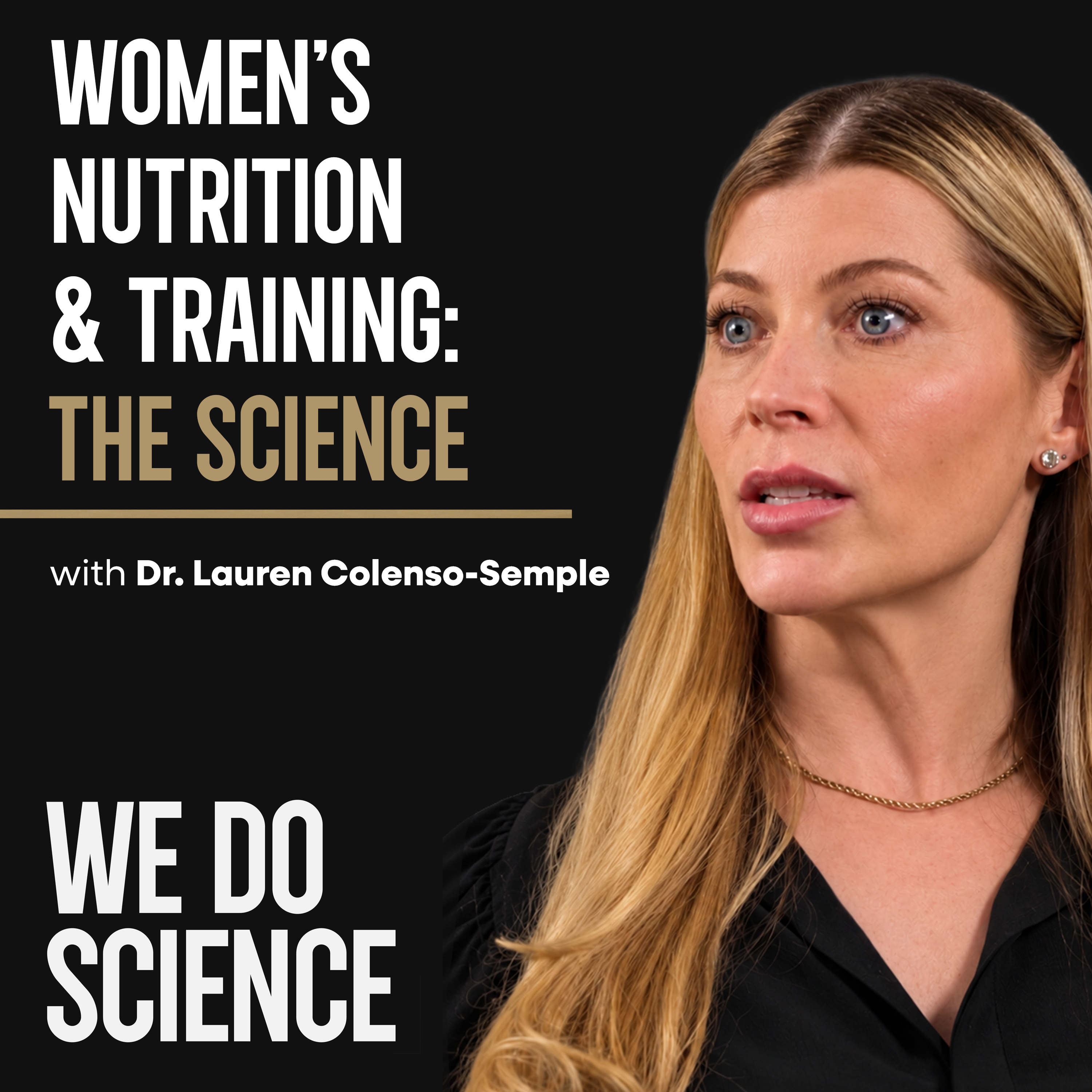
Should women train and eat differently from men? In this episode of We Do Science, I’m joined by Dr Lauren Colenso-Semple to explore female physiology, resistance training and how we translate research into practical recommendations. Drawing on her experience as both a coach and a researcher, Lauren discusses her work examining muscle protein synthesis across menstrual cycle phases. We explore the evidence behind cycle syncing, the importance of measuring hormones accurately, and why findings from animal studies don’t automatically translate into training advice for humans. We also discuss hormonal contraceptives, energy availability, injury-risk claims and resistance training across the menopause transition. Throughout, we distinguish between blanket recommendations for women and individual adjustments that account for symptoms, preferences, training goals and lived experience. For nutrition practitioners, coaches, athletes and anyone interested in women’s training, this conversation examines which claims are supported by research, where uncertainty remains, and how to personalise an approach without adding unnecessary complexity. Subscribe to We Do Science for more conversations on the science and practice of performance nutrition. Connect with Lauren: Website: www.drlaurencs.com Instagram: @drlaurencs1 Connect with me: Substack: @laurentbannock Website: laurentbannock.com Instagram: @laurent_bannock Key chapters 00:00 Episode preview and introduction 04:50 Lauren’s journey from coach to researcher 10:21 Studying women in exercise science 16:28 What research tells us about women’s training 26:26 Menstrual cycle hormones and muscle protein synthesis 36:15 Symptoms, lived experience and individualised coaching 39:32 Hormonal contraceptives and training adaptations 44:35 Energy availability and menstrual health 46:40 Cycle syncing, marketing and injury-risk claims 53:34 Menopause, resistance training and interpreting research 1:02:21 Main takeaways for practice