Skip to content
Artwork for UMN Extension Nutrient Management Podcast
ScienceNatural Sciences

UMN Extension Nutrient Management Podcast

University of Minnesota Extension

Welcome to University of Minnesota Extension's Nutrient Management Podcast. Each month we bring you the latest research in nutrient management for crops and how you can incorporate the latest tips and best management practices to your farm.

Play
  • 22 episodes
  • fortnightly
  • Avg 31 min
  • English
Counted on this page — what you have heard stays on this device, so it is not something the list can be paged by.
  • S7 · E19
    Wednesday · 36 min

    Reducing N loss to water with land management principles & the 4Rs

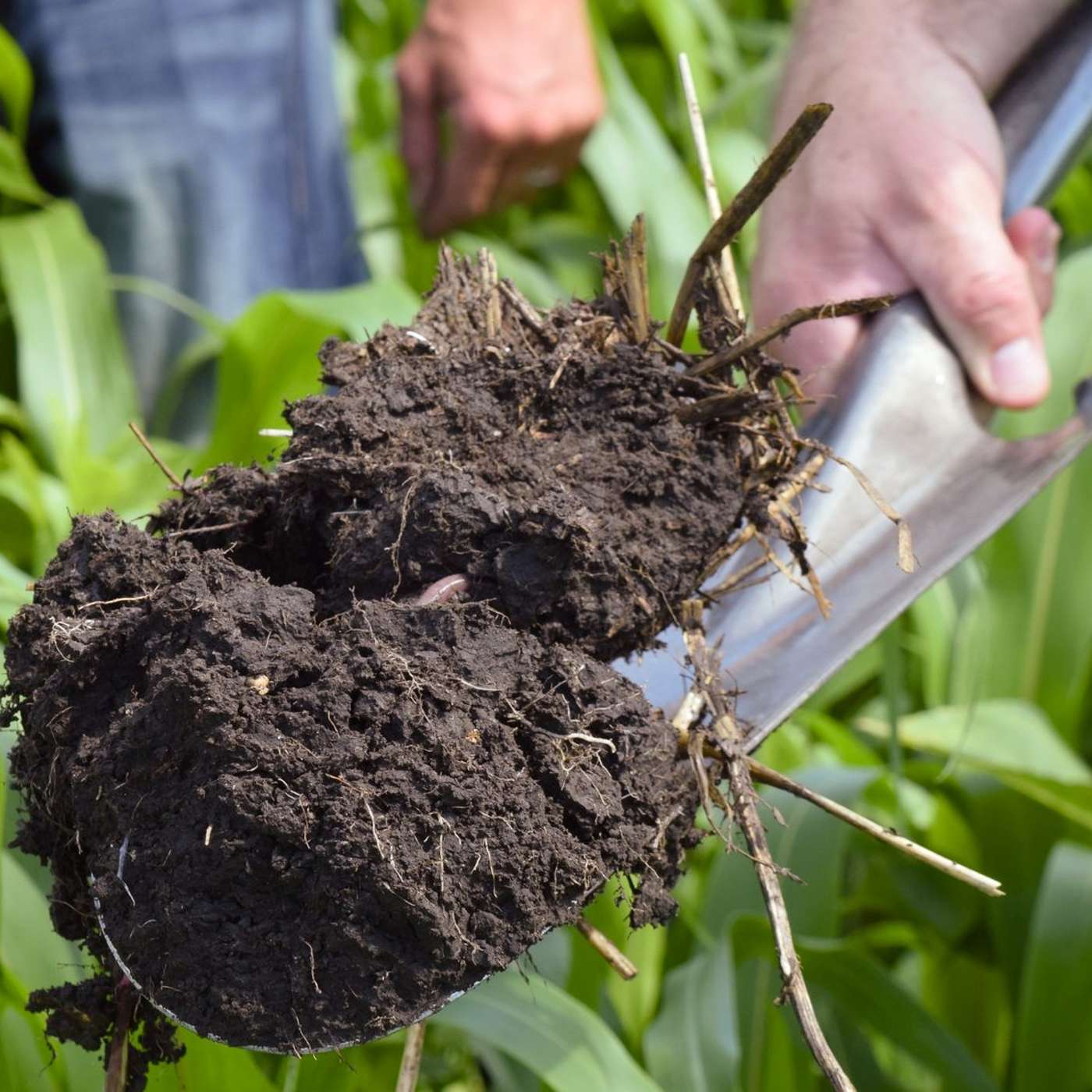
    How do soil health practices—such as minimizing disturbance, maintaining ground cover, and promoting biological activity—interact with the 4Rs of nitrogen management to reduce runoff and nitrate leaching into water sources? How does nitrogen release (mineralize) or become tied up (immobilize) in residue depending on soil moisture, temperature, and microbial activity? Are biological soil tests (like the Haney test and Solvita CO₂ burst) precise tools for calculating exact fertilizer rates, or should they be considered general risk indexes? What role do strong soil structure and expansive root systems play in maximizing nitrogen uptake? Brad Carlson, Anna Cates and Dan Kaiser discuss this and much more on the 41st episode of the Advancing Nitrogen Smart podcast. Guests: Brad Carlson, Extension educator (Mankato) Dan Kaiser, Extension nutrient management specialist (St. Paul) Anna Cates, state soil health specialist (St. Paul) Additional resources: Soil health and water quality: How are they connected? The connection between soil organic matter and soil water The state of Minnesota's soil health: How many farmers are doing no-till, cover crops, and more Nitrogen Smart Minnesota Office for Soil Health - MOSH --- For the latest nutrient management information, subscribe to the Nutrient Management Podcast. And don't forget to subscribe to the Minnesota Crop News daily or weekly email newsletter, subscribe to our YouTube channel, like UMN Extension Nutrient Management on Facebook, follow us on X (formerly twitter), and visit our website. If you have questions or comments, please email us at nutmgmt@umn.edu. Advancing Nitrogen Smart is proud to be supported by the farm families of Minnesota and their corn check-off investment through Minnesota Corn.

    • Transcript
  • S7 · E18
    August 20 · 36 min

    2026 Fall fertilizer outlook: Crop results, current input prices & future options

    August is in full swing, which means it's time for the Fall Fertilizer Outlook on the Nutrient Management Podcast. Our panelists recently returned from Minnesota's annual Farm Fest where they heard directly from farmers. How did crops do during the 2026 field season? What are current fertilizer prices, and are there alternative options that farmers might want to consider? What kind of planning tools might be useful for MN growers as we head into fall? Which fertilizer decisions might be postponed until spring? All of this plus more on the Nutrient Management Podcast. Guests: Brad Carlson, Extension educator (Mankato) Daniel Kaiser, Extension nutrient management specialist (St. Paul) Jeff Vetsch, Lead researcher, Southern Research and Outreach Center (Waseca) Additional Resources: Corn Nitrogen Rate Calculator U of M Corn Fertilizer Guidelines Why understanding the “price ratio” is key to picking a profitable nitrogen fertilizer rate for corn (2025 blog post) Updated corn nitrogen rates: What are we currently seeing for N fertilizer requirements in Minnesota? (2025 blog post) Making sense of Minnesota’s corn fertilizer guidelines: Frequently asked questions and answers (2023 blog post) --- For the latest nutrient management information, subscribe to the Nutrient Management Podcast. And don't forget to subscribe to the Minnesota Crop News daily or weekly email newsletter, subscribe to our YouTube channel, like UMN Extension Nutrient Management on Facebook, follow us on X (formerly twitter), and visit our website. If you have questions or comments, please email us at nutmgmt@umn.edu. Support for the Nutrient Management Podcast is provided by Minnesota's fertilizer tonnage fee through the Agricultural Fertilizer Research & Education Council (AFREC). Learn more at MNsoilfertility.com.

    • Transcript
    • Chapters
  • S7 · E17
    August 13 · 25 min

    "A multivitamin for your soil": Some of the benefits (& challenges) of manure use

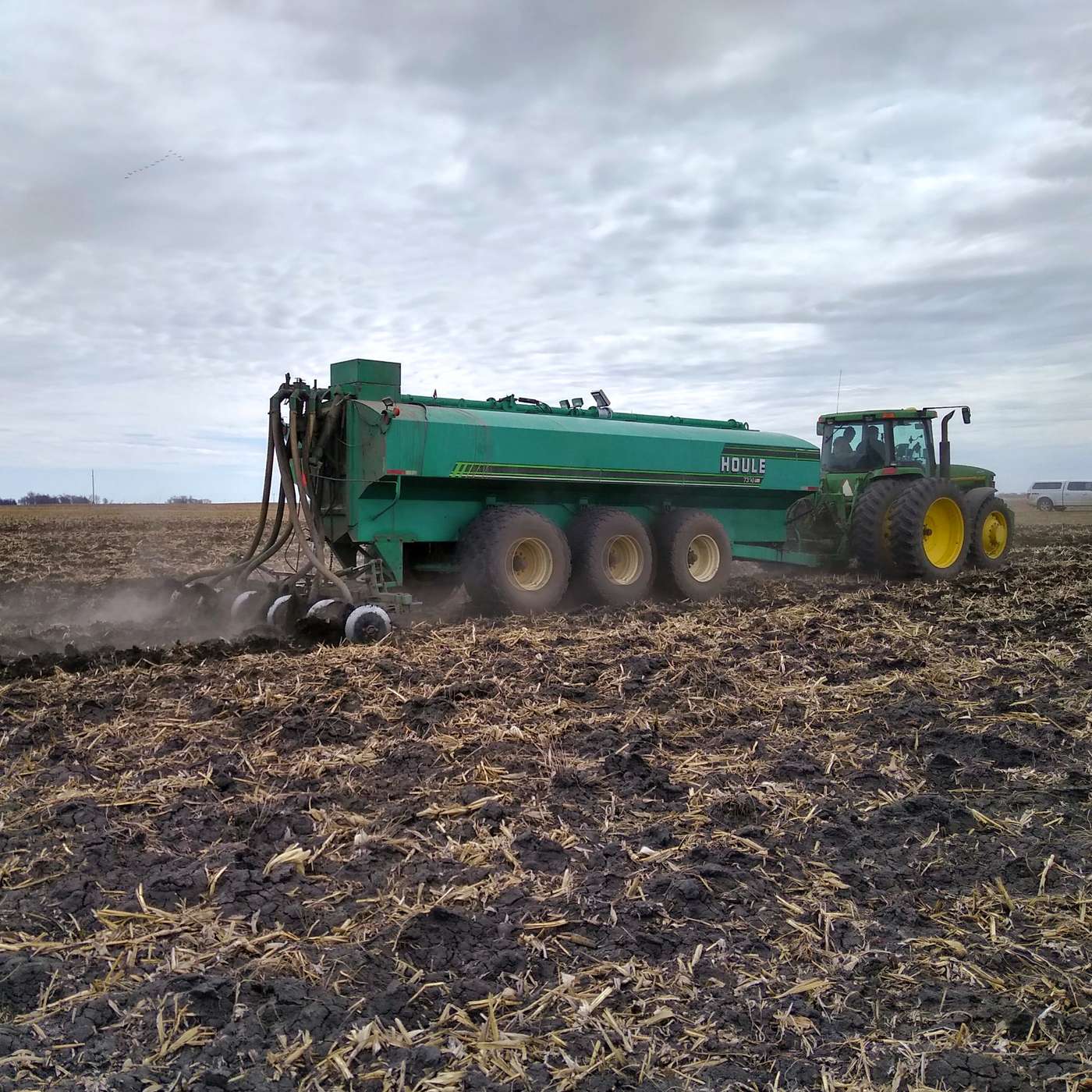
    The benefits and challenges of manure use in general is the topic on this 40th episode of the Advancing Nitrogen Smart podcast series. What is it about manure that makes it good for the soil - and what makes livestock bedding an important addition? What's in manure that's organic but isn't living? What makes the benefits of manure usage long-term in nature? How should people think about manure use related to water quality issues? What kinds of tech might farmers want to be on the lookout for which affect manure use efficiency? According to panelist Melissa Wilson, manure is like a multivitamin for the soil. Find out why she thinks so on today show. Guests: Brad Carlson, Extension educator (Mankato) Melissa Wilson, Extension manure nutrient management specialist (St. Paul) Additional Resources: Manure management How to put together a manure management plan Nitrogen availability of different manure types: What we know, and what we are researching Manure use benefits and barriers: Insights from a survey of farmers and advisors Tips for fall manure application and how to avoid nutrient loss --- For the latest nutrient management information, subscribe to the Nutrient Management Podcast. And don't forget to subscribe to the Minnesota Crop News daily or weekly email newsletter, subscribe to our YouTube channel, like UMN Extension Nutrient Management on Facebook, follow us on X (formerly twitter), and visit our website. If you have questions or comments, please email us at nutmgmt@umn.edu. Advancing Nitrogen Smart is proud to be supported by the farm families of Minnesota and their corn check-off investment through Minnesota Corn.

    • Transcript
  • S7 · E16
    July 30 · 38 min

    Manure under a microscope: What variables affect nutrient value? (hint: they all do)

    Today on Advancing Nitrogen Smart we ask an unusual question: What is manure, really? We all know manure is made of the liquids and solids that pass through an animal's digestive system, but what has to happen for manure to become usable? Is all manure created equal, or do differences in animal type - and their feed - result in manure with variable nutrient values? How do factors like handling, storage and animal bedding impact available nutrients in manure? What are some of the long-term benefits of manure application? Is there an optimal time of year to apply manure? Brad Carlson and Melissa Wilson answer these questions and many more on this 39th episode of the Advancing Nitrogen Smart podcast. Guests: Brad Carlson, Extension educator (Mankato) Melissa Wilson, Extension manure nutrient management specialist (St. Paul) Additional Resources: How to put together a manure management plan Nitrogen availability of different manure types: What we know and what we are researching Manure use benefits and barriers: Insights from a survey of farmers and advisors Introducing ManureDB: A new way to view manure variability and trends Guidelines for manure application rates --- For the latest nutrient management information, subscribe to the Nutrient Management Podcast. And don't forget to subscribe to the Minnesota Crop News daily or weekly email newsletter, subscribe to our YouTube channel, like UMN Extension Nutrient Management on Facebook, follow us on X (formerly twitter), and visit our website. If you have questions or comments, please email us at nutmgmt@umn.edu. Advancing Nitrogen Smart is proud to be supported by the farm families of Minnesota and their corn check-off investment through Minnesota Corn.

    • Transcript
  • S7 · E15
    July 15 · 22 min

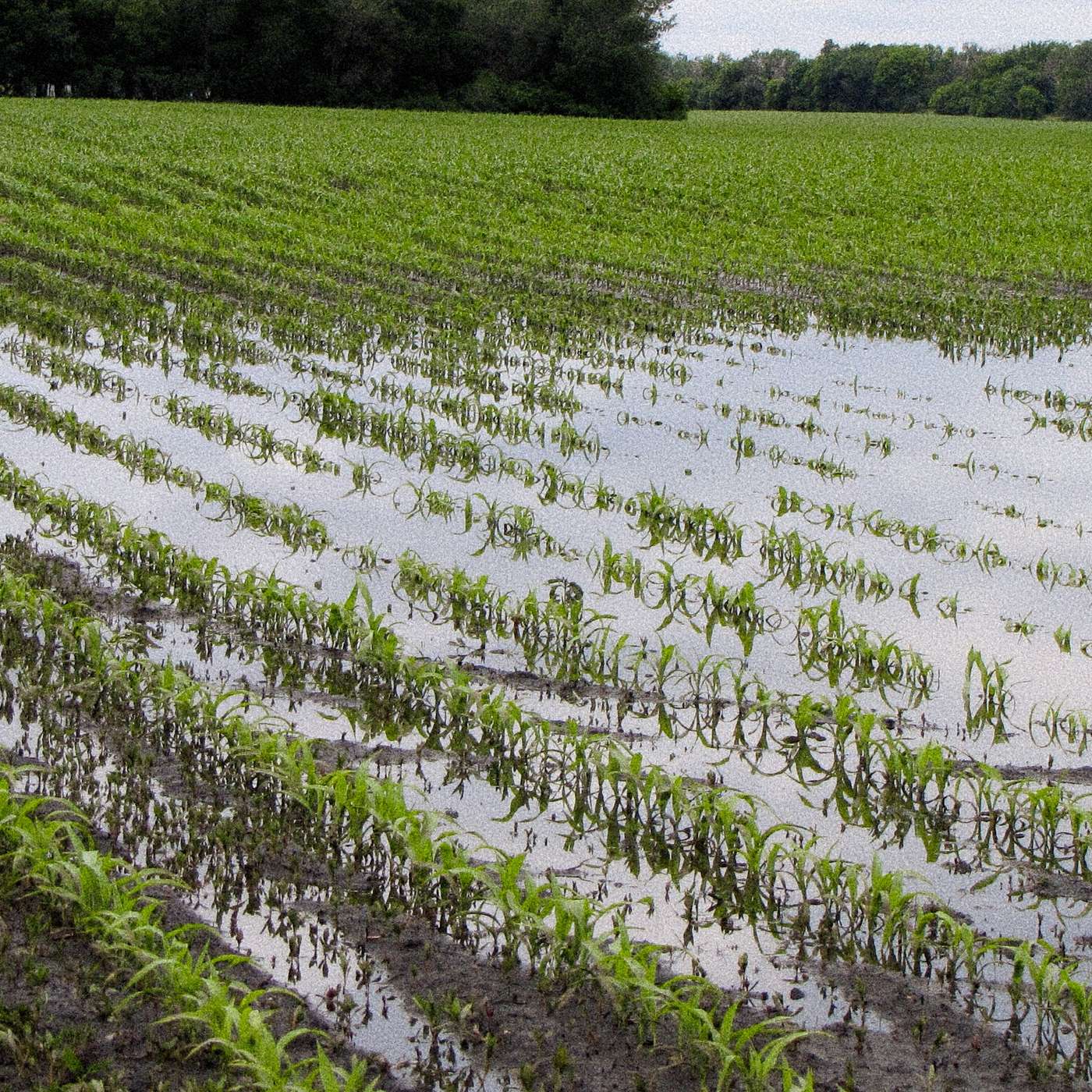
    Heavy June rain & nutrient management: 3 Minnesota experts weigh in

    We're examining the effect of recent heavy rainfall on input decision-making in today's Nutrient Management Podcast. What adverse or severe weather conditions did parts of Minnesota recently experience? How does it compare to past events? It's currently mid-July; what did the Minnesota Drought Monitor say about our drought levels before the rainfall? Was the soil profile able to accept more water as a result? What effect did the heavy rain have on nutrients in the field? At this point in the season, are corn crops past the risk of damage? What effect do soil types have on both the amount of N recommended, and the speed at which the N can potentially leave the field? All this and more on today's episode. Guests: Brad Carlson, Extension educator (Mankato) Daniel Kaiser, Extension nutrient management specialist (St. Paul) Jeff Vetsch, U of M researcher (Waseca) Additional Resources: Minnesota Drought Monitor Field Notes talks about what to expect after heavy June rains (recorded 2025) Did applying supplemental nitrogen fertilizer to corn in south-central Minnesota pay? Why understanding the nitrogen cycle is key to managing soil fertility Fertilizing corn in Minnesota — Listen to all Nutrient Management Podcast episodes. For the latest nutrient management information, subscribe to the Nutrient Management Podcast. And don't forget to subscribe to the Minnesota Crop News daily or weekly email newsletter, subscribe to our YouTube channel, like UMN Extension Nutrient Management on Facebook, follow us on X (formerly twitter), and visit our website. If you have questions or comments, please email us at nutmgmt@umn.edu. Support for the Nutrient Management Podcast is provided by Minnesota's fertilizer tonnage fee through the Agricultural Fertilizer Research & Education Council (AFREC). Learn more at MNsoilfertility.com.

    • Transcript
    • Chapters
  • S7 · E14
    July 10 · 28 min

    Nitrate reduction with perennials: Possible candidates, strategies, & benefits

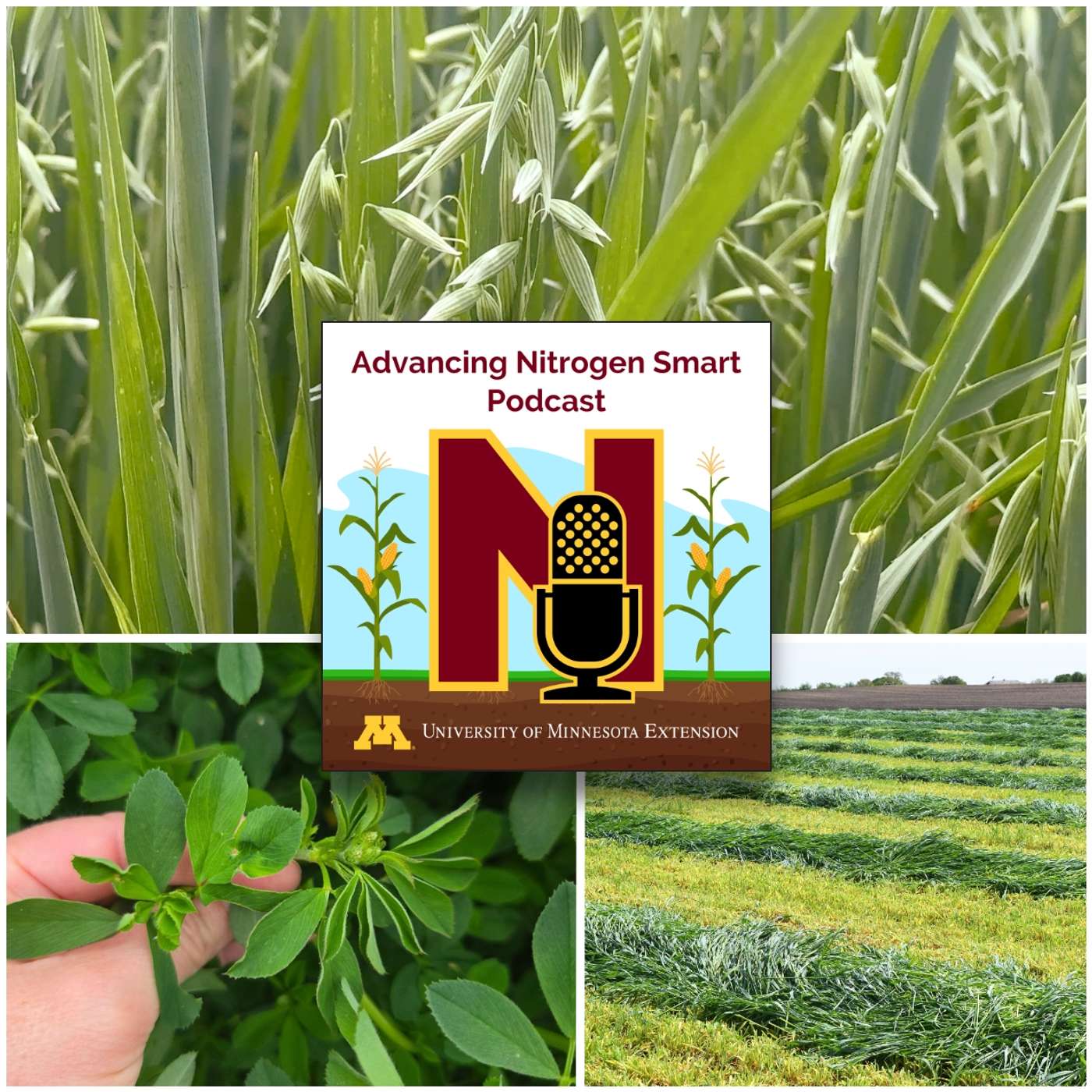
    Nitrate reduction with perennial plants is the topic on today's Advancing Nitrogen Smart podcast. What are some pros and cons of covers like rye, oat and alfalfa for reducing nitrate? How do they compare in terms of biomass or establishment? What sets alfalfa apart as a cover crop candidate? How does our Minnesota climate affect a strategy for perennials? How could cover crop benefits stack up when used in conjunction with a dairy operation for example? Do some areas of the landscape benefit from perennials more than others? All this and more on the 38th episode of Advancing Nitrogen Smart. Guests: Brad Carlson, Extension educator (Mankato) Dan Kaiser, Extension nutrient management specialist (St. Paul) Additional resources: Cover Crops Best management for cover crops in unfavorable weather patterns Growing cover crops in Minnesota: 4 great resources to get you started Video: Can cover crops reduce nitrate loss in tile drainage? Midwest Cover Crops Council (Minnesota) Strategic Farming: Let's talk cover crops! --- For the latest nutrient management information, subscribe to the Nutrient Management Podcast. And don't forget to subscribe to the Minnesota Crop News daily or weekly email newsletter, subscribe to our YouTube channel, like UMN Extension Nutrient Management on Facebook, follow us on X (formerly twitter), and visit our website. If you have questions or comments, please email us at nutmgmt@umn.edu. Advancing Nitrogen Smart is proud to be supported by the farm families of Minnesota and their corn check-off investment through Minnesota Corn.

    • Transcript
  • S7 · E13
    June 18 · 26 min

    Irrigation practices in MN: Benefits and risks, partnerships & the importance of nutrient management

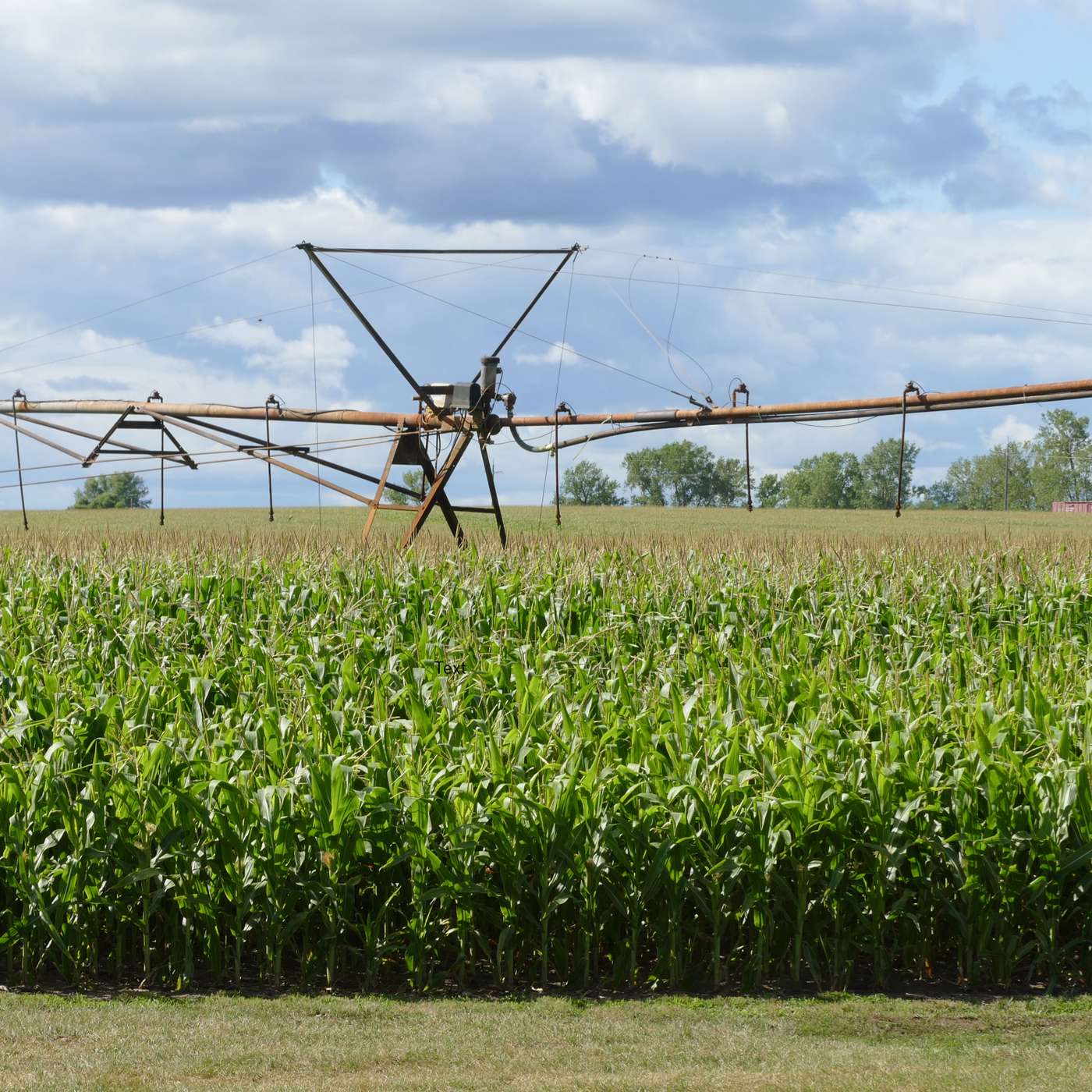
    Irrigation is the topic of discussion of today's episode of the Nutrient Management Podcast. What are current irrigation conditions in Minnesota? How is the aquifer in the Central Sands region recharged, and why is it so important to manage nutrients efficiently when irrigating? What new irrigation and nutrient management research is being conducted by the University of Minnesota? What are some of the benefits and risks associated with irrigation - and what practices might a farmer want to focus on first? What partnerships and financial resources are available for Minnesota farmers interested in adopting irrigation practices? Are there smaller practices that a grower new to irrigation might want to consider? What have farmers reported back to our panelists after having adopted irrigation practices? What are irrigation practices like throughout the rest of the country, and how does Minnesota differ? All this and more on today's show. Guests Vasu Sharma, Extension irrigation specialist, Dept. of Soil, Water, and Climate (St. Paul) Carl Rosen, Extension nutrient management specialist (St. Paul) Tim Gieseke, Extension educator, Ag Water Management (Mankato) Additional Resources Regional Conservation Partnership Program (RCPP) National Resources Conservation Service - Minnesota Minnesota Soil and Water Conservation Districts Research shows precision irrigation technology can improve irrigation water productivity in corn Irrigation Management Nutrient management for irrigated crops in MN: Corn, potatoes, & edible beans --- For the latest nutrient management information, subscribe to the Nutrient Management Podcast. And don't forget to subscribe to the Minnesota Crop News daily or weekly email newsletter, subscribe to our YouTube channel, like UMN Extension Nutrient Management on Facebook, follow us on X (formerly twitter), and visit our website. If you have questions or comments, please email us at nutmgmt@umn.edu. Support for the Nutrient Management Podcast is provided by Minnesota's fertilizer tonnage fee through the Agricultural Fertilizer Research & Education Council (AFREC). Learn more at MNsoilfertility.com.

    • Transcript
    • Chapters
  • S7 · E12
    June 2 · 29 min

    Sidedressing nitrogen: The rationale, past research & potential risks in split-applying

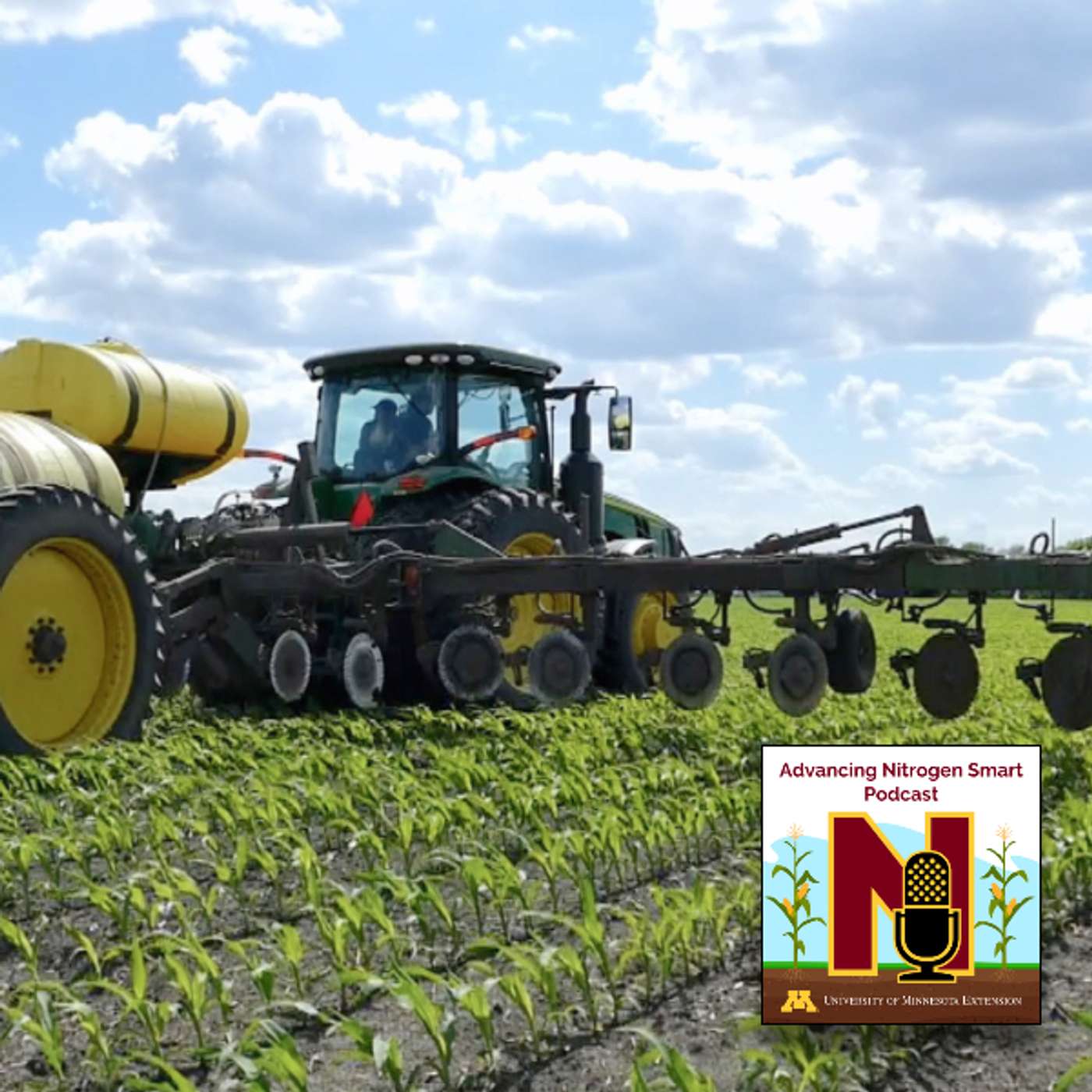
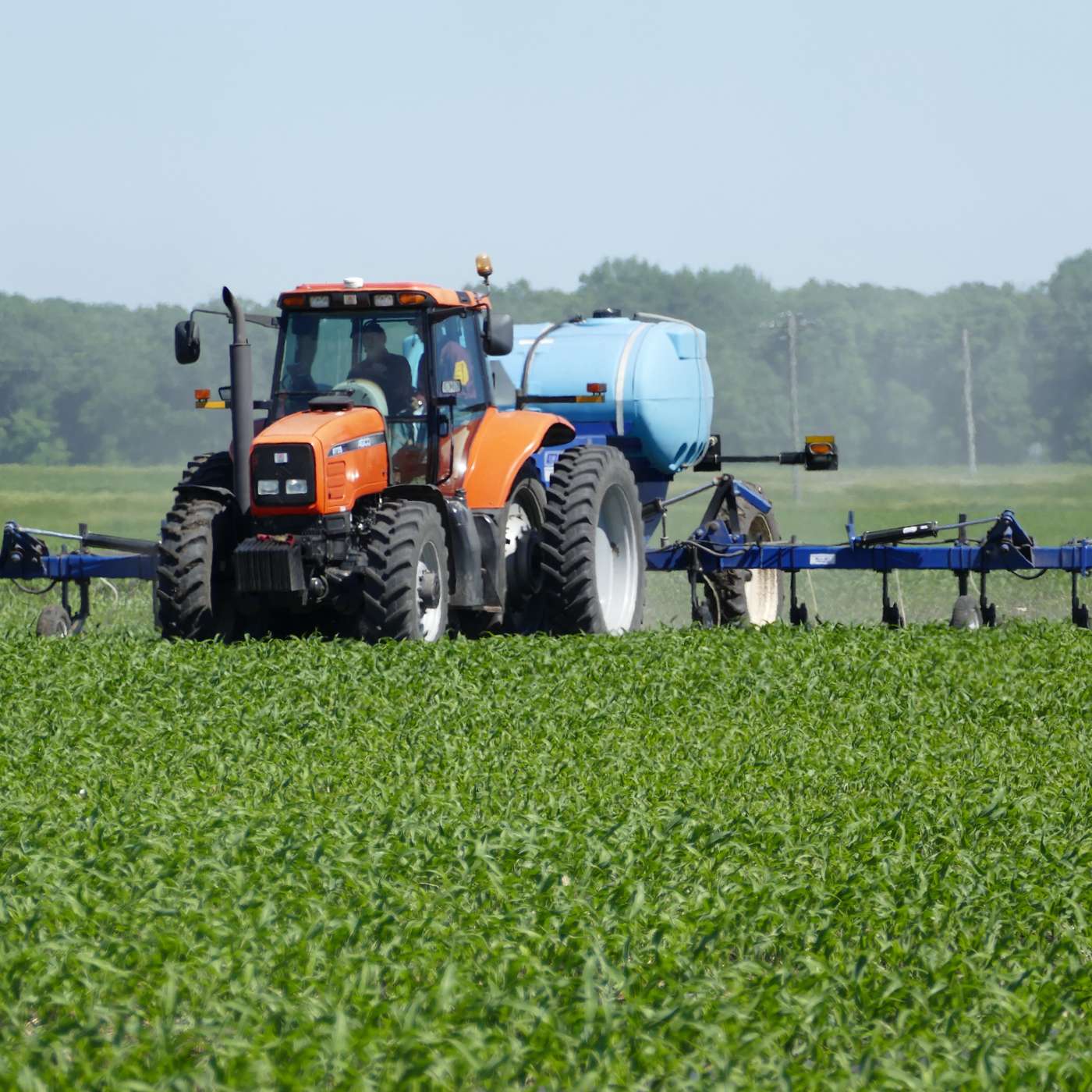
    Brad Carlson and Dan Kaiser discuss sidedressing in today's Advancing Nitrogen Smart Podcast episode. What's the big-picture rationale behind sidedressing? How can sidedressing or split-applying be beneficial in terms of avoiding nitrogen loss? Since nitrogen uptake isn't linear, what growth stages coincide with peak daily demand on the crop? Are there any significant risks in starting a sidedress application early in the season? What have past experiments shown regarding positive and / or negative responses to sidedressing? How should inhibitors be used with sidedress / topdress? What should farmers know about soil types and tile drainage when making sidedress decisions? This and much more on the 37th episode of the Advancing Nitrogen Smart podcast series. Guests: Brad Carlson, Extension educator (Mankato) Dan Kaiser, Extension nutrient management specialist (St. Paul) Additional resources: Things to consider when sidedressing nitrogen Split-applying nitrogen for corn: Three keys for successful sidedress applications (YouTube) What's the right PSNT number? New research refines the critical threshold for corn nitrogen decisions in Minnesota Are split applications of nitrogen fertilizer in Minnesota worth it? Supplemental nitrogen fertilizer: Is it time to pull the trigger? --- For the latest nutrient management information, subscribe to the Nutrient Management Podcast. And don't forget to subscribe to the Minnesota Crop News daily or weekly email newsletter, subscribe to our YouTube channel, like UMN Extension Nutrient Management on Facebook, follow us on X (formerly twitter), and visit our website. If you have questions or comments, please email us at nutmgmt@umn.edu. Advancing Nitrogen Smart is proud to be supported by the farm families of Minnesota and their corn check-off investment through Minnesota Corn.

    • Transcript
  • S7 · E11
    May 21 · 25 min

    Sugarbeet nutrient management: Best practices, guidelines & new research for MN growers

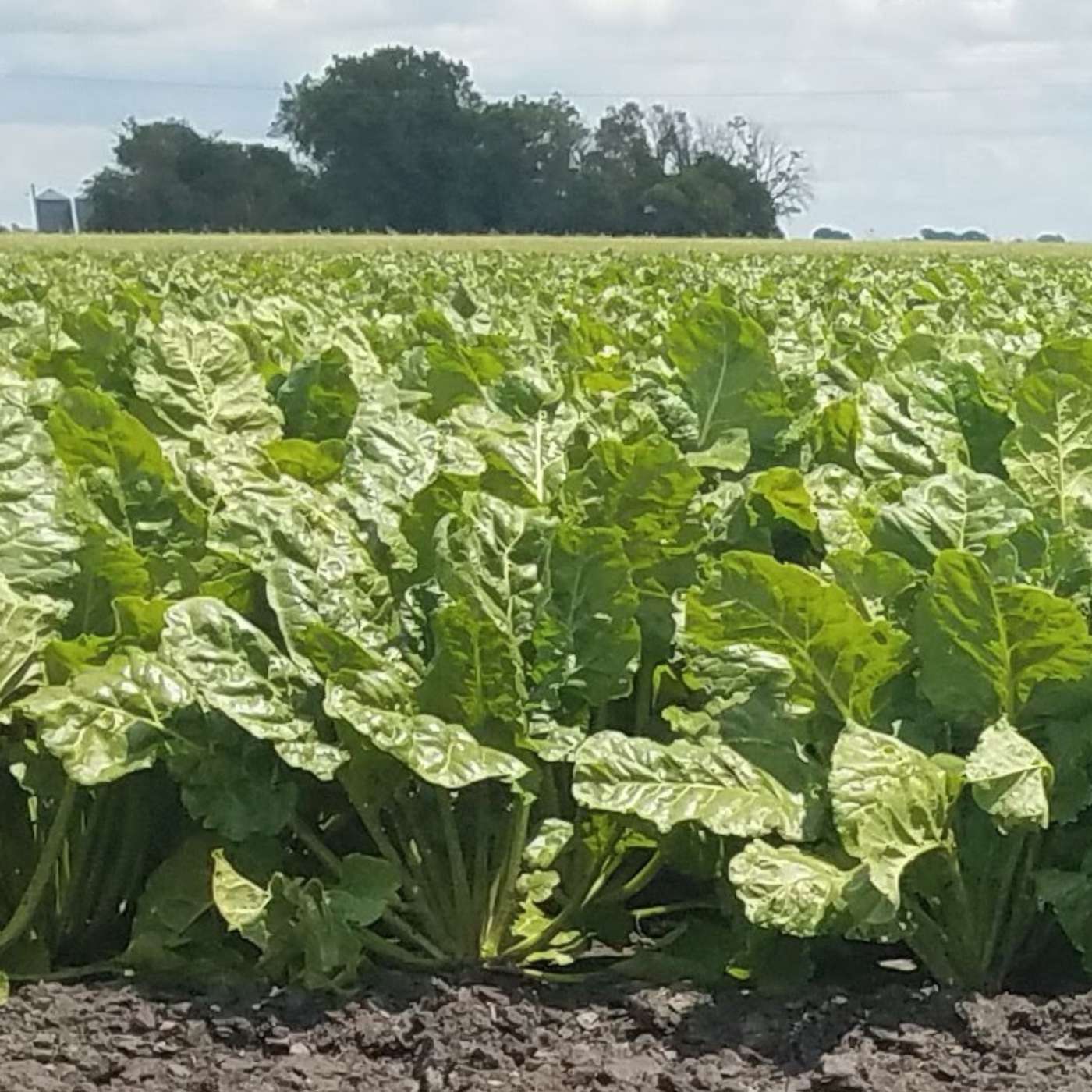
    Minnesota is the nation's top producer of sugarbeets by acreage. Today we're discussing sugarbeet nutrient management on the Nutrient Management Podcast. What are the fertilizer guidelines for sugarbeets right now, and how are they revised? What sugarbeet research studies are currently underway at the University of Minnesota? Are there any considerations when fertilizing sugarbeets with manure? What should farmers know about micronutrients, or about timing? What makes sugarbeets such effective nitrogen scavengers? All this and more on today's episode. Guests: Daniel Kaiser, Extension nutrient management specialist (St. Paul) Melissa Wilson, Extension manure nutrient management specialist (St. Paul) John Lamb, Professor Emeritus in Department of Soil, Water and Climate (St. Paul) Additional resources: Sugarbeet fertilizer guidelines New sugarbeet fertilizer guidelines for Minnesota: What to know about nitrogen and micronutrient management ManureDB Unharvested sugarbeets in your fields this spring? Here are some nutrient management considerations Tissue sampling tips for corn, soybean, sugarbeet and wheat Urea and sugarbeet stand loss: Should growers change how they manage nitrogen? — For the latest nutrient management information, subscribe to the Nutrient Management Podcast. And don't forget to subscribe to the Minnesota Crop News daily or weekly email newsletter, subscribe to our YouTube channel, like UMN Extension Nutrient Management on Facebook, follow us on X (formerly twitter), and visit our website. If you have questions or comments, please email us at nutmgmt@umn.edu. Support for the Nutrient Management Podcast is provided by Minnesota's fertilizer tonnage fee through the Agricultural Fertilizer Research & Education Council (AFREC). Learn more at MNsoilfertility.com.

    • Transcript
    • Chapters
  • S7 · E10
    May 6 · 34 min

    Nitrates & placement: Factors for reducing nitrogen loss to water

    We’re talking all about nitrate management and placement as important factors for reducing nitrogen loss to water on today's episode of the Advancing Nitrogen Smart Podcast series. Different forms of nitrogen have their own potential for loss. How does nitrogen already in the nitrate form differ from ammonium for example? How does basic soil science slow down or speed up nitrogen transformation? Why can't nitrates be easily stabilized in the fall in Minnesota? How do other factors like pH affect nitrogen transformation? This and much more in today's discussion. Guests: Brad Carlson, Extension educator (Mankato) Dan Kaiser, Extension nutrient management specialist (St. Paul) Additional resources: Nitrogen placement: What MN farmers should know about depth, incorporation, loss pathways, and more How 4R Nutrient Stewardship can help Minnesota farmers Four things I’ve learned about nitrogen management for corn based on a decade of research in Minnesota Six observations from six years of tile sampling for nitrates in southeast Minnesota Nitrogen BMPs and nitrate water quality issues in southeast Minnesota: What should growers be thinking about? --- For the latest nutrient management information, subscribe to the Nutrient Management Podcast. And don't forget to subscribe to the Minnesota Crop News daily or weekly email newsletter, subscribe to our YouTube channel, like UMN Extension Nutrient Management on Facebook, follow us on X (formerly twitter), and visit our website. If you have questions or comments, please email us at nutmgmt@umn.edu. Advancing Nitrogen Smart is proud to be supported by the farm families of Minnesota and their corn check-off investment through Minnesota Corn.

    • Transcript
  • S7 · E9
    April 22 · 38 min

    The pre-sidedress nitrate test (PSNT): Sampling, standards & values to know

    Brad and Jeff continue their discussion about variable rate nitrogen technology by zeroing in on the pre-sidedress nitrate test (PSNT). What are key differences between the PSNT and the pre-plant nitrate test (PPNT)? What growth stage should the crop reach before taking a PSNT? How have sampling and storage procedures evolved from past years? How variable can samples actually be within the same zone and between zones? What should farmers watch out for when interpreting test results? Do different methods of N application produce different PSNT results? How about timing? Manure? What's N's 'critical value' in Minnesota? All these answers and more in-depth discussion on today's episode of the Advancing Nitrogen Smart Podcast. Guests: Brad Carlson, Extension educator (Mankato) Jeff Vetsch, Lead researcher, Southern Research and Outreach Center (Waseca) Additional resources: What’s the right PSNT number? New research refines the critical threshold for corn nitrogen decisions in Minnesota Video: 6 takeaways on the pre-sidedress nitrate test Tips for Accurate Pre-Sidedress Nitrate Tests Split-applying nitrogen for corn: Three keys for successful sidedress applications Understanding nitrogen in soils --- For the latest nutrient management information, subscribe to the Nutrient Management Podcast. And don't forget to subscribe to the Minnesota Crop News daily or weekly email newsletter, subscribe to our YouTube channel, like UMN Extension Nutrient Management on Facebook, follow us on X (formerly twitter), and visit our website. If you have questions or comments, please email us at nutmgmt@umn.edu. Advancing Nitrogen Smart is proud to be supported by the farm families of Minnesota and their corn check-off investment through Minnesota Corn.

    • Transcript
  • S7 · E8
    April 7 · 34 min

    Spring fertilizer outlook: How is price volatility impacting input planning in 2026?

    Early April means it's time for the Spring Fertilizer Outlook here on the Nutrient Management Podcast. Our panel of four specialists and researchers begin by discussing current field conditions throughout Minnesota. World events affecting farmers and other ag professionals are top-of-mind right now. How is price volatility impacting input planning - or is it? Should farmers consider changes to their management plans, and /or potentially cut back on specific inputs? If so, which ones and why? Does soil testing become more important during times when other costs are high? As our panelists talk with farmers across Minnesota, what silver linings and bright spots have they noticed in today's ag environment, and why is it important to keep these in mind? All this and much more on today's episode. Guests: Brad Carlson, Extension educator (Mankato) Daniel Kaiser, Extension nutrient management specialist (St. Paul) Jeff Vetsch, Lead SROC researcher (Waseca) Lindsay Pease, Extension nutrient and water management specialist (Crookston) Additional Resources: cornnratecalc.org (MRTN rate calculator) Are you overspending on fertilizer? Drought conditions overview Phosphorus: Rate guidelines, sources & best practices for Minnesota, Midwest farmers Do biostimulant seed treatments boost soybean yields? New study across 103 locations in 22 states says no Nutrient management --- For the latest nutrient management information, subscribe to the Nutrient Management Podcast. And don't forget to subscribe to the Minnesota Crop News daily or weekly email newsletter, subscribe to our YouTube channel, like UMN Extension Nutrient Management on Facebook, follow us on X (formerly twitter), and visit our website. If you have questions or comments, please email us at nutmgmt@umn.edu. Support for the Nutrient Management Podcast is provided by Minnesota's fertilizer tonnage fee through the Agricultural Fertilizer Research & Education Council (AFREC). Learn more at MNsoilfertility.com.

    • Transcript
    • Chapters
  • S7 · E7
    March 26 · 21 min

    Active sensors & variable rate nitrogen: What MN farmers should know

    Brad Carlson and Jeff Vetsch talk about variable rate sensors on today's Advancing Nitrogen Smart Podcast episode. What is meant by the term 'active sensors' and what data do active sensors capture? Which specific brands of sensors have the Southern Research and Outreach Center (SROC) researched, and how did they perform? What stage does corn need to reach before sensors can best contribute to variable rate decision making? How do other field variables like soil texture or irrigation systems contribute (or not) to variable rate sensing? Join us today for part one of a two-part discussion on variable rate technology with Brad and Jeff. Guests: Brad Carlson, Extension educator (Mankato) Jeff Vetsch, Lead researcher at the Southern Research and Outreach Center (Waseca) Additional Resources: 5 Things to consider for sensor-based nitrogen management Variable rate nitrogen and nitrogen advisory tools: Do they work? Variable rate technology: How should farmers evaluate outcomes? Things to consider when sidedressing nitrogen Nitrogen smart Nitrogen -- For the latest nutrient management information, subscribe to the Nutrient Management Podcast. And don't forget to subscribe to the Minnesota Crop News daily or weekly email newsletter, subscribe to our YouTube channel, like UMN Extension Nutrient Management on Facebook, follow us on X (formerly twitter), and visit our website. If you have questions or comments, please email us at nutmgmt@umn.edu. Advancing Nitrogen Smart is proud to be supported by the farm families of Minnesota and their corn check-off investment through Minnesota Corn.

    • Transcript
  • S7 · E6
    March 17 · 39 min

    Phosphorus: Rate guidelines, sources & best practices for Minnesota, Midwest farmers

    Today on the Nutrient Management Podcast we discuss phosphorus with experts from Minnesota and across the Midwest. Why are Midwest phosphorus guidelines different from state to state? Are Minnesota's current P guidelines satisfactory - or do states' P guidelines need revision? Would a P-rate calculator that incorporates economics be a useful tool, similar to nitrogen's MRTN calculator? What 'Phosphorus & the 4R's' tips and suggestions do our Minnesota, Ohio, Illinois and South Dakota panelists recommend for area farmers? Nitrates and water quality issues continue to be top-of-mind - would switching P sources be beneficial? What new and ongoing phosphorus-related research projects are panelists watching? All this and much more on today's show. Guests: Daniel Kaiser, Extension nutrient management specialist (St. Paul) John Jones, soil fertility, plant nutrition, and nutrient management research, University of Illinois Urbana-Champaign (Champaign, IL) Jason Clark, Extension soil fertility specialist, South Dakota State University (Brookings, SD) Manbir Rakkar, assistant professor, soil fertility and nutrient management, The Ohio State University (Brewster, OH) Additional resources: Understanding phosphorus in Minnesota soils Videos of the 2026 Nutrient Management and Nitrogen Conferences are now available Phosphorus fertilizer sources: What are the differences and which one should you use? Is 'fixed' P lost? 4 things to consider Minnesota Nutrient Reduction Strategy -- For the latest nutrient management information, subscribe to the Nutrient Management Podcast. And don't forget to subscribe to the Minnesota Crop News daily or weekly email newsletter, subscribe to our YouTube channel, like UMN Extension Nutrient Management on Facebook, follow us on X (formerly twitter), and visit our website. If you have questions or comments, please email us at nutmgmt@umn.edu. Support for the Nutrient Management Podcast is provided by Minnesota's fertilizer tonnage fee through the Agricultural Fertilizer Research & Education Council (AFREC). Learn more at MNsoilfertility.com.

    • Transcript
    • Chapters
  • S7 · E5
    March 9 · 20 min

    Minnesota's Nutrient Reduction Strategy: Practices, progress & solutions

    Today on the Advancing Nitrogen Smart podcast we speak in-depth about the recently-revised Minnesota Nutrient Reduction Strategy with Matt Drewitz from the Minnesota Pollution Control Agency. What are the goals of the MN Nutrient Reduction Strategy, and how are they being addressed specifically? Are we on track to meet our objectives? How have environmental changes over the years affected our progress? How have wastewater treatment plants contributed to the effort, and what have we learned from them? What kinds of other practices can be leveraged to meet the goals of the NRS, and how should farmers approach these ideas? Who's a farmer's point of contact with questions about adopting these practices? All of this on today's episode, recorded on the road from the recently held Nutrient Management Conference in Mankato, MN. Guests: Brad Carlson, Extension educator (Mankato) Matt Drewitz Minnesota Pollution Control Agency, (St. Paul) Additional resources: Minnesota Nutrient Reduction Strategy One Watershed, One Plan Addressing nitrate in southeastern Minnesota The state of Minnesota's soil health: How many farmers are doing no-till, cover crops, and more Edge of field N and P reduction strategies: What to know about conservation drainage practices Videos of the 2026 Nutrient Management and Nitrogen Conference presentations are now available --- For the latest nutrient management information, subscribe to the Nutrient Management Podcast. And don't forget to subscribe to the Minnesota Crop News daily or weekly email newsletter, subscribe to our YouTube channel, like UMN Extension Nutrient Management on Facebook, follow us on X (formerly twitter), and visit our website. If you have questions or comments, please email us at nutmgmt@umn.edu. Advancing Nitrogen Smart is proud to be supported by the farm families of Minnesota and their corn check-off investment through Minnesota Corn.

    • Transcript
  • S7 · E4
    February 25 · 18 min

    Incorporating conservation practices: County SWCDs, farmer resources & successes

    Today we’re going on the road with a conversation recorded during the Minnesota Association of Social and Water Conservation Districts' (MASWCD) annual conference. Mike Schultz, district manager at the Le Sueur County SWCD talks with Brad Carlson about actual methods of incorporating conservation practices into the landscape. What are general categories of conservation practices? How are watershed plans written, and how do they address a balanced set of interests? Which practices tend to appeal to farmers the most? What kinds of resources can a County SWCD provide? What are some examples of successful implementation? Are there cost-share programs available - and if so how do farmers find them? All that and more on today's episode of the Advancing Nitrogen Smart Podcast. Guests: Brad Carlson, Extension educator (Mankato) Mike Schultz, district manager, Le Sueur SWCD Additional resources: Le Sueur County SWCD Soil and Water Conservation District Directory MN SWCDs (from the MN Board of Soil and Water Resources) Minnesota Nutrient Reduction Strategy Nitrogen Smart One Watershed, One Plan --- For the latest nutrient management information, subscribe to the Nutrient Management Podcast. And don't forget to subscribe to the Minnesota Crop News daily or weekly email newsletter, subscribe to our YouTube channel, like UMN Extension Nutrient Management on Facebook, follow us on X (formerly twitter), and visit our website. If you have questions or comments, please email us at nutmgmt@umn.edu. Advancing Nitrogen Smart is proud to be supported by the farm families of Minnesota and their corn check-off investment through Minnesota Corn.

    • Transcript
  • S7 · E3
    February 23 · 24 min

    Looking ahead to spring manure: ManureDB, research updates & best practices for MN farmers

    Today on the Nutrient Management Podcast we discuss all things manure as we head into spring. Our three manure nutrient management specialists and researchers talk about recent updates to ManureDB (the online manure database). Why was ManureDB created, and what makes it a helpful tool for farmers and producers? What's the status of current and future manure research projects? How can Minnesota farmers partner with the University of Minnesota manure team for on-farm research projects? What are some top-of-mind best practices for sampling and safety as we head into the growing season? All of that and much more on today's show. Guests: Melissa Wilson, Extension manure nutrient management specialist (St. Paul) Eduardo Garay Lagos, manure research manager (St. Paul) Nancy Bohl Bormann, manure nutrient management researcher (St. Paul) Additional Resources: Introducing ManureDB: A new way to view manure variability and trends Manure Management How to put together a manure management plan 'Manure is complicated': 5 Reasons you need a manure management plan Manure sampling and testing: Variability, guidelines & safety for your operation —

    • Transcript
    • Chapters
  • S7 · E2
    January 26 · 49 min

    Nitrogen BMPs and nitrate water quality issues in southeast Minnesota: What should growers be thinking about?

    Today on the show we join a panel of 5 specialists, practitioners, Extension educators to discuss nitrates and water quality in southeast Minnesota. What is the current situation with nitrates and water quality in southeast Minnesota? Is the situation improving over time? What are some key factors affecting nitrate concentrations? What should growers in the region be thinking about in terms of nitrogen best management practices? What are some other ways that farmers in southeast Minnesota can help improve water quality? What else should we be thinking about related to N BMPs and nitrate water quality issues in southeast Minnesota? What resources (financial and otherwise) are available to farmers in southeast Minnesota? All this and much more today's Nutrient Management Podcast from University of Minnesota Extension. Video of this podcast is available on our YouTube channel! Watch it here. Guests: Mary Nesberg, Extension educator (Rochester) Daniel Kaiser, Extension nutrient management specialist (St. Paul) Brad Carlson, Extension educator (Mankato) Kevin Kuehner, Hydrologist, Minnesota Department of Agriculture (Preston) Jeff Vetsch, U of M researcher (Waseca) Additional Resources: Improved understanding of groundwater age and nitrate trends GreenCovR: Cover crop management tool provides local information on green cover achieved by management Minnesota Agricultural Water Quality Certification Program Tap-In: Safe Drinking Water for SE Minnesota Grain Gathering 2026 Olmested County SWCD Corn Nitrogen Rate Calculator Minnesota Nutrient Reduction Strategy Nitrates and drinking water: Resources for southeast Minnesota well users, farmers Southeast Minnesota nitrogen meeting presentations now available online z.umn.edu/NitrogenSmart Addressing nitrate in southeastern Minnesota Extension addresses nitrate water quality issues in southeast Minnesota What decade are we measuring? Improved understanding of groundwater age and nitrate trends (YouTube video)

    • Transcript
    • Chapters
  • S7 · E1
    January 12 · 42 min

    The 5 main pathways of nitrogen loss: What are they, and how can you increase efficiency?

    We return to first principles with a detailed discussion about nitrogen loss on today's Advancing Nitrogen Smart Podcast episode. The five terms that describe how nitrogen is lost from the soil are: leaching, denitrification, volatilization, crop removal and soil erosion & runoff. But what do those terms actually mean? How does nitrogen's chemistry change during loss? Do N loss processes (also called pathways) happen at the same speed? How do temperature and precipitation affect N loss pathways? How might farmers hedge against the risk of loss by incorporating the 4Rs into their N planning? All of this and much more on today's show. Guests Brad Carlson, Extension educator (Mankato) Dan Kaiser, Extension nutrient management specialist (St. Paul) Additional resources Nitrogen Conference (held annually in February; past videos are available online) Four things I’ve learned about nitrogen management for corn based on a decade of research in Minnesota Nitrogen Nuggets (YouTube playlist) Understanding nitrogen in soils Nitrogen Smart --- For the latest nutrient management information, subscribe to the Nutrient Management Podcast. And don't forget to subscribe to the Minnesota Crop News daily or weekly email newsletter, subscribe to our YouTube channel, like UMN Extension Nutrient Management on Facebook, follow us on X (formerly twitter), and visit our website. If you have questions or comments, please email us at nutmgmt@umn.edu. Advancing Nitrogen Smart is proud to be supported by the farm families of Minnesota and their corn check-off investment through Minnesota Corn.

    • Transcript
  • S6 · E29
    Dec 11, 2025 · 23 min

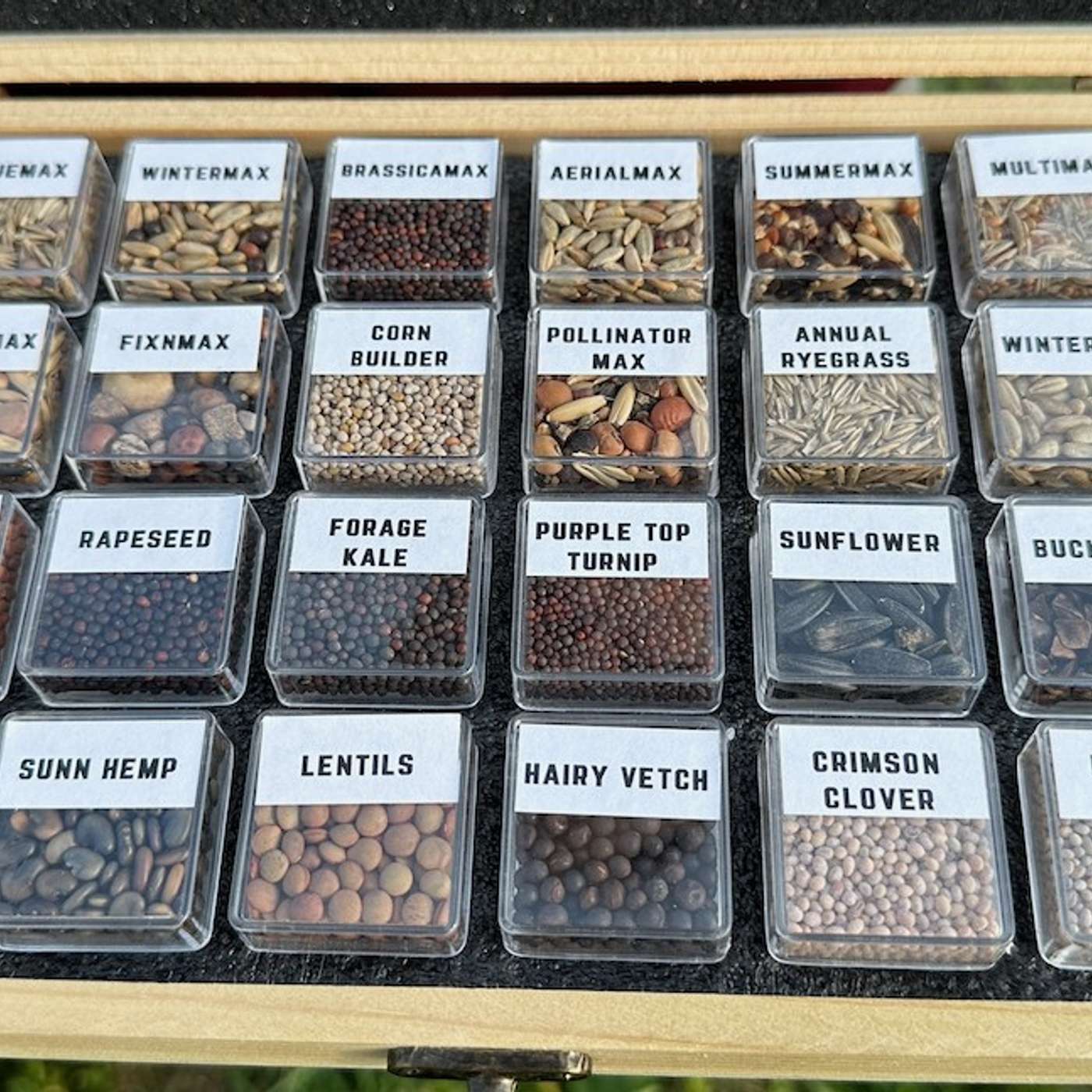
    All about cover crops: Lower seeding rates, weed control, advice for farmers & more

    It's December and we're rounding out the year with an in-depth discussion on cover crops here on the Nutrient Management Podcast. What are panelists' observations regarding covers with lower seeding rates? What are some pros and cons relating to erosion or nutrient uptake? Does planting early at a lower seed rate vs. planting later with a higher seed rate result in the same outcome? What are some weed control characteristics of cover crops? What advice do our panelists have for farmers new to cover crops? What kinds of state and local resources are available for growers? All this and lots more on today's show so be sure to tune in. Guests: Anna Cates, Extension soil health specialist (St. Paul) Ryan Beutow, Minnesota NRCS State Agronomist (St. Paul) Eric Yu, Extension educator (Farmington) Additional Resources: UMN Cover Crops row crops UMN Cover crops in vegetables Cover crop Academy MN Agronomy Technical Note 33 Single species cereal rye cover crop implementation requirements Cover Crop Termination Guidelines MN NRCS Cover Crop Design Tool Midwest Cover Crop Council SARE Managing Cover Crops Profitably MN Field Office Technical Guide folder on cover crops --- For the latest nutrient management information, subscribe to the Nutrient Management Podcast. And don't forget to subscribe to the Minnesota Crop News daily or weekly email newsletter, subscribe to our YouTube channel, like UMN Extension Nutrient Management on Facebook, follow us on X (formerly twitter), and visit our website. If you have questions or comments, please email us at nutmgmt@umn.edu. Support for the Nutrient Management Podcast is provided by Minnesota's fertilizer tonnage fee through the Agricultural Fertilizer Research & Education Council (AFREC). Learn more at MNsoilfertility.com.

    • Transcript
    • Chapters
Showing 1–20 of 22 episodes