Skip to content
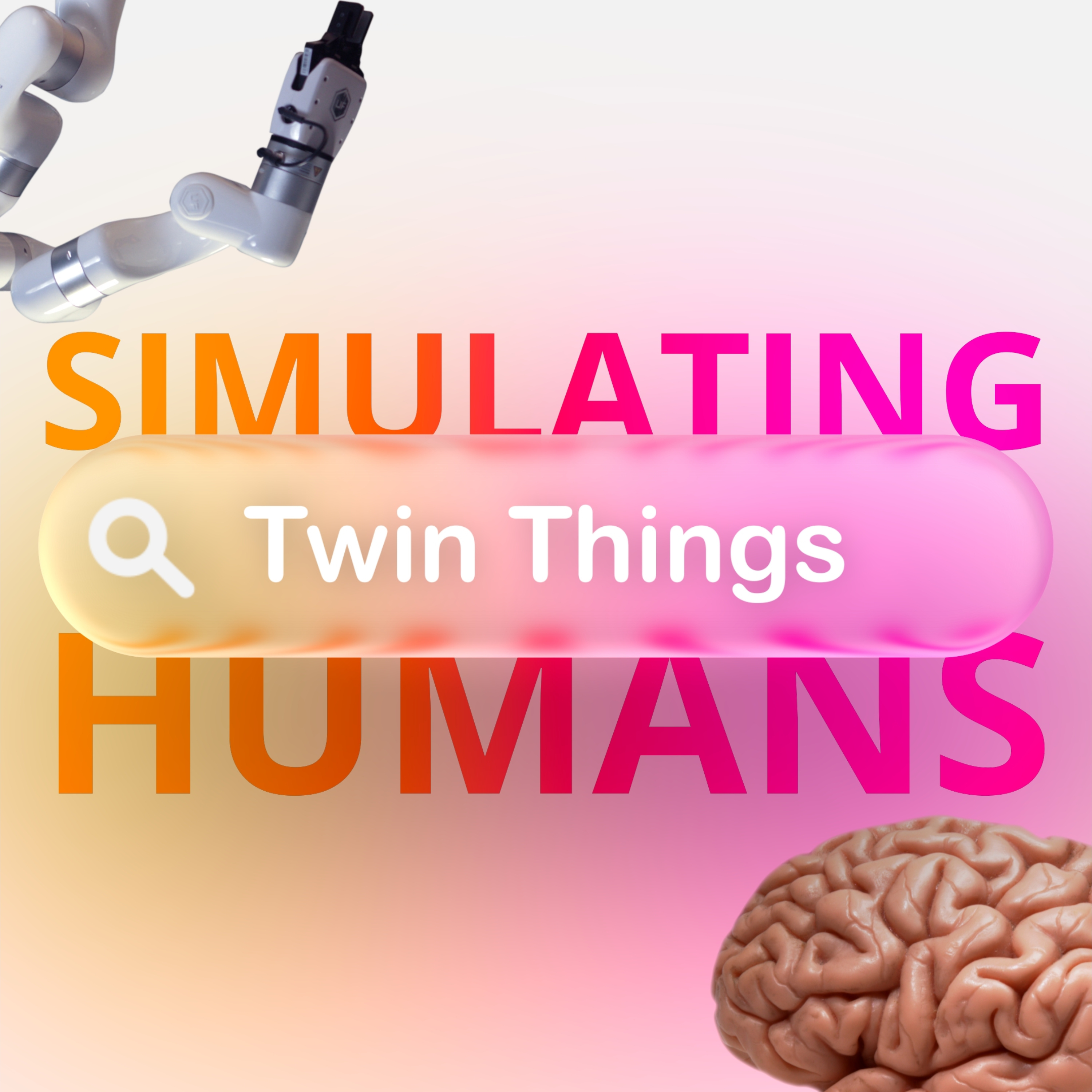
Artwork for Twin Things Podcast
Health & FitnessMedicineScience

Twin Things Podcast

Sano Science

Twin Things: Simulating Humans is a Sano Science podcast for anyone who’s ever wondered how scientists turn messy real life into something we can understand. Each episode is an accessible conversation with researchers about digital twins, AI, and what computer models can (and can’t) tell us about being human. Big questions, surprising answers, no jargon. It’s where technology meets real human stories.

Play
  • 9 episodes
  • Avg 51 min
  • English
  • #9
    August 28 · 55 min

    Why Is Medical AI So Hard to Trust? #9 Twin Things Podcast

    What if building an AI model is the easy part, and the real challenge begins when we try to use it in medicine? In the ninth episode of Twin Things, Kasia Baliga-Nicholson talks with Jan Fiszer from Sano’s Extreme-scale Data and Computing team about AI, medical imaging, MRI, radiology, and why healthcare data is much more complicated than it may seem. Together, they explore what happens between raw medical data and an AI model: cleaning, understanding, interpreting, validating, and translating results into something doctors can actually use. This is a conversation about noisy scans, explainable AI, trust, synthetic data, clinical workflows, and why medical AI needs more than good accuracy to become useful in real hospitals. Twin Things Podcast explores how scientists, engineers, and creatives use simulations and digital twins to understand the real world. It’s where technology meets real human stories. https://sano.science/ https://www.instagram.com/sanoscience/ https://www.linkedin.com/company/sanoscience https://twitter.com/sanoscience https://www.facebook.com/sano.science/ https://bsky.app/profile/sanoscience.bsky.social https://podcasts.apple.com/us/podcast/twin-things-podcast/id1896467901 https://open.spotify.com/show/033cCZGXblNZLf3l7JYNag

    • Transcript
  • July 31 · 1 hr 1 min

    Can AI Really Think Like a Doctor? #8 Twin Things Podcast

    What if the biggest challenge for AI in medicine is not finding the right answer, but knowing how doctors actually think? In the eighth episode of Twin Things, Kasia Baliga-Nicholson talks with Dominik Stosik, Clinical Advisor for AI & Digital Health Solutions at Sano, about large language models, clinical reasoning, radiology, and the limits of using AI in real medical settings. Together, they explore why AI can be shockingly good at pattern recognition, but still struggle with the messy, uncertain, and human process of diagnosis. From emergency rooms and medical imaging to hallucinations, deepfakes, cognitive bias, and hospital workflows, this conversation looks at what happens when powerful AI tools meet the reality of healthcare. This is an episode about why AI should not simply replace doctors’ thinking, but become a kind of “mental exoskeleton” that helps clinicians question, verify, and make better decisions. Twin Things Podcast explores how scientists, engineers, and creatives use simulations and digital twins to understand the real world. It’s where technology meets real human stories. https://sano.science/ https://www.instagram.com/sanoscience/ https://www.linkedin.com/company/sanoscience https://twitter.com/sanoscience https://www.facebook.com/sano.science/ https://bsky.app/profile/sanoscience.bsky.social https://podcasts.apple.com/us/podcast/twin-things-podcast/id1896467901 https://open.spotify.com/show/033cCZGXblNZLf3l7JYNag

    • Transcript
  • June 27 · 49 min

    Can We Simulate Your Future Through Your Microbiome? #7 Twin Things Podcast

    What if your gut microbiome could help predict how your body might respond to different choices, diets, or diseases? In the seventh episode of Twin Things, Kasia Baliga-Nicholson talks with Tomasz Kościółek, Research Team Leader of the Structural and Functional Genomics Group at Sano, about the tiny world of microbes living in and around us, and why it may have a much bigger impact on our health than we usually imagine. Together, they explore how computational biology, protein structures, AI, and microbiome research can help us understand the human body as a complex and constantly changing system. This is a conversation about gut bacteria, personalised medicine, AlphaFold, citizen science, data standards, digital twins, and whether one day we might be able to simulate thousands of possible futures for our own health. Twin Things Podcast explores how scientists, engineers, and creatives use simulations and digital twins to understand the real world. It’s where technology meets real human stories. https://sano.science/ https://www.instagram.com/sanoscience/ https://www.linkedin.com/company/sanoscience https://twitter.com/sanoscience https://www.facebook.com/sano.science/ https://bsky.app/profile/sanoscience.bsky.social https://podcasts.apple.com/us/podcast/twin-things-podcast/id1896467901 https://open.spotify.com/show/033cCZGXblNZLf3l7JYNag

    • Transcript
  • #6
    May 30 · 56 min

    From Sick Care to Predictive Medicine #6 Twin Things Podcast

    What if medicine could move from treating disease after symptoms appear to predicting when something is starting to go wrong? In the sixth episode of Twin Things, Kasia Baliga-Nicholson talks with Cyrille Thinnes, Engagement Manager for the Virtual Metabolic Human and Research Fellow at the Digital Metabolic Twin Centre, University of Galway. Together, they explore how digital metabolic twins could help us better understand the complexity of the human body, connect patient data with computational models, and move healthcare from reacting to disease toward predicting and preventing it. This is a conversation about metabolism, microbiomes, patient involvement, clinical decision-making, and the challenge of bringing digital twin technologies into real medical systems. Twin Things Podcast explores how scientists, engineers, and creatives use simulations and digital twins to understand the real world. It’s where technology meets real human stories. https://sano.science/ https://www.instagram.com/sanoscience/ https://www.linkedin.com/company/sanoscience https://twitter.com/sanoscience https://www.facebook.com/sano.science/ https://bsky.app/profile/sanoscience.bsky.social https://podcasts.apple.com/us/podcast/twin-things-podcast/id1896467901 https://open.spotify.com/show/033cCZGXblNZLf3l7JYNag

    • Transcript
  • #5
    May 29 · 57 min

    Why Does a Digital Twin Need a Supercomputer? #5 Twin Things Podcast

    What if the future of medicine depends not only on doctors and data, but also on computing power? In the fifth episode of Twin Things, Kasia Baliga-Nicholson talks with Maciej Malawski, Director of Sano, about why medicine needs supercomputers, artificial intelligence, simulation models, and digital twins. This is a conversation about why you cannot simply “put a supercomputer in a hospital”, how large-scale simulations can support clinical decisions, and what needs to happen for advanced computational research to become real tools for doctors and patients. The episode also touches on cloud computing, data security, collaboration with clinicians, research commercialisation, and what it takes to build a scientific institution that connects science, technology, and medicine. Twin Things Podcast explores how scientists, engineers, and creatives use simulations and digital twins to understand the real world. It’s where technology meets real human stories. https://sano.science/ https://www.instagram.com/sanoscience/ https://www.linkedin.com/company/sanoscience https://twitter.com/sanoscience https://www.facebook.com/sano.science/ https://bsky.app/profile/sanoscience.bsky.social https://podcasts.apple.com/us/podcast/twin-things-podcast/id1896467901 https://open.spotify.com/show/033cCZGXblNZLf3l7JYNag #sanoscience #sanopodcast #computationalmedicine

    • Transcript
  • #4
    May 7 · 58 min

    Dlaczego wciąż nie wygraliśmy z rakiem? #4 Twin Things Podcast

    Co jeśli rak nie jest jedną chorobą, ale całym systemem zmian, które zaczynają się od pojedynczej komórki?W czwartym odcinku Twin Things, Kasia Baliga-Nicholson rozmawia z Dominikiem Czaplickim o tym, dlaczego nowotwory są tak trudne do zrozumienia, skąd bierze się idea “zbuntowanej komórki” i czy medycyna obliczeniowa może pomóc nam przewidywać rozwój choroby, zanim wymknie się spod kontroli.To rozmowa o raku, ewolucji, bakteriach, cyfrowych bliźniakach i o tym, dlaczego w medycynie przyszłości samo pytanie “jak wyleczyć?” może nie wystarczyć.W Sano Science pracujemy nad tym, aby zaawansowane badania obliczeniowe przekładać na realne narzędzia kliniczne.Twin Things Podcast pokazuje, jak naukowcy, inżynierowie i twórcy wykorzystują symulacje i cyfrowe bliźniaki do zrozumienia rzeczywistości. To miejsce, gdzie technologia spotyka się z prawdziwymi ludzkimi historiami. https://sano.science/ https://www.instagram.com/sanoscience/ https://www.linkedin.com/company/sanoscience https://twitter.com/sanoscience https://www.facebook.com/sano.science/ #sanoscience #sanoseminars #computationalmedicine

  • #3
    May 7 · 58 min

    Problem z symulacjami medycznymi, o którym nikt nie mówi #3 Twin Things Podcast

    Co jeśli lekarze mogliby testować leczenie na cyfrowej wersji Ciebie, zanim zastosują je w rzeczywistości?W trzecim odcinku Twin Things, Kasia Baliga-Nicholson rozmawia z Robertem Straką o tym, jak symulacje przepływu krwi, modele oparte na fizyce i cyfrowe bliźniaki pomagają przewidywać rozwój chorób oraz wspierać realne decyzje kliniczne, zanim cokolwiek wydarzy się w rzeczywistym świecie.W Sano Science pracujemy nad tym, aby zaawansowane badania obliczeniowe przekładać na realne narzędzia kliniczne.Twin Things Podcast pokazuje, jak naukowcy, inżynierowie i twórcy wykorzystują symulacje i cyfrowe bliźniaki do zrozumienia rzeczywistości. To miejsce, gdzie technologia spotyka się z prawdziwymi ludzkimi historiami.https://sano.science/https://www.instagram.com/sanoscience/https://www.linkedin.com/company/sanosciencehttps://twitter.com/sanosciencehttps://www.facebook.com/sano.science/#sanoscience #podcast #computationalmedicine

  • #2
    May 7 · 32 min

    Czy sztuka to też rodzaj symulacji? #2 Twin Things Podcast

    Czy sztuka również może być formą symulacji?W tym odcinku Twin Things Kasia Baliga-Nicholson rozmawia z Dawidem Czyczem o tym, jak artyści i naukowcy symulują rzeczywistość na bardzo różne sposoby.Podczas gdy naukowcy wykorzystują matematykę i fizykę do tworzenia cyfrowych bliźniaków ludzkiego ciała, artyści także tworzą symulacje, ale kierują się emocjami, intuicją i narracją, a nie równaniami.Twin Things Podcast pokazuje, jak naukowcy, inżynierowie i twórcy wykorzystują symulacje i cyfrowe bliźniaki do zrozumienia rzeczywistości. To miejsce, gdzie technologia spotyka się z prawdziwymi ludzkimi historiami.https://sano.science/https://www.instagram.com/sanoscience/https://www.linkedin.com/company/sanosciencehttps://twitter.com/sanosciencehttps://www.facebook.com/sano.science/#sanoscience #podcast #computationalmedicine

  • #1
    May 7 · 29 min

    The Tech That Could Change How Doctors Treat You #1 Twin Things Podcast

    What if doctors could test treatments on a digital version of you before trying them in real life? In the first episode of Twin Things, Kasia Baliga-Nicholson talks with Karolina Tlałka about how scientists use mathematics, physics, and computer models to understand what’s really happening inside the human body and how this could change the future of healthcare. At Sano Science, we work on turning advanced computational research into real clinical tools. Twin Things Podcast explores how scientists, engineers, and creatives use simulations and digital twins to understand the real world. It’s where technology meets real human stories. https://sano.science/ https://www.instagram.com/sanoscience/ https://www.linkedin.com/company/sanoscience https://twitter.com/sanoscience https://www.facebook.com/sano.science/ #sanoscience #computationalmedicine #podcast

Showing 1–9 of 9 episodes