Skip to content
Artwork for Tramlines

Tramlines

Agrii

Tramlines is the only farming podcast that delivers advice to growers on how to improve environmental performance and maximise farm profitability. By tuning into Tramlines, you will benefit from listening to episodes that feature experts and experienced farmers, who share valuable information on best practices, new techniques, and the latest research in agriculture. Join the experts fortnightly as they address common problems and solutions and stay up-to-date with the latest developments. With CPD points up for grabs on certain episodes, topics range from digital innovations to soil health and the discussions are supported by Agrii's extensive trials programme and environmental work.


Featuring: Farmer Tom, John Miles, Paul Pickford, Prof Andrew Neil, Ruth Mann, Tom Land, Kathryn Styan, Andrew Ward MBE and Simon Weaving. And more…


If you enjoyed listening to Tramlines, please leave a review in the app. Got a podcast idea or want to get involved? Email us on info@agrii.co.uk. Listen on:
Apple https://bit.ly/tramlinespodcast
Spotify https://bit.ly/tramlinespodcast_spotify
Google https://bit.ly/tramlinespodcast_google

Play
  • 20 episodes
  • monthly
  • Avg 21 min
  • English
  • S6 · E6
    August 18 · 20 min

    September vs October Drilling: Balancing Risk and Reward

    In this episode of Tramlines, inspired by a conversation with our very own customer James Peck from PX Farms, we are joined by Agrii agronomist and technical advisor Craig Simpson to explore one of the most debated topics in arable farming: when is the right time to start drilling winter crops? With an early harvest tempting growers into the field, Craig examines the yield benefits of early September drilling alongside the increased risks from grass weeds, BYDV and disease pressure. Together, they discuss how farmers can balance risk and reward to maximise crop performance in an increasingly unpredictable climate. Key Takeaways: Early drilling can boost yield potential through stronger establishment, greater tiller numbers and improved rooting, helping crops cope with dry spring conditions. Delaying drilling can significantly reduce grass weed pressures such as blackgrass and sterile brome, improving long-term weed control. September-drilled crops face higher BYDV risk, with warmer conditions and increased aphid activity potentially adding further pressure this season. Earlier drilling can increase disease risk, particularly septoria, as denser canopies allow disease to build more rapidly during wet seasons. The best approach is a planned, field-by-field strategy, considering weed burden, variety selection, disease resistance and local conditions before drilling begins. October drilling? Success starts with choosing the right seed for the right timing. Our full seed portfolio can be found in our Grower's Autumn Guide 2026. Click the link in the bio or click here. https://www.agrii.co.uk/our-services/tools-resources/documents/

  • S6 · E5
    July 28 · 30 min

    Nutrient Use & Compliance: Making Every Nutrient Count with the Environment Agency

    In this episode of Tramlines, we are joined by William Crookshank from the Environment Agency and Tom Land, Agrii's National Fertiliser Product Manager, to discuss nutrient use, compliance, and why effective nutrient management is essential for both environmental protection and farm profitability. The conversation explores nutrient planning, the management of organic manures, regulatory requirements, and practical steps farmers can take to improve nutrient efficiency while reducing pollution risk. Nutrient management plans are essential: Good nutrient management starts with a robust, regularly reviewed nutrient plan based on current soil analysis, helping farmers optimise inputs, improve efficiency, and meet regulatory requirements. Poor nutrient management remains a challenge: The Environment Agency reports that around a third of farms visited lack a nutrient management plan, and a similar proportion do not have adequate soil sampling, increasing the risk of nutrient loss and non-compliance. Organic manures should be treated as valuable resources, not waste: Testing and understanding the nutrient content of manures, slurries, and digestates allows farmers to maximise their value while avoiding excessive applications of nutrients such as phosphorus. Timing and application matter: Applying organic nutrients when crops can actively use them reduces losses to air and water, improves nutrient use efficiency, and can deliver significant financial savings through reduced fertiliser purchases. Technology and advice can improve outcomes: Soil testing, nutrient planning software, manure analysis, precision application equipment, and support from FACTS-qualified advisers can help farmers balance productivity, profitability, compliance, and environmental stewardship. CPD points: Claim 1 BASIS and NRoSO point for listening. Email info@agrii.co.uk with your membership number, full name, postcode, date of birth and the podcast title.

  • S6 · E4
    July 7 · 20 min

    From Black-grass to Better Margins: The Sparsholt Story

    In this episode of Tramlines, our host Tony Smith sits down with the team behind Sparsholt Manor Farm to explore their ongoing journey towards sustainable arable farming. Faced with severe black-grass pressure and rising input costs, farm manager Piers Cowling and Agrii experts Iain Richards and Ian Davy share how a long-term, integrated approach - combining direct drilling, soil health improvements, and smarter crop management - is transforming both productivity and profitability. Integrated black-grass control is essential High resistance levels mean success relies on a full system approach - delayed drilling, consistent cultivations, precise seed placement, and stacked residual chemistry. Direct drilling is driving efficiency gains Moving from multi-pass cultivations to predominantly direct drilling has reduced fuel use dramatically (from ~45L/ha to under 10L/ha) while maintaining crop performance. Soil health improvements are delivering real results Organic matter has increased from under 4% to nearly 7%, improving nutrient cycling, water retention, and enabling reduced fertiliser inputs. Input reduction is both economic and environmental Lower nitrogen, fewer pesticides, and reduced fungicide use are cutting costs while supporting more resilient crops and beneficial ecosystems. Variety choice and system thinking are critical Selecting varieties for vigour and disease resistance - rather than maximum yield alone - helps optimise performance in later drilling windows and challenging conditions. To find out more on how Agrii can support your farm business, visit agrii.co.uk/sustainable-farming

  • S6 · E3
    June 16 · 26 min

    The Smart Connected Farm: Turning Data into Decisions at Cereals 2026

    You've got the data, so what? Today we’re recording live from Cereals 2026 at Diddly Squat Farm. Agrii has just unveiled its vision for the Smart Connected Farm - a system designed to help farmers harness data, technology, and expert insight to improve decision-making and drive performance. In this episode, Rachel Watling National Marketing Manager at Agrii takes you on a tour of the concept, exploring how people, research, seed, nutrition, and digital tools all connect to create a more profitable and resilient farming business. Stations: Agronomy - Kathryn Styan R&D - Ruth Mann & Jonathan Trotter Seed - John Miles & Rob Stuart Nutrition - Tom Land Digital - Ben Foster & Jonny Kerley Podcast summary: The Smart Connected Farm is a system designed to help farmers improve profitability, and navigate the digital tools available - from sensors to satellite imagery People remain central: agronomists use data and AI to enhance (not replace) expert, on-the-ground decision-making. Significant R&D investment (450+ trials annually) enables Agrii to reduce risk and provide proven, field-scale insights to growers. A joined-up approach across seed, nutrition, and agronomy allows more precise, early-stage decision-making to improve crop performance. Digital platforms like Contour bring complex data together into simple, actionable insights to drive profitability and compliance. Download insight report: www.agrii.co.uk/insights/smart-connected-farms/

  • S6 · E4
    June 9 · 20 min

    Oilseed Rape: Is It Back on the Agenda for UK Growers?

    Oilseed rape is showing signs of a comeback, with planted area rising significantly last autumn and renewed confidence building across the industry. But with ongoing challenges and changing conditions, is it really back as a profitable option for UK farms? In this episode, we’re joined by Agrii’s oilseed rape specialists Ian Davey and Will Sanderson. to explore the latest insights on varieties, establishment, and risk management - you decide whether OSR has a place in your rotation this autumn. Confidence is returning: improved establishment, reduced pest pressure, and stronger prices are driving renewed interest in OSR. Profitability goes beyond the crop: OSR remains a valuable break crop, boosting the performance of following cereals. Establishment is everything: success hinges on moisture, timing, and strong early growth in the first 4–6 weeks. Success comes from marginal gains: integrated strategies like Agrii’s eight-point plan help manage risk layer by layer. Variety choice is about risk, not just yield: traits like vigour, disease resilience, and stem health are critical for consistent performance.

  • S6 · E1
    May 26 · 20 min

    Growing Better Berries: Integrated Pest Management in Action

    In this episode of Tramlines, we head to Emery Soft Fruits Ltd in Hampshire to explore how growers are producing high-quality strawberries and raspberries in an increasingly challenging environment. As reliance on synthetic chemistry declines, integrated pest management (IPM) is taking centre stage. Joined by expert Matt Greep, Horticultural Agronomist at Agrii and Simon Beasley UK Sales Manager, at Bioline, we uncover how biological controls, pollinators and proactive strategies are helping growers stay ahead of pests, improve sustainability, and deliver consistent, premium fruit to UK consumers. IPM is now central to modern soft fruit production Consistent quality and flavour drive every decision Proactive monitoring keeps pest pressure under control Pollinators improve fruit shape, yield and uniformity Building beneficial insect populations lowers costs long term

  • S6 · E2
    May 19 · 20 min

    Making Farm Machinery Pay: How Data, Connectivity and Smarter Investment Are Shaping Modern Farming

    From rising machinery costs to variable rate technology and connected farm platforms, this episode of Tramlines explores how growers can improve machinery performance, reduce waste, and make more informed investment decisions. In this episode of Tramlines, host Tony Smith is joined by farm business consultant Paul Pickford, Jonny Kerley from Origin Digital, and Ben Foster from RHIZA to discuss one of the biggest financial pressures facing UK farming businesses: machinery investment. With farms in England spending £2.3 billion on machinery in 2023/24, according to DEFRA, the discussion focuses on how growers can improve returns from machinery through better data, improved connectivity, more efficient operations, and a clearer understanding of true operating costs. Podcast Summary: Why UK farm machinery investment has slowed despite increasing operational pressures The true cost of machinery ownership and why many businesses still underestimate it How telematics and connected platforms are improving machinery efficiency on farm Why idle time and machine utilisation matter more than ever in tight-margin farming The growing role of data and connectivity in future machinery purchasing decisions

  • S5 · E21
    April 28 · 20 min

    Climate Resilience: Planning for drought, flooding and everything between

    Farming conditions in the UK are becoming more variable. While there may be opportunities from improved growing conditions in some seasons, these are increasingly offset by extremes such as drought, flooding and unpredictable weather patterns. In this Tramlines podcast episode, we explore what resilience means in practice and how farm businesses can adapt. The discussion brings together climate science and practical agronomy to help inform decision-making on farm. Leading the discussion is Dr Mike Rivington of the James Hutton Institute and Andrew Richards, Senior Agronomist at Agrii. Podcast Summary: What future climate conditions could look like for UK farming, and why variability matters more than averages The practical impact of drought, flooding and seasonal extremes on crop performance How soil structure and organic matter underpin water management and resilience Where investment decisions, such as drainage, can influence yield and long-term returns How to approach crop and variety choice in less predictable conditions The role of modelling and data in supporting better on-farm decisions Why resilience is as much about business and mindset as it is about agronomy

  • S5 · E20
    April 7 · 20 min

    Subsidy Shake-Up - Making Sense of SFI, SFS and Scottish Rules

    Navigating the complexity of environmental schemes across the UK demands careful consideration to identify the most suitable options for each individual farm. To guide us through these challenges, we’re joined by Agrii’s Amy Watkins, Sustainability and Environmental Services Manager, Liam Wink, Grass and Forage Specialist and Jenny Douglas, an independent advisor on Scottish subsidies. Podcast Summary: England, Scotland and Wales are all moving away from BPS at different speeds, making environmental schemes increasingly vital for farm income. Scotland maintains full BPS for now but with tighter compliance rules, particularly around EFAs, margins and seed mix requirements. England’s SFI reopens this year with fewer actions, one agreement per farm and a £100k annual cap, so early preparation is essential. Wales’ new Sustainable Farming Scheme is replacing a significant BPS reduction, with many upland farms choosing it for better income fit. Additional funding options remain available across the UK—including grants and carbon‑credit opportunities—although competitiveness and long‑term commitments vary. You can find details of your local Agrii agronomist and environmental specialist at agrii.co.uk/contact.

  • S5 · E19
    March 10 · 20 min

    Spring Decisions: Timing, Nutrition, Results

    Today we’re tackling spring crop decisions. How do you nail the timing, get nutrition spot on, and boost your results? To answer that, we’ve got Ben Foster from RHIZA and Gavin Stewart, Fertiliser Product Manager for Scotland, and George Proctor, Contracting Operations Manager at Agrii. Summary: Nitrogen needs to be used more efficiently as prices rise and CBAM fertiliser tax comes in. Many farms only achieve around 60% nitrogen use efficiency, but Agrii trials show variable‑rate, evidence‑based applications can lift this to 70–75%. Liquid fertiliser offers accuracy and quicker uptake, especially in dry springs. Adding inhibitors like Liqui‑Safe can increase nitrogen use efficiency by ~15% and delivered a 4% yield uplift across 42 winter wheat trials. Precision starts with understanding variability, not guessing it. Farmers should use Contour satellite imagery, drones, and N‑sensors to judge crop demand, identify differences in biomass, and decide whether to feed weaker or stronger areas. Contract sprayers give farmers access to variable‑rate technology they may not have on their own kit. Liquid systems and modern sprayers allow accurate, low‑pressure applications that reduce crop damage and support timely operations in narrow weather windows. Timing and conditions matter as much as rate. Using hyper‑local weather data in Contour helps farmers and contractors judge field conditions, hit application windows, and make sure nitrogen is applied when the crop can use it effectively.

  • S5 · E18
    March 3 · 20 min

    Are Bats the Most Underrated Pest Control on Farm?

    Today we’re talking moths and asking a bold question: could bats be the game‑changing IPM tool that protects harvestable yield and boosts the bottom line for this Kent dessert‑apple farm? Richard and Fraiya Chandler of Chandler & Dunn, together with Agrii agronomist Neil Obbard, have been putting this idea to the test. Summary: Bats as natural pest control: The farm is exploring whether boosting bat populations can significantly reduce key moth pests in apple orchards, lowering reliance on insecticides and cutting production costs. High economic impact of moth damage: Moth species like codling moth and tortrix can cause major crop losses, and current chemical control costs the farm £500–£600 per hectare. Scientific evidence backs the idea: A 2022 study shows that a single brown long‑eared bat can reduce crop loss by 81–83% per hectare - a remarkable potential impact. Habitat improvement is key: Enhancing hedgerows, tree cover, and installing appropriate bat boxes can help attract and support different bat species, boosting their presence in orchards. Wider farming benefits: Using bats aligns with sustainable IPM, protects biodiversity, and may translate to benefits across other crops like plums, cherries, and blueberries.

  • S5 · E17
    February 10 · 20 min

    Get Your Crops Right This Spring – Nutrition, Tech and Protection Tips

    Crop resilience is a major talking point, but what does it really mean for this spring and the season ahead? How can farmers set crops up to deliver reliable, consistent results in a challenging growing year? In this episode, we are joined by Agrii’s John Miles, Seed Technical Manager, Tom Land, National Fertiliser Manager, Jonathan Trotter, Technical Trials Manager, and Jody Littleford, Technical Manager at Combinable Crop Trials. Together, they discuss how varieties, nutrition, Biosolutions and fungicides, and the latest technology can be brought together to build stronger, more resilient crops from the outset. Summary: Disease pressure is high, with new yellow rust races overcoming resistance - growers must stay proactive with protectant fungicide strategies. Nutrition must be precise, using SMN tests and biomass assessments to avoid costly nitrogen mis‑applications. Tech tools like satellite imagery and variable‑rate nitrogen can improve decision‑making and input efficiency. Biostimulants, including endophytes and peptide elicitors, can strengthen plant health and bolster resilience but complement, don’t replace, core agronomy. Overall resilience comes from measuring, monitoring, and staying ahead, combining nutrition, chemistry, tech, and field walking. Download Agrii's latest insight report beyond the bottom line, tackling rising costs with smarter margins. Visit agrii.co.uk or view here.

  • S5 · E16
    February 10 · 20 min

    Maize Under Pressure – Building Resilience into the System

    Growing last year’s forage proved challenging, with weather conditions hitting many crops. Maize, in particular, remains highly sensitive to in‑season pressures - yet it continues to offer major advantages when managed well. So what benefits can maize deliver, and how can growers set themselves up for success in 2026? To explore these questions, we're joined by two experts: Ben Lowe, Agrii’s National Forage Manager, and Tom Turner, Regional Sales Manager for KWS. Podcast summary: 2025 growing season was highly variable, with some regions achieving excellent maize yields while others suffered severe drought and extremely poor performance. Both forage and AD growers faced big inconsistencies. Resilience and early maturity are key themes for 2026. Experts emphasise strong variety selection, moving to earlier‑maturing genetics, and balancing yield with forage quality to buffer against unpredictable weather. Seed rate decisions depend on site conditions — sheltered sites can push 100k–110k seeds/ha, exposed or drought‑prone areas benefit from reduced rates to improve stem strength, moisture availability, and harvest timing. Modern genetics reduce the need for plastic film in marginal areas. Advances mean ultra‑early varieties can now establish reliably even in cooler or challenging regions without film. Top tips from the experts: choose the right variety for your site, prioritise quality as much as yield, ensure good site selection and maturity matching, and avoid reverting to later varieties despite the temptation after drier years. View the 2026 maize guide here.

  • S5 · E15
    January 11 · 20 min

    Can Carbon Actually Make you Money?

    Considering the unpredictable nature of farm margins, what straightforward opportunities are available for farmers to earn extra income through carbon initiatives? Today, our experts shed light on this. Agrii’s Amy Hardwick, Sustainability and Environmental Manager, Agrii’s Neil Harper, Agronomist and Arable Technical Manager, and Alan Clifton-Holt, Farms Director at AA Clifton Ltd, who farms on Romney Marsh in Kent. If you would like to start exploring the initiatives available, click here to see what it could mean for your farm.

  • S5 · E14
    Dec 9, 2025 · 20 min

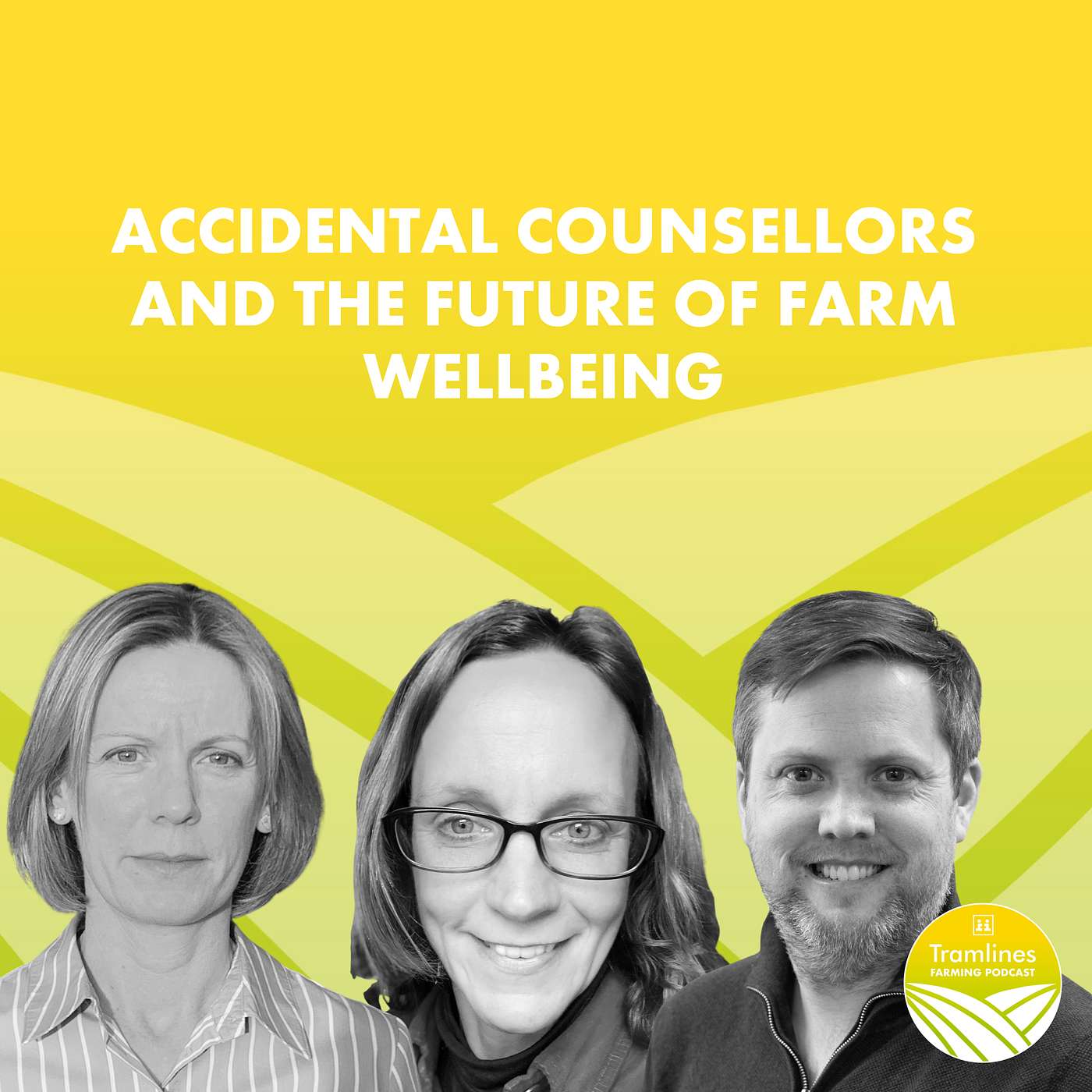
    Accidental Counsellors and the Future of Farm Wellbeing

    Today we explore the Agri Wellbeing Alliance, launched at LAMMA in January to strengthen mental health and wellbeing across agriculture. A recent study led by Professor David Rose at Harper Adams University for the alliance highlights the urgent need to widen the safety net of support for farming communities, including better help for those who find themselves acting as accidental counsellors. Joining us today are Petra Martin from Agrii, Professor David Rose from Harper Adams University, and Sam Downey from Mates in Mind. Agrii can help future-proof your farm by growing a diverse range of crops together with comprehensive advice on environmental and sustainable business opportunities. For more information, visit www.agrii.co.uk/sustainability

  • S5 · E13
    Nov 18, 2025 · 30 min

    Autumn Update: Building Crop Resilience to Protect Yield

    Today we are asking how can we build better crop resilience and rooting in forward crops to overcome the changes in variety, susceptibility, and changing weather patterns. To help us with those key questions, we have Agrii's Tim Horton, technical Manager for combinable crops, and Jodie Littleford, technical Manager for combinable crop trials. Summary: Building Resilience: Strong root systems critical for nutrient and water uptake. Use of manganese seed treatments and micronutrients (manganese, zinc). Biostimulants like Inoculate (peptide-based elicitor) shown to boost crop health and yield. Management Tips: Monitor crops closely; attention to detail is vital. Early fungicide treatments for yellow rust; flexible, non-dogmatic programs. Combine chemistry with nutritional and biostimulant support. CPD points: Claim 1 BASIS and NRoSO point for listening. Email info@agrii.co.uk with your membership number, full name, postcode, date of birth and the podcast title.

  • S5 · E12
    Oct 28, 2025 · 20 min

    Beyond the Bottom Line: Strategies for Resilient Farming

    Today we’re talking about the challenges facing farm businesses after two very difficult years of crop establishment and a dry summer that has left many under significant financial pressure. That’s the picture here in the UK, but globally we’re seeing record harvests - and it’s not just arable enterprises under strain. Livestock producers have been severely affected too. So, what can farmers do to navigate this period and build resilience? To explore that question, we're joined by Lucy Braithwaite-Exley Scotland Origination Manager with Bunge, and Paul Pickford, Farm Business Consultant. This episode covers: Create a Clear Financial Plan Build a realistic budget and gross margin analysis to guide decisions and secure financial support. This helps manage cash flow and ensures you're prepared for seasonal input costs. Engage Early with Local Buyers and Merchants Identify local market demand to reduce haulage costs and improve profitability. Regularly speak with merchants and traders to align crop choices with buyer needs. Diversify Marketing Strategies Use tools like grain pools to manage price volatility and ensure movement and payment for a portion of your crop. This reduces risk and improves financial predictability. Adapt Cropping Based on Market Signals Monitor shifts in demand (e.g. reduced distilling sector needs in Scotland) and adjust crop rotations accordingly - consider alternatives like oats, rye, or oilseed rape where viable. Leverage Sustainable Practices for Financial Gain Implement strategies like reduced tillage, cover cropping, and efficient nutrition to unlock environmental and financial benefits. Explore pilot projects and sustainability schemes that offer rewards. *Please note: This podcast was recorded on 13th October 2025, and market prices may have changed since then.

  • S5 · E11
    Oct 7, 2025 · 20 min

    Feeding the Roots: Phosphorus for Profitable Crops

    In this episode, we discuss phosphorus as a key nutrient across a range of crops, from cereals and potatoes to vegetables, and review recent research and its impact on financial margins. We’ll also cover how farmers and growers can get involved and learn more. Joining us are Agrii’s Tom Land, Fertiliser Technical Manager, and Don Pendergrast, Technical Manager for Specialty Crops. Episode overview: Phosphorus is vital for crop establishment and root development: It supports energy transfer, growth, and fertility in cereals, potatoes, and vegetables. Declining phosphorus levels in grain analysis suggest a need to reassess application strategies. Precision application is key for specialty crops like potatoes: Targeting phosphorus placement near the root zone improves uptake and tuber development. Technologies like microgranules, liquid formulations, and coated fertilizers are being trialled. New R&D focuses on improving phosphorus efficiency: Agrii is testing products like Release in both field and glasshouse trials to enhance root mass and nutrient uptake, especially in soils with challenging pH levels. Return on investment matters more than maximum yield: Trials show that medium-input strategies often outperform high-input ones in profitability. Early investment in nutrition - especially at seedbed stage - is crucial for root crops. Farmers can stay informed via grain testing and Agrii events: Grain tests (approx. £45) offer valuable feedback on nutrient uptake. Agrii’s website, social media, and events like the Potato Partnership provide ongoing insights and trial results. Book your spot at The Potato Partnership event and learn about this season's trials results at your nearest location. Visit thepotatopartnership.co.uk/events

  • S5 · E10
    Sep 16, 2025 · 20 min

    TELUS x Agrii: The Digital Backbone of Modern Farming

    Today we ask, can a farmer have too much data? As on-farm challenges grow, how can data become vital to farm businesses and what new tools are available? To help us explore these questions, we are joined by Ben Hatton from TELUS, and Sam Fordham from RHIZA Digital. Data Overload or Opportunity? The episode explores whether farmers can have too much data and how to make it meaningful for decision-making. TELUS Partnership for Smarter Farming Agrii and TELUS are working together to deliver cloud-based crop management tools that streamline data sharing and reduce manual entry. Evolving Data Demands Farmers face growing pressure to provide detailed crop data for traceability, carbon footprint, and biodiversity - especially in broadacre crops. AI, Drones & Automation Emerging technologies like Skippy Scout drones and AI are enabling real-time data collection and smarter farm operations. Top Tips for Growers Experts advise mapping out what “good” looks like for your farm, then using data and tech to support that vision - starting with simple conversations and trusted tools. Find out more at telus.com/CropManagement or email farmplansales@telusagcg.com to discuss your farm’s needs. Tony Smith is the host of Tramlines. Based in the South West and from a farming background, he graduated with a B.Sc (Hons) in Agriculture. He spent many years working in the farming industry before moving into a career as a presenter. Tony has hosted Tramlines for the past five seasons.

  • S5 · E9
    Aug 26, 2025 · 20 min

    Future-Proofing Forage Against Weather Extremes

    This episode focuses on the challenges farmers are facing with forage this year. After a wet winter and a dry summer, concerns are growing around forage shortages for livestock. We are joined by Ben Lowe, Agrii’s National Forage Product Manager, and Amy Hardwick, Sustainability and Environmental Services Manager, to discuss the current situation, the pressures on arable and livestock systems, and the practical steps farmers can take now to protect forage supplies and build longer-term resilience. After a wet winter and dry summer, forage shortages are a real concern for livestock farmers. Arable yields are mixed and shifting subsidy schemes add financial pressure. New grass reseeds and diverse mixtures, including clovers, help crops cope with drought. Forage rye and Italian ryegrass are strong options to fill the gap after maize harvest. Farmers are urged to take action now, not wait and hope conditions improve. Download our up-to-date Agrii Maize Brochure agrii.co.uk/our-services/tools-resources/documents/ packed with agronomy insight, variety info and tailored recommendations Tony Smith is the host of Tramlines. Based in the South West and from a farming background, he graduated with a B.Sc (Hons) in Agriculture. He spent many years working in the farming industry before moving into a career as a presenter. Tony has hosted Tramlines for the past five seasons.

Showing 1–20 of 20 episodes