Skip to content
Artwork for TOI Health Plus

TOI Health Plus

Times Of India

A deep dive into everyday wellness

These curated podcasts offer in-depth conversations with senior doctors, nutritionists, health coaches and domain experts on a variety of topics ranging from toxic lifestyle habits, skewed sleep cycles, midlife maladies and vitamin deficiency to burnout, gut health, mental health dilemmas, mindful practices and many more.

We also have celebrity guests sharing their health stories, tips and tricks that keep them at the top of their game. Be sure to get answers to all the frequently asked questions.

Tune in for some riveting revelations and home truths.

Play
  • 15 episodes
  • weekly
  • Avg 31 min
  • English
  • Wednesday · 36 min

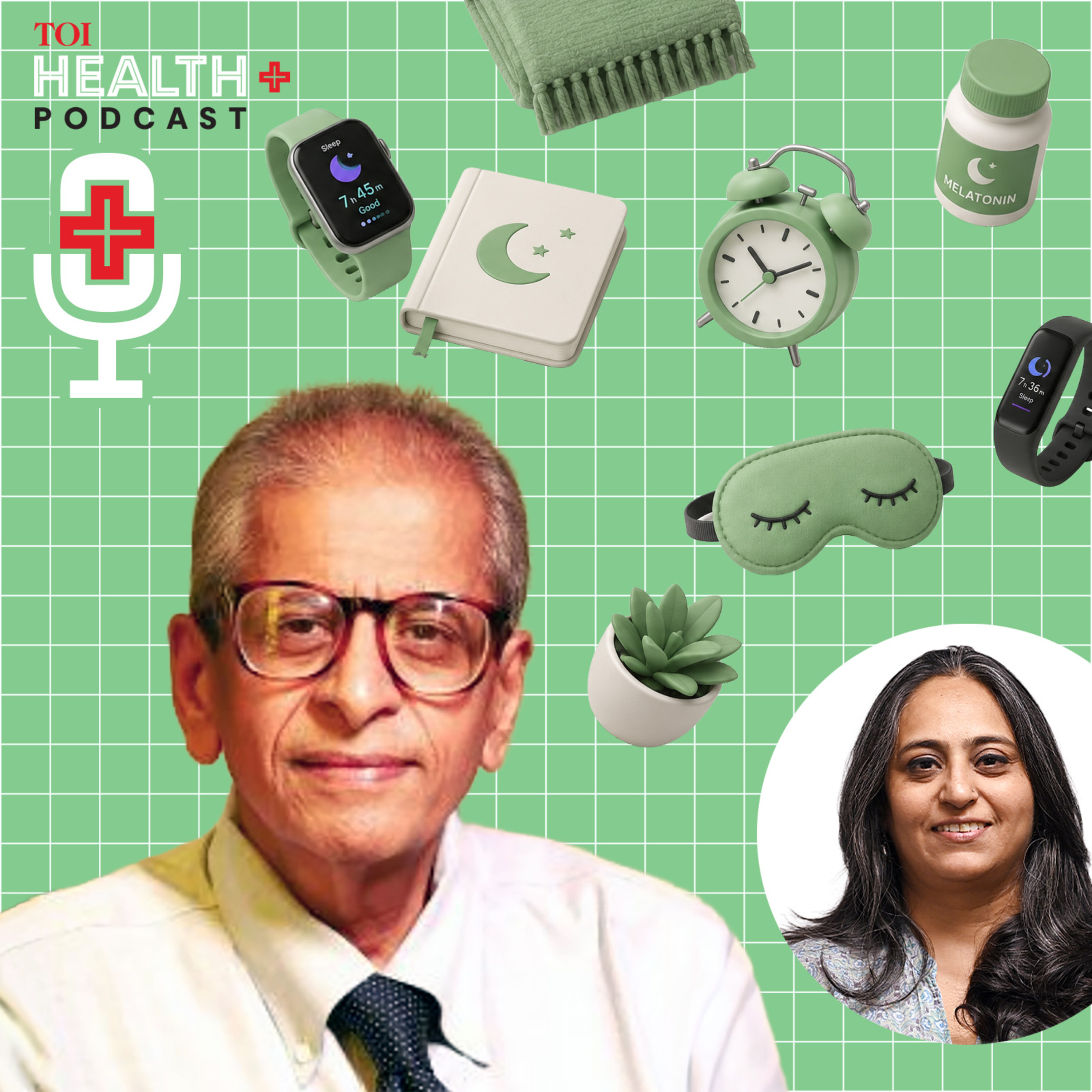
    Unmasking The Secrets to a Good Night’s Sleep

    Does your body get used to lack of sleep? Can napping fill in for night-time shut-eye? If you think these are true, then this podcast is for you. For, sleeping is something we all do but know so very little about. In this episode, host Himanshi Dhawan, a Senior Editor with TOI, sits in with Dr Sanjay Manchanda, a pioneering sleep specialist who established Delhi’s first sleep clinic at Sir Ganga Ram Hospital in the 1990s. With over three decades of experience and 27,000 sleep studies conducted, Dr Manchanda dispels the common misconception that sleep is merely a passive state. Instead, he explains its vital evolutionary role in memory consolidation, tissue repair, and neuronal rejuvenation. The conversation walks us through the vast landscape of sleep medicine — which encompasses nearly 80 distinct conditions — highlighting major disorders such as insomnia, sleep apnea, narcolepsy, and restless leg syndrome. Dr Manchanda shares fascinating case studies, illustrating how multiple sleep disorders can coexist and heavily impact physical safety, emotional stability, and long-term heart health. Listeners will also learn the truth behind viral health trends. Dr Manchanda challenges the efficacy of over-the-counter melatonin and magnesium supplements, warns against the accuracy of commercial wearable trackers, and explains how the ‘blue light’ from digital devices disrupts the brain’s natural sleep rhythms. Finally, the episode concludes with practical sleep hygiene advice, from fixing wake-up times to proper evening wind-down routines. Don’t miss the nutrition power tip of the week by nutritionist Pooja Makhija (https://www.nourishgenie.com/) Chapters: 00:38 - The Evolutionary Importance of Sleep 01:42 - The 80+ Types of Sleep Disorders 02:43 - Debunking 'Insomnia' vs. 'Dysomnia' 03:34 - The Four Pillars of Dysomnia & Sleep Studies 04:43 - Sleep Apnea and Cardiovascular Risks 05:48 - Restless Leg Syndrome: The Sleep Thief 06:52 - Unpacking Narcolepsy & Cataplexy 08:28 - Parasomnias: Violent and Complex Sleep Behaviors 09:48 - The Daily Physical Toll of Disrupted Sleep 11:19 - Cognitive Impact, Irritability, and the Role of REM 13:20 - The Tripod Stand of Perfect Sleep 14:53 - The Modern 24-Hour Cycle and Shift Work Fatigue 16:41 - Dangers of Microsleeps & The Myth of the Nightcap 18:54 - The Truth About Melatonin and Over-the-Counter Supplements 20:31 - The Trend of Magnesium and Gadget Over-Reliance 22:01 - The Reality of Wearable Sleep Trackers 23:40 - The 20-Year Swiss Watch Dealer Problem 29:21 - Unconscious Night Eating (30:12-32:59) Sleepwalking Crime and Legal Precedents (32:59-34:14) Blue Light and Digital Fatigue 36:03 - Masterclass in Sleep Hygiene
  • September 9 · 31 min

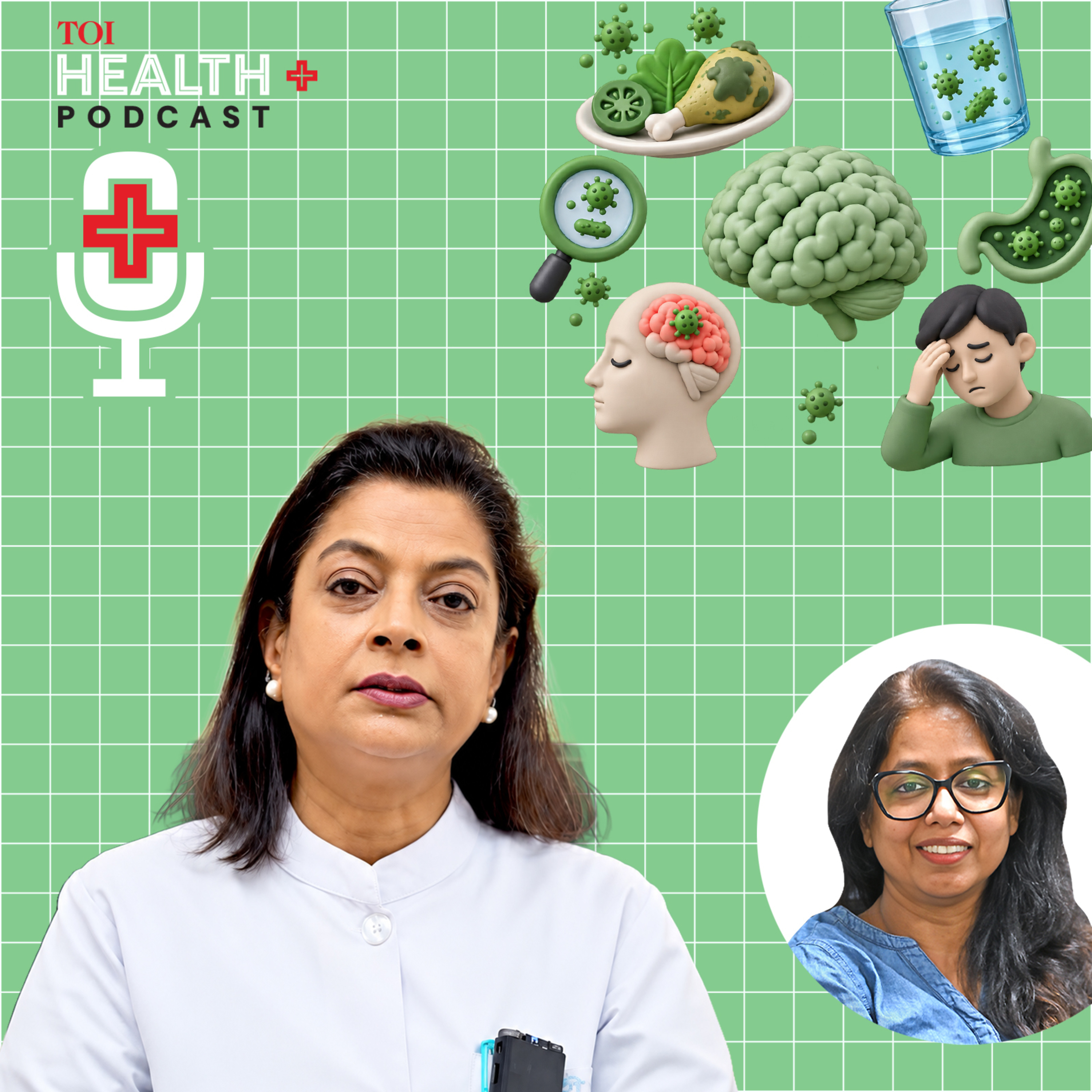
    How contaminated food and water can harm your brain

    When we think of unsafe food or water, we usually expect stomach infections, vomiting, or diarrhea. But can what we eat or drink directly impact our brain and nervous system? In this episode, host Anuja Jaiswal, a senior assistant editor with TOI, speaks with Dr Manjari Tripathi, professor and head of neurology at AIIMS, Delhi, to explore the surprising and serious ways unsafe food, water, and environmental hazards can trigger severe neurological conditions. One such infection is neurocysticercosis, which can occur when food contaminated with tapeworm eggs is consumed. The infection can cause seizures, headaches, brain swelling, vision problems and, in severe cases, cognitive decline. Dr Tripathi stresses the importance of thoroughly washing raw vegetables under running water and avoiding uncooked food from unhygienic sources. Stagnant water poses another set of risks, particularly during the monsoon. Water contaminated with rat urine can cause leptospirosis, which can lead to encephalopathy and seizures. Stagnant water also allows mosquitoes to breed, increasing the risk of dengue and Japanese encephalitis, both of which can affect the brain. Dr Tripathi says Japanese encephalitis can leave children with lasting neurological problems, including movement disorders and cognitive impairment. She also discusses rare but potentially fatal amoebic infections that can enter the brain through the nose after exposure to contaminated stagnant water. Severe headache, fever and vomiting, particularly when accompanied by seizures or altered consciousness, should not be ignored and warrant prompt medical evaluation. The episode also focuses on prevention. Keeping surroundings free of stagnant water, using mosquito nets and repellents, wearing protective clothing, ensuring safe drinking water and thoroughly washing or cooking food can reduce the risk. During dengue season, Dr Tripathi advises avoiding ibuprofen and using paracetamol for fever. She also stresses on preventive neurology, including precautions to prevent falls and head injuries among older people during the monsoon. And last but not the least, do listen to the nutrition power tip of the week by nutritionist Pooja Makhija (https://www.nourishgenie.com/) Chapters: 00:01 – Can food and water affect the brain? 01:28 – How contaminated food can reach the brain 03:59 – Neurocysticercosis: When a parasite gets to the brain 05:36 – Raw meat, food hygiene and prevention 06:51 – Is boiled water safe? 09:07 – Juices, ice and the hidden risks of eating outside 10:17 – Stagnant water: A threat to the brain 12:17 – Mosquitoes, dengue and brain complications 14:14 – Japanese encephalitis: How stagnant water plays a role 16:50 – Vaccines and preventing mosquito-borne infections 18:36 – Deadly amoeba infections from stagnant water 20:39 – Warning signs: When fever and headache need urgent care 23:14 – Long-term effects of brain infections 25:38 – Monsoon brain health: Prevention is key

  • September 2 · 31 min

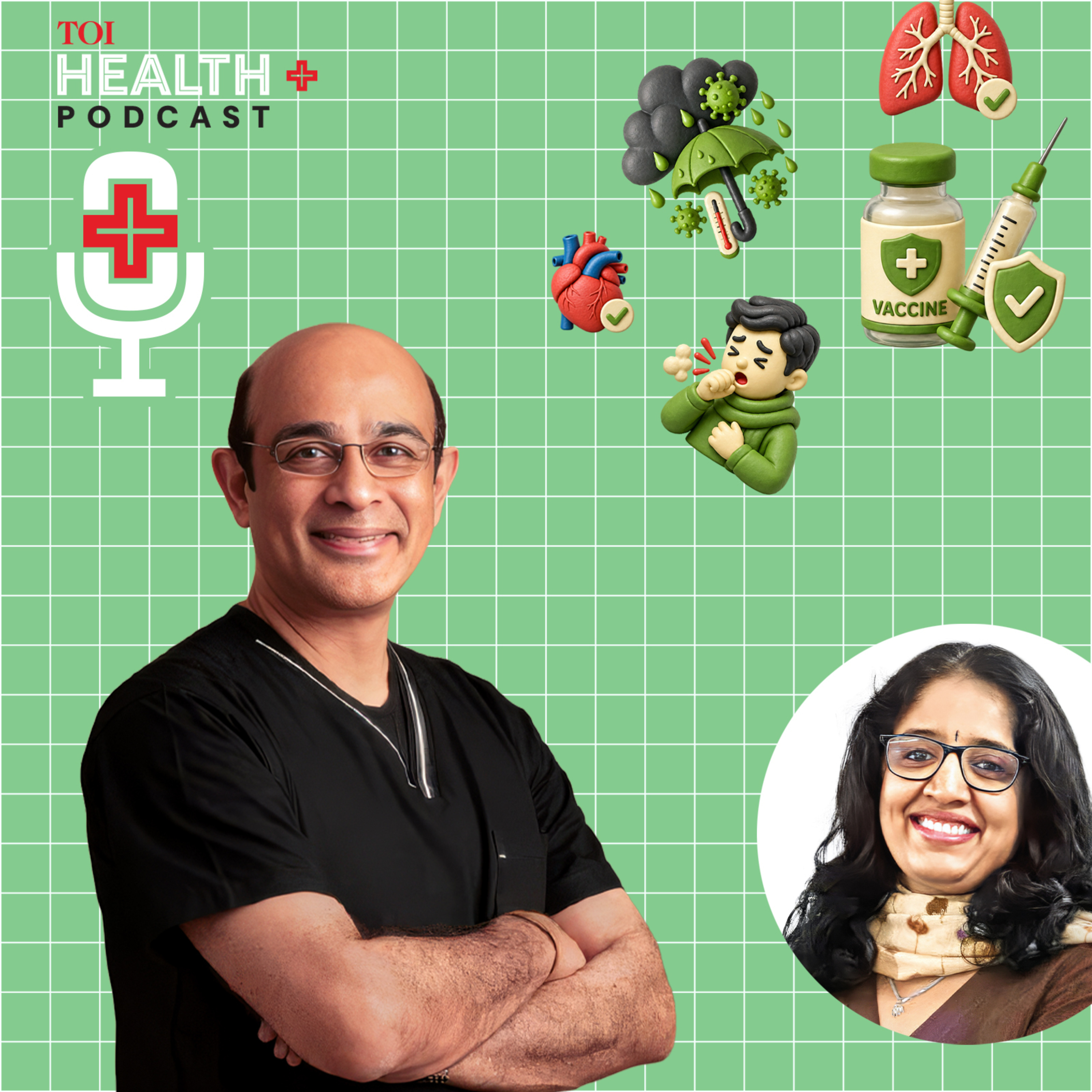
    Understanding Monsoon Flu Surges, Vaccines, and Lingering Coughs in India

    Flu season in India doesn't follow the calendar the way it does in the West — cases are spiking right now in Delhi, Bengaluru and beyond, even as Tamil Nadu's H1N1 wave was reported to have peaked between March and August. In this episode, host Pushpa Narayan, senior editor (health) with TOI, speaks with Dr V Ramasubramaniam, infectious diseases expert with Apollo Hospitals, about why India sees flu round the year and how to tell it apart from other respiratory illnesses. Dr Ramasubramaniam explains why monsoon timing — not winter — drives flu surges across different Indian states, breaks down the difference between H1N1, H3N2 and other strains, and describes why a "simple flu" cough can linger for six to eight weeks after the fever is gone. He also flags who is most at risk of severe complications — children under five, adults over 65, pregnant women and those with diabetes, heart, lung, kidney or liver disease — and why the flu vaccine, though underused by Indian adults, remains one of the safest and most effective ways to prevent serious illness. The conversation also covers the confusing world of flu testing — why bills for the same test can range from ₹1,000 to ₹30,000 — the truth about antibiotic overuse in viral infections, and why doctors recommend two doses of the flu vaccine a year for high-risk adults in India. Whether you've had a lingering cough, are wondering if you need a flu shot, or just want to separate fact from fear around vaccines, this episode brings clear, expert-backed answers from one of India's leading infectious disease specialists. And last but not the least, do listen to the nutrition power tip of the week by nutritionist Pooja Makhija (https://www.nourishgenie.com/) Chapters: 00:01 — Flu: More Than a Bad Cold 02:10 – Monsoon, not season, drives regional flu waves 02:38 – Decoding H1N1, H3N2 and the alphabet soup of strains 05:03 – Fever, body ache, cough: spotting flu early 06:05 – When "just a cold" turns into pneumonia 06:58 – The mystery cough that lasts six to eight weeks 09:03 – Children, elders, pregnant women: who's most at risk 10:01 – Vaccines work, but Indian adults still skip them 11:36 – Debunking the post-Covid vaccine fear 13:38 – Sore arm or serious risk? Sorting vaccine side effects 14:38 – Four shots every adult over 50 should get 17:22 – Arm, not the buttock: getting the shot right 18:22 – No national flu-shot date: timing it to your monsoon 20:31 – Trivalent or quadrivalent: choosing your flu shot 21:37 – Why high-risk adults need two flu shots a year 22:32 – Masks, hand rubs and the travel-and-weddings risk 23:13 – Inside the hospital: how doctors triage flu cases 26:01 – Why one flu test costs ₹1,000 and another ₹30,000 27:33 – The real reason doctors want to know your exact virus 29:03 – India's antibiotic overuse problem, explained

  • August 26 · 32 min

    Pop or Pass? The Real Truth About Your Daily Supplements

    Vitamins and mineral supplements have become a routine part of many people’s lives. From vitamin D and B12 to iron, calcium, magnesium and multivitamins, it can be difficult to know what we actually need — and what we may simply be taking because everyone else is. In this episode, host Jahnavi, a senior digital content creator with TOI, speaks to two experts from Bengaluru — nutritionist Prachi Chandra from Sakra World Hospital and gastroenterologist Dr Sreedhara V from Apollo Hospitals — to explore whether healthy adults really need daily vitamin and mineral supplements, who may genuinely benefit from them, and whether taking too many can do more harm than good. Together, they discuss how our diet, lifestyle, age and health conditions influence nutritional requirements. They also look at common deficiencies, when supplementation may be necessary, whether tests are needed before starting supplements, and the risks of self-prescribing or combining multiple products. From multivitamins and vitamin D to iron and B12, this episode separates genuine nutritional needs from wellness trends — and answers a simple question: Do you really need that handful of supplements every day? And last but not the least, do listen to the nutrition power tip of the week by nutritionist Pooja Makhija (https://www.nourishgenie.com/) Chapters 00:00 - Are We Really Deficient? 02:50 - Can Food Give You All the Nutrients You Need? 07:15 - Who Actually Needs Supplements? 10:35 - Don’t Let Instagram Prescribe Your Vitamins 14:15 - Food First: Can Diet Correct Deficiencies? 19:06 - Can You Take Too Many Vitamins? 21:17 - When Supplements Clash 23:21 - Gummies, Wellness Shots & Green Powders: Do They Work? 25:53 - How to Choose a Supplement 27:41 - Build a Better Plate 30:35 - The Takeaway: Supplement, Don’t Replace

  • August 19 · 27 min

    Sarcopenia in India: Why Muscle Loss Isn't Just an Old-Age Problem Anymore

    Muscle loss, or sarcopenia, was once considered a condition affecting only the elderly — but new research shows it's now showing up in adults as young as their 30s and 40s. In this episode, host Kamini Mathai, coordinating editor with TOI, speaks with Dr Nitin Kapoor, Professor and Head of the Department of Endocrinology, Diabetes and Metabolism at Christian Medical College and Hospital Vellore, about why sarcopenia is on the rise in India and what can be done about it. Dr Kapoor shares findings from a decade-long Kerala cohort study showing sarcopenia prevalence jumping from 4% to nearly 35% in younger adults, explains the surprising link between diabetes, insulin resistance and muscle breakdown, and discusses how weight-loss drugs like GLP-1s can accelerate muscle loss. The conversation covers practical, at-home ways to assess your muscle health (calf circumference, grip strength, walk speed), the three pillars of sarcopenia prevention (nutrition, exercise, and calcium/vitamin D), and why 10,000 steps a day isn't enough to protect your muscles as you age. Whether you're managing diabetes, considering weight-loss medication, or simply want to age with strength and independence, this episode offers science-backed, actionable guidance from one of India's leading experts in metabolic health. Before you tune out, do listen to the nutrition power tip of the week by nutritionist Pooja Makhija (https://www.nourishgenie.com/) Chapters: 01:20 – What Is Sarcopenia? Defining Muscle Weakness, Mass & Function 02:23 – The Kerala Cohort Study: Sarcopenia Jumps from 4% to 35% 04:35 – Is Sarcopenia Rising Globally or Just in India? 05:02 – The Diabetes–Muscle Loss Connection Explained 07:57 – GLP-1 & Anti-Obesity Drugs: The Hidden Muscle Loss Risk 09:36 – Why Women Lose More Muscle Than Men on These Drugs 11:02 – The 3 Pillars of Sarcopenia Prevention 14:31 – Managing Lactose Intolerance & Calcium Supplementation 15:56 – Secondary Causes of Sarcopenia & Emerging Medications 16:23 – Dr. Kapoor's Personal Routine: Swimming for Muscle Health 17:47 – "But I Walk 10,000 Steps a Day!" — Why Aerobic Isn't Enough 20:34 – How Much Muscle Do We Lose Per Decade? 21:34 – Starting Strength Training Safely in Your 50s & 60s 23:19 – At-Home Tests: Grip Strength, Body Composition, Walk Speed 25:35 – Closing Thoughts: "A Stitch in Time Saves Nine"

  • August 12 · 35 min

    Drowning in the Shutter: Why Over-Photographing is Robbing Our Memories

    Photographs are memories but clicking too many can impair the very experience they are trying to preserve. In this episode, Anuradha Vellat, Assistant Editor with TOI, speaks to two experts — cognitive scientist and IIT professor Jaison Manjaly, and clinical psychologist Nupur Dhakephalkar — about what scientists call the 'photo-taking impairment effect', a phenomenon where we are distracted from the experience of that perfect sunset because we are trying to capture its essence on our cameras and phones. Manjaly explains how memory is inseparable from attention. Zooming in, staying curious about a subject, and revisiting images later all strengthen recall, while mindless, rapid-fire clicking, now enabled by smartphones, floods our galleries with photos we never really encoded in the first place. Dhakephalkar unpacks how social media compounds this, turning presence into performance. We start photographing not to remember an experience, but to be seen, chasing likes and 'aura' over lived, felt experience. Her fix is simple — an 80-20 ratio, eyes first, lens second, favouring fewer, more deliberate and intentional photographs of what is meaningful to us, rather than merely what looks beautiful. Before you put your phone down, tune in to hear why the most photographed moments are often the ones we remember the least. And before you tune out, do check out the nutrition power tip by nutritionist Sangeetha Aiyer (https://www.rewriteyourstory.in/) in the end. Chapters 00:00 - Photos That Steal The Sunset 01:37 - How The Brain Decides What's Worth Remembering 03:11 - Photo-Taking Impairment Effect, Explained 04:14 - Sight Over Sound: Why Visual Memory Gets Priority 06:22 - Smartphones Didn't Invent This, They Amplified It 09:52 - Is Outsourcing Memory Actually Irrational? 11:12 - Clicking to Remember Recipes — So Why Do We Still Forget? 13:45 - Volume Vs Retrieval: Why Bigger Camera Rolls Mean Fewer Memories 16:08 - When Forgetting Signals Something More Than Photos 17:15 - Videos And The Concert You Never Quite Experienced 20:06 - Zoom-In Effect: Attention As The Key to Memory 28:17 - FOMO, Aura Farming & Turning Experience Into Performance 29:47 - Eyes First, Lens Second: 80:20 Rule For Mindful Memory 31:52 - Photos As Storytelling: Final Takeaways

  • August 5 · 24 min

    Heart of the Matter: Why CT Scans Are Not For Everybody

    Heart disease is no longer a condition associated only with older adults. Across India, cardiologists are seeing an increasing number of younger patients with heart attacks, raising important questions about early detection, prevention and the latest advances in diagnosis and treatment. In this episode, Anuja Jaiswal, a Senior Assistant Editor with TOI, speaks with Dr Ambuj Roy, professor of cardiology at AIIMS, New Delhi, about how heart care has evolved over the past two decades, and what patients need to know in order to protect themselves. Dr Roy explains the difference between a calcium score and a CT coronary angiography, when a heart CT scan is actually needed, and why routine CT screening for everyone above 40 is not recommended despite the growing burden of heart disease. He discusses how doctors decide between ECG, echocardiography, CT angiography and cardiac MRI, depending on the patient’s symptoms and clinical suspicion. The conversation also explores why heart attacks are becoming more common among young Indians, highlighting the role of unhealthy diets, physical inactivity, tobacco use, uncontrolled diabetes, hypertension, high cholesterol, stress and air pollution. Dr Roy explains how managing these risk factors can substantially reduce the risk of heart disease. The episode examines the growing role of artificial intelligence in interpreting ECGs, echocardiograms and CT scans, and whether AI can improve access to quality cardiac diagnosis in resource-constrained settings. It also addresses one of the biggest debates in cardiology: are stents being overused? Dr Roy explains when stents are lifesaving, when medicines may be enough, and why patients with stable heart disease should make informed decisions. The episode concludes with practical advice on recognising heart attack symptoms, immediate first aid, understanding blood pressure, sugar and cholesterol targets, and adopting healthier lifestyles to reduce cardiovascular risk. Last but not the least, there’s a nutrition tip by nutritionist Sangeetha Aiyer (https://www.rewriteyourstory.in/). Do Listen! Chapters: 00:00 – Introduction: Why heart disease is rising in young Indians 01:03 – What is a Heart CT Scan? Calcium Score vs CT Angiography 03:05 – ECG, Echo, CT Scan or MRI: Which Heart Test Do You Need? 05:34 – Should Everyone Above 40 Get a Heart CT Scan? 09:24 – Why Are More Young Indians Suffering Heart Attacks? 11:19 – Major Heart Attack Risk Factors You Should Never Ignore 12:32 – How Artificial Intelligence Is Transforming Heart Diagnosis 14:38 – Are Stents Overused? When They Save Lives and When They Don't 18:24 – Can Patients Tell If They Really Need a Stent? 19:11 – Three Essential Tips to Keep Your Heart Healthy 21:06 – First Aid During a Heart Attack: What Should You Do? 22:05 – Why an ECG in the First Hour Can Save Your Heart 23:20 – Final Takeaways from Dr Ambuj Roy

  • July 29 · 47 min

    The Myth of Grazing: Why Constant Snacking is Wrecking Our Metabolism

    Don’t frequent small bites actually boost your metabolism and keep steady energy levels? Well, that’s the myth that needs busting. In this episode, host Srirupa Ray, Assistant Editor with TOI, sits down with Delhi-based clinical nutritionist, biohacking coach, and nutrigenomics researcher Tanya Malik Chawla to understand how our modern grazing habits are driving a quiet crisis of overfed but malnourished individuals, contributing heavily to India’s diabetes burden. Unlike cows or goats, humans are not built to graze continuously. Chawla uses the analogy of a lion — an animal meant to eat a substantial, nutrient-dense meal and then give its system prolonged rest. Instead, modern culture, supercharged by instant quick-commerce apps, has turned eating into a continuous emotional response to stress, boredom, and celebration. Every time we reach for a quick bite, we trigger a glucose spike and a subsequent hit of dopamine. This instant, unearned reward makes sugar as addictive as any drug. Over time, the brain becomes insensitive to these spikes, trapping us in a vicious cycle of chasing the next dopamine hit. A staggering trend Chawla notes in her functional medicine practice is that people struggling with weight gain are often severely malnourished. While calorie intake is high, blood markers consistently show critical deficiencies, such as chronically low vitamin D, tanked ferritin levels, and a severe lack of protein. Referencing the landmark ICMR-Lancet study, Chawla highlights that the modern Indian diet is overwhelmingly glucose-heavy. Nibbling on traditional or packaged snacks — from namkeens and biscuits to upma and poha — floods the bloodstream with carbohydrates while offering virtually no amino acids or micronutrients. When we constantly snack on carbs, the pancreas continuously pumps out insulin to ferry glucose to our cells. When the cells have no energetic demand, they eventually block the door, leading to insulin resistance. Furthermore, the liver can only store a limited amount of glycogen. The excess glucose is converted into triglycerides, ultimately resulting in Non-Alcoholic Fatty Liver Disease, even in individuals who do not drink alcohol or consider themselves overweight. Constant digestion is incredibly energy-expensive, leaving the body no time for cellular cleanup. Snacking late at night is particularly damaging because insulin acts as an antagonist to the human growth hormone. To counter this, Chawla advocates for functional time-restricted eating rather than extreme fasting. A strict three-hour gap between your last meal and sleep allows insulin to drop and growth hormones to surge, she says. Meals should ideally follow a balanced macro split of 30% protein, 30% healthy fats, and 40% complex carbohydrates. By shifting away from the mindless munchies and giving the gut a dedicated break, we allow the body to activate longevity pathways like autophagy, proving that true wellness isn’t about eating less, but nourishing right. Before tuning out, do check out the nutrition power tip by nutritionist Sangeetha Aiyer (https://www.rewriteyourstory.in/) in the end. Chapters 00:01 - Mindless Munchies & The Metabolism Myth 01:12 - The Biology of Comfort: Food as an Emotional Language 02:17 - The Grazing Analogy: Why We Aren’t Goats or Cows 03:22 - Habit vs. Discipline: The Quick Commerce Trap 04:29 -The Paradox of the Modern Diet: Overfed but Malnourished 05:11 - Reading the Markers: Hidden Deficiencies in Weight Loss 06:40 - Today’s Indian Diet: The Glucose-Heavy Reality 08:55 - The Ancestral Shift: Physical Labour vs. Sedentary Snacking 10:26 - Designing the Ideal Plate: The 30-30-40 Macro Rule 14:36 - The Cellular View: Insulin Resistance & Fatty Liver Explained 19:36 - Hormones & Habits: The Antagonism of Insulin and Growth Hormone 23:58 - Curating the Kitchen: Re-defining ‘Good’ vs. ‘Bad’ Snacks 27:05 - Epigenetics & Longevity: The Perimenopause Case Study

  • July 22 · 40 min

    Brain Rot or Just Digital Overload? How To Tackle Screen Addiction In Kids

    Is your child spending too much time on screens? Does endless scrolling, binge-watching and short-form content really affect children’s brains, or is the viral term ‘brain rot’ more hype than science? In this episode, host Kritika Sharma, an Assistant Editor with The Times of India, explores one of the biggest parenting concerns of the digital age with developmental therapist and play practitioner Lavina Nanda, who heads the developmental centre at Children First, a mental health institute in Delhi. Joining the conversation are two parents with different experiences — lawyer and reading advocate Richa Pandey, and architect Susmita — who share practical strategies that have helped their children develop a healthier relationship with screens. The discussion examines why screens are so addictive for children and adults alike, what ‘brain rot’ actually means from a psychological perspective, and whether excessive screen use affects attention span, emotional regulation, sleep and learning. The guests also explain why it is so essential for kids to get bored, because this way they spend some time just figuring out what to do next instead of just picking up the screen. They talk about why play is essential for healthy brain development, and how parents can cultivate a home environment that naturally encourages reading, creativity and curiosity instead of constant digital stimulation. The panel also addresses common parenting dilemmas: Should screens be banned altogether? Can educational content be beneficial? Why can children spend hours watching videos but struggle to focus in a classroom? And most important, how can families build healthier digital habits without turning every conversation into a battle over screen time? Packed with evidence-based insights, relatable parenting experiences and practical takeaways, this episode offers a balanced perspective on raising children in a technology-driven world. Whether you’re a parent, educator or caregiver, you’ll leave with simple, actionable ideas to help children build healthier relationships with technology while nurturing their emotional, cognitive and social development. Do check out the nutrition power tip by nutritionist Sangeetha Aiyer (https://www.rewriteyourstory.in/) in the end. Chapters: 00:19 Introduction: What is brain rot? 01:04 Why do kids get addicted to screens? 05:15 Can the Brain Recover from Excessive Screen Time? 05:51 Parents Join the Conversation 07:21 Are Parents Responsible for Screen Addiction? 09:27 Why Children Need to Be Bored 12:05 Can Reading Replace Scrolling? 13:07 Creating a Culture of Reading at Home 17:08 Play Is a Child's Occupation 19:16 Parenting a Six-Year-Old in the Digital Age 24:21 Why Can Kids Focus on Screens but Not School? 29:24 Screens Are Here to Stay — Now What? 32:45 One-Line Definition of Brain Rot 38:10 Final Takeaways

  • July 15 · 26 min

    Are your health apps helping you stay healthy — or making you anxious?

    From step counts and sleep scores to heart rate alerts and daily streaks, wearable devices and wellness apps have become part of everyday life. But when does healthy tracking become an unhealthy obsession? In this episode, host Jahnavi, a senior digital content creator with TOI, speaks with Dr Naveen Chandra GS, interventional cardiologist, and Neha Cadabam, mental health expert, both from Bengaluru, about the growing phenomenon of health app burnout. They explain why so many people become fixated on numbers, how wearables can trigger unnecessary anxiety, and where these devices genuinely improve healthcare. The conversation also explores the psychology behind streaks and dopamine, why smart watches can sometimes do more harm than good, and practical ways to use technology without letting it take over your well-being. Don’t tune out before listening to the nutrition power tip by nutritionist Sangeetha Aiyer (https://www.rewriteyourstory.in/). Chapters 00:00 – Introduction: Are Health Apps Making Us Healthier? 01:45 – Are We Tracking Too Much? 04:16 – The Psychology of Streaks, Guilt & Notifications 06:21 – When Wearables Trigger Health Anxiety 10:03 – Who Is Most Vulnerable to Overtracking? 11:49 – Why Wellness Apps Become Exhausting 16:04 – What Health Metrics Actually Matter? 21:02 – Finding a Healthy Balance with Technology 23:12 – Rapid Fire: Health Tech Myths & Habits 25:19 – Closing Thoughts & Takeaways

  • July 8 · 34 min

    Sunshine paradox: Unpacking Vitamin D Deficiency In Sunny India

    We have enough and more sunlight in India, then why do we lack in the one vitamin that sunlight provides — vitamin D? Is it because of our modern indoor lifestyle, or the rising pollution levels? In this episode, host Anuja Jaiswal, a Senior Assistant Editor with TOI, has a candid chat with Dr Ravinder Goswami, AIIMS professor and a Shanti Swarup Bhatnagar Prize-winning endocrinologist. Together, they unpack the ‘sunshine vitamin’ paradox: why vitamin D deficiency remains widespread in sunny India. Dr Goswami breaks down the vital, interconnected roles that vitamin D and calcium play in maintaining a healthy skeletal system and supporting functional biology. The conversation highlights the mechanism behind natural UVB absorption through the skin, the limitations of food fortification, and why common modern lifestyles — like working long hours indoors behind glass windows — hinder natural vitamin D production. Listeners will also gain crucial, practical insights into safe supplementation practices, navigating seasonal variations, and managing deficiency risks associated with aging, obesity, and specific medications. Before you tune out, be sure to listen to the nutrition power tip by nutritionist Sangeetha Aiyer (https://www.rewriteyourstory.in/). Chapters 01:01 - Skeletal and Functional Role of Vitamin D 01:51 - Natural Synthesis of Cholecalciferol in Skin 02:48 - Sunshine Requirements: UVB Rays and the Optimal Time of Day 03:37 - Sun Exposure Myths vs. Realities (The Surya Namaskar Distinction) 04:17 - Why Window Glass Blocks Vitamin D Synthesis 04:48 - Nature’s Safety Valve Against Vitamin D Toxicity 05:15 - Impact of Winter Weather and Urban Pollution 06:19 The Limitations of Dietary Sources (Fish, Eggs, and Mushrooms) 08:15 - Food Fortification Strategies in India 10:03 - High-Risk Groups: Medical Conditions and Drug Interactions 13:57 - Lessons from History: The AIIMS Groundbreaking Studies (1998) 19:13 - Supplementation Schedules and the Danger of Injectables 26:13 - Understanding Biological Feedback Loop (PTH & Hypercalcemia)

    • Transcript
  • July 1 · 16 min

    Jonty Rhodes Shares Fitness Secrets & How He Lives Sweeter Without Sugar: Flying High at 56

    Jonty Rhodes’ eyes just light up when he sees a red cricket ball. You throw one at him, he catches it cleanly and then pretends to throw it back, startling the daylights out of you. This is Jonty that world’s top cricketers had come to fear in the 90s and early 2000s. He was lightening quick in the outfield, could pluck impossible catches out of thin air and hit the stumps from any angle. At the centre of the terror he created on the field was his incredible fitness – a facet of cricketing discipline not many players then appreciated. Those were the years of pot-bellied Ranatungas and lazy geniuses like Inzamam-ul-Haq. Fielding, and thus top-notch fitness, was not counted as a core requirement for a cricketer. Jonty changed that forever. At 56, now long retired from international cricket, Jonty is still incredibly fit. He now spends a lot of lot of time in India, mostly by the sea in a Goa fishing village. In this podcast, we ask him about his fitness secrets, why the Rhodes don't stock sugar in their kitchen, and why he prides himself in being the best sleeper in the family. Don’t forget to listen to the nutrition power tip in the end, by nutritionist Sangeetha Aiyer (https://www.rewriteyourstory.in/) Chapters 00:48 - My fitness is functional…it’s about mobility 02:10 - There is no sugar is our house 05:10 - Movement for my family is exercise 07:02 - Jonty’s three mantras to keep fit 09:00 - Your food is your medicine 12:00 - Some supplements are necessary 13:24 - Recovery is just as important as exercising 14:30 - I am not biohacking to live to be 150

  • June 24 · 37 min

    The Second Brain: Navigating Gut Health and Happiness

    Why do we get “butterflies in the stomach” when we’re nervous? We have all felt that at some point in our lives, right? It’s because our gut microbiome directly communicates with the mind. That’s why the gut is often called “the second brain”. In this episode, host Srirupa Ray, an Assistant Editor with TOI, dives deep into the fascinating world of the gut-brain axis. Joining the conversation is Dr Prateek Sharma, a leading gastroenterologist and professor at the University of Kansas, United States. Dr Sharma, also president of the American Society for Gastrointestinal Endoscopy, explains more about that “gut feeling” we all get, and how a healthy gut can keep both the body and mind on track. While acknowledging that 95% of the body’s serotonin (happy hormone) is associated with the gut, Dr Sharma clarifies right at the beginning that a healthy gut isn’t a silver bullet for happiness. Instead, mood and well-being are part of a complex “team effort” that relies heavily on sleep, stress management, and physical activity. Under the microscope, a truly healthy gut is defined by three pillars: diversity, stability, and resilience. The conversation also tackles modern dietary habits, from midnight cravings and the global “GLP-1 weight loss drug boom” to the widespread over-reliance on over-the-counter acidity pills and packaged probiotics. Dr Sharma dispels common social media myths regarding “gut detoxes”, emphasising that India’s rich tradition of fermented foods — like curd, idli, and kanji — offers far superior, natural benefits compared to processed supplements. Ultimately, the episode highlights that a sluggish gut cannot be fixed by diet alone. True digestive wellness requires looking “beyond the kitchen” to establish consistency and simplicity. To keep our second brain functioning at its best, Dr Sharma champions a return to foundational, non-food lifestyle rituals: honouring regular meal times, prioritising sleep, avoiding the traps of ultra-processed foods, and practicing the time-tested habit of taking a short, gentle walk after meals. Don’t forget to listen to the nutrition power tip in the end, by nutritionist Sangeetha Aiyer (https://www.rewriteyourstory.in/). Chapters 00:14 – Demystifying the "Gut Feeling" 01:05 – Physical Reactions to Stress 01:32 – Serotonin and the Gut-Happiness Link 01:52 – The Complexity of Mood and Happiness 03:35 – Anatomy of a Healthy Gut 05:51 – Do Microbes Control Our Food Cravings? 06:55 – Cravings as a Team Effort 08:24 – Beyond Clean Eating: Mindful Practices 09:40 – The Gut’s Love for Rhythm and Movement 11:22 – The Chicken-and-Egg Stress Dilemma 12:28 – Identifying Stress-Induced Symptoms 14:18 – The Global Issue of OTC Pill Abuse 16:16 – Dispel the Myth & Spot the Warning Signs 18:05 – Balancing Protein, Fiber, and Water 20:35 – The GLP-1 Weight Loss Boom

  • #2
    June 17 · 20 min

    Strike a Pose on World Yoga Day

    Anxious, agitated, angry? Does this describe your day? It doesn’t have to be that way. Yoga coach Pragya Singh speaks to Himanshi Dhawan, senior editor with The Times of India on how to move beyond Instagram-worthy poses towards meditation, pranayama, and stillness. Singh, who is a founding member at Lifeyoga, an immersive yoga centre in Delhi, shares how yoga is far more than a physical workout. Drawing from her journey from corporate life to a full-time yoga teacher, including working with trauma patients in Canada, Singh makes a compelling case for why modern, overstimulated minds desperately need yoga's deeper practices. She answers questions on how to develop a curious mind, be aware and present in the moment. Pragya also introduces her signature hammock sound bath sessions, where participants lie suspended in hammocks while being immersed in healing sounds and vibrations. The experience triggers a profound sense of safety and release, with most participants reporting simply feeling "light" afterwards. In a world where our attention is constantly fragmented, she argues that focused awareness is our most underused and precious resource. With India and the world celebrating World Yoga Day on June 21, it is time to take a deep breath and centre yourself. Don’t miss the nutrition power tip by nutritionist Sangeetha Aiyer (https://www.rewriteyourstory.in/) in the end. Chapters 00:41 Yoga, a journey in curiosity 3:17 How yoga can help to battle stress, anxiety 4:25 Intimidated by the discipline required for yoga? Here's how to start 6:11 How Indians are reclaiming yoga from the West 8:09 The doorways to yoga 10:26 What is sound healing? 11:36 What is a hammock sound bath? 13:31 What happens when you surrender to an experience like a hammock sound bath? 14:20 Advice to people who may want to experiment? 15:57 How to be present in your everyday life?

  • #1
    June 10 · 31 min

    The Monday Hangover: Decoding Social Jet Lag

    Feeling jetlagged on Mondays even though you haven’t flown across time zones? It’s called social jetlag, where you have to literally drag your sleepy self to work after a weekend of partying or OTT binge. It’s not just your mind refusing to wake up to the grind, it’s also your body telling you it’s not ready for the rigour yet. In this episode, host Srirupa Ray, an Assistant Editor with TOI, explores the science behind the “Monday blues” and the phenomenon of social jetlag — the shift in our internal body clock caused by late-night weekends and screen time. Joining the conversation are two experts: Dr Manvir Bhatia, a senior neurologist and sleep specialist from Delhi, and Rohini Rajeev, a senior psychotherapist from Bengaluru. Together, they delve deep into how digital habits, blue light exposure, and doom-scrolling suppress melatonin (sleep hormone) and trigger cortisol (stress hormone), disrupting our circadian rhythm. They outline the extensive toll this takes on health, connecting social jetlag to inflammation, metabolic stress, emotional instability, and cognitive decline. Finally, the experts share practical recovery strategies, emphasising the importance of a gradual transition, digital sunsets, and anchoring a consistent morning wake-up time to realign the body’s internal rhythm. Cherry on the cake? A nutrition power tip by nutritionist Sangeetha Aiyer (https://www.rewriteyourstory.in/). Chapters (00:00) - Introduction to Monday Blues (01:37) - What Exactly is Social Jet Lag? (02:40) - Rise of Connectivity & Doomscrolling (03:22) - Revenge Bedtime Procrastination (04:04) - Blue Light and Melatonin Suppression (04:55) Cognitive Bleeding: Why We Can’t Wind Down (05:41) - ‘Executive Sunday’ & Midpoint Sleep Shifts (07:55) - The Myth of ‘Catching Up’ on Sleep (09:08) - How Circadian Disruption Triggers Hyper-Arousal (10:48) - Orchestra of the Body: Light, Food, & Activity (14:48) - Mental Health Toll & The Impulsive Brain (17:25) - Crafting a ‘Digital Sunset’ & Cognitive Downloads (20:25) - Rewiring the Clock: Gradual Shifts & Sleep Diaries (28:26) - Final Pro-Tips: Anchor Your Wake-Up Time

Showing 1–15 of 15 episodes