The Story Underneath the Story
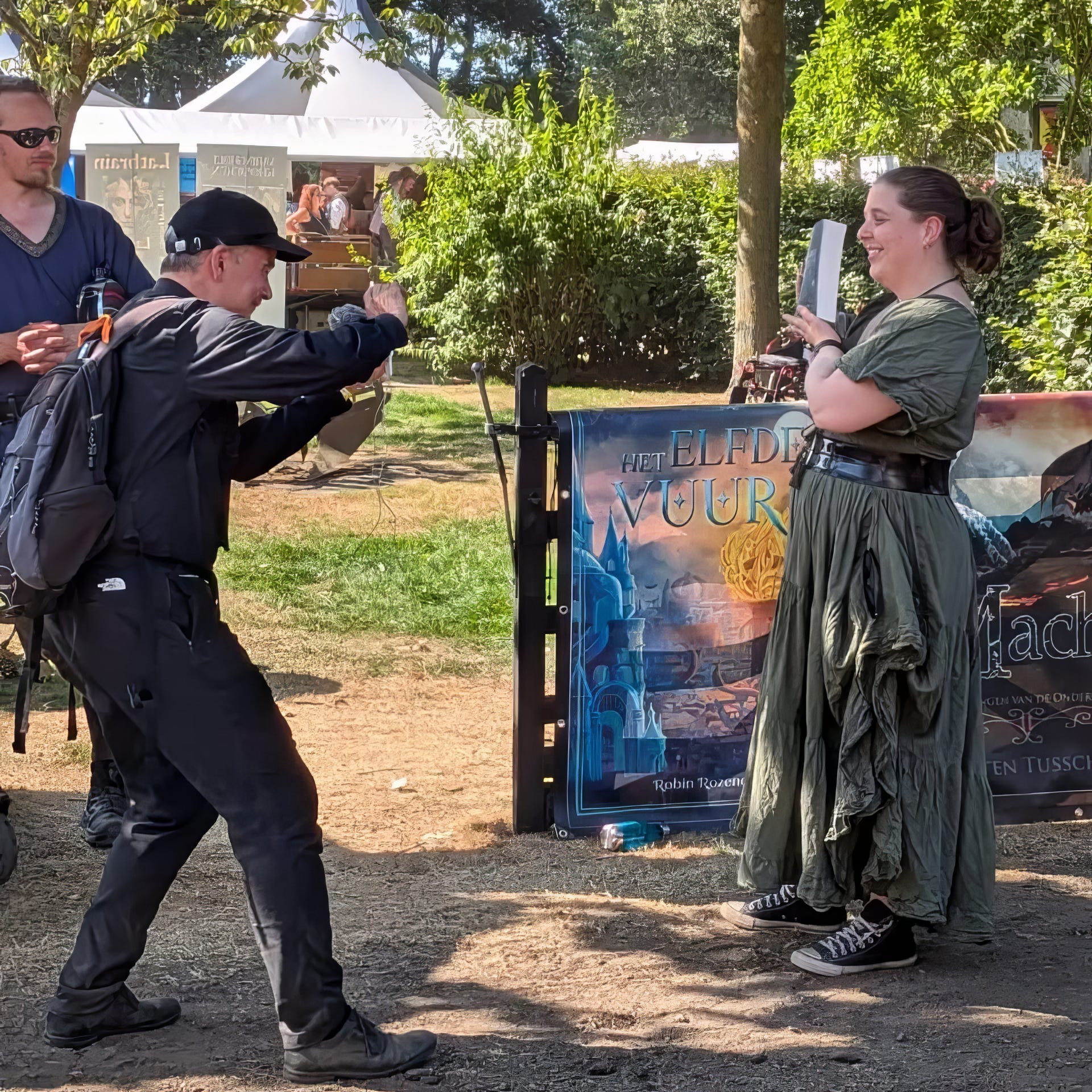
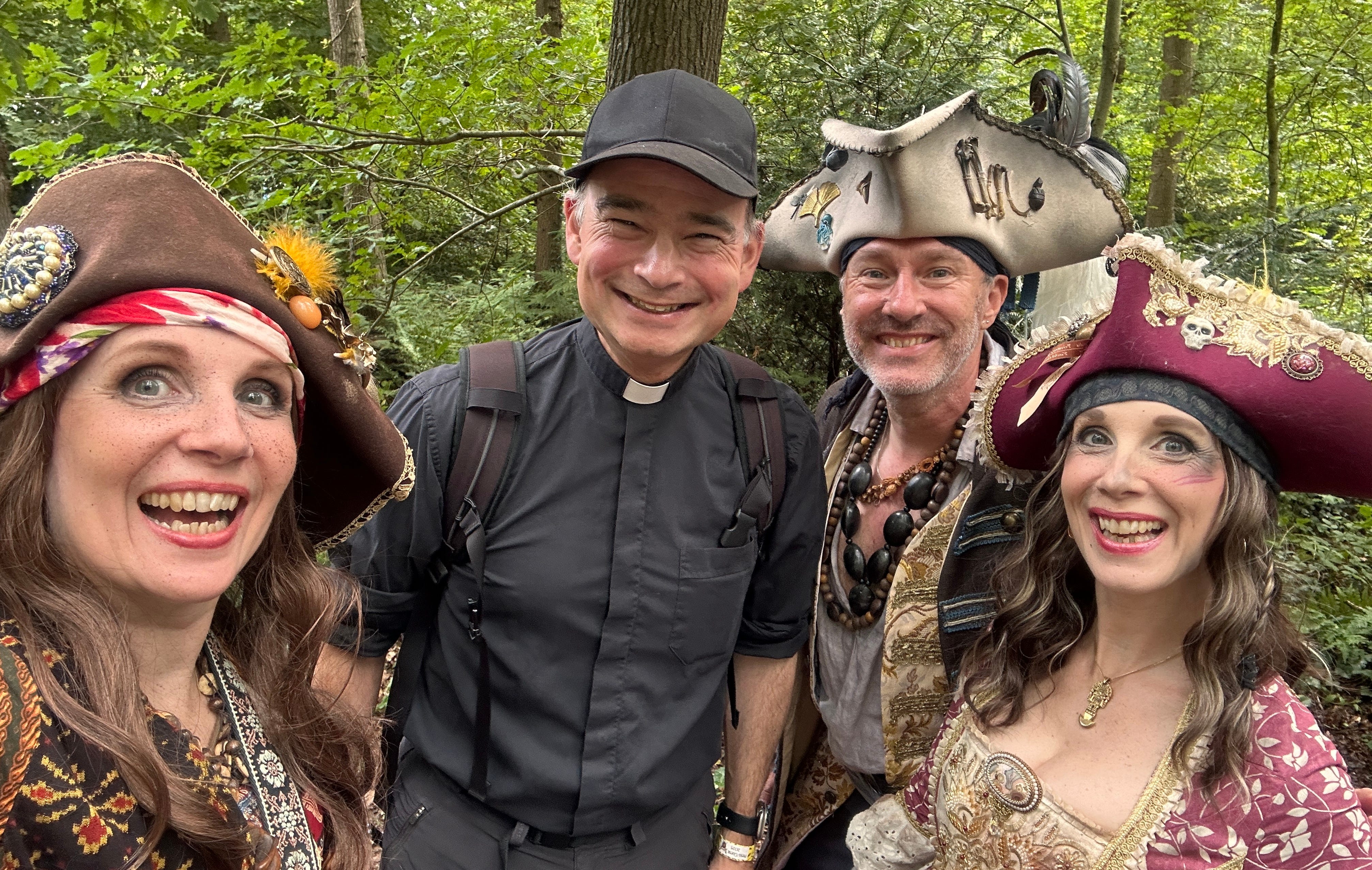
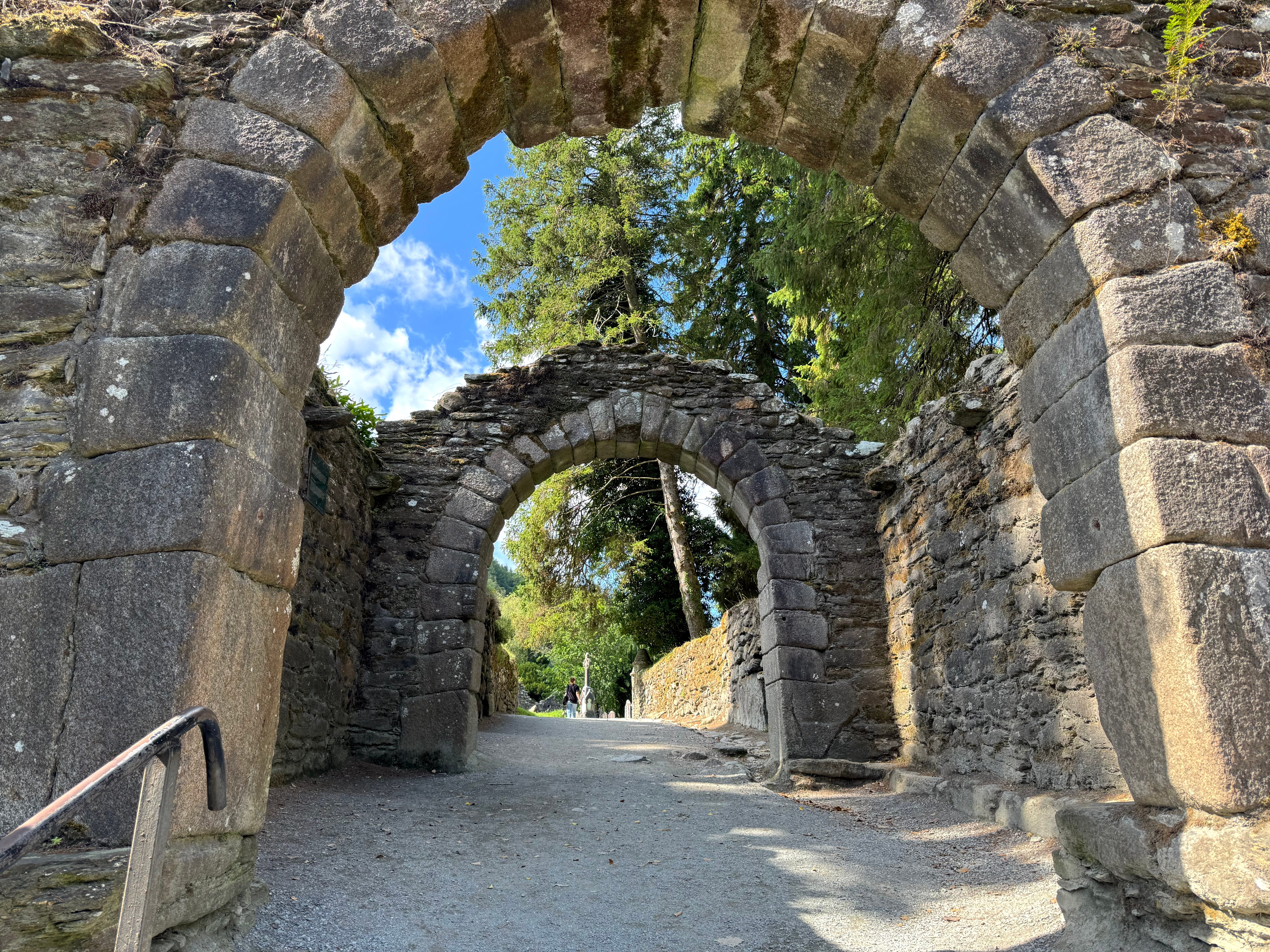
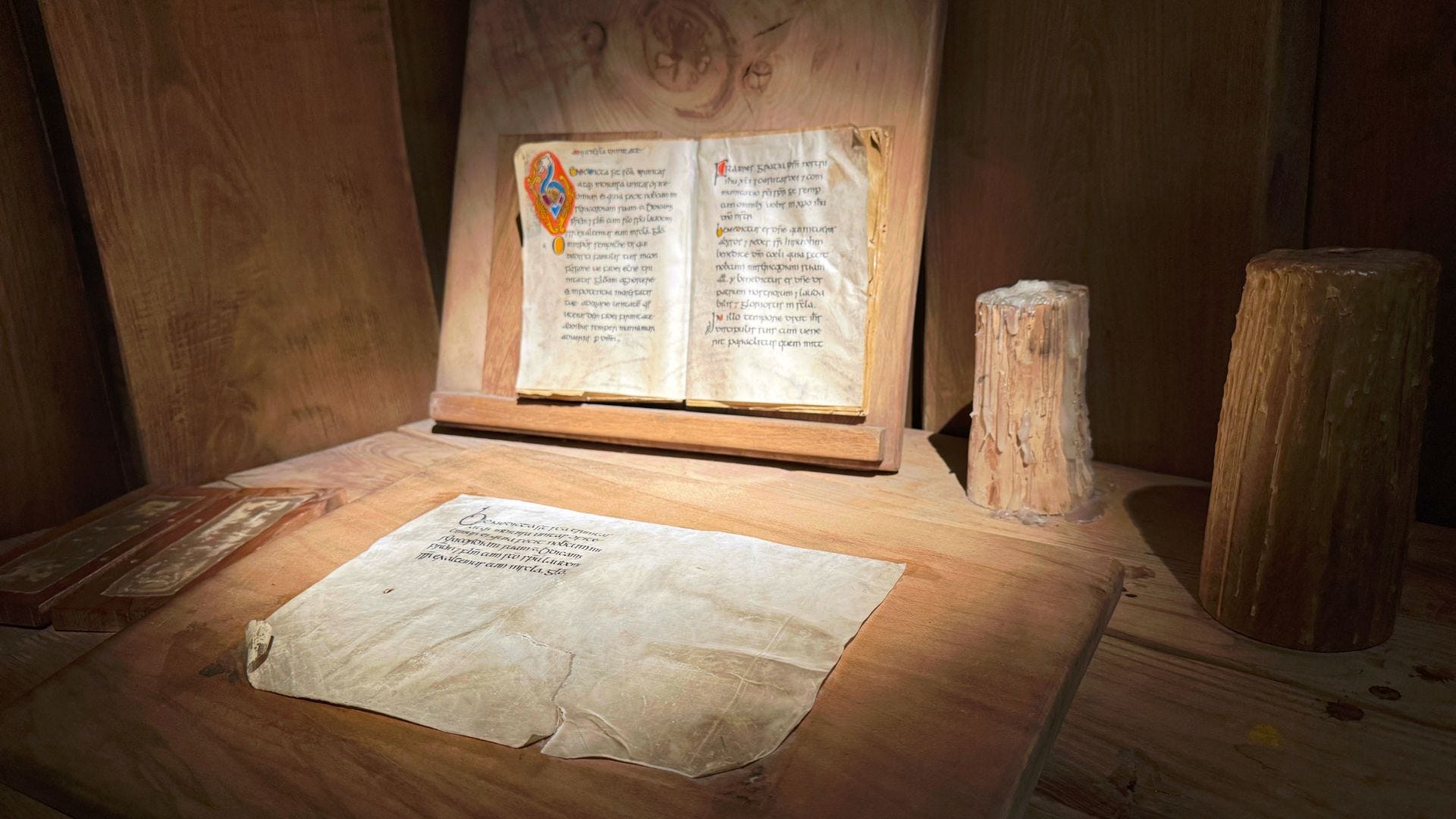
This week I finally began preparing the rewrite of my novel. Over the past year I’ve recorded hundreds of voice notes whenever an idea appeared, while walking through the woods, riding my bike or making dinner. Most of them last less than a minute. A better ending to a scene. A new character. A monastery that suddenly belongs on a cliff instead of in a valley. My plan was simply to transcribe them, organise them into a story bible and finally start writing. Instead, I spent an afternoon listening to my own thoughts, and as the notes piled up on my screen, I realised they weren’t really about medieval Ireland or even the mechanics of the magic system. Almost every idea circled back to the same question: what does creativity actually do? This Substack is reader-supported. To receive new posts and support my work, consider becoming a free or paid subscriber. That question led me to the medieval monks who inspired much of my story. They weren’t merely copying manuscripts. Through words, images and craftsmanship they shaped the imagination of the people around them. It reminded me of Tolkien’s description of artists as sub-creators. God alone creates from nothing. We receive creation as a gift and, through imagination and skill, participate in it. Suddenly I understood that this had become the foundation of my novel. The magic isn’t really about extraordinary powers. It’s about the mysterious way stories, beauty and imagination can change people and, through them, the world. Perhaps that’s also why rewriting this book has become so important to me. For months I’d measured my progress in chapters, deadlines and word counts. Sitting there with those voice notes, I realised I’d been measuring the wrong thing. The novel isn’t only teaching me how to tell a better story. It’s teaching me how to become a better storyteller. Every rewrite, every conversation with another author, every sketch in my notebook and every documentary I make is part of that same apprenticeship. I still hope that one day I’ll hold this novel in my hands. But when that day comes, I suspect the greatest gift won’t be the finished book. It will be the journey of becoming the person who was able to write it. Fr. Roderick Vonhögen P.S.: This article is based on the latest episode of my podcast The Walk. If you’d rather hear the story in my own voice, you’ll find the podcast player at the top of this page. News updates: I’ve started painting again for the first time in more than thirty years. Inspired by medieval manuscripts, I’m creating a small bestiary of strange and mythical creatures in watercolor. It’s still very much an experiment, but several of the illustrations have already sparked ideas for new stories. My new Dutch fantasy podcast, Fantasyfans, is also beginning to find its audience. This weekend I recorded a series of interviews at a small outdoor fantasy and board game fair. One of my favorite parts of these events is discovering how generous creative people are when they start talking about their work. Every conversation leaves me with fresh ideas and renewed enthusiasm for my own writing. That theme continued in another way this week, when I joined fantasy author Sandy Butchers on her podcast for a conversation about creativity, geek culture and why we tell stories in the first place. It was a joy to switch from interviewer to guest for a change. If you’d like to listen, you can find the episode here: Get full access to Father Roderick at fatherroderick.substack.com/subscribe