Skip to content
Artwork for The Science Show - Separate stories podcast
ScienceNatural Sciences

The Science Show - Separate stories podcast

ABC Australia

The Science Show gives Australians unique insights into the latest scientific research and debate, from the physics of cricket to prime ministerial biorhythms.

Play
  • 95 episodes
  • Avg 10 min
  • English
Counted on this page — what you have heard stays on this device, so it is not something the list can be paged by.
  • Friday · 5 min

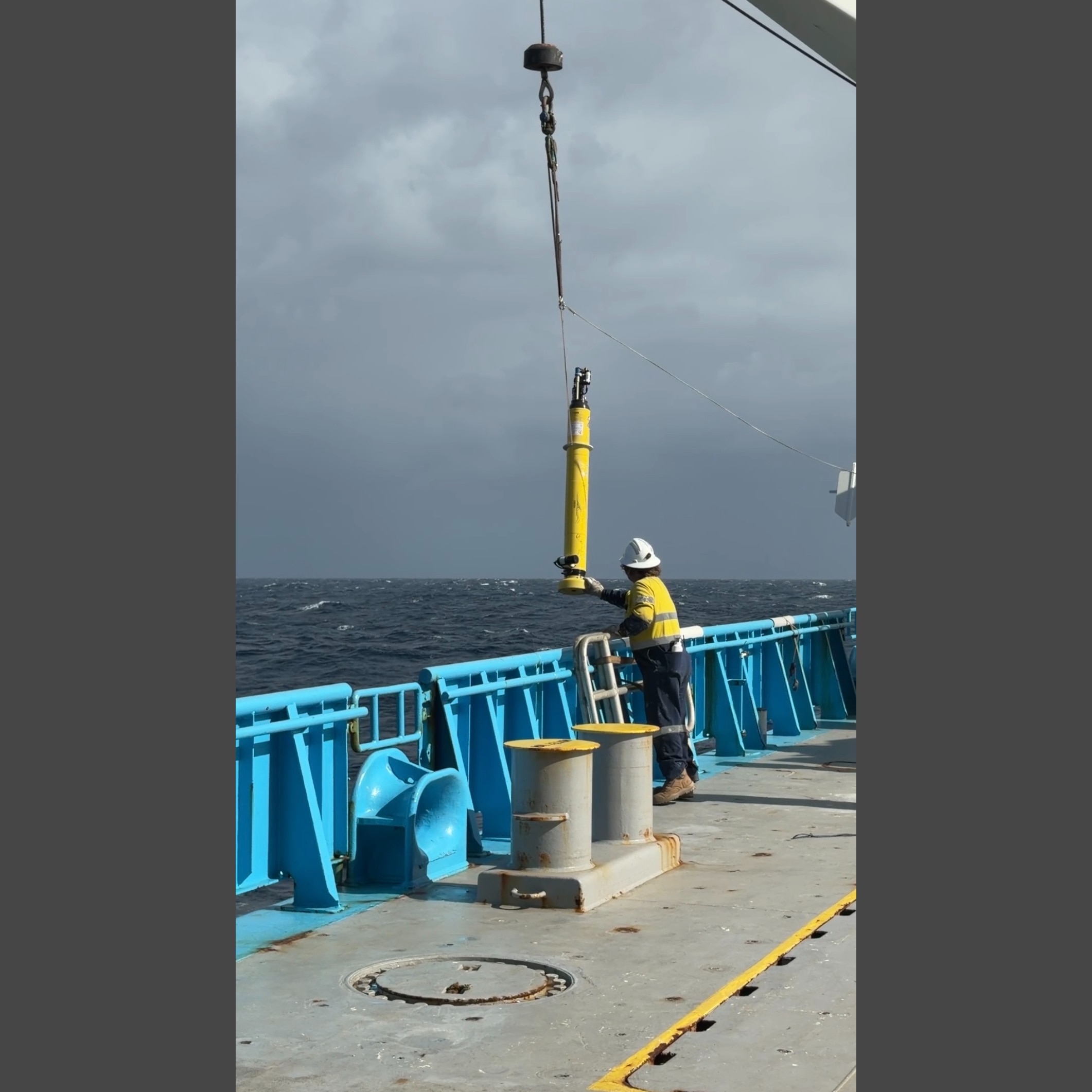
    Ocean life responding poorly to warming

    Amy Briggs reports from the CSIRO research ship the RV Investigator as scientists monitor the world’s rapidly warming oceans. Early reports suggest phytoplankton, the basis of the food web, are under pressure.

  • Friday · 9 min

    Waiting for aliens to visit?

    Will we be visited by alien beings? Will interstellar travel become a reality? David Blair explains that the factors which restrict us, restrict any other life that might be out there, and it is what we have in common: The laws of physics.

  • Friday · 7 min

    Voyager mission intended for five years, powering on 50 years later

    The furthest most planet in our Solar System, Pluto, averages a distance of 6 billion kilometres from Earth. The Voyager 1 spacecraft launched in 1977 is now 25.9 billion kilometres from Earth, the distance light travels in one day. Voyager 2 is 21.7 billion kilometres from Earth. The voyager craft are the first human-made objects to reach such an extreme distances from Earth. 

  • Friday · 7 min

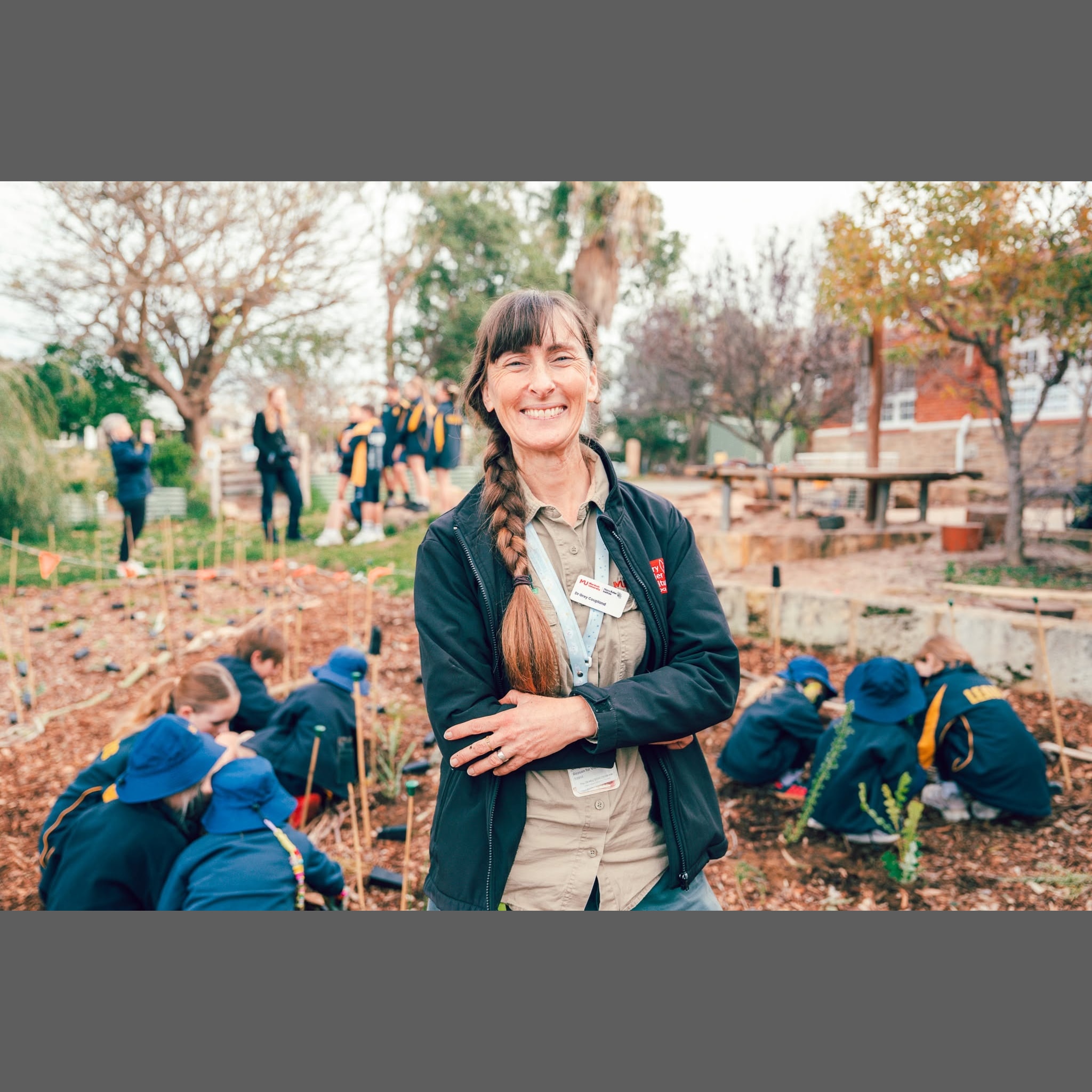
    School forest plots introduce science and land care to students

    Grey Coupland works with schools in Perth and now in eastern states establishing Miyawaki or pocket forests in school grounds. There are now 17 schools in Perth with newly planted forests. As Dr Coupland explains, small patches of forests in schools initiate discussion and leaning across biology and ecology. Students develop a sense of ownership and community awareness, with improved mental health. Her achievements have been lauded in Paris as an exemplary UNESCO project.

  • Friday · 5 min

    Prime Minister’s Science Prizes

    Belinda Smith reports on the 2026 Prime Minister’s Prizes for Science announced this week. Among eight prizes, the top prize was shared by Professor Georgina Long from The University of Sydney whose research has led to the first highly effective drug therapies for melanoma and major advances in cancer treatment and Professor Anthony Thomas from Adelaide University, recognised for discoveries that have reshaped our understanding of matter, antimatter, dark matter and neutron stars.

  • Wednesday · 10 min

    Lab Notes: Talking gliders... from up a tree

    Dr Ana Gracanin almost lives in the forest, as she speaks to Jonathan Webb this week, 20 metres off the ground in the canopy of a tree near Canberra. As an ecologist, she climbs into old-growth trees and peers inside their hollows to see what she can find. She's looking for a gremlin-like creature on this night… and she may have just found it. You can binge more episodes of the Lab Notes podcast with science editor and presenter Jonathan Webb on the ABC Listen app (Australia). You'll find epi

  • November 20 · 11 min

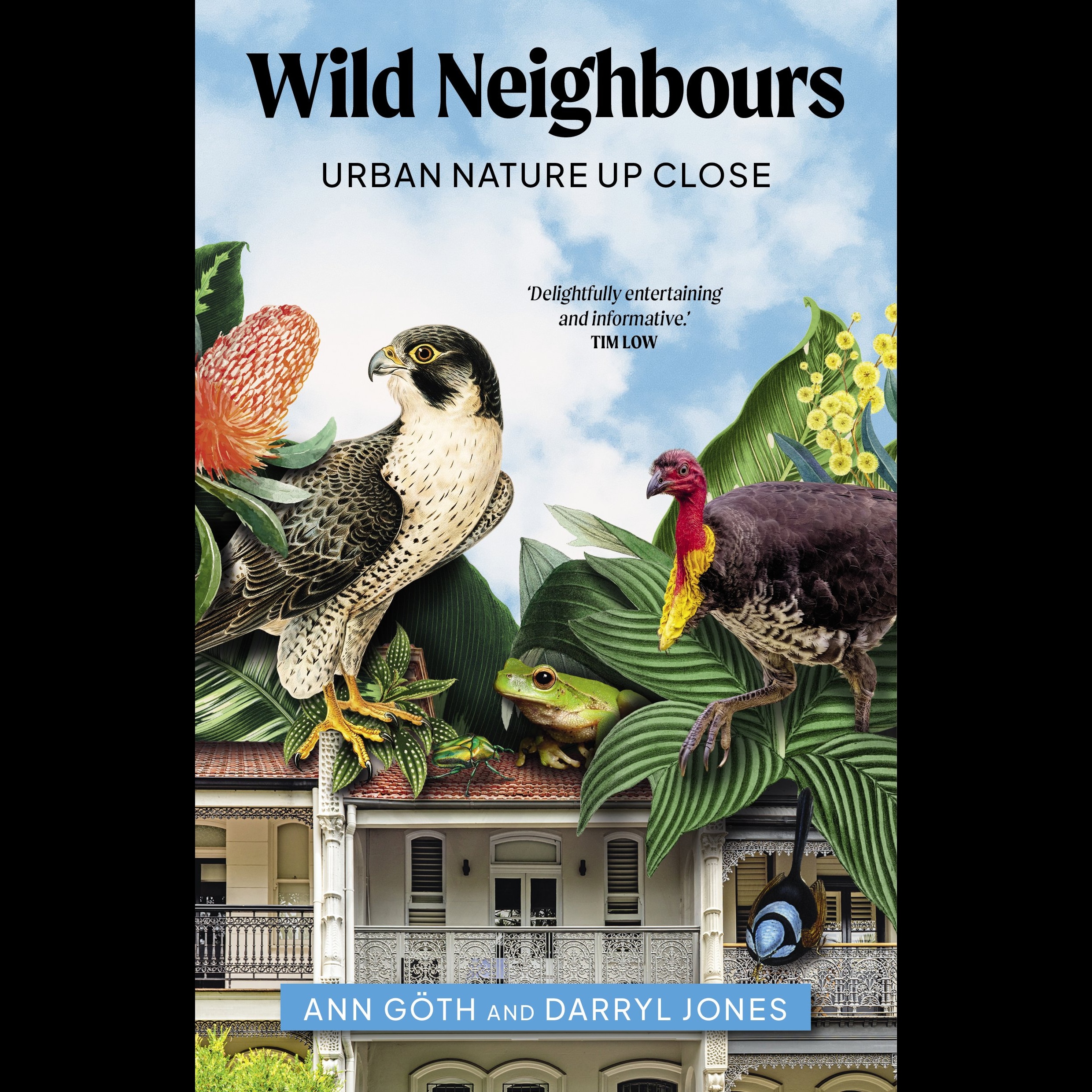
    Getting to know the neighbours

    Birds, possums, blue-tongued lizards, all populate our cities and getting to know them is a project of ecologist Darryl Jones and science teacher Ann Göth. Wild Neighbours explores the habits, personalities, quirks, ingenuity and everyday dramas of the animals and plants that live among us.

  • November 20 · 8 min

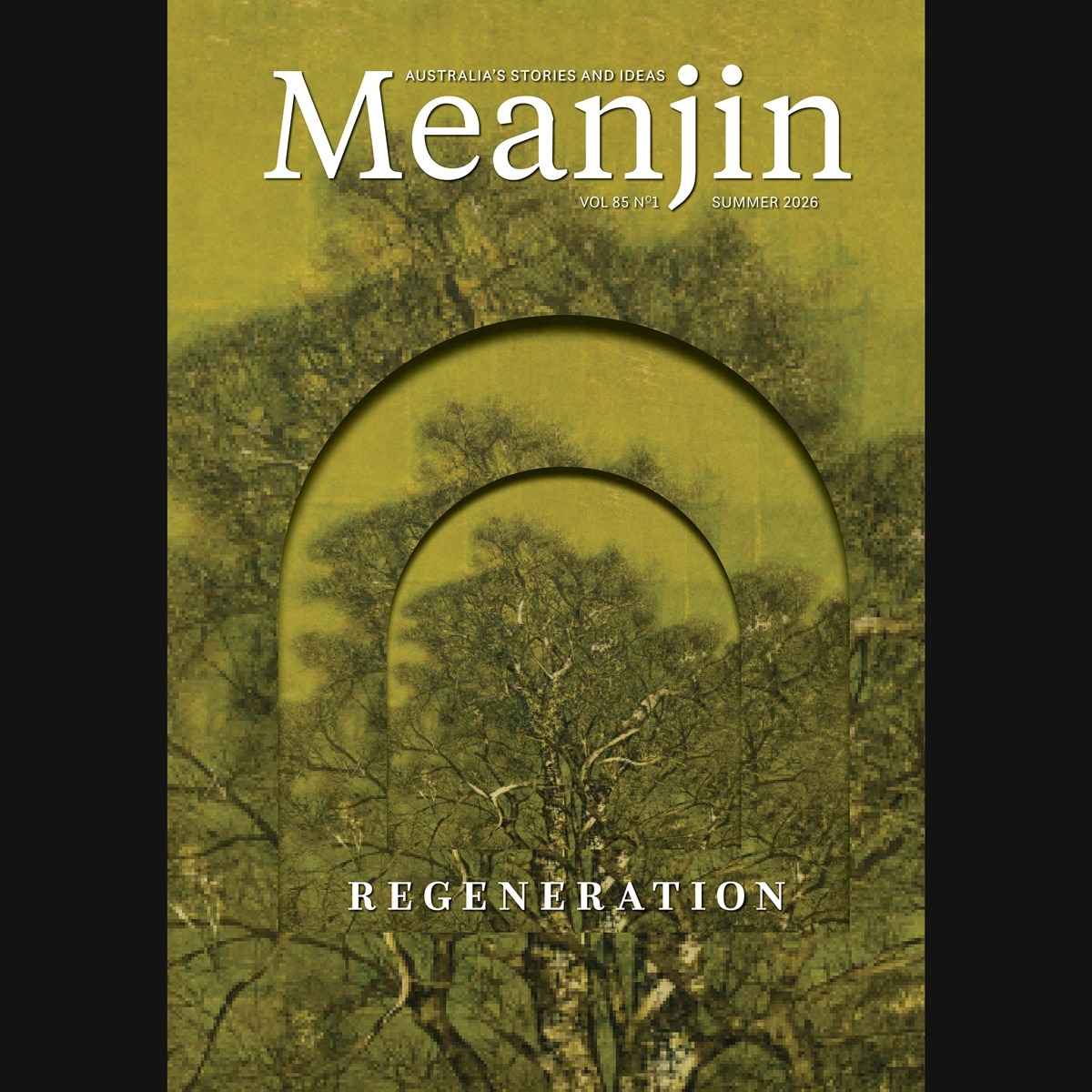
    Meanjin returns

    It was founded in 1940 as a home for Australian poetry, fiction, essays, memoir, and criticism. Its name comes from a First Nations word for the area around central Brisbane. Meanjin was published for many years by Melbourne University Press and closed in 2025. But in 2026 it is reemerging, published by Queensland University of Technology with editor Ashley Hay.

  • November 20 · 5 min

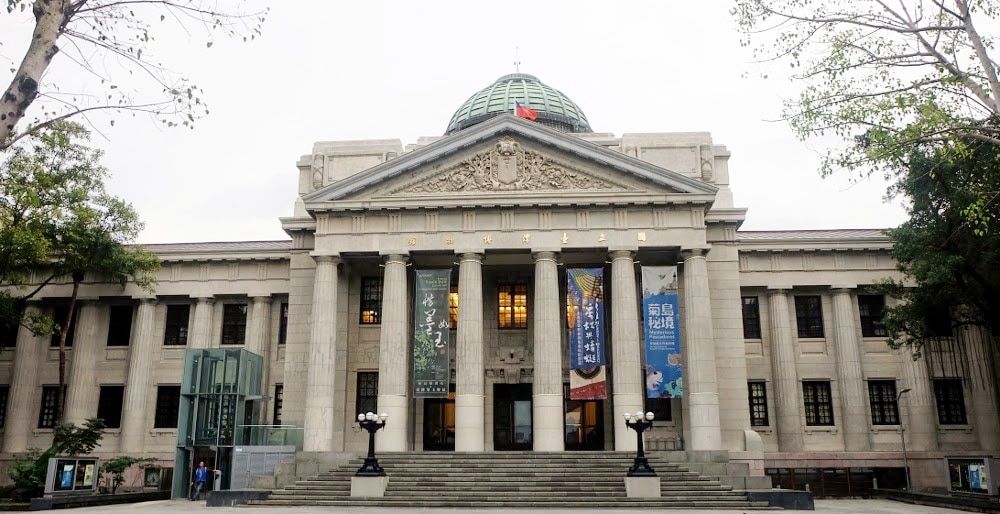
    Science highly regarded in Taiwan

    While interest in science amongst Australian school children is sometimes questioned, we contrast Australia with the situation in Taiwan. Fang Hui-Shih from the National Taiwan Museum describes interest in science amongst her country’s students as strong. Being educated, 90 per cent of the population accept the science of climate change, and the country has a strong community of citizen scientists.

  • November 20 · 16 min

    The Australian Museum approaches 200 years

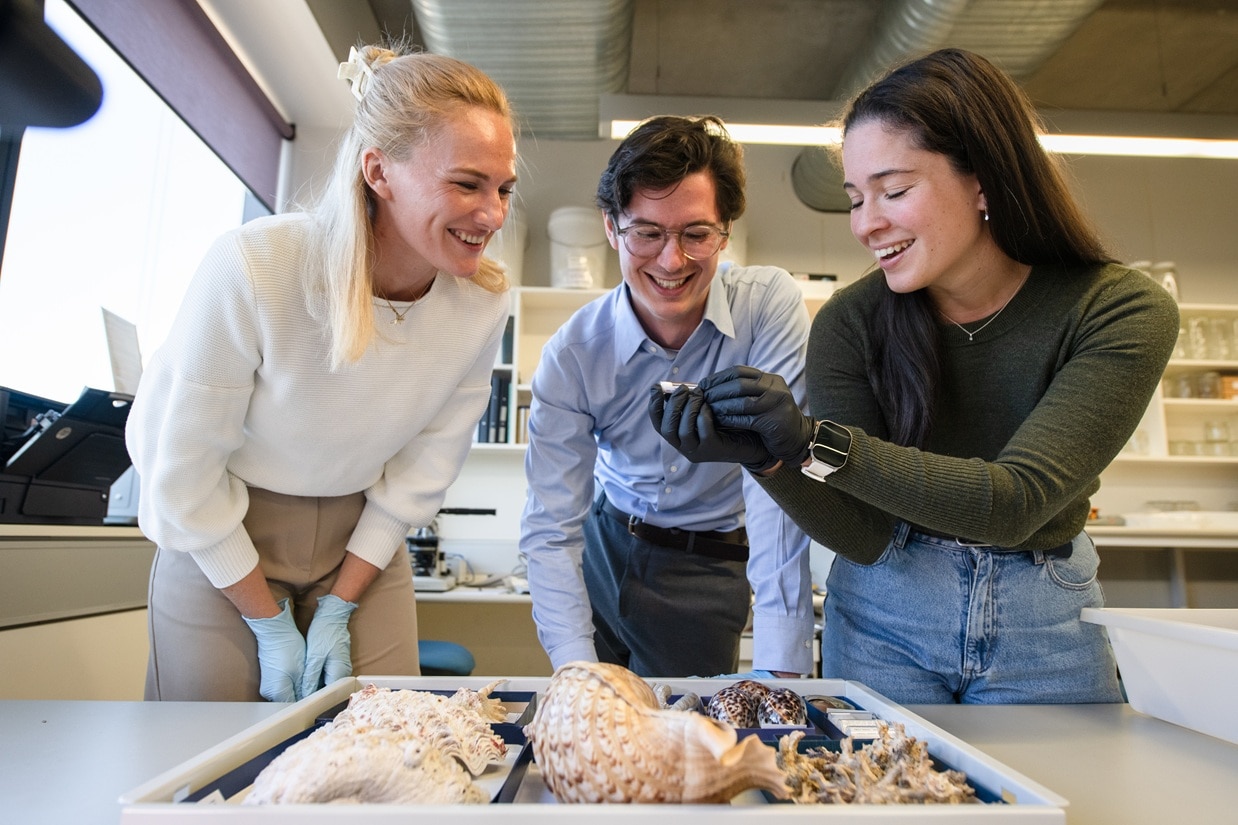
    Australian Museum director Kim McKay says the site of the present museum, founded in 1827 opposite St Mary’s Cathedral in Sydney, was the old convicts’ garden where their food was grown. McKay recalls discoveries made by museum scientists over the decades and describes how they have enhanced the nation’s education and culture.

  • November 20 · 8 min

    Vale John Carmody

    We note the passing of Professor John Carmody, UNSW lecturer and researcher in the School of Physiology and Pharmacology and a prolific broadcaster on science and music on ABC Radio. On Ockham’s Razor he asked whether Australians relish science as much as they do sport. His answer was a resounding no!

  • November 18 · 10 min

    Lab Notes: Earth's missing billion years

    Sections of rock are completely missing from our geological record across continents. The great unconformity spans just over a billion years of history, leaving out critical periods in the evolution of life. Jonathan Webb speaks with Associate Professor Nicolas Flament about this geological puzzle and what could have caused it. You can binge more episodes of the Lab Notes podcast with science editor and presenter Jonathan Webb on the ABC Listen app (Australia). You'll find episodes on animal

  • November 13 · 20 min

    The history and challenges for Australian media and arts bodies

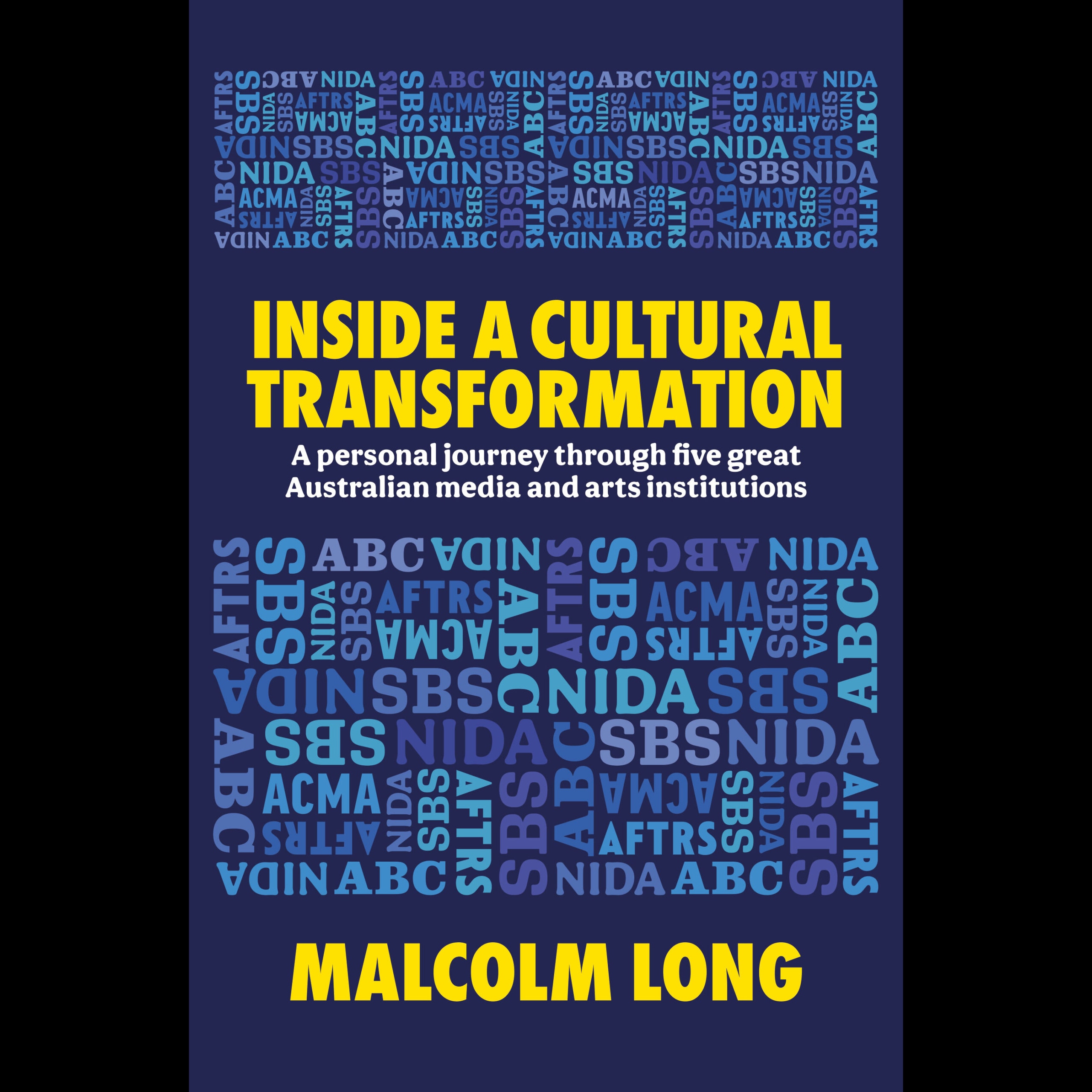
    Since the 1960s five public media and arts organisations have been key players in the emergence of a uniquely Australian national identity. They are the ABC, Australia’s multicultural broadcaster SBS, the renowned performing arts school NIDA, AFTRS, the world-leading film, television and radio school, and Australia’s media regulator, the Australian Communications and Media Authority, ACMA. The collective impact of these institutions as builders of culture for Australia is a largely untold thoug

  • November 13 · 5 min

    Hop to it! It’s FrogID week!

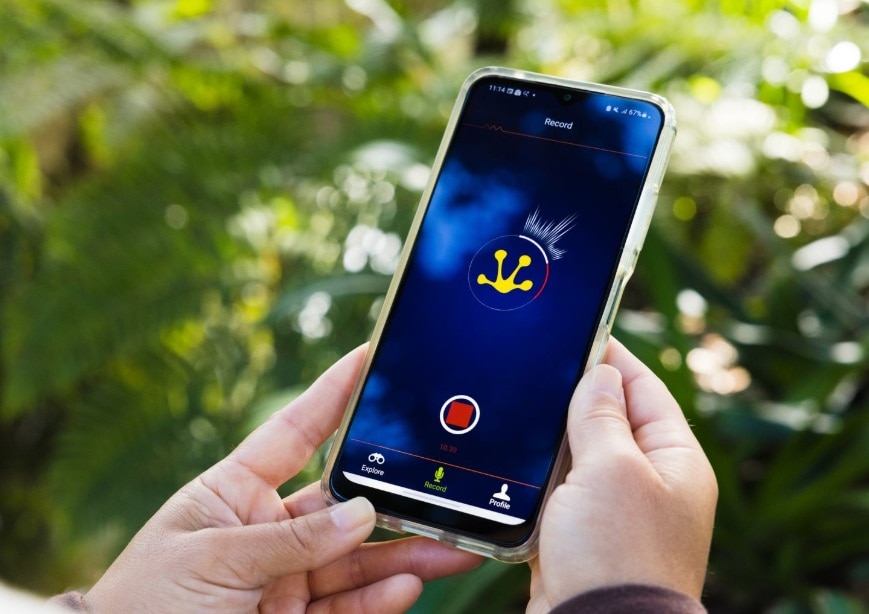
    Frog ID is an initiative of The Australian Museum in Sydney where anyone, anywhere in Australia can record frog calls using a phone app. The frog is then properly identified and positioned. Over time, the data shows how frogs are responding to changes in their environment and assists conservation efforts.

  • November 13 · 8 min

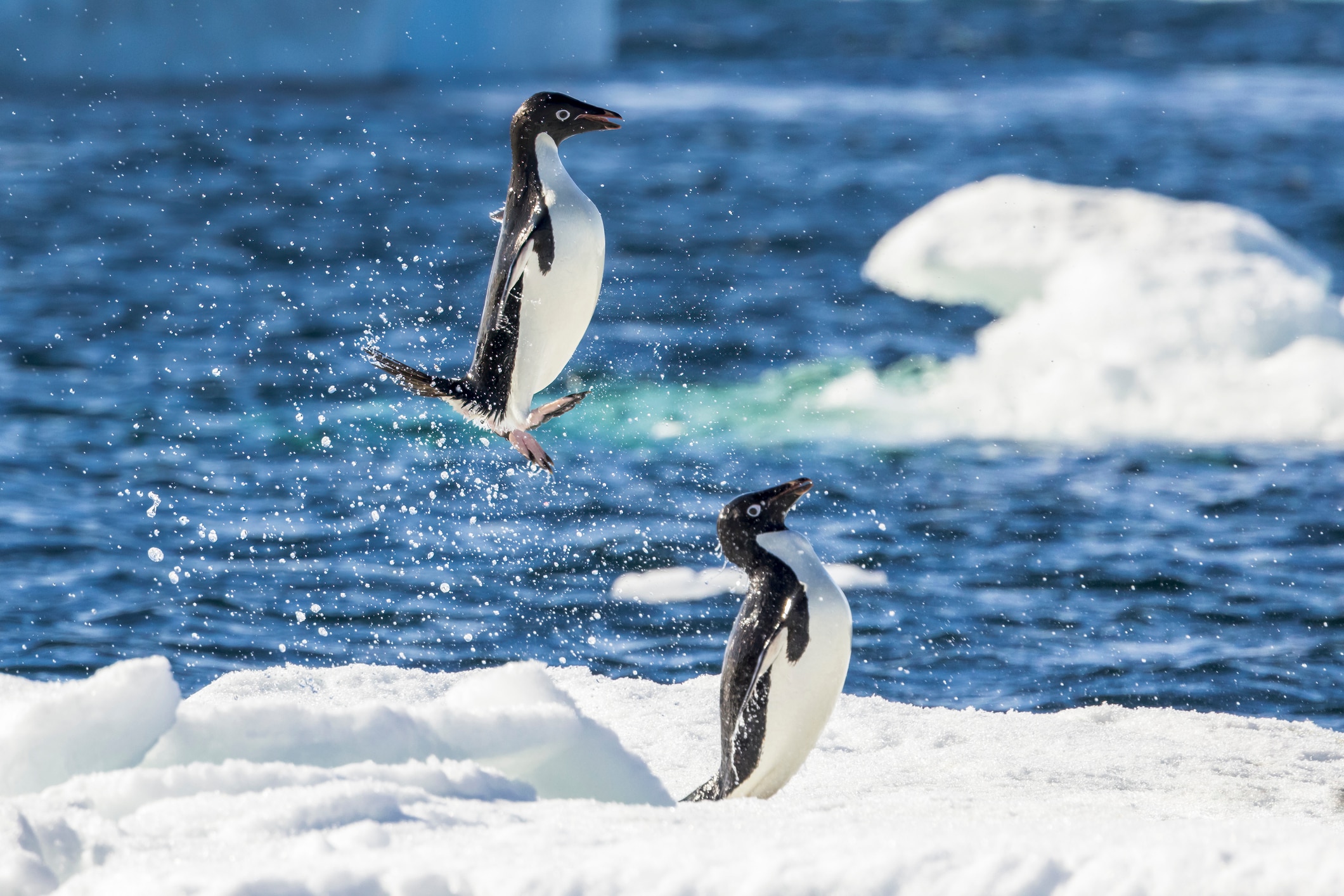
    Penguin behaviour hidden, now reassessed

    A record kept by scientists at the UK’s Natural History Museum about a century ago, shows penguin behaviour so extreme that it was left unpublished. It was written in Greek so fewer English-speaking people would understand it. George Murray Levick’s report described homosexual acts, sexual abuse of chicks and attempts by male penguins to mate with dead females. Could those ‘formally dressed’ Antarctic birds we love so much really be out of control? Present day science has other answers.

  • November 13 · 8 min

    Making sense of the chaos

    Professor Jim Falk of Melbourne looks at crumbling connections where there used to be unity. His concern is that issues being treated separately such as immigration, food supplies and climate, could affect each other adversely if not thought of as a whole, thus leading to even more chaos. The answer is scientific systems analysis. Jim Falk argues the case.

  • November 13 · 9 min

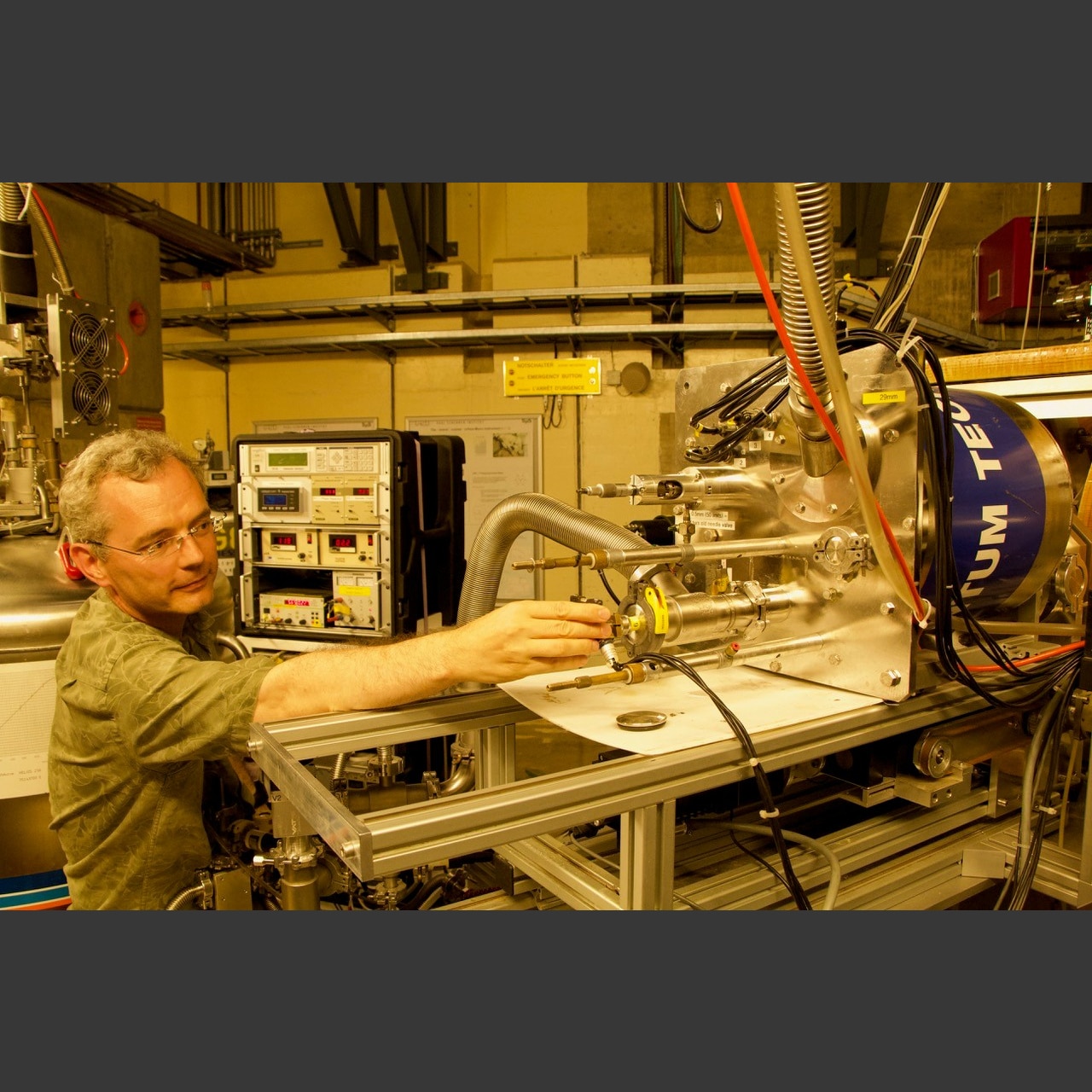
    New spins in the nanoworld

    Atomic particles are extraordinary enough, winding left or right, spinning this way or that, entangling with each other though worlds apart. But now there’s more. Professor of Physics at Oxford University, Stephen Blundell tells us that particles are spinning in ways never noticed before. His team is analysing them to find new combinations – a new kind of chemistry! This could mean an entirely different way to make materials.

  • November 12 · 10 min

    Lab Notes: The end of the world — on Friday

    66 years ago, three researchers published a paper in the Journal Science titled Doomsday: Friday, 13 November, A.D. 2026. In it, they predicted the end of the world, but a few assumptions they made make the event unlikely. Jonathan Webb unravels this prediction with our myth-busting science reporter, Ellen Phiddian, explaining why we shouldn't worry… hopefully. You can binge more episodes of the Lab Notes podcast with science editor and presenter Jonathan Webb on the ABC Listen app (Australia

Showing 1–20 of 95 episodes