Skip to content
Artwork for The Resolution Room
BusinessManagementEducationHow ToSociety & Culture

The Resolution Room

Damien Van Brunschot

As someone who's always had a keen interest in the dynamics of leadership and the intricacies of mediation and negotiation, I found myself at a crossroads where I wanted to connect the dots between these passions and my professional journey. This is how "The Resolution Room" was born. A podcast designed to discuss topics around leadership, mediation, negotiation and team building.

You might wonder, why the name "The Resolution Room"? This title encapsulates the dual purpose of my mission at Evolve Resolve: resolving claims and elevating leadership. I've found that in professional services, many people overlook the transition required to move from being a skilled technician to becoming an effective people leader. This transition is both a challenge and an opportunity - one I intend to explore through my podcast, with insights from my own experiences and conversations with insightful guests.

The podcast is an avenue not only for me to share my insights and learnings but also to engage with like-minded individuals who are curious about leadership and resolution. I hope you'll find value in the conversations that unfold in The Resolution Room. Thank you for joining me on this journey.

Links:
Website: https://www.evolveresolve.com/
LinkedIn: https://www.linkedin.com/in/damien-van-brunschot-95b05755/
YouTube: https://www.youtube.com/@evolveresolve

Play
  • 22 episodes
  • fortnightly
  • Avg 32 min
  • English
Counted on this page — what you have heard stays on this device, so it is not something the list can be paged by.
  • #39
    Yesterday · 51 min

    Normal Ageing or Something More? Medicolegal Panel on Fitness for Work & Legal Obligations

    Ageing at work is one of those topics everyone has an opinion on, but very few people have a clear framework for. Recorded live at the Self-Insurers of South Australia conference in Adelaide, this episode of The Resolution Room, in collaboration with mlcoa, brings together a panel of experts to unpack fitness for work, cognitive changes, and the legal risks of making assumptions based on age. Joining me are occupational physician Dr Tim Huang, psychiatrist Dr Shiva Gunapu, neuropsychologist Dr Sarah Lucas and lawyer Alison Baker. Using three case studies, we explore how health, pain, anxiety, and workplace change can affect performance in ways that look like “ageing” but are often more complex. We discuss the role of psychosocial factors in recovery, the fear-avoidance cycle, and how pain and stress can impact concentration and decision-making. We also look at the real-world challenge of adapting to new technology and shifting roles, and why support and training matter more than stereotypes. From a legal and workplace perspective, we cover what employers can and cannot do when concerns arise, including privacy, respectful communication, and the risk of age discrimination. If you are searching for guidance on ageing workforce management, fitness-for-work assessments, cognitive capacity at work, or employer legal obligations, this conversation will give you practical insight without jumping to simplistic conclusions. CHAPTER MARKERS 00:00 SISA Adelaide 2026 04:20 Case Study 1 Two Workers Same Injury Different Outcomes 06:27 Why Recovery Differs Psychosocial Factors 12:38 Pain Anxiety and Cognitive Performance at Work 17:55 Case Study 2 Older Worker Struggling With Workplace Change 20:10 Psychological Flexibility Ageing and Work Demands 26:36 Workplace Support Training and Reasonable Adjustments 30:21 Case Study 3 Behaviour Change and Cognitive Concerns 33:15 Medical Causes to Rule Out Before Assumptions 40:30 Work Capacity Assessment in Real Workplace Context 42:21 Privacy WHS Obligations and Managing Risk 44:23 Audience Q&A Menopause and Workplace Support 49:44 Key Takeaways and Closing Remarks Guest links Dr Sara Lucas LinkedIn https://au.linkedin.com/in/dr-sara-lucas-b5470b85 Dr Tim Hwang LinkedIn https://au.linkedin.com/in/tim-hwang-72807134 Dr Shiva Gunapu LinkedIn https://au.linkedin.com/in/shivagunapu Alison Baker LinkedIn https://au.linkedin.com/in/alison-bakerhw mlcoa Website: https://www.mlcoa.com.au/law-medicine-everything-in-between-podcast/ More From Damien: Website | LinkedIn | YouTube WORK WITH ME: Book a Mediation or a 15-minute Discovery call with Damien: https://www.evolveresolve.com/booking Website: https://www.evolveresolve.com/ LinkedIn: linkedin.com/in/damien-van-brunschot YouTube: @evolveresolve Email: damien@evolveresolve.com Disclaimer: The content of this podcast is general information only and does not constitute legal or medical advice. ©2026 mlcoa | Law, Medicine & Everything in Between Mentioned in this episode: mlcoa

    • Transcript
  • #38
    October 20 · 38 min

    Chronic Pain in the Medicolegal Arena: The Medicine of Last Resort with Pain Specialist Dr Joseph Kluver

    Chronic pain claims can be some of the most contested and misunderstood matters in personal injury and medico legal work, especially when the pain does not match a neat scan or diagnosis. In this episode of The Resolution Room, I’m joined by Dr Joseph Kluver, pain specialist and Fellow of the Faculty of Pain Medicine, alongside Vanessa Daniel from MLCOA as part of the Law, Medicine, and Everything In Between series. We unpack how chronic pain is assessed, explained, and challenged in the medicolegal arena. Dr Kluver shares his path from registered nurse to GP to specialist in pain medicine, and why chronic pain has historically been pushed into vague categories like somatoform disorders or functional neurological disorder before being better recognised in its own right. We talk about what “chronic pain” means in practice, why the usual three to six month definition can be unhelpful in legal claims, and what clinicians are actually trying to understand when pain becomes persistent and life limiting. We also explore nociplastic pain, why it often sits at the centre of causation disputes in litigation, and what evidence based pain management can look like beyond quick fixes. Dr Kluver discusses pain programs, the risks and limits of opioids and ketamine, and the cautious interest in emerging treatments such as psilocybin. If you are searching for chronic pain medicolegal insights, nociplastic pain explained, or how chronic pain is assessed in personal injury claims, this conversation will give you a clearer frame without oversimplifying it. CHAPTER MARKERS 00:00 Introduction 00:51 Chronic Pain Referrals in Personal Injury Claims 03:38 Defining Chronic Pain in Medicolegal Reports 05:51 Medical Evidence vs Legal Causation Questions 06:32 Nociplastic Pain Explained for Claims 08:51 When Patients Are Referred to Pain Specialists 11:02 Mind Body Links and Patient Validation 13:05 GP Training Gaps in Chronic Pain Care 15:25 Risk Stratification and Treatment Access 21:44 Assessing Symptoms and Credibility in Claims Guest links Joe Kluver: Website: https://themisml.com.au/expert-witness/dr-joseph-kluver/ Faculty of Pain and Medicine: https://www.anzca.edu.au/faculty-of-pain-medicine Vanessa Daniel: LinkedIn: https://au.linkedin.com/in/vanessa-d-b002496b MLCOA Website: https://www.mlcoa.com.au/law-medicine-everything-in-between-podcast/ More From Damien: Website | LinkedIn | YouTube WORK WITH ME: Book a Mediation or a 15-minute Discovery call with Damien: https://www.evolveresolve.com/booking Website: https://www.evolveresolve.com/ LinkedIn: linkedin.com/in/damien-van-brunschot YouTube: @evolveresolve Email: damien@evolveresolve.com Disclaimer: The content of this podcast is general information only and does not constitute legal or medical advice. ©2026 mlcoa | Law, Medicine & Everything in Between. Mentioned in this episode: mlcoa

    • Transcript
  • #37
    October 6 · 42 min

    Meta-morphosis: Career Reinvention, Leadership Lessons & the Power of Quitting with Joanna Wong

    Career reinvention is rarely neat, and it often starts with a quiet question you cannot unhear. In this episode, I’m joined by Joanna Wong, host of the podcast Chasing Waves, to talk about career transitions, leadership growth, and what it looks like to walk away from what is not working without treating quitting like failure. Joanna’s story spans three continents and global brands including Meta, Spotify, and The Trade Desk, and she shares the lessons that only come from doing the hard pivots in real time. We unpack what career reinvention actually requires, including the mindset shift from chasing status to chasing alignment. Joanna talks about the signals that it might be time to move on, the role values play in decision making, and why leadership is less about being the smartest person in the room and more about building a team where different strengths can do their job. We also discuss how some organisations create clearer pathways by recognising both individual contributor and people leader tracks. We then move into quitting with purpose and visibility, including Joanna’s Memento Mori exercise as a practical way to confront how finite time really is. We also talk personal brand in a way that is useful rather than cringe, how to be memorable for the right reasons, and why visibility inside organisations is often a leadership skill in disguise. If you are searching for career change advice, leadership development, or how to reinvent your career without burning everything down, this conversation will give you a grounded place to start. CHAPTERS 00:00 Introduction 01:29 Why Chasing Waves Exists 02:20 Letting Go of Corporate Identity 03:53 Burnout and Permission to Dream 07:05 Podcast Wins and Hard Parts 09:44 From Technician to Manager 14:01 Leadership Lessons and Conflict 18:13 Tough Conversation Example 20:33 Hard Talk Aftermath 22:33 Trust Built Over Time 24:09 Conflict Fuels Growth 24:49 Stop Hiring Clones 26:35 Personal Brand Visibility 30:24 Why Managing Matters 32:18 Chasing Waves Vision 34:11 Coaching vs Mentoring 38:02 Quitting and Life Dots 41:02 Where to Find Joanna LINKS: Joanna: LinkedIn: https://www.linkedin.com/in/joannawong-chasingwaves/ Website: https://chasingwaves.co/ More From Damien: Website | LinkedIn | YouTube WORK WITH ME: Book a Mediation or a 15-minute Discovery call with Damien: https://www.evolveresolve.com/booking Website: https://www.evolveresolve.com/ LinkedIn: linkedin.com/in/damien-van-brunschot YouTube: @evolveresolve Email: damien@evolveresolve.com

    • Transcript
  • #36
    September 22 · 32 min

    Neuroscience, AI & Attention Management: Susan Pearse on Rewiring Leadership

    Mindful leadership is not a wellness trend, it is an attention skill, and in this episode I sit down with Susan Pearse to talk about what that really means in modern work and life. Susan and I have known each other for 30 years, and this conversation is both personal and practical, tracing how she stepped away from the corporate path early and went on to build some of Australia’s first mindfulness based leadership programs, long before smartphones and constant notifications became the norm. Susan and I discuss what mindfulness in leadership looks like day to day, including attention management, presence, and the hidden cost of busyness as a badge of honour. Susan shares why training the mind is not about escaping pressure, but learning to meet it with more clarity, better decision-making, and stronger relationships. If you are searching for mindful leadership strategies, attention management for leaders or how to stay focused at work, this episode will give you a grounded framework. We also explore how AI affects focus and creativity, and why convenience can quietly erode the deeper thinking leaders rely on. Susan reflects on her work Winning the Second Half and the bigger question behind it: what does “winning” look like in the second act of life, when you stop chasing other people’s definitions of success. This is a conversation about leadership, meaning and choosing what you pay attention to before your attention is chosen for you. CHAPTER MARKERS 00:00 Neuroscience, AI and Attention Management 05:17 Mindfulness as Attention Training for Leaders 06:55 Mental Capacity vs Skill at Work 08:59 Busyness Culture and Burnout Risk 14:27 Psychosocial Safety and Duty of Care 17:16 AI, Neuroplasticity and Use It or Lose It 21:31 Authentic Thinking in an AI World 23:38 Winning the Second Half of Life 29:36 Final Advice and Key Takeaways Guest link Susan: LinkedIn: https://www.linkedin.com/in/susan-pearse-022b0311/ https://www.susanpearse.com/ More From Damien: Website | LinkedIn | YouTube WORK WITH ME: Book a Mediation or a 15-minute Discovery call with Damien: https://www.evolveresolve.com/booking Website: https://www.evolveresolve.com/ LinkedIn: linkedin.com/in/damien-van-brunschot YouTube: @evolveresolve Email: damien@evolveresolve.com

    • Transcript
  • #35
    September 8 · 29 min

    Vicarious Trauma at Work: 20 Practical Takeaways to Avoid Psychological Injury

    Vicarious trauma is one of the most overlooked psychosocial hazards at work, especially in high exposure roles like law, insurance, health, and frontline services. In this episode of The Resolution Room, I’m joined by Vanessa Daniel from MLCOA to share 20 practical takeaways for reducing the risk of psychological injury from vicarious trauma, and to make the conversation more useful than the usual “just be resilient” advice. We talk about how workplace health and safety is shifting beyond physical risks and into psychosocial risk management, including what employers and leaders need to understand about their duty to identify, assess, and control these risks. We also unpack why culture matters, why high performers often do not self report, and how regular check ins, training, and supervisor capability can change outcomes before people hit a wall. This is a practical episode for managers, HR, and professionals working with distressing material who want clear, workplace-ready strategies. We cover risk assessments, de-stigmatising help-seeking, structured debriefing, and why vicarious trauma needs to be treated as a leadership issue, not a personal weakness. If you are searching for vicarious trauma workplace strategies, psychosocial safety, or how to prevent psychological injury at work, this conversation will give you a strong starting point. CHAPTER MARKERS 00:00 Introduction 02:05 Psychosocial Safety Shift 04:06 Legal Duties And Key Case 06:43 Acknowledge Exposure 08:05 Stop Blaming Resilience 08:57 Risk Assessments And Controls 11:13 Cumulative Exposure Matters 12:58 Train Staff And Supervisors 14:13 Beyond Self Reporting 15:38 Trauma Informed Supervision 16:45 Rotating Trauma Caseloads 17:30 Monitor Workload Pressure 18:31 Reduce Unnecessary Exposure 19:27 Protocols for Graphic Evidence 19:48 Job Rotation and Mixed Work 21:33 Structured Debriefing Culture 23:02 Peer Support and Access 27:51 Leadership Owns the Risk More From Damien: Website | LinkedIn | YouTube WORK WITH ME: Book a Mediation or a 15-minute Discovery call with Damien: https://www.evolveresolve.com/booking Website: https://www.evolveresolve.com/ LinkedIn: linkedin.com/in/damien-van-brunschot YouTube: @evolveresolve Email: damien@evolveresolve.com Disclaimer: The content of this podcast is general information only and does not constitute legal or medical advice. ©2026 mlcoa | Law, Medicine & Everything in Between.

    • Transcript
  • #34
    August 25 · 32 min

    Vicarious Trauma and Psychosocial Risk in the Workplace with Dr Naveed Sheikh

    Vicarious trauma is not just a clinical concept; it is a real workplace risk for lawyers, claims teams, clinicians, and anyone who spends their days reading, hearing, or working inside other people’s worst moments. I’m joined today by Dr Naveed Sheikh, consultant psychiatrist and senior medical practitioner, and Vanessa Daniel, National Customer Legal Manager at mlcoa, to have a conversation about what vicarious trauma looks like in the real world and why psychosocial safety at work is now front and centre. We talk about the difference between direct trauma and vicarious trauma, and why the impact can be cumulative even when you were not physically there. Dr Sheikh explains why not every exposure leads to PTSD, but why it still needs to be taken seriously, particularly in high exposure professions like law, medicine, policing, and insurance. Vanessa shares what this looks like through a medico-legal lens, including how sensitive material shows up in legal work and why systems and culture matter as much as individual resilience. We also explore the legal and workplace obligations around psychosocial hazards, including the growing expectation that employers manage psychological risk alongside physical risk. Dr Sheikh shares practical warning signs to watch for, and what supportive workplaces can do early, including debriefing, mentorship, and normalising help-seeking. If you lead a team, work in personal injury or claims, or want a clearer understanding of vicarious trauma in the workplace, this conversation will give you a grounded place to start. CHAPTER MARKERS 00:00 Welcome And Introductions 01:17 Dr Naveed Background 04:12 What Is Vicarious Trauma 05:23 Legal Landscape Overview 09:27 Diagnosis PTSD Vs Adjustment 12:46 Treating Vs Forensic Roles 18:17 Trauma Memory Loop 21:31 Workplace Management Strategies 25:07 Humour And Resilience 26:28 Team Debriefs And Support More From Damien: Website | LinkedIn | YouTube WORK WITH ME: Book a Mediation or a 15-minute Discovery call with Damien: https://www.evolveresolve.com/booking Website: https://www.evolveresolve.com/ LinkedIn: linkedin.com/in/damien-van-brunschot YouTube: @evolveresolve Email: damien@evolveresolve.com Disclaimer: The content of this podcast is general information only and does not constitute legal or medical advice. ©2026 mlcoa | Law, Medicine & Everything in Between. Mentioned in this episode: mlcoa

    • Transcript
  • #33
    August 11 · 44 min

    The Future of Business Development in Law: Insights from a Legal Recruiter & BD Insider

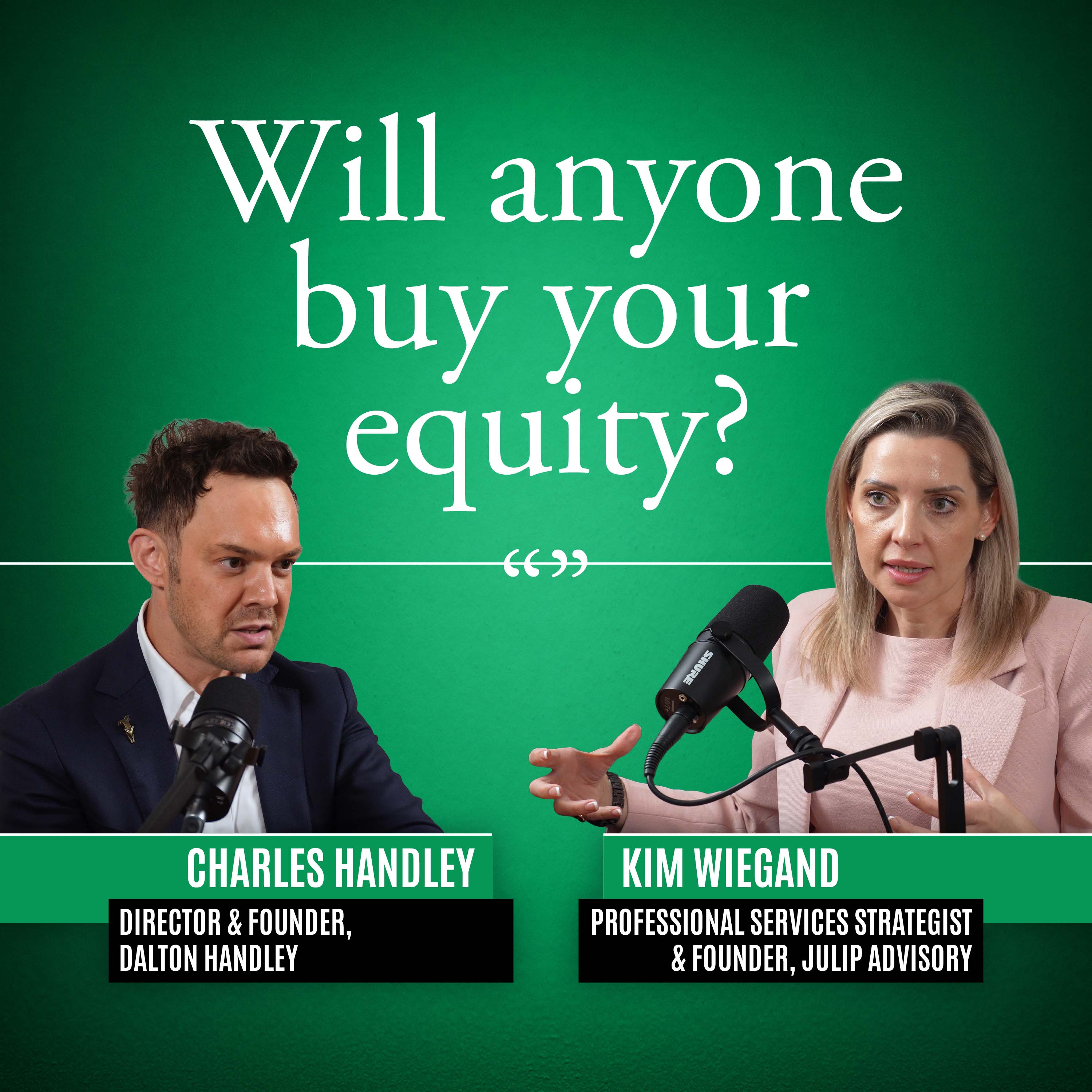
    Business development in law is changing fast, and this episode is a practical look at what that means for partners, BD teams, and anyone responsible for growth in a law firm. I’m joined by Kim Wiegand and Charles Handley for a wide-ranging conversation on the future of legal business development, legal marketing and the skills firms will need to stay competitive as client expectations shift. We talk about the real role of AI in law firms and why adoption in marketing and BD is still slower than the hype suggests, even though the pressure for efficiency is rising. Kim shares what she is seeing on the ground, including where technology can genuinely support strategy, and where firms risk missing the point by treating AI as a quick fix rather than a capability to build. Charles brings the recruitment lens, including how BD roles in big law are moving from execution to strategic advisory, and why commercial acumen and coaching ability are now non-negotiable. We also explore the human side of growth, influencing partners, breaking down silos, and building client relationships that last, plus what both guests would tell their younger selves about careers in legal BD and leadership. CHAPTER MARKERS 00:00 Introduction 02:05 BD Landscape Shifts 03:12 AI Reality Check 05:53 New BD Roles Emerging 08:11 From Execution to Advisor 12:19 Coaching Partners Mindset 15:43 Learning Beyond Law Firms 18:03 Investment Gaps and Catalysts 18:50 Partnership Model Pressure 21:18 Private Equity and Spinouts 23:01 Private Equity Readiness 24:38 BD as Capital Advisor 26:24 Macro Trends and Supply Chains 28:53 From Reactive to Predictive BD 31:06 Client Relationships and Defence 35:34 Upskilling for AI-First Teams 38:58 Career Advice and Closing More From Damien: Website | LinkedIn | YouTube WORK WITH ME: Book a Mediation or a 15-minute Discovery call with Damien: https://www.evolveresolve.com/booking Website: https://www.evolveresolve.com/ LinkedIn: linkedin.com/in/damien-van-brunschot YouTube: @evolveresolve Email: damien@evolveresolve.com

    • Transcript
  • #32
    July 28 · 34 min

    The Legal Realities of PTSD Claims: A Medicolegal Panel Discussion

    PTSD can turn a legal claim into something far more personal than paperwork and timelines, and this episode is about what that looks like in the real world. It’s a follow-on from our previous conversation, and I’m joined by Vanessa from MLCOA, forensic psychiatrist Dr Derek Lovell, and barrister Charlotte Campbell to talk about how PTSD shows up in legal matters and what helps people move through the process with less harm. We get into the importance of early intervention after trauma, including the simple but powerful idea of “psychiatric first aid” and why human connection matters before symptoms harden into something more entrenched. Charlotte shares how she builds rapport with clients in a way that protects their sense of control, while still preparing them for the realities of a legal process that can feel invasive and unpredictable. We also explore what a trauma-informed legal approach actually is, and what it is not. That includes how evidence can be tested fairly without losing empathy, why causation and pre-existing vulnerabilities complicate claims, and how concepts like the eggshell skull rule play out when psychological injury is part of the picture. If you work in personal injury, this conversation will sharpen how you think about PTSD, clients, and the responsibilities of the system. CHAPTER MARKERS 00:00 Welcome 02:21 PTSD Recap and Context 03:26 Trauma-Informed Client Meetings 10:37 Plaintiff Participation and Agency 12:42 Testing Evidence Without Harm 15:55 Causation and Eggshell Skull 21:33 Preparing for Court Cross Examination 23:31 Complex PTSD and Somatic Symptoms 27:13 Delayed Onset PTSD Stories 29:56 Early Intervention and Employer Support Thanks to mlcoa and our guests on today’s episode Website: https://www.mlcoa.com.au/ More From Damien: Website | LinkedIn | YouTube WORK WITH ME: Book a Mediation or a 15-minute Discovery call with Damien: https://www.evolveresolve.com/booking Website: https://www.evolveresolve.com/ LinkedIn: linkedin.com/in/damien-van-brunschot YouTube: @evolveresolve Email: damien@evolveresolve.com Mentioned in this episode: mlcoa

    • Transcript
  • #31
    July 14 · 31 min

    PTSD in Personal Injury Claims: Forensic Psychiatrist Dr Derek Lovell on Diagnosis and Risk Factors

    Two people can live through the same traumatic event and walk away with completely different psychological outcomes. In this episode, I’m back in the forensic psychiatry space, looking at PTSD in the context of personal injury claims, and why it is showing up more often in the work lawyers, insurers, and clinicians are doing. I’m joined by Dr Derek Lovell, forensic psychiatrist and co-author of the PIRS used in psychiatric impairment assessment, alongside Vanessa Daniel, National Legal Manager at MLCOA, who sits at the intersection of clinical insight and medico-legal process. We talk about what PTSD is and how surprisingly recent it is as a formal diagnosis, including the history behind its recognition and the way trauma has been described long before the label existed. Dr Lovell steps through what clinicians are actually looking for when PTSD is on the table, including the kind of stressor involved and the symptom patterns that tend to matter most. We also touch on the grey areas that often create debate in claims, including where PTSD can be confused with other post-trauma presentations. We then move into vulnerability and recovery, including why some people are more at risk, what tends to support resilience, and what effective early intervention can look like. Vanessa and I also explore how these psychiatric realities land in the legal world, particularly around expectations, assessment, and resolution in personal injury matters. If you work with psychological injury claims, this is a grounded conversation that will sharpen the way you think about PTSD, without turning it into a checklist. More From Damien: Website | LinkedIn | YouTube WORK WITH ME: Book a Mediation or a 15-minute Discovery call with Damien: https://www.evolveresolve.com/booking Website: https://www.evolveresolve.com/ LinkedIn: linkedin.com/in/damien-van-brunschot YouTube: @evolveresolve Email: damien@evolveresolve.com Disclaimer: The content of this podcast is general information only and does not constitute legal or medical advice. ©2026 mlcoa | Law, Medicine & Everything in Between. Mentioned in this episode: mlcoa

    • Transcript
  • #30
    June 30 · 40 min

    Legal AI Adoption In Australia: Habeas' Will McCartney on Mitigating Hallucination Risk

    Will McCartney deferred his Arts/Law degree to build Habeas, a specialised legal tech startup aiming to bridge the AI trust gap in professional practice. In this conversation, he joins me to unpack why generic AI platforms fall short in high-stakes legal settings and how traditional Boolean search leaves practitioners frustrated. Will shares his personal trajectory; from starting his studies at Cambridge to shifting gears during the pandemic, and explains how he set out to create an intuitive, natural-language research tool explicitly tailored to the Australian legal system. The core of the discussion centers on the mechanics of mitigating hallucination risks through a "search-first, inference-second" architecture that prioritises verifiable data retrieval over predictive guessing. Will details how Habeas evolved from a pure research tool into a broader legal intelligence platform capable of advanced drafting and secure analysis across active matter files. They also look closely at adoption patterns, mapping out why agile sole practitioners, barristers, and boutique litigation firms are integrating these specialised workflows much faster than traditional, slow-moving corporate structures. Looking toward the future, the conversation addresses how artificial intelligence will inevitably disrupt the billable hour and fuel the rise of AI-native law firms. Will analyses the market implications of the recent "Anthropic moment," exploring how shifting technology moats challenge old legal tech duopolies and democratises access for smaller practices. Ultimately, this episode highlights a profound irony: as technical legal execution becomes automated, the ultimate premium in the profession will shift back to strategic judgment, niche expertise, and deep client relationships. CHAPTER MARKERS 00:00 Introduction 03:31 The Genesis of Habeas and Solving the Search Problem 05:28 Shifting to Legal Intelligence and Advanced Drafting 07:36 Finding Product-Market Fit in the Australian Market 10:05 Demystifying AI Hallucinations and the Trust Gap 11:38 Search-First, Inference-Second System Architecture 16:14 Adoption Trends and Competitive Pressures 18:00 Building Firm Culture and New Mental Models 21:56 Disrupting the Billable Hour and Law Firm Pricing 24:46 The Premium on Soft Skills, Judgment, and Relationships 26:51 Access to Justice and the Democratization of Law 29:40 Re-architecting Court Systems and AI-Native Firms 33:03 The Anthropic Moment and Shifting Legal Tech Moats 37:38 Where to Find Will McCartney and Habeas Guest Links: Will McCartney: Website: https://www.habeas.ai/ LinkedIn: https://www.linkedin.com/in/will-mccartney-a1494722a/ More From Damien: Website | LinkedIn | YouTube WORK WITH ME: Book a Mediation or a 15-minute Discovery call with Damien: https://www.evolveresolve.com/booking Website: https://www.evolveresolve.com/ LinkedIn: linkedin.com/in/damien-van-brunschot YouTube: @evolveresolve Email: damien@evolveresolve.com

    • Transcript
  • #29
    June 16 · 30 min

    Mediation and Negotiation: Why Facts and Law Aren’t Enough to Settle with Nicole Davidson

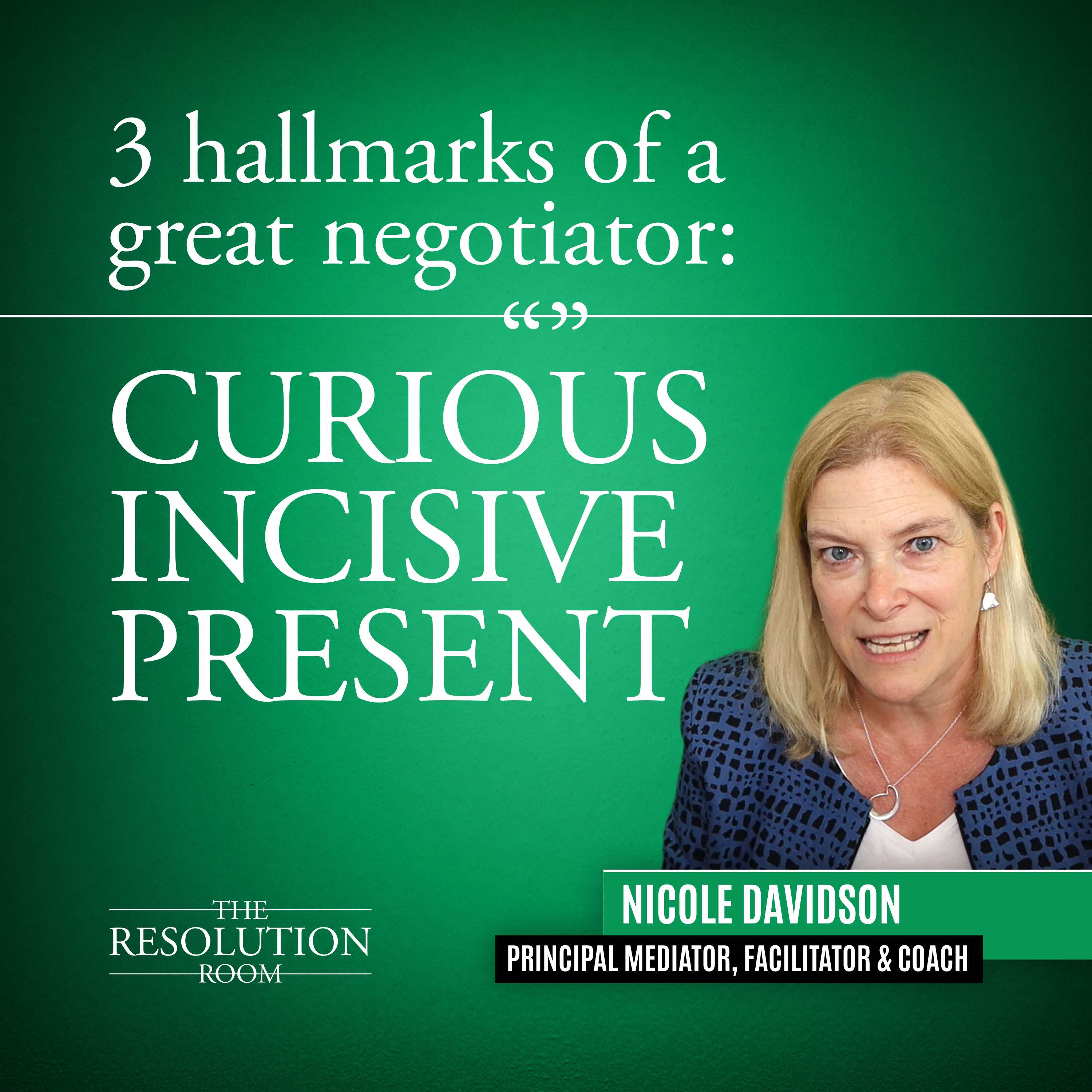
    If you’ve ever walked into a negotiation thinking the law and the facts would do the heavy lifting, and then watched the whole thing stall anyway, this episode will feel familiar. I’m joined by Nicole Davidson, accredited mediator and negotiation trainer, to talk about why disputes don’t settle on logic alone, and what actually moves people when positions are entrenched. Nicole brings a rare mix of commercial and human skills, with a background spanning insolvency, investment banking, learning and development, and now commercial mediation. We talk about how she found her way into mediation through Harvard grounded negotiation training, and why she believes the quality of a mediator’s questions can be the difference between a good outcome and a great one. We also get into the common mistakes lawyers make when negotiating, including over relying on legal merit and trying to “take the emotion out of it” when emotion is often the whole point. Nicole shares the core skills she sees as non negotiable, curiosity, asking better questions, and real listening, plus why negotiation training can give lawyers a framework they can use in disputes, deals, and everyday professional conversations. Guest Links: Nicole Davidson: Website: https://www.nicoledavidsonnegotiation.com.au/ LinkedIn: https://www.linkedin.com/in/nicole-davidson-negotiation/ More From Damien: Website | LinkedIn | YouTube WORK WITH ME: Book a Mediation or a 15-minute Discovery call with Damien: https://www.evolveresolve.com/booking Website: https://www.evolveresolve.com/ LinkedIn: linkedin.com/in/damien-van-brunschot YouTube: @evolveresolve Email: damien@evolveresolve.com

    • Transcript
  • #28
    June 2 · 37 min

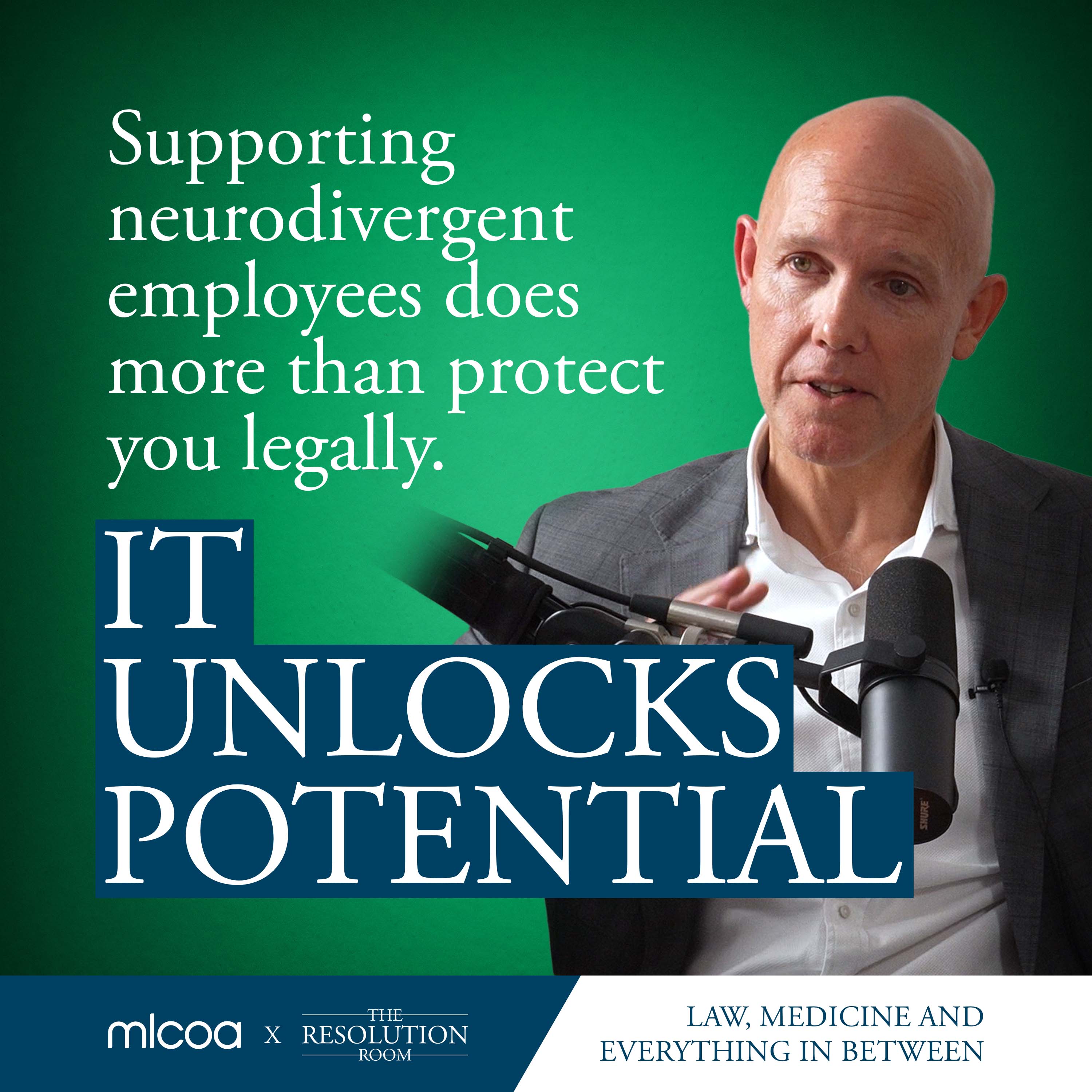
    ADHD and Neurodivergence in the Workplace: A Medicolegal Panel Discussion

    Most workplace issues do not start as legal problems. They start as friction, fatigue, missed cues, and someone quietly thinking, I’m trying my best here and it still isn’t working. This conversation looks at how ADHD and neurodiversity can sit underneath those moments, and what employers can do early, before it becomes formal, adversarial or avoidable damage. I’m joined by Vanessa from mlcoa, psychiatrist Dr Tim MacDonald, and Andrew Rich, partner at Gadens, to talk about what ADHD can look like at work and why more organisations are seeking clearer guidance on diagnosis, support, and reasonable adjustments. We explore ADHD as more than a label, including the strengths and challenges that can come with it, and why the right environment can change everything. Vanessa shares what she is seeing from employers, and Dr Tim brings the clinical lens on attention, stress, and performance. Andrew then steps through the legal landscape, including how the Disability Discrimination Act and Fair Work Act approach reasonable adjustments and why you do not always need a formal diagnosis to start doing something sensible. We also talk about practical, low-drama ways to support neurodiverse employees, and how listening, role clarity, and small adjustments can prevent issues escalating into formal disputes. CHAPTER MARKERS 00:00 ADHD in the Workplace Panel 00:18 Why ADHD Awareness Is Rising 01:12 mlcoa Concierge Support Service 01:45 ADHD Clinical View and Neurodiversity 03:25 Employment Law Perspective on ADHD 04:08 ADHD Stigma at Work 07:28 ADHD Diagnosis vs Reasonable Adjustments 15:21 Flexible Work and Managing Workload 20:00 Privacy and Disclosure of ADHD 21:44 Psychosocial Hazards and WHS Duties 24:48 Getting Ahead of Workplace Conflict 28:23 Performance Management and Mediation 32:23 Strengths of ADHD at Work 35:05 Key Takeaways and Disclaimer Guest Links: Dr Tim MacDonald: LinkedIn: https://www.linkedin.com/in/dr-tim-macdonald-4470ba92/ Vanessa Daniel: LinkedIn: https://www.linkedin.com/in/vanessa-d-b002496b/ Andrew Rich: LinkedIn: https://au.linkedin.com/in/andrew-rich-50a84a5a Gadens: https://www.gadens.com/ More From Damien: Website | LinkedIn | YouTube WORK WITH ME: Book a Mediation or a 15-minute Discovery call with Damien: https://www.evolveresolve.com/booking Email: damien@evolveresolve.com #mlcoa #adhd #mediation #coaching #legal #lawyer #evolveresolve Disclaimer: The content of this podcast is general information only and does not constitute legal or medical advice. ©2026 mlcoa | Law, Medicine & Everything in Between. Mentioned in this episode: mlcoa

    • Transcript
  • #27
    May 19 · 27 min

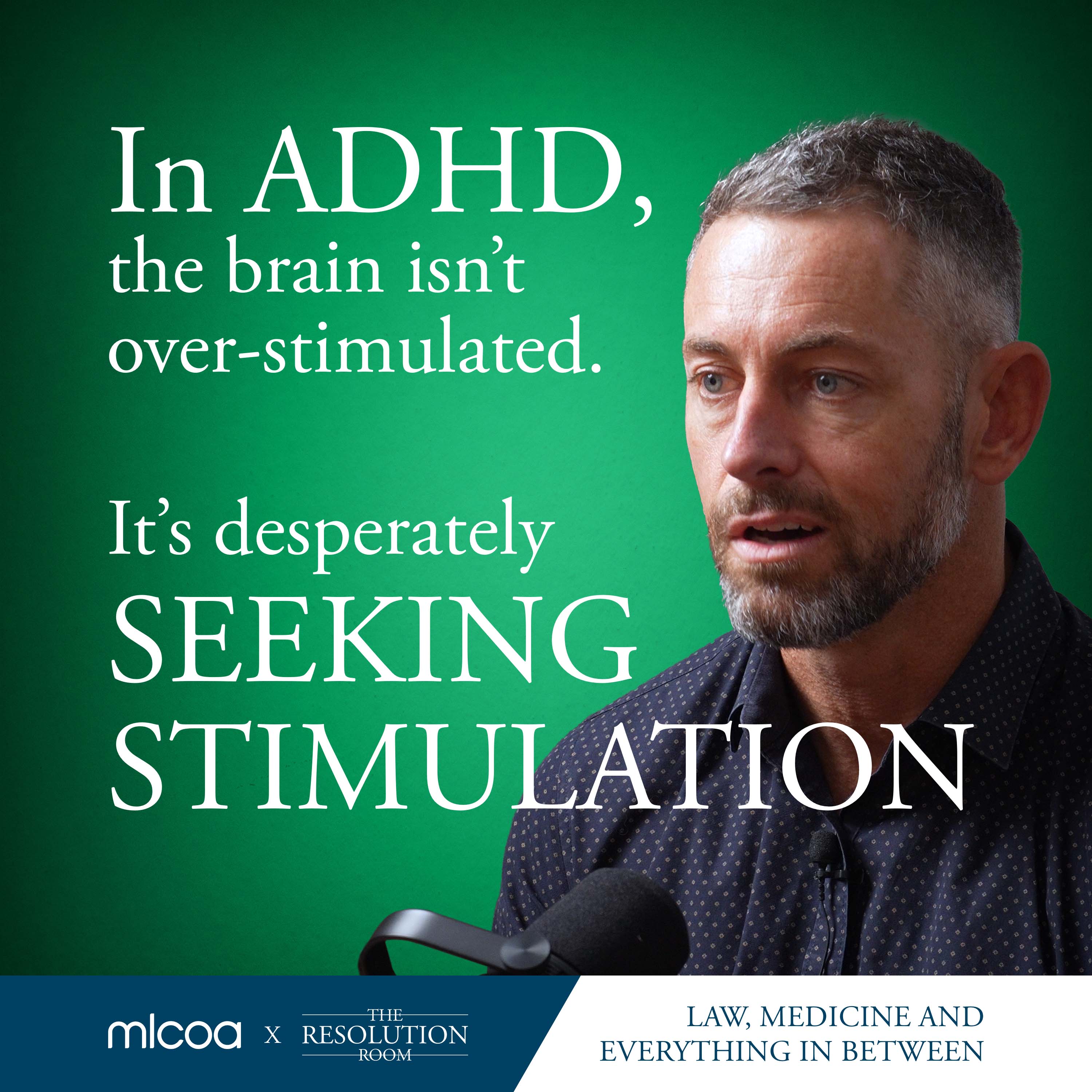
    ADHD Diagnosis & Treatment with Psychiatrist Dr Tim MacDonald and mlcoa's Vanessa Daniel

    ADHD is everywhere in the conversation right now, but there is still a lot of confusion about what it is, what it is not, and what good support actually looks like. I’m joined by Dr Tim MacDonald, a psychiatrist with deep academic and clinical experience, and Vanessa Daniel, National Customer and Legal Manager at mlcoa. Together we explore their collaboration, Law, Medicine and Everything in Between, and why bridging the medical and workplace worlds matters more than ever. Dr Tim talks through how ADHD is diagnosed in practice, why more people are presenting for assessment, and the common misconceptions that show up in the current ADHD moment. We discuss the overlap with other conditions, the role of social media in shaping self diagnosis, and why medication is not a simple shortcut. If you have ever wondered why ADHD can be missed until adulthood, or why the clinical picture is rarely straightforward, this part of the conversation will give you a clearer frame. Vanessa brings the medicolegal lens, including why ADHD assessments in workplace and legal contexts need more than a questionnaire and a quick label. We also touch on non pharmaceutical supports, the reality of managing ADHD in a high distraction world, and what this means for employers and professionals trying to do the right thing. This episode sets up the next instalment with Andrew Rich from Gadens, where we move into the practical workplace obligations and privacy issues that follow. Guest Links: Dr Tim MacDonald: LinkedIn: https://www.linkedin.com/in/dr-tim-macdonald-4470ba92/ Vanessa Daniel: LinkedIn: https://www.linkedin.com/in/vanessa-d-b002496b/ More From Damien: Website | LinkedIn | YouTube WORK WITH ME: Book a Mediation or a 15-minute Discovery call with Damien: https://www.evolveresolve.com/booking Website: https://www.evolveresolve.com/ LinkedIn: linkedin.com/in/damien-van-brunschot YouTube: @evolveresolve Email: damien@evolveresolve.com Disclaimer: The content of this podcast is general information only and does not constitute legal or medical advice. ©2026 mlcoa | Law, Medicine & Everything in Between. Mentioned in this episode: mlcoa

    • Transcript
  • #26
    May 5 · 25 min

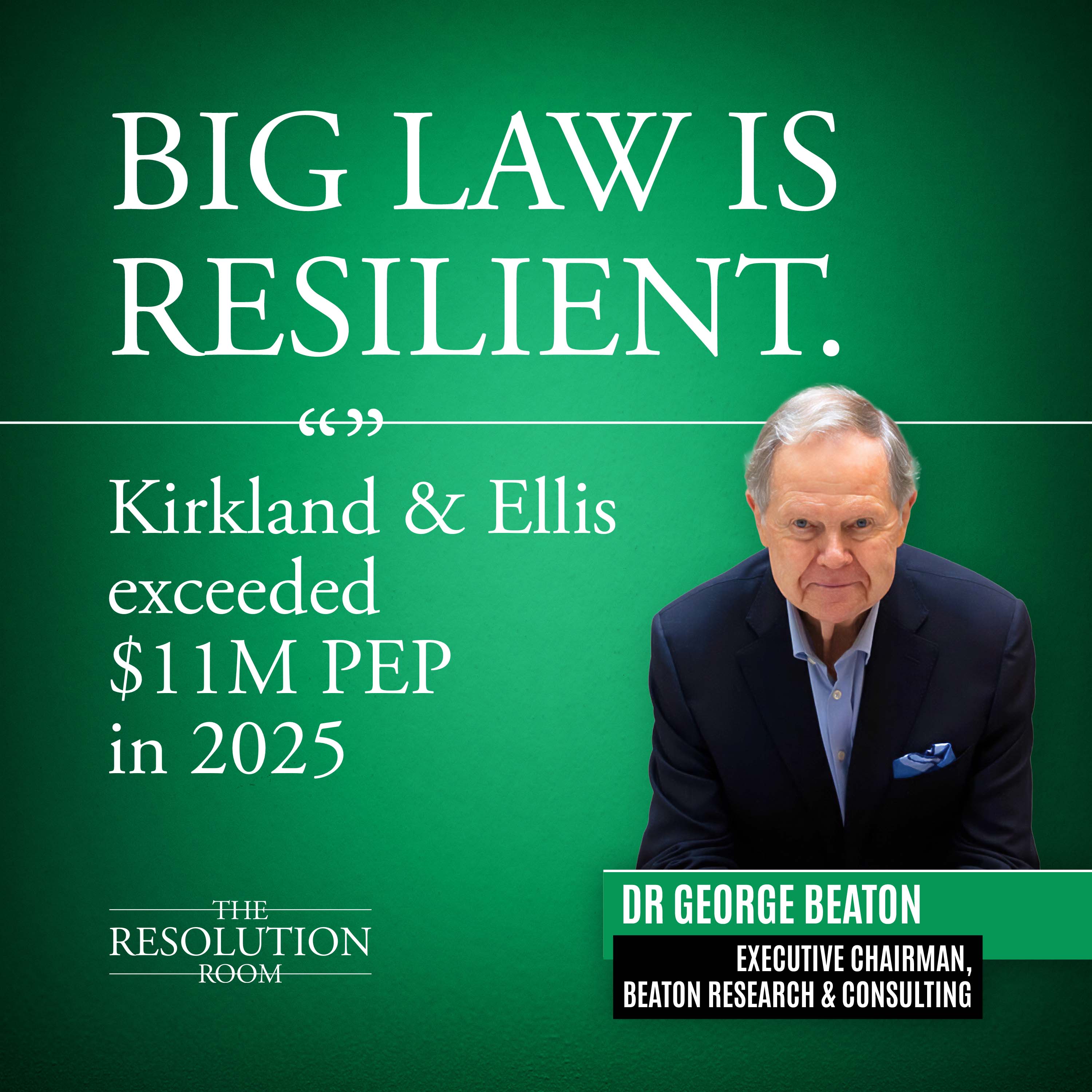
    Big Law, New Law, and the Future of Law with Dr George Beaton

    I sat down with Dr George Beaton, one of the sharpest minds on the future of the legal profession, to talk about what is changing and what is staying stubbornly the same. George has a rare mix of academic and commercial credibility, with a background in medicine, an MBA and PhD, senior fellow roles at the University of Melbourne’s business and law schools, and decades advising professional service firms through Beaton. He is also the author of books New Law, New Rules and Remaking Law, so he is not guessing at trends. He has been watching them form for years. We cover the difference between Big Law and what George calls New Law, without the hype. Big Law still runs on familiar settings like hierarchy, billable hours and the partnership model, and it remains highly profitable. New Law, on the other hand, is more agile, more tech enabled, often more project based and far more willing to rethink pricing and ownership structures. We talk about what is actually driving the shift, including client expectations, business model pressure and the growing influence of technology and AI. We also get practical about what this means for lawyers and leaders right now. George shares his view on the skills that will matter more as the market evolves, including judgment, relationships and broader life experience, not just technical competence. If you are curious about where the profession is heading and how to stay relevant without chasing every new trend, this conversation will give you a clear and grounded way to think about it. Guest Links: LinkedIn: https://www.linkedin.com/in/georgerbeaton/ Website: https://beatonglobal.com/ More From Damien: Website | LinkedIn | YouTube WORK WITH ME: Book a Mediation or a 15-minute Discovery call with Damien: https://www.evolveresolve.com/booking Website: https://www.evolveresolve.com/ LinkedIn: linkedin.com/in/damien-van-brunschot YouTube: @evolveresolve Email: damien@evolveresolve.com

    • Transcript
  • #25
    April 21 · 25 min

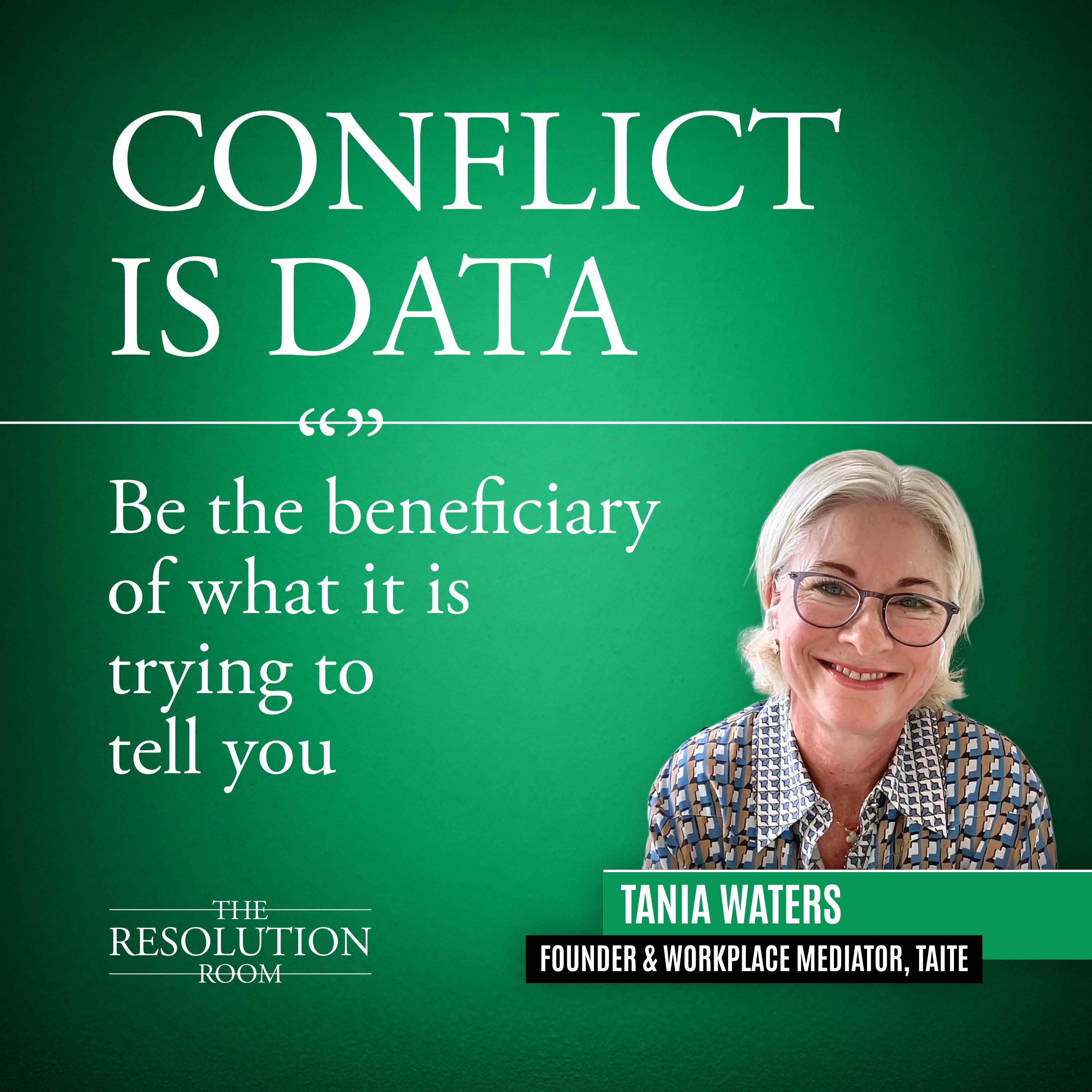
    Conflict is Data, Benefit from it: Workplace Mediation with Tania Waters

    Tania Waters is a conflict management specialist, accredited mediator, and conflict coach who has spent years in senior global roles across HR and legal services. She founded Taite in 2021 and now focuses exclusively on workplace mediation. In this conversation, we get practical about why mediation is still underused in workplaces and why bringing it in earlier, rather than after an investigation, can change the entire trajectory of a conflict. We talk about what investigations can unintentionally do to people’s positions and emotions, especially in the classic he-said-she-said scenarios where nobody feels seen at the end of the process. Tania explains why workplace mediation is not about proving who is right or wrong. It is about sense-making, hearing each other’s experience, and working out how to move forward without ending up in the same place again. We also discuss why some organisations prefer the label facilitated conversation, and the real advantage of an external mediator, not just skill, but independence and psychological safety for the people in the room. Finally, Tania shares a few ideas that will stick with you, including her view that conflict is data and that mediation can be a powerful leadership development tool. We also touch on the shift in expectations around psychosocial hazards, why law firms can still be surprisingly conflict-averse, and what sustainable change can look like when people actually have the conversation they have been avoiding. CHAPTER MARKERS 00:00 Tania Waters, Workplace Mediation Specialist 01:17 Why Mediation Is Underused in HR and How to Fix It 02:45 When to Investigate vs. When to Mediate Workplace Conflict 04:39 How Mediation Shifts Perspectives and Breaks Entrenched Conflict 05:23 Mediation Is Not About Right or Wrong, It's About Sense-Making 07:35 Facilitated Conversation vs. Mediation: Why Labels Matter 12:41 The Superpower of Independent External Mediators 14:20 Personality Clash Is a Myth: The Real Root Causes of Workplace Conflict 21:00 Conflict Is Data: Using Workplace Conflict as a Leadership Tool 21:25 Mediation for Leadership Development and the REWA Conference Talk 23:08 Tania's Business Philosophy: Quality Over Scale 24:04 Workplace Mediation Specialisation and Keeping Skills Sharp Guest Links: LinkedIn: https://www.linkedin.com/in/taniawaters/ Taite Website: https://taite.com.au/ More From Damien: Website | LinkedIn | YouTube

    • Transcript
  • #24
    April 7 · 26 min

    Avoidance Behaviour and Impostor Phenomenon in Professional Services with Michael Schiffner

    Michael Schiffner has spent years helping professionals get better at business development, and this conversation gets to the heart of why that matters. As the founder of Collective Intelligence and former National Business Development Coach at KPMG, Michael brings a practical and refreshing perspective to an area many lawyers still resist. We talk about why BD is such a pain point in professional services, why so many people confuse it with selling, and how that misunderstanding gets in the way of building strong, long term client relationships. A big part of the discussion focuses on what actually drives growth. Michael explains that effective business development is not about being pushy or performative. It is about trust, generosity, consistency, and staying front of mind. We also explore the research behind The Activator Advantage and the three behaviours that sit at the centre of it: commit, connect, and create. One of the more useful parts of the conversation is Michael’s challenge to the idea that only extroverted rainmakers succeed. He makes a compelling case that introverts can be highly effective in BD when they lean into their own strengths. We also spend time on the internal barriers that make BD harder than it needs to be. Fear of rejection, perfectionism, and competing commitments all show up in this conversation, along with the stories professionals tell themselves about why they are not naturally good at this part of the job. Michael shares how his coaching work, including his wisdom circles, helps people work through those patterns and build habits that are realistic and sustainable. If business development has ever felt awkward or unnatural, there is a lot in this conversation that will shift the way you think about it. CHAPTER MARKERS 00:00 Michael Schiffner and the BD Problem 01:25 Why Professional Services Firms Struggle with BD 02:26 Business Development Versus Selling 05:49 Why Introverts Can Succeed in BD 09:10 The Activator Advantage 09:45 Commit, Connect, Create 14:00 Fear, Perfectionism, and Mindset Blocks 17:22 Wisdom Circles and Coaching 20:29 Hidden Barriers to Action 22:01 Why BD Is a Long Game Guest Links: LINKEDIN: https://www.linkedin.com/in/michaelschiffner/ WEBSITE: https://collectiveintelligence.au/ More From Damien: Website | LinkedIn | YouTube WORK WITH ME: Book a Mediation or a 15-minute Discovery call with Damien: https://www.evolveresolve.com/booking Website: https://www.evolveresolve.com/ LinkedIn: linkedin.com/in/damien-van-brunschot YouTube: @evolveresolve Email: damien@evolveresolve.com

    • Transcript
  • #23
    March 24 · 21 min

    The Data Behind Your Workplace Culture with David Talbot of Talbot Mills Research

    I sat down with researcher and political pollster David Talbot (Talbot Mills/The Enactor Group) to discuss his background in politics and polling, including his work with Jacinda Ardern during COVID. We also unpacked his workplace culture survey and what it means for generational engagement and leadership. David explained the methodology: around 1,000 Australians were surveyed using a weighted, census-matched representative sample. We discussed how pay and job security remain the top drivers when choosing a job across all age groups, including those aged 18–29 (pay 56%, security 51%), pushing back on myths that workplace perks attract Gen Z. We explored what respondents define as a ‘good workplace culture’—a non-toxic environment (19%), mutual respect (17%), and teamwork (15%)—and why most people are positive about their current workplaces despite nearly half dreading work and concerns about office politics. We also covered how under-30s prioritise career development and mobility, as well as the sharp AI anxiety among younger workers, with 62% expecting their job could be replaced within five years, with implications for morale, retention, and policy.

    • Transcript
  • #22
    March 10 · 25 min

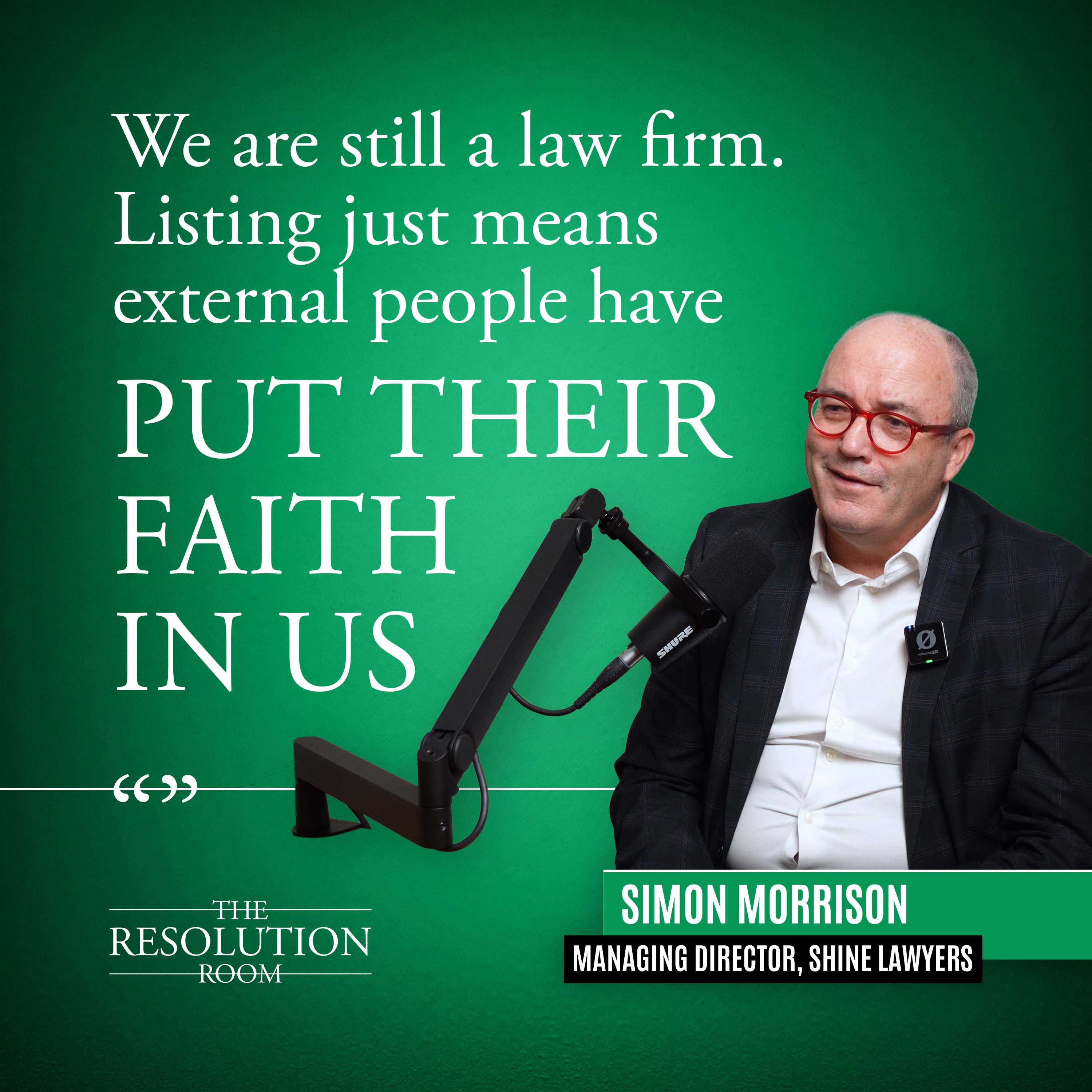
    Shine Lawyers Managing Director Simon Morrison on 38 Years at the Firm

    I recently caught up with Simon Morrison, Managing Director of Shine Lawyers, for a proper behind the scenes chat about what it’s like to spend 38 years inside one firm and still be hungry for what’s next. Simon and I both come from Toowoomba and went to St Mary’s, so there’s a shared thread running through the conversation, but the real story is how a small local practice became one of the biggest names in the country. Simon takes us back to 1988 when he joined Shine and the firm was tiny, doing mostly conveyancing, and then walks through the moments that changed everything. We talk about the late 1990s push interstate, why they made the call, what they learned the hard way, and how Shine grew into a national firm known for personal injury and class actions. It’s a candid look at growth that wasn’t always neat, but was always deliberate. We also get into the bigger swings, including Shine’s move onto the ASX and what it’s like running a listed law firm with the scoreboard ticking over every day. Simon shares why he’s now spending serious time building Shine’s international presence, particularly in the United States and New Zealand, and what’s driving that ambition. If you’re interested in leadership, long game career decisions, and how big firms actually expand, you’ll get a lot out of this one. Guest Links: https://www.shine.com.au/ https://www.linkedin.com/in/simon-morrison-087434/ More From Damien: Website | LinkedIn | YouTube

    • Transcript
  • #21
    February 24 · 33 min

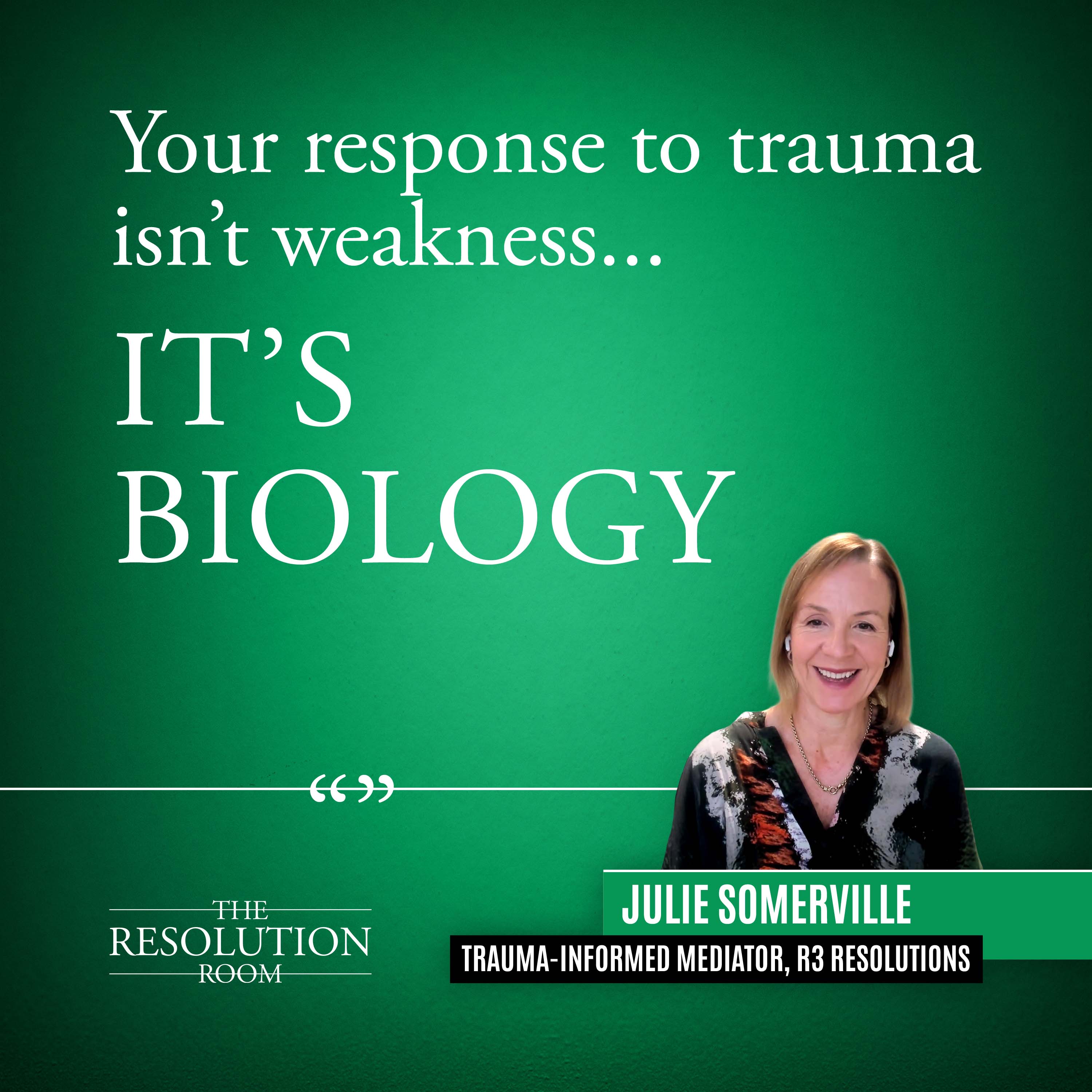
    Transforming Resolution with Trauma-Informed Mediation: Julie Somerville

    In this episode of The Resolution Room, I sit down with Julie Somerville, a former solicitor turned mediator who has built a national reputation for her trauma-informed approach. Julie has been recognised in the New South Wales market, listed in Doyles for the last five years, and named Mediator of the Year (Australian ADR Awards) in 2022. We talk about why trauma-informed practice matters in civil claims, and what it looks like when a mediator is deliberately designing the process to support better decision-making. Julie shares what drew her into mediation, including her experience in defendant practice and the shift she saw in the post Royal Commission environment. We discuss the kinds of matters she mediates now, including sensitive and highly emotional claims such as historical abuse, birth trauma, nervous shock, catastrophic events, and compensation to relatives claims. We also explore why traditional, lawyer-driven approaches can fall short in these settings, and what lawyers on both sides can do to better support their clients through the process. We then unpack the practical tools and mindset behind trauma-informed mediation. Julie explains trauma at a high level, how it can show up in the room, and why it can affect a person’s ability to process advice and make decisions. She also shares examples of how small, thoughtful process choices can change the tone and safety of a mediation, and we finish with a candid discussion about vicarious trauma, compassion fatigue, and the self-care systems Julie uses to stay present in demanding work. Guest Links: R3 Resolution's Website: https://r3resolutions.com.au/ Julie's LinkedIn: https://www.linkedin.com/in/juliesomerville/ Law Society of Scotland Trauma-Informed Justice Modules: https://www.lawscot.org.uk/members/cpd-training/online-cpd/trauma-informed-training/ Legal Society of New South Wales Trauma-Informed Legal Assistance: https://www.legalaid.nsw.gov.au/for-lawyers/professional-development/lawyer-education-series/trauma-informed-legal-assistance What is Trauma-Informed Mediation: https://r3resolutions.com.au/what-is-trauma-informed-mediation-a-practical-explanation-for-lawyers-and-their-clients/ More From Damien: Website | LinkedIn | YouTube

    • Transcript
  • #20
    February 10 · 25 min

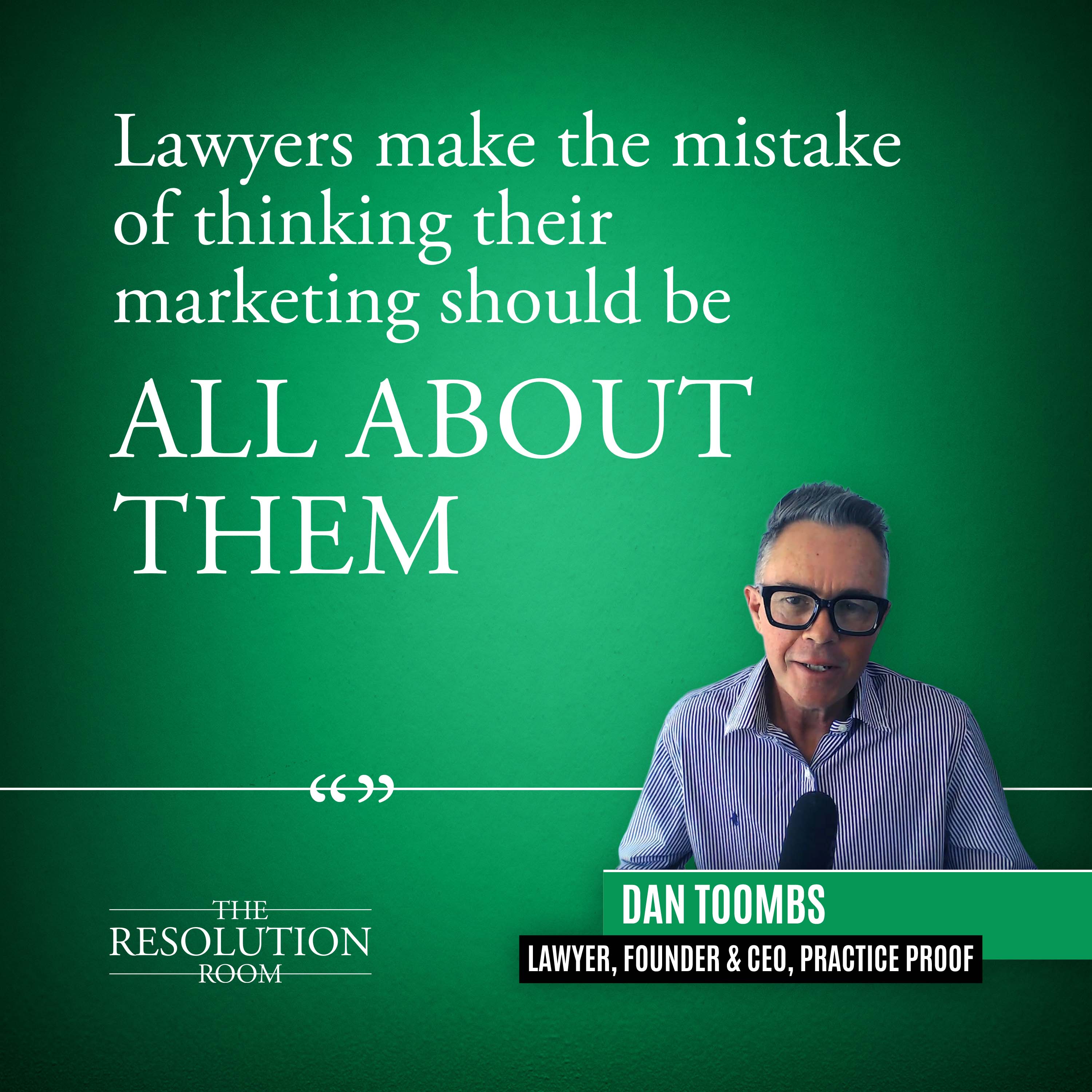
    Be Distinctive, Not Different: Law Firm Marketing with Dan Toombs

    In this episode, I sit down with Dan Toombs, founder of law firm marketing agency Practice Proof, who took an unorthodox path from his early days at St Mary’s in Toowoomba into law, social justice work and eventually two decades at the forefront of digital strategy for lawyers. Dan understands the legal profession from the inside, which is exactly why his take on marketing feels both practical and grounded. We talk about what most law firms get wrong about “being different” and why the real goal is being distinctive. Dan unpacks brand salience and the long game of staying top of mind, plus we discuss a standout example from Shine Lawyers and how memorable branding can cut through a crowded market without relying on the usual legal clichés. We also explore StoryBrand and why positioning the client as the hero matters in professional services, particularly when clients are stressed, time poor and trying to make sense of a complex process. Finally, Dan shares his candid view on how AI is starting to reshape SEO and legal marketing, what is still unclear, and what firms should be paying attention to right now. Links: https://www.practiceproof.com/ https://www.linkedin.com/in/marketinglawfirms/ Website | LinkedIn | YouTube

    • Transcript
Showing 1–20 of 22 episodes