Skip to content
Artwork for the Proclaim & Defend Podcast

the Proclaim & Defend Podcast

the Proclaim & Defend Podcast

The Proclaim & Defend podcast is the podcast of the Foundations Baptist Fellowship International. We established this podcast to give a voice to our publication, FrontLine Magazine. We hope you enjoy the additional content we provide here. You can subscribe to our magazine via Substack or go to http://fbfi.org/subscribe/ to subscribe to the magazine.

proclaimdefend.substack.com
Play
  • 21 episodes
  • Avg 21 min
  • English
Counted on this page — what you have heard stays on this device, so it is not something the list can be paged by.
  • Yesterday · 7 min

    Considering 1 Corinthians 6 Before Posting Online

    1 Corinthians 6:1-7 says the following. Dare any of you, having a matter against another, go to law before the unrighteous, and not before the saints? Do you not know that the saints will judge the world? And if the world will be judged by you, are you unworthy to judge the smallest matters? Do you not know that we shall judge angels? How much more things that pertain to this life? If then you have judgments concerning things pertaining to this life, do you appoint those who are least esteemed by the church to judge? I say this to your shame. Is it so, that there is not a wise man among you, not even one, who will be able to judge between his brethren? But brother goes to law against brother, and that before unbelievers! Now therefore, it is already an utter failure for you that you go to law against one another. Why do you not rather accept wrong? Why do you not rather let yourselves be cheated? No, you yourselves do wrong and cheat, and you do these things to your brethren. The FBFI is no stranger to controversy. Our fellowship was born out of a reaction to the doctrinal compromise of the Northern Baptist Convention during the fundamentalist/modernist conflicts of the early 20th century. We have also been very vocal over the last 70 years or so regarding the compromise of New Evangelicalism, as well as compromise and errors within broader fundamentalism and evangelicalism. However, with the advent of the internet, social media, and even this blog site, we have had to seriously consider about how we approach conflicts between Christian brothers and how we approach them. … Read the whole post here, or just listen to the podcast. Get full access to the Proclaim & Defend Podcast at proclaimdefend.substack.com/subscribe

  • Saturday · 50 min

    Interview 119: Shaping the Church from the Ground Up

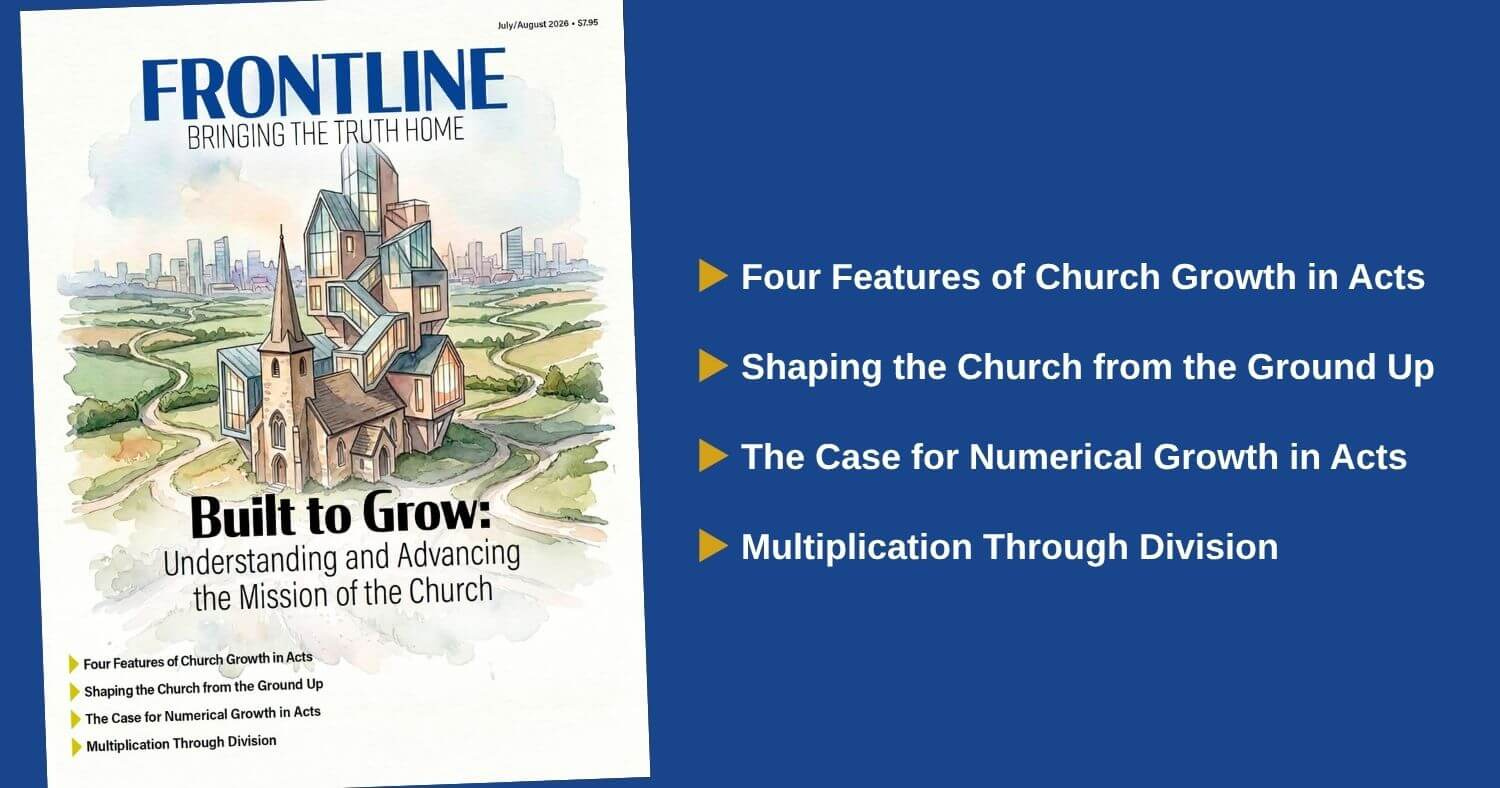
    We are finishing up our conversations on our July/August edition of FrontLine, which was on the subject of building the church: “Built to Grow: Understanding and Advancing the Mission of the Church.” Our guest today is pastor Will Cover, from Houston, TX. His article was called “Shaping the Church from the Ground Up.” One of the unique features of Will’s ministry is his approach to small group Bible studies. I really appreciated the conversation we had. We aren’t offering Will’s ideas as the “only way” to “do church” — whatever that means — but we are giving it as an example. You might not use every idea Will shares, but I am sure you will come away with something that will be a help for your own ministry of building disciples. Before we get into the discussion, let me remind you that Will’s article is available on our Substack right away for paying subscribers. We have previews for everyone else. I hope you will join with us and support the ministry of the FBFI by becoming a paying subscriber. The Article: Shaping the Church from the Ground Up The Contents & Editorial for the July/August FrontLine: FrontLine: Built to Grow: Understanding and Advancing the Mission of the Church Get full access to the Proclaim & Defend Podcast at proclaimdefend.substack.com/subscribe

  • August 31 · 8 min

    Plagiarism and the Preacher

    This seems to be a hot topic these days. After all, it is easy to read someone else’s message on Sunday morning. And AI can write sermons. Also, AI tools now can examine every word every preacher speaks for unattributed quotes or content. It’s daunting to think that members of congregation can be using tools on their phones to evaluate the words of the preacher as he speaks. This can lead to unrealistic expectations and a misunderstanding of the nature of preaching verses the published word or academic paper. So, a few words are in order now, and a fuller development of the subject should follow later. Please read or listen to the end before you criticize. Originality in preaching should not be an expectation. The word of God has been exegeted by hundreds of thousands, perhaps millions of preachers over the 2000 years of church history. Libraries are filled with books that explain passages both directly and indirectly. The Word we are commanded to preach is finite in content—bound within the 66 books of the Bible. We are commanded to preach the word of God—not our own creative thoughts or ideas. What should alarm a congregation on Sunday is not when their preacher says things that others have also said, it is when he says things that no other has ever said (someone else said this before me, but I don’t know who). … Read the rest of the article here or just listen to the podcast. Get full access to the Proclaim & Defend Podcast at proclaimdefend.substack.com/subscribe

  • August 24 · 8 min

    What Is Jesus Like, Right Now?

    If you are a pastor, please read all of this. If you are not, please forward it to your pastor. He needs to hear it. And of course, read it yourself. Discouraging times need an encouraging message. The end of the first century was coming to a close. John, the last remaining Apostle was in exile on Patmos, and Jesus had not yet returned. With the passing of each year and the martyrdom of the Apostles, the hope of the 1st Century church wavered. At first, they expected Him to come at any time. Then, as time passed, they surely expected the time to be closer. But now John is coming to the end of his earthly sojourn and Christ will not return in His glory before the Apostolic age ends. Not only that, but the church had also endured several seasons of persecution—first under the Jews, then Nero, and now under Domitian. In this setting Jesus speaks these words of encouragement and challenge to His people. This message is intended for the churches of John’s day, but also for all the churches of the age between the close of the canon and the ultimate return of Christ. It is for us. The Jesus who was, who is, and who is to come. The self-descriptions of Jesus in Revelation 1 are profound. He is the timeless one. He is the Alpha and Omega. He is the beginning and the end. He is the first and the last. He is the one who was, who is, and who is to come. He is the one who lives, was dead, and now lives forevermore. … Read the rest of this post here, or just listen to the podcast. Get full access to the Proclaim & Defend Podcast at proclaimdefend.substack.com/subscribe
  • August 17 · 5 min

    What’s the Big Deal about the Chaplains?

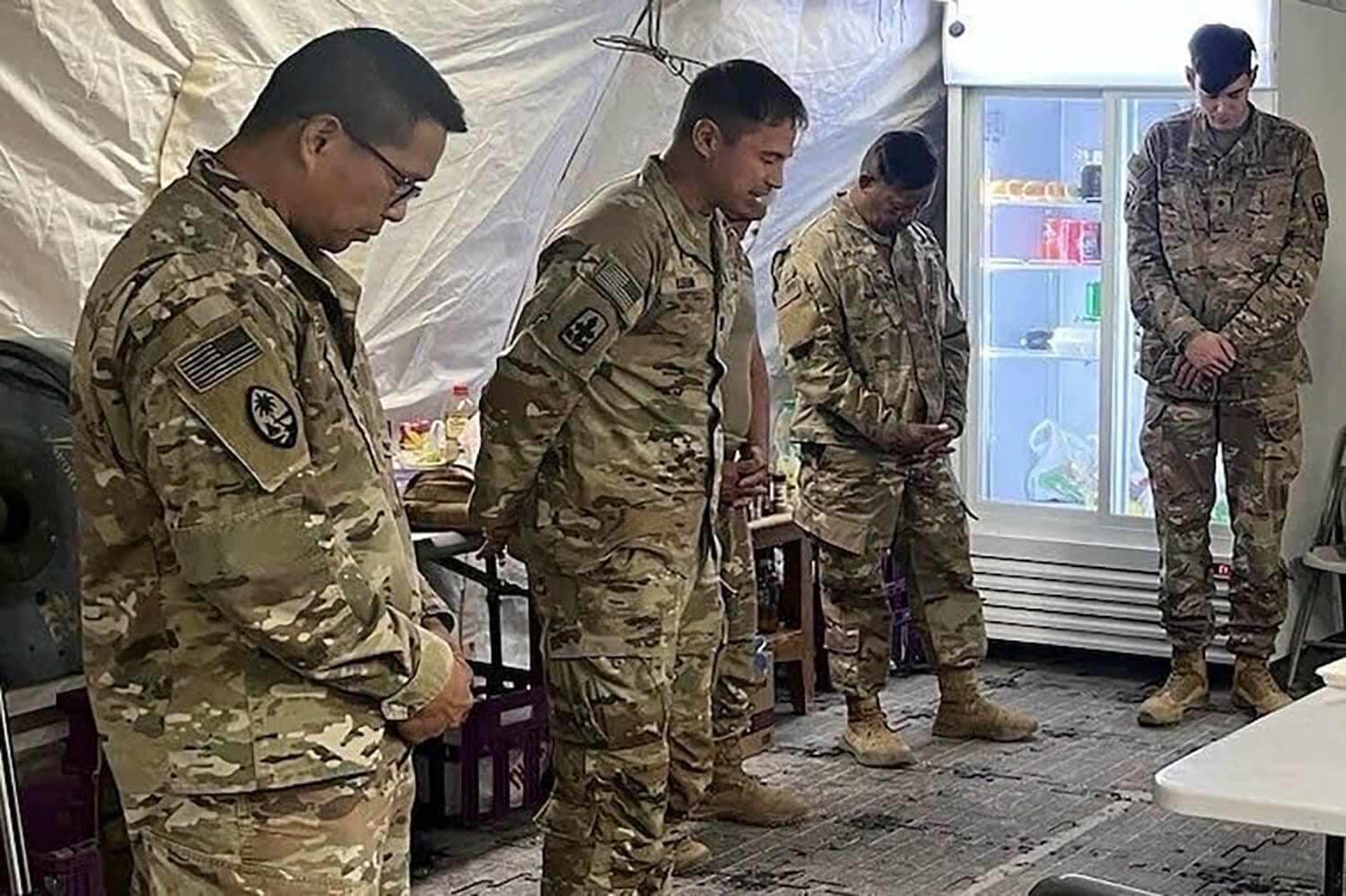
    A pastor outside the FBFI once asked me that question. He could not understand why the chaplaincy is such an important part of the FBFI. For many who are hunkered down in the day-to-day battle of local church ministry, the military chaplaincy seems light years away. Community chaplains sometimes have contact with local churches, and some of our local church pastors are having rich ministry as community chaplains with police departments, fire departments, hospitals, and other organizations. However, many pastors and church members do not understand the enormity of the responsibility and opportunity that the chaplaincy is for us. Canadian Military Chaplains can’t mention God in public. In an August 12, 2026 article in Christianity Today, Adam MacInnis explained a new directive from Canadian Military leadership. … Read the rest of the article here, or just listen to the podcast. Get full access to the Proclaim & Defend Podcast at proclaimdefend.substack.com/subscribe
  • August 15 · 37 min

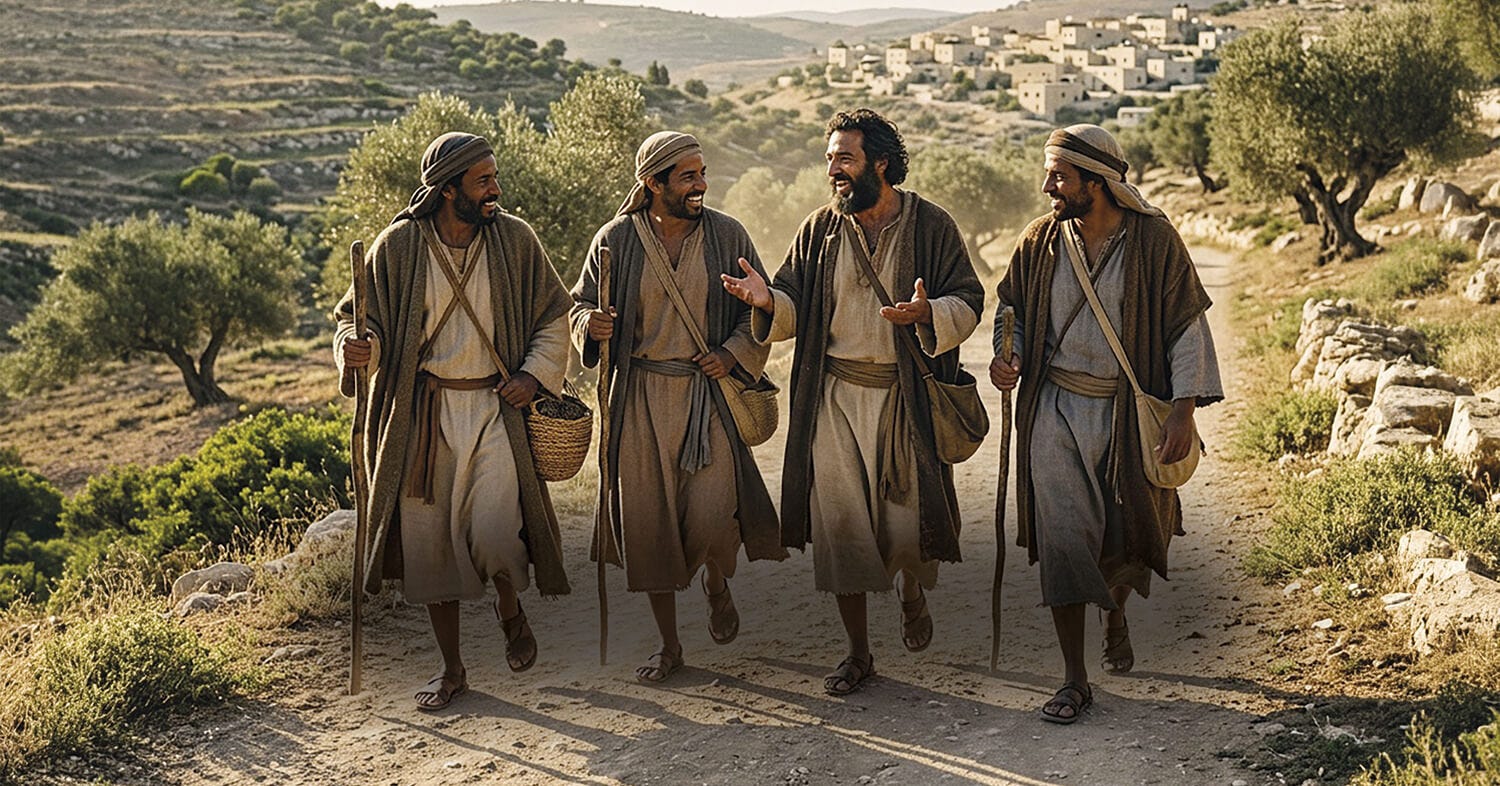
    Interview 118: Four Features of Church Growth in Acts

    Today I’m joined by my friend, Dave Huffstutler. Dave wrote an article for the July/August edition of FrontLine which was about growing churches: “Built to Grow: Understanding and Advancing the Mission of the Church.” Dave’s article is about “Four Features of Church Growth in Acts.” Dave isn’t giving us “four principles for success” or “the Acts formula” for church growth. Rather he is observing features of growing church life in the book of Acts that parallel the kinds of church life we want to foster in our own churches. We had a wide-ranging discussion on many aspects of church life. It was a blessing to talk to Dave about it, then to think through it again in the editing process. In the interview, I mentioned our own church’s upcoming 40th anniversary celebration. Well, that “upcoming” turns out to be last Sunday, so we are moving now into our 41st year. The things we talked about in the conversation are things we have tried to do in our church and, really, every Bible-believing church tries to do all the time. It’s helpful to think about them again and ask ourselves questions about how we are doing and how we could be perhaps doing a little better in some areas of our own church life. Well, that’s enough from me. I’ll get into my conversation with Dave in just a moment, but first, let me remind you that Dave’s article is available on our Substack right away for paying subscribers. We have previews for everyone else. I hope you will join with us and support the ministry of the FBFI by becoming a paying subscriber. And now for my interview with Dave Huffstutler. The Article: Four Features of Church Growth in Acts: Rediscovering the New Testament Pattern The Contents & Editorial for the July/August FrontLine: FrontLine: Built to Grow: Understanding and Advancing the Mission of the Church Get full access to the Proclaim & Defend Podcast at proclaimdefend.substack.com/subscribe

  • August 10 · 6 min

    Is it Mental Health or a Spiritual Problem?

    “Sin is at the root of most psychological problems.” -- Gilbert Fremont As I rode to a Diamondbacks baseball game with some men from our church last night, we began discussed about all the billboards advertising accident lawyers. You know the bunch. They are nationwide. Sweet James out of California, Morgan and Morgan out of Florida, and many more. I am old enough to remember when lawyers weren’t allowed to advertise. I am not sure that the commercialization of the legal profession has helped much or made the courts any more effective in producing justice. Now it’s the therapist’s turn. “Mental health” issues have almost become a badge of honor today. Insurance companies are covering it, and they are now advertising. The marketing strategy for the industry seems to be what it has been for most other products through the years. “Everybody needs to have one.” Really? … Read the rest of this post here, or just listen to the podcast. Get full access to the Proclaim & Defend Podcast at proclaimdefend.substack.com/subscribe
  • August 1 · 45 min

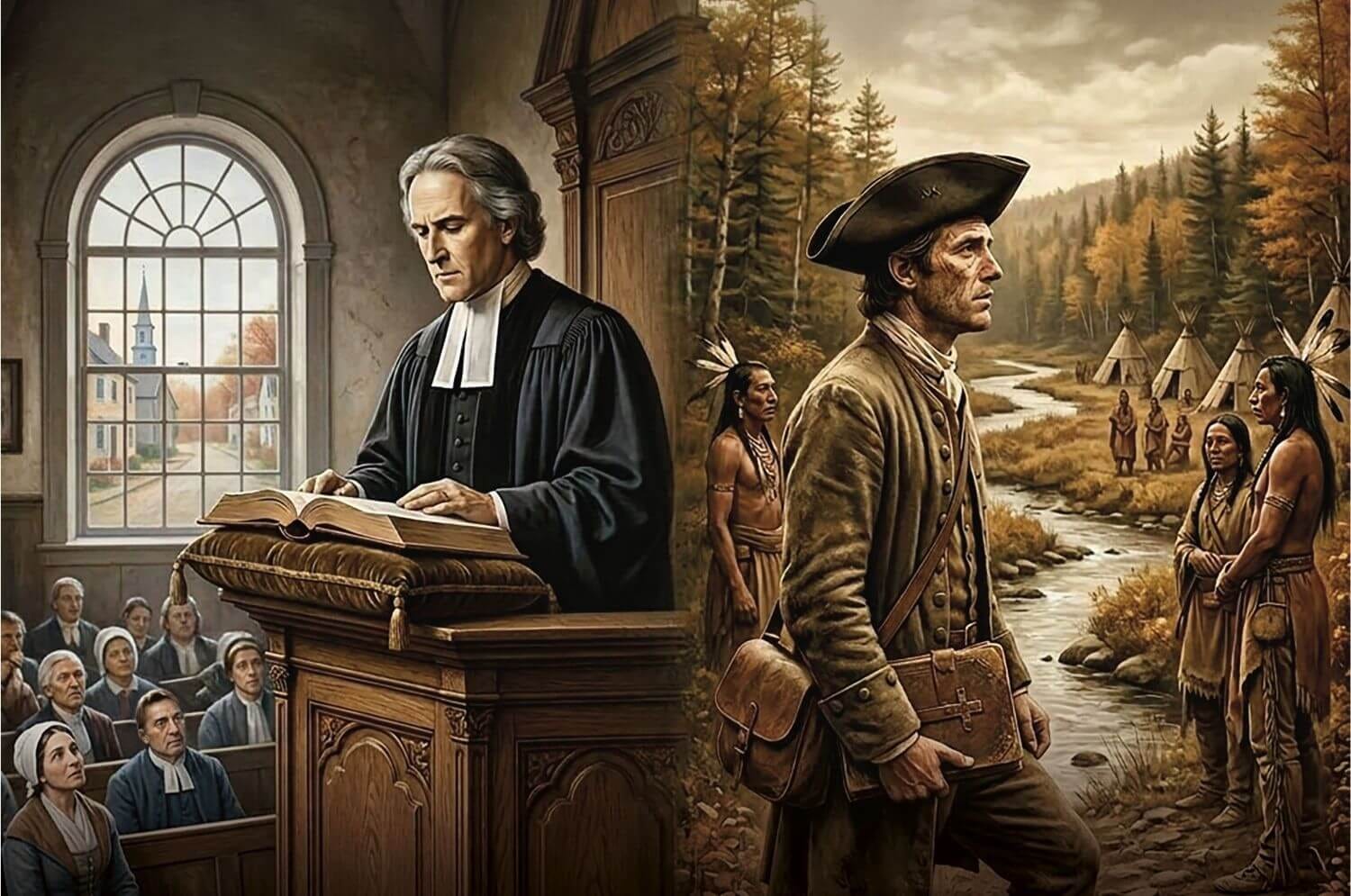
    Interview 117: Edwards and Brainerd on Church Growth

    Today I’m joined by my friend, Ryan Martin. He’s writing in the July/August edition of FrontLine which was about growing churches: “Built to Grow: Understanding and Advancing the Mission of the Church.” Ryan’s article is on Jonathan Edwards and David Brainerd and what we can learn from their long-ago approach to ministry and apply it to modern churches today. I guess every church wants to grow. We all have many friends and family members we would love to see come to Christ and join the fellowship. Our neighbours, too! The more folks who come to Christ and join the local church, the better church life becomes. There are many obstacles, and we can learn from how men in the past faced obstacles as we evangelize in the present. Ryan Martin helps us discern some of the good examples these men set for us. Before we get into the discussion, let me remind you that Ryan’s article is available on our Substack right away for paying subscribers. We have previews for everyone else. I hope you will join with us and support the ministry of the FBFI by becoming a paying subscriber. The Article: Edwards and Brainerd on Church Growth: Rediscovering Historical Insight The Contents & Editorial for the July/August FrontLine: FrontLine: Built to Grow: Understanding and Advancing the Mission of the Church Get full access to the Proclaim & Defend Podcast at proclaimdefend.substack.com/subscribe

  • July 27 · 7 min

    Covetousness: The Different Commandment

    In an article published this week in Torah.com, Jack Sasson asked an interesting question. “Why is ‘Do not covet’ in the decalogue?’” The Decalogue forbids patently reprehensible acts, but the prohibition against coveting is a potentially victimless offense and is the only one that exclusively addresses men. Moreover, this tenth commandment has no clear parallels in ancient Near Eastern law. As we trace through the Commandments in Exodus 20, all are public, outwardly discernible sins with offended parties—divine, human, or both. The first four commandments (Exodus 20:3-11) demand fealty to Jehovah. It must be exclusive—no polytheism. It must not be expressed in idol worship. He must be honored in all speech. He must be honored specifically on the Sabbath. The next five commandments in verses 12-16 are one-another commands that protect people from people. Honor your parents. Do not murder. Honor marriage and remain faithful to your spouse. Do not take what is not yours. Do not commit perjury, damaging your neighbor. But then comes that last commandment (Exodus 20:17), which is about a heart attitude—about desire. After noting that this commandment is exclusively addressed to men (It doesn’t mention coveting your neighbor’s husband, and women could not own property in the ancient Near Eastern world), Sasson says this about this commandment. Another oddity makes the Tenth Commandment stand out from the others: The previous commandments forbid patently reprehensible acts such as stealing, murdering, kidnapping, or committing perjury. By contrast, coveting in the Tenth Commandment is an emotional capitulation to intense envy, remediable only through introspection and self-examination. It is truly a commandment about jealousy and envy and is at the heart of all biblical sin. This might be one of the most important commandments of all. … For the rest of this post click here: Covetousness: The Different Commandment - Proclaim & Defend … or just listen to the podcast . Get full access to the Proclaim & Defend Podcast at proclaimdefend.substack.com/subscribe

  • July 20 · 7 min

    End of Life Decisions and the Christian Family

    My father entered heaven in January of 2021. For our family, it was a traumatic experience. The Covid-19 virus spread through our church rapidly in December of 2020. We had to cancel services because there were no pastoral staff members healthy enough to lead. My father contracted the disease in that wave. He fought it off for several weeks at home before his low blood oxygen level demanded he go to the hospital. But even in the hospital, he did not improve. No one in our family was allowed to visit him there. Once he was moved to ICU, even my daughter, a nurse in that same hospital, was refused access to him. We communicated regularly with doctors and nurses and with him. He was intubated for several weeks, and then eventually weaned off the machine. Even off the ventilator, he still needed a pressurized mask to breathe. Dad had a hard time in the hospital separated from family. He was struggling for every breath and he was alone. On the day he died, we were Facetiming him and we listed to a doctor and nurse pressure him to remove his mask and die. I confronted them both by video and demanded that they stop trying to convince him to give up and die. They kept saying things like, “you might get better, but your health will never be the same.” They said they were just trying to be honest with him, but in the desperation of that moment, that was not honesty, it was pressure to give up. Eventually he asked for the mask to be removed, and with his hand he signed “I love you” to our family, before he breathed his last. … Read the rest of this post here: End of Life Decisions and the Christian Family - Proclaim & Defend … or just listen to the podcast! Get full access to the Proclaim & Defend Podcast at proclaimdefend.substack.com/subscribe

  • July 18 · 48 min

    Interview 116: Built to Grow: Understanding and Advancing the Mission of the Church

    With this podcast we introduce the July/August edition of FrontLine magazine. The associate editor for this edition was Mark Herbster. The theme was Built to Grow: Understanding and Advancing the Mission of the Church — the point of this podcast is to explain what Mark and the authors were after in fleshing out the theme. To summarize though, there are two extremes in looking at church growth. There is the extreme of going after numerical growth almost at any cost. In reaction to that is the extreme of disdaining growth and becoming too inward focused. Our writers are focusing on a balance between the extremes. Normally, we publish an article in connection with the podcast. However, this time we have already published the introduction to this edition of FrontLine on Proclaim & Defend. You will find the link here in our show notes. Before we turn to this interview, let me encourage you to subscribe to our Substack or to FrontLine magazine itself. I hope you will join with us and support the ministry of the FBFI by becoming a paying subscriber. The Contents & Editorial for the July/August FrontLine: FrontLine: Built to Grow: Understanding and Advancing the Mission of the Church Get full access to the Proclaim & Defend Podcast at proclaimdefend.substack.com/subscribe

  • July 13 · 8 min

    Thank God for Liberty

    Romans 13:7 The powers that be are ordained of God. Every person in this room who names Christ experientially is part of two Kingdoms. We are all part of the Kingdom of God and we will enjoy together the blessings of that future Kingdom when Jesus Christ reigns. But we also have been placed by God in this country and at this time by His wisdom and Providential choice. He has done so for His glory, for His purpose, and for our good. And today, in spite of the political climate, social woes, and sinfulness that surrounds us, we should take the time to be thankful. Last weekend, we celebrated the 250th anniversary of the United States of America. As far as nations go in the history of the world, we are still an infant nation. And yet, so much has transpired in such a short time. We have survived and thrived. Our nation has seen the advancement and experimentation of governmental practices in a way not seen since dawn of the history of mankind. We endured numerous wars, and a Civil War with more American casualties than all other American wars combined. We endured the 20th Century, its World Wars, genocides, and communist upheaval. With 231 million people dying in war in that century, it was, by far, the bloodiest in recorded history, and yet we, as a nation not only remain, but remain strong. We have seen technological advances like no other. My grandfather courted my grandmother in a horse drawn cart, today couples fly in just a few hours to distant places of the world for their weddings. They travel to and from airports in self-driving vehicles with computerized brains that were impossible to imagine even just a few years ago. Rockets fly into space nearly every day, tens of thousands of satellites circle our planet. Our healthcare system is the best in human history, and the best in world today in spite of whatever flaws it might have. Our nation, these United States of America, is far from perfect—even from the beginning. We were founded on the principles of liberty and justice, but we have had to struggle continuously to secure those ideals with conflict, blood and tears. Those battles continue to this day. Every generation must fight its own battles to preserve freedom. We enjoy God’s abundance. This is not a perfect nation because we are far from a perfect people, but it is a blessed nation. We are blessed with some of the most beautiful and plentiful natural resources of any nation on earth. Our farms are rich and vibrant, orchards are heavy with fruit, fields nourish millions of domesticated animals necessary for our survival. We are a nation rich in mineral resources and could live independently from the rest of the world should we so choose. Our 68 national parks and 138 national monuments preserve the beauty of our Creator’s handiwork for everyone to enjoy, even those who do not acknowledge Him. Our borders are free from the threat of invading militaries because of our unique geography. These are the undeserved gifts of God. … Read the rest of this post here: Thank God for Liberty - Proclaim & Defend … or just listen to the podcast. Get full access to the Proclaim & Defend Podcast at proclaimdefend.substack.com/subscribe
  • June 28 · 9 min

    The Jewish Curse

    The Jewish Curse “His blood be upon us and upon our children.” In the past week, the ousted President of Colombia, Gustavo Petro, blamed his election loss on cheating and interference by Israel. At the same time, he had repeatedly called his opponents fascists. And no, it doesn’t make sense. It seems popular today to blame nearly everything bad in the world on Israel, and sometimes the Jews broadly. Antisemitism is alive and well, and it is rooted in church history. When Constantine made Christianity the official religion of the Roman Empire, he set the stage for modern antisemitism. It existed before that time—the Book of Esther is an example. While the 1st Century New Testament Church was made up of converted Jews and gentiles, the 1st Century Jewish persecution of the Church did not produce fraternal feelings between the two religions (Romans 12:28). Early church history records the struggles. Once the Church became entwined with the state, Christian baptism became a qualification for citizenship (in the late 4th century) and the Jewish communities within the Roman Catholic sphere became outsiders. While modern Catholics argue that antisemitism is not part of historic Church dogma, that idea is incongruent with the fact that the victims of the Spanish Inquisition were “unorthodox” Christians and Jews. … Read the rest of this post here: The Jewish Curse - Proclaim & Defend or just listen to the podcast. Get full access to the Proclaim & Defend Podcast at proclaimdefend.substack.com/subscribe
  • June 27 · 46 min

    Interview 115: Multiplication Through Division

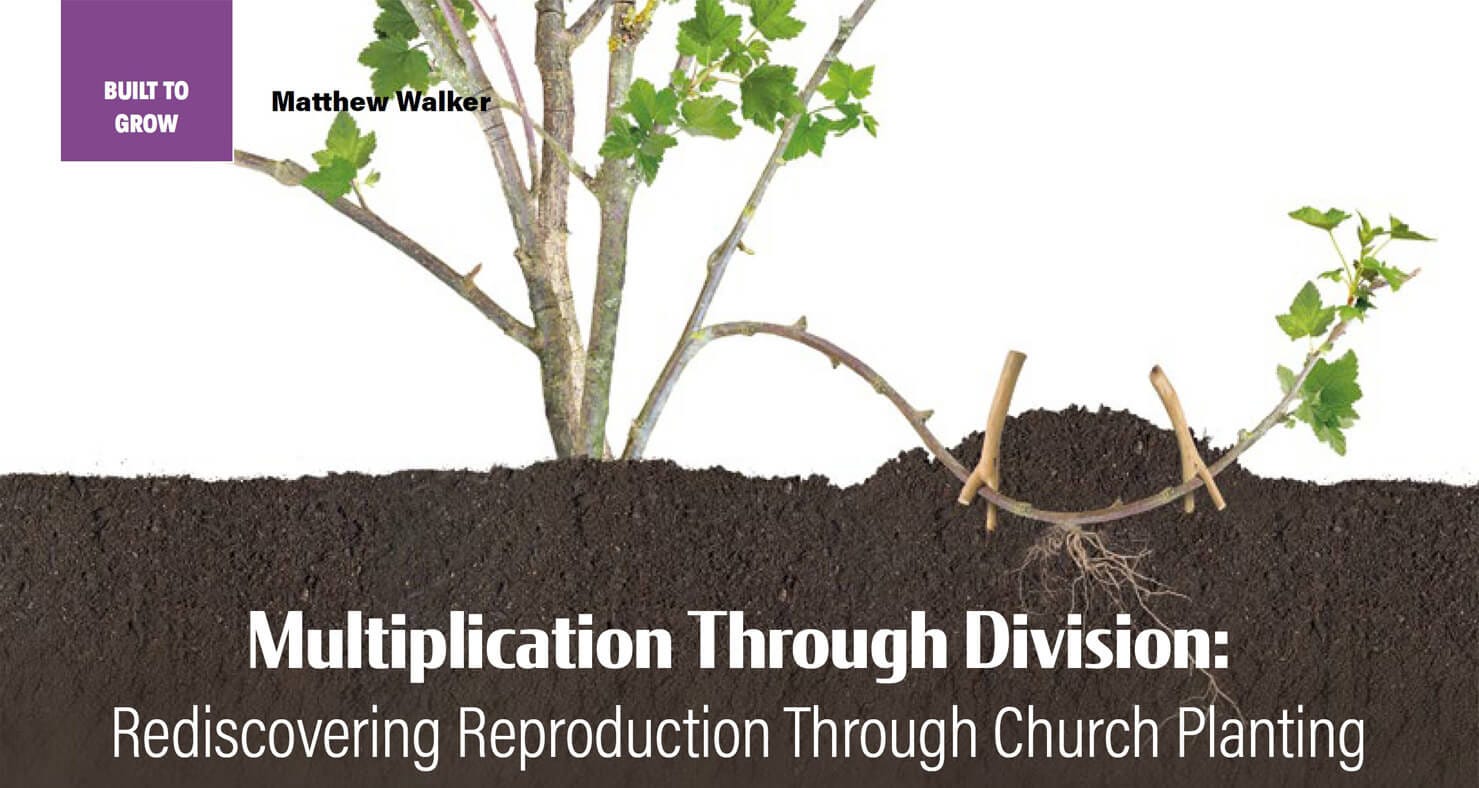
    Today we are going to begin discussing the July/August edition of FrontLine, it is coming out in a few days, but I feel the need to keep the podcast going so we will get started a little ahead of publication. The early summer is challenging for the podcast as summer travel schedules get in the way of conducting interviews with our authors. I still have a couple of conversations to record from the May/June edition, but we will just fill them in as they come. Today’s conversation is with Matt Walker. He is the pastor of College Park Baptist Church in Cary, North Carolina. I would say he is an innovative thinker which you will pick up on as you listen to the conversation. The subject of this issue of FrontLine is about growing the church, “Built to Grow” is the title. Matt’s burden is for church planting. He suggests that our goal in building churches should be building more churches. It’s hard to argue with that when you consider the patterns the apostles set for us in the New Testament. I hope our conversation gives you some ideas about the growth of your own church and ways in which you can reach your community and beyond. Before we get into that, let me remind you that Matt’s article is available on our Substack right away for paying subscribers. We have previews for everyone else. I hope you will join with us and support the ministry of the FBFI by becoming a paying subscriber. The Contents & Editorial for the May/June FrontLine: FrontLine: Built to Grow: Understanding and Advancing the Mission of the Church [coming soon] The Article: Multiplication Through Division: Rediscovering Reproduction Through Church Planting Get full access to the Proclaim & Defend Podcast at proclaimdefend.substack.com/subscribe

  • June 22 · 12 min

    The Lies of Theological Liberalism in American Politics

    Beware the lies of theological liberalism — or, as they like to call themselves today, progressive Christianity. While most theologically conservative pastors would prefer to focus on teaching the Word faithfully and avoid directly addressing political controversies from the pulpit, there are times when the discussion is unavoidable. This is one of those times. Andrew Daugherty, a pastor writing for Salon, took on the Christian right in a defense of Texas Senate candidate James Talarico. Talarico is the openly gay Democratic candidate for U.S. Senate in Texas who claims to be a Christian and often quotes Scripture as part of his defense of progressive political views. What we have here is a case of theological liberalism defending political progressivism and condemning conservative Christians to do so. … Read the whole article here: The Lies of Theological Liberalism in American Politics - Proclaim & Defend … or just listen to the podcast. Get full access to the Proclaim & Defend Podcast at proclaimdefend.substack.com/subscribe

  • June 13 · 43 min

    Interview 114: “No Kings”? A Christian Perspective on Government “Rulers”

    Today I’m joined by my friend, pastor Mike Ascher, who serves as pastor of Good News Baptist Church in Chesapeake, Virginia. Mike is also an FBFI-endorsed police chaplain. His article appeared in the May/June edition of FrontLine and was called: “No Kings”? A Christian Perspective on Government “Rulers” This article appeared in the middle section of the magazine, the part we call the “Pastor’s Insert.” The articles in this section usually don’t touch on the main theme of the FrontLine edition that they appear in. Mike’s article is drawn from current events. He is addressing an issue that we see roiling the public these days as protesters are worked up about the government they have and seem to think protest is the right way to go about changing it. Some of these protests can turn violent, which concerns everyone. Mike’s burden is that Christians adopt a biblical view of our relation to authority and properly reflect God’s viewpoint rather than the “mob-induced” mentality we see in our streets and seemingly all over the internet these days. I hope you find our discussion helpful. Let me remind you that Mike’s article is available on our Substack right away for paying subscribers. We have previews for everyone else. I hope you will join with us and support the ministry of the FBFI by becoming a paying subscriber. The Contents & Editorial for the May/June FrontLine: FrontLine: The Future of Missions – Proclaim & Defend The Article: “No Kings”? A Christian Perspective on Government “Rulers” Get full access to the Proclaim & Defend Podcast at proclaimdefend.substack.com/subscribe
  • June 1 · 6 min

    Unchristian Thinking about Christian Weddings

    If you are truly Christians—both bride and groom—then you should plan a Christian wedding. And both bride and groom should be Christians, but that is another article. The idea that wedding magazines, Pinterest, and bridal websites set the standards and practices for Christian weddings is an abomination. Brides to be (and moms!), stop letting that stuff form your view of what a Christian wedding should be. Here are four commonly held ideas about weddings that run contrary to the teaching of the scripture. This article is intended to free young couples from the bondage of meeting worldly expectations and open them up to the true, beautiful joys of a Christian wedding. It’s the bride’s day. “How dare you tell her she can’t do that! It’s her day! She should be able to do whatever she wants to do.” said the mother of the bride. Really? Is a Christian wedding supposed to be all about the bride? For Christians every day is the Lord’s Day. Every decision is the Lord’s decision. Everything we do must glorify Him. The “It’s her day” thinking is either worldly brainwashing about what a wedding is supposed to be, or it is evidence of an overall unchristian worldview. … Read the whole post here or just listen to the podcast. Get full access to the Proclaim & Defend Podcast at proclaimdefend.substack.com/subscribe
  • May 30 · 33 min

    Interview 113: Is Missions Work ‘Kingdom Building’?

    We are picking up again with an interview from the May/June edition of FrontLIne, which is on the theme, “The Future of Missions.” Our conversation today is with Keith Kobelia, one of the professors at Faith Baptist Bible College and Seminary in Ankeny, Iowa. His article is called “Is Missions Work ‘Kingdom Building’?” We’ll get into the details of that in the discussion. What Keith is doing is laying some groundwork for our Biblical philosophy of missions. It seems there is a lot of confusion among broader Christianity that includes all kinds of different relief efforts and addressing social needs as “mission” work. While sometimes those sorts of things have value in getting an audience for the gospel, they aren’t the same thing as fulfilling the Great Commission. Keith is calling for a Biblical understanding of the Kingdom in contrast to the Great Commission. Our mission is the Great Commission. The Kingdom as such comes later, and our efforts should be focused on making disciples and building up the Lord’s church. We’ll turn to our conversation next, but let me remind you that Keith’s article is available on our Substack right away for paying subscribers. We have previews for everyone else. I hope you will join with us and support the ministry of the FBFI by becoming a paying subscriber. The Contents & Editorial for the May/June FrontLine: FrontLine: The Future of Missions – Proclaim & Defend The Article: Is Missions Work “Kingdom Building”? Get full access to the Proclaim & Defend Podcast at proclaimdefend.substack.com/subscribe
  • May 25 · 6 min

    You Could Ruin Your Life with Sin Today—Are You Being Careful?

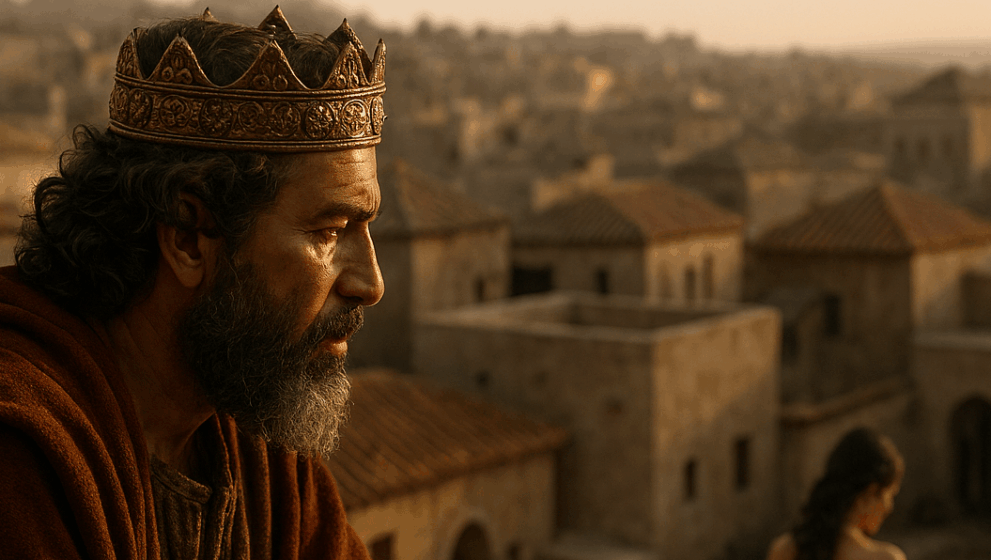
    “In the spring, at the time when kings go off to war, David sent Joab out with the king’s men and the whole Israelite army. They destroyed the Ammonites and besieged Rabbah. But David remained in Jerusalem. One evening David got up from his bed and walked around on the roof of the palace. From the roof he saw a woman bathing. The woman was very beautiful” (2 Samuel 11:1–2). What was David thinking? David did not wake up that morning thinking to himself, “This is the day that I am going to sin against my God, destroy the life of my faithful servant, defile my neighbor, bring shame upon myself, and wreak wickedness in my family.” He did not plan to sin. Destructive, life-changing sin can happen in a moment. One day—one decision—can change the trajectory of your life and your family for generations. Compare David and Joseph In similar circumstances, David fell while Joseph escaped. What was the difference? We can learn from both of these men before we make wrecks of our lives. … Read the rest of the post here, or just listen to the podcast. Get full access to the Proclaim & Defend Podcast at proclaimdefend.substack.com/subscribe
  • May 18 · 7 min

    The Dangers of Doing Business with “Christians”

    “Pastor, pastor—I just met my surgeon, and guess what? He is a CHRISTIAN!” I must bite my tongue in the moment, but I’m thinking to myself,“But is he a good surgeon?” I have heard similar comments about mechanics, real estate agents, dentists, financial managers, and more. Don’t get me wrong, there are advantages, in many instances, to consulting a professional who shares your values. But there is more to the decision than that. It is much better to have an excellent brain surgeon who is an unbeliever than a mediocre one who claims to be a believer. In scary or difficult situations, it is easy to seek comfort over competency. People who share our values make us feel comfortable. A few years ago, our son underwent a 12-hour brain tumor surgery. When we met the surgeon for the first time, he was somewhat socially awkward and gave no indication of being a believer. I suppose we could have asked everyone we knew to help us find a Christian brain surgeon. I’m sure there are some out there—and probably some very good ones. But this surgeon was one of the top doctors in the world for this procedure. We have one of the top neurological hospitals in the country here in Phoenix, and they all said he was the right person for the job. … Read the whole post here: The Dangers of Doing Business with “Christians” or just listen to the podcast. Get full access to the Proclaim & Defend Podcast at proclaimdefend.substack.com/subscribe
Showing 1–20 of 21 episodes