Skip to content
Artwork for The Minefield

The Minefield

ABC Australia

In a world marked by wicked social problems, The Minefield helps you negotiate the ethical dilemmas, contradictory claims and unacknowledged complicities of modern life.

Play
  • 32 episodes
  • weekly
  • Avg 54 min
  • English
Counted on this page — what you have heard stays on this device, so it is not something the list can be paged by.
  • June 17 · 54 min

    One Nation is on the rise — but do we know what it means?

    Over the last twelve months, there have been two conspicuous trends in federal politics. One is the precipitous decline in electoral support for the Liberal Party, which began before last year’s federal election and has continued apace ever since. The other is the rise in One Nation’s electoral fortunes, which began to tick upwards in September but then took a leap in December and January. Both trends converged, rather spectacularly, in the latest Resolve Political Monitor, conducted for the Ni

  • June 10 · 54 min

    The ethics of ‘longtermism’ — what are our obligations to the future?

    One of the criticisms often directed at democratic politics is that it is irresponsibly, even dangerously, short-term in its orientation. The wellbeing of future generations, to say nothing of the sustainability of the planet, rarely matter more to lawmakers than the cost-of-living pressures experienced by their constituents or the outcome of the next election cycle. Short-termism, therefore, would seem to be baked into democracy; hence, for some, the only way to act seriously with the future in

  • June 3 · 54 min

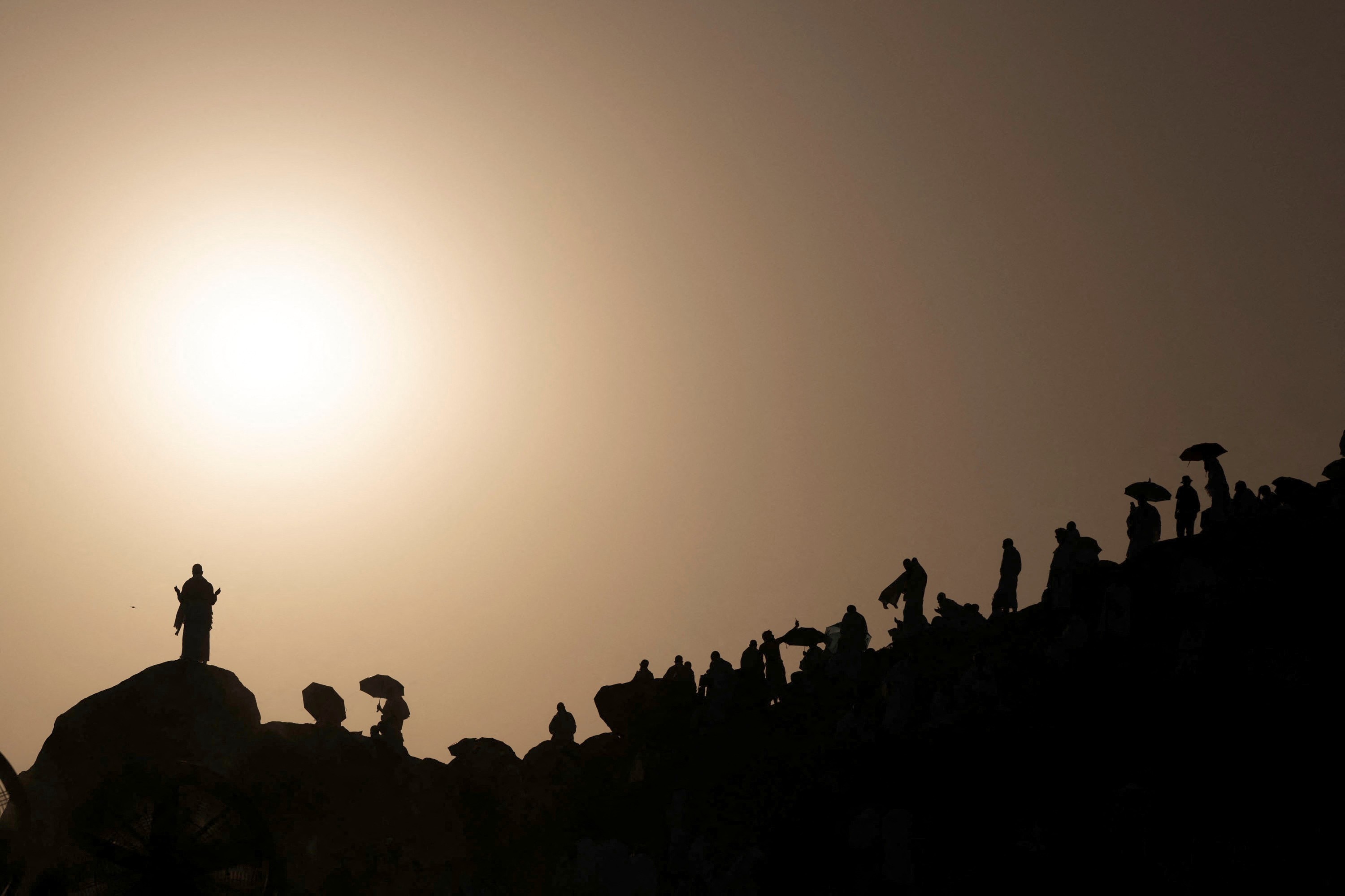
    Last Words: The ‘Farewell Sermon’ of the Prophet Muhammad

    It could be said that human beings reveal who they most truly are as they approach the end. For the end of one’s life is not simply its terminus ad quem; it is also its telos, its goal or meaning. A life that has been lived in the thrall of egotism, whose fundamental pursuit has been the safeguarding and satisfaction of the self, will almost certainly, at the end, turn inward upon itself and find itself grasping, desperately, at something like immortality — as the indefinite prolonging of the se

  • May 27 · 54 min

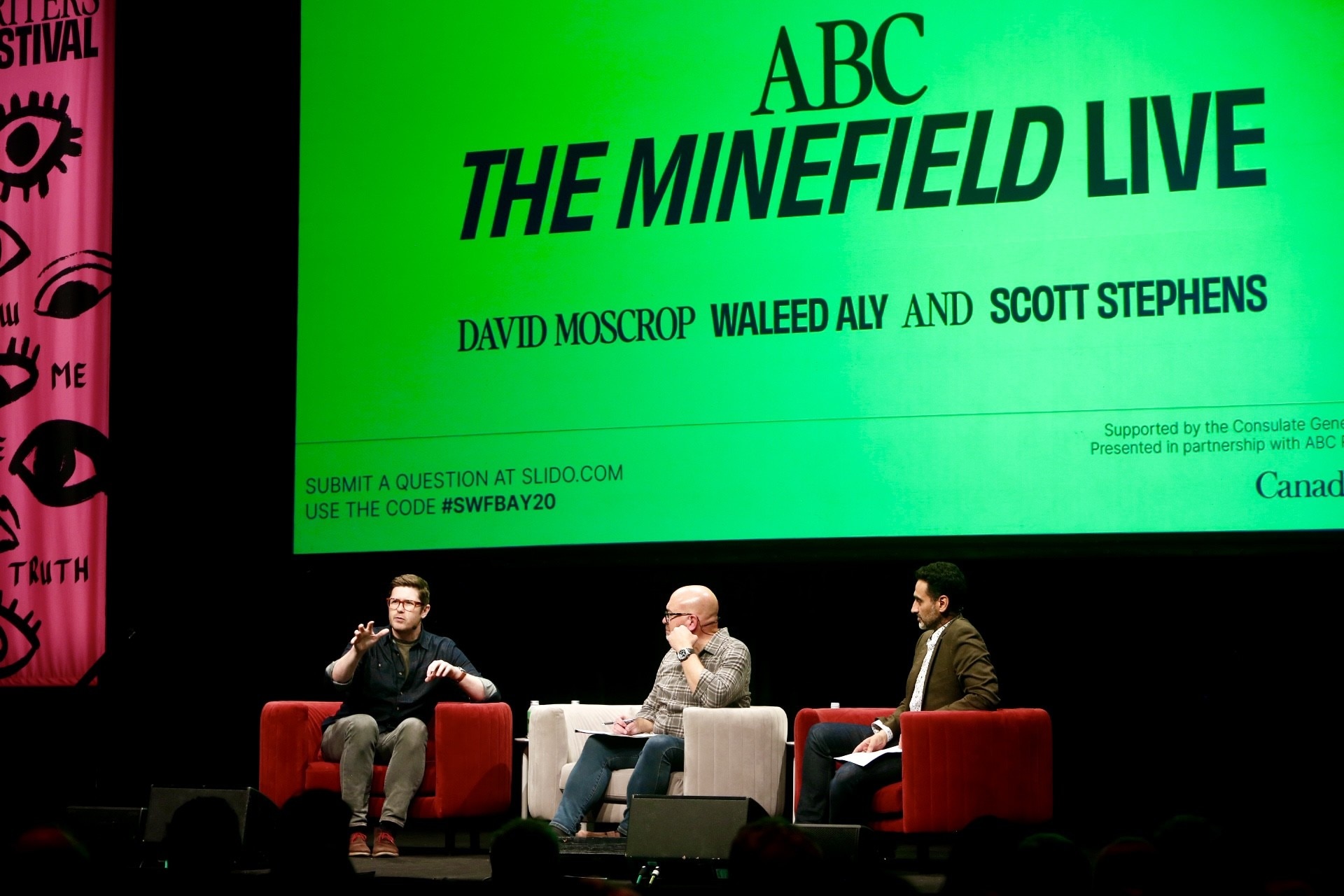
    The Problem of Nationalism, with David Moscrop — Live at the Sydney Writers’ Festival

    It’s common these days to refer to “the return of nationalism”. But that assumes that nationalism receded for a time, like the tide, and here the world is, now, getting its pants legs wet. Such an assumption misunderstands the peculiar character of nationalism. It would be better to think of it as a swell, as a political phenomenon that periodically gathers power and force, that crests and crashes, but that never entirely goes away. It’s always there, beneath us. Nationalism belongs to the emot

  • May 20 · 54 min

    What is the moral of Marlowe’s ‘Doctor Faustus’?

    There are four stories that could justifiably be described as foundational to Western culture: the temptation of Eve in the Garden of Eden; Prometheus’s gift of fire to humanity; Doctor Faustus’s pact with the devil; and Victor Frankenstein’s act of monstrous creation. Not only are the principal names immediately evocative to anyone who hears them, but that recognisability allows for nearly endless variations on their original themes. This is, in part, what gives these stories their staying pow

  • May 13 · 54 min

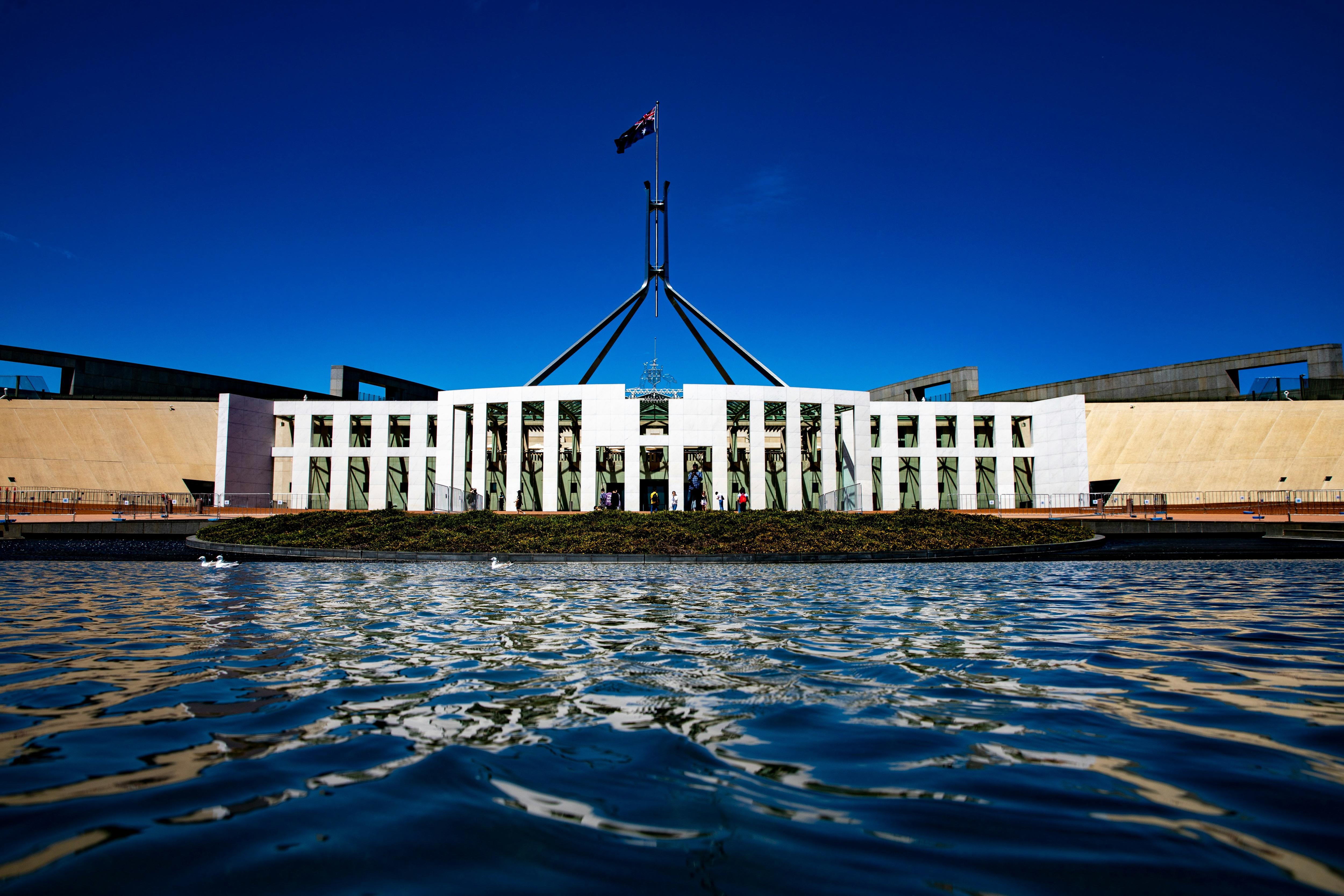
    Does the budget have a coherent underlying philosophy?

    The federal budget is, in many respects, the high point of Australia's political calendar. This federal budget is no exception. The public had been primed for weeks to expect a series of significant reforms this year. But it is striking how little there is in the budget by way of direct social benefit. The budget is broadly redistributive — it removes certain tax concessions that disproportionately benefit the wealthy — but it does not then distribute that additional tax revenue to those strugg

  • May 6 · 54 min

    Are ‘reaction videos’ dulling our ability to be genuinely responsive?

    One of the by-products of digital technology’s pervasiveness in our lives is its seeming irresistibility. However much we try to remain conscientious objectors, to resist its allure, its promises of convenience and casual pleasures, to keep some part of our inner lives free of its influence, we soon discover that it is of the essence of new technological forms to exceed their boundaries, to seep out into the wider culture — into our language, our rhythms and habits, our expectations, our ways of

  • April 29 · 54 min

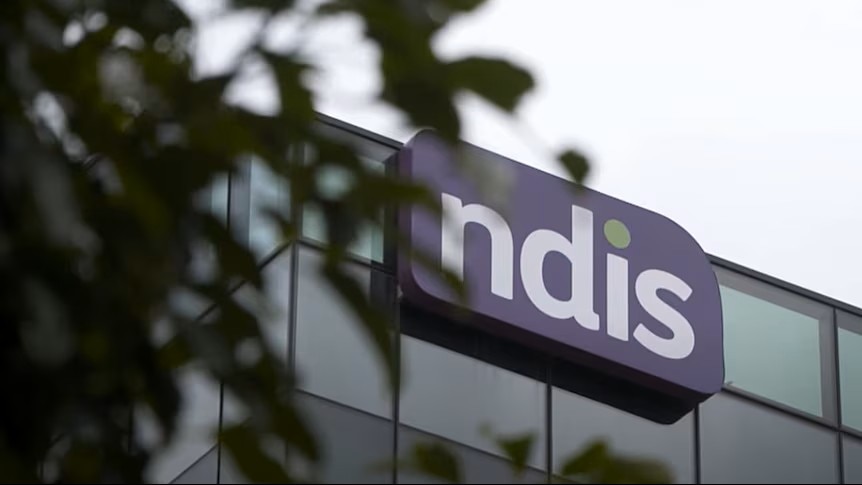
    NDIS reforms may be necessary, but they’re also morally fraught

    In a speech to the National Press Club, Health Minister Mark Butler announced a series of sweeping changes that the federal government will make to the National Disability Insurance Scheme (NDIS). In the thirteen years since it was legislated, the growth of the NDIS has surpassed all expectations. By 2030, the Productivity Commission projected that the scheme would cover around 550,000 people and cost about $40 billion. This year there are already 760,000 people on the scheme at a cost of $50 b

  • April 22 · 54 min

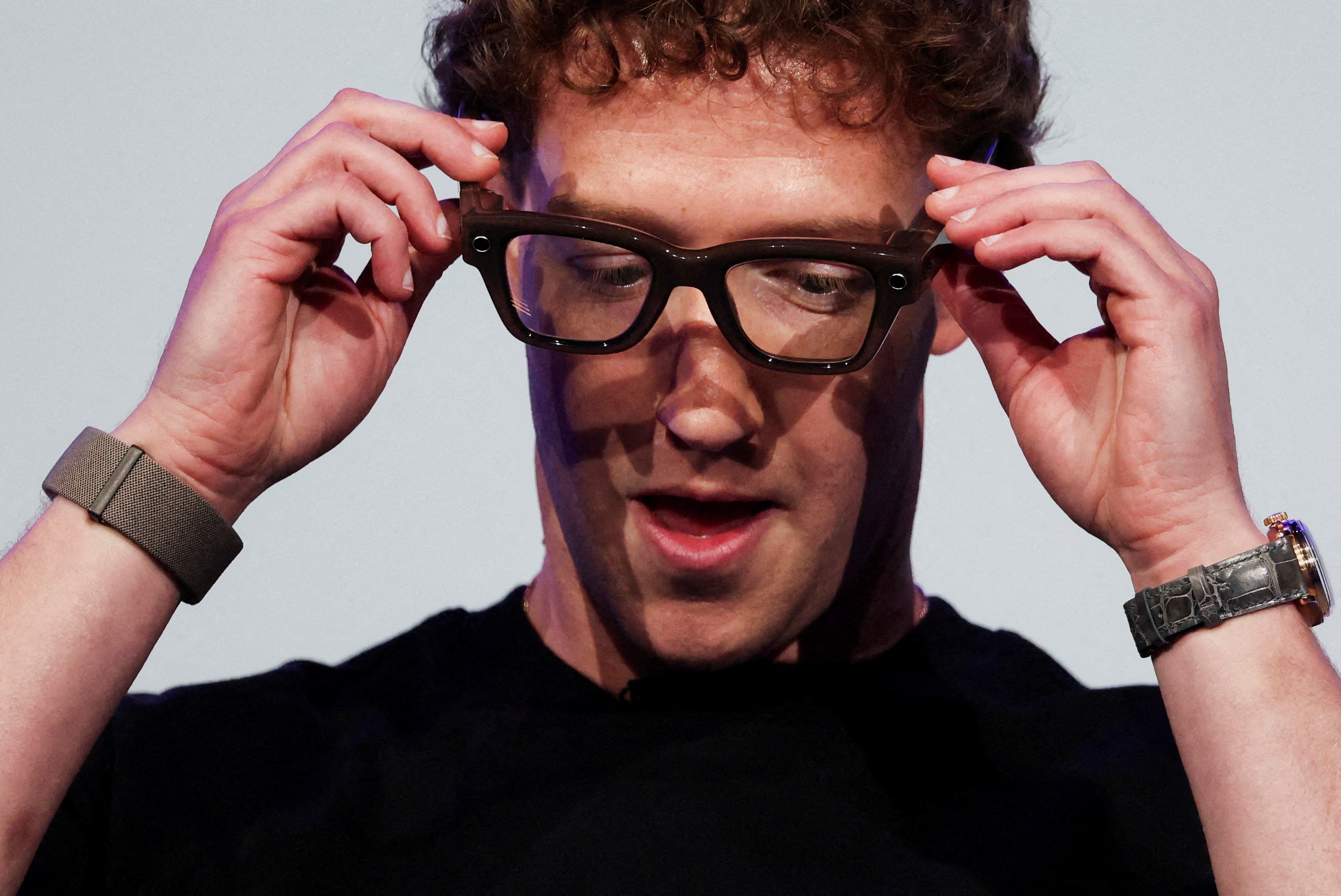
    Smart glasses — a new frontier of foreseeable digital harm?

    There has long been a gap between the emergence of new forms of technology and the development of laws designed to mitigate their dangers. But with the rapid advances in artificial intelligence and immersive technologies, that gap is becoming increasingly problematic. Take the example of wearable technology, such as smart glasses. Companies like Meta, in particular, have poured vast amounts of money into the development and commercialisation of augmented reality (XR) headsets. This would seem t

  • April 15 · 54 min

    The price of sovereignty: Are we prepared to pay more for less vulnerability?

    Ever since the eighteenth century, there has been a prevailing belief that mutually beneficial commercial relationships between nations provide a powerful disincentive to international conflict. Montesquieu perhaps put it best in his Spirit of the Laws (XX.1-2): “Commerce cures destructive prejudices, and it is an almost general rule that everywhere there are gentle mores, there is commerce and that everywhere there is commerce there are gentle mores … The natural effect of commerce leads to p

  • April 8 · 54 min

    Social cohesion is straining — can citizens’ assemblies help?

    There is a thread that’s been left dangling from our show at the end of last year on Ambrogio Lorenzetti’s fourteenth century “Allegory of Good and Bad Government”, painted on the walls of the Sala dei Nova in Siena’s Palazzo Pubblico. The dominant figure of Justice sits on the left side of the central mural. She has her thumbs on two scales to hold them in balance, with angels on either side meeting out punishment and just recompense. Directly below her sits the figure of Concord (Concordia),

  • April 1 · 54 min

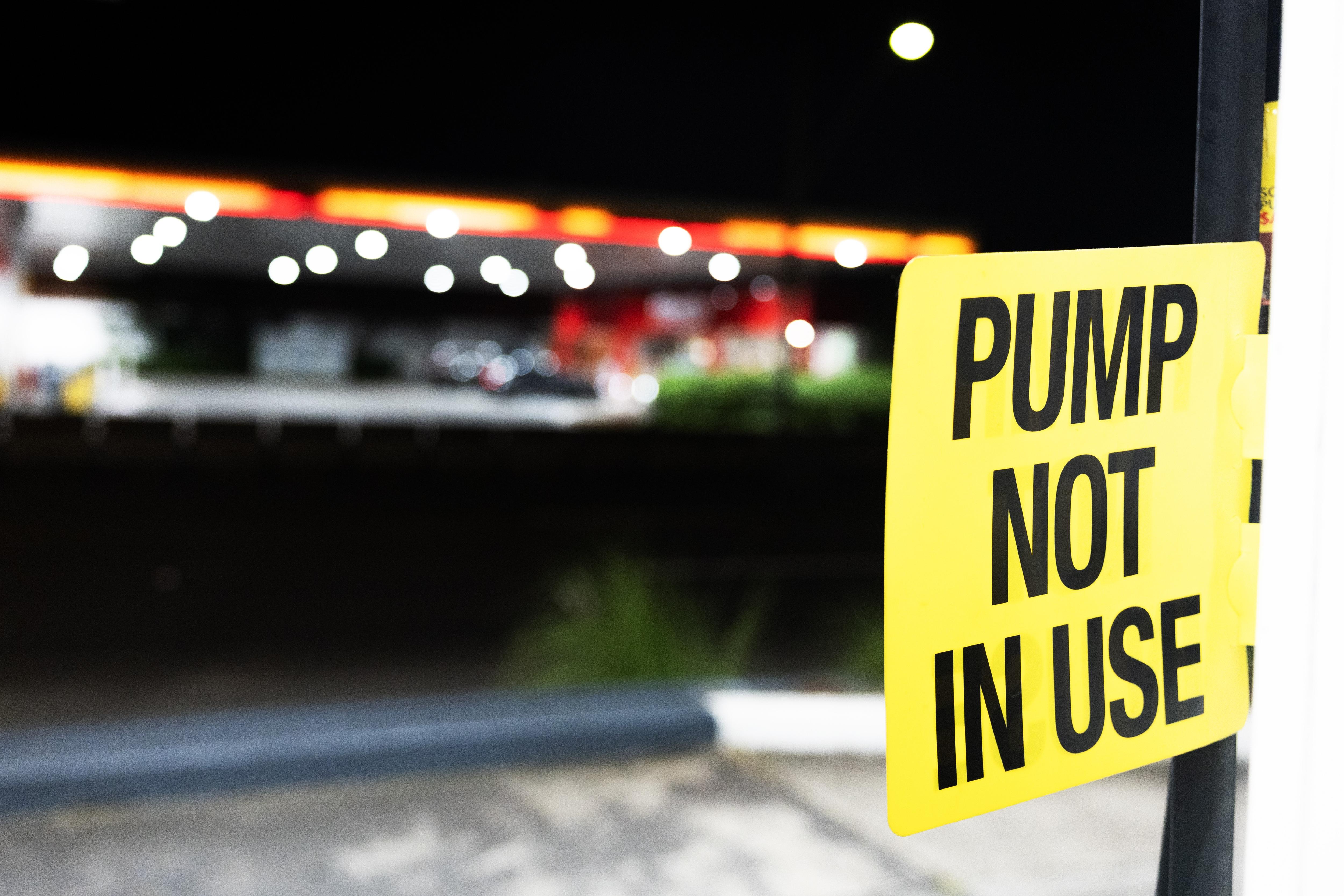
    Why do democracies seem so fragile in the face of shortages?

    Within days of the commencement of the war that has enveloped the Middle East — and that continues to severely disrupt global energy supplies — a familiar pattern began to emerge in some of the world’s most prosperous democracies. Much as they did at the outset of the pandemic, people began stockpiling. Then, it was toilet paper and food; this time, it’s fuel. In cities across Australia, long lines formed outside petrol stations and tensions flared as motorists seized their opportunity to fill n

Showing 21–32 of 32 episodes