Skip to content
Artwork for The Minefield

The Minefield

ABC Australia

In a world marked by wicked social problems, The Minefield helps you negotiate the ethical dilemmas, contradictory claims and unacknowledged complicities of modern life.

Play
  • 22 episodes
  • weekly
  • Avg 54 min
  • English
Counted on this page — what you have heard stays on this device, so it is not something the list can be paged by.
  • Wednesday · 53 min

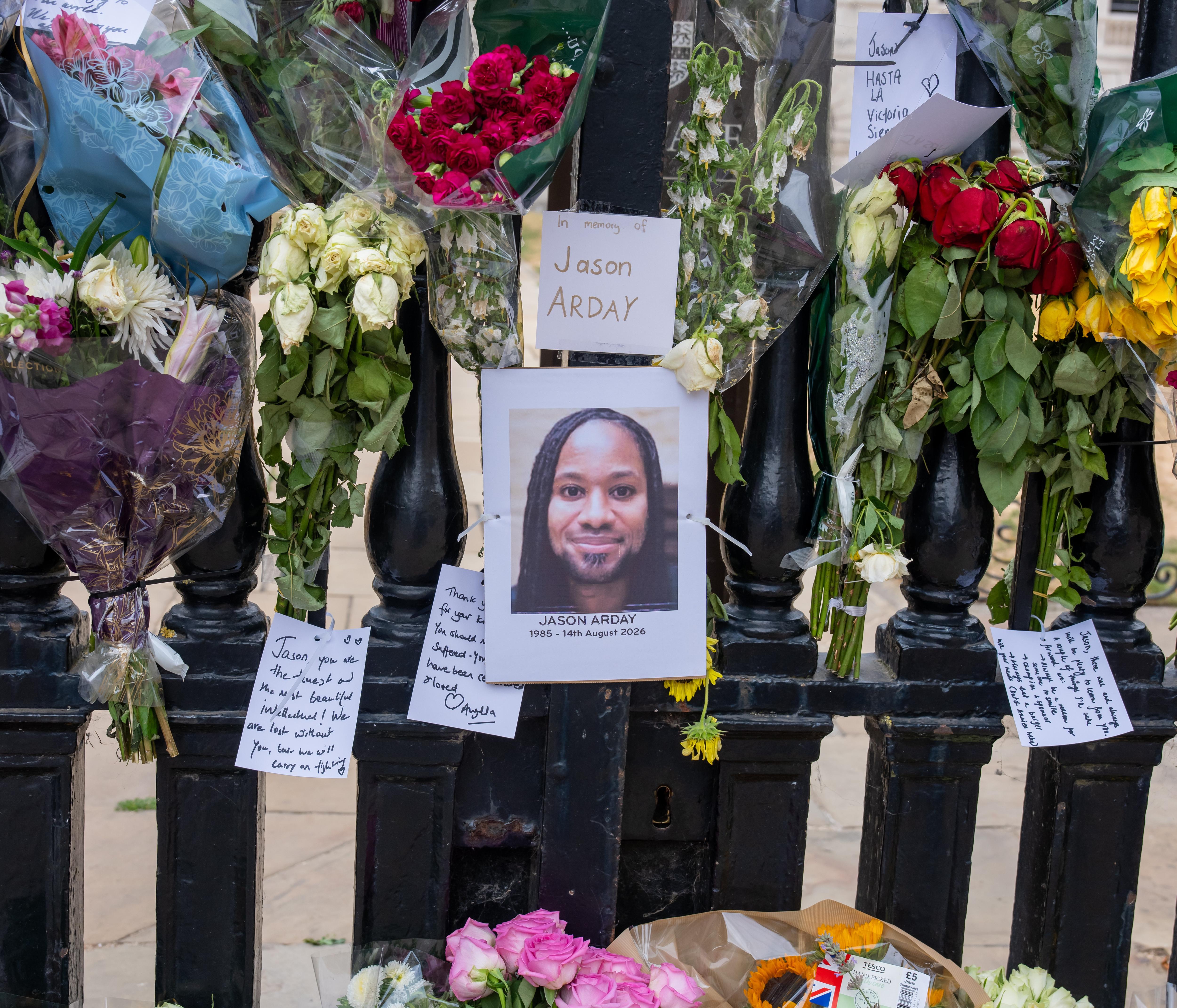
    What response does Jason Arday’s life, and death, morally demand?

    It is hard to imagine a series of events more tragic, more unseemly, more emblematic of the performativity and polarisation that dominate our time, than the premature rise, sudden fall and untimely death of Jason Arday. In 2023, the University of Cambridge announced that it had appointed Arday — a 37-year-old son of Ghanaian immigrants, who grew up in public housing in south London and only “began to read and write in his late teens” due to his autism diagnosis — to the position of Professor of


  • August 19 · 54 min

    Is opposition to data centres good news for democracy?

    At a time of profound polarisation, when the fracturing of media ecosystems has been so complete that any agreement on threats to our common life seems impossible, an issue has emerged capable of bringing voters of every political persuasion together. Over the last year, popular opposition to the construction of the data centres in the United States has risen dramatically. According to a Gallup poll from May 2026, more than seventy per cent of Americans are opposed to the construction of a data

  • August 12 · 54 min

    Should fat from cadavers be used for cosmetic procedures?

    The widespread availability of GLP-1 based drugs has been lauded as a “revolution in weight loss” and as inaugurating the “end of obesity”. As we’ve discussed previously, health benefits aside, there are concerns that such weight-loss drugs don’t just leave certain cultural assumptions about beauty and body size unchallenged, but in fact reinforce a kind of cultural aesthetic hierarchy — elevating slimness to the level of a kind of moral demand (with the opprobrium that accompanies failure to li

  • August 5 · 54 min

    How to protect democratic politics from the malign influence of money?

    Ever since Aristotle, it has been recognised that money poses a particular threat to the integrity of political office. Ever the realist, Aristotle knew that those who seek political office are invariably motivated by a certain ambition (philótimo). Though not problematic in itself, but when combined with avarice (philochrematía) it can give rise to a form of corruption as corrosive as the unconstrained exercise of political power. For as Aristotle would put it, one who accepts gifts (katadōrod

  • July 29 · 54 min

    What happens to our moral lives when we stop reading books?

    According to every available metric, the number of people who read books across almost every demographic in countries like Australia and the United States has fallen precipitously over the last fifteen years. Whether it be for enjoyment or edification, reading books is no longer something many of us choose to do. As Rose Horowitch writes in her recent cover story for The Atlantic, “The decline in reading cuts across age groups, gender, and education levels. Even the demographics that traditional

  • July 22 · 54 min

    Do prediction markets enhance our understanding of the world or corrupt it?

    Even for those who don’t gamble, the exponential growth of online sports betting since 2018 has made it impossible to avoid. Not only have odds and ads been seamlessly integrated into sports broadcasts, but the language of betting has now become pervasive in sports commentary. Thanks to ease of access through mobile technology and their relative value as ready-made “content”, speculation and predictions are the air that sports fans now breathe. It is into this cultural environment that predicti

  • July 15 · 54 min

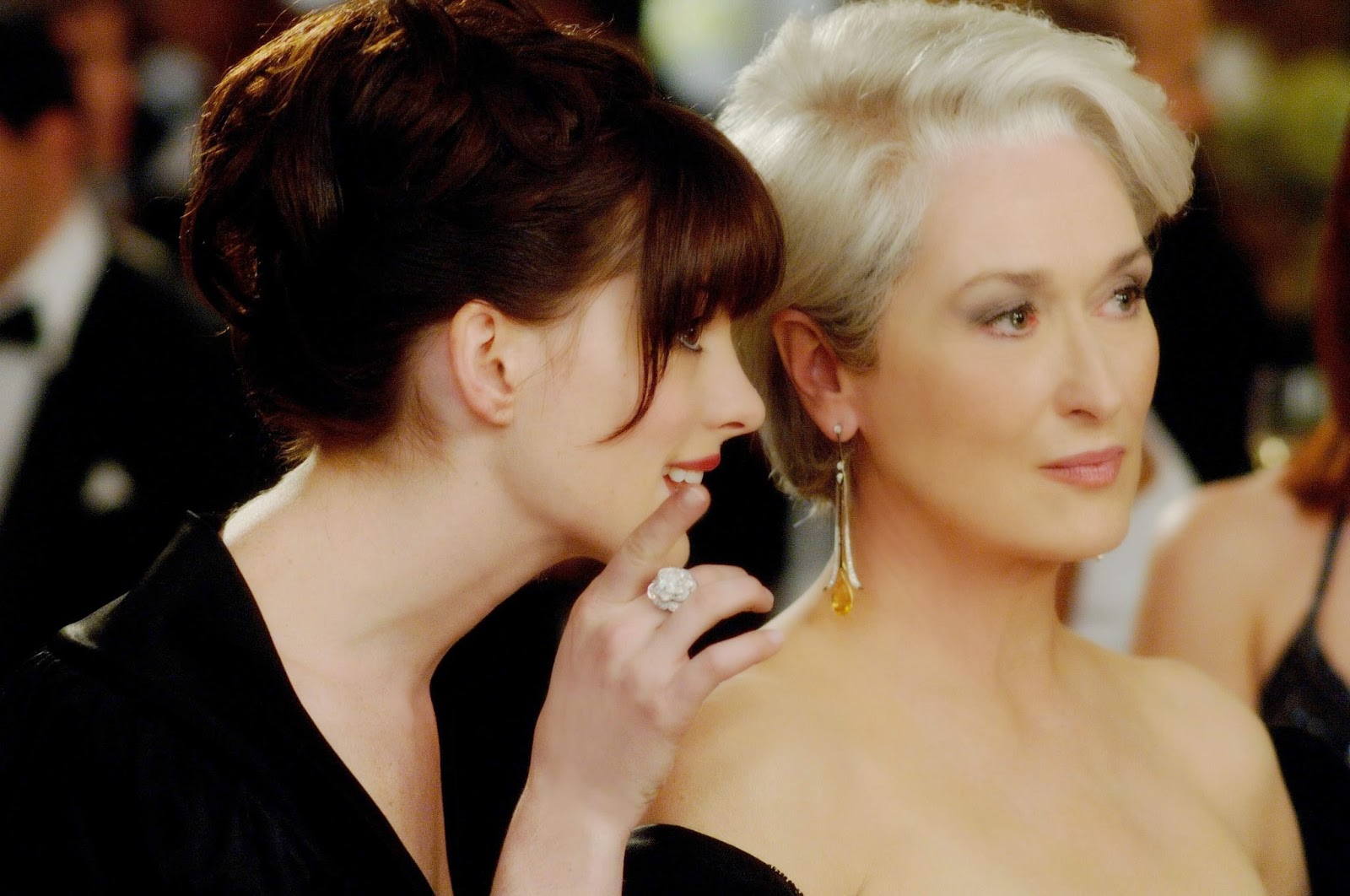
    ‘The Devil Wears Prada’ — high fashion or vision of hell?

    It’s no mystery why David Frankel’s 2006 film The Devil Wears Prada was a hit. The movie had all the ingredients of a certain kind of success. Take a bestselling novel (by Lauren Weisberger) about a midwestern girl trying to make it in the big city, place it in the hands of a screenwriter known for broadly appealing rom-coms (Aline Brosh McKenna), cast a much-loved screen legend in an uncharacteristically villainous role (Meryl Streep) and put her alongside a doe-eyed starlet on her way to becom

  • July 8 · 54 min

    Copyright theft is AI’s original sin — are we doomed to repeat it?

    Essential to the profitability and widespread adoption of modern technologies is the need to conceal their costs — the human labour, the unjust or exploitative working conditions, the environmental degradation and drain on natural resources, the reduction of precious goods to mere ‘raw material’. By means of such concealment, those who enjoy the conveniences these technologies afford are lulled into a state of (what Hannah Arendt called) “unthinkingness”. The benefits simply appear, and consumer

  • July 1 · 54 min

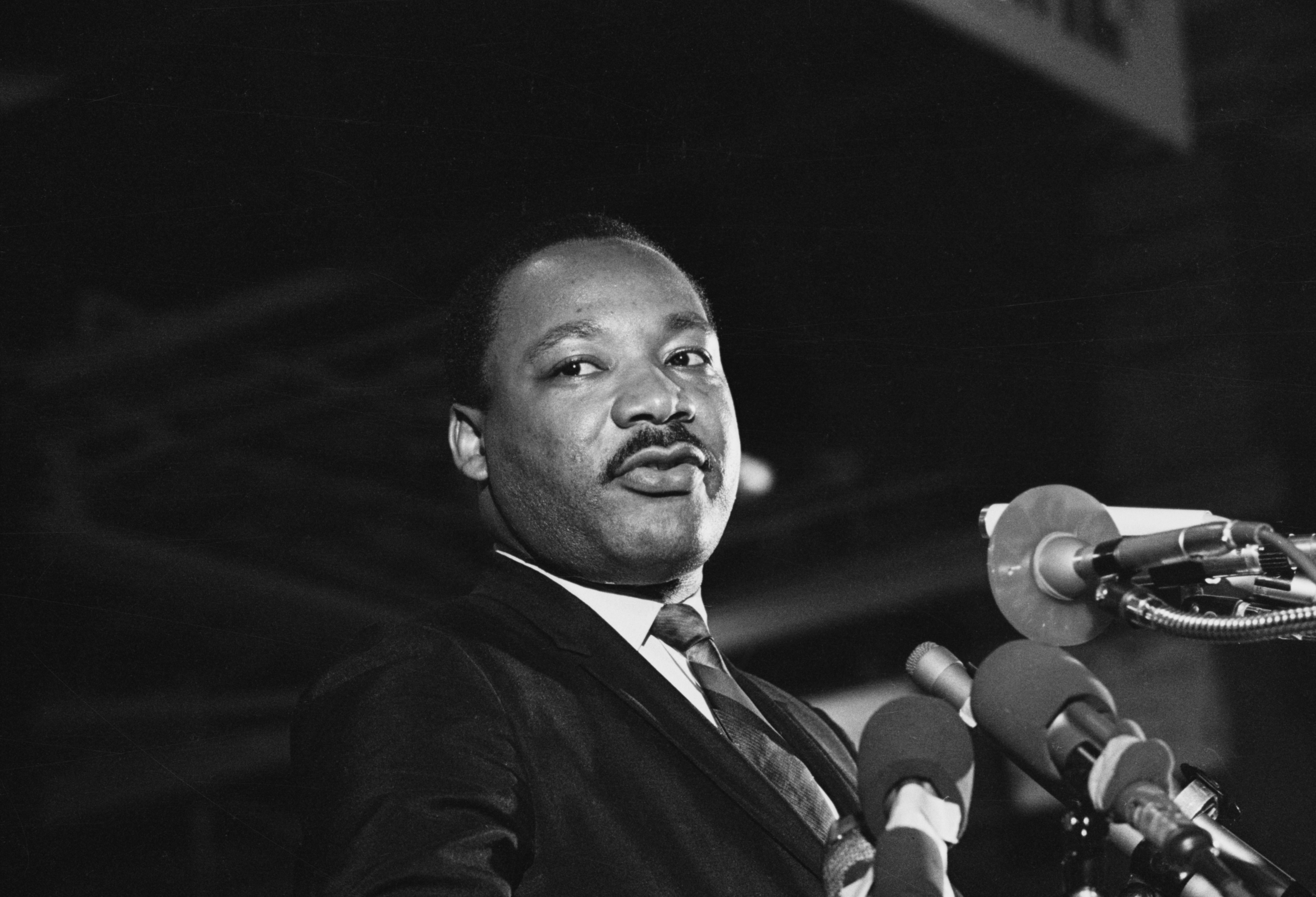
    Last Words: ‘I’ve Been to the Mountaintop’ — Martin Luther King, Jr in Memphis

    In 1967, after reaching the heights of social and political influence in 1963, after being awarded the Nobel Peace Prize in 1964, and having been instrumental in the passage of the Civil Rights Act in 1964 and the Voting Rights Act of 1965, Martin Luther King, Jr watched his popular support fall precipitously away. He had reached the lowest point of his life on the public stage, with fully two-thirds of Americans disapproving of him.  King’s rousing vision of nonviolence — of racial coexistence

  • June 24 · 54 min

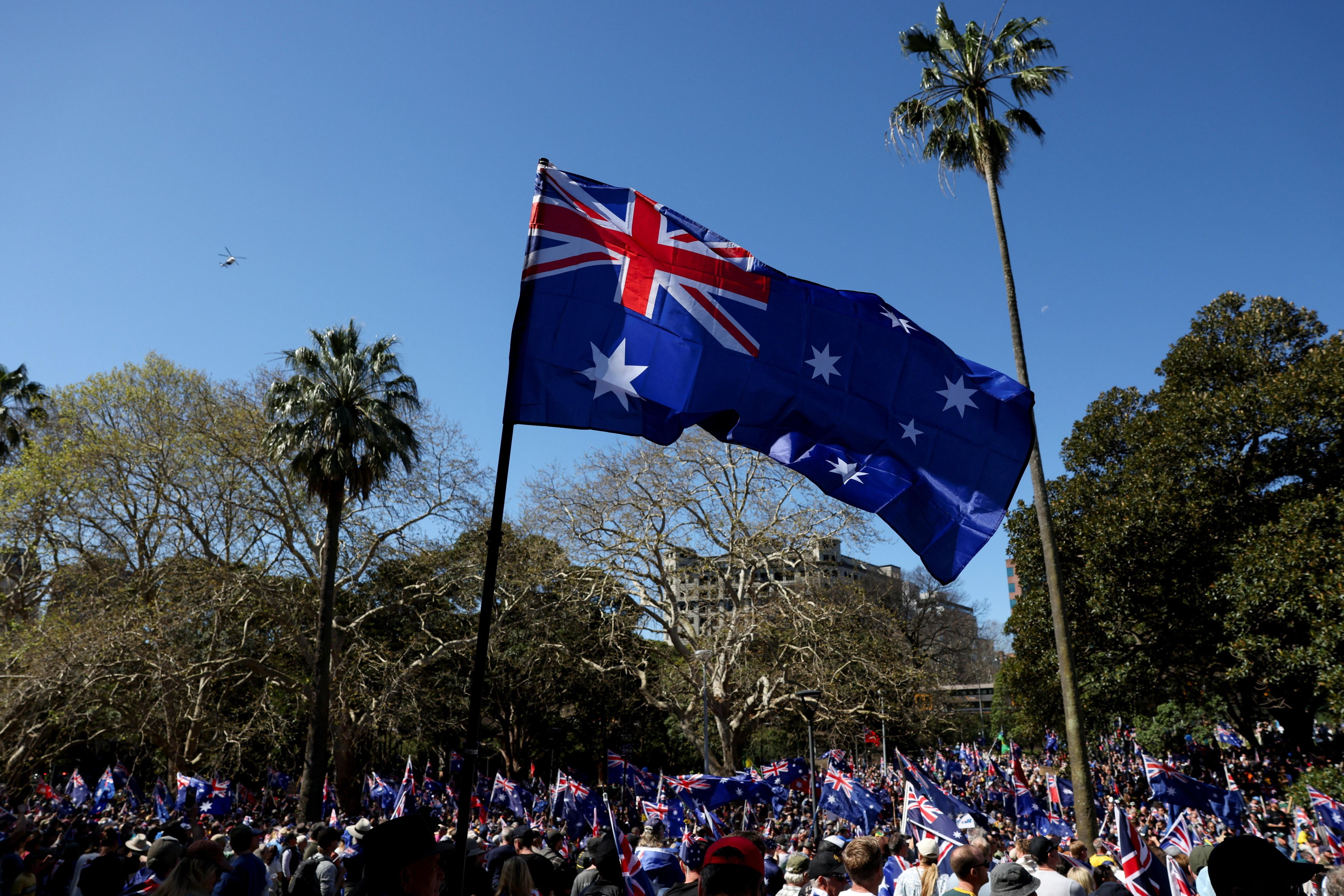
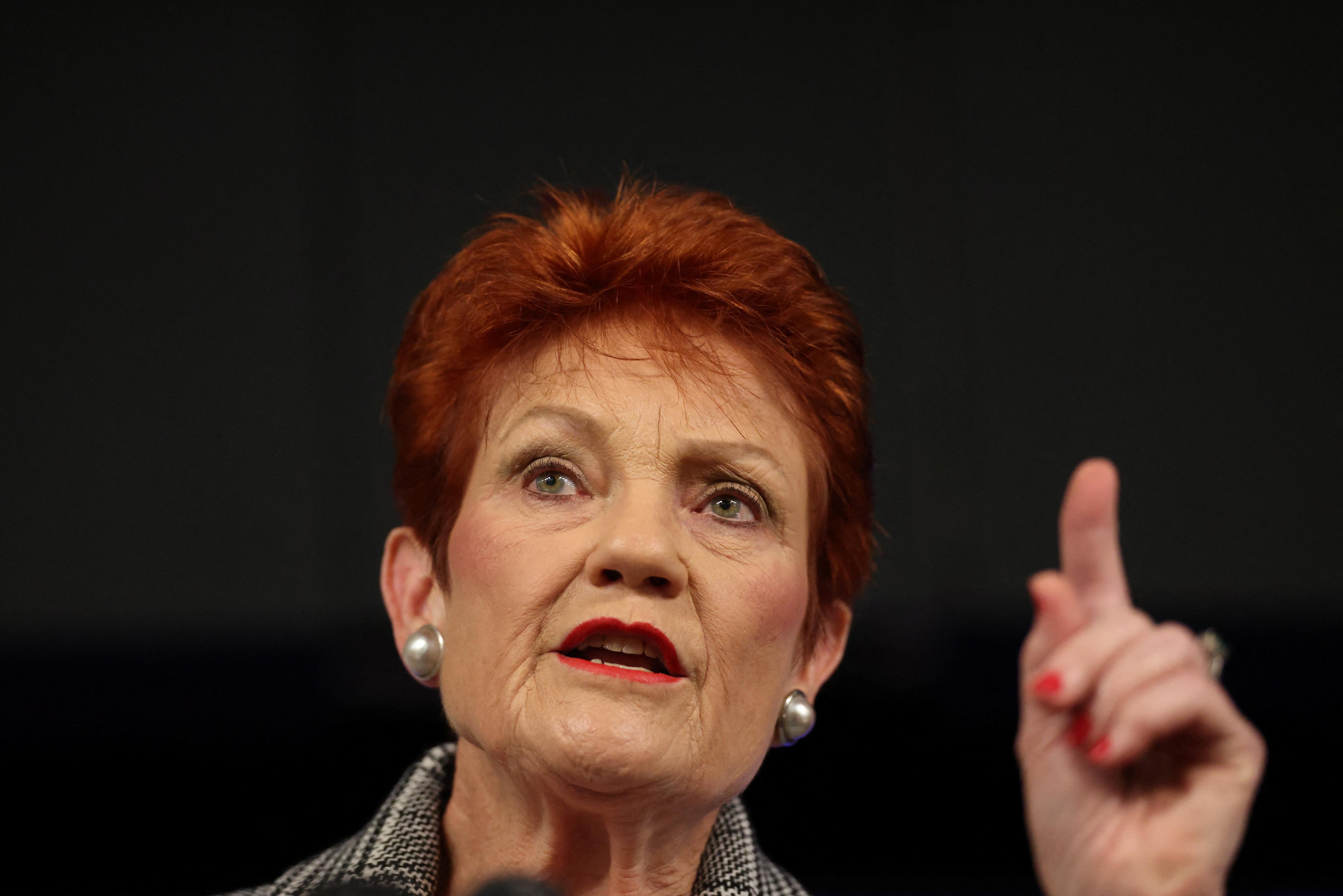
    Why the anxieties over multiculturalism? What’s the appeal of a monocultural society?

    If One Nation leader Pauline Hanson managed to reignite a public debate with her assertion that Australia is “a multiracial society, but we must be monocultural” during her address last week to the National Press Club, it is only because certain anxieties over multiculturalism have long been smouldering in the social undergrowth, just waiting to be fanned into flame. The question of immigration, handwringing over the racial constitution of the nation and the desire to maintain Australia’s essen

  • June 17 · 54 min

    One Nation is on the rise — but do we know what it means?

    Over the last twelve months, there have been two conspicuous trends in federal politics. One is the precipitous decline in electoral support for the Liberal Party, which began before last year’s federal election and has continued apace ever since. The other is the rise in One Nation’s electoral fortunes, which began to tick upwards in September but then took a leap in December and January. Both trends converged, rather spectacularly, in the latest Resolve Political Monitor, conducted for the Ni

  • June 10 · 54 min

    The ethics of ‘longtermism’ — what are our obligations to the future?

    One of the criticisms often directed at democratic politics is that it is irresponsibly, even dangerously, short-term in its orientation. The wellbeing of future generations, to say nothing of the sustainability of the planet, rarely matter more to lawmakers than the cost-of-living pressures experienced by their constituents or the outcome of the next election cycle. Short-termism, therefore, would seem to be baked into democracy; hence, for some, the only way to act seriously with the future in

  • June 3 · 54 min

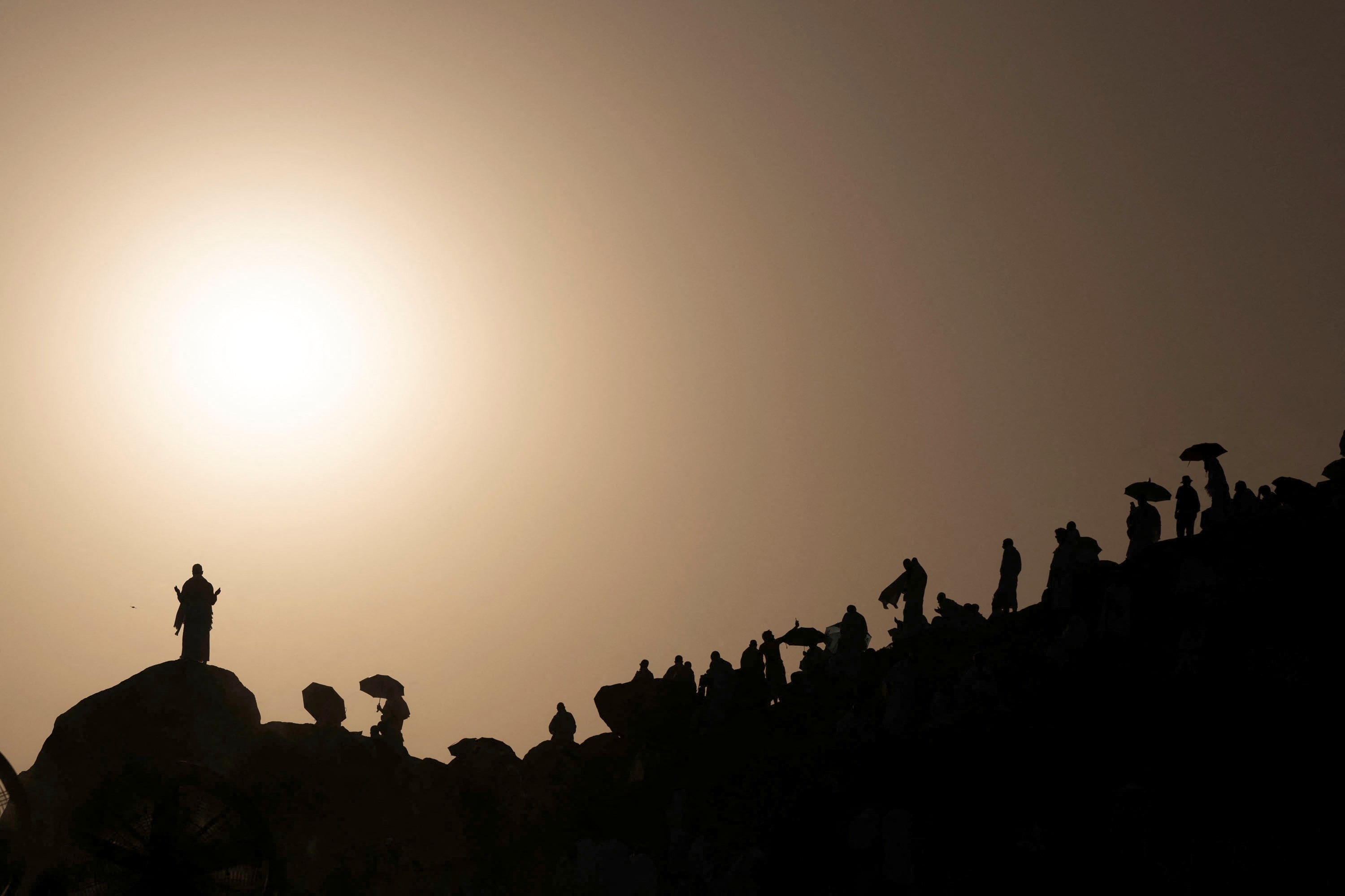
    Last Words: The ‘Farewell Sermon’ of the Prophet Muhammad

    It could be said that human beings reveal who they most truly are as they approach the end. For the end of one’s life is not simply its terminus ad quem; it is also its telos, its goal or meaning. A life that has been lived in the thrall of egotism, whose fundamental pursuit has been the safeguarding and satisfaction of the self, will almost certainly, at the end, turn inward upon itself and find itself grasping, desperately, at something like immortality — as the indefinite prolonging of the se

  • May 27 · 54 min

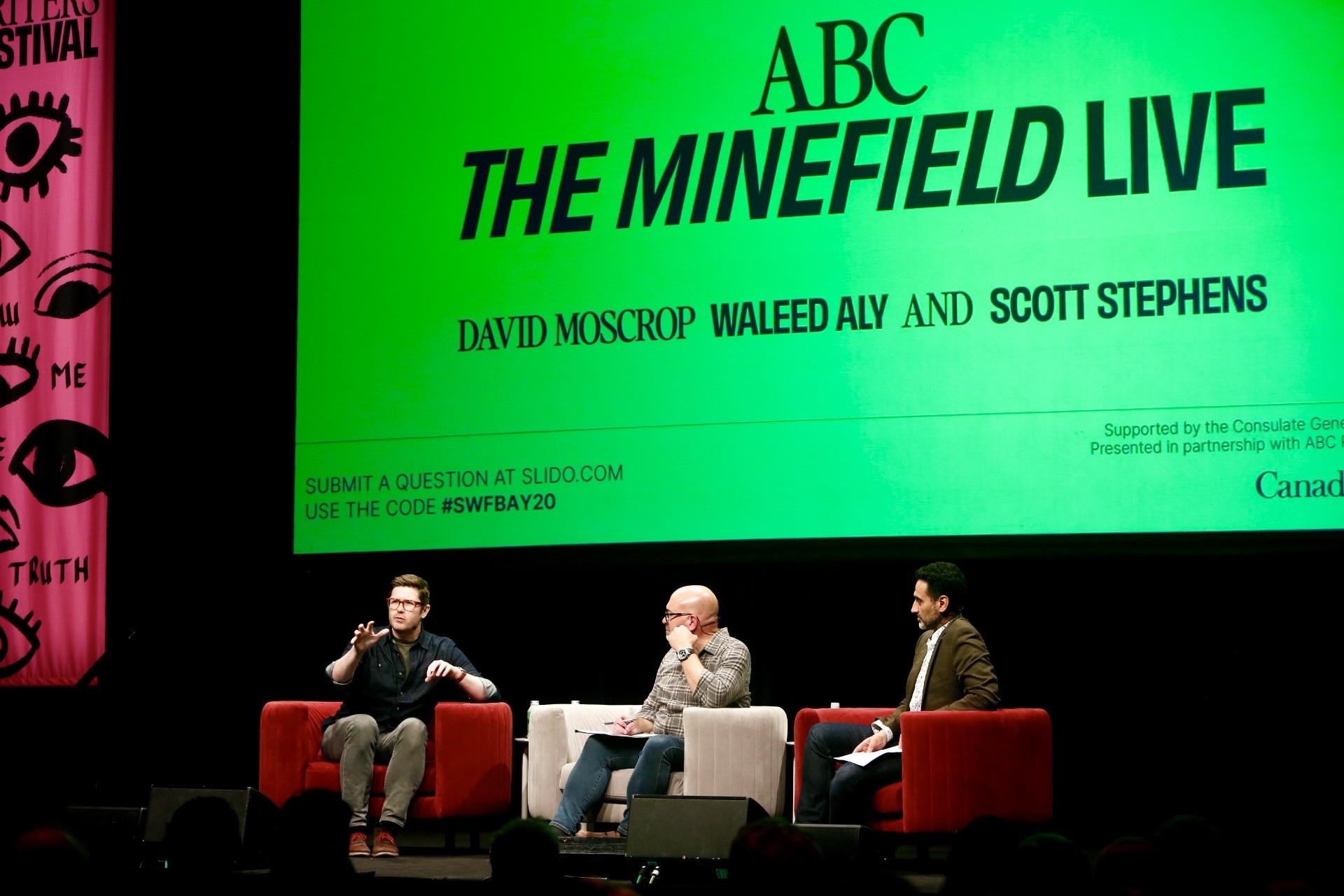
    The Problem of Nationalism, with David Moscrop — Live at the Sydney Writers’ Festival

    It’s common these days to refer to “the return of nationalism”. But that assumes that nationalism receded for a time, like the tide, and here the world is, now, getting its pants legs wet. Such an assumption misunderstands the peculiar character of nationalism. It would be better to think of it as a swell, as a political phenomenon that periodically gathers power and force, that crests and crashes, but that never entirely goes away. It’s always there, beneath us. Nationalism belongs to the emot

  • May 20 · 54 min

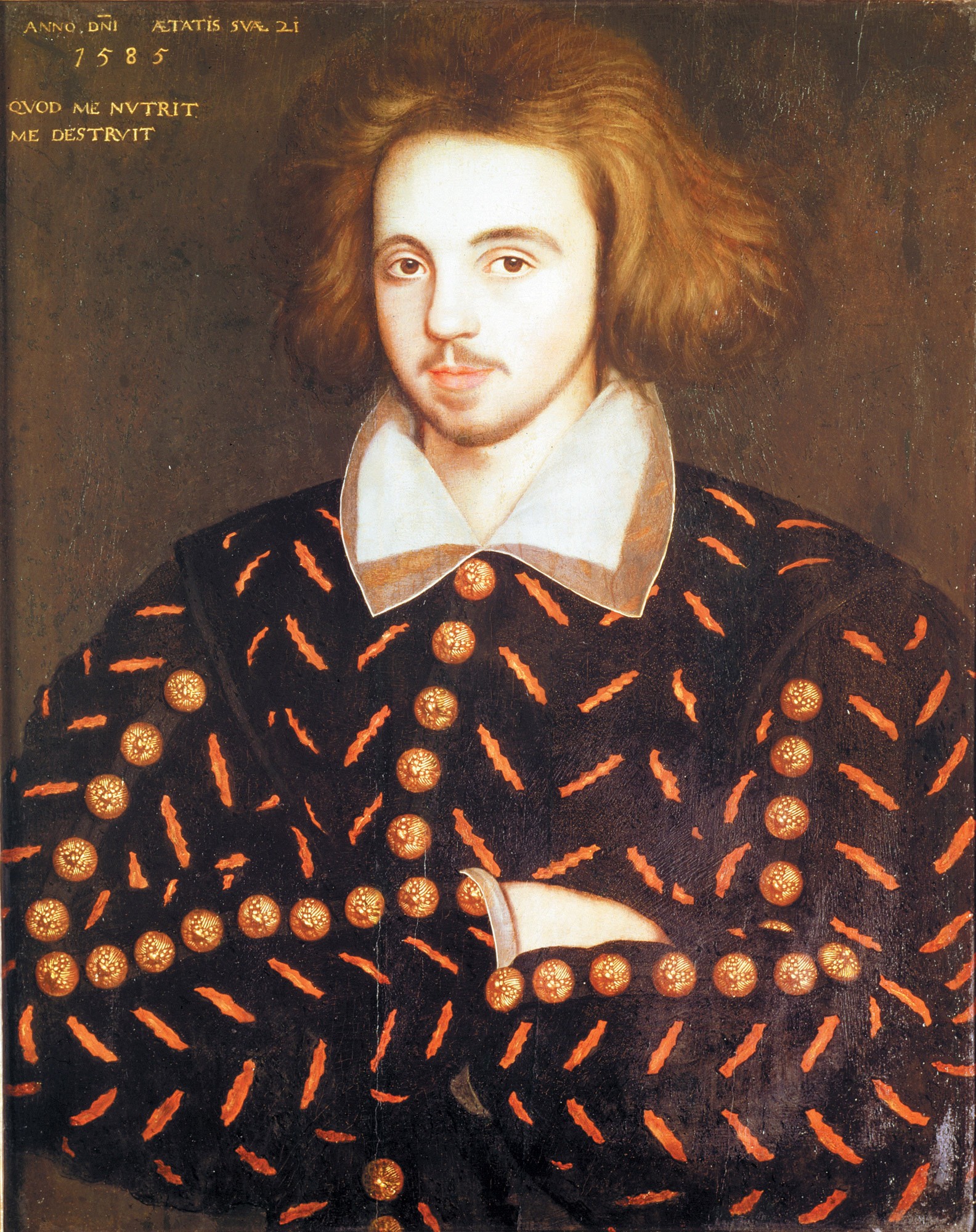
    What is the moral of Marlowe’s ‘Doctor Faustus’?

    There are four stories that could justifiably be described as foundational to Western culture: the temptation of Eve in the Garden of Eden; Prometheus’s gift of fire to humanity; Doctor Faustus’s pact with the devil; and Victor Frankenstein’s act of monstrous creation. Not only are the principal names immediately evocative to anyone who hears them, but that recognisability allows for nearly endless variations on their original themes. This is, in part, what gives these stories their staying pow

  • May 13 · 54 min

    Does the budget have a coherent underlying philosophy?

    The federal budget is, in many respects, the high point of Australia's political calendar. This federal budget is no exception. The public had been primed for weeks to expect a series of significant reforms this year. But it is striking how little there is in the budget by way of direct social benefit. The budget is broadly redistributive — it removes certain tax concessions that disproportionately benefit the wealthy — but it does not then distribute that additional tax revenue to those strugg

  • May 6 · 54 min

    Are ‘reaction videos’ dulling our ability to be genuinely responsive?

    One of the by-products of digital technology’s pervasiveness in our lives is its seeming irresistibility. However much we try to remain conscientious objectors, to resist its allure, its promises of convenience and casual pleasures, to keep some part of our inner lives free of its influence, we soon discover that it is of the essence of new technological forms to exceed their boundaries, to seep out into the wider culture — into our language, our rhythms and habits, our expectations, our ways of

  • April 29 · 54 min

    NDIS reforms may be necessary, but they’re also morally fraught

    In a speech to the National Press Club, Health Minister Mark Butler announced a series of sweeping changes that the federal government will make to the National Disability Insurance Scheme (NDIS). In the thirteen years since it was legislated, the growth of the NDIS has surpassed all expectations. By 2030, the Productivity Commission projected that the scheme would cover around 550,000 people and cost about $40 billion. This year there are already 760,000 people on the scheme at a cost of $50 b

  • April 22 · 54 min

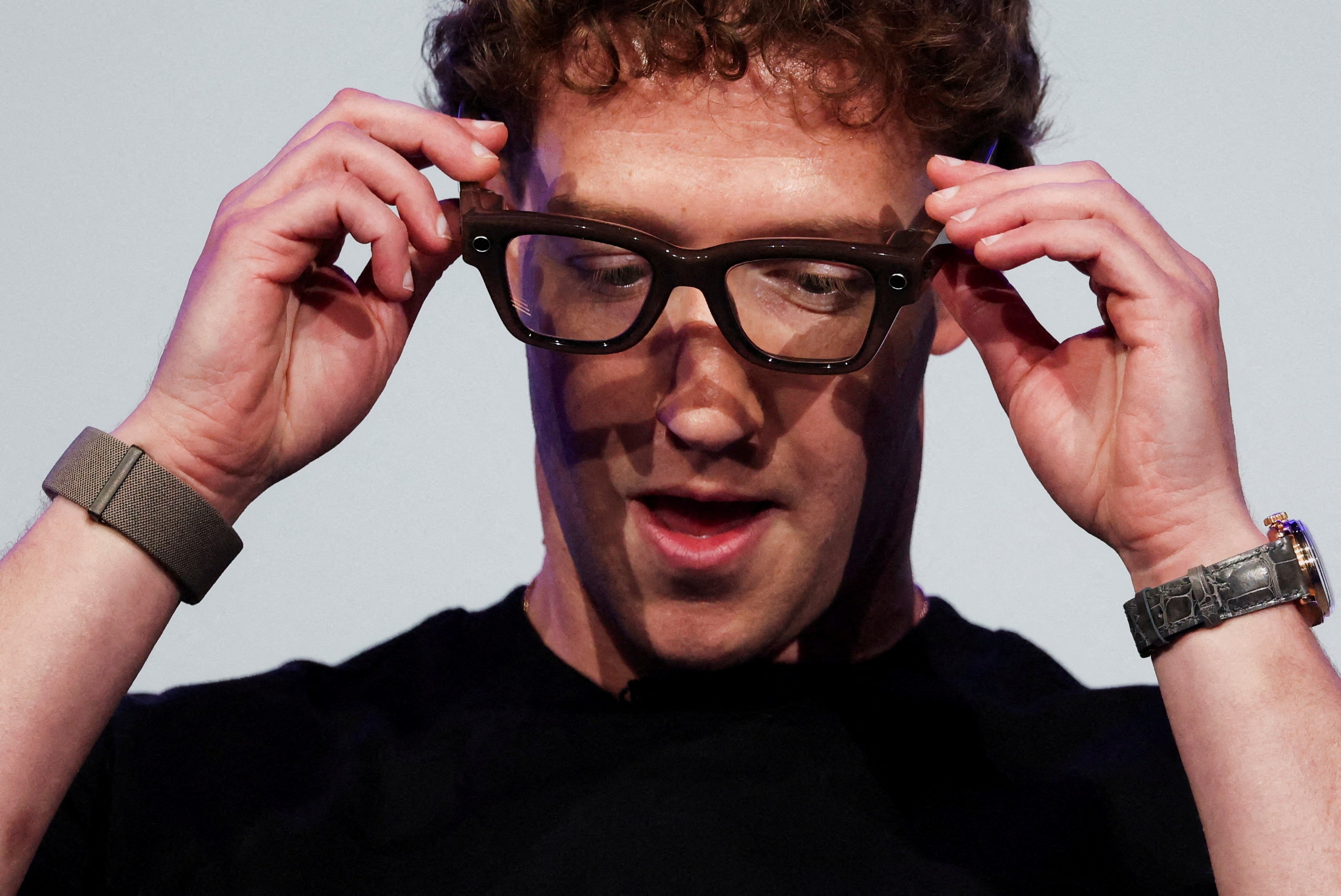
    Smart glasses — a new frontier of foreseeable digital harm?

    There has long been a gap between the emergence of new forms of technology and the development of laws designed to mitigate their dangers. But with the rapid advances in artificial intelligence and immersive technologies, that gap is becoming increasingly problematic. Take the example of wearable technology, such as smart glasses. Companies like Meta, in particular, have poured vast amounts of money into the development and commercialisation of augmented reality (XR) headsets. This would seem t

  • April 15 · 54 min

    The price of sovereignty: Are we prepared to pay more for less vulnerability?

    Ever since the eighteenth century, there has been a prevailing belief that mutually beneficial commercial relationships between nations provide a powerful disincentive to international conflict. Montesquieu perhaps put it best in his Spirit of the Laws (XX.1-2): “Commerce cures destructive prejudices, and it is an almost general rule that everywhere there are gentle mores, there is commerce and that everywhere there is commerce there are gentle mores … The natural effect of commerce leads to p

Showing 1–20 of 22 episodes