Skip to content
Artwork for The Impact Equation
BusinessEntrepreneurshipNon-ProfitScienceEarth Sciences

The Impact Equation

Rafi Addlestone and Adam Pike

Welcome to The Impact Equation, conversations with leaders shaping a brighter future, hosted by Adam Pike, social entrepreneur, and Rafi Addlestone, impact advisor, With our special guests, we unlock the secrets of those who dare to transform our world. We talk to architects of change, pioneers in their fields, working toward a brighter future for us all. In each episode, we dig into each element of the impact equation. 


Hosted on Acast. See acast.com/privacy for more information.

Play
  • 27 episodes
  • weekly
  • Avg 35 min
  • English
Counted on this page — what you have heard stays on this device, so it is not something the list can be paged by.
  • Sunday · 39 min

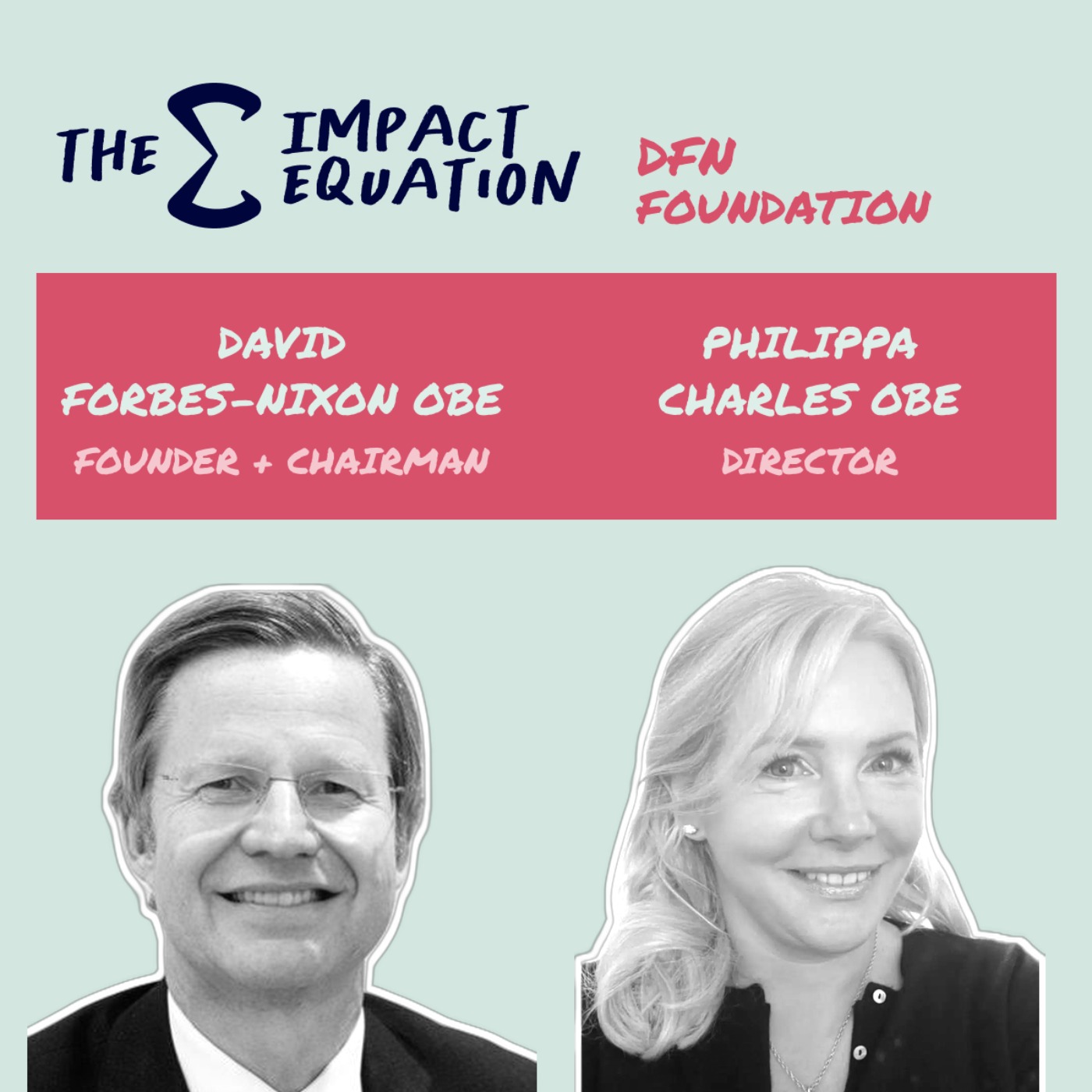
    Inspired by Charlie: Getting SEND young people into employment

    We’re joined by two remarkable leaders helping young people with special educational needs and disabilities into meaningful employment. David Forbes-Nixon OBE is a former investment banker who built Alcentra into a $40 billion asset manager before turning his attention to philanthropy. Inspired by his son Charlie, he founded the DFN Foundation in 2014, determined to transform opportunities for young people with learning disabilities and autism. Joining him is Philippa Charles OBE, Executive Director of the DFN Foundation, who previously led the Garfield Weston Foundation for 16 years, overseeing more than £1 billion in charitable grants. Together, they’re pioneering a model of venture philanthropy that combines business discipline, patient capital and ambitious social goals. We explore their personal motivations, how they’re working with employers including Amazon and Asda to create thousands of jobs, and what it will take to transform disability employment across the UK. Hosted on Acast. See acast.com/privacy for more information.
  • S1 · E113
    November 16 · 36 min

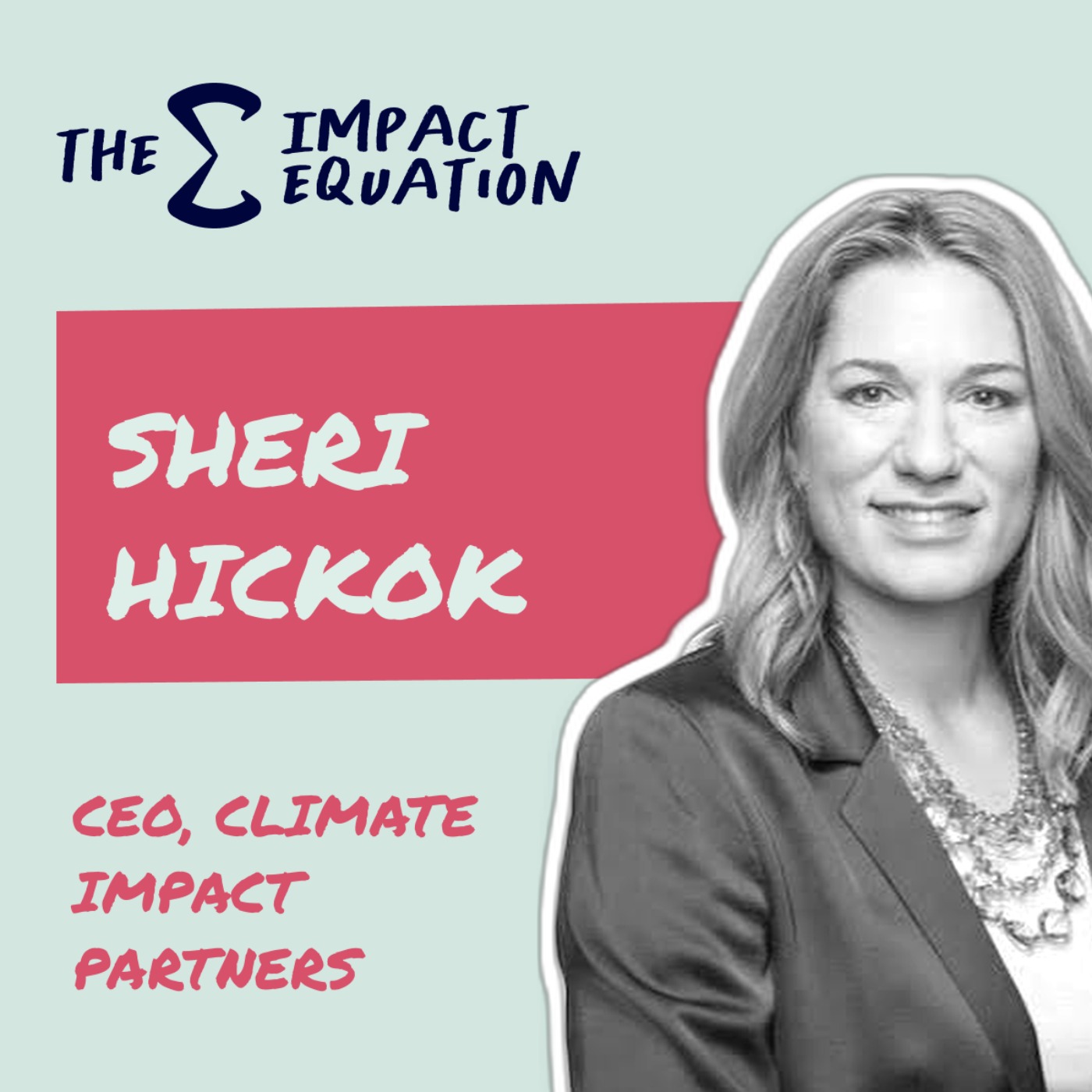
    Sheri Hickok: An Engineer Scaling Carbon Markets

    In this episode of The Impact Equation, Adam and Rafi sit down with Sheri Hickok, Chief Executive of Climate Impact Partners. Drawing on her extensive engineering background at General Motors and GE’s onshore wind division, Sheri shares how she applies a rigorous systems-thinking mindset to scale carbon finance. She discusses the core elements of high-quality carbon credits, the critical need for market standardization, and the collaborative frameworks required between originators, investors, and corporate off-takers to achieve global climate targets. Hosted on Acast. See acast.com/privacy for more information.
  • November 13 · 22 min

    112up

    Hosted on Acast. See acast.com/privacy for more information.
  • S1 · E112
    November 7 · 39 min

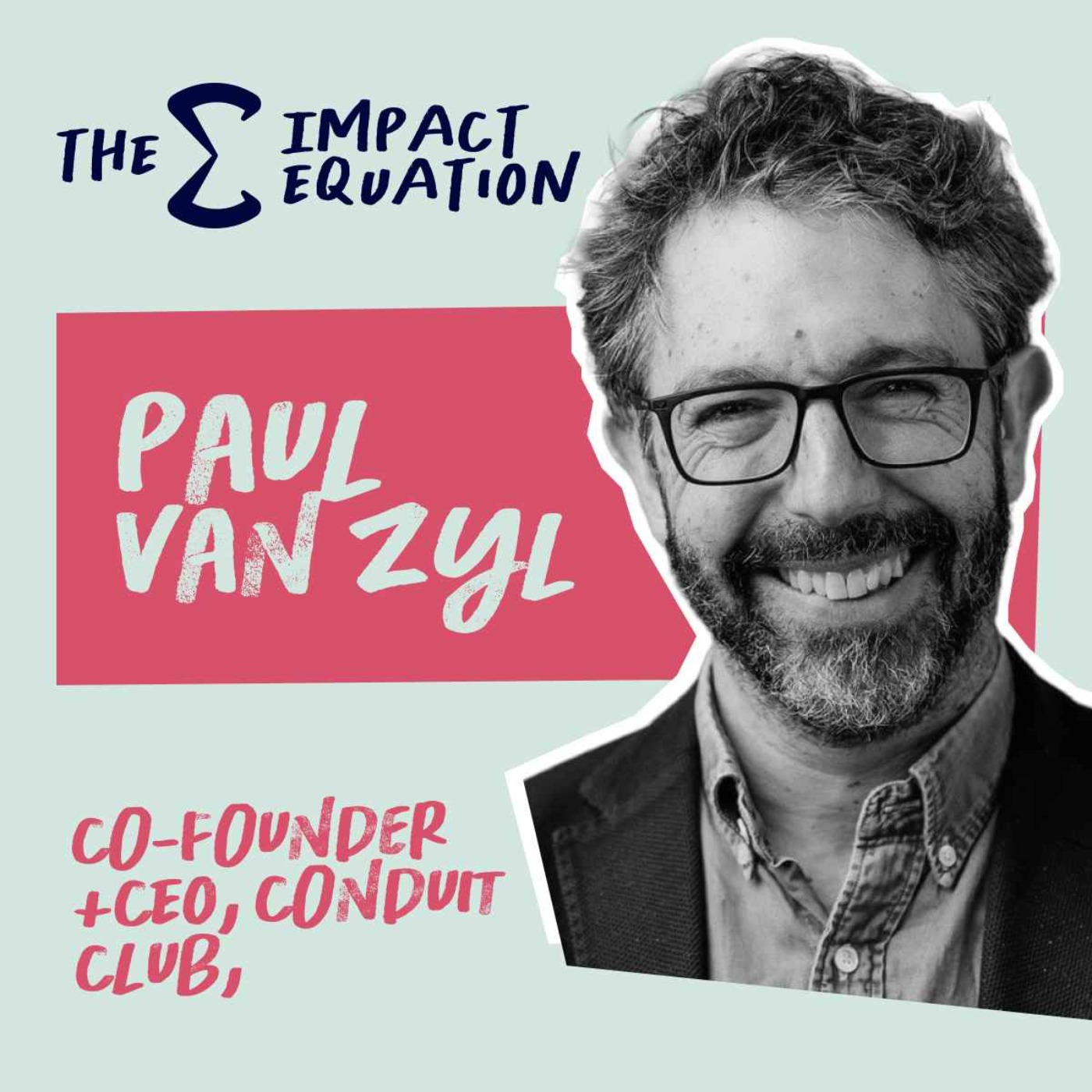
    Paul Van Zyl: Building Coalitions to Turn Social Impact into Lasting Change

    In this episode of The Impact Equation, Rafi is joined by Paul van Zyl, former executive secretary of South Africa’s Truth and Reconciliation Commission and co-founder of The Conduit, to explore how collaboration, trust, and collective action can help tackle some of the world’s most complex challenges. Paul reflects on his experiences working in the struggle against apartheid, helping establish the Truth and Reconciliation Commission, and the importance of acknowledging victims, uncovering the truth, and building a path towards lasting peace. He then shares the inspiration behind The Conduit, a community and convening space that brings together people working towards positive social change. The conversation explores how The Conduit has evolved from facilitating meaningful connections to building coalitions that address systemic issues, including the Flood Action Coalition, which aims to coordinate investment in natural flood management and strengthen water resilience. Paul also discusses the potential of sports stadiums to become year-round social infrastructure, the role of collaboration in tackling extreme heat, and why trust is essential to creating solutions that benefit entire communities. He closes with a powerful reminder that meaningful progress requires people to move beyond division, work across differences, and focus on practical solutions that create lasting impact. Hosted on Acast. See acast.com/privacy for more information.
  • S1 · E111
    November 1 · 46 min

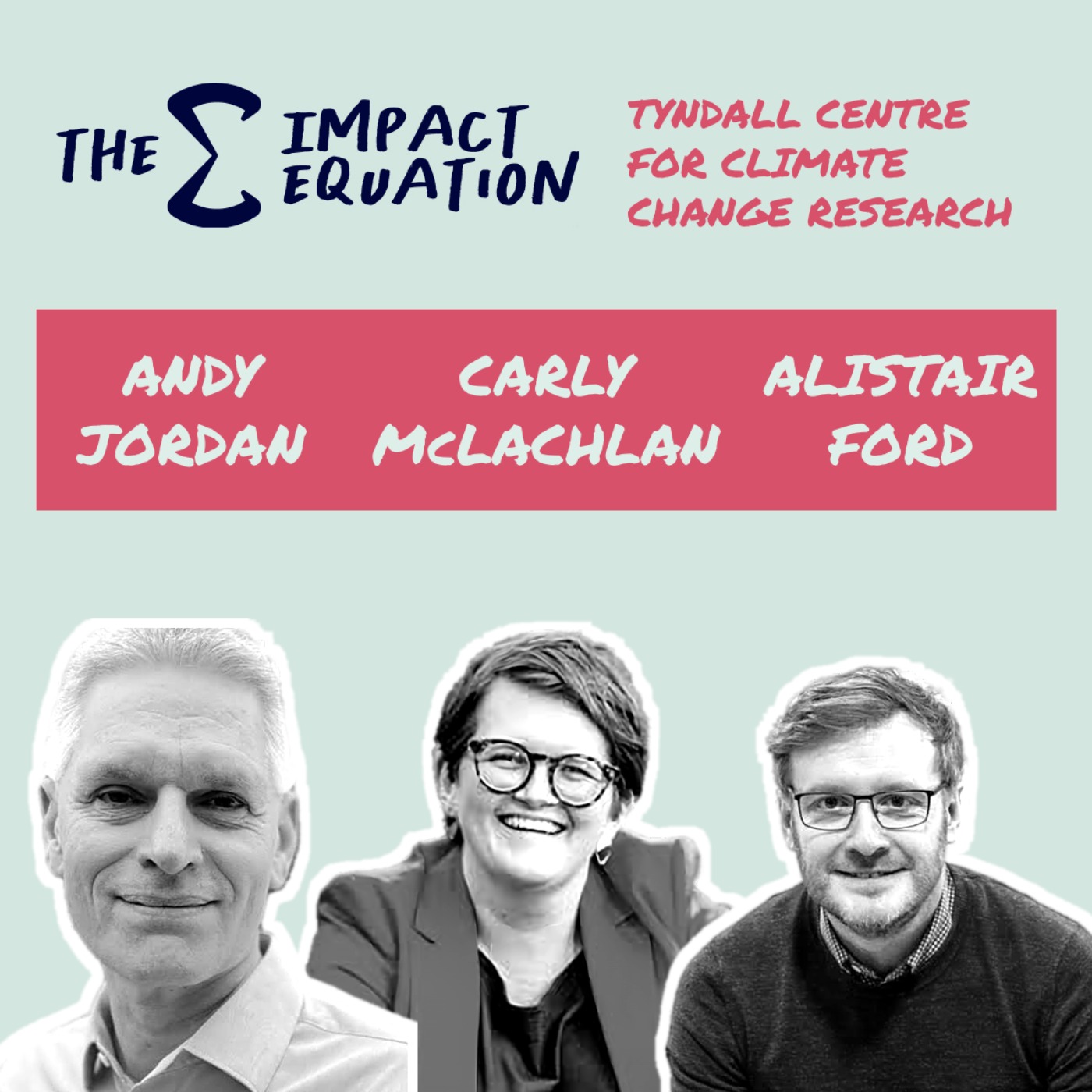
    The Tyndall Centre: Turning Climate Research into Real-World Action

    In this episode of The Impact Equation, Rafi is joined by Andy Jordan, Alistair Ford, and Carly McLachlan from the Tyndall Centre for Climate Change Research to explore how interdisciplinary research can help accelerate climate action. Celebrating 25 years of the centre, they discuss the importance of connecting climate science with policymaking, practical solutions, and collaboration across sectors. Andy shares how Tyndall’s research has helped shape the UK’s approach to decarbonisation and climate policy, while Alistair explains the growing challenges of climate adaptation, from extreme heat and flooding to building more resilient cities and transport systems. Carly highlights how partnerships with Massive Attack and local authorities are helping transform the live music and events industries through low-carbon innovation, as well as supporting Greater Manchester’s decarbonisation ambitions. The conversation also explores how climate solutions can deliver wider benefits for public health, communities, and economic prosperity. Despite the seriousness of the climate crisis, the guests share why they remain hopeful and emphasise the need to turn research into action, scale successful solutions, and keep climate change part of everyday conversations. Hosted on Acast. See acast.com/privacy for more information.
  • S1 · E110
    October 24 · 39 min

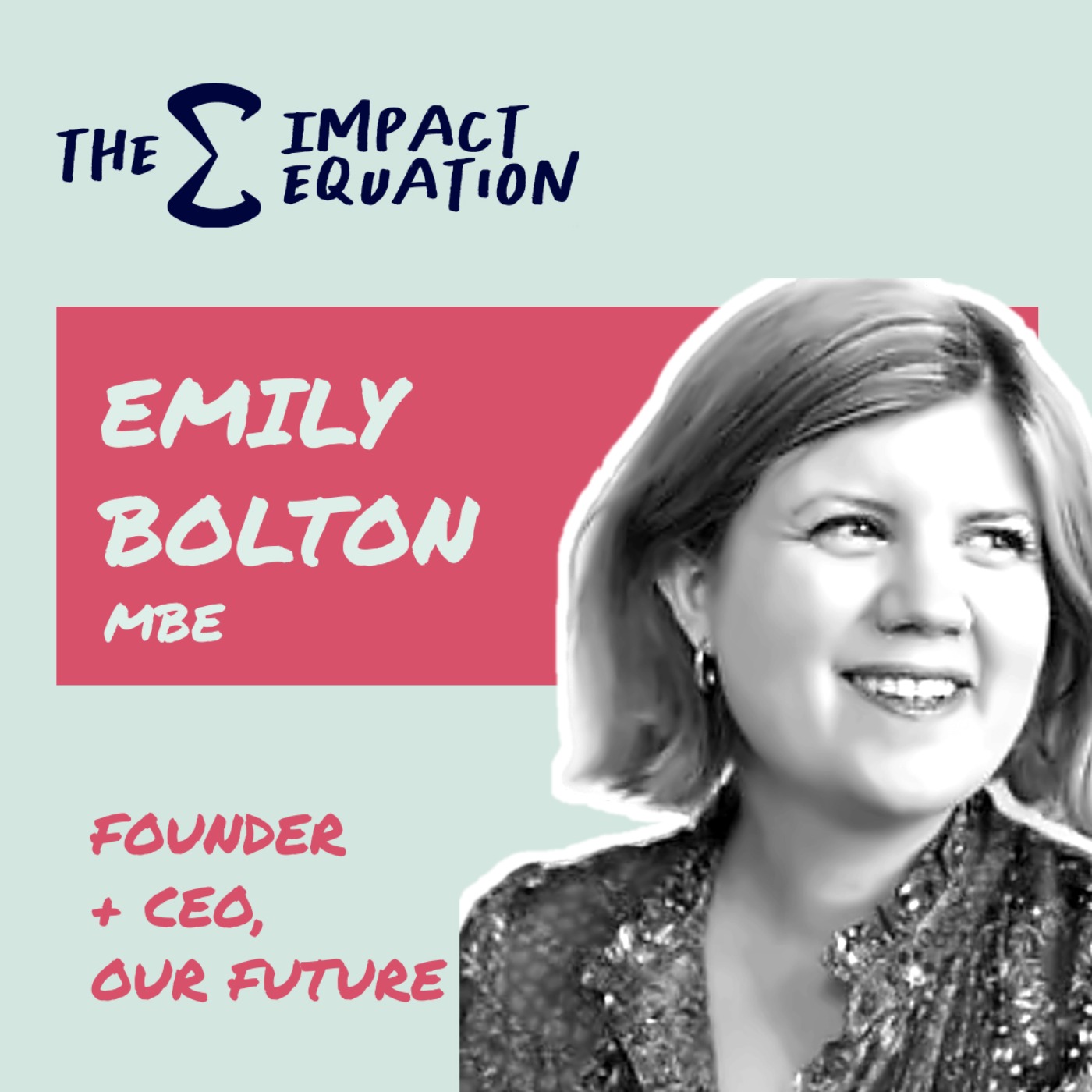
    Emily Bolton: Rebuilding Communities Through Citizen-Led Regeneration

    Emily Bolton is the founder and CEO of Our Future, an organisation working with local residents, community leaders and businesses to drive citizen-led regeneration and create lasting change in towns across the UK. With a background in social finance and systemic innovation, Emily helped establish the world’s first social impact bond at Peterborough Prison, designed to reduce reoffending through preventative support, and later founded the Impact Incubator to tackle complex social challenges. After a serious illness prompted her to reflect on the future she wanted to help create, Emily turned her attention to post-industrial communities and how they could regain the power to shape their own futures. In this episode, she explains how Our Future is working with residents and Grimsby Town Football Club to build a shared vision for Grimsby, strengthen community connections and develop a fund that can support locally driven initiatives. She also explores the importance of trust, civic leadership and social infrastructure in regeneration, why communities must have a genuine say in decisions that affect them, and how government and businesses can become enablers of local change rather than directing it. Emily shares her vision for extending this model to other towns and calls on people to think boldly about what their communities could become and take action to make that future possible. Hosted on Acast. See acast.com/privacy for more information.
  • S1 · E109
    October 18 · 26 min

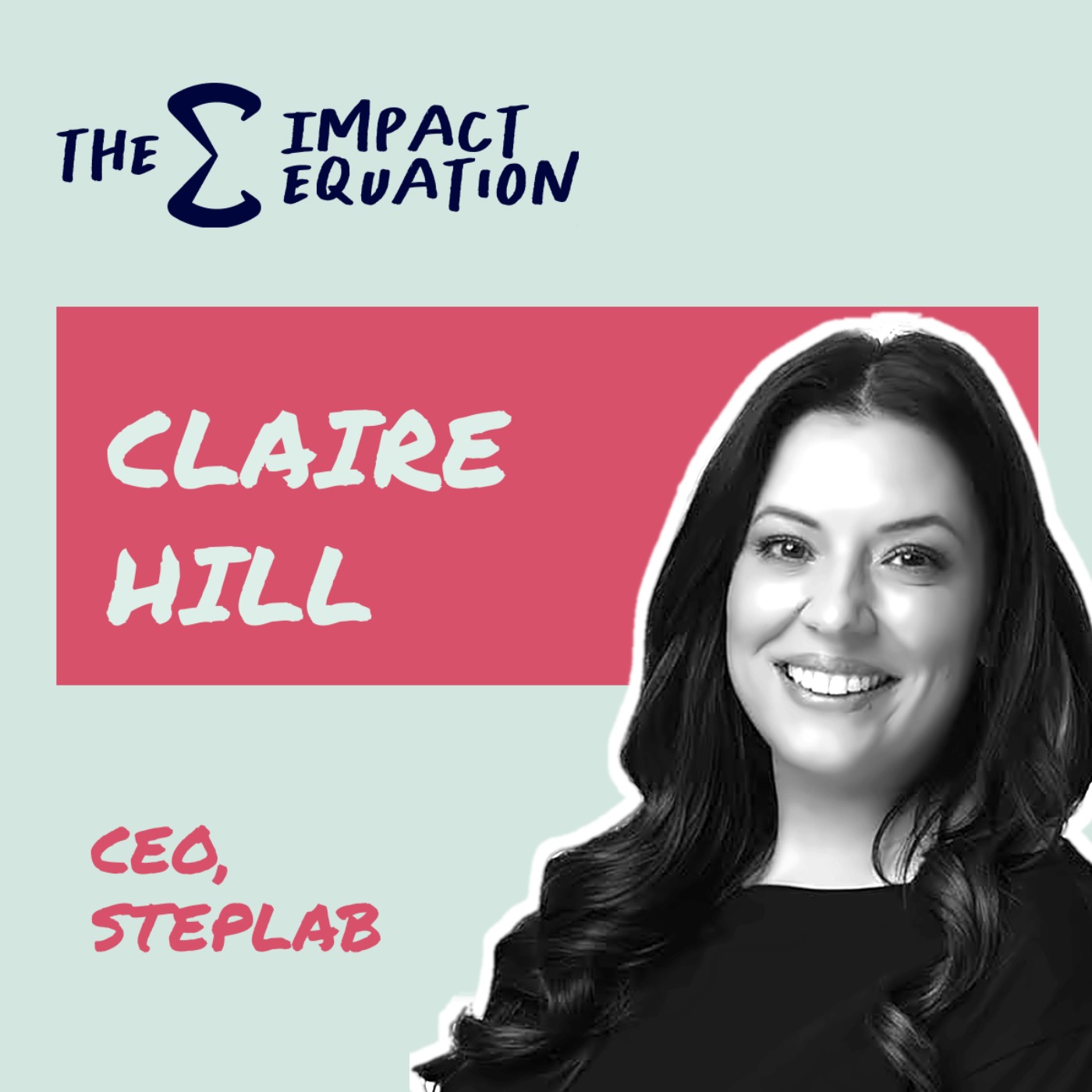
    Claire Hill: Improving teaching quality through evidence-based professional development

    Claire Hill is the director of StepLab, a professional development platform helping schools improve teaching quality through structured coaching, practical training and evidence-based feedback. Having worked as a teacher and school leader, Claire brings first-hand experience of the challenges educators face in developing their classroom practice and supporting student achievement. Since joining StepLab four years ago, she has helped lead its growth from a small organisation working with a few thousand teachers to a platform now used by more than 200,000 teachers across the UK, Australia and other international markets. In this episode, Claire explains why traditional one-off training sessions often fail to change teaching habits, how deliberate practice, classroom modelling and precise feedback can help teachers continually improve, and how StepLab uses research to make effective professional development accessible at scale. She also discusses the role of technology and AI in expanding the platform internationally, the importance of government investment in teacher training, and why giving teachers more time to develop their skills is essential to improving educational outcomes and strengthening the teaching profession. Hosted on Acast. See acast.com/privacy for more information.
  • S1 · E108
    October 11 · 45 min

    Community-Led Conservation: How Health, Livelihoods and Local Leadership Can Protect Nature

    Ashley Emerson, co-CEO of Business and Scale at Health in Harmony; Adam Miller, co-founder and executive director of Planet Indonesia; and Sam Shaba, CEO of Honeyguide, are leading organizations that demonstrate how empowering local communities can deliver lasting conservation results. Working across Indonesia, Tanzania, Madagascar, Brazil and other regions, their organizations help communities protect forests, wildlife and biodiversity by addressing the needs that make conservation possible, including healthcare, livelihoods, land rights and local governance. Health in Harmony uses its Radical Listening approach to fund community-designed solutions, while Planet Indonesia supports community rights, sustainable livelihoods and locally managed institutions, and Honeyguide helps wildlife management areas become financially self-sustaining. In this episode, Ashley, Adam and Sam discuss why conservation must work alongside communities rather than exclude them, how investing in local priorities can improve both human well-being and environmental outcomes, and why successful conservation depends on listening, humility and collaboration. They also share their vision for scaling community-led solutions by equipping local organizations to lead independently, shifting resources and decision-making power toward frontline communities, and redefining conservation success by how many landscapes can thrive without continued dependence on external NGOs. Hosted on Acast. See acast.com/privacy for more information.
  • S1 · E107
    October 4 · 34 min

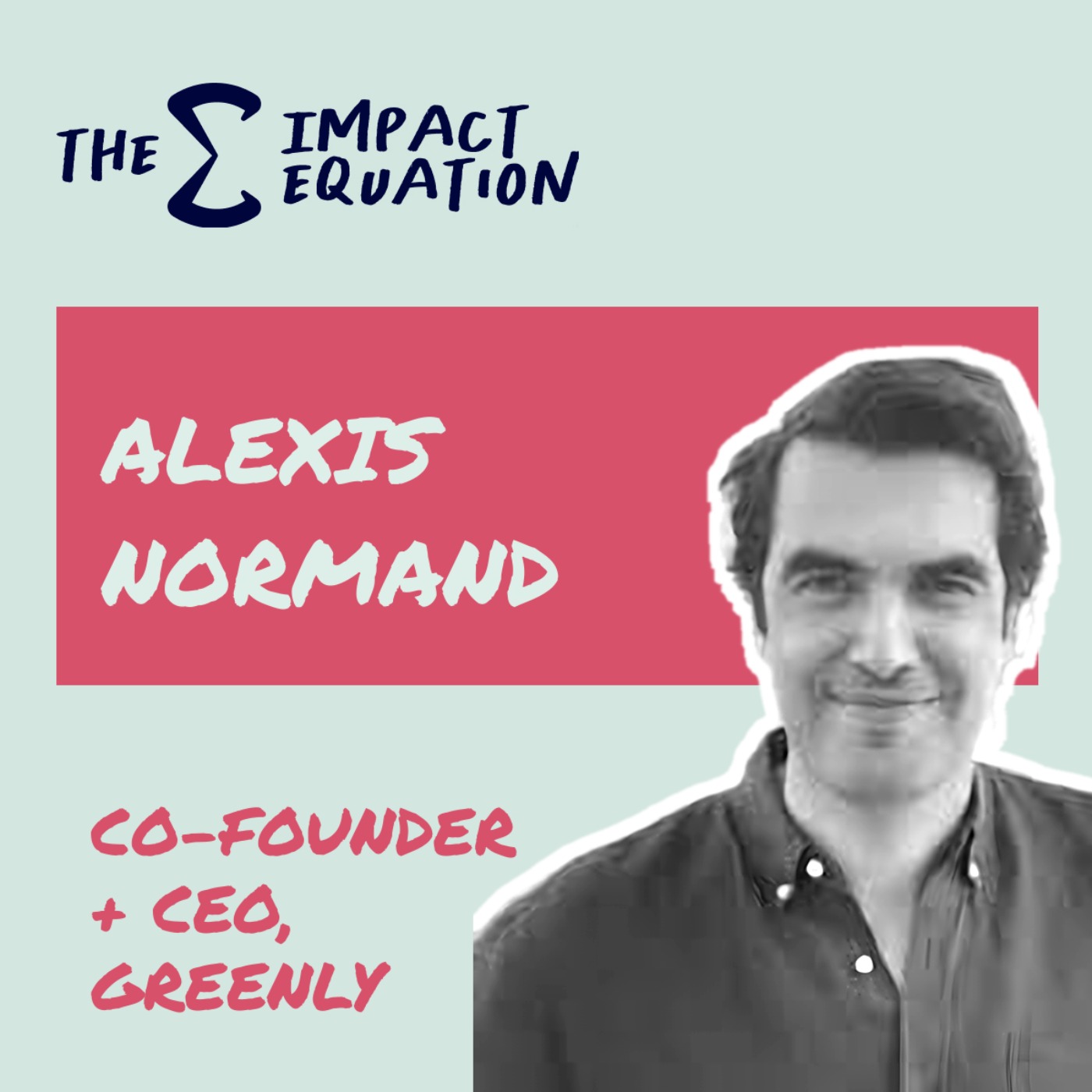
    Alexis Normand: Making Carbon Accounting Accessible to Every Business

    Alexis Normand is the co-founder and CEO of Greenly, the Paris-based carbon management platform helping businesses measure and reduce their emissions. After starting his career in public policy and spending six years at health tech company Withings, Alexis turned his attention to climate and founded Greenly with the vision of making carbon accounting as accessible and scalable as financial accounting. Originally launched as a consumer app, Greenly pivoted to B2B and now serves businesses ranging from small and medium-sized companies to large enterprises, helping them track emissions across their operations and supply chains. In this episode, Alexis discusses why sustainability can be a profitability driver rather than simply a cost, how regulation and procurement are pushing carbon accounting down through supply chains, and how AI can simplify complex carbon data and give sustainability teams more time to focus on actual emissions reduction. He also shares his vision for Greenly to build a powerful network of supplier and product-level carbon data that could help businesses make more informed decisions and accelerate the transition to a lower-carbon economy. Hosted on Acast. See acast.com/privacy for more information.
  • S1 · E106
    September 27 · 33 min

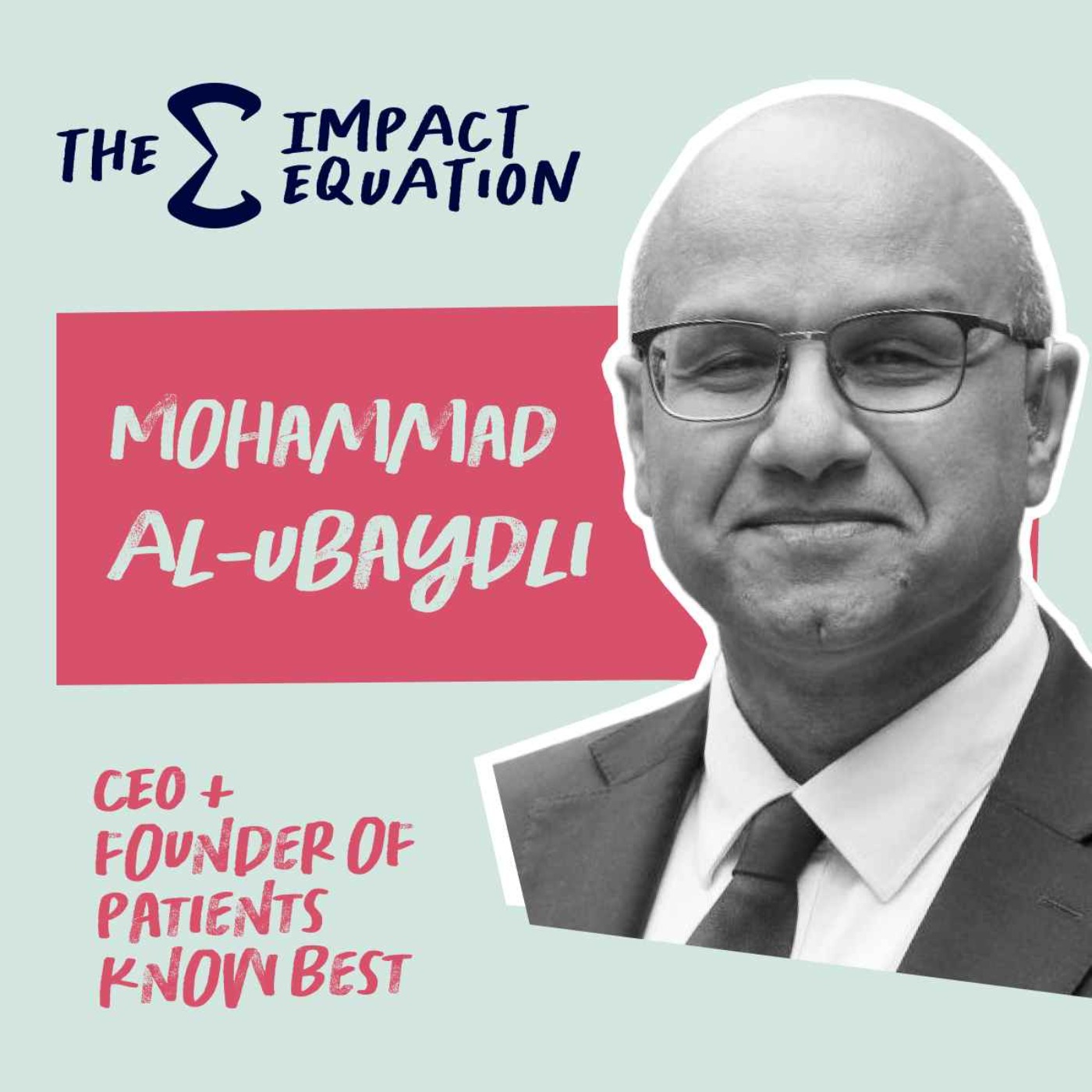
    Mohammad Al-Ubaydli: Joining-up records of 15 million UK citizens

    Mohammad Al-Ubaydli is the founder and CEO of Patients Know Best (PKB), the personal health record platform that has crossed six million registered users in the UK and was the first Personal Health Record to integrate with the NHS App. He trained as a physician at Cambridge, worked as a staff scientist at the US National Institutes of Health, before founding Patients Know Best in 2008. He has written eight books on healthcare technology, and in 2012 was elected an Ashoka Fellow as a social entrepreneur. Mohammad lives with a rare disease, an experience that led him to conclude that patients, not institutions, should hold the canonical copy of their own health data. The platform now underpins joined-up records for more than fifteen million UK citizens, and is one of the few B Corp social enterprises operating at that scale inside the NHS. Hosted on Acast. See acast.com/privacy for more information.
  • September 24 · 25 min

    105up

    Hosted on Acast. See acast.com/privacy for more information.
  • S1 · E105
    September 20 · 35 min

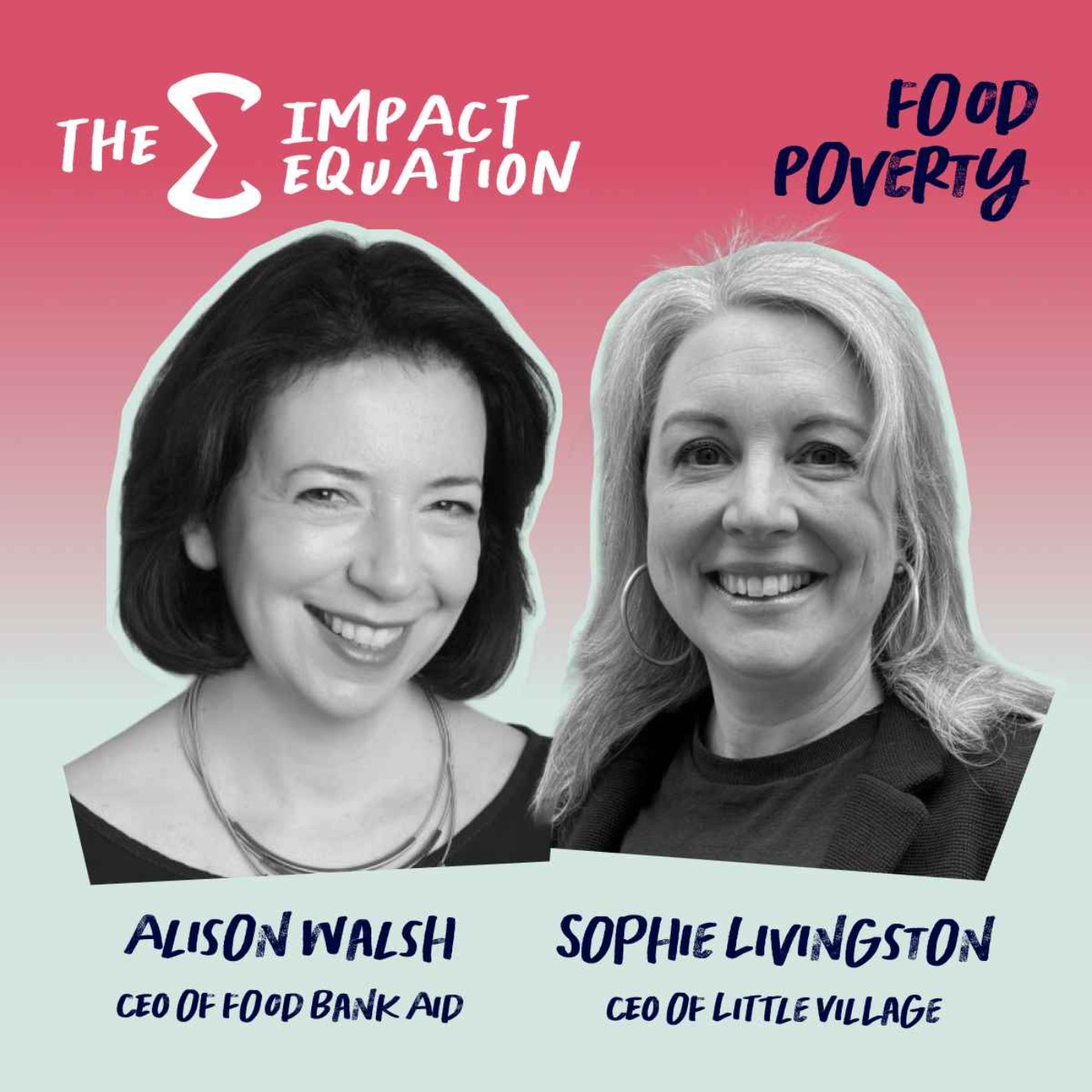
    Schools Out, Foods Out

    Alison Walsh and Sophie Livingston lead two of London's most effective responses to child poverty. Alison is CEO of Food Bank Aid, a charity born in a double garage in Highgate in April 2020 that now supplies 33 food banks across North London and Hertfordshire, reaching around 20,000 people, including 5,000 children every week. Sophie is CEO of Little Village, London's largest baby bank network. Providing pre-loved clothes, kit, and connection to families with under fives. A serial social entrepreneur, Sophie was the founding CEO of City Year UK. She co-founded Generation Change, chairs the Baby Bank Alliance she helped to create in 2024, and chairs the End Child Poverty Coalition. Sophie was awarded an MBE in 2020. Hosted on Acast. See acast.com/privacy for more information.
  • S1 · E104
    September 13 · 44 min

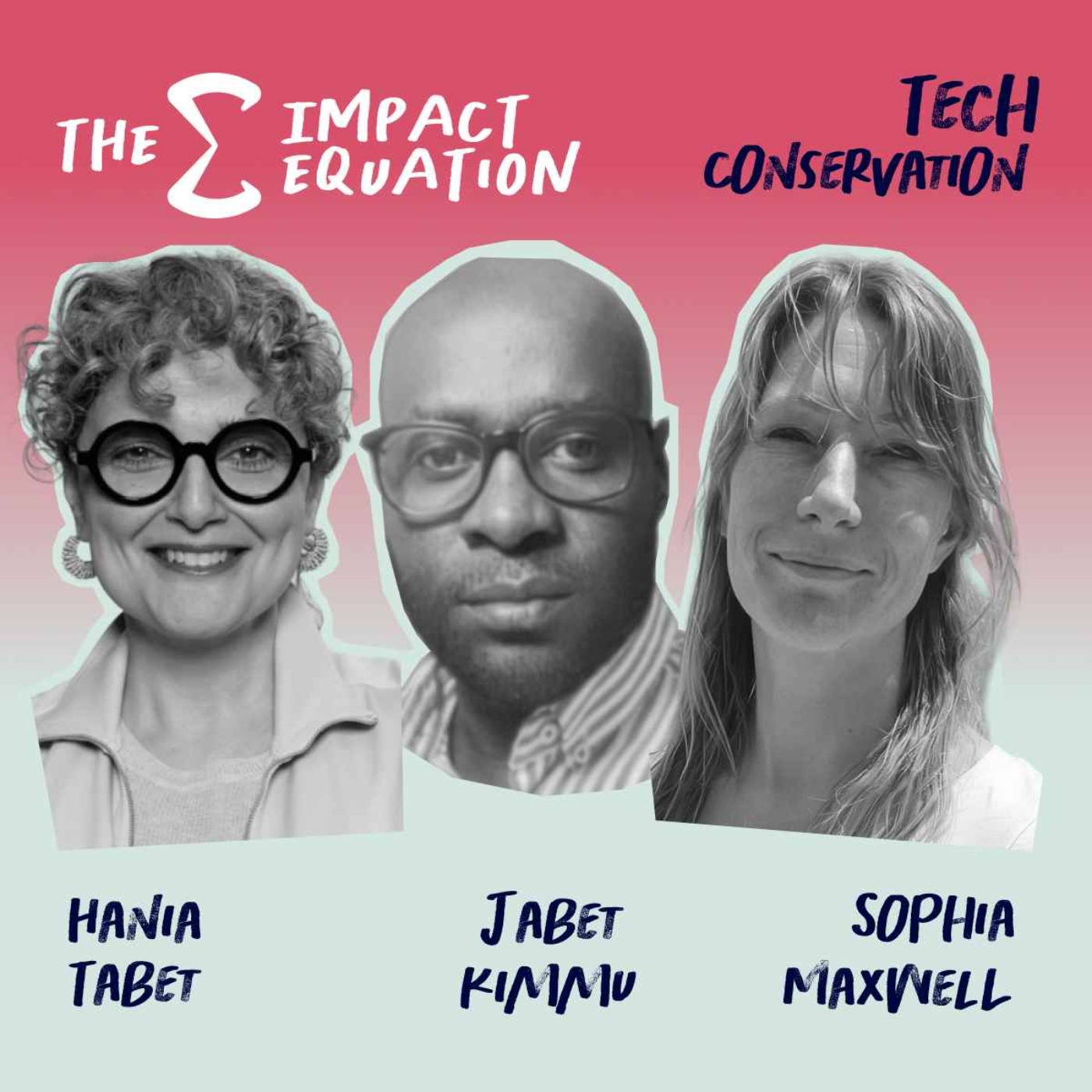
    Eye in the Sky: How Space Tech and AI Are Saving Earth’s Wildlife

    In this episode of The Impact Equation, host Rafi Addlestone explores how space technology, satellite imagery, and artificial intelligence are transforming wildlife protection. Joining the discussion are Hania Tabet (Airbus Foundation), Sophie Maxwell (Executive Director, Connected Conservation Foundation), and Japheth Akimel (Connected Conservation Foundation). The panel breaks down how high-resolution Earth observation—such as Airbus's Pleiades Neo constellation operating at 30 cm resolution—is replacing traditional binoculars to monitor habitats, predict animal movements, and protect species facing extinction. Through practical field examples ranging from tracking Andean bears in Peru to protecting the last 21 desert-adapted elephants in Namibia, the episode demonstrates why combining high-tech tools with local community leadership is essential for long-term coexistence and ecosystem resilience. Hosted on Acast. See acast.com/privacy for more information.
  • S1 · E103
    September 7 · 39 min

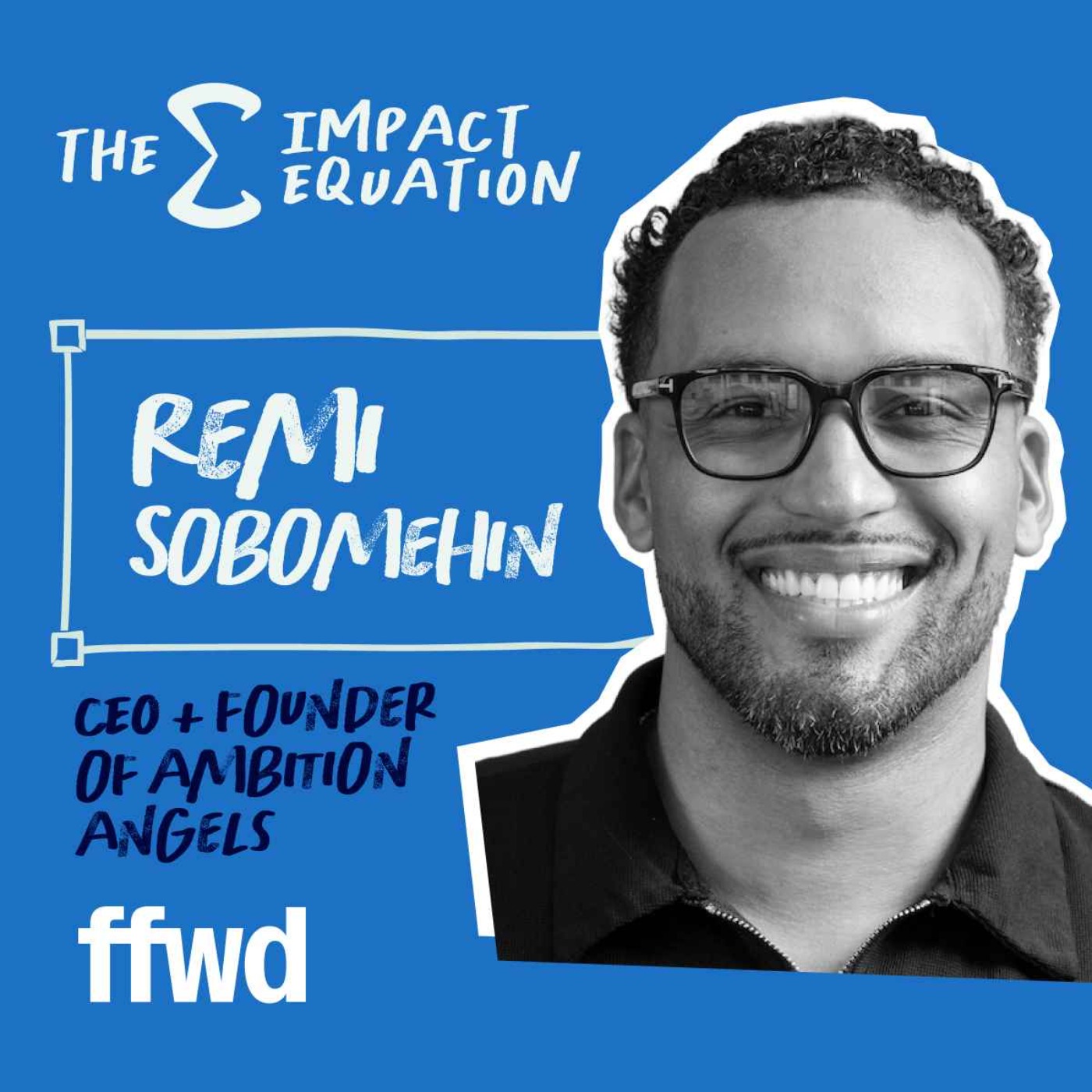
    Remi Sobomehin: From Oregon to Stanford & Palo Alto

    Remi Sobomehin is the founder and CEO of Ambition Angels, a Palo Alto based non-profit that delivers career exposure and skill building to teenagers through an app and pays them to use it. Only about 11 % of teens go to after school programming, while more than 95 % own a smartphone and spend roughly eight hours a day on it. Rather than compete with the phone, Remi and his team have built his programme inside it. Remi grew up in Portland, Oregon. With his childhood friend, Demetrius Sanders, he set his sights on Stanford and got there eight years later. After graduating, he went to Palo Alto to lead after-school programmes at the boys and girls clubs and kept hitting the same wall. He couldn't get teens to walk through the door. Demetrius, meanwhile, had joined Facebook's team building product for teens, and could see exactly what was reaching them at scale. This is the next episode in our series with our friends with US-based Fast Forward, empowering people to build technology for humanity. Hosted on Acast. See acast.com/privacy for more information.
  • S1 · E102
    August 31 · 41 min

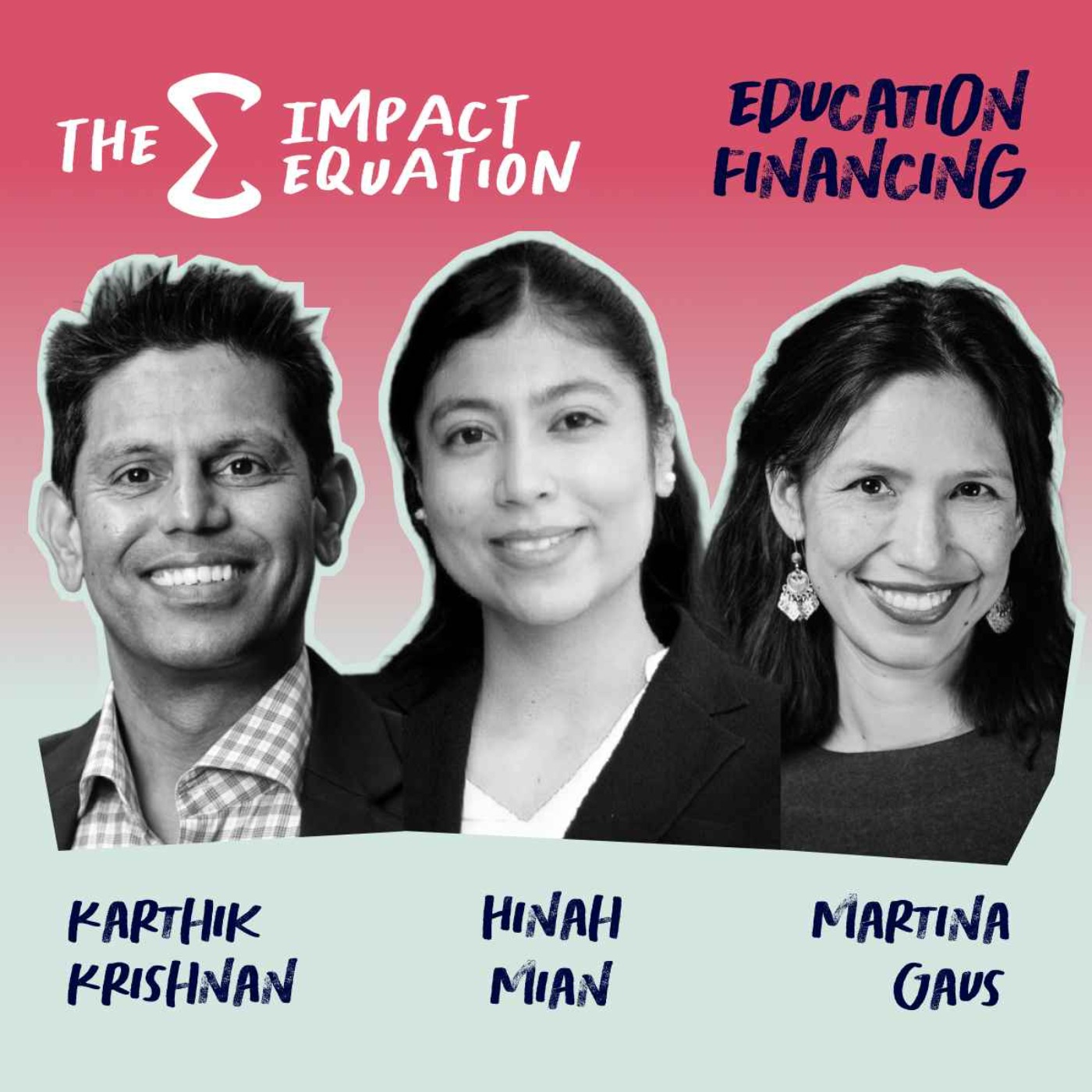
    Education Financing Roundtable

    How do we solve a $97 billion global education funding shortfall when investments take decades to yield returns? In this episode of The Impact Equation, host Rafi Addlestone is joined by Karthik Krishnan (CEO of IFFEd), Hinah Mian (Jacobs Foundation), and Martina Gaus (UBS Optimus Foundation) to explore the innovative financial and pedagogical strategies needed to secure the future of global education. The guests dissect the structural barriers that often cause education to lose out to other sectors, showcase how a new guarantee model is turning every dollar invested into seven dollars of concessional financing, and discuss the critical need for evidence-based teaching that meets students at their specific competency levels. This conversation offers a masterclass on overcoming institutional hurdles to ensure that when it comes to philanthropic partnership, the sum is truly greater than its parts. Hosted on Acast. See acast.com/privacy for more information.

  • S1 · E101
    August 16 · 33 min

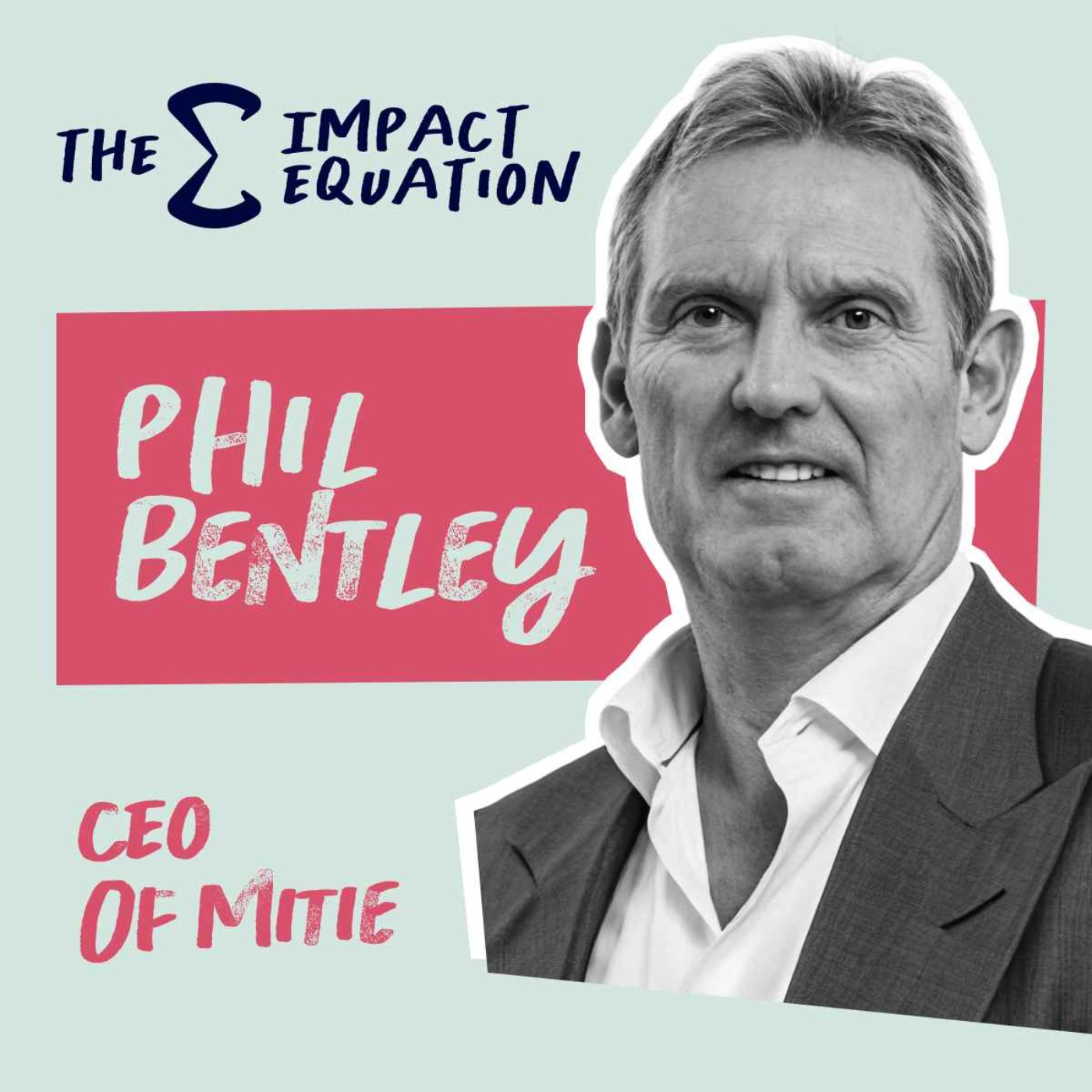
    Phil Bentley: CEO of Mitie, providing critical infrastructure

    We’re joined by Phil Bentley, CEO of Mitie. A seasoned leader with a deep history of transformation at global companies - including Centrica, Cable & Wireless, and BP - Phil has redefined Mitie from a traditional facilities management firm into a critical partner to the fabric of our society and our national infrastructure, ensuring schools, hospitals, and airports remain operational every day. Phil’s leadership is defined by a relentless commitment to purpose-led growth and a clear-eyed approach to building a more sustainable future Hosted on Acast. See acast.com/privacy for more information.

  • S1 · E100
    August 9 · 28 min

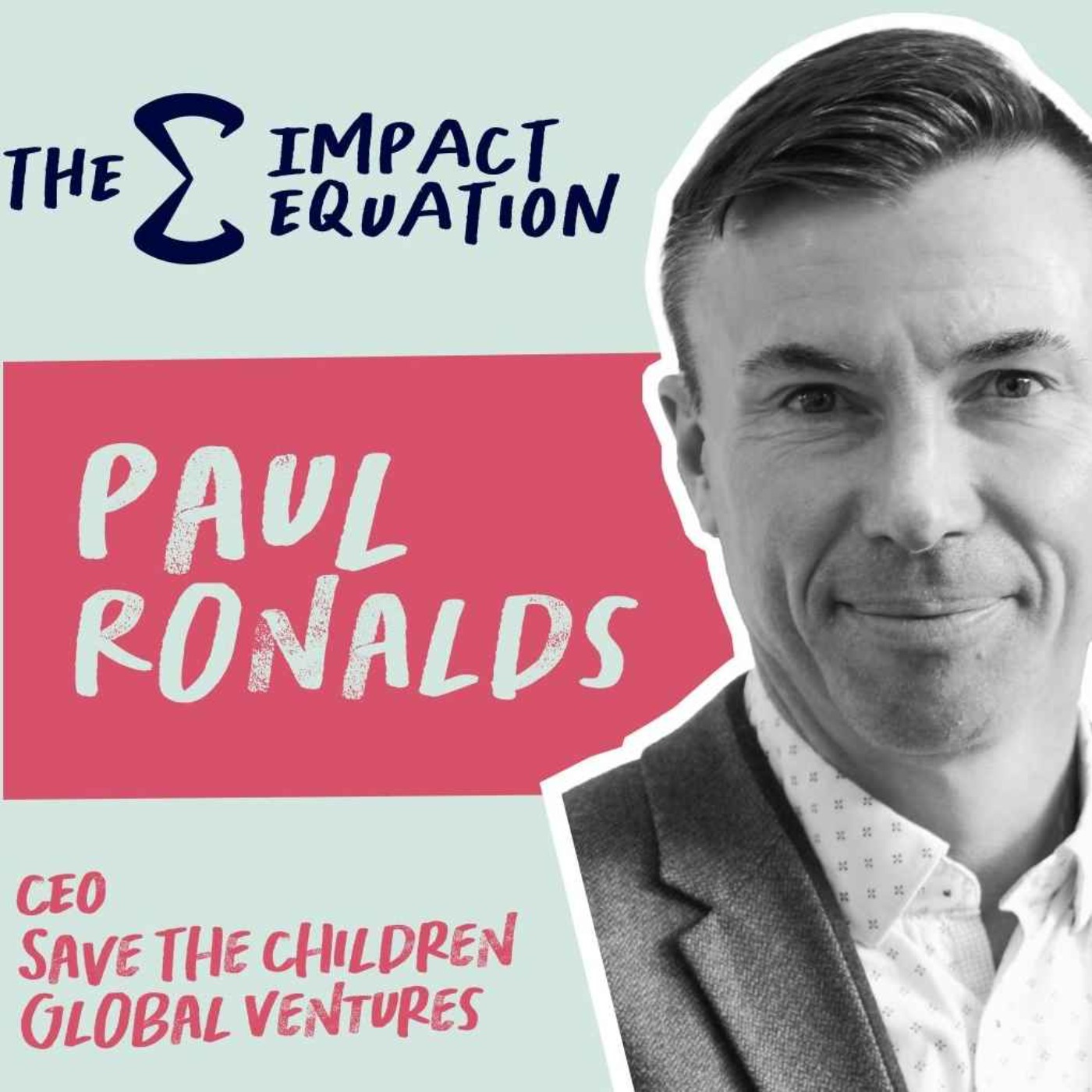
    Paul Ronalds: Can Venture Capital Save Lives?

    For the 100th episode of The Impact Equation, we’re joined by Paul Ronalds, CEO of Save the Children Global Ventures, to explore how venture capital, technology and innovative finance can scale solutions for children around the world. The episode closes our special series profiling three of its investments: Amparo, fitting prosthetic limbs in a single visit; PrimaKu, reaching 3 million+ parents across Indonesia; and reach52, bringing healthcare and medicines to underserved communities. We finish where we started the series: How do you find, fund and scale ideas that can change millions of lives? Hosted on Acast. See acast.com/privacy for more information.

  • S1 · E99
    August 2 · 46 min

    Circularity Roundtable

    In this episode, we sit down with Sam Staincliffe (Uplift360), Nicolas Brien (Wastetide), and Elisabeth Bröring (MWT GmbH & Co. KG) for a deep dive into the practical realities of the circular economy. While they approach the challenge from different angles—using AI, processing technology, and downstream applications—our guests share a singular mission: shifting the perception of "waste" into the reality of valuable secondary materials. Hosted on Acast. See acast.com/privacy for more information.

  • July 29 · 19 min

    98up

    Hosted on Acast. See acast.com/privacy for more information.

  • S1 · E98
    July 26 · 38 min

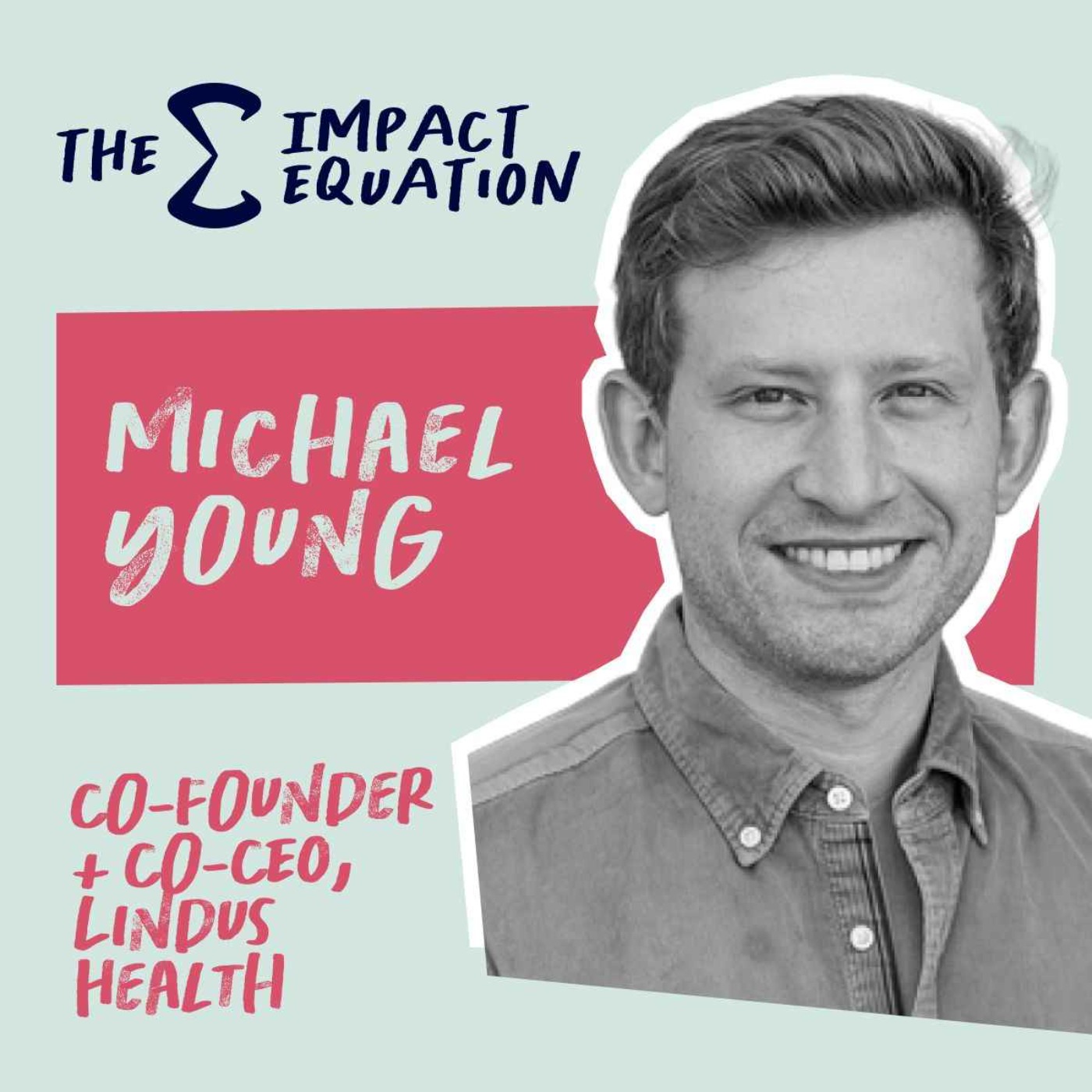
    Michael Young: AI Drug Discovery & Clinical Trials

    Michael Young is co-founder and co-CEO of Lindus Health, an AI-native contract research organisation that runs clinical trials end-to-end and has begun licensing therapeutics to take through trials itself. A former special adviser in the Home Office and 10 Downing Street, where he worked on the UK Life Sciences Strategy, Michael joined Adam and Rafi to explain why running trials, not discovering drugs, has become the biggest bottleneck in medicine. He unpicks the incentives that keep contract research slow and expensive, reflects on Kate Bingham and the Vaccine Taskforce, describes how Lindus can now run five drug programmes for the cost of one a decade ago, and looks ahead to a wave of AI-discovered drug candidates the current system cannot absorb. He closes with a practical ask of every listener: sign up for a clinical trial. Hosted on Acast. See acast.com/privacy for more information.

Showing 1–20 of 27 episodes