Skip to content
Artwork for The Impact Equation
BusinessEntrepreneurshipNon-ProfitScienceEarth Sciences

The Impact Equation

Rafi Addlestone and Adam Pike

Welcome to The Impact Equation, conversations with leaders shaping a brighter future, hosted by Adam Pike, social entrepreneur, and Rafi Addlestone, impact advisor, With our special guests, we unlock the secrets of those who dare to transform our world. We talk to architects of change, pioneers in their fields, working toward a brighter future for us all. In each episode, we dig into each element of the impact equation. 


Hosted on Acast. See acast.com/privacy for more information.

Play
  • 21 episodes
  • weekly
  • Avg 35 min
  • English
Counted on this page — what you have heard stays on this device, so it is not something the list can be paged by.
  • S1 · E109
    Sunday · 26 min

    Claire Hill: Improving teaching quality through evidence-based professional development

    Claire Hill is the director of StepLab, a professional development platform helping schools improve teaching quality through structured coaching, practical training and evidence-based feedback. Having worked as a teacher and school leader, Claire brings first-hand experience of the challenges educators face in developing their classroom practice and supporting student achievement. Since joining StepLab four years ago, she has helped lead its growth from a small organisation working with a few thousand teachers to a platform now used by more than 200,000 teachers across the UK, Australia and other international markets. In this episode, Claire explains why traditional one-off training sessions often fail to change teaching habits, how deliberate practice, classroom modelling and precise feedback can help teachers continually improve, and how StepLab uses research to make effective professional development accessible at scale. She also discusses the role of technology and AI in expanding the platform internationally, the importance of government investment in teacher training, and why giving teachers more time to develop their skills is essential to improving educational outcomes and strengthening the teaching profession. Hosted on Acast. See acast.com/privacy for more information.
  • S1 · E108
    October 11 · 45 min

    Community-Led Conservation: How Health, Livelihoods and Local Leadership Can Protect Nature

    Ashley Emerson, co-CEO of Business and Scale at Health in Harmony; Adam Miller, co-founder and executive director of Planet Indonesia; and Sam Shaba, CEO of Honeyguide, are leading organizations that demonstrate how empowering local communities can deliver lasting conservation results. Working across Indonesia, Tanzania, Madagascar, Brazil and other regions, their organizations help communities protect forests, wildlife and biodiversity by addressing the needs that make conservation possible, including healthcare, livelihoods, land rights and local governance. Health in Harmony uses its Radical Listening approach to fund community-designed solutions, while Planet Indonesia supports community rights, sustainable livelihoods and locally managed institutions, and Honeyguide helps wildlife management areas become financially self-sustaining. In this episode, Ashley, Adam and Sam discuss why conservation must work alongside communities rather than exclude them, how investing in local priorities can improve both human well-being and environmental outcomes, and why successful conservation depends on listening, humility and collaboration. They also share their vision for scaling community-led solutions by equipping local organizations to lead independently, shifting resources and decision-making power toward frontline communities, and redefining conservation success by how many landscapes can thrive without continued dependence on external NGOs. Hosted on Acast. See acast.com/privacy for more information.

  • S1 · E107
    October 4 · 34 min

    Alexis Normand: Making Carbon Accounting Accessible to Every Business

    Alexis Normand is the co-founder and CEO of Greenly, the Paris-based carbon management platform helping businesses measure and reduce their emissions. After starting his career in public policy and spending six years at health tech company Withings, Alexis turned his attention to climate and founded Greenly with the vision of making carbon accounting as accessible and scalable as financial accounting. Originally launched as a consumer app, Greenly pivoted to B2B and now serves businesses ranging from small and medium-sized companies to large enterprises, helping them track emissions across their operations and supply chains. In this episode, Alexis discusses why sustainability can be a profitability driver rather than simply a cost, how regulation and procurement are pushing carbon accounting down through supply chains, and how AI can simplify complex carbon data and give sustainability teams more time to focus on actual emissions reduction. He also shares his vision for Greenly to build a powerful network of supplier and product-level carbon data that could help businesses make more informed decisions and accelerate the transition to a lower-carbon economy. Hosted on Acast. See acast.com/privacy for more information.
  • S1 · E106
    September 27 · 33 min

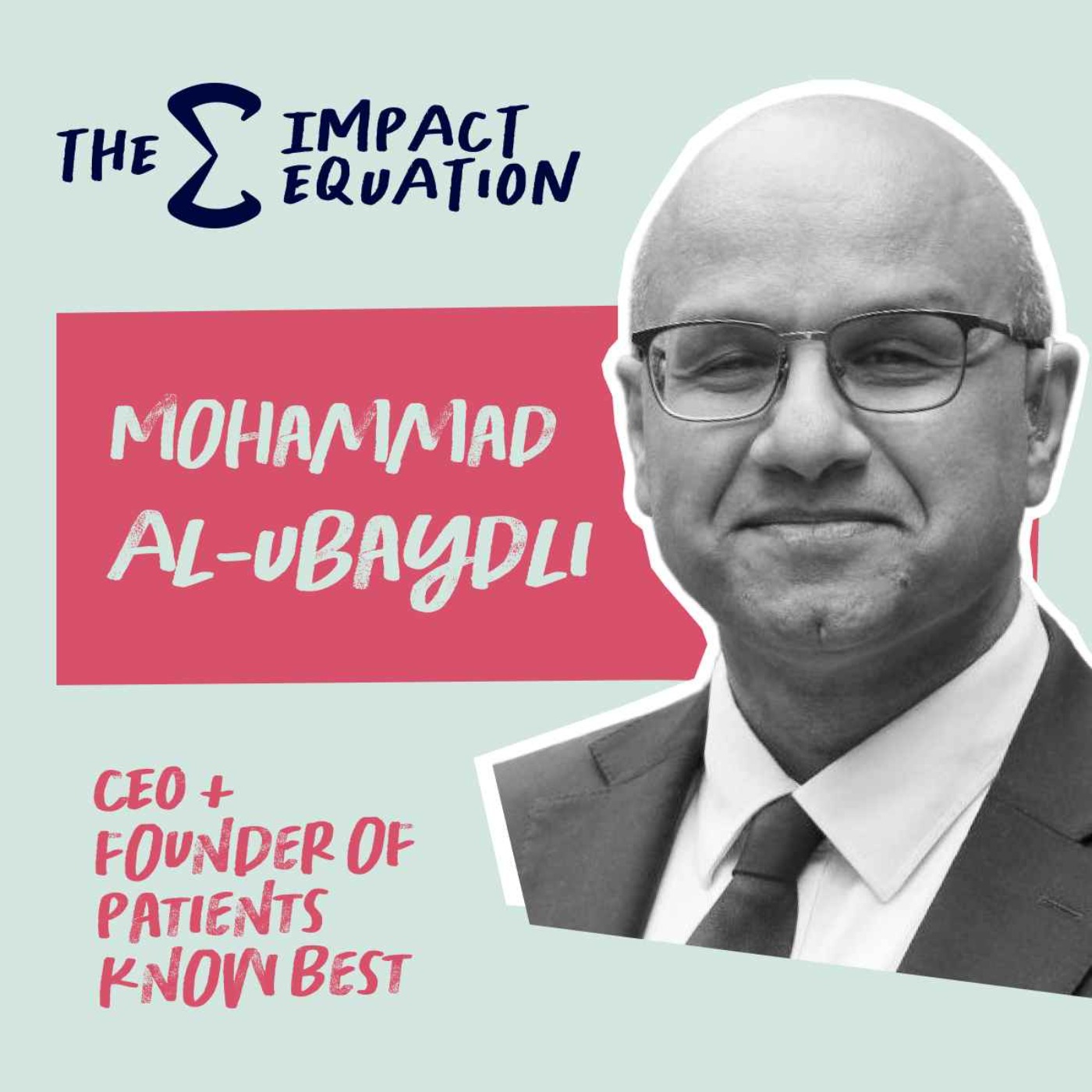
    Mohammad Al-Ubaydli: Joining-up records of 15 million UK citizens

    Mohammad Al-Ubaydli is the founder and CEO of Patients Know Best (PKB), the personal health record platform that has crossed six million registered users in the UK and was the first Personal Health Record to integrate with the NHS App. He trained as a physician at Cambridge, worked as a staff scientist at the US National Institutes of Health, before founding Patients Know Best in 2008. He has written eight books on healthcare technology, and in 2012 was elected an Ashoka Fellow as a social entrepreneur. Mohammad lives with a rare disease, an experience that led him to conclude that patients, not institutions, should hold the canonical copy of their own health data. The platform now underpins joined-up records for more than fifteen million UK citizens, and is one of the few B Corp social enterprises operating at that scale inside the NHS. Hosted on Acast. See acast.com/privacy for more information.
  • September 24 · 25 min

    105up

    Hosted on Acast. See acast.com/privacy for more information.
  • S1 · E105
    September 20 · 35 min

    Schools Out, Foods Out

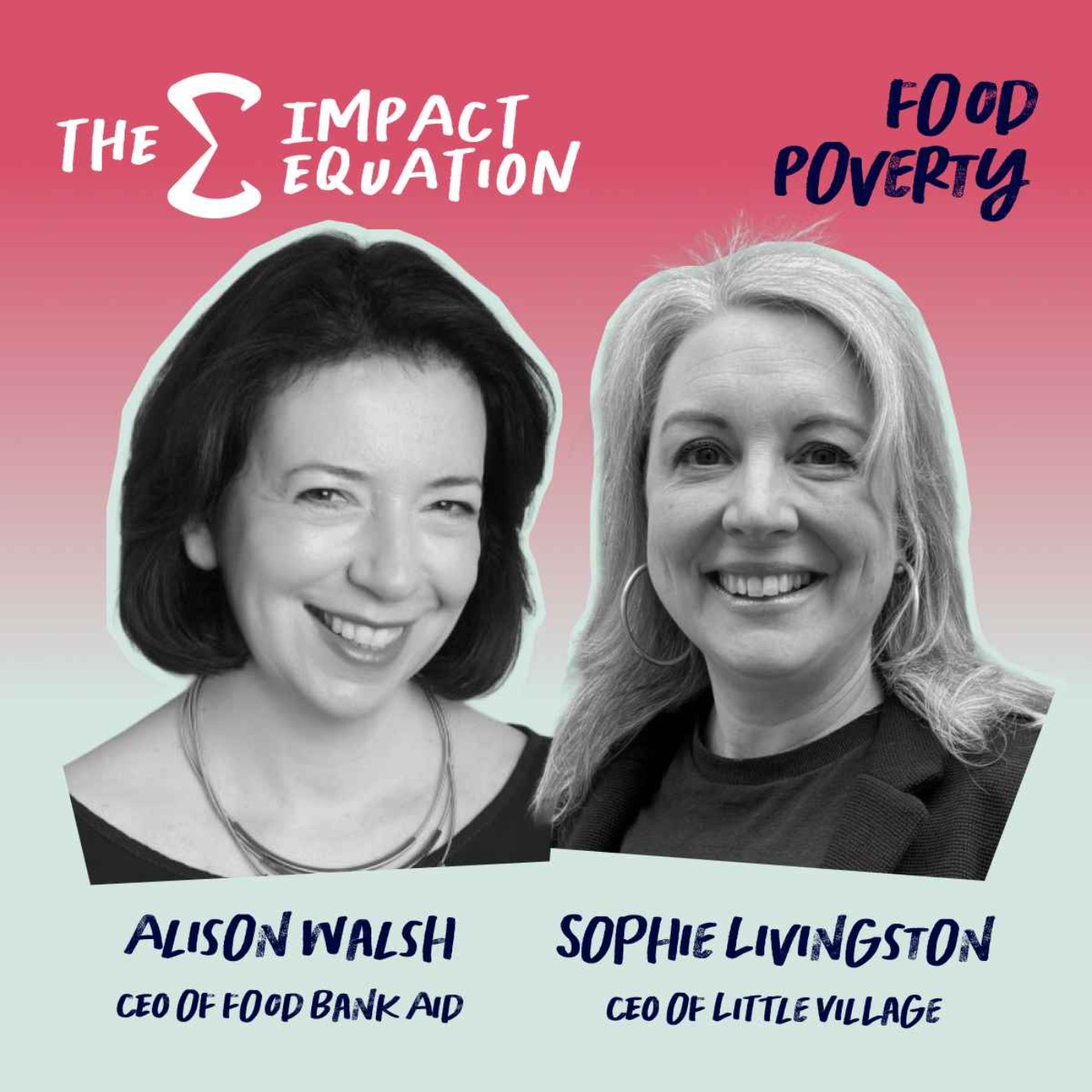
    Alison Walsh and Sophie Livingston lead two of London's most effective responses to child poverty. Alison is CEO of Food Bank Aid, a charity born in a double garage in Highgate in April 2020 that now supplies 33 food banks across North London and Hertfordshire, reaching around 20,000 people, including 5,000 children every week. Sophie is CEO of Little Village, London's largest baby bank network. Providing pre-loved clothes, kit, and connection to families with under fives. A serial social entrepreneur, Sophie was the founding CEO of City Year UK. She co-founded Generation Change, chairs the Baby Bank Alliance she helped to create in 2024, and chairs the End Child Poverty Coalition. Sophie was awarded an MBE in 2020. Hosted on Acast. See acast.com/privacy for more information.
  • S1 · E104
    September 13 · 44 min

    Eye in the Sky: How Space Tech and AI Are Saving Earth’s Wildlife

    In this episode of The Impact Equation, host Rafi Addlestone explores how space technology, satellite imagery, and artificial intelligence are transforming wildlife protection. Joining the discussion are Hania Tabet (Airbus Foundation), Sophie Maxwell (Executive Director, Connected Conservation Foundation), and Japheth Akimel (Connected Conservation Foundation). The panel breaks down how high-resolution Earth observation—such as Airbus's Pleiades Neo constellation operating at 30 cm resolution—is replacing traditional binoculars to monitor habitats, predict animal movements, and protect species facing extinction. Through practical field examples ranging from tracking Andean bears in Peru to protecting the last 21 desert-adapted elephants in Namibia, the episode demonstrates why combining high-tech tools with local community leadership is essential for long-term coexistence and ecosystem resilience. Hosted on Acast. See acast.com/privacy for more information.
  • S1 · E103
    September 7 · 39 min

    Remi Sobomehin: From Oregon to Stanford & Palo Alto

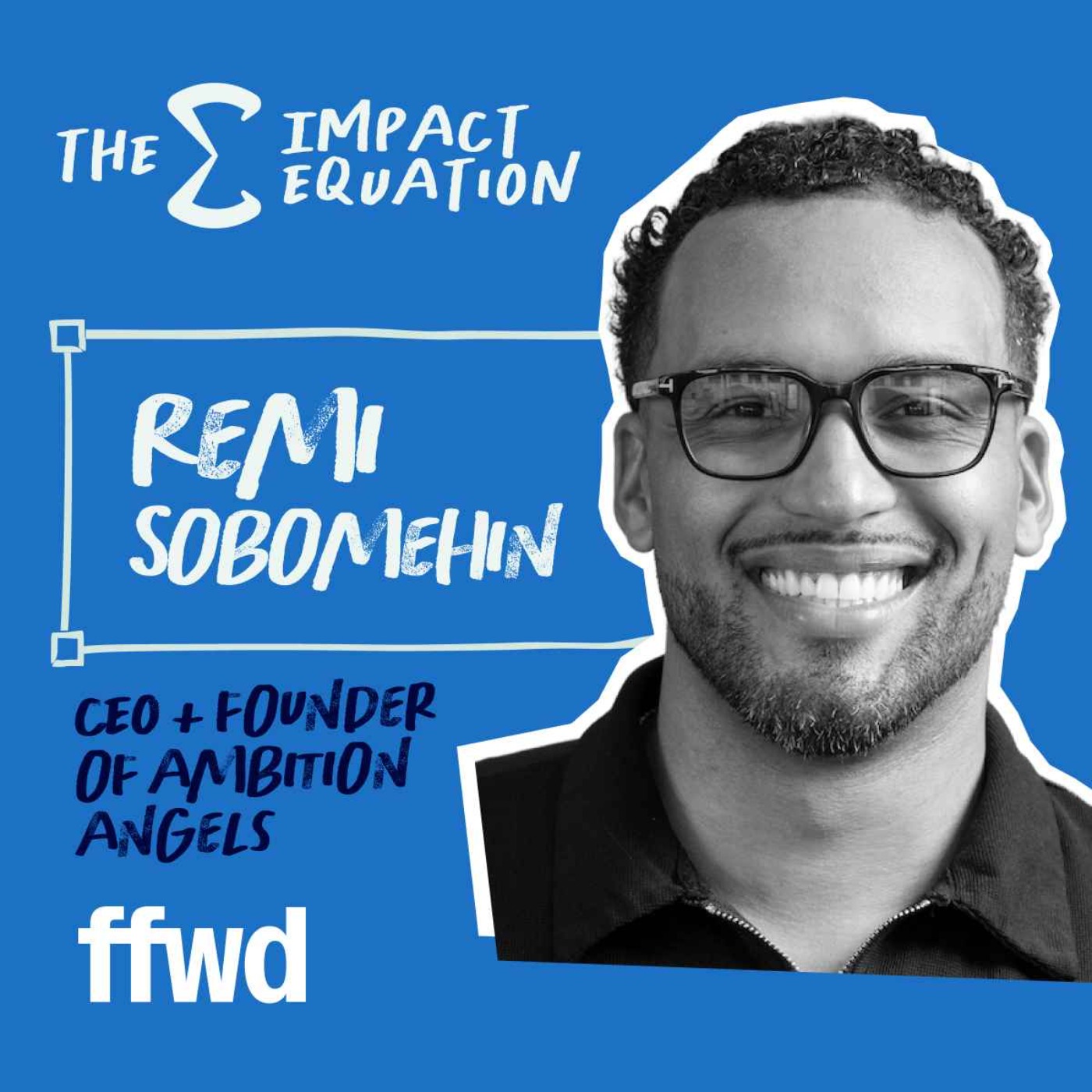
    Remi Sobomehin is the founder and CEO of Ambition Angels, a Palo Alto based non-profit that delivers career exposure and skill building to teenagers through an app and pays them to use it. Only about 11 % of teens go to after school programming, while more than 95 % own a smartphone and spend roughly eight hours a day on it. Rather than compete with the phone, Remi and his team have built his programme inside it. Remi grew up in Portland, Oregon. With his childhood friend, Demetrius Sanders, he set his sights on Stanford and got there eight years later. After graduating, he went to Palo Alto to lead after-school programmes at the boys and girls clubs and kept hitting the same wall. He couldn't get teens to walk through the door. Demetrius, meanwhile, had joined Facebook's team building product for teens, and could see exactly what was reaching them at scale. This is the next episode in our series with our friends with US-based Fast Forward, empowering people to build technology for humanity. Hosted on Acast. See acast.com/privacy for more information.
  • S1 · E102
    August 31 · 41 min

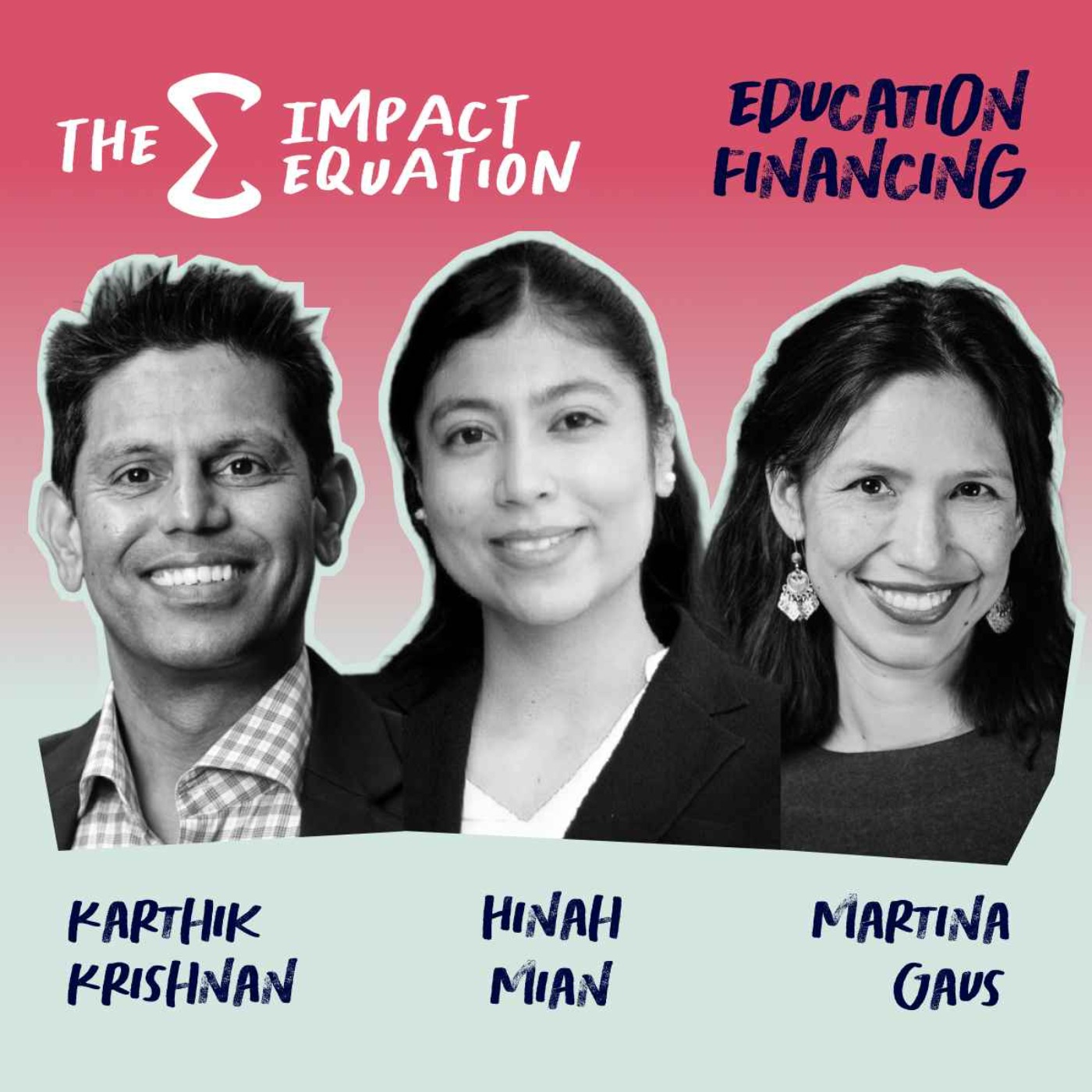
    Education Financing Roundtable

    How do we solve a $97 billion global education funding shortfall when investments take decades to yield returns? In this episode of The Impact Equation, host Rafi Addlestone is joined by Karthik Krishnan (CEO of IFFEd), Hinah Mian (Jacobs Foundation), and Martina Gaus (UBS Optimus Foundation) to explore the innovative financial and pedagogical strategies needed to secure the future of global education. The guests dissect the structural barriers that often cause education to lose out to other sectors, showcase how a new guarantee model is turning every dollar invested into seven dollars of concessional financing, and discuss the critical need for evidence-based teaching that meets students at their specific competency levels. This conversation offers a masterclass on overcoming institutional hurdles to ensure that when it comes to philanthropic partnership, the sum is truly greater than its parts. Hosted on Acast. See acast.com/privacy for more information.
  • S1 · E101
    August 16 · 33 min

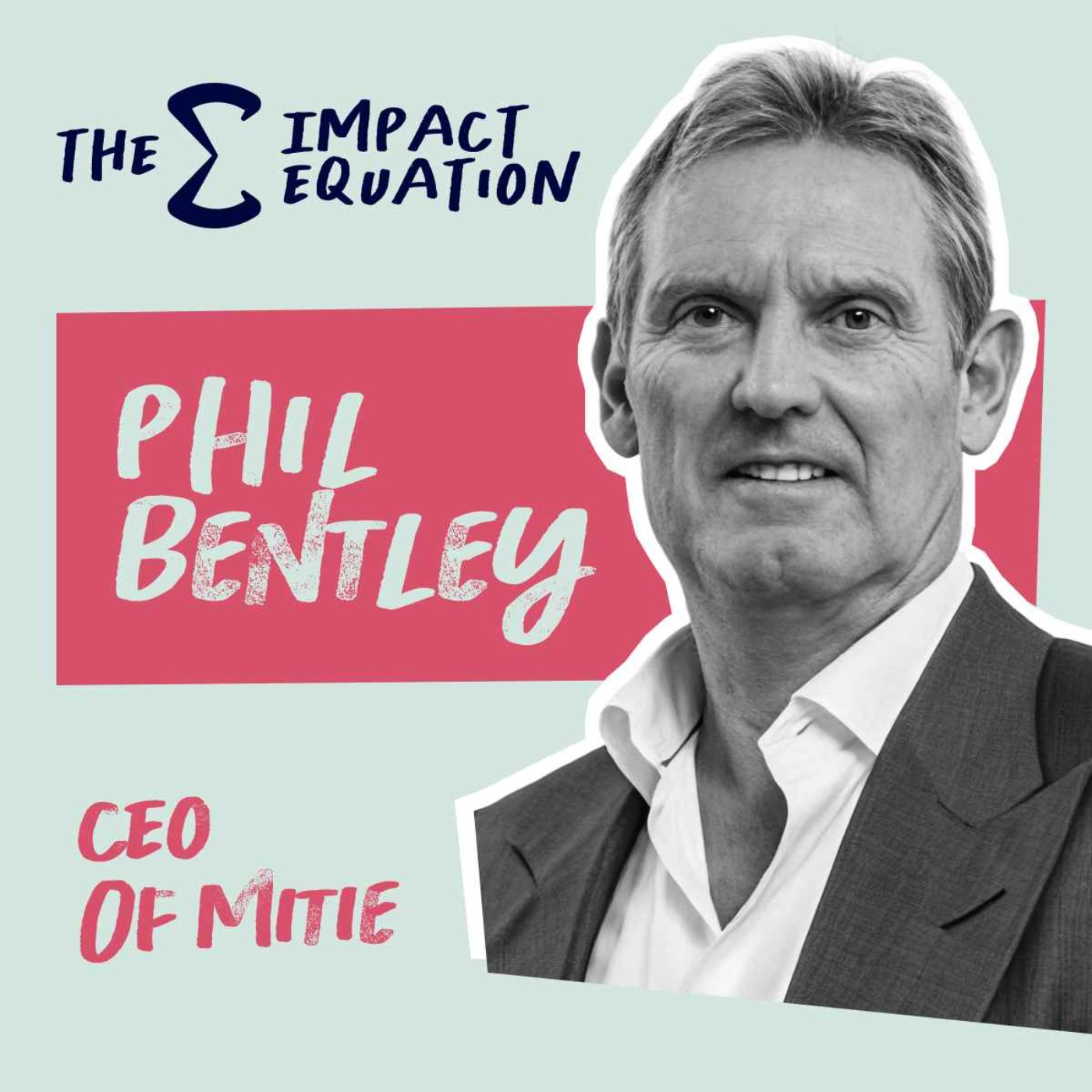
    Phil Bentley: CEO of Mitie, providing critical infrastructure

    We’re joined by Phil Bentley, CEO of Mitie. A seasoned leader with a deep history of transformation at global companies - including Centrica, Cable & Wireless, and BP - Phil has redefined Mitie from a traditional facilities management firm into a critical partner to the fabric of our society and our national infrastructure, ensuring schools, hospitals, and airports remain operational every day. Phil’s leadership is defined by a relentless commitment to purpose-led growth and a clear-eyed approach to building a more sustainable future Hosted on Acast. See acast.com/privacy for more information.
  • S1 · E100
    August 9 · 28 min

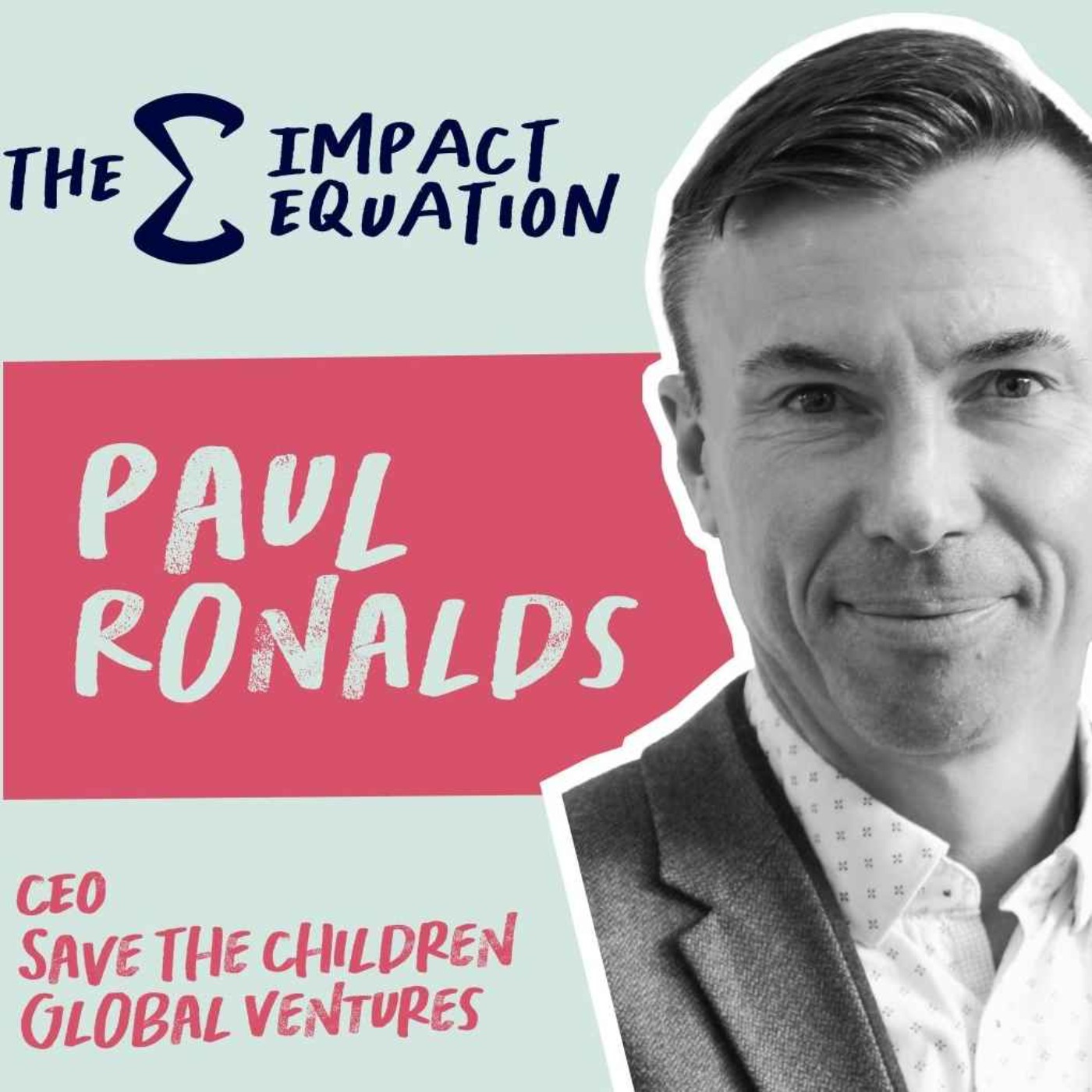
    Paul Ronalds: Can Venture Capital Save Lives?

    For the 100th episode of The Impact Equation, we’re joined by Paul Ronalds, CEO of Save the Children Global Ventures, to explore how venture capital, technology and innovative finance can scale solutions for children around the world. The episode closes our special series profiling three of its investments: Amparo, fitting prosthetic limbs in a single visit; PrimaKu, reaching 3 million+ parents across Indonesia; and reach52, bringing healthcare and medicines to underserved communities. We finish where we started the series: How do you find, fund and scale ideas that can change millions of lives? Hosted on Acast. See acast.com/privacy for more information.
  • S1 · E99
    August 2 · 46 min

    Circularity Roundtable

    In this episode, we sit down with Sam Staincliffe (Uplift360), Nicolas Brien (Wastetide), and Elisabeth Bröring (MWT GmbH & Co. KG) for a deep dive into the practical realities of the circular economy. While they approach the challenge from different angles—using AI, processing technology, and downstream applications—our guests share a singular mission: shifting the perception of "waste" into the reality of valuable secondary materials. Hosted on Acast. See acast.com/privacy for more information.

  • July 29 · 19 min

    98up

    Hosted on Acast. See acast.com/privacy for more information.
  • S1 · E98
    July 26 · 38 min

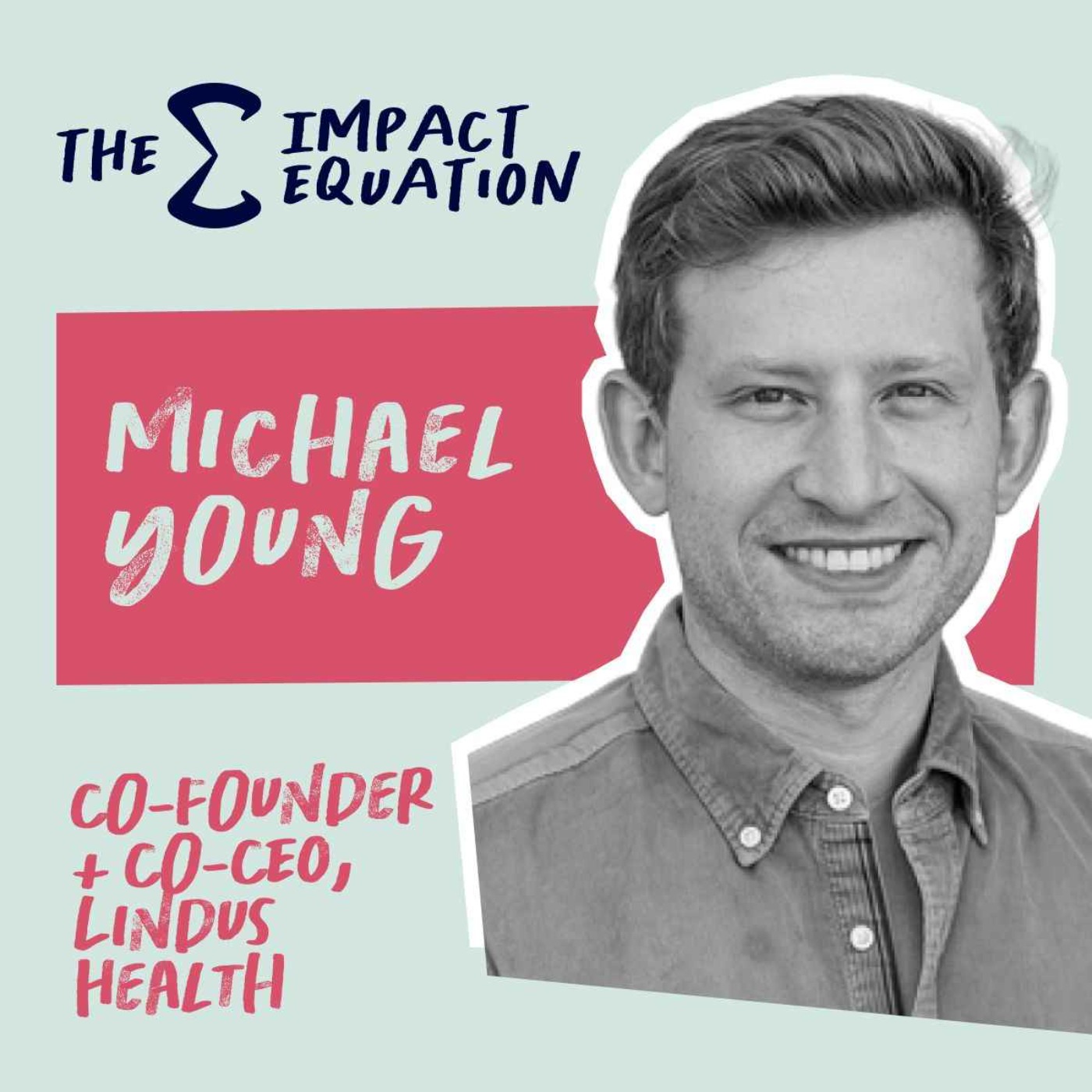
    Michael Young: AI Drug Discovery & Clinical Trials

    Michael Young is co-founder and co-CEO of Lindus Health, an AI-native contract research organisation that runs clinical trials end-to-end and has begun licensing therapeutics to take through trials itself. A former special adviser in the Home Office and 10 Downing Street, where he worked on the UK Life Sciences Strategy, Michael joined Adam and Rafi to explain why running trials, not discovering drugs, has become the biggest bottleneck in medicine. He unpicks the incentives that keep contract research slow and expensive, reflects on Kate Bingham and the Vaccine Taskforce, describes how Lindus can now run five drug programmes for the cost of one a decade ago, and looks ahead to a wave of AI-discovered drug candidates the current system cannot absorb. He closes with a practical ask of every listener: sign up for a clinical trial. Hosted on Acast. See acast.com/privacy for more information.

  • S1 · E97
    July 23 · 31 min

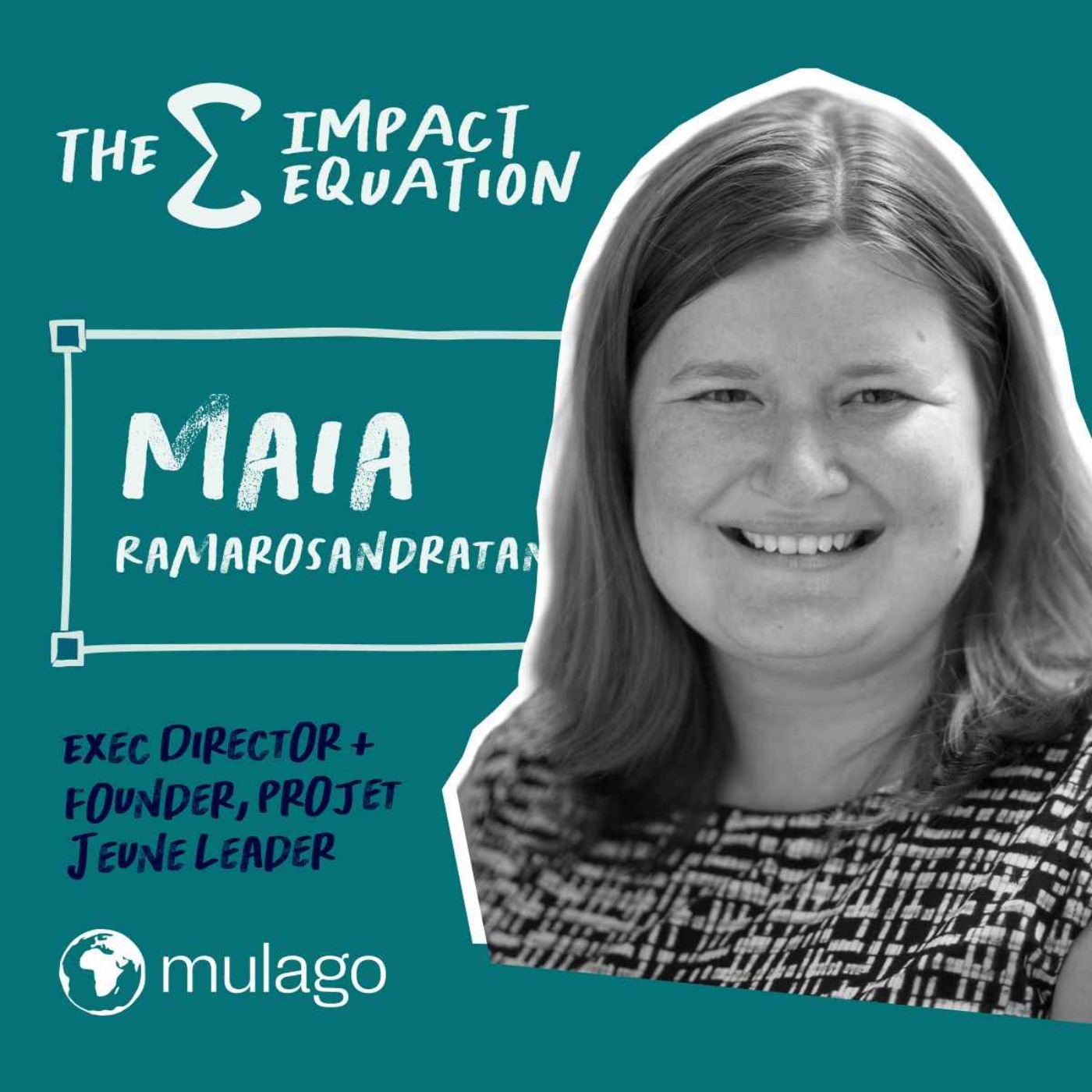
    Maia Ramarosandratana: Scaling sex education in Madagascar

    Maia Ramarosandratana is the Founder of Projet Jeune Leader, an organisation she launched in 2013 and has since built into one of the most ambitious efforts to drive to deliver comprehensive sex education through public schools in Madagascar. Maia has led PJL from an early initiative to a scale model now serving more than 50,000 students each year. Maia has scaled while insisting on programme quality, investing in rigorous monitoring and evaluation, building partnerships with government, including the Ministry of Education, and expanding both budget and reach tenfold. Shantanu is a Mulago Fellow and this interview is the third in a series of three episodes with our friends at the Mulago Foundation https://www.mulagofoundation.org. Hosted on Acast. See acast.com/privacy for more information.

  • S1 · E96
    July 19 · 36 min

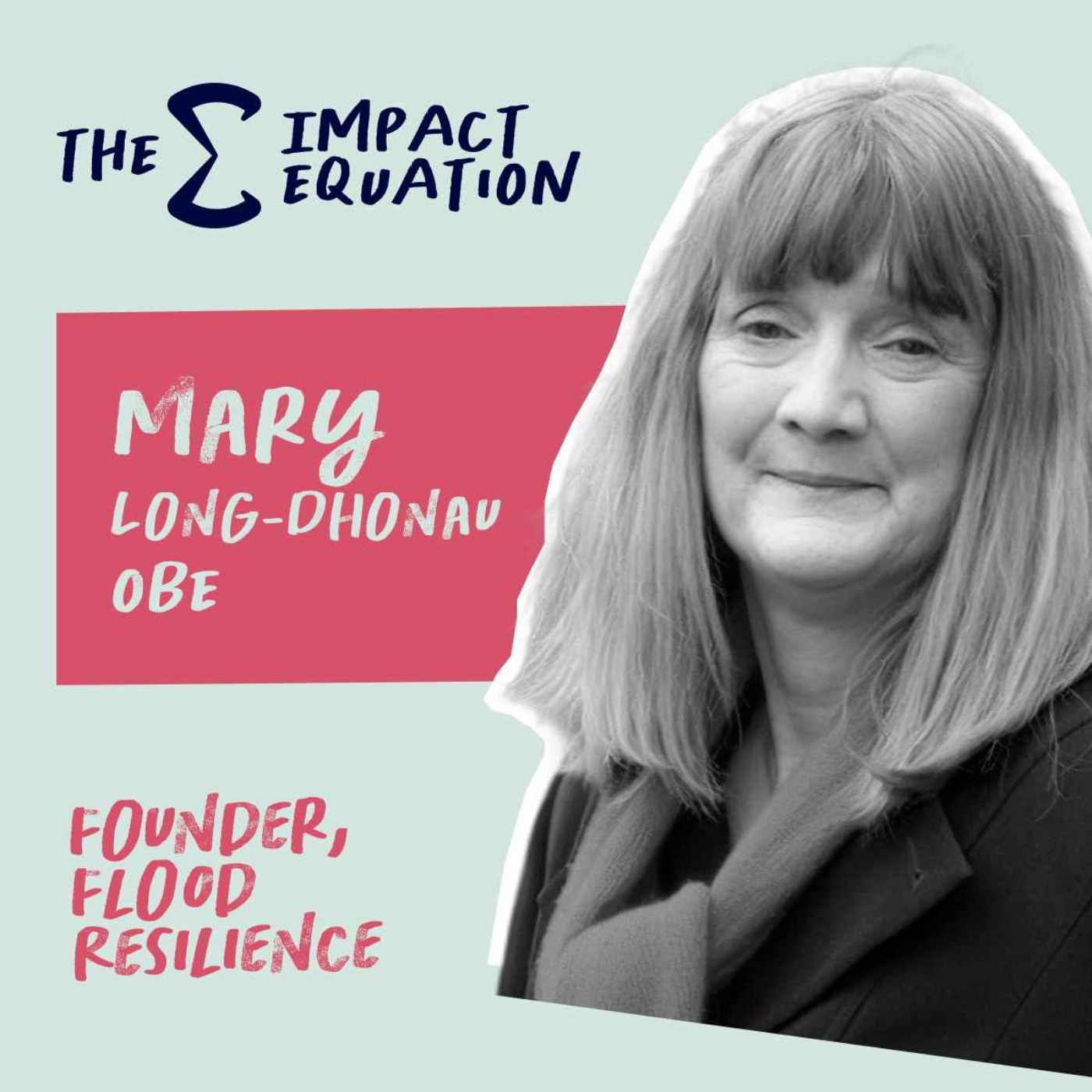
    Mary Long-Dhonau OBE: Flood Mary (keep on advocatin')

    Mary Long-Dhonau OBE has spent more than 25 years helping people prepare for one of the UK's fastest-growing climate risks. Known across the country as Flood Mary, she became an advocate after her own family home flooded repeatedly with contaminated sewage. Faced with little practical support and caring for a young son with severe autism, she turned that experience into a mission to help others recover more quickly and prepare more effectively. In this episode of The Impact Equation, Mary explains why flooding is no longer something that only affects communities beside rivers. As our climate changes, surface water flooding is becoming an increasing threat, and she argues that homeowners, businesses and policymakers all need to rethink what resilience looks like. Hosted on Acast. See acast.com/privacy for more information.

  • S1 · E95
    July 15 · 44 min

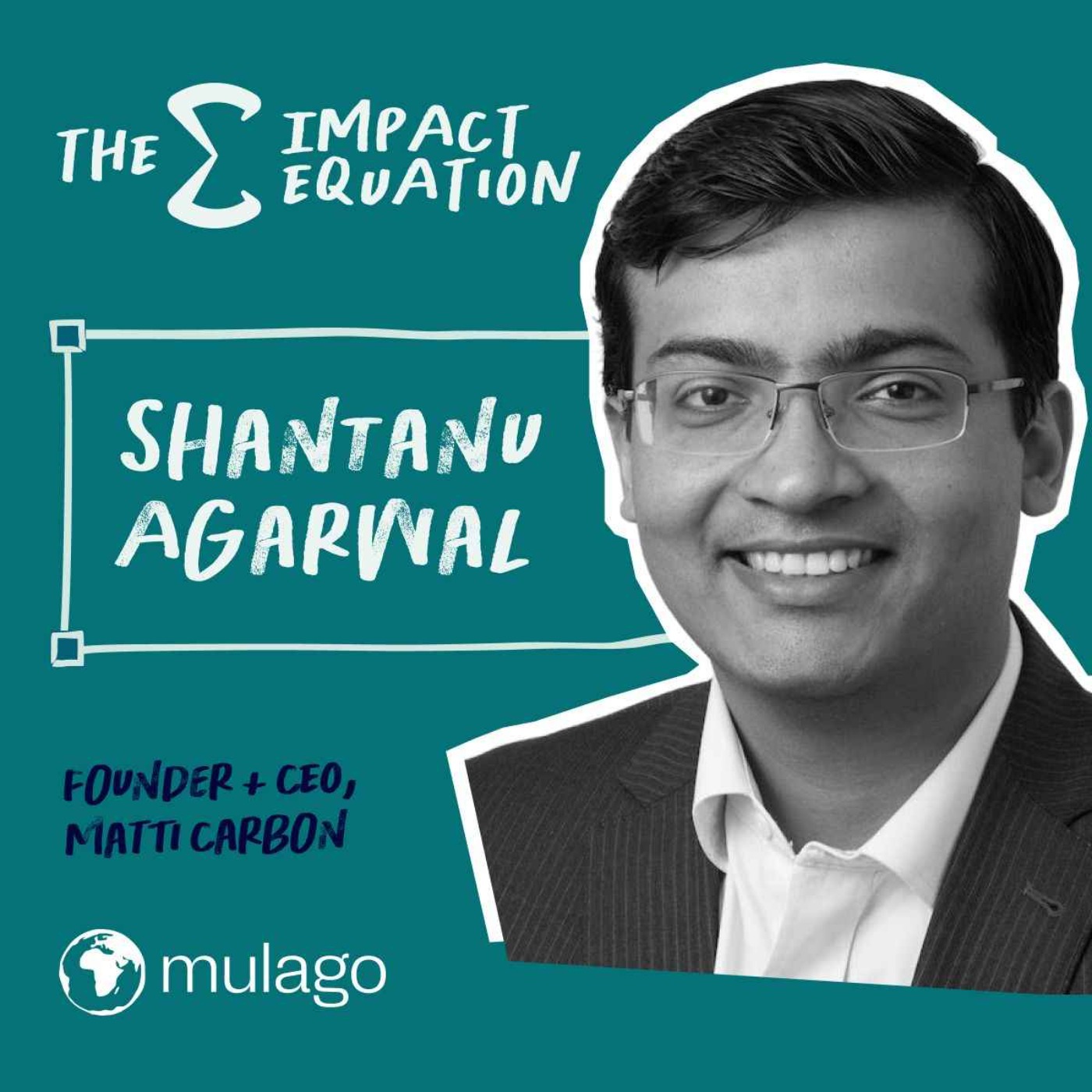
    Shantanu Agarwal: The $100m Carbon Removal Breakthrough

    Mati Carbon, led by founder and Mulago fellow Shantanu Agarwal, made history in April 2025 by winning the $100 million XPRIZE Carbon Removal. In this episode, Shantanu shares how Mati uses enhanced rock weathering to turn pollution into soil-enriching fertilizer for smallholder farmers in the Global South. We discuss the unique model that combines rigorous climate science with a non-profit governance structure, exploring whether effective climate solutions can be both technically credible and distributively fair. Shantanu is a Mulago Fellow and this interview is the second in a series of three episodes with our friends at the Mulago Foundation https://www.mulagofoundation.org. Hosted on Acast. See acast.com/privacy for more information.

  • S1 · E94
    July 13 · 40 min

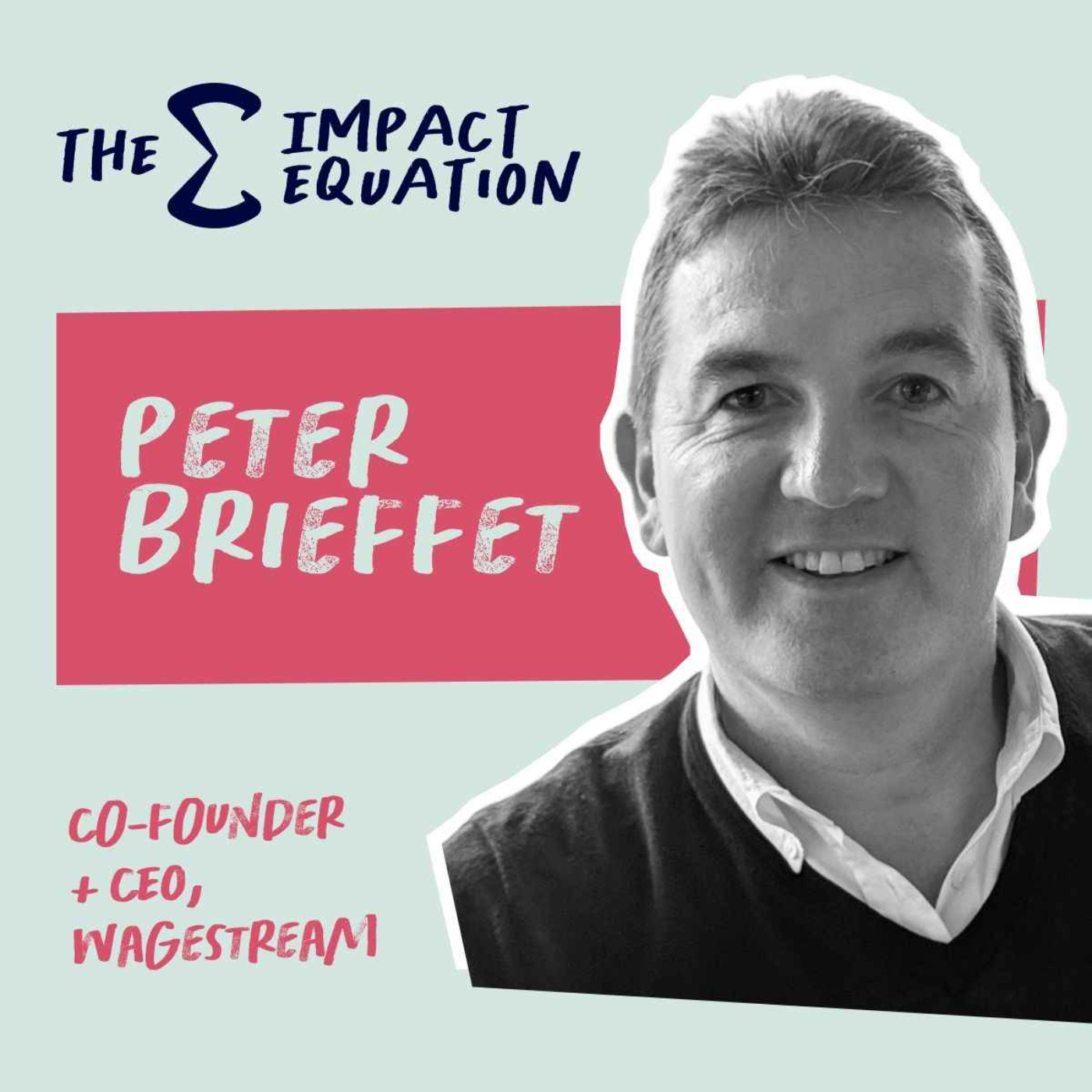
    Peter Briffett: Taking On & Beating Payday Loans

    Today's episode we welcome Peter Briffett, CEO and co-founder of Stream. Most people are paid at the end of each month but bills and emergencies don't keep to a calendar, so the lowest-paid end up borrowing - through overdrafts and payday loans - to bridge the gap. Stream lets workers draw earnings they've already accrued, and has grown from there into savings, financial coaching and benefits, built around the employer rather than a bank. It now reaches more than three million workers across roughly a thousand employers, including the NHS, is backed by social-impact investors and recently closed a $90m Series D that took total funding past $200m. Hosted on Acast. See acast.com/privacy for more information.

  • S1 · E93
    July 8 · 24 min

    Folake Owodunni: Creating emergency infrastructure in Africa

    Folake Owodunni is the co-founder and CEO of Emergency Response Africa. ERA is a healthcare technology company improving how medical emergencies are managed across Africa, starting in Nigeria. They operate the largest network of trained First Responders, ambulances, and verified emergency-ready hospitals. This network allows them to connect people experiencing medical emergencies to the help they need, anytime, day or night. Folake is a Mulago Fellow and this interview is the first in a series of three episodes with our friends at the Mulago Foundation https://www.mulagofoundation.org. Hosted on Acast. See acast.com/privacy for more information.

  • S1 · E92
    July 6 · 44 min

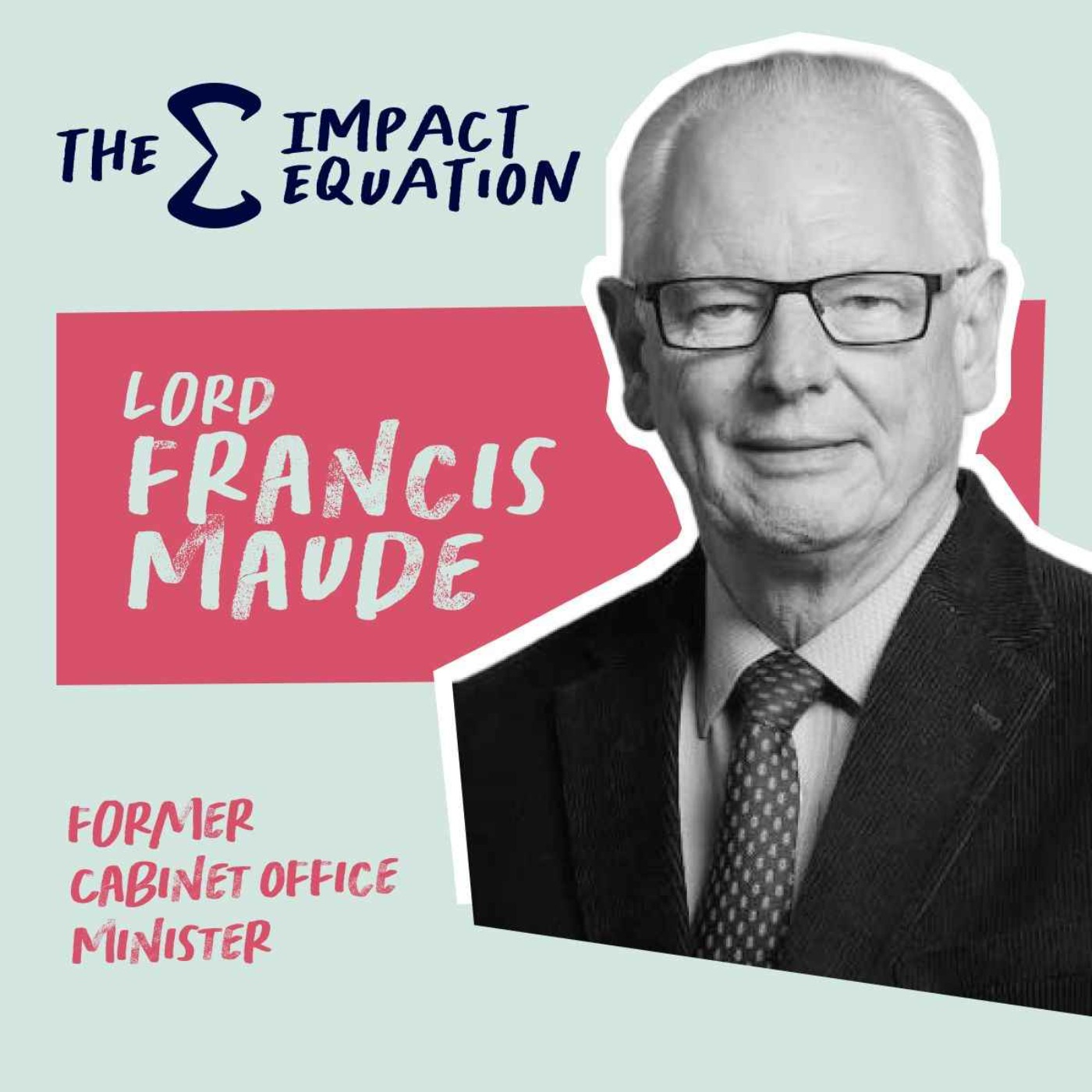
    Lord Maude: Fixing the State, from Thatcher to Cameron

    Lord Francis Maude is a senior British political figure and former minister. His career spans three Governments, four decades and multiple continents. Having had his first ministerial post under Margaret Thatcher, Francis has long experience and deep understanding of how governments work. From his early days in the HM Treasury to leading reform in the Cabinet Office, he became one of the architects of modern UK public service reform. As Minister for the Cabinet Office during the coalition years, he drove efficiency, digital transformation, and a sharper focus on execution inside government. Hosted on Acast. See acast.com/privacy for more information.

Showing 1–20 of 21 episodes