Skip to content
Artwork for The Flip
BusinessEntrepreneurship

The Flip

The Flip Media

The Flip is an editorial-style podcast exploring contextually relevant insights from entrepreneurs and investors changing the status quo in Africa. The name The Flip comes from the opportunity to flip the script – question some of the pervasive narratives on entrepreneurship, challenge the ubiquity of Silicon Valley thought leadership, and champion the entrepreneurs building a future inspired by Africa. Produced and hosted by Johannesburg-based entrepreneur and American expat Justin Norman. Sayo Folawiyo is the executive producer and b-mic.

Play
  • 20 episodes
  • monthly
  • Avg 12 min
  • English
  • July 30 · 12 min

    What Vietnam’s Gold Shops Taught Me About Money

    Vietnam is one of the fastest-growing economies in the world. But its currency, the Dong, devalues 3-5% per year to support its export-oriented growth. When the price of gold rises, Vietnamese people queue for hours to buy more. Vietnam is fourth in global crypto adoption, with volumes around $200 billion, and the government just banned global exchanges from operating in the country. What's going on here? In this episode, we head to Ho Chi Minh City, Vietnam, to explore this gap between the headlines and the realities on the ground. In this episode of Money Trails, presented by the Stellar Development Foundation, we’re joined by Khoa Do from AlphaTrue and Basal Pay. 00:00 - Why is everyone here queuing for gold? 00:50 - Welcome to Ho Chi Minh City 01:38 - My freelancer asked to be paid in stablecoins 03:00 - Buying gold in Vietnam 03:50 - Vietnam's history of inflation 04:58 - Vietnam's economy today 06:40 - Why is crypto adoption so high? 08:35 - Vietnam's crypto regulation 09:46 - Vietnam's gold monopoly 10:26 - New use cases for stablecoins in Vietnam Our Links - 🎥 YouTube - ⁠https://youtube.com/@thefliphq⁠ 🐦 Twitter - ⁠https://twitter.com/thefliphq⁠ 👥 LinkedIn - ⁠https://www.linkedin.com/company/thefliphq/ ⁠📸 Instagram - ⁠https://instagram.com/thefliphq⁠ 💻 Website - ⁠https://theflip.africa

  • June 2 · 12 min

    How to Fund a Hospital in a Warzone

    In Northwest Syria, a critical network of hospitals faces a unique challenge: how do you pay medical staff and fund healthcare when your country is completely cut off from the global financial system? Due to economic sanctions and a fractured banking infrastructure following over a decade of civil war, humanitarian organizations like the Union of Medical Care and Relief Organizations (UOSSM) have struggled to safely distribute funds. Previously, hospital employees had to embark on grueling, risky journeys to the Turkish border, waiting in long lines for hours just to collect their salaries in physical cash. In this episode, we take a firsthand look at how the evolution of cross-border payments is impacting real lives on the ground. UOSSM is sending bulk payments to its employees on the blockchain, who receive their salaries in their digital wallets, and then use informal Hawala networks to off-ramp the digital dollars into cash. In this episode of Money Trails, presented by‪ Stellar Development Foundation‬ we're joined by Ibrahim Abdulhuseyin, CEO & Co-founder & CEO of DigiBank, Tori Samples, the Director of Product, Stellar, and Younes Al-Haj Saleh, from UOSSM's Financial Operations. Watch the full episode on YouTube. 00:00 - Intro 01:27 - How employees used to get paid 02:38 - Civil war and sanctions 03:47 - UOSSM's payment struggles 05:58 - Stablecoin payments 06:49 - How Digibank built Syria's cash-out network 08:38 - Bulk payments with SDP 10:30 - Aid orgs are crypto adopters Our Links - 🎥 YouTube - https://youtube.com/@thefliphq 🐦 Twitter - https://twitter.com/thefliphq 👥 LinkedIn - https://www.linkedin.com/company/thefliphq/ 📸 Instagram - https://instagram.com/thefliphq 💻 Website - https://theflip.africa

    • Transcript
  • April 30 · 14 min

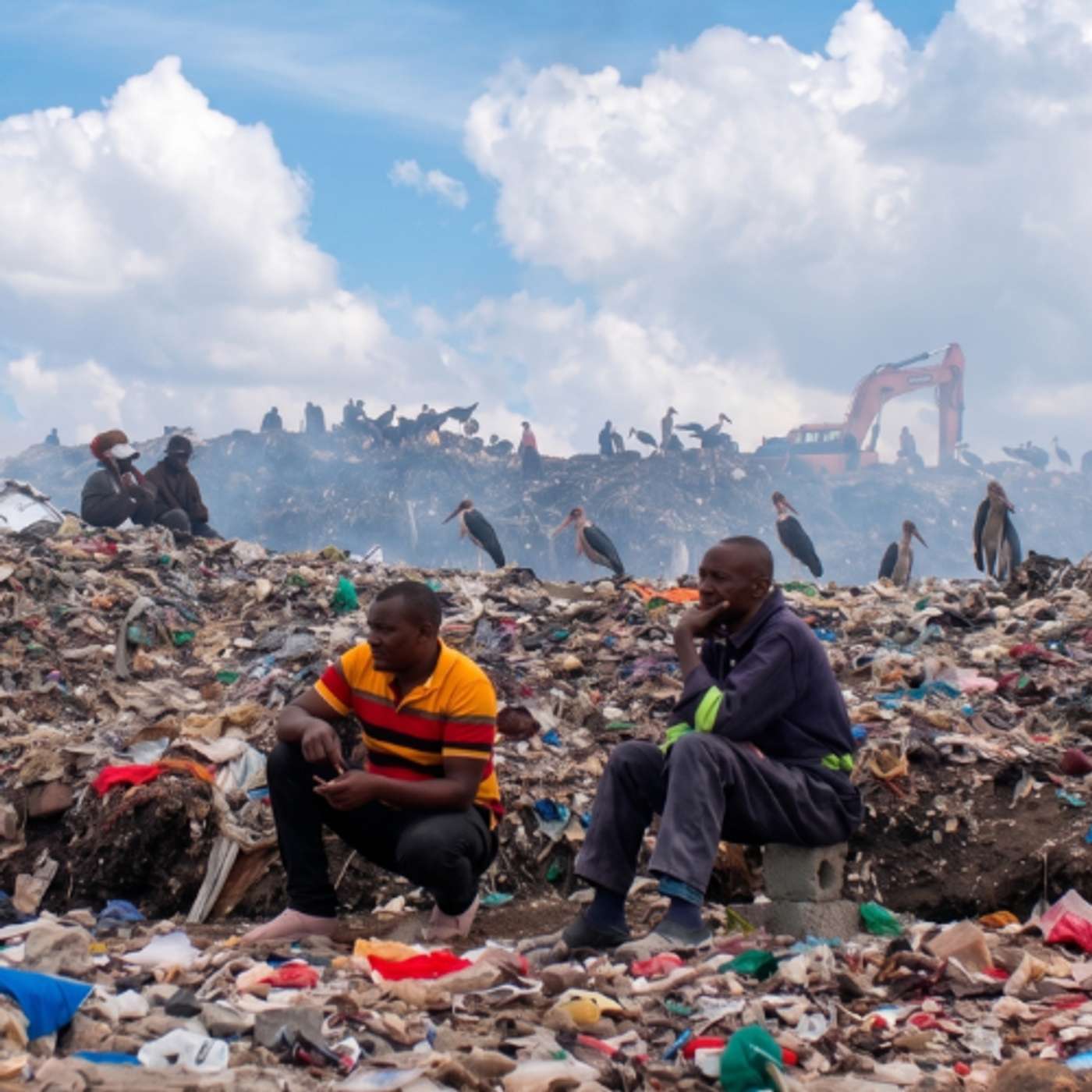
    Inside Africa's $16 Billion Waste Economy

    Drive through cities in Africa and you’re likely to see a waste problem. In the streets, the sewage, in the waterways…540 million tons of waste goes uncollected every year across sub-Saharan Africa. It's a $16 billion opportunity. But much of the infrastructure is still missing. What would it actually take to build it at scale? In Nigeria, a company called Scrapays is paying people to collect it. In Kenya, Plas-tech is turning the same plastic into cooking gas. 00:00 - Where does your waste go? 01:25 - In Lagos, Scrapay’s Boluwatife Arewa is empowering informal waste pickers 05:44 - In Mombosa, Plas-tech’s Robin Kariuki is turning waste into cooking gas 09:13 - The multi-billion dollar opportunity in waste This episode was produced as part of our series on climate action in Africa, The Greenprint, in partnership with Catalyst Fund and FSD Africa, with the help of UK aid. Watch more episodes of The Greenprint here. Our Links - 🎥 YouTube - https://youtube.com/@thefliphq 🐦 Twitter - https://twitter.com/thefliphq 👥 LinkedIn - https://www.linkedin.com/company/thefliphq/ 📸 Instagram - https://instagram.com/thefliphq 💻 Website - https://theflip.africa

  • April 1 · 15 min

    I Went to Nigeria to Explore How Global Trade Really Works

    In Lagos' Computer Village, Nigeria's largest electronics market, everything is imported from China. But how merchants access dollars and pay their suppliers is a challenge. Nigeria imports $20 billion from China every year, yet dollar access problems and legacy banking systems create friction for those doing global trade. So how do countries like Nigeria and China trade with each other? In this episode, we head to Lagos, Nigeria, to see it firsthand - how money moves, and how new technologies like stablecoins are facilitating global trade. In this episode of Money Trails, presented by Stellar Development Foundation. Watch the full episode on YouTube. 00:00 - Inside Computer Village 01:22 - Everything is imported from China 02:32 - The Nigerian Economy 03:56 - Importing phones with WeChat and Alipay 05:18 - No one uses the banks for FX 06:17 - Naira volatility, explained 09:10 - Informal and parallel economies 09:38 OTC Traders Fill the Gap 11:21 - Are stablecoins the future of global trade? 14:43 - Next stop: Syria Our Links - 🎥 YouTube - https://youtube.com/@thefliphq 🐦 Twitter - https://twitter.com/thefliphq 👥 LinkedIn - https://www.linkedin.com/company/thefliphq/ 📸 Instagram - https://instagram.com/thefliphq 💻 Website - https://theflip.africa

    • Transcript
  • January 29 · 9 min

    Why Getting Paid Costs More in Emerging Markets

    If you're a freelancer or a remote worker from the global south, you likely have a harder time getting paid and participating in the global economy. Maybe a global payments company doesn't operate in your country. Maybe they banned your account or froze your funds. Remote workers and freelancers from emerging markets often have to jump through hoops to get paid, incurring additional costs along the way. Meanwhile, more people than ever are working online, and more of these workers are coming from the developing world. Yet the global payments system is often failing the very people who rely on it the most. Are stablecoins the solution? This episode of Money Trails is presented by Stellar Development Foundation. Watch the full episode on YouTube. 00:00 - The global payments system is broken 01:34 - Freelancing and remote work payment issues 03:38 - Why does this happen? De-risking 04:29 - 1.2 billion people are reaching working age in emerging markets 05:15 - Stablecoins to the rescue? 07:09 - There is a tax on the global south 09:03 - Next episode, we head to Lagos, Nigeria Our Links - 🎥 YouTube - https://youtube.com/@thefliphq 🐦 Twitter - https://twitter.com/thefliphq 👥 LinkedIn - https://www.linkedin.com/company/thefliphq/ 📸 Instagram - https://instagram.com/thefliphq 💻 Website - https://theflip.africa

    • Transcript
  • Dec 2, 2025 · 11 min

    I Went to Bolivia Where Businesses Survive on Stablecoins

    Bolivia is facing a severe economic crisis. The country is literally running out of dollars. Their foreign reserves have collapsed from $15 billion a decade ago to just $50 million today. In June 2024, Bolivia legalized cryptocurrencies, and digital asset transaction volume exploded - growing over 500 percent in the past year. To participate in the global economy, businesses are turning to stablecoins for access to dollar assets. From Binance peer-to-peer trading to stablecoin-powered credit cards, we explore how people survive when their country runs out of dollars, and how stablecoins are being used for global spending. Watch the full episode on YouTube. 00:00 - Bolivia ran out of dollars 02:06 - Stablecoins to the rescue 03:25 - How did Bolivia get here? 04:11 - Bolivia's parallel economy 06:24 - Meru 09:55 - What happens when a country runs out of dollars Our Links - 🎥 YouTube - https://youtube.com/@thefliphq 🐦 Twitter - https://twitter.com/thefliphq 👥 LinkedIn - https://www.linkedin.com/company/thefliphq/ 📸 Instagram - https://instagram.com/thefliphq 💻 Website - https://theflip.africa

  • Nov 4, 2025 · 16 min

    Inside Argentina's $300 Billion Parallel Economy

    Argentina's decades-long economic crises and hyperinflation has a major impact on how Argentine's participate in the economy. The recent story that's been told about Argentina is that people are adopting stablecoins to protect against inflation and currency devaluation. But that's only part of the story... The real story involves long-standing distrust of government and the banks, and overbearing taxes that drive Argentinians to the informal economy. While stablecoin volumes in Argentina surpass $90 billion, Argentina still has over $200 billion in cash circulating in the country, and hidden under mattresses. It's the second-largest holder of US Dollar cash, behind the US itself. In this episode of Money Trails, presented by @StellarDevelopmentFoundation , we explore why Argentines keep their money outside of the formal system, and why they are increasingly adopting stablecoins. In this episode, we’re joined by Manuel Beaudroit, the Co-founder & CEO of Belo. Watch the full episode on YouTube. 00:00 - Argentina's economic crisis 01:45 - Arbolitos on Calle Florida 02:48 - The Blue Dollar 04:01 - Distrust and taxes 07:20 - Why Argentines keep their money outside the formal economy 09:50 - Why Argentina's parallel economy still thrives 10:43 - Cuevas, Argentina's informal exchange houses 13:21 - Why Argentines are adopting stablecoins 15:43 - Subscribe! Our Links - 🎥 YouTube - https://youtube.com/@thefliphq 🐦 Twitter - https://twitter.com/thefliphq 👥 LinkedIn - https://www.linkedin.com/company/thefliphq/ 📸 Instagram - https://instagram.com/thefliphq 💻 Website - https://theflip.africa

    • Transcript
  • Sep 16, 2025 · 11 min

    What If You Could Send Money Across Borders as Fast as a Text?

    This year, $160 billion in remittance payments will be sent from the US to Latin America. $65 billion will be sent from the US to Mexico, the world's largest remittance corridor. Yet, the majority of payments will be sent via brick-and-mortar stores like Western Union or Moneygram. The future of payments is already here, yet most people are queuing in line, paying in cash, taking a photo of their receipt, and sending it to their families on WhatsApp for collection in their home country. If we can send receipts over WhatsApp, why can’t we send money too? That same question was the motivation for Félix, an AI-powered chatbot that replicates the trusted agent experience om WhatsApp. It’s a user experience made possible by stablecoins. In this episode of Money Trails, presented by Stellar Development Foundation, our user-centric series on global stablecoin adoption, we explore how immigrants send money back home. This episode of Money Trails is sponsored by Rain Cards. In this episode, we’re joined by Manuel Godoy - Co-founder & CEO, Felix Farooq Malik - Co-founder & CEO, Rain 00:00 - Intro 01:06 - Sending money in Jackson Heights 03:22 - Félix CEO Manuel Godoy 04:54 - How Félix works 06:20 - Stablecoin-powered remittance payments 08:49 - Spending money in Mexico 11:38 - Subscribe! Our Links - 🎥 YouTube - https://youtube.com/@thefliphq 🐦 Twitter - https://twitter.com/thefliphq 👥 LinkedIn - https://www.linkedin.com/company/thefliphq/ 📸 Instagram - https://instagram.com/thefliphq 💻 Website - https://theflip.africa

    • Transcript
  • Jun 26, 2025 · 3 min

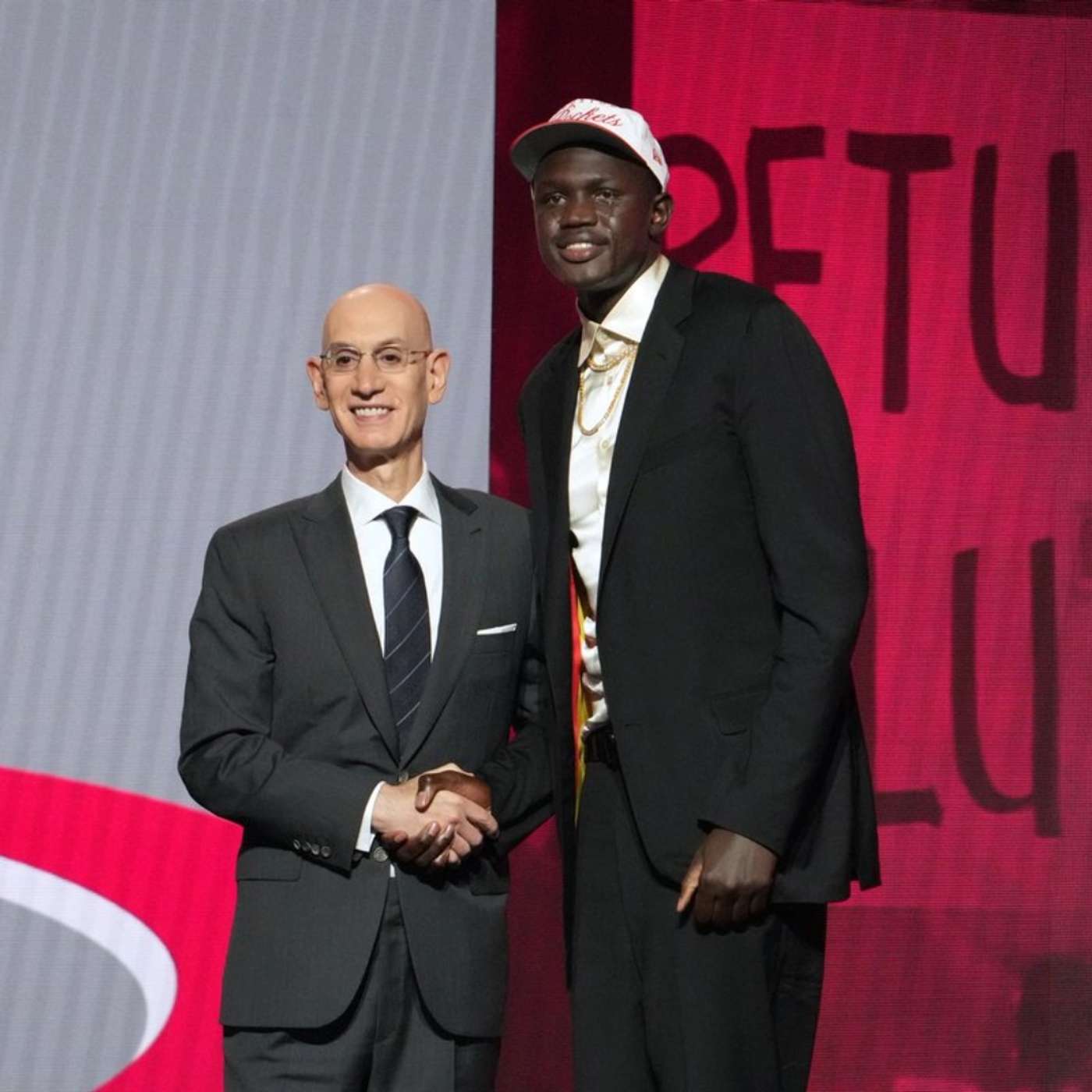
    NBA Africa's Biggest Success | The Khaman Maluach Story

    Watch this episode on YouTube: https://youtu.be/qoA105xnIpU Khaman Maluach was just drafted 10th overall in the NBA Draft. He’s a South Sudanese refugee who grew up in Uganda and only started playing basketball when he was 13 years old. After first playing the game at Luol Deng’s basketball camp, Maluach played at the NBA Academy in Senegal, and played three seasons in NBA Africa’s Basketball Africa League, before signing with Duke University. He’s the first player from the BAL to be drafted into the NBA. And as we continue to invest in talent on the African continent, there will be more players like Khaman Maluach playing in the league in the future. Our Links - 🎥 YouTube - https://youtube.com/@TheFlipAfrica 💻 Website - https://theflip.africa 🐦 Twitter - https://twitter.com/theflipafrica 👥 LinkedIn - https://www.linkedin.com/company/theflipafrica/ 📸 Instagram - https://instagram.com/theflipafrica

    • Transcript
  • May 29, 2025 · 9 min

    The Real Reason People Are Using Stablecoins

    Watch this episode on YouTube. 2025 is the year of stablecoins. Transaction volumes have grown to over $33 trillion in the past 12 months. The top Dollar-denominated stablecoins are the 17th largest holder of US treasuries globally. Tether, issuer the largest stablecoin by volume, USDT, announced $13 billion in net profit in 2024. Circle, the USDC issuer, is going public. But what got the hype train going was Stripe’s acquisition of the startup Bridge for $1.1 billion. And all of Bridge’s product market fit is coming from emerging markets and outside the US. But why? This is the first episode in The Flip’s new human-first series on stablecoin adoption from the rest of the world. Stablecoins are solving everyday problems for people in markets where there’s import deficits, currency devaluation, insufficient banking infrastructure, and more. This series will bring to life these conditions and humanize the onchain data. 00:00 - Intro 01:15 - Zach Abrams - Bridge 02:35 - Stablecoin adoption 03:27 - All of Bridge’s product market fit comes from outside the US 05:19 - Why do people want stablecoins? 08:42 - Subscribe! Our Links - 🎥 YouTube - https://youtube.com/@TheFlipAfrica 💻 Website - https://theflip.africa 🐦 Twitter - https://twitter.com/theflipafrica 👥 LinkedIn - https://www.linkedin.com/company/theflipafrica/ 📸 Instagram - https://instagram.com/theflipafrica

    • Transcript
  • Apr 23, 2025 · 6 min

    Why the NFL is Bringing American Football to Africa

    There are 1,696 active players in the NFL. Just 138 are African. But if it were up to Osi Umenyiora, 11-year veteran and 2-time Super Bowl Champion, there would be many more. Osi is the Founder of The Uprise, the NFL's lead in Africa, and he's pioneering American football on the African continent. At the NFL's camp in Lagos, Nigeria, young athletes are vying for a shot to join the NFL Academy in London or to go straight to the League through the International Player Pathway Program. But many of them have never played American football before. So why is the NFL hosting camps in Africa? Is there really any shot of these players making it to the NFL? 00:00 - The NFL is in Lagos, Nigeria 00:30 - Osi Umenyiora is bringing football to Africa 02:05 - The NFL wants the best talent in the world 03:55 - Creating opportunities for African talent Our Links - 🎥 YouTube - https://youtube.com/@TheFlipAfrica 💻 Website - https://theflip.africa 🐦 Twitter - https://twitter.com/theflipafrica 👥 LinkedIn - https://www.linkedin.com/company/theflipafrica/ 📸 Instagram - https://instagram.com/theflipafrica

  • Feb 25, 2025 · 12 min

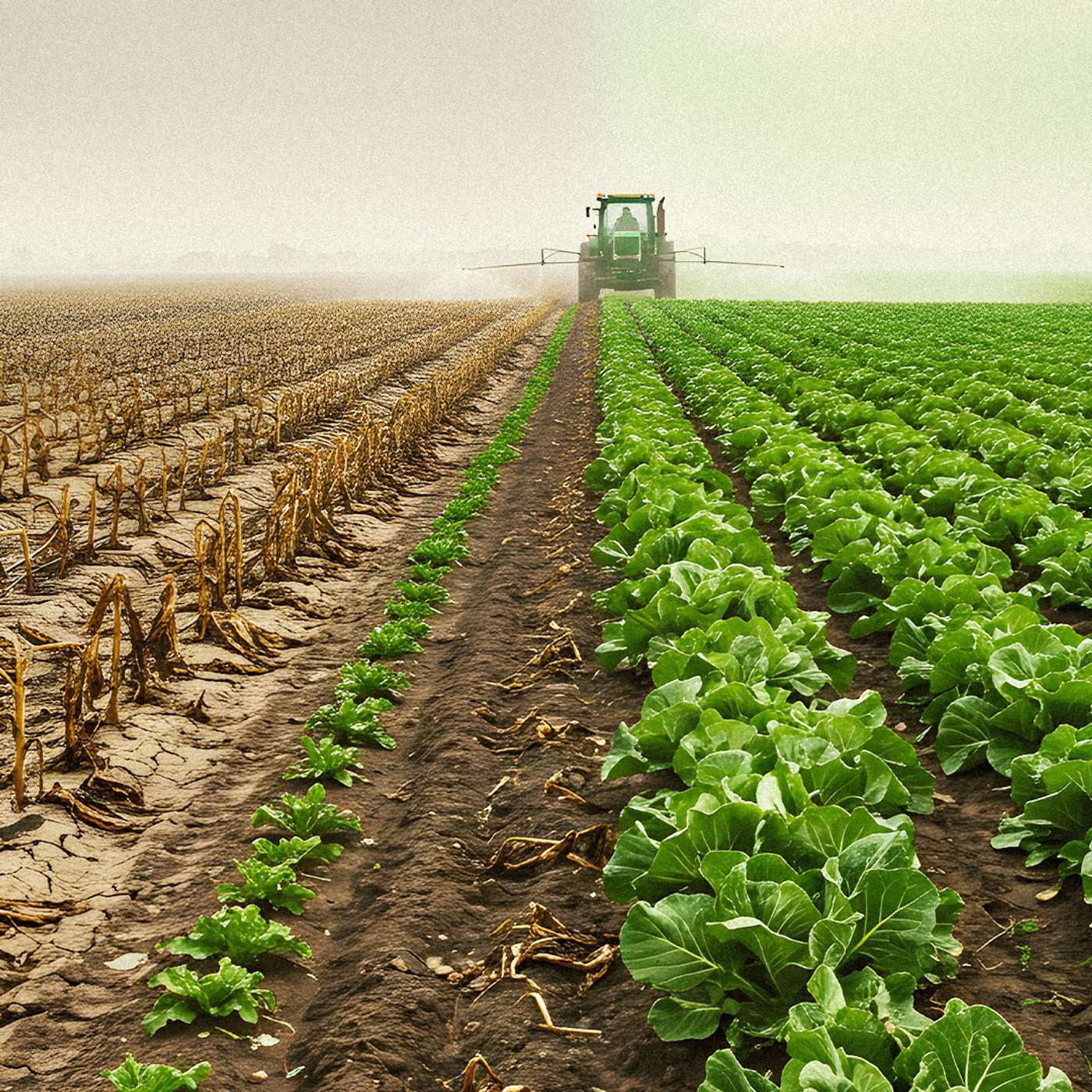
    How We're Helping African Farmers Grow

    Farming is the number one source of employment in Africa, yet its agricultural productivity is the lowest of any region in the world. The opportunity is immense—60% of the world’s uncultivated arable land is on the continent—but rural communities are suffering from a lack of economic opportunity. So young Africans are building innovative solutions to tackle the problems that are impacting their families and communities. Wissal Ben Moussa is the Co-founder & R&D Officer of Sand To Green, a Moroccan startup pairing regenerative agroforestry techniques with data and technology to turn the desert green. Samuel Rigu is the Co-founder & CEO of Safi Organics, a Kenyan company employing a decentralized process to locally manufacture organic fertilizers. Francis Nderitu is the Founder of Keep IT Cool, a recent Earthshot Prize winner, building cold chain storage to reduce post-harvest losses in Kenya. 00:00 - Africa has the lowest farming productivity in the world 01:08 - Sand to Green is reversing desertification in Morocco 04:30 - Safi Organics is manufacturing organic fertilizers in Kenya 07:23 - Keep IT Cool is reducing post-harvest loss in Kenya 10:15 - Solving problems for their local communities Check out more episodes of The Greenprint here. This episode was produced as part of our series on climate action in Africa, The Greenprint, in partnership with Catalyst Fund, Delta40, Africa Climate Ventures, and AgBase - an initiative powered by Briter and Mercy Corps AgriFin. AgBase is a business intelligence platform offering real-time data, market insights, and a centralised hub for information on agtech and foodtech across emerging markets. This initiative, backed by the Bill and Melinda Gates Foundation and The Foreign, Commonwealth & Development Office (FCDO), and hosted by Briter Bridges in partnership with MercyCorps AgriFin, is dedicated to bolstering the knowledge framework essential for catalysing investments in digital and technology-driven solutions, with an underlying mission is to transform the lives of smallholder farmers and boost socio-economic growth. Delta40 is a venture studio and venture capital fund supporting diverse founders leading ventures in energy, agriculture, and fintech, with a special focus on supporting African and female entrepreneurs. Beyond capital, they provide hands-on support from experienced operators & investors to drive growth from idea to pan-African scale. Africa Climate Ventures is a pioneering venture builder working to build a portfolio of climate businesses on the continent. ACV invests to bring proven global climate technology to Africa, accelerate and de-risk the continental expansion of technologies and business models that have gained traction in one or a few African market(s), and add carbon revenue streams to existing African businesses with the potential to scale climate-positive solutions. ‍Catalyst Fund is a venture capital fund and venture builder, investing for a climate resilient future in Africa. They combine capital and a hands-on venture-building approach at the pre-seed stage, to partner with visionary founders who are developing climate adaptation solutions that enhance the resilience of communities and the planet. This episode is made possible through a partnership with Prosper Africa’s Catalytic Investment Facility. Aimed at boosting investment and innovative climate adaptation and resilience ventures across Africa, The Catalyst Fund is one of the grantees under Prosper Africa's Catalytic Investment Facility. Prosper Africa is a Presidential-level national security initiative aimed at strengthening the strategic and economic partnership between the U.S. and Africa by catalyzing transformative two-way trade and investment flows. Our Links - 🎥 YouTube - https://youtube.com/@TheFlipAfrica 💻 Website - https://theflip.africa 🐦 Twitter - https://twitter.com/theflipafrica 👥 LinkedIn - https://www.linkedin.com/company/theflipafrica/ 📸 Instagram - https://instagram.com/theflipafrica
  • Feb 6, 2025 · 9 min

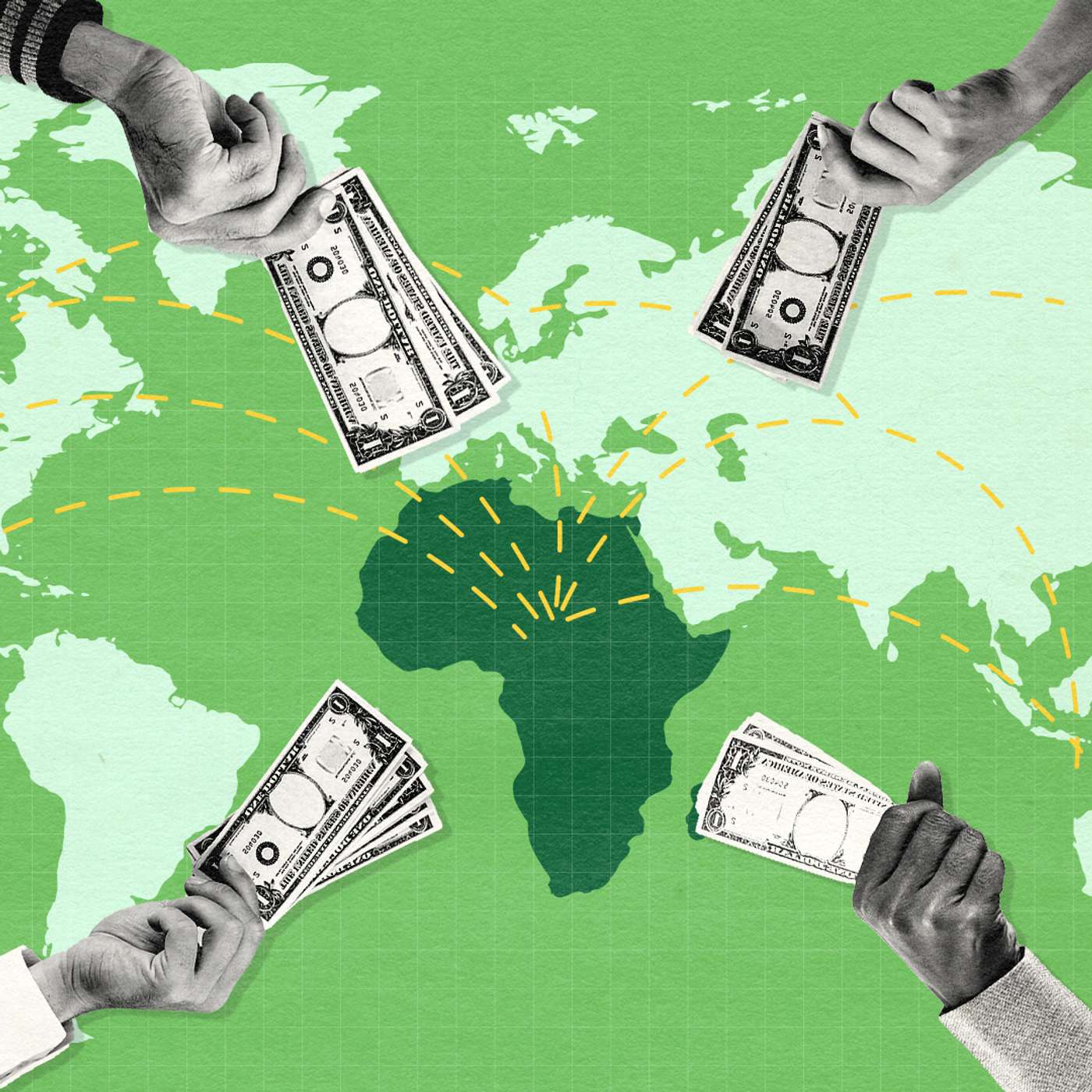
    What We Get Wrong About Climate Financing

    Reports suggest that climate change is set to cost the global economy $38 billion per year by 2049. Emerging markets need close to $2.4 trillion per year by 2030 to meet the climate goals. That's 4 times what is currently invested. But high capital costs are stalling clean energy investment across Africa. If you want to build a renewable energy project in Sub-Saharan Africa, the weighted average cost of capital would be up to 4x as much as the same project in Western Europe or the US, due to the real and perceived risks of investing on the continent. If the world invests in renewables and green technology in Africa at Africa's cost of capital, it will underinvest in green energy assets. 00:00 - The climate funding gap 01:01 - It's 4x more expensive to build an energy project in Africa 02:10 - The cheapest energy is where there is high energy density 03:26 - Startup financing needs 06:23 - Addressing funding challenges at the multinational level Check out more episodes of The Greenprint here. This episode of The Greenprint was produced in partnership with Catalyst Fund, Delta40, and Africa Climate Ventures. Delta40 is a venture studio and venture capital fund supporting diverse founders leading ventures in energy, agriculture, and fintech, with a special focus on supporting African and female entrepreneurs. Beyond capital, they provide hands-on support from experienced operators & investors to drive growth from idea to pan-African scale. Africa Climate Ventures is a pioneering venture builder working to build a portfolio of climate businesses on the continent. ACV invests to bring proven global climate technology to Africa, accelerate and de-risk the continental expansion of technologies and business models that have gained traction in one or a few African market(s), and add carbon revenue streams to existing African businesses with the potential to scale climate-positive solutions. ‍Catalyst Fund is a venture capital fund and venture builder, investing for a climate resilient future in Africa. They combine capital and a hands-on venture-building approach at the pre-seed stage, to partner with visionary founders who are developing climate adaptation solutions that enhance the resilience of communities and the planet. This episode is made possible through a partnership with Prosper Africa’s Catalytic Investment Facility. Aimed at boosting investment and innovative climate adaptation and resilience ventures across Africa, The Catalyst Fund is one of the grantees under Prosper Africa's Catalytic Investment Facility. Prosper Africa is a Presidential-level national security initiative aimed at strengthening the strategic and economic partnership between the U.S. and Africa by catalyzing transformative two-way trade and investment flows. Our Links - 🎥 YouTube - https://youtube.com/@TheFlipAfrica 💻 Website - https://theflip.africa 🐦 Twitter - https://twitter.com/theflipafrica 👥 LinkedIn - https://www.linkedin.com/company/theflipafrica/ 📸 Instagram - https://instagram.com/theflipafrica

  • Jan 21, 2025 · 12 min

    Can Solar Power Solve Nigeria's Energy Crisis?

    Nigeria’s energy crisis has persisted for decades. Africa's largest country is largely powered by fuel generators. They're noisy, dirty, and bad for the environment. But they also provide power to millions of people in a country with an unreliable grid. The removal of Nigeria's long-standing fuel subsidy in 2023 caused the price of fuel to quadruple, leaving Nigerian consumers searching for options. And many are going solar. So while economic considerations have largely driven Nigeria's transition to solar power, it has positive climate implications too. But why is the grid so broken? How can it be fixed? And is decentralized solar energy an adequate solution to solve Nigeria's energy crisis? 00:00 - To know Nigeria is to know blackouts 01:28 - How Nigeria is powered today 02:11 - Why the grid is broken and how to fix it 05:17 - Nigerians are making the switch to solar 09:12 - The need for climate resilience Check out more episodes of The Greenprint: https://theflip.africa/the-greenprint This episode of The Greenprint was produced in partnership with Catalyst Fund, Delta40, and Africa Climate Ventures. Delta40 is a venture studio and venture capital fund supporting diverse founders leading ventures in energy, agriculture, and fintech, with a special focus on supporting African and female entrepreneurs. Beyond capital, they provide hands-on support from experienced operators & investors to drive growth from idea to pan-African scale. Africa Climate Ventures is a pioneering venture builder working to build a portfolio of climate businesses on the continent. ACV invests to bring proven global climate technology to Africa, accelerate and de-risk the continental expansion of technologies and business models that have gained traction in one or a few African market(s), and add carbon revenue streams to existing African businesses with the potential to scale climate-positive solutions. ‍Catalyst Fund is a venture capital fund and venture builder, investing for a climate resilient future in Africa. They combine capital and a hands-on venture-building approach at the pre-seed stage, to partner with visionary founders who are developing climate adaptation solutions that enhance the resilience of communities and the planet. This episode is made possible through a partnership with Prosper Africa’s Catalytic Investment Facility. Aimed at boosting investment and innovative climate adaptation and resilience ventures across Africa, The Catalyst Fund is one of the grantees under Prosper Africa's Catalytic Investment Facility. Prosper Africa is a Presidential-level national security initiative aimed at strengthening the strategic and economic partnership between the U.S. and Africa by catalyzing transformative two-way trade and investment flows. Our Links - 🎥 YouTube - https://youtube.com/@TheFlipAfrica 💻 Website - https://theflip.africa 🐦 Twitter - https://twitter.com/theflipafrica 👥 LinkedIn - https://www.linkedin.com/company/theflipafrica/ 📸 Instagram - https://instagram.com/theflipafrica

  • Dec 9, 2024 · 11 min

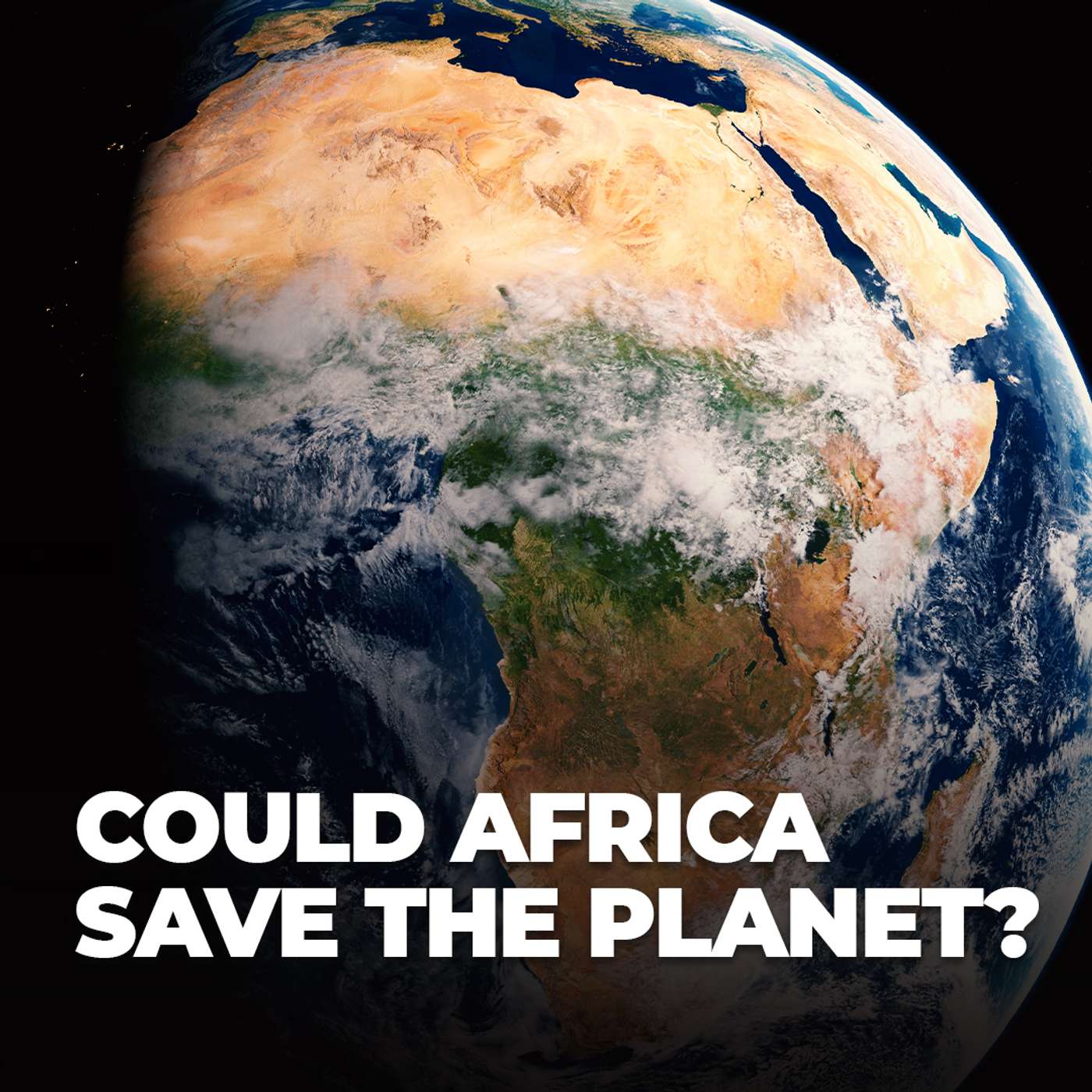
    How Africa’s Green Industries Could Save the Planet

    Can Africa be a leader in the global fight against climate change? While the continent has contributed just 3 percent to global carbon emissions, it is the most impacted by climate change. But it also has a range of natural endowments that leave it well-positioned to build green industries that will have a positive economic impact locally and can play a significant global role in getting to net zero. In this episode, we're joined by three Africa-focused climate founders solving local problems with global implications. 00:00 - Africa is the most impacted by climate change 01:18 - The opportunity to build industries powered by renewable energy 01:51 - Great Carbon Valley's Bilha Ndirangu 05:00 - Octavia Carbon's Duncan Kariuki 07:51 - Talus Renewable's Hiro Iwanaga Listen to more episodes of The Greenprint: https://theflip.africa/the-greenprint This episode of The Greenprint was produced in partnership with Catalyst Fund, Delta40, and Africa Climate Ventures. Delta40 is a venture studio and venture capital fund supporting diverse founders leading ventures in energy, agriculture, and fintech, with a special focus on supporting African and female entrepreneurs. Beyond capital, they provide hands-on support from experienced operators & investors to drive growth from idea to pan-African scale. Africa Climate Ventures is a pioneering venture builder working to build a portfolio of climate businesses on the continent. ACV invests to bring proven global climate technology to Africa, accelerate and de-risk the continental expansion of technologies and business models that have gained traction in one or a few African market(s), and add carbon revenue streams to existing African businesses with the potential to scale climate-positive solutions. ‍Catalyst Fund is a venture capital fund and venture builder, investing for a climate resilient future in Africa. They combine capital and a hands-on venture-building approach at the pre-seed stage, to partner with visionary founders who are developing climate adaptation solutions that enhance the resilience of communities and the planet. This episode is made possible through a partnership with Prosper Africa’s Catalytic Investment Facility. Aimed at boosting investment and innovative climate adaptation and resilience ventures across Africa, The Catalyst Fund is one of the grantees under Prosper Africa's Catalytic Investment Facility. Prosper Africa is a Presidential-level national security initiative aimed at strengthening the strategic and economic partnership between the U.S. and Africa by catalyzing transformative two-way trade and investment flows. Our Links - 🎥 YouTube - https://youtube.com/@TheFlipAfrica 💻 Website - https://theflip.africa 🐦 Twitter - https://twitter.com/theflipafrica 👥 LinkedIn - https://www.linkedin.com/company/theflipafrica/ 📸 Instagram - https://instagram.com/theflipafrica

  • Nov 11, 2024 · 48 min

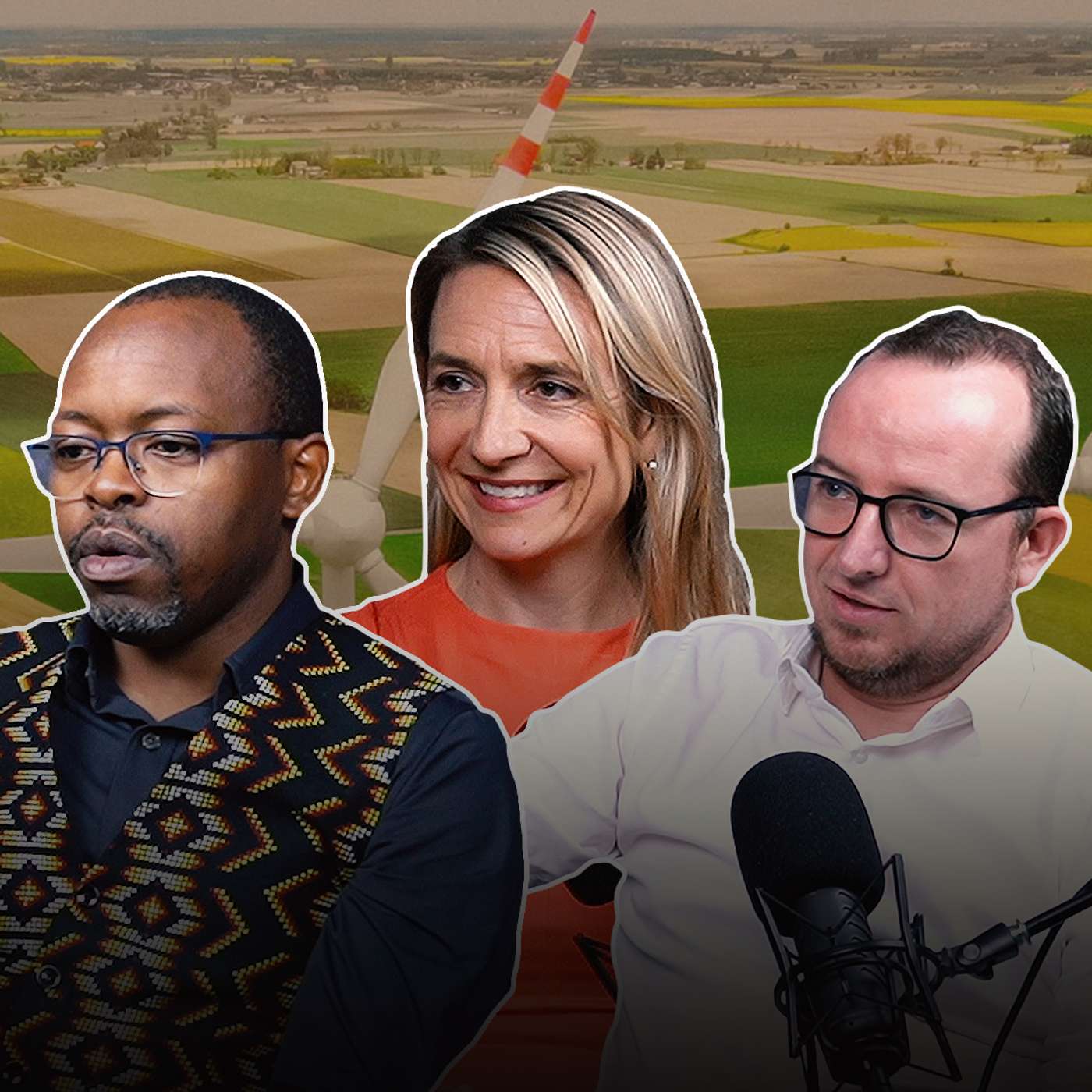
    This Funding Model is Helping Fight Climate Change

    These climate investors are funding climate startups using a hands-on venture-building model to support founders across Africa. In this episode, we’re joined by James Mwangi from Africa Climate Ventures, Maxime Bayen from Catalyst Fund, and Lyndsay Holley Handler from Delta40. We discuss why African ventures and climate startups, in particular, benefit from the venture building model; the limitations of the traditional two and twenty fund model in the African tech ecosystem; the types of founders and opportunities these investors are looking for; the pitch these investors are making to global investors for why they should back climate action across Africa; and, is Africa the most important region for global climate goals? 00:00 - Intro 01:20 - Why climate in Africa? 06:03 - The types of founders they're investing in 12:18 - Why the venture building model? 19:39 - Fund structures & models 35:30- The types of businesses & opportunities they're seeking 41:30 - Pitching Africa's climate story to global investors This roundtable conversation was recorded during the 2024 Climate Week in New York City. This episode was produced as part of our series on climate action in Africa, in partnership with Catalyst Fund, Delta40, and Africa Climate Ventures. Delta40 is a venture studio and venture capital fund supporting diverse founders leading ventures in energy, agriculture, and fintech, with a special focus on supporting African and female entrepreneurs. Beyond capital, they provide hands-on support from experienced operators & investors to drive growth from idea to pan-African scale. Africa Climate Ventures is a pioneering venture builder working to build a portfolio of climate businesses on the continent. ACV invests to bring proven global climate technology to Africa, accelerate and de-risk the continental expansion of technologies and business models that have gained traction in one or a few African market(s), and add carbon revenue streams to existing African businesses with the potential to scale climate-positive solutions. Catalyst Fund is a venture capital fund and venture builder, investing for a climate resilient future in Africa. They combine capital and a hands-on venture-building approach at the pre-seed stage, to partner with visionary founders who are developing climate adaptation solutions that enhance the resilience of communities and the planet. This episode is made possible through a partnership with Prosper Africa’s Catalytic Investment Facility. Aimed at boosting investment and innovative climate adaptation and resilience ventures across Africa, The Catalyst Fund is one of the grantees under Prosper Africa's Catalytic Investment Facility. Prosper Africa is a Presidential-level national security initiative aimed at strengthening the strategic and economic partnership between the U.S. and Africa by catalyzing transformative two-way trade and investment flows. Our Links - 🎥 YouTube - https://youtube.com/@TheFlipAfrica 💻 Website - https://theflip.africa 🐦 Twitter - https://twitter.com/theflipafrica 👥 LinkedIn - https://www.linkedin.com/company/theflipafrica/ 📸 Instagram - https://instagram.com/theflipafrica

    • Transcript
  • Aug 29, 2024 · 6 min

    How Moniepoint Powers Millions of Businesses Across Nigeria

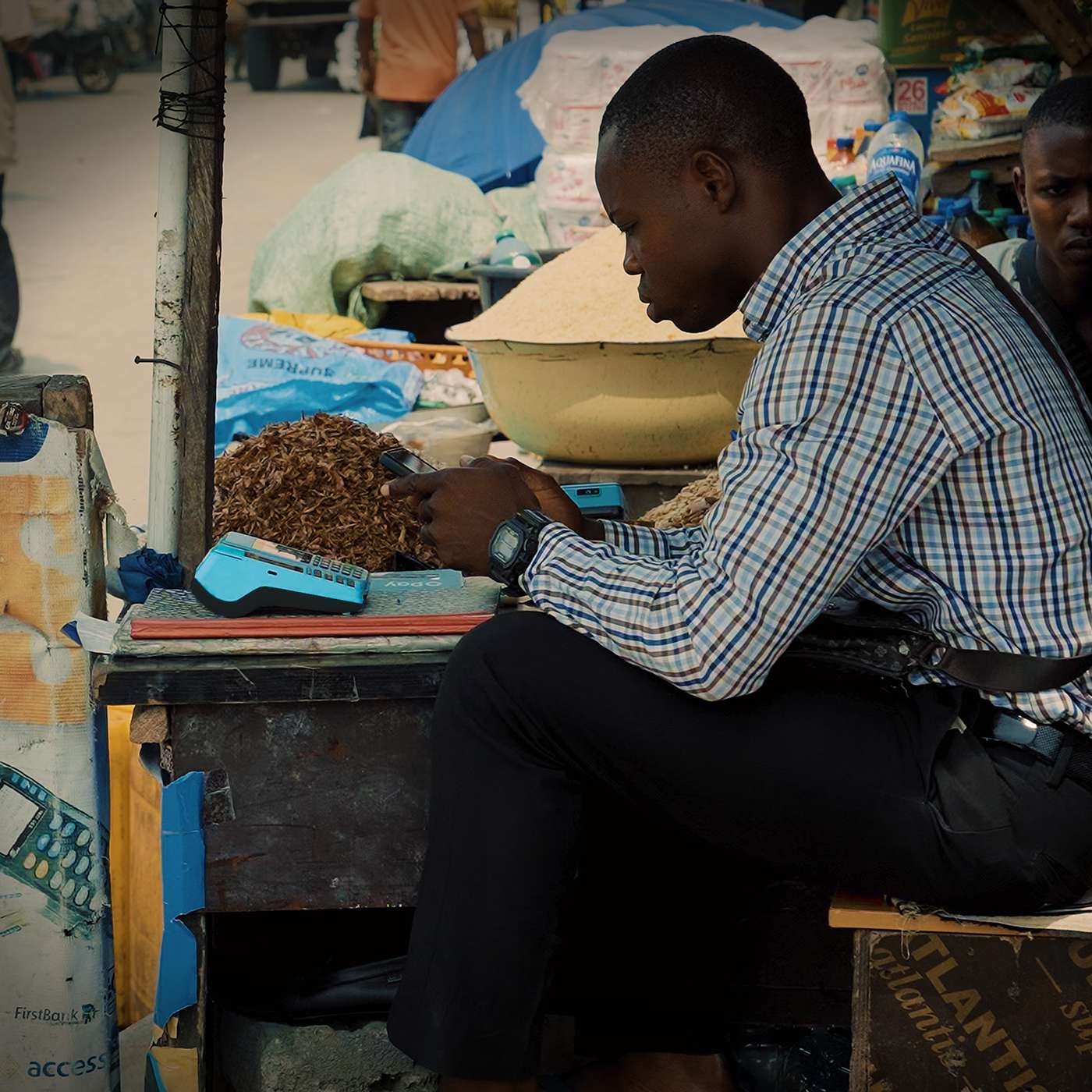
    There are millions of Moniepoint point-of-sale terminals in use across Nigeria. These point-of-sale devices power Nigeria’s offline economy, and while there are many competitors in this space, Moniepoint appears to beating them all. How did they do it? How did Moniepoint grow so quickly? And why has it become the preferred choice for agents and merchants across Nigeria? In this episode, we hit the streets of Lagos with Ezekiel Sanni, Moniepoint's Senior Vice President of Distribution Network Sales. Moniepoint has been recognized as Africa's fastest-growing fintech by the Financial Times in 2023 and 2024. Last year, they processed over $182 billion in payments. Moniepoint (formerly TeamApt) was founded by Tosin Eniolorunda in 2015. 00:00 - Moniepoint is winning Nigeria's fintech battle 01:28 - What do agents want? 02:19 - Nigeria's banking challenges 03:34 - Moniepoint's business banking strategy 04:49 - Moniepoint's distribution strategy Check out our roundtable conversation with Monieponit's CEO, Tosin Eniolorunda, Kuda's Babs Ogundeyi, and FairMoney's Laurin Hainy - https://theflip.africa/podcast/nigerian-neobank-roundtable-moniepoint-kuda-fairmoney Our Links -🎥 YouTube - https://youtube.com/@TheFlipAfrica 💻 Website - https://theflip.africa 🐦 Twitter - https://twitter.com/theflipafrica 👥 LinkedIn - https://www.linkedin.com/company/theflipafrica/ 📸 Instagram - https://instagram.com/theflipafrica

  • Jul 25, 2024 · 6 min

    How Africa's Fastest Growing Company is Helping Retailers Grow

    Small retailers in Nigeria power the economy. But they’re going through some tough times. Devaluation, food inflation, and overall poor economic conditions have made it especially hard for these small businesses to operate. To better understand how retail works, and how these small businesses can grow, we hit the streets of Lagos with Deepankar Rustagi, CEO of OmniRetail. OmniRetail was ranked Africa's #1 Fastest Growing Company in 2024 by Financial Times. In this episode, Deepankar explains small retailers' working capital challenges and how OmniRetail is helping them grow their business by turning over their inventory faster. 00:00 - Intro 01:00 - Working capital 02:08 - Faster inventory turnover 02:48 - Lack of credit 03:39 - Understanding consumer demand 04:57 - Building a Systematically Important Platform Read more from Deepankar - Rethinking Metrics in B2B Commerce: https://theflip.africa/newsletter/rethinking-metrics-in-b2b-ecommerce Learn more about OmniRetail here: https://omniretail.africa Our Links - 🔔 Youtube - https://youtube.com/@theflipafrica 💻 Website - https://theflip.africa 🐦 Twitter - https://twitter.com/theflipafrica 👥 LinkedIn - https://www.linkedin.com/company/theflipafrica/ 📸 Instagram - https://instagram.com/theflipafrica
  • Jun 13, 2024 · 9 min

    An African Tech Exit - Selling Sendwave for $500 Million

    One of the African tech ecosystem's largest exits was the 2020 sale of Sendwave to WorldRemit for $500 million. Sid Sridhar was Sendwave's Head of Business at the time, and in this episode, Sid shares his M&A lessons for the African tech ecosystem. Sid is now the Head of Business at Wave, the mobile money company spun out of Sendwave that's competing head-on with the telcos in Francophone West Africa. Wave raised a $200 million Series A in 2021, valuing the company at $1.7 billion. 00:00 - Introduction 01:32 - Every deal is different 02:16 - Know the business model that you're building for 02:40 - Companies get bought not sold 03:41 - How to qualify a deal 04:53 - Be smart & strategic with information 05:31 - Be transparent 06:24 - Stay close to potential buyers 07:39 - Alignment with investors Follow Sid on Twitter Check out other episodes from the Fintech in Africa Summit: Nigerian Neobank Roundtable: Moniepoint, Kuda, FairMoney Why Are Cross-Border Payments So Hard? Tackling Africa’s $330 Billion Credit Gap Our Links - 🎥 YouTube - https://youtube.com/@theflipafrica 💻 Website - https://theflip.africa 🐦 Twitter - https://twitter.com/theflipafrica 👥 LinkedIn - https://www.linkedin.com/company/theflipafrica/ 📸 Instagram - https://instagram.com/theflipafrica

  • May 30, 2024 · 20 min

    Tackling Africa’s $330 Billion Credit Gap

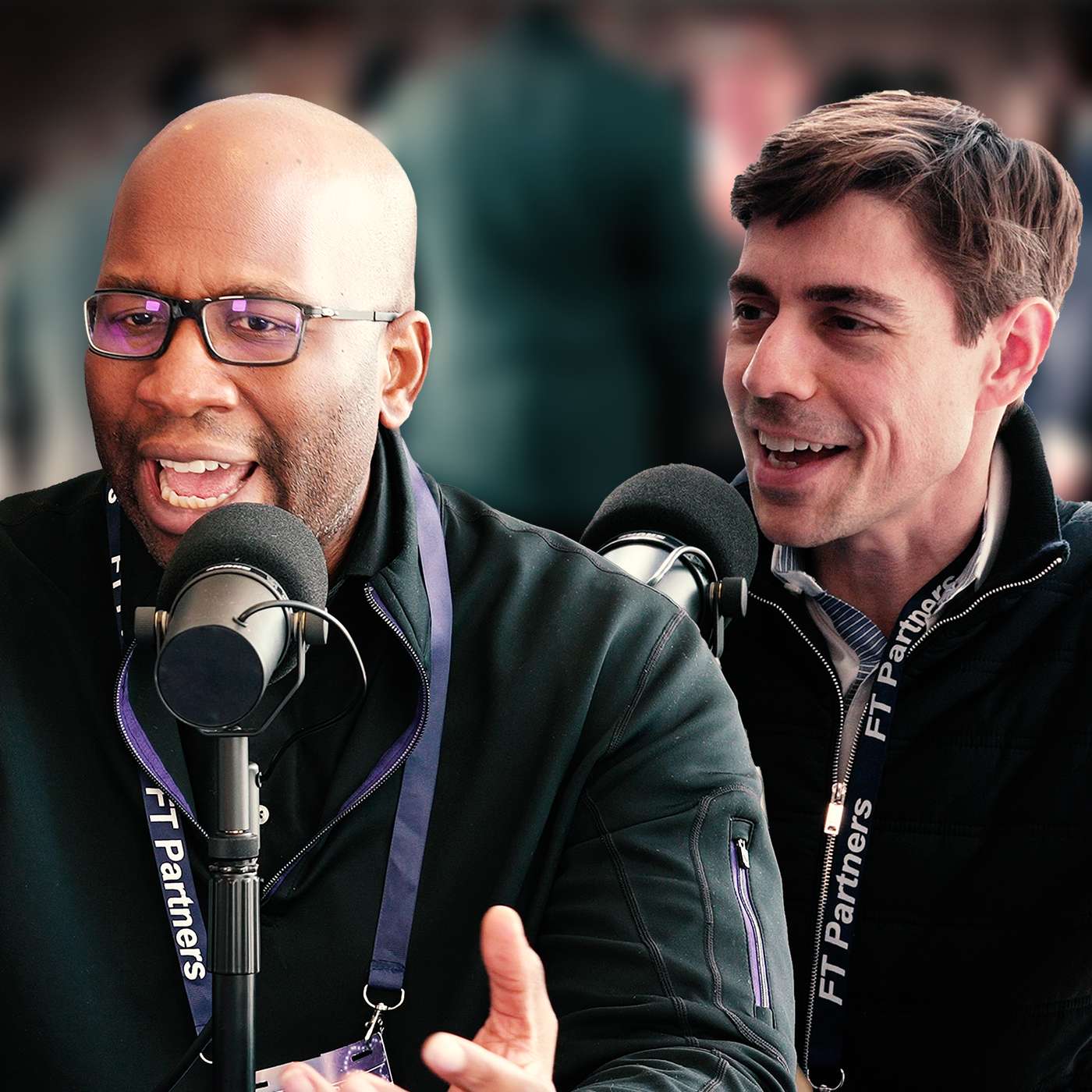
    There is a $330 billion credit gap, according to the IFC. But why is it so hard to lend in African markets? We explore that question with Chijioke Dozie, Co-founder and CEO of Carbon, and Mark Straub, CEO of Smile Identity. This episode was recorded live from the FT Partners Fintech in Africa Summit in New York City. Download their FinTech in Africa research report, published in March 2024. 00:00 - Introduction 01:36 - The credit infrastructure problems in Africa 02:28 - Carbon's approach to lending 03:51 - SmileID's perspective on credit infrastructure 08:10 - Ability to pay vs. willingness to pay 10:06 - Private sector solutions 17:36 - The challenges of scaling lending without infrastructure Follow Chijioke on Twitter. Follow Mark on Twitter. This episode was the third in our series of interviews recorded live from the Fintech in Africa Summit. Nigerian Neobanks with Moniepoint's Tosin Eniolorunda, Kuda's Babs Ogundeyi & Fairmoney's Laurin Hainy: https://theflip.africa/podcast/nigerian-neobank-roundtable-moniepoint-kuda-fairmoney Cross-Border Payments with NALA's Benjamin Fernandes & GTXN's Dan Kleinbaum: https://theflip.africa/podcast/why-are-cross-border-payments-so-hard Our Links - 🎥 YouTube - https://youtube.com/@theflipafrica 💻 Website - https://theflip.africa 🐦 Twitter - https://twitter.com/theflipafrica 👥 LinkedIn - https://www.linkedin.com/company/theflipafrica/ 📸 Instagram - https://instagram.com/theflipafrica

Showing 1–20 of 20 episodes