Skip to content
Artwork for The Elephant in the Room "Clear Truth"
Religion & SpiritualityChristianityNewsNews CommentaryExplicit

The Elephant in the Room "Clear Truth"

Pastor james E. Alexander Jr

The Elephant in the Room "Clear Truth"

Hosted by James Alexander, a seasoned fiduciary and humanitarian advocate who isn't afraid to tackle tough conversations head-on. With a background in navigating complex systems and championing human rights, James brings a straight-shooting, empathetic lens to the topics most people avoid. On The Elephant in the Room, he breaks down the uncomfortable truths with clarity, integrity, and genuine candor.

Play
  • 21 episodes
  • weekly
  • Avg 25 min
  • English

Support the show

Goes straight to the publisher. podnod takes nothing.

Counted on this page — what you have heard stays on this device, so it is not something the list can be paged by.
  • S2 · E7
    Wednesday · 27 min

    Colvid-19; My Journey

    Got something to say to this podcast? Send a voicemail, and you might hear yourself on the next episode! In this episode, I’m diving deep into my personal experiences with Covid-19, reflecting on a time that felt surreal and unprecedented. It’s hard to believe that I found myself navigating through such an extraordinary situation, something I never imagined I would have to live through in my lifetime. As I recount the challenges and emotions I faced, I can’t help but think of the overwhelming uncertainty that surrounded us all. The feeling of isolation, the concern for loved ones, and the constant barrage of news created an atmosphere filled with anxiety and fear. I take a moment to flash back to those days, sharing poignant memories and the lessons learned along the way. Ultimately, I find myself praying that we never have to endure anything like that again, cherishing the sense of normalcy that we often take for granted.

    • Transcript
  • S2 · E6
    November 11 · 32 min

    Bring Him Home

    Got something to say to this podcast? Send a voicemail, and you might hear yourself on the next episode! This episode tells the compelling story of a young man who is unjustly thrust into the adult penal system of Little Rock, Arkansas. Struggling against the weight of a wrongful conviction, he navigates the harsh realities of incarceration while grappling with the consequences of a flawed legal system. The narrative delves into his background, the events leading to his sentencing, and the emotional and psychological challenges he faces as he fights to reclaim his life and prove his innocence. Through powerful storytelling, the episode sheds light on broader themes of justice, redemption, and the resilience of the human spirit amidst adversity.

    • Transcript
  • S2 · E5
    November 5 · 20 min

    The Big Blue Wave: Now What?

    Got something to say to this podcast? Send a voicemail, and you might hear yourself on the next episode! The Big Blue Wave: Is it going to be what we think it's going to be, or is it just another failed moment in history that is going to fall back on the people as it always does? The concept of the "Big Blue Wave" has generated both excitement and skepticism, evoking a potential shift in power dynamics within the political landscape. Many supporters see it as an opportunity for progress, advocating for policies that prioritize social justice, healthcare access, and climate action. However, the reality is often more complex, as the outcomes of such movements can be unpredictable. History shows that while waves of support for a particular party can lead to significant victories, they can also fall short of expectations due to internal divisions and external pressures. Without bipartisan cooperation, the potential for transformative legislation may be severely limited, leaving the electorate disillusioned and questioning the effectiveness of their chosen representatives. Moreover, without compromise, the promise of progress can fail, as partisan gridlock often stifles innovative solutions to pressing national issues. As the enthusiasm surrounding the Big Blue Wave builds, there remains concern that a lack of collaboration could lead to repeated frustrations, echoing past moments when grand aspirations failed to materialize. If the new wave of leadership proves unable to work across the aisle, it could easily morph from a moment of hope into yet another chapter of political disappointment. The stakes are high, and the willingness to engage in bipartisan dialogue may ultimately determine whether this wave becomes a transformative force or simply fades into the annals of missed opportunities.

    • Transcript
  • S2 · E4
    October 31 · 22 min

    Stop the Bleeding Ballots and Bottom Lines

    Got something to say to this podcast? Send a voicemail, and you might hear yourself on the next episode! In this episode, we assert the vital importance of participating in the midterm elections. Voting is not just a right; it is our responsibility. If we truly want to drive change and shape the future, we must actively engage in the electoral process. Each vote is a powerful tool that contributes to the collective voice of our community. It's time to recognize that our actions at the polls can lead to the transformation we seek. Don’t sit on the sidelines—make your voice heard and vote!

    • Transcript
  • S2 · E3
    October 23 · 42 min

    Never Say Never

    Got something to say to this podcast? Send a voicemail, and you might hear yourself on the next episode! I finally returned to my roots in Grand Rapids, Michigan. Initially, I told everyone I was going back to visit Uncle Jimmy and Aunt Debbie, but once I arrived, I quickly realized that this homecoming meant so much more. As I drove through familiar streets, waves of nostalgia washed over me. The houses, parks, and bustling downtown were filled with memories of my childhood. Seeing Uncle Jimmy and Aunt Debbie was heartwarming, but it was the little things—the smell of coffee in the local café and the laughter of children playing—that truly brought me back to life. This journey home became a chance for reflection and healing. I wandered to places that shaped my early years, each step unveiling memories I hadn’t thought of in decades. I recognized that returning home was not just about visiting family; it was about reconnecting with a part of myself that I had missed. Ultimately, this homecoming became a celebration of my roots and the journey that brought me back to where it all began.

    • Transcript
  • S2 · E2
    September 30 · 41 min

    "AI and the threats thereof Post Partem and Mental Health and High School Drama"

    Got something to say to this podcast? Send a voicemail, and you might hear yourself on the next episode! "Artificial Intelligence and Its Associated Challenges: Navigating Postpartum Mental Health and the Realities of High School Drama" In our rapidly evolving world, the advancements in artificial intelligence (AI) bring both remarkable opportunities and significant challenges. Among those challenges, the impact on mental health—especially for new mothers experiencing postpartum difficulties—deserves our compassionate attention. It’s a deeply transformative time that can come with profound emotional struggles, and the role of technology in these experiences can be complex. Moreover, the societal pressures and intricate social dynamics of high school can weigh heavily on young minds. As we explore the intersection of AI and these important life stages, it is vital to approach the conversation with empathy and understanding. By acknowledging the struggles individuals face, we can foster a supportive environment that prioritizes mental well-being and healthy relationships. Let’s work together to create solutions that recognize and uplift the human experience in this technological age."

    • Transcript
  • September 22 · 18 min

    OJ Simpson, Willie Earl, Systemic Racism

    Got something to say to this podcast? Send a voicemail, and you might hear yourself on the next episode! In this impactful episode, Pastors James and Regina explore the interconnected stories of two African American men within the justice system: O.J. Simpson and Willie Earl. O.J. Simpson, a celebrated sports icon, became embroiled in controversy following his alleged involvement in a brutal murder, which left a lasting impact on his legacy. In contrast, Willie Earl was a young man who was falsely accused of a crime and tragically lost his life due to racial prejudice, highlighting the severe injustices faced by African Americans within the justice system. The episode also addresses the polarized views surrounding O.J. Simpson's contentious trial and subsequent acquittal. The pastors engage in a thought-provoking discussion about racism in the criminal justice system, echoing the sentiments of Black communities that have historically suffered oppression and abuse by these institutions. They examine how systemic racism has led to manipulated evidence and unjust trials, drawing parallels between Simpson's case and Willie Earl's tragic story. Pastor Regina reflects on her evolving perception of O.J. Simpson and his trial, grappling with mixed feelings: relief that a Black man managed to escape the prevailing racial prejudices and moral uncertainty surrounding the trial's outcome. She also considers how negative incidents often overshadow positive achievements, prompting society to overlook the contributions of these individuals. Pastor James highlights the issue of racial profiling, sharing a recent personal experience with a police officer. He emphasizes that the goal should be equality and unity, rather than segregation.

    • Transcript
  • S2 · E1
    September 16 · 24 min

    With Him Our Weakness is Made Strong

    Got something to say to this podcast? Send a voicemail, and you might hear yourself on the next episode! The phrase "Apostle Paul had a thorn in his side" refers to a biblical concept found in 2 Corinthians 12:7-10. In this passage, Paul speaks about a "thorn in the flesh" that was given to him to keep him humble and reliant on God's grace. The nature of this thorn is not explicitly defined, leading to various interpretations over the centuries. Some suggest it was a physical ailment, a spiritual struggle, or even opposition from others. Paul describes how he pleaded with God three times to remove this affliction but instead received the divine response that His grace is sufficient and that God’s strength is made perfect in weakness. This experience profoundly influenced Paul's teachings and his understanding of suffering, humility, and divine strength. The metaphor of a thorn serves to illustrate how burdens and challenges can lead to personal growth and a deeper reliance on faith. Through his experience, Paul encourages others to embrace their weaknesses, as they can become a source of strength and inspiration. The story serves as a reminder that struggles can enhance our faith and character, enabling us to connect more deeply with others and with God.

    • Transcript
  • S1 · E13
    September 14 · 11 min

    He got you...

    Got something to say to this podcast? Send a voicemail, and you might hear yourself on the next episode! Life can throw many challenges our way, and when faced with adversity, it's easy to feel lost or overwhelmed. However, maintaining a deep-rooted belief in something greater than ourselves can provide us with the strength, guidance, and hope needed to navigate through the toughest moments. When we trust in our Creator, we find solace and comfort in knowing that we are not alone. This trust encourages us to embrace resilience, reminding us that there is a purpose and a plan, even when things seem chaotic. It allows us to find peace amidst the storm, giving us the clarity to seek solutions rather than being paralyzed by fear. Moreover, this faith can foster a sense of community and support. Sharing our beliefs can strengthen our bonds with others who share the same values, creating a network of encouragement and love during difficult times. Together, we can uplift one another, reinforcing the idea that we are part of a larger story, one guided by compassion and understanding. Ultimately, if we let go of our trust, we may find ourselves drifting into despair. But by nurturing our connection to our Creator, we empower ourselves to face life's challenges with courage, hope, and unwavering determination. In this way, our faith becomes a source of strength that can carry us through even the most daunting trials, helping us emerge stronger and more united. Creator, there is no way we will make it.

    • Transcript
  • S1 · E12
    September 2 · 28 min

    No More Rushed Answers

    Got something to say to this podcast? Send a voicemail, and you might hear yourself on the next episode! In last week's show, we explored the complex and often murky boundaries between suicide and homicide, particularly in cases where the motivations behind these tragic events may be rooted in hate or bias. We discussed nine alleged suicides that have raised suspicions of being hate crimes. These cases highlight the troubling notion that some individuals may be driven to take their own lives due to the immense pressure and pain caused by discrimination, bullying, or societal hostility related to their identity—be it due to their race, sexual orientation, or gender identity. Each story we covered reveals not only the personal struggles of the individuals involved but also reflects broader societal issues that can, at times, contribute to an environment where such devastating actions occur. We also examined the challenges law enforcement and mental health professionals face in distinguishing between suicide and homicide in these contexts. The nuances of intent, social factors, and the circumstances surrounding each incident can further complicate investigations and shape how the public perceives cases. In our ongoing discussion, we invite viewers to reflect on how to support vulnerable communities better and address the underlying issues that can lead to such tragic outcomes. We encourage viewers to share their thoughts and insights, as open dialogue is essential in fostering greater understanding and change. hate crimes

    • Transcript
  • S1 · E11
    August 26 · 36 min

    Strange Fruit "Unsolved Hangings" What's Going On?

    Got something to say to this podcast? Send a voicemail, and you might hear yourself on the next episode! The issue of hate crimes in America is deeply intertwined with the nation's history of systemic racism and violence, particularly against marginalized communities. The legacy of lynching and other forms of racial terror has left an indelible mark on society, shaping perceptions and responses to acts of hate. Historically, the lack of thorough investigations into racially motivated crimes has perpetuated a culture of impunity. Many instances of violence against individuals based on their race, ethnicity, or sexual orientation have gone unpunished, leading to a mistrust of law enforcement and the justice system. This historical context is crucial in understanding the current landscape of hate crimes. In recent years, there has been a growing awareness of the need for comprehensive investigations into hate crimes. Advocacy groups and community leaders are calling for accountability and transparency in how these incidents are handled. The push for better training for law enforcement, as well as the implementation of hate crime legislation, aims to address the systemic failures that have allowed such crimes to persist. Moreover, acknowledging the historical context of hate crimes is essential for healing and reconciliation. By confronting the past and its impact on present-day society, we can work towards a more just and equitable future. We must advocate for thorough investigations and hold perpetrators accountable to ensure that hate crimes are taken seriously and that victims receive the justice they deserve. In conclusion, addressing hate crimes requires a multifaceted approach that considers America's history of systemic racism and violence. Only through honest dialogue and committed action can we hope to dismantle the structures that allow hate to flourish.

    • Transcript
  • S1 · E10
    August 19 · 25 min

    The Human Cost of the Bills

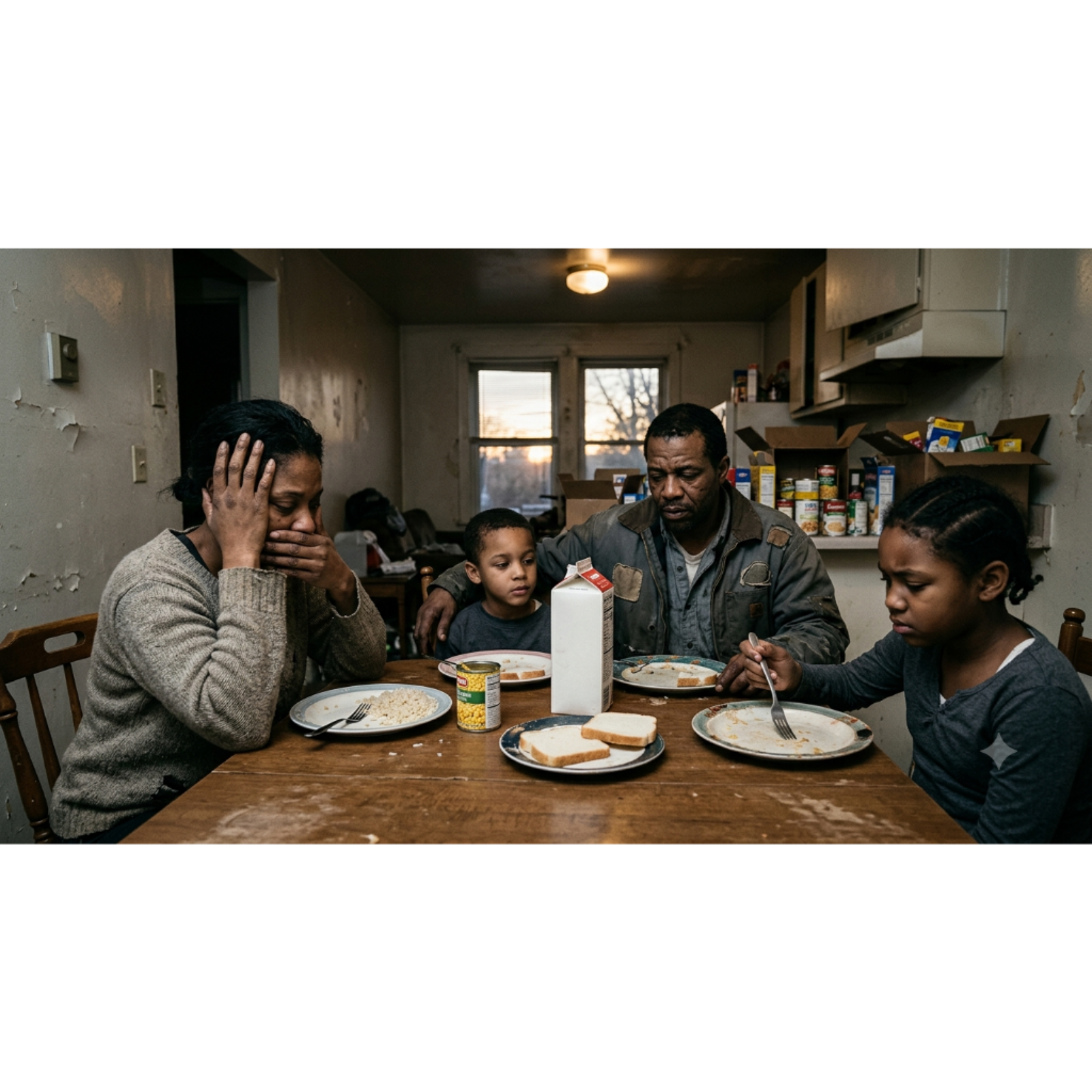
    Got something to say to this podcast? Send a voicemail, and you might hear yourself on the next episode! We are confronting a profound and urgent issue: the intricate link between the economy and the rising rates of suicide. It is a stark reality that economic hardship can lead individuals into dark places, igniting feelings of hopelessness and despair. When we see communities struggling to make ends meet, we must recognize the emotional toll this takes on our friends, family, and neighbors. It is time for us to unite and take a powerful stand against this silent epidemic. We must turn our collective outrage into a call to action, advocating for mental health resources, economic support, and community programs that uplift and empower those in need. Let us not stand idly by while others suffer; together, we can forge a path towards healing and hope, ensuring that every person knows they are valued and that brighter days are possible.

    • Transcript
  • S1 · E9
    August 12 · 21 min

    Food Safety Crisis

    Got something to say to this podcast? Send a voicemail, and you might hear yourself on the next episode! When the systems designed to protect us fail, the consequences are not just minor inconveniences; they pose a direct threat to public health, safety, and economic stability. A drastic reduction in funding and staffing for food safety measures directly leads to compromised inspections and oversight, resulting in a surge of foodborne illnesses that undermine consumer confidence and endanger lives. This negligence has a cascading effect on farmers and producers who depend on a reliable system to market their goods, exposing them to financial ruin and increased regulatory burdens. Moreover, marginalized communities, already vulnerable, face the harshest repercussions as safety nets erode, amplifying existing inequalities and hardships. We must recognize the critical importance of adequately supporting these protective systems; failing to do so is not merely a bureaucratic oversight—it is a reckless abandonment of our responsibility to safeguard public welfare.

    • Transcript
  • S1 · E8
    August 5 · 29 min

    The price we pay

    Got something to say to this podcast? Send a voicemail, and you might hear yourself on the next episode! As prices soar and the cost of living continues to rise, it feels like we are in a constant state of anxiety about our finances. Families are struggling to make ends meet, with essential expenses like gas, groceries, and housing all becoming increasingly burdensome. The impact of rising gas prices, for instance, reverberates throughout the entire economy, affecting everything from transportation costs to the price of goods we rely on daily. Many hardworking Americans are faced with the tough decision of cutting back on necessities or sacrificing small luxuries just to keep up with these escalating expenses. It seems like no matter how carefully we budget, the numbers just don’t add up anymore. Moreover, there’s a growing frustration that those in power appear disconnected from the realities many citizens face. There is a perception that this current administration is indifferent to the struggles of everyday people. Instead of proactive measures to alleviate these burdens, it often feels like they prioritize other agendas, leaving families to navigate these financial hardships on their own. As a nation, we are looking for leadership that acknowledges these issues and actively seeks solutions rather than ignoring the pain felt by so many. Our leaders must listen to the voices of their constituents and take meaningful action to address these pressing concerns. The need for transparency, accountability, and genuine empathy has never been more apparent. We deserve better.

    • Transcript
  • S1 · E7
    July 29 · 21 min

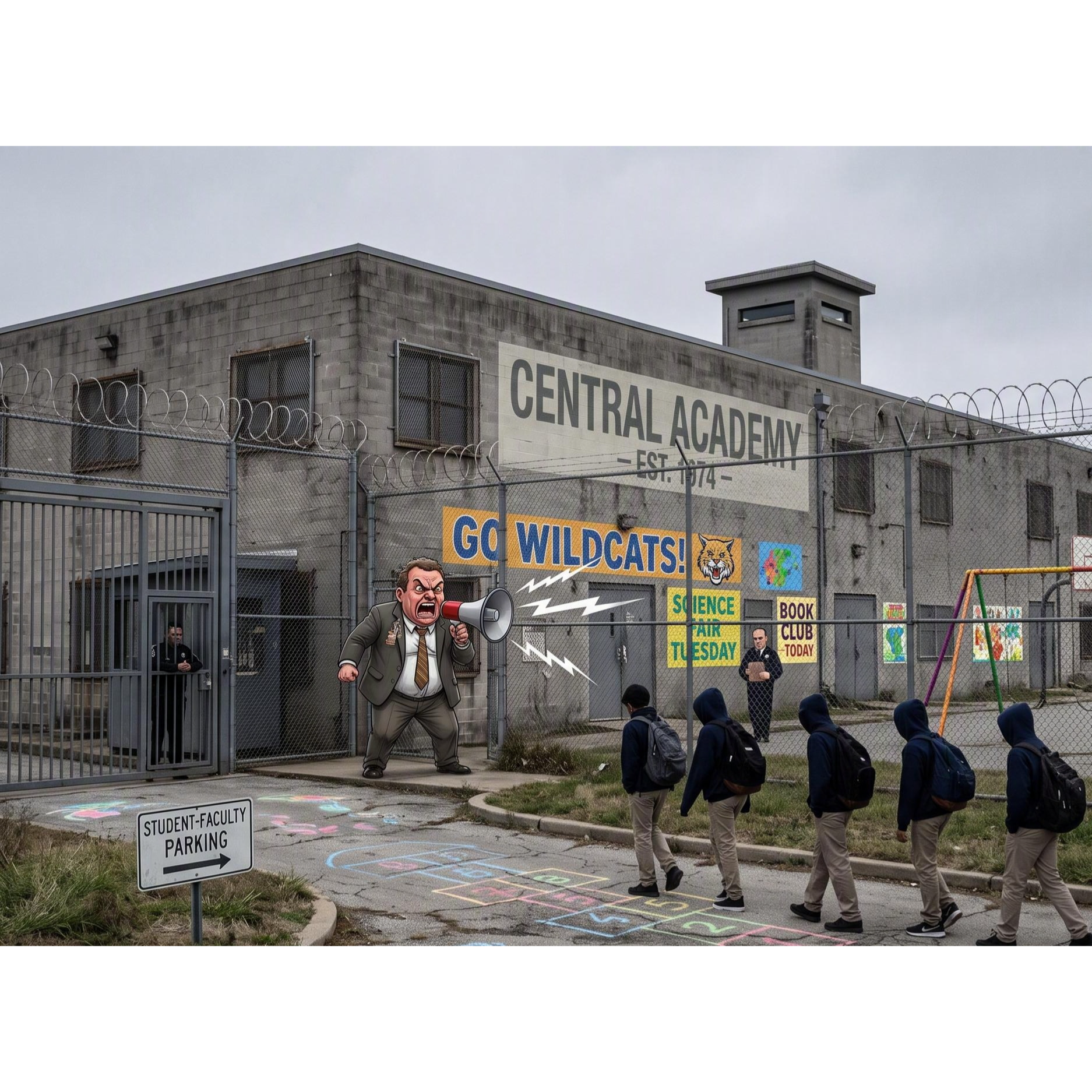
    Prison on Training Wheels: From The School House to The Jailhouse

    Got something to say to this podcast? Send a voicemail, and you might hear yourself on the next episode! The term "prison on training wheels" poignantly captures the troubling reality that many young people face in the educational system today. As we observe the daily struggles within our schools, it becomes imperative to ask ourselves: what are we really doing to support our children’s growth and development? Are we equipping them with the tools they need to thrive, or are we inadvertently setting them on a path that leads to a dead end—a journey from the schoolhouse to the jailhouse? The statistics surrounding youth incarceration are alarming. Many young minds are being funneled into a system that often feels more punitive than educational. Disciplinary policies, zero-tolerance measures, and a lack of support can transform learning environments into breeding grounds for failure. Students who misbehave or struggle academically are often met with harsh consequences instead of compassion and understanding. This begs the question: why are we just standing by and watching as our children’s lives are derailed? It’s essential to recognize that the roots of this issue lie in systemic failings. Underfunded schools, overcrowded classrooms, and inadequate mental health support contribute to a cycle of despair. Teachers, though dedicated and passionate, are often overwhelmed and unable to provide the attention that each child deserves. As a society, we must confront these uncomfortable truths and advocate for change because our children's futures hang in the balance. Each child is a reflection of hope and potential. Instead of preparing them for lives of confinement and restriction, we should focus on fostering resilience, creativity, and critical thinking skills. We need to invest in restorative practices that heal and educate rather than punish. By creating inclusive, supportive environments, we can help our students flourish and break the cycle that too many find themselves trapped in. As we stand at this crossroads, it is crucial to engage in conversations about reform and to look beyond punitive measures. Let's envision a future where our schools are not mere pathways to jail but gateways to brighter futures. A future where every child is given the chance to succeed, to learn from their mistakes, and to grow into the adults we hope they can be. It’s time to act—to demand change and nurture our youth so that they’re not just surviving but thriving. Lives destroyed?

    • Transcript
  • S1 · E6
    July 22 · 17 min

    Calamity and The Tower of Babel

    Got something to say to this podcast? Send a voicemail, and you might hear yourself on the next episode! When are we going to wake up? God always has a way through calamity to wake us up, and even then we still stay asleep. When are we going to awaken to the reality around us genuinely? It often feels like life delivers us challenging moments—calamities, crises, or upheavals—as a means for God to shake us from our complacency. These moments serve as profound wake-up calls that urge us to reassess our priorities, to reflect deeply on our lives, and to consider the bigger picture. However, even in light of such trials, many of us still choose to remain in a state of slumber, clinging to our routines and comfort zones. We may acknowledge the storms we face, but we don’t always take the necessary steps to learn and grow from them. We can easily become desensitized, turning a blind eye to the lessons crying out for our attention. How long will we allow ourselves to remain asleep, ignoring the sacred moments that are meant to ignite a spark within us? It’s time to open our eyes, embrace the discomfort of change, and actively seek the understanding and growth that these experiences can provide. Only then can we transform our struggles into stepping stones for a more purposeful and awakened life.

    • Transcript
  • S1 · E5
    July 15 · 28 min

    What Happened to Big Moma

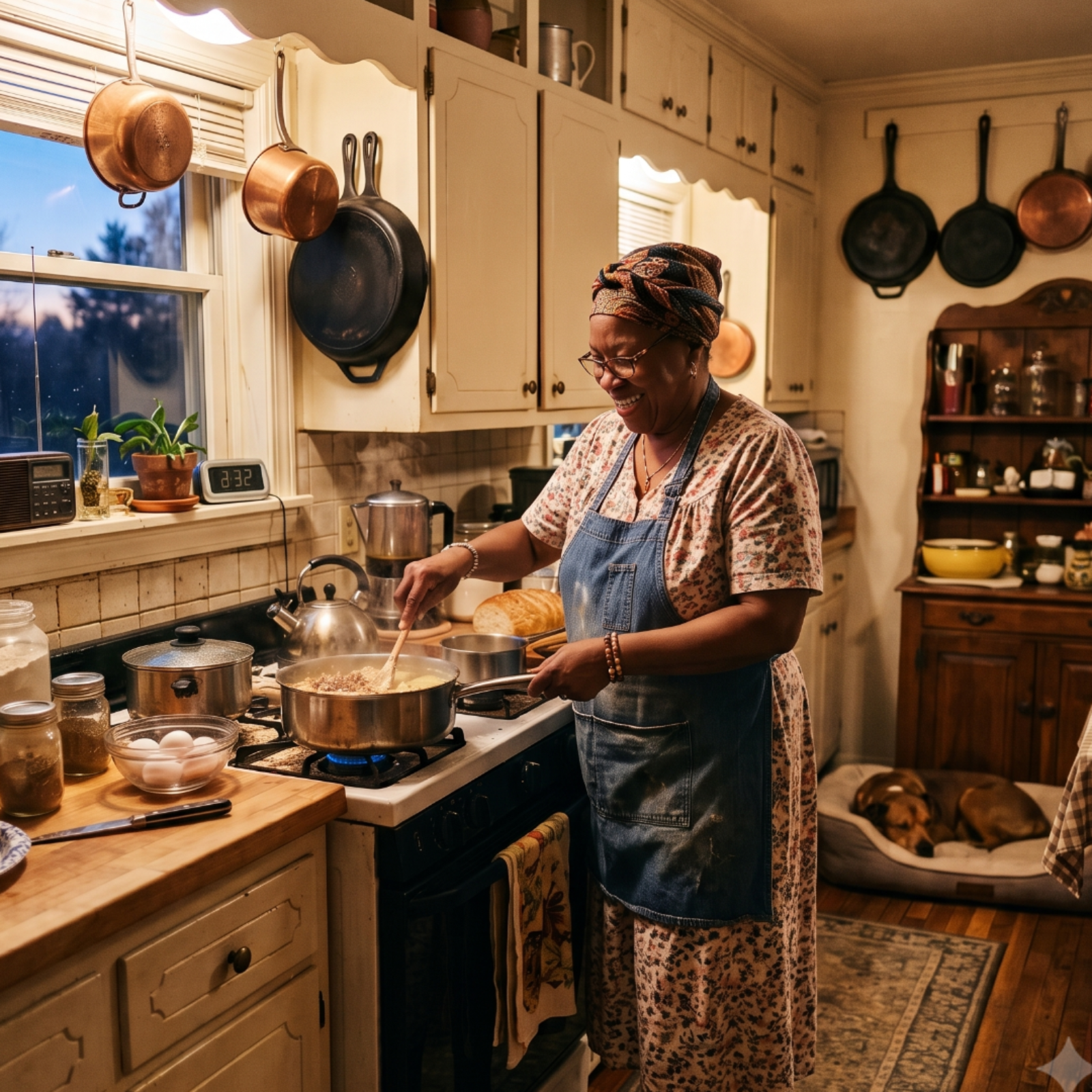
    Got something to say to this podcast? Send a voicemail, and you might hear yourself on the next episode! Whatever happened to that remarkable woman who consistently had everyone’s back? She was a guiding light in our lives, always ready to correct us when we strayed off course and to offer her unwavering support when we felt alone or uncared for. With her strong spirit and nurturing heart, she took on the affectionate title of "Big Moma." Big Moma was more than just a mentor; she embodied tough love. She had a unique way of addressing our mistakes, using firm yet compassionate guidance that often stemmed from her deep understanding of the Bible. She shared her teachings with us, not simply as words to be followed, but as a roadmap for living a fulfilling life. Her ability to blend life lessons with scripture encouraged us to reflect on our actions and strive for personal growth. In moments of difficulty or uncertainty, Big Moma was always there, extending her love and support, ensuring we knew we were not alone. She possessed an innate ability to make us feel valued and understood, providing a safe space to express our fears and challenges. Her presence was comforting, a reminder that there was someone in our corner, ready to help us through our toughest times. Now, as we reminisce about her impact on our lives, we can't help but wonder what became of her. The lessons she imparted and the love she shared have left an indelible mark on our hearts. Big Moma may have moved on, but her legacy of tough love and unwavering support continues to inspire us to be better individuals every day.

    • Transcript
  • S1 · E4
    July 8 · 24 min

    Pulpit Pimps

    Got something to say to this podcast? Send a voicemail, and you might hear yourself on the next episode! This episode delves deeply into the concept of "wolves in sheep's clothing," with a specific focus on a troubling phenomenon often referred to as pulpit pimps. These individuals, who arise within religious contexts, exploit the sacred trust placed in them by their congregations for their own personal gain. The discussion sheds light on how these leaders manipulate the tenets of faith, twisting scripture and spiritual rhetoric to serve their agendas. Pulpit pimps typically present themselves as charismatic figures, embodying a façade of spirituality and compassion. However, their true motives often revolve around financial gain, power, and control. They may promote lavish lifestyles, demand exorbitant donations, and manipulate the vulnerable emotions of their followers, instilling guilt or fear to extract more resources. This form of spiritual exploitation not only damages individuals but can also erode entire communities' trust in genuine spiritual leaders. As the episode investigates these dynamics, it emphasizes the harmful consequences of such manipulation. Victims of pulpit pimps often find themselves spiritually and financially drained, leading to a crisis of faith and a loss of community. The discussion aims to empower listeners to recognize the signs of exploitation and to seek out true, compassionate guidance that uplifts rather than preys on the faithful. By raising awareness of this issue, the hope is to foster a deeper understanding of spiritual integrity and the importance of accountability within religious communities.

    • Transcript
  • S1 · E3
    July 1 · 19 min

    Forever Friends

    Got something to say to this podcast? Send a voicemail, and you might hear yourself on the next episode! My best friend, with whom I grew up in Grand Rapids, MI. Talking about life and how, through the ages, we maintained our friendship. Growing up in Grand Rapids, Michigan, with my best friend has been one of the greatest adventures of my life! I’ll never forget the day we met when we were just six years old—two little kids filled with laughter and dreams. From that moment on, we were inseparable, turning ordinary days into epic adventures. Our friendship has always been a rock for me. I’ll always remember the time when I was hit by a car. It was such a scary experience, and I felt lost and uncertain about everything. But my friend stood by me like a true champion. He wouldn’t let me give up. With his encouragement, I slowly learned to take those first steps again, and before I knew it, I was running once more—right alongside him! His unwavering support and goofy jokes made all the difference, lifting my spirits when I needed it the most. As we grew up, life took us in different directions, but our bond only got stronger. We’ve shared so many wonderful moments—laughing till our sides hurt, lifting each other during tough times, and dreaming big about the future. It’s those memories that remind me how special our friendship is. I feel so lucky to have such a fantastic friend. No matter where life takes us, I know we’ll always have each other’s backs. It’s rare to find someone who is not just a friend but a true partner in crime through thick and thin. Here’s to the countless memories we’ve made and the many more to come!

    • Transcript
  • S1 · E2
    June 24 · 9 min

    The Living Word

    Got something to say to this podcast? Send a voicemail, and you might hear yourself on the next episode! “The Living Word: Finding Joy in the Pages” is an uplifting episode about rediscovering scripture as more than a rulebook or historical text. The host encourages listeners to see the Bible as a living source of comfort, identity, guidance, and joy. Rather than approaching scripture as a duty or performance, the episode invites listeners to engage with it relationally—as a daily reminder of God’s presence and care. The episode emphasizes that scripture can become a sanctuary, a mirror, and an anchor for the soul, especially in a chaotic world. It offers three practical ways to bring scripture into everyday life: focus on one verse at a time, speak truth into anxious or difficult moments, and read for relationship rather than perfection. The central message is that scripture does not remove life’s storms, but it helps us recognize that God walks with us through them. The episode closes by encouraging listeners to hold onto God’s promises, find joy in the Word, and remember they are loved, guided, and never alone. Pastor James

    • Transcript
Showing 1–20 of 21 episodes