Skip to content
Artwork for The Car Nerd with Jason Hassett
LeisureAutomotive

The Car Nerd with Jason Hassett

Hassett Studios

Welcome to The Car Nerd by Jason Hassett, your go-to destination for all things automotive excellence. From legendary classic cars and cutting-edge engineering innovations to the thrilling world of racing, F1, and electric vehicles, this channel dives into the heart of the past, present, and future of the automotive world.

Originally launched in 2020 as "The Grand Prick" and later "Wheel Sports," this channel has evolved alongside my passion for all things racing and automotive. While Formula 1 remains close to my heart, The Car Nerd now expands to cover stories of automotive

Play
  • 43 episodes
  • a few times a week
  • Avg 27 min
  • English
Counted on this page — what you have heard stays on this device, so it is not something the list can be paged by.
  • Yesterday · 21 min

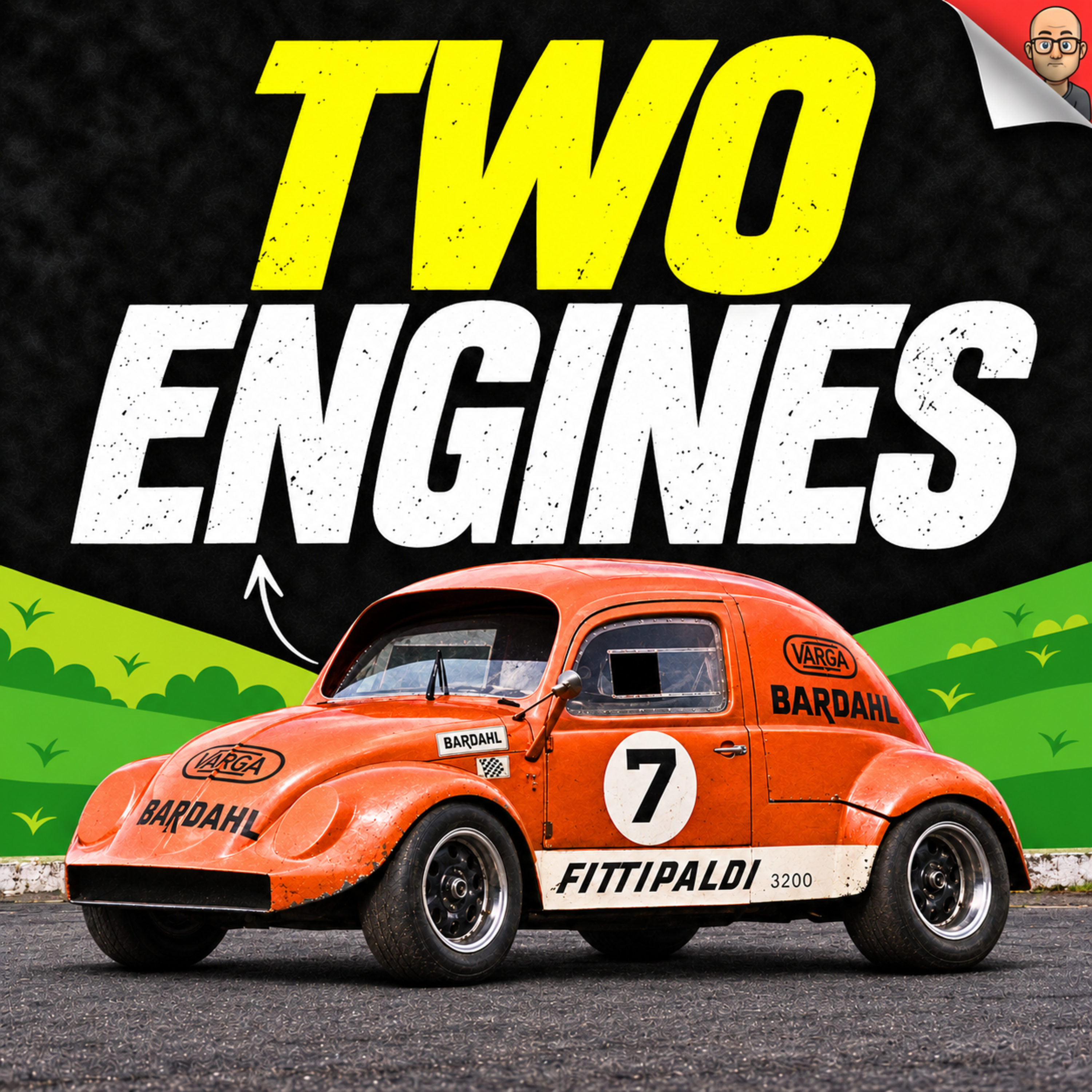
    Fittipaldi's Two Engined Beetle that HUMILIATED a GT40

    In 1969, the Fittipaldi brothers wanted to take on an Alfa Romeo prototype, a Lola T70 and a Ford GT40.What they had was a Volkswagen Beetle.So their team fitted two engines.One sat where the back seat used to be. The other stayed behind the rear axle. Between them was a rubber coupling borrowed from a Brazilian-built Alfa Romeo saloon.Both drove through a gearbox taken from a Porsche 550 Spyder.It was still recognisable as a Beetle. But underneath its thin fibreglass body was a racing experiment built to challenge cars that should have been in another league.So how did a small Brazilian workshop turn the people’s car into a twin-engined prototype, and what happened when the machinery finally caught up with the ambition?━━━━━━━━━━━━━━━━━━━━━━━━━📚 ORDER MY NEW BOOK "History Written by Losers" — out now!The true story of global power has been whitewashed by the victors and the fixers. This book tells the side of history they tried to bury.👉 https://www.amazon.com/dp/B0GP9TKPBH━━━━━━━━━━━━━━━━━━━━━━━━━🏁 IN THIS EPISODEWe tell the story of the Fittipaldi 3200, the twin-engined Volkswagen Beetle built to take on imported sports-racing machinery in Brazil.We begin with the Fusca, Brazil’s Beetle, and the import restrictions that helped turn local racing into an exercise in making extraordinary things from ordinary parts.Then we meet Emerson and Wilson Fittipaldi, designer Ricardo Divila and the workshop team that decided one Volkswagen engine wasn’t enough.We examine how they joined two flat-fours together, staggered their firing pulses, rebuilt the chassis and suspension, and squeezed the result beneath a lightweight fibreglass shell.The Porsche gearbox was part of the solution. It would also become part of the problem.We follow the car through testing at Interlagos and into the Thousand Kilometres of Guanabara, where its pace challenged expectations before mechanical failure ended its race.Then we trace its brief second life, its disappearance, and the careers that carried the people behind it into Formula One.From Emerson’s world championships to Wilson’s Brazilian team and Divila’s FD01, the Beetle belonged to a much bigger story about what this small workshop believed it could build.Finally, we return to the phone call from Volkswagen, and the engineers who came to see how they had done it.━━━━━━━━━━━━━━━━━━━━━━━━━🔗 LINKS & SUPPORT📚 The book:https://www.amazon.com/dp/B0GP9TKPBH📺 Documentary channel:https://youtube.com/@thatjasonhassett🔔 Subscribe for weekly post-mortems on the cars, companies and engineering decisions that shaped modern motoring.━━━━━━━━━━━━━━━━━━━━━━━━━#Fittipaldi #VolkswagenBeetle #EmersonFittipaldi #WilsonFittipaldi #Volkswagen #Fusca #Porsche #CarHistory #TheCarNerd
  • Sunday · 25 min

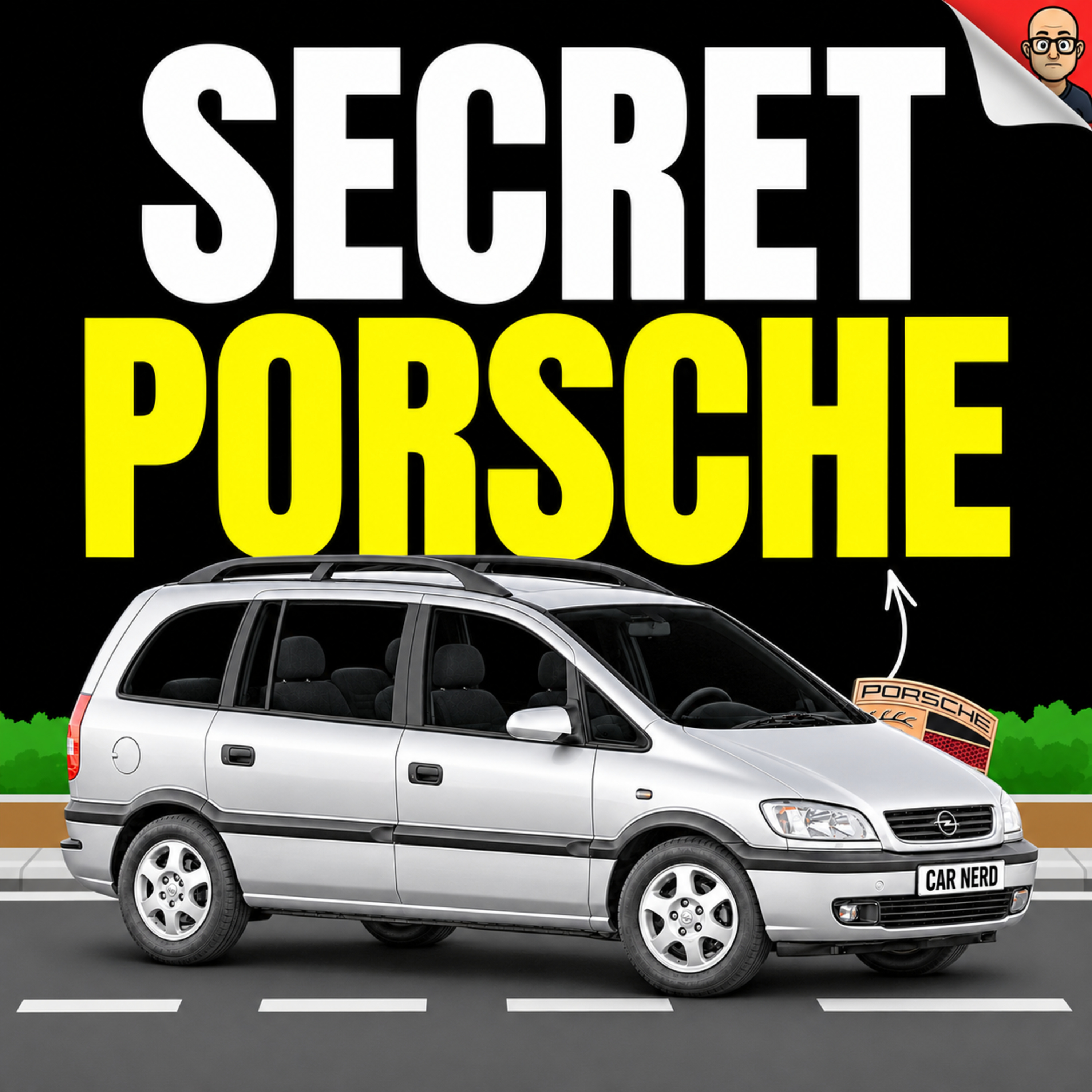
    Opel Zafira: Porsche Engineered Your Mum’s Car

    In 1999, Opel launched a seven-seat family car with a trick most of its rivals couldn’t match.The rear seats disappeared into the floor. Seven seats became two in around fifteen seconds. Nothing had to be lifted out and left in the garage.It was called the Zafira. And much of the engineering had been done by Porsche.While one team at Weissach worked on the Boxster and another built the 911 GT1 for Le Mans, Porsche engineers were also figuring out how to fit seven people into an Astra-based people carrier.There wasn’t a Porsche badge anywhere on it.So how did one of Europe’s most ordinary family cars end up being developed by a sports-car company fighting for its survival?━━━━━━━━━━━━━━━━━━━━━━━━━📚 ORDER MY NEW BOOK "History Written by Losers" — out now!The true story of global power has been whitewashed by the victors and the fixers. This book tells the side of history they tried to bury.👉 https://www.amazon.com/dp/B0GP9TKPBH━━━━━━━━━━━━━━━━━━━━━━━━━🏁 IN THIS EPISODEWe tell the story of the first-generation Opel Zafira, sold in Britain as the Vauxhall Zafira, and the engineering partnership hidden beneath its familiar bodywork.We trace Porsche’s origins as a design consultancy, the financial crisis that sent it looking for outside work, and the contract Opel awarded to Weissach in 1994.Opel supplied the styling, engines and idea behind the Flex7 seating system. Porsche took on the body structure, interior mechanisms, chassis integration, electrical systems and much of the work needed to turn that idea into a production car.We examine the challenge of folding two seats into an Astra-sized floor, the commercial success that followed, and the crash-test result that showed the Zafira still had shortcomings.Then we follow its stranger lives: the turbocharged OPC and Vauxhall GSi, developed by Opel rather than Porsche; the front-wheel-drive Subaru Traviq; and GM’s hydrogen-powered prototypes.Finally, we return to Bochum, the former coal-mining site where the Zafira was built, the workers who stopped production in 2004, and the factory’s final car ten years later.It was a Zafira.━━━━━━━━━━━━━━━━━━━━━━━━━🔗 LINKS & SUPPORT📚 The book:https://www.amazon.com/dp/B0GP9TKPBH📺 Documentary channel:https://youtube.com/@thatjasonhassett🔔 Subscribe for weekly post-mortems on the cars, companies and engineering decisions that shaped modern motoring.━━━━━━━━━━━━━━━━━━━━━━━━━#OpelZafira #VauxhallZafira #Porsche #Opel #Vauxhall #PorscheEngineering #CarHistory #TheCarNerd
  • November 12 · 21 min

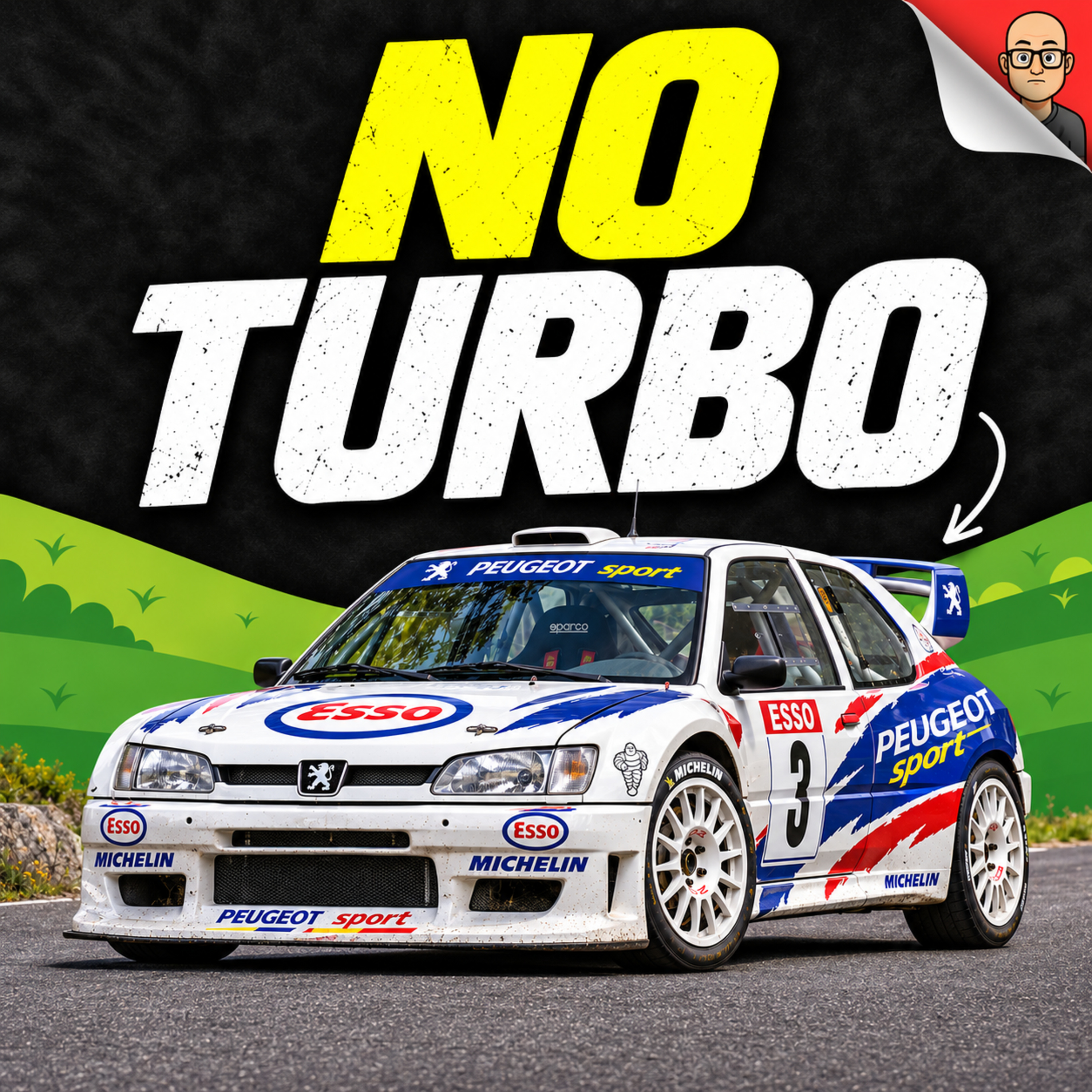
    Peugeot 306 Maxi: The Hatchback That Nearly Beat Colin McRae

    In 1998, Colin McRae won the Tour de Corse in a turbocharged, four-wheel-drive Subaru Impreza. Twenty-seven seconds behind him was a Peugeot 306. It had no turbocharger. Only its front wheels were driven. And its engine screamed towards 9,000 rpm. On paper, it belonged in rallying’s cheaper category. But the Peugeot 306 Maxi weighed 270 kilos less than a World Rally Car. On dry tarmac, that made an ordinary-looking French hatchback a serious problem for some of the greatest drivers in the world. So how did Peugeot turn a family hatchback into a car that could fight Colin McRae? ━━━━━━━━━━━━━━━━━━━━━━━━━ 🏁 IN THIS EPISODE We tell the extraordinary story of the Peugeot 306 Maxi, the front-wheel-drive rally car that took on turbocharged, four-wheel-drive opposition with a screaming two-litre engine and less than a tonne of weight. We trace Peugeot’s departure from the World Rally Championship after Group B, its victories at Dakar and Le Mans, and the Kit Car regulations that offered an unexpected route back. We examine the engineering behind the Maxi, from its heavily developed naturally aspirated engine to its widened bodywork, low weight and seven-speed sequential gearbox. We follow Gilles and Hervé Panizzi, François Delecour, and the battles that brought Peugeot consecutive French rally titles before it challenged the world’s best in Catalunya and Corsica. Then we revisit the rallies where the little Peugeot led outright, the rain and mistakes that cost it victory, and the 1998 Tour de Corse, where Delecour finished just 27.2 seconds behind McRae. We also explore the Citroën Xsara Kit Car’s eventual WRC victories, Peugeot’s move to the 206 WRC, and the privateers who kept the 306 Maxi competitive long after the factory programme ended. Finally, we follow Sébastien Loeb as he returns to modern competition in a twenty-year-old Peugeot, chasing another unlikely result. The 306 Maxi never won a round of the World Rally Championship. But it made the cars that did work very hard. #Peugeot306Maxi #Peugeot #ColinMcRae #Rally #WRC #MotorsportHistory #TheCarNerdThe Hatchback That Nearly Beat Colin McRae

  • November 8 · 27 min

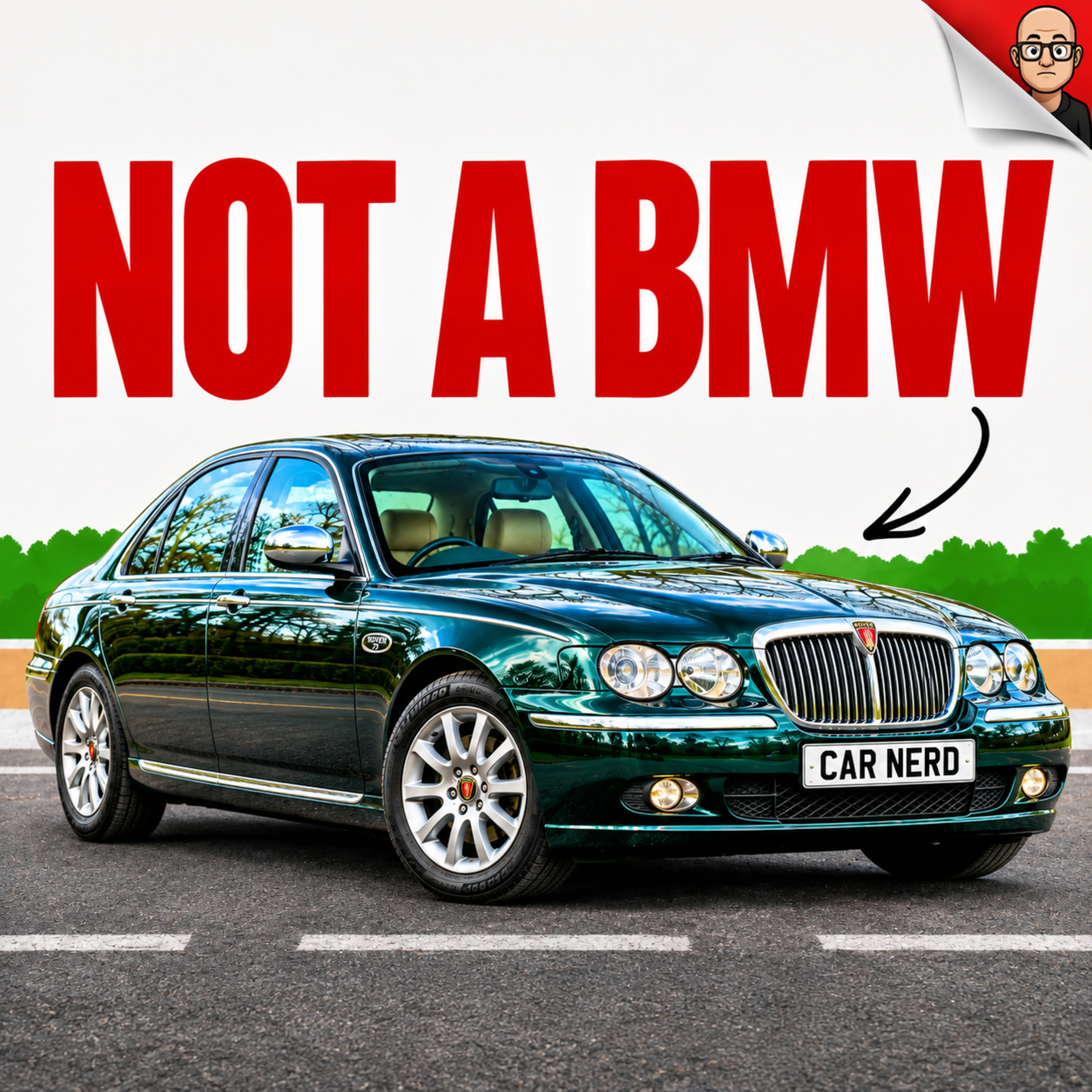
    Rover 75: The Last Great Rover

    In October 1998, Rover unveiled the car that was supposed to announce its comeback. It had been developed under BMW ownership, with a new focus on quality, refinement and the way it drove. Then BMW’s own chairman helped undermine it. Comments made at the Rover 75’s launch raised doubts about the company’s future. A parliamentary investigation would later describe those remarks as highly damaging to an already fragile brand. By March 2000, BMW had decided to break up the Rover Group. The 75 would survive another five years in Britain, but the company it was supposed to help rebuild would not. How did Rover finally build a genuinely good car and still end up here? ━━━━━━━━━━━━━━━━━━━━━━━━━ 🏁 IN THIS EPISODE We tell the story of the Rover 75, the executive car caught between an ambitious German takeover and the final collapse of its British manufacturer. We trace BMW’s purchase of Rover in 1994, the investment that followed, and the expectations placed on a new model arriving after years of declining confidence in the badge. We examine the 75’s development under BMW, its distinctive styling and improved quality, and the challenge of finding its place alongside the German company’s own executive cars. Then we revisit the 1998 launch, the damaging public comments, and a business whose problems extended far beyond the car itself. Rover’s UK market share had fallen from 13 per cent in 1994 to under 7 per cent in 1999, while mounting losses and an unfavourable exchange rate put increasing pressure on BMW. We follow the decision to sell Rover, the transfer of 75 production from Cowley to Longbridge, and the end of British production in 2005. We also look at the car’s unexpected afterlife, as versions of its design continued in China under the MG and Roewe names. The Rover 75 was supposed to help secure the company’s future. Instead, it became one of the last cars to wear the Rover badge. #Rover75 #Rover #MGRover #BMW #Longbridge #BritishCars #CarHistory #TheCarNerd

  • November 5 · 20 min

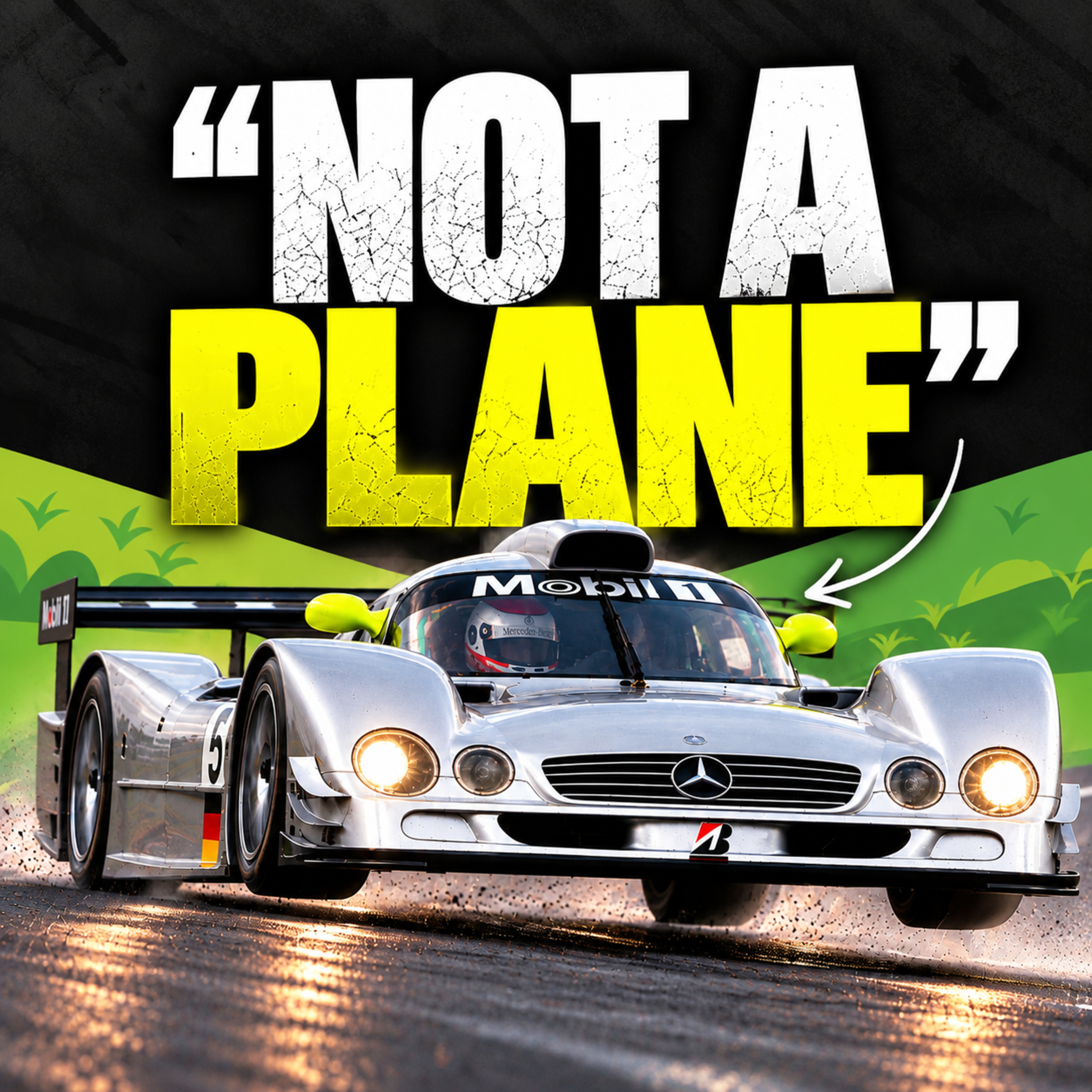
    Mercedes CLR: The Mercedes that FLEW Out of Le Mans

    In 1999, a Mercedes racing car took off at nearly 200 mph, cleared the barriers at Le Mans, and landed in a forest. It was the third time in three days that a Mercedes CLR had left the ground. Mark Webber had already survived two backflips. His car had been withdrawn, the remaining cars had been fitted with extra front winglets, and the drivers had been told to avoid following other cars too closely. Mercedes went racing anyway. Then Peter Dumbreck’s CLR took off in front of a worldwide television audience. Mercedes had completed nearly 35,000 kilometres of testing before arriving at Le Mans. So how had it built a car that could do this? ━━━━━━━━━━━━━━━━━━━━━━━━━ 🏁 IN THIS EPISODE We tell the extraordinary story of the Mercedes-Benz CLR, the low-slung Le Mans prototype whose racing career ended after one terrifying weekend. We trace Mercedes’ journey from the tragedy of 1955 through its victorious return with Sauber, its domination of GT racing, and the unfinished business that brought it back to Le Mans in 1999. We examine the engineering behind the CLR, from its naturally aspirated V8 and carbon fibre chassis to the short wheelbase, enormous overhangs, and pursuit of straight-line speed that left it dangerously sensitive to changes in pitch. We follow Mark Webber’s two airborne accidents, the warning signs Mercedes dismissed, and the phone call to McLaren technical director Adrian Newey before the team committed its remaining cars to the race. Then we revisit Peter Dumbreck’s flight into the trees, his remarkable escape, and the French police officers who decided the next thing he needed was a breathalyser. We also explore the aftermath, the changes to the regulations and circuit, and what became of the drivers who survived. One CLR finished its weekend undamaged, parked in the garage with more than nineteen hours still to race. The only CLR that never flew. #MercedesCLR #MercedesBenz #LeMans #MarkWebber #PeterDumbreck #MotorsportHistory #TheCarNerd

  • November 1 · 20 min

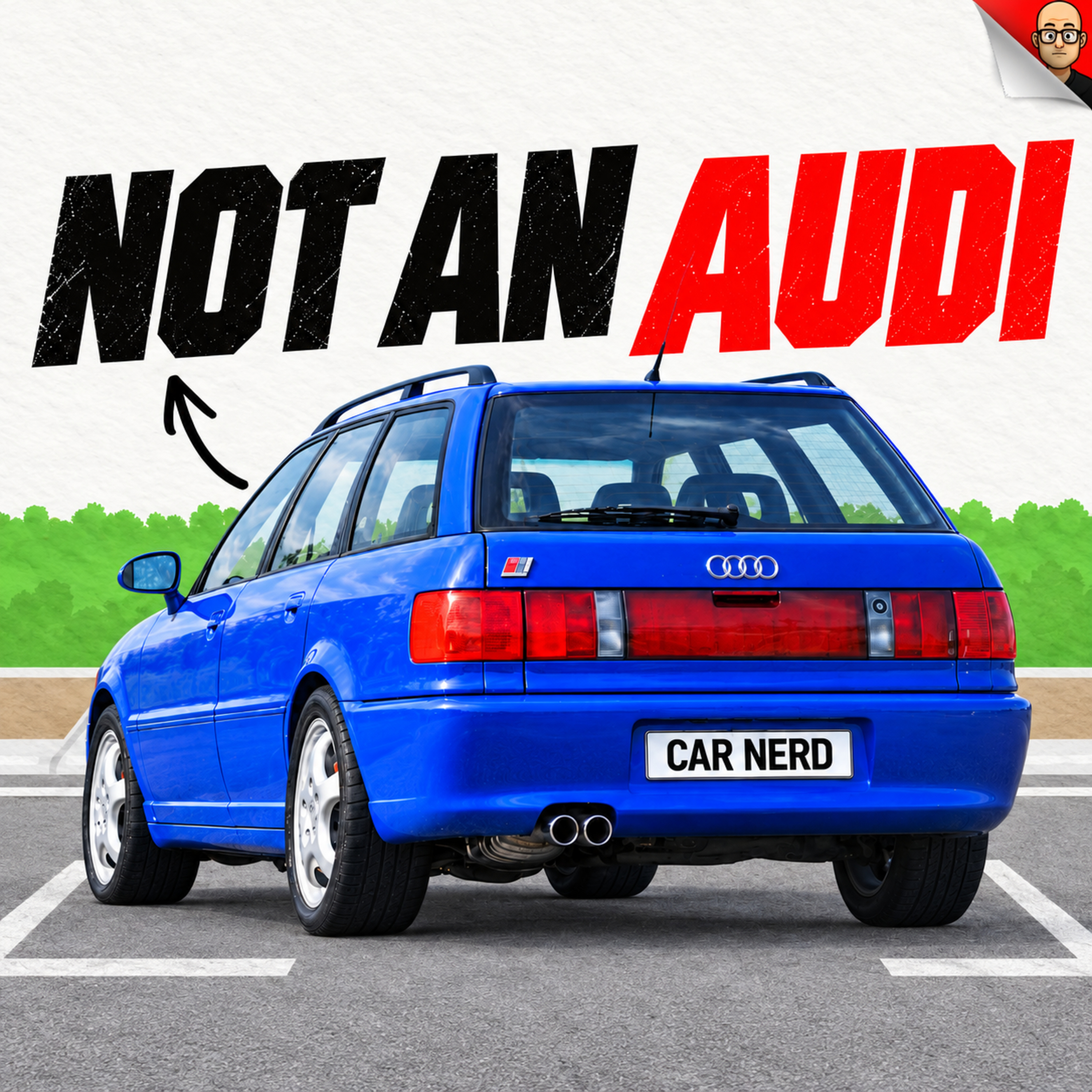
    Audi Avant RS2: The Station Wagon that HUMILIATED the McLaren F1

    In 1994, a family estate car accelerated from 0 to 30 mph faster than a McLaren F1. It had 315 horsepower, permanent four-wheel drive, and a Porsche badge on the back. It was the Audi RS2 Avant. And it almost never existed. In the early 1990s, Porsche was fighting for survival. Sales had collapsed, its sports cars were ageing, and the company desperately needed outside manufacturing contracts. Meanwhile, Audi was trying to establish itself alongside BMW and Mercedes-Benz as a serious performance brand. The solution was a partnership between two German manufacturers. But when Audi asked Porsche to develop a high-performance coupé, Porsche refused. It would have been too much competition for its own 968. So instead, they built an estate car. ━━━━━━━━━━━━━━━━━━━━━━━━━ 🏁 IN THIS EPISODE We tell the remarkable story of the Audi RS2 Avant, the Porsche-engineered super-estate that changed Audi's performance cars forever. We explore Porsche's financial crisis, Ferdinand Piëch's ambitions for Audi, and the unusual negotiations that turned a proposed sports coupé into one of the most extraordinary estate cars ever built. We head inside Porsche's Zuffenhausen factory, where the RS2 was assembled alongside the Mercedes-Benz 500E, and examine how Porsche transformed Audi's humble 80 Avant with a heavily reworked turbocharged five-cylinder engine, upgraded suspension, Brembo brakes, and unmistakable Porsche styling. We also revisit the extraordinary 1994 Autocar road test, when the RS2's launch performance embarrassed the mighty McLaren F1, and examine the car's flaws, its rarity, and the legacy it left behind. Just 2,891 examples were produced. But without the RS2, there might never have been an RS4, RS6, or the entire Audi RS performance dynasty. This is the story of how Porsche refused to build Audi a sports car, and accidentally created something far more important. #AudiRS2 #Audi #Porsche #RS2Avant #AudiRS #CarHistory #TheCarNerd
  • October 29 · 22 min

    Mitsubishi Pajero Evolution: The SUV That DOMINATED Dakar

    In 1998, Mitsubishi entered the Dakar Rally with a 260-horsepower V6.But in Japan, you could walk into a Mitsubishi dealership and buy a Pajero with the same engine making 280 horsepower.The road car was more powerful than the racing car.And the racing car only existed because Mitsubishi had built the road car first.This was the Mitsubishi Pajero Evolution. A 280-horsepower, four-wheel-drive homologation special with independent suspension, enormous wheel arches, and a very specific purpose: winning the toughest rally in the world.━━━━━━━━━━━━━━━━━━━━━━━━━📚 ORDER MY NEW BOOK "History Written by Losers" — out now!The true story of global power has been whitewashed by the victors and the fixers. This book tells the side of history they tried to bury.👉 https://www.amazon.com/dp/B0GP9TKPBH━━━━━━━━━━━━━━━━━━━━━━━━━🏁 IN THIS EPISODEWe tell the extraordinary story of the Mitsubishi Pajero Evolution, one of the strangest homologation specials ever built, and the car that helped turn Mitsubishi into the dominant force at the Dakar Rally.We begin with Mitsubishi's first Dakar attempts in the 1980s, the rise of Japanese rallying legend Kenjiro Shinozuka, and the brutal rivalry with Peugeot and Citroën that forced Mitsubishi to rethink its approach.Then came a regulation change that presented Mitsubishi with an unusual problem. Its racing Pajero needed independent rear suspension, but the rules required it to retain the layout of the production car.So Mitsubishi changed the production car.The result was the V55W Pajero Evolution, a limited-production Japanese SUV with a 3.5-litre MIVEC V6, Torsen differentials, Recaro seats and engineering designed specifically for the Sahara.We follow Jean-Pierre Fontenay's dominant victory in the 1998 Dakar, Jutta Kleinschmidt's historic rise, and the extraordinary run of success that eventually gave Mitsubishi twelve Dakar victories.It's the story of a manufacturer so determined to win a race that it built an entirely new road car just to make its racing car legal.And of how one of the most successful off-road racing machines in history began life as a family SUV.#Mitsubishi #PajeroEvolution #DakarRally #TheCarNerd #Motorsport #Homologation

  • October 25 · 18 min

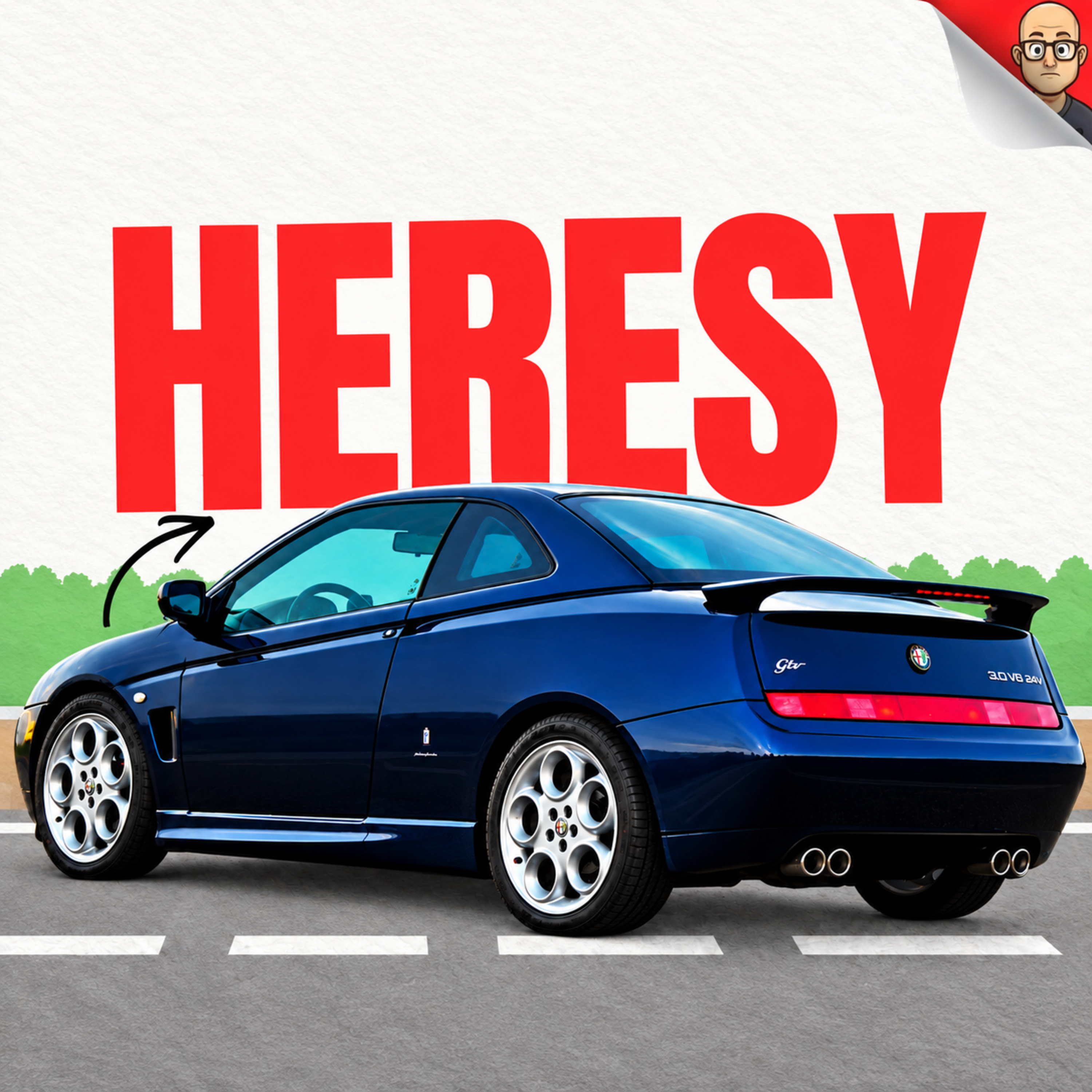
    Alfa Romeo GTV (916): The Most Controversial Alfa Romeo Ever Made

    For decades, Alfa Romeo had built its reputation on one simple formula.A beautiful sporting coupé.An engine at the front.And power going to the rear wheels.Then, in 1994, Alfa Romeo brought back one of its most famous names.The GTV.Except this time, it was front-wheel drive.Underneath its extraordinary Pininfarina bodywork was a Fiat-derived platform, a sideways-mounted engine and suspension components shared with ordinary family hatchbacks.To Alfa Romeo purists, it was a betrayal.But the Alfa Romeo GTV 916 would go on to become one of the most beloved cars the company ever built.And it had one extraordinary engine that made almost everything else forgivable.━━━━━━━━━━━━━━━━━━━━━━━━━📚 ORDER MY NEW BOOK "History Written by Losers" — out now!The true story of global power has been whitewashed by the victors and the fixers. This book tells the side of history they tried to bury.👉 https://www.amazon.com/dp/B0GP9TKPBH━━━━━━━━━━━━━━━━━━━━━━━━━🏁 IN THIS EPISODEWe trace the remarkable story of the Alfa Romeo GTV 916 — from Fiat's takeover of a struggling Italian manufacturer to the creation of a front-wheel-drive sports car that broke almost every rule Alfa Romeo had once lived by.For decades, Alfa Romeo's sporting identity had been built around rear-wheel drive.The Giulia coupés of the 1960s.The glorious GTV6 of the 1980s.Beautiful, temperamental machines that put driving pleasure ahead of almost everything else.But by 1986, Alfa Romeo was losing money, and the Italian government sold the company to Fiat.The old GTV6 was discontinued in 1987.And for the better part of seven years, Alfa Romeo had no sporting coupé at all.When its replacement finally arrived, it looked like nothing else on the road.Designed by Enrico Fumia at Pininfarina, the new GTV had four distinctive round headlights, a dramatic slash running down its flanks, a composite clamshell bonnet and a sharply cut-off rear end.Inside, future Volkswagen Group design chief Walter de Silva created a driver-focused dashboard that wrapped around the person behind the wheel.It was one of the most striking Italian designs of the 1990s.But underneath, things were rather less exotic.The GTV shared its basic architecture with the Alfa Romeo 155, with components borrowed from Fiat-derived family cars.Its engine was mounted transversely.And, most controversially of all, it drove the front wheels.For a company famous for beautifully balanced rear-wheel-drive coupés, this was practically heresy.But Alfa Romeo's engineers had a trick up their sleeves.Instead of fitting a cheap rear beam axle, they designed an elaborate multi-link rear suspension mounted on an aluminium subframe.Under cornering loads, the geometry allowed the rear wheels to steer slightly, helping the GTV turn into corners with a precision that surprised the motoring press.The car still suffered from torque steer, an enormous turning circle and rear seats that were almost completely useless.But it handled far better than anyone expected.And then there was the engine.The legendary Busso V6.While most GTVs were sold with four-cylinder Twin Spark engines, the six-cylinder cars gave the coupé its extraordinary personality.There was an unusual turbocharged 2.0-litre V6, a naturally aspirated 3.0-litre producing around 220 horsepower, and eventually a magnificent 3.2-litre version making 240 horsepower.And in the GTV, it turned an already beautiful Italian coupé into something genuinely special.━━━━━━━━━━━━━━━━━━━━━━━━━🔗 LINKS & SUPPORT📚 The book:https://www.amazon.com/dp/B0GP9TKPBH📺 Documentary channel:https://youtube.com/@thatjasonhassett🔔 Subscribe for weekly post-mortems on the cars, companies and engineering decisions that shaped modern motoring.━━━━━━━━━━━━━━━━━━━━━━━━━#AlfaRomeo #AlfaRomeoGTV #GTV916 #BussoV6 #Pininfarina #ItalianCars #ClassicCars #CarHistory #AutomotiveHistory #TheCarNerd

  • October 22 · 20 min

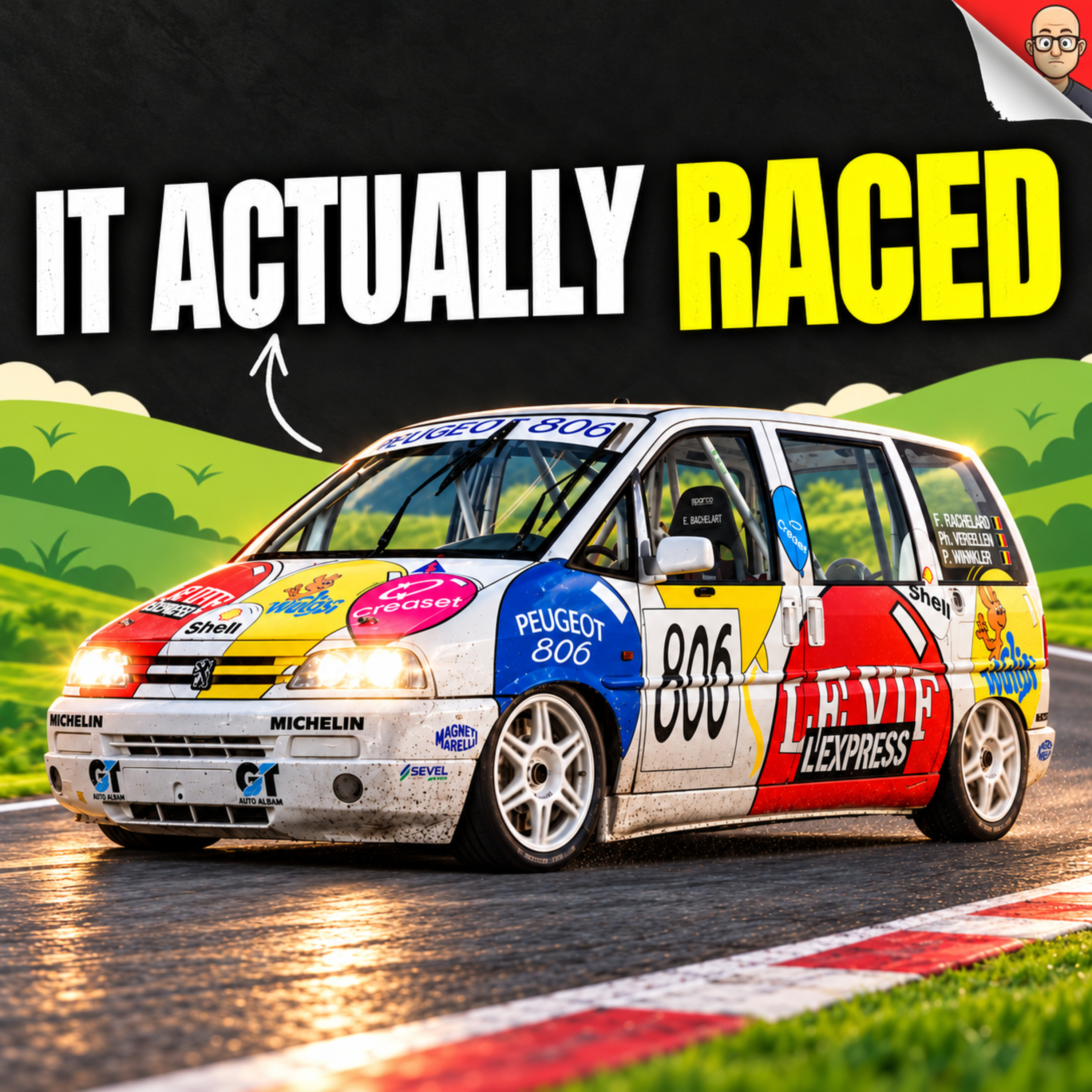
    Peugeot 806 Procar: The Most Ridiculous Race Car Ever Built

    In 1995, Peugeot entered one of the most ridiculous racing cars ever built into the Spa 24 Hours. A family people carrier. With sliding doors. The Peugeot 806 was designed to carry children, luggage and shopping. But a small Belgian racing team decided to turn it into a genuine touring car. They stripped out the interior, installed a racing engine producing around 280 horsepower, and sent it to Spa-Francorchamps to compete against factory-backed BMWs, Audis and Opels. It qualified twelfth out of forty-six cars. And when it started lifting its wheels off the ground through the corners, the spectators couldn't believe what they were watching. This is the extraordinary story of the Peugeot 806 Procar. ━━━━━━━━━━━━━━━━━━━━━━━━━ 📚 ORDER MY NEW BOOK "History Written by Losers" — out now! The true story of global power has been whitewashed by the victors and the fixers. This book tells the side of history they tried to bury. 👉 https://www.amazon.com/dp/B0GP9TKPBH ━━━━━━━━━━━━━━━━━━━━━━━━━ 🏁 IN THIS EPISODE We tell the remarkable story of the Peugeot 806 Procar — the unlikely racing people carrier that took on some of Europe's finest touring cars at the 1995 Spa 24 Hours. In the mid-1990s, European manufacturers were fighting for a share of the growing people carrier market. Renault had already made headlines with its extraordinary Espace F1, a concept car featuring an 800-horsepower Formula One V10. But Peugeot Belgium had a different idea. Rather than build another outrageous show car, it would actually race one. The man behind the project was Pascal Witmeur, a Belgian racing driver, advertising executive and organiser of the country's Procar touring car championship. He convinced Peugeot to enter its new 806 people carrier in the Spa 24 Hours. And somehow, the regulations allowed it. With barely two months before the race, Belgian specialists Kronos Racing received a brand-new 806 bodyshell from the Sevel Nord factory. They removed almost everything inside, installed an enormous roll cage and assembled a competition engine using components from Peugeot's existing racing programmes. The result was a naturally aspirated two-litre, sixteen-valve engine producing approximately 280 horsepower. The front suspension came from the Peugeot 405 Mi16 touring car, while the rear suspension required extensive modification. The finished machine weighed around 1,100 kilograms, nearly 400 kilograms less than the road car. But it still looked unmistakably like a Peugeot 806. It even retained its sliding doors. When the car arrived at Spa in July 1995, it faced a formidable grid including BMW, Audi, Opel and Honda, with three-time Formula One world champion Nelson Piquet among the drivers. Nobody expected the family van to be competitive. Yet it qualified twelfth out of forty-six entries, third in its class. And during the race, it became a sensation. Through Spa's demanding corners, the tall body rolled so dramatically that its inside wheels frequently left the ground. Sometimes it appeared to be running on just two wheels. Spectators applauded every time it climbed through Raidillon. Unfortunately, the Peugeot's mechanical components weren't quite as enthusiastic. Brake problems, oil pump trouble, failing wheel bearings and a broken engine mount all interrupted its race. Before the tenth hour, the engine finally gave up. The 806 retired without finishing. But its impact was far greater than its result. ━━━━━━━━━━━━━━━━━━━━━━━━━ 🔗 LINKS & SUPPORT 📚 The book: https://www.amazon.com/dp/B0GP9TKPBH 📺 Documentary channel: https://youtube.com/@thatjasonhassett 🔔 Subscribe for weekly post-mortems on the cars, companies and engineering decisions that shaped modern motoring. ━━━━━━━━━━━━━━━━━━━━━━━━━ #Peugeot #Peugeot806 #Peugeot806Procar #Spa24Hours #KronosRacing #TouringCars #MotorsportHistory #RacingHistory #CarHistory #TheCarNerd

  • October 16 · 31 min

    The New Tesla Roadster: Why It REALLY Took 9 Years to Build

    Nine years.That's how long Tesla customers have been waiting for the new Roadster.In November 2017, Elon Musk unveiled a $200,000 electric supercar that promised to reach 60 mph in 1.9 seconds, exceed 250 mph, and travel 620 miles on a single charge.It was supposed to arrive in 2020.Then 2021. Then 2022. Then 2023.And somewhere along the way, it acquired rocket thrusters, SpaceX engineers, a carbon-fibre chassis, and a promise that it might actually fly.Now, after nine years, Tesla has finally revealed what became of the Roadster.But the real question isn't simply why it took so long.It's whether Tesla couldn't build the car it promised — or whether Elon Musk kept changing what that car was supposed to be.━━━━━━━━━━━━━━━━━━━━━━━━━📚 ORDER MY NEW BOOK "History Written by Losers" — out now!The true story of global power has been whitewashed by the victors and the fixers. This book tells the side of history they tried to bury.👉 https://www.amazon.com/dp/B0GP9TKPBH━━━━━━━━━━━━━━━━━━━━━━━━━🏁 IN THIS EPISODEWe trace the extraordinary nine-year story of the Tesla Roadster — from its surprise unveiling in the back of a Tesla Semi trailer in 2017 to its transformation into one of the most ambitious and repeatedly delayed cars ever announced.The original Roadster was supposed to change everything.Three electric motors.A 200 kWh battery.620 miles of range.0–60 mph in 1.9 seconds.And performance that would embarrass million-dollar hypercars for a fraction of the price.Tesla even accepted $50,000 reservations, with Founders Series customers paying $250,000 up front.But while customers waited, Tesla had other priorities.The Model 3 was struggling through production hell.The Model Y needed launching.Gigafactories were being built around the world.And the Cybertruck was on the way.Elon Musk described the Roadster as dessert — something Tesla would get around to after the important work was finished.Then, in June 2021, something extraordinary happened.Tesla released the Model S Plaid.It had three motors, five seats, and could reach 60 mph in approximately two seconds.It delivered almost exactly the acceleration Tesla had promised for the Roadster four years earlier.And it cost $70,000 less.So why was the Roadster still nowhere to be seen?Behind the scenes, Tesla was reportedly debating an entirely different kind of car.One team wanted to adapt the Model S Plaid platform.Another wanted a lightweight carbon-fibre hypercar, closer to something from McLaren, Pagani or Koenigsegg.Musk chose carbon.The design evolved. The engineering changed. The deadlines slipped.And then came the SpaceX package.Instead of simply using electric motors, Musk wanted compressed-gas thrusters capable of improving acceleration, braking and cornering.He suggested the car might hover.Or even fly.By 2024, Tesla was promising 0–60 mph in under one second, while SpaceX engineers were reportedly working directly on the Roadster's propulsion system.So what really happened?Was the Roadster an engineering challenge Tesla couldn't solve?Was it deliberately pushed aside while more profitable vehicles took priority?Or did Elon Musk repeatedly move the goalposts until the car Tesla had originally promised no longer existed?Because the strangest part of the Roadster story might be that Tesla actually built much of what it promised back in 2017.It just called it the Model S Plaid.━━━━━━━━━━━━━━━━━━━━━━━━━🔗 LINKS & SUPPORT📚 The book:https://www.amazon.com/dp/B0GP9TKPBH📺 Documentary channel:https://youtube.com/@thatjasonhassett🔔 Subscribe for weekly post-mortems on the cars, companies and engineering decisions that shaped modern motoring.━━━━━━━━━━━━━━━━━━━━━━━━━#Tesla #TeslaRoadster #ElonMusk #SpaceX #ModelSPlaid #ElectricCars #TeslaNews #TeslaRoadster2026 #Hypercar #CarHistory #AutomotiveHistory #TheCarNerd

  • October 8 · 20 min

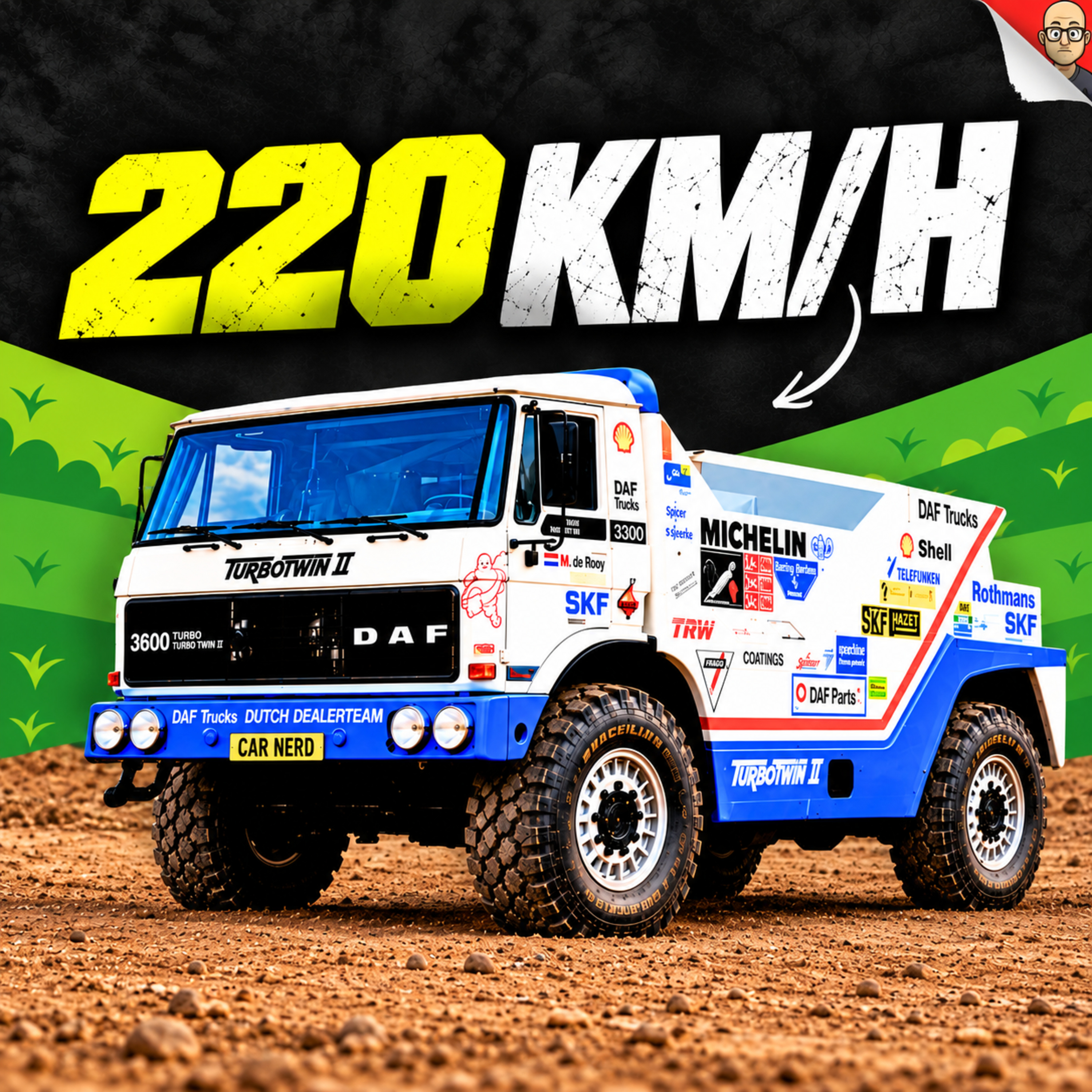
    DAF TurboTwin: The Truck That HUMILIATED Peugeot

    In January 1988, a television helicopter over the Sahara caught something that should not have been possible. Ari Vatanen was flat out in a works Peugeot 405 Turbo 16. Then an eleven-tonne truck appeared beside him. It drew level at more than 200 kilometres an hour. And then it pulled away. The truck was the DAF TurboTwin X1. It had two 11.6-litre diesel engines. Six turbochargers. Around 1,200 horsepower. And it had been built by a Dutch haulier who had decided that simply winning the truck class of the Paris–Dakar wasn't ambitious enough. He wanted to beat the cars. ━━━━━━━━━━━━━━━━━━━━━━━━━ 📚 ORDER MY NEW BOOK "History Written by Losers" — out now! The true story of global power has been whitewashed by the victors and the fixers. This book tells the side of history they tried to bury. 👉 https://www.amazon.com/dp/B0GP9TKPBH ━━━━━━━━━━━━━━━━━━━━━━━━━ 🏁 IN THIS EPISODE We trace the extraordinary story of Jan de Rooy and the DAF TurboTwin — from a trucking-company owner racing tiny DAF coupés on weekends to building one of the fastest rally trucks ever created. When de Rooy first entered the Paris–Dakar in 1982, his DAF NTT 2800 made around 330 horsepower, drove only its rear wheels and got stuck constantly. He finished anyway. But de Rooy wasn't interested in simply surviving the Dakar. He wanted a truck that could run with the cars. The problem was weight. A heavy truck needed enormous momentum to climb soft dunes, but extracting enough power from a single production diesel risked destroying it in the Saharan heat. So de Rooy came up with a wonderfully simple solution. Use two engines. The first experiment was the bizarre 1984 "Two-Headed Monster", with two DAF cabs mounted back to back and an engine underneath each one. One engine drove the front axle. The other drove the rear. By 1986, DAF had thrown away the production chassis entirely and created the first proper TurboTwin. Then came the TurboTwin II. Two twin-turbo diesel engines. Nearly 1,000 horsepower. An aluminium chassis. And in 1987, Jan de Rooy won the Dakar truck category by more than fourteen hours. He finished eleventh overall. Every vehicle ahead of him was a car. So for 1988, DAF went even further. The new 95 TurboTwin X1 used two 11.6-litre inline-six engines, each fitted with three turbochargers and producing around 600 horsepower. Together they made roughly 1,200 horsepower and around 4,700 Nm of torque. Each engine had its own gearbox. Each drove its own axle. A single gear lever shifted both transmissions together. And the only thing really connecting the front drivetrain to the rear was the Sahara underneath it. On rough, open desert, the TurboTwin was frighteningly fast. Period figures put 0–100 km/h at around 8.5 seconds. Top speed was reportedly limited to 220 km/h. DAF hadn't built it merely to win the truck category. It wanted to win the entire Paris–Dakar. Then came the moment that made the TurboTwin legendary. A television helicopter filmed Ari Vatanen's Peugeot 405 Turbo 16 racing across the desert. The DAF appeared beside him. For several seconds, the works rally car and an eleven-tonne truck ran side by side at more than 200 km/h. Then de Rooy pulled ahead. The X1 now sits in the DAF Museum in Eindhoven. And modern Dakar trucks are speed-limited to around 135 km/h. In 1988, there was no such limit. Which is how, for one extraordinary moment in the Sahara, an eleven-tonne DAF truck pulled alongside one of the world's best rally drivers at more than 200 kilometres an hour... and simply drove past him. ━━━━━━━━━━━━━━━━━━━━━━━━━ 🔗 LINKS & SUPPORT 📚 The book: https://www.amazon.com/dp/B0GP9TKPBH 📺 Documentary channel: https://youtube.com/@thatjasonhassett 🔔 Subscribe for weekly post-mortems on the cars, companies and engineering decisions that shaped modern motoring. ━━━━━━━━━━━━━━━━━━━━━━━━━ #DAF #DAFTurboTwin #ParisDakar #DakarRally #JanDeRooy #AriVatanen #RallyRaid #Motorsport #TruckRacing #CarHistory #AutomotiveHistory #TheCarNerd

  • October 4 · 22 min

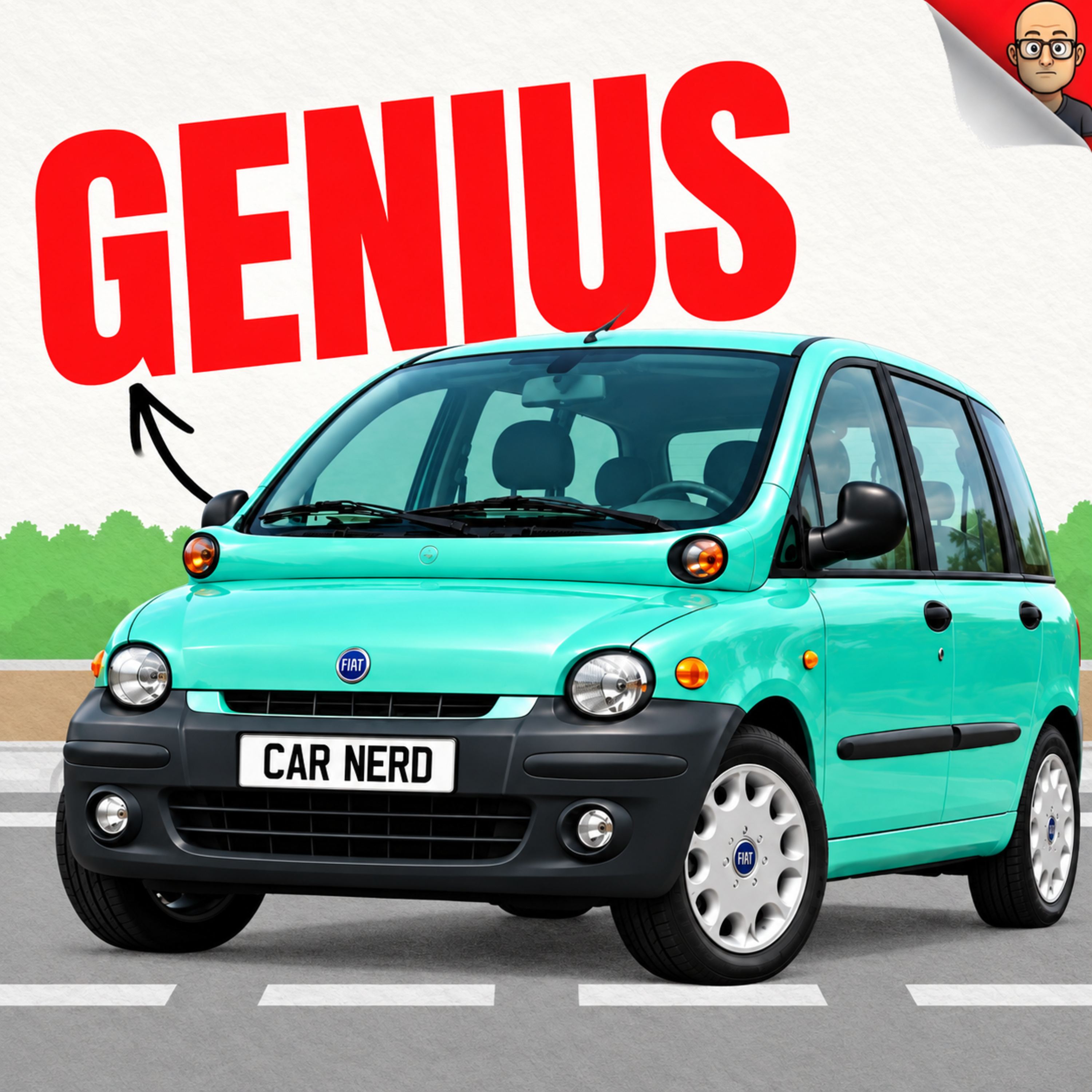
    Fiat Multipla: The Ugliest Car Ever Made Was a Masterpiece

    In 1999, the Museum of Modern Art put a Fiat Multipla on display beside the General Motors EV1 and the Toyota Prius.Top Gear named it Car of the Year.They also called it one of the ugliest cars on the road.Because underneath the face that made the Multipla a punchline was one of the cleverest family cars ever designed.Fiat had been given an almost impossible brief:Six adults.Their luggage.And a car less than four metres long.The solution was unlike almost anything else on the road.━━━━━━━━━━━━━━━━━━━━━━━━━📚 ORDER MY NEW BOOK "History Written by Losers" — out now!The true story of global power has been whitewashed by the victors and the fixers. This book tells the side of history they tried to bury.👉 https://www.amazon.com/dp/B0GP9TKPBH━━━━━━━━━━━━━━━━━━━━━━━━━🏁 IN THIS EPISODEWe trace the story of the Fiat Multipla, from a bizarre design brief in the mid-1990s to one of the strangest and most ingenious production cars ever sold.Fiat wanted six proper seats and usable luggage space inside a car less than four metres long.Instead of using three rows like its rivals, designer Roberto Giolito turned the problem sideways.Three seats across the front.Three across the back.The result was a car shorter than the hatchback it was based on, but wide enough to carry six adults and still offer 430 litres of luggage space.Then Fiat had to engineer a car around it.The Multipla received its own unusual steel spaceframe, a completely flat floor and a double-decker structure that hid the exhaust, fuel system and even compressed-natural-gas tanks underneath the cabin.Its strange glasshouse was inspired by the canopy of an Agusta A109 helicopter.Its front lights were spread across three separate levels.Its centre front seat could fold into a table.And removing the rear seats turned 430 litres of luggage room into around 1,900 litres of flat cargo space.There were even factory-built methane versions.The Multipla Bipower could switch between petrol and natural gas while driving.The even stranger Blupower abandoned petrol completely, becoming one of the earliest production cars designed to run exclusively on natural gas.And critics loved it.MoMA displayed it as an example of the future of automotive design.Top Gear named it Car of the Year.Top Gear Magazine named it Family Car of the Year four years in a row.But there was one problem.People hated looking at it.Outside Italy, buyers walked into showrooms, saw the strange double-layered face and went somewhere else.So in 2004 Fiat did something extraordinary.It erased the part of the Multipla that had made it famous.The strange windscreen ledge disappeared.The three-level lighting arrangement vanished.And the facelifted Multipla became a much more conventional-looking car.It still didn't sell.Honda then copied much of the Multipla's six-seat concept for the FR-V.That didn't sell either.Fiat finally stopped production in 2010 after building 343,841 Multiplas — far below what it had originally hoped to sell.But somehow, that still wasn't the end of the story.The Multipla production line went to China.Its unusual flat floor became the basis for early battery-swapping electric taxis.━━━━━━━━━━━━━━━━━━━━━━━━━🔗 LINKS & SUPPORT📚 The book:https://www.amazon.com/dp/B0GP9TKPBH📺 Documentary channel:https://youtube.com/@thatjasonhassett🔔 Subscribe for weekly post-mortems on the cars, companies and engineering decisions that shaped modern motoring.━━━━━━━━━━━━━━━━━━━━━━━━━#Fiat #FiatMultipla #Multipla #CarDesign #CarHistory #AutomotiveHistory #ItalianCars #WeirdCars #Engineering #TheCarNerd

  • October 1 · 23 min

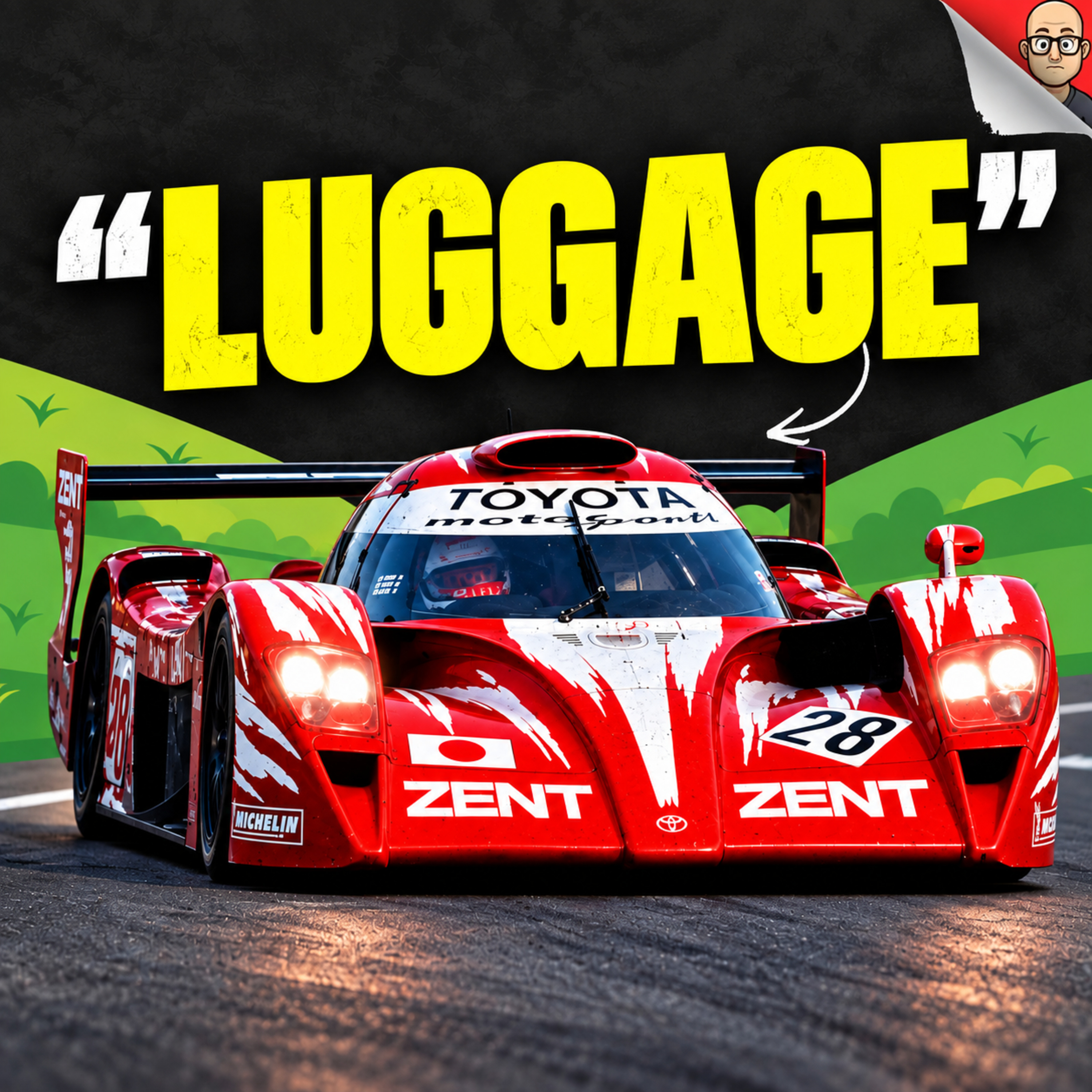
    Toyota GT-ONE: The Boldest Con in Racing History

    In 1998, Toyota arrived at Le Mans with a car that barely pretended to be a road car.The rules said GT1 cars had to be homologated for the road.They also had to have luggage space.The Toyota GT-One had no boot.So Toyota pointed at the fuel tank.When the tank was empty, they argued, it technically counted as usable space.The officials accepted it.That loophole became one of the most outrageous examples of rulebook engineering in racing history.But the story of the GT-One is much bigger than the suitcase.━━━━━━━━━━━━━━━━━━━━━━━━━📚 ORDER MY NEW BOOK "History Written by Losers" — out now!The true story of global power has been whitewashed by the victors and the fixers. This book tells the side of history they tried to bury.👉 https://www.amazon.com/dp/B0GP9TKPBH━━━━━━━━━━━━━━━━━━━━━━━━━🏁 IN THIS EPISODEWe trace Toyota’s long attempt to win Le Mans, from its first appearance in 1985 to the heartbreak of 1994, and explain how the increasingly loose GT1 regulations created some of the wildest “production cars” motorsport has ever seen.We look at how Toyota Team Europe hired Peugeot 905 engineer André de Cortanze, built the GT-One as a race car first and figured out the road version afterwards, and created a carbon-tub prototype with Formula 1-style suspension, carbon brakes and a twin-turbo 3.6-litre V8 producing around 600 horsepower in race trim.Then we get into the famous loophole.Le Mans demanded luggage space. Toyota had nowhere to put it. So during inspection, it argued that the empty fuel tank itself satisfied the requirement.The ACO agreed.No suitcase ever went inside it.We also cover Toyota’s devastating 1998 race, where the GT-One repeatedly fought back from gearbox problems and eventually led Le Mans with just 85 minutes remaining — before the gearbox failed again and the car coasted to a stop.Then came 1999.GT1 had effectively collapsed, the GT-One was reclassified as a prototype, and Toyota returned with an even faster version capable of roughly 350 km/h on the Mulsanne Straight.One Toyota crashed after debris caused a puncture. Another was destroyed in an accident that left Thierry Boutsen with broken vertebrae and convinced him to retire.The final GT-One chased BMW all the way to the closing hour, setting the fastest lap of the race before a tyre failure ended Toyota’s last realistic chance of victory.The surviving car finished second.One lap behind the winner.The GT-One raced only once more before Toyota abandoned the programme and turned its Cologne operation toward Formula 1.Toyota would not finally win Le Mans until 2018 — on its twentieth attempt.━━━━━━━━━━━━━━━━━━━━━━━━━🔗 LINKS & SUPPORT📚 The book:https://www.amazon.com/dp/B0GP9TKPBH📺 Documentary channel:https://youtube.com/@thatjasonhassett🔔 Subscribe for weekly post-mortems on the cars, companies and engineering decisions that shaped modern motoring.━━━━━━━━━━━━━━━━━━━━━━━━━#Toyota #ToyotaGTOne #GTOne #LeMans #LeMans24 #GT1 #Motorsport #RacingHistory #CarHistory #ToyotaMotorsport #TheCarNerd

  • September 27 · 26 min

    Audi TT: The Greatest Volkswagen Golf Ever Built

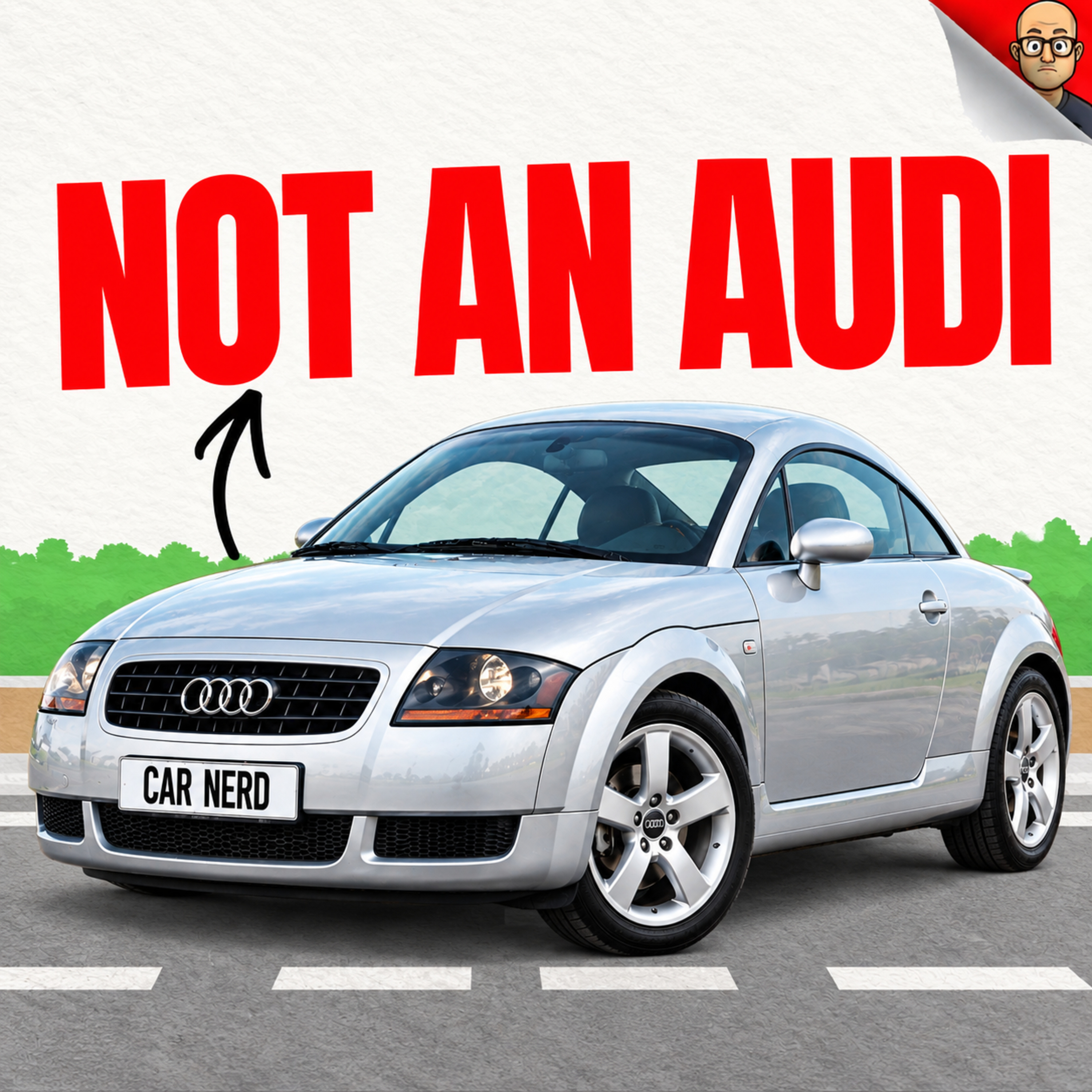
    In the mid-1990s, Audi took a sports car proposal to Porsche. Porsche passed. Audi built it anyway. Underneath, the new TT shared its basic architecture with the Volkswagen Golf Mk4. The firewall, pedal box, engine mounting points and much of the structure came from Volkswagen’s mass-market hatchback. But Audi wrapped it in one of the most distinctive designs of the 1990s, charged more than twice the price of a basic Golf, and created a car that looked unlike almost anything else on the road. Then people started dying. At 200 kilometres an hour, the original TT coupé generated 567 newtons of lift at the rear axle. Combine that with a sudden lift off the throttle, and the beautifully curved tail could become dangerously unstable. More than 50 accidents followed. Five people were killed. Audi was eventually forced to redesign the suspension, add the small rear spoiler that became synonymous with the Mk1 TT, and retrofit stability control to cars already on the road. But the story of the original TT is much bigger than the recall. ━━━━━━━━━━━━━━━━━━━━━━━━━ 📚 ORDER MY NEW BOOK "History Written by Losers" — out now! The true story of global power has been whitewashed by the victors and the fixers. This book tells the side of history they tried to bury. 👉 https://www.amazon.com/dp/B0GP9TKPBH ━━━━━━━━━━━━━━━━━━━━━━━━━ 🏁 IN THIS EPISODE We trace how Audi recovered from the collapse of its American business in the 1980s, how Ferdinand Piëch transformed the Volkswagen Group around shared platforms, and how a secret design project in a rented studio outside Ingolstadt became the original Audi TT. We uncover why Audi originally offered the project to Porsche, how Freeman Thomas created the TT’s almost production-ready shape, and how Volkswagen Golf architecture underneath allowed Audi to build a sports car at a fraction of the cost of starting from scratch. Then we break down what actually made the early TT unstable at high speed, including the 567 newtons of rear lift measured in wind-tunnel testing, the fatal crashes that followed, and Audi’s controversial response. We also look at the suspension changes, rear spoiler and stability-control retrofit that transformed the car, the Golf R32-sourced 3.2-litre VR6 and pioneering DSG gearbox, the secret 380-horsepower RS4-powered prototype, and the stripped-out TT quattro Sport. By the time production ended in 2006, roughly 270,000 Mk1 TTs had been built. And today, some of the most valuable examples are the earliest cars — the ones with no spoiler, no hole drilled in the hatch, and the exact aerodynamic specification Audi was forced to change. ━━━━━━━━━━━━━━━━━━━━━━━━━ 🔗 LINKS & SUPPORT 📚 The book: https://www.amazon.com/dp/B0GP9TKPBH 📺 Documentary channel: https://youtube.com/@thatjasonhassett 🔔 Subscribe for weekly post-mortems on the cars, companies and engineering decisions that shaped modern motoring. ━━━━━━━━━━━━━━━━━━━━━━━━━ #Audi #AudiTT #Mk1TT #VolkswagenGolf #Porsche #FerdinandPiech #CarHistory #GermanCars #SportsCars #AutomotiveHistory #TheCarNerd

  • September 24 · 23 min

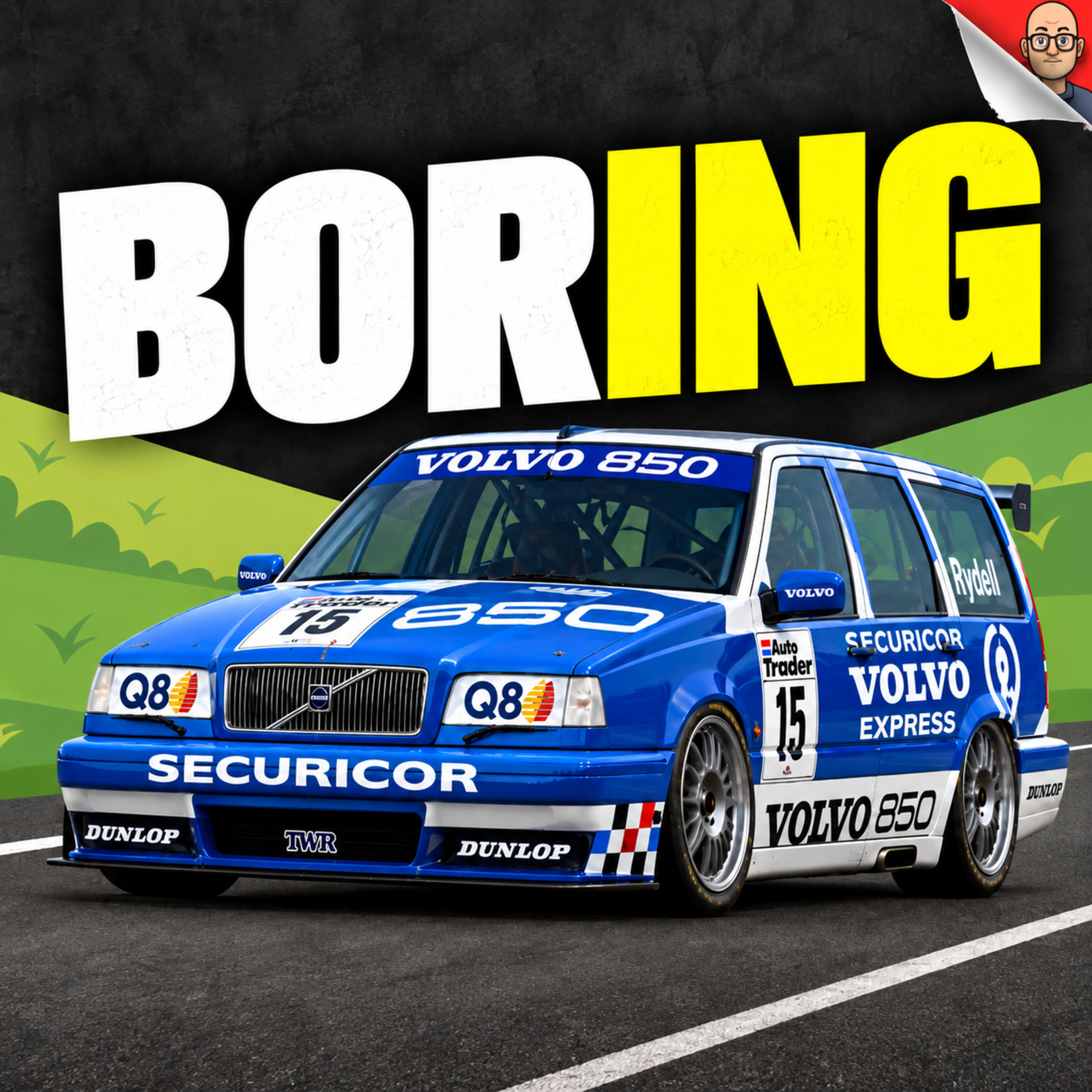
    Volvo 850 BTCC: Why Volvo Raced an Estate in the BTCC

    In late 1993, a Swedish race shop arrived at Volvo’s factory in Gothenburg to collect a bare 850 bodyshell. They wanted a saloon. The production line was building estates. So they took one. A few months later, Volvo announced that it would enter the British Touring Car Championship with an 850 estate — a car shaped more like a family holiday wagon than a touring car. Rivals laughed. Mechanics called it a baker’s van and a pizza delivery wagon. But the story of the Volvo 850 BTCC car was far more serious than the joke suggested. TWR stripped the car to the 975-kilogram minimum, rebuilt Volvo’s 2.4-litre five-cylinder engine into a screaming 2.0-litre naturally aspirated race motor, repositioned the engine deep inside the chassis, and completely reworked the suspension. The result was one of the strangest and most memorable touring cars ever built. ━━━━━━━━━━━━━━━━━━━━━━━━━ 📚 ORDER MY NEW BOOK "History Written by Losers" — out now! The true story of global power has been whitewashed by the victors and the fixers. This book tells the side of history they tried to bury. 👉 https://www.amazon.com/dp/B0GP9TKPBH ━━━━━━━━━━━━━━━━━━━━━━━━━ 🏁 IN THIS EPISODE We uncover why Volvo returned to touring car racing in the 1990s, how a production scheduling problem accidentally created the 850 estate race car, and why wind-tunnel testing suggested the wagon was not quite as ridiculous as it looked. Then we break down how Tom Walkinshaw Racing transformed Volvo’s five-cylinder engine for Super Touring regulations, why the car regularly lifted a rear wheel through corners, and what it was actually like to race against BMW, Alfa Romeo, Renault and the rest of the BTCC field in 1994. We also follow the aerodynamic rule change that killed the estate after just one season, Volvo’s switch to the much faster 850 saloon, Rickard Rydell’s eventual BTCC title, and how a race car that never even finished on the podium became one of the most famous Volvos ever built. ━━━━━━━━━━━━━━━━━━━━━━━━━ 🔗 LINKS & SUPPORT 📚 The book: https://www.amazon.com/dp/B0GP9TKPBH 📺 Documentary channel: https://youtube.com/@thatjasonhassett 🔔 Subscribe for weekly post-mortems on the cars, companies and engineering decisions that shaped modern motoring. ━━━━━━━━━━━━━━━━━━━━━━━━━ #Volvo #Volvo850 #BTCC #TouringCars #SuperTouring #RickardRydell #TomWalkinshawRacing #TWR #CarHistory #Motorsport #TheCarNerd

  • September 20 · 32 min

    Lada: The Soviet Car That Outsold Honda

    In October 1974, a convoy of Soviet cars arrived at a former RAF nuclear missile base in East Yorkshire.Twelve years earlier, three American-controlled Thor missiles had stood on that same site, armed with thermonuclear warheads and pointed at the Soviet Union.Now it was being used to prepare Ladas for British customers.And fourteen years later, Lada would outsell Honda in Britain.The story began with the Fiat 124 — but the Soviet version was far more than a simple copy. Engineers subjected the car to brutal testing, discovered that it could not survive Soviet roads, and made more than 800 changes before allowing it into production.The result was the VAZ-2101 — a cheap, brutally simple car that became one of the Soviet Union's most important exports, and one of Britain's strangest automotive success stories.━━━━━━━━━━━━━━━━━━━━━━━━━📚 ORDER MY NEW BOOK "History Written by Losers" — out now!The true story of global power has been whitewashed by the victors and the fixers. This book tells the side of history they tried to bury.👉 https://www.amazon.com/dp/B0GP9TKPBH━━━━━━━━━━━━━━━━━━━━━━━━━🏁 IN THIS EPISODEWe uncover how the Fiat 124 was rebuilt for Soviet roads, why imported Ladas had to be extensively reworked at a former nuclear missile base in Yorkshire, and how bargain pricing, a huge dealer network and cars like the Niva helped Lada sell more than 30,000 cars in Britain in 1988 — more than Honda.Then we follow Lada's collapse after the fall of the Soviet Union, the bizarre role of General Motors electronics and European emissions laws, and the final twist: unwanted British Ladas being shipped back east and sold into Russia, where export-spec cars were actually prized for their better equipment and rust protection.━━━━━━━━━━━━━━━━━━━━━━━━━🔗 LINKS & SUPPORT📚 The book: https://www.amazon.com/dp/B0GP9TKPBH📺 Documentary channel: https://youtube.com/@thatjasonhassett🔔 Subscribe for weekly post-mortems on the cars, companies and engineering decisions that shaped modern motoring.━━━━━━━━━━━━━━━━━━━━━━━━━#Lada #LadaRiva #VAZ2101 #SovietCars #CarHistory #ColdWar #AvtoVAZ #LadaNiva #Fiat124 #ClassicCars #TheCarNerd

  • September 17 · 31 min

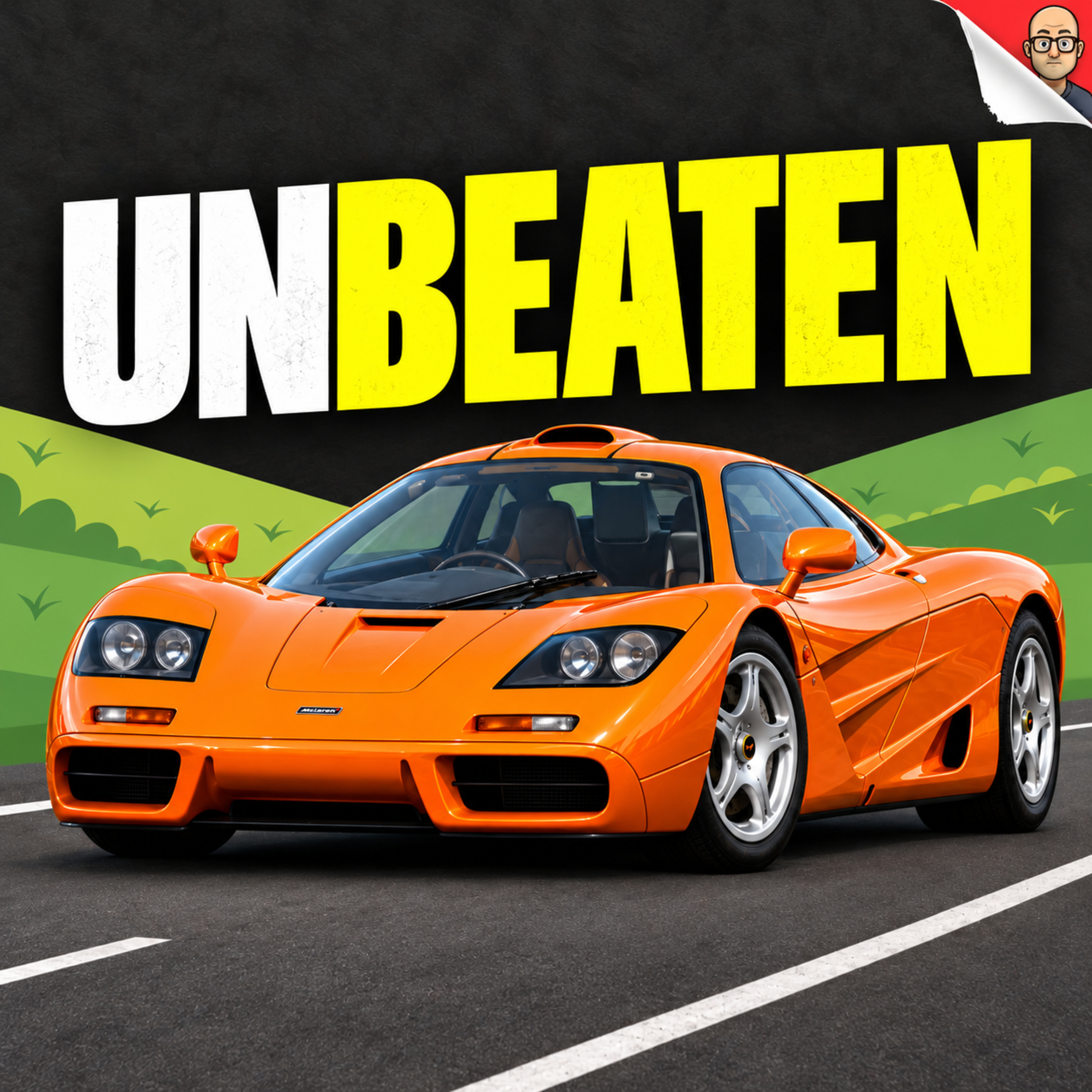
    McLaren F1: The Record Even Bugatti COULDN'T Beat

    In 1988, four men from McLaren were stuck in an airport after the Italian Grand Prix when a conversation began that would change road cars forever. McLaren dominated Formula One. Gordon Murray believed that knowledge could be used to build something completely different: not a racing car with number plates, but the greatest road car ever made. There was no top-speed target. No turbochargers. No traction control. No power steering. The driver would sit in the middle, the chassis would be made from carbon fibre, and almost every component would be designed around one obsession — removing weight. Then BMW built an engine that completely overshot the brief. The result was the McLaren F1: a car developed partly inside two British kit cars, benchmarked against a Honda NSX, powered by a 627-horsepower naturally aspirated V12, and eventually capable of 240.1 mph. And somehow, a road car Gordon Murray never wanted to race also went on to win Le Mans outright. This is the story of the McLaren F1 — and how a car designed without chasing records ended up setting some of the most extraordinary ones in automotive history. ━━━━━━━━━━━━━━━━━━━━━━━━━ 📚 ORDER MY NEW BOOK "History Written by Losers" — out now! The true story of global power has been whitewashed by the victors and the fixers. This book tells the side of history they tried to bury. 👉 https://www.amazon.com/dp/B0GP9TKPBH ━━━━━━━━━━━━━━━━━━━━━━━━━ 🏁 IN THIS EPISODE We uncover how the McLaren F1 began during a delayed flight home from the 1988 Italian Grand Prix, why Gordon Murray wrote the philosophy of the entire car down on four sheets of paper, and why he insisted on putting the driver directly in the centre. We look at how Murray benchmarked the Ferrari F40, Porsche 959, Bugatti EB110 and Lamborghini Countach — only to decide that the Honda NSX was the car McLaren should really learn from. We explore the F1's revolutionary carbon-fibre monocoque, the obsessive weight-saving that led to magnesium wheels, titanium components and even ultra-thin badges, and why McLaren lined the engine bay with genuine 24-carat gold. Then there is the engine. After Honda rejected Murray's request for a bespoke naturally aspirated V12, and McLaren passed on an experimental Isuzu Formula One engine, BMW Motorsport's Paul Rosche agreed to take on the project. Murray asked for at least 550 horsepower. BMW delivered 627. We also tell the strange story of Albert and Edward — two Ultima kit cars McLaren secretly used to develop the F1's gearbox, central driving position and BMW V12 before destroying both prototypes to keep the project hidden. Then came the race Gordon Murray never wanted to enter. McLaren customers effectively forced the company to build the F1 GTR, and in 1995 seven of them arrived at Le Mans. In torrential rain, JJ Lehto produced one of the great endurance-racing drives, and the McLaren F1 won the 24 Hours of Le Mans outright on its first attempt. Finally, we follow XP5 to Volkswagen's Ehra-Lessien test track in 1998, where Andy Wallace had the rev limiter raised to 8,300 rpm and pushed the F1 to a two-way average of 240.1 mph — a naturally aspirated production-car speed record that has never been beaten. Plus, the F1 LM, the ultra-rare Longtail, Rowan Atkinson's famously crashed and rebuilt example, the extraordinary maintenance required to keep one alive, and why Gordon Murray spent the next three decades trying to build a spiritual successor to the car that defined his career. ━━━━━━━━━━━━━━━━━━━━━━━━━ 🔗 LINKS & SUPPORT 📚 The book: https://www.amazon.com/dp/B0GP9TKPBH 📺 Documentary channel: https://youtube.com/@thatjasonhassett 🔔 Subscribe for weekly post-mortems on the cars, companies and engineering decisions that shaped modern motoring. ━━━━━━━━━━━━━━━━━━━━━━━━━ #McLarenF1 #McLaren #GordonMurray #BMWV12 #LeMans #CarHistory #Supercars #Hypercar #McLarenF1GTR #BMWMotorsport #TheCarNerd

  • September 13 · 29 min

    Jaguar X-Type: The Greatest Ford Mondeo Ever Built

    In 2001, Jaguar launched the car that was supposed to transform the company. Ford had spent billions rebuilding Jaguar, but the brand was still selling nowhere near enough cars. The answer was Project X400: a compact executive saloon designed to take Jaguar directly into the territory dominated by the BMW 3-Series, Mercedes C-Class and Audi A4. There was just one problem. Underneath, it was based on the same platform as the Ford Mondeo. The British press called it a Mondeo in a dinner jacket. Critics accused Jaguar of diluting one of the most prestigious names in motoring. And yet beneath the badge engineering jokes was a far stranger story — bespoke Jaguar engines, rear-biased all-wheel drive, one of the most dramatically improved factories in Europe, and a car that briefly gave Jaguar its best-ever year in America. This is the story of the Jaguar X-Type — arguably the greatest Ford Mondeo ever made. ━━━━━━━━━━━━━━━━━━━━━━━━━ 📚 ORDER MY NEW BOOK "History Written by Losers" — out now! The true story of global power has been whitewashed by the victors and the fixers. This book tells the side of history they tried to bury. 👉 https://www.amazon.com/dp/B0GP9TKPBH ━━━━━━━━━━━━━━━━━━━━━━━━━ 🏁 IN THIS EPISODE We uncover why Ford believed Jaguar needed to sell 200,000 cars a year, why the X-Type ended up using the next Ford Mondeo's platform instead of a bespoke rear-wheel-drive chassis, and how Jaguar tried to turn a transverse-engine family-car architecture into a genuine BMW 3-Series rival. We look at the heavily reworked Duratec V6 engines, Jaguar's Traction-4 all-wheel-drive system and its rear-biased 40:60 torque split, the real amount of the car that was actually shared with the Mondeo, and how Ford completely rebuilt the notoriously troubled Halewood factory to produce it. We also explore the X-Type's surprisingly strong launch, its battle with the BMW 3-Series, Audi A4 and Mercedes C-Class, why Jaguar introduced cheaper front-wheel-drive and diesel versions, and how a car launched as an AWD petrol V6 sports saloon eventually became best known as a front-wheel-drive diesel estate. Plus, the forgotten supercharged 330-horsepower X-Type known as the Fire Engine, the Racing Concept that never raced, the transfer-case and gearbox failures that damaged the car's reputation, the collapse of its resale values, and how a programme intended to save Jaguar ended with Ford selling the entire company to Tata. ━━━━━━━━━━━━━━━━━━━━━━━━━ 🔗 LINKS & SUPPORT 📚 The book: https://www.amazon.com/dp/B0GP9TKPBH 📺 Documentary channel: https://youtube.com/@thatjasonhassett 🔔 Subscribe for weekly post-mortems on the cars, companies and engineering decisions that shaped modern motoring. ━━━━━━━━━━━━━━━━━━━━━━━━━ #JaguarXType #Jaguar #FordMondeo #ProjectX400 #Ford #CarHistory #BritishCars #ClassicJaguar #Halewood #JaguarCars #TheCarNerd

  • September 10 · 31 min

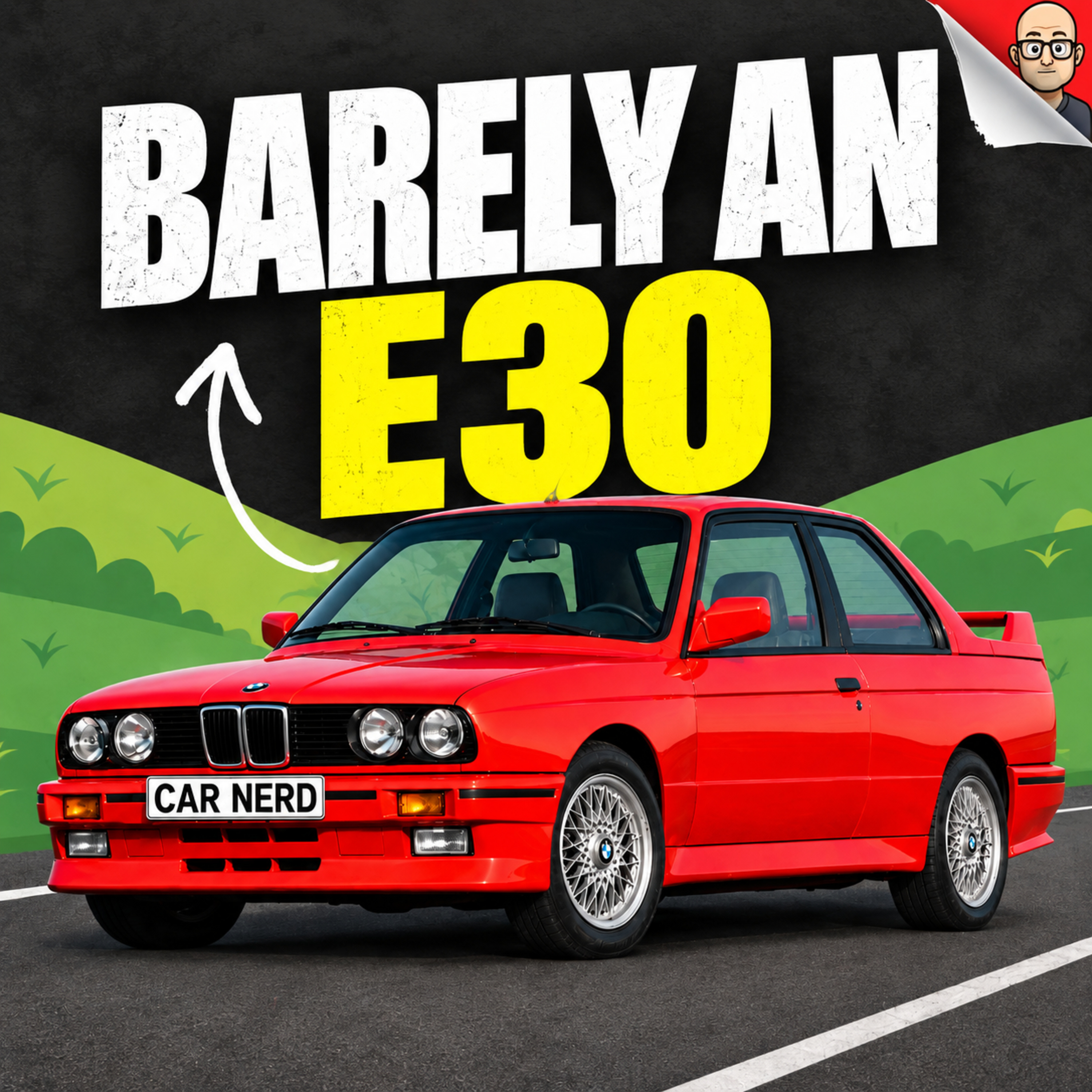
    BMW E30 M3: Mercedes Accidentally Created the BMW M3

    In 1983, Mercedes built a car that BMW couldn’t answer.The 190E 2.3-16 had a Cosworth-developed cylinder head, sixteen valves, and a set of world endurance records before customers had even taken delivery.BMW’s chairman walked into Motorsport, turned to engineer Paul Rosche, and gave him one instruction: build a sporting engine for the 3-Series.Fourteen days later, the first prototype was running.What followed was not simply a faster E30. BMW cut apart an M1 cylinder head, bolted it to a four-cylinder block descended from an ordinary family saloon, redesigned almost every exterior panel on the car, and built thousands of road cars purely because the racing regulations demanded it.The result was the E30 M3 — a car designed backwards from the racetrack, and one that would go on to become arguably the most successful touring car ever built.━━━━━━━━━━━━━━━━━━━━━━━━━📚 ORDER MY NEW BOOK "History Written by Losers" — out now!The true story of global power has been whitewashed by the victors and the fixers. This book tells the side of history they tried to bury.👉 https://www.amazon.com/dp/B0GP9TKPBH━━━━━━━━━━━━━━━━━━━━━━━━━🏁 IN THIS EPISODEWe uncover why the Mercedes 190E forced BMW to respond, how Paul Rosche created the S14 engine in just fourteen days, why BMW chose four cylinders instead of six, and how Group A regulations shaped almost every major part of the car.We also look at how little bodywork the M3 actually shared with a standard E30, how it took on the Ford Sierra RS500 Cosworth, the controversy surrounding its first WTCC race, Roberto Ravaglia’s championship win, its success in rallying, and the Evolution models that pushed the homologation rules even further.Plus, the strange stories of the 320is, the M3 Convertible, BMW Motorsport’s one-off M3 pickup, and how Audi and Mercedes eventually brought the E30 M3 era to an end.━━━━━━━━━━━━━━━━━━━━━━━━━🔗 LINKS & SUPPORT📚 The book: https://www.amazon.com/dp/B0GP9TKPBH📺 Documentary channel: https://youtube.com/@thatjasonhassett🔔 Subscribe for weekly post-mortems on the cars, companies and engineering decisions that shaped modern motoring.━━━━━━━━━━━━━━━━━━━━━━━━━#BMWM3 #E30M3 #BMWMotorsport #PaulRosche #Mercedes190E #TouringCars #DTM #GroupA #CarHistory #HomologationSpecial #ClassicBMW #TheCarNerd

  • September 6 · 28 min

    Renault Clio V6: The Worst Renault Clio Ever Built

    In 2001, Renault built a hatchback that could barely outrun the hatchback it was based on.The doors were standard Clio. So was the roofline, tailgate and badge.But the back seats were gone.In their place sat a three-liter V6 from a family saloon, mounted sideways directly behind the driver and sending its power to the rear wheels.Renault had taken inspiration from the legendary 5 Turbo and created one of the strangest hot hatches ever sold.There was just one problem.The first Clio V6 was terrifying to drive.It cost roughly twice as much as the ordinary Clio Sport, was barely faster on a tight road, and became notorious for suddenly snapping into oversteer — catching out even experienced motoring journalists.Then the company building it went bankrupt.And somehow, that disaster helped Renault finally turn the Clio V6 into the car it should have been from the beginning.━━━━━━━━━━━━━━━━━━━━━━━━━📚 ORDER MY NEW BOOK "History Written by Losers" — out now!The true story of global power has been whitewashed by the victors and the fixers. This book tells the side of history they tried to bury.👉 https://www.amazon.com/dp/B0GP9TKPBH━━━━━━━━━━━━━━━━━━━━━━━━━🏁 IN THIS EPISODEWe uncover the extraordinary story of the Renault Clio V6:Why Renault decided to put a V6 in the middle of a ClioHow the Renault 5 Turbo inspired the entire projectWhy Tom Walkinshaw Racing was chosen to build itHow ordinary Clio shells travelled from France to Sweden to become V6 monstersWhy so much of the car came from Renault’s existing parts binWhy the Phase 1 became notorious for sudden snap oversteerHow a cheap Clio Sport could keep up with it on real roadsWhy the collapse of TWR forced Renault to completely rethink the carHow Renault transformed the Phase 2 into a far better machineWhy Porsche engineers ended up helping tune its engine electronicsAnd how the Clio V6 became one of the most collectible modern Renaults━━━━━━━━━━━━━━━━━━━━━━━━━🔗 LINKS & SUPPORT📚 The book: https://www.amazon.com/dp/B0GP9TKPBH📺 Documentary channel: https://youtube.com/@thatjasonhassett🔔 Subscribe for weekly post-mortems on the cars, companies and engineering decisions that shaped modern motoring.━━━━━━━━━━━━━━━━━━━━━━━━━#RenaultClioV6 #ClioV6 #RenaultSport #HotHatch #TomWalkinshaw #TWR #Renault5Turbo #CarHistory #FrenchCars #ModernClassic #TheCarNerd

Showing 1–20 of 43 episodes