Skip to content
Artwork for Texas Talks
GovernmentSociety & CultureNewsPolitics

Texas Talks

Texas Talks

Texas Talks with Brad Swail, brought to you by the Texas Dispatch, is a weekly podcast that features wide-ranging discussions with the people, organizations, and businesses that shape public policy in Texas. Texas Talks aims to provide listeners with a deeper understanding of the policy debates and reasons and insight into the personalities that shape public policy in Texas.

Play
  • 22 episodes
  • weekly
  • Avg 39 min
  • English
Counted on this page — what you have heard stays on this device, so it is not something the list can be paged by.
  • #141
    Thursday · 29 min

    Ep. 126 - Texas Community Colleges Did Too Well — Then the State Ran Out of Money | Rep. Vince Perez

    How should Texas prepare its colleges, workforce, tax system, and infrastructure for the state's continued growth? On Episode 126 of Texas Talks, host Brad Swail sits down with State Rep. Vince Perez, who represents House District 77 in El Paso, to discuss some of the major policy questions facing Texas ahead of the next legislative session. Perez describes his district at the center of the El Paso–Ciudad Juárez region and explains how its location along the U.S.-Mexico border shapes its economy and workforce. A major focus is higher education. Perez discusses recent interim hearings, Texas' performance-based community college funding system, funding shortfalls facing those institutions, workforce development, and how artificial intelligence could transform the jobs awaiting today's college students. The conversation covers: Community college funding and workforce development Academic freedom and state involvement in higher education Preparing Texas students for AI and the future economy Property taxes and how Texas funds state and local government The massive expansion of data centers around El Paso Energy, water, tax incentives, and the economic impact of those facilities Perez also lays out his concerns about the enormous electricity and water requirements associated with new data centers, questioning whether the jobs and economic benefits they generate will justify the incentives and infrastructure demands placed on local communities. 00:00 — Introducing Rep. Vince Perez & House District 77 02:20 — Texas Higher Education & Community College Funding 05:11 — Why Community Colleges Are Facing Shortfalls 09:26 — Can Texas Make Colleges Whole? 11:09 — Higher Education & the Future of Warfare 13:18 — AI, Healthcare & Texas' Future Workforce 15:52 — Academic Freedom in Texas Universities 20:39 — The Fight Over Texas Property Taxes 25:32 — West Texas' Massive Data Center Boom 27:53 — Water, Electricity & the Cost of Data Centers 29:15 — Closing Thoughts Watch Full-Length Interviews: https://www.youtube.com/@TexasTalks Follow us on social media X: @Texas_Dispatch Instagram: thetexasdispatch LinkedIn: The Texas Dispatch TikTok: texas_talks_podcast Find more at The Texas Dispatch Your source for state news, policy, and investigative journalism. https://thetexasdispatch.com

  • #140
    August 20 · 40 min

    Ep. 125 - Texas General Aviation: Funding, Workforce & Disaster Response | Armando Martinez

    Pilot. Flight paramedic. Firefighter. State Representative. Rep. Armando Martinez (HD 39) joins Texas Talks to break down why Texas general aviation airports are more important than most people realize — and what the new House Select Committee on General Aviation is trying to fix. In this episode we cover: • Why Speaker Burrows created a Select Committee on General Aviation • The real difference between general aviation and commercial airports • Infrastructure and funding challenges facing small and rural airports • How Mid-Valley Airport in Weslaco is expanding to become a regional disaster response hub • The economic power of corporate aircraft landing in small communities • The serious aviation workforce shortage (especially avionics) • South Texas launching its first-ever avionics training program • How HB 4520 lowered the local match requirement from 10% to 5% • What Martinez wants to see from the committee heading into the 90th Legislature Timestamps: 0:00 – Cold Open 1:15 – Why a Select Committee on General Aviation now? 4:40 – What actually is general aviation? 8:30 – The funding problem for small airports 12:05 – Mid-Valley Airport expansion & disaster response hub 14:50 – Economic impact of corporate jets in small towns 18:10 – Aviation workforce shortage & the new avionics program 24:10 – Role of general aviation airports in disasters 27:40 – HB 4520: Lowering the match requirement 34:15 – Goals of the Select Committee 36:50 – Priorities for the 90th Texas Legislature 39:40 – Closing thoughts If you care about Texas infrastructure, rural economic development, or disaster readiness, this conversation is for you. Subscribe for more conversations with Texas lawmakers and policy leaders. Watch Full-Length Interviews: https://www.youtube.com/@TexasTalks Follow us on social media X: @Texas_Dispatch Instagram: thetexasdispatch LinkedIn: The Texas Dispatch TikTok: texas_talks_podcast Find more at The Texas Dispatch Your source for state news, policy, and investigative journalism. https://thetexasdispatch.com

  • #139
    August 13 · 37 min

    Ep. 124 - Can Texas Become America’s Regenerative Medicine Capital? | Jack Collier

    What would it take for Texas to become the national leader in health, wellness, and regenerative medicine? On this episode of Texas Talks, host Brad Swail sits down with Jack Collier, co-founder and CEO of Optimized Health and Performance, a nationwide telehealth clinic based in the Austin area. Collier explains how his own experience with hormone testing led him into the health and wellness industry and why he believes patients need more information and control over their healthcare decisions. The conversation covers: Preventive health, hormone optimization, and regenerative medicine Healthcare costs and the role of insurance Peptides and the growing online gray market How Texas could encourage research while protecting consumers The Make Texas Healthy Again movement and health education Why Austin has become a hub for health and wellness innovation Collier argues that Texas has an opportunity to become a national center for emerging healthcare research and innovation while improving health education and giving patients greater choice in how they manage their health. 00:00 — Introduction & Jack Collier 02:09 — Hormone Optimization & Jack’s Health Journey 05:09 — The Future of Health & Regenerative Medicine in Texas 09:17 — Prevention, Nutrition & the Current Healthcare Model 16:03 — Healthcare Costs, Insurance & Patient Choice 20:17 — The Long-Term Value of Preventive Health 23:27 — What Texas Can Do Through Public Policy 24:53 — Peptides, Safety & the Online Gray Market 28:53 — Peptide Therapies & Medical Innovation 31:04 — Regulation, Research & the Future of Healthcare 32:40 — Make Texas Healthy Again & Health Education 36:17 — Austin’s Health & Wellness Boom Watch Full-Length Interviews: https://www.youtube.com/@TexasTalks Follow us on social media X: @Texas_Dispatch Instagram: thetexasdispatch LinkedIn: The Texas Dispatch TikTok: texas_talks_podcast Find more at The Texas Dispatch Your source for state news, policy, and investigative journalism. https://thetexasdispatch.com
  • #138
    August 6 · 33 min

    Ep. 123 - Texas Tech, Higher Education Reform, & the Future of AI w/Chancellor Brandon Creighton

    What will higher education look like in an age of artificial intelligence, and how can Texas universities make sure their degrees continue to deliver value? On this episode of Texas Talks, host Brad Swail sits down with Brandon Creighton, Chancellor of the Texas Tech University System and former Texas state senator and representative, to discuss higher education reform, artificial intelligence, and his vision for Texas Tech’s future. Creighton reflects on his transition from writing higher education policy in the Texas Legislature to implementing it as chancellor, including Texas Tech’s review of roughly 14,000 courses under Senate Bill 37. He discusses curriculum reform, degrees of value, workforce needs, and how universities must adapt as AI rapidly changes both education and the private sector. The conversation also explores Texas Tech’s work with NVIDIA, its plans for advanced AI computing infrastructure, and the potential applications for healthcare research, energy, national security, and other major challenges facing Texas. The episode covers: Senate Bill 37 and higher education reform Texas Tech’s review of roughly 14,000 courses Preparing students and universities for AI Texas Tech’s work with NVIDIA and advanced computing AI research, healthcare, energy, and national security Creighton’s priorities heading into the 90th Texas Legislature Creighton ultimately argues that Texas universities have an opportunity to lead rather than follow as AI transforms education, research, and the economy—summarizing his approach with a simple warning: “You’re either designing the menu or you’re on it.” 00:00 — Introduction 00:23 — Brandon Creighton’s move from the Legislature to Texas Tech 02:39 — Creighton’s background and interest in education 04:30 — What is Senate Bill 37? 07:37 — From writing SB 37 to implementing it 09:34 — Reviewing 14,000 Texas Tech courses 12:15 — Curriculum reform and degrees of value 14:06 — Texas Tech’s approach to higher education reform 16:18 — What could come next for SB 37? 17:30 — Preparing Texas Tech for the AI era 21:00 — Students, AI, and academic integrity 25:08 — Texas Tech’s NVIDIA partnership 29:09 — Sovereign data independence and national security 32:08 — Priorities for the 90th Texas Legislature 33:41 — Closing thoughts Watch Full-Length Interviews: https://www.youtube.com/@TexasTalks Follow us on social media X: @Texas_Dispatch Instagram: thetexasdispatch LinkedIn: The Texas Dispatch TikTok: texas_talks_podcast Find more at The Texas Dispatch Your source for state news, policy, and investigative journalism. https://thetexasdispatch.com
  • #137
    July 30 · 42 min

    Ep. 122 - Texas Healthcare, Education Funding, & Property Taxes w/Rep. Donna Howard

    How can Texas improve healthcare access, strengthen public education, and prepare its workforce while balancing competing budget priorities? On this episode of Texas Talks, host Brad Swail welcomes State Representative Donna Howard, who represents House District 48, for a wide-ranging conversation on healthcare, higher education, workforce development, public school funding, and the state's fiscal outlook. As Vice Chair of both the House Higher Education Committee and Article II Appropriations, Howard offers insight into some of the biggest policy debates facing Texas ahead of the next legislative session. The discussion explores the challenges of funding public education, improving rural healthcare access, expanding workforce training through community colleges, and addressing shortages of nurses and healthcare providers. Howard also discusses property tax relief, the Sunset Commission's ongoing review of health agencies, dementia research, and how lawmakers are preparing for the state's next budget cycle. The episode covers: Texas public education funding and property taxes Community colleges, workforce development, and credentials of value Rural healthcare access and provider shortages Expanding the role of nurse practitioners Sunset Commission priorities and state health agencies Texas budget outlook heading into the next legislative session Howard also discusses child healthcare, Medicaid enrollment challenges, maternal healthcare deserts, medical research, housing growth, local infrastructure, and the difficult balancing act legislators face when weighing competing policy priorities. 00:00 — Community college funding controversy 00:33 — Introducing Rep. Donna Howard 02:06 — Sunset Commission and health agency review 04:10 — Children's healthcare and Medicaid challenges 07:23 — Public education funding and state mandates 08:17 — Community colleges and workforce outcomes 10:34 — Higher education priorities 12:22 — Nursing shortages and workforce development 16:28 — Education funding and ESAs 17:45 — Property taxes and state revenue challenges 25:05 — Rural healthcare and maternal health access 27:16 — Nurse practitioners and healthcare shortages 32:58 — Dementia research and medical innovation 36:25 — Housing growth, infrastructure, and local planning 40:35 — Texas budget outlook and closing thoughts Watch Full-Length Interviews: https://www.youtube.com/@TexasTalks Follow us on social media X: @Texas_Dispatch Instagram: thetexasdispatch LinkedIn: The Texas Dispatch TikTok: texas_talks_podcast Find more at The Texas Dispatch Your source for state news, policy, and investigative journalism. https://thetexasdispatch.com
  • #136
    July 23 · 47 min

    Ep. 121 - Texas Housing Affordability & the Next Legislative Session w/Chairman Gary Gates

    Texas Talks host Brad Swail sits down with State Representative Gary Gates, Chairman of the House Land and Resource Management Committee and longtime Fort Bend County representative. As one of the Legislature’s leading voices on housing policy, Chairman Gates breaks down the interim hearings focused on restoring affordability across Texas. The conversation covers the real-world impact of recent bills, aggressive local pushback from cities, and bold solutions to cut red tape and deliver more attainable housing. Major topics include: • The dramatic rise in home prices and interest rates since 2020 and their effect on Texas families • SB 840 and by-right conversion of offices/retail into housing • SB 15 and reduced minimum lot sizes to increase supply without disrupting established neighborhoods • Local resistance tactics — from Olympic-sized pool mandates to public art fees and three-bedroom requirements • Impact fees, their unintended consequences, and why they drive prices higher • Municipal Utility Districts (MUDs), transparency, and their role in financing rapid growth • Third-party plan reviews and inspections to speed development and lower costs • The balance between state leadership and legitimate local concerns Chairman Gates shares how the committee is preparing strong legislation for the 90th Session and why housing affordability remains a top priority for Texas leadership. 00:00 Intro & Welcome 01:13 Rep. Gary Gates Background & Committee Role 02:42 Interim Hearings Process & Preparation 05:11 Housing Affordability Crisis in Texas 08:50 Review of Key Bills: SB 840, SB 15 & Others 10:13 Local Resistance & City Ordinances 13:49 Why Cities Are Pushing Back (NIMBYism) 17:35 State vs Local Control Debate 21:15 Infrastructure & State Support for Growth 24:01 Supply Shortage vs Affordability Problem 28:10 Balancing Neighborhood Character & New Housing 30:44 Impact Fees & Their Real Effects 37:14 Municipal Utility Districts (MUDs) Explained 44:32 What Success Looks Like Next Session 48:21 Closing Thoughts Watch Full-Length Interviews: https://www.youtube.com/@TexasTalks Follow us on social media X: @Texas_Dispatch Instagram: thetexasdispatch LinkedIn: The Texas Dispatch TikTok: texas_talks_podcast Find more at The Texas Dispatch Your source for state news, policy, and investigative journalism. https://thetexasdispatch.com
  • #135
    July 17 · 17 min

    Ep. 120 - Texas THC Ban, the Housing Fight & MUDs — What's Coming in 2027

    "The Municipal Utility Districts hearing discussed in this episode is before the House Committee on Land & Resource Management, chaired by Rep. Gary Gates - not the Intergovernmental Affairs Committee." What are the biggest public policy debates unfolding in Texas today? In this solo episode of Texas Talks, host Brad Swail examines three major issues likely to shape the next legislative session: housing affordability, municipal utility districts (MUDs), and the ongoing debate over consumable THC products. Drawing on recent legislative hearings and policy developments, Brad explains what's happening, why it matters, and what Texans should watch as lawmakers prepare for 2027. The episode covers: Texas' housing affordability reforms and local zoning disputes Municipal Utility Districts (MUDs) and their impact on homeowners The ongoing debate over THC regulation and public health How legislative interim hearings shape future policy What Texans should expect heading into the 2027 legislative session Throughout the episode, Brad provides context for each issue, outlines the competing arguments on all sides, and explains how today's committee hearings often become tomorrow's legislation. 00:00 — Intro 00:30 — Housing affordability and zoning reform 06:09 — Understanding Municipal Utility Districts (MUDs) 11:50 — Texas' THC debate and what's next 17:00 — Closing thoughts Watch Full-Length Interviews: https://www.youtube.com/@TexasTalks Follow us on social media X: @Texas_Dispatch Instagram: thetexasdispatch LinkedIn: The Texas Dispatch TikTok: texas_talks_podcast Find more at The Texas Dispatch Your source for state news, policy, and investigative journalism. https://thetexasdispatch.com
  • #134
    July 9 · 38 min

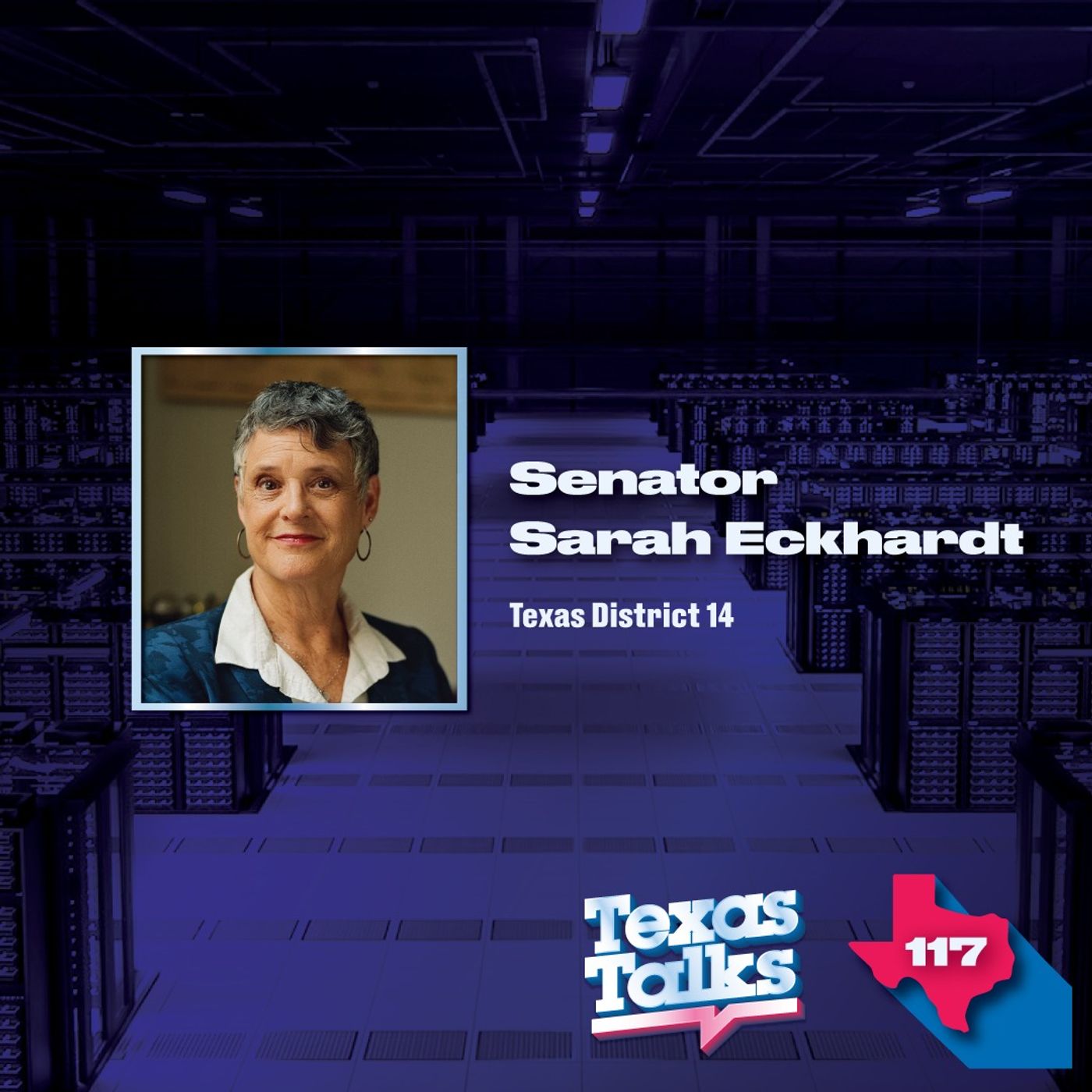
    Ep. 119 - Will Data Centers Quadruple Texas Power Demand? Mark Bell, AECT CEO Explains

    Can Texas' electric grid keep up with the explosive growth of AI, data centers, and a rapidly expanding population? On this episode of Texas Talks, host Brad Swail sits down with Mark Bell, President and CEO of the Association of Electric Companies of Texas (AECT), to discuss the future of the Texas electric grid, the unprecedented demand for electricity, and how the state is preparing for the next generation of economic growth. Bell explains why Texas has become one of the nation's leading destinations for new industry, how AI-driven data centers are changing long-term electricity planning, and what lawmakers, regulators, and utilities are doing to ensure the grid remains reliable and affordable. The conversation covers: Texas' rapid electricity demand and population growth AI data centers and their impact on the electric grid ERCOT's long-term planning and transmission expansion Senate Bill 6 and new rules for large energy users Who pays for new grid infrastructure? Nuclear energy, batteries, renewables, and natural gas Why Texas remains one of the nation's most affordable electricity markets The discussion also explores how competitive electricity markets work, why new transmission lines are needed regardless of data center growth, and how Texas utilities are preparing to meet future demand while protecting residential ratepayers. 00:00 — Texas' exploding electricity demand 00:22 — Intro & Meet Mark Bell 03:22 — Why the grid conversation has changed 06:04 — AI data centers and future demand 11:16 — ERCOT's interconnection queue explained 16:15 — Building the next generation of power 20:11 — Who pays for grid expansion? 28:22 — Senate Bill 6 and new grid rules 30:55 — Local concerns about data centers 34:03 — What comes next for the Texas grid? 38:03 — Closing thoughts Watch Full-Length Interviews: https://www.youtube.com/@TexasTalks Follow us on social media X: @Texas_Dispatch Instagram: thetexasdispatch LinkedIn: The Texas Dispatch TikTok: texas_talks_podcast Find more at The Texas Dispatch Your source for state news, policy, and investigative journalism. https://thetexasdispatch.com
  • #133
    July 2 · 44 min

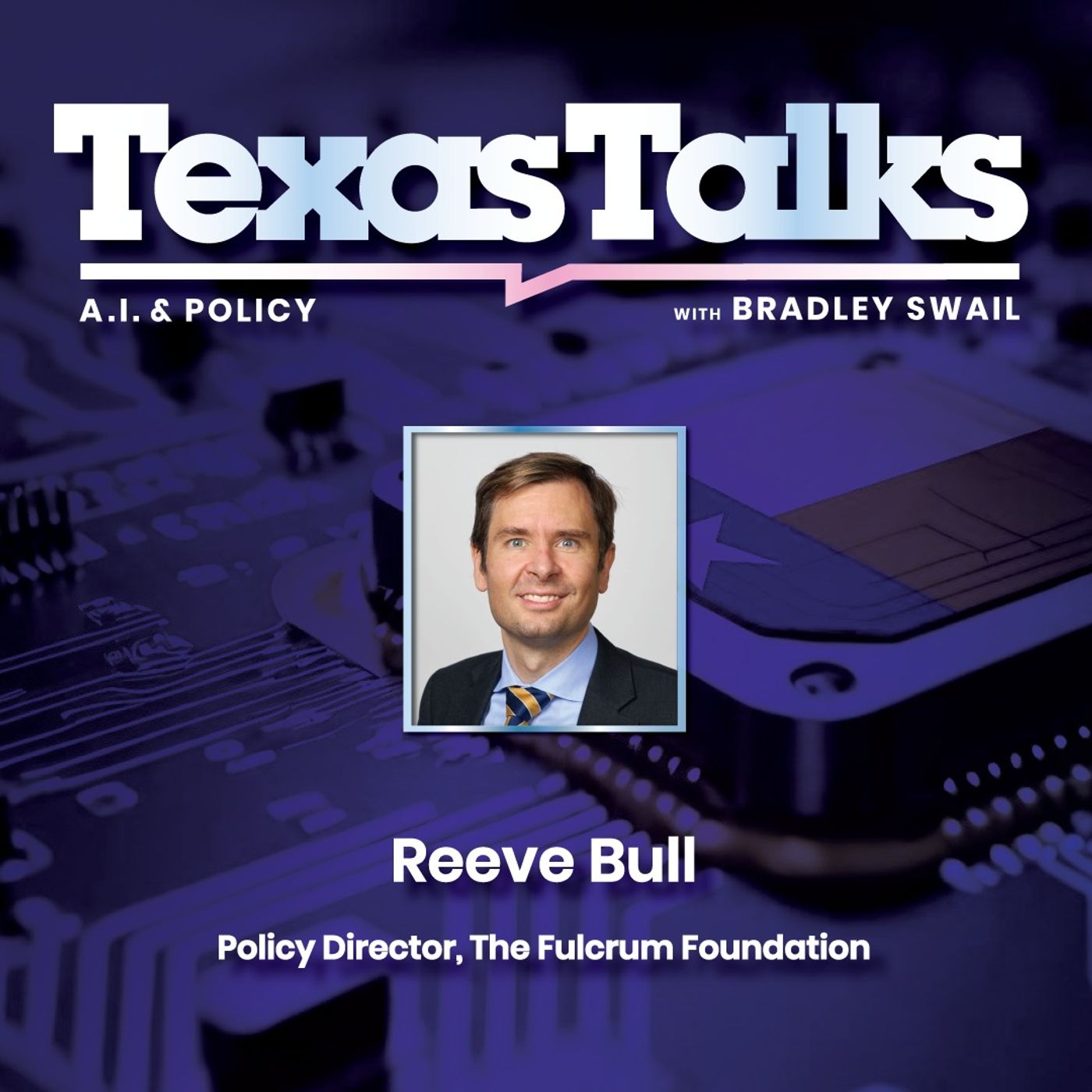
    Ep. 118 - Data Centers Are Coming to Texas — But Who Pays for the Water & Power? | Sen. Sarah Eckhardt

    How should Texas prepare for rapid growth, extreme weather, and increasing demands on its infrastructure? On this episode of Texas Talks, host Brad Swail sits down with Texas State Sen. Sarah Eckhardt to discuss the state's response to flooding, water infrastructure, data centers, public education funding, property taxes, and redistricting. Sen. Eckhardt reflects on the aftermath of the devastating Central Texas floods, arguing that while progress has been made, key recommendations on emergency communications and floodplain regulations remain unaddressed. She also explains why long-term investments in water infrastructure and disaster preparedness are becoming increasingly important as Texas continues to grow. The conversation covers: Lessons learned from recent Texas flooding Emergency response and radio interoperability Water infrastructure, drought, and desalination Data centers, energy demand, and water consumption Public education funding and property taxes Education Savings Accounts (ESAs) and school finance Texas redistricting and the state's political future The discussion also explores balancing state and local authority, managing Texas' continued population growth, and how policymakers can prepare for future infrastructure challenges while maintaining affordability for Texans. 00:00 — Intro & Sen. Sarah Eckhardt joins the show 01:51 — Texas flood preparedness one year later 09:47 — Building standards and floodplain development 16:14 — Water infrastructure and drought concerns 21:05 — Data centers and Texas growth 27:00 — Public education funding and ESAs 38:44 — Redistricting and Texas politics 43:26 — Final thoughts Watch Full-Length Interviews: https://www.youtube.com/@TexasTalks Follow us on social media X: @Texas_Dispatch Instagram: thetexasdispatch LinkedIn: The Texas Dispatch TikTok: texas_talks_podcast Find more at The Texas Dispatch Your source for state news, policy, and investigative journalism. https://thetexasdispatch.com

  • #132
    June 25 · 43 min

    Ep. 117 - AI, Transparency & Taxpayer Savings: Lessons from Virginia

    Can artificial intelligence help make government more efficient while saving taxpayers and businesses billions of dollars? On this episode of Texas Talks, host Brad Swail sits down with Reeve Bull, Policy Director at the Fulcrum Foundation and former Director of the Office of Regulatory Management under Virginia Governor Glenn Youngkin, to discuss one of the nation's most successful state regulatory reform efforts—and how Texas is building on that success with artificial intelligence. Bull explains how Virginia eliminated or streamlined more than 35% of its regulatory requirements, reduced nearly half the words in agency guidance documents, and generated an estimated $1.4 billion in annual savings for residents and businesses—all while maintaining protections for public health and safety. The conversation covers: How Virginia reduced regulatory burdens and saved taxpayers billions Using AI to review regulations, permits, and government guidance Why transparency is just as important as cutting regulations Texas' new Regulatory Efficiency Office (TRIO) and what comes next Occupational licensing reform and reducing unnecessary barriers to work How states can compare regulations and learn from one another The future of AI in modernizing state government Bull also discusses how AI can rapidly identify outdated regulations, duplicate rules across agencies, and compare state regulatory codes—tasks that would traditionally require thousands of hours of manual review. Throughout the discussion, he argues that smarter regulation isn't about eliminating necessary protections, but ensuring government rules are effective, transparent, and no more burdensome than they need to be. 00:00 — Virginia's $1.4 billion regulatory reform 00:29 — Intro + Meet Reeve Bull 02:08 — Why regulations matter 04:12 — The cosmetology licensing example 08:32 — The goals behind Virginia's reforms 09:29 — Cost-benefit analysis explained 14:48 — Reviewing every regulation 16:31 — How AI changed the process 21:58 — AI's biggest advantages 27:17 — Did Virginia meet its goals? 30:37 — Texas' TRIO initiative 35:07 — How reforms actually get approved 37:22 — Building support for regulatory reform 40:14 — Why now is the right time for AI 42:25 — The Fulcrum Foundation 43:30 — Closing thoughts Watch Full-Length Interviews: https://www.youtube.com/@TexasTalks Follow us on social media X: @Texas_Dispatch Instagram: thetexasdispatch LinkedIn: The Texas Dispatch TikTok: texas_talks_podcast Find more at The Texas Dispatch Your source for state news, policy, and investigative journalism. https://thetexasdispatch.com
  • #131
    June 18 · 42 min

    Ep. 116 - New World Screwworm in Texas, The Future of Veterinary Care, and Rural Vet Shortages

    What happens when a livestock threat once thought eradicated begins moving north toward Texas? On this episode of Texas Talks, host Brad Swail sits down with Dr. Lori Teller, licensed veterinarian and Executive Director of the Texas Veterinary Medical Association (TVMA), to discuss the growing concern surrounding New World screwworm, the state of veterinary medicine in Texas, rural veterinarian shortages, telemedicine, and the future of animal health. Dr. Teller explains how New World screwworm infestations threaten livestock, wildlife, pets, and even humans, and why state and federal agencies are working urgently to prevent its spread throughout Texas and the United States. The conversation covers: • What New World screwworm is and how it spreads • Why the threat has returned after decades of containment • Sterile fly programs and eradication efforts • The potential impact on Texas agriculture and food production • How pet owners should respond to suspicious wounds • State and federal coordination to contain outbreaks • Rural veterinarian shortages across Texas • Student debt and workforce challenges in veterinary medicine • The Rural Veterinarian Incentive Program • Veterinary telemedicine and its limitations • Artificial intelligence in veterinary practice • Priorities for the upcoming Texas legislative session Dr. Teller also discusses how veterinary medicine extends far beyond dogs and cats, encompassing livestock, wildlife, public health, food safety, and emergency response efforts that are critical to Texas' economy and agricultural sector. The discussion explores the challenges of attracting veterinarians to rural communities, where shortages can impact ranchers, farmers, and animal owners across large geographic regions. The episode concludes with a look at how technology, telemedicine, and artificial intelligence are beginning to transform veterinary care while reinforcing the importance of maintaining strong veterinary networks throughout Texas. 00:00 — Intro + Meet Dr. Lori Teller 01:44 — Veterinary specialties and career paths 03:44 — What is New World screwworm? 06:50 — Why screw worm has returned 09:52 — Sterile fly facilities and containment efforts 11:30 — Worst-case scenarios for Texas agriculture 14:00 — State and federal response efforts 16:13 — Current screwworm cases in Texas 17:52 — What pet owners should do 20:15 — Rural veterinarian shortages 24:18 — The Rural Veterinarian Incentive Program 29:16 — Veterinary telemedicine explained 37:58 — Artificial intelligence in veterinary medicine 41:11 — Priorities for the next legislative session 41:48 — Closing thoughts Watch Full-Length Interviews: https://www.youtube.com/@TexasTalks Follow us on social media X: @Texas_Dispatch Instagram: thetexasdispatch LinkedIn: The Texas Dispatch TikTok: texas_talks_podcast Find more at The Texas Dispatch Your source for state news, policy, and investigative journalism. https://thetexasdispatch.com
  • #130
    June 11 · 41 min

    Rural Attorney Shortages, Elder Fraud, and a Texas Statewide Prosecutor w/Rep. Mitch Little

    How should Texas address rising property taxes, growing concerns about public safety, and the challenges facing the state's criminal justice system? On this episode of Texas Talks, host Brad Swail sits down with State Representative Mitch Little, who represents Texas House District 65 in southern Denton County, for a wide-ranging discussion on criminal justice policy, government regulation, property tax reform, and the priorities shaping the next legislative session. Little, an attorney and member of the Texas House Committee on Criminal Jurisprudence, shares insights from recent interim hearings and discusses how lawmakers are evaluating issues ranging from rural attorney shortages and elder fraud to prosecutorial accountability and public safety. The conversation covers: • Rural attorney shortages and the concept of “legal deserts” • Law school debt, workforce incentives, and market-based solutions • Elder fraud and cryptocurrency kiosk scams targeting seniors • Regulatory challenges surrounding cryptocurrency transactions • Public safety and criminal justice reform priorities • Rogue district attorneys and prosecutorial accountability • Governor Abbott’s proposal for a statewide prosecutor • Judicial discretion, bail policy, and repeat offenders • Property tax reform and school finance • Government spending and affordability concerns • Priorities for the 90th Texas Legislature Little also explains why he believes many public policy debates should focus on underlying market realities rather than government subsidies, particularly when addressing workforce shortages in rural communities. The discussion explores broader concerns about law enforcement, prosecutorial discretion, judicial accountability, and the balance between local control and state oversight in Texas’ criminal justice system. Looking ahead, Little identifies property tax relief as one of the most significant issues facing Texas families and outlines his perspective on how lawmakers can reduce the burden on homeowners while maintaining essential public services. 00:00 — Intro + Meet Rep. Mitch Little 01:50 — Representing Texas House District 65 03:00 — What interim hearings accomplish 06:00 — Rural attorney shortages and legal deserts 08:39 — Law school debt and workforce incentives 12:15 — Are rural legal shortages really a crisis? 14:01 — Comparing attorney and physician shortages 19:20 — Market solutions versus government subsidies 20:24 — Elder fraud and cryptocurrency scams 23:07 — Why crypto kiosks are being scrutinized 25:33 — Should Texas regulate or ban crypto kiosks? 29:13 — Rogue district attorneys and lawlessness concerns 32:42 — Governor Abbott’s statewide prosecutor proposal 34:02 — Elections, appointments, and accountability 37:42 — Property taxes and legislative priorities 39:26 — How Texas could fund property tax relief 41:00 — Final thoughts and where to follow Mitch Little Watch Full-Length Interviews: https://www.youtube.com/@TexasTalks Follow us on social media X: @Texas_Dispatch Instagram: thetexasdispatch LinkedIn: The Texas Dispatch TikTok: texas_talks_podcast Find more at The Texas Dispatch Your source for state news, policy, and investigative journalism. https://thetexasdispatch.com
  • #129
    June 4 · 35 min

    Uvalde, School Safety & Texas Law Enforcement w/Rep. Don McLaughlin

    What lessons did Texas learn from the tragedy in Uvalde—and how are lawmakers working to prevent a similar failure from happening again? On this episode of Texas Talks, host Brad Swail sits down with State Representative Don McLaughlin, who represents Texas House District 80 and previously served as mayor of Uvalde during one of the most difficult periods in the city’s history. McLaughlin discusses House Bill 33, the Uvalde Strong Act, which was passed unanimously during his first legislative session and is designed to improve coordination, training, leadership, and preparedness among law enforcement agencies responding to active shooter situations. The conversation covers: • The lessons learned from the Robb Elementary School tragedy • House Bill 33 and active shooter preparedness reforms • Law enforcement recruitment and retention challenges • Mental health support for first responders • Rogue district attorneys and accountability proposals • Border security and immigration enforcement concerns • The New World screwworm threat and Texas agriculture • Property taxes, water policy, and education reform priorities • Key issues facing the 90th Texas Legislature The discussion also explores broader challenges facing Texas law enforcement, including officer shortages, training standards, public support for policing, and ways to improve recruitment while maintaining professional standards. Looking ahead, McLaughlin shares his perspective on the major issues likely to dominate the next legislative session, including property tax relief, water infrastructure, border security, and public education. Throughout the episode, he emphasizes the importance of practical solutions, local experience, and ensuring Texas communities have the resources needed to remain safe and prosperous. 00:00 — Intro + Rep. Don McLaughlin joins 01:00 — From businessman to Uvalde mayor 03:11 — House Bill 33 and the Uvalde Strong Act 05:31 — What went wrong during the Robb Elementary response 08:11 — Early implementation of HB 33 10:16 — Mental health support for first responders 11:52 — Updates from recent public safety hearings 13:37 — Measuring success for school safety reforms 14:10 — Law enforcement recruitment and retention challenges 21:19 — Rogue district attorneys and accountability 23:10 — State prosecutor proposal discussion 24:25 — Police hiring standards and recruitment 25:57 — Childcare, support systems, and officer retention 27:45 — Border security and immigration concerns 30:40 — The New World screwworm threat 33:21 — Property taxes, water, and education priorities 35:15 — Looking ahead to the 90th Legislature 35:53 — Closing thoughts Watch Full-Length Interviews: https://www.youtube.com/@TexasTalks Follow us on social media X: @Texas_Dispatch Instagram: thetexasdispatch LinkedIn: The Texas Dispatch TikTok: texas_talks_podcast Find more at The Texas Dispatch Your source for state news, policy, and investigative journalism. https://thetexasdispatch.com

  • #128
    May 26 · 54 min

    The Future of Economic Prosperity

    As part of the Future of Texas series in partnership with Texas 2036, this episode explores how education, workforce development, and economic opportunity intersect to shape Texas’ future prosperity. Through the Future of Texas podcast series, Texas 2036 brings together diverse perspectives as we explore the opportunities and challenges facing our state over the next ten years. The views expressed in this program are those of the individual speakers and do not necessarily reflect the views of Texas 2036, its staff or its Board of Directors. Host Brad Swail is joined by Dr. Wynn Rosser, Commissioner of Higher Education and Chief Executive Officer of the Texas Higher Education Coordinating Board, and John Hryhorchuk, Senior Vice President of Policy and Advocacy at Texas 2036, for a discussion on how Texas can prepare more students for meaningful careers while sustaining one of the fastest-growing economies in the world. The conversation examines the state's evolving approach to education and workforce development, including dual-credit programs, credentials of value, outcomes-based funding, affordability, and strategies for connecting students with high-demand careers. Major topics include: Texas’ position as the world’s eighth-largest economy The importance of credentials of value and workforce alignment Expanding dual-credit opportunities in high school Community college reform and House Bill 8 Outcomes-based funding for higher education Career and technical education pathways Workforce shortages in healthcare, construction, and skilled trades College affordability and manageable student debt My Texas Future and career planning resources Data-driven policymaking and economic development Preparing Texas’ workforce for the industries of the future The path toward Texas’ 2036 goals The discussion highlights how decades of education reforms have expanded access to postsecondary opportunities and why policymakers are increasingly focused not only on college completion, but on ensuring students earn credentials that lead to strong labor market outcomes. Rosser and Hryhorchuk also discuss the role of economic development, community colleges, universities, workforce training programs, and career education in preparing Texans for emerging industries ranging from advanced manufacturing and healthcare to semiconductors, aerospace, and energy. Looking toward 2036, both guests argue that Texas’ continued success will depend on aligning education systems, workforce needs, and economic opportunities so that every Texan has a pathway to prosperity. 00:00 — Intro + The Future of Economic Prosperity 01:17 — Meet Wynn Rosser and John Hryhorchuk 03:53 — Why Texas’ future is still being written 05:01 — The opportunity gap and workforce challenges 06:43 — Why the education pipeline starts earlier 09:09 — Dual-credit success stories in Texas 12:02 — Can every student graduate with college credit? 15:45 — Credentials of value and workforce readiness 17:21 — Innovative education partnerships across Texas 19:10 — Beyond the traditional four-year degree 23:01 — Changing perceptions about career pathways 24:49 — Lifelong learning and workforce adaptability 26:22 — High-demand careers and earning potential 29:16 — Community college reform and House Bill 8 34:04 — College affordability and manageable debt 38:51 — My Texas Future and student planning tools 40:07 — Expanding higher education opportunities 42:53 — What Texas could look like in 2036 46:35 — Measuring progress toward Texas’ goals 48:11 — Legislative priorities and future reforms 52:02 — Final advice for students and families 53:46 — Closing thoughts on Texas opportunity Watch Full-Length Interviews: https://www.youtube.com/@TexasTalks Follow us on social media X: @Texas_Dispatch Instagram: thetexasdispatch LinkedIn: The Texas Dispatch TikTok: texas_talks_podcast Find more at The Texas Dispatch Your source for state news, policy, and investigative journalism. https://thetexasdispatch.com
  • #127
    May 21 · 23 min

    Texas Policy Update: Summer Camps, AI Deregulation & Prosecutor Power w/Brad Swail

    No guest this time — just host Brad Swail breaking down three major Texas public policy issues affecting families, businesses, and local governments across the state. In this episode of Texas Talks, Brad examines the fallout from Texas’ new summer camp safety rules, the state’s new AI-powered regulatory efficiency platform, and Governor Greg Abbott’s proposal to create a statewide prosecutor’s office. The episode covers: • Texas’ summer camp licensing crisis after the Heaven’s 27 Camp Safety Act • Why fiber optic internet requirements became a major point of controversy • Texas’ new AI tool “Sam” and the push to cut red tape • How AI could reshape regulatory review and permitting • Abbott’s proposed statewide prosecutor and the debate over local control • The balance between public safety, accountability, and county-level authority Together, these stories highlight a broader question: how can Texas respond to real problems without creating new ones through overregulation, bureaucracy, or excessive centralization? 00:00 — Intro + three major Texas policy issues 00:27 — Texas summer camp safety crisis 01:24 — Heaven’s 27 Camp Safety Act explained 02:16 — New camp licensing and safety requirements 03:42 — Fiber optic mandate and camp lawsuit 05:04 — Camp Mystic and broader compliance challenges 06:26 — Impact on kids, families, and Texas camps 08:17 — Texas launches AI-powered regulatory review 10:05 — Texas Regulatory Efficiency Office and “Sam” 11:28 — Vulcan Technologies and agent AI 13:16 — Balancing deregulation with safety protections 15:35 — Abbott’s statewide prosecutor proposal 17:25 — Travis County prosecution deadline controversy 18:45 — Constitutional and local-control concerns 20:33 — Reactions from supporters and critics 22:05 — What this could mean for Texas criminal justice 22:52 — Closing thoughts Watch Full-Length Interviews: https://www.youtube.com/@TexasTalks Follow us on social media X: @Texas_Dispatch Instagram: thetexasdispatch LinkedIn: The Texas Dispatch TikTok: texas_talks_podcast Find more at The Texas Dispatch Your source for state news, policy, and investigative journalism. https://thetexasdispatch.com
  • #126
    May 19 · 40 min

    Policies that Deliver

    As part of the Future of Texas series in partnership with Texas 2036, this episode explores what separates effective public policy from policies that simply sound good. Through the Future of Texas podcast series, Texas 2036 brings together diverse perspectives as we explore the opportunities and challenges facing our state over the next ten years. The views expressed in this program are those of the individual speakers and do not necessarily reflect the views of Texas 2036, its staff or its Board of Directors. Host Brad Swail is joined by Laura Arnold, co-founder of Arnold Ventures, and David Leebron, President and CEO of Texas 2036, for a wide-ranging discussion about evidence-based policymaking, education reform, workforce development, philanthropy, and the long-term future of Texas. The conversation focuses on a central question: how can policymakers create systems that produce measurable, long-term results instead of temporary political wins? Arnold and Leebron explain why data, accountability, and long-term thinking are critical to solving some of Texas’ biggest challenges — from higher education and workforce readiness to housing affordability, infrastructure, criminal justice, and childcare. Major topics include: • What makes a policy actually “work” • Why data and accountability matter in government • Community college reform and “credentials of value” • Connecting education pathways to workforce needs • The role of philanthropy in shaping public policy • Why Texas lawmakers need trusted nonpartisan data • Housing affordability and infrastructure challenges • Permitting reform and economic growth • Criminal justice reform and public safety • Childcare data gaps and workforce participation • The importance of long-term thinking before problems emerge • Building opportunity and economic mobility in Texas The episode also highlights several major initiatives supported by Arnold Ventures and Texas 2036, including reforms to Texas community college funding and investments in student support systems designed to improve graduation and career outcomes. A major theme throughout the discussion is the belief that good policy making should be judged not by ideology or political messaging, but by measurable outcomes that improve people’s lives. Looking toward 2036, both guests argue that Texas’ future success will depend on whether leaders can stay focused on evidence, opportunity, and practical solutions that operate at scale. 00:00 — Intro + Future of Texas overview 01:44 — Laura Arnold and David Leebron introductions 04:02 — Focus, scale, and long-term policy impact 05:21 — Why Arnold Ventures tackles systemic problems 07:26 — What makes a policy actually work 08:41 — Community colleges and “credentials of value” 11:01 — Workforce readiness and education reform 14:23 — Why government needs better data 17:34 — Helping lawmakers make better decisions 20:31 — The role of philanthropy in public policy 27:12 — San Jacinto College partnership explained 31:18 — Housing, infrastructure, and permitting reform 33:27 — Criminal justice reform and public safety 34:35 — Raising families and the future of Texas 37:10 — Opportunity, long-term planning, and 2036 vision 39:35 — Final thoughts on evidence-based policymaking Watch Full-Length Interviews: https://www.youtube.com/@TexasTalks Follow us on social media X: @Texas_Dispatch Instagram: thetexasdispatch LinkedIn: The Texas Dispatch TikTok: texas_talks_podcast Find more at The Texas Dispatch Your source for state news, policy, and investigative journalism. https://thetexasdispatch.com
  • #125
    May 14 · 39 min

    Texas Schools, AI & the Future of Public Education w/Chairman Brad Buckley

    What’s really driving declining enrollment in Texas public schools — and how will AI reshape classrooms in the years ahead? On this episode of Texas Talks, host Brad Swail sits down with Chairman Brad Buckley, Chair of the Texas House Public Education Committee, for a wide-ranging conversation about the future of public education in Texas. Buckley discusses the major challenges facing schools across the state, from demographic shifts and declining birth rates to school funding pressures, learning loss, and the growing role of artificial intelligence in education. A major focus of the conversation is the surprising decline in enrollment across traditional Texas public school districts. According to testimony discussed during a recent House Public Education Committee hearing, Texas public schools have seen approximately 76,000 fewer students enrolled for the 2025–2026 school year. The discussion covers: • Why Texas public schools are seeing declining enrollment • Birth rates, housing affordability, and demographic changes • The growth of homeschooling, virtual education, and charter schools • Why some districts continue growing while others shrink • Education Savings Accounts (ESAs) and their potential future impact • How school funding formulas struggle with declining enrollment • The long-term implications of lower birth rates nationwide • AI in classrooms and concerns about age appropriateness • Why Buckley believes teachers — not AI — should drive learning • The risks of AI replacing “productive struggle” in education • Data privacy, ethics, and accuracy concerns surrounding AI • Pandemic learning loss and ongoing struggles in mathematics The episode also explores major testing reforms coming to Texas schools, including the planned replacement of the STAAR test beginning in the 2027–2028 school year. Additional topics include: • Replacing one large test with shorter progress-monitoring assessments • Reducing testing anxiety for students and teachers • Providing real-time instructional feedback to educators • Why middle school outcomes are becoming a growing concern • Workforce readiness and the push toward higher-value technical credentials • Career training in engineering, cybersecurity, and STEM fields • Reducing administrative burdens and compliance mandates on schools Buckley argues that Texas must continue modernizing public education while remaining focused on core fundamentals like literacy, mathematics, and strong classroom instruction. The takeaway: the future of Texas education will depend on balancing innovation, accountability, and flexibility while ensuring students still receive deep, meaningful learning experiences. 00:00 — Intro + Chairman Brad Buckley joins 02:45 — Declining enrollment in Texas schools 05:37 — Housing costs, homeschooling, and demographic shifts 09:09 — ESAs and school funding impacts 13:25 — Long-term effects of declining birth rates 19:32 — AI in classrooms and education policy 21:51 — Why teachers should still drive learning 23:52 — Age-appropriate use of AI in schools 26:16 — Replacing the STAAR test 27:06 — Pandemic learning loss and math struggles 31:19 — Middle school outcomes and workforce readiness 34:05 — New testing models and real-time assessments 38:03 — Reducing school compliance burdens + closing Watch Full-Length Interviews: https://www.youtube.com/@TexasTalks Follow us on social media X: @Texas_Dispatch Instagram: thetexasdispatch LinkedIn: The Texas Dispatch TikTok: texas_talks_podcast Find more at The Texas Dispatch Your source for state news, policy, and investigative journalism. https://thetexasdispatch.com

  • #124
    May 12 · 49 min

    Future of Energy

    As part of the Future of Texas series in partnership with Texas 2036, this episode explores the region powering not just Texas — but increasingly the global economy: the Permian Basin. Through the Future of Texas podcast series, Texas 2036 brings together diverse perspectives as we explore the opportunities and challenges facing our state over the next ten years. The views expressed in this program are those of the individual speakers and do not necessarily reflect the views of Texas 2036, its staff or its Board of Directors. Host Brad Swail is joined by Tracee Bentley, President and CEO of the Permian Strategic Partnership, and Jordan Wat, Director of Government Affairs at Texas 2036, for a wide-ranging conversation about the future of energy, workforce growth, infrastructure, and community development in West Texas. The discussion begins with a striking reality: if the Permian Basin were its own country, it would rank as the fourth-largest energy producer in the world — behind only Russia, Saudi Arabia, and Iran. But this conversation goes far beyond oil production alone. Bentley and Wat explain how the Permian Basin has become one of the most strategically important economic regions in the United States, supporting everything from electricity reliability and manufacturing to public education funding and technological innovation. The discussion covers: • Why the Permian Basin produces more than 50% of U.S. oil and gas • How drilling technology and AI transformed energy production • Why Texas energy production continues hitting record levels • The growing electricity demand driven by AI and data centers • Pipeline, transmission, and grid infrastructure bottlenecks • Natural gas, LNG, and Texas grid reliability after Winter Storm Uri • The role of the Permian in stabilizing global energy markets • Workforce shortages and the need for 176,000 additional workers by 2040 • Housing affordability challenges in Midland and Odessa • Health care access and specialty care shortages in West Texas • Water scarcity, produced water, and future recycling technologies • Career and technical education investments tied to workforce needs • Why literacy and workforce readiness remain major long-term concerns The episode also highlights how public-private partnerships are reshaping the region. Bentley explains how the Permian Strategic Partnership has invested more than $200 million into infrastructure, education, workforce development, and health care — leveraging those investments into billions more through state and federal collaboration. A major takeaway is that the future of the Permian Basin is no longer just an “energy story.” It is increasingly a story about building sustainable communities capable of supporting long-term economic growth. Looking toward 2036, both guests argue that Texas’ continued success depends on whether the state can match energy growth with investments in roads, schools, workforce training, housing, water infrastructure, and grid reliability. The message is clear: the future of Texas is deeply tied to the future of the Permian Basin. 00:00 — Intro + Future of Energy overview 01:35 — Why the Permian Basin matters globally 03:22 — Record energy production and drilling technology 05:04 — Jobs, workforce growth, and the Texas economy 07:18 — Education funding and workforce pipelines 09:09 — Innovation, AI, and modern energy production 13:26 — Electricity demand, LNG, and grid reliability 16:24 — Infrastructure bottlenecks and pipeline capacity 22:04 — Global energy markets and the Permian’s role 25:15 — Community life in Midland and Odessa 26:57 — Roads, schools, healthcare, and housing challenges 32:32 — Career training and workforce development 35:33 — Public-private partnerships and long-term planning 37:42 — Literacy, workforce readiness, and recruitment 45:06 — Water challenges and produced water innovation 47:22 — Looking toward 2036 + closing thoughts Watch Full-Length Interviews: https://www.youtube.com/@TexasTalks Follow us on social media X: @Texas_Dispatch Instagram: thetexasdispatch LinkedIn: The Texas Dispatch TikTok: texas_talks_podcast Find more at The Texas Dispatch Your source for state news, policy, and investigative journalism. https://thetexasdispatch.com

  • #123
    May 7 · 35 min

    Austin Economy, Growth Challenges & Texas Business Outlook w/Jeremy Martin

    What’s driving Austin’s economic boom — and can it keep up with its own success? In this episode of Texas Talks, host Brad Swail sits down with Jeremy Martin, President and CEO of the Austin Chamber of Commerce, to break down the forces shaping one of the fastest-growing regional economies in the country. From explosive population growth to major infrastructure projects, Austin continues to punch above its weight — but that growth comes with real challenges for businesses, workers, and policymakers alike. Martin shares his perspective from nearly two decades of experience representing Central Texas businesses, explaining how Austin has evolved into a hub for innovation, talent, and global investment. The conversation covers: • Why Austin and Central Texas continue to outperform the national economy • The role of talent, universities, and quality of life in driving growth • How Texas’ business-friendly climate attracts companies and investment • The infrastructure boom reshaping Austin (airport expansion, I-35, transit) • Housing affordability and the long-term impact of rapid population growth • The biggest cost pressures facing businesses today • How the Austin Chamber represents over 1,900 businesses across industries • The balance between growth, regulation, and fiscal responsibility • Why property taxes remain a key issue for Texas businesses • The role of local, state, and federal policy in supporting economic growth The episode also dives into emerging issues shaping the future of business in Texas — including the rise of AI, data centers, and the growing demand for energy and water resources. Martin emphasizes the importance of “taking care of the basics” — infrastructure, water, energy, and workforce — as the foundation for long-term economic success. Looking ahead, the focus is on maintaining Texas’ competitive edge while ensuring growth remains sustainable and beneficial for both businesses and residents. The takeaway: Austin’s success story is far from over — but staying ahead will require smart policy, continued investment, and a clear vision for the future. 00:00 — Intro + Jeremy Martin joins 08:15 — Austin’s economy and growth drivers 13:08 — Infrastructure challenges and major projects 14:03 — Housing affordability and market trends 16:01 — Role of the Austin Chamber of Commerce 18:20 — Business advocacy and policy priorities 20:58 — Taxes, spending, and Proposition Q 23:21 — Water, energy, and long-term planning 24:19 — Data centers, AI, and resource demands 27:18 — Texas competitiveness and regional growth 29:24 — Property taxes and business impact 31:01 — Federal advocacy and D.C. priorities 33:35 — Airport expansion and global connectivity 36:05 — AI’s impact on business and policy 41:31 — Closing thoughts Watch Full-Length Interviews: https://www.youtube.com/@TexasTalks Follow us on social media X: @Texas_Dispatch Instagram: thetexasdispatch LinkedIn: The Texas Dispatch TikTok: texas_talks_podcast Find more at The Texas Dispatch Your source for state news, policy, and investigative journalism. https://thetexasdispatch.com

  • #122
    May 5 · 44 min

    Future of Healthcare

    As part of the Future of Texas series in partnership with Texas 2036, this episode tackles one of the most urgent and personal challenges facing Texans today: the rising cost of healthcare. Through the Future of Texas podcast series, Texas 2036 brings together diverse perspectives as we explore the opportunities and challenges facing our state over the next ten years. The views expressed in this program are those of the individual speakers and do not necessarily reflect the views of Texas 2036, its staff or its Board of Directors. Host Brad Swail is joined by Avik Roy, Co-Founder and Chairman of FREOPP, and Charles Miller, Director of Health and Economic Mobility Policy at Texas 2036, for a deep dive into why healthcare costs keep rising — and what Texas can actually do about it. The conversation begins with a stark reality: healthcare affordability has become a top concern for voters, even surpassing issues like property taxes. With employer-sponsored family coverage approaching $27,000 per year and out-of-pocket costs averaging around $10,000 annually for Texas families, the financial strain is reshaping both household budgets and business decisions. A major theme is how the current system distorts incentives. Rather than functioning as a true free market, U.S. healthcare operates as a heavily subsidized system where consumers often lack visibility into prices — and have little control over spending decisions. The discussion covers: • Why healthcare costs are rising faster than wages and inflation • How employer-based insurance distorts consumer incentives • The role of federal tax policy in shaping today’s system • Why “free market vs government” is a false choice • The importance of competition, transparency, and aligned incentives • How monopoly power among hospitals and providers drives prices higher • Why past reforms — like surprise billing laws — sometimes backfire • The impact of vertical and horizontal consolidation in healthcare • How anti-competitive contracting limits consumer choice • Why Texas has made progress on transparency — but more is needed The episode also explores solutions that could reshape the Texas healthcare landscape. These include expanding price transparency, tackling provider monopolies, enabling more consumer-driven insurance models, and supporting innovative alternatives like direct payment systems and healthcare sharing models. Roy and Miller highlight promising developments already underway in Texas, including efforts to improve data transparency through all-payer claims databases and reforms targeting anti-competitive practices in provider contracts. Looking ahead, the goal isn’t perfection — it’s progress. Both guests emphasize that simply slowing the growth of healthcare costs to match inflation would represent a major win for Texas families and businesses. The takeaway is clear: the tools to fix healthcare affordability exist — but meaningful reform will require aligning incentives, increasing competition, and taking on entrenched interests within the system. 00:00 — Intro + Future of Texas series overview 00:30 — Why healthcare affordability matters now 01:13 — Cost of employer-sponsored coverage explained 02:00 — National vs Texas-specific cost challenges 03:12 — Texas vs California healthcare cost comparison 04:21 — Why affordability is now a top voter issue 05:21 — 53% cost increase over the past decade 06:41 — Why Texas policy drives higher costs 07:28 — Surprise billing reform and unintended consequences 08:24 — Incentives that drive price inflation 09:53 — Free market vs government: a false debate 10:14 — Why U.S. healthcare isn’t truly a free market 11:17 — Employer-based insurance and tax distortions 12:23 — Why consumers don’t behave like shoppers 13:23 — What a “healthy market” actually requires 14:17 — Transparency, competition, and incentives explained 15:25 — How subsidies can increase costs 16:09 — Insurance incentives and rising premiums 17:19 — Lack of price transparency in real-world care 17:58 — Switzerland as a model system 19:10 — Competition vs monopoly power in healthcare 20:29 — Real-world example: pricing distortions 21:42 — Hospital consolidation and market power 23:04 — Hospital Competition Act explained 25:02 — Why regulators struggle to fix consolidation 27:08 — Federal vs local enforcement gaps 29:33 — What Texas has done right so far 30:13 — Transparency reforms and data systems 31:05 — Anti-competitive contracting reforms 32:33 — Vertical integration and its risks 34:07 — What Texas still needs to fix 35:14 — Consumer-driven insurance models (ICHRA) 36:01 — Alternatives to traditional insurance 37:26 — Cash pricing and cost savings 38:04 — State employee health plans as a reform lever 40:31 — What success looks like by 2036 42:10 — Slowing cost growth as the first win 43:18 — Final thoughts + closing Watch Full-Length Interviews: https://www.youtube.com/@TexasTalks Follow us on social media X: @Texas_Dispatch Instagram: thetexasdispatch LinkedIn: The Texas Dispatch TikTok: texas_talks_podcast Find more at The Texas Dispatch Your source for state news, policy, and investigative journalism. https://thetexasdispatch.com

Showing 1–20 of 22 episodes