Skip to content
Artwork for Surgeons at The Table
Health & FitnessMedicineBusinessManagement

Surgeons at The Table

Shahyan B

Surgeons at The Table is a podcast born out of my journey as a surgical resident and brought to fruition during my chief year of general surgery residency and cardiac surgery fellowship. Throughout my training at some of the nation's leading academic institutions, I've had the privilege of learning from and being mentored by some of the most influential figures in surgery. These experiences have fueled a deep appreciation for the art, science, history, and evolution of our profession.


Inspired by the invaluable wisdom and lessons shared along the way, I created Surgeons at The Table to bridge the gap between generations of surgical leaders and those aspiring to follow in their footsteps.


Each episode features in-depth conversations with influential surgeons, including current directors, department chairs, deans, and presidents who are shaping the future of surgery, as well as historical interviews with the pioneers and visionaries who transformed the field of cardiac surgery. Through their stories, we explore not only the challenges, decisions, and innovations that defined their careers, but also the history and legacy of our profession—understanding where we came from to better appreciate where we are headed.


At its core, Surgeons at The Table is about preserving the wisdom of those who came before us, learning from those leading today, and inspiring those who will shape the future. Through candid conversations about perseverance, innovation, leadership, mentorship, and the relentless pursuit of excellence, the podcast aims to educate, empower, and inspire the next generation of surgeons.


Join us at the table to learn from the past, be inspired by the present, and help shape the future of surgery.

Play
  • 20 episodes
  • Avg 1 hr 5 min
  • English
  • S3 · E56
    Sunday · 1 hr 28 min

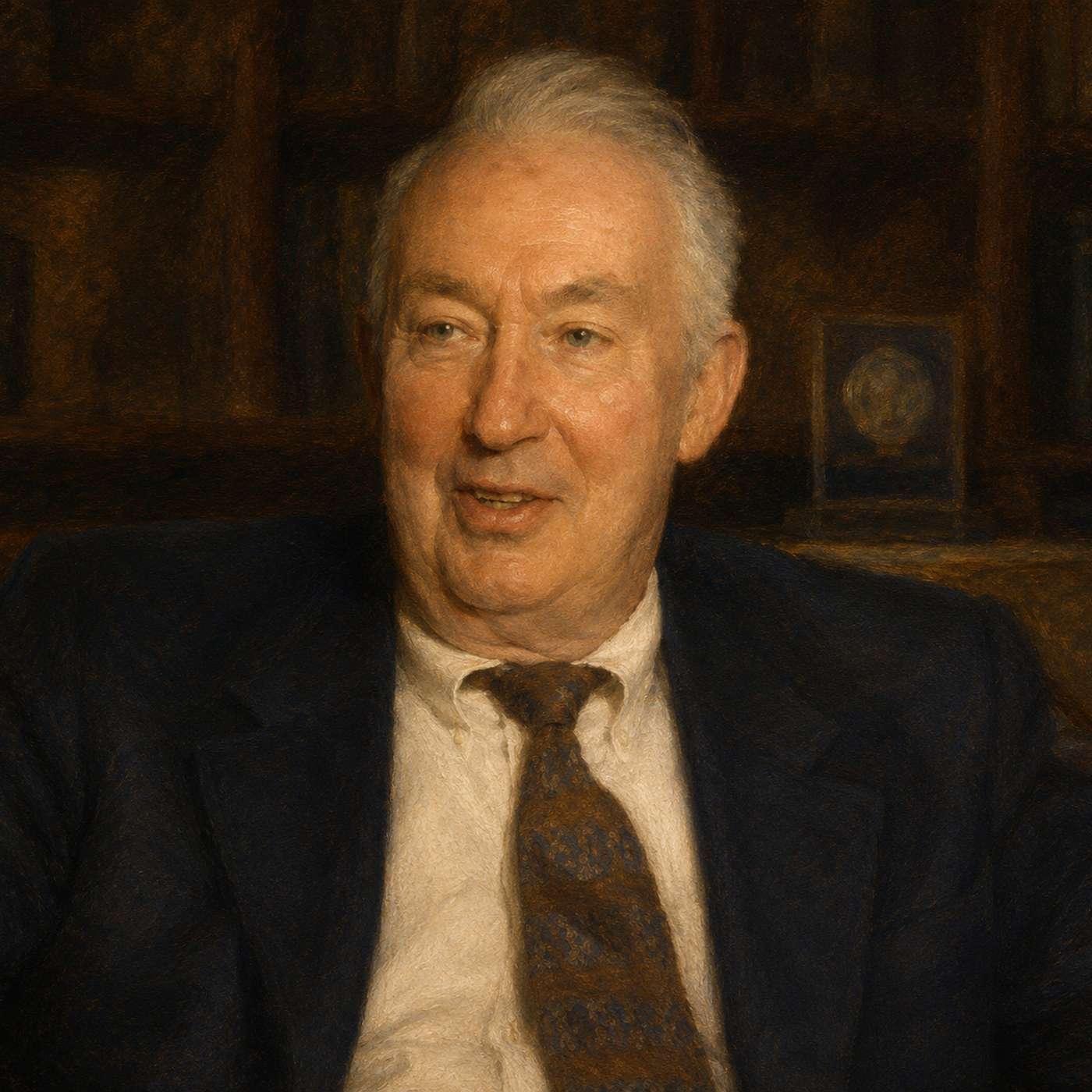
    56. Dr. Donald Ross

    Send us Fan Mail Interview Date: August 13, 1997

  • S2 · E40
    May 5, 2025 · 50 min

    40. Dr. Robert Montgomery

    Send us Fan Mail In this powerful final episode, I sit down with Dr. Robert Montgomery, Chair of Surgery at NYU Grossman School of Medicine, Director of the NYU Langone Transplant Institute, and one of TIME’s 100 Most Influential People of 2025. A heart transplant recipient himself, Dr. Montgomery shares how personal loss and major health challenges fueled his drive to push boundaries in medicine. In our conversation, we explore his leadership philosophy, his commitment to expanding access to life-saving transplants, and the importance of mentorship in shaping future surgeons. With a career marked by groundbreaking achievements, Dr. Montgomery offers invaluable insights for aspiring surgical leaders and highlights the transformative power of organ transplantation in saving lives. This episode is a fitting conclusion to the season, as Dr. Montgomery’s experiences and advice leave a lasting impression on anyone striving to make an impact in the world of surgery. Takeaways Personal challenges made him more focused during residency. Pushing boundaries is essential for innovation in medicine. Vision and culture are key to building successful teams. Empathy should guide healthcare practices. Strategic partnerships can expand access to transplants. Smart risks can lead to significant advancements in healthcare. Surround yourself with the best possible people. You have to be fearless but responsible in decision-making. Be present in the moment with patients and colleagues. Be open to learning from both positive and negative experiences.

  • S2 · E39
    Apr 28, 2025 · 43 min

    39. Dr. Bellal Joseph

    Send us Fan Mail In this episode, I sit down with Dr. Bellal Joseph, Martin Gluck Endowed Professor of Surgery, Chief of Trauma, Critical Care, Burns, and Emergency Surgery, and Executive Vice Chair of the Department of Surgery at the University of Arizona. He shares his remarkable leadership journey, from his early passion for surgery’s human connection to his evolution as a leader on the national stage. We discuss pivotal moments that shaped his leadership philosophy, the evolving expectations of surgical leaders, and the importance of emotional intelligence, self-awareness, and continuous learning. Dr. Joseph introduces the concept of “triple integration” — blending clinical excellence, education, and research — and offers practical advice on building trust within teams, leading through organizational change, and balancing delegation with maintaining influence. Through powerful personal reflections, he highlights the importance of setting boundaries, leading yourself first, and staying true to your mission, even when challenging the status quo. This conversation is packed with timeless leadership lessons! Takeaways Being clinically competent is essential for effective leadership in surgery. The concept of a 'triple threat' in surgical leadership is evolving towards a more integrated approach. Understanding your audience is crucial for effective leadership. Emotional intelligence involves self-management and the ability to remain calm in chaos. Continuous learning is vital for personal and professional growth as a leader. Building trust in teams requires recognizing silence as a potential trust gap. Alignment in teams is more important than mere agreement. Investing time in understanding leadership traits is essential for young surgeons. You build trust by being honest and real. Delegation is opportunity, not just a task. The hardest person to lead is yourself. Communication is key in leadership.

  • S2 · E38
    Apr 21, 2025 · 27 min

    38. Dean Amy Goldberg

    Send us Fan Mail In this episode, I sit down with Dean Amy J. Goldberg, a master trauma surgeon, visionary leader in academic medicine, and a tireless advocate for education and community engagement. She currently serves as the Marjorie Joy Katz Dean of the Lewis Katz School of Medicine at Temple University. Prior to this role, she held a succession of leadership positions, including Chief of the Trauma and Surgical Critical Care Division, Director of the General Surgery Residency Program, and the George S. Peters MD and Louise C. Peters Chair and Professor of Surgery. Additionally, she is the Chair of the Board of Directors at the American Board of Surgery. Dean Goldberg shares her inspiring journey from a fascination with anatomy in medical school to becoming a nationally recognized trauma surgeon and medical school dean. She reflects on the mentors who shaped her, the power of following one’s purpose, and how she found a deep sense of home and mission at Temple. We explore her groundbreaking work in community violence prevention through the Cradle to Grave program, her views on leadership, imposter syndrome, and what it truly takes to step into high-impact roles while staying grounded in service and empathy. Takeaways Dr. Goldberg's passion for anatomy drew her to surgery. Mentorship played a crucial role in her career development. Leadership opportunities can arise unexpectedly. Finding a supportive community is vital for success. Listening is a key skill for effective leadership. Imposter syndrome is common among leaders. Data-driven decision-making is essential in healthcare. Building strong relationships within the community is important. Stumbling in your career can lead to growth and resilience.

  • S2 · E37
    Apr 18, 2025 · 38 min

    37. Dr. Michael Cripps

    Send us Fan Mail In this episode, I sit down with Dr. Michael Cripps, Section Chief for Trauma and Acute Care Surgery at the University of Colorado School of Medicine, Trauma Medical Director at the Anschutz Medical Campus, and Chair of the SAGES Committee on Acute Care Surgery. A nationally recognized leader in trauma and acute care surgery, Dr. Cripps brings a wealth of experience shaped by high-impact leadership roles, a robust academic career, and a deep commitment to education and mentorship. We explore his journey from clinician-scientist to transformative leader, his philosophy on building strong team culture, and the importance of managing up. Dr. Cripps shares hard-earned lessons about emotional intelligence, conflict resolution, and the influence of martial arts on his leadership style. He reflects on pivotal moments, including turning conflict into collaboration, and emphasizes the need for humility, reflection, and continual learning in surgical leadership. Takeaways Dr. Cripps attributes his success to the guidance of mentors throughout his career. Learning from both good and bad leaders is crucial for personal growth. Feeling unprepared for leadership roles is a common experience and can be beneficial. A strong team culture is built on shared values and a common mission. Listening to team members is essential for new leaders to understand existing cultures. Building relationships is more important than titles in leadership. Resilience is a key component of a strong team culture. Leaders must align their goals with the organization's mission for success. Effective leadership requires checking one's ego and understanding others' stressors. Detaching from emotional responses is crucial in leadership. Conflict is an inevitable part of leadership. Finding common ground is essential in conflict resolution. Leadership skills should be developed early in one's career. Emotional intelligence is a key component of effective leadership. Leadership is a continuous journey of self-improvement.

Showing 1–20 of 20 episodes