Skip to content
Artwork for Student Athlete Performance

Student Athlete Performance

Nick Lemke

🎙️ Train Smarter. Fuel Better. Get Recruited.

The Student Athlete Performance Podcast helps you maximize performance, improve nutrition, and stand out in recruiting. Hosted by Nick Lemke, RD, each episode features elite athletes, coaches, and experts sharing proven strategies on training, recovery, mindset, and college recruiting. Whether you’re an athlete, parent, or coach, get the tools you need to level up in sports and beyond.

📌 New episodes weekly—subscribe now!

Play
  • 22 episodes
  • weekly
  • Avg 34 min
  • English
Counted on this page — what you have heard stays on this device, so it is not something the list can be paged by.
  • Thursday · 32 min

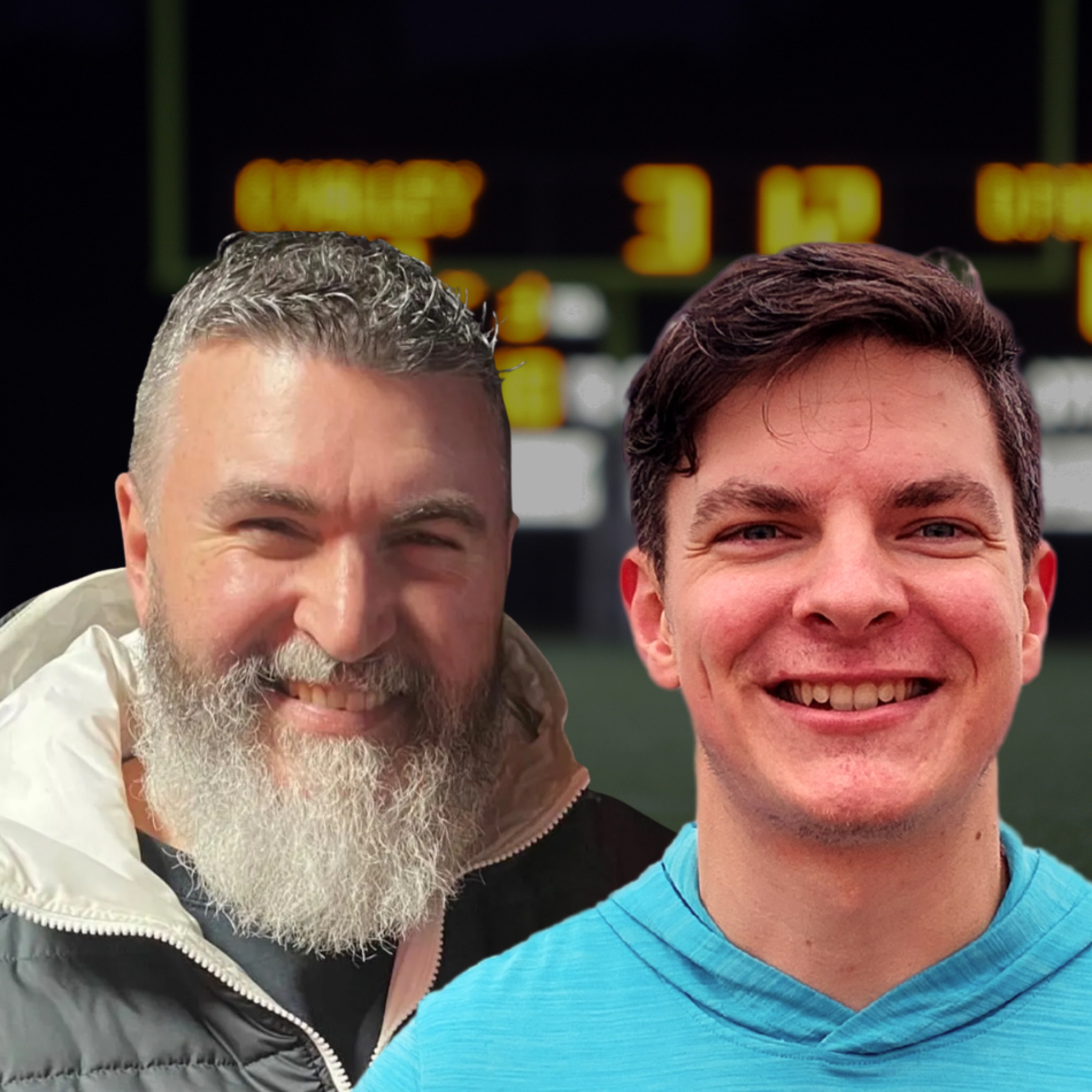
    What College Soccer Coaches See That Your Highlight Film Never Shows

    Every text message. Every phone call. Every visit. Every time a coach watches you play.College soccer coaches are collecting data on you constantly and the athletes who understand that are the ones who get offers. Karrigan Falber is the head coach of LeTourneau University Women's Soccer. In her first year as head coach, she took a program that hadn't had a winning season in seven years and turned it around, setting a program record with eight shutouts, including five straight. In this episode, she unpacks what she's evaluating in recruits and what separates the athletes who earn playing time from the ones who don't. We get into what coaches see when they watch you that has nothing to do with skill, why your consistency throughout the entire recruiting process matters more than any single showcase, how to build the kind of soccer IQ that makes coaches fight to recruit you, and why female soccer players are coming into college programs overtrained and what to do about it. Karrigan also breaks down the one mindset shift she installs in every athlete she coaches — the difference between who you are and what you do — and why the players who grasp it play better because of it. If you play high school soccer and want to know how college coaches are really evaluating you, this one is worth your time. Connect with Karrigan: IG: https://www.instagram.com/karrigan_falber/ X: https://x.com/CoachKarrigan Connect with Nick: Instagram: https://www.instagram.com/nicklemkerd/ X: https://x.com/nicklemkerd
  • August 20 · 32 min

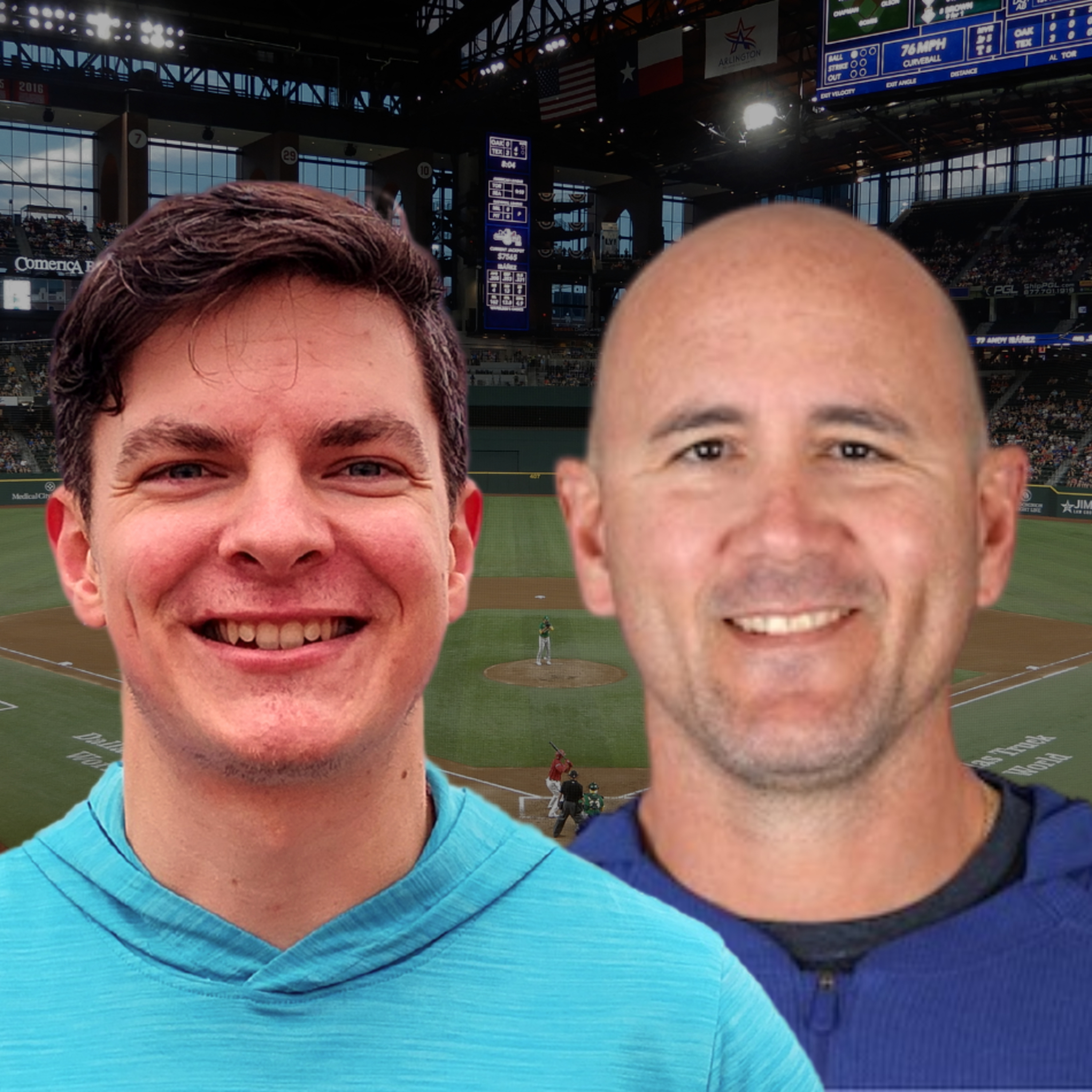
    He Won 4 State Championships and Still Walked Away — What Every Athlete Needs to Hear

    Coaches are leaving athletics at a rate that has never been seen before. Reagan Smith is one of them and his story is worth understanding. Reagan spent 16 years as a high school football coach without a single losing regular season. He won four state championships. He sent nine players to the NFL and has a tenth projected one in Arizona State transfer, Omarion Miller. And then he walked away. In this episode, Reagan gets completely honest about what drove him out — the NIL era gutting his recruiting pipeline, the pressure from parents and social media, wages that didn't keep up, and a version of the job that stopped resembling the one he signed up for. He also shares something most championship coaches won't admit: winning a state title felt empty. And understanding why changes how you think about everything you're chasing. We get into what actually separated his championship teams from everyone else, why coaches waste enormous amounts of practice time on things that don't move the needle, what his "focus, effort, details" mantra really means at the play-by-play level, and the three things he would tell every high school athlete who wants to play at the next level right now. Reagan also gives the most direct recruiting advice you'll hear — why your D1 dream might actually be a D2 opportunity, why the six-hour radius rule changes your chances overnight, and why a 10-to-15 play highlight reel will do more for you than a 12-minute one that only mom and grandma watch. If you play or coach high school football, this one is worth your time. Connect with Reagan: X: https://x.com/CReaganSmith Facebook: https://www.facebook.com/reagan.smithcoachsmith Connect with Nick: Instagram: https://www.instagram.com/nicklemkerd/ X: https://x.com/nicklemkerd
  • August 13 · 41 min

    What an MLB Strength Coach Sees When He Watches High School Baseball Players

    A strength coach who spent 20 years in the Major Leagues can read a high school player in seconds. And what he's looking at first has nothing to do with how they swing or pitch. Jose Vasquez spent nearly two decades as head strength and conditioning coach for the Texas Rangers and is now a physical therapist working with baseball players across the Dallas area. In this episode, he shares what he watched separate the players who lasted in the big leagues from the ones who had the talent but burned out early — and what that means for high school athletes right now. We get into why the eye test at a showcase matters more than most parents realize, why spending money on showcases before your son's body is ready is money thrown away, how high school players are losing entire years of development by never putting the ball down long enough to build real strength, and why one bad night of sleep can wreck your body for two to three days — the same way a hangover does. Jose also answers the question every sports parent eventually asks: when should a high school athlete start lifting weights? His answer isn't what most expect — and it has nothing to do with age. Plus he breaks down the exact weekly schedule he builds for his top high school athlete, currently one of the best players in Texas, and the three things every high school baseball player needs to be doing right now to give themselves a real shot at the next level. If you play high school baseball and want to know what an MLB coach actually sees when he looks at you, this one is worth your time. Connect with Jose: Instagram: https://www.instagram.com/jvazquezptcscs/ Connect with Nick: Instagram: https://www.instagram.com/nicklemkerd/ X: https://x.com/nicklemkerd
  • August 6 · 28 min

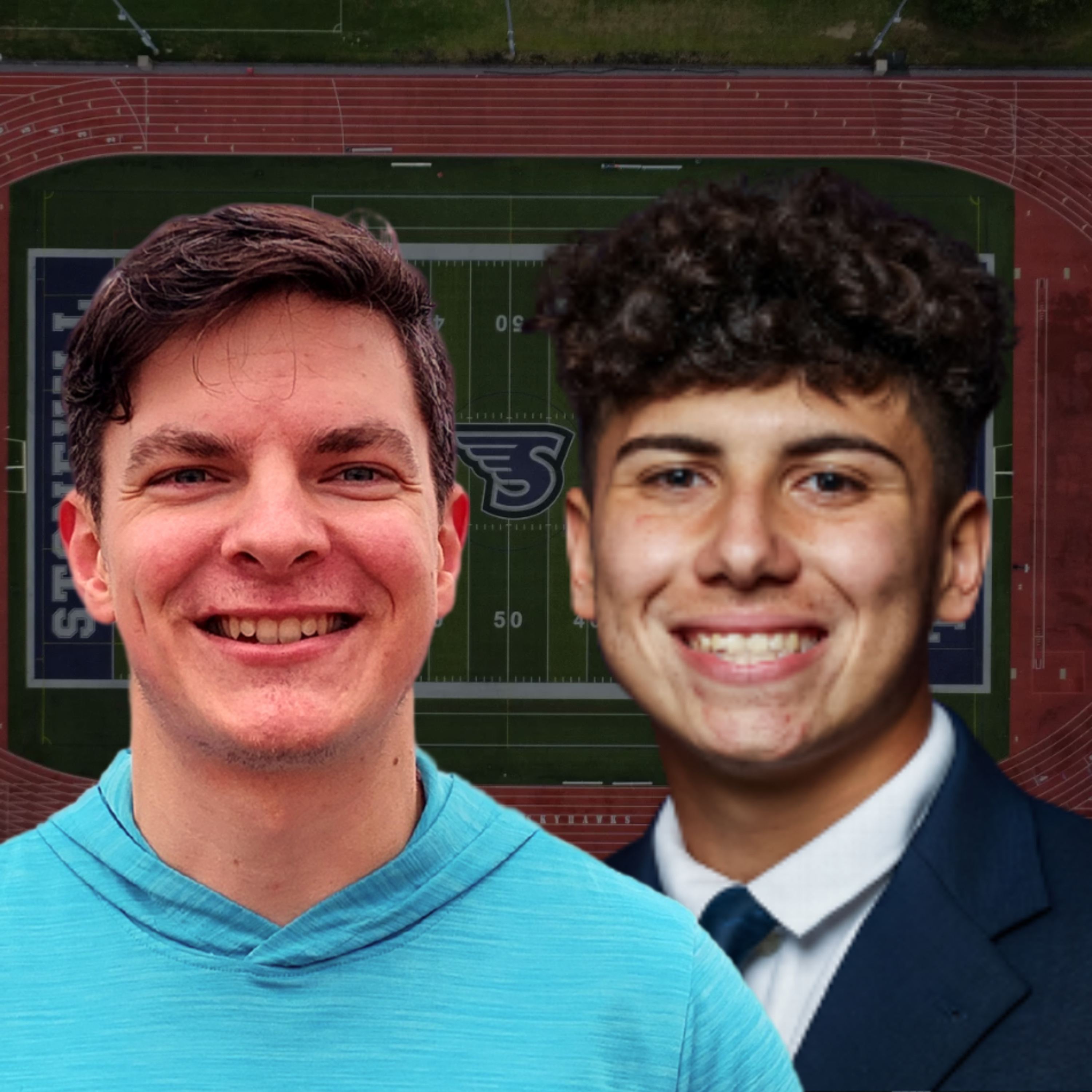
    He Wasn't the Biggest. Wasn't the Fastest. Here's How He Made It to D1

    Everyone talks about getting to the Division 1 level. Nobody talks about what happens when you actually get there. Dante Campagna graduated high school in 2025 and just finished his first year playing D1 football at Stonehill College. In this episode he gets completely honest about what that jump actually looks like — the physical grind, the mental battles, and the things he wishes someone had told him before he got there. We get into what the first weeks of camp really feel like when you're going from 7 in the morning to 9pm at night, why the mental side of going from being THE GUY in high school to waiting your turn in college hits harder than anyone warns you, what recovery actually looks like at the D1 level and why most high school athletes treat it as an afterthought, and the one mindset shift that separates the athletes who thrive from the ones who fade out. Dante also breaks down what he's doing differently heading into year two, the nutrition habits he had to completely rethink once he got to college, and what he'd tell every high school athlete who thinks they're ready but probably isn't doing the three things that matter most. If you play high school football and want to know what D1 is really like before you get there, this one is worth your time. Connect with Dante: X: https://x.com/dante_campagna3 Connect with Nick: Instagram: https://www.instagram.com/nicklemkerd/ X: https://x.com/nicklemkerd
  • July 16 · 37 min

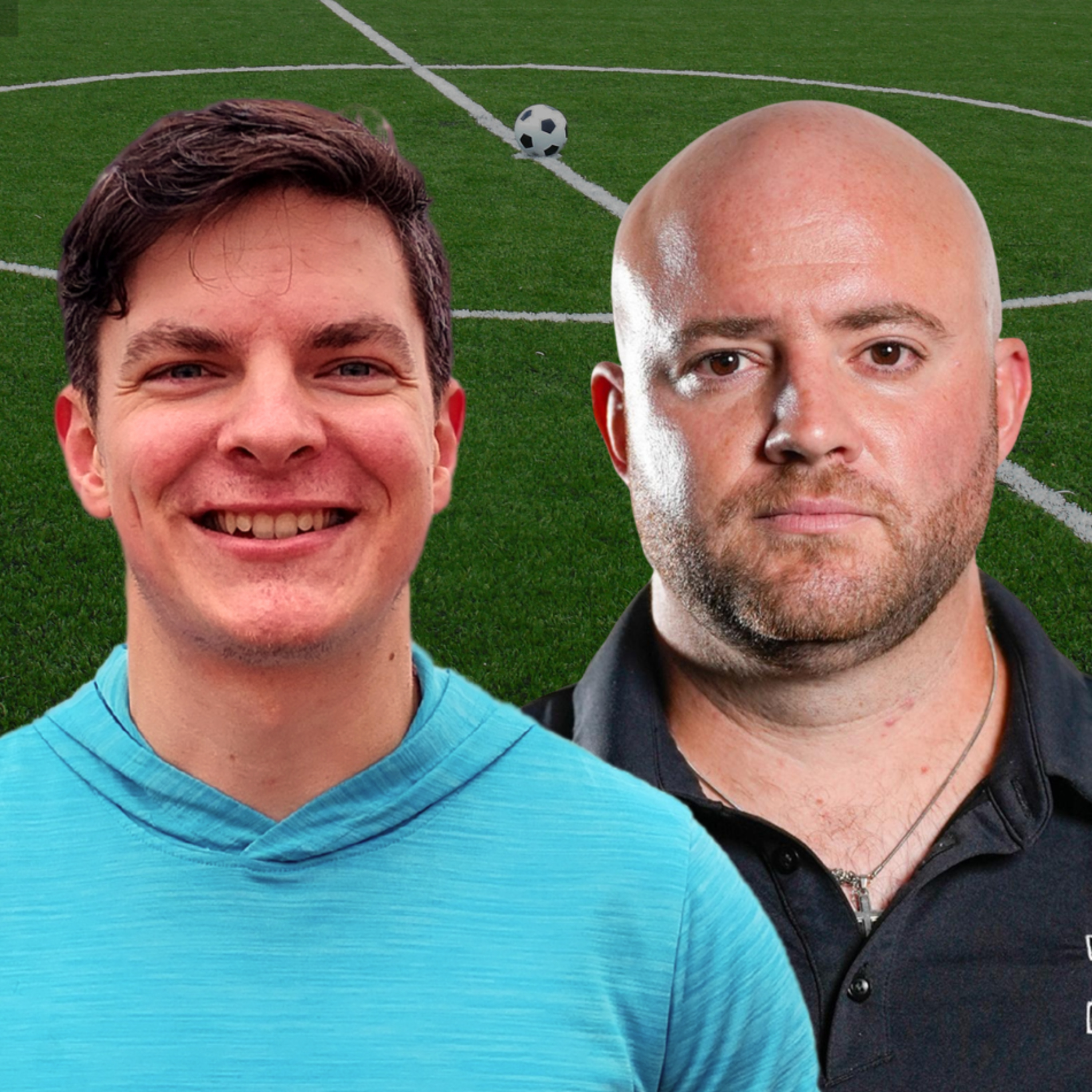
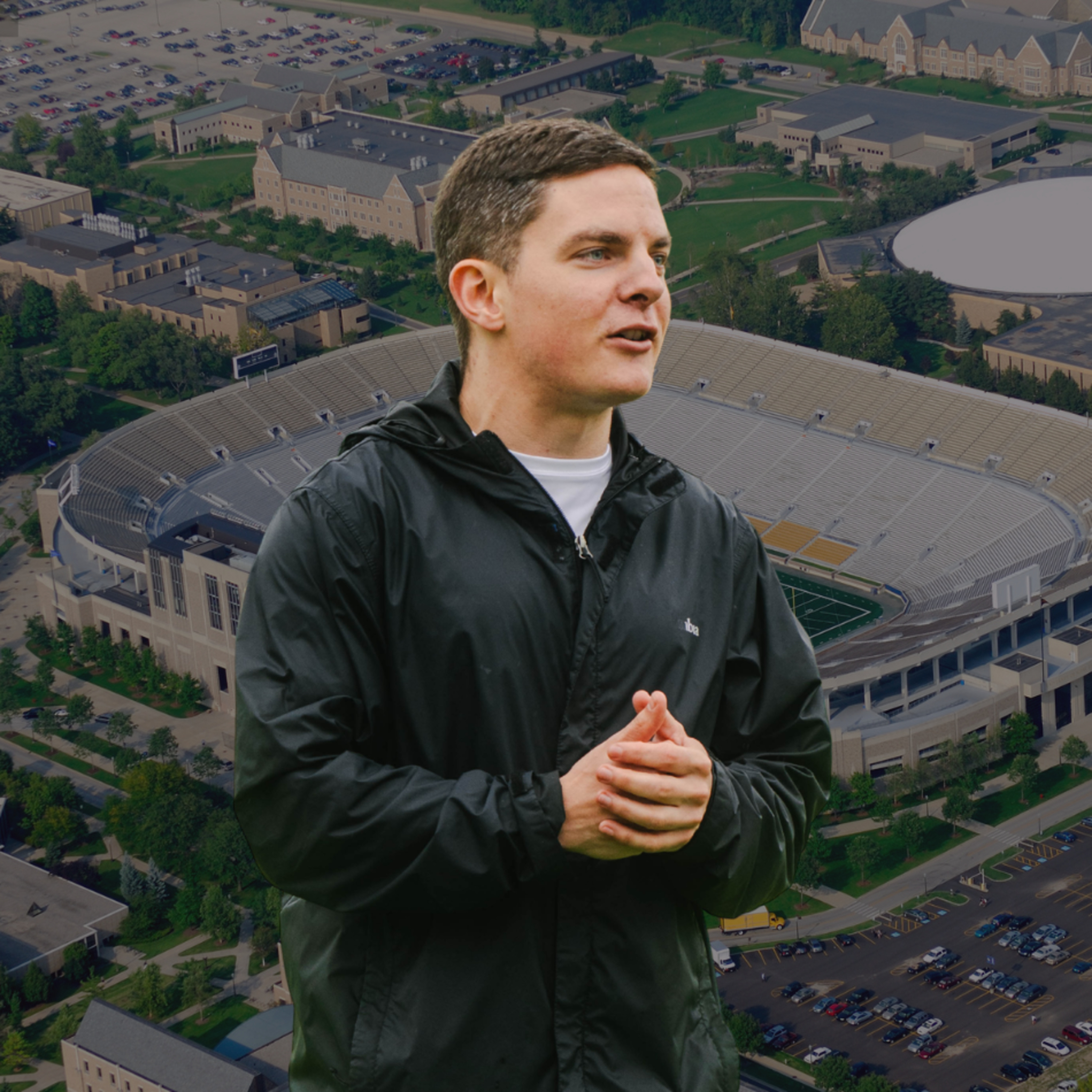
    Why Talented Soccer Players Don't Get Recruited | D1 Coach Explains What College Coaches Look For

    College coaches are evaluating you long before they ever talk to you and a lot of what they're watching has nothing to do with what you do with the ball. Colton Bryant is an assistant coach and recruiting coordinator for Lamar University Women's Soccer. He's spent years on the recruiting trail evaluating players at events, camps, and showcases. In this episode, he pulls back the curtain on what actually separates the players who get offers from the ones who don't (and it goes a lot deeper than skill). We get into what coaches notice when you don't know they're watching, why how you treat your parents after a loss tells a coach more than your highlight reel, how the bags behind the bench before kickoff predict whether a team wins or loses, and why asking about scholarships in your first conversation with a coach is one of the fastest ways to fall off their list. Colton also breaks down what it actually means to build a winning team culture as an athlete, why accountability and snitching are not the same thing, how to give teammates feedback that builds them up instead of tearing them down, and the one daily action every athlete should start now if they want to be the player coaches fight to recruit and teammates fight to play with. If you play college or high school soccer and want to know what coaches are really watching, this one is worth your time. Connect with Colton: Instagram: https://www.instagram.com/coachcolton/ X: https://x.com/coachcolton Connect with Nick: Instagram: https://www.instagram.com/nicklemkerd/ X: https://x.com/nicklemkerd

  • July 9 · 10 min

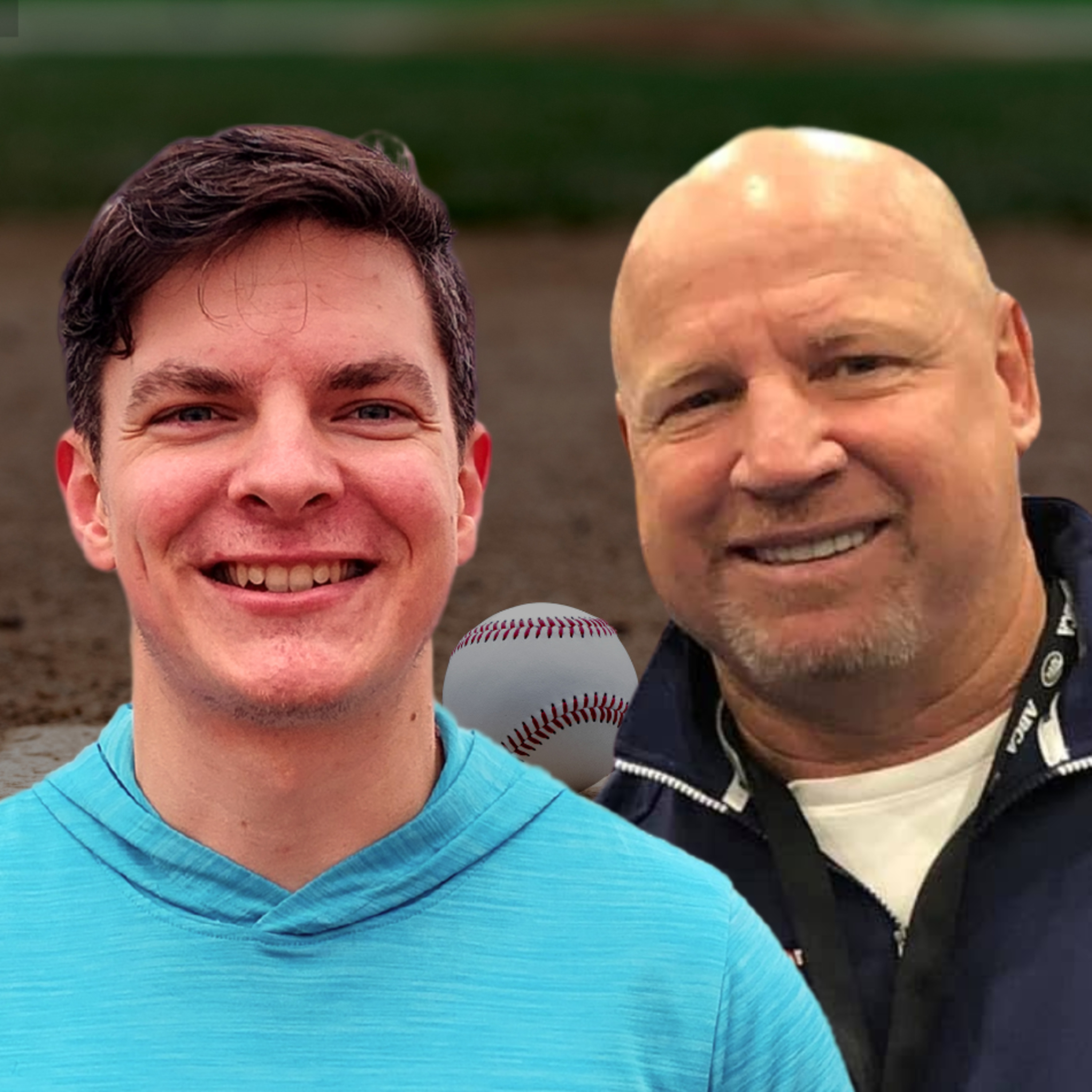
    Why College Coaches Are Passing Over Your Athlete (And It Has Nothing to Do With Training)

    Your athlete is training harder than ever. They have the skills. They have the work ethic. And college coaches are still not calling. The reason might not be what you think. In this solo episode, I'm breaking down what I keep seeing with the athletes I work with — from football and baseball to soccer and basketball — who are doing all the right training but completely missing the one piece that actually makes training stick. College coaches are looking for velocity, speed, power, and size. The training alone won't get you there. What actually drives those results is how you're fueling and most athletes are neglecting this part. I walk through three real examples from athletes I'm currently working with: a male soccer player trying to earn a varsity spot, a female soccer player chasing a college offer who keeps hearing she has the skills but not the speed, and a college baseball pitcher who had to redshirt his first year because his velocity wasn't where it needed to be. Then I break down the three things every athlete needs to fix, whether you're trying to gain size, build speed, or lean out to get faster. You have to eat enough to support the build. If your athlete is putting in the work and not seeing the results show up on the field, this episode is worth sharing with them. Get my free 5-day sample meal plan: https://clutchperformancenutrition.fit/eliteathletemealplan Connect with Nick: Instagram: https://www.instagram.com/nicklemkerd/ X: https://x.com/nicklemkerd
  • June 25 · 37 min

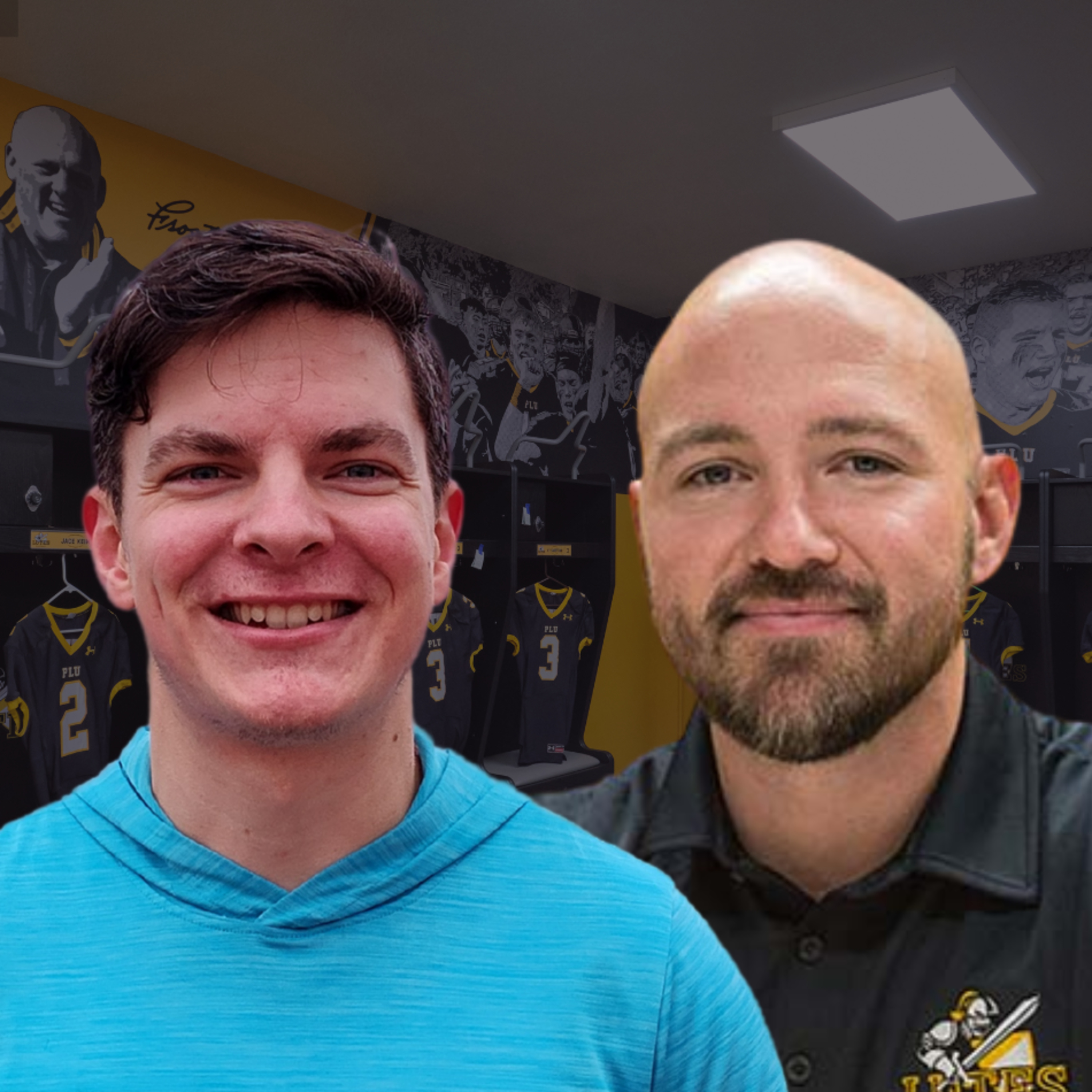
    Why You Lose Confidence When You Play Bad | Mental Performance Coach

    The second a game goes bad, your confidence disappears. That's the moment most of this episode is about. Zach Willis is the offensive coordinator and recruiting coordinator at Pacific Lutheran University and a certified mental performance consultant. In this episode, he breaks down confidence as a skill that can be trained, not a switch that's either on or off. We get into the four real ways confidence is built, why your self-talk after a mistake matters more than the mistake itself, how to actually use stats and data to counter negative thoughts instead of spiraling, and why tying your identity completely to your sport sets you up for a much harder fall when things don't go your way. Zach also explains how to handle outside noise during competition, what it really means to control the controllables, and the first step to take when an athlete feels like they have zero confidence left. If you play any sport and you've ever felt like your confidence disappears the moment things go wrong, this episode gives you a real way to think about it differently. Connect with Zach: X: https://x.com/Zach_Willis45 Connect with Nick: Instagram: https://www.instagram.com/nicklemkerd/ X: https://x.com/nicklemkerd

  • June 18 · 39 min

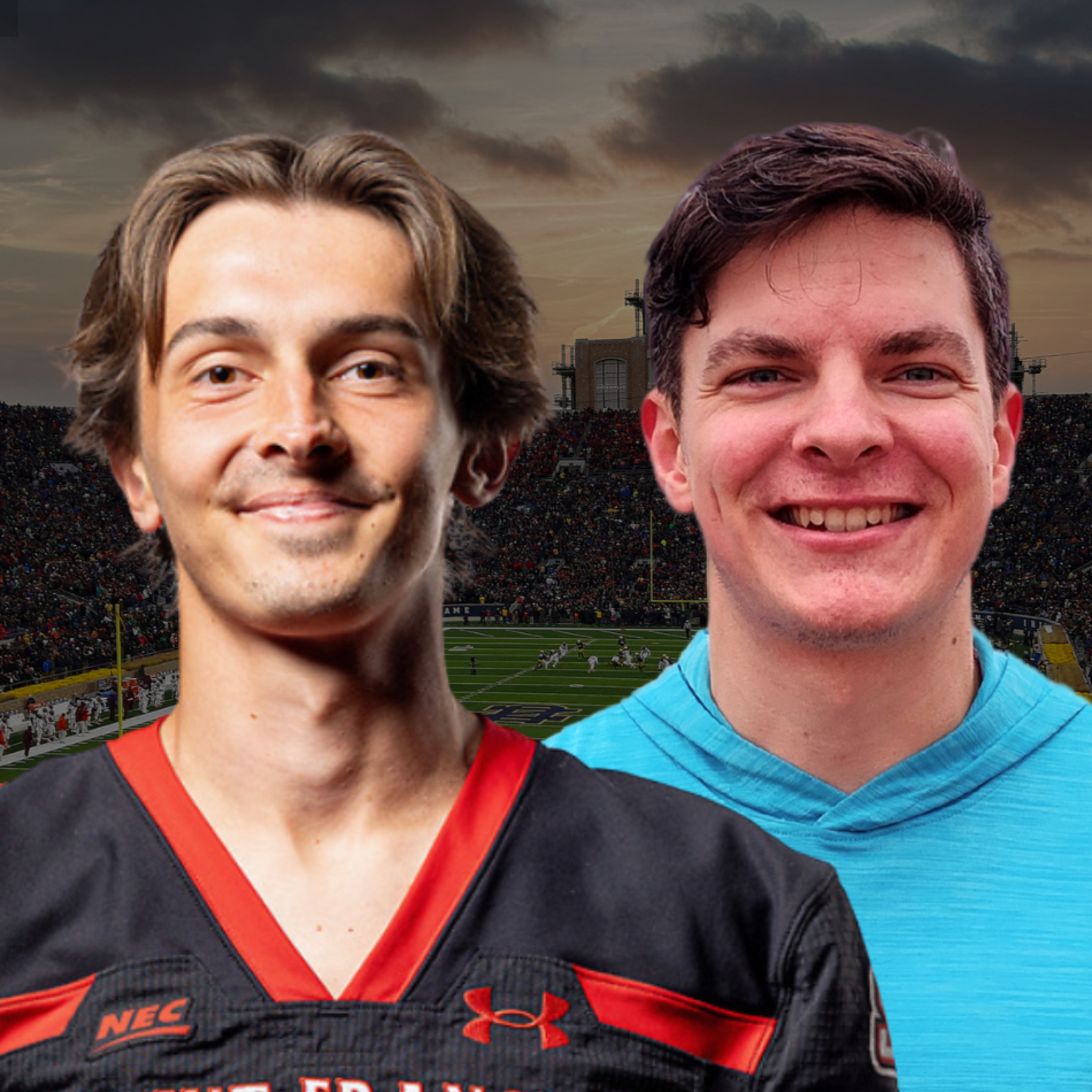
    Your Batting Average Is Ruining Your Confidence | Former Pro Player & Mental Performance Coach

    If you feel like you've stopped getting better or like you're doing everything right and still going 0 for 4, the problem probably isn't your swing. Steve Springer spent 14 years in professional baseball, including 11 years in Triple A. He went on to become a mental performance coach for the Blue Jays, a pro scout, and a player agent. He's worked with MLB All-Stars, minor leaguers, and high school hitters and his message is the same at every level. In this episode, Steve breaks down what separates the players who keep developing from the ones who plateau and disappear (broken down by age group, from 12-year-olds all the way through college athletes chasing pro ball). He gets into why stats are making you worse and why "Quality at Bats" matter more. He also hits on why 95% of players are competing with tension and anxiety they don't have to have and why the players who stay in the game longest are the ones who change what they think success is. Steve also shares parts of his story of going from getting cut in college to playing in the big leagues and why players who think they're too small, too slow, or too late to be recruited still have more opportunities than they realize. If you play baseball at any level and want to stop getting in your own way, this one is worth your time. Connect with Steve: Website: https://qualityatbats.com/ Instagram: https://www.instagram.com/qualityatbats/ X: https://x.com/qualityatbats Connect with Nick: Instagram: https://www.instagram.com/nicklemkerd/ X: https://x.com/nicklemkerd
  • June 11 · 39 min

    How High School Pitchers Are Destroying Their Arms Before They Ever Get Recruited

    Youth baseball players have now surpassed Major League pitchers as the largest group needing Tommy John surgery. The UCL ligament a pitcher throws with doesn't even fully mature until age 26 and kids are blowing it out at 14 and 15. Dr. Kevin McGovern is a physical therapist who has spent over 30 years working with baseball pitchers from high school to the pros. He knows exactly what's causing the arm injury epidemic and what's working to build velocity without breaking down young arms. In this episode, Kevin explains why weighted balls are doing more damage than coaches will admit, why your arm is the last thing you should be training if you want to throw harder, and what two movements almost every pitcher fails that are directly connected to both injury and lost velocity. He also breaks down the difference between drop and drive versus drift mechanics, why endurance is so important to pitching, what to do after you pitch that can either protect your arm or wreck it, and why the advice to "bend your knees" might be the worst cue in baseball. If you pitch at any level and want to throw harder and stay healthy long enough to use it, this episode has answers most coaches never give you. Connect with Dr. Kevin McGovern:IG: https://www.instagram.com/drkmcgovernpt/X: https://x.com/DrKMcGovernPT YT: ⁨https://www.youtube.com/@DRKMCGOVERNPT Connect with Nick:IG: https://www.instagram.com/nicklemkerd/X: https://x.com/nicklemkerd

  • June 4 · 28 min

    The Transfer Portal Almost Ended My Football Career. Here's What I Wish I Knew

    This offseason was littered with stats and stories of transfer portal athletes who never made it out. Athletes who didn't realize just how touch it would be to find a new home. Andy Gerasenko could have been one of these athletes. He found out his program was dropping from D1 to D3 AFTER he had already committed to them his senior year. Decided to stick it out his freshman year, but entered the portal in January. What followed was five months in the portal, over a thousand schools narrowed down to a handful of real conversations, and a reality check that most athletes only find out about after it's too late. In this episode, Andy gets completely honest about what led him to the portal, what it actually feels like to watch commit announcements roll in on social media while you're still waiting, why he kept looking for another D1 program to compete at, and what finally led him to Lock Haven and why he has zero regrets about where he landed. He also breaks down the three things every athlete needs to understand before they ever enter the portal: the credits that might not transfer, the scholarships that disappear the moment you leave, and why patience is the hardest and most important skill in the whole process. If you play college or high school football and the portal is something you're thinking about (or if you just want to understand what it really looks like from inside the portal) this one is worth your time. Follow Andy: X: https://x.com/Andy_Gerasenko Connect with Nick: Instagram: https://www.instagram.com/nicklemkerd/ X: https://x.com/nicklemkerd
  • May 28 · 35 min

    What College Football Coaches Look for When Recruiting High School Athletes | Head Coach Reveals

    If coaches have stopped responding to you, there's a reason... and most athletes never find out what it is. Brant McAdams is the head football coach at Pacific Lutheran University. He played college football himself and has spent years making the final call on who gets recruited and who quietly gets moved off the board. In this episode, he shares what that process actually looks like from the inside. We cover what coaches evaluate beyond your highlight film, why follow-through matters more than most athletes think, how to handle showcases without wasting money, what your social media is telling coaches without you knowing it, and the real reason parents contacting coaches on their athlete's behalf can hurt more than help. Brant also breaks down what most families get wrong about D3 schools, including why the sticker price scares people away from some of the best fits and best financial packages out there. If you play high school football and want to play at the next level, this episode has answers most coaches won't say out loud. What are you doing to build relationships with potential colleges? Connect with Brant:Instagram: https://www.instagram.com/coachbrantmcadams/X: https://x.com/BrantMcAdams Connect with Nick:Instagram: https://www.instagram.com/nicklemkerd/X: https://x.com/nicklemkerd

  • May 21 · 28 min

    Why You Can't Hit in Games But Look Great in the Cage | Baseball Hitting Coach

    If you're putting in the reps and still not seeing results in games, the problem probably isn't your swing. Rob Crews is the founder of Complete Game and creator of the See Think Move method. He's worked with college programs like UCLA, Florida, and LSU and consulted with MLB organizations including the Padres and Mariners. His take: most hitters are training the wrong thing entirely. In this episode, Rob breaks down why everything before the swing determines whether it's a good one, what's actually causing your slumps and the three things every hitter needs to start doing right now to hit the ball harder more consistently. We also get into why travel ball itself isn't the problem and what parents can do to raise better athletes. If you play baseball or softball and you want to hit better in games (not just in the cage) this one is for you. What's one action you can take to be a better hitter? Connect with Rob: Website: https://www.complete.game/ Instagram: https://www.instagram.com/completegame/ X: https://x.com/CompleteGame Connect with Nick: Instagram: https://www.instagram.com/nicklemkerd/ X: https://x.com/nicklemkerd

  • May 14 · 35 min

    What to Say to Your Athlete After a Bad Game | Chad Hermansen Mental Performance Coach

    Your athlete just had a rough game. They're quiet. You want to help, so you start talking. And that might be the exact moment the damage happens. In this episode, I sat down with Chad Hermansen, first round draft pick, former big leaguer, former MLB scout, and now mental performance coach to talk about what parents are doing after games, in the stands, and at home that is quietly destroying their athlete's confidence and straining their relationship. Chad breaks down why athletes already know what they did wrong, why your frustration in the car ride home is your problem to manage first, and what it actually looks like to be the parent your athlete needs, not the one they dread coming home to. We also get into his self-coaching model from his book The Parent Edge, how to repair a relationship that's already been strained by years of pressure, and the one question you should ask yourself before you ever say anything after a bad game. If you love your athlete and just want to give them what they need to succeed, this one is worth the listen. How do you respond when your athlete gets in the car after a game? Get Chad's book The Parent Edge: https://a.co/d/00o9mzSQ Follow Chad on Instagram: https://www.instagram.com/chadhermansen/ Follow Chad on TikTok: https://www.tiktok.com/@mentaledgecoachchad Connect with Nick: Instagram: https://www.instagram.com/nicklemkerd/ Twitter/X: https://x.com/nicklemkerd
  • May 7 · 33 min

    How to Get Noticed by MLB Scouts in High School | Inside the Scouting Process with a Cubs Scout

    Most high school baseball players have no idea what MLB scouts are actually looking for, and you're likely focusing on the wrong stuff. In this episode, I sat down with Nate Metzger, a scout for the Chicago Cubs and former college coach, to pull back the curtain on the scouting and recruiting process. We talk about what tools scouts prioritize, how size really factors in, and what separates the guys who get drafted from the ones who get passed over. Nate also breaks down why the jump from high school to college is harder than college to pro ball and what the athletes who make it to the big leagues all have in common, beyond just talent. If you play high school baseball and want to understand what scouts are watching for, how to get on their radar, and what mindset it takes to compete at the next level, this one is for you. Want to reach out to Nate directly with questions about the process? Email him at nmetzger@cubs.com Connect with Nick: Instagram: https://www.instagram.com/nicklemkerd/ Twitter/X: https://x.com/nicklemkerd
  • April 30 · 25 min

    What Changes After You Commit D1 in Baseball

    What changes after you commit D1? In this episode, Nick talks with Carter Macanas, an Arizona State baseball commit, about what it actually takes to keep developing after an early commitment. Carter committed to ASU as a freshman, played at national events like Jupiter, and was named a PG All-Tournament hitter. But after committing, he had to learn that the work does not stop once the offer comes. Since they chatted, Carter has put on 15 pounds of muscle to better perform at the next level and has since changed his college commitment, while still remaining hungry to get better every day. They talk about staying motivated after commitment, building better nutrition habits, preparing for games, gaining weight the right way, improving energy, hydration, recovery, and the mindset needed to keep climbing. This episode is for high school baseball players who want to play college baseball and understand what separates serious athletes from athletes who get comfortable. What habit do you need to lock in 2026? Follow CarterInstagram: https://www.instagram.com/carter_macanas_808/ Follow NickInstagram: https://www.instagram.com/nicklemkerdX: https://twitter.com/nicklemkerd

  • April 23 · 35 min

    Why Most Athletes Struggle With Confidence (And How to Fix It)

    Confidence is something every athlete struggles with at some point. But most athletes misunderstand where confidence actually comes from. In this episode, Nick sits down with Adalyne Fettig to talk about what it takes to build real confidence through development, consistency, and trusting the process. This conversation is especially helpful for athletes who feel stuck, unsure, or behind in their progress. Are you lacking confidence, or just expecting results too quickly? Follow Adalyne: Instagram: https://www.instagram.com/adalynefettig X: https://x.com/adalynefettig Website: https://www.adalynefettig.com/ Follow Nick: Instagram: https://www.instagram.com/nicklemkerd X: https://twitter.com/nicklemkerd

  • April 16 · 31 min

    Why Most Athletes Quit When It Gets Hard (And How to Be the One Who Doesn't)

    Too many athletes quit when it gets hard. The ones who don't are the ones who make it. In this episode, Nick sits down with Brian Barnes, athletic director, coach, speaker, and author of Conquer Your Fears, Be a Rock. They talk about the one thing every athlete faces but few actually know how to handle: adversity. Not the highlight reel version. The real version. Bad games, injuries, losing your starting spot, doubting yourself, feeling stuck. In this conversation, you'll learn: Why focusing on outcomes is making your performance worse The WIN theory, what it means and how to use it in the middle of a game What "keeping the main thing the main thing" actually looks like in practice How to stack small wins when you feel like you're going nowhere Why you don't have to be the star to change the outcome of a game The Brian Hoyer Super Bowl story that every bench player needs to hear Why you're not a finished product and why that's the best news you'll hear today If you've ever felt stuck, doubted yourself, or wondered if all the work is actually worth it, this one's for you. What's the hardest thing you've had to push through as an athlete? Drop it in the comments. Connect with Brian Barnes: Instagram → https://www.instagram.com/bearockllc/ Conquer Your Fears, Be a Rock → https://a.co/d/01Q9YnFv Follow Nick Lemke: Instagram → https://www.instagram.com/nicklemkerd/ Twitter/X → https://x.com/nicklemkerd
  • April 9 · 44 min

    The Decisions That Will Make or Break Your Athletic Career | Jose Rijo-Berger

    Talent opens doors. Your decisions decide if they stay open. In this episode, Nick sits down with Jose Rijo-Berger, a former pro baseball player drafted by both the Dodgers and the Mets, a 10-year MLB scout with the Pirates, Brewers, and Cardinals, and a performance coach who now works with athletes at every level. Jose's story is not a highlight reel. It starts with being born to a 15-year-old mom, losing his adoptive dad on his eighth birthday, growing up in poverty in Seattle, getting kicked off his high school team, and running deep in gang life before one night changed everything. What came after that is what makes this episode worth stopping everything for. In this conversation, you'll learn: Why the people you surround yourself with matter more than your talent What MLB scouts actually look for during pregame warmups The small daily decisions that separate athletes who make it from those who don't How to respond when you're in a slump without letting it wreck your identity Why being a great teammate when you're NOT playing well is your most important skill What a D1 scout meant when he asked "what's his fun factor?" How Jose's son went from benched and 0 for 13 to the hottest hitter on his team This is one of those conversations you'll want to share with every athlete and parent in your life. Connect with Jose Rijo-Berger:📸 Instagram → https://www.instagram.com/joserijoberger/▶️ YouTube (108 Performance) → https://www.youtube.com/@108_performance Follow Nick Lemke:📸 Instagram → https://www.instagram.com/nicklemkerd/🐦 Twitter/X → https://x.com/nicklemkerd What's one decision you've made as an athlete that changed everything? Drop it in the comments.

  • April 2 · 37 min

    How Fear Is Secretly Killing Your Performance | Mike Martin

    What if the thing holding you back has nothing to do with your speed, strength, or skill? In this episode, Nick sits down with Mike Martin, a sports writer for the University of Washington who has spent decades quietly working with elite athletes on the one thing nobody talks about: fear. Mike has coached and mentored athletes at every level. He's also the author of the upcoming book Coaching the Fear Out of Kids, and his framework for replacing fear with love, trust, and confidence has turned struggling athletes into record-breakers. In this conversation, you'll learn: What fear actually looks like in athletes before coaches and parents even notice it Why social media has added a whole new layer of fear to your game How the way you were coached and parented shapes how you respond to pressure right now The "trust fail" method that expands your comfort zone without burning you out Why the most successful athletes fail more than anyone else How one athlete went from benched and toxic to a school record in rebounds after one conversation How a running back went from 50 yards a game to 2,400 all-purpose yards in a single season If you've ever choked under pressure, avoided taking the big shot, or felt like fear is running your game, this episode is for you. Connect with Mike Martin:📧 mike2martinsi@gmail.com🐦 https://x.com/HowlinHusky Follow Nick Lemke:📸 Instagram → https://www.instagram.com/nicklemkerd/🐦 Twitter/X → https://x.com/nicklemkerd What's the biggest fear that's ever held you back?
  • March 26 · 35 min

    Why Linebackers Play Slow (And How to Fix It)

    A lot of linebackers have the size, strength, and speed, but still struggle to play fast on the field. So what’s actually holding them back? In this episode, Nick sits down with Brian Burke, founder of Threshing Floor Athletics, who has coached linebackers from high school to the professional level. They break down why many linebackers play slow, how overthinking impacts performance, and what it actually takes to react quickly and confidently on the field. This conversation covers: Why linebackers struggle to play fast The role of decision-making and instincts How to train for game-speed reactions The difference between thinking and reacting What separates good linebackers from great ones What's your biggest challenge as a linebacker? Brian and Threshing Floor Athletics: Instagram: https://www.instagram.com/tfa_thebackercode/ LinkedIn: https://www.linkedin.com/in/threshing-floor-athletics-6369a2340/ Facebook: https://www.facebook.com/brian.burck.3 Follow Nick: Instagram: https://www.instagram.com/nicklemkerd X: https://twitter.com/nicklemkerd

Showing 1–20 of 22 episodes