Suzanne Lacy on Art, Aging, and Accountability
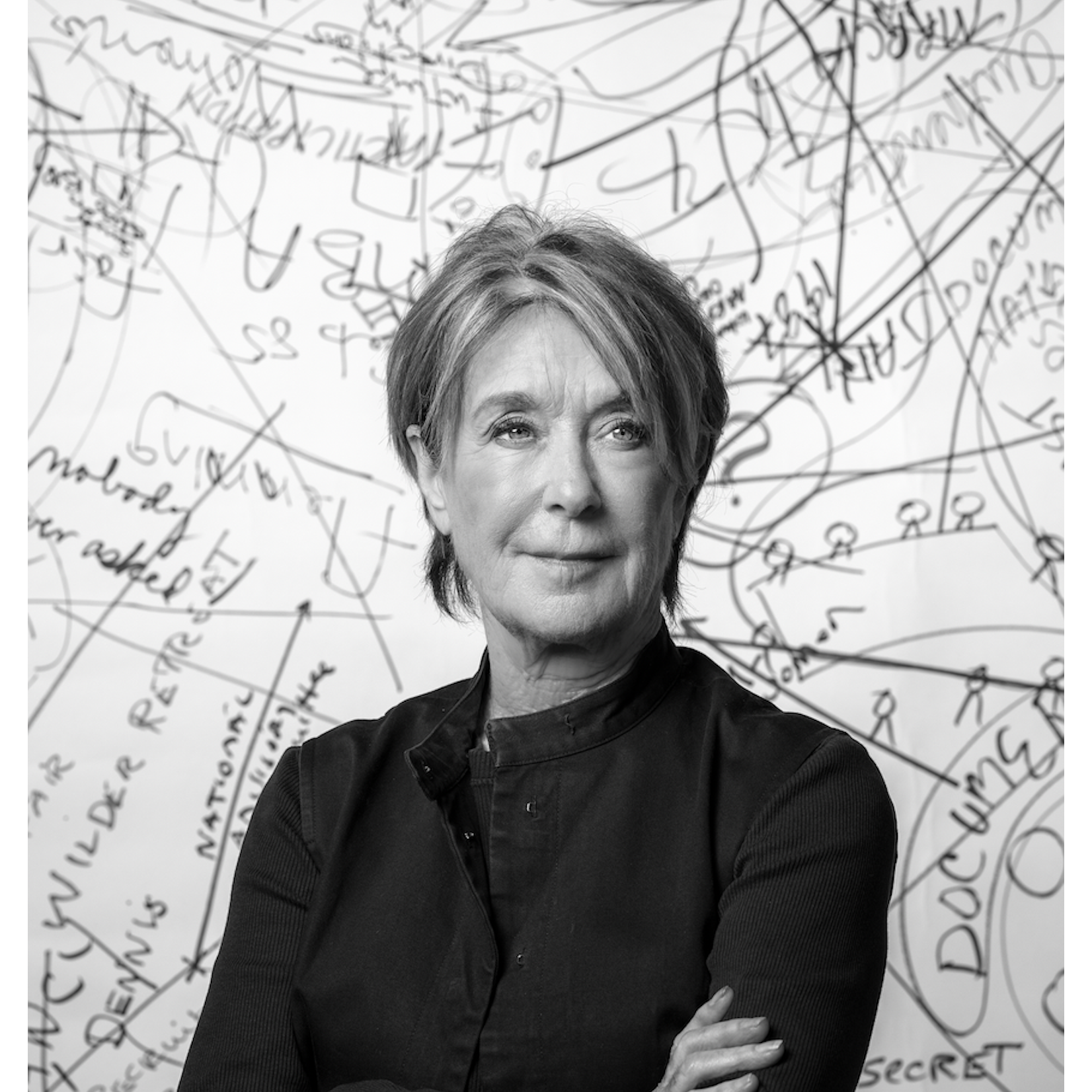
At 80, one of the founders of socially engaged art climbed back into a dragster — as Cinderella — fifty years after she first did it. Why? In this episode, host Hugh Leeman sits down with Suzanne Lacy — a pioneering figure in performance and social practice art whose work has been shown at Tate Modern, SFMOMA, and around the world — for a remarkably candid conversation about aging, accountability, and what art can and cannot change. Lacy revisits her 1976 performance Cinderella in a Speeding Dragster and its new incarnation, Cinderella Redux, using them as a lens on artistic longevity, the compulsion to keep moving, and a lifelong awareness of mortality. She walks through De tu Puño y Letra, the extraordinary Ecuador project in which 300 men stepped into a bullring — a space of masculinity and domination — to read aloud women's letters describing violence and femicide, then carried those letters, candle in hand, into the crowd. She reflects on We Are Here, her Lancashire mill project about two communities divided by a railroad track and joined only by a shared industrial past. Most striking is her honesty about her own position: what it means to work across race and class as a white, working-class woman; the friends who publicly humiliated and generously taught her; and why she believes accountability begins with the willingness to be wrong. She closes with a clear-eyed critique of an art education system that pays lip service to social practice while funneling everyone toward the market — and a defense of art made because you believe in it, not because you think it will save the world.