Skip to content
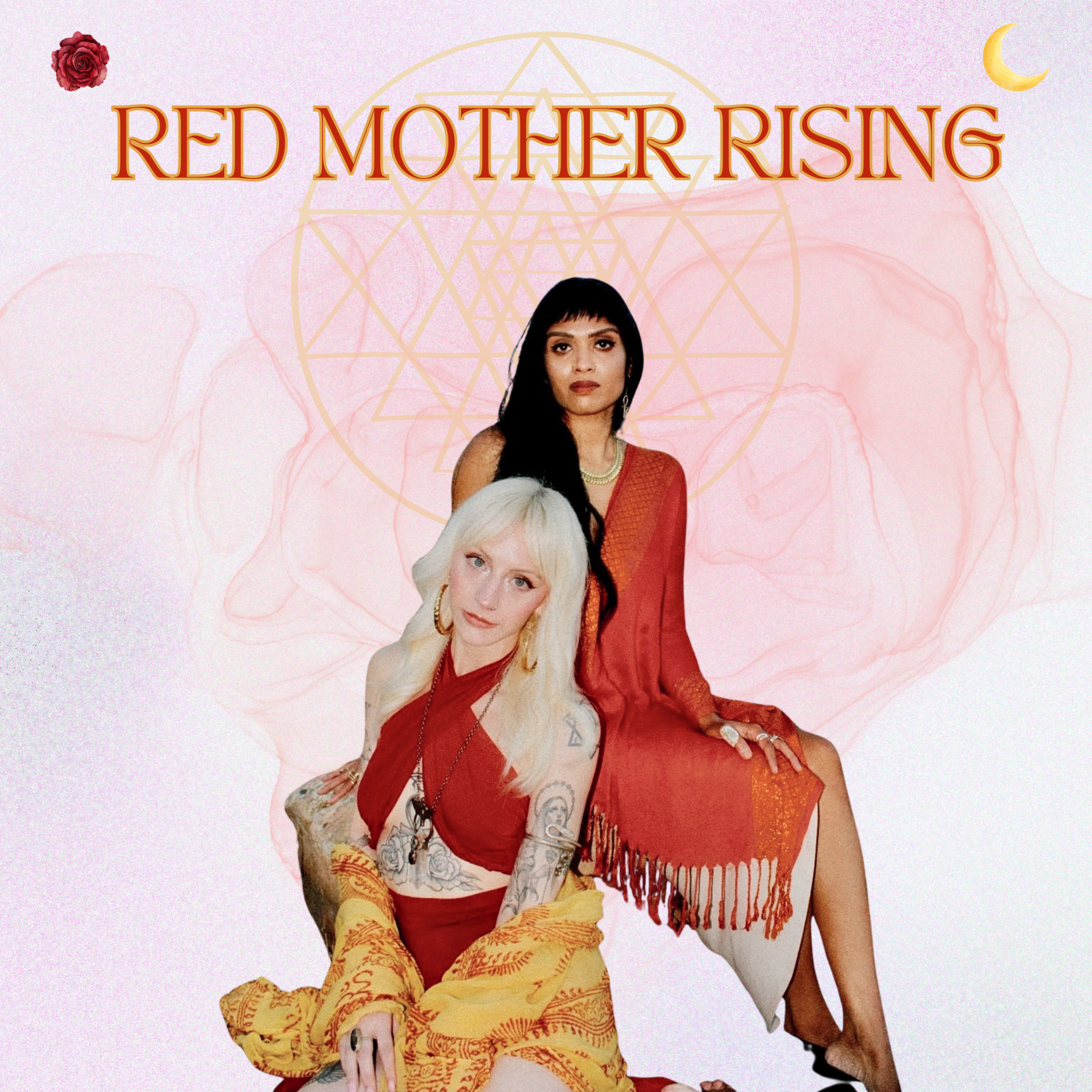
Artwork for Red Mother Rising

Red Mother Rising

Red Mother Rising

Meenakshi & Ruby Magdalene follow the Red Mother across traditions, through authentic Tantra, yoginī & priestess paths, devotion, liberation & returning home to the Divine Mother 🌹

Play
  • 3 episodes
  • Avg 1 hr 49 min
  • English
  • #3
    Yesterday · 2 hr 6 min

    The Whore of Babylon, Part 1: Revelations

    🌹 In this episode of Red Mother Rising, Ruby Magdalene and Meenakshi talk about Babalon, the Whore of Babylon, the Book of Revelation, and the strange similarities between Babalon and goddesses like Lalitā, Inanna, Kālī and Kāmākhyā. At the center of the conversation is a painting of Śrī Lalitā Tripurasundarī by Meenakshi’s friend Rashmi Thirtha Jyoti. It is a dark, regal and deeply erotic depiction of Lalitā that becomes part of the visual language of the conversation. When Ruby first told Meenakshi about Babalon, Meenakshi had never heard of her before. But when Meenakshi looked up the Whore of Babylon, she was shocked by how similar her imagery was to Lalitā: the red, the jewels, the wine, the queenship, the erotic power, and even the idea of ruling over kings. Ruby brings her own experience with Babalon, Christianity and the Western occult tradition into the conversation, while Ruby and Meenakshi examine the Book of Revelation itself, the political world it came out of, John of Patmos, Rome, Jezebel, martyrdom, misogyny, Gnosticism, Yeshua, the Kali Yuga, and the way women and the feminine are treated throughout the text. As a Śrīvidyā practitioner, Meenakshi explores what happens when the imagery of Babalon and the Whore of Babylon is interpreted through Śrīvidyā rather than through a framework of sin and sexual depravity. The woman called “whore” in Revelation looks strikingly similar to Lalitā as Śrī Mātā and Śrī Mahārājñī, the Mother and Empress: regal, erotic, adorned, sovereign, associated with wine and desire, and ultimately inseparable from the power that grants both worldly experience and liberation. The episode also explores “wine and fornications” through the lens of Śakti, Kuṇḍalinī, bhoga and mokṣa, and the possibility that symbols condemned in one tradition may point toward liberation and Self-realization in another. Ruby Magdalene and Meenakshi discuss: ✧ Babalon, the Whore of Babylon, Inanna and Lalitā Tripurasundarī ✧ Babalon and Lalitā as queen, mother, sovereign and erotic power ✧ Ruby’s Babalon initiation and the meaning of her tattoo ✧ The Rochester Śrīvidyā temple, Navarātri, Śrī Nagara and Revelation’s throne room ✧ Kāmākhyā, blood, the yoni, wine and sacred sexuality ✧ Revelation as symbolic and visionary: angels, animal-headed beings and Yoginīs ✧ John of Patmos, Rome, empire, persecution and apocalypse ✧ Jezebel, women’s spiritual authority, misogyny, sexual shame and the harlot ✧ The golden cup, blood of the saints and nondual union with the Mother ✧ “Wine and fornications,” Śakti, Kuṇḍalinī Śakti, sacred union, bhoga and mokṣa ✧ Crowley, Babalon and Western occult interpretations of the Goddess ✧ Spiritual projection, misogyny, desire and conditioning ✧ Devī Māhātmya, Mahīṣāsura, Mahābhārata and the complexity of good and evil ✧ Kuṇḍalinī Śakti, liberation, saṃskāras and Self-realization ✧ Śrīvidyā as a “controlled burn,” Gnosticism, martyrdom and institutional Christianity ✧ Kali Yuga, patriarchy, generational trauma, Yeshua and Eros as devotion rather than objectification A lot of this episode comes back to one question: what happens when the same feminine power is seen through very different minds? In one tradition She can become the whore, the fallen woman and the symbol of corruption. In another She is Śrī Mātā and Śrī Mahārājñī - the Mother and the Empress. This is part one of Ruby and Meenakshi’s conversation on Babalon. In the next episode, they will explore Crowley, Jack Parsons and the later occult interpretations of Her. Instagram: @red.mother.risingTikTok: @red.mother.risingSubstack: @red.mother.rising
  • October 3 · 1 hr 35 min

    Walking with Darkness

    🌹 What does it mean to walk in the darkness of the Mother? Why is the Mother depicted in so many beautiful and terrifying forms? And what does the darkness of the Mother have to do with liberation? The co-hosts and co-producers of Red Mother Rising, Ruby Magdalene and Meenakshi, who are both devotees of the Red Mother and also follow the yoginī/priestess path, discuss these questions in the second episode of Red Mother Rising. They discuss the Mother as She appears in various world traditions, including as Kālī, Lalitā, Inanna, Guanyin, Mary Magdalene, Pārvatī, and Cāmuṇḍā, and ultimately as Kuṇḍalinī Śakti, the liberating power that delves into the crevices of māyā to liberate the jīva (individual soul) from saṃskāras (egoic conditioning) and bring the mind back to its true nature as pure consciousness. Ruby Magdalene and Meenakshi discuss: ✧ The beautiful and terrifying faces of the Divine Mother ✧ Why the darkness of the Goddess is about liberation, not aesthetics or edginess ✧ Kṣaya, saṃskāras, and Śakti, and the way buried karma is brought to the surface ✧ Nirvikalpa samādhi, remembrance of the Self, and return to the womb of the Mother ✧ Kālī as Brahman and the fierce liberating forms of Durgā, Cāmuṇḍā, and Chinnamastā ✧ Lalitā Tripurasundarī, Kāmeśvara, and Kāmeśvarī, and the Goddess as the source of manifestation ✧ Tapasyā, renunciation, and why spiritual purification can feel painful ✧ Inanna’s descent into the underworld, Ereshkigal, and the stripping away of identity ✧ Mary Magdalene, the powers of wrath, Sophia, and parallels with nondual realization ✧ Bhoga and mokṣa in Śrīvidyā, and why enjoyment does not eliminate the need for renunciation ✧ The pañcamakāras, Vāmācāra, and the difference between transgression, hedonism, and liberation ✧ Yoni, liṅga, sacred sexuality, and the deeper metaphysics behind Tantric symbolism ✧ Yoginīs and ḍākinīs as fierce initiatory and protective beings rather than “evil” spirits ✧ Discernment, entities, cremation-ground practice, and the importance of spiritual protection ✧ Guanyin’s descent, sacrifice, compassion, and the fierceness hidden within gentleness ✧ Satī, Pārvatī, sacred union, and the renunciation that precedes union with the Divine ✧ Yeshua, the Sermon on the Mount, and the relationship between descent, liberation, and nondual awareness ABOUT RED MOTHER RISING’S HOSTS AND PRODUCERS Ruby Magdalene is a professional Magdalene priestess, oracle, trauma-informed psychic medium, sound healer, and archetypal-evolutionary astrologer. She has spent over a decade studying the intersection of spiritual traditions and goddess practices. Her work is deeply rooted in devotion to the Red Mother in all Her forms, including Mary Magdalene, Inanna, Babylon, and Isis. Meenakshi has been walking this path for over a decade. In her path, she worships the Red Mother in the forms of Lalitā, Kālī, and Kāmākhyā. Through her sādhana, she pursues liberation and Self-realization. She also seeks to reveal Lalitā through her worship, writing, and creations. If you feel called to the Divine Mother in any of Her forms and would like to hear Ruby Magdalene and Meenakshi speak more on these topics, follow and share the podcast for future episodes. Instagram: @red.mother.risingTikTok: @red.mother.risingSubstack: @red.mother.rising

  • #1
    September 18 · 1 hr 46 min

    What does it mean to worship the Divine Mother in Her red form?

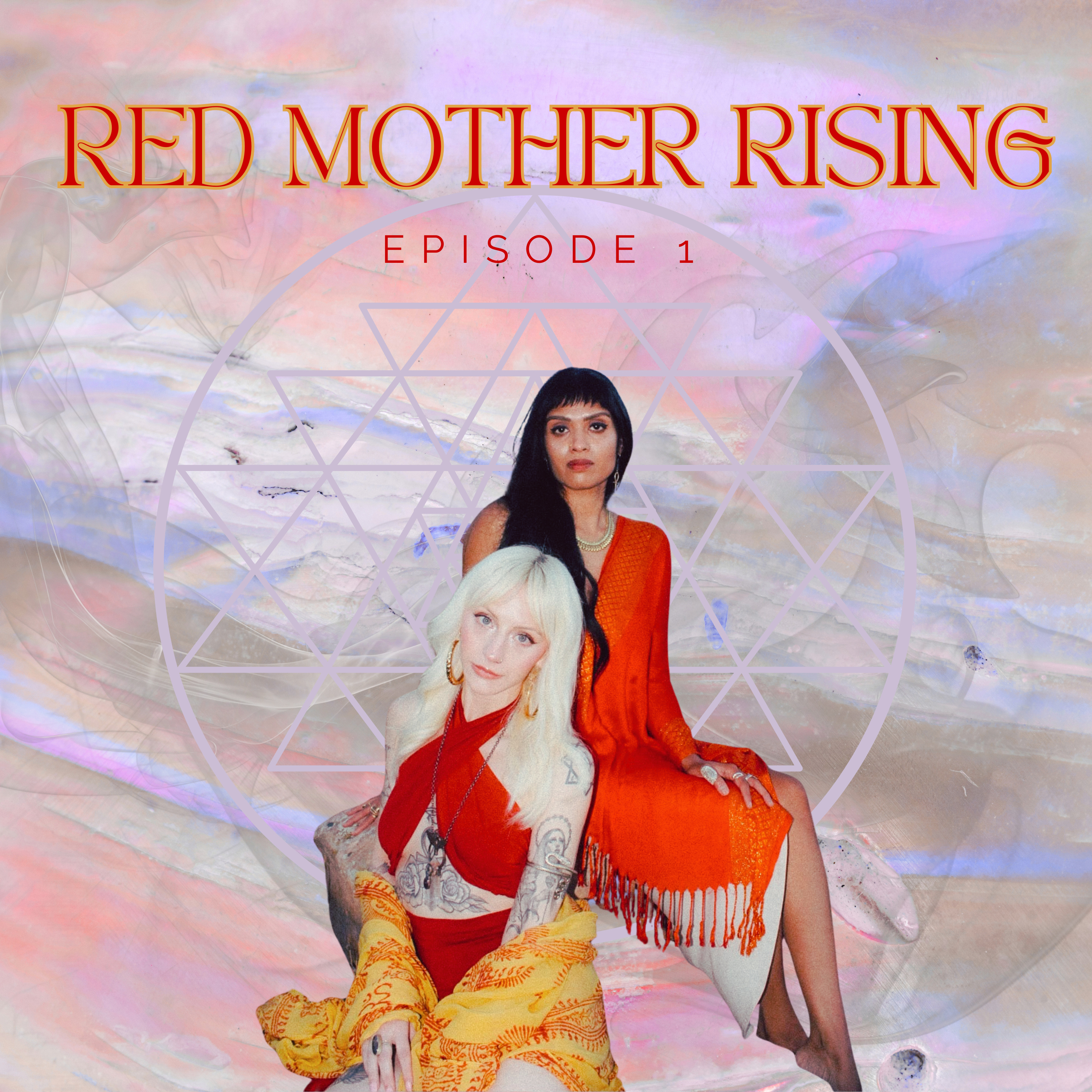
    🌹 What does it mean to worship the Divine Mother? Why does the Divine Mother appear in a red form, and what does Her “redness” signify? What does Śrīvidyā Tantra have to say about the Red Mother, and how has the Red Mother shown up across cultures, not just Tantra? The co-hosts and co-producers of Red Mother Rising, Meenakshi and Ruby Magdalene, who are both devotees of the Red Mother and also follow the yoginī / priestess paths, discuss these questions in the introductory episode of Red Mother Rising. They discuss the Mother as She appears through Śrīvidyā Tantra and Gnostic Christianity, Her form as Kuṇḍalinī Śakti, and how She is the liberating power in every being. Meenakshi and Ruby Magdalene discuss: ✧ Śrī Lalitā Tripurāsundarī and Sophia ✧ The Kali Yuga, or the dark ages prophesied in Hindu scripture ✧ The power of Kuṇḍalinī Śakti ✧ Dakṣiṇācāra, Kaulācāra, and Vāmācāra paths ✧ The meaning of the “red path” ✧ Hedonism vs. liberation, and why hedonism is NOT Tantra ✧ Embodiment of wisdom on the path to liberation ✧ The dark night of the soul that comes with worship of the Divine Mother ✧ The importance of direct experience, which is facilitated by Śakti ✧ The discomfort in claiming the title of yoginī / priestess ✧ How the spiritual path differs for women ABOUT RED MOTHER RISING’S HOSTS AND PRODUCERS Meenakshi has been walking this path for over a decade. In her path, she worships the Red Mother in the forms of Lalitā, Kālī and Kāmākhyā. Through her sādhana, she pursues liberation and Self-realization. She also seeks to reveal Lalitā through her worship, writing and creations. Ruby Magdalene is a professional Magdalene priestess, oracle, trauma-informed psychic medium, sound healer, and archetypal-evolutionary astrologer. She has spent over a decade studying the intersection of spiritual traditions and goddess practices. Her work is deeply rooted in devotion to the Red Mother in all Her forms, including Mary Magdalene, Inanna, Babylon and Isis. If you feel called to the Divine Mother in any of Her forms and would like to hear Meenakshi and Ruby Magdalene speak more on these topics, follow the show, share the episode, and leave your thoughts in the comments. Instagram: @red.mother.rising TikTok: @red.mother.rising Substack: @red.mother.rising

Showing 1–3 of 3 episodes