S2 E27: Will Koch on What It Really Takes to Become an Elite Athlete
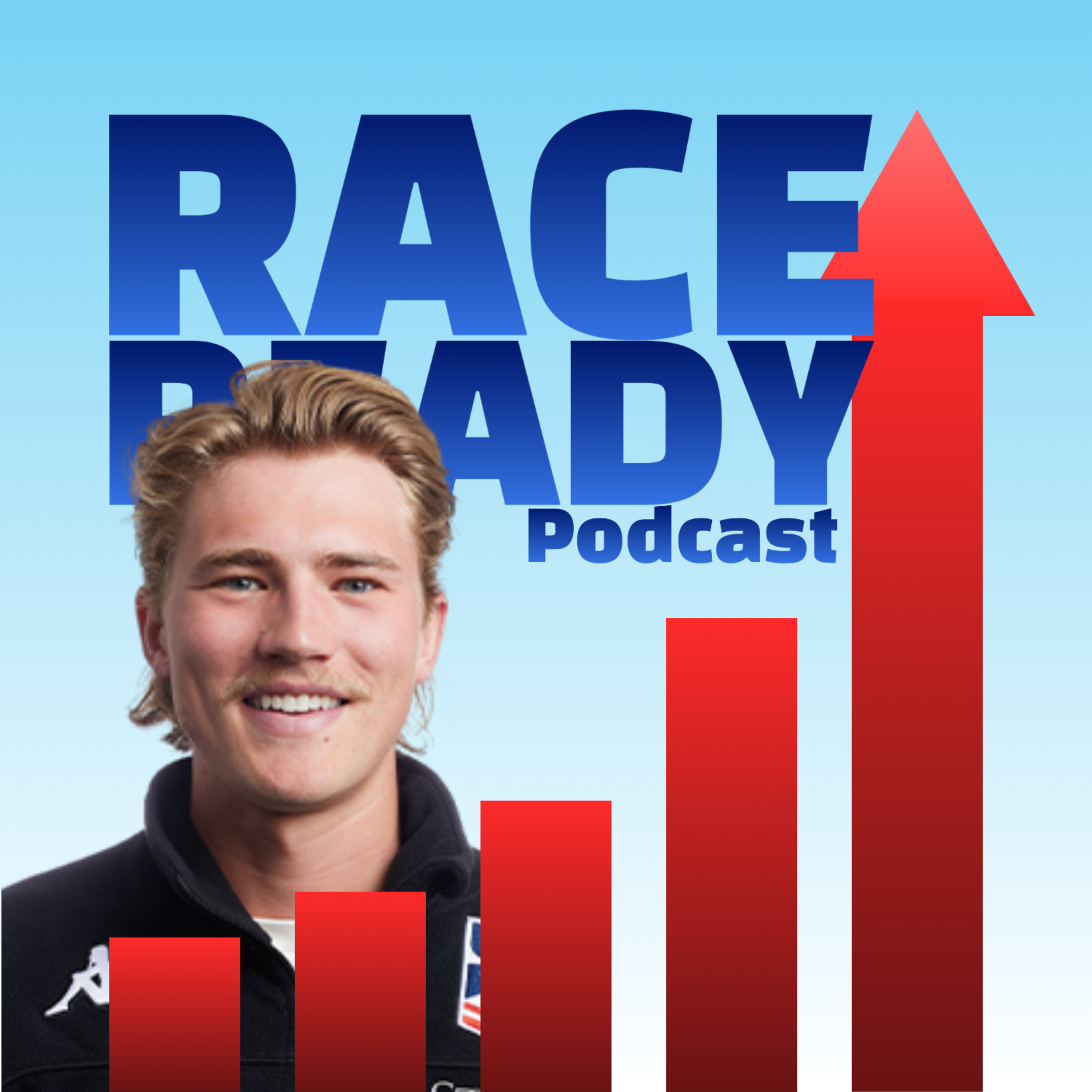
In this episode of the Race Ready Podcast, Andy Newell and Brian Halligan sit down with Will Koch, former U.S. Ski Team member, accomplished international cross-country skier, and son of Olympic medalist Bill Koch. After years of success in the traditional U.S. cross-country skiing development pipeline, Will is taking on a new challenge: biathlon. He shares what motivated his transition, how he's approaching the steep learning curve of shooting, and why he's found renewed excitement in learning an entirely new skill. The conversation also explores growing up in one of America's most influential skiing families, the lessons he learned from his father, and why making the Olympics isn't necessarily the ultimate measure of a successful athletic career. The conversation dives deep into Will's training philosophy and the habits that helped him become one of the country's top young skiers. From keeping a detailed training log for 12 consecutive years to gradually building toward 800–900 annual training hours, Will explains why he's shifted his focus away from chasing volume and toward maximizing the quality and intention behind every workout. Andy and Brian explore the importance of athlete ownership, understanding the purpose behind training, and learning to become your own coach. Will also shares how his transition to biathlon has challenged his approach to skill development, including spending more than 100 hours practicing shooting without ammunition and learning to perform under pressure. Beyond the training science and technical discussions, this episode explores the mindset required to pursue elite performance. Will explains why genuinely believing in your potential changes the way you train, the effort you're willing to invest, and how you approach setbacks. The guys discuss confidence, deliberate practice, long-term athlete development, and finding fulfillment beyond race results. Whether you're a competitive skier, biathlete, coach, or endurance athlete looking to get more out of your training, this conversation offers a thoughtful perspective on what it really takes to improve, compete at a high level, and build a sustainable life in sport.