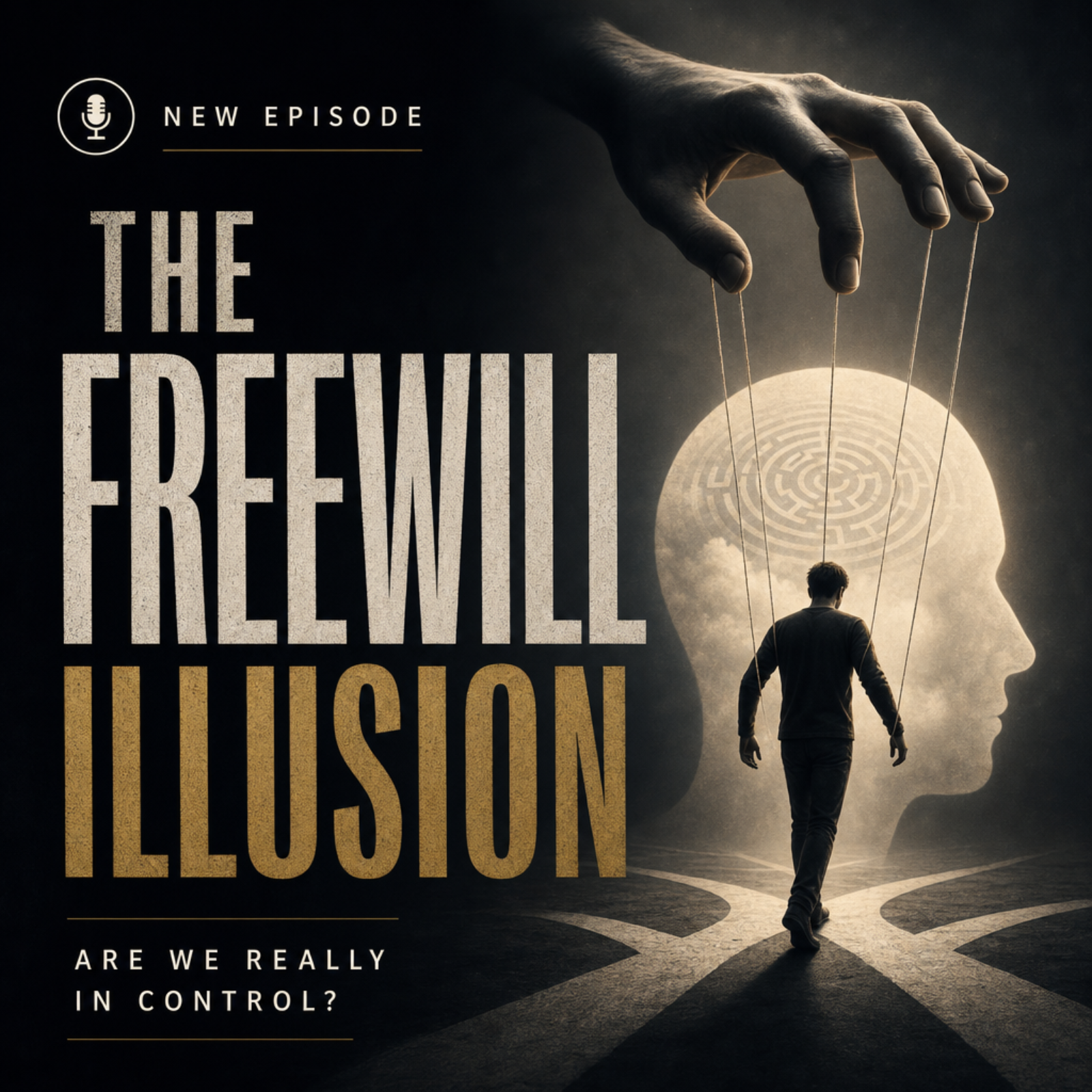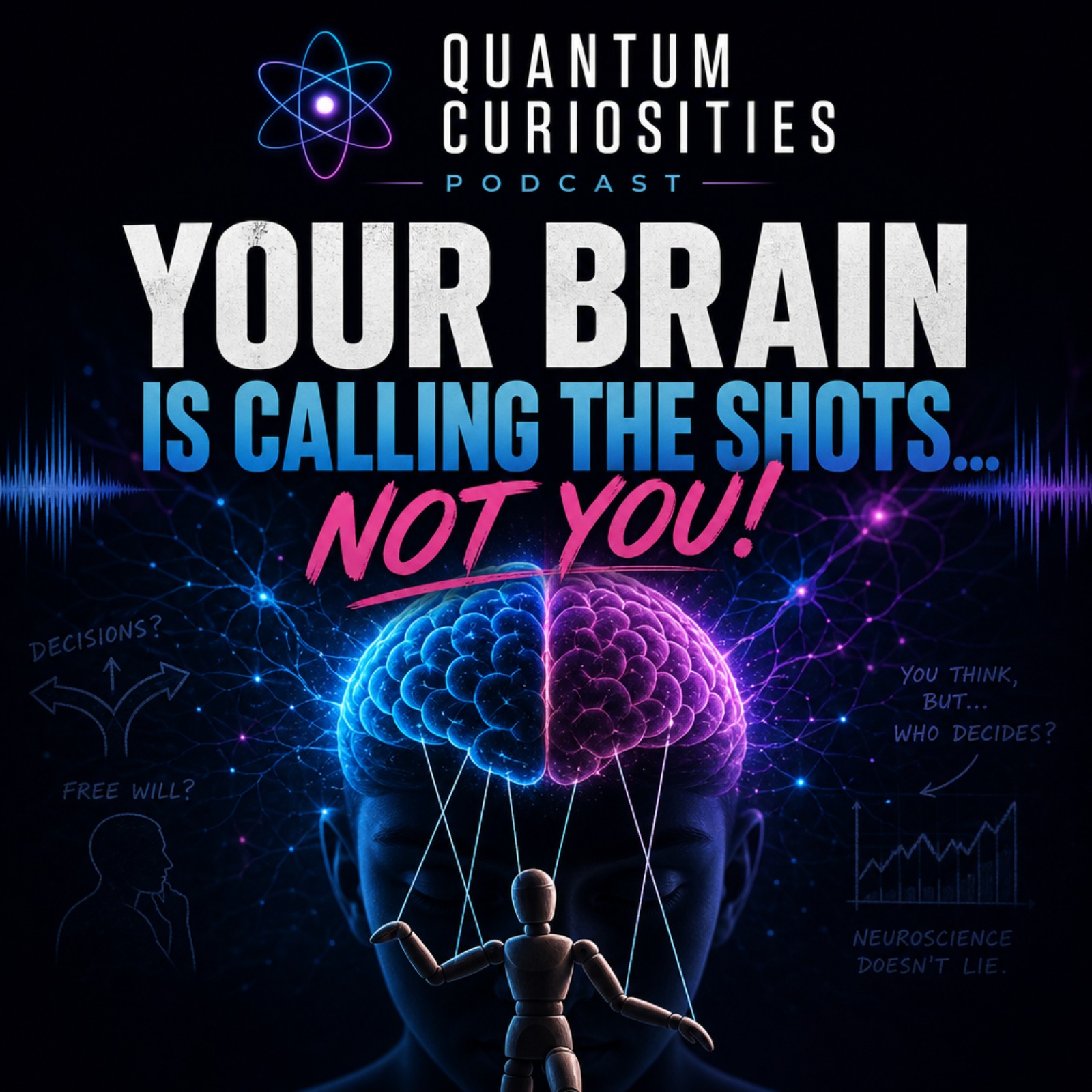
Your Brain Is Calling The Shots...Not You!
This episode likely explores is the Libet effect: in the 1980s, neuroscientist Benjamin Libet had subjects flex their wrist whenever they felt the urge, while EEG tracked their brain activity. He found that a "readiness potential"; a buildup of neural activity in the motor cortex — fired roughly half a second before people consciously felt they'd decided to move. In other words, the brain appears to begin preparing a choice before we're aware of making it, which seems to demote conscious will from the cause of our actions to a kind of after-the-fact witness. This kicked off a decades-long free-will debate: some argue it proves free will is an illusion (we're just narrating what the brain already chose), while others counter that we may still have a "veto power" — the ability to consciously cancel a prepared action before it happens (Libet himself proposed this). More recent experiments have refined the picture, showing decision-related activity in the brain up to several seconds before choice in some cases, though critics point out the effect is strongest for trivial, spontaneous actions, not deliberate deliberation. Where the "quantum curiosities" angle comes in is the temptation to see quantum indeterminacy — true randomness at the subatomic level — as the loophole that rescues free will: if the brain amplifies quantum fluctuations, maybe our choices aren't fully determined by prior physical states. But physicists and philosophers usually respond with a dilemma: if a choice rides on quantum randomness, it's not free choice, just dice rolls — and either way, the conscious self still seems to arrive on the scene after the action has begun, not before. So the episode's takeaway is probably that the brain's "decision" unfolds earlier and more automatically than our inner sense of choosing suggests — a humbling mix of neuroscience, philosophy, and poorly little quantum sparkle.