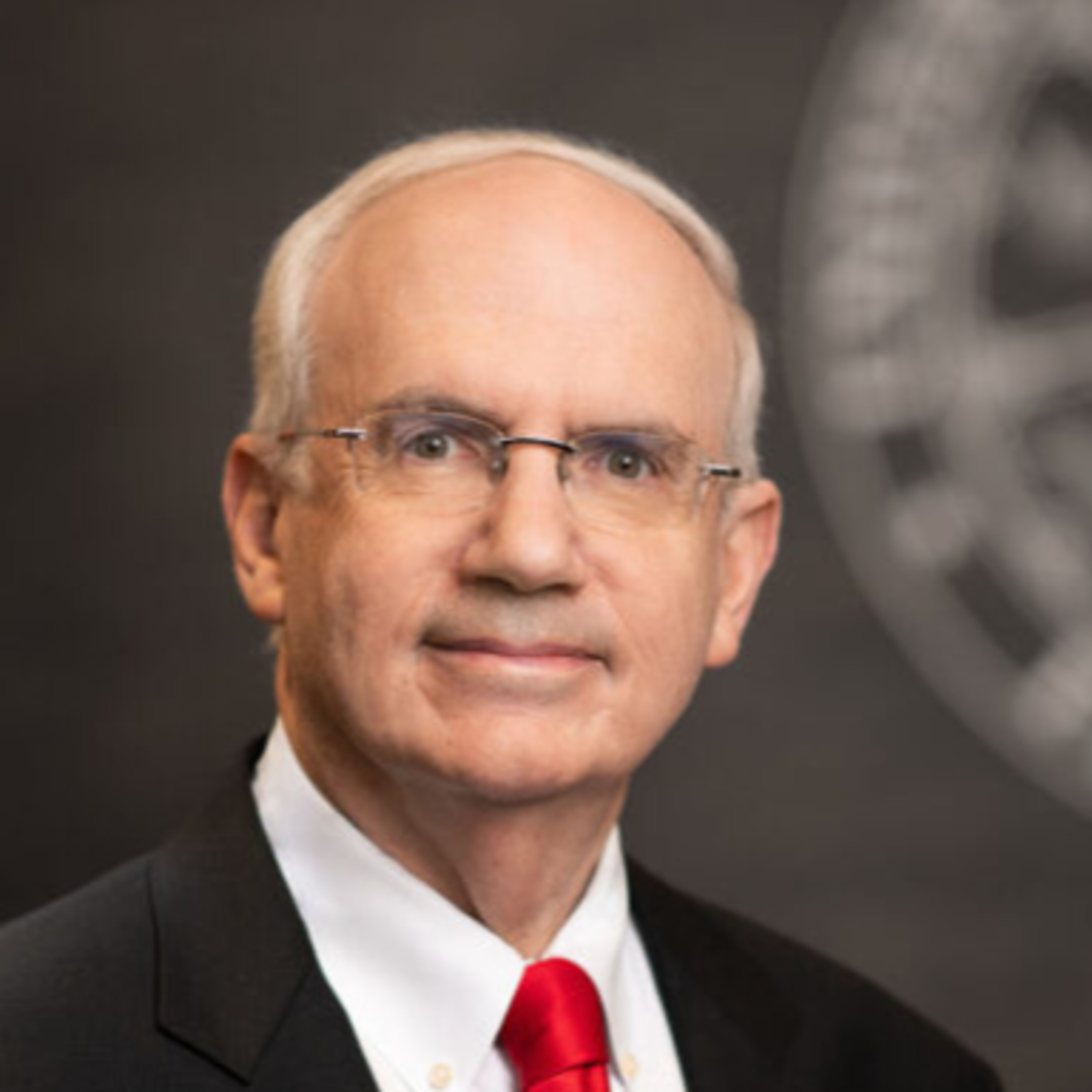
Bob Woody: We Play Instruments, We Don't Work Them
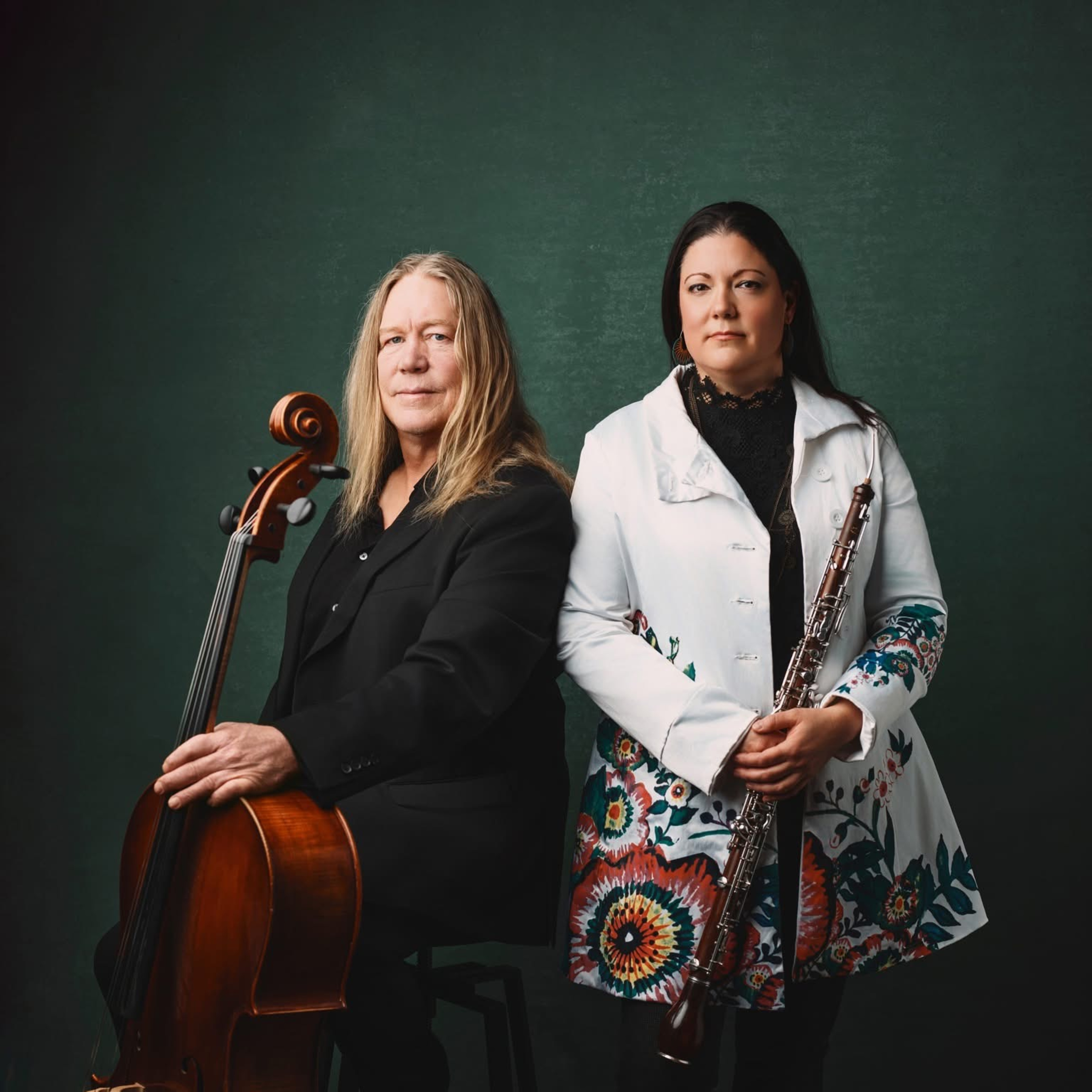
Dr. Robert (Bob) Woody, Steinhart Foundation Distinguished Professor of Music and head of music education at the University of Nebraska–Lincoln’s Glenn Korff School of Music, joins Nick to talk about play, kindness, and the psychology of making music. Starting from self-determination theory’s needs for autonomy, competence, and relatedness, they explore why music, made together, may be among the arts most closely tied to well-being, from Mildred Parten’s stages of play to the trouble with turning music into a competition. Bob describes strengths as things we practice rather than gifts that come easily, kindness among them, and traces how school music’s roots in the military, the church, and the court shaped teacher-centered classrooms that music educators keep working to make playful and friendly. He tells music students that perfectionism is not a virtue, that self-compassion rather than self-criticism leads to growth, and that realistic, task-focused thinking serves a performer better than either positive or negative thinking, and he and Nick find a Good Will Hunting moment for students who need to hear it more than once. They look back at the 1999 Positive Psychology Summit held in Lincoln, celebrate karaoke and a good KJ, and read Robert Henri, the Nebraska-raised painter and teacher behind The Art Spirit, beside Charlie Parker’s advice to learn your instrument and then forget all that and just wail. Bob previews his book on performance anxiety for music teachers and his commitment to music-making for everyone, and the conversation carries on past the official close: a degree in community music, Robert Putnam’s finding about choirs in Italy, stadiums singing in unison, and the day Bobby McFerrin used his musicianship to get UNL’s music students making music together. Through the Real Hope lens: three neurobiological drives run in each of us, care powering belonging, play powering autonomy, and seeking powering mastery, the felt sense of growing competence, and turned outward they become three kinds of kindness: Compassionate makes a hard time easier, Radiant makes this moment more awesome, and Constructive builds up a better future. When all three flow both ways, that is friendship, the place where the three drives meet. Bob’s top VIA strengths, curiosity, kindness, perspective, honesty, and humor, were read on the show. His radiant strength, humor, adds up to a karaoke regular’s delight in people “singing for fun.” His constructive strengths, curiosity, perspective, and honesty, add up to years spent “looking into the research” and reporting “what’s real,” and to a coming book for music teachers on performance anxiety. His compassionate strength, kindness, adds up to telling music students, again and again, that “compassion is the key to growth.” His kindness plot begins responsive, as students arrive convinced they must be their own worst critics; goes proactive and constructive in teaching that perfectionism is not a virtue and that self-compassion, not self-criticism, leads to growth; goes proactive again in playful, friendly classrooms, karaoke nights, and a hoped-for degree in community music; and opens outward to everyone, because “it’s a human birthright to be a music maker.” It points toward friendship: “play and friendship are some really core ideas that I’ve tried to apply in my work.” Try this week: sing one song this week just for the fun of it, ideally with a friend, and let it be imperfect. Bob’s top VIA character strengths, as read on the show: Curiosity, Kindness, Perspective, Honesty, and Humor. Discover your own character strengths with the free VIA Survey: https://www.viacharacter.org/character-strengths Mentioned in this episode: self-determination theory; Mildred Parten’s stages of play; Good Will Hunting; Brian Sutton-Smith; Robert Henri and The Art Spirit; Charlie Parker; Robert Putnam and Bowling Alone; and Bobby McFerrin.