Skip to content
Artwork for Planetary Radio: Space Exploration, Astronomy and Science
ScienceTechnology

Planetary Radio: Space Exploration, Astronomy and Science

The Planetary Society

#31 in Science this week

Planetary Radio brings you the human adventure across our Solar System and beyond. We visit each week with the scientists, engineers, leaders, advocates, and astronauts who are taking us across the final frontier. Regular features raise your space IQ while they put a smile on your face. Join host Sarah Al-Ahmed and Planetary Society colleagues including Bill Nye the Science Guy and Bruce Betts as they dive deep into space science and exploration. The monthly Space Policy Edition takes you inside the DC beltway where the future of the US space program hangs in the balance. Visit planetary.org/radio for an episode guide and much more.

Play
  • 42 episodes
  • weekly
  • Avg 1 hr 2 min
  • English
Counted on this page — what you have heard stays on this device, so it is not something the list can be paged by.
  • Wednesday · 59 min

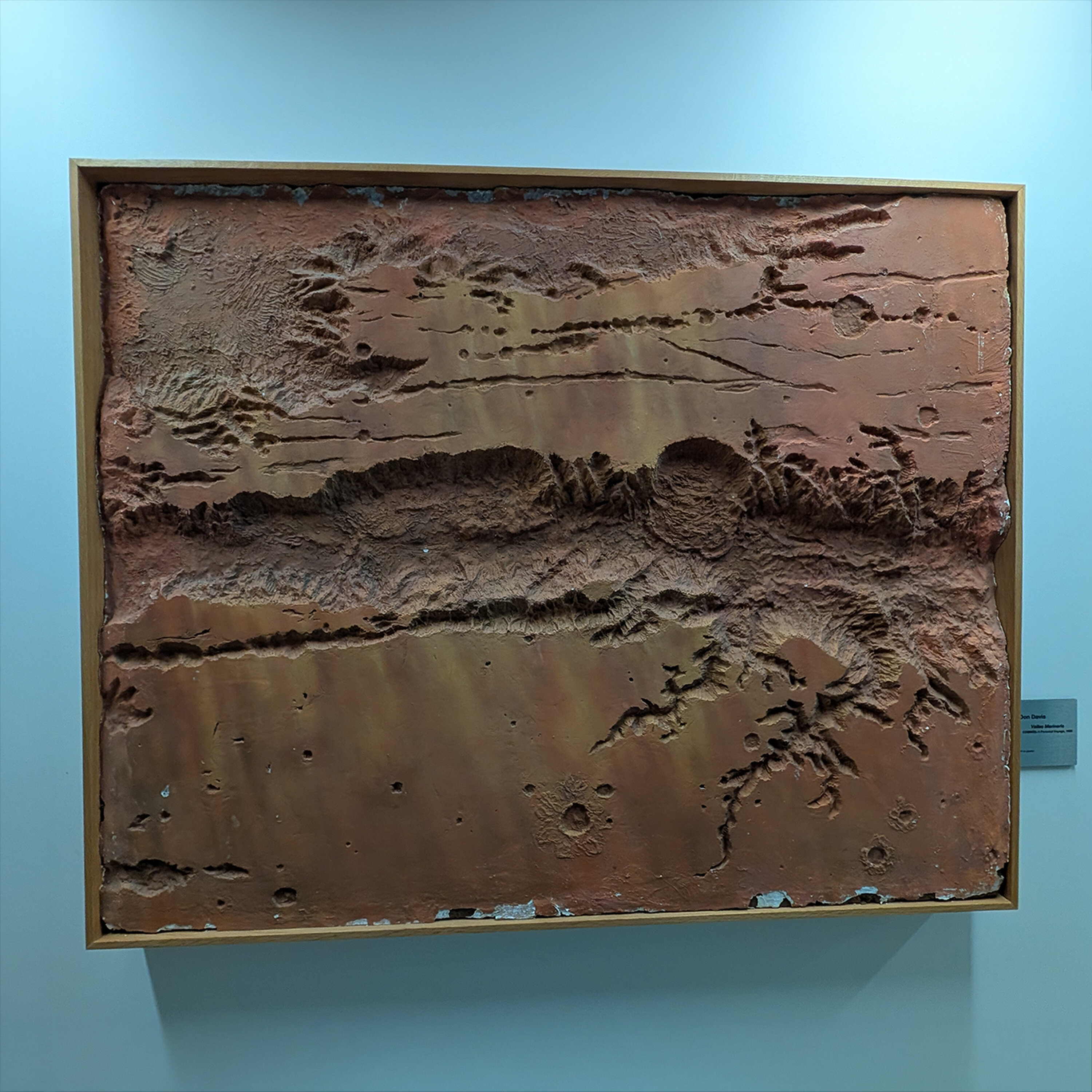
    Space artist Don Davis and a new view of Voyager 1

    For more than 50 years, space artist Don Davis has shown us worlds no camera could reach. A protégé of Chesley Bonestell, the father of modern space art, Davis went on to paint the ancient Moon for the U.S. Geological Survey, built models for Carl Sagan's Cosmos, and was present at NASA centers for planetary encounters from Viking to New Horizons. As Voyager 1 approaches one light-day from Earth, Davis created a new artwork imagining Voyager's view looking back toward home. We hear his remarkable story and celebrate the power of space art to show us what our cameras cannot. Then, Bruce Betts, chief scientist at The Planetary Society, tells you where to point when you wave at Voyager 1 during its big moment, and we learn about NASA's "Shine Bright for Voyager's Light-Day" celebration. Discover more at: https://www.planetary.org/planetary-radio/2026-don-davis-space-art-voyager See omnystudio.com/listener for privacy information.
  • November 6 · 1 hr 1 min

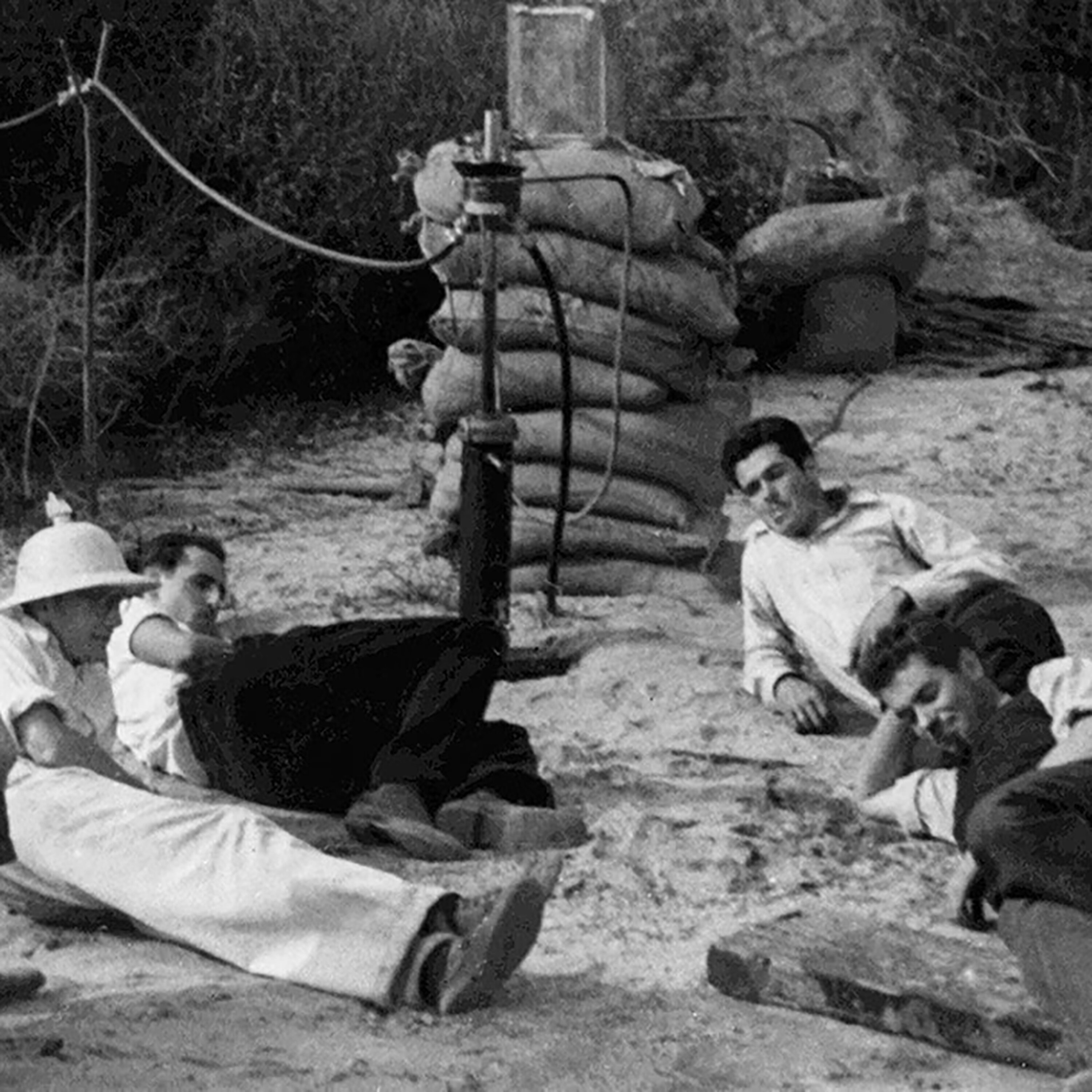
    Space Policy Edition: Whose JPL is it? A historian on the lab’s 90-year search for itself

    Ninety years ago this Halloween, a group of Caltech graduate students hauled a small rocket motor into the Arroyo Seco near Pasadena and tried to fire it up. It didn’t go as planned, but that moment became the unofficial birthday of NASA’s Jet Propulsion Laboratory (JPL). Now, for the first time in the lab’s history, NASA is opening JPL’s management contract to competition. Historian Peter Westwick, author of “Into the Black: JPL and the American Space Program, 1976-2004,” joins Casey Dreier to trace JPL’s path from Army rocketry to the outer planets, the moments when the lab had to reinvent itself to survive, and its sometimes tense relationship with Caltech. Together, they tackle a question that has followed the lab for decades: Is it Caltech’s JPL or NASA’s JPL? Discover more at: https://www.planetary.org/planetary-radio/whose-jpl-is-it See omnystudio.com/listener for privacy information.
  • November 4 · 1 hr 6 min

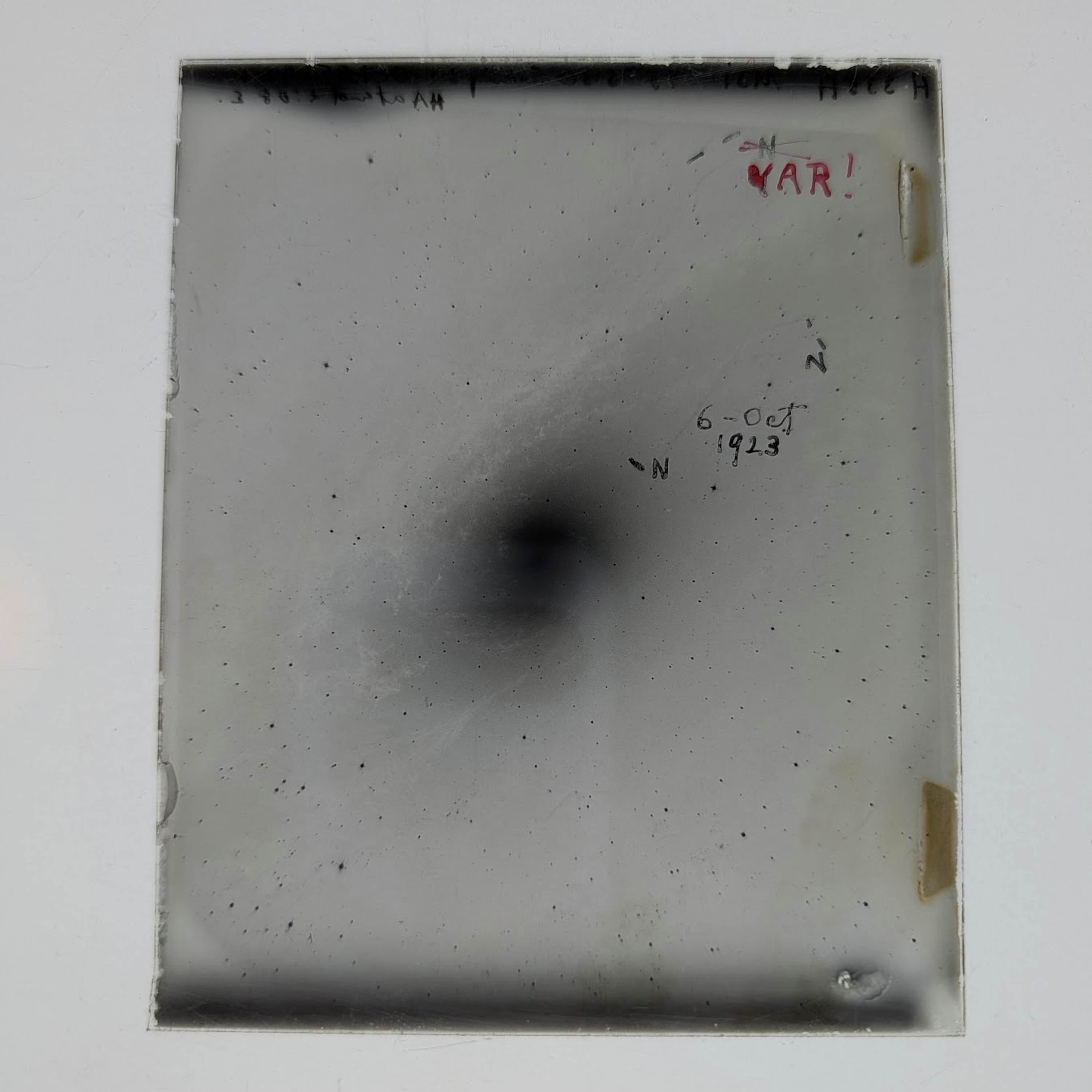
    The night the Universe got bigger: An event to honor Hubble’s discovery

    On the night of Oct. 5, 1923, Edwin Hubble spotted a variable star in Andromeda from Mt. Wilson Observatory above Pasadena, California, proving that our galaxy is just one of countless others in the Universe. Now, California Rep. Judy Chu, co-chair of the Planetary Science Caucus, has introduced a resolution in the U.S. House of Representatives supporting the designation of Oct. 5 as National Beyond the Milky Way Day in the United States. John Mulchaey, president of Carnegie Science, and Jess Soto, Carnegie Science’s public engagement specialist, join Planetary Radio to share the story of the discovery and the push for national recognition. We also bring you highlights from the Oct. 13 ceremony at Carnegie’s Hale Library, along with conversations with Rep. Chu, Planetary Society CEO Jennifer Vaughn, and astrophysicist Laura-May Abron. Asa Stahl, our public outreach astronomer, shares how you can vote in The Planetary Society’s Best of 2026 Awards. Then Bruce Betts, our chief scientist, explains why it took humanity so long to realize Andromeda was a galaxy and how you can see it for yourself. Discover more at: https://www.planetary.org/planetary-radio/2026-beyond-the-milky-way-day See omnystudio.com/listener for privacy information.
  • October 28 · 1 hr

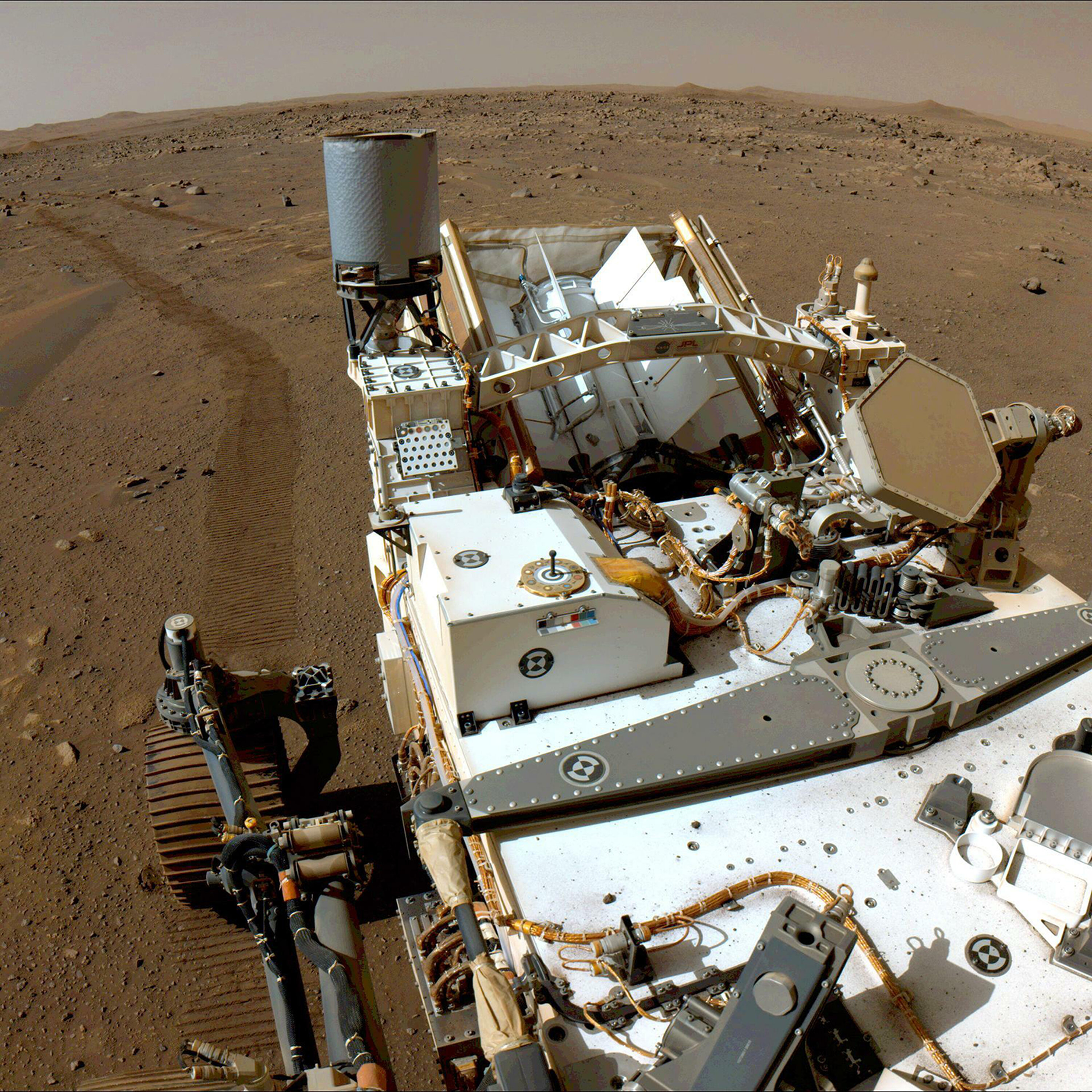
    How Perseverance drove itself into the record books

    NASA’s Perseverance rover has driven farther than any other vehicle on another world. On Oct. 11, 2026, its odometer reached 45.22 kilometers (28.10 miles), passing the record Opportunity spent about 15 years setting. Perseverance did it in about five and a half years. To celebrate, we’re revisiting previous Planetary Radio host Mat Kaplan’s 2021 conversation with Vandi Verma, chief engineer of robotic operations for Perseverance at NASA’s Jet Propulsion Laboratory. She explains AutoNav, the self-driving system that has carried the rover more than 90% of the way, and the careful work of collecting rock samples on Mars. Host Sarah Al-Ahmed catches us up on what’s happened since and marks 25 years of Mars Odyssey. Then stick around for a vintage What’s Up with Mat and Chief Scientist Bruce Betts. Discover more at: https://www.planetary.org/planetary-radio/2026-perseverance-distance-record See omnystudio.com/listener for privacy information.

  • October 21 · 1 hr 6 min

    Meet the Winners of The Planetary Society’s 2026 STEP Grants

    Every two years, The Planetary Society funds research through our STEP Grants (Science and Technology Empowered by the Public). This year, all three winning projects focus on small bodies in our Solar System, like asteroids and trans-Neptunian objects. Each one tackles a different piece of the same challenge: As we discover more and more small bodies, how do we characterize them, and how do we make sure the whole community can build on what we learn? Nick Moskovitz and his team at Lowell Observatory, including instrumentation lead Ryan Hamilton and instrument designer Katie Breeland-Newcomb, are building a low-cost, replicable polarimeter to break through the size ambiguity that makes it hard to tell a small, bright asteroid from a large, dark one. Miguel Alarcón of Light Bridges is expanding AsteroidDB, a database of over 15 million photometric measurements, so researchers and citizen scientists can pool their data. And Mike Kretlow of the German Center for Astrophysics is scaling up CORA, his stellar occultation prediction and archive platform, to handle the tens of thousands of new discoveries expected from the Vera Rubin Observatory. Plus, Bruce Betts joins for What’s Up and to look at the origins of the STEP Grant program. Discover more at: https://www.planetary.org/planetary-radio/2026-step-grant-winners See omnystudio.com/listener for privacy information.
  • October 16 · 1 hr 14 min

    Book Club Edition: Dinner With an Astronaut by Leroy Chiao

    Leroy Chiao was one of the youngest astronauts ever selected. He would spend 229 days in low-Earth orbit, command the International Space Station, and perform three spacewalks. His book, “Dinner with an Astronaut,” chronicles his journey from Chinese American kid born in Milwaukee, Wisconsin to the literal heights of space achievement. Leroy also shares his thoughts about topics as diverse as engineering, Chinese food, and UFOs/UAPs in this entertaining conversation with The Planetary Society’s Mat Kaplan. Discover more at: https://www.planetary.org/planetary-radio/book-club-leroy-chiao See omnystudio.com/listener for privacy information.
  • October 14 · 1 hr 4 min

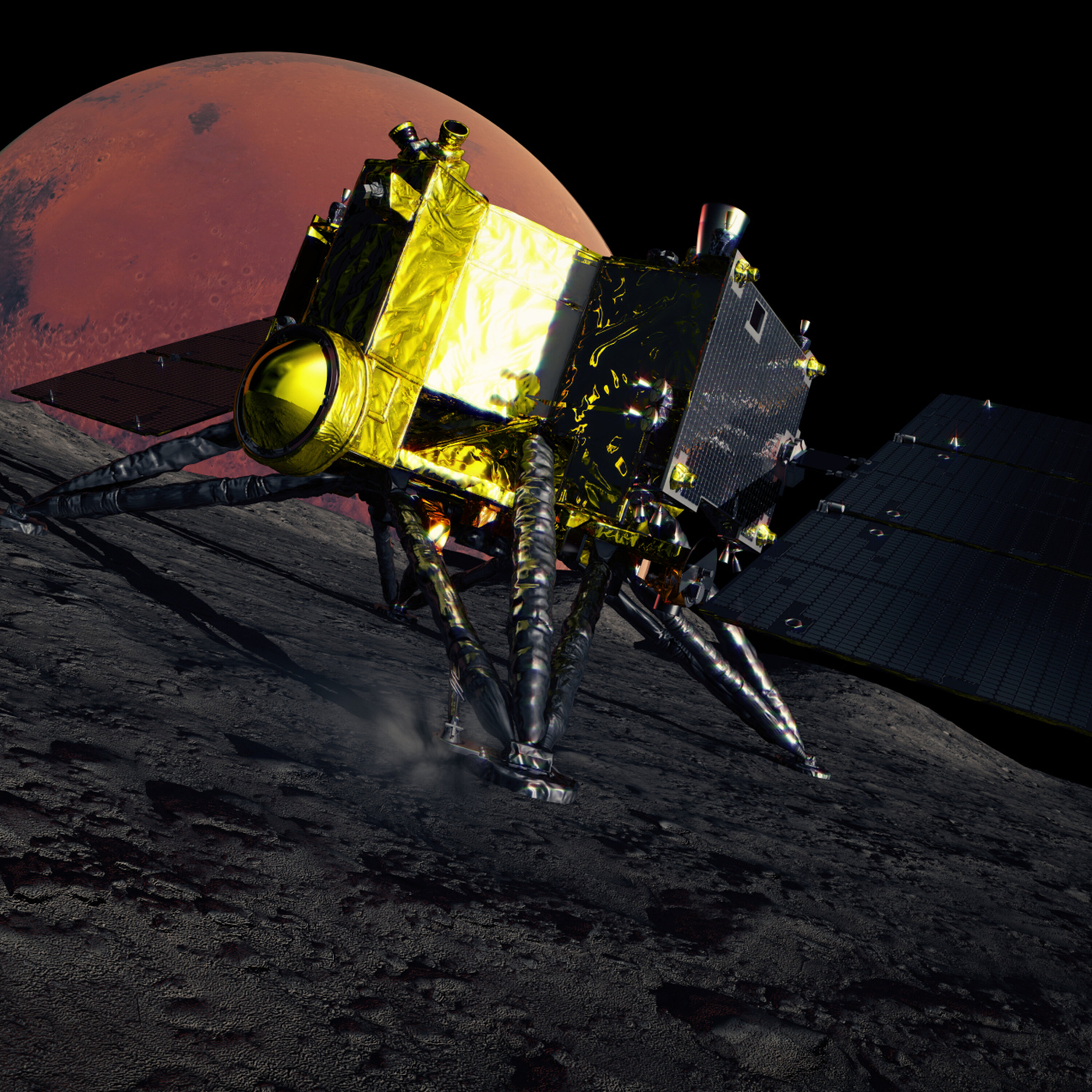
    From the Mojave to Phobos: PlanetVac rides with MMX

    Japan’s Martian Moons eXploration mission, MMX, is about to set out for Phobos and Deimos, the two small moons of Mars. If all goes well, it will bring the first-ever sample from the Martian system back to Earth. Asa Stahl, public outreach astronomer at The Planetary Society, explains why these strange little moons are still such a mystery and what a piece of Phobos could reveal. Then Kris Zacny, vice president and senior research scientist at Honeybee Robotics, tells the story of PlanetVac, a sampler that Planetary Society members helped get off the ground more than a decade ago. From its first tests in a vacuum chamber to the surface of the Moon aboard Firefly Aerospace’s Blue Ghost lander, PlanetVac has come a long way, and its descendant is now headed for Phobos. Plus, Bruce Betts, chief scientist at The Planetary Society, joins us in What’s Up. Discover more at: https://www.planetary.org/planetary-radio/2026-mmx-planetvac See omnystudio.com/listener for privacy information.
  • October 9 · 1 hr 17 min

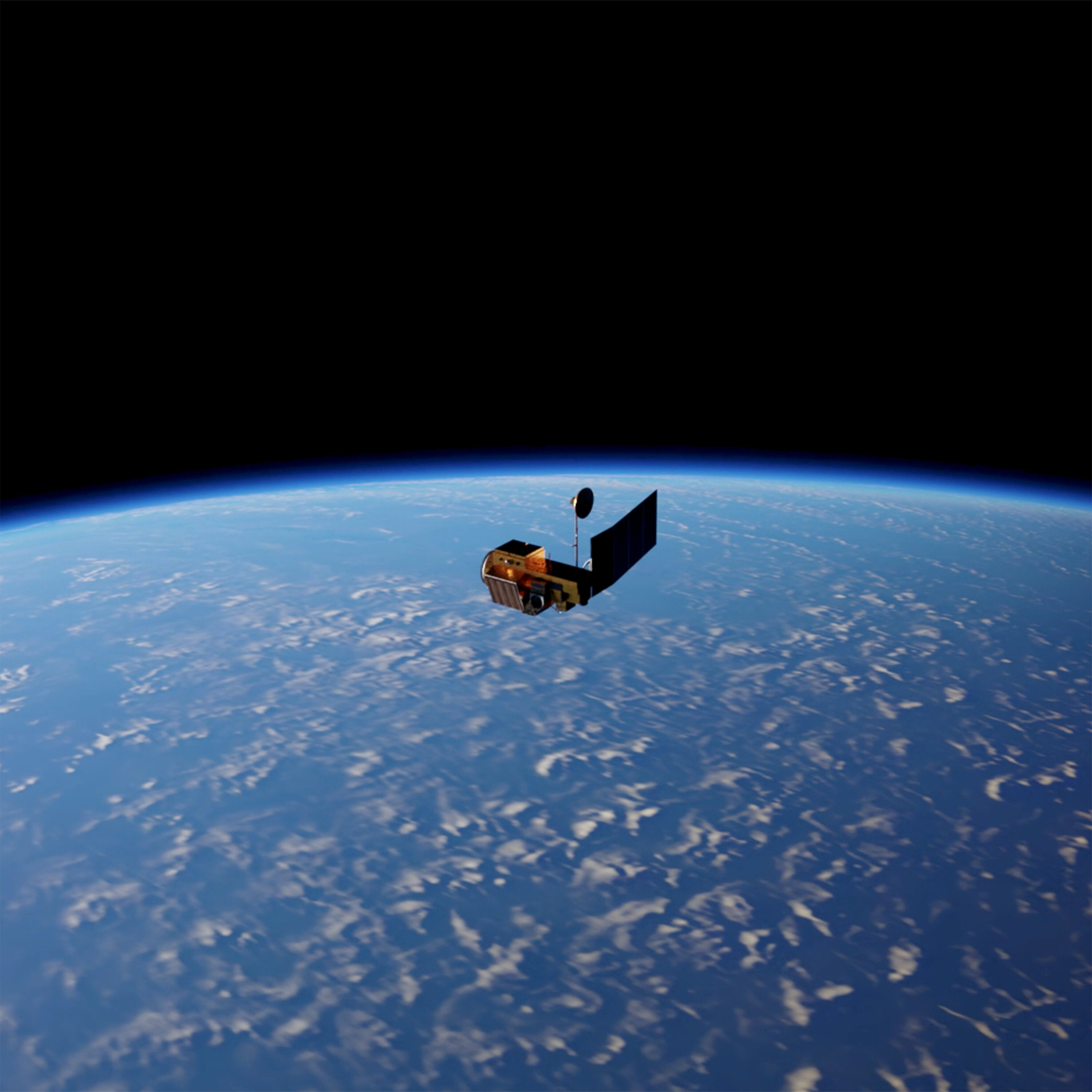
    Space Policy Edition: What does “science as a service” really mean?

    Can you buy science the way you buy a rocket launch? NASA is exploring the idea of “science as a service,” asking industry how commercial companies could provide scientific data and capabilities for Earth science, space weather, and astrophysics. But the concept isn’t new. It’s the latest chapter in a four-decade effort to commercialize space science that stretches back to the brief, troubled privatization of Landsat in the 1980s. Casey Dreier is joined by Jack Kiraly, chief of advocacy for The Planetary Society, and Britney Schmidt, planetary scientist, astrobiologist, and Planetary Society board member, to unpack what commercial science services can and can’t deliver. Discover more at: https://www.planetary.org/planetary-radio/science-as-a-service See omnystudio.com/listener for privacy information.
  • October 7 · 1 hr

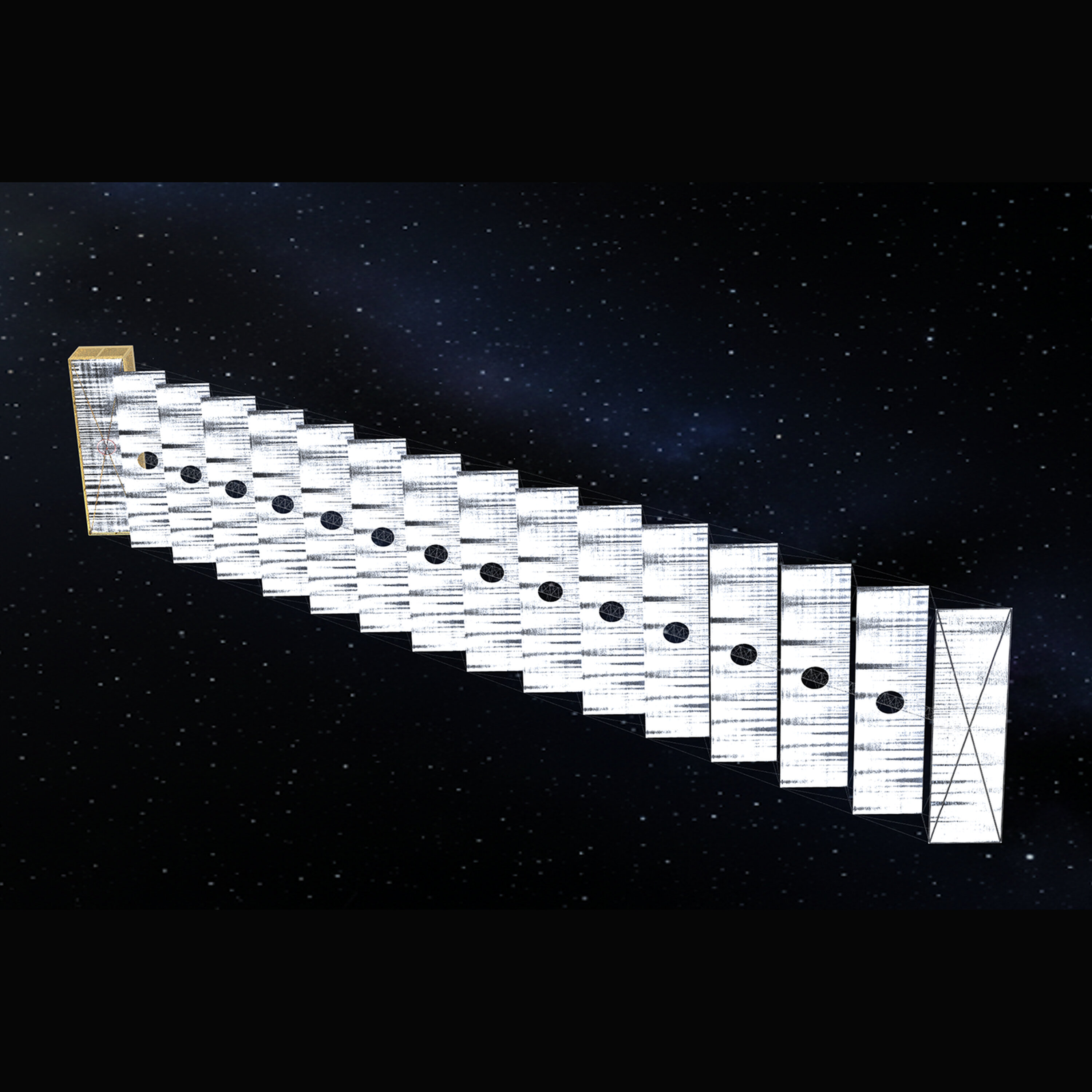
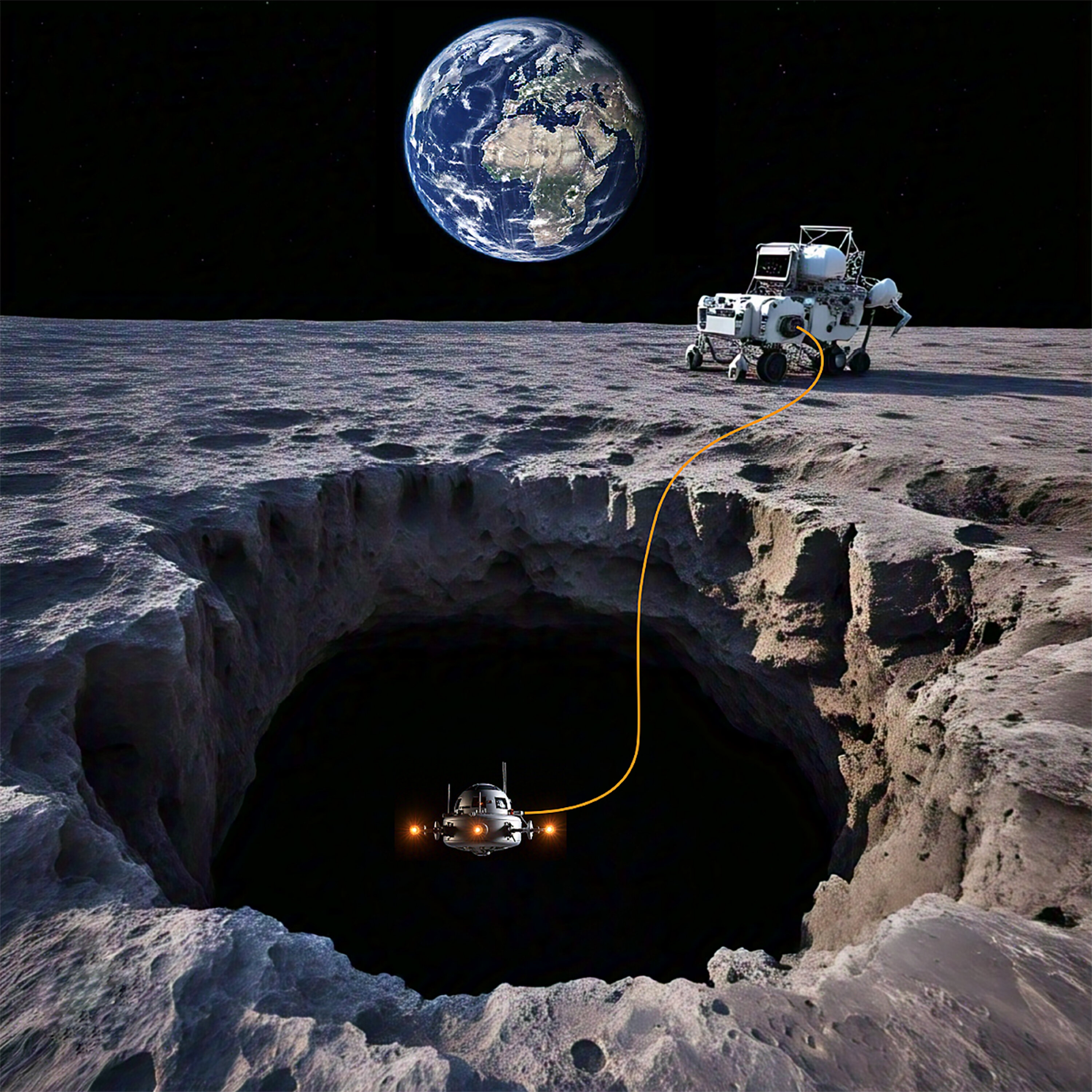
    2026 NASA's Innovative Advanced Concepts Symposium: Part 2 — Solar sails and breathing beyond Earth

    In this second of two episodes from the 2026 NASA Innovative Advanced Concepts (NIAC) Symposium at Wichita State University, Sarah Al-Ahmed talks with researchers developing the propulsion and life support technologies that could open up new frontiers in deep space exploration. First, Artur Davoyan, associate professor at the University of California, Los Angeles, discusses Coilable Stacked Solar Sails, a new sail architecture that could enable fast missions to the outer planets and interstellar space. Then, James Bickford of Charles Stark Draper Laboratory introduces TFINER, the Thin Film Isotope Nuclear Engine Rocket, a project that generates thrust from the natural decay of radioactive thin films, enabling rendezvous with interstellar objects and missions to the solar gravitational focus. Finally, Alvaro Romero-Calvo, assistant professor at Georgia Tech, and Theo St. Francis, graduate researcher in Georgia Tech's Low-Gravity Science and Technology Lab, discuss their concept, Breathing Beyond Earth, a pump-free oxygen production system for long-duration space missions to Mars. Plus, Bruce Betts, chief scientist of the Planetary Society, joins Sarah for What's Up, with a look ahead to the launch of JAXA's Martian Moons Exploration mission, MMX. Discover more at: https://www.planetary.org/planetary-radio/2026-niac-symposium-part-2 See omnystudio.com/listener for privacy information.
  • September 30 · 1 hr 1 min

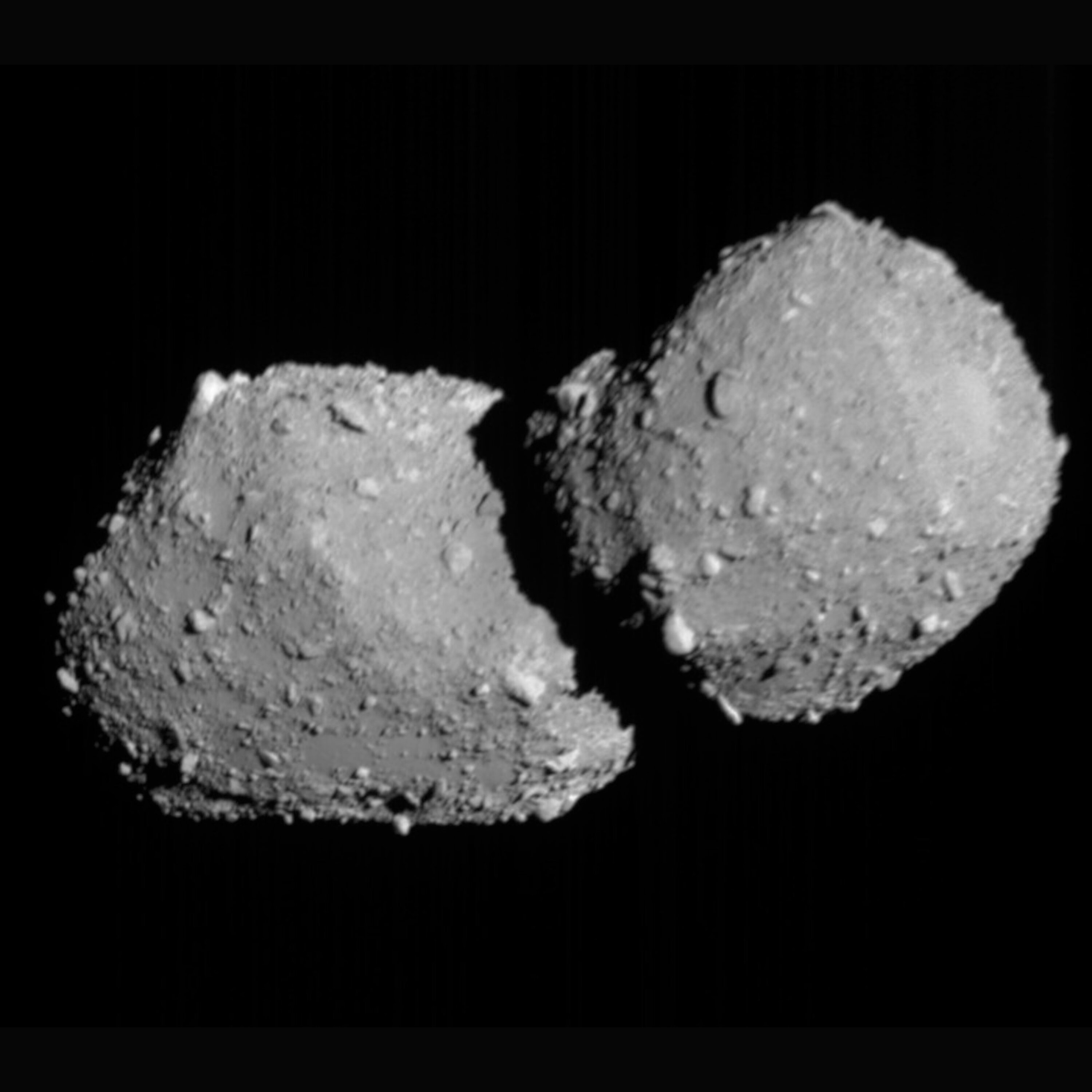
    2026 NASA's Innovative Advanced Concepts Symposium: Part 1 — Nuclear sensors and cave explorers

    Some of the most exciting science in our Solar System is hidden in places we've never been able to reach. In this episode, Sarah Al-Ahmed shares three conversations from the 2026 NASA Innovative Advanced Concepts (NIAC)Symposium at Wichita State University, all about the bold, early-stage concepts being developed to explore them. First, Peter Cabauy, CEO and co-founder of City Labs Incorporated, and Mason Peck, former NASA Chief Technologist and collaborator on the project, discuss their Phase II concept, Autonomous Tritium Micropowered Sensors, tiny nuclear-powered probes designed to survive and operate in the permanently shadowed craters of the Moon and beyond. Then, Daniel Drew, assistant professor of electrical and computer engineering at the University of Hawaiʻi at Mānoa, introduces SPARK, a Phase I concept for silent, solid-state flying robots that could explore caves on Saturn's moon Titan. Finally, Gilly Elor, physics lead at Stone Aerospace, and Bill Stone, founder of Stone Aerospace, walk us through LUX, the Lunar Underground Explorer, a Phase I concept for a laser-powered, fiber-tethered drone that could be the first mission to enter a cave on another world. Plus, Bruce Betts, chief scientist of The Planetary Society, joins Sarah for What's Up, where they preview Saturn at opposition and the start of World Space Week on October 4th. Discover more at: https://www.planetary.org/planetary-radio/2026-niac-symposium-part-1 See omnystudio.com/listener for privacy information.
  • September 23 · 1 hr

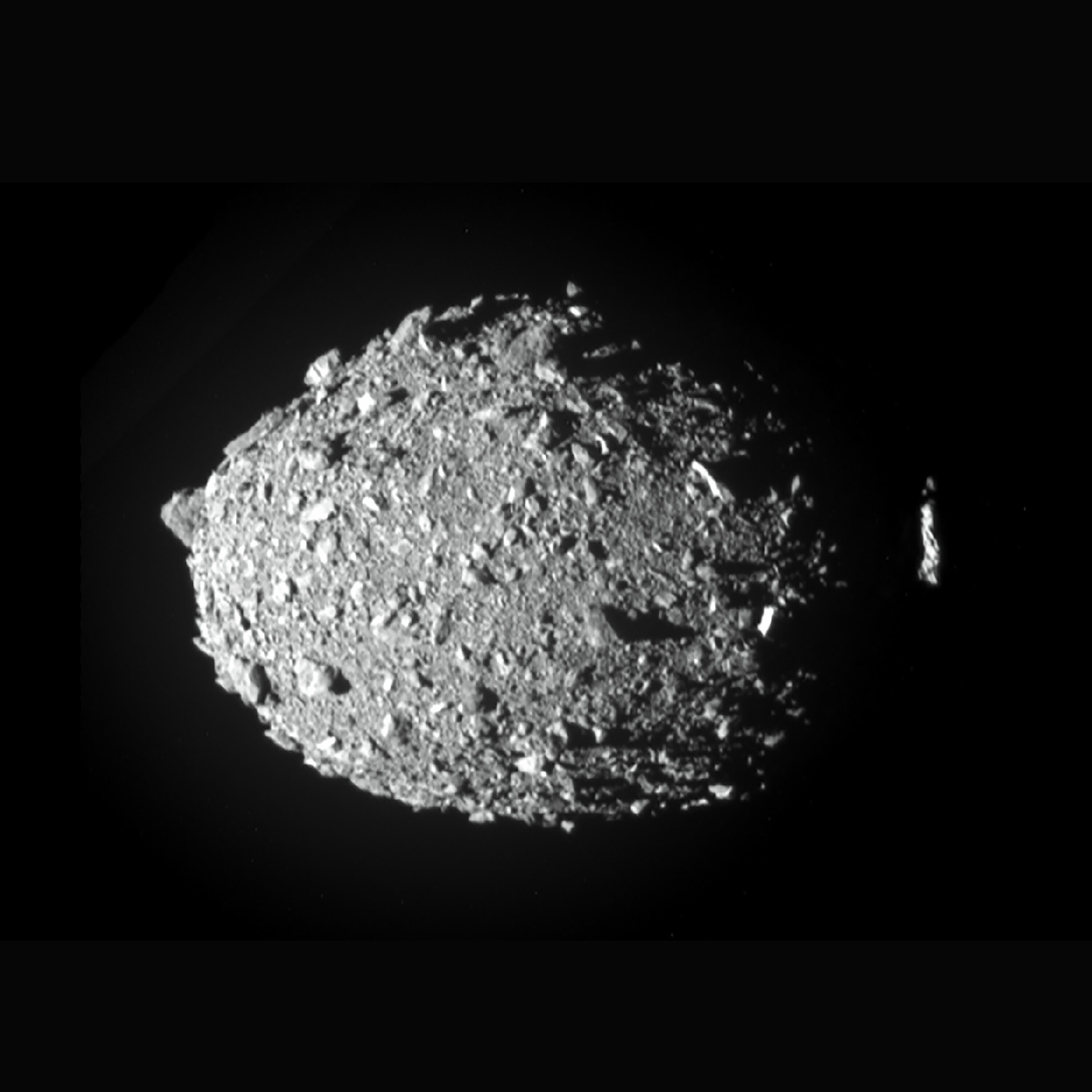
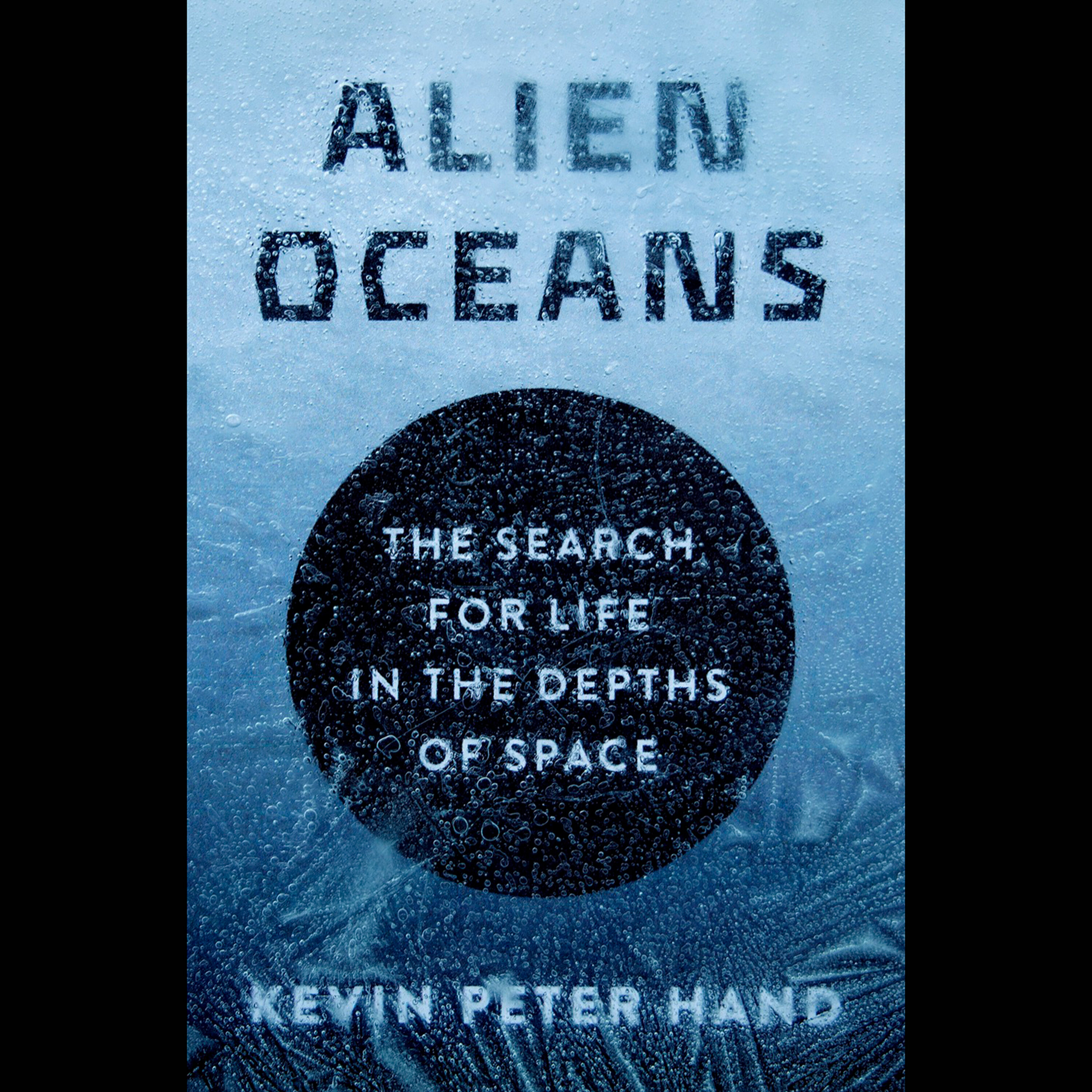
    Hayabusa2 flies by asteroid Torifune

    JAXA's Hayabusa2 flew within 400 meters (1,300 feet) of asteroid Torifune on July 5 and confirmed that it's a contact binary, two lobes stuck together. Paul Abell, NASA's Chief Scientist for Small Body Exploration at Johnson Space Center, walks us through the findings on the asteroid, what they mean for planetary defense, and what's ahead as the spacecraft cruises toward its next target. Then Bruce Betts, chief scientist at The Planetary Society, digs into Hayabusa2's history of firing things at asteroids. Discover more at: https://www.planetary.org/planetary-radio/2026-hayabusa2-torifune See omnystudio.com/listener for privacy information.
  • September 18 · 1 hr 7 min

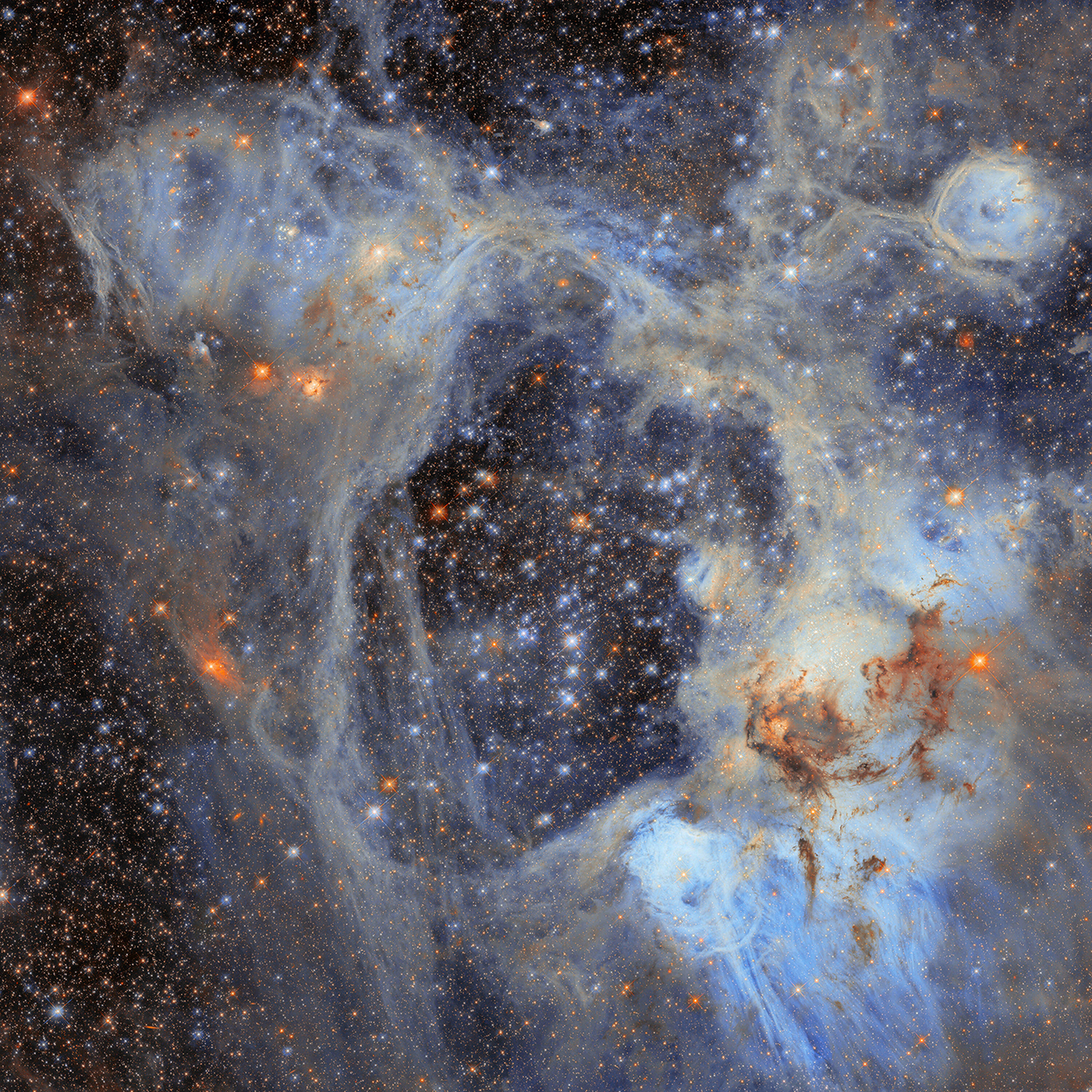
    Book Club Edition: Alien Oceans by Kevin Hand

    Where are we most likely to find evidence of life, past or living, in the Solar System? Planetary scientist and author Kevin Hand looks to warm, salty ocean depths beneath protective layers of ice on worlds such as Europa and Enceladus. His enthralling book became a popular selection in The Planetary Society’s member book club. He recently joined the Society’s Mat Kaplan for a deep exploration of the best science. Kevin also shared tales of his own harrowing, revealing journeys through Earth’s undersea world. Discover more at: https://www.planetary.org/planetary-radio/book-club-kevin-hand See omnystudio.com/listener for privacy information.
  • September 16 · 1 hr 7 min

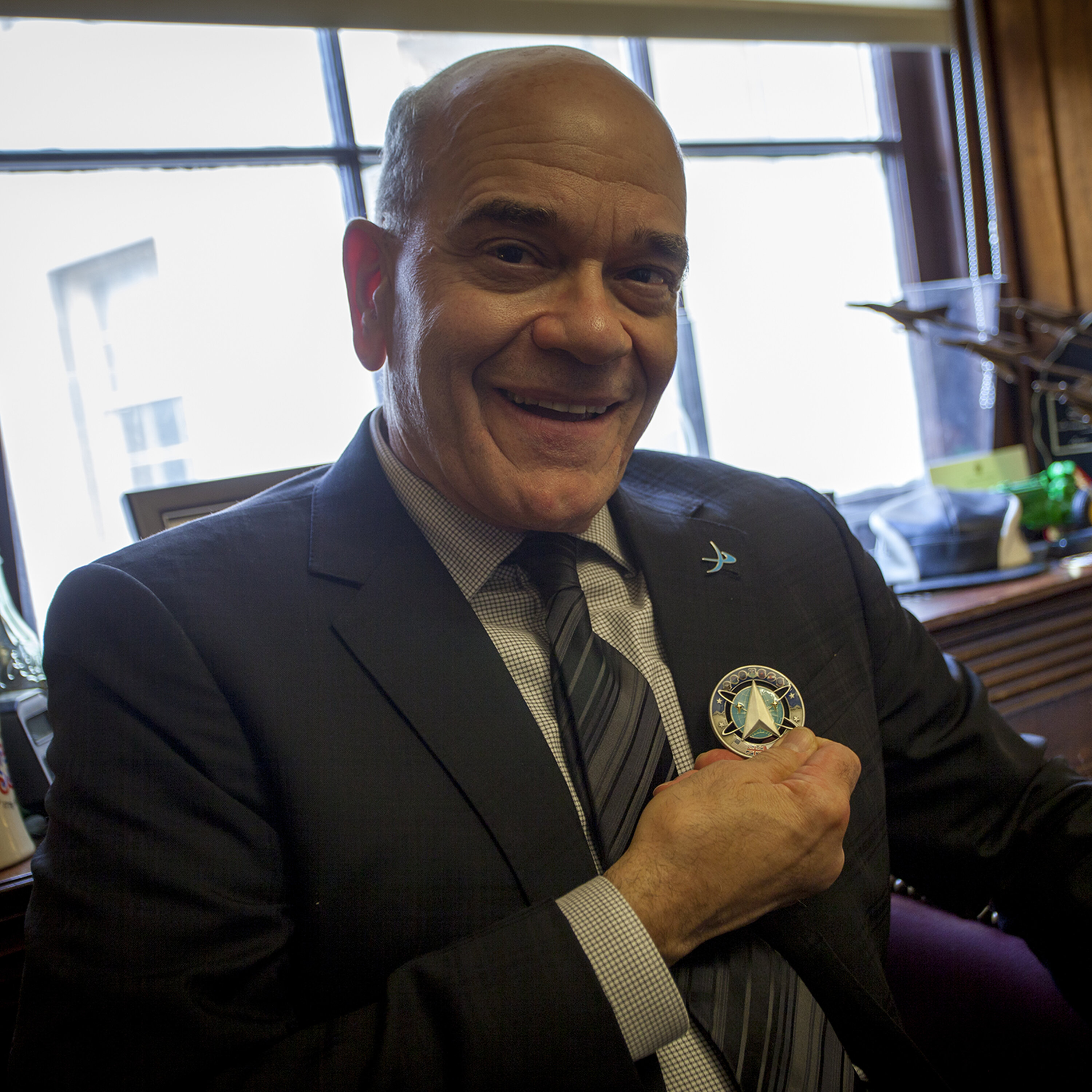
    Star Trek at 60: What Vulcans and Klingons can teach us about being human (Part 2)

    This is part two of our Star Trek 60th anniversary series. Robert Picardo, the Emergency Medical Hologram on Star Trek: Voyager and a member of The Planetary Society's board of directors, reads a vintage letter from Star Trek creator Gene Roddenberry asking fans to join a brand new organization called The Planetary Society. Tim Russ, who played Tuvok on Star Trek: Voyager, Deep Space Nine, Lower Decks, and Picard, joins us to talk about what the Vulcans can teach us about the discipline we'll need to survive in deep space, and shares his own experience as an amateur astronomer who contributed data to NASA's Lucy mission. Karim Diané, Jay-Den Kraag on Star Trek: Starfleet Academy, talks about playing a Klingon who defies everyone's expectations of what it means to be strong. And Bruce Betts, chief scientist of The Planetary Society, is here with What's Up, discussing Star Trek technologies. Discover more at: https://www.planetary.org/planetary-radio/2026-star-trek-at-60-part-2 See omnystudio.com/listener for privacy information.
  • September 9 · 59 min

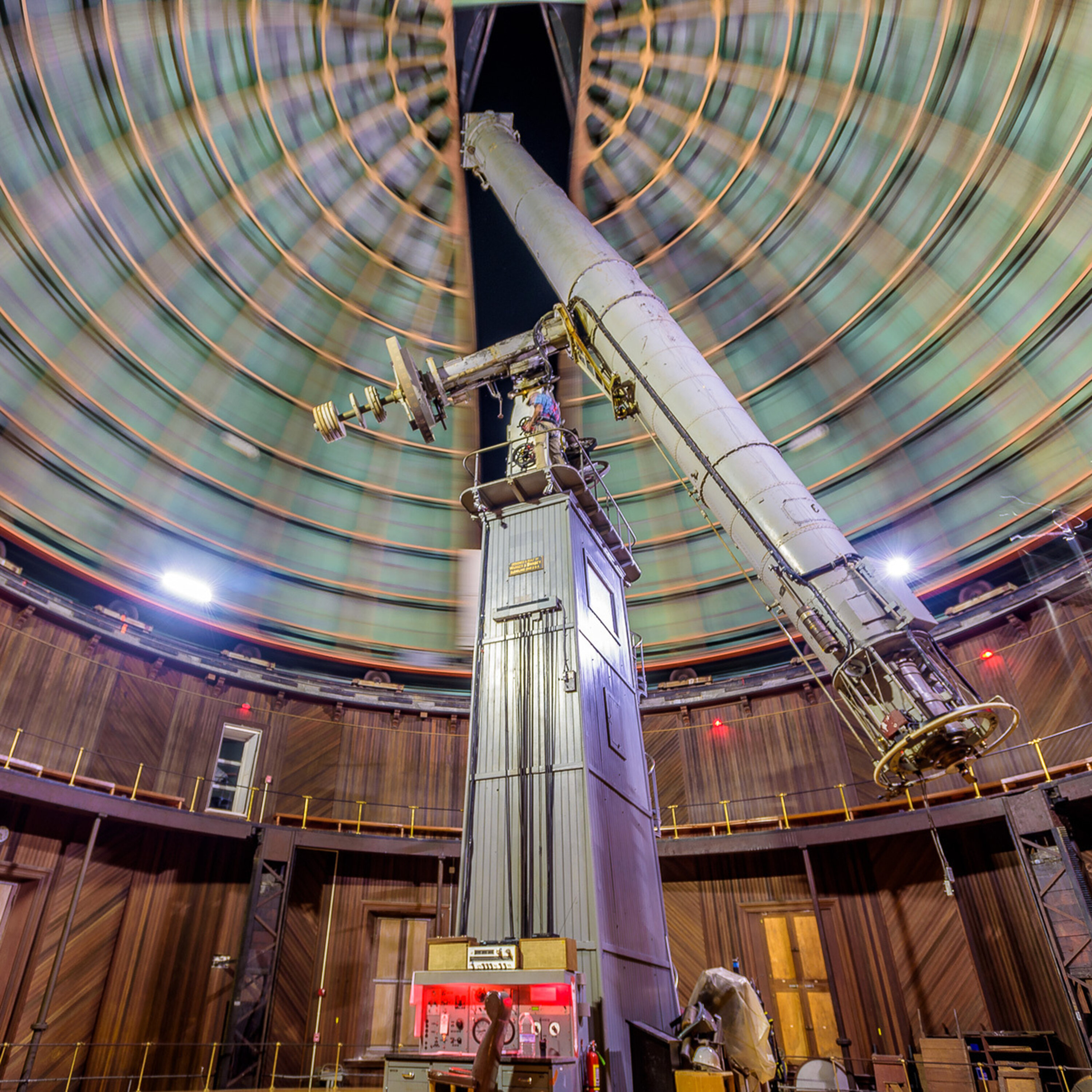
    Star Trek at 60: What do we value the most? (Part 1)

    Star Trek turned 60 on Sept. 8, 2026, and to celebrate, we're kicking off a special two-part series exploring the franchise's deep and lasting connection to real-world space exploration. In Part 1, Robert Picardo, the Emergency Medical Hologram from Star Trek: Voyager, now starring in Star Trek: Starfleet Academy and a member of The Planetary Society's Board of Directors, joins Sarah Al-Ahmed to trace the relationship between Star Trek and The Planetary Society all the way back to a 1980 letter from Gene Roddenberry himself. Bob talks about how playing a holographic doctor for 30 years led him to become a real-world space advocate, and what Star Trek's non-human characters can teach us about what it means to be human. Then, Bruce Betts, Planetary Society Chief Scientist, joins for What's Up and a discussion of solar sails in the franchise. Discover more at: https://www.planetary.org/planetary-radio/2026-star-trek-at-60-part-1 See omnystudio.com/listener for privacy information.
  • September 4 · 1 hr 7 min

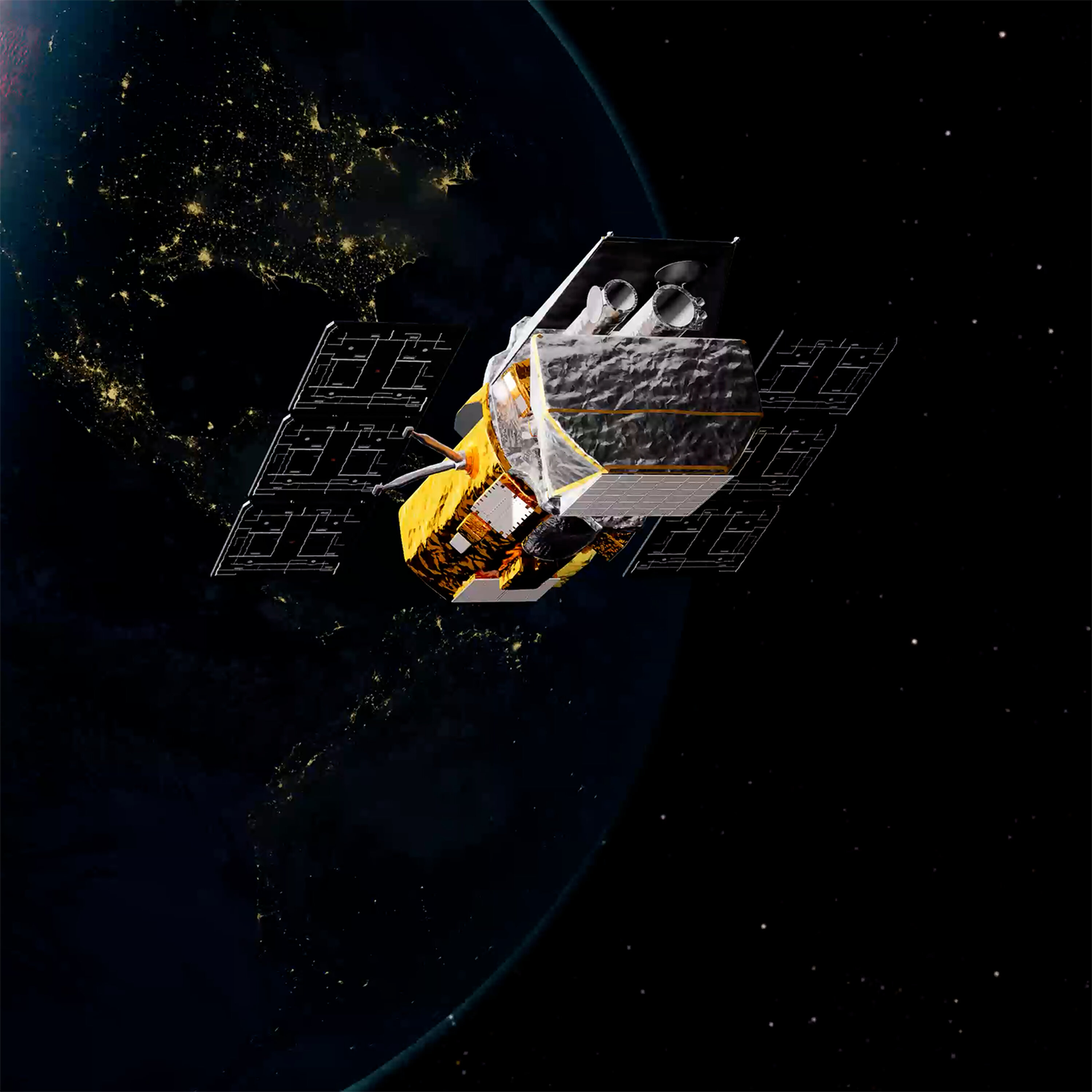
    Space Policy Edition: The Long Space Age with Alex MacDonald

    We tend to think of private space exploration as a recent phenomenon. But as Alex MacDonald, former Chief Economist at NASA, argues in his book "The Long Space Age," privately funded space exploration has deep roots in American history, stretching back more than two centuries. In this 2017 conversation with The Planetary Society's Chief of Space Policy Casey Dreier, originally aired on the Space Policy Edition of Planetary Radio, MacDonald traces the economic history of American space exploration from the 1769 transit of Venus all the way to the present day, and makes the case that the government-dominated model we grew up with may actually be the historical anomaly. Discover more at: https://www.planetary.org/planetary-radio/long-space-age See omnystudio.com/listener for privacy information.
  • September 2 · 1 hr 4 min

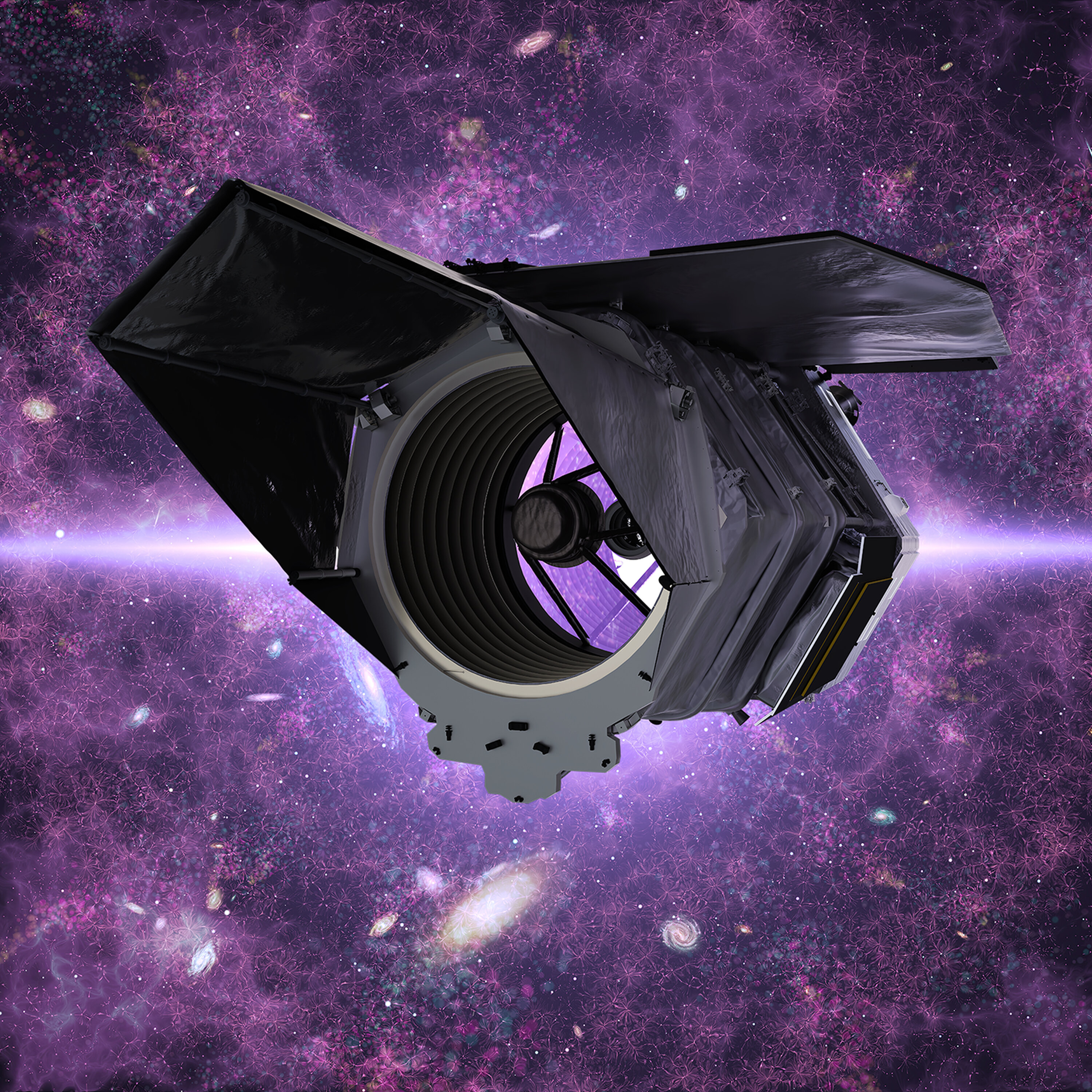
    World Space Week and farewell to Swift

    Dennis Stone, president and co-founder of the World Space Week Association, takes us behind the scenes of the largest annual space event on Earth. From its origins as a volunteer effort in Houston to a UN-declared celebration reaching 50,000 events in over 100 countries, Dennis shares how World Space Week inspires the next generation, and how you can get involved this Oct. 4 through 10. Then, Science Editor Asa Stahl breaks down the end of the Neil Gehrels Swift Observatory, the 21-year-old space telescope that's falling out of orbit after a bold rescue mission fell short. Plus, Chief Scientist Bruce Betts looks back at a milestone centennial in this week's What's Up, 100 years since Robert Goddard launched the world's first liquid-fueled rocket. Discover more at: https://www.planetary.org/planetary-radio/2026-world-space-week-and-swift See omnystudio.com/listener for privacy information.
  • August 26 · 56 min

    The Nancy Grace Roman Space Telescope is ready to launch

    After decades of development, the Nancy Grace Roman Space Telescope is preparing to launch. Once in orbit, Roman will conduct the widest surveys of the universe ever attempted, probing the nature of dark energy, discovering thousands of new exoplanets, and capturing images of billions of galaxies. In this episode, we sit down with Julie McEnery, senior project scientist for Roman at NASA's Goddard Space Flight Center, and Jason Rhodes, project scientist for Roman at NASA’s Jet Propulsion Laboratory, to explore what the telescope will reveal and how scientists around the world will be able to access and work with its data. Plus, in What's Up, we look at Roman's coronagraph and what it will take for the Habitable Worlds Observatory to push that technology far enough to image Earth-like worlds around Sun-like stars. Discover more at: https://www.planetary.org/planetary-radio/2026-nancy-grace-roman See omnystudio.com/listener for privacy information.
  • August 21 · 1 hr 17 min

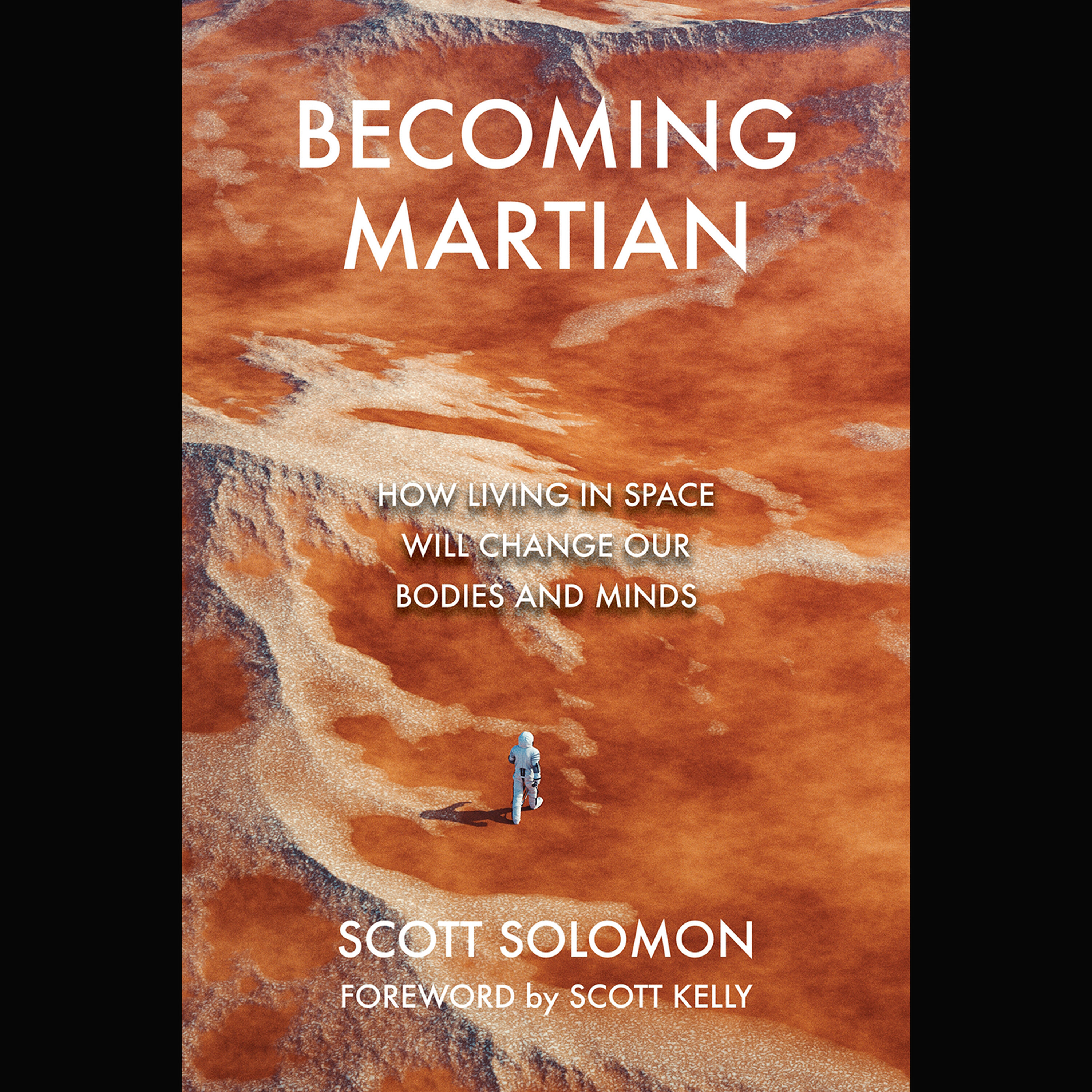
    Book Club Edition: Becoming Martian by Scott Solomon

    Will we change or terraform Mars to better suit humans? Or are we more likely to change ourselves to better fit the red planet? How far can evolution take us in these new and exotic environments? These and many other fascinating questions are at the heart of Rice University professor Scott Solomon’s great book, “Becoming Martian”. He joins host Mat Kaplan for a far-ranging conversation in this month’s installment of Planetary Radio’s book club edition. Discover more at: https://www.planetary.org/planetary-radio/book-club-scott-solomon See omnystudio.com/listener for privacy information.
  • August 19 · 1 hr 3 min

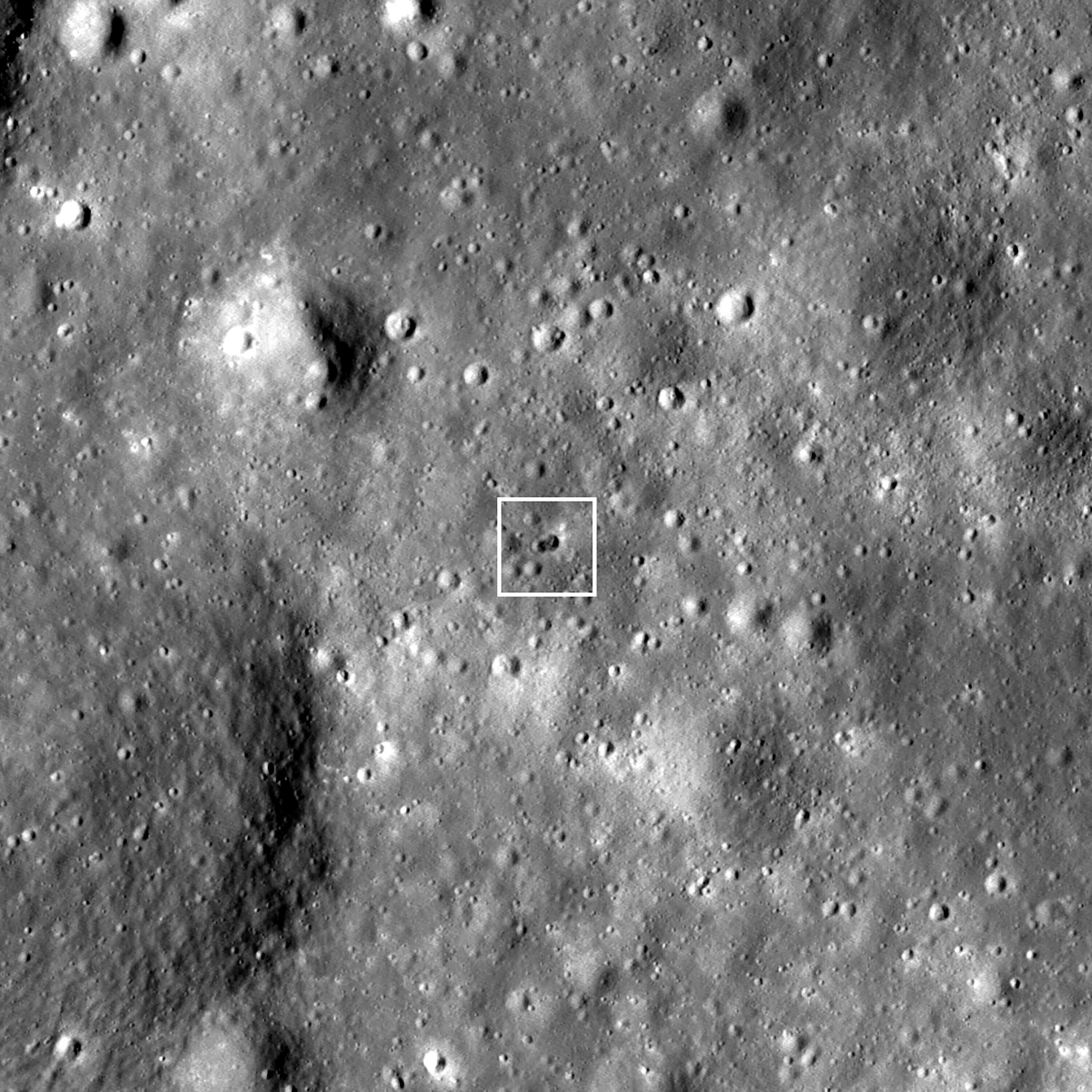
    The SpaceX Falcon 9 that crashed into the Moon

    A SpaceX Falcon 9 upper stage slammed into the moon on August 5 after spending over a year and a half drifting through the Earth-Moon system. Jared Head, museum facilitator at Columbia Memorial Space Center, producer at TMRO, and co-host of All Space Considered at Griffith Observatory, walks us through how a rocket launched in January 2025 ended up crashing into the lunar surface. Kate Howells, the Planetary Society's public education specialist, shares her experience witnessing Europe's first total solar eclipse in 27 years from a canyon in Spain on her honeymoon. Plus, Jack Kiraly, the Planetary Society's chief of advocacy, gives us an update on the campaign to save NASA science and the proposed changes to OMB's federal grant-making rules. We close with Bruce Betts, our chief scientist, who joins for What's Up, to discuss Point Nemo, the spacecraft graveyard in the South Pacific. Discover more at: https://www.planetary.org/planetary-radio/2026-falcon-9-moon-crash See omnystudio.com/listener for privacy information.

  • August 12 · 57 min

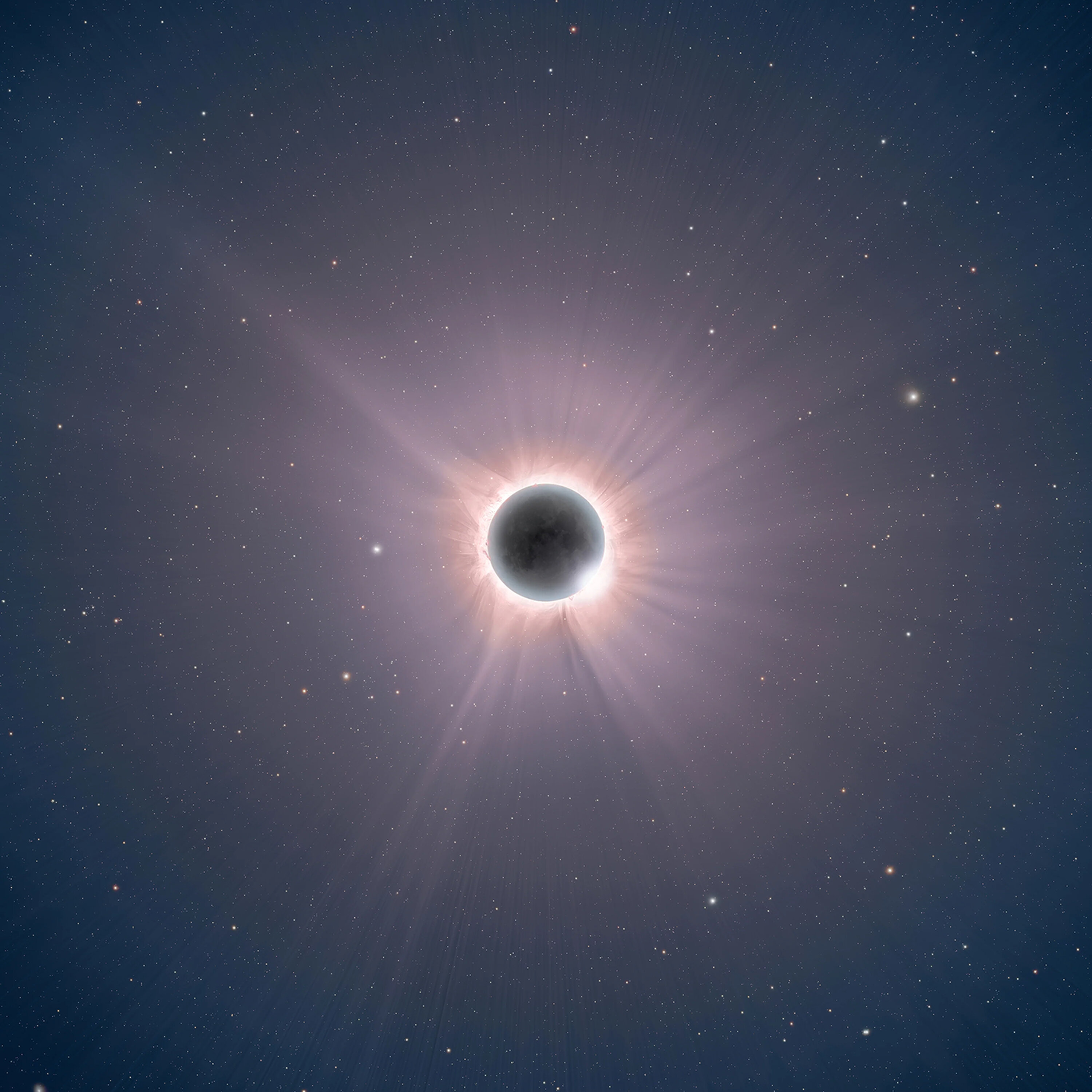
    Total solar eclipse 2026: Astrophotography and birdsong

    On August 12th, 2026, the Moon’s shadow will sweep across Iceland, Greenland, and Spain, bringing the first total solar eclipse visible from Europe since 1999. And because this eclipse happens near sunset, it promises to be one of the most visually stunning in living memory. Astrophotographer Andrew McCarthy, founder of Cosmic Background Photography, joins the show to talk about his extraordinary 2024 eclipse image, his collaboration with the Artemis II crew to capture the Moon in unprecedented detail, and what he's planning for this unique low-horizon eclipse. Then, bioacoustics researcher David Mann, founder of Haikubox and Loggerhead Instruments, shares the results of the Eclipse Echoes study, which used a network of hundreds of AI-powered bird monitors to reveal how birds across North America responded to the 2024 eclipse. The answer is far more complicated than simply going quiet. Discover more at: https://www.planetary.org/planetary-radio/2026-total-solar-eclipse See omnystudio.com/listener for privacy information.

Showing 1–20 of 42 episodes