Skip to content
Artwork for PharmaSource Podcast
ScienceLife Sciences

PharmaSource Podcast

Life Science Networks

Welcome to the PharmaSource podcast: the pharma and biotech podcast that explores the latest trends, challenges, and commercial opportunities shaping the biopharma manufacturing and outsourcing.

In each episode we'll be speaking with top executives, researchers, and outsourcing experts, who share their perspectives on topics such as building a smarter, more sustainable supply chain, how to partner with CDMOs, digital transformation, procurement and external manufacturing strategies, and plenty more besides.

Make sure to subscribe for your regular dose of pharma insight.

Play
  • 39 episodes
  • a few times a week
  • Avg 28 min
  • English
Counted on this page — what you have heard stays on this device, so it is not something the list can be paged by.
  • Thursday · 16 min

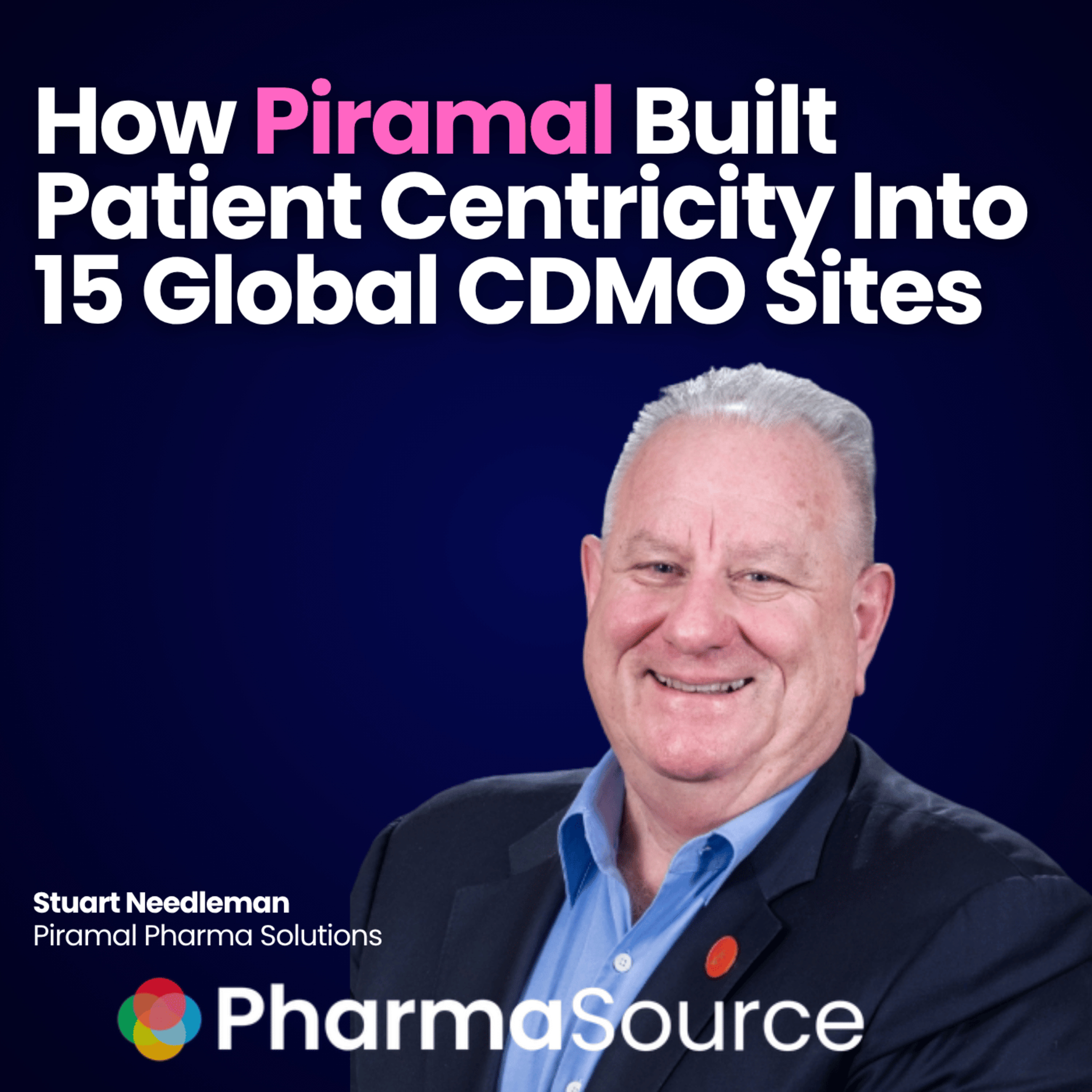
    How Piramal Built Patient Centricity Into 15 Global CDMO Sites

    “To us, it’s exactly the opposite of a marketing slogan. If we make a decision that has a negative impact on a patient, we’ve made a bad decision,” says Stuart Needleman. Stuart Needleman is Chief Commercial Officer and Chief Patient Centricity Officer at Piramal Pharma Solutions. Before Piramal, he was President of Laurus Synthesis and President and COO of Aptuit, and he held earlier roles at Cambrex, Oxford Asymmetry, ChiRex, and Rhodia Pharma Solutions. He has spent 46 years in the CDMO industry and joined Piramal about a decade ago. In the latest PharmaSource podcast episode, recorded at CPHI Milan 2026, Stuart explains what patient centricity looks like inside a CDMO. He covers why Piramal made it a formal, company-wide structure rather than a tagline, and why he believes most of the industry won’t follow. He shares the practical details: volunteer councils at every site, mandatory training, and a simple decision rule for when the patient and the quarter’s revenue pull in different directions. Stuart will take these questions further as moderator of a roundtable on patient centricity at CDMO Live Americas in Boston this October. Read the full article.
  • Monday · 38 min

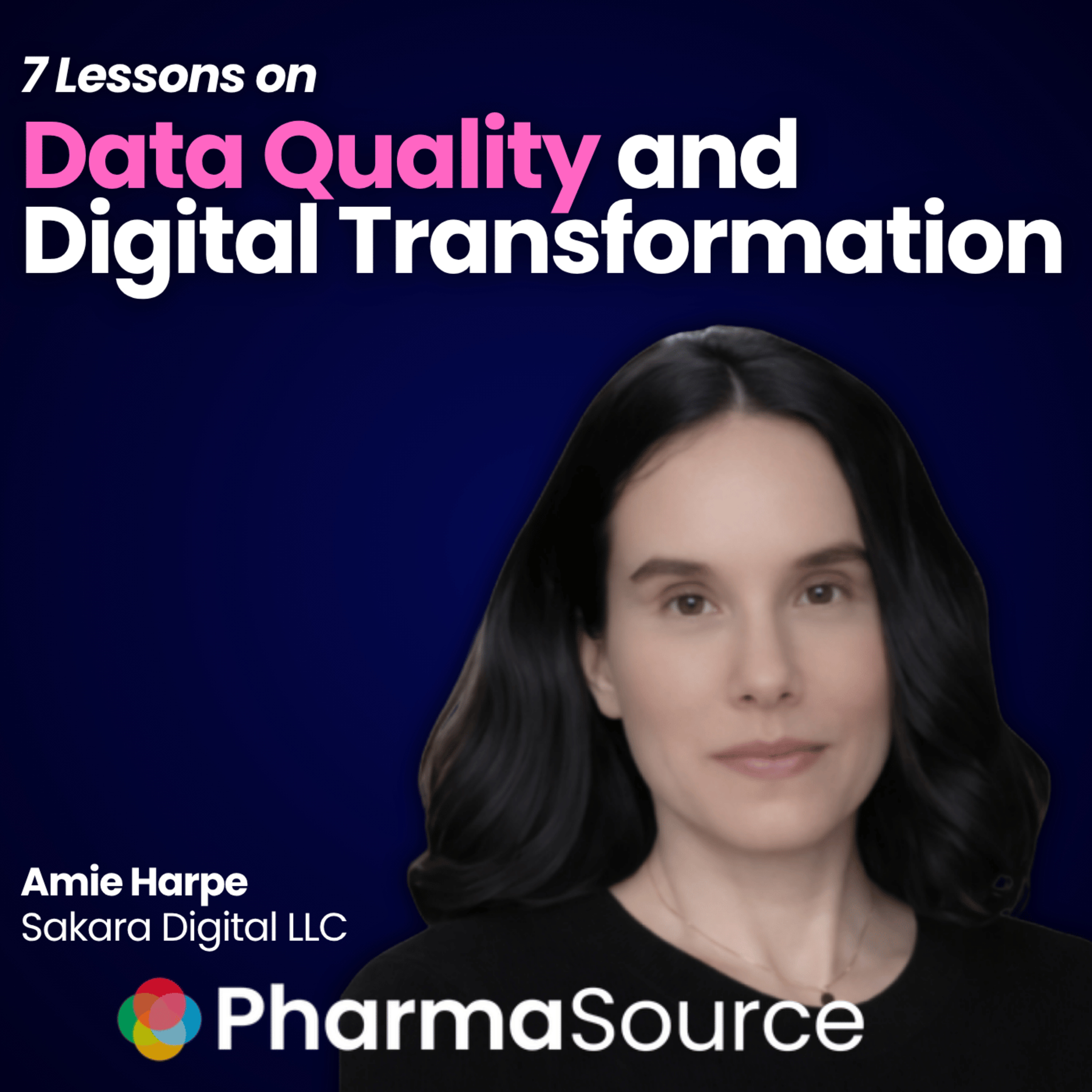
    7 Lessons on Pharma Data Quality and Digital Transformation from Sakara Digital's Amie Harpe

    “If the data you give it is weak, the model becomes a liability rather than an asset. In regulated industries, that’s not just a technical failure; it’s potentially a compliance and an ethical failure as well,” says Amie Harpe. Amie Harpe spent 23 years at Pfizer’s global IT organization, leading quality and manufacturing systems programs worth up to $40 million across 65 manufacturing sites worldwide. She’s now the founder of Sakara Digital, a boutique consultancy helping pharma and biotech organizations get more value from digital transformation, with a focus on quality management systems, pharma data quality, and AI readiness. In a recent PharmaSource podcast episode, Amie explains why pharma’s digital transformation gap persists and what separates organizations that get lasting value from their technology investments from those that don’t. Read the full article.
  • October 8 · 20 min

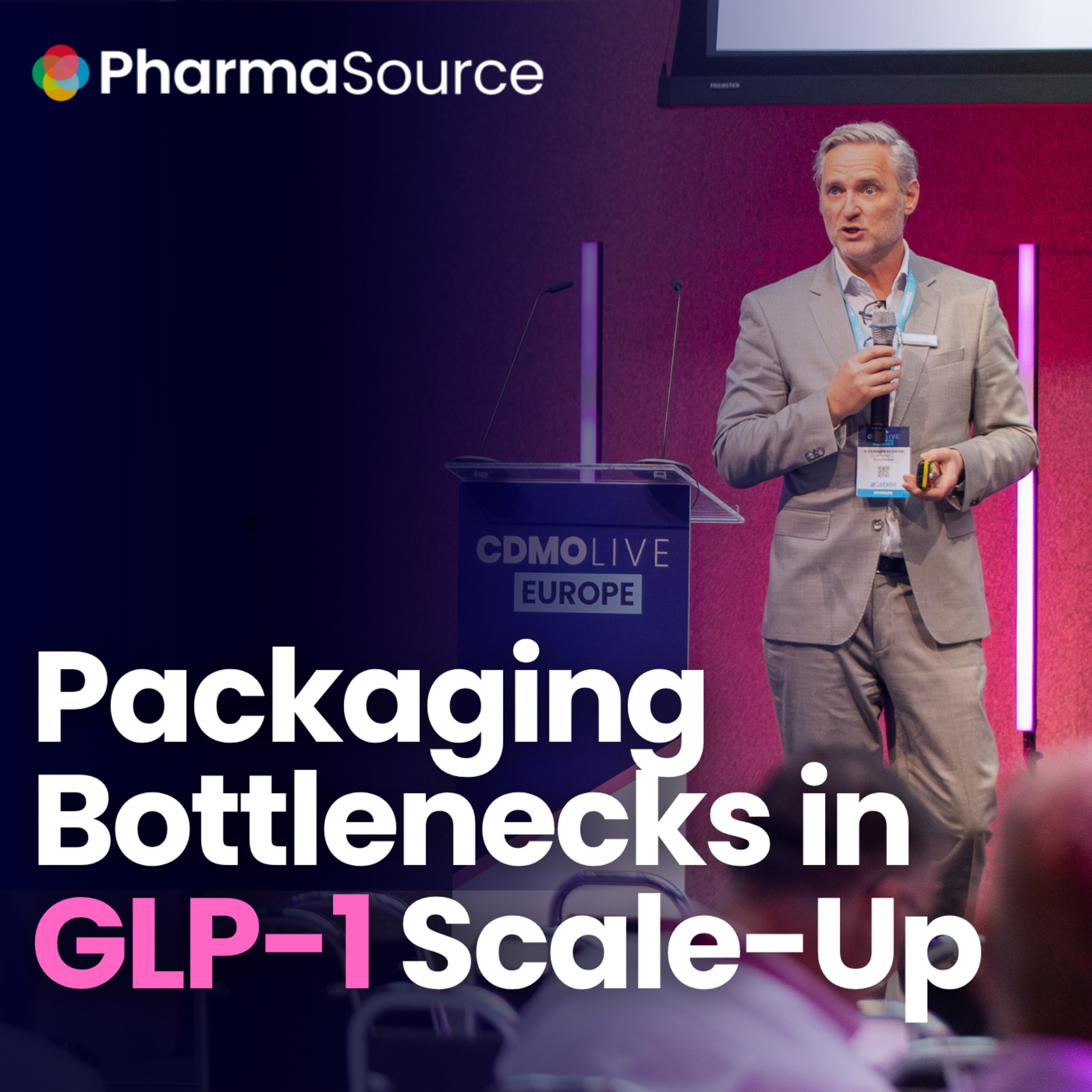
    Three Packaging Bottlenecks Slowing GLP-1 Scale-Up

    At CDMO Live Europe 2026, Alexander Schäfer, Business Development Manager at Sharp, laid out the scale of the GLP-1 packaging challenge and identified the three collaboration failures most likely to prevent CDMOs and their pharma partners from meeting surging demand. Read the full article.
  • October 5 · 28 min

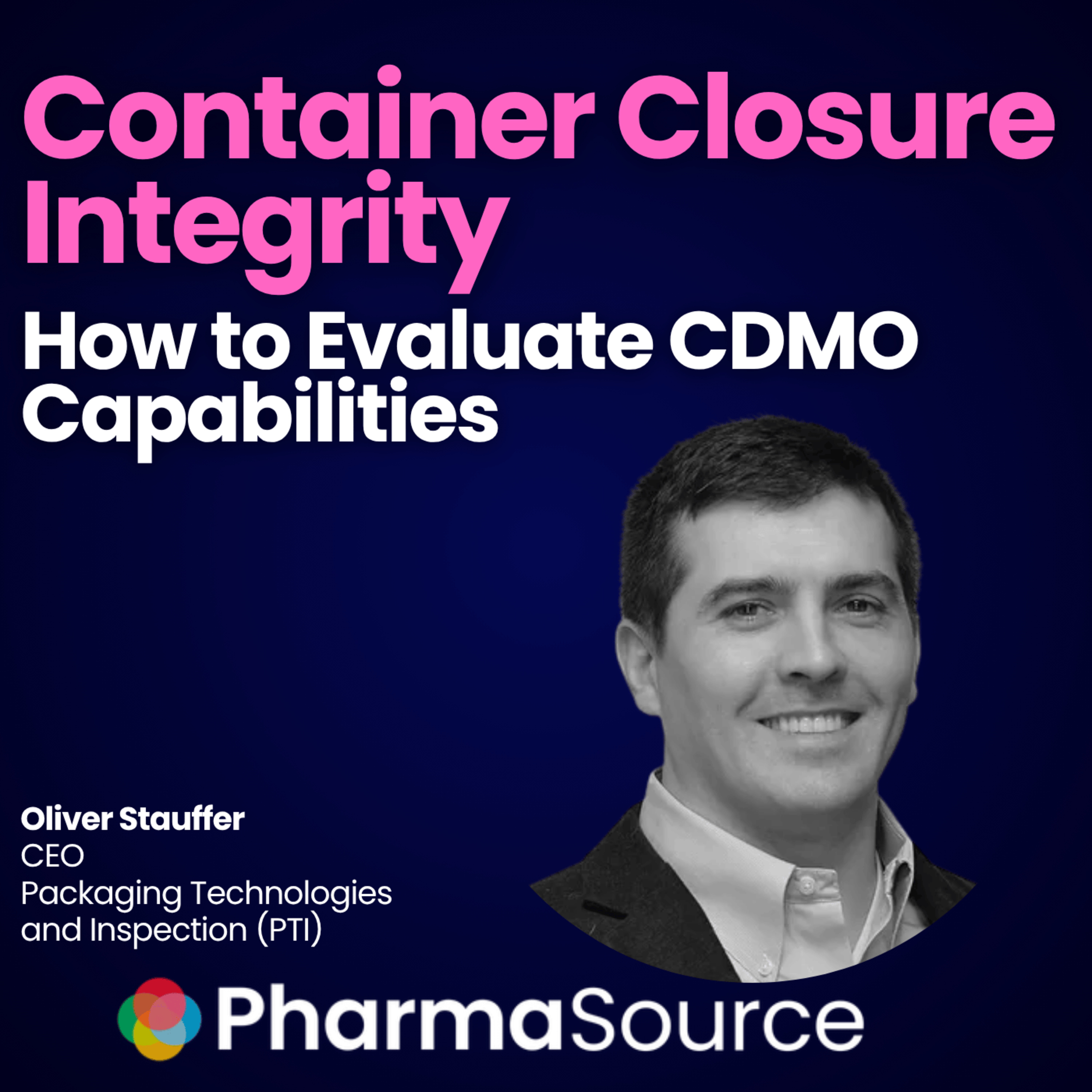
    Container Closure Integrity: 6 Considerations for Evaluating CDMO Capabilities

    Container closure integrity (CCI) is a critical element of sterile product quality, but evaluating a CDMO’s CCI capabilities requires more than confirming that testing is available. The appropriate approach depends on the drug product, container closure system, manufacturing process, lifecycle risks, and applicable regulatory requirements. For pharmaceutical companies selecting or qualifying a CDMO, understanding how a manufacturing partner approaches these variables can provide useful insight into the maturity of its overall quality program. Oliver Stauffer, CEO of PTI (Packaging Technologies and Inspection), has more than two decades of experience in container closure integrity testing and quality risk assessment. In a recent PharmaSource podcast, he discussed several considerations for assessing CCI strategies across vials, prefilled syringes, autoinjectors, and other sterile product formats. The discussion points to six areas sponsors should consider when evaluating a CDMO’s approach to container closure integrity. Read the full article.
  • October 1 · 35 min

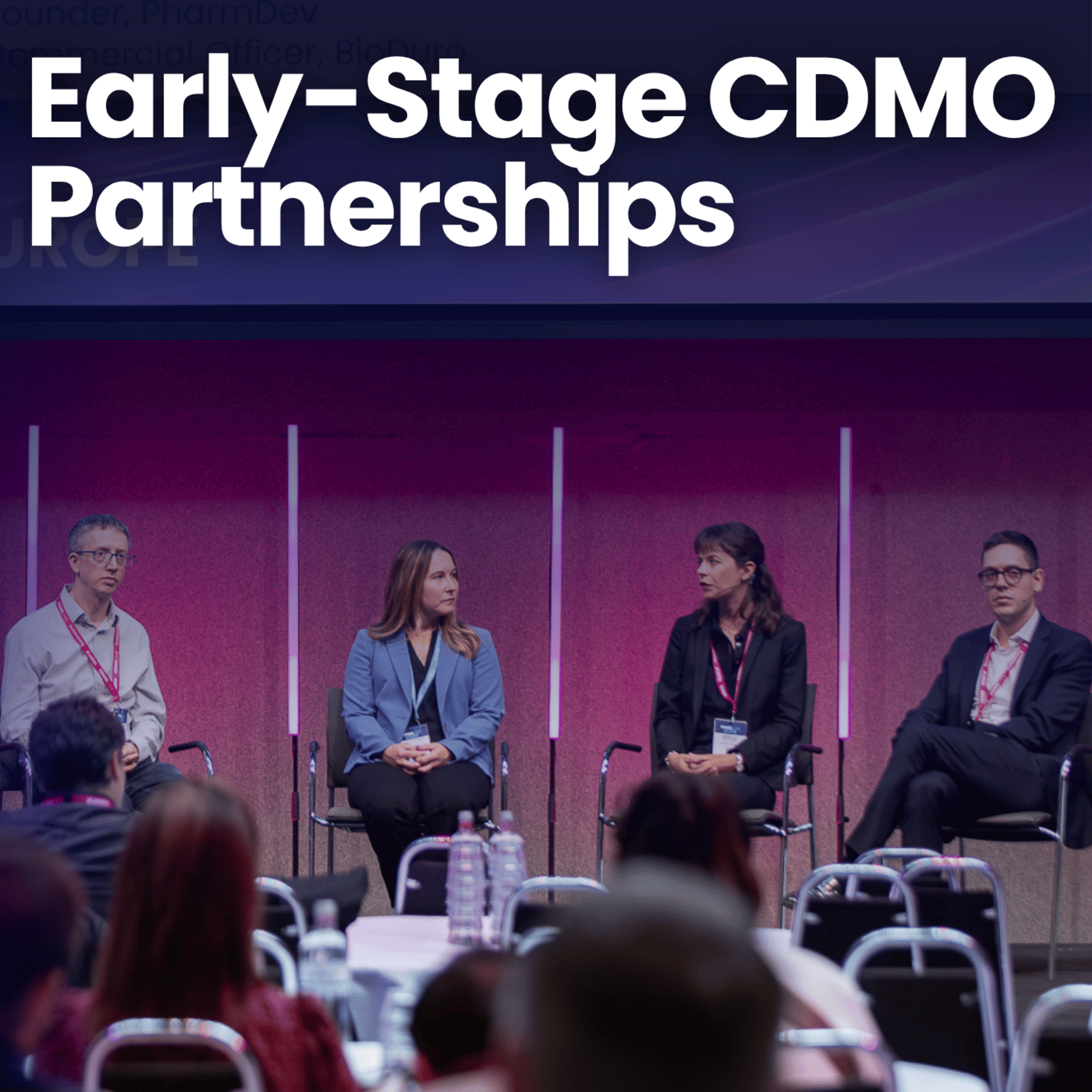
    How to Select and Sustain an Early-Stage CDMO Partnership

    At CDMO Live Europe 2026, Giulio Cavalli, Principal Lead External Manufacturing, J&J Innovative Medicine; Neil Stevenson, Director, CMC Logic Consultancy; Marine Joly Battaglini, Founder, PharmDev; and Susan Reasoner, Chief Commercial Officer, BioDuro, examined how early-stage biotechs can avoid common selection mistakes, manage capacity concerns, and build CDMO relationships designed to last beyond Phase 1.

  • September 28 · 36 min

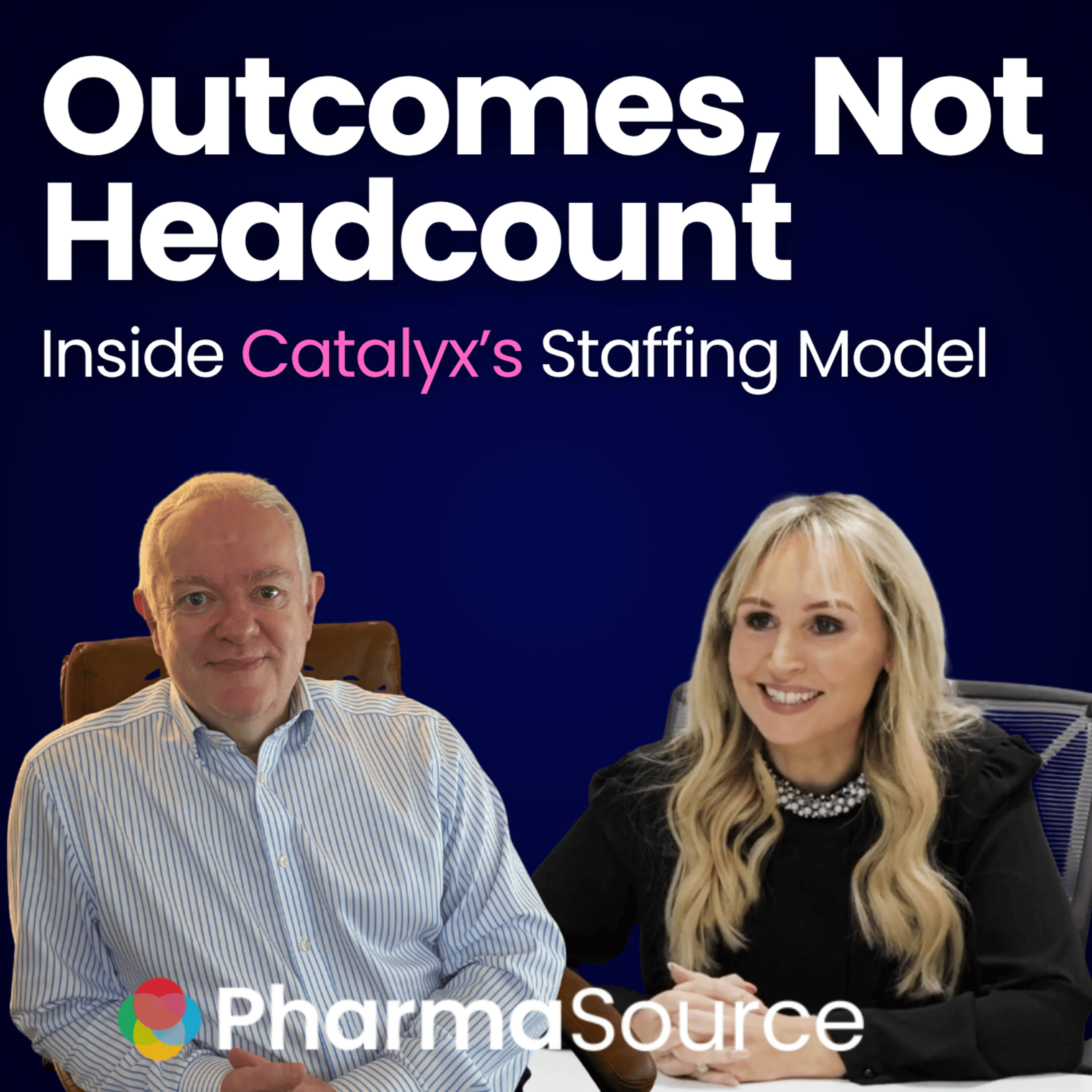
    What Changes When Pharma Outsources Outcomes, Not Just People?

    “Traditional staff augmentation says, ‘Here are the people you asked for.’ An outcome-led model says, ‘Here is the service or capability you asked for, and we are accountable and responsible for making it work.’” — Aisling Flanagan Aisling Flanagan, Global SVP of Professional and Managed Services at Catalyx, leads people-based services for regulated manufacturing environments. She works alongside Mike Barrett, Catalyx’s director of sales and operations for the UK and Europe, who focuses on translating client needs into measurable delivery. In this PharmaSource podcast interview, Aisling and Mike explain how pharmaceutical manufacturers can improve staffing outsourcing in pharma manufacturing by buying capability, capacity, and results instead of contractor headcount. Their recommendations cover supplier consolidation, GMP expertise, workforce retention, governance, and performance-based KPIs. Read the full article.
  • September 24 · 37 min

    Europe Needs to Pick a Side: Why Geopolitics Is Forcing a Rethink of Pharma Supply Network Design

    Sponsored by Blue Jet Healthcare, this panel at CDMO Live Europe 2026 brought together Bernhard Boehm, Head of External Manufacturing Animal Health, Boehringer Ingelheim; Philip Coetzee, Director CMO Management, Daiichi Sankyo Europe; Fanny Eberhardt, Director Global Procurement, UCB; and Shiven Arora, Managing Director, Blue Jet Healthcare to debate how pharma companies are making network strategy decisions as cost pressures, geopolitical risk, and the limits of tech transfer collide. Read the full article.

  • September 21 · 29 min

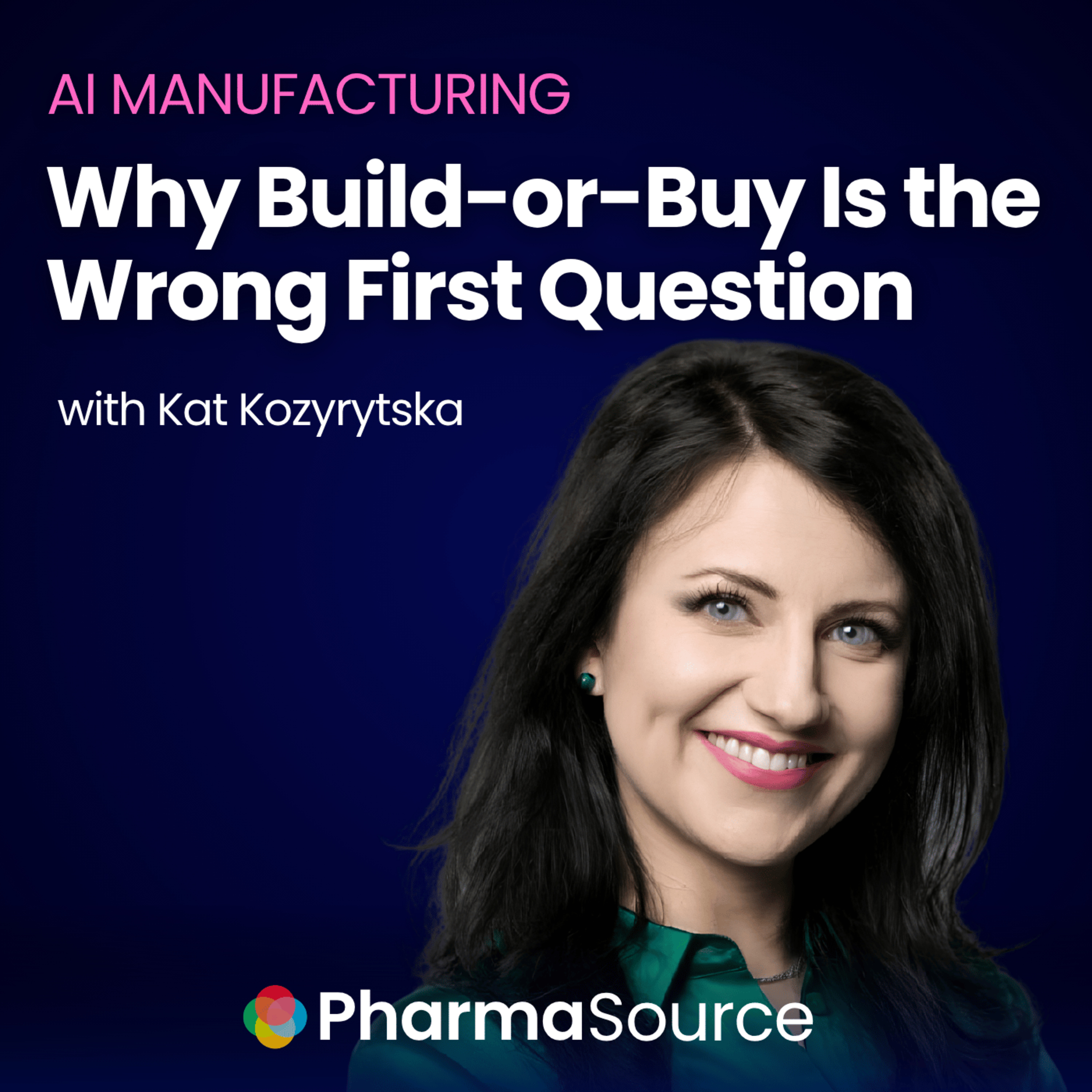
    AI in Biopharma Manufacturing: Why Build-or-Buy Is the Wrong First Question

    “AI is marketed as such an approachable, ubiquitous thing that everybody thinks they can vibe code it. Unfortunately, a lot of companies are starting to think that way,” says Kat Kozyrytska. Kat Kozyrytska is a portfolio strategy and technology leader in life science technologies who has operated across organizations, including Sartorius and Thermo Fisher, and now advises across the life sciences ecosystem. Her work focuses on translating emerging technologies, including AI, automation, and digital capabilities, into portfolio strategy, partnerships, and business growth. Ahead of CDMO Live Americas, Kat explains why many of the assumptions shaping AI adoption in drug discovery do not translate into biopharma manufacturing. She covers the evolving questions around intellectual property and learning rights, why building AI in-house may be the wrong long-term choice for many companies, and why manufacturers need to move from experimentation toward portfolio-level prioritization if AI is to deliver sustainable business value. Read the full article

  • September 17 · 37 min

    What CDMOs Get Wrong About AI for Bioprocessing, According to Sapiens Health’s Seungik Cho

    “How good is your AI model? That’s the wrong question. The right question is: what does your AI model actually help your company do?” Seungik Cho, founder of Sapiens Health, has spent the past year pulling apart the assumption in biomanufacturing that a better-predicting AI model means a better digital twin. His research argues the opposite: that optimizing AI for prediction accuracy can cause these systems to fail in CDMO environments. Seungik Cho is the founder of Sapiens Health and Director of Strategic Operations at Nucleate. He’s finishing his B.S. in Biological Physics at Rice University, where his research explores the intersection between computational biology and multimodal AI. He describes his work as building AI systems that are “trustworthy and deployable,” not just accurate on a benchmark. His recent publications include work on longitudinal CT lesion prediction (IEEE ISBI 2026) and gene network analysis (IEEE BHI 2025). In the latest PharmaSource podcast episode, Seungik explains why he believes CDMOs are pointing their AI investment in the wrong direction and lays out an alternative model built around diagnosis rather than prediction, explainability rather than confidence scores, and institutional memory rather than one-off forecasts. Read the full article.

  • September 9 · 18 min

    How ExoZymes Is Running a 10-CDMO RFP for CDMO Selection

    “We can adjust and be flexible around equipment configuration, but we can’t be flexible around what is a clear communicator and an honest partner.” Damien Perriman is Chief Commercial Officer at ExoZymes, a Nasdaq-listed company using AI-enhanced enzymes to produce pharmaceutical and nutraceutical compounds without living cells. He spent two decades commercializing biotechnologies at multiple companies, scaling up seven different technologies, before joining ExoZymes just over a year ago. In the latest PharmaSource podcast episode, Damien explains how ExoZymes is running its first major CDMO selection process for a platform unlike anything most contract manufacturers have run before, and why the company is weighing communication and cultural fit as heavily as technical capability. Read the full article.

  • September 7 · 32 min

    How EU Sustainability Regulations Are Reshaping CDMO Manufacturing

    “Rather than saying that there’s a gap from the industry, I think there’s a listening gap from our governments.” Neha Dave is an independent EU Government Affairs Advisor based in Brussels, with more than 20 years of experience across the EU institutions, agency-side consulting at Weber Shandwick, and government affairs and public policy at MedTech Europe. She advises pharma and medtech companies on entering and navigating the European market, with policy expertise spanning pharmaceuticals, MDR/IVDR, clinical trials, and the single market. In the latest PharmaSource podcast episode, Neha explains how EU regulation, particularly the environmental and sustainability agenda, is landing on contract manufacturers, which legislation is already in force, what arrives in the next 12 to 18 months, and what CDMOs should be doing now to prepare. Read the full article.

  • September 3 · 26 min

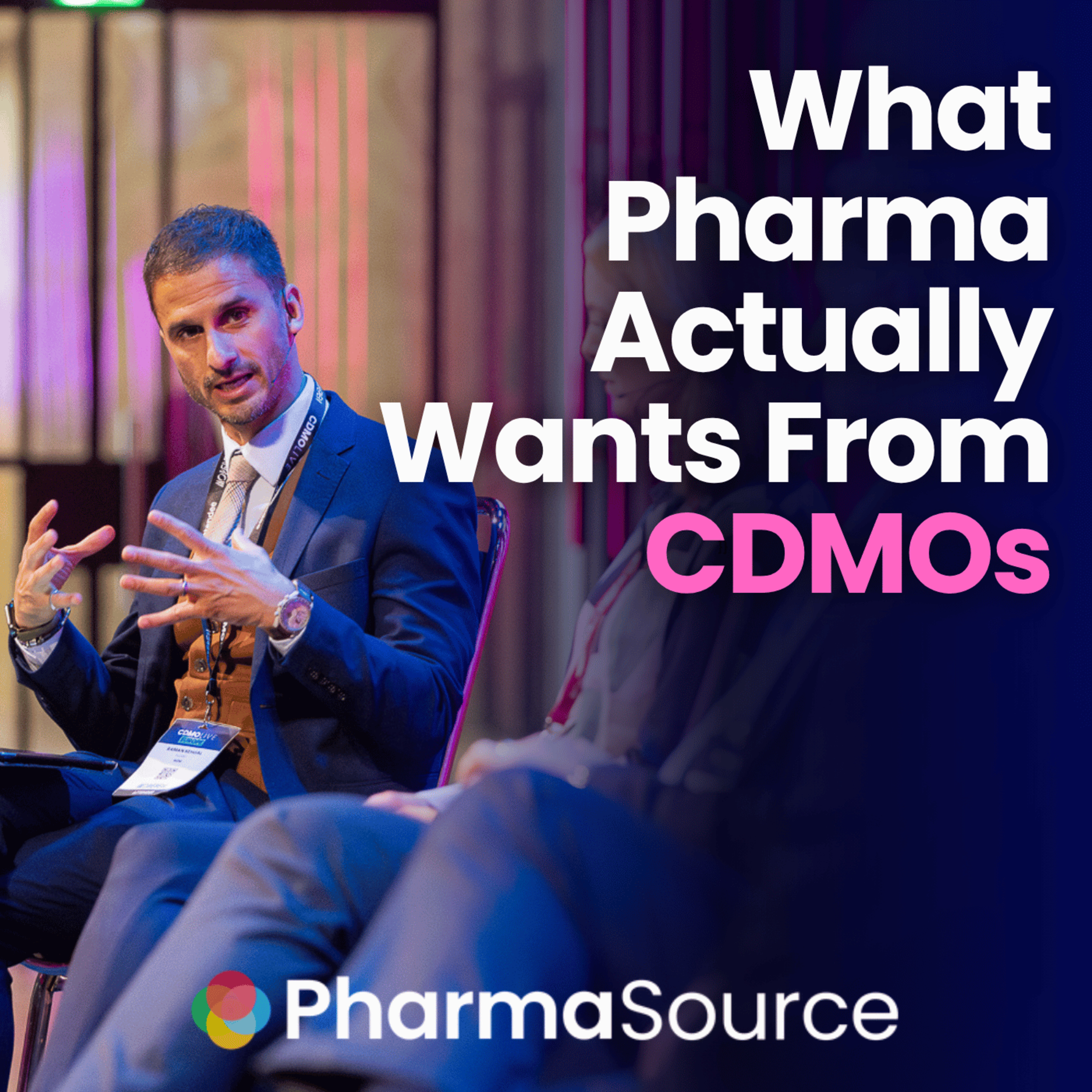
    "Stop Talking About Resilience in the Future Tense": What Pharma Actually Wants From CDMOs

    Moderated by Raman Sehgal, Host of Molecule to Market, this opening panel at CDMO Live Europe 2026 brought together Melanie Wamsler, External Network Strategy Lead, Takeda, Rocco Paracchini, Vice President, Morpho, Kaan-Fabian Kekec, Partner, Simon-Kucher, and Kurt Nielsen, President, Longview Leader, to assess market conditions, capital discipline, geopolitical risk, and pricing in contract manufacturing. Read the full article.

  • August 31 · 38 min

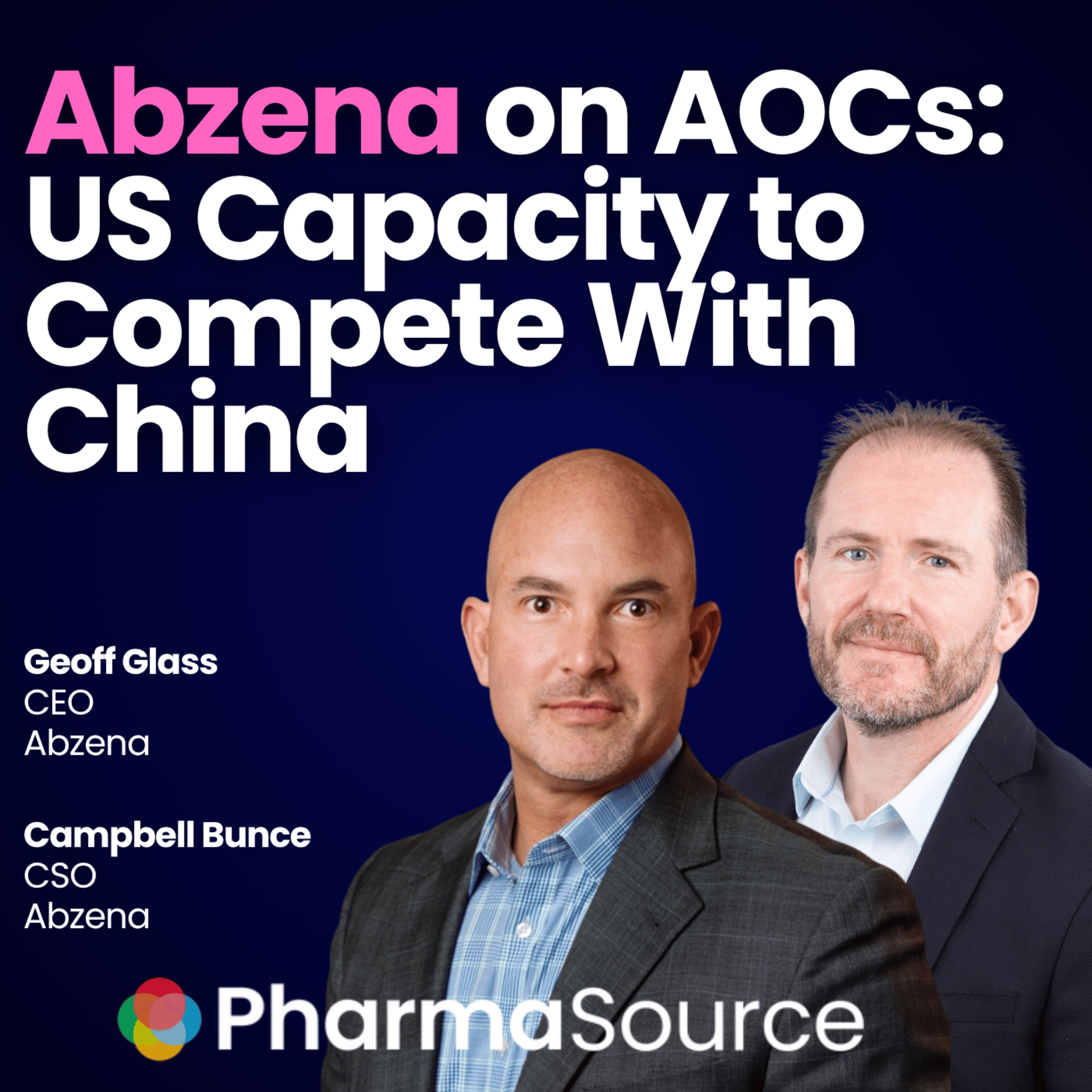
    Abzena on AOCs: Building US Capacity to Compete With China

    “There isn’t enough capacity for antibody-oligo conjugates out there today, full stop,” says Geoff Glass, CEO of Abzena. “And it’s really because of the volume requirements for the diseases.” Geoff Glass is Chief Executive Officer of Abzena, the end-to-end, fully integrated CDMO and CRO for complex biologics and bioconjugates. He brings 30 years in life sciences, including at Patheon, Avadel, and Ncardia, and he chaired Abzena’s board before taking the CEO seat last year. He’s joined by Campbell Bunce, Abzena’s Chief Scientific Officer, who runs discovery through GMP manufacturing across the company’s San Diego, CA, Bristol, PA, and Cambridge, UK sites. Antibody-oligonucleotide conjugates (AOCs) have moved from concept to late-stage development in just a few years, attracting major investment along the way. In the latest PharmaSource podcast, Geoff and Campbell walk through where the modality came from, manufacturing considerations compared to ADCs, and the broader geopolitical and capacity challenges in the US. Read the full article.

  • August 27 · 34 min

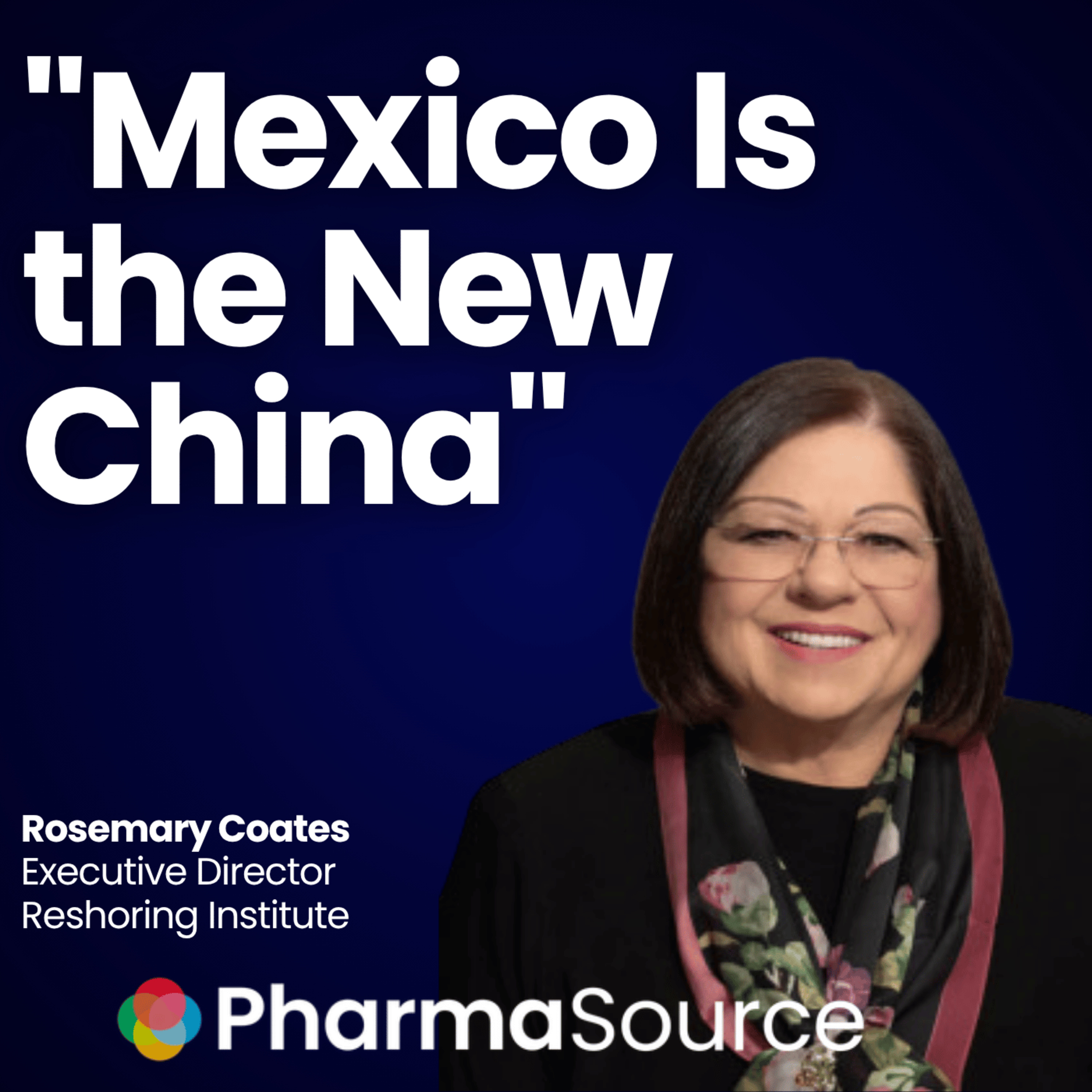
    “Mexico Is the New China”: Reshoring Institute Executive Director Rosemary Coates on the Future of Pharmaceutical Reshoring

    “If you look at the employment numbers in the manufacturing sector, it’s been absolutely flat for two years. The political noise has not driven that big wave of reshoring that we were expecting.” After a decade of making the economic case for bringing manufacturing back to America, Rosemary Coates says the data tells a very different story from the press releases. Rosemary Coates is Executive Director of the Reshoring Institute and President of global supply chain consultancy Blue Silk Consulting, with 35 years of experience across industries from healthcare to high tech. She has consulted for over 80 clients worldwide, served as an expert witness in major supply chain disputes, authored five books including the Amazon bestseller 42 Rules for Sourcing and Manufacturing in China, and was named one of the 100 Most Influential Women in Silicon Valley in 2024. In the latest PharmaSource podcast episode, Rosemary explains what the data really says about reshoring to the US, why tariff volatility has frozen executive decision-making, and how pharmaceutical companies can build manufacturing strategies durable enough to survive an unstable world. Read the full article.

  • August 23 · 29 min

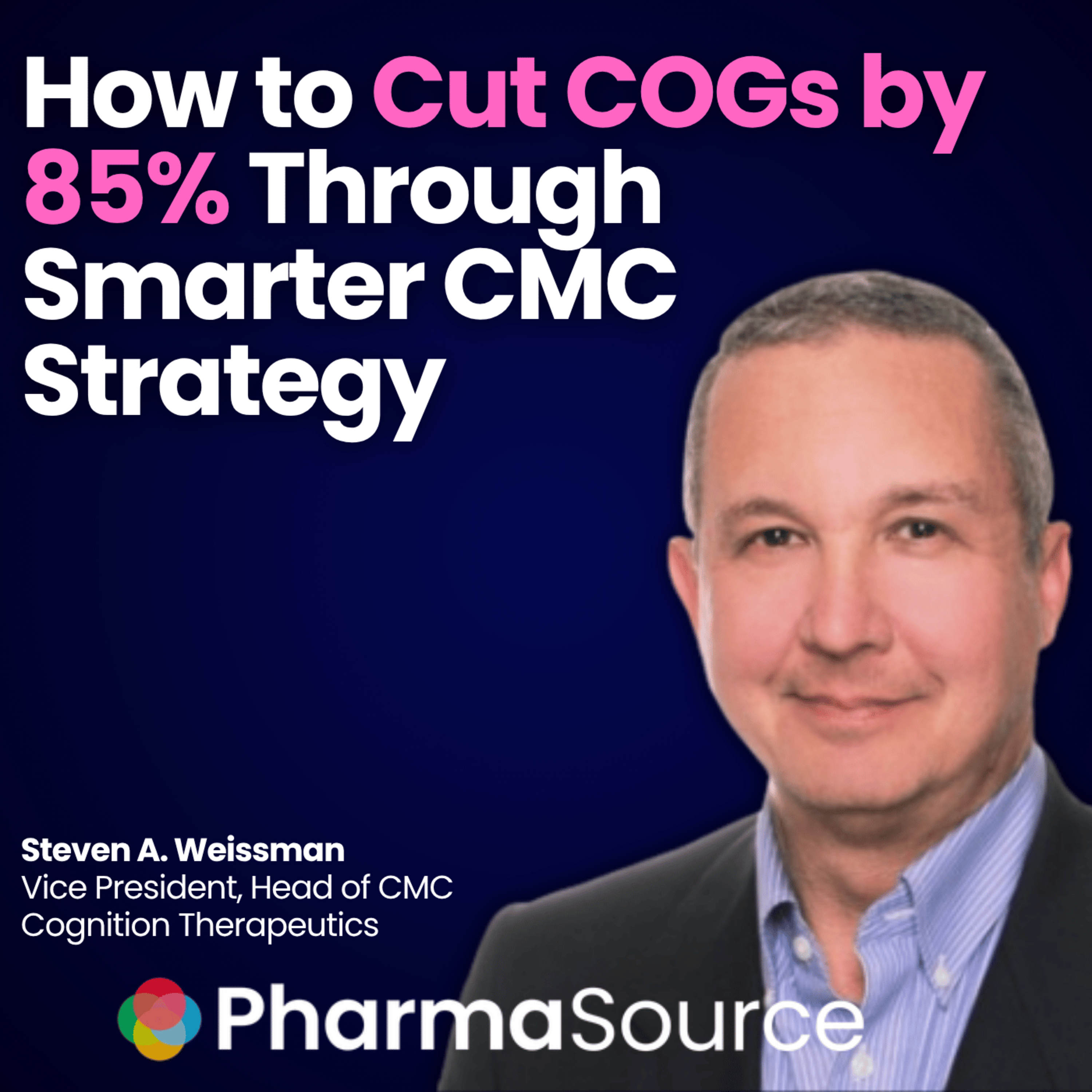
    How Cognition Therapeutics Cut Cost of Goods by 85% Through Smarter CMC Strategy

    “No one is going to care about your project as much as you do.” Steven Weissman is Vice President and Head of CMC at Cognition Therapeutics, a small pharma company outside New York City developing CT1812, a neurodegeneration candidate now through three Phase 2 trials in Alzheimer’s disease, Lewy body dementia, and dry AMD. He spent 18 years in the process chemistry groups at Merck before moving into the small pharma space, where he has managed CMC functions at Concert Pharmaceuticals, Lexicon, and now Cognition Therapeutics. In the latest PharmaSource podcast, Steven explains how small biotechs can build a manufacturing supply chain from scratch, why cost of goods is a lever most teams pull too late, and what working on drugs that made it to market, and some that didn’t, taught him about when to invest in process development. Read the full article.

  • August 20 · 19 min

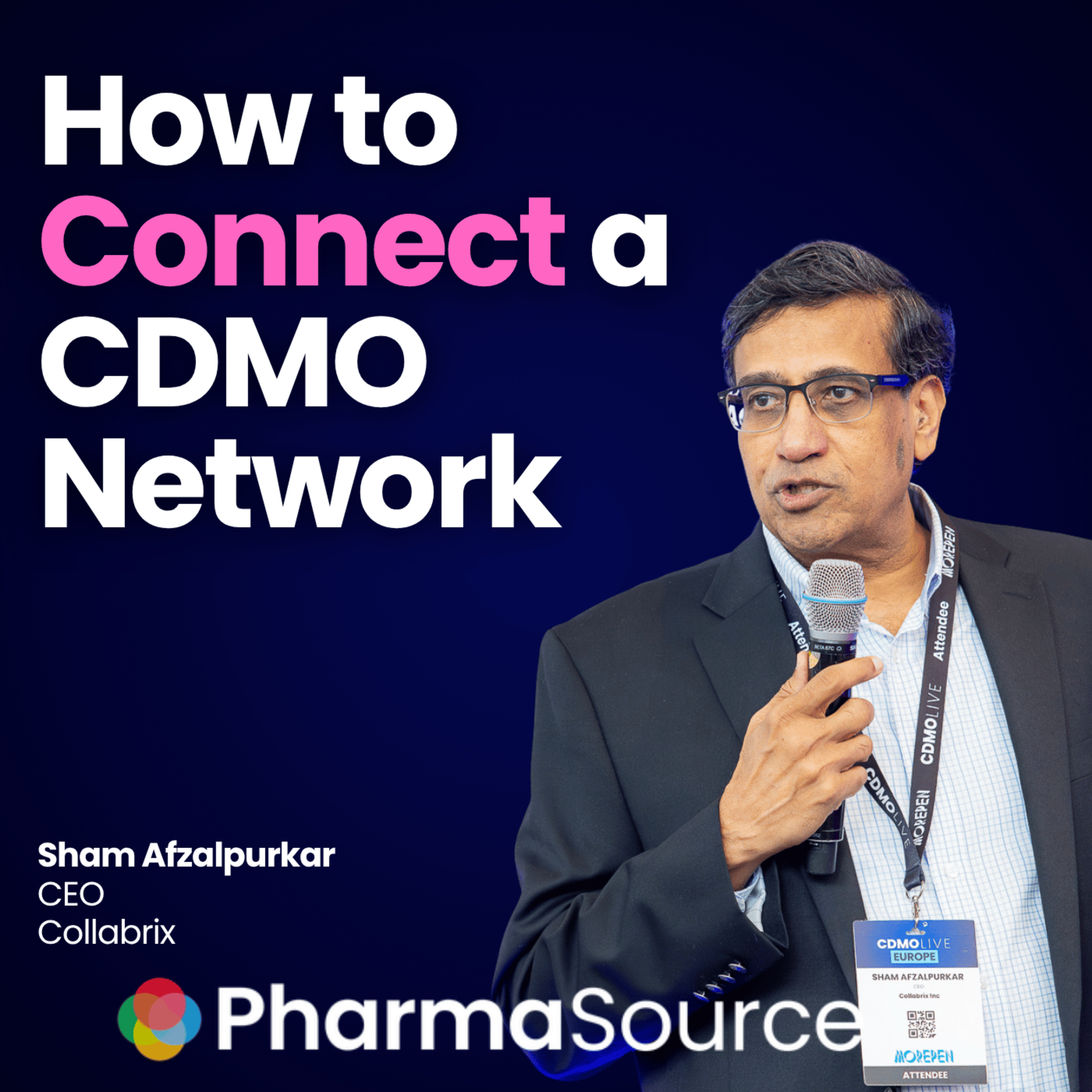
    How to Connect a CDMO Network Without Starting From Scratch

    “Digital collaboration is a competitive advantage for everyone — for CDMOs and CMOs, it’s not a question of if you’re going to do it, it’s when. So how do you get ready for it?” At CDMO Live Europe 2026, Sham Afzalpurkar, CEO of Collabrix, presented a standards-based, AI-enabled framework for connecting sponsor-CDMO networks at scale, arguing that custom point-to-point integrations are structurally unsustainable as external manufacturing portfolios grow. Read the full article here.

  • August 17 · 24 min

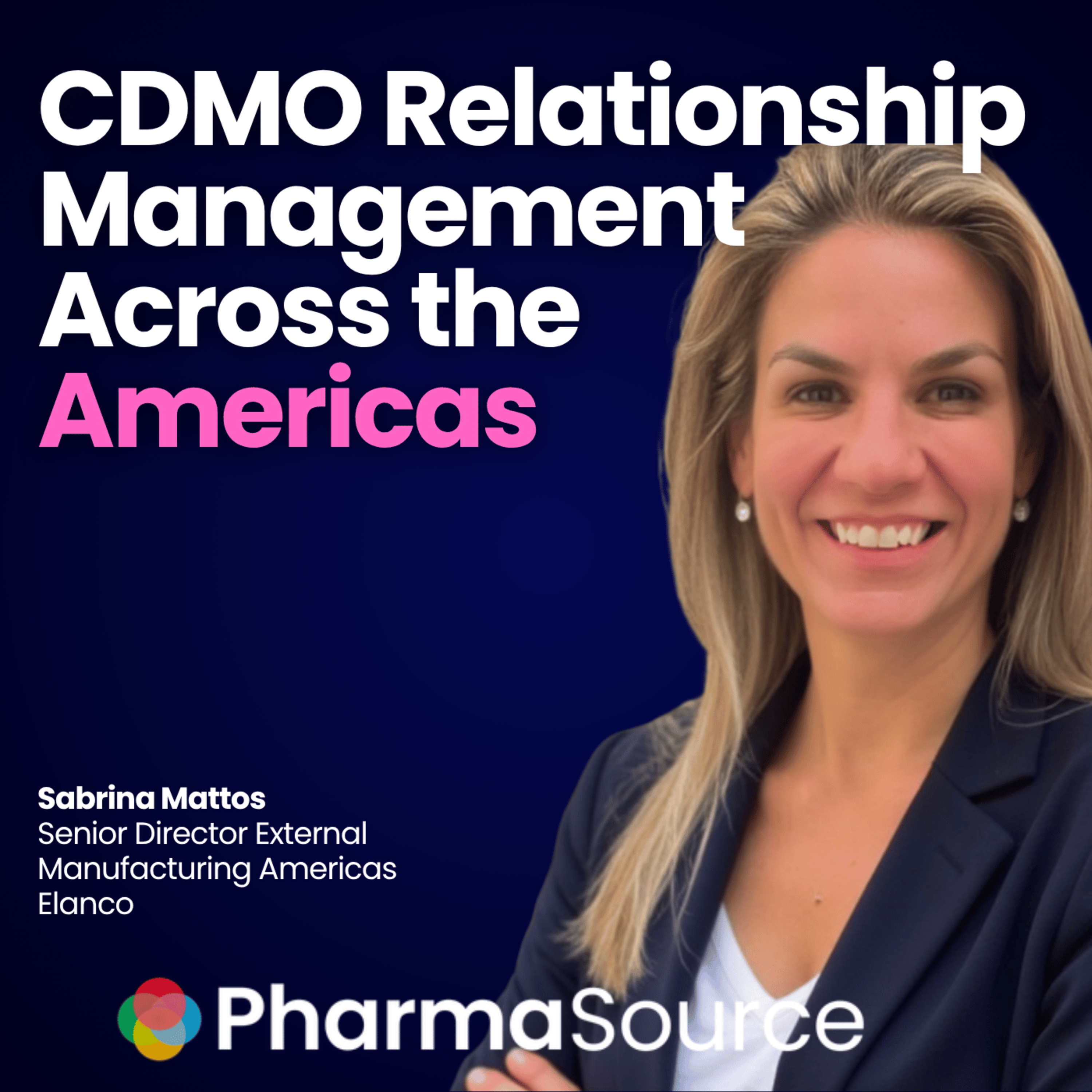
    CDMO Relationship Management Across the Americas: Why Culture Changes Everything

    “When we go to an external partner, we need to show up as one single aligned organization. If we’re not aligned internally, the CMO ends up becoming the referee.” In pharmaceutical manufacturing, the quality of a CDMO partnership is rarely determined by the contract alone. According to Sabrina Mattos, Senior Director of External Manufacturing for the Americas at Elanco, what truly separates high-performing partnerships from dysfunctional ones comes down to two factors: internal alignment and cultural intelligence. Sabrina brings over 20 years of pharmaceutical industry experience spanning quality, supply chain, and operations leadership across Brazil, Europe, and North America. As a pharmacist who began her career as a QA representative at Eli Lilly in Brazil, she has progressed through site leadership and global roles to now oversee Elanco’s external manufacturing portfolio across the US, Canada, and Latin America — a hub spanning close to 50 CMO relationships. In a recent PharmaSource Podcast conversation, Sabrina shared how Elanco structures its external manufacturing teams, navigates the cultural differences that shape partnerships across the Americas, and why getting internal alignment right before approaching a CDMO is non-negotiable. Read the full article.

  • August 13 · 14 min

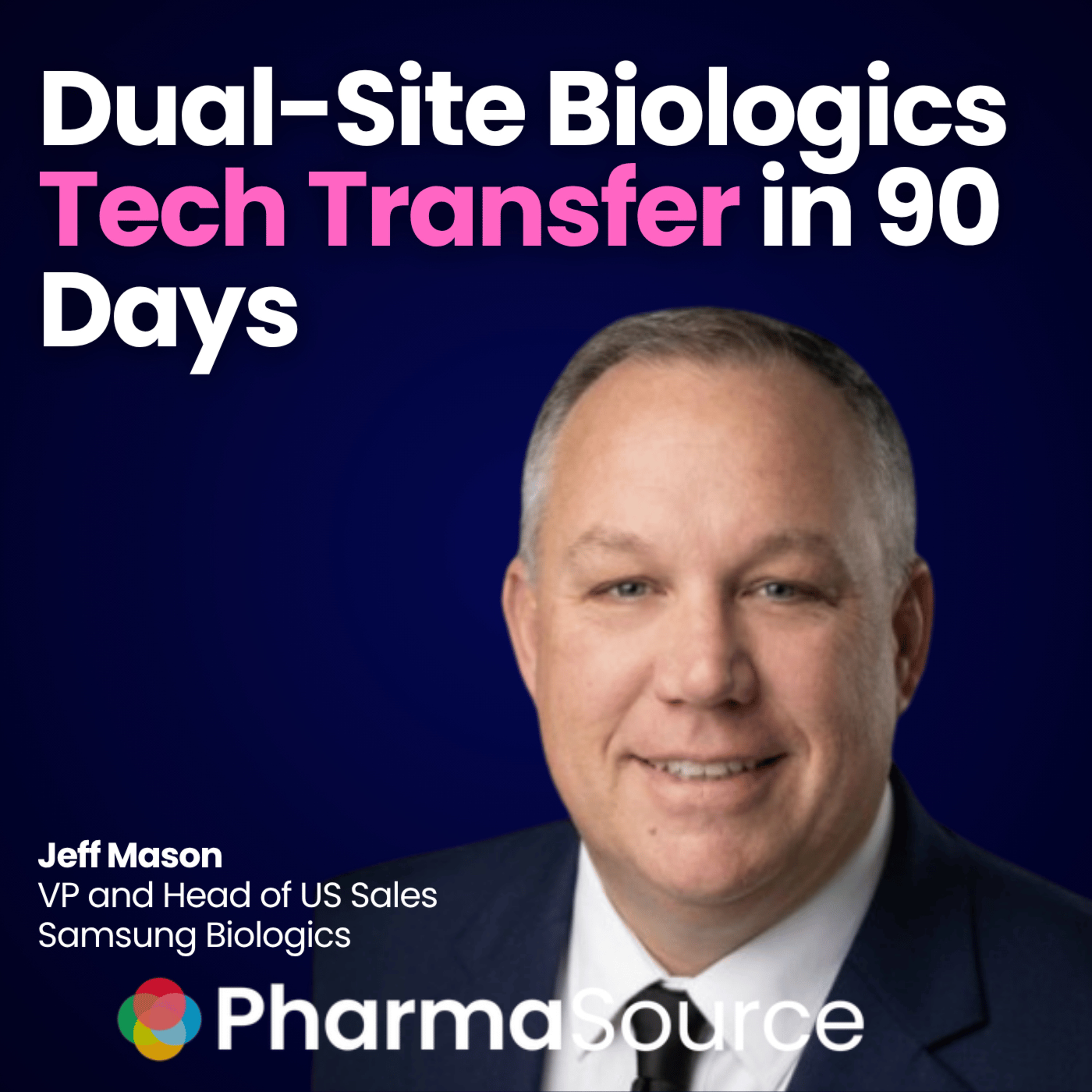
    How To Complete a Dual-Site Biologics Tech Transfer in 90 Days

    At CDMO Live Europe 2026, Jeff Mason, VP and Head of US Sales at Samsung Biologics, demonstrated a risk-based, parallel approach to dual-site technology transfer that delivered a first GMP batch at a second facility within 90 days of initiation. Read the full article.

  • August 10 · 38 min

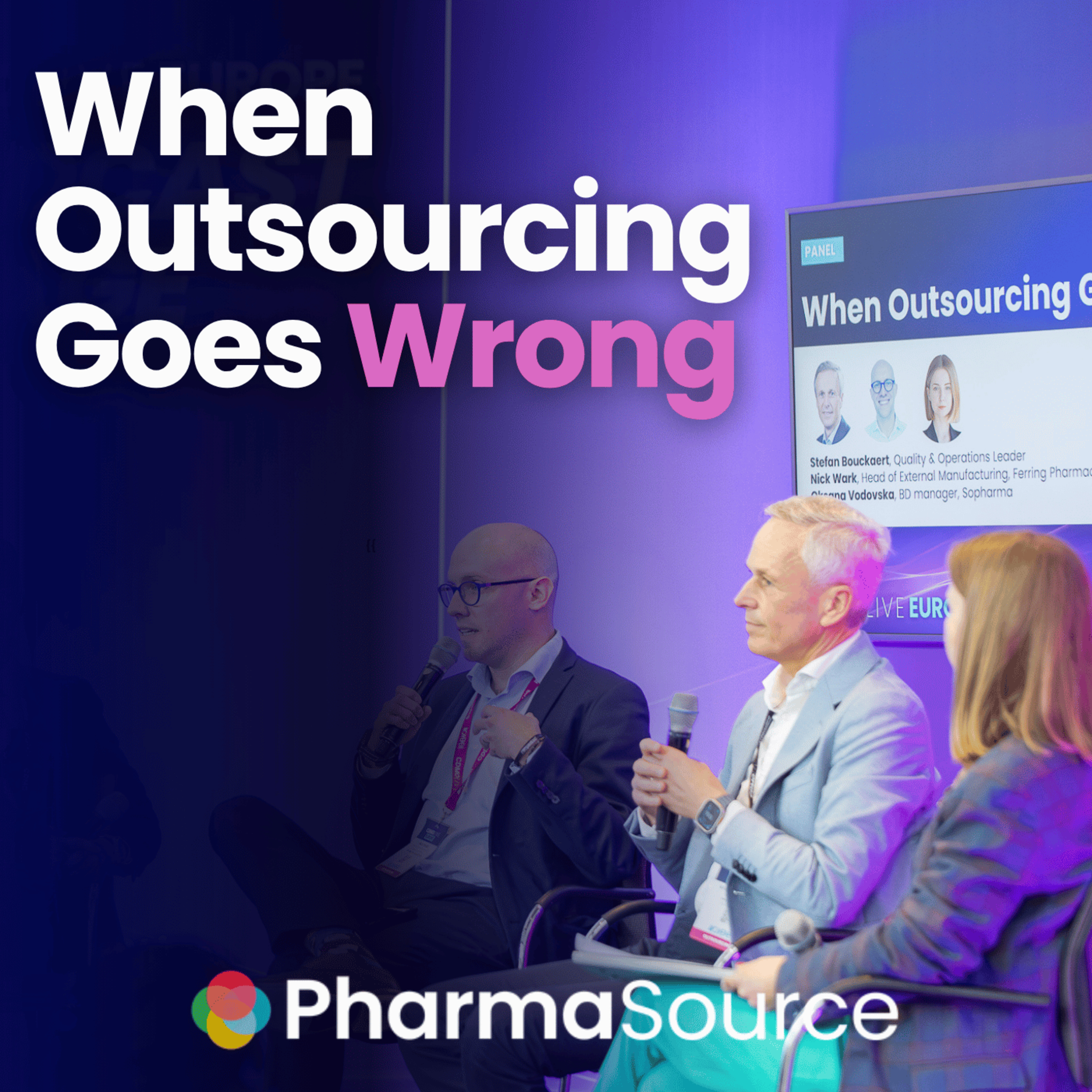
    When Outsourcing Goes Wrong

    When relationships with contract manufacturers break down, the cause is rarely just the contract manufacturer. A panel of three sponsor-side executives examined the warning signs, the internal failures, and the governance models that determine whether a difficult relationship recovers or ends. At CDMO Live Europe 2026, a session, moderated by Raman Sehgal of the Molecule to Market podcast, brought together three buyers: Stefan Bouckaert, a Quality and Operations Leader who spent 20 years at Johnson & Johnson overseeing 170 contract manufacturing organizations and 5,500 suppliers; Nick Wark, Head of External Manufacturing and Strategic Partnerships at Ferring Pharmaceuticals, overseeing several dozen contract manufacturers; and Oksana Vodovska, Business Development Manager at Sopharma, a regional generics company that selectively outsources alongside its own production facilities. Read the full article.

Showing 1–20 of 39 episodes