Skip to content
Artwork for NOVA Presents

NOVA Presents

GBH

Ever wonder what's really going on in the world of science? We've got you covered. Join us for conversations with the researchers making tomorrow's breakthroughs, deep dives into the universe's biggest mysteries, and clear explanations of the discoveries that matter most. We're talking climate breakthroughs, space mysteries, AI developments, and quantum leaps, all explained by the people doing the work.


Whether you're curious about breaking headlines, fascinated by black holes and alien worlds, or ready for mind-bending conversations with brilliant scientists, NOVA Presents delivers four incredible series that make complex science feel like chatting with your smartest friend. For over 50 years, NOVA has been your trusted guide to understanding the world, now we're bringing that same curiosity and clarity straight to your ears. Come explore with us.


Discover more NOVA content and subscribe to our YouTube channel. 

Play
  • 39 episodes
  • a few times a week
  • Avg 38 min
  • English
Counted on this page — what you have heard stays on this device, so it is not something the list can be paged by.
  • S6 · E37
    Tuesday · 31 min

    The Quake Equation

    Big earthquakes can change the Earth’s rotation. And Harvard geophysicist John Shaw says these giant events can teach us a lot. He traces our understanding from ancient myths to modern studies and unpacks what;s really going on beneath the surface. John reveals why a magnitude 7 earthquake releases 30 times the energy of a WWII-era atomic bomb, how the largest quakes make the Earth ring like a bell for days, and why the deadliest earthquake in history wasn't even the biggest one. Learn more about NOVA and visit our YouTube channel. -------------------------- Guest Bio: John Shaw is the Harry C. Dudley Professor of Structural and Economic Geology at Harvard University, where he also serves as Vice Provost for Research. A structural geologist and applied geophysicist, he studies the faults deep beneath our feet, with research spanning earthquake hazards, energy systems, and carbon storage.
  • S6 · E36
    October 8 · 1 hr 30 min

    Full Interview: The Fusion Future

    There is a near-limitless energy source to power our world, and it may be almost here. Dennis Whyte shares with Hakeem that we're closer than ever to bottling the power of the sun. He would know. He’s now the CEO of the United Kingdom’s Atomic Energy Authority and a nuclear scientist at MIT. What happens when we finally unlock nuclear fusion, the same energy source that powers the sun? What even is fusion? How does it work, and why are scientists now so close to building commercially viable fusion systems that could put power on the grid? From fusion fundamentals, to the future of energy, to interstellar space travel, Dennis and Hakeem deliver a big conversation on an innovation that could change everything. Learn more about NOVA and visit our YouTube channel. -------------------------- Guest Bio: Dennis Whyte is the Hitachi America Professor of Engineering at MIT and former director of the Plasma Science and Fusion Center. He co-founded Commonwealth Fusion Systems, the MIT spinout building a compact fusion reactor using record-breaking superconducting magnets, and is now the CEO of the United Kingdom's Atomic Energy Authority.

  • S6 · E35
    October 6 · 28 min

    Fusion and the Future of Space

    Dennis Whyte has designed a fusion reactor for Mars, and it turns out the red planet has plenty of fusion fuel. The MIT nuclear scientist joins Hakeem to explore fusion's wildest applications: spacecraft propulsion, space stations, and even a shield that stops radiation. While they’re at it, Dennis and Hakeem discuss the roadblocks and risks still left to solve in nuclear fusion. Learn more about NOVA and visit our YouTube channel. -------------------------- Guest Bio: Dennis Whyte is the Hitachi America Professor of Engineering at MIT and former director of the Plasma Science and Fusion Center. He co-founded Commonwealth Fusion Systems, the MIT spinout building a compact fusion reactor using record-breaking superconducting magnets, and is now the CEO of the United Kingdom's Atomic Energy Authority.

  • S6 · E34
    October 1 · 30 min

    How to Build a Star

    Dennis Whyte helped spark a multi-billion-dollar industry from a spool of tape. The nuclear scientist and entrepreneur explains the nitty gritty of nuclear fusion through the multitude of businesses that are chasing nuclear fusion. Dennis walks Hakeem through the origin story of Commonwealth Fusion Systems, the company he co-founded from a class assignment, and reveals how a new superconducting material discovered in the 1980s finally made compact fusion possible. Learn more about NOVA and visit our YouTube channel. -------------------------- Guest Bio: Dennis Whyte is the Hitachi America Professor of Engineering at MIT and former director of the Plasma Science and Fusion Center. He co-founded Commonwealth Fusion Systems, the MIT spinout building a compact fusion reactor using record-breaking superconducting magnets, and is now the CEO of the United Kingdom's Atomic Energy Authority.

  • S6 · E33
    September 29 · 35 min

    Fusion Energy is Coming

    Dennis Whyte studies the physics that powers every star in the universe, and he says it can power your house, too. Now the CEO of the UK’s Atomic Energy Authority and nuclear scientist at MIT, Dennis joins Hakeem to break down what fusion actually is, why it packs 10 million times the energy density of gasoline, and who is making the biggest investment in this massive energy field. Dennis unpacks the surprisingly direct link between a society's energy use and its economic prosperity, and reveals why fusion might change everything. Learn more about NOVA and visit our YouTube channel. -------------------------- Guest Bio: Dennis Whyte is the Hitachi America Professor of Engineering at MIT and former director of the Plasma Science and Fusion Center. He co-founded Commonwealth Fusion Systems, the MIT spinout building a compact fusion reactor using record-breaking superconducting magnets, and is now the CEO of the United Kingdom's Atomic Energy Authority.

  • S6 · E32
    September 24 · 1 hr 19 min

    Full Interview: Cracking Animal Language

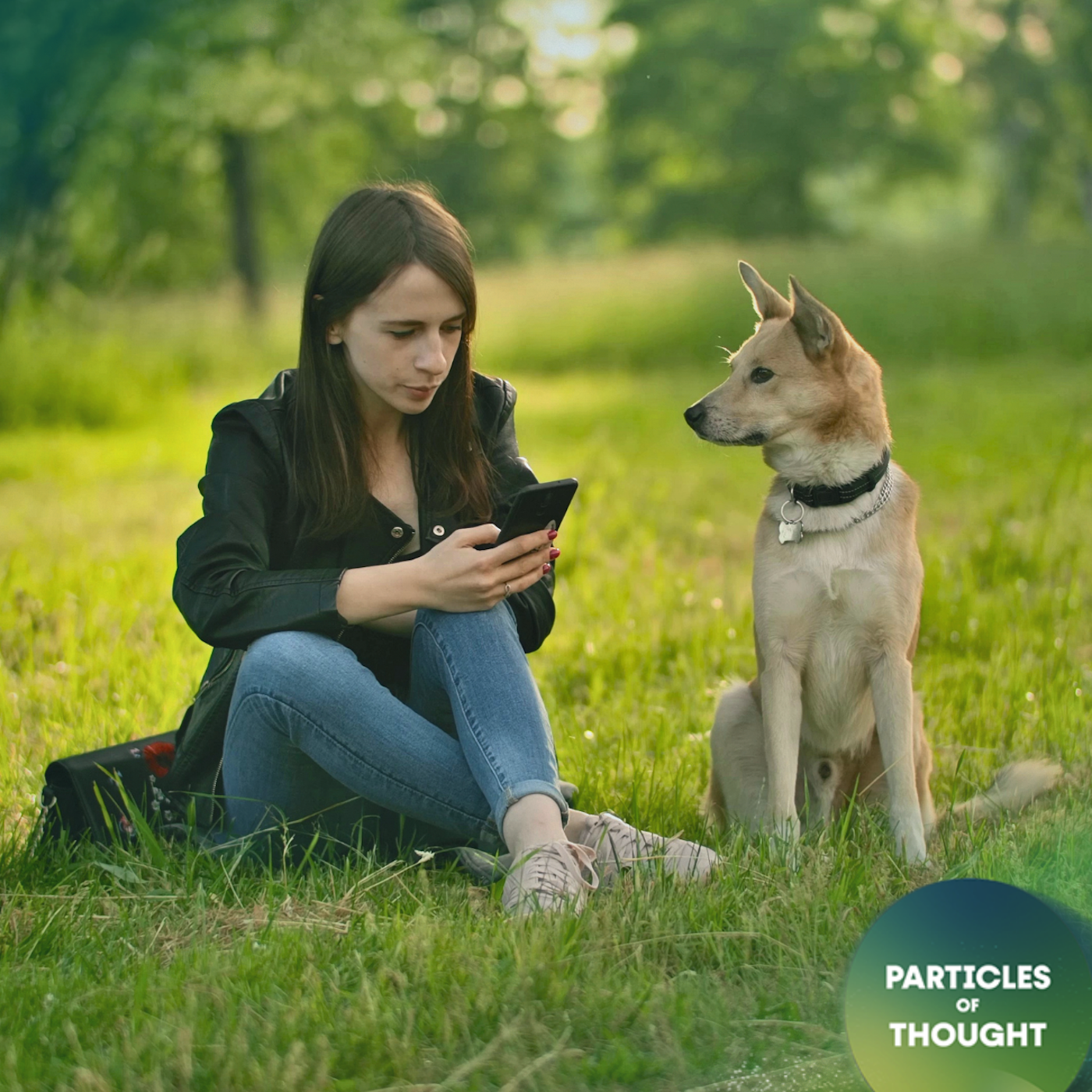
    Federico Rossano convinces Hakeem that animals have a lot more to say than we've given them credit for. The cognitive scientist shares the origin story behind his record-breaking study of talking dogs, the evidence that some pets may understand more than a human toddler, and what primates reveal about the roots of communication itself. Learn more about NOVA and visit our YouTube channel. Federico Rossano is an Associate Professor of Cognitive Science at UC San Diego and director of the Comparative Cognition Lab, where he studies communication and social cognition across humans, primates, dogs, and cats. He leads the world's largest study of button-trained pets, and his research is featured in the NOVA documentary Can Dogs Talk?

  • S6 · E31
    September 22 · 21 min

    Secret Language of Apes

    Federico Rossano says the secret to speaking with apes is trust. For primates, the world is full of high-stakes friends and foes, and of course, there are always predators to worry about. Our closest relatives see the world a little differently than we do, and that can teach us a lot about our own communication. Federico is a cognitive scientist who questions the assumptions beneath human conversations, and in this episode, he shares lessons from the animal kingdom with Hakeem. From apes besting children in “the peanut puzzle” to baboons that seemingly sense how to travel together, there’s lots to learn. Learn more about NOVA and visit our YouTube channel. -------------------------- Guest Bio: Federico Rossano is an Associate Professor of Cognitive Science at UC San Diego and director of the Comparative Cognition Lab, where he studies communication and social cognition across humans, primates, dogs, and cats. He leads the world's largest study of button-trained pets, and his research is featured in the NOVA documentary Can Dogs Talk?

  • S6 · E30
    September 17 · 29 min

    What Are Dogs Saying?

    Federico Rossano caught dogs doing something that looks a lot like telling jokes. The cognitive scientist shares what he learned from speaking with dogs. Dogs can smell, hear, and in some ways see better than humans. So why wouldn’t they have something interesting to say if they could speak? Federico has found a dog's mind may be closer to a human toddler's than anyone previously believed and believes we are close to learning important lessons from our canine companions. Learn more about NOVA and visit our YouTube channel. -------------------------- Guest Bio: Federico Rossano is an Associate Professor of Cognitive Science at UC San Diego and director of the Comparative Cognition Lab, where he studies communication and social cognition across humans, primates, dogs, and cats. He leads the world's largest study of button-trained pets, and his research is featured in the NOVA documentary Can Dogs Talk?

  • S6 · E29
    September 15 · 32 min

    How Dogs Talk

    Federico Rossano didn't care about talking dogs until science made it impossible to ignore. The cognitive scientist joins Hakeem to reveal how a viral social media trend turned into the largest citizen-science study of animal communication ever conducted, tracking over 10,000 dogs and 700 cats across 47 countries. But how can you trust a study done by volunteers from around the world? Federico shares how he secured quantity and quality data and the messages dogs want to share. Learn more about NOVA and visit our YouTube channel. -------------------------- Guest Bio: Federico Rossano is an Associate Professor of Cognitive Science at UC San Diego and director of the Comparative Cognition Lab, where he studies communication and social cognition across humans, primates, dogs, and cats. He leads the world's largest study of button-trained pets, and his research is featured in the NOVA documentary Can Dogs Talk?

  • S6 · E28
    September 10 · 1 hr 28 min

    Full Interview: How to Save The “Doomsday Glacier”

    Brent Minchew could have a plan to stop Thwaites Glacier, AKA the “Doomsday Glacier”, cold in its tracks. That’s good news because if this one glacier slips into the sea, it could flood coasts across the planet. The Caltech glaciologist covers what makes the “Doomsday Glacier” the single biggest wild card in sea level rise, the simple idea that could freeze it back to its bed, and his own improbable journey from 9/11 first responder to two of the world's top science institutions. It's a conversation about glaciers, courage, and what it takes to change the story. Learn more about NOVA and visit our YouTube channel. -------------------------- Guest Bio: Brent Minchew is a glaciologist and geophysicist at Caltech, where he leads research on the dynamics of ice sheets and sea level rise, and Chief Scientist at Arête Glacier Initiative. A former U.S. Marine, he now co-leads efforts to test real-world interventions that could stabilize the world's most vulnerable glaciers.

  • S6 · E27
    September 8 · 30 min

    From Marine One to Mission Antarctica

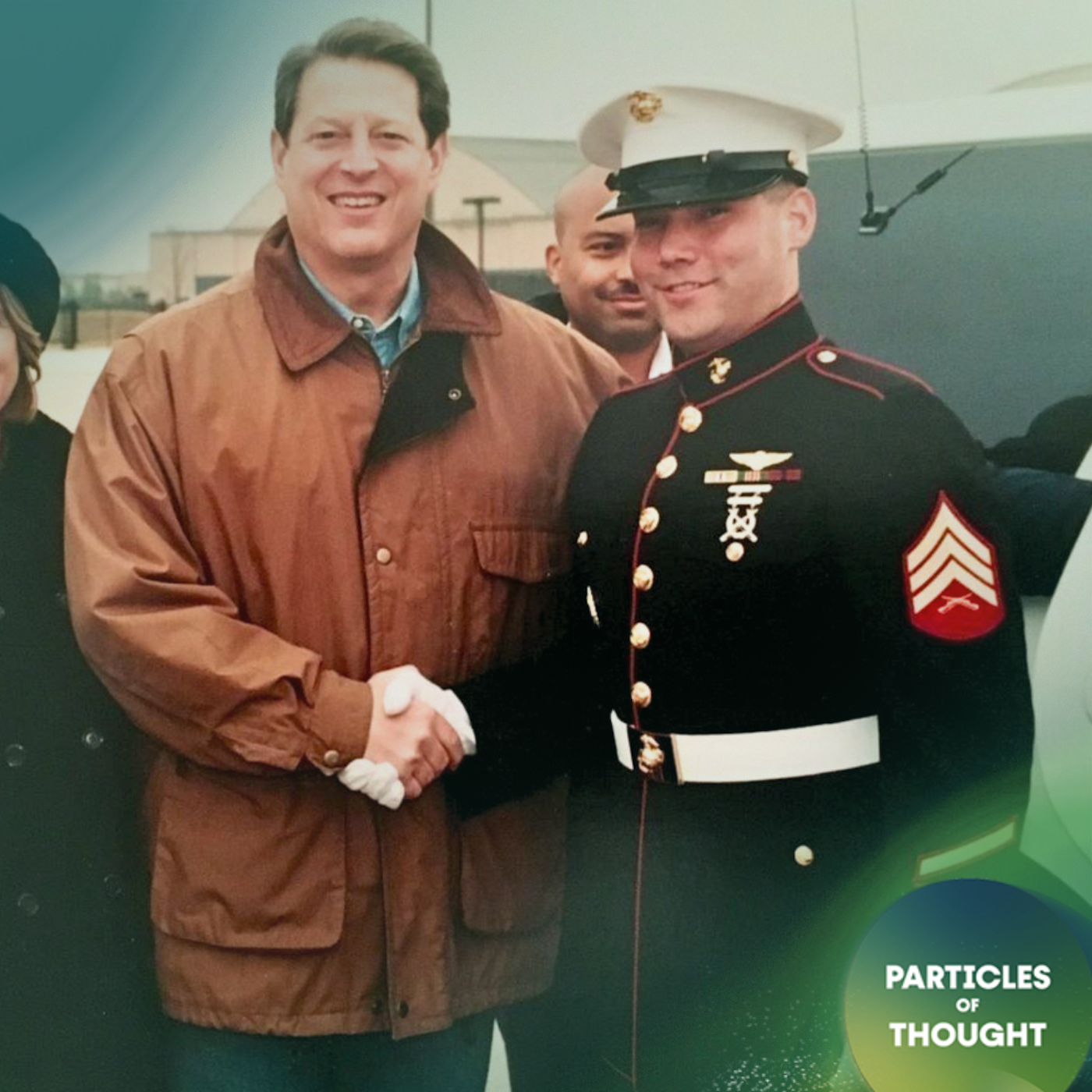
    Brent Minchew responded to the Pentagon on September 11th, 2001. Before he was a glaciologist at Caltech, he was a marine aboard the Marine One presidential helicopter and was one of the first on sight after the deadly attack. Brent joins Hakeem to trace his unlikely path from a working-class upbringing in Texas to a career studying the world's most extreme ice sheets. And he traces how his experience in the military informs his scientific mission planning and decision making. Learn more about NOVA and visit our YouTube channel. -------------------------- Guest Bio: Brent Minchew is a glaciologist and geophysicist at Caltech, where he leads research on the dynamics of ice sheets and sea -level rise, and Chief Scientist at Arête Glacier Initiative. A former U.S. Marine, he now co-leads efforts to test real-world interventions that could stabilize the world's most vulnerable glaciers.

  • S6 · E26
    September 3 · 38 min

    Glacier Rescue

    Brent Minchew has a plan that could stop the “Doomsday Glacier” in its tracks, and we don’t even need new technology to do it. The Caltech glaciologist returns to unveil an intervention that could save coasts around the world: refreezing Thwaites Glacier to its own bedrock using passive principles of physics. Brent walks Hakeem through the natural process that slows glaciers down, and lays out a plan to investigate if they can truly deploy it on the world's most precarious glacier. Learn more about NOVA and visit our YouTube channel. -------------------------- Guest Bio: Brent Minchew is a glaciologist and geophysicist at Caltech, where he leads research on the dynamics of ice sheets and sea -level rise, and Chief Scientist at Arête Glacier Initiative. A former U.S. Marine, he now co-leads efforts to test real-world interventions that could stabilize the world's most vulnerable glaciers.

  • S6 · E25
    September 1 · 25 min

    The Glacier That Could Change the World

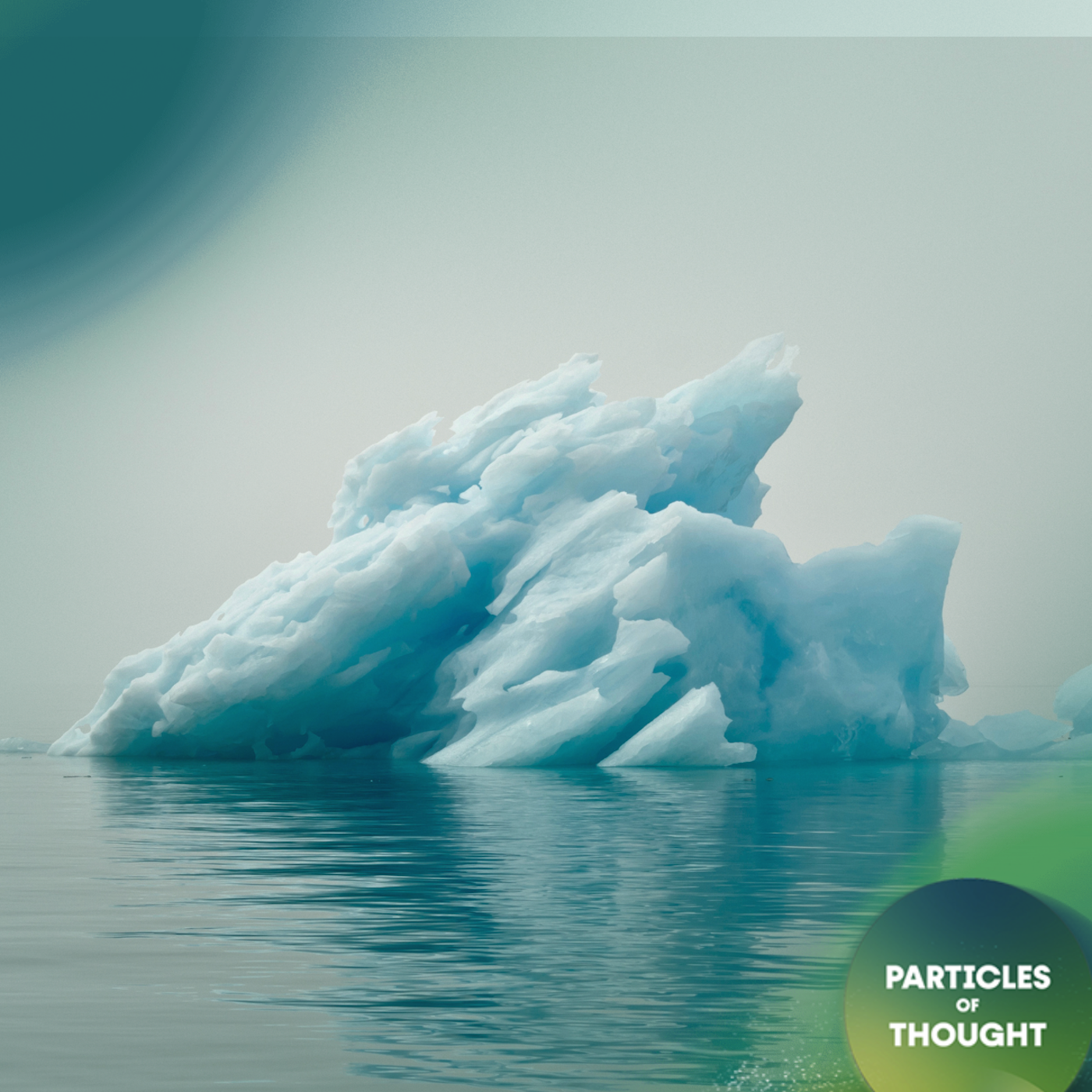
    Brent Minchew is an expert on the glacier that could devastate the world’s coastlines. As a glaciologist at Caltech, he's spent his career tracking Thwaites Glacier, AKA the "Doomsday Glacier." It’s roughly the size of Florida and already losing 50 billion tons of ice a year. Brent joins Hakeem to break down what scientists know – and don’t know – about the glacier that could determine our future. How certain is that “doom,” and how fast could it happen? They nerd out about what happens as glaciers slip into the sea, how satellites can measure glacier movement down to the millimeter from orbit, and how Thwaites might be the single most important glacier on the planet. Learn more about NOVA and visit our YouTube channel. -------------------------- Guest Bio: Brent Minchew is a glaciologist and geophysicist at Caltech, where he leads research on the dynamics of ice sheets and sea -level rise, and Chief Scientist at Arête Glacier Initiative. A former U.S. Marine, he now co-leads efforts to test real-world interventions that could stabilize the world's most vulnerable glaciers.

  • S6 · E24
    August 27 · 1 hr 16 min

    Full Interview: The Hidden Math Behind Everything

    Jordan Ellenberg tells Hakeem that math isn't just about numbers. It's about everything. The mathematician and bestselling author shares how AI models are trained through trial and error, why geometry secretly governs everything from family trees to statistical correlation, and why uncertainty, not certainty, is the true language of the universe. From new dimensions to hurricanes we can't quite predict, Jordan and Hakeem trace math's fingerprints across physics, language, and daily life in a preview of his upcoming book, Don't Be Too Sure. -------------------------- Guest Bio: Learn more about NOVA and visit our YouTube channel. Jordan Ellenberg is a professor of mathematics at the University of Wisconsin–Madison, specializing in number theory and arithmetic algebraic geometry. He is the New York Times bestselling author of How Not to Be Wrong and Shape, and his forthcoming book, Don't Be Too Sure, arrives in 2027

  • S6 · E23
    August 25 · 25 min

    Certainty Is Overrated

    Jordan Ellenberg finds mathematical certainty overrated. Calming our fear of the unknown, the mathematician joins Hakeem to explore why math, contrary to popular belief, is less about proof and more about probability. He traces uncertainty's surprisingly recent arrival in mathematical history and its deep ties to quantum physics. Jordan also unpacks the difference between what's unknown and what's fundamentally unknowable, why hurricanes and earthquakes are "certain u Learn more about NOVA and visit our YouTube channel. -------------------------- Guest Bio: Jordan Ellenberg is a professor of mathematics at the University of Wisconsin–Madison, specializing in number theory and arithmetic algebraic geometry. He is the New York Times bestselling author of How Not to Be Wrong and Shape, and his forthcoming book, Don't Be Too Sure, arrives in 2027.

  • S6 · E22
    August 20 · 27 min

    Next Dimension Geometry

    Jordan Ellenberg says geometry isn’t about shapes. It’s about distance. In a tour of geometry far stranger than anything from high school, the mathematician breaks down how our ancient understanding of triangles evolved into the invisible architecture behind AI, family trees, and human relationships. Minds expand as we ask why the "closeness" between two ideas is a literal angle in a vast multi-dimensional space, and what can a 19th-century novella about a talking square teach us about worlds we'll never see? Learn more about NOVA and visit our YouTube channel. -------------------------- Guest Bio: Jordan Ellenberg is a professor of mathematics at the University of Wisconsin–Madison, specializing in number theory and arithmetic algebraic geometry. He is the New York Times bestselling author of How Not to Be Wrong and Shape, and his forthcoming book, Don't Be Too Sure, arrives in 2027.

  • S6 · E21
    August 18 · 28 min

    AI’s Hidden Math

    Jordan Ellenberg has good news: artificial intelligence is just math you can actually understand. The mathematician joins Hakeem to pull back the curtain on how large language models really work, revealing that the "miracle" of AI is closer to trial and error scaled up billions of times than anything resembling thought. Jordan breaks down why the process works so well, how every word becomes a point in a space with hundreds of dimensions, and why your chatbot's "personality" is engineered, not accidental. Learn more about NOVA and visit our YouTube channel. -------------------------- Guest Bio: Jordan Ellenberg is a professor of mathematics at the University of Wisconsin–Madison, specializing in number theory and arithmetic algebraic geometry. He is the New York Times bestselling author of How Not to Be Wrong and Shape, and his forthcoming book, Don't Be Too Sure, arrives in 2027.

  • S6 · E20
    August 13 · 57 min

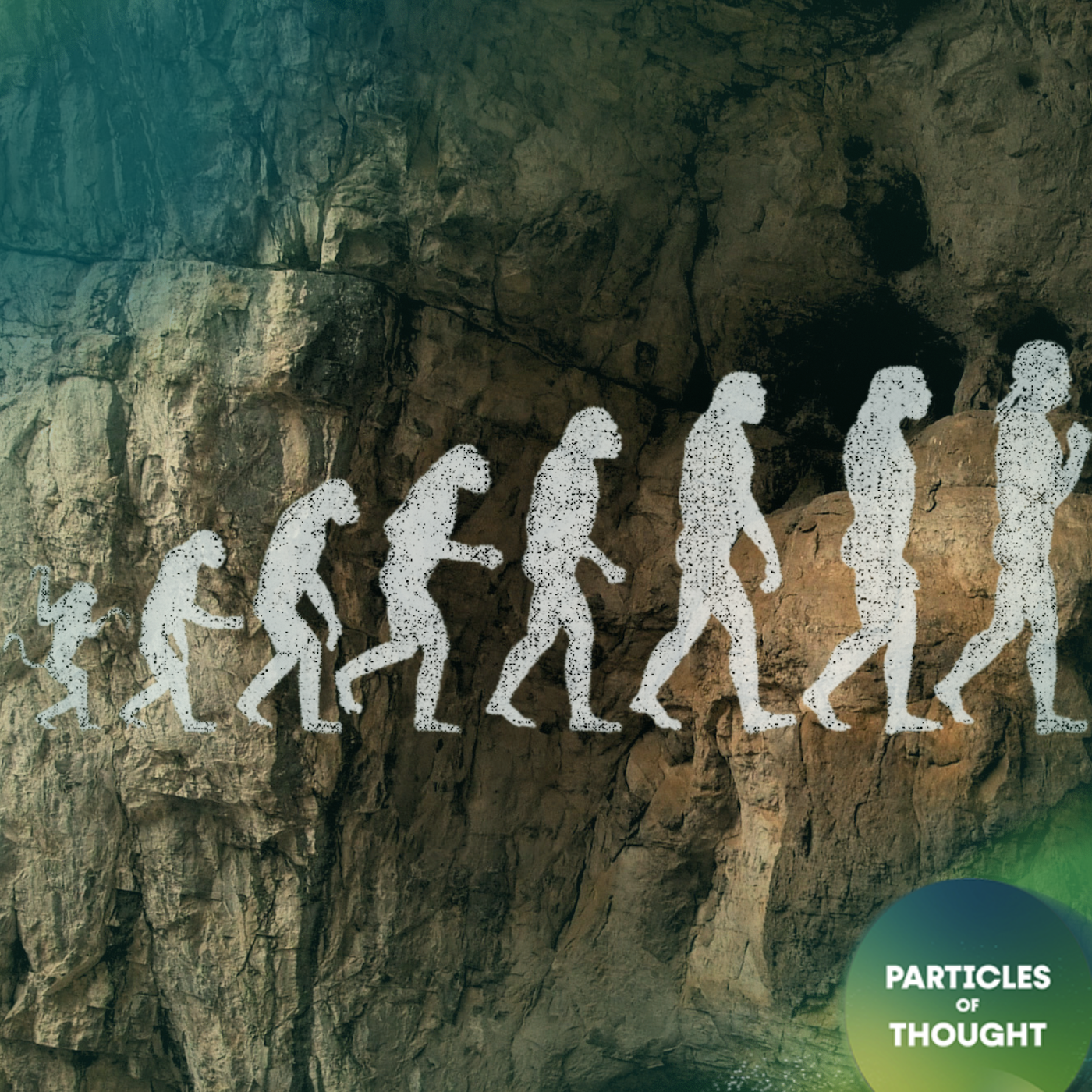
    Full Interview: Hobbits, Neanderthals, and Dragon Man

    Ella Al-Shamahi explores what it means to be human. She reveals the surprising truth that our ancestors shared the planet with at least seven other human species as recently as 50,000 years ago. Ella and Hakeem dig into Neanderthal culture and the mysterious Denisovans who were identified from a single finger bone. Then Ella shares something more personal: her own journey from creationist to one of the leading voices in paleoanthropology. Learn more about NOVA and visit our YouTube channel. -------------------------- Guest Bio: Ella Al-Shamahi is a paleoanthropologist, explorer, and presenter based in London. She specializes in human evolution and has conducted fieldwork in some of the world's most dangerous and remote regions in search of fossil evidence of our earliest ancestors. She is a TED speaker and has appeared in numerous science documentaries, including hosting NOVA and BBC’s five-part series HUMAN, available on the PBS App and NOVA’s website.

  • S6 · E19
    August 11 · 16 min

    Creationist to Evolutionary Biologist

    Ella Al-Shamahi set out to disprove the theory of evolution. Now she’s one of its greatest advocates. In this deeply personal conversation, Ella tells Hakeem her story. She started university as an avid creationist missionary with the intention of disproving evolution, and then her world started to fall apart. This candid conversation covers what the journey from creationist to paleoanthropologist actually looked like, and the evidence that shifted her thinking. It is a path with personal costs and the impact of changing worldviews. It's a thoughtful reflection on science, identity, community and why empathy matters more than argument when deeply held beliefs meet new evidence. Learn more about NOVA and visit our YouTube channel. -------------------------- Guest Bio: Ella Al-Shamahi is a paleoanthropologist, explorer, and presenter based in London. She specializes in human evolution and has conducted fieldwork in some of the world's most dangerous and remote regions in search of fossil evidence of our earliest ancestors. She is a TED speaker and has appeared in numerous science documentaries, including hosting NOVA and BBC’s five-part series HUMAN, available on the PBS App and NOVA’s website.

  • S6 · E18
    August 6 · 21 min

    Rethinking Neanderthals

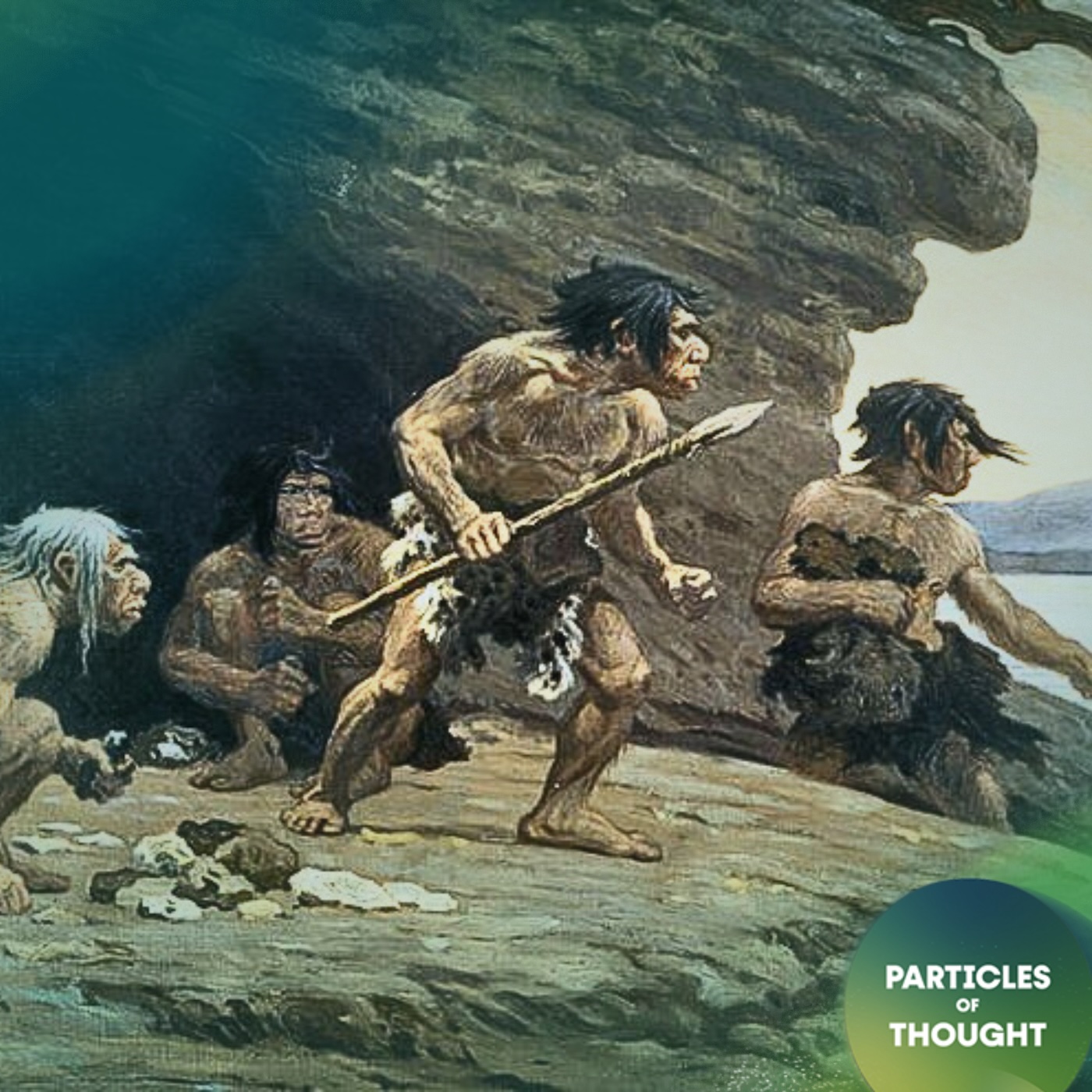
    Ella Al-Shamahi thinks Neanderthals have a reputation problem, and the science backs her up. For decades, the word "Neanderthal" has been shorthand for something primitive and brutish. But the archaeological record tells a more nuanced story. Ella joins Hakeem to explore what we actually know about our closest ancient relatives: how they looked, how they lived, what their culture reveals about their inner lives, and if we would even recognize one walking around today. They also dig into the remarkable story of the Denisovans, a species shrouded in mystery and identified first not from a skull or skeleton, but from a single finger bone. Learn more about NOVA and visit our YouTube channel. -------------------------- Guest Bio: Ella Al-Shamahi is a paleoanthropologist, explorer, and presenter based in London. She specializes in human evolution and has conducted fieldwork in some of the world's most dangerous and remote regions in search of fossil evidence of our earliest ancestors. She is a TED speaker and has appeared in numerous science documentaries, including hosting NOVA and BBC’s five-part series HUMAN, available on the PBS App and NOVA’s website.

Showing 1–20 of 39 episodes