Skip to content
Artwork for New Species
ScienceNatural Sciences

New Species

New Species Podcast

Just a fraction of the species on our planet are known to science, but more are described and published every day. This podcast talks to the authors of these new species to get the behind-the-scenes stories of how new species are found and named, as well as why these discoveries should matter to everyone, not just scientists. Join us on our journey to better understand the wonderful biodiversity of our planet!

Be sure to follow New Species on Twitter (@PodcastSpecies), and support the podcast at https://www.patreon.com/NewSpeciesPod

Play
  • 22 episodes
  • Avg 31 min
  • English
Counted on this page — what you have heard stays on this device, so it is not something the list can be paged by.
  • Yesterday · 27 min

    Re-release: Adelopsis Beetles with Eduardo Gomyde

    Hi everyone, Today I’m re-releasing an old episode in honor of a friend. It was actually just under a year ago that this episode on Adelopsis Beetles with Eduardo Gomyde aired. With his passing this week, I wanted to take a moment to remember him. Eduardo was an incredible taxonomist, so dedicated to his “little brown beetles.” He appreciated the beauty in everything. I have also rarely met a kinder person. The time he spent on this earth was not nearly enough, and I know I’m one of many who will miss him dearly. I hope you enjoy listening one more time to Eduardo talk about the work and the world he loved so much.

  • September 9 · 34 min

    Two New Catfish with Ananda Serejo

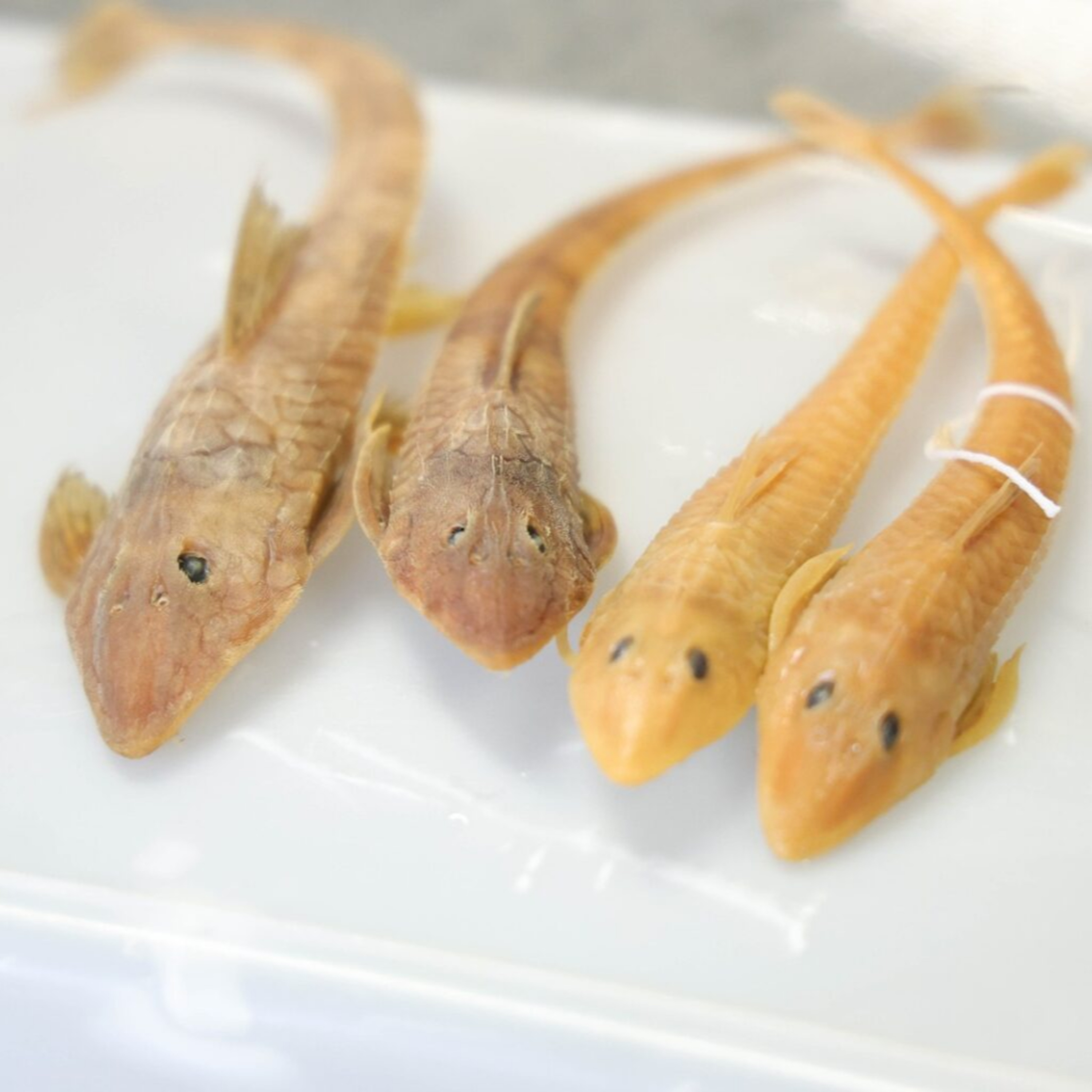
    What kind of catfish are in your local river? In Northeastern Brazil, catfish are so diverse and specialized that sometimes each river its own species. In fact, Ananda Serejo has been studying this group of catfish for 10 years, working hard to untangle their phylogeny. “The intraspecific variation, it's very, very, very hard to find” she says. “You need to have this integrative approach, use more than one line of evidence that you could be more sure about what you are proposing” Ananda is mainly working on the taxonomy of this group, but she found a way to engage her community of Maranhão by naming her species after two cultural icons, Catirina from the Festa de São Joã, and the incredible local artist and performer Dona Teté. Ananda believes that giving people this direct connection to the fish will help them be better conserved, appreciated, and understood. Ananda Serejo’s paper “Integrative taxonomy reveals two new species of whiptail catfishes Loricaria (Siluriformes: Loricariidae) from northeastern Brazil” is in the April 8th 2026 edition of the Journal of Fish Biology. It can be found here: https://doi.org/10.1111/jfb.70395 A transcript of this episode can be found here: Ananda Serejo - Transcript New Species: Loricaria catirina, Loricaria teteae Episode image credit: Anada Serejo Read more about Ananda’s work with catfishes: https://doi.org/10.11646/zootaxa.4915.3.10 Follow Ananda’s adventures on instagram: @anandaserejo Read about Ananda’s other new Loricaria species: http://doi.org/10.11646/zootaxa.4915.3.10 Learn more about Dona Teté: https://pt.wikipedia.org/wiki/Dona_Tet%C3%A9 Be sure to follow New Species on Bluesky (@newspeciespodcast.bsky.social) and Instagram (@NewSpeciesPodcast) and “like” the podcast page on Facebook (www.facebook.com/NewSpeciesPodcast). Music in this podcast is "No More (Instrumental)," by HaTom (https://fanlink.to/HaTom) If you have questions or feedback about this podcast, please e-mail us at NewSpeciesPodcast@gmail.com If you would like to support this podcast and enjoy bonus episodes, please consider doing so at https://www.patreon.com/NewSpeciesPod If you would like to make a one-time contribution to this podcast, you can do so at https://buymeacoffee.com/newspeciespod

  • August 11 · 42 min

    A New Scale Insect with Lily Deeter

    Lily Deeter works on scale insects, tiny creatures that many people aren’t familiar with, or only see as a pest. But once you get to know them, you’ll be hooked. Not only do they have fascinating morphology, physical characteristics that at times can seem otherworldly, but with a little practice you’ll be looking for them everywhere. “I don't think that the insect is just hanging out where entomologists tend to hang out,” Lily explains; the locations she found her new species include her neighborhood park, a brewery, at an entomology conference, and right outside her office. “You just kind of had to look somewhere just a little bit outside of the box.” Lily’s fascination with scale insects is apparent as she shares their amazing biology, including some unexpected genetics, and lots more about these tiny creatures. And of course she introduces us to her new species “Acanthococcus orzo,” named after the pasta. Lily Deeter’s paper “A new species of grass-infesting felt scale (Hemiptera: Coccomorpha: Eriococcidae), with descriptions of all life stages and a key to the adult female Acanthococcus Signoret of Florida, U.S.A.” is in volume 5717 of Zootaxa. It can be found here: https://doi.org/10.11646/zootaxa.5717.2.3 A transcript of this episode can be found here: Lily Deeter - Transcript New Species: Acanthococcus orzo Episode image credit: Erin Powell Browse ScaleNet: https://scalenet.info/ Scale insects and gecko conservation: https://www.jstor.org/stable/26198719 Beneficial scale insects: https://doi.org/10.1079/9781800620643.0001 Be sure to follow New Species on Bluesky (@newspeciespodcast.bsky.social) and Instagram (@NewSpeciesPodcast) and “like” the podcast page on Facebook (www.facebook.com/NewSpeciesPodcast). Music in this podcast is "No More (Instrumental)," by HaTom (https://fanlink.to/HaTom) If you have questions or feedback about this podcast, please e-mail us at NewSpeciesPodcast@gmail.com If you would like to support this podcast and enjoy bonus episodes, please consider doing so at https://www.patreon.com/NewSpeciesPod If you would like to make a one-time contribution to this podcast, you can do so at https://buymeacoffee.com/newspeciespod
  • July 9 · 57 min

    The Shared Practice of Art and Science with Aissa, Nicole, and Kathleen

    If you want to be a scientist, you enroll in 4-10 years of higher education. If you want to be an artist, you go to art school and learn a classic technique. Two choices; a binary. Right? Or, could it be that there’s an entire spectrum of choices in between? In this episode, we explore the places where art and science connect with three talented people who have a foot in both worlds. Aissa Domingo is an artist, photographer, and illustrator, Nicole Parish is an artist and naturalist, and Kathleen Baraan is a nature-based art educator. All three have unique perspectives on the shared practice of art and science, and our discussion reveals how important art is to telling scientific stories. See more of Aissa’s work on her website: https://aissadomingo.com/wp/ And Instagram: https://www.instagram.com/aissa_domingo/ And more of Nicole’s work on hers: https://www.soundoftheforest.com/ Instagram: https://www.instagram.com/_soundoftheforest_/ Bluesky: https://bsky.app/profile/soundoftheforest.bsky.social Tik Tok: https://www.tiktok.com/@soundoftheforest And follow Kathleen’s work on her website: https://beacons.ai/deartoourhearts Instagram: https://www.instagram.com/deartoourhearts/ Facebook: https://www.facebook.com/deartoourhearts/ A transcript of this episode can be found here: Aissa Domingo, Kathleen Baraan, and Nicole Parish - Transcript Other resources and people mentioned in this episode: Leonard Co: https://www.philippineplants.org/General/AboutLeonard.html Baba Dioum: https://biographycentral.com/biography/baba_dioum Wild Wonder Foundation’s prompts for nature journaling: https://www.wildwonder.org/store/p/nj-zine The Philippine Taxonomic Initiative: https://phtaxa.org/ Be sure to follow New Species on Bluesky (@newspeciespodcast.bsky.social) and Instagram (@NewSpeciesPodcast) and “like” the podcast page on Facebook (www.facebook.com/NewSpeciesPodcast). Music in this podcast is "No More (Instrumental)," by HaTom (https://fanlink.to/HaTom) If you have questions or feedback about this podcast, please e-mail us at NewSpeciesPodcast@gmail.com If you would like to support this podcast and enjoy free bonus episodes, please consider doing so at https://www.patreon.com/NewSpeciesPod If you would like to make a one-time contribution to this podcast, you can do so at https://buymeacoffee.com/newspeciespod
  • June 11 · 27 min

    All About Crayfish with Zack Graham

    Crayfish, Crawfish, Crawdad; no matter what you call them, If you live in the southeastern United States, their biodiversity hotspot is in your backyard! Astacologist (crayfish biologist) Dr. Zack Graham joins us on this episode to tell us just how wild these freshwater crustaceans are. He shares just a bit of his knowledge on their biodiversity, interesting behaviors, their impact on American culture, and some of the unique threats they continue to face. At the end of the day, why do crayfish matter? Zack says, “I think at a basic level, humans are just generally curious about what's going on out in nature. And that's what really fuels a lot of my work, just trying to understand what has happened in the past, what's going to happen in the future to these animals that have been living on earth for over 300 million years. They've been here for a very long time. So I think, you know, they kind of have a right to be here and to be protected and to be studied and understood.” A transcript of this episode can be found here: Zack Graham - Transcript Episode image credit: Zack Graham Learn more about Zack’s lab: https://crayfish.westliberty.edu/ You can also follow them on facebook: www.facebook.com/wlucrayfish And on Instagram: @wlucrayfishlab You can order Zack’s book here: https://uncpress.org/9781469685731/crayfish-crawfish-crawdad/ Learn more about the International Association of Astacology: https://www.astacology.org/default.asp?uid=Guest Peruse the American Crayfish Atlas: https://americancrayfishatlas.web.illinois.edu/ And check out some beautiful crayfish photos from Zack’s adventures: https://www.flickr.com/photos/196391561@N03/ Be sure to follow New Species on Bluesky (@newspeciespodcast.bsky.social) and Instagram (@NewSpeciesPodcast) and “like” the podcast page on Facebook (www.facebook.com/NewSpeciesPodcast). Music in this podcast is "No More (Instrumental)," by HaTom (https://fanlink.to/HaTom) If you have questions or feedback about this podcast, please e-mail us at NewSpeciesPodcast@gmail.com If you would like to support this podcast and enjoy bonus episodes, please consider doing so at https://www.patreon.com/NewSpeciesPod

  • May 14 · 38 min

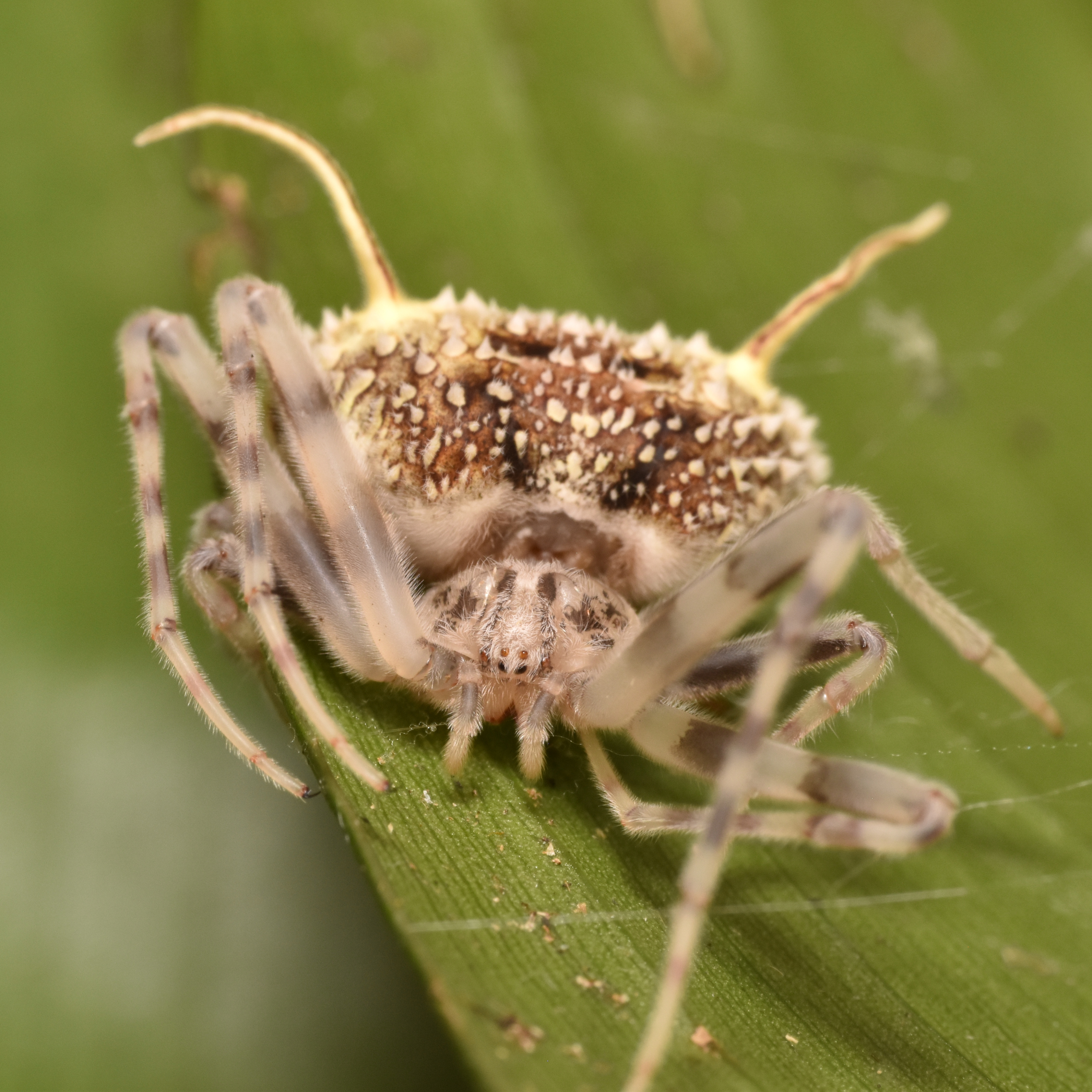
    A New Cordyceps Spider with Alex Bently

    While giving a tour in the Ecuadorian Amazon, Alex Bently identified a clump on a leaf as a dead spider parasitized by a Cordyceps fungus. When it moved under his touch, he realized that it was actually a unique case of mimicry, and worked with David Ricardo Díaz Guevara and Nadine Dupérré to describe it as a new species. In this episode, Alex shares the unique nature of this spider, as well as what we can learn from it about the complex relationships that can occur between fungi and other organisms. Alex Bently’s paper “The Cordyceps spider”: Taczanowskia waska sp. nov. (Araneae: Araneidae), a new spider species and a novel case of mimicry of an araneopathogenic fungus (Cordycipitaceae: Gibellula)” is in volume 5760 of Zootaxa. It can be found here: www.doi.org/10.11646/zootaxa.5760.5.4 Photo Credit: David Ricardo Díaz Guevara Listen to an interview with Alex’s coauthor David in spanish on New Species Español - https://open.spotify.com/episode/1YZuyGcLva6hK752ueXOtZ?si=6qj-Ru2hTwSpMnVLsTpGwA A transcript of this episode can be found here: Alex Bently - Transcript New Species: Taczanowskia waska Follow Waska Amazonia on instagram: @ waska.amazonia And on facebook: https://www.facebook.com/WaskaAmazonia Some neat press coverage of this new species: https://www.cbc.ca/radio/asithappens/spider-mimicing-cordyceps-9.7141687 https://www.nytimes.com/2026/03/20/science/spider-cordyceps-fungus-zombies.html Be sure to follow New Species on Bluesky (@newspeciespodcast.bsky.social) and Instagram (@NewSpeciesPodcast) and “like” the podcast page on Facebook (www.facebook.com/NewSpeciesPodcast). Music in this podcast is "No More (Instrumental)," by HaTom (https://fanlink.to/HaTom) If you have questions or feedback about this podcast, please e-mail us at NewSpeciesPodcast@gmail.com If you would like to support this podcast and enjoy bonus episodes, please consider doing so at https://www.patreon.com/NewSpeciesPod If you would like to make a one-time contribution to this podcast, you can do so at https://buymeacoffee.com/newspeciespod
  • May 6 · 38 min

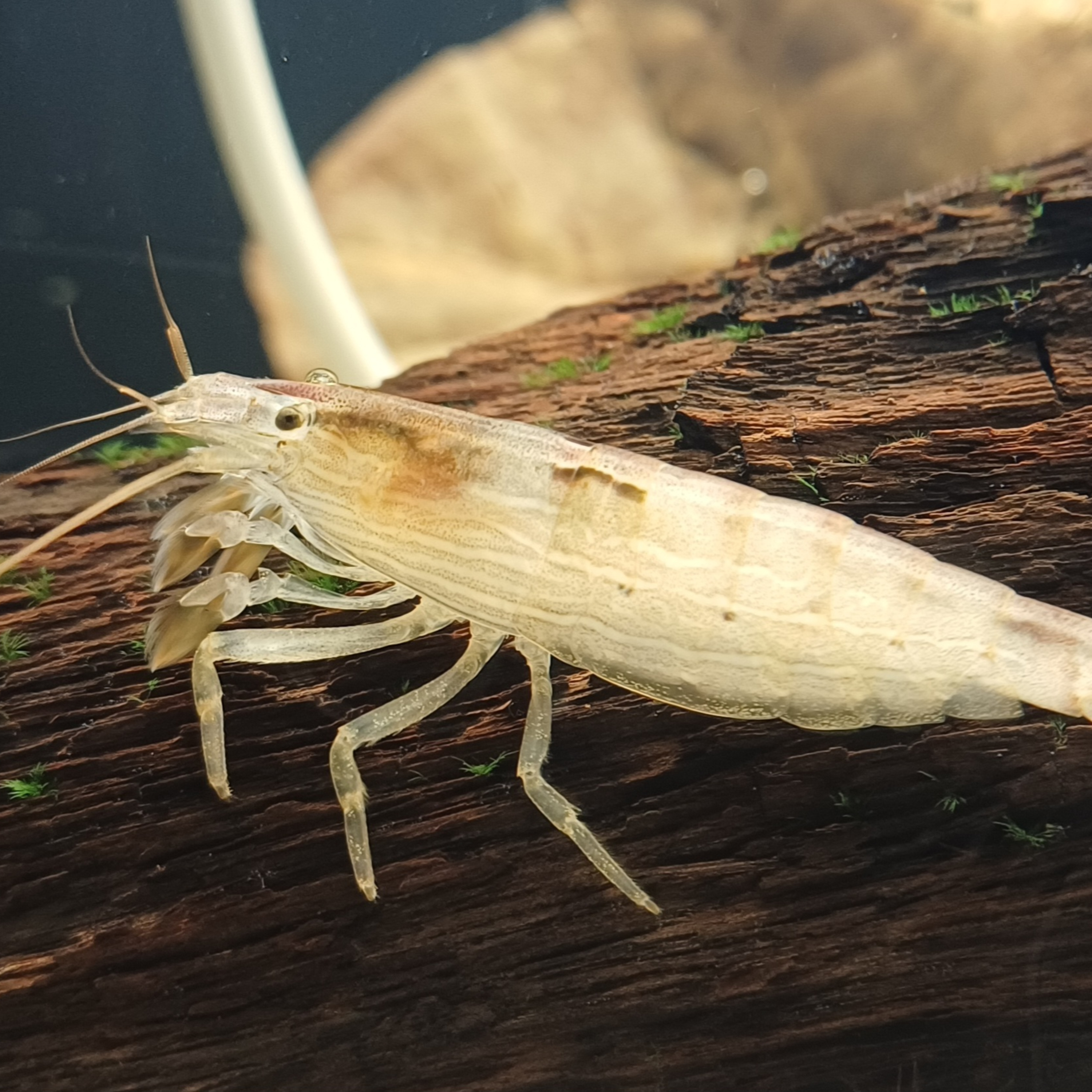
    Rediscovered Freshwater Shrimps with Prakash Sanjeevi and Maclean Santos

    Freshwater shrimps are difficult to study. They’re nocturnal, they live in leaf litter, and yet they are involved in both commercial fishing and the pet trade, making research on their diversity critical. Dr. Prakash Sanjeevi and Maclean Santos have a new strategy for adapting to these challenges: harnessing the power of community. Through educational videos, social media, workshops, and more they provide training to already-interested hobbyists, who in turn help them find rare specimens for papers like this one, in which they redescribe a species that hadn’t been seen in Indian waters for 72 years. “I truly feel that it is not the talent which survives the long term in this research game, It is more of the hard work and it is more about how much you like the species because if you love a species, you will work really hard for the species” says Maclean. Listen in as we discuss the fascinating morphology, biology, and joy provided by these freshwater shrimps. Maclean Santos and Prakash Sanjeevi’s paper “Rediscovery of the genus Atyopsis Chace, 1983 (Decapoda: Atyidae) in mainland India following a 72-year gap” is in volume 5722 of Zootaxa. It can be found here: www.doi.org/10.11646/zootaxa.5722.4.7 A transcript of this episode can be found here: Maclean Santos and Prakash Sanjeevi - Transcript Episode image credit: Maclean Santos Read their recent paper describing a new species from the same region: https://doi.org/10.11646/zootaxa.5194.3.5 Follow Maclean and Prakash on Instagram: Prakash: @sanjeeviprakash Maclean: @homeaquat More pictures and information on GBIF: https://www.gbif.org/species/7839136 Be sure to follow New Species on Bluesky (@newspeciespodcast.bsky.social) and Instagram (@NewSpeciesPodcast) and “like” the podcast page on Facebook (www.facebook.com/NewSpeciesPodcast). Music in this podcast is "No More (Instrumental)," by HaTom (https://fanlink.to/HaTom) If you have questions or feedback about this podcast, please e-mail us at NewSpeciesPodcast@gmail.com If you would like to support this podcast and enjoy bonus episodes, please consider doing so at https://www.patreon.com/NewSpeciesPod If you would like to make a one-time contribution to this podcast, you can do so at https://buymeacoffee.com/newspeciespod
  • April 15 · 37 min

    Who Describes the Spiders? With Katherine Montana and Cláudia Xavier

    “I hope that individual taxonomists take a step back and really think about the choices they make when it comes to collaboration…I want taxonomists to consider equity in their work, and not just consider that but actively support actions that are making a difference in the way we do science.” Cláudia Xavier’s words here address the issue that is the focus of her new paper; who actually gets the opportunity to be a taxonomist? In this episode, I talk to Katherine and Cláudia about their experiences writing this paper, but also being taxonomists in a field that wasn’t built with everyone in mind. They tell me the stories of two marginalized taxonomists who made outsized impacts on their field, and how they hope their research lays the foundation for a more equitable and just arachnology in the future. Katherine Montana and Cláudia Xavier’s paper “If history is written by the victors, who describes the spiders? Species author trends reflect gender and geopolitical disparities in biodiversity science” is in volume 146, issue 1 of the Biological Journal of the Linnean Society. It can be found here: https://doi.org/10.1093/biolinnean/blaf067 A transcript of this episode can be found here: Cláudia and Katherine A spanish transcript of this episode can be found here: Cláudia and Katherine en español Follow Cláudia on Bluesky: @claudiaxavier.bsky.social And learn from her on Instagram: @geaaoficial Check out more from the Esposito lab: https://www.arachnerds.info/ And follow them on Instagram: @arachnerds Dr. Esposito is also the founder of the 500 Queer Scientists project: https://500queerscientists.com/ World Spider Catalog: https://wsc.nmbe.ch/ Untold Stories from the Academy: https://www.calacademy.org/scientists/library/untold-stories Why Fish Don’t Exist by Lulu Millerhttps://pushkinpress.com/book/why-fish-dont-exist/ Additional reading: Developing scientific equity for biodiversity research: a thematic analysis of ecological change impacts on ranchers in Baja California Sur, Mexico: https://doi.org/10.1017/S1742170525100100 Science in Indigenous homelands: addressing power and justice in sustainability science from/with/in the Penobscot River https://doi.org/10.1007/s11625-021-00904-3 Promoting equity between the Global North and Global South in entomological research https://doi.org/10.1016/j.cois.2025.101357 Anti-racist interventions to transform ecology, evolution and conservation biology departments https://doi.org/10.1038/s41559-021-01522-z Be sure to follow New Species on Bluesky (@newspeciespodcast.bsky.social) and Instagram (@NewSpeciesPodcast) and “like” the podcast page on Facebook (www.facebook.com/NewSpeciesPodcast). Music in this podcast is "No More (Instrumental)," by HaTom (https://fanlink.to/HaTom) If you have questions or feedback about this podcast, please e-mail us at NewSpeciesPodcast@gmail.com If you would like to support this podcast and enjoy bonus episodes, please consider doing so at https://www.patreon.com/NewSpeciesPod

  • April 2 · 1 min

    Coming Soon - New Species en Español!

    New Species en Español will be a Spanish-language version of the New Species Podcast, hosted by Ivonne Garzón. Subscribe to it here: https://open.spotify.com/user/31jdpbfn26x3w7sa2b76db3z2vxa?si=160a1a8eac644f00Or wherever you get your podcasts.

  • April 1 · 37 min

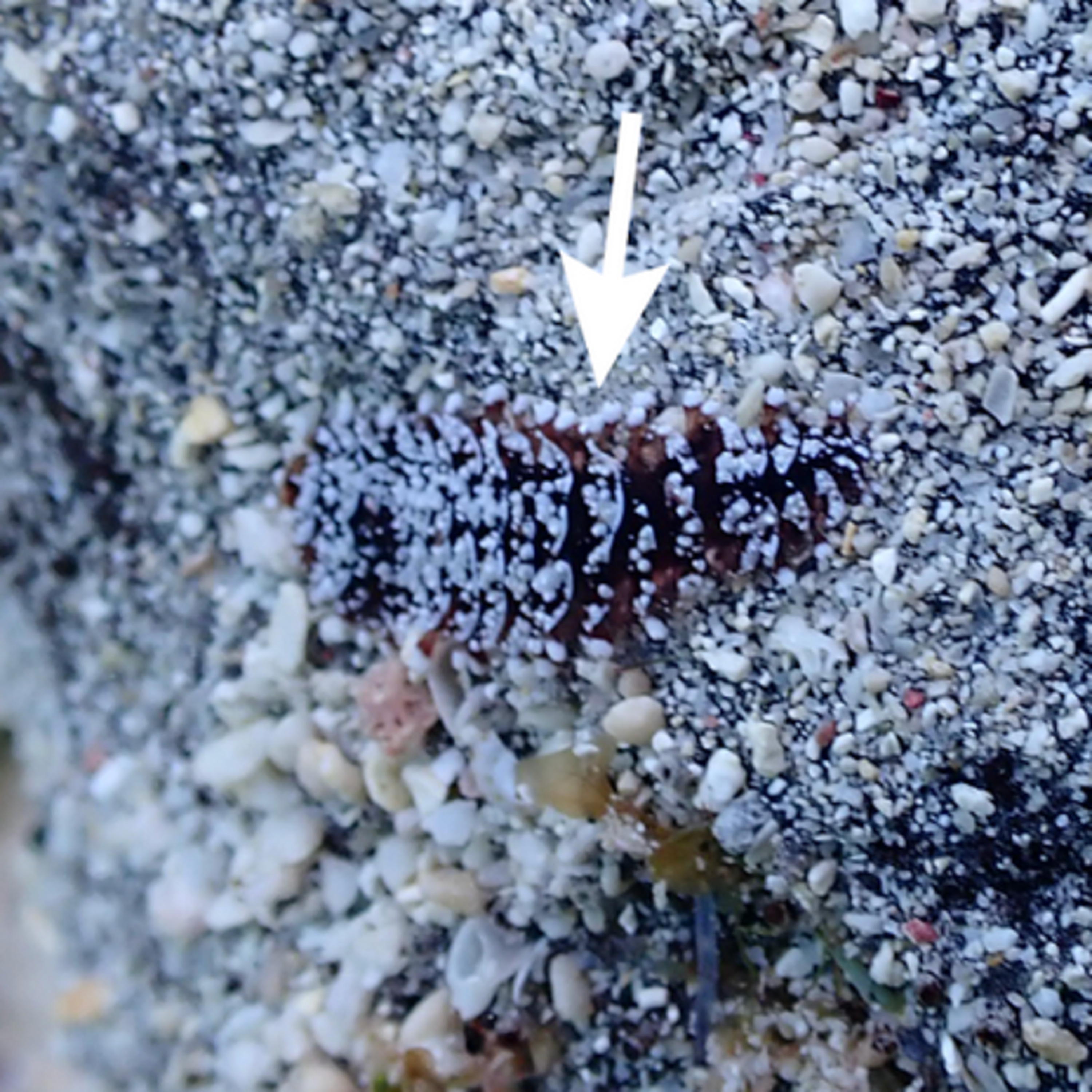
    No New Species! With Takahiro Sugiyama, Ryutaro Goto, & Chloé Fourreau

    Sometimes, a collection of new species turns out to be… no new species! Takahiro Sugiyama, Ryutaro Goto, and Chloé Fourreau began studying the unique ectoparasitic scale worm Gastrolepidia clavigera in part because of its fascinating diversity of color, likely contributing to its ability to camouflage on sea cucumbers. After some genetic work, they found that this entire rainbow of scale worms all actually seem to belong to the same species! Takahiro Sugiyama, Ryutaro Goto, and Chloé Fourreau’s paper “Host specific camouflage in a holothurian-ectoparasitic scale worm: testing the host-race hypothesis using COI and genome-wide SNP data” is in volume 173 of Marine Biology It can be found here: https://doi.org/10.1007/s00227-025-04744-y Episode image credit: Takahiro Sugiyama and Ryutaro Goto A New Species episode with Chloé on Polychaete worms: https://open.spotify.com/episode/0aH2bPNb4u3wOrONIYfZkp?si=7i0lzzSlSjWfsXce436-3g Follow Chloé on instagram and Bluesky: @chaoticchloeia Follow the MISE lab on instagram: @mise_lab Read Takahiro’s recent paper about the scale worms that live on sea stars: doi.org/10.3800/pbr.15.289 Original description of G. clavigera: https://www.biodiversitylibrary.org/item/50342#page/8/mode/1up Be sure to follow New Species on Bluesky (@newspeciespodcast.bsky.social) and Instagram (@NewSpeciesPodcast) and “like” the podcast page on Facebook (www.facebook.com/NewSpeciesPodcast). Music in this podcast is "No More (Instrumental)," by HaTom (https://fanlink.to/HaTom) If you have questions or feedback about this podcast, please e-mail us at NewSpeciesPodcast@gmail.com If you would like to support this podcast and enjoy bonus episodes, please consider doing so at https://www.patreon.com/NewSpeciesPod If you would like to make a one-time contribution to this podcast, you can do so at https://buymeacoffee.com/newspeciespod
  • March 31 · 31 min

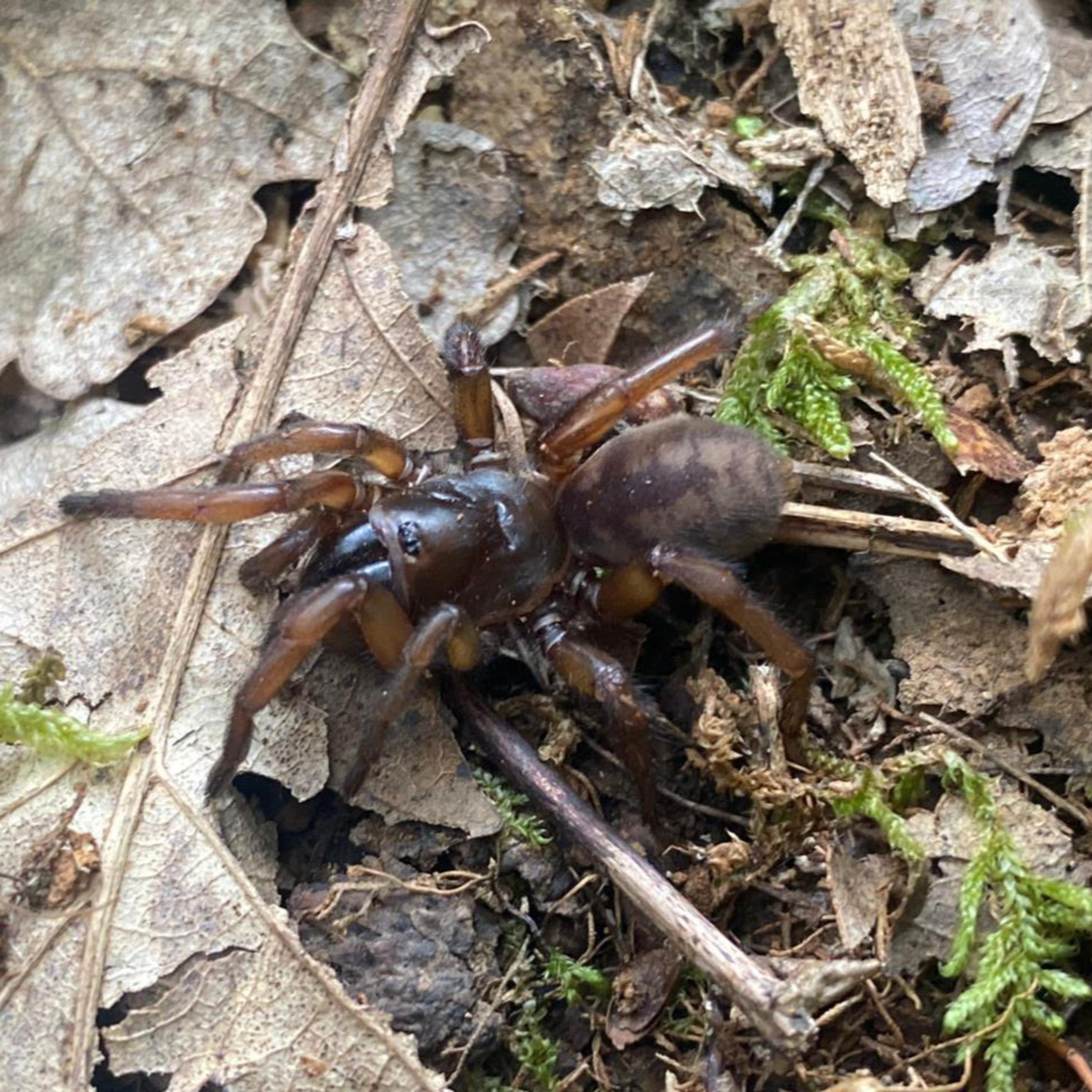
    Two New Trapdoor Spiders with Donard Geci

    Donard Geci fell into studying spiders by accident, but now he can’t imagine his life without them. He’s one of the only arachnologists in the Balkans, a hotspot for spiders as well as plenty of other flora and fauna. It’s difficult, he says, “but you have many things to do here because many groups are unexplored.” Trapdoor spiders are masterful architects, and there is so much work to do in order to better understand their relationships to one another. Fortunately, Donard isn’t deterred at all and wants to encourage even more scientists to study the amazing quantity of life found in the Balkans. Donard Geci’s paper “Trapdoor spiders of the family Nemesiidae Simon, 1889 (Araneae: Mygalomorphae) from Kosovo” is in volume 20, issue 2 of Arachnology. It can be found here: www.doi.org/10.13156/arac.2025.20.2.281 A transcript of this episode can be found here: Donard Geci - Transcript New Species: Brachythele kosovarica, Nemesia dukagjinica Episode image credit: Donard Geci A New Trapdoor Spider with Christian Pertegal: available in english and in spanish An episode with Alireza Zamani: https://www.newspeciespodcast.net/all-episodes/e28-a-new-species-named-because-of-this-podcast-and-another-after-the-father-of-modern-medicine First DNA Barcoding of Dysderidae: https://doi.org/10.11646/zootaxa.5653.4.2 New Eratigena from the Balkans based on an integrative approach: https://doi.org/10.11646/zootaxa.5636.1.6 Find Donard on Facebook: https://www.facebook.com/donardgecii And on X: https://x.com/donard_geci Be sure to follow New Species on Bluesky (@newspeciespodcast.bsky.social) and Instagram (@NewSpeciesPodcast) and “like” the podcast page on Facebook (www.facebook.com/NewSpeciesPodcast). Music in this podcast is "No More (Instrumental)," by HaTom (https://fanlink.to/HaTom) If you have questions or feedback about this podcast, please e-mail us at NewSpeciesPodcast@gmail.com If you would like to support this podcast and enjoy bonus episodes, please consider doing so at https://www.patreon.com/NewSpeciesPod If you would like to make a one-time contribution to this podcast, you can do so at https://buymeacoffee.com/newspeciespod
  • March 24 · 41 min

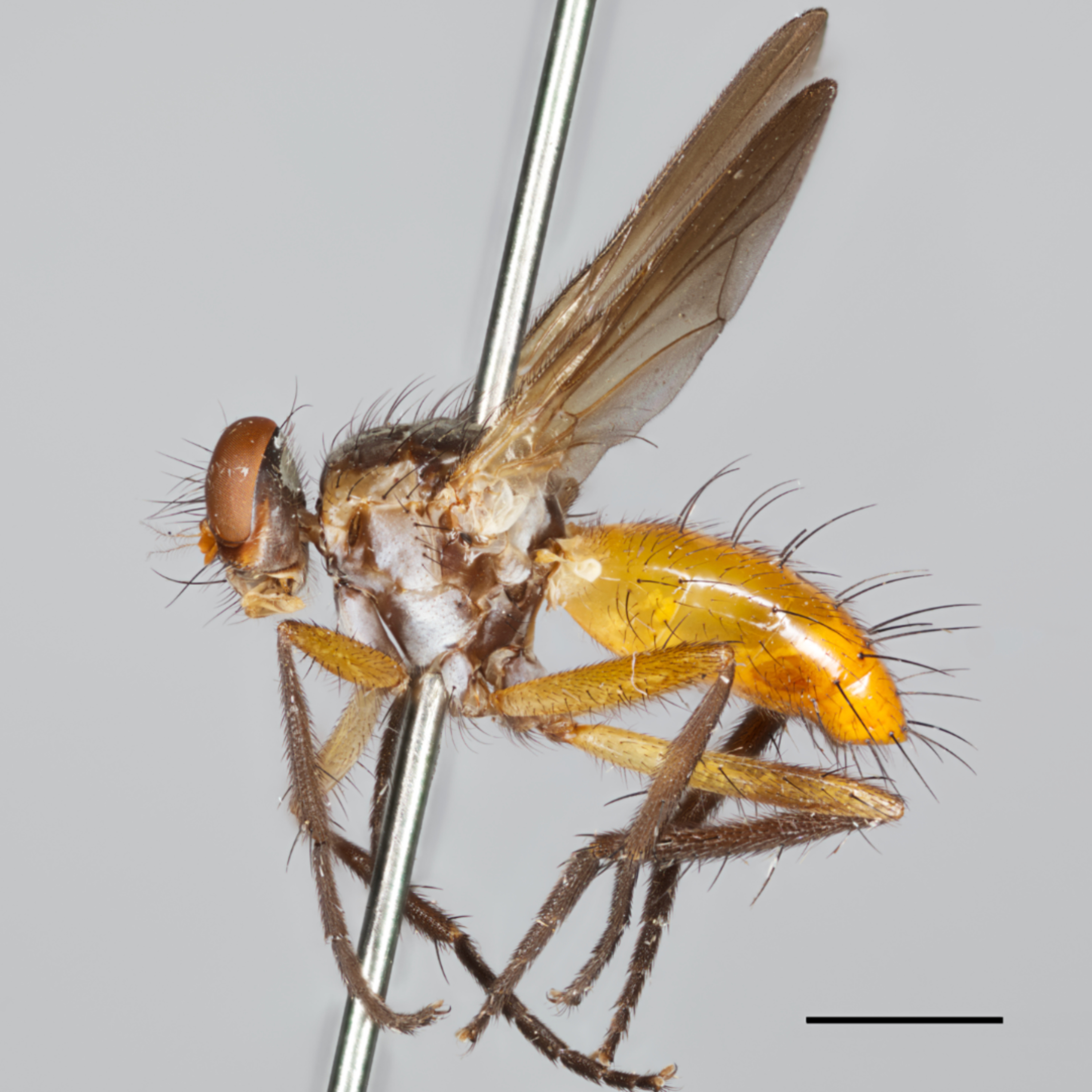
    Two New Tachinid Flies with Rodrigo Dios

    There are plenty of taxonomists who use museum collections as a resource, but not everyone makes collections the basis of their work. Rodrigo Dios studies Tachinid flies, a group that displays some of the most diverse parasitism behavior of all animals. By reorganizing and rediscribing museum specimens, he finds that we have a lot to learn from both flies and museum collections. “It's crazy,” says Rodrigo, about working in collections. “You can actually assess all this knowledge, all this variation between time and between space as well. It's like infinite knowledge.” Rodrigo Dios’ paper “Taxonomic update on Cordyligasterini, new generic synonyms and new species of Neosophia Guimarães” is in volume 29 of Entomological Science. It can be found here: www.doi.org/10.1111/ens.70003 A transcript of this episode can be found here: Rodrigo Dios - English Transcript This transcript translated into portuguese: Rodrigo Dios - Portuguese Transcript New Species: Neosophia argentifasciata, Neosophia pakitza Episode image credit: Rodrigo Dios Follow Rodrigo on Instagram: @rodrigodios Rodrigo’s paper about the fly that lays eggs on plants: www.doi.org/10.6620/ZS.2024.63-54Connect with Rodrigo on iNaturalist: https://www.inaturalist.org/people/rodrigodios Don’t be shy! Contact Rodrigo about flies: rodrigodios@gmail.com Be sure to follow New Species on Bluesky (@newspeciespodcast.bsky.social) and Instagram (@NewSpeciesPodcast) and “like” the podcast page on Facebook (www.facebook.com/NewSpeciesPodcast). Music in this podcast is "No More (Instrumental)," by HaTom (https://fanlink.to/HaTom) If you have questions or feedback about this podcast, please e-mail us at NewSpeciesPodcast@gmail.com If you would like to support this podcast and enjoy bonus episodes, please consider doing so at https://www.patreon.com/NewSpeciesPod If you would like to make a one-time contribution to this podcast, you can do so at https://buymeacoffee.com/newspeciespod
  • February 23 · 40 min

    A Bug's Life (1998) with Jesse and Charleigh Hurlburt

    “The queen especially was not like, like totally not like mad mad, but like mad at him…” That analysis is from Charleigh (age 6 ), who I talked to along with her dad Jesse (older than 6) about the 1998 classic A Bug’s Life! We discussed serious matters such as the number of legs ants have, if insects have blood, and if the movie missed an opportunity by not including a dung beetle (I think they did). Charleigh and Jesse co-host the amazing podcast arthropod adventures, which teaches listeners about arthropods they might see in their backyard. Stay inquisitive and never stop learning with me as I talk to them in this very silly bonus episode! Our ratings: Scientific accuracy 🐜 🐜 🐜 Enjoyability 🐜 🐜 🐜 🐜 Bonus episodes are typically reviews of creature-feature horror movies by me and a scientist with expertise relevant to the film. If you enjoyed this episode, you can listen to more of them for free on Patreon.com/newspeciespod Check out arthropod adventures wherever you get your podcasts Follow them on facebook: https://www.facebook.com/profile.php?id=61563432847704 And instagram: https://www.instagram.com/arthropod_adventures_podcast/ Check out their merch: https://www.redbubble.com/people/jhurlburt33/shop?asc=u Learn more about the Trevor Project: https://www.thetrevorproject.org/ One-time podcast support: buymeacoffee.com/newspeciespod Be sure to follow New Species on Bluesky (@newspeciespodcast.bsky.social) and Instagram (@NewSpeciesPodcast) and “like” the podcast page on Facebook (www.facebook.com/NewSpeciesPodcast). If you have questions or feedback about this podcast, please e-mail us at NewSpeciesPodcast@gmail.com
  • January 16 · 41 sec

    New Species Census 2026

    Hi everyone, incredibly it's time for the third biennial New Species Census! Every two years I ask listeners to answer a few questions about who they are, how they listen, and what they would like from the podcast in the future. Take the survey: https://forms.gle/V8G9VSKxfvaxhxdx5 The survey will be open until February 13th 2026, after which time I'll post a summary of the feedback on instagram.* Please take a few minutes to share your thoughts! I'm so grateful to everyone who listens to this little hobby podcast, and your feedback really helps it to grow. If you have general feedback or have missed the window, you can always email me at newspeciespodcast@gmail.com. Thank you as always for listening! *Please note there are a few people confused - the New Species Podcast instagram is @newspeciespodcast! There is another account called New Species which is not me.

  • January 15 · 43 min

    A New Isopod with Benedikt Kästle

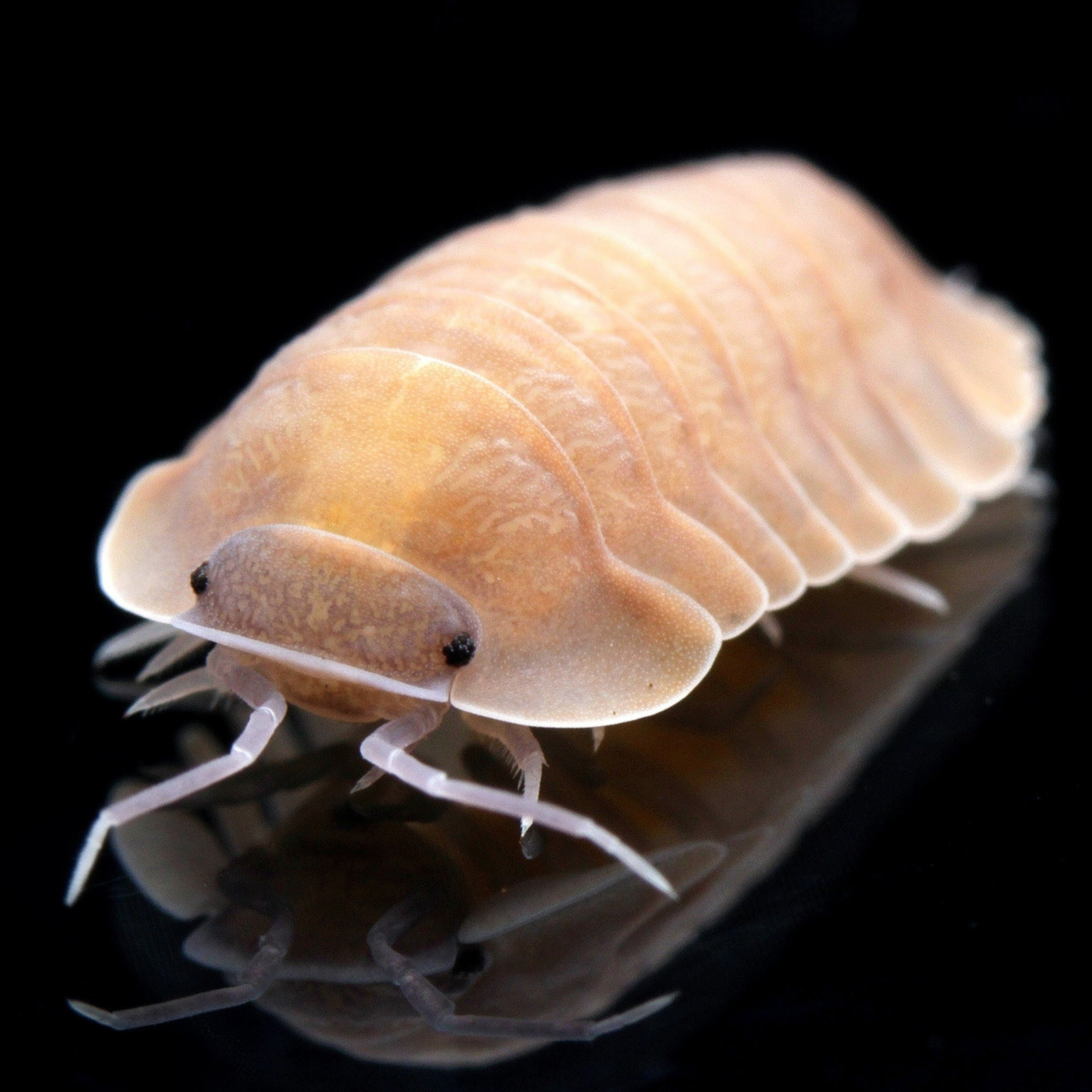
    Do you ever wonder if your pet could be a new species? Paleontologist Benedikt Kästle took a closer look at his, and it led to a brand new genus and species! Also known as woodlice, these popular pets are easy to keep and easier to enjoy for the way they skitter and roll up. Benedikt explains that his scientific background can help members of the isopod community connect the valuable experience they have from rearing isopods to the broader research community, where much about isopods is still unknown. Benedikt does this both through his instagram account and in his conversations with hobbyists from around the world, and it makes an impact. This new species is one of many that went undescribed for many years. Now its name is known from Martinique to Germany and beyond. Listen to this episode for a story that celebrates the humble roly poly in all its diversity and mystery. Benedikt Kästle’s paper “Description of a new genus and species of terrestrial isopod (Oniscidea, Armadillidae) endemic to Martinique” is in volume 47 issue 29 of Zoosystema. It can be found here: https://doi.org/10.5252/zoosystema-2025v47a29 A transcript of this episode can be found here: Benedikt Kästle - Transcript New Species: Caribodillo martinicensis Follow Benedikt on instagram: @sumerian.demon Episode image credit: Benedikt Kästle Be sure to follow New Species on Bluesky (@newspeciespodcast.bsky.social) and Instagram (@NewSpeciesPodcast) and “like” the podcast page on Facebook (www.facebook.com/NewSpeciesPodcast). Music in this podcast is "No More (Instrumental)," by HaTom (https://fanlink.to/HaTom) If you have questions or feedback about this podcast, please e-mail us at NewSpeciesPodcast@gmail.com If you would like to support this podcast and enjoy bonus episodes, please consider doing so at https://www.patreon.com/NewSpeciesPod

  • Dec 31, 2025 · 29 min

    All About Stoneflies with Anna Eichert

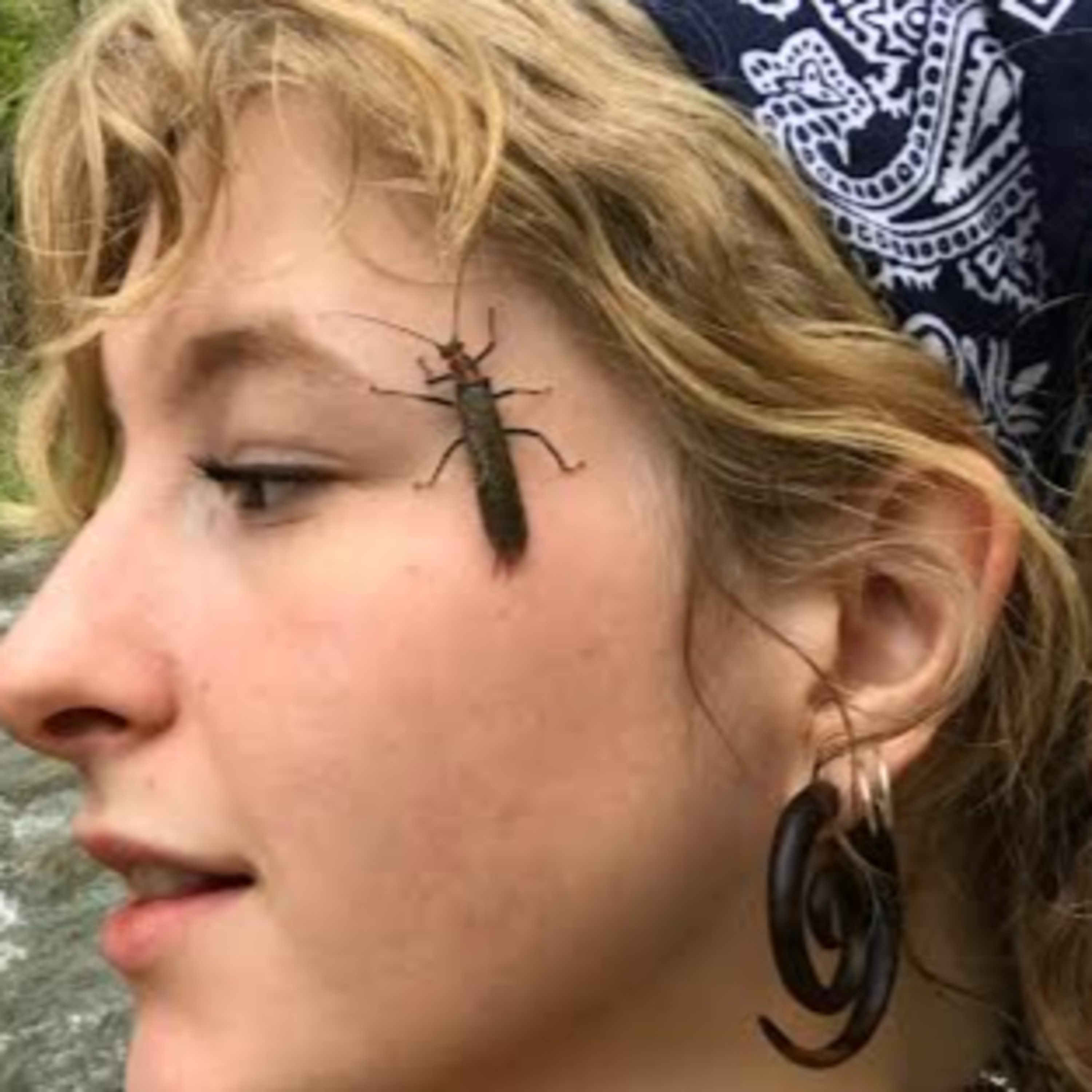
    Stoneflies, or Plecoptera, are an order of insects with around 4,000 species. But that’s about to change. In her paper “Stonefly systematics: past, present, and future,” Anna Eichert and her colleagues from around the world map out the way stoneflies have changed as a group over time, some of the factors that shape our current understanding of the stoneflies, and what can change in the future to make sure our knowledge of stonefly diversity continues to grow. Learn from Anna’s account of her experiences and her passion for stoneflies in this episode, and next time you encounter a stream, flip over a rock or two. Anna Eichert’s paper “Stonefly systematics: past, present, and future” is in volume 9, issue 4 of Insect Systematics and Diversity. It can be found here: https://doi.org/10.1093/isd/ixaf026 A transcript of this episode can be found here: Anna Eichert - Transcript Episode image credit: Anna Eichert Email Anna: aeichert@amnh.org Follow Anna on Instagram: @annaeichert, @bugtimez And Bluesky: @annaeichert.bsky.social‬ Be sure to follow New Species on Bluesky (@newspeciespodcast.bsky.social) and Instagram (@NewSpeciesPodcast) and like the podcast page on Facebook (www.facebook.com/NewSpeciesPodcast). Music in this podcast is "No More (Instrumental)," by HaTom (https://fanlink.to/HaTom) If you have questions or feedback about this podcast, please e-mail us at NewSpeciesPodcast@gmail.com If you would like to support this podcast and enjoy bonus episodes, please consider doing so at https://www.patreon.com/NewSpeciesPod

  • Nov 25, 2025 · 27 min

    New Adelopsis Beetles with Eduardo Gomyde

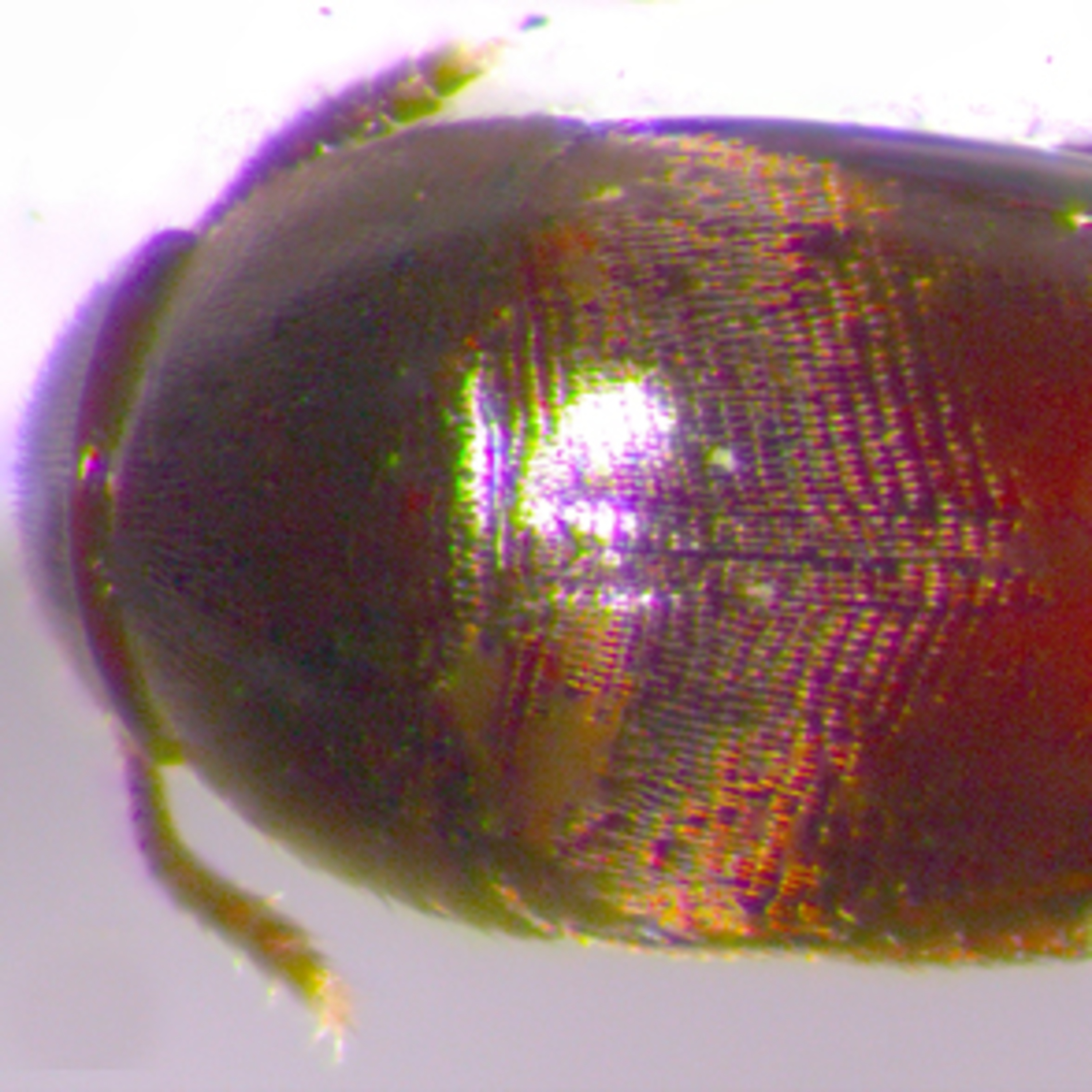
    The genus Adelopsis is one of the many groups of LBB’s, ‘little brown beetles’ that often get left behind or unidentified by researchers. Eduardo Gomyde is a scientist giving them a closer look. “We're not just identifying species,” he explains, “but we are also analyzing and understanding the finer scale of the [features] that help us to differentiate them.” Using Scanning Electron Microscopy, Eduardo and his coauthor carefully examined the tiniest of details. To find these specimens they had to sort through countless vials of “bycatch”, material leftover from other research that gets deposited in museum collections. Listen in as Eduardo describes his work, and learn about the great joy he takes in giving the LBB’s the attention and care they deserve. Eduardo Gomyde’s paper “Revisiting the concept of ‘ultra evolved’ aedeagi of Adelopsis Portevin, 1907 (Coleoptera: Leiodidae: Cholevinae: Ptomaphagini) using scanning electron microscopy, with description and redescription of species” is in volume 17 issue 1 of Megataxa. It can be found here: https://doi.org/10.11646/megataxa.17.1.3 A transcript of this episode can be found here: Eduardo Gomyde - Transcript New Species: Adelopsis boraceia, Adelopsis monticola, Adelopsis vanini, Adelopsis gibber, Adelopsis ilhabela, Adelopsis caeteh, Adelopsis gandarela, Adelopsis sacerdotis Episode image credit: Eduardo Gomyde Listen to Eduardo and I discuss the movie Mosquito Man on a free bonus episode: https://www.patreon.com/posts/mosquito-man-144374393 Be sure to follow New Species on Bluesky (@newspeciespodcast.bsky.social) and Instagram (@NewSpeciesPodcast) and like the podcast page on Facebook (www.facebook.com/NewSpeciesPodcast). Music in this podcast is "No More (Instrumental)," by HaTom (https://fanlink.to/HaTom) If you have questions or feedback about this podcast, please e-mail us at NewSpeciesPodcast@gmail.com If you would like to support this podcast and enjoy bonus episodes, please consider doing so at https://www.patreon.com/NewSpeciesPod

  • Nov 4, 2025 · 31 min

    Three New Lichens with Erin Manzitto-Tripp

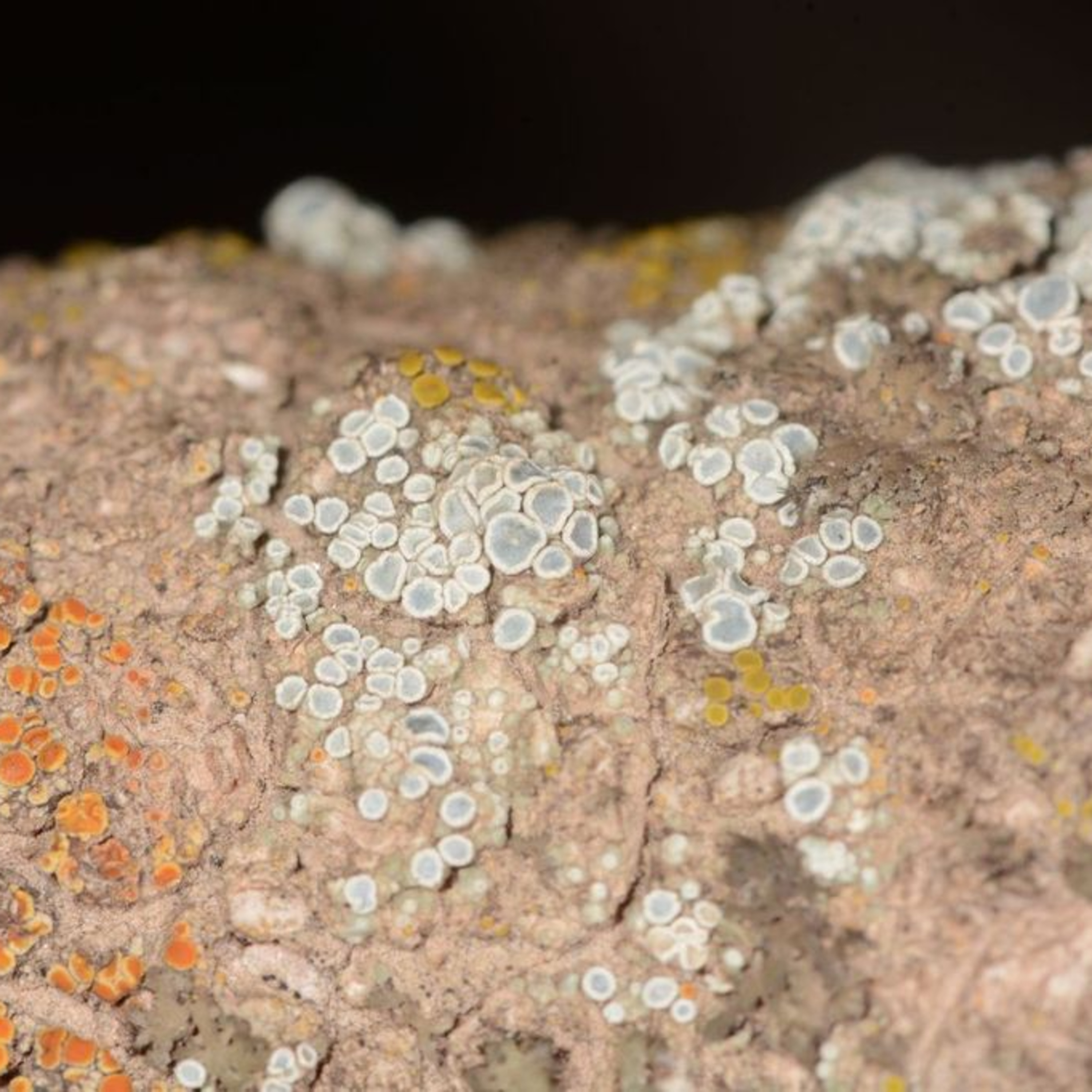
    How much do you know about lichens? These incredible taxa are understudied, but today’s guest is making sure they’re not undervalued. “You can’t look at lichens under a microscope and not become immediately obsessed,” says Dr. Erin Manzitto-Tripp. “It’s an endless world of magnificent, beautiful biodiversity.” Erin works in the mountains of Colorado to describe new species of lichens along with the rest of her fantastic lab. For this paper they called not just on the power of nature, but also on the power of music. These three new species are named after the Indigo Girls, the individual members of the band and the band itself, in thanks for the many gifts Erin and others have received through their music. Erin Manzitto-Tripp’s paper “The Thin Horizon of a Plan is Almost Clear: Towards a Lichen Biodiversity Inventory of the Southern Rocky Mountains, USA” is in volume 712 issue 3 of Phytotaxa. It can be found here: https://doi.org/10.11646/phytotaxa.712.3.1 A transcript of this episode can be found here: Erin Manzitto-Tripp - Transcript New Species: Lecanora indigoana, Lepraria saliersiae, Pertusaria rayana Episode image credit: Erin Manzitto-Tripp Listen to “The Wood Song,” whose lyrics gave this paper its title: https://www.youtube.com/watch?v=x0tUkepNqiA Learn about the Lichens of Great Smoky Mountains National Park: https://www.jstor.org/stable/43188704 Check out Erin’s Lab and their work: https://tripp-report.com/ An article about these new species, with some beautiful photos: https://www.cpr.org/2025/07/24/cu-new-lichen-species-named-after-indigo-girls/ And the blog post from the Indigo Girls after hearing about their new species: https://www.indigogirls.com/blog/bnjasxuusxhyfhyynob5oiko8om81a Be sure to follow New Species on Bluesky (@newspeciespodcast.bsky.social) and Instagram (@NewSpeciesPodcast) and “like” the podcast page on Facebook (www.facebook.com/NewSpeciesPodcast). Music in this podcast is "No More (Instrumental)," by HaTom (https://fanlink.to/HaTom) If you have questions or feedback about this podcast, please e-mail us at NewSpeciesPodcast@gmail.com If you would like to support this podcast and enjoy bonus episodes, please consider doing so at https://www.patreon.com/NewSpeciesPod

  • Oct 21, 2025 · 25 min

    Three New Fossil Dictyopterans with Soo Bin Lee

    The Cretaceous insects in the family Umenocoleidae have been difficult to classify, but for Soo Bin Lee they are a window into one of the most interesting periods of our prehistoric world. While closely related to the modern cockroaches in order Blattodea, fossil Umenocoleids have been found and researched across the world and found to be present across a larger portion of geologic time than expected. They’re linked to the Cretaceous Terrestrial Revolution, an important period of change when angiosperms, or flowering plants, exploded in diversity and prevalence and changed the development of insects as a result. By examining the tiny and delicate wing venation of fossils, Lee and his coauthors were able to uncover and untangle a new chapter in our knowledge of prehistory. Listen in as Lee draws us into the world of prehistoric creatures, environmental change, and the beauty and complexity of wings. Soo Bin Lee’s paper “A new Albian genus and species and two other new species of Umenocoleidae (Dictyoptera) from South Korea” is in volume 166 of Cretaceous Research It can be found here: https://doi.org/10.1016/j.cretres.2024.106013 A transcript of this episode can be found here: Soo Bin Lee - Transcript New Species: Umenocoleus minimus, Pseudoblattapterix weoni, Petropterix koreaensis Be sure to follow New Species on Bluesky (@newspeciespodcast.bsky.social) and Instagram (@NewSpeciesPodcast) and like the podcast page on Facebook (www.facebook.com/NewSpeciesPodcast). Music in this podcast is "No More (Instrumental)," by HaTom (https://fanlink.to/HaTom) If you have questions or feedback about this podcast, please e-mail us at NewSpeciesPodcast@gmail.com If you would like to support this podcast and enjoy bonus episodes, please consider doing so at https://www.patreon.com/NewSpeciesPod

  • Oct 10, 2025 · 27 min

    A New Geometrid Moth with Ivonne Garzón

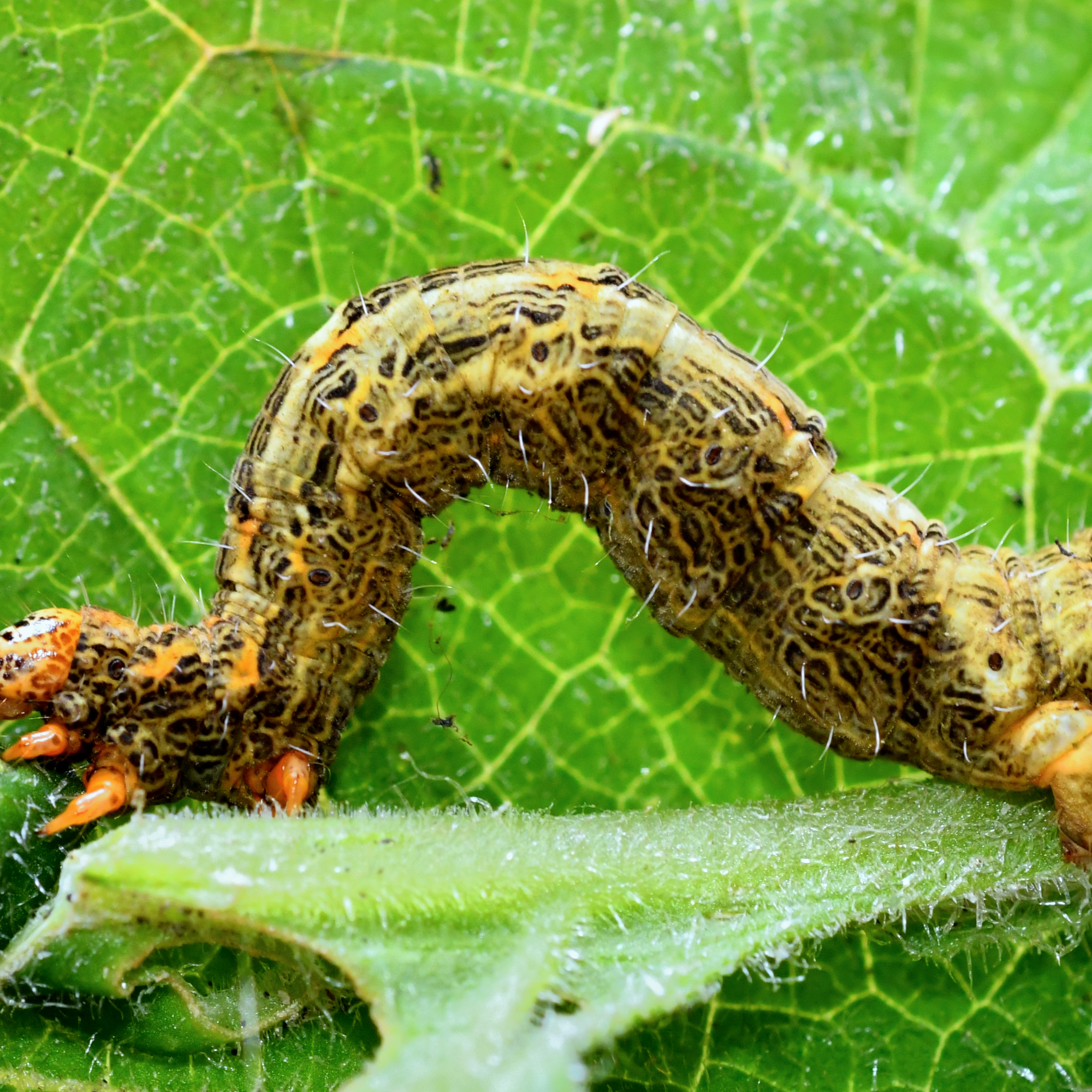
    Do you have a love of holometabolic insects? Ivonne Garzón is the president of their fan club! She studies a subset of geometrid moths that may look drab, but their colorful caterpillars and relationships with toxic plants make them endlessly interesting. “There is no way to get bored,” Ivonne says, “There is no way! You are amazed all the time.” The story of these moths also includes community; a visit to a caterpillar lab, a collaboration with the local herbarium, and a poll where over 5,000 people chose the name for one of her new species. For Ivonne, taxonomy makes her life joyful and interesting. Make your life more joyful and interesting by listening to Ivonne’s interview as she shares her wealth of knowledge and curiosity with all of us. Ivonne Garzón’s paper “A new cryptic Phyllodonta Warren (Lepidoptera: Geometridae) from Mexico City with documentation of its life history” is in volume 5666 of Zootaxa. It can be found here: www.doi.org/10.11646/zootaxa.5666.1.8 A transcript of this episode can be found here: Ivonne Garzón - Transcript New Species: Phyllodonta coztomatlivora Episode image credit: Ivonne Garzón Check out Ivonne’s lab instagram page: https://www.instagram.com/leps.de.mx/ Listen to Rosemary Gillespie’s episode on New Species: https://www.newspeciespodcast.net/release-happy-face-spiders-with-rosemary-gillespie Be sure to follow New Species on Bluesky (@newspeciespodcast.bsky.social) and Instagram (@NewSpeciesPodcast) and like the podcast page on Facebook (www.facebook.com/NewSpeciesPodcast). Music in this podcast is "No More (Instrumental)," by HaTom (https://fanlink.to/HaTom) If you have questions or feedback about this podcast, please e-mail us at NewSpeciesPodcast@gmail.com If you would like to support this podcast and enjoy bonus episodes, please consider doing so at https://www.patreon.com/NewSpeciesPod

Showing 1–20 of 22 episodes