Skip to content
Artwork for Neutrality Studies
NewsPolitics

Neutrality Studies

Pascal

A channel dedicated to neutrality in international relations and analysis of world affairs. For more info, visit neutralitystudies.com

Play
  • 75 episodes
  • Avg 53 min
  • English
Counted on this page — what you have heard stays on this device, so it is not something the list can be paged by.
  • Yesterday · 47 min

    The War Cult Driving Europe Toward Disaster | Steve Jermy

    Commodore Steve Jermy joins Pascal to warn that Europe is courting a war it cannot sustain. They examine Kaliningrad escalation scenarios, Russian military capabilities, Western political groupthink, and the gulf between public narratives and battlefield realities. Jermy explains his support for a petition to pause British military assistance to Ukraine and demand public debate. The conversation also explores failed diplomacy, NATO’s readiness, American commitments, and why ordinary Europeans must have a say before their leaders risk a wider conflict.Steve's Links:Substack article: https://stevejermy.sub...UK Parliament petition: https://petition.parli...Steve Jermy's Substack: https://stevejermy.sub...Neutrality Studies Links:Neutrality Studies Substack: https://pascallottaz.s...Support Neutrality Studies: https://neutralitystud...Neutrality Studies shop: https://neutralitystud...Time Stamps00:00 Steve Jermy and the petition to pause military support05:09 Escalation risks and Europe’s military vulnerability08:38 Political narratives and “cult thinking”14:26 Kaliningrad and the danger of miscalculation20:38 Ignored warnings and failed diplomacy27:24 America, Ukraine and the battlefield32:17 The human cost of a NATO–Russia war43:47 Defensive security and how to support the petition
  • Yesterday · 1 hr 13 min

    The Undead Empire Strikes Back: How The UK Still Rules The World | Alex Krainer

    Alex Krainer returns to discuss his argument that British imperial power survives through international banking networks. With Pascal Lottaz, he examines Yugoslavia’s breakup, Bosnia’s political tensions, and competing British and American interests. Their conversation traces debt, oil concessions, and corporate finance as mechanisms of wealth extraction, including the case of Enrico Mattei. They also debate technological control, artificial intelligence, and public attitudes toward Russia, before considering whether independent media and growing public awareness offer grounds for optimism and renewed sovereignty.Alex's Links:Alex Krainer’s Substack: https://alexkrainer.su...I-System TrendCompass: https://trendcompass.s...X: https://x.com/NakedHedgieYouTube: / @kraineralex The Naked Hedgie: https://thenakedhedgie...Neutrality Studies Links:Neutrality Studies Substack: https://pascallottaz.s...Support Neutrality Studies: https://neutralitystud...Neutrality Studies shop: https://neutralitystud...Time Stamps00:00 Alex Krainer and the “undead empire”05:07 Yugoslavia and British influence15:31 Bosnia and competing Western interests30:33 Banking networks and the American divide38:44 Debt, oil and wealth extraction50:51 Corporate power and Enrico Mattei58:02 Technological control, AI and the future01:02:42 Public awareness and the case for optimism

  • Wednesday · 25 min

    Why China is NOT Scared of the USA | Zhang WeiWei

    At the East-West Forum in Istanbul, Professor Zhang Weiwei presents China's vision of a multipolar world. He explains the civilizational state, contrasts Chinese and Western approaches to governance, and argues for peace, development and regional cooperation. Addressing fellow panellists, Zhang discusses the United Nations, ASEAN, the Belt and Road Initiative, relations with India, and Donald Trump's diplomacy. He challenges Western definitions of democracy and concludes that Asia's future depends on integration, strategic patience and shared prosperity rather than military confrontation.Zhang Weiwei's Links:Fudan University profile: https://cifu.fudan.edu...China Institute, Fudan University: https://www.fudan.edu....East-West Forum: https://east-west-foru...Neutrality Studies Links:Neutrality Studies Substack: https://pascallottaz.s...Support Neutrality Studies: https://neutralitystud...Neutrality Studies shop: https://neutralitystud...Time Stamps00:00 Pascal's introduction00:20 China as a civilizational state04:45 Unite and prosper: China's strategic philosophy06:51 Shared development, the SCO and ASEAN10:27 Public order, regional security and India12:34 Peace, common values and the UN Charter15:06 UN reform, development and Trump's diplomacy20:26 Democracy, border disputes and Asia's future

  • Wednesday · 50 min

    Sweden's Terrible Nuclear Weapons Mistake | Mattias Forsgren

    Mattias Forsgren joins Pascal to examine Sweden’s shift from neutrality to NATO and the risks of nuclear escalation in Europe. Drawing on his essay “Hegemonic Logic,” Forsgren argues that American power combines military pressure, financial influence and energy dependence. They discuss Nordic defence agreements, public debate, Cold War history and the limits of dissent. The conversation also explores Europe’s economic vulnerabilities, relations with Russia and China, and whether diplomacy can offer an alternative to confrontation and growing strategic dependence.Mattias's Links:Mattias Forsgren’s Substack: https://mattiasforsgre...Hegemonic Logic: https://mattiasforsgre...Dissidentpodden / Dissident Club: https://dissidentpodde...Michael Hudson conversation shared by Mattias: https://www.youtube.co...Neutrality Studies Links:Neutrality Studies Substack: https://pascallottaz.s...Support Neutrality Studies: https://neutralitystud...Neutrality Studies shop: https://neutralitystud...Time Stamps00:00 Mattias Forsgren and the Dissident Club02:25 Hegemonic logic and nuclear coercion09:19 Sweden, NATO and the nuclear umbrella14:03 How Sweden’s security debate changed19:52 Neutrality, US bases and European autonomy32:42 Energy dependence and American leverage40:34 Dissent and Europe’s “Stockholm syndrome”43:42 China, diplomacy and possible alternatives

  • Monday · 1 hr 1 min

    Next Regime Change: US Election Meddling Targets Brazil, Latin America | Dr. Mark Weisbrot

    The US Regime-Change Industrial Complex is currently working in over-drive when it comes to consolidating Washington's power over the Western Hemisphere: The next country on the chopping block is Brazil and its only the latest in many regime change operations the USA has been conducting over the past 70 years in Latin America.Economist Mark Weisbrot joins me to discuss Brazil’s election and Washington’s influence across Latin America. He examines household debt, central bank policy, Argentina’s dependence on international lending, and the political power of dollar sanctions. Their conversation explores Venezuela, Bolivia, Haiti and Ecuador, contrasting economic sovereignty with external intervention. Weisbrot also distinguishes humanitarian aid from political interference, challenges prevailing accounts of Bolivia’s election crisis, and considers whether the region’s current rightward shift can deliver lasting improvements in ordinary people’s lives.Mark's Links:Center for Economic and Policy Research: https://cepr.netMark Weisbrot’s research and articles: https://cepr.net/peopl...Article on Brazil’s election: https://cepr.net/publi...Neutrality Studies Links:Neutrality Studies Substack: https://pascallottaz.s...Support Neutrality Studies: https://neutralitystud...Neutrality Studies shop: https://neutralitystud...Time Stamps00:00 Introducing Dr. Mark Weisbrot03:11 Brazil: Lula, Bolsonaro and household debt07:58 Trump’s pressure on Brazil and the courts14:41 Argentina, dollar debt and sanctions27:38 NGOs, USAID and humanitarian aid33:44 IMF policies and Bolivia’s election crisis47:00 Haiti, Ecuador and economic sovereignty57:52 Brazil’s prospects and Latin America’s future

  • Sunday · 54 min

    The US Empire Is Crumbling FASTER | Amb. Chas Freeman

    The Proxy War in Ukraine and the War of Aggression against Iran are not shaping up the way they are supposed to, and the Washington establishment is in panic mode. Ambassador Chas Freeman—a former US Ambassador to Saudi Arabia and Undersecretary of Defence—does not think that these errors are part of a deeper strategy to weaken China, but the outcome of many individual failures.American power is, in fact, retreating as wars, sanctions and depleted arsenals expose the limits of dominance. He examines Iran, Yemen, Saudi Arabia’s growing autonomy and China’s gains from the energy crisis. With Pascal Lottaz, he discusses Israel’s eroding support, Switzerland’s neutrality debate and NATO’s failures. Their conversation explores whether cooperative security, regional partnerships and greater freedom for middle powers can replace confrontation, drawing lessons from ASEAN and considering the prospects for diplomacy in a changing world.Chas's Links:Chas Freeman's Substack: https://chasfreeman.su...Books and Publications: https://chasfreeman.ne...Neutrality Studies Links:Neutrality Studies Substack: https://pascallottaz.s...Support Neutrality Studies: https://neutralitystud...Neutrality Studies shop: https://neutralitystud...Time Stamps00:00 Iran, Yemen and the widening regional crisis09:21 America in retreat: military and economic costs16:48 China’s gains and Saudi Arabia’s autonomy24:07 Israel’s eroding support30:31 Switzerland’s neutrality debate35:12 Can neutrality replace confrontation?39:09 NATO’s failure and Ukraine’s future44:14 A changing world: ASEAN and regional cooperation

  • Saturday · 1 hr

    Why Fools Rise to Power: Psychologist EXPOSES Western Elites | Dr. Niall McLaren

    There is a psychological explanation for why Europe and North America is governed by kakistocratic elites. Psychiatrist Niall McLaren joins Pascal to explore how the urge to dominate shapes politics and international conflict. Drawing on his book Narcisso-Fascism, McLaren argues that hierarchy and entitlement help explain elite behavior, imperial expansion, and resistance to oppression. They debate individual psychology versus structural explanations, challenge assumptions about human nature, and examine propaganda, group loyalty, and Western decline. The conversation also considers democratic reform, intellectual conformity, and McLaren’s distinction between socially reinforced beliefs and delusions in the clinical sense.Niall's Links:Critical Psychiatry and Narcisso-Fascism Substack: https://www.niallmclar...Narcisso-Fascism (book): https://www.lhpress.co...Neutrality Studies Links:Neutrality Studies Substack: https://pascallottaz.s...Support Neutrality Studies: https://neutralitystud...Neutrality Studies shop: https://neutralitystud...Time Stamps00:00 Niall McLaren and Narcisso-Fascism03:16 Dominance and the paradox of hierarchy11:51 Entitlement, wealth, and imperial expansion15:46 Human nature versus offensive realism25:17 Can democratic reform restrain power?31:53 Western decline and enemies within44:28 Elite rivalry, group loyalty, and social delusions53:26 Questioning orthodoxy and explaining human nature

  • October 9 · 1 hr 12 min

    Why Zionism Needed The 'War On Terror' | Prof. Kees v.d. Pijl Neutrality

    Modern zionism—a mostly christian and exclusively western political ideology—is nothing but the third installment of the transnational capitalist ruling class reinventing itself to continue to dominate the world capitalist system. This is the main thesis of Professor Kees van der Pijl's new book "Zionism and 9/11" which we discuss in this interview.DISCLAIMER: I (Pascal) am skeptical of the view that 9/11 was an inside job. To me, the level of planning and secrecy just seems too huge a hurdle. Applying Occam's Razor (when presented with competing explanations for a phenomenon, you should prefer the simpler one that makes the fewest assumptions) I am still tending to view 9/11 as an externally induced act—albeit one that laid bare the level of incompetence of US homeland defense.However, the argument of Prof. van der Pijl still holds that the transnational ruling class and Zionism are the greatest benefactors of the US violent reaction to 9/11. One can just as well assume that the attacks took place "organically" and still view the outcome as a catalyst to the transnational zionist ruling class, under the motto "never let a good crisis go to waste." In the same vein, one does not need to assume that Israel carried out the October 7th attacks itself, but that it barely took advantage of the Hammas attack once it had happened for the advancement of the Zionist project.Please also note that this video explicitly assumes that Zionism is not a jewish phenomenon but a mostly christian, western-European political ideology used by the transnational elites to kling on to their colonial grip over the global capitalist system. We must not make the mistake of blaming the jews for Zionism. Judaism is a peace-loving and pacifist religion and is together with indigenous muslims and christians among the victims of the onslaught of radical zionism.Kees's Links:Israel and 9/11: The Rise of Atlantic Zionism (English): https://deblauwetijger...Israël en 9/11 (Dutch): https://deblauwetijger...The Making of an Atlantic Ruling Class: https://www.versobooks...Papers and book announcements: https://independent.ac...Neutrality Studies Links:Neutrality Studies Substack: https://pascallottaz.s...Support Neutrality Studies: https://neutralitystud...Neutrality Studies shop: https://neutralitystud...Time Stamps00:00 The book and the academic freedom dispute07:27 How an Atlantic ruling class emerged17:55 Christian Zionism and colonialism25:19 Zionism, Judaism, and transnational power38:55 Van der Pijl’s 9/11 thesis and sources47:48 The origins of the “war on terror”56:40 Systemic decline and the danger of war01:05:36 BRICS, national sovereignty, and social change

  • October 7 · 46 min

    British Ex-Diplomat Detained for Peace Efforts, Reaching out to Russia | Ian Proud

    Former British diplomat to Moscow, Ian Proud, was detained at Heathrow Airport for the apparent offense of traveling to the Valdai Discussion Club to talk to Russia's intelligentsia. Ian and Pascal discuss civil liberties, sanctions, foreign influence rules and what they see as Europe’s narrowing space for dissent. Proud shares impressions from Moscow, warns about nuclear escalation and argues that abandoning diplomacy endangers European security. Their conversation closes with an appeal for dialogue, public engagement and a negotiated end to the war.Ian's Links:The Peacemonger on YouTube: / @ianproud The Peacemonger on Substack: https://thepeacemonger...Ian Proud’s website: https://www.prouddiplo...Neutrality Studies Links:Neutrality Studies Substack: https://pascallottaz.s...Support Neutrality Studies: https://neutralitystud...Neutrality Studies shop: https://neutralitystud...Time Stamps00:00 Ian Proud returns from Russia00:52 Detained at Heathrow: Ian’s account02:51 Questioning, seized devices and family impact13:58 Challenging detention and foreign influence rules20:09 Sanctions, dissent and civil liberties28:22 What Ian learned at Valdai34:17 Nuclear escalation and the need for diplomacy42:48 The human cost of war and a call for peace

  • October 6 · 1 hr 2 min

    Whistle Blower REVEALS Truth About West's War Obsession | Kolja Spöri

    This man has seen almost every country on earth. And during his travels he witnessed one recurring pattern: The violence and wars in this world followed a simple pattern—induced and guided from Europe and America. In this talk he reveals his observations.Drawing on encounters in the Philippines, Somalia, Colombia, Syria and Donbas, Kolja Spöri presents his interpretation of covert influence, strategic waterways and prolonged warfare. Pascal questions the evidence behind these claims and explores the relationship between local conflicts and outside powers. Their conversation concludes with European security, political incentives and fears of a wider war between European countries.Kolja's Links:Picture of the Book cover featured in Kolja's travelblog: https://luxuryrogue.wo...Book: Dr. Dangerzone (book): https://www.amazon.com...Website: http://www.spori.netX: https://x.com/SporiSportLinkedIn: / koljaspori Neutrality Studies Links:Neutrality Studies Substack: https://pascallottaz.s...Support Neutrality Studies: https://neutralitystud...Neutrality Studies shop: https://neutralitystud...Time Stamps00:00 Introducing Kolja Spöri and Dr. Dangerzone02:09 The Philippines and Spöri’s claims about covert warfare08:33 Somalia, piracy and strategic shipping routes17:29 Colombia, the FARC and the Panama Canal26:48 Questioning the evidence and discussing Syria33:43 Donbas, Ukraine and the Minsk agreements47:16 European escalation and the incentives for war01:01:18 Dr. Dangerzone and where to follow Kolja

  • October 6 · 51 min

    US Gulf Empire Collapses, Ukraine War Escalation in Kiev | Larry Johnson

    Why lose in one war if you can simultaneously lose two? That seems to be new strategy of the US empire as it is headed toward escalation but ultimately regional defeat in Ukraine and the Gulf. But is it real or just an elaborate scheme to lull us all into believing that the Empire is crumbling?Larry Johnson argues that Iran has exposed deep weaknesses in American military power, from vulnerable Gulf bases to overstretched aircraft carriers. Drawing on his recent Russia visit, he discusses Moscow’s outlook, Ukraine’s battlefield prospects, and the danger of direct conflict with Europe. He also warns that damaged energy infrastructure could prolong shortages and inflation worldwide. The conversation examines China’s resilience, satellite navigation, Pakistan’s balancing act, and the potential consequences of renewed fighting between Saudi Arabia and Yemen’s Ansar Allah movement.Larry's Links:Sonar21: https://sonar21.comLarry Johnson Substack: https://larrycjohnson....Counter Currents YouTube: / @counter_currents_channel Larry Johnson Patreon: https://www.patreon.co...Neutrality Studies Links:Neutrality Studies Substack: https://pascallottaz.s...Support Neutrality Studies: https://neutralitystud...Neutrality Studies shop: https://neutralitystud...Time Stamps00:00 Larry’s Russia visit and Western narratives05:00 Russia, Europe and the risk of wider war15:12 Larry’s prediction for Kyiv and Ukraine19:05 Hormuz, diesel and a prolonged energy crisis23:39 Will economic warfare against China backfire?28:54 Iran and the vulnerability of U.S. military power40:46 China, Iran and the changing strategic balance44:12 Pakistan, Yemen and the Saudi stakes

  • October 5 · 49 min

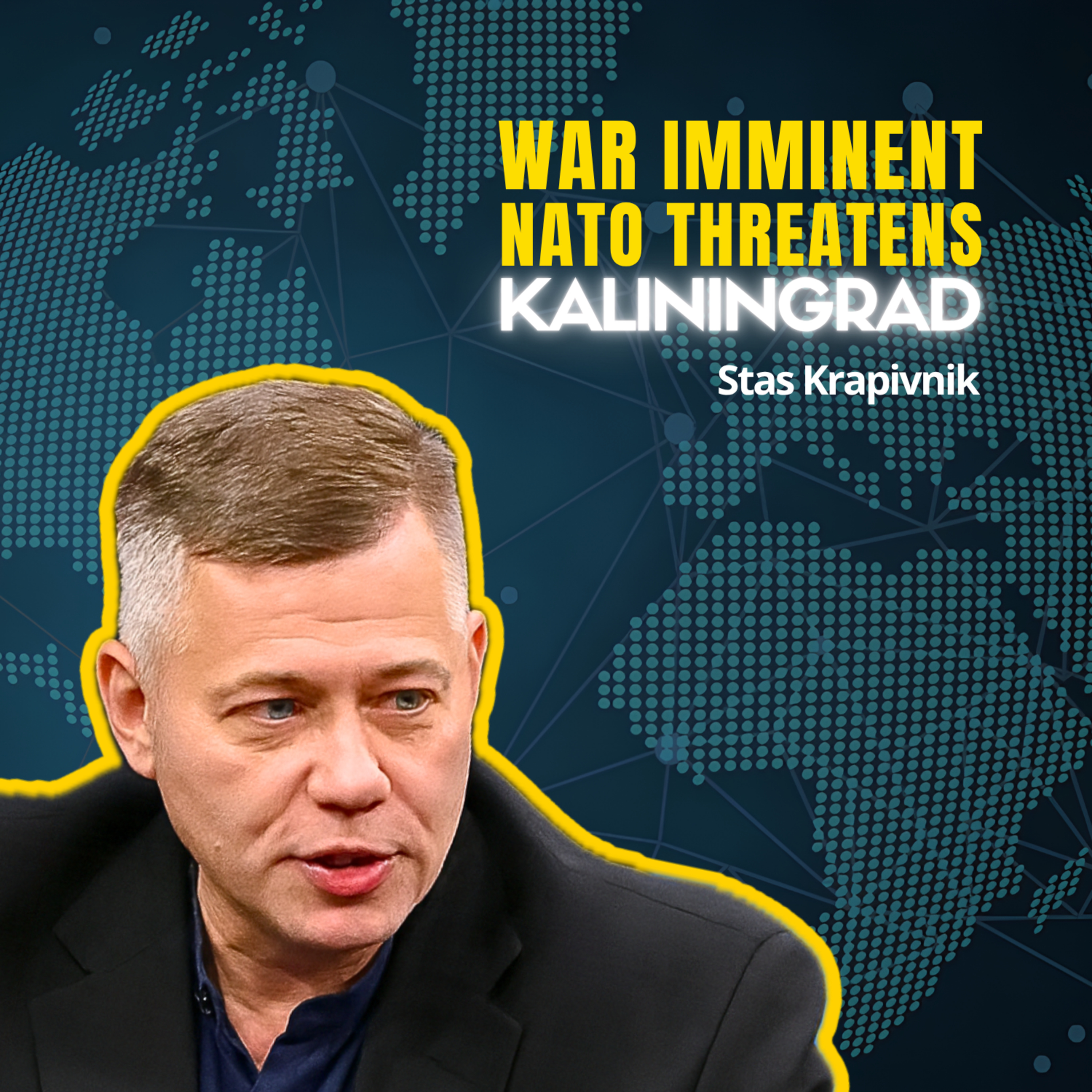
    NATO Threatens Kaliningrad: Worst Mistake Yet | Stas Krapivnik

    NATO has found a new way to test Russia and introduce their escalation strategy: publicly threaten Kaliningrad with perfect deniability. But this won't fly.Stanislav Krapivnik joins Pascal Lottaz to discuss Kaliningrad, NATO planning, and the danger of a wider European war. Krapivnik assesses Russian warnings following Valdai and argues that escalation could extend far beyond Ukraine. They examine American interests, European threat narratives, strikes on Ukrainian bridges, and possible military pressure on Kyiv and southern Ukraine. Their conversation also considers forced mobilization, political instability, historical comparisons, and the human costs of continuing the conflict rather than finding a path toward a negotiated settlement.Stas's Links:YouTube: / @mrslavikman X: https://x.com/STANISKR...Substack: https://zmeigarinich.s...Telegram (English): https://t.me/staswasth...Telegram (Russian): https://t.me/stastydai...Neutrality Studies Links:Neutrality Studies Substack: https://pascallottaz.s...Support Neutrality Studies: https://neutralitystud...Neutrality Studies shop: https://neutralitystud...Time Stamps00:00 Introduction and Valdai02:15 Kaliningrad and the Baltic flashpoint11:41 The danger of a wider European war16:50 NATO troops and Russia’s red lines21:34 American interests and European threat narratives26:13 Bridge strikes and pressure on Kyiv37:01 Southern Ukraine and competing military fronts42:28 Mobilization, endurance and the human cost

  • October 5 · 55 min

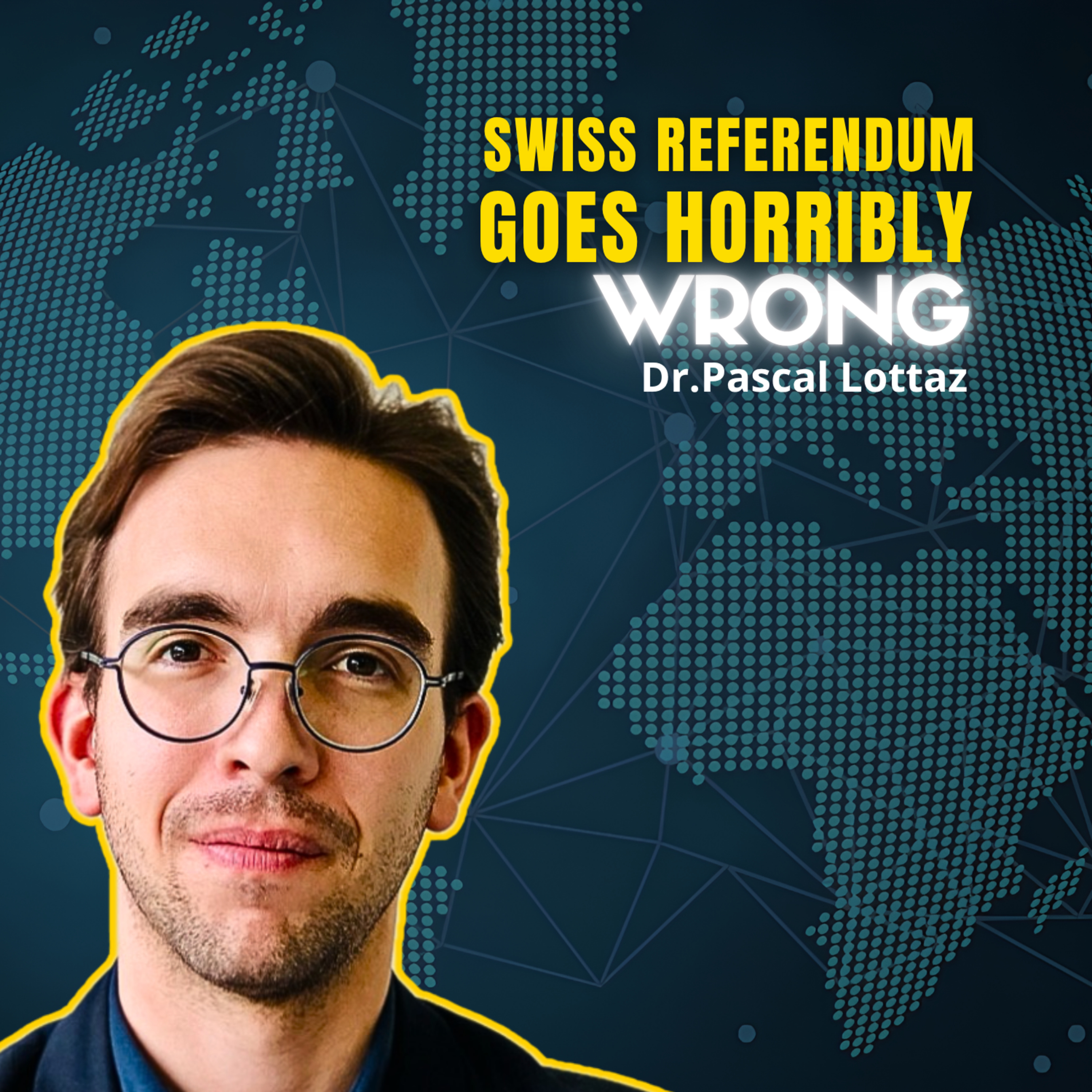
    New Data on War Mentality in Europe. Why Swiss Reject Strict Neutrality | Pascal Lottaz

    Europe is falling deeper and deeper into a Russophobic war mentality. Switzerland (of all places) just delivered the latest proof for that, rejecting strict neutrality in a public referendum. And this is about more than just the Swiss. The outcome is a function of the current propaganda environment all over europe and and the general anxiety about Russia.In this analysis Pascal examines Switzerland’s rejection of the neutrality initiative and what it may reveal about Europe’s political mood. Drawing on his experience campaigning for the proposal, he discusses sanctions, media framing, direct democracy and the limits of electoral change. He argues that opposition to current Russia policies remains weaker than many observers assume, while acknowledging uncertainty about extrapolating Swiss results. The commentary also considers voter turnout, political polarization, the United Nations and the dangers of escalating confrontation across the continent.Pascal's Links:Swiss referendum results (BFS): https://votations.admi...Neutrality initiative (Federal Council): https://www.admin.ch/e...SRF report discussed: https://www.srf.ch/new...SP statement on the initiative: https://www.sp-ps.ch/a...UN day against unilateral coercive measures: https://www.un.org/en/...UN Security Council voting system: https://main.un.org/se...Neutrality Studies Links:Neutrality Studies Substack: https://pascallottaz.s...Support Neutrality Studies: https://neutralitystud...Neutrality Studies shop: https://neutralitystud...Time Stamps00:00 Switzerland rejects the neutrality initiative05:12 Sanctions and the framing of the campaign12:18 How the initiative reached the ballot18:18 Direct democracy and the limits of elections24:36 Sanctions, the United Nations and veto power29:59 Blocher, Putin and political polarization38:06 What election victories do—and do not—tell us44:59 Turnout, non-voters and the European outlook

  • October 4 · 50 min

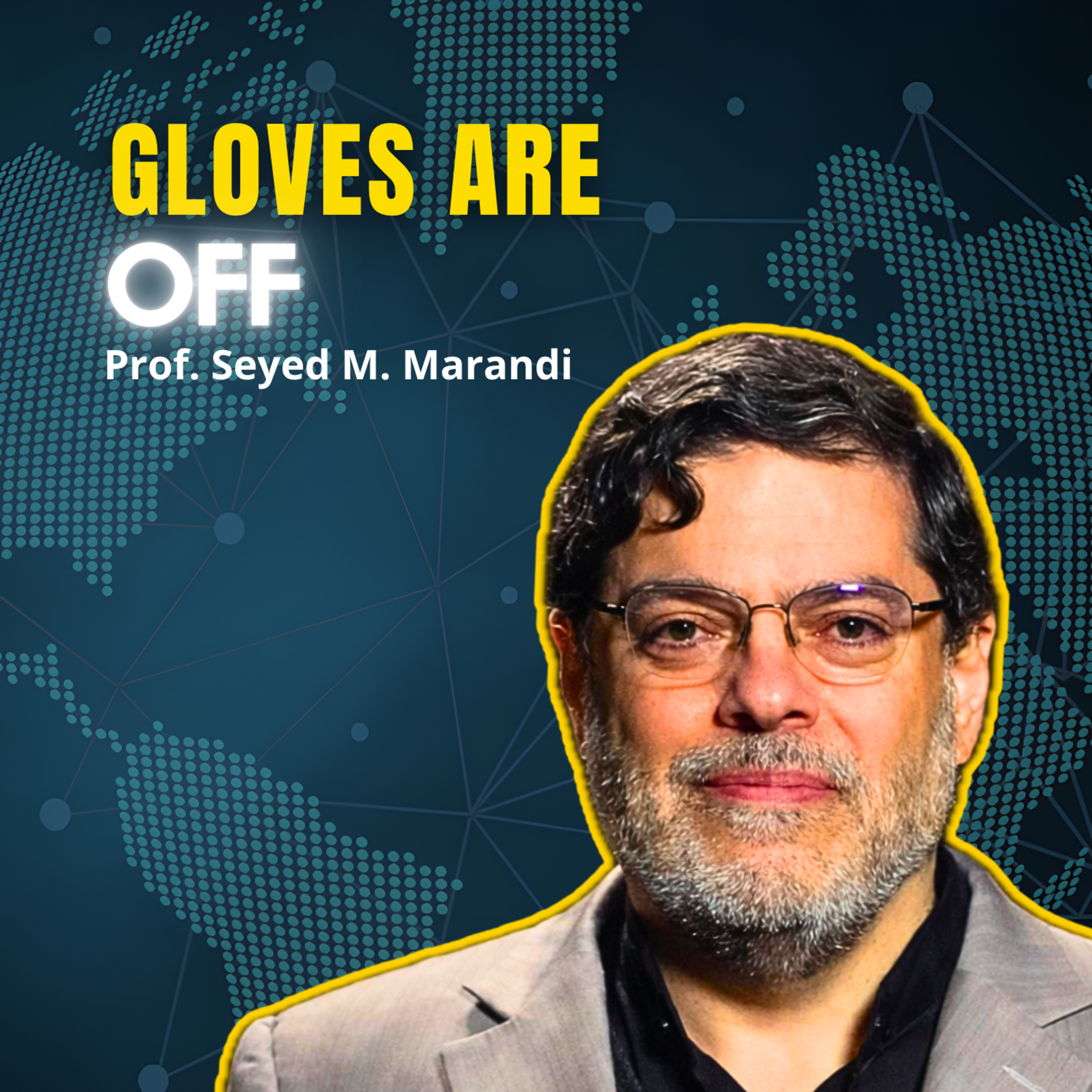
    The REAL Reason USA Freaks-Out Over Iran | S. M. Marandi

    The USA is preparing the next phase of the Irna War. But it won't help. The defense of the country has only increased over the past 8 months and now the USA is running out of time and options in a disaster of their own making.Professor Mohammad Marandi warns that renewed war against Iran is highly likely, though not inevitable. Speaking with Pascal after visiting Russia, he discusses sanctions, medical supplies, shipping through the Strait of Hormuz, and Iran’s preparations for escalation. Marandi argues that attacks on Iranian infrastructure could trigger devastating retaliation across the Gulf and a global economic crisis. They also examine American military limitations, Yemen and Iraq, China’s exposure to an energy shock, Israeli politics, and the importance of understanding Iran.Mohammad's Links:X: https://x.com/s_m_marandiGoing to Tehran, by Flynt Leverett and Hillary Mann Leverett: https://us.macmillan.c...Resistance, by Alastair Crooke: https://www.plutobooks...Neutrality Studies Links:Neutrality Studies Substack: https://pascallottaz.s...Support Neutrality Studies: https://neutralitystud...Neutrality Studies shop: https://neutralitystud...Time Stamps00:00 Marandi’s warning and impressions from Russia05:57 Sanctions, civilian suffering and Europe’s role12:45 Hormuz, oil flows and the risk of economic catastrophe19:14 The blockade and Iran’s response to a new assault23:04 US military limits and the China argument30:07 Yemen, Saudi Arabia and US withdrawal from Iraq37:07 Israeli elections and Iran’s strategy42:22 The next round of war: timing, risks and retaliation

  • October 4 · 47 min

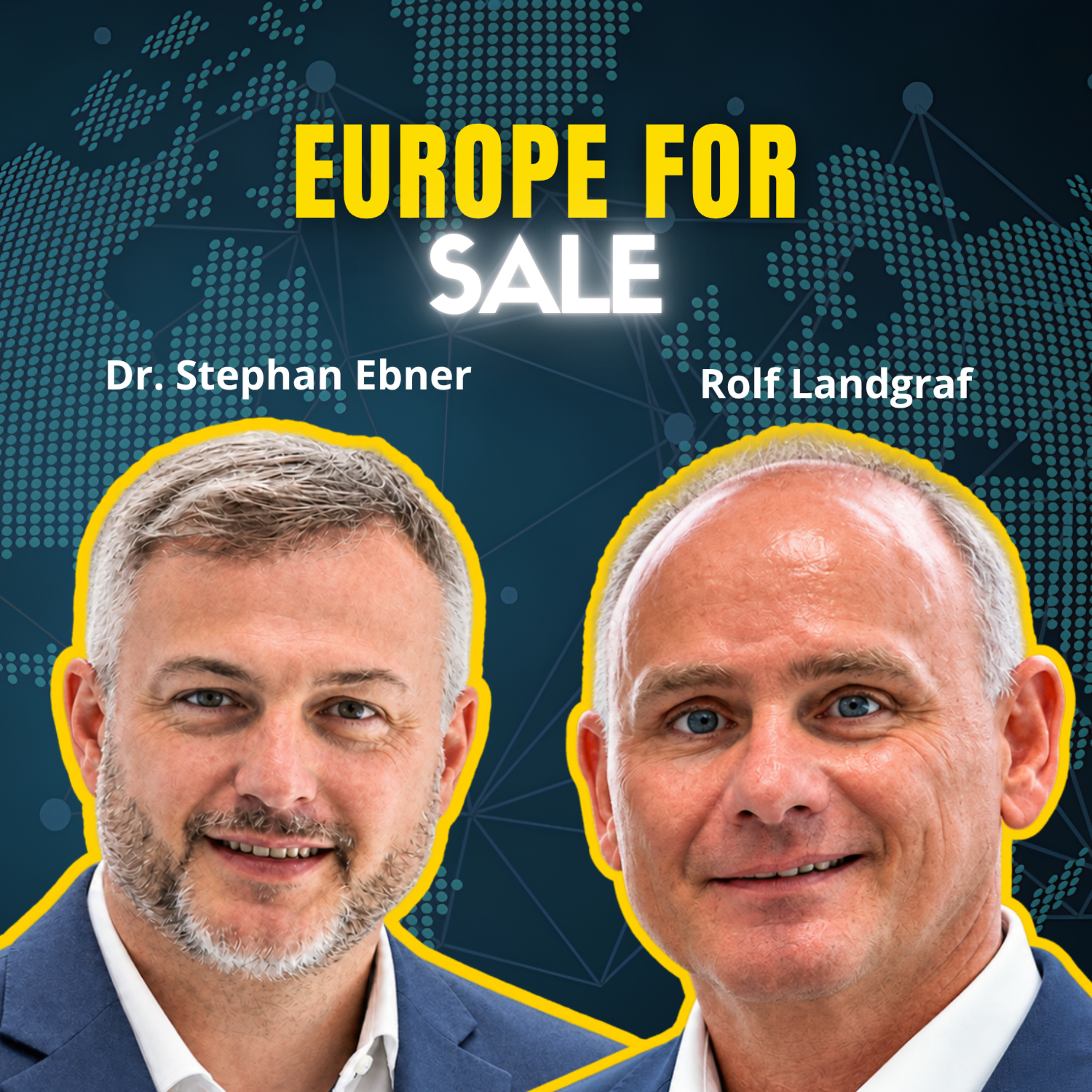
    Europe's Industrial Collapse: Companies Are Fleeing | Dr. S. Ebner & R. Landgraf

    The economic downturn of the EU heart-land (Germany, France, Italy) is progressing with an incredible speed. SME's are dying or are being sold off to US and Chinese investors who are after the intellectual property of formerly competitive enterprises. Dr. Stephan Ebner and Rolf Landgraf, two German lawyers working directly with companies that are going through this period join Pascal to discuss this spiral of doom. Drawing on their work advising corporate transactions, they examine bureaucracy, energy costs, succession problems, foreign acquisitions, and the loss of industrial expertise. They debate whether defence production can offset automotive decline, assess Europe’s dependence on the United States, and discuss political paralysis. Despite their concerns, the conversation closes with opportunities in international expansion, vertical farming, and artificial intelligence.Stephan and Rolf's Links:Maclaw: https://maclaw.legalMaclaw team: https://maclaw.legal/t...Rolf Landgraf’s profile: https://www.landgraf-s...Neutrality Studies Links:Neutrality Studies Substack: https://pascallottaz.s...Support Neutrality Studies: https://neutralitystud...Neutrality Studies shop: https://neutralitystud...Time Stamps00:00 Stephan Ebner and Rolf Landgraf: Europe’s business exodus05:54 Energy costs and the pressure to sell11:37 Financialization and the loss of industrial knowledge15:50 From automotive suppliers to defence production22:55 Economic decline and political deadlock across Europe28:38 Brussels, regulation and the limits of reform36:23 Which industries are leaving—and can America help?41:53 International expansion and reasons for optimism

  • October 3 · 1 hr 2 min

    China, Russia and the Battle for Eurasia | Ryan Perkins

    The great powers are leaving Europe behind. The USA, China and Russia are all focusing on the new heartland of the 21st century: Central Asia.Ryan Perkins joins Pascal to examine competing transport corridors across Eurasia, from the US-backed TRIPP route to Russia’s proposed Eurasia Canal. They discuss Chinese infrastructure financing, the evolution of the Belt and Road Initiative, and the strategic partnership between Moscow and Beijing. The conversation explores financialization, industrial capacity, digital sovereignty, and China’s approach to international relations. Perkins also presents his interpretation of the Iran conflict and argues that disruption around Hormuz can serve as economic pressure on China’s development.Ryan Perkins GeopoliticsSubstack: Ryan Perkins GeopoliticsX: @ChinaIndicator Telegram: https://t.me/chinaecon...Anti-Imperialist History Economics and Geopolitics (historical analysis)X: @prisonerroom101Telegram: https://t.me/ryanperkinsAnti-Imperialist: https://ryanperkins.su...Industrial Value-Added Report: https://globaleconomic...Visualizing China’s Economic Data: www.globaleconomicindicator.comNeutrality Studies Links:Neutrality Studies Substack: https://pascallottaz.s...Support Neutrality Studies: https://neutralitystud...Neutrality Studies shop: https://neutralitystud...Time Stamps00:00 Ryan Perkins and the contest for the Caucasus07:06 Building the Eurasia Canal: engineering and trade17:04 China’s Belt and Road and reserve strategy24:35 China and Russia: partnership without alliance33:05 Financialization and the loss of industrial capacity40:46 Digital sovereignty and China’s global approach46:46 China, the Philippines and regional tensions50:13 Iran, Hormuz and economic pressure on China

  • September 30 · 1 hr 5 min

    Looting Russia: Why the British Empire Never Died | Alex Krainer

    Alex Krainer joins Pascal to discuss the financial interests behind geopolitical conflict. Drawing on his hedge fund background and research for Grand Deception, Krainer challenges Bill Browder’s account of Russia and examines post-Soviet privatization, debt and oligarchic power. They explore Russia’s relations with the West, diplomacy and historical ties between Russia and nineteenth-century America. Krainer argues that British imperial influence persists through financial networks, connecting his “undead empire” thesis to sovereignty, contemporary wars and the mechanics of wealth extraction.Alex's Links:Alex Krainer’s Substack: https://alexkrainer.su...I-System TrendCompass: https://trendcompass.s...X: https://x.com/NakedHedgieYouTube: / @kraineralex The Naked Hedgie: https://thenakedhedgie...Policy Exchange report discussed — The Iran Question and British Strategy: https://policyexchange...Neutrality Studies Links:Neutrality Studies Substack: https://pascallottaz.s...Support Neutrality Studies: https://neutralitystud...Neutrality Studies shop: https://neutralitystud...Time Stamps00:00 Alex Krainer, Bill Browder and Grand Deception12:04 Russia’s privatization and the oligarchs19:33 Resources, debt and financial power27:30 Jeffrey Sachs and Russia’s economic transition33:16 Russian diplomacy: naivety or strategy?41:15 Russia, America and the Civil War46:15 The “undead empire” and British influence01:00:04 Empire as a system and the struggle for sovereignty

  • September 30 · 54 min

    The West's Response to Scholasticide: Gaza’s Fight for a Future | Abdullah W.

    There are many layers to the West’s brutality in its 21st century colonial quest for total dominance. One of them is the eradication of an academic future for the populations it targets for destruction. Support Abdullah here:Abdullah’s Fundraising: https://chuffed.org/pr...Instagram: / abdullhabuwarda Abdullah, a 21-year-old English literature student from Jabalia, describes continuing his education amid displacement, destruction, loss, hunger, and unstable infrastructure in Gaza. He discusses his unsuccessful attempt to reach a journalism program in London, the financial and visa barriers facing Palestinian students, why journalism matters to him, and the need for meaningful educational opportunities at a scale matching the crisis.Neutrality Studies substack: https://pascallottaz.s...Merch: https://neutralitystud...Donation: https://neutralitystud...Timestamps:00:00:00 Introducing Abdullah from Gaza00:01:40 Abdullah’s life and education before the war00:07:22 Continuing education amid destruction00:11:42 Displacement, loss, and daily survival00:18:05 The barriers to studying in London00:28:27 Education as hope amid systemic obstacles00:35:05 Exchange programs and evacuation pathways00:37:08 Why London and the fundraising struggle00:46:10 Why journalism matters to Abdullah00:50:54 Daily life, Gaza’s institutions, and final message

  • September 30 · 26 min

    Neocons In Defeat Denial, Trump Schizophrenia Getting Worse | Daniel Davis

    The Ukraine Proxy-War is going from bad to worse for the NATO war coalition and the leadership knows it. Panik is setting but at the same time there is no strategy on how to confront the failing project, just Donald Trump's erratic way of saying one thing today, another tomorrow and a third one in the time between. How will Russia and China deal with this situation?In Istanbul, Daniel Davis joins Pascal Lottaz to examine what they describe as the contradictions driving American foreign policy. They discuss Trump’s diplomacy with Iran, Russia and China, loyalty inside his administration, and competing influences on White House decisions. Davis challenges the idea that intelligence agencies independently control policy, while warning that NATO lacks the air defenses and industrial capacity for war with Russia. The conversation explores European escalation, diplomatic credibility, and the danger of a conventional conflict turning nuclear.Daniel’s Links:YouTube: / @danieldavisdeepdive X: https://x.com/DanielLD...German: / @danieldavisdeepdivege... French: / @danieldavisdeepdivefr... Italian: / @danieldavisdeepdiveit... Spanish: / @danieldavisdeepdivesp... Russian: / @danieldavisdeepdiveru... Portuguese: / @danieldavisdeepdivepo... Neutrality Studies Links:Neutrality Studies Substack: https://pascallottaz.s...Support Neutrality Studies: https://neutralitystud...Neutrality Studies shop: https://neutralitystud...Time Stamps00:00 An Istanbul conversation with Daniel Davis00:40 Trump’s contradictory Iran policy02:20 Diplomacy, trust and broken agreements06:38 Loyalty and the people around Trump11:53 Who shapes American foreign policy?15:58 Russia, the CIA and diplomatic channels19:34 Europe and the risk of escalation22:45 Why Davis says NATO cannot win

  • September 27 · 51 min

    How To Defeat an Empire: The Post-Hegemonic World Is Shaping Up | Dr. Jeff Rich

    In Istanbul, historian Jeff Rich joins Pascal to discuss what a peaceful multipolar world could look like. They debate civilisation states, China–India relations, and the tension between sovereignty and global interdependence. Rich argues that states must challenge US unilateralism while strengthening practical cooperation under the UN Charter. The conversation explores BRICS, regional diplomacy around the Strait of Hormuz, Ukraine’s reconstruction, and the limits of military power, ending with reflections on Václav Havel and ordinary people’s capacity to create change.Jeff's Links:The Burning Archive Substack: https://jeffrich.subst...The Burning Archive YouTube: / @theburningarchive Neutrality Studies Links:Neutrality Studies Substack: https://pascallottaz.s...Support Neutrality Studies: https://neutralitystud...Neutrality Studies shop: https://neutralitystud...Time Stamps00:00 Istanbul: Imagining a multipolar future04:10 China, India and civilisation states13:01 Interdependence, sovereignty and globalism20:07 A new order rooted in the UN Charter29:21 BRICS and regional alternatives34:53 Ukraine: Reconstruction and reconciliation42:26 Empire and the limits of US power48:53 Building peace and the power of the powerless

Showing 1–20 of 75 episodes