Skip to content
Artwork for Neuroscience Perspectives

Neuroscience Perspectives

Del Monte Institute for Neuroscience at the University of Rochester

Immerse yourself in the fascinating world of neuroscience with our expert guests as they explore the mysteries of the brain and the latest breakthroughs in research with our host, John Foxe, PhD, director of the Del Monte Institute for Neuroscience at the University of Rochester.

Each episode features in-depth conversations with leading scientists, who unravel complex topics and tackle intriguing questions like: How does the brain shape our behavior? What role do genetics play in our health? How do early life experiences shape brain function and critical periods of brain development? Listen as they share their unique journeys to neuroscience research, lessons learned from the bench, and discoveries that transform our understanding of neurodevelopmental diseases and disorders like autism and Rett syndrome and neurodegenerative diseases like Alzheimer’s and Parkinson’s.

Whether you’re a seasoned scientist or just curious about the brain, our podcast will spark your interest, expand your understanding of this dynamic field, and lift the veil on how leaders in brain research made it to where they are today. Don’t miss out on your journey into the depths of neuroscience with experts from around the world—subscribe now!

Play
  • 21 episodes
  • monthly
  • Avg 35 min
  • English
Counted on this page — what you have heard stays on this device, so it is not something the list can be paged by.
  • Thursday · 23 min

    RE-RELEASE: Why the Brain is Smarter than AI

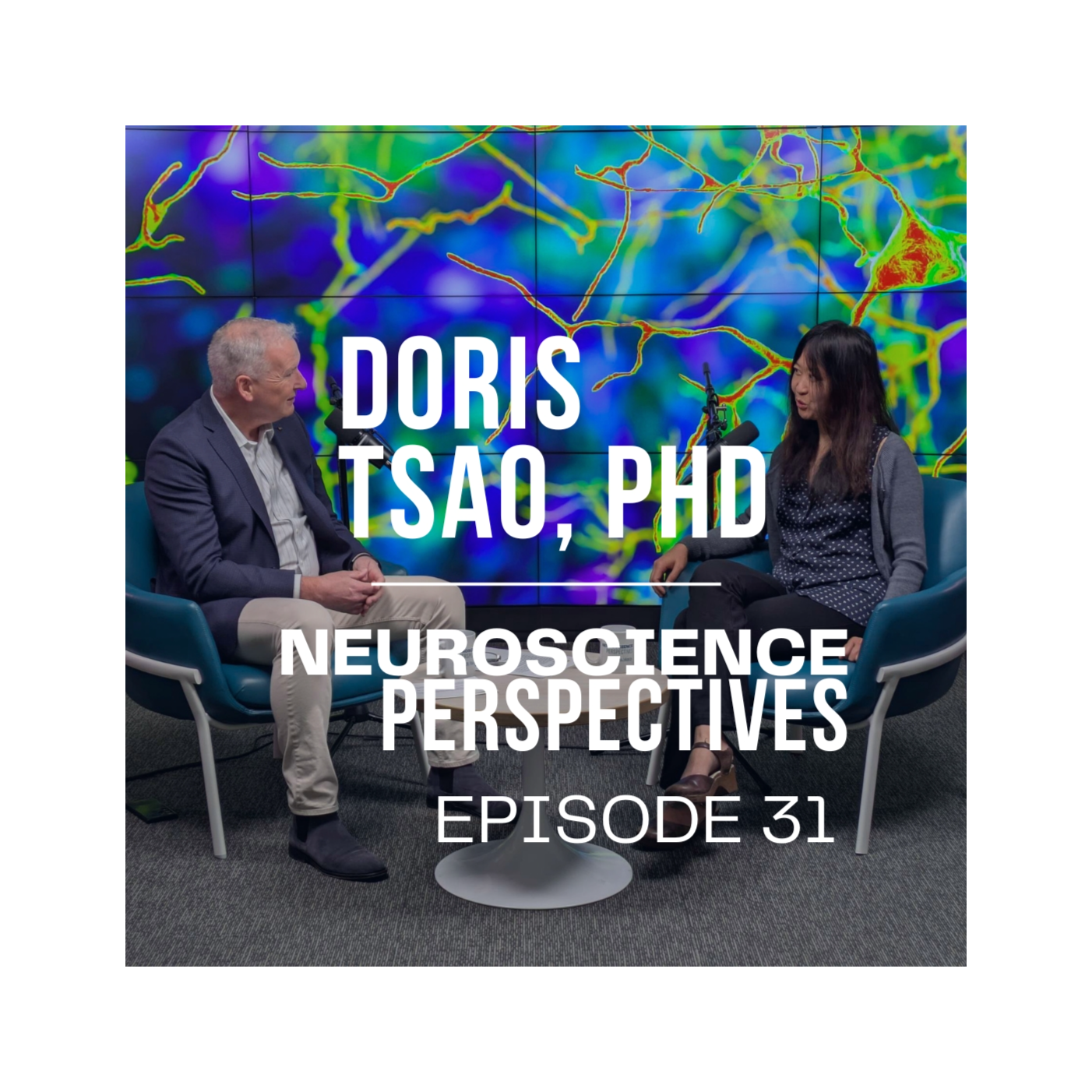
    Dr. Doris Tsao shares how her pioneering research has transformed our understanding of how the brain processes visual information. Her lab helped discover that it only takes a few hundred neurons to encode any face – for reference, there are more than a few billion neurons in the brain. This conversation explores the intersection of neuroscience, math, and AI. We also discuss her academic journey—from Caltech to Harvard, and her current role at UC Berkeley. Dr. Tsao shares the importance of science communication and what it means to pursue truth in a world shaped by both neural networks and human curiosity. Join Dr. John Foxe, Director of the Del Monte Institute for Neuroscience at University of Rochester Medicine on Neuroscience Perspectives. #podcast #science #AI #brain #neuroscience

    • Transcript
  • #44
    July 23 · 39 min

    RE-RELEASE: Lisa Genova Novels and Neuroscience

    Revisit the fascinating conversation with best-selling author and neuroscientist Lisa Genova, PhD. Her groundbreaking novel, Still Alice, coupled powerful storytelling with the reality of Alzheimer's disease. It launched Lisa Genova into the spotlight and Hollywood, but most importantly, it deepened the public’s understanding of the neurological condition. Lisa Genova continues to bridge science and storytelling, writing books about left neglect, Huntington’s, ALS, autism, and bipolar disorder. In doing so, she inspires empathy for those affected and reshapes how these diseases are perceived beyond the lab and clinic. Dr. Genova was a headline speaker at the University of Rochester's Meliora Weekend: https://www.rochester.edu/melioraweekend/meliora-2025-announcement/#lisa #neuroscience #BrainHealth #LisaGenova 🧠Stay Connected Subscribe: https://www.youtube.com/@URNeuroscience X: https://x.com/URNeuroscience BlueSky: https://bsky.app/profile/urneuroscience.bsky.social LinkedIn: https://www.linkedin.com/company/urneuroscience/ 🧠Experts in this Episode: Lisa Genova, PhD: https://www.lisagenova.com/ John Foxe, PhD: https://www.urmc.rochester.edu/people/112360965-john-j-foxe

    • Transcript
  • #43
    June 25 · 38 min

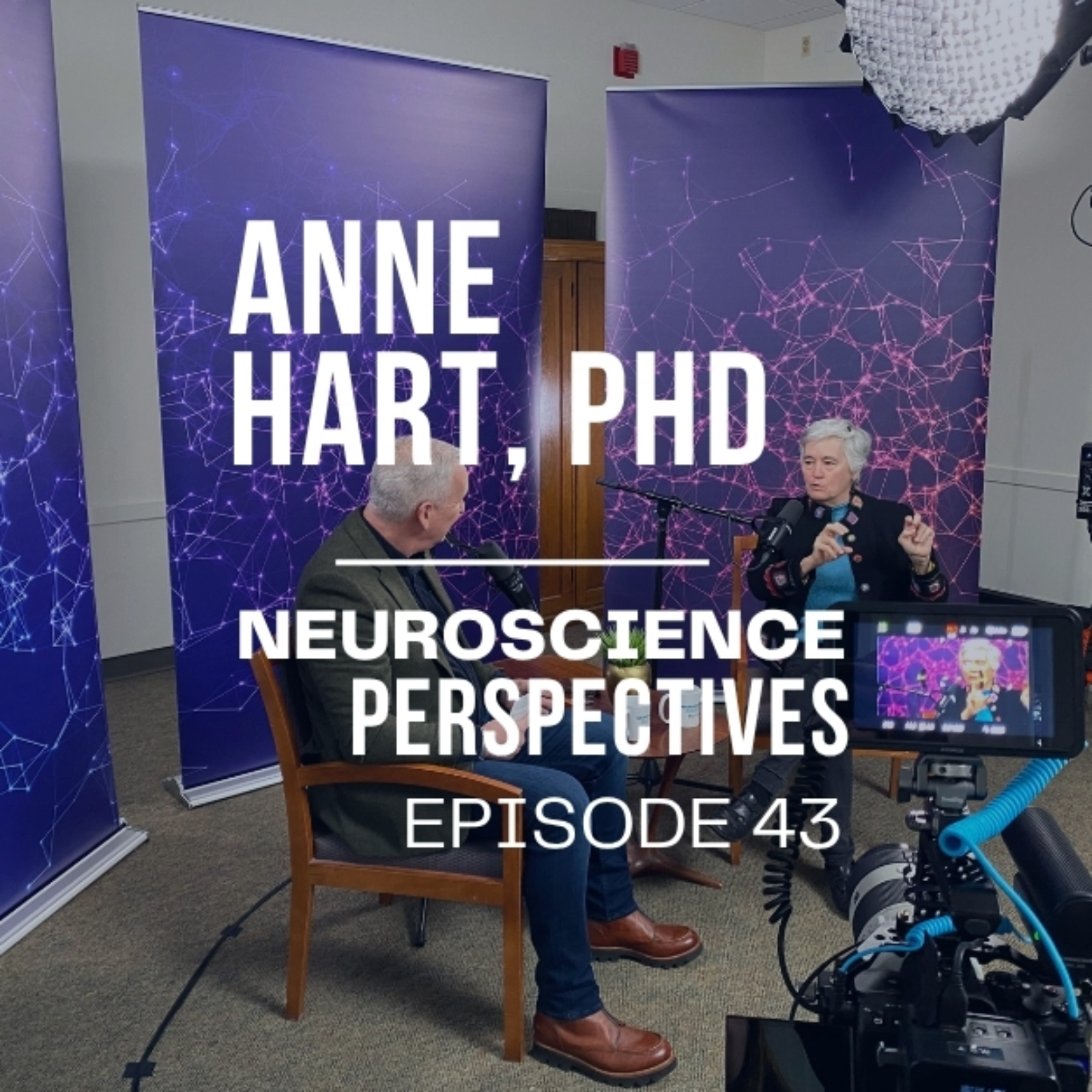
    How can a microscopic roundworm help researchers understand the brain?

    Anne Hart, PhD, professor and Chair of Neuroscience at Brown University, uses C elegans to study genetics, disease, and sleep. In this episode of Neuroscience Perspectives, she tells Dr. John Foxe about the bold move she made early in her career and how it paid off. She also shares the importance of using these simple animal models to ask complex questions.

    • Transcript
    • Chapters
  • #42
    May 21 · 35 min

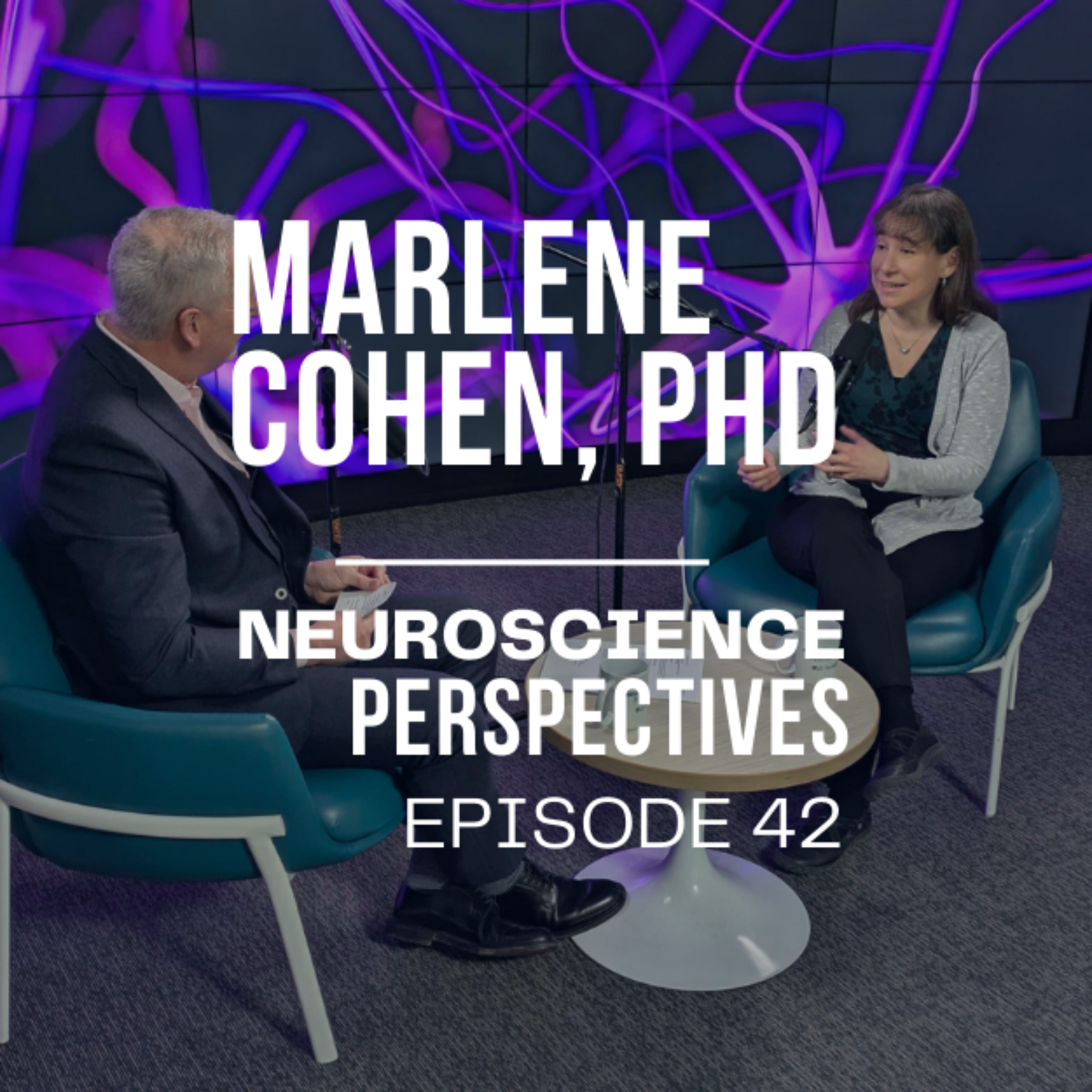
    Why Can't You 'See' Everything? The Neuroscience Behind Selective Attention

    Dr. Marlene Cohen, professor of Neurobiology at the University of Chicago's Neuroscience Institute, discusses how selective attention helps us pick out what is important in the world around us. Our eyes are constantly bombarded with information, which then enters the brain for processing. This highlights the intricate work of neuroscience in understanding brain function and how we perceive our environment. She is recognized for using multielectrode array recordings to show that a specific pattern of brain activity is reduced when the brain prioritizes information, and that the same mechanism is used when we learn. Today, her research investigates how neural activity gives rise to behavior, particularly in the context of visual attention, and she has also moved into translational work. #neuroscience #cognitive science #brainscience #selectiveattention #optic 🧠Stay Connected Subscribe: https://www.youtube.com/@URNeuroscience X: https://x.com/URNeuroscience BlueSky: https://bsky.app/profile/urneuroscience.bsky.social LinkedIn: https://www.linkedin.com/company/urneuroscience/ 🧠Experts in this Episode: Marlene Cohen, PhD: https://neurobiology.uchicago.edu/faculty/marlene-cohen John Foxe, PhD: https://www.urmc.rochester.edu/people/112360965-john-j-foxe 🧠Labs Mentioned: Marlene Cohen Lab: http://www.cohenlab.com/ Frederick J. and Marion A. Schindler Cognitive Neurophysiology Lab: https://urmc.info/1RG

    • Transcript
  • #41
    April 23 · 39 min

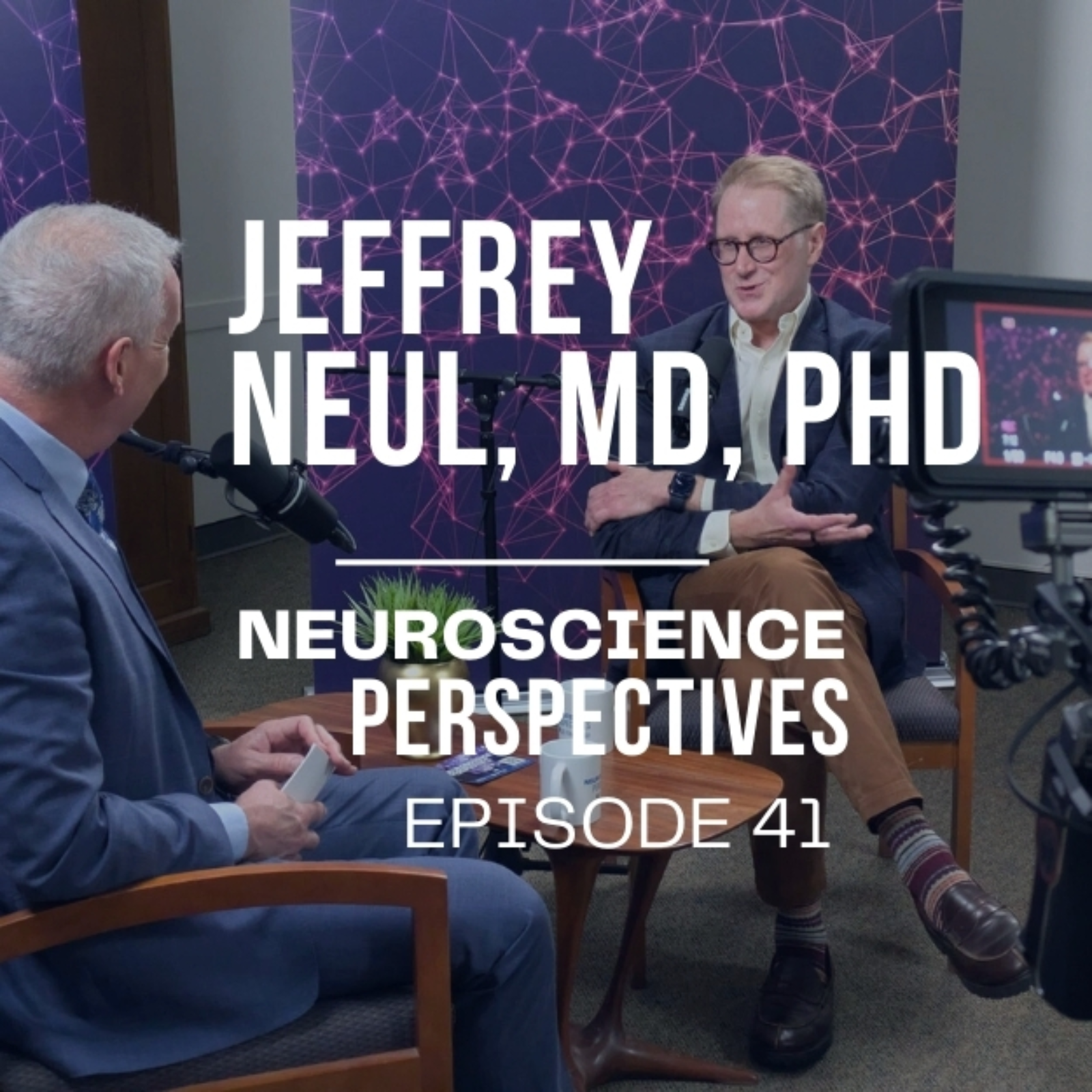
    Rett Syndrome: Symptoms, Genetics, Science, and Clinical Trials

    What is Rett syndrome—and how close are we to effective treatments? In this episode of Neuroscience Perspectives, Dr. John Foxe, director of the Del Monte Institute for Neuroscience at University of Rochester Medicine, sits down with Dr. Jeffrey Neul, a leading expert in pediatric neurology and neurodevelopmental disorders, to explore the latest breakthroughs in Rett syndrome research, clinical trials, and biomarker development. Rett syndrome is a rare genetic neurological disorder that primarily affects girls and is often caused by mutations in the MECP2 gene. Dr. Neul shares how advances in neurogenetics and translational neuroscience are transforming how researchers understand and treat this complex condition. #RettSyndrome #Neuroscience #RareDisease #PediatricNeurology #BrainResearch #Neurodevelopment #ClinicalTrials #MedicalResearch #SciencePodcast #Podcast 🧠Stay Connected Subscribe: https://www.youtube.com/@URNeuroscience X: https://x.com/URNeuroscience BlueSky: https://bsky.app/profile/urneuroscience.bsky.social LinkedIn: https://www.linkedin.com/company/urneuroscience/ 🧠Experts in this Episode: Jeffrey Neul, MD, PhD: https://vkc.vumc.org/people/neul-jeffrey John Foxe, PhD: https://www.urmc.rochester.edu/people/112360965-john-j-foxe 🧠Labs Mentioned: Neul Lab: http://neullab.com/index.html Frederick J. and Marion A. Schindler Cognitive Neurophysiology Lab: https://urmc.info/1RG

    • Transcript
  • #40
    March 19 · 48 min

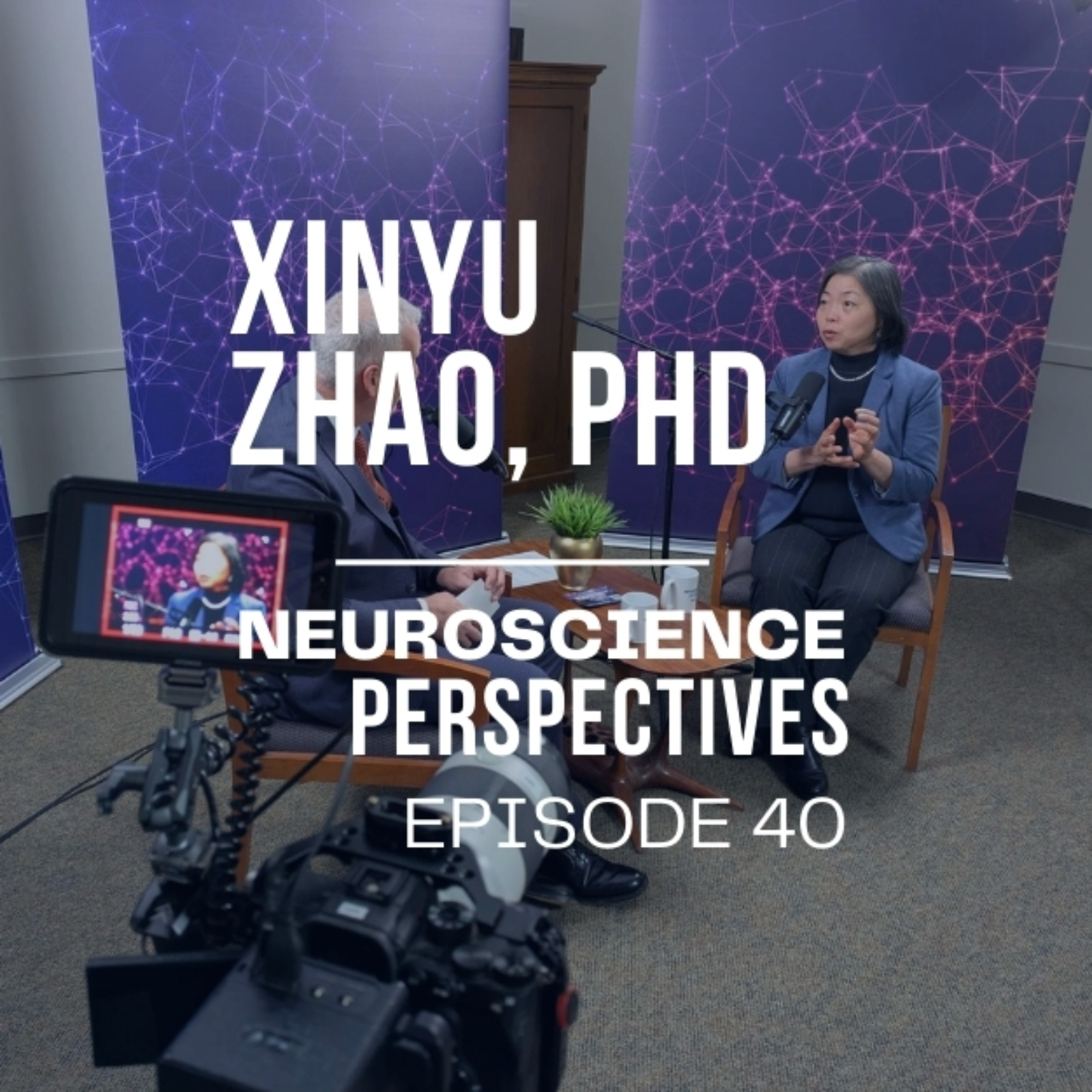
    Brain Organoids Unlock New Understanding of Developmental Disorders

    What the hippocampus tells us about exercise, learning, and memory. How organoids are being used in neurodevelopmental research. And the future of medicine and stem cell therapy. In this episode, Dr. Xinyu Zhao, Distinguished Professor of Neuroscience at the University of Wisconsin–Madison, and investigator at the Waisman Center, joins John Foxe, PhD, director of the Del Monte Institute for Neuroscience at the University of Rochester. Dr. Zhao is internationally recognized for groundbreaking research on the molecular mechanisms that regulate neural stem cells, adult neurogenesis, and brain development, including how disruptions in these processes contribute to neurodevelopmental disorders like autism, fragile X syndrome, and Rett syndrome. Dr. Zhao was a keynote speaker at the 2025 Golisano Intellectual and Developmental Disabilities Institute and Del Monte Institute for Neuroscience Symposium. 🧠Stay Connected Subscribe: https://www.youtube.com/@URNeuroscience X: https://x.com/URNeuroscience BlueSky: https://bsky.app/profile/urneuroscience.bsky.social LinkedIn: https://www.linkedin.com/company/urneuroscience/ 🧠Experts in this Episode: Xinyu Zhao, PhD: https://neuro.wisc.edu/staff/zhao-xinyu/ John Foxe, PhD: https://www.urmc.rochester.edu/people/112360965-john-j-foxe 🧠Labs Mentioned: Zhao Lab: https://zhao-lab.com/ Frederick J. and Marion A. Schindler Cognitive Neurophysiology Lab: https://urmc.info/1RG

    • Transcript
  • #39
    February 19 · 41 min

    What the Developing Brain Could Reveal About Autism

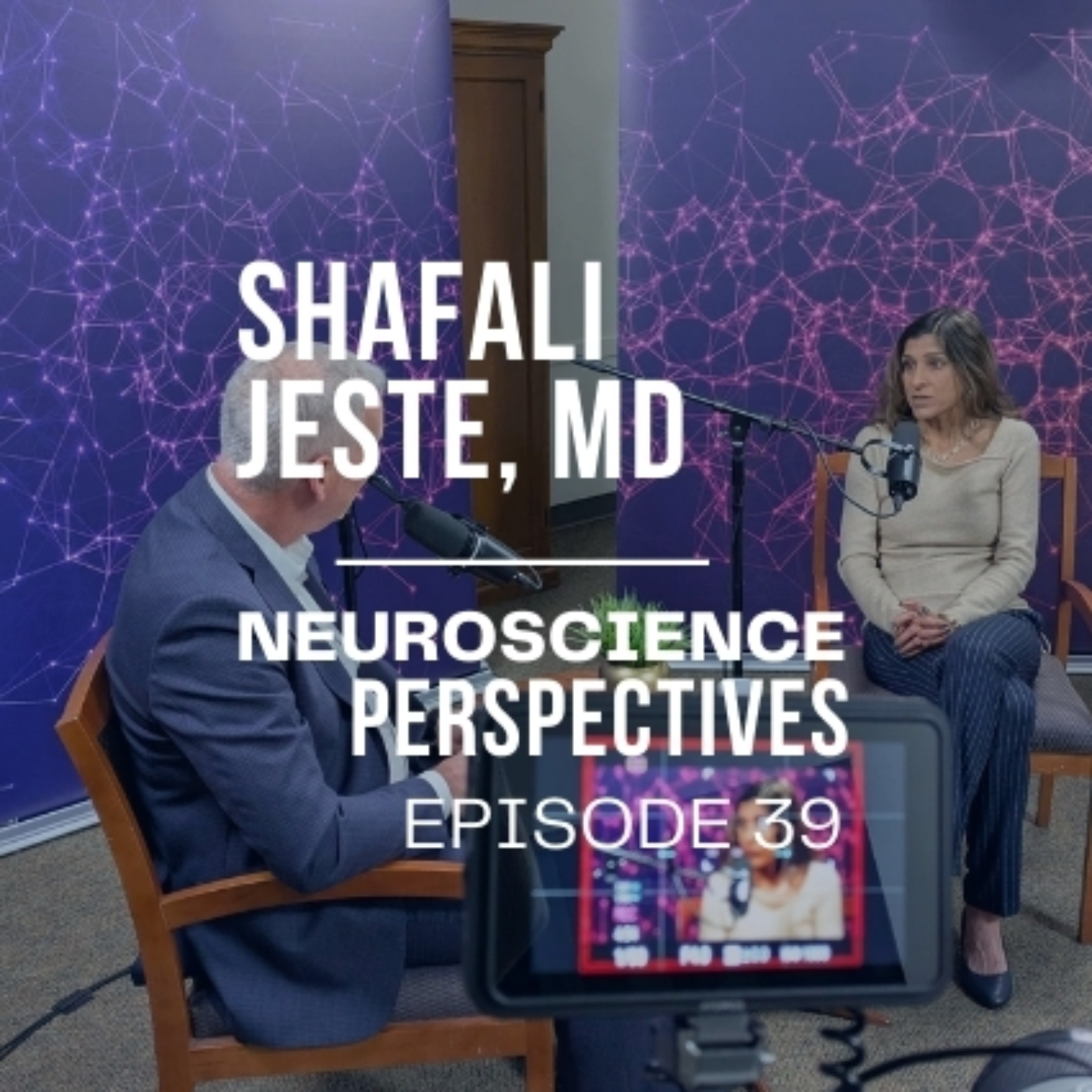
    In this episode of Neuroscience Perspectives, we speak with Dr. Shafali Jeste, an internationally recognized child neurologist whose research has advanced the identification of early biomarkers that predict autism spectrum disorder and epilepsy in infants with Tuberous Sclerosis Complex. Dr. Jeste shares how brain imaging and EEG are advancing our understanding of infant brain development. Dr. Jeste is Chair and Executive Medical Director of Pediatrics at the David Geffen School of Medicine at UCLA, and Executive Director of the Children’s Discovery and Innovation Institute. From autism biomarkers to translational research, this conversation highlights how neuroscience is improving care for children with neurodevelopmental disorders and developmental disabilities. Subscribe for more episodes from Neuroscience Perspectives, featuring researchers from the University of Rochester and those who visit. #neuroscience #podcast #autism #research #Neurodevelopment #braindevelopment #sciencepodcast #womeninscience #autismawareness 🧠 Stay Connected Subscribe: https://www.youtube.com/@URNeuroscience X: https://x.com/URNeuroscience BlueSky: https://bsky.app/profile/urneuroscience.bsky.social LinkedIn: https://www.linkedin.com/company/urneuroscience/ 🧠 Experts in this Episode Shafali Jeste, MD: https://teams.semel.ucla.edu/tarjan/team/shafali-jeste-md John Foxe, PhD: https://www.urmc.rochester.edu/people/112360965-john-j-foxe

    • Transcript
  • #38
    January 22 · 32 min

    Neurons Don't Work Alone: What Neuroscientists Know About Memory Formation

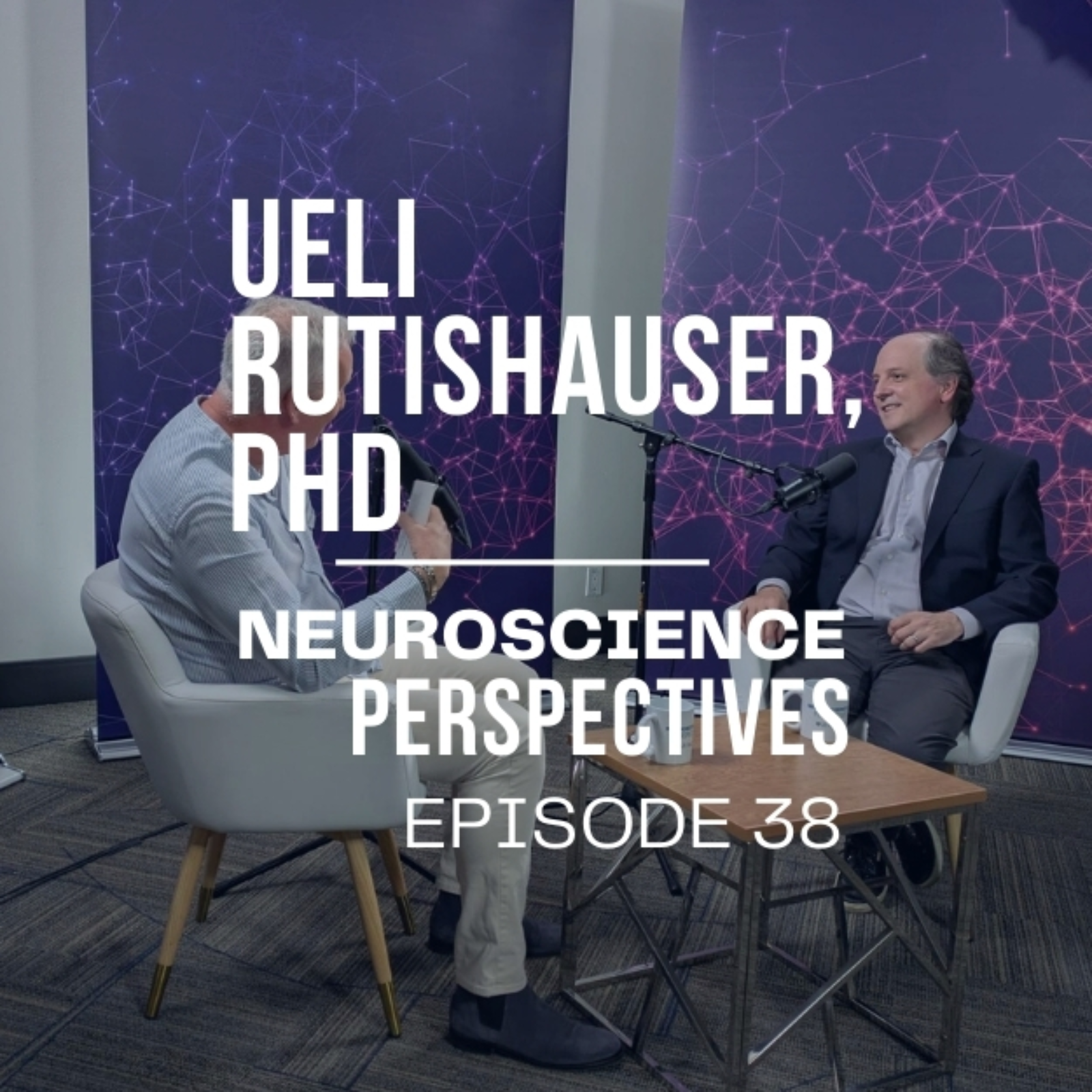
    🧠How do memories form in the brain? How do individual neurons create memories? In this episode of Neuroscience Perspectives, Ueli Rutishauser, PhD, professor of Neurosurgery, Neurology & Biomedical Sciences, and director of Human Neurophysiology Research and the Center for Neural Science and Medicine at Cedars-Sinai, explores groundbreaking neuroscience research on memory formation, learning, and neural activity in the human brain. Using single-neuron recordings, Dr. Rutishauser explains to Dr. John Foxe how the hippocampus and other brain regions encode episodic memory and cognition. This conversation dives into how brain cells communicate, how memories are formed and retrieved, and why studying neurons at the single-cell level is transforming cognitive neuroscience. We caught up with Dr. Rutishauser in San Diego at the Society for Neuroscience Conference #SfN25 #Brain #Science #HowTheBrainWorks #MindAndBrain #MemoryScience #BrainFacts #NeuroscienceExplained #ScienceEducation #STEM #Research #Podcast #LongFormContent 🧠Stay Connected Subscribe: https://www.youtube.com/@URNeuroscience X: https://x.com/URNeuroscience BlueSky: https://bsky.app/profile/urneuroscience.bsky.social LinkedIn: https://www.linkedin.com/company/urneuroscience/ 🧠Experts in this Episode: Ueli Rutishauser, PhD: https://researchers.cedars-sinai.edu/Ueli.Rutishauser John Foxe, PhD: https://www.urmc.rochester.edu/people/112360965-john-j-foxe 🧠Labs Mentioned: Rutishauser Lab: https://www.cedars-sinai.edu/health-sciences-university/research/labs/rutishauser.html Frederick J. and Marion A. Schindler Cognitive Neurophysiology Lab: https://urmc.info/1RG

    • Transcript
  • #37
    Dec 18, 2025 · 33 min

    The Role of Neurons in Our Decisions & Behavior

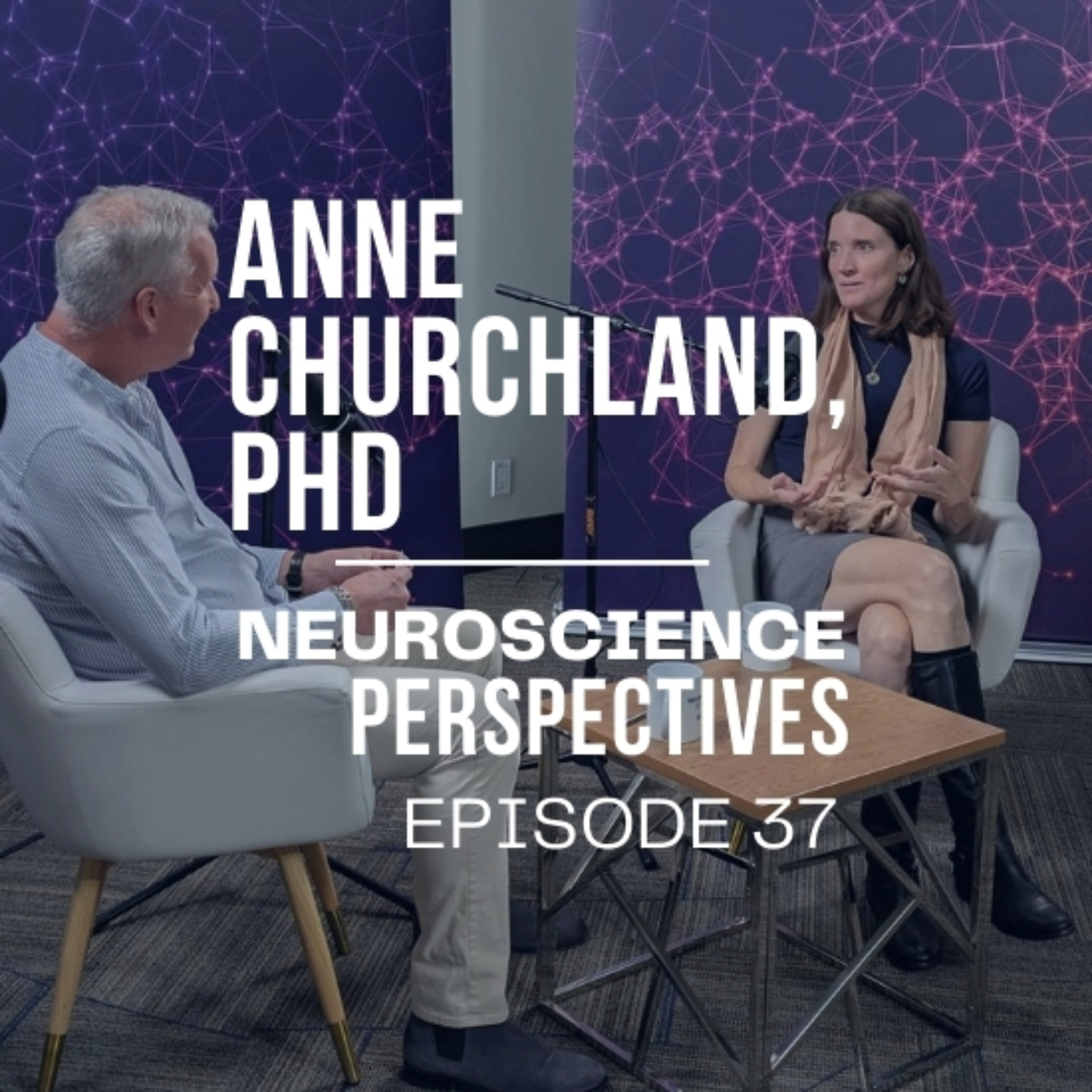
    In this episode of Neuroscience Perspectives, Dr. Anne Churchland, professor of Neurobiology at the David Geffen School of Medicine and the Brain Research Institute at the University of California, Los Angeles, explores how the brain transforms sensory information into decisions. Through the use of neuroscience, mouse models, and data analysis, she examines the neural circuits in the cortex that connect perception, attention, learning, and behavior. This conversation highlights cutting-edge brain research, offering insight into how brain signals shape choice and cognition. Dr. Churchland gave the Notter Lecture at the University of Rochester Medical Center in 2021: https://www.youtube.com/watch?v=J8eVajX4ZjA We caught up with her in San Diego at the Society for Neuroscience Conference #SfN25 #neuroscience #sciencefacts #DecisionMaking #podcast #science #sciencepodcast Stay Connected Subscribe: https://www.youtube.com/@URNeuroscience X: https://x.com/URNeuroscience BlueSky: https://bsky.app/profile/urneuroscience.bsky.social LinkedIn: https://www.linkedin.com/company/urneuroscience/ Experts in this Episode: Anne Churchland, PhD: https://bri.ucla.edu/people/anne-churchland/ John Foxe, PhD: https://www.urmc.rochester.edu/people/112360965-john-j-foxe Labs Mentioned: Churchland Lab: https://churchlandlab.dgsom.ucla.edu/ Frederick J. and Marion A. Schindler Cognitive Neurophysiology Lab: https://urmc.info/1RG

    • Transcript
  • #36
    Nov 20, 2025 · 39 min

    The Future of Memory: Single Neurons, Consciousness & Cognitive Decline

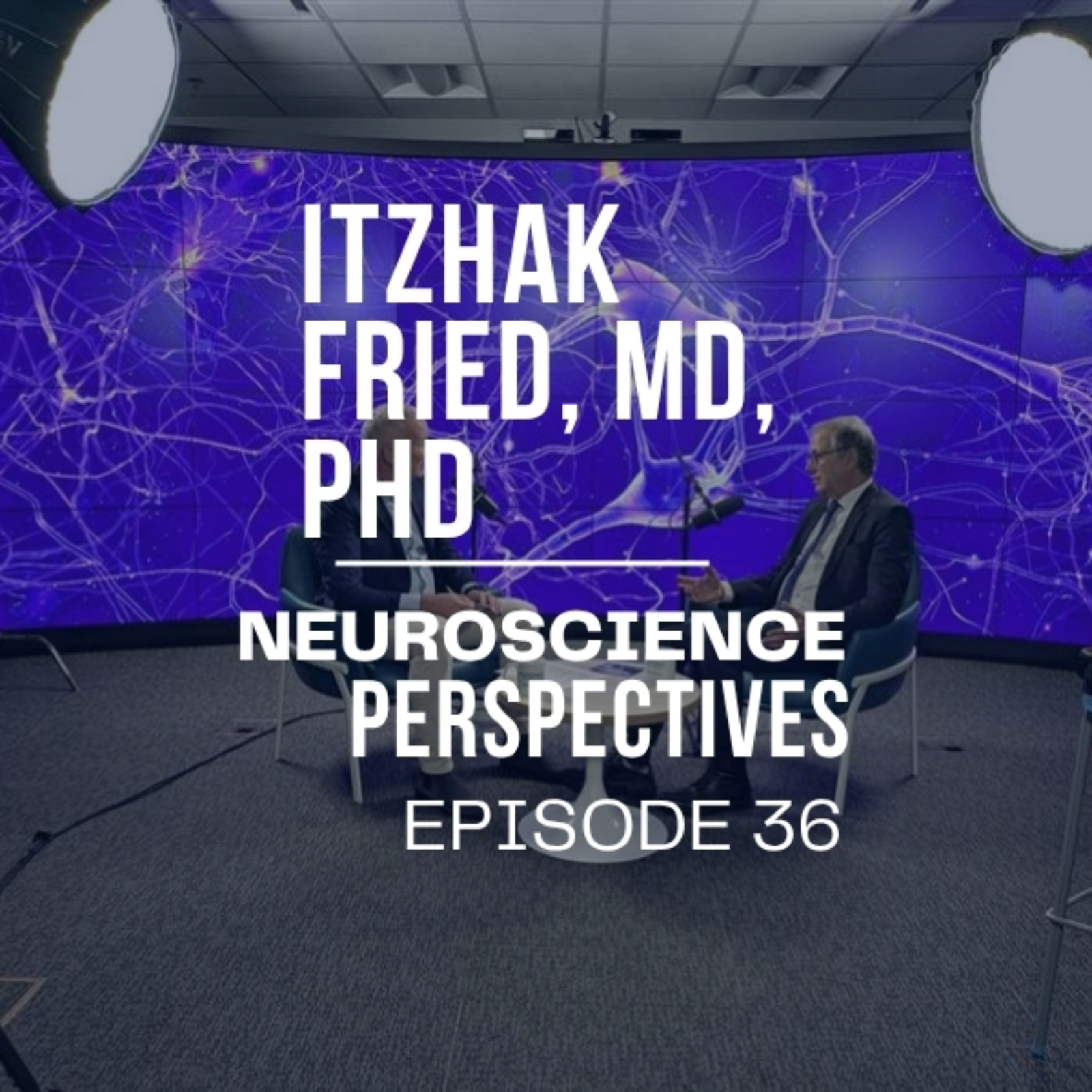
    Join this conversation with the world-renowned neurosurgeon and neuroscientist, Dr. Itzhak Fried. In this episode of Neuroscience Perspectives, Dr. Fried, professor of neurosurgery, psychiatry, and biobehavioral sciences, and co-director of the UCLA Seizure Disorder Center at the UCLA School of Medicine he is a pioneering researcher and recipient of major international awards, including the Ramon y Cajal and Tsubokawa Awards—joins us to explore the neural basis of memory, will, and human behavior. From developing methods to record single neurons in the human brain to investigating how we might prevent “cognitive catastrophe” through minimally invasive memory prosthetics, Dr. Fried’s work is reshaping our understanding of consciousness itself. He discusses breakthroughs born from epilepsy surgery, the famous “Jennifer Aniston neuron,” and what his international clinical and research career has taught him about the future of neuroscience. #Neuroscience #BrainResearch #EpilepsySurgery #Science #memory #memory #CognitiveNeuroscience #NeuralRecording #ConsciousnessStudy #BrainHealth #sciencepodcast #podcast 🧠 Stay Connected Subscribe: https://www.youtube.com/@URNeuroscience X: https://x.com/URNeuroscience BlueSky: https://bsky.app/profile/urneuroscience.bsky.social LinkedIn: https://www.linkedin.com/company/urneuroscience/ 🧠Experts in this Episode: Itzhak Fried, MD, PhD: https://www.uclahealth.org/providers/itzhak-fried John Foxe, PhD: https://www.urmc.rochester.edu/people/112360965-john-j-foxe 🧠Labs Mentioned: Cognitive Neurophysiology Laboratory: https://friedcnl.ucla.edu/team/ Frederick J. and Marion A. Schindler Cognitive Neurophysiology Lab: https://urmc.info/1RG

    • Transcript
  • #35
    Oct 17, 2025 · 39 min

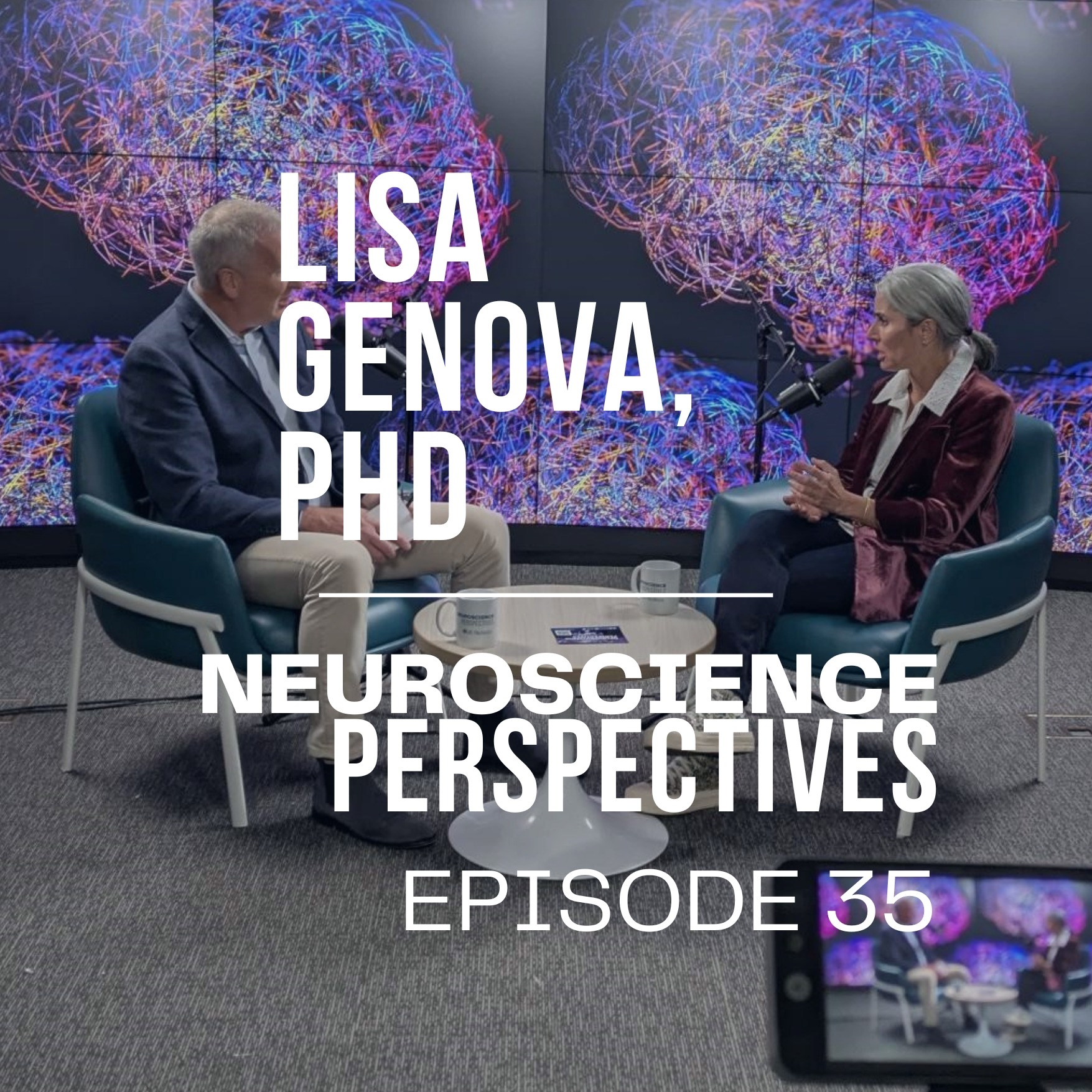
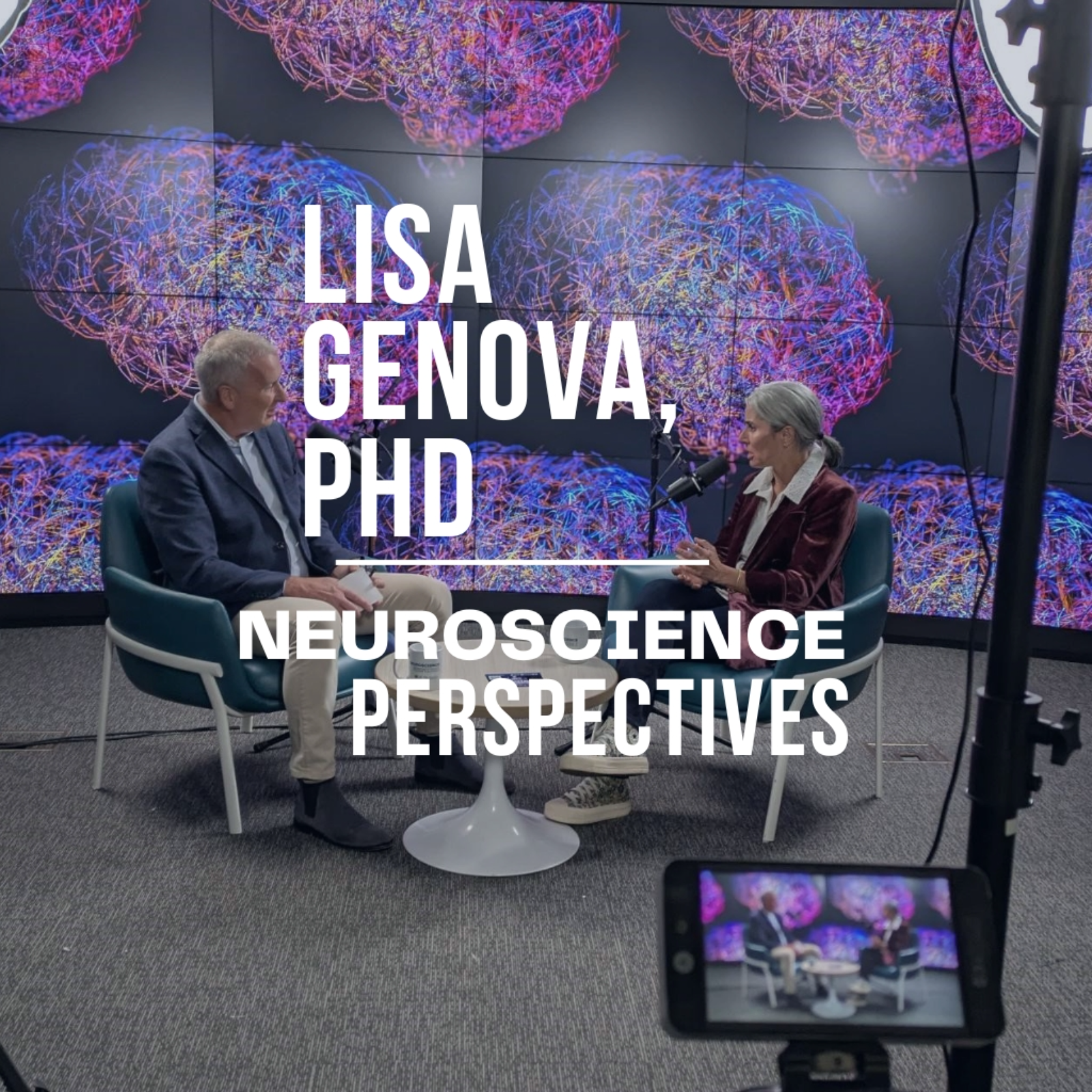
    What Happens When Science Meets Storytelling? With Best-Selling Author & Neuroscientist Lisa Genova

    In this episode of Neuroscience Perspectives, host John Foxe, PhD, sits down with neuroscientist and New York Times bestselling author Dr. Lisa Genova — acclaimed for her groundbreaking novel Still Alice and her powerful storytelling that brings neurological diseases to life. Dr. Genova bridges science and storytelling to deepen public understanding of conditions such as Alzheimer’s, Huntington’s, ALS, autism, and bipolar disorder, inspiring empathy for those affected and reshaping how these diseases are perceived beyond the lab and clinic. Watch to explore how narrative can be a powerful tool for translating neuroscience, fostering compassion, and influencing the dialogue around brain health. #Neuroscience #BrainHealth #LisaGenova Stay Connected Subscribe: https://www.youtube.com/@URNeuroscience X: https://x.com/URNeuroscience BlueSky: https://bsky.app/profile/urneuroscience.bsky.social LinkedIn: https://www.linkedin.com/company/urneuroscience/ Experts in this Episode: Lisa Genova, PhD: https://www.lisagenova.com/ John Foxe, PhD: https://www.urmc.rochester.edu/people/112360965-john-j-foxe

    • Transcript
  • #34
    Sep 25, 2025 · 43 min

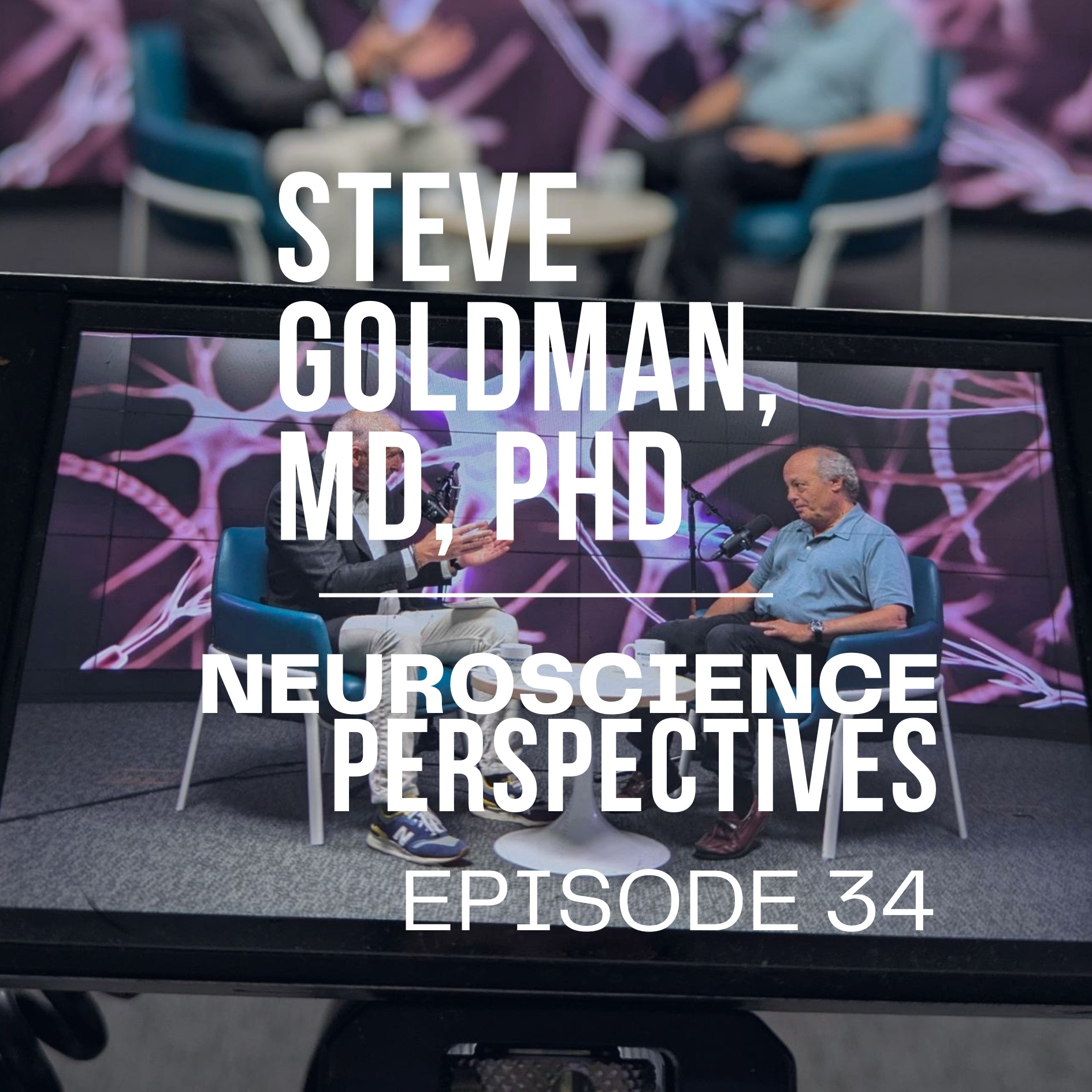
    Can the Brain Be Repaired by Replacing Its Cells?

    In this episode of Neuroscience Perspectives, Steven Goldman, MD, PhD, URMC Distinguished Professor in Neurosciences at the University of Rochester Medical Center, discusses groundbreaking neuroscience research on brain cell repair, stem cell therapy, and regenerative medicine. Learn how his early research in birds has led to research that shows the adult brain can generate new neurons that integrate into key motor circuits. These findings demonstrate that stimulating natural brain processes may help repair damaged neural networks in Huntington's and other diseases. Dr. Goldman described decades of research in glial cells that are shaping our understanding of brain health and allowing the exploration of new approaches to treating Huntington’s disease, multiple sclerosis, and Alzheimer’s disease. #Neuroscience #BrainHealth #StemCells #Alzheimers #MultipleSclerosis #RegenerativeMedicine #Neurodegeneration #Podcast

    • Transcript
  • #33
    Aug 21, 2025 · 24 min

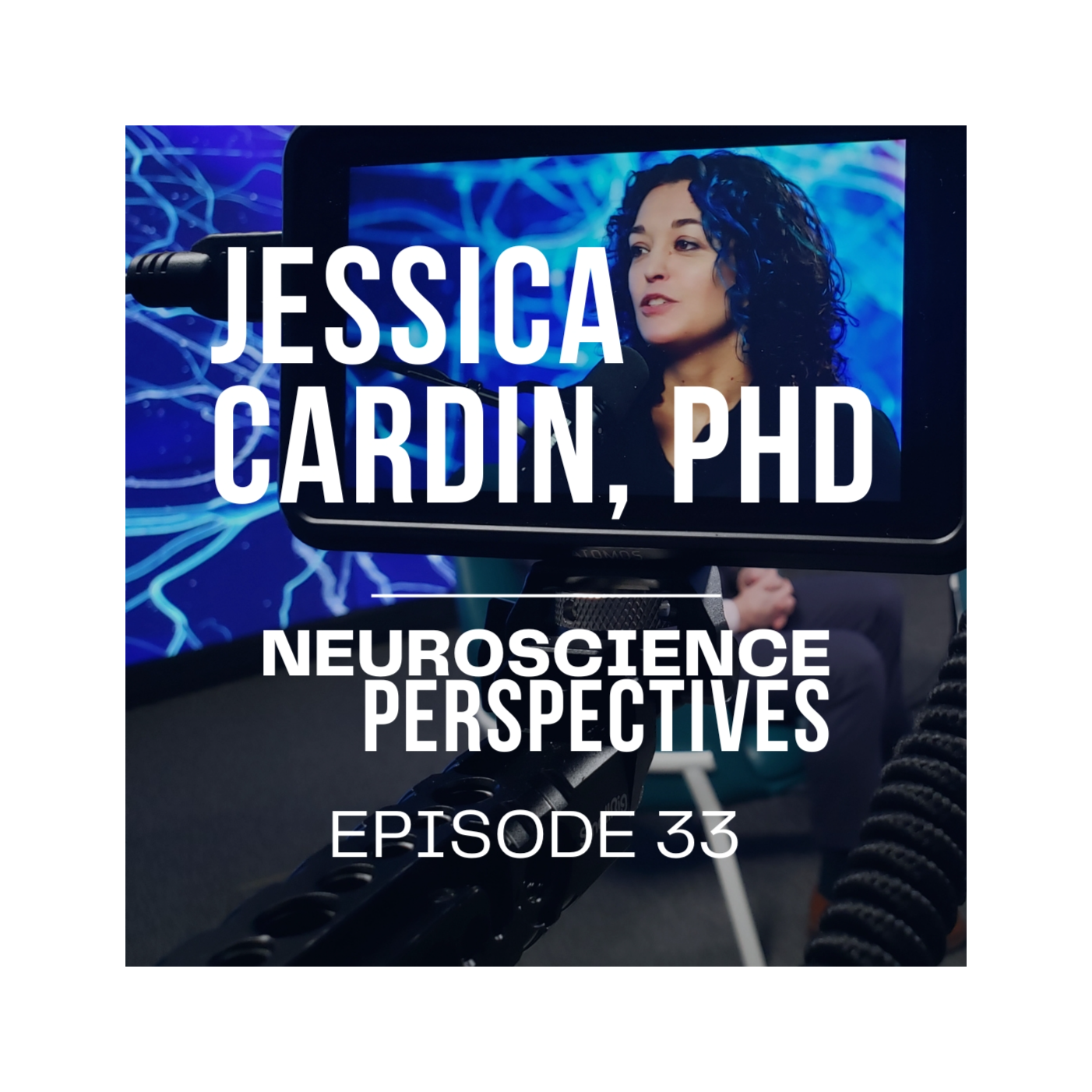
    RE-RELEASE: Jessica Cardin, PhD - From Daydreaming To Laser Focus How Your Brain Changes

    In this episode of Neuroscience Perspectives, take on the complex circuits of the brain with Jessica Cardin, PhD, professor of neuroscience at Yale University School of Medicine. Join host John Foxe, PhD, director of the Del Monte Institute for Neuroscience at the University of Rochester, as he and Dr. Cardin discuss how brain states shift—from zoning out to laser focus—and the chemical signals and non-neuronal cells that help drive those changes. Discover how her lab is harnessing new technologies and big data approaches, including machine learning, to unravel how the brain integrates countless signals to guide decision-making and behavior. From exploring autism- and schizophrenia-related genes to studying models of aging and Alzheimer’s disease, Cardin’s research highlights both the promise and the challenges of understanding such a complex system. Subscribe to Neuroscience Perspectives today! #podcast #neuroscience #science #research #brain Stay Connected Subscribe: https://www.youtube.com/@URNeuroscience X: https://x.com/URNeuroscience BlueSky: https://bsky.app/profile/urneuroscience.bsky.social LinkedIn: https://www.linkedin.com/company/urneuroscience/ Experts in this Episode: Jessica Cardin, PhD: https://medicine.yale.edu/profile/jess-cardin/ John Foxe, PhD: https://www.urmc.rochester.edu/people/112360965-john-j-foxe Labs Mentioned: Cardin Lab: https://cardinlab.org Frederick J. and Marion A. Schindler Cognitive Neurophysiology Lab: https://urmc.info/1RG

    • Transcript
  • #32
    Jul 24, 2025 · 38 min

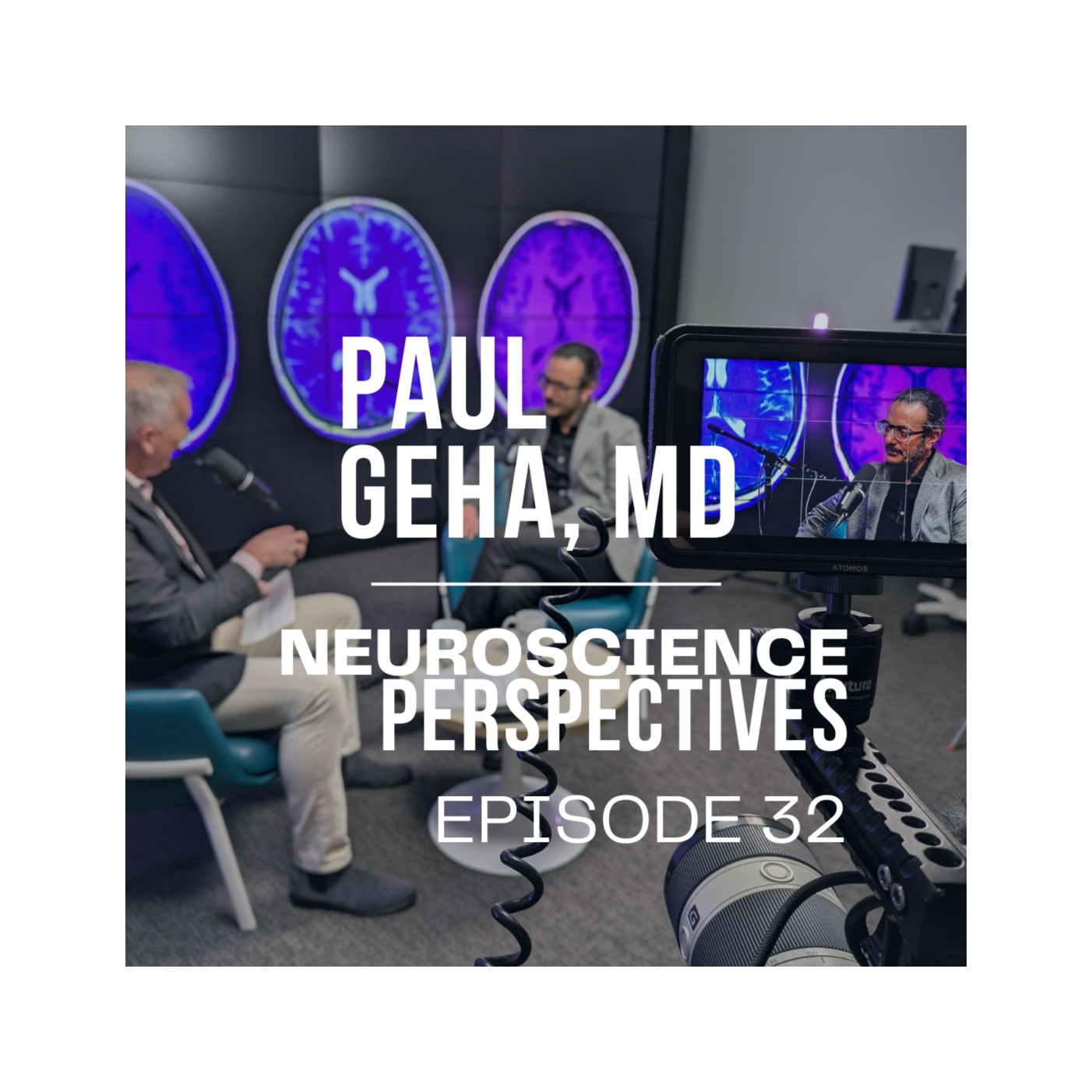
    Can the Brain Help Predict Chronic Pain Risk

    In this episode of Neuroscience Perspectives, we explore one of medicine’s most complex and pervasive challenges—chronic pain. Host John Foxe, PhD, director of the Del Monte Institute for Neuroscience at the University of Rochester, sits down with Paul Geha, MD, associate professor of Psychiatry, Neuroscience, Neurology, and Dentistry at the University of Rochester Medical Center. Together, they unpack the ways our brains perceive pain and the impact it can have on well-being.Dr. Geha shares his research into how brain connectivity and structure change in patients with chronic pain—and how these changes might help us predict who is at risk for conditions like low back pain or failed surgery outcomes. They discuss the psychological dimensions of pain, the challenges of diagnosis and treatment, and how research is charting a new course to change traditional injury-based models of pain.Could brain biomarkers reveal who is most vulnerable to chronic pain? Might psychedelics offer a new avenue for relief? And how can science better serve the millions suffering from pain that cannot be quantified in an exam or on a scan? ☝️ Be sure to follow and like: Neuroscience Perspectives! 🧠 Stay Connected Subscribe: https://www.youtube.com/@URNeuroscienceX: https://x.com/URNeuroscienceBlueSky: https://bsky.app/profile/urneuroscience.bsky.socialLinkedIn: https://www.linkedin.com/company/urneuroscience 🧠 Experts in this Episode: Paul Geha, MD: https://www.urmc.rochester.edu/people/112361971-paul-geha John Foxe, PhD: https://www.urmc.rochester.edu/people/112360965-john-j-foxe🧠 Labs Mentioned: Geha Lab: https://www.urmc.rochester.edu/labs/geha Frederick J. and Marion A. Schindler Cognitive Neurophysiology Lab: https://urmc.info/1RG

    • Transcript
  • #31
    Jun 18, 2025 · 23 min

    The Brain vs AI: Dr. Doris Tsao & Why the Brain is More Efficient than AI

    Join Dr. John Foxe, Director of the Del Monte Institute for Neuroscience at the University of Rochester, as he welcomes renowned neuroscientist Dr. Doris Tsao to Neuroscience Perspectives. Dr. Tsao shares how her pioneering research has transformed our understanding of how the brain processes visual information. Her lab helped discover that it only takes a few hundred neurons to encode any face – for reference, there are more than a few billion neurons in the brain. This conversation explores the intersection of neuroscience, math, and AI. We also discuss her academic journey—from Caltech to Harvard, and her current role at UC Berkeley. She also shares how having the right mentor was pivotal to her scientific training. Dr. Tsao shares the importance of science communication and what it means to pursue truth in a world shaped by both neural networks and human curiosity. 🧠Stay Connected Subscribe: / @urneuroscience X: https://x.com/URNeuroscience BlueSky: https://bsky.app/profile/urneuroscience LinkedIn: https://www.linkedin.com/company/urneuroscience 🧠Experts in this Episode: Doris Tsao, PhD: https://vcresearch.berkeley.edu/faculty/doris-tsao John Foxe, PhD: https://www.urmc.rochester.edu/people/112360965-john-j-foxe 🧠Labs Mentioned: Tsao Lab: https://tsaolab.berkeley.edu/ Frederick J. and Marion A. Schindler Cognitive Neurophysiology Lab: https://urmc.info/1RG

    • Transcript
  • #30
    May 22, 2025 · 42 min

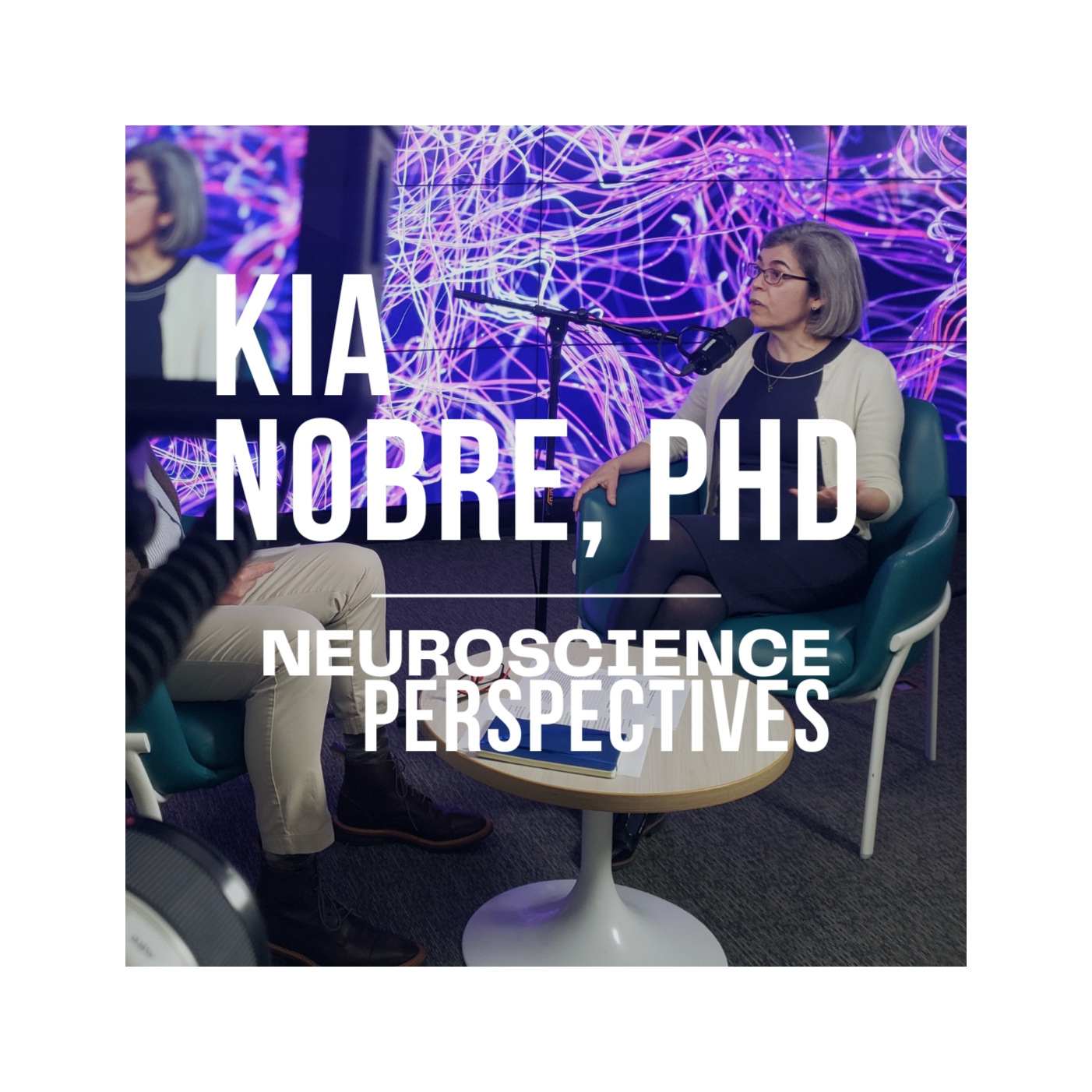
    RE-RELEASE: Kia Nobre, PhD - How Is the Brain Organized for Adaptive Thinking and Behavior?

    Kia Nobre, PhD, is the director of the Center for Neurocognition and Behavior at the Wu Tsai Institute at Yale University. Her discoveries have revolutionized our scientific understanding of the human mind and brain. This episode was originally released on 6/20/2024. She tells John Foxe, PhD, director of the Del Monte Institute for Neuroscience, about the great gift she acquired as a child that leveraged her education at an early age. Nobre recently returned to her alma mater after spending the majority of her career at Oxford University where she held several leadership roles, including the director of the Oxford Centre for Human Brain Activity. #podcast #brain #neuroscience #humanbrain #humanbehavior #understanding #yaleuniversity #oxford 🧠Stay Connected Subscribe: https://www.youtube.com/@URNeuroscience X: https://x.com/URNeuroscience BlueSky: https://bsky.app/profile/urneuroscience.bsky.social LinkedIn: https://www.linkedin.com/company/urneuroscience/ 🧠Experts in this Episode: Kia Nobre, PhD: https://psychology.yale.edu/people/kia-nobre John Foxe, PhD: https://www.urmc.rochester.edu/people/112360965-john-j-foxe 🧠Labs Mentioned: Frederick J. and Marion A. Schindler Cognitive Neurophysiology Lab: https://urmc.info/1RG Brain & Cognition Laboratory: https://www.brainandcognition.org/

    • Transcript
  • #29
    Apr 25, 2025 · 42 min

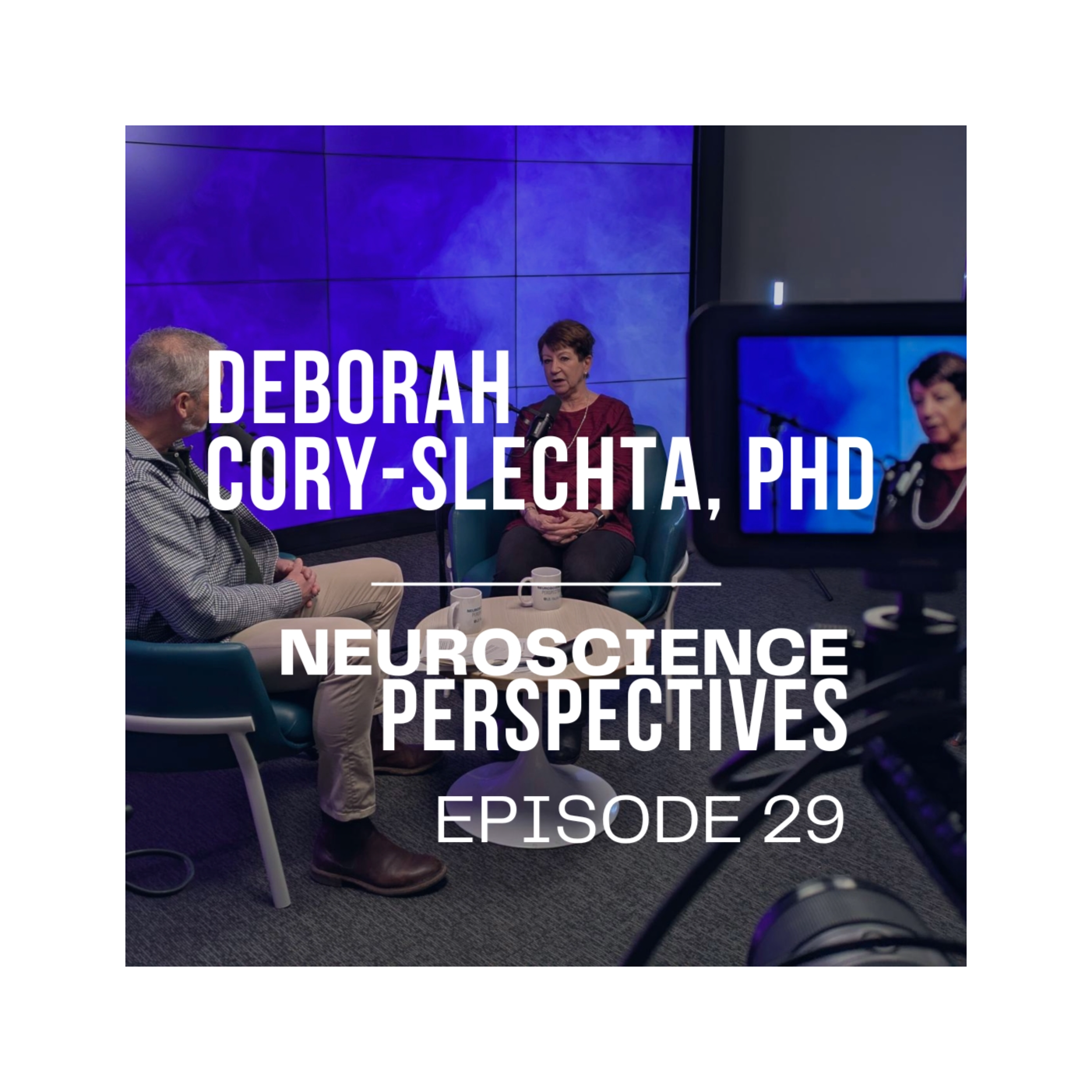
    Exploring the Impact of Environmental Chemicals on Brain Health

    Dr. Deborah Cory-Slechta is a leading researcher at the University of Rochester. She is a professor with appointments in Environmental Medicine, Neuroscience, and Public Health Sciences. She co-leads the University’s Intellectual and Developmental Disabilities Research Center Animal Behavior and Neurophysiology Core. She has chaired the Department of Environmental Medicine and led its National Institute of Environmental Health Sciences Core Center Grant. Her research explores the effects of environmental chemicals—such as air pollution, metals, and pesticides—on brain health. With decades of expertise, Dr. Cory-Slechta discusses the impact that exposures to chemicals in our environment have on neurodegenerative and neurodevelopmental disorders. Learn about the crucial intersection of neuroscience, toxicology, and public health. And how the passion to give back drives Dr. Cory-Slechta. #neuroscience #environmentalhealth #toxicology #podcast 🧠Stay Connected Subscribe: https://www.youtube.com/@URNeuroscience X: https://x.com/URNeuroscience BlueSky: https://bsky.app/profile/urneuroscience.bsky.social LinkedIn: https://www.linkedin.com/company/urneuroscience/ 🧠Experts in this Episode: John Foxe, PhD: https://www.urmc.rochester.edu/people/112360965-john-j-foxe Deborah Cory-Slechta, PhD: https://www.urmc.rochester.edu/people/112358303-deborah-a-slechta 🧠Labs & Institutes Mentioned: Frederick J. and Marion A. Schindler Cognitive Neurophysiology Lab: https://urmc.info/1RG Cory-Slechta Lab: https://www.urmc.rochester.edu/labs/cory-slechta Institute for Human Health and the Environment: https://www.urmc.rochester.edu/institute-for-human-health-and-the-environment Environmental Health Sciences Center: https://www.urmc.rochester.edu/environmental-health-sciences

    • Transcript
  • #28
    Mar 27, 2025 · 33 min

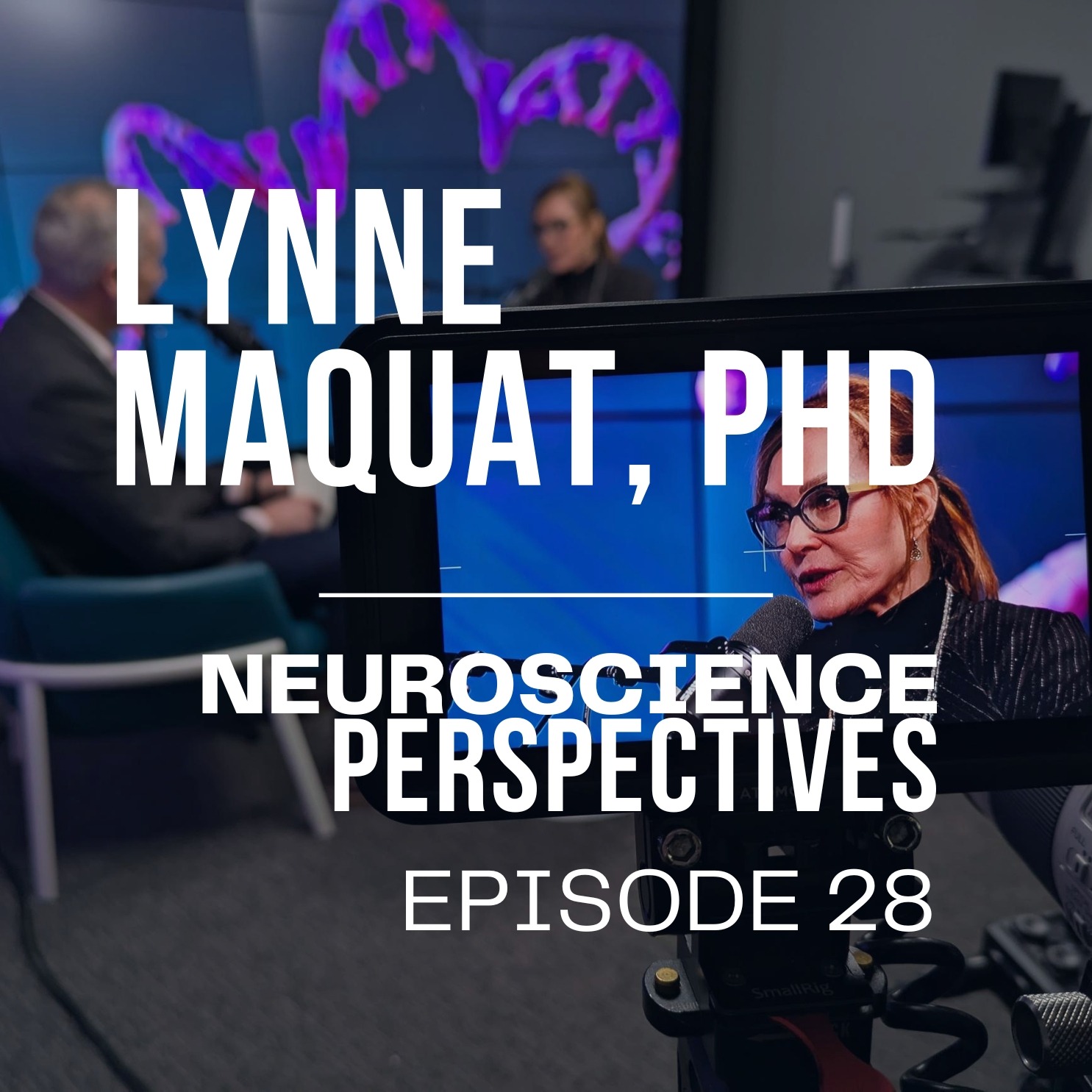
    Neuroscience & RNA Biology: How mRNA Decay Shapes Health & Disease

    How does RNA biology influence cell function, gene expression, and disease mechanisms? In this episode of Neuroscience Perspectives, host John Foxe, PhD, director of the Del Monte Institute for Neuroscience at the University of Rochester (UR), sits down with Lynne Maquat, PhD, director of the Center for RNA Biology at UR, and J. Lowell Orbison Endowed Chair and Professor of Biochemistry & Biophysics, to explore groundbreaking research in mRNA decay, cellular quality control, and translational research. Dr. Maquat, a world-renowned scientist, shares insights into how fundamental biochemistry, molecular biology, and biophysics drive scientific discovery—from understanding cystic fibrosis, fragile X syndrome, and intellectual disabilities to advancing cancer research, autism studies, and stem cell research. They also discuss the impact of mRNA vaccines, vaccine development, and COVID-19 on modern medicine. Beyond the lab, they dive into the importance of scientific integrity, mentoring scientists, research collaboration, and science education. 🔬 Discover how basic and applied research pave the way for personalized treatments, neurobiology breakthroughs, and scientific innovation. #Neuroscience #RNABiology #ScientificDiscovery #mRNADecay #GeneExpression #TranslationalResearch #CancerResearch #VaccineDevelopment #AutismResearch #StemCellResearch #ScienceEducation #ScienceCommunication 🧠 Stay Connected Subscribe: https://www.youtube.com/@URNeuroscience X: https://x.com/URNeuroscience BlueSky: https://bsky.app/profile/urneuroscience.bsky.social LinkedIn: https://www.linkedin.com/company/urneuroscience/ 🧠 Experts in this Episode: Lynne Maquat, PhD: https://www.urmc.rochester.edu/people/112359023-lynne-e-maquat John Foxe, PhD: https://www.urmc.rochester.edu/people/112360965-john-j-foxe 🧠 Labs Mentioned: Maquat Lab: https://www.urmc.rochester.edu/labs/maquat Frederick J. and Marion A. Schindler Cognitive Neurophysiology Lab: https://urmc.info/1RG
    • Transcript
  • #27
    Feb 27, 2025 · 35 min

    Your Brain & Perception: Using Science to Understand How We See the World

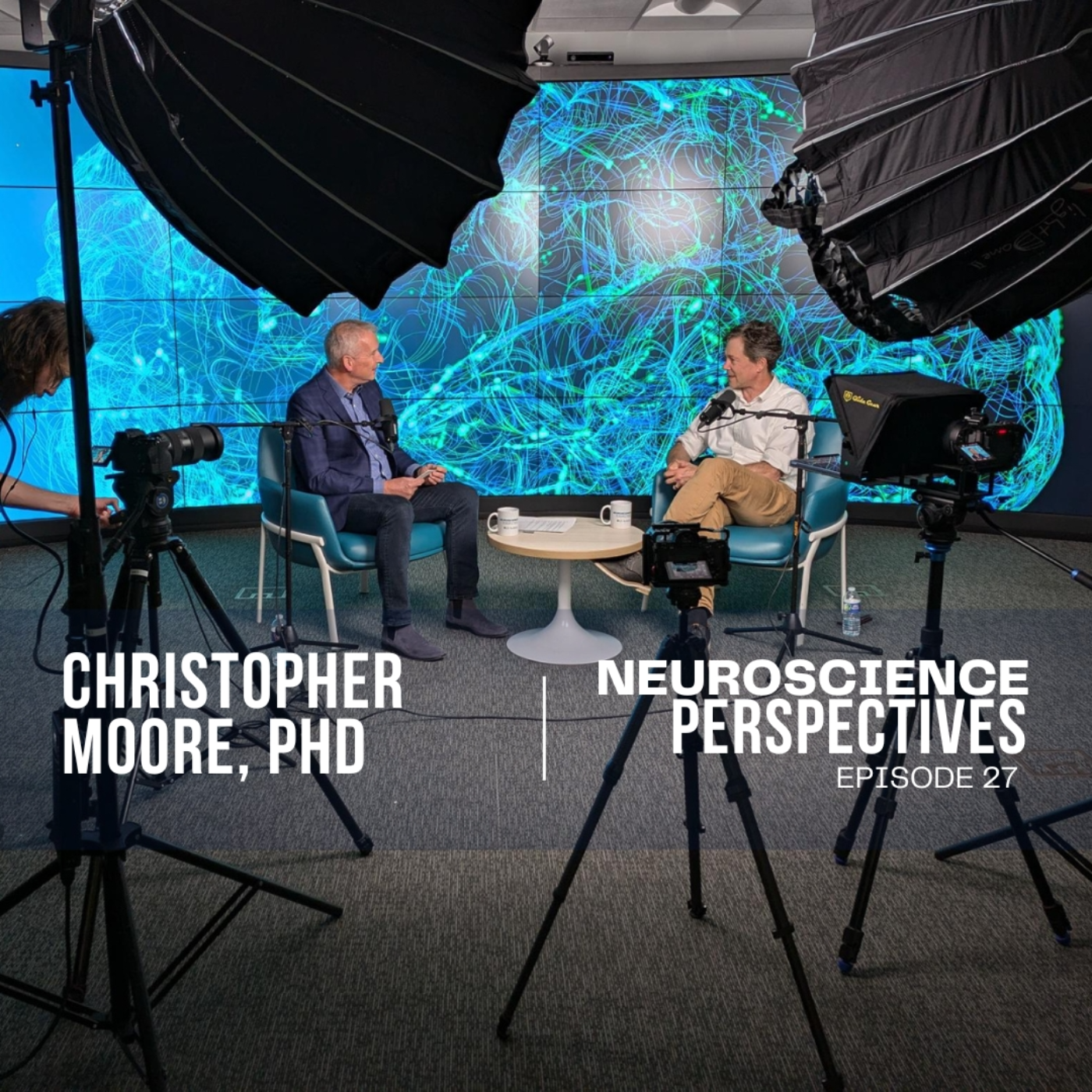
    How brain dynamics, perception, and neural processing offer a deeper understanding of how brain activity shapes our understanding of the world. Christopher Moore, PhD, associate director of the Carnegie Institute of Brain Science and professor of Neuroscience at Brown University, joins Neuroscience Perspectives host John Foxe, PhD, director of the Del Monte Institute for Neuroscience at the University of Rochester, in a fascinating discussion that includes why the term neuroscience may be outdated. Dive into Moore’s research that studies neocortical dynamics – changes in brain activity at the millisecond to the second timescale—and how his lab aims to understand the mechanisms at play and what these changes mean for perception. He and Dr. Foxe also share how they met during a pivotal moment in their careers, which was also a profound moment in neuroscience research. #neuroscience #brainscience #perception #podcast 🧠Stay Connected Subscribe: https://www.youtube.com/@URNeuroscience X: https://x.com/URNeuroscience BlueSky: https://bsky.app/profile/urneuroscience.bsky.social LinkedIn: https://www.linkedin.com/company/urneuroscience/ 🧠Experts in this Episode: Christopher Moore, PhD: https://vivo.brown.edu/display/cm78 John Foxe, PhD: https://www.urmc.rochester.edu/people/112360965-john-j-foxe 🧠Labs Mentioned: The Moore Lab: https://www.themoorelab.org/ Frederick J. and Marion A. Schindler Cognitive Neurophysiology Lab: https://urmc.info/1RG
    • Transcript
  • #26
    Jan 30, 2025 · 16 min

    Recovering From Stroke - How Physical Therapy & Neuroscience are Advancing Care

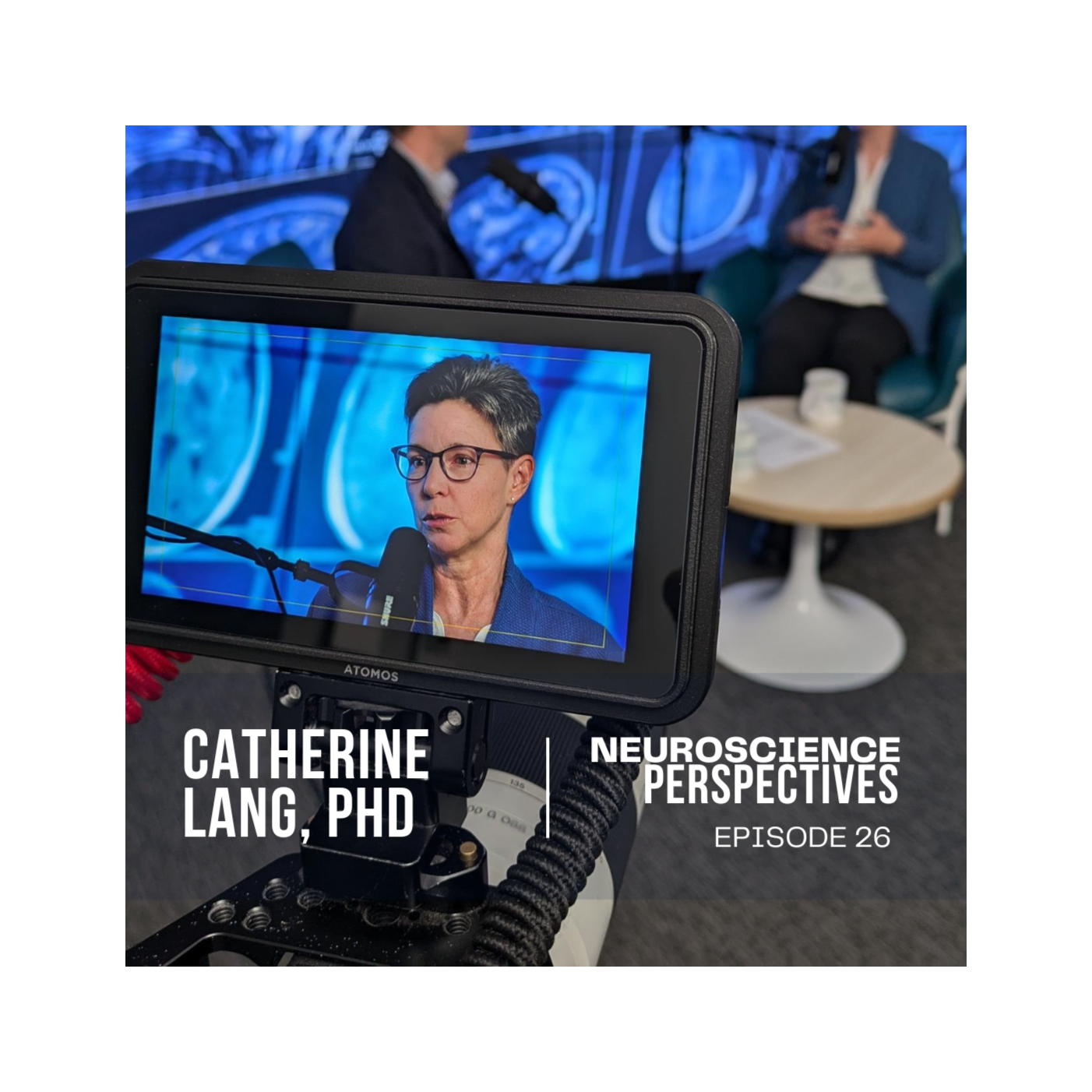
    The intersection of stroke rehabilitation & neuroscience research is transforming our understanding of the brain and recovery after a stroke. Catherine Lang, PT, PhD, Barbara J Norton Professor of Physical Therapy, Professor of Neurology and Occupational Therapy, and Associate Director of the Movement Science Program at the University of Washington in St. Louis, shares expert insights into stroke therapy, the challenges of regaining motor function, and how personal and environmental factors impact rehabilitation outcomes. Dr. Lang is a WashU graduate who completed her postdoctoral studies in a neuroscience lab at the University of Rochester School of Medicine and Dentistry. She shares how the education and mentorship she received played a role in the mentor she is today. She also gives insight into how growing up in rural Vermont influenced her interest in movement. Join Dr. Lang, and guest host, Jeff Koslofsky, host of The Next Steps Podcast from the University of Rochester School of Medicine and Dentistry, for this enlightening conversation. Don’t forget to like, comment, and follow! #neuroscience #stroke #réhabilitation #brain #motorcontrol #neuroplasticity #therapy #strokerecovery 🧠Stay Connected Subscribe: https://www.youtube.com/@URNeuroscience X: https://x.com/URNeuroscience BlueSky: https://bsky.app/profile/urneuroscience.bsky.social 🧠Check out The Next Steps Podcast: https://www.youtube.com/playlist?list=PLhIRpvrMLisrZXbvS3wDHGp_Ke9NE167u 🧠Experts in this Episode Catherine Lang, PT, PhD: https://pt.wustl.edu/people/catherine-lang-pt-phd-fapta/ Lang Research Profile: https://profiles.wustl.edu/en/persons/catherine-lang

    • Transcript
Showing 1–20 of 21 episodes