Skip to content
Artwork for Mama Earth Talk
ScienceEarth SciencesEducationHow To

Mama Earth Talk

Mariska Nell

What happens when you wear your own trash for 30 days?
You start a podcast.

Welcome to Mama Earth Talk—a podcast for eco-curious individuals and conscious businesses who want to make a real difference, live lighter on the planet, and do it all without the pressure to be perfect.

I’m Mariska Nell, founder and host of Mama Earth Talk—a sustainability advocate, and passionate believer in progress over perfection. With a Master’s in Sustainable Design, postgraduate studies in Environmental Science, and years of hands-on experience, I’m here to help you take meaningful, heart-led action that works in real life.

Mama Earth Talk shares an episode every second month packed with inspiring guest interviews, uplifting good news stories, and practical insights to keep you grounded and motivated.

We also offer themed seasons, each diving deeper into specific topics like low-waste living, sustainable business, and planet-positive design—giving you the tools and inspiration to make real, lasting impact.

Whether you're here to learn something new, feel inspired, or connect with a global community of changemakers—this space is for you. No guilt. No overwhelm. Just real talk, soulful progress, and hopeful stories—one small step at a time.

Listen on your favorite podcast app—Apple Podcasts, Spotify, Amazon, or anywhere you tune in. You can also subscribe at https://mamaearthtalk.com/listen

If something in the show speaks to you—or you know someone who’d love it—please share it and leave a review on Podchaser. https://www.podchaser.com/podcasts/mama-earth-talk-713574

Got questions or just want to say hi? I’m always around on Instagram @mamaearthtalk

Mama Earth has a voice—and it is us Crazy Birds.

Instagram: @mamaearthtalk
Facebook: https://www.facebook.com/profile.php?id=61575371374179
Patreon: https://www.patreon.com/mamaearthtalk
Website: https://mamaearthtalk.com/

Play
  • 20 episodes
  • monthly
  • Avg 34 min
  • English
  • #207
    July 6 · 1 hr

    207: Why Table Salt Isn’t Real Salt (And the Desert Salt That Is) with Samantha Skyring

    TL;DR In this episode, we talk to Samantha Skyring, founder of Oryx Desert Salt. She grew up in South Africa, built and sold an aviation refurbishment business by 21, ran a kayaking expedition company on Lake Malawi, and eventually sold her house to buy 34 tons of Kalahari Desert salt with no business plan, just conviction. Today Oryx Desert Salt is stocked in Whole Foods, Amazon, and retailers across South Africa, and its ceramic "refill, not landfill" grinders have saved over 1.2 million bottles from landfill in a single year. During This Episode How Samantha's early jobs, a family business, and a Lake Malawi kayaking expedition shaped her entrepreneurial instincts A close encounter with a wild oryx in the Namib Desert, and how it became the seed and the logo of her salt brand The moment she sold her house to buy 34 tons of Kalahari Desert salt Why most table salt is stripped, bleached, and mixed with anti-caking agents (and sometimes sugar) How ocean pollution, microplastics, and pharmaceutical residue are showing up in sea salt Inside the 300 million year old Kalahari aquifer and the four week, sun dried, lunar cycle crystallization process Why Oryx uses ceramic grinders instead of plastic, and how "refill, not landfill" saved 1.2 million+ bottles from landfill last year The real science on sodium: hydration, heart health, sleep, energy, and how much salt you actually need Packing salt on a borrowed dining table after leaving an abusive relationship, and the early wins that kept her going How gratitude, conviction, and networking helped Oryx Desert Salt land in Whole Foods and go global Her advice for anyone building a mission-driven, sustainable business Timestamps to relevant points within the episode, use this format: [00:00]-Intro [00:00] - Intro (hook, free course announcement, welcome, and guest introduction) [02:39] - Samantha's origin story [04:49] - Lake Malawi kayaking expedition [05:41] - London and the 13-year relationship ending [06:50] - The Namib Desert oryx encounter [09:00] - Selling her house for 34 tons of salt [11:34] - Why table salt isn't real salt [12:53] - Ocean pollution in sea salt [14:35] - Inside the Kalahari aquifer [15:28] - Four-week crystallization process [16:21] - Water memory research [18:45] - Ceramic vs. plastic grinders [19:38] - Refill, not landfill [20:44] - Choosing impact over "good business sense" [23:21] - The travel shaker story [26:35] - Busting salt myths [29:35] - Why the body needs salt [30:29] - Salt, energy, and brain function [32:29] - How much salt you need [33:58] - Salt and sleep [35:11] - Packing salt on a dining table [36:32] - Early wins with top chefs [39:23] - The 10 rand note and the billboard [42:41] - Going global [44:49] - Networking into Whole Foods [46:23] - Advice to her younger self [48:53] - September announcement [49:50] - How to support sustainable businesses [52:49] - Her most important Mama Earth decision [56:04] - Final Five [58:24] - Closing thoughts and CTA Links from the episodes: Oryx Desert Salt, available via madeinrsa.com (ships worldwide from South Africa in 3 days via DHL) Oryx Desert Salt at Whole Foods and Amazon (USA) Oryx Desert Salt Shopify site Odyssey Magazine (South Africa) "The Salt Fix" by Dr. James DiNicolantonio Sarah Gottfried's Hormone Reset Diet Veda Austin's water memory research (New Zealand) Dr. Masaru Emoto's water crystal research Where can people find our guest? LinkedIn, Samantha's primary platform for sharing her entrepreneurial journey madeinrsa.com, for worldwide Oryx Desert Salt orders Whole Foods and Amazon (USA) Checkers, Food Lover's Market, Woolworths, Pick n Pay, and Spar (South Africa) Key Takeaways: Not all salt is created equal. Much of what's sold as table salt is stripped of minerals, heated, sometimes bleached, and often contains anti-caking agents or sugar Most sea salt today has been found to contain microplastics and pharmaceutical residue because of ocean pollution Oryx Desert Salt comes from a 300 million year old aquifer under the Kalahari Desert and crystallizes naturally over a four week lunar cycle Ceramic grinders and a "refill, not landfill" model saved over 1.2 million bottles and grinder heads from landfill last year Sodium is essential for heart function, hydration, brain function, and sleep. Real world needs may be higher than the standard low sodium advice many people hear Building a mission-driven business often means choosing long-term impact over the safest short-term business decision Conviction, networking, and gratitude played as big a role in Oryx's growth as any formal business plan Support sustainable brands by reading ingredient labels, choosing simplicity, and being mindful of where your products come from FAQ Why is table salt considered "not real salt"? Table salt is typically stripped of its natural minerals, heated (and sometimes bleached), and treated with anti-caking or free flow chemicals so it pours easily. Some brands even add sugar to offset the taste of those chemicals, which is why Samantha Skyring calls it a fake, industrial product rather than true salt. Is sea salt safe to consume? Not always. Because ocean pollution has increased, research cited in the episode found that 90 to 95 percent of tested sea salt contains microplastics, and it can also carry residue from sewage dumping and medications such as contraceptives, antidepressants, and statins. What makes Kalahari Desert salt different? Oryx Desert Salt is drawn from a pristine underground aquifer beneath the Kalahari Desert, replenished by ancient rock strata around 300 million years old. It is never touched by humans until it is pumped to the surface, and it crystallizes naturally in about four weeks during a lunar cycle, without ocean pollution or industrial processing. How much salt should you eat per day? Samantha Skyring notes that while the standard recommended daily allowance is often cited around 2.5 grams, many people's actual needs are closer to 7.5 to 10 grams, especially if they sweat heavily, exercise, or are pregnant. She recommends listening to your body's cravings rather than defaulting to a strict low sodium rule. Can salt help you sleep better? Anecdotally, yes. In the episode, Samantha shares stories of people who improved sleep by taking a small amount of good quality salt (often mixed with honey) before bed, since sodium plays a role in the body's nervous system and relaxation response. What is Oryx Desert Salt's refill program? Oryx Desert Salt uses ceramic (not plastic) grinding mechanisms that are built to be refilled rather than thrown away, under the tagline "refill, not landfill." The company reports this system saved over 1.2 million bottles and grinder heads from landfill in the past year alone. Where can I buy Oryx Desert Salt? Oryx Desert Salt is available through madeinrsa.com for worldwide shipping, at Whole Foods and Amazon in the United States, and at major retailers across South Africa including Checkers, Food Lover's Market, Woolworths, Pick n Pay, and Spar. Who is Samantha Skyring? Samantha Skyring is a South African entrepreneur and the founder of Oryx Desert Salt. Before launching the brand, she ran an aviation refurbishment business, operated a kayaking expedition company on Lake Malawi, and eventually sold her house to fund the purchase of 34 tons of Kalahari Desert salt, which became the foundation of her now globally distributed sustainable salt company.

  • #206
    May 4 · 47 min

    206: Solving the Global Water Crisis for Just 30 Cents with Kurt Avery

    In this episode, we talk to Kurt Avery. He is the owner and founder of Sawyer Products and someone who has dedicated his life to solving one of the world’s most urgent challenges, access to clean water, through innovation, partnerships, and a business model that gives back by donating 90% of their profits in a truly powerful way. During this episode, we explore the global water crisis and how one simple innovation is transforming millions of lives. Kurt Avery, shares how his company is tackling access to clean water through groundbreaking filtration technology, partnerships with global organizations, and a unique business model that donates the majority of its profits. Timestamps to relevant points within the episode, use this format: [00:00] -Intro [02:19] – Meet Kurt Avery & the story behind Sawyer Products [03:31] – From snakebite kits to water filtration innovation [05:15] – The Haiti earthquake & global breakthrough moment [06:30] – Real stories showing the urgency of the water crisis [09:47] – Reaching 40 million people with clean water [10:56] – Biggest barrier: funding & scaling impact [13:16] – Why solving the water crisis is actually possible [14:12] – How the filtration technology works [18:29] – Partnerships with 140+ global organizations [20:50] – The 90% profit donation model explained [23:31] – New innovation: malaria-preventing baby wraps [27:32] – Environmental impact & sustainability benefits [31:01] – Scaling impact through schools and communities [31:22] – 23 years of struggle before success [32:39] – Advice for impact-driven entrepreneurs [36:30] – Final 5 Links from the episodes: Sawyer Products Kurt Avery’s book: Sawyer Think Sawyer Foundation Living Lighter, A Practical Guide to Reducing Waste - Online Course by Mariska Nell Download your Free Beginner's Guide To Waste-Free Living Join our newsletter to be part of the change Watch the interview on YouTube Where can people find our guest? Website Facebook Instagram TikTok Key Takeaways: Clean water access impacts health, education, income, and environment Sawyer filters can last 10–20 years and serve entire communities The company has helped 40+ million people globally Their model donates 90%+ of profits to humanitarian work Solving the water crisis is financially and technologically achievable today Sustainability isn’t just environmental, it’s human survival and dignity "Kurt finds hope in the fact that solving the global water crisis could cost as little as 30 cents per person for 10 years of clean water. With scalable technology and growing awareness, we are closer than ever to making universal access a reality."

  • #205
    April 6 · 13 min

    205: Earth Month: Small Steps, Big Impact (Plus a Special Gift for You!) with Mariska Nell

    In this episode, I share why Earth Month holds such a special place in my heart, how a bold experiment in 2018 sparked meaningful conversations around waste, and why sustainability doesn’t have to be overwhelming. We explore how small, realistic steps can create real impact, and I also share an exciting Earth Month announcement to help you get started on your journey. Timestamps to relevant points within the episode, use this format: [00:00]-Intro [00:30] Welcome + intro to the solo episode [01:00] The 2018 “trash suit” story & how Mama Earth Talk started [01:55] Why Earth Month is so special to me (and a personal connection) [02:30] Teaser + exciting announcement coming up [02:50] Why Earth Month can feel overwhelming [03:30] Sustainability = small, consistent steps [03:50] 🎉 Announcement: Free access to “Living Lighter” course [04:20] How to access the course (quick hack explained) [05:00] What the course includes (modules, videos, habits) [06:30] Why you only need ONE action—not 150 [06:40] The power of small steps (water bottle example) [07:30] Biggest lesson: start with what feels easy [08:50] Practical tips for Earth Month begin [09:00] Tip #1: Swap one daily habit [09:30] Tip #2: Let your bin guide you [10:10] Tip #3: Make it convenient [10:40] Tip #4: Reduce food waste [11:00] Tip #5: Change the question [11:20] Letting go of perfection [12:00] You are part of something bigger [12:30] Your Earth Month challenge: one small step [13:00] Final message: imperfect action matters Links from the episodes: Mama Earth Talk Online Course Key Takeaways: Sustainability doesn’t have to be overwhelming, start small and build from there Progress over perfection is the key to long-term change Your daily habits are the best place to begin your journey Awareness (like noticing what’s in your bin) creates powerful change Small swaps, done consistently, lead to big impact over time You don’t need to do everything, just start with one step. The planet needs more people taking imperfect action, not a few doing it perfectly.

  • #204
    March 2 · 36 min

    204: What It Really Takes to Build a Sustainable Product (From a Bootstrapped Founder)

    In this episode, I shares the real story behind building a sustainable hard-goods brand in the pet industry, unpacking the engineering, manufacturing, certification, and financial trade-offs that most people never see. From design constraints and material decisions to B Corp, 1% for the Planet, and sustainability reporting, this is an honest founder-level look at what it actually takes to balance environmental ambition with business reality, and why sustainability is a discipline, not a label. Timestamps to relevant points within the episode, use this format: [00:00] The Question Most Consumers Never Ask [02:10] From Sustainability Advisor to Bootstrapped Founder [04:45] Progress vs Perfection in Sustainable Business [07:30] The 4-Pillar Sustainability Framework (Environment, People, Economy, Culture) [10:15] Why Sustainability Lives in Engineering Constraints [12:00] Designing for Longevity (And the Business Model Tension) [14:20] Care-Centered Design & Piper’s Physiotherapy Moment [16:30] Material Trade-Offs: Why Bamboo Wasn’t the Right Choice [19:00] Certifications Explained: What Actually Matters [21:30] 1% for the Planet & Financial Accountability [23:10] FSC Packaging, REACH & Compliance [24:45] B Corp: Why It’s Not a Day One Certification [26:30] Sustainability Reporting & Measurement [27:40] Why Profit Is Oxygen in Sustainable Business [29:00] Celebrating Brands That Are Doing the Work [30:00] Final Thoughts & Community Invitation Links from the episodes: 1% for the Planet Previous Mama Earth Talk Episode with the CEO of 1% for the Planet, Kate Williams Pet Sustainability Coalition B Corp Certification Forest Stewardship Council (FSC) ISO 14001 Environmental Management Systems Cradle to Cradle Certification Mama Earth Talk Online Course Key Takeaways: • Sustainable product development is not theoretical, it’s constrained by tooling costs, manufacturing realities, minimum order quantities, and cash flow. • A structured sustainability framework (Environment, People, Economy, Culture) is your decision-making filter when trade-offs get hard. • Perfection can become paralysis, progress with sequencing is often more impactful than waiting for “100% sustainable.” • Sustainability in hard goods lives in engineering decisions, not marketing language. • Designing for longevity reduces waste, but can reduce repeat purchases. That’s a business model tension founders must face. • The “most sustainable-looking” material isn’t always the most appropriate one. Context matters. • Certifications are validation layers, not starting point, they should align with operational readiness and financial stability. • Material compliance (FDA, REACH, BPA-free) is foundational and often more important than flashy badges. • Sustainability reporting turns intention into measurement, and measurement drives accountability. • Profit isn’t the enemy of sustainability, it’s oxygen. Without financial viability, environmental ambition can collapses. • Transparency builds trust when it shows process, not perfection. • Celebrating brands that are doing the structural work shifts incentives across the industry. • Sustainability isn’t a label, it’s an ongoing discipline.

  • #203
    February 2 · 39 min

    203: It’s Not Just Toilet Paper: The Hidden Cost of Everyday Products (and What to Do Instead) with Sahar Karoubi

    In this episode of Mama Earth Talk, we talk to Sahar Karoubi, founder of Bambuyu, a sustainable tissue company challenging the way everyday household products are made and consumed. Together, we unpack something most of us use daily, toilet paper, and explore the hidden systems behind it, from deforestation and material sourcing to the real impact of “eco” alternatives. Sahar shares how her personal sustainability journey as a mother led her to build Bambuyu, why bamboo stood out as a powerful alternative to traditional tree-based tissues, and what it actually takes to create a sustainable product in a very conventional industry. Timestamps to relevant points within the episode, use this format: [00:00]-Intro [02:59]- The Birth of Bamboo You: A Sustainable Solution [06:02]- Understanding Bamboo vs. Traditional Trees [08:59]- The Process of Creating Bamboo Products [12:03]- The Impact of Small Choices on Sustainability [14:57]- Challenges in Building a Sustainable Business [18:11]- The Journey of a Startup: Lessons Learned [21:05]- Shark Tank Experience and Its Impact [23:55]- Navigating Sustainability and Business Decisions [26:58]- Transparency and Customer Engagement [29:56]- Future Plans for Bamboo You [32:54]- Final Thoughts and Advice for Listeners Links from the episodes: Bambuyu on SharkTank Living Lighter, A Practical Guide to Reducing Waste - Online Course by Mariska Nell Download your Free Beginner's Guide To Waste-Free Living Join our newsletter to be part of the change Watch the interview on YouTube Where can people find our guest? Website Facebook Instagram LinkedIn - Bambuyu LinkedIn - Sahar TikTok Key Takeaways: Sustainability starts with everyday choices. Bamboo is a sustainable alternative to traditional trees. 27,000 trees are cut down daily for toilet paper. Bamboo grows back quickly, making it a renewable resource. Everyday products can be tools for sustainability. Quality matters in sustainable products. Recycled paper involves extensive processing and chemicals. Building a sustainable business comes with unique challenges. Transparency with customers fosters trust and engagement. Sustainable decisions should become mainstream.

  • #202
    January 5 · 47 min

    202: How to Build a Sustainable Wardrobe with Julia Dietmar, Co-Founder of OpenWardrobe.

    In this episode, we chat with Julia Dietmar, Co-Founder and CEO of OpenWardrobe, a platform helping people use what they already own and make smarter fashion choices. Julia shares how a messy closet sparked her sustainability journey, how OpenWardrobe helps digitize closets and plan outfits with AI, and why the most sustainable choice is wearing what you already have. We also explore her Style Blueprint approach and the real impact of fashion’s overproduction and waste.In this episode, we talk to Julia K. Dietmar, Co-Founder & CEO of OpenWardrobe, a platform helping people use what they already own, plan outfits with AI, and plug into circular options like repairs, alterations, and resale. During this episode we look at how a messy closet sparked Julia’s sustainability journey and unpacks what OpenWardrobe actually does—digitize your closet, help you plan outfits, spark AI styling ideas, and plug you into repairs, alterations, and resale, while making the case that the “most sustainable” choice is usually wearing what you already own (cost-per-wear). We share practical ways to buy less and love your wardrobe more, walk through Style Blueprint 101 (your colors, body shape/silhouettes, and style personality), and get real about fashion’s overproduction problem—from “52 seasons” to landfill stats and water impacts. Timestamps to relevant points within the episode, use this format: [00:00]-Intro [02:20] – Welcome to Mama Earth Talk + episode setup [03:17] – Guest intro: Julia K. Dietmar (OpenWardrobe) [04:36] – Julia’s sustainable journey (personal & professional) [05:50] – What is OpenWardrobe? Tools for mindful dressing [06:52] – “I’d never have paired these!”—AI outfit ideas feedback [11:00] – Empowering consumers vs. “just buy sustainable brands” [12:40] – What is sustainable fashion? (The “30 wears” idea) [14:34] – Platform or movement? Why OW is a toolkit first [16:11] – Buying less without trying: versatility kills the urge to shop [21:28] – Style tip: don’t imitate—dress for how you want to feel [23:25] – Resale & repairs: Poshmark integrations; US alterations/repairs [27:40] – Stats you can use: cost-per-wear; carbon footprint (coming later) [29:45] – From 2 to 52 seasons: the overproduction problem [31:55] – Landfill reality; existing clothes could dress six generations [33:12] – One T-shirt = ~700 gallons of water perspective [37:01] – Personal shifts: buying less; avoiding plastic packaging [37:01] – Style Blueprint deep-dive: colors, silhouettes, personality [41:33] – Brand lists by style personality & learning resources [42:56] – Final 5 begins [43:20] – Hope for the Planet [43:35] – Eco Tip of the Week [43:53] – A sustainability fact that lands in any room [44:30] – Where to find Julia & OpenWardrobe Links from the episodes: OpenWardrobe Bonus video: Wardrobe + Blueprint walk-through YouTube Video of the podcast 30% off the Style Blueprint with code MAMMAEARTH (all caps) at checkout on OpenWardrobe. Where can people find our guest? OpenWardrobe Facebook Instagram LinkedIn Key Takeaways: Use what you own.The “most sustainable” piece is the one already in your closet; aim for ~30 wearsper item. Plan > impulse.Digitizing your closet and pre-planning outfits slashes returns, unused buys, and clutter. Versatility = fewer purchases.Pairing pieces in new ways reduces the urge to “add another top.” Measure what matters.Cost-per-wearand category mix reveal where your money goes vs. what you actually wear. Make the most of the loop.Repairs, alterations, and resale extend life, fit, and value. Style Blueprint wins.Knowing yourcolors, silhouettes, and personalitymakes every future purchase smarter. Perspective resets habits.One T-shirt uses ~700 gallonsof water; globally,11.3M tonsof textiles hit landfills annually.

  • #201
    Dec 1, 2025 · 53 min

    201: Plant-Based Holiday Tips with Molly Patrick: Simple, Joyful, and Sustainable Eating for You and Mama Earth

    In this episode, we talk to Molly Patrick, — co-founder & CEO of Clean Food Dirty Girl, certified life coach, and straight-talking expert in whole-food, plant-based eating. Molly shares her unconventional roots, why progress beats perfection, and specific ways to add joyful, plant-powered dishes to your holiday table. During this episode, Molly shares how her off-grid upbringing shaped a lifelong sustainability compass and the playful, imperfect ethos behind Clean Food Dirty Girl. She busts the “but what about protein?” myth and offers simple swaps to start eating more whole plants today. We dig into a holiday game plan that keeps the joy and nostalgia while adding clean, crowd-pleasing dishes for Christmas—plus mains, sides, plating tips, and pantry staples that make weeknights (and festivities) easy. Along the way, we talk family buy-in without pressure or perfection, and why plant-forward choices create a micro–macro win-win for our bodies and for Mama Earth. Timestamps to relevant points within the episode, use this format: [00:00]-Intro [00:00] – Intro – Why the holidays are perfect for plant-based joy [02:21] – Trash Talk: Eco-Wins and Fails – Host update + new tools/waitlist [02:34] – Guest – Welcome, Molly Patrick [04:08] – Off-grid childhood, adobe homes, and a built-in sustainability mindset [09:52] – Clean Food Dirty Girl: mission, community, and imperfect action [12:00] – Protein myths, social media noise, and trusting the process [20:43] – Simple Shifts – Easy day-one swaps for more whole plants [24:45] – Holiday Playbook – Keep the joy, add the plants (no all-or-nothing) [26:40] – Holiday Dishes – Mashed potatoes, stuffed squash, tofu “centerpieces,” gravies, glazes [30:34] – Family Buy-In – Hybrid meals, low expectations, lots of love [34:56] – Staples – Tofu, soy curls, canned beans, tahini, herbs/spices, nutritional yeast [36:15] – Food x Planet – Local sourcing, lower footprint, everyday wins [43:30] – Final 5 – Faves to follow, weekly eco-tip list, hope for the planet [51:48] – Hope for the Planet – Compassionate, pragmatic optimism Links from the episodes: Clean Food Dirty Girl WTF with Marc Maron (podcast) Rancho Gordo (heirloom beans) Holiday Receipes from Molly Where can people find our guest? Facebook Instagram LinkedIn Pinterest Podcast Webstie YouTube Key Takeaways: Progress > perfection.Holiday tables don’t need a total overhaul—add a few stellar plant-based sides and keep the traditions you love. Simple swaps work.Brown rice for white, whole-grain breads/tortillas, beans instead of chicken one night, fruit at breakfast—easy, meaningful wins. Flavor is your friend.Herbs, spices, textures, and colorful garnishes (hello, pomegranate seeds + rosemary) make veggies exciting and festive. Build a “holiday staples” kit.Tofu/soy curls, canned beans, tahini, whole-grain pasta, frozen veg, great herbs/spices, and nutritional yeast = quick, delicious meals. Family buy-in happens with kindness.Offer tastes, keep pressure low, and try hybrid meals (shared base + optional add-ons). Eat close to the source when you can.Local produce and minimally processed foods are better for your body and Mama Earth. One choice, many wins.More plants supports your health, the planet, and animal welfare—macro and micro benefits from the same decision.

  • #200
    Nov 3, 2025 · 24 min

    200: Embrace your Ideas: The world needs you, celebrating our 200th episode.

    In this conversation, Mariska emphasizes the importance of sharing unique ideas and stories, highlighting that the world needs diverse voices rather than a few perfect examples. She advocates for embracing imperfection, especially in the context of sustainability, and encourages listeners to trust in the value of their contributions. Our 200th episode, we could not have done this withouth everyone of you listening, so this is the biggest Thank you from the bottom of my heart. Timestamps to relevant points within the episode, use this format: [00:00] -Intro [01:15] – A Spark in 2018: Wearing My Trash for 30 Days [02:20] – – The New York Moment [04:00] – Vision Boards and Full Circles [04:50] – Honoring Dr. Jane Goodall [06:40] – Lessons from 200 Conversations [08:10] – The Heart of Mama Earth Talk [09:20] – The Early Podcast Days [11:10] – The Growth Journey [12:30] – Launch Announcement: Mama Earth Online Course [13:50] – Inside the Course [15:10] – Founder’s Offer & Giveaways [16:30] – Gratitude and Acknowledgments [18:00] – Lessons Worth Remembering [19:20] – What’s Next for Mama Earth Talk [21:00] – The Power of Imperfect Action [22:30] – Closing Message Links from the episodes: Living Lighter A Practical Guide to Reducing WasteOnline Course Dr. Jane Goodall Institute Dr. Sylvia Earle — Mission Blue Captain Paul Watson Foundation Kate Williams — 1% for the Planet Maya van Rossum — Green Amendments for the Generations Emy Kane - Lonely Whale Claude Silver - VaynerMedia Natalie Banks Key Takeaways: If you are sitting on an idea, share it. Every story or dream has value. The world needs diverse voices. Imperfection can lead to meaningful change. Sustainability is about heart, not perfection. Trust in your unique perspective. Small actions can have a big impact. Embrace your individuality in storytelling. Don't wait for the perfect moment to act. Your contributions matter, no matter how small.

  • #199
    Oct 6, 2025 · 53 min

    199: Beyond Box-Ticking: Building Trust and Impact with Jim Massey

    In this episode, we talk to Jim Massey. He is the best-selling author of Trust in Action and the soon-to-be-released Risk in Action. He’s also the founder of Eastward, a company rethinking how organizations see and act on risk. A former Chief Sustainability Officer at AstraZeneca and Zai Lab, Jim has spent his career helping leaders turn trust, ethics, and innovation into impact. During this episode Jim shares how he’s advised boards, led bold ESG agendas, and built simple models that cut through the noise so leaders can act. Outside of work, he’s a traveller, a dad, and co-author of the Amazon #1 bestseller GeoKids. Jim’s all about turning big talk into bold action. Timestamps to relevant points within the episode, use this format: [00:00]- Introduction to Sustainability and Business Ethics [03:05]- The Journey into Sustainability [06:11]- Trust and Human Behavior in ESG [09:14]- Navigating Certifications and Transparency [12:07]- Focusing on Sustainable Development Goals [17:57]- Innovation as a Catalyst for Change [24:43]- Navigating the Land of Next: AI and Innovation [31:43]- The Path to Net Zero: Understanding Emissions [36:10]- Transformational Leadership: Bridging the Gap [41:09]- Risk, Trust, and Fear: A New Framework for Action Where can people find our guest? LinkedIn Website Book Key Takeaways: Businesses must move beyond box ticking to create real impact. Trust and ethics are essential for sustainable business practices. Transparency is more valuable than certifications in building trust. Focusing on specific Sustainable Development Goals can drive meaningful change. Innovation should be viewed as a catalyst for sustainable practices. Human behavior plays a crucial role in the effectiveness of ESG initiatives. Risk should be seen as an opportunity for growth and change. Companies need to address core issues rather than just the fringe parts. The journey to sustainability often requires a shift in mindset. Building trust involves doing what you say you will do. AI is advancing faster than regulations can keep up. Participation in AI contributes to its advancement. Risk should be seen as an invitation to innovate. Companies often have outdated policies on AI. The fear of job loss due to AI is prevalent. Transformational leadership is essential for change. Focus on scope one and two emissions for net zero. Transparency in corporate goals is crucial. Action is necessary to address climate change. Understanding and addressing fear can lead to progress.

  • #198
    Sep 1, 2025 · 54 min

    198: Coffee Watch: A Mission for Change with Etelle Higonnet

    In this episode, we talk to Etelle Higonnet. She is the Founder & Director of Coffee Watch. A graduate of Yale Law School, she's an attorney and environmental and human rights activist. She previously worked at Mighty Earth, National Wildlife Federation, Greenpeace, Amnesty International, and Human Rights Watch, as well as two war crimes courts. She was knighted as a Chevalier de l'ordre national du Mérite in her home country of France for her pioneering efforts to curb deforestation in high-risk commodities with an emphasis on cocoa, rubber, palm oil, cattle, and soy industries. She has worked in over 30 countries, is widely published, speaks 9 languages, and is now dedicated to trying to end deforestation and slavery in the global coffee industry Timestamps to relevant points within the episode, use this format: [00:00] -Introduction to Etelle Higonnet [02:52] -The Birth of Coffee Watch [04:22] -The Dark Side of Coffee Production [08:27] -Child Labor in Coffee Farming [15:04] -Breaking the Cycle of Poverty [18:52] -The Role of Law in Corporate Accountability [23:56] -Greenwashing and Consumer Power [34:37] -Impact of Coffee Watch and Future Goals [47:18] - Final Thoughts and Call to Action Links from the episodes: How Your Coffee Can Make A Difference with RAW Coffee Where can people find our guest? Coffee Watch Etelle Higonnet Key Takeaways: Etelle's journey into human rights began in Guatemala as a teenager. Coffee Watch aims to combat human rights and environmental abuses in the coffee industry. Most coffee consumed globally is linked to child labor and deforestation. Parents of child laborers want their children in school but face economic obstacles. Living income for farmers can eliminate child labor and poverty in coffee production. Certifications often do not guarantee a living wage for farmers. Consumer demand can drive companies to adopt better practices. Greenwashing is prevalent in the coffee industry, making it hard to identify ethical products. Law enforcement is crucial for addressing illegal practices in the coffee industry. The future of coffee production can be sustainable with consumer awareness and action.

  • #197
    Aug 4, 2025 · 41 min

    197: The Role of Earthworms in Soil Health with Sam Baker

    In this episode, we talk to Sam Baker. He shares his journey from studying chemistry and pyrotechnics to founding Wriggle Brew, a company focused on creating sustainable fertilizers using earthworms. He discusses the environmental challenges posed by synthetic fertilizers, the importance of soil health in combating climate change, and the role of decomposers in maintaining healthy ecosystems. Sam also highlights the challenges faced in developing their product and the significance of perseverance in scientific research. The conversation concludes with insights on the future of sustainability and the responsibility we all have to protect our planet. Timestamps to relevant points within the episode, use this format: [00:00]- The Journey Begins: From Pyrotechnics to Sustainability [04:36]- Wriggle Brew: Revolutionizing Fertilizers with Earthworms [06:41]- Soil Health: The Connection to Climate Change [09:56]- The Impact of Synthetic Fertilizers on Soil and Ecosystems [20:13]- The Science of Earthworms: Nature's Decomposers [24:55]- Overcoming Challenges: The Trials of Wriggle Brew [29:57]- Scaling Up: The Future of Wriggle Brew and Sustainable Practices [36:57]- Final 5 Where can people find our guest? Instagram - WriggleBrew Instagram - Sam Baker Facebook LinkedIn - WriggleBrew LinkedIn - Sam Baker TikTok Website Key Takeaways: Sam's journey began with a passion for chemistry and pyrotechnics. Environmental challenges led Sam to focus on sustainable solutions. Wriggle Brew uses earthworms to create organic fertilizers. Synthetic fertilizers harm soil health and ecosystems. Healthy soil is crucial for combating climate change. Earthworms play a vital role in nutrient recycling. The use of nitrogen fertilizers creates a feedback loop of soil depletion. Science often involves trial and error in research. Sustainability requires collective effort and responsibility. The future of our planet depends on our actions today. In next months episode we are are looking at some sustainability certifications. What it means and that to whatch out for.

  • #196
    Jul 7, 2025 · 21 min

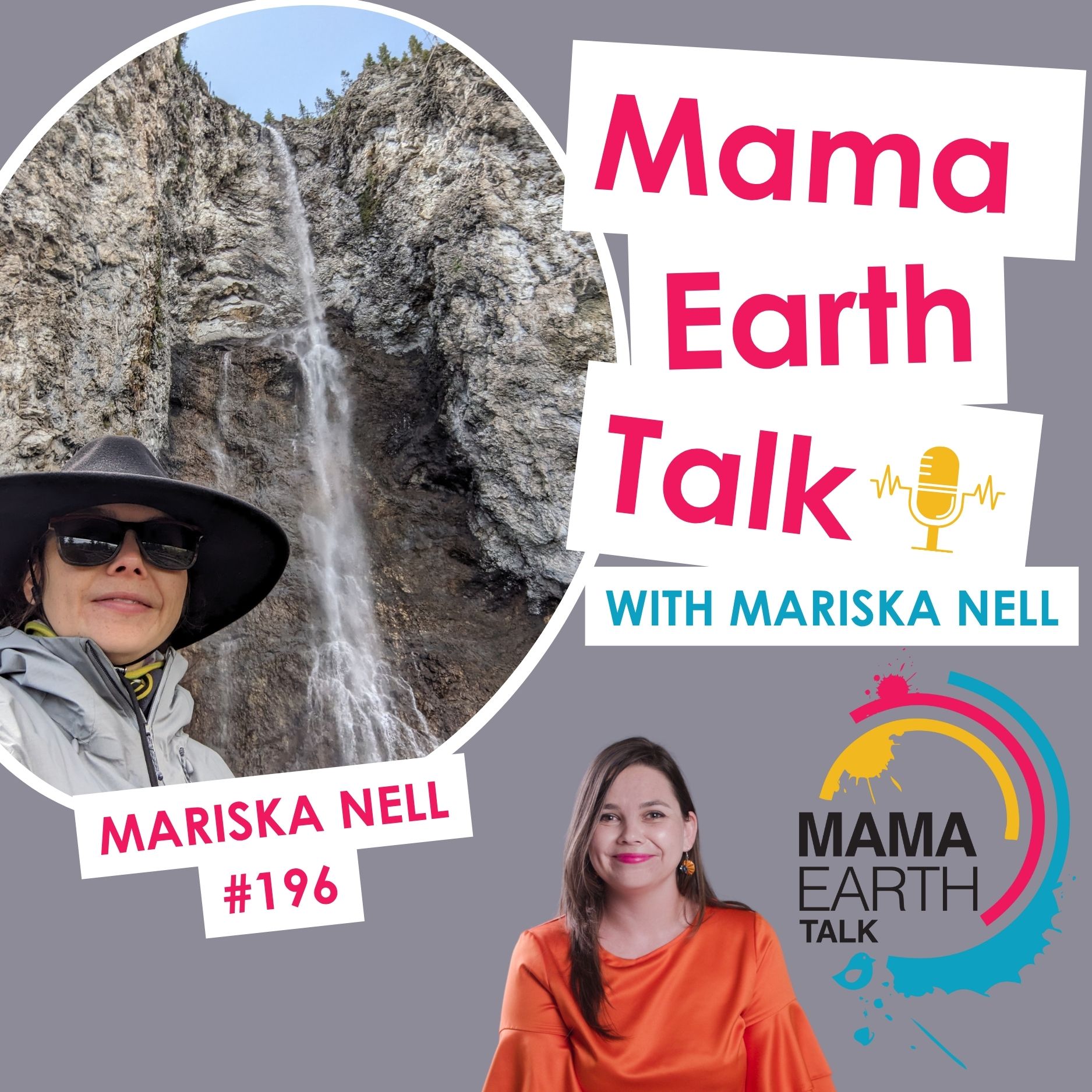
    196: Why National Parks Matter

    In this episode of Mama Earth Talk, host Mariska shares her transformative experience hiking through Yellowstone National Park, emphasizing the beauty and importance of national parks for conservation, mental health, and cultural heritage. She discusses the challenges these parks face, including poaching and budget cuts, and highlights the need for protection and expansion of these vital spaces for future generations. Timestamps to relevant points within the episode, use this format: [00:00] Exploring the Beauty of Nature [01:48] The Importance of National Parks [08:51] Challenges Facing National Parks [13:49] Why We Must Protect National Parks Links from the episodes: Yellowstone National Park Yellowstone’s national park’s 150th year anniversary with Kevin Costner Wildland Trekking 5 Day hiking tour that we took Bob Brown Foundation Black Mamba's Key Takeaways: The beauty of untouched landscapes is transformative. National parks are crucial for our mental and physical health. Conservation and biodiversity are key reasons to protect parks. National parks play a vital role in climate resilience. Cultural and historical preservation is essential in national parks. Spending time in nature can lower cortisol levels and reduce anxiety. Budget cuts can lead to trail despair and increased poaching. Education programs in parks are vital for awareness and protection. Corporate encroachment poses a risk to national parks. We must value and protect our national parks for future generations. In our next episode, we’ll be talking worms, looking at some amazing ways they are playing their part.

  • #195
    Jun 2, 2025 · 37 min

    195: The Ground Beneath Our Feet: A Hidden Climate Solution — with Rebecca Tickell

    In this episode, we talk to Rebecca Tickell. She is an award-winning environmental filmmaker, activist, and co-director of Kiss the Ground and Common Ground, two powerful documentaries that spotlight the role of regenerative farming in healing our planet. During this episode, we dive into the urgent need to restore soil health, the surprising connection between agriculture and climate change, and how storytelling can drive global transformation. Rebecca shares her journey from child actor to environmental changemaker, and offers practical ways we can all support a more sustainable food system. Timestamps to relevant points within the episode, use this format: [02:30]-Rebecca's Sustainable Journey [06:00]- The Power of Regenerative Agriculture [12:50]- Documentary Impact: Common Ground and Kiss the Ground [17:30]- The Challenges of Farming [24:00]- The Role of Community in regeneration [33:55]- Final 5 Links from the episodes: Silent Spring by Rachel Carson  Common Ground - Official Trailer | Prime Video  Kiss the Ground - Official Movie Trailer (2020) Where can people find our guest? Instagram Facebook YouTube Website Take Action Key Takeaways: Farmers who transition from industrialized agriculture to regenerative agriculture, over 90% of them saw an increase in their profits within year one. Feeding the world is a myth... you have to be able to feed the farmers' families and that ecosystem that the food comes from. Rebecca's journey began with witnessing the harmful effects of industrial farming in her family. Regenerative agriculture can heal the planet and improve farmers' profits. Soil health is crucial for climate stability and food nutrition. Farmers often feel trapped in a cycle of debt and chemical dependence. Community support is essential for transitioning to regenerative practices. Eating locally and seasonally can help support sustainable farming. The narrative of 'feeding the world' needs to shift to 'feeding communities'. Conversations about farming practices must be approached with empathy and understanding. There is hope for a sustainable future through collective action. *Assets courtesy of Big Picture Ranch.

  • May 21, 2025 · 5 min

    How to Support the Mama Earth Talk Podcast

    Ever wondered how you can support Mama Earth Talk? In this special bonus episode, I (Mariska) answer the many requests from our amazing community about how to help us grow and continue spreading sustainability inspiration. Ways to Support the Podcast: 1. Listen to More Episodes Listen to the podcast on your favorite platform Catch up on older episodes and explore curated playlists 3 Podcasts to get you started Sustainable Business Playlist Plastic Rebels: Breaking Free from the Throwaway Culture Eco Game Changers: The Rebels, Pioneers & Disruptors 2. Leave a Review Reviews help others find the show and tell me what’s resonating with you. You can leave a review on: Podchaser (How to Video) Apple Podcast (How to Video) Spotify (How to Video) or your favorite platform 3. Subscribe or Follow Hit the Subscribe or Follow button on your podcast app so you never miss an episode. 4. Share the Podcast Know someone who loves the planet or runs a purpose-driven business? Share your favorite episode with them. 5. Connect on Social Media Engaging with us on social media helps us reach more people. Instagram: @mamaearthtalk 6. Join Our Newsletter Get eco-tips, exclusive content, and behind-the-scenes updates delivered to your inbox. Sign up at here or via our Instagram bio Feeling Extra Generous? Become a Monthly Supporter If you’d like to go above and beyond, you can join our monthly membership. Your support directly helps keep the podcast going and growing—and you’ll get access to exclusive perks. Sponsor or Collaborate with Us We’re also opening a few sponsorship opportunities for upcoming episodes. If you’re an eco-conscious brand, purpose-driven business, or organization interested in partnering, we’d love to hear from you. Reach out via our Contact Page or send a direct message on Instagram. Your support—whether through listening, sharing, reviewing, or partnering—helps amplify our message of sustainability and inspires others to live lighter on the planet. Thank you for being part of the Mama Earth Talk journey.

  • May 20, 2025 · 2 min

    Mama Earth Talk: Real Stories, Honest Advice & a Greener Way Forward – Why Mama Earth Talk? What to Expect & How You’ll Be Inspired [Trailer]

    Hello and welcome to Mama Earth Talk—a podcast for busy, eco-curious individuals and businesses who want to make a real difference, live a little lighter on the planet... and do it all without the pressure to be perfect. I’m Mariska Nell, Founder and host of Mama Earth Talk and Tails and Tones. With a background in Environmental Science, a Master’s in Sustainable Design, and years of experience in sustainability across lifestyle and industry—I’m here to help you cut through the noise and take meaningful action. Every Monday, I bring you honest conversations, relatable stories, and super practical tips to help you reduce waste and live more sustainably—in ways that actually fit your life and your work. Whether you’re making choices at home or guiding your business away from greenwashing toward real impact, this podcast is here to support you. No guilt. No overwhelm. Just real talk, and real change—one small step at a time. Most episodes are just you and me, but now and then, I’m joined by scientists, activists, creators, and changemakers from around the world—people who are doing the work and bringing us hope for the future. If you’re already part of the Crazy Birds community—welcome back. And if you’re new here: welcome in. You’re officially one of us now. You can listen to Mama Earth Talk on Apple Podcasts, Spotify, Google Podcasts, Amazon—anywhere you tune in. And to subscribe, just head to MamaEarthTalk.com/listen. Mama Earth has a voice—and it is us Crazy Birds.

  • May 5, 2025 · 7 min

    Mama Earth Talk: The Thank You Episode – Behind the Mic, Beyond the Mission

    In this special episode, I’m hitting pause—not on the podcast, but on the journey—to say thank you. From the very first episode to now, over 180 episodes later, Mama Earth Talk has grown into something far greater than I ever imagined… and it’s all thanks to you—our amazing guests, loyal listeners, generous collaborators, mentors, and my beautiful Crazy Birds community. Special thanks to: Dr. Sylvia Earle Captain Paul Watson Dr. Jane Goodall Natalie (Tully) Hore Bob Brown Yvon Chouinard – Founder of Patagonia / 1% for the Planet Robin Wall Kimmerer Marita Peters John Lee Dumas Mark Asquith Podcast Websites Captivate Ashley Tough Minneapolis College of Art and Design (MCAD) Edith Cowan University (ECU) Deann Garcia Kat O'Mara Angus Morrison-saunders Clelia Marti De Ocampo Teresa Ann Bertossi Wendy Jedlička Holly Robbins Shanna Rule Dawn Keene and to all you amazing crazy birds checking in every week.

  • #194
    May 5, 2025 · 24 min

    194: Is Coldplay’s Eco-Tour the Real Deal or Just Greenwashing? A Deep Dive into Sustainable Touring

    In this episode of Mama Earth Talk, Mariska explores Coldplay's sustainability efforts during their world tour. She discusses the band's commitment to reducing carbon emissions, innovative solutions for sustainable touring, and the importance of transparency in their environmental claims. The episode highlights how Coldplay engages fans in their green initiatives and emphasizes that while they may not be perfect, their efforts are a significant step towards a more sustainable music industry. [00:00] Coldplay's Sustainable Tour: An Introduction [03:04]Coldplay's Commitment to Sustainability [08:43] Innovative Solutions for Reducing Emissions [13:12] Assessing Coldplay's Green Claims [17:35] Engaging Fans in Sustainability [22:19] The Verdict on Coldplay's Efforts Links from the episodes: 157: How the sounds of the ocean can impact our lives with Joshua Sam Miller 057: How fries can fuel your car with Karl Feilder 090: How one tree planted can make a difference with Matt Hill Where can people find Cold Play? Cold Plays Sustainability Key takeaways: Coldplay's commitment to sustainability began with a pledge to not tour until they could do so sustainably. They aim to reduce carbon emissions by 50% compared to previous tours. Partnerships with companies like DHL help reduce transport emissions. Coldplay uses renewable energy sources to power their shows. The band encourages fans to participate in sustainability efforts during concerts. Transparency in sustainability reporting is crucial for building trust. Coldplay's sustainability report is accessible and easy to understand. Engaging fans in eco-friendly practices can inspire broader change. Sustainability in the music industry is about progress, not perfection. Coldplay's efforts could set a precedent for other artists and venues. Photo: Coldplay via Spotify

  • #193
    Apr 7, 2025 · 20 min

    193: Hope in Action with Dr. Jane Goodall

    In this episode, we celebrate the incredible life and legacy of Dr. Jane Goodall — world-renowned primatologist, environmentalist, and lifelong advocate for animals and the planet. During this very special episode, we reflect on her 91st birthday and share highlights from a rare and personal interview I had the honor of recording with her. We explore the connection between science, spirituality, and activism, dive into what chimpanzees might teach us about ourselves, and reimagine how we define our relationship with nature — all through the wise and hopeful lens of Dr. Goodall. Happy birthday, Dr. Goodall. Thank you for your tireless work and for showing us that every individual makes a difference. Thank you for all the messages and inparticular the two below: Yolande Swanepoel Her favorite quote from Dr. Jane is: “You cannot get through a single day without having an impact on the world around you.” She writes: “Thank you, Dr. Jane, for all your inspiration, and keep doing what you do to inspire the younger generation. One person cannot save all the animals, BUT one person can make a difference for animals.” Raksha Uttamchandani “On your birthday, Dr. Goodall, I would simply say: Thank you. Thank you for showing us that every small action matters, that hope is a choice, and that one voice—when used with purpose—can inspire a global movement. Wishing you a day filled with the same joy and wonder you’ve given to the world.” Thank you for the amazing team at Terra at Expo and Roots and Shoots for hosting this amazing event. Links from the episodes: Waste Me Not Campaign Wounda's Journey Where can people find Dr. Jane? Jane Googall Institute Roots & Shoots Roots & Shoots UAE Instagram KEY TAKE AWAY “Together we can, together we will, together we must change the world”

  • #192
    Mar 3, 2025 · 46 min

    192: Plugging the Past, Protecting the Future: Curtis Shuck on Fixing Abandoned Wells

    In this episode, we talk to Curtis Shuck. He is the Founder and Chairman of the Well-Done Foundation, a nonprofit organization dedicated to tackling the environmental challenges posed by the millions of orphaned and abandoned oil and gas wells. During this episode we dig deep into the scale of the issue, the environmental impact of their work as well as look at the innovative solutions the Well Done Foundation is implementing. Links from the episodes: Landman Where can people find Curtis and the Well Done Foundation? Facebook Instagram LinkedIn LinkedIn - Curtis YouTube Website KEY TAKE AWAY “Leaving things better than we found them"

  • #191
    Feb 3, 2025 · 49 min

    191: Revolutionizing Philanthropy and Fighting Factory Farming with Thom Norman

    In this episode, we talk to Thom Norman. He is trailblazer in the fight against factory farming and the founder of FarmKind—the first organization to use research-backed insights from GivingMultiplier.org to address this critical issue. FarmKind helps donors maximize their impact by splitting contributions between expert-recommended charities tackling factory farming’s effects on animals and the planet, and their own favorite causes, with bonuses to amplify both. Thom’s work is revolutionizing philanthropy to create a more humane and sustainable world. During this episode, we explore how Thom transitioned from the courtroom to advocating against factory farming, shedding light on its profound environmental and ethical impacts. He shares thought-provoking insights on greenhouse gas emissions, deforestation, and the psychological toll of our food choices. We also dive into the innovative work of FarmKind, from leveraging psychology to amplify the impact of ethical donations to collaborating with chefs to transform supply chains. Links from the episodes Where can people find Thom and FarmKind? Facebook Instagram LinkedIn - Thom YouTube Website KEY TAKE AWAY “Empowering consumers to make a difference in farming”

Showing 1–20 of 20 episodes