
Skip to content
Artwork for Kalam Astro
ScienceAstronomy

Kalam Astro

Kalam Astro

Alya Al Nuaimi invites you to embark on an intergalactic adventure through the cosmos with Kalam Astro. Stay up to date with the latest global and local astronomy news, including interviews with industry experts, and discover the secrets of the universe with mind-bending theories. Want some helpful tips on stargazing? Alya has got you covered.

Play
  • 29 episodes
  • Avg 28 min
  • English
Counted on this page — what you have heard stays on this device, so it is not something the list can be paged by.
  • #276
    Sunday · 31 min

    The Roman Telescope, Ancient Stargazers & The Great Cosmic Void

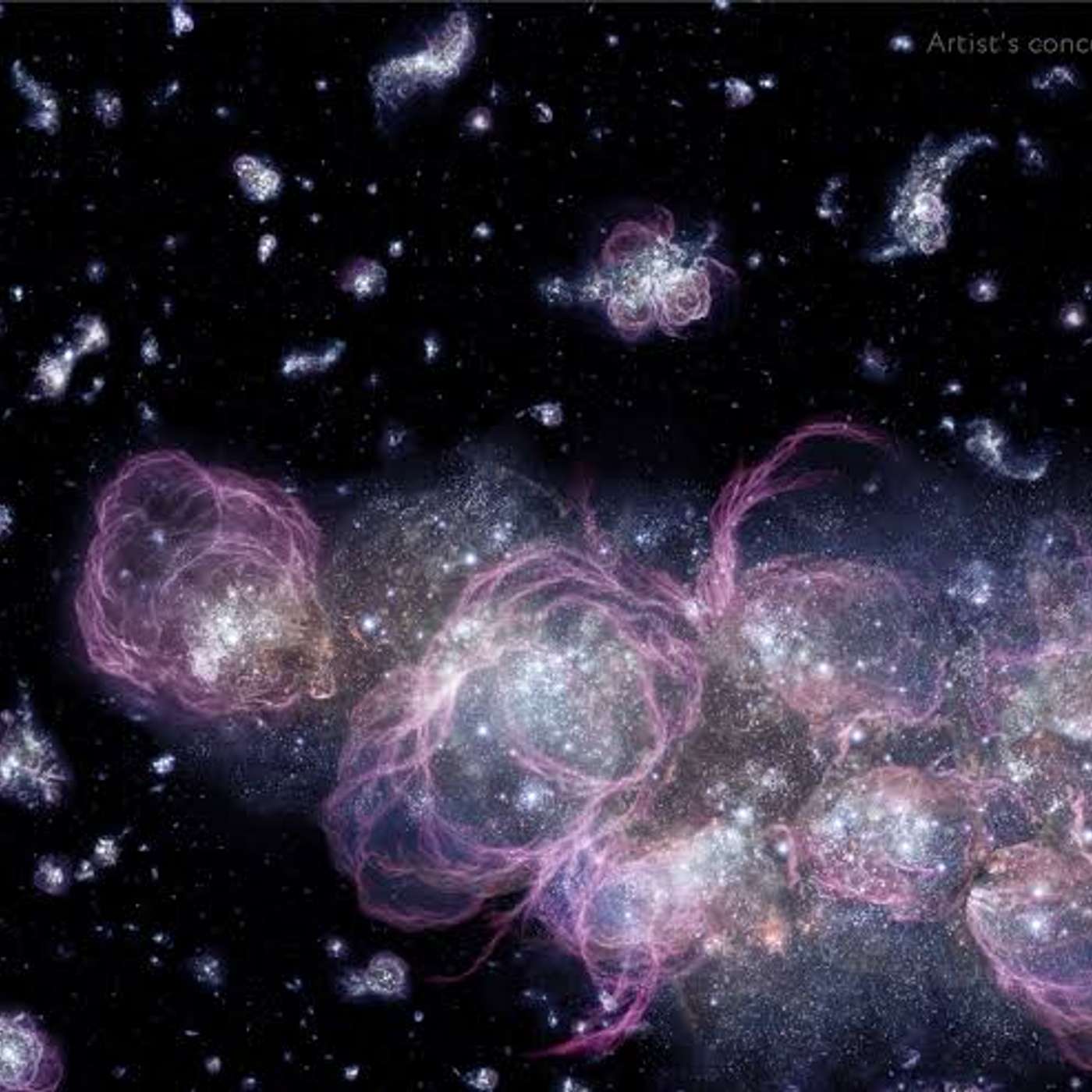
    Welcome to another episode of Kalam Astro — your go-to show for the latest in space exploration and astronomy! We open today's episode with a deep dive into one of the most anticipated astronomical instruments of our generation — the Nancy Grace Roman Space Telescope. While the legendary Hubble and the extraordinary James Webb Space Telescope have each transformed our understanding of the cosmos in their own remarkable ways, the Roman Space Telescope is being built to do something neither of them can — survey vast stretches of the universe at high resolution with a field of view so wide it will map the sky in ways that were simply never before possible. We explore what makes Roman truly unique and the groundbreaking science it promises to deliver. Then, we step back in time for a fascinating discussion about how and why ancient civilisations across the world looked up at the stars. Long before telescopes or technology, our ancestors built entire cultures, calendars, religions, and navigation systems around their observations of the night sky. From the Babylonians to the ancient Arabs, Egyptians, Greeks and beyond — we explore the profound relationship between humanity and the cosmos throughout history, and how that curiosity is the very foundation of modern astronomy. Next, we venture into one of the most mysterious and haunting features of the known universe — the Great Void. Also known as the Boötes Void, this enormous empty region of space stretches across hundreds of millions of light-years, containing almost nothing — no galaxies, no stars, no detectable matter. We unpack the science behind why these vast empty regions exist in the universe and what they tell us about the large-scale structure of the cosmos. And finally, we close with a debate that has captured human imagination for decades — the Voyager Golden Record. Launched aboard Voyager 1 and Voyager 2 back in 1977, this iconic golden disc carries sounds, music, greetings and images from Earth, intended as a message to any intelligent life that might one day find it drifting through the stars. But will any alien civilisation ever actually discover it? We weigh up the extraordinary odds and the even more extraordinary hope behind one of humanity's most poetic gestures to the universe. 🌌 Tune in and explore the cosmos with us! 🚀🌌 == Listen to #Pulse95Radio in the UAE by tuning in on your radio (95.00 FM) or online on our website: www.pulse95radio.com Follow us on Social. www.facebook.com/pulse95radio www.twitter.com/pulse95radio
  • #275
    Sunday · 32 min

    Pluto's Planet Debate, The Fastest Star & Japan's Mars Moon Mission

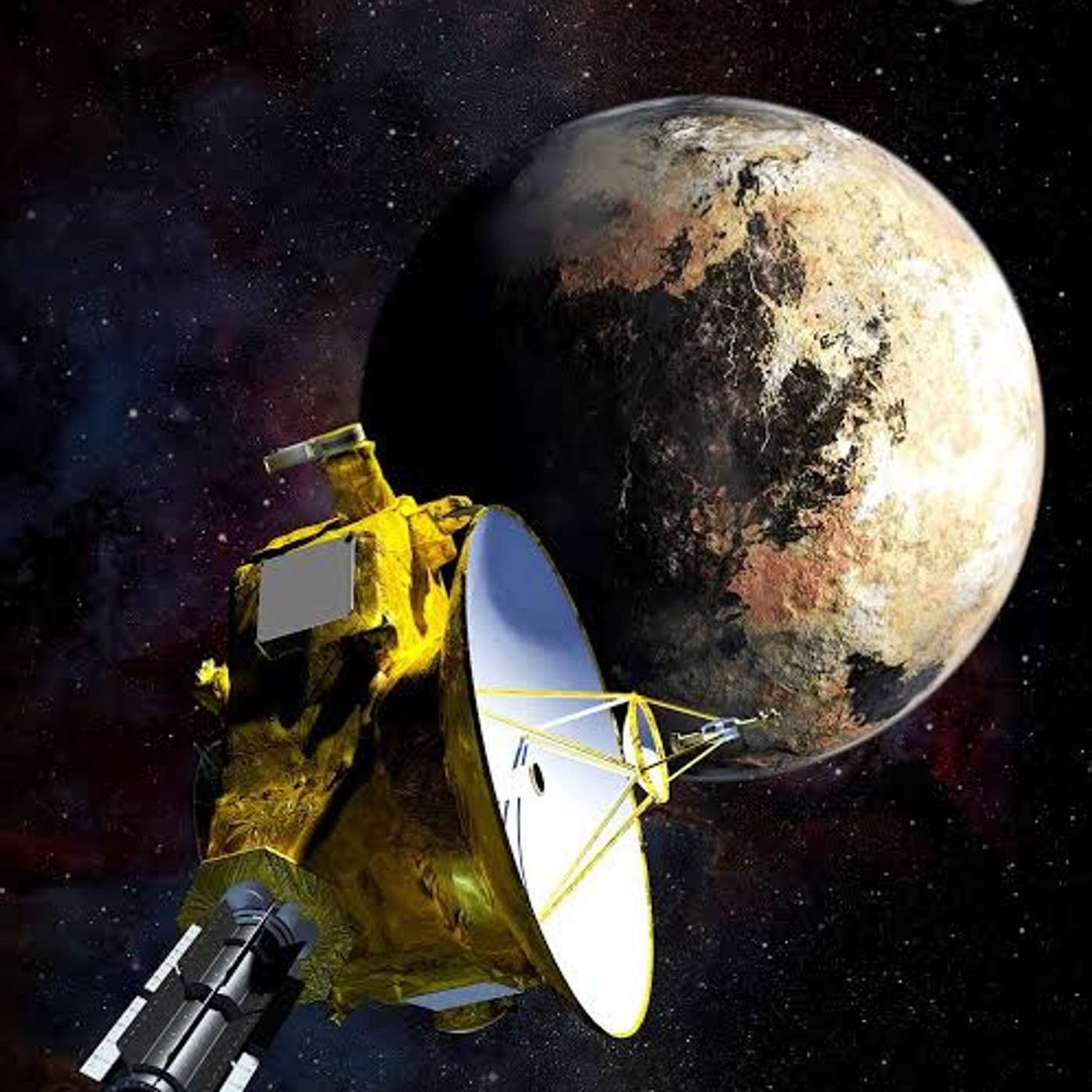
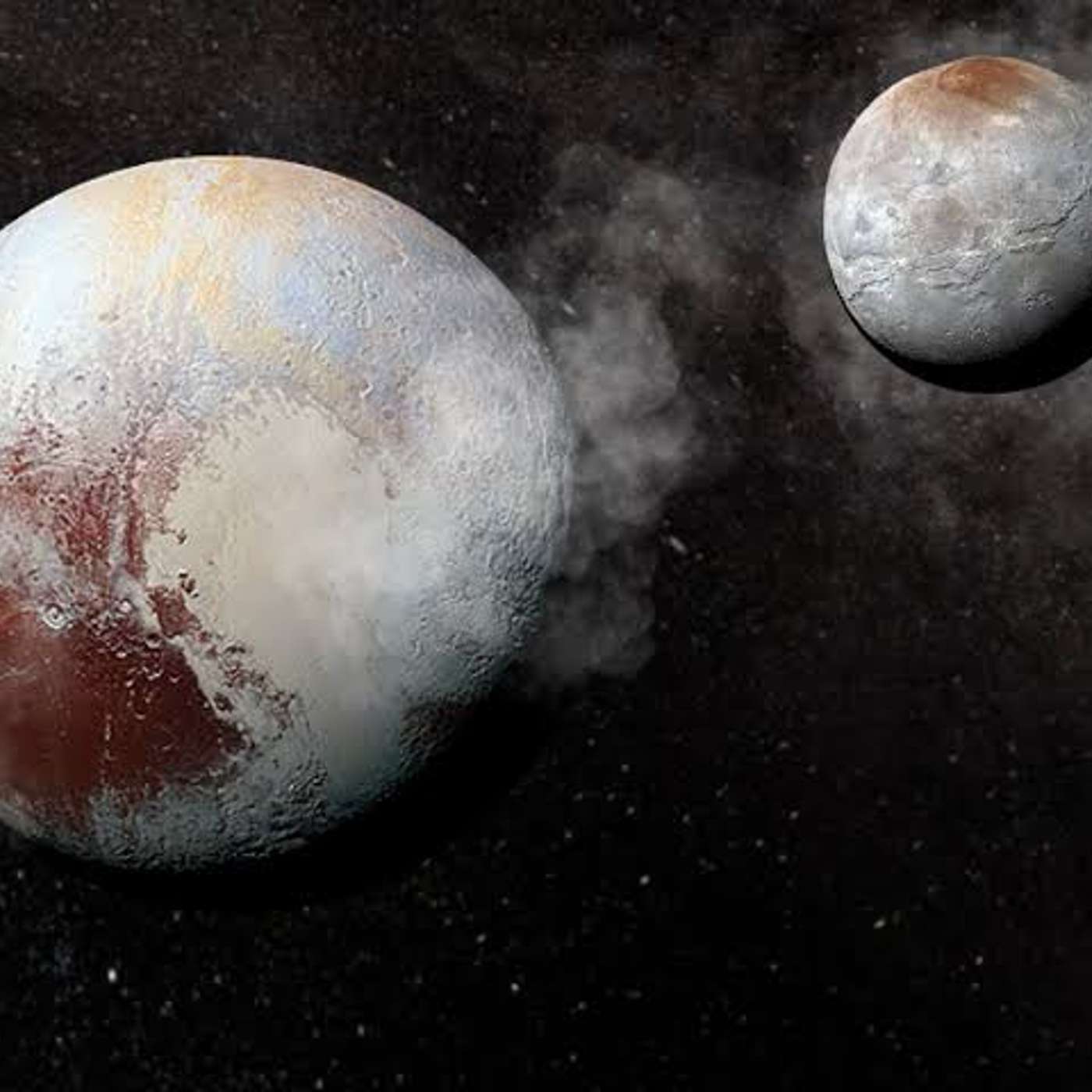
    Welcome to another episode of Kalam Astro — your go-to show for the latest in space exploration and astronomy! We open today's episode with a question that has sparked more passionate debate than almost anything else in modern astronomy — why do we care so much that Pluto isn't a planet? Ever since the International Astronomical Union controversially stripped Pluto of its planetary status back in 2006, the public outcry has never truly died down. We explore the deep emotional and scientific reasons behind our attachment to this tiny, distant world, and ask whether the debate over Pluto's classification tells us more about human nature than it does about the solar system itself. Then, in a breathtaking discovery that is pushing the boundaries of what we thought possible — scientists have identified the fastest known star in the Milky Way, a cosmic speedster that tears around the supermassive black hole at the centre of our galaxy at a staggering 15,500 miles per second. To put that into perspective, that's a significant fraction of the speed of light. We explore what this extraordinary find reveals about the extreme physics at play in the heart of our galaxy. Next, an exciting moment in international space exploration — Japan has unveiled its spacecraft designed to carry out a sample-return mission from one of Mars' moons, ahead of its scheduled October 19th launch. This ambitious mission aims to collect material from Phobos or Deimos and bring it back to Earth, potentially unlocking new clues about the origin of the Martian moons and the early history of our solar system. And finally, some thrilling news for meteor shower enthusiasts — the beloved Perseid meteor shower could be about to get even more spectacular. Scientists suggest that Jupiter's gravitational influence could funnel significantly more debris towards Earth by 2028, potentially turning one of the sky's most popular annual displays into something truly extraordinary. We look at what to expect and how to make the most of the Perseids in the years to come. 🌠 Tune in and explore the cosmos with us! 🚀🌌 == Listen to #Pulse95Radio in the UAE by tuning in on your radio (95.00 FM) or online on our website: www.pulse95radio.com Follow us on Social. www.facebook.com/pulse95radio www.twitter.com/pulse95radio
  • #274
    Sunday · 30 min

    Swift Telescope's Fate, A 'Mega-Earth' Discovery & The Black Eye Galaxy

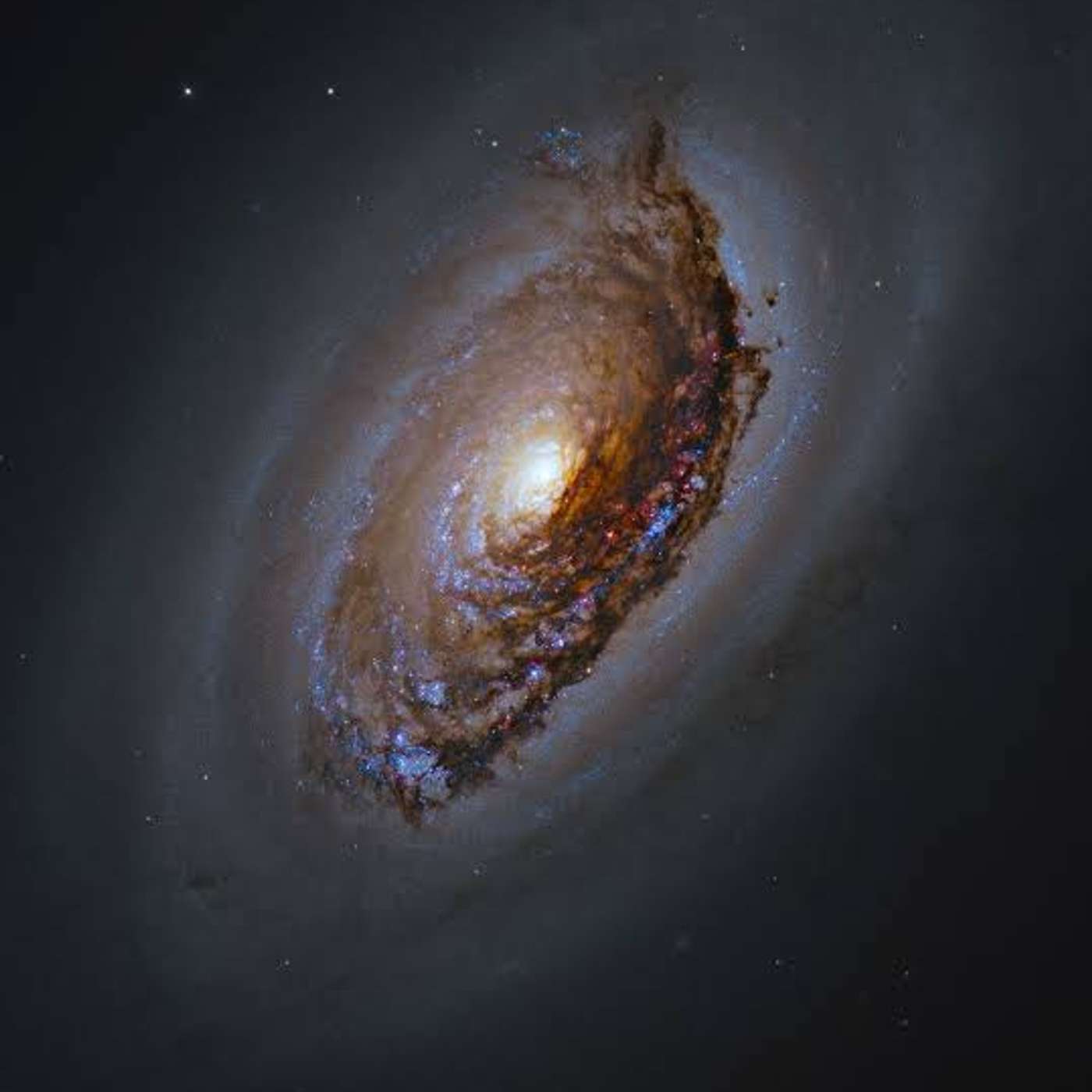
    Welcome to another episode of Kalam Astro — your go-to show for the latest in space exploration and astronomy! We open today's episode with a bittersweet moment in the world of space science — a private mission to save NASA's Swift Space Telescope has unfortunately failed. Swift has spent over two decades faithfully scanning the sky for gamma-ray bursts and other high-energy cosmic phenomena, becoming one of NASA's most productive and beloved observatories. We reflect on the telescope's incredible legacy, what this failed rescue attempt means for its future, and what comes next for the science it made possible. Then, in a truly jaw-dropping discovery that is rewriting the boundaries of what we thought was possible for rocky planets — astronomers have found a colossal 'Mega-Earth', a giant rocky world 23 times more massive than our own planet. Unlike gas giants, this extraordinary planet is composed of rock and solid material, challenging everything we understood about the limits of rocky planet formation. We explore what this remarkable find means for our understanding of planetary science across the galaxy. Next, a breathtaking moment of collaboration between two of the greatest eyes humanity has ever pointed at the sky — NASA's Hubble Space Telescope and the James Webb Space Telescope have joined forces to capture a stunning new image of the 'Black Eye Galaxy'. This iconic galaxy, famous for its dramatic dark band of dust sweeping across its bright nucleus, has never looked quite like this before. We dive into what makes this cosmic portrait so special and what the two telescopes together are revealing about this mysterious galactic neighbour. And finally, a timely reminder for everyone here in the UAE — the long, sweltering summer heat is on its way out! As the beloved star Suhail rises on the 24th of August 2026, a centuries-old astronomical tradition in the Arab world signals the gradual return of cooler, more comfortable days. A poetic connection between the night sky and the rhythms of life in our region that never gets old. 🌟 Tune in and explore the cosmos with us! 🚀🌌 == Listen to #Pulse95Radio in the UAE by tuning in on your radio (95.00 FM) or online on our website: www.pulse95radio.com Follow us on Social. www.facebook.com/pulse95radio www.twitter.com/pulse95radio
  • #273
    Sunday · 32 min

    Imaging the Planets, The Moon Race & NASA Welcomes India

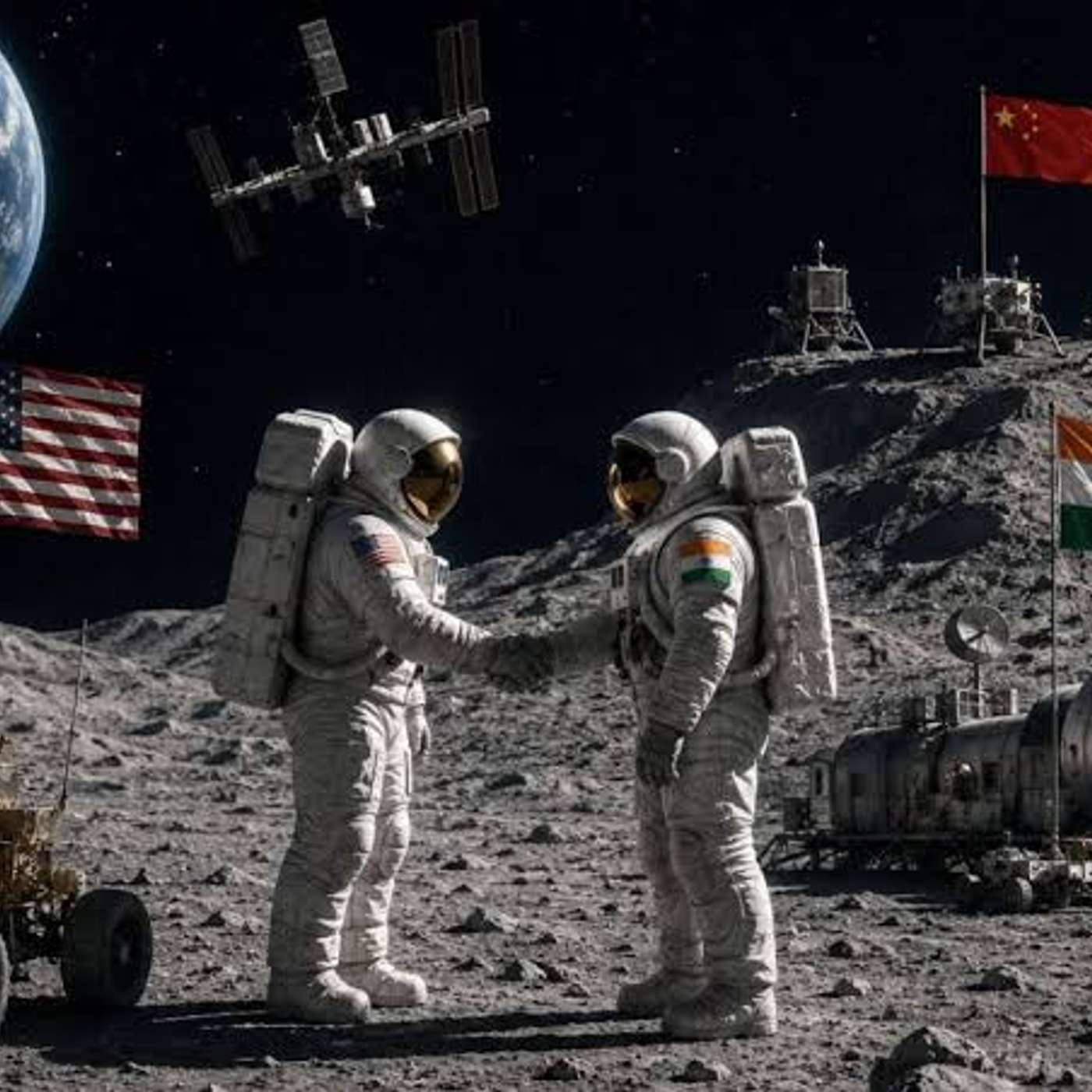
    Welcome to another episode of Kalam Astro — your go-to show for the latest in space exploration and astronomy! We start today's episode with something for the passionate stargazers and astrophotography enthusiasts among us — how to image the planets using a telescope and camera. Whether you're a complete beginner or a seasoned observer looking to sharpen your skills, we walk through the essential equipment, techniques, and settings you need to capture stunning planetary images right from your own backyard. The planets are closer than you think — and your camera is ready! Then, in a thought-provoking discussion that raises serious questions about humanity's relationship with space — will the new Moon race turn Earth's nearest neighbour into a dumping ground? With nations and private companies rushing to the lunar surface in an unprecedented wave of missions, concerns are growing about the long-term impact of human activity on the Moon. We explore what responsible exploration should look like and whether the international community is doing enough to protect our closest cosmic companion. Next, a major development in global space cooperation — NASA has invited India's space agency ISRO to join its Moon base programme, marking a significant deepening of ties between the United States and India in space exploration. This milestone signals a new era of strategic partnership between two of the world's most ambitious spacefaring nations, and we discuss what India's involvement could mean for the future of the lunar Gateway and beyond. And finally, a wonderful update that will be music to the ears of everyone in the UAE — the intense summer heat is set to gradually ease as the star Suhail rises on the 24th of August 2026. A beloved astronomical tradition in the Arab world, the rising of Suhail has for centuries marked the turning of the season and the welcome arrival of cooler days ahead. A beautiful reminder of how deeply the stars are woven into the culture and heritage of this region. 🌟 Tune in and explore the cosmos with us! 🚀🌌 == Listen to #Pulse95Radio in the UAE by tuning in on your radio (95.00 FM) or online on our website: www.pulse95radio.com Follow us on Social. www.facebook.com/pulse95radio www.twitter.com/pulse95radio
  • #272
    Sunday · 35 min

    Pluto's Collapsing Atmosphere, Voyager 2's Survival & AI in Space

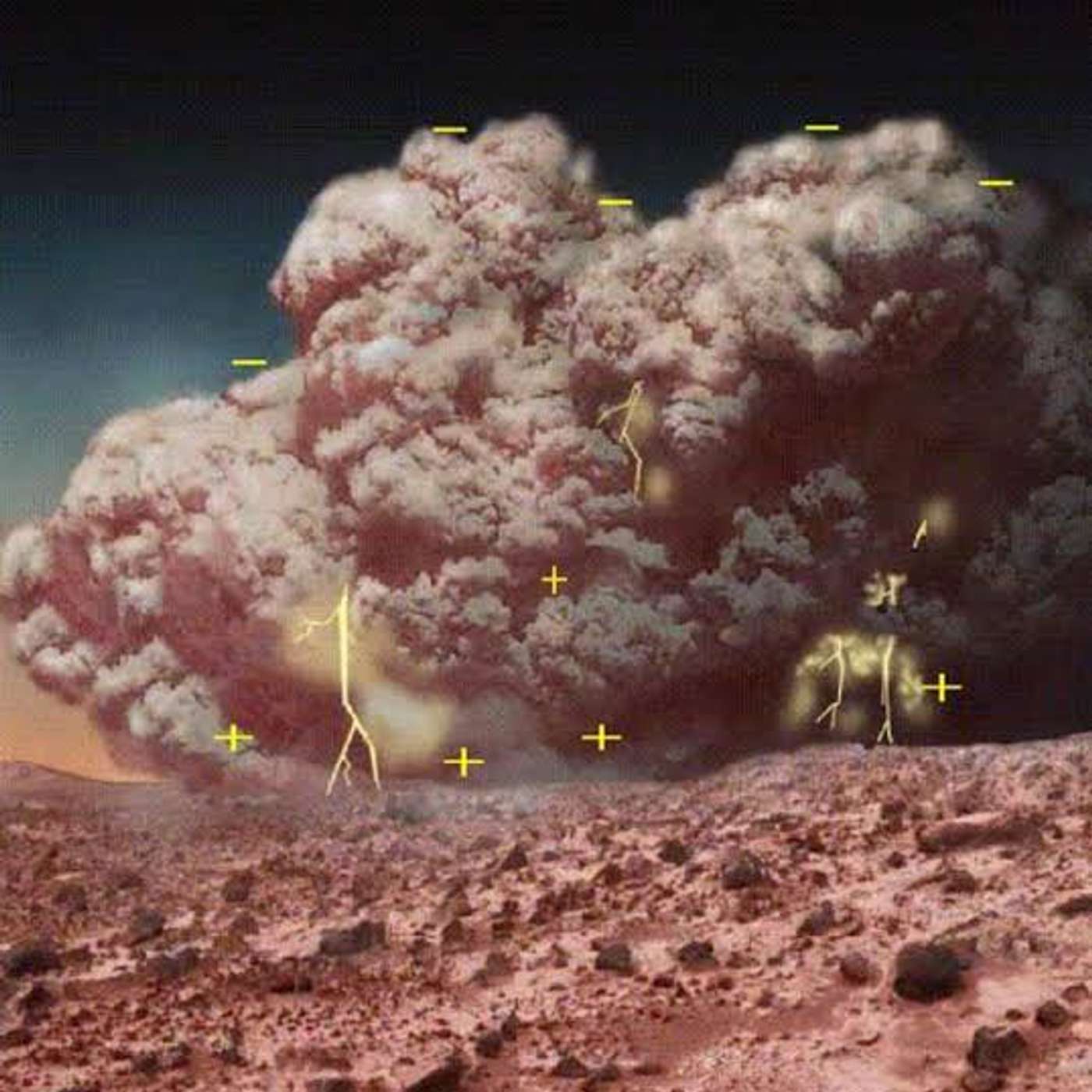
    Welcome to another episode of Kalam Astro — your go-to show for the latest in space exploration and astronomy! We open today's episode with a striking phenomenon unfolding at the very edge of our solar system — Pluto's atmosphere is collapsing. As the dwarf planet continues its long journey away from the Sun, temperatures are plummeting and its thin nitrogen atmosphere is literally freezing and falling back onto the surface. We explore what this dramatic seasonal transformation reveals about Pluto's complex climate cycles and why this distant, frozen world continues to captivate scientists long after the New Horizons flyby. Then, in a truly remarkable engineering achievement — NASA has once again pulled off the extraordinary, finding a clever way to keep its iconic Voyager 2 spacecraft operational for yet another year. At 48 years old and travelling in interstellar space billions of kilometres from Earth, Voyager 2 continues to defy all expectations. We break down the ingenious power management solution that NASA's engineers devised to squeeze even more life out of one of humanity's most extraordinary deep-space pioneers. Next, we explore how Artificial Intelligence is fundamentally transforming spacecraft and satellite operations. From autonomous fault detection aboard orbiting satellites to AI-driven systems capable of making split-second decisions faster than any human controller, the space industry is standing at the threshold of a major revolution. But the big question is — is the industry truly ready to hand over the controls to machines? And finally, an electrifying update from SpaceX — Elon Musk has made it crystal clear that the company is deadly serious about building factories on the Moon. "It's going to happen," Musk declared boldly, laying out a vision of lunar industrial infrastructure that could reshape the future of space colonisation and the global space economy for generations to come. Tune in and explore the cosmos with us! 🚀🌌 == Listen to #Pulse95Radio in the UAE by tuning in on your radio (95.00 FM) or online on our website: www.pulse95radio.com Follow us on Social. www.facebook.com/pulse95radio www.twitter.com/pulse95radio
  • #271
    Sunday · 29 min

    Toxic Mars Dust, Aliens Running Out of Hiding Spots & Europa's Ocean

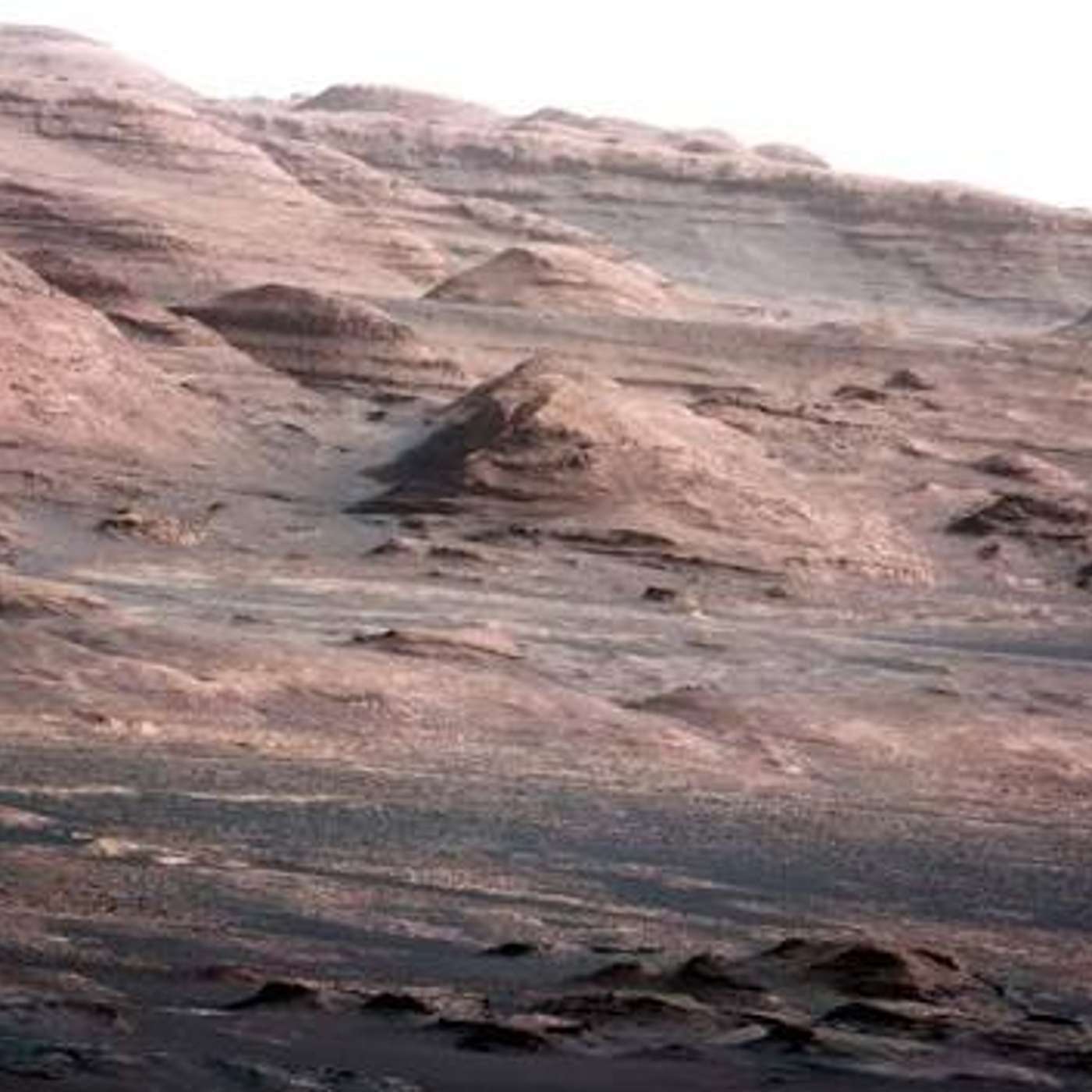
    Welcome to another episode of Kalam Astro — your go-to show for the latest in space exploration and astronomy! We kick off today's episode with a challenge that will define the future of human spaceflight — Mars dust is toxic, and it represents one of the most serious threats facing any astronaut who sets foot on the Red Planet. Laced with harmful perchlorates and fine enough to infiltrate nearly everything, Martian dust is far more dangerous than it looks. We explore the science behind its toxicity and the innovative solutions researchers are developing to protect future crews living and working on Mars. Then, in a fascinating discovery that is reshaping the search for extraterrestrial life — are aliens running out of places to hide? It turns out that humanity has been far more thorough in its cosmic search than we ever gave ourselves credit for. New analysis reveals that we have quietly scanned a much larger portion of the Milky Way galaxy than previously thought, raising profound questions about what the silence from the stars might really mean. Next, we turn to one of the most exciting and tantalising targets in our solar system — Europa, Jupiter's icy moon. Scientists believe its deep, buried subsurface ocean could harbour genuine signs of life, making it one of the most compelling destinations in astrobiology. But getting through that thick frozen shell to find out is an enormous challenge — we explore the missions being designed to take on that very task. And finally, we look ahead to one of the most awe-inspiring astronomical events on the horizon — the Total Solar Eclipse of 2026. We break down exactly where in the world the eclipse will be visible, the best locations to experience totality, and everything you need to plan ahead for this once-in-a-lifetime spectacle. 🌑☀️ Tune in and explore the cosmos with us! 🚀🌌 == Listen to #Pulse95Radio in the UAE by tuning in on your radio (95.00 FM) or online on our website: www.pulse95radio.com Follow us on Social. www.facebook.com/pulse95radio www.twitter.com/pulse95radio
  • #270
    Sunday · 31 min

    Black Holes, The Dinosaur Firestorm & UAE Galaxy Research

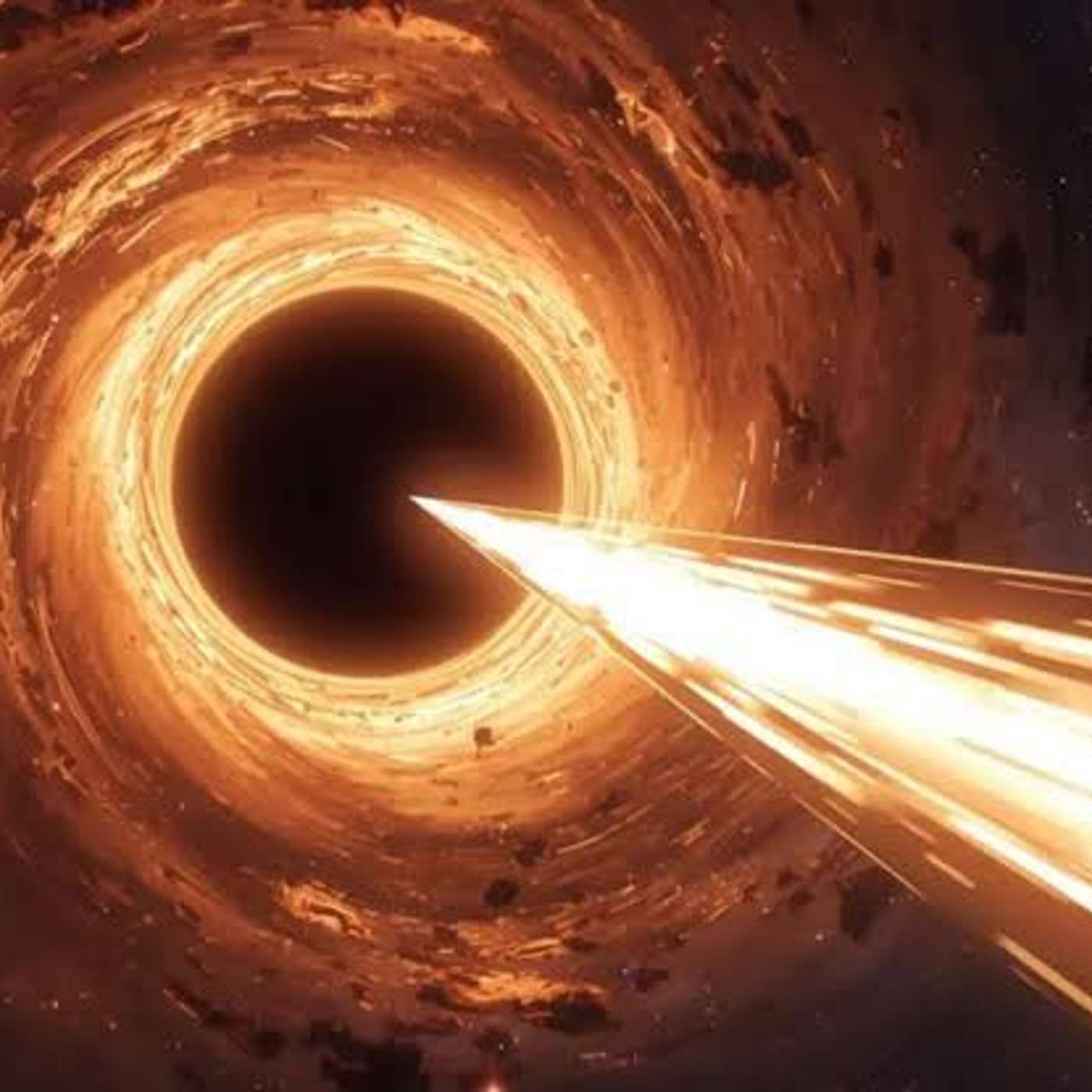
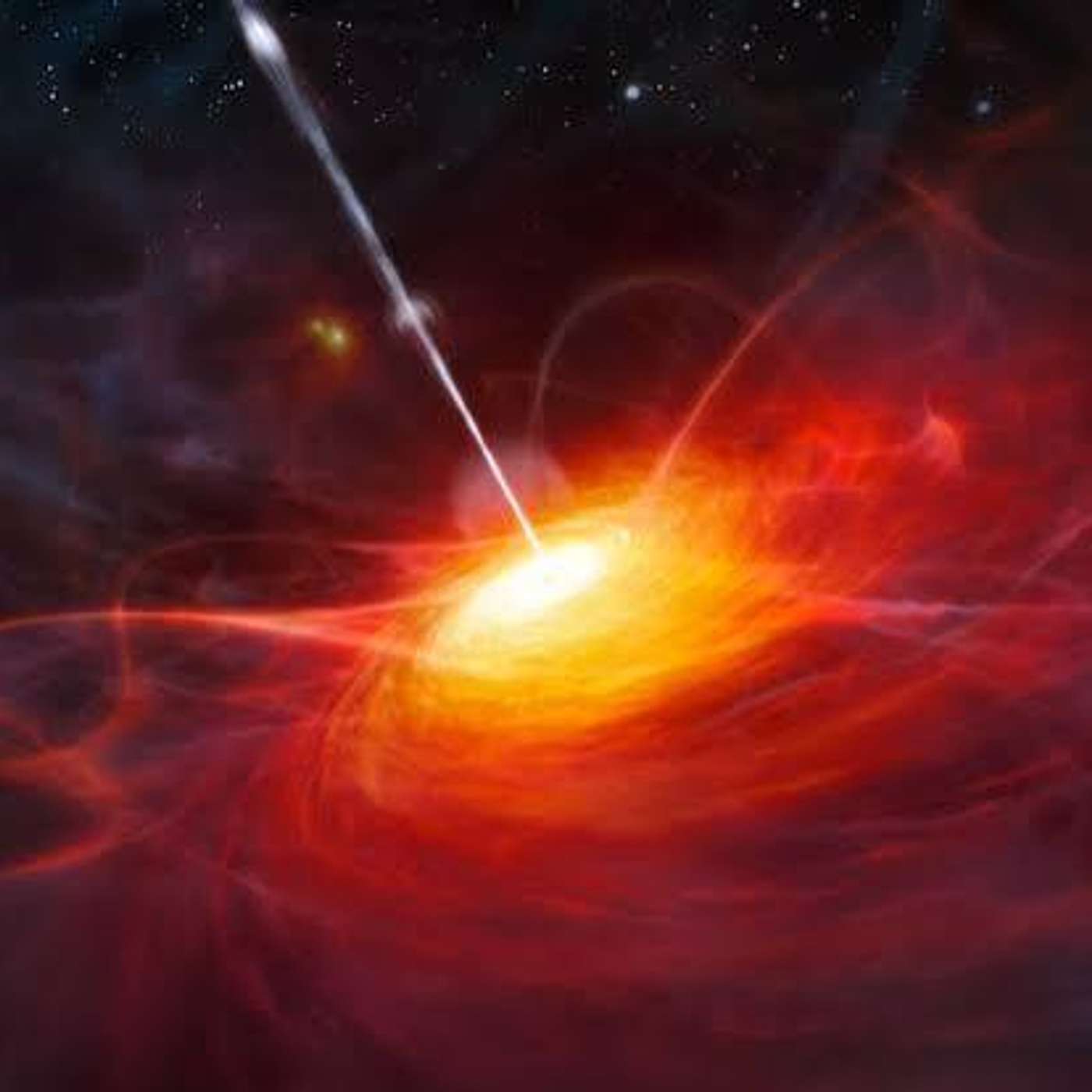
    Welcome to another episode of Kalam Astro — your go-to show for the latest in space exploration and astronomy! We open today's episode with one of the universe's greatest unsolved puzzles — how do supermassive black holes actually grow? Thanks to the power of Artificial Intelligence, scientists have now identified 7 extraordinary quasars — cosmic giants so massive and powerful that they warp the very fabric of spacetime around them. These remarkable discoveries could hold the key to finally unravelling the mystery behind the growth of the universe's most colossal objects. Then, we travel back in time to one of Earth's most catastrophic moments — the asteroid that wiped out the dinosaurs. Groundbreaking new research reveals that the impact didn't only plunge the planet into darkness — it may have triggered firestorms burning at temperatures 17 times hotter than the thermal limit lethal to humans. A chilling reminder of the sheer, unimaginable violence of that fateful day millions of years ago. Next, some incredibly proud news from right here in our region — researchers in the UAE have made meaningful contributions to unlocking new insights into galaxy evolution. Scientists from NYU Abu Dhabi are helping the global astronomical community better understand how galaxies form and transform over billions of years — a shining example of the UAE's growing role on the world stage of space science. And finally, we wrap up with something special for stargazers across the country — the legendary Perseids meteor shower is here! We share everything you need to know about how and when to watch this spectacular celestial display from the UAE, along with expert photography tips to help you capture those dazzling streaks of light across the night sky. Tune in and explore the cosmos with us! 🚀🌌 == Listen to #Pulse95Radio in the UAE by tuning in on your radio (95.00 FM) or online on our website: www.pulse95radio.com Follow us on Social. www.facebook.com/pulse95radio www.twitter.com/pulse95radio
  • #269
    Sunday · 34 min

    Roman Telescope Fueled, The Milky Way's Big Flip & Africa's Lunar Mission

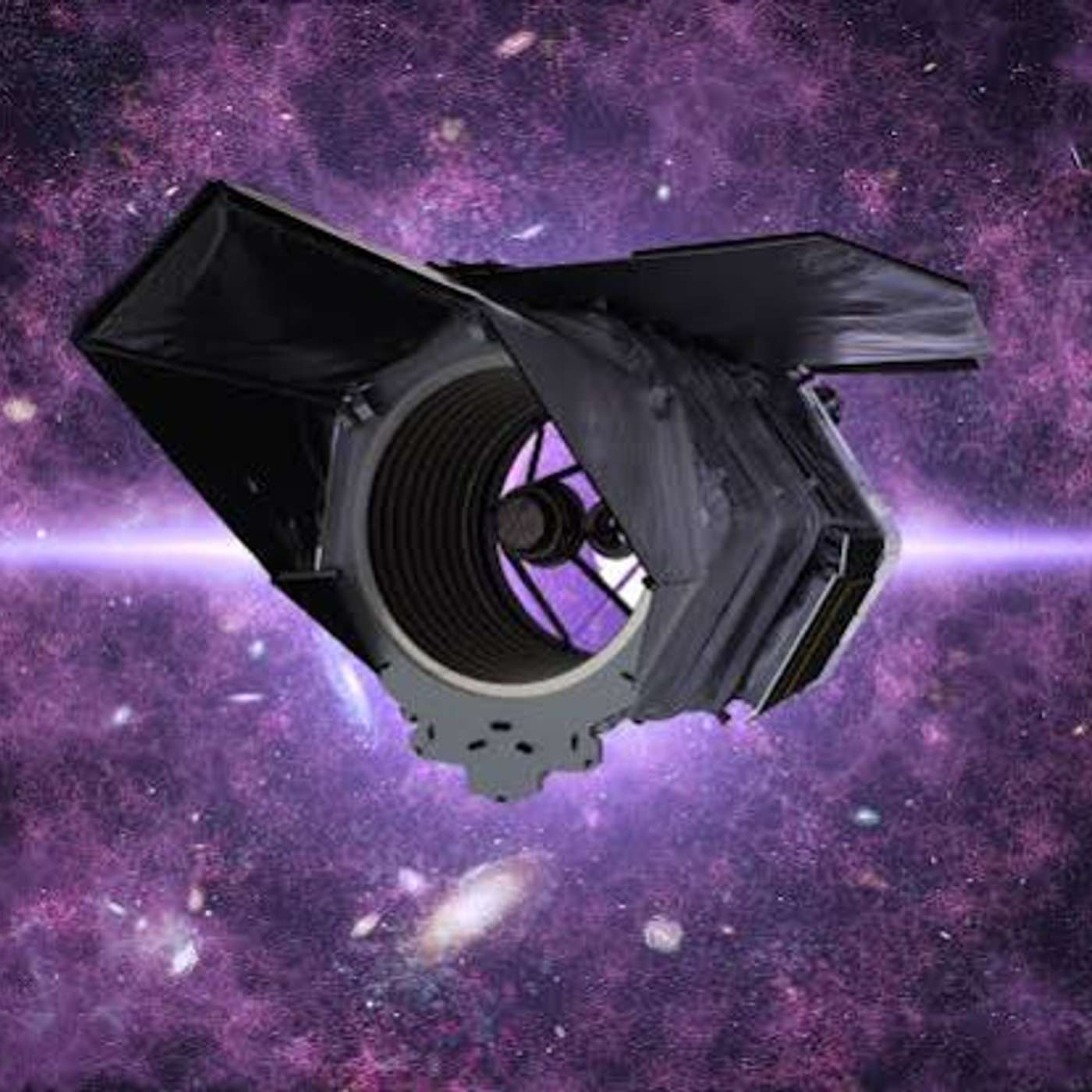
    Welcome to another episode of Kalam Astro — your go-to show for the latest in space exploration and astronomy! We kick off today's episode with a major milestone in space history — NASA has successfully fuelled its next-generation Nancy Grace Roman Space Telescope, bringing it one giant step closer to its highly anticipated August launch. The Roman Space Telescope is set to revolutionise our view of the universe with a field of view 100 times wider than the Hubble Space Telescope, and the countdown is well and truly on! Then, in a jaw-dropping discovery that is turning astronomy on its head — scientists have found evidence suggesting that our very own Milky Way galaxy may have flipped 90 degrees billions of years ago. What could have caused such a dramatic cosmic reshuffling? We explore the science behind this extraordinary finding and what it tells us about the turbulent early history of our galactic home. Next, a landmark moment in international space cooperation — China has announced plans to launch Africa's very first lunar science mission in 2029. This historic milestone marks a significant step forward in expanding the global space community and opening the doors of deep space exploration to the African continent. We discuss what this mission aims to achieve and what it means for the future of international collaboration in space. And finally, in a story that proves the boldest ideas can lead to the greatest breakthroughs — what began as a 'crazy idea' has turned into a genuine scientific success, as researchers have found a way to use radio telescopes to monitor space junk orbiting Earth. This unconventional approach could open up powerful new possibilities for tracking orbital debris and keeping our increasingly crowded skies safe. Tune in and explore the cosmos with us! 🚀🌌 == Listen to #Pulse95Radio in the UAE by tuning in on your radio (95.00 FM) or online on our website: www.pulse95radio.com Follow us on Social. www.facebook.com/pulse95radio www.twitter.com/pulse95radio
  • #268
    Sunday · 37 min

    Curiosity's Cracked Wheel, The 'Red Potato' Galaxy & Io's Hidden Secrets

    Welcome to another episode of Kalam Astro — your go-to show for the latest in space exploration and astronomy! We start today's episode with a moment of real concern from the surface of the Red Planet — NASA's Curiosity Mars rover has been spotted carefully inspecting one of its cracked wheels. After years of traversing the rugged, unforgiving terrain of Mars, the wear and tear on Curiosity's wheels has been a challenge engineers have been monitoring closely. We take a look at what this means for the rover's ongoing mission and how NASA plans to keep this legendary explorer rolling across the Martian landscape. Then, in a stunning discovery from the depths of the cosmos — an X-ray spacecraft has detected a supermassive black hole that appears to be dramatically stirring up a peculiarly shaped galaxy, nicknamed the 'Red Potato' galaxy. The black hole's powerful activity is sending shockwaves through its host galaxy in ways that have left astronomers both baffled and fascinated. It's a cosmic kitchen like no other! Next, a thought-provoking discussion that hits close to home for every stargazer out there — private companies could be on the verge of ruining the night sky for the entire world. With the rapid proliferation of satellite mega-constellations and the absence of binding international law to stop them, astronomers and advocates are sounding the alarm over the future of our shared night sky. We explore what's at stake and why this conversation matters for everyone on Earth. And finally, a captivating piece of research that peels back the mysteries of one of the most volcanically active worlds in our solar system — Io, the fiery moon of Jupiter. NASA's Juno probe has taken a daring peek beneath the surface of Io's towering volcanoes, and what it found lurking beneath is rewriting our understanding of this extraordinary moon's geological activity. Tune in and explore the cosmos with us! 🚀🌌 == Listen to #Pulse95Radio in the UAE by tuning in on your radio (95.00 FM) or online on our website: www.pulse95radio.com Follow us on Social. www.facebook.com/pulse95radio www.twitter.com/pulse95radio
  • #267
    September 5 · 34 min

    Rovers, Black Holes & the Battle for Our Night Sky

    Welcome back to Kalam Astro — your favorite space show bringing you the very latest from across the cosmos, right here on Pulse 95! 🌌 We open today's episode with a fascinating update from the surface of the Red Planet — NASA's Curiosity Mars rover has been spotted inspecting one of its own cracked wheels! After years of navigating the rugged and unforgiving Martian terrain, Curiosity continues to soldier on, and this close-up self-inspection is both a remarkable image and a reminder of just how demanding life on Mars can be — even for our robotic explorers. 🤖🔴 In our Discovery segment, we travel deep into the universe for a truly wild cosmic story — an X-ray spacecraft has detected a supermassive black hole stirring up what scientists are calling the 'red potato' galaxy! This powerful black hole is whipping up energy and matter in ways that are reshaping the galaxy around it, and the results are as dramatic as they are visually stunning. There may just be a cook in this cosmic kitchen! 🌌🔭 In our Discussion segment, we raise an urgent and important question — are private companies on the verge of ruining the night sky for the entire world? With thousands of satellites being launched by commercial operators and no international law strong enough to stop them, astronomers and stargazers alike are sounding the alarm. We discuss what's at stake and why this conversation matters now more than ever. 🛰️ And we close with a thrilling Research segment — what exactly lurks beneath the volcanoes of Jupiter's fiery moon Io? NASA's Juno probe has just taken a daring peek beneath the surface of the most volcanically active world in our solar system, and the findings are as mysterious as they are spectacular. 🌋🪐 Stay curious, stay inspired, and keep looking up! ✨ == Listen to #Pulse95Radio in the UAE by tuning in on your radio (95.00 FM) or online on our website: www.pulse95radio.com Follow us on Social. www.facebook.com/pulse95radio www.twitter.com/pulse95radio
  • #266
    September 5 · 34 min

    Beyond Our Solar System: Moons, Missions & the Hunt for Alien Life

    Welcome back to Kalam Astro — your ultimate destination for space news, discoveries, and everything in between, right here on Pulse 95! 🌌 We open today's episode with what could be one of the most breathtaking discoveries in the history of astronomy — astronomers may have just detected the very first moon ever found outside our solar system! Known as an exomoon, this extraordinary find raises incredible questions about what lies beyond our cosmic neighbourhood — and whether it's something even stranger than we imagined. 🌙 In our Discussion segment, we dive deep into NASA's most ambitious human spaceflight plan to date — Artemis III. Four astronauts. Three spacecraft. Two weeks in orbit. We unpack why this upcoming mission is set to be the most complex and technically challenging mission NASA has ever attempted, and what it means for the future of human exploration of the Moon. 🚀 In our Debate segment, we explore a sobering new scientific finding — scientists now suggest that alien life likely cannot survive on exoplanets smaller than Mars. This significantly narrows the search for life beyond Earth, and sparks a fascinating debate about just how rare — or common — life in the universe might actually be. 👽 And we close with our Research segment, where we tackle a question that's dividing the scientific community — should we trust artificial intelligence in the search for alien life? Scientists are increasingly using AI to scan the cosmos for biosignatures and signals, but how reliable is it really? We explore both sides of this cutting-edge and thought-provoking discussion. 🤖🔭 Stay curious, stay inspired, and keep looking up! ✨ == Listen to #Pulse95Radio in the UAE by tuning in on your radio (95.00 FM) or online on our website: www.pulse95radio.com Follow us on Social. www.facebook.com/pulse95radio www.twitter.com/pulse95radio

  • #265
    September 5 · 34 min

    Reusable Rockets, Dark Matter & Secrets from the Stars

    Welcome back to Kalam Astro — your favorite space show exploring the wonders of the universe, right here on Pulse 95! 🌌 We open today's episode with an exciting milestone from the Land of the Rising Sun — Japan has successfully launched and landed a brand-new reusable rocket into space! With this impressive achievement, Japan joins the growing list of nations pioneering reusable rocket technology, reshaping the future of affordable and sustainable space travel. 🚀 In our Discussion segment, we tackle one of the greatest mysteries in all of science — dark matter. It makes up most of the universe, yet we still can't fully explain what it is. We explore how truly understanding dark matter could represent one of the most profound advances in human knowledge of the cosmos — and what scientists are doing right now to unlock its secrets. In our News segment, we bring you a story that literally came crashing through someone's ceiling — a meteorite that smashed through a house in New Jersey may actually hold clues to the origins of life itself! Scientists are now studying this extraordinary space rock, and what they find could change everything we know about how life began. 🌠 And we wrap up with our Stargazing segment — and we have wonderful news for sky watchers right here in the UAE! 🌙 The Delta Aquariids meteor shower is putting on a show, and it's visible from the UAE and Sharjah! We tell you when, where, and how to catch this breathtaking natural spectacle in our own skies! Stay curious, stay inspired, and keep looking up! ✨ == Listen to #Pulse95Radio in the UAE by tuning in on your radio (95.00 FM) or online on our website: www.pulse95radio.com Follow us on Social. www.facebook.com/pulse95radio www.twitter.com/pulse95radio
  • #264
    September 5 · 35 min

    UAE's Space Ambitions & the Dangers of the Final Frontier

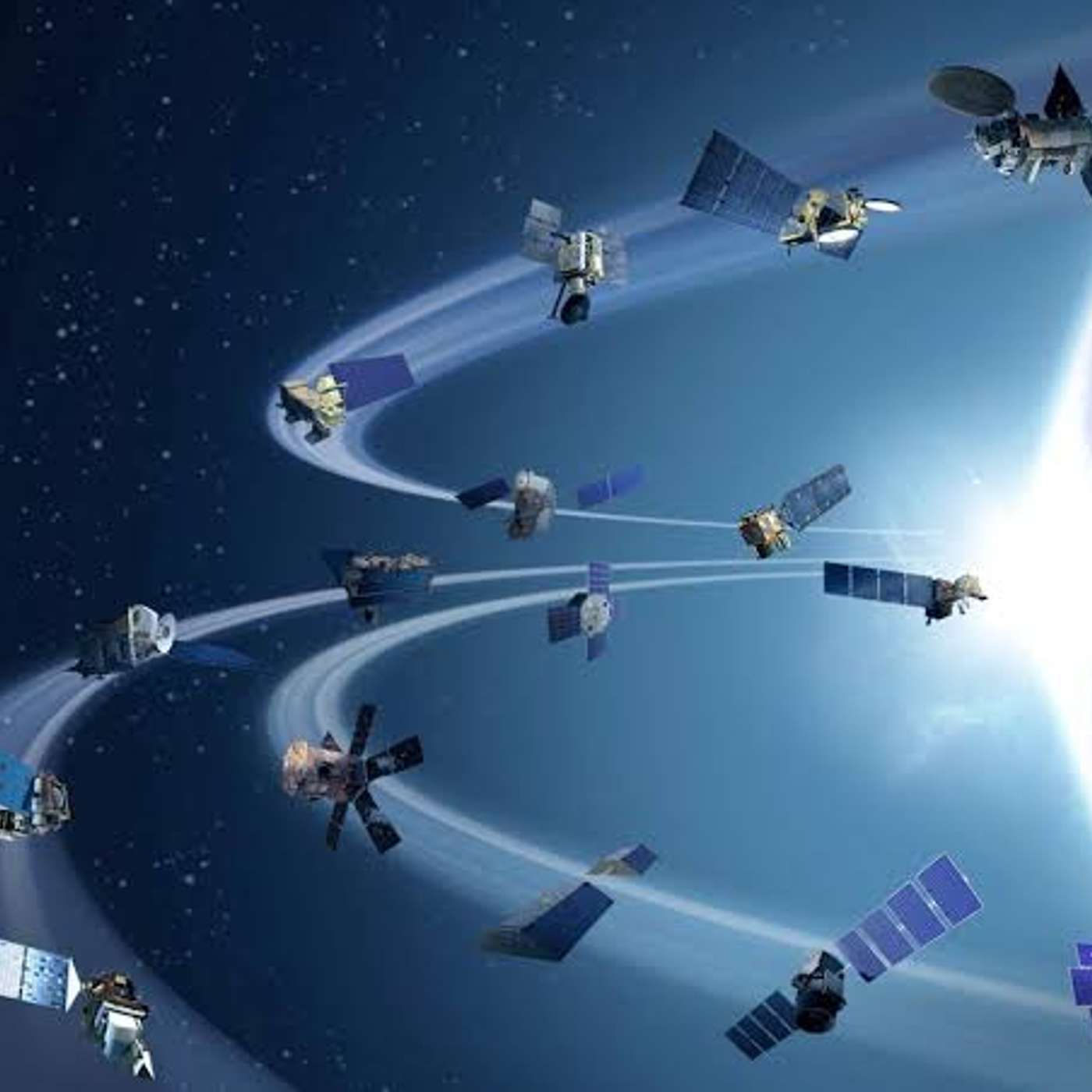
    Welcome back to Kalam Astro — your go-to space show bringing the universe closer to you, one story at a time! 🌌 We kick off today's episode on a proud note — the UAE's commercial space sector is gearing up for rapid and exciting growth! We explore what this means for the region, the opportunities ahead, and why the Emirates is fast becoming a major player on the global space stage. 🇦🇪 In our News segment, we shine a light on a growing concern in low Earth orbit — every single SpaceX Starlink satellite is having to dodge a potential collision almost every week, and space experts are sounding the alarm. With thousands of satellites already in orbit and thousands more planned, we ask: are we heading toward a catastrophic congestion crisis in space? Then in our Discovery segment, we uncover a thought-provoking revelation — moon landings themselves could be destroying precious evidence of life's origins. Scientists warn that the very missions we send to explore the Moon may be compromising the ancient secrets locked within its surface. A fascinating and sobering discussion you won't want to miss. And we close with another incredible Discovery — after a decade-long game of hide-and-seek, astronomers have finally spotted the faintest exoplanet ever seen from Earth. A triumph of patience and technology that reminds us just how vast and full of wonder our universe truly is. 🪐✨ Stay curious, stay inspired, and keep looking up! ✨ == Listen to #Pulse95Radio in the UAE by tuning in on your radio (95.00 FM) or online on our website: www.pulse95radio.com Follow us on Social. www.facebook.com/pulse95radio www.twitter.com/pulse95radio
  • #263
    September 5 · 34 min

    New Frontiers: Rockets, Satellites & the Search for Life

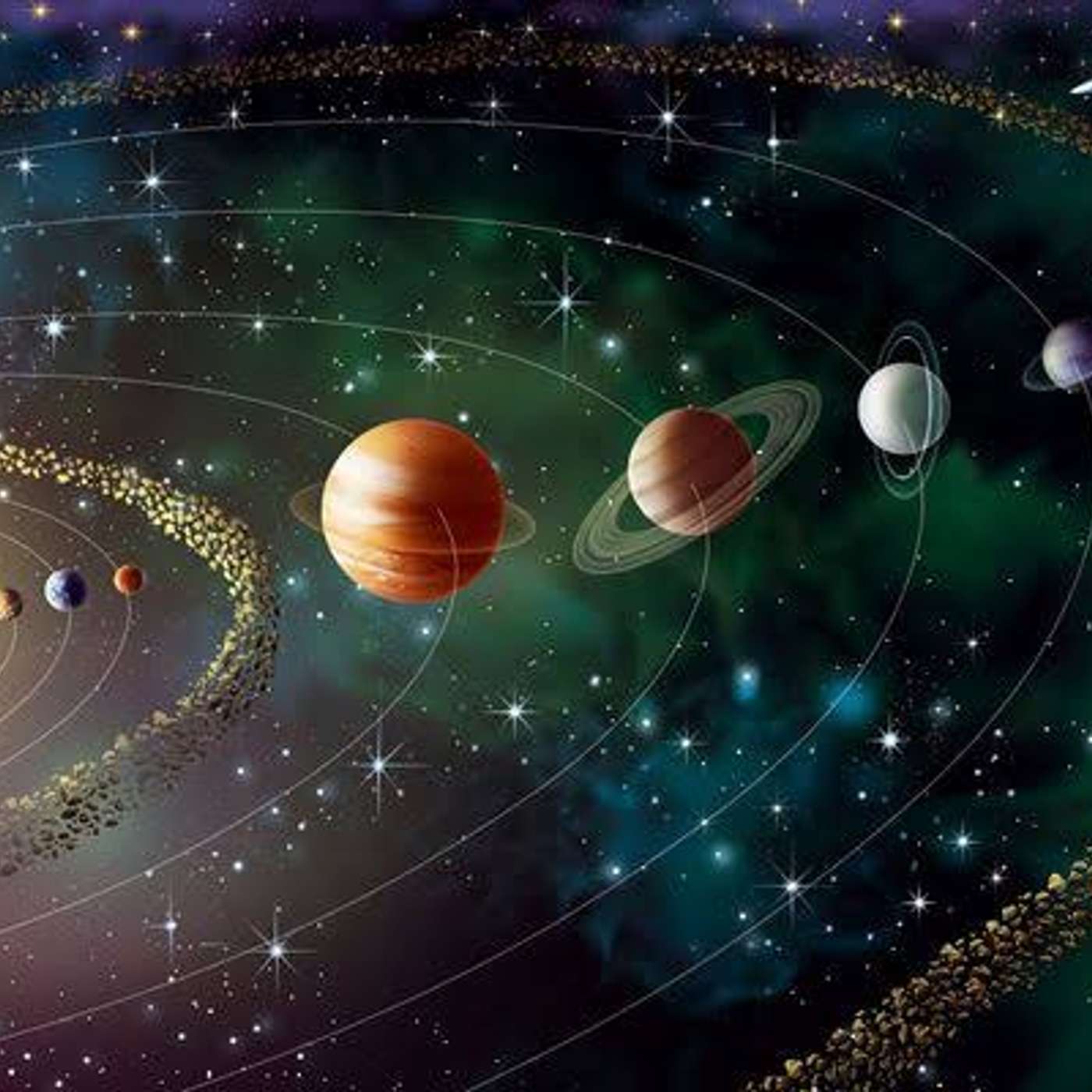
    Welcome back to Kalam Astro — your favorite space show bringing you the latest from the universe! 🌌 We open today's episode with a truly historic moment — China has successfully landed a rocket during an orbital launch for the very first time ever! A groundbreaking achievement that marks a new chapter in the global space race, and we're here to break it all down for you. In our News segment, we shift our focus to SpaceX and their jaw-dropping ambition — the company is now pushing to launch a staggering 100,000 Starlink satellites into orbit. What does this mean for the future of global connectivity and space traffic? We explore it all. Then in our Discovery segment, we ask one of the most exciting questions in science today — could evidence of life on Mars be hiding in clay? Europe certainly thinks it's worth investigating, and plans to send a dedicated rover to find out. The search for life on the Red Planet just got even more compelling. And we wrap up with our Stargazing segment — great news for sky watchers! July is delivering some truly spectacular stargazing opportunities, with not one but two major meteor shower peaks lighting up the night sky. We tell you exactly what to look for and when! 🌠 Stay curious, stay inspired, and keep looking up! ✨ == Listen to #Pulse95Radio in the UAE by tuning in on your radio (95.00 FM) or online on our website: www.pulse95radio.com Follow us on Social. www.facebook.com/pulse95radio www.twitter.com/pulse95radio
  • #262
    September 5 · 31 min

    From Mars to the Edge of the Solar System

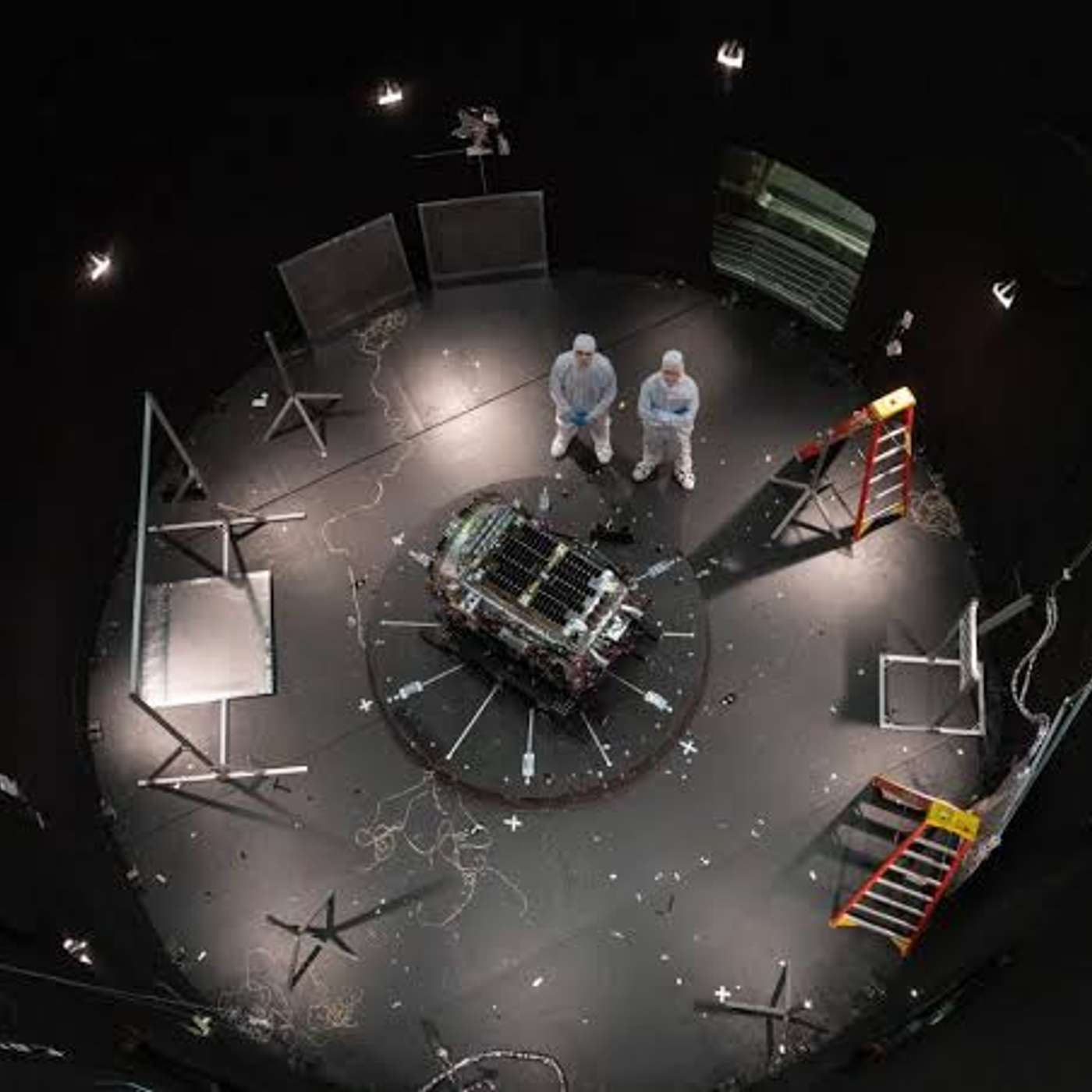
    Welcome to another exciting episode of Kalam Astro — your go-to show for all things space and exploration! 🌌 In today's episode, we kick things off by welcoming our listeners and diving straight into some incredible space news. First up, we talk about NASA officially beginning to fund hardware for the highly anticipated 'Skyfall' Mars helicopter mission — the next bold step in aerial exploration of the Red Planet. Then, in our Discovery segment, we travel to the very edge of our solar system — over 6 billion miles beyond Pluto — where NASA's legendary New Horizons probe has just woken up from hibernation. What's it doing out there? We break it all down for you. In the News segment, we explore a fascinating new scientific study that suggests Earth may actually survive the death of the Sun — a reassuring twist in the long-term story of our planet's fate. And finally, in our Updates segment, we look at how Chinese scientists have identified the most effective method to destroy an asteroid heading on a collision course with Earth — space defense science at its most thrilling. Stay curious, stay inspired, and keep looking up! ✨ == Listen to #Pulse95Radio in the UAE by tuning in on your radio (95.00 FM) or online on our website: www.pulse95radio.com Follow us on Social. www.facebook.com/pulse95radio www.twitter.com/pulse95radio
  • #261
    September 4 · 37 min

    Saving Swift Telescope, Webb Sees Solar System's Fate, Satellites vs Astronomy & Sharjah in Space

    On this episode of Kalam Astro, we're covering a dramatic telescope rescue mission, a haunting glimpse into our solar system's distant future, a growing threat to the science of astronomy itself, and an exciting milestone that hits very close to home right here in the UAE. We open with a story of high-stakes space engineering — NASA has successfully launched a rescue mission to save the Swift Space Telescope, a veteran observatory that has spent decades studying gamma-ray bursts and high-energy cosmic events, from an uncontrolled re-entry that would have seen it burn up in Earth's atmosphere. We look at what made this rescue so urgent, how it was pulled off, and what it means for the continued science Swift can still deliver. Then the James Webb Space Telescope takes us on a journey forward in time — to the eventual fate of our own solar system. By studying a bizarre exoplanet orbiting a dead white dwarf star, Webb has given astronomers an eerie preview of what may await Earth and its neighbours billions of years from now when our own Sun reaches the end of its life. It is a sobering and spectacular window into cosmic destiny. Next, we tackle a growing crisis that threatens the very future of ground-based astronomy. The rapid multiplication of satellites in low-Earth orbit is beginning to interfere with telescopes in ways that scientists are describing as potentially catastrophic for the field. We explore the scale of the problem, who is responsible, and whether there is still time to find a solution before the night sky is lost to science. And we close on a proud note closer to home — Sharjah is making bold and rapid strides in the global space sector, underlined by a recent successful launch that cements the emirate's growing reputation as a serious player in the new space age. We celebrate what this means for the UAE and the wider Arab world's ambitions beyond our atmosphere. Tune in, look up, and keep exploring. 🚀🌌 Kalam Astro airs on Pulse 95 Radio — your home for space and science in the UAE. == Listen to #Pulse95Radio in the UAE by tuning in on your radio (95.00 FM) or online on our website: www.pulse95radio.com Follow us on Social. www.facebook.com/pulse95radio www.twitter.com/pulse95radio
  • #260
    September 4 · 21 min

    MAVEN's Legacy, Life From Asteroids, Webb's Roasted Exoplanet & Earth With Saturn's Rings

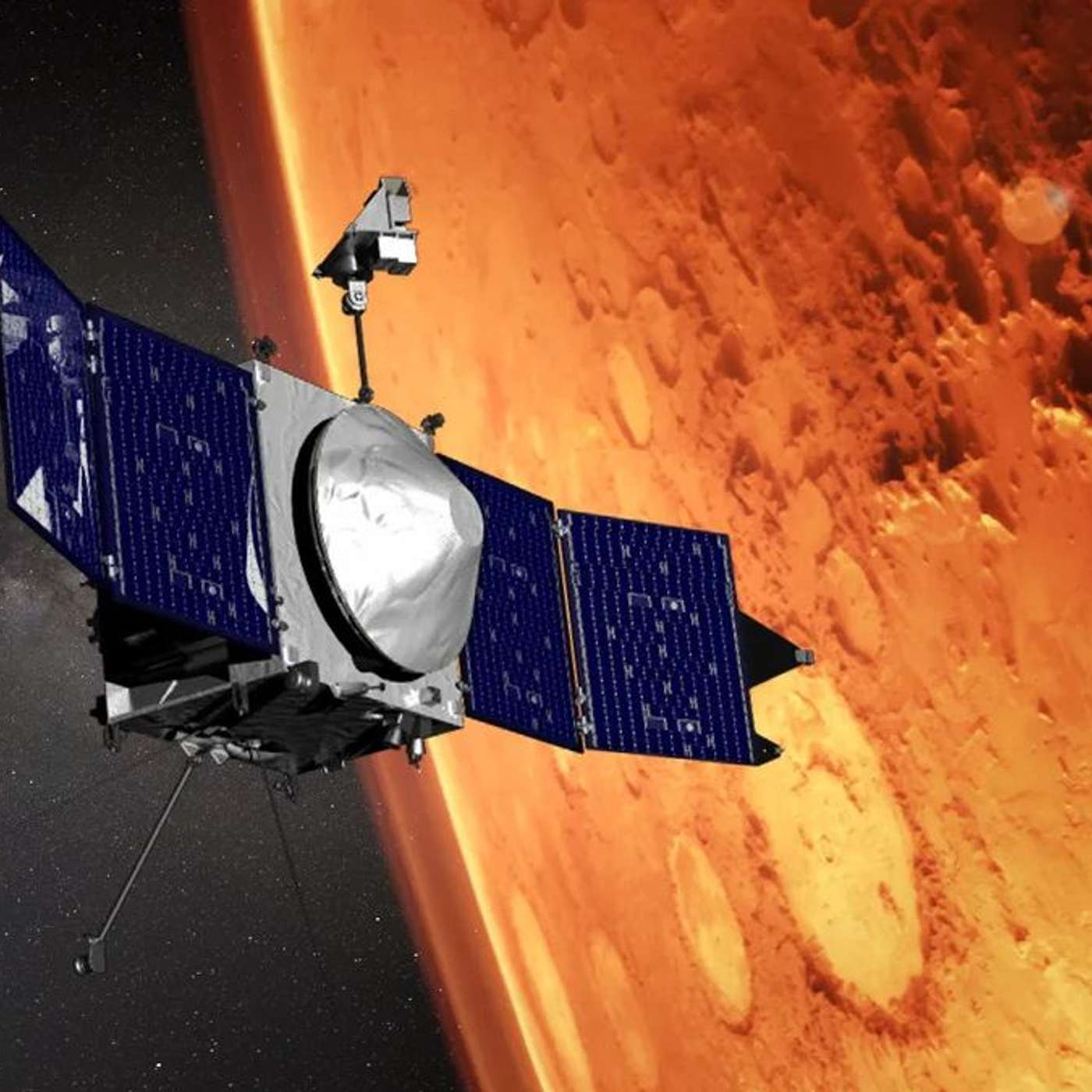
    On this episode of Kalam Astro, we celebrate a remarkable chapter in Mars exploration, dig into the origins of life itself, marvel at a scorched world discovered by humanity's most powerful telescope, and dare to reimagine our own planet with one of the solar system's most iconic features. We begin with a tribute to one of NASA's most accomplished missions — the MAVEN orbiter, which has now been officially retired after years of invaluable service studying the Martian atmosphere. Scientists are hailing it as one of the greatest Mars missions ever flown, and we look back at what MAVEN taught us about how Mars lost its atmosphere, its water, and ultimately its ability to support life — and why that legacy will shape Mars research for decades to come. Then we explore one of the deepest questions in all of science — did life on Earth actually arrive from space? New research points to a fascinating possibility: that asteroids may have delivered the building blocks of life to our planet, with Jupiter's enormous gravitational influence playing a quiet but crucial role in guiding those cosmic messengers our way. It's a discovery that adds a stunning new layer to the story of how we came to exist. Next, the James Webb Space Telescope has done it again — this time turning its incredible instruments toward an extreme exoplanet being relentlessly roasted by its parent star. We explore what Webb found, what makes this world so extraordinary, and what its atmosphere reveals about the diversity of planets scattered across our galaxy. And we close with a discussion that is equal parts scientific and wonderfully imaginative — what if Earth had rings like Saturn's? How would they look from the ground? How would they affect our seasons, our tides, our climate, and the way ancient civilisations understood the sky? The answers are as surprising as they are spectacular. Tune in, look up, and keep exploring. 🚀🌌 Kalam Astro airs on Pulse 95 Radio — your home for space and science in the UAE. == Listen to #Pulse95Radio in the UAE by tuning in on your radio (95.00 FM) or online on our website: www.pulse95radio.com Follow us on Social. www.facebook.com/pulse95radio www.twitter.com/pulse95radio
  • #259
    September 4 · 21 min

    Artemis 2 Laser Comms, Exoplanets Near Black Holes, Japan's Moon Transformer & H3 Rocket Return

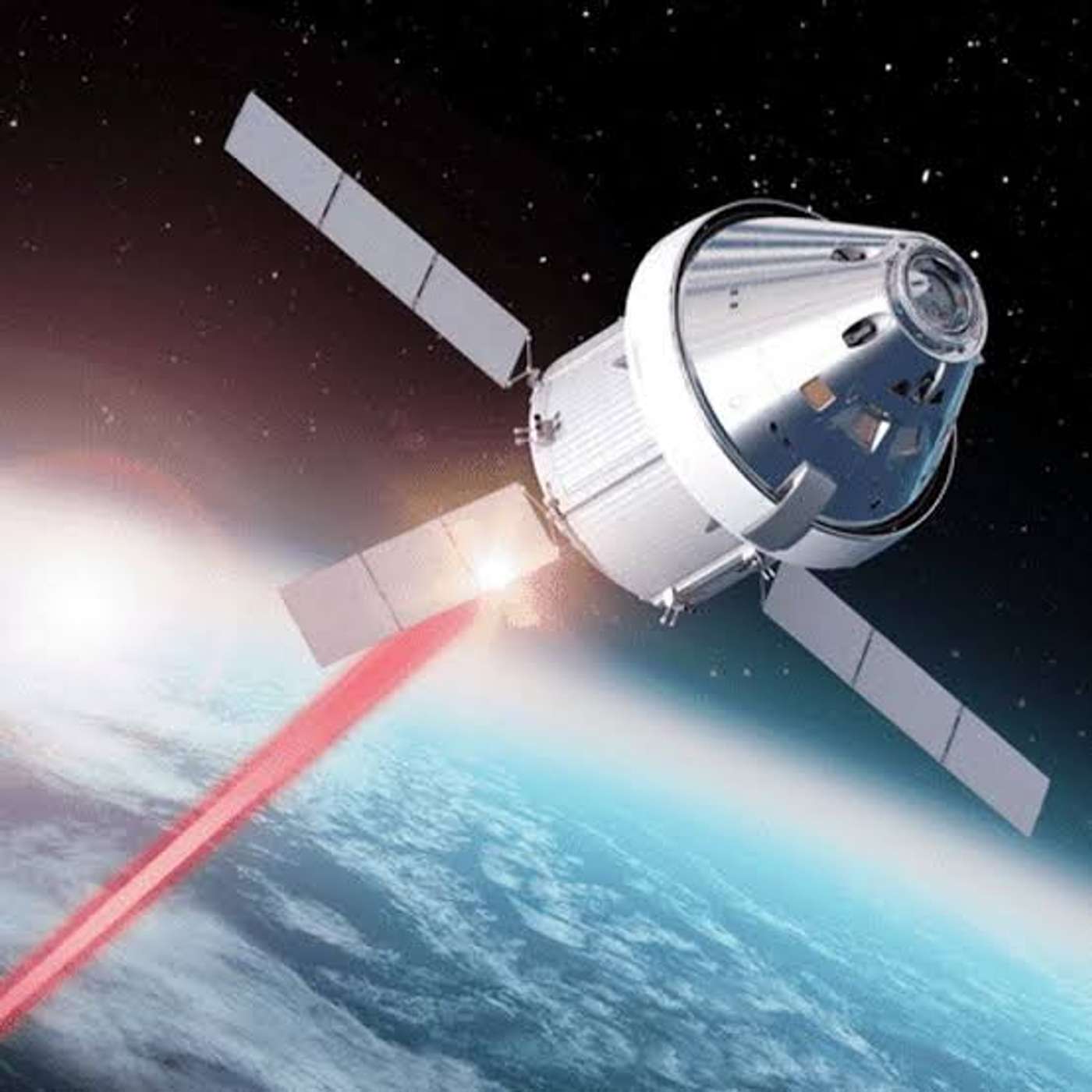
    On this episode of Kalam Astro, we're covering one of the most historic moments in recent space exploration, a stunning planetary discovery, a robot straight out of science fiction, and a major comeback story from Japan's space program. We open with a story that feels almost magical — how laser technology kept NASA's Artemis 2 astronauts connected to the world during their epic journey around the Moon. We explore the cutting-edge optical communications system that made it possible to beam data, voice, and video across the vast distance between Earth and our nearest celestial neighbour, and what this breakthrough means for the future of deep space communication. Then we bring you a discovery that rewrites what we thought we knew about where planets can form. Scientists have found that millions of exoplanets could potentially be born in the extreme environments surrounding active supermassive black holes — one of the most hostile and energetic regions in the entire universe. The findings have left the scientific community astonished, and we break down exactly what this means for our understanding of planetary formation across the cosmos. Next, we take a fascinating look at how Japanese scientists sent what can only be described as a real-life Transformer to the surface of the Moon. This shape-shifting lunar rover — compact enough to fit in your hand but capable of changing its form once deployed — represents a bold new approach to robotic Moon exploration, and its story is as remarkable as its design. And we close with a major milestone for Japan's space ambitions — the H3 rocket, which suffered a painful failure on its debut launch, has made a triumphant return to flight, successfully delivering six satellites to orbit and restoring confidence in Japan's next-generation launch vehicle. Tune in, look up, and keep exploring. 🚀🌌 Kalam Astro airs on Pulse 95 Radio — your home for space and science in the UAE. == Listen to #Pulse95Radio in the UAE by tuning in on your radio (95.00 FM) or online on our website: www.pulse95radio.com Follow us on Social. www.facebook.com/pulse95radio www.twitter.com/pulse95radio
  • #258
    September 4 · 20 min

    Earth the Size of Jupiter, Golden Saturn Rings, Rogue Planets & Protecting Low-Earth Orbit

    On this episode of Kalam Astro, we're stretching the imagination, bending the rules of physics, and asking some of the biggest questions in modern space science — from planetary what-ifs to the future of the space around our own planet. We kick things off with one of the most mind-bending thought experiments in astronomy — what would actually happen if Planet Earth were the same size as Jupiter? How would gravity change? What would happen to life, to our oceans, to our atmosphere? We explore what a supersized Earth would look like and whether anything we know today could survive on it. Then we bring you a dazzling space fact that takes a familiar wonder and gives it a golden twist — what if Saturn's rings weren't made of ice and rock, but of pure gold? The implications for how we see the night sky would be staggering, and we break down just how dramatically that golden glitter would transform our view of the cosmos from Earth. Next, we venture into one of the loneliest corners of the universe — the realm of rogue planets. These are worlds with no star to orbit, no light to warm them, and no solar system to call home, drifting silently through the darkness of deep space in their billions. We explore what we know about these wanderers, how they came to be, and what their existence tells us about how chaotic planetary formation truly is. And we close with a discussion that sits right at the crossroads of science, law, and global responsibility — should low-Earth orbit be treated as a protected environment for all of humanity? With satellites, debris, and commercial missions multiplying rapidly, we ask whether the space just above our heads deserves the same kind of international protection as our oceans or atmosphere. Tune in, look up, and keep exploring. 🚀🌌 Kalam Astro airs on Pulse 95 Radio — your home for space and science in the UAE. == Listen to #Pulse95Radio in the UAE by tuning in on your radio (95.00 FM) or online on our website: www.pulse95radio.com Follow us on Social. www.facebook.com/pulse95radio www.twitter.com/pulse95radio

  • #257
    September 4 · 22 min

    ISS Evacuation Alert, Milky Way's Black Hole Winds, MAVEN's Fate & June's Full Moon

    On this episode of Kalam Astro, we're covering a dramatic mix of breaking space news, groundbreaking scientific discoveries, and a special guide to what's lighting up the UAE night sky this June. We open with a tense situation aboard the International Space Station, where astronauts were put on standby for a possible emergency evacuation while crews worked to repair an air leak on board. We look at what that process involves, what it means for the safety of the crew, and just how prepared astronauts need to be for the unexpected in the harsh environment of low Earth orbit. Then we bring you an extraordinary scientific breakthrough that has been half a century in the making — researchers have finally detected winds blowing outward from Sagittarius A*, the supermassive black hole at the very centre of our Milky Way galaxy. It's a discovery that changes what we know about how black holes interact with the space around them. Next, we turn to Mars, where NASA's MAVEN orbiter — now silent and no longer operational — is slowly drifting toward an inevitable crash landing on the Red Planet, expected within the next hundred years. And as it turns out, MAVEN is far from alone. We explore what's become a quiet graveyard of probes and orbiters that have served their purpose and now rest in the Mars morgue. And we close with your UAE stargazing guide for June — with a stunning Full Moon rising on Sunday the 15th, we tell you exactly what to look for in the night sky and the best ways to enjoy it from right here in the Emirates. Tune in, look up, and keep exploring. 🚀🌌 Kalam Astro airs on Pulse 95 Radio — your home for space and science in the UAE. == Listen to #Pulse95Radio in the UAE by tuning in on your radio (95.00 FM) or online on our website: www.pulse95radio.com Follow us on Social. www.facebook.com/pulse95radio www.twitter.com/pulse95radio

Showing 1–20 of 29 episodes