Skip to content
Artwork for It's Been a Minute
Society & CultureReligion & SpiritualitySpiritualityNewsNews Commentary

It's Been a Minute

NPR

Want in on a secret? Your likes and dislikes didn't develop by accident. There are subtle and not-so-subtle forces around you, shaping what you think, how you act, and even who you think you are. Brittany Luse is here to break the spell and help you feel wiser in a society that makes things blurry.

THE BEST POP CULTURE PODCAST AWARD WINNER AT THE 2025 SIGNAL AWARDS

It’s Been A Minute with Brittany Luse is the best podcast for understanding what’s going on in culture right now, and helps you consume it smarter. From how politics influences pop culture to how identity influences tech or health, Brittany makes the picture clearer for you every Monday, Wednesday, and Friday.It’s Been A Minute reaches millions of people every week. Join the community and conversation today.

Support public media by joining NPR+ at plus.npr.org. You’ll get perks for over 25 NPR podcasts, including sponsor-free listening for It's Been A Minute.
Play
  • 39 episodes
  • daily
  • Avg 27 min
  • English

Support the show

Goes straight to the publisher. podnod takes nothing.

Counted on this page — what you have heard stays on this device, so it is not something the list can be paged by.
  • August 7 · 23 min

    What's a pathway to freedom? Reading.

    How has literature changed your life? For poet and lawyer, Reginald Dwaye Betts, books meant freedom. After getting sentenced to 9 years in adult prison at 16, Dwayne felt a sense of hope and possibility whenever he was reading. Upon his release he founded Freedom Reads, an organization that builds libraries within prisons across the country to provide a physical space where those incarcerated can read and dream together. Today on the show, Dwayne joins Brittany to discuss how books and language can help us transform our reality. You can learn more about Dwayne's journey in his documentary, March Forth. Support public media with NPR+ and enjoy perks for over 25 podcasts like this one. This show’s perks include sponsor-free listening. Learn more at plus.npr.org. See pcm.adswizz.com for information about our collection and use of personal data for sponsorship and to manage your podcast sponsorship preferences. NPR Privacy Policy

  • August 5 · 26 min

    The questionable new ways to surveil your friends

    Would you pay for an app that might encourage your worst impulses? Some users are asking themselves the same question as Meta rolls out Instagram Plus, a new suite of features that promises users the opportunity to 'deepen your relationships.' But what do these features say about the way we interact with each other online, and how might they reflect our deepest anxieties back at us? To find out, Brittany is joined by Tatum Hunter, writer and journalist covering digital privacy and internet culture. Want more on tech and social media? The hidden money financing your favorite songs Who needs to know where you are? Support public media with NPR+ and enjoy perks for over 25 podcasts like this one. This show’s perks include sponsor-free listening. Learn more at plus.npr.org. See pcm.adswizz.com for information about our collection and use of personal data for sponsorship and to manage your podcast sponsorship preferences. NPR Privacy Policy

  • August 4 · 35 min

    Abortion access is limited. Is Hollywood to blame?

    Have our favorite shows and movies shaped the way we think about abortion? Hollywood has a huge impact of how we understand abortion. It can drive a plot, like in Dirty Dancing, or inspire conversations about who gets abortions, like in the television series Maude. It can also be dramatized – turning a common medical procedure into something good, bad, or anything in between, depending on who is telling the story and how. Brittany Luse chats with Janet Goldwater, a director of the documentary Hollywood Does Abortion, and Steph Herold at Advancing New Standards in Reproductive Health (ANSIRH) to understand how Hollywood handles, or mishandles the topic of abortion. See pcm.adswizz.com for information about our collection and use of personal data for sponsorship and to manage your podcast sponsorship preferences. NPR Privacy Policy
  • August 3 · 22 min

    Are you "just a girl" ... or are you a baby woman?

    “Baby woman” is the girlboss’s Wario. “Baby woman” is a term coined by Shannon Keating in a piece for The Cut to describe a particular kind of affect some women have: it’s not just girlishness, but also some abdication of adult responsibility. And Shannon’s seen some baby women behavior out in the culture, from Lena Dunham to Amanda Batula. But what drives some women to be baby? And what do they get out of it? To find out, Brittany is joined by Shannon Keating, freelance writer, and Ashley Reese, writer, culture critic, and author of the Bad Brain Substack. For more episodes on the women’s relationships to themselves and culture, check out: The price women pay for being online Numb girls & the humiliation of caring too much "Girl Math" does not add up to financial freedom Support Public Media. Join NPR Plus. Follow Brittany on Instagram: @bmluse See pcm.adswizz.com for information about our collection and use of personal data for sponsorship and to manage your podcast sponsorship preferences. NPR Privacy Policy
  • July 31 · 18 min

    This summer's hottest trend? Monoculture.

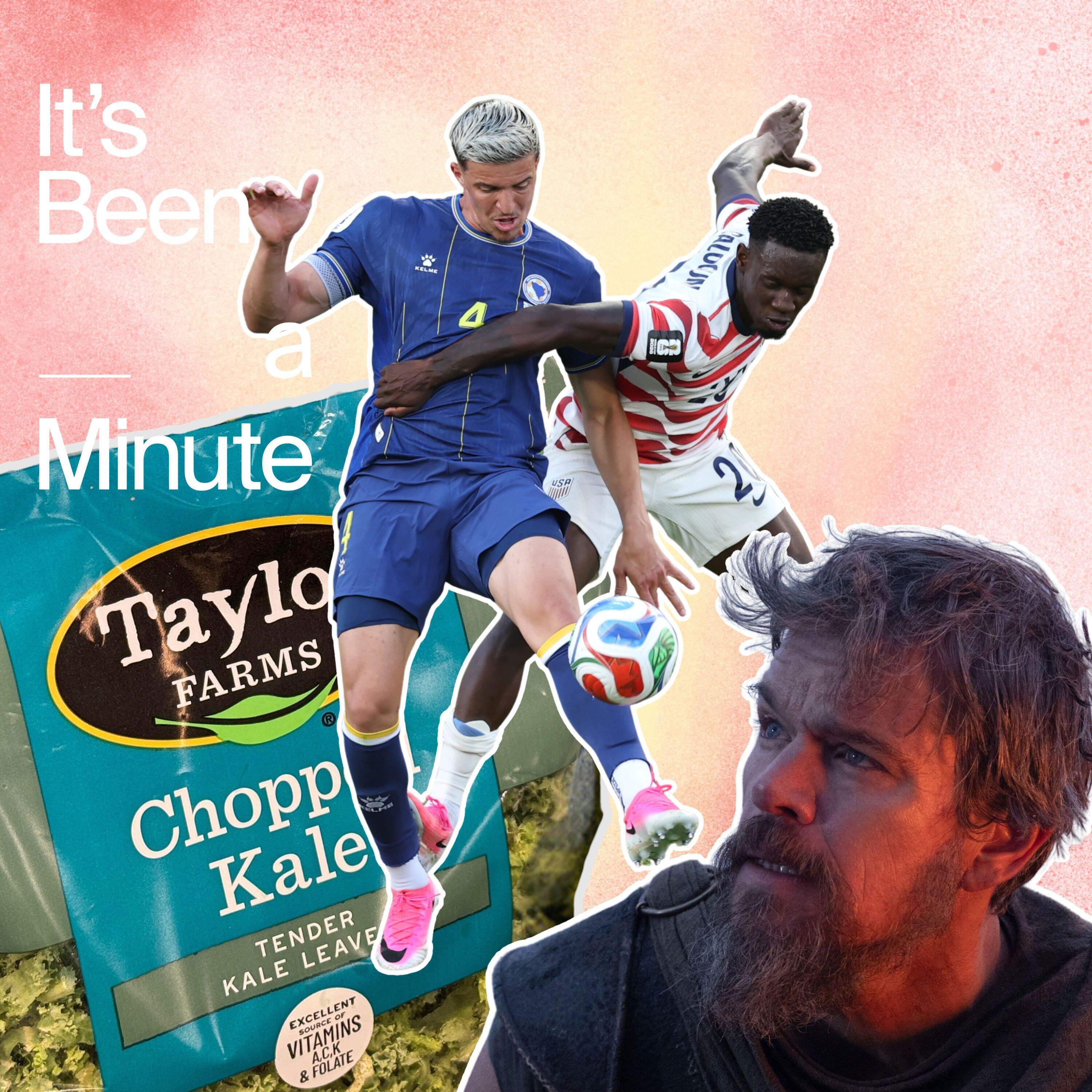
    Monoculture is so back…in more ways than one. From record breaking blockbusters, to nail-biting sports wins, to the chaos that is Love Island - there has been something for everyone this summer. But while we were in the streets rooting for the Knicks, following the World Cup, or waiting for IMAX tickets… heatwaves, wildfire smog, and explosive diarrhea also made notable appearances. Apparently, monoculture can be good, bad, and everything in between. Friend of the show and senior correspondent at Vox.com, Alex Abad-Santos, joins It’s Been a Minute to unpack the highs and lows of our deep desire for monoculture. Read Alex’s article, Welcome to America’s post-World Cup hangover, on Vox.com right now. Support Public Media. Join NPR Plus. Follow Brittany on Instagram: @bmluse For handpicked podcast recommendations every week, subscribe to NPR’s Pod Club newsletter at npr.org/podclub. See pcm.adswizz.com for information about our collection and use of personal data for sponsorship and to manage your podcast sponsorship preferences. NPR Privacy Policy

  • July 29 · 22 min

    Feeling stuck? Take a side quest.

    Feeling stuck? In a rut? Family or work driving you up a wall? Maybe it's time to take a side quest. Much like the optional, lore-building journeys in video games that enrich the main mission, real-life side quests bring a sense of whimsy to your daily routine. In real life, that could look like learning to sew, picking up kickball, or anything else that adds a little whimsy into your routine. To rediscover the childlike joy of taking a side quest, Brittany is joined by Marielle Segarra, host of NPR's Life Kit; Dr. Kyra Gaunt, associate professor of ethnomusicology at the University at Albany; and Sahara Moné, curator and owner of community activities collective Let's Play NYC. Want more on improving your quality of life? Check out these episodes: How to make friends & get good gossip This is your summer of self-love Support Public Media. Join NPR Plus. Follow Brittany on Instagram: @bmluse For handpicked podcast recommendations every week, subscribe to NPR’s Pod Club newsletter at npr.org/podclub. See pcm.adswizz.com for information about our collection and use of personal data for sponsorship and to manage your podcast sponsorship preferences. NPR Privacy Policy

  • July 28 · 39 min

    The heavy weight of diet culture

    Thin, is unfortunately in. The defining mantra of the 90s and early aughts, has reappeared as celebrities, influencers and everyday women shrink in size. But as people get smaller, others are talking. Online and in person, imperfect, candid and concern conversations are happening about the the thinner frames we see online and in person. But what’s the best way to have these conversations? To learn how Brittany spoke with Angelina Chapman, features writer at The Cut and Vanessa Scaringi, PhD, licensed psychologist, to learn how to express concern, without pointing fingers. Want more about body image? Check out these IBAM episodes: GLP-1s & eating disorders have a complicated relationship The difference between losing weight & being "healthy" Support Public Media. Join NPR Plus. Follow Brittany on Instagram: @bmluse See pcm.adswizz.com for information about our collection and use of personal data for sponsorship and to manage your podcast sponsorship preferences. NPR Privacy Policy
  • July 27 · 25 min

    The hidden money financing your favorite songs

    There are influencers taking money to promote music – and not telling you about it. It's great when you find people who put you on to hot new music that matches your taste. But online tastemakers might be getting secretly paid to shill for labels. This is not a conspiracy theory – it's a real practice. NPR music reporter Isabella Gomez Sarmiento spoke to several online content creators who told her about how labels approached them – and who they’re being asked to promote. By the way – this is potentially illegal. But what does it mean for regular music enjoyers that music discovery is so weighed down by dollars? And can we ever disentangle money from the Internet – and from culture? Brittany is joined by Isabella to get into the juicy details and the broader implications of this practice. (00:00) Whose music recommendations do you trust? (02:21) The influencers secretly paid to boost musicians (04:31) The tea on which artists are getting promoted (05:43) Is this secret money ethical - and legal? (12:39) Why music fans are so wary of "industry plants" (15:51) Do musicians need these secret campaigns to be successful? (18:12) Is the internet kind of dead? For more episodes on the state of music in culture, check out: The shelf life of a pop star The D-List pop star purgatory Can TikTok spark a new era of protests? Support Public Media. Join NPR Plus. Follow Brittany on Instagram: @bmluse See pcm.adswizz.com for information about our collection and use of personal data for sponsorship and to manage your podcast sponsorship preferences. NPR Privacy Policy

  • July 24 · 19 min

    Feeling aggrieved? You're not alone.

    Are you feeling the heat? While this summer has been a nonstop ride of historic and unprecedented wins for the culture at large, Brittany has noticed a little bit of sour in all this sweetness: what’s up with everyone having a chip on their shoulder? From sports to reality TV to music - some real grievances are showing up in pop culture and Brittany wants to know why. Hunter Harris and Peyton Dix, hosts of Lemme Say This, join the show to give this summer a much needed vibe check. Support Public Media. Join NPR Plus. Follow Brittany on Instagram: @bmluse For handpicked podcast recommendations every week, subscribe to NPR’s Pod Club newsletter at npr.org/podclub. See pcm.adswizz.com for information about our collection and use of personal data for sponsorship and to manage your podcast sponsorship preferences. NPR Privacy Policy

  • July 22 · 22 min

    Are we fueling violence against women?

    The United States is home to a silent epidemic - do you know about it? We're referring to what researchers are calling femicide, or the gender-based killing of women and girls. And while some countries like Italy and Mexico have femicide or intimate partner homicide in their penal code, most countries, including the United States, do not. Today, Brittany is joined by Abené Clayton, lead reporter for the Guns and Lies in America Project for the Guardian, and Cheryl L. Neely, sociology professor at Oakland Community College in Royal Oak, Michigan to understand the pipeline from everyday and online misogyny to gender-based killings. If you or someone you know is affected by domestic violence, you can contact the National Domestic Violence Hotline via phone, text, or online chat. Their website is thehotline.org. Want more deep dives into the social science of womanhood? It only takes 30 minutes to be a good mom Young women are struggling, too. Why can't we see it? The women leaving the 'New Right' Support Public Media. Join NPR Plus. Follow Brittany on Instagram: @bmluse For handpicked podcast recommendations every week, subscribe to NPR’s Pod Club newsletter at npr.org/podclub. See pcm.adswizz.com for information about our collection and use of personal data for sponsorship and to manage your podcast sponsorship preferences. NPR Privacy Policy

  • July 21 · 30 min

    When does a husband become a liability?

    It shouldn’t be that hard to be a nepo-husband. Right? Nepo- husbands, the spouses of celebrity women come in many shapes and forms, but what unites them all is their proximity to the wealth, power and prestige of their famous partners. And while that proximity can be great for building a business, it can also lead to scrutiny... especially when things go wrong. Matt Kaplan, who’s married to Alex Cooper, the host of the popular Call Her Daddy podcast, recently faced a Vanity Fair expose which alleged a toxic work environment of their media company, Unwell. So, what does it take to be a nepo-husband? Brittany chats with Claire Parker and Ashley Hamilton, hosts of the Good Noticings podcast, to discuss the benefits, and expectations of nepo-husbands. Support Public Media. Join NPR Plus. Follow Brittany on Instagram: @bmluse For handpicked podcast recommendations every week, subscribe to NPR’s Pod Club newsletter at npr.org/podclub. See pcm.adswizz.com for information about our collection and use of personal data for sponsorship and to manage your podcast sponsorship preferences. NPR Privacy Policy

  • July 20 · 24 min

    The DSA vs. establishment Democrats

    Who owns the future of the Democratic party? The Democratic Socialists of America – also known as the DSA – are having a solid year. DSA candidates won House primaries in New York, Colorado, and Pennsylvania. Part of why this is kind of a big deal is that some of these candidates were going up against pretty powerful Democratic incumbents...and not just in races for federal seats. DSA candidates won down-ballot primaries for state legislature in New York, Oregon, Georgia, and Kentucky – and for mayor of DC. In the weeks since, there have been many stories of establishment Democrats frustrated by this, with different narratives coming from Democrats about why this is happening and why the DSA is a problem. But what public sentiment are Democratic voters expressing here? And if this is actually a Tea Party moment for Democrats, what does that change for everyday people? Brittany gets into it with Akela Lacy, senior politics reporter at The Intercept and host of the “Intercept Briefing” podcast, and Michael Lange, New York political analyst, DSA member, and writer of “The Narrative Wars” on Substack. (00:00) The Democratic Socialists of America are having a great year (02:46) Are the DSA primary wins surprising, or to be expected? (04:50) The strange racial narratives around voters of DSA candidates (09:35) Do Black voters actually dislike socialism? (14:18) How electable are DSA candidates outside of cities? (17:14) Why Establishment Democrats fear the DSA's rise (21:02) The impact of outside spending on elections For more episodes on politics and culture, check out: The women leaving the 'New Right' Progressive women have 'had it!' And they're fighting back. Christians are having a Trump-sized reckoning Support Public Media. Join NPR Plus. Follow Brittany on Instagram: @bmluse See pcm.adswizz.com for information about our collection and use of personal data for sponsorship and to manage your podcast sponsorship preferences. NPR Privacy Policy

  • July 17 · 26 min

    Fashion isn't art. It's something more.

    What we wear and how we wear it is more important than its artistic value. When some people think of fashion, the Met Gala or maybe even luxury designers may come to mind. But what about the old college sweatshirt that gets you through the cold or even the brightly colored gym set that pushes you to go that extra mile? Is that not fashion? Perhaps the concept of fashion has been framed as an external commodity to be sought after, rather than an authentic expression cultivated through the rhythm of a well-lived life. Brittany Luse sits down with CNN Senior Style Reporter and author of CNN’s Big Style newsletter, Rachel Tashjian Wise, to answer all those questions and more. Want more on fashion? Was that the worst MET Gala ever? American fashion isn't as liberal as you think Support Public Media. Join NPR Plus. Follow Brittany on Instagram: @bmluse For handpicked podcast recommendations every week, subscribe to NPR’s Pod Club newsletter at npr.org/podclub. See pcm.adswizz.com for information about our collection and use of personal data for sponsorship and to manage your podcast sponsorship preferences. NPR Privacy Policy
  • July 15 · 26 min

    Homelessness is more common than you think.

    Who counts as homeless in America? If you ask the Department of Housing and Urban Development, around 750,000 people are homeless in America. If you ask the Department of Education, that number shoots up into the millions. What does this discrepancy tell us? And how do our cultural ideas about homelessness shape who we see as homeless, and who gets help? To find out, Brittany talks with Dr. Margot Kushel, Director at the UCSF Benioff Homelessness and Housing Initiative, and Dr. Molly Richard, assistant professor in the Department of Public Health at the University of Rhode Island’s College of Health Sciences. Want more deep dives on cultural taboos? Check out these episodes: The truth about men on the 'down low' Why can't we be normal about polyamory? Support Public Media. Join NPR Plus. Follow Brittany on Instagram: @bmluse For handpicked podcast recommendations every week, subscribe to NPR’s Pod Club newsletter at npr.org/podclub. See pcm.adswizz.com for information about our collection and use of personal data for sponsorship and to manage your podcast sponsorship preferences. NPR Privacy Policy

  • July 14 · 35 min

    The naked truth of beauty

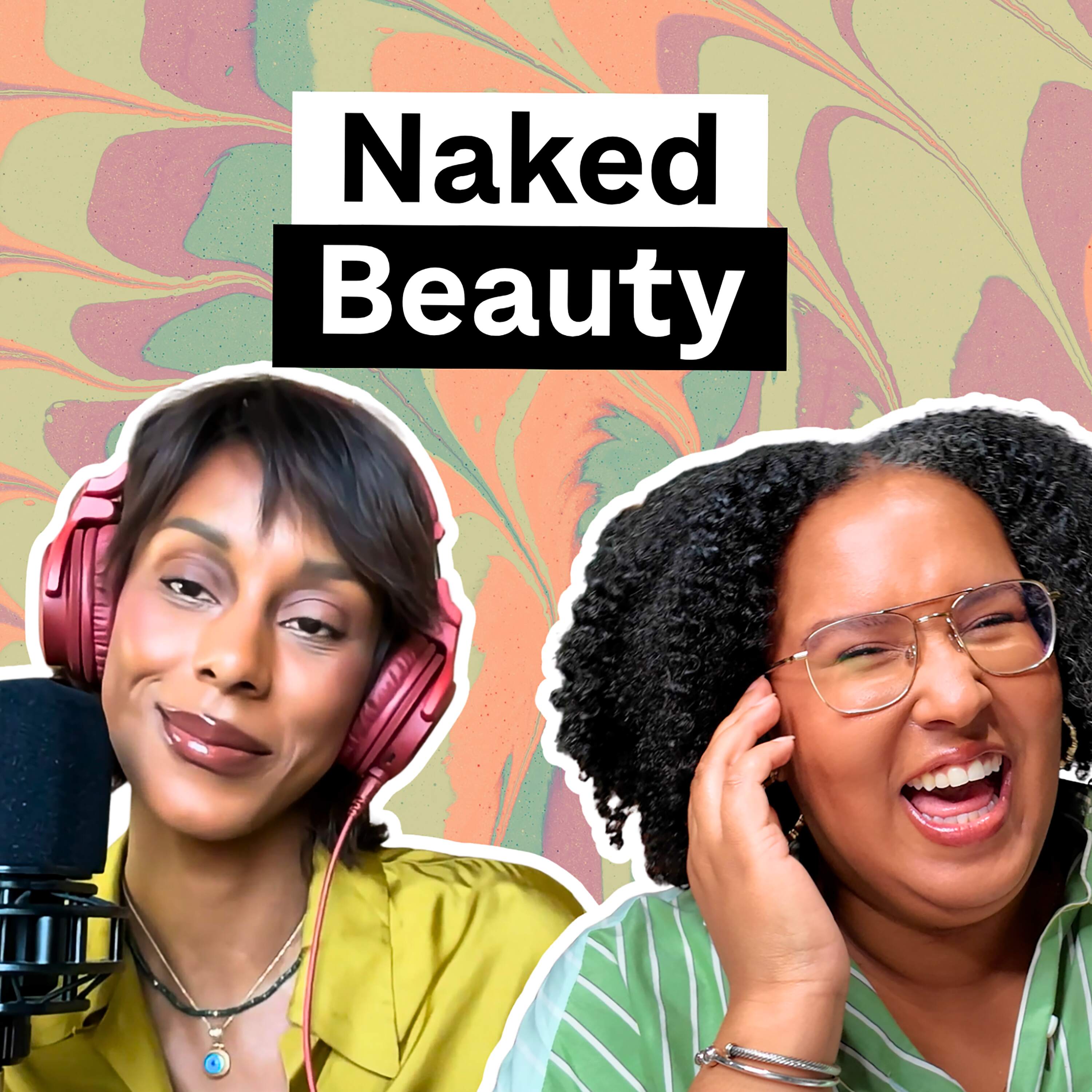
    How has your beauty routine changed in the past 10 years? In 2016, the beauty world was obsessed with 12-step skincare regimens. Now, beauty influencers and experts are experimenting with peptides and looksmaxxing. Brittany chats with Brooke Devard Ozaydinli, host of the Naked Beauty podcast and Chief Content Officer of Refinery29, to understand how our relationship with beauty has changed over the years, and what that means for our relationships with ourselves. 00:00 How beauty standards shifted from expression to optimization 02:55 Navigating becoming 'project managers' of our faces and bodies 05:33 How Brooke's show has changed as beauty trends have changed 09:19 Looksmaxing and unrealistic beauty standards for Black women 13:40 Policing of Black women's appearance 17:48 The complicated reality of cosmetic procedures in the digital age 24:23 Finding agency in beauty beyond cosmetic procedures 29:16 How to find the beauty routine for you Support Public Media. Join NPR Plus. Follow Brittany on Instagram: @bmluse For handpicked podcast recommendations every week, subscribe to NPR’s Pod Club newsletter at npr.org/podclub. See pcm.adswizz.com for information about our collection and use of personal data for sponsorship and to manage your podcast sponsorship preferences. NPR Privacy Policy

  • July 13 · 28 min

    The fame and (mis)fortune of family influencing

    Do influencer parents trade in their kids’ privacy for the hope of financial security? Kids are everywhere on the Internet – and not just playing on Roblox. They're the stars of many family influencing pages that document kids’ lives: from the intimate details of their births, to starting school, to going through puberty. That can come with a host of problems – but also a ton of money. So what happens when parents trade their kids' privacy for the hope of financial security? And how does that content play into feedback loops about what family life should look like? Brittany gets into it with Fortesa Latifi, senior writer at Yahoo! and author of Like, Follow, Subscribe: Influencer Kids and the Cost of Childhood Online. (00:00) The cost of a childhood online (02:48) How Mommy blogging transformed into family influencing (07:39) Just how much do family influencers make? (10:37) Online exploitation risks (16:36) How influencing distorts family life (24:59) Should kids be influencers? For more episodes on parenting, kids, and modern life, check out: The fear & shame of modern parenting Are children a marginalized group? The real meaning of "6 7" Support Public Media. Join NPR Plus. Follow Brittany on Instagram: @bmluse See pcm.adswizz.com for information about our collection and use of personal data for sponsorship and to manage your podcast sponsorship preferences. NPR Privacy Policy

  • July 10 · 24 min

    The Shelf Life of a Pop Star

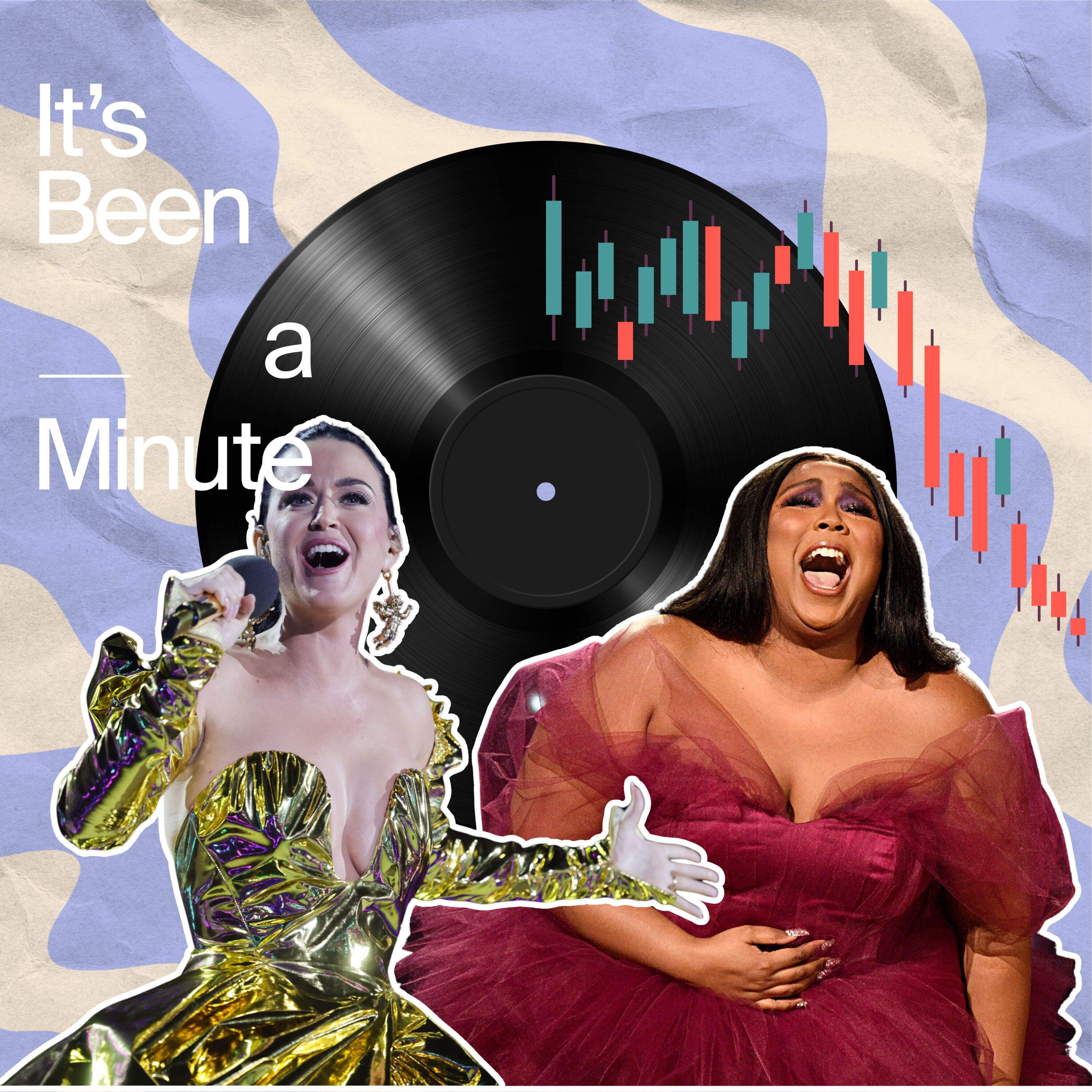
    What gives a pop star staying power? In our frenetic music landscape, it's clear that a lot of pop stars that defined the millennial "hopecore" sound -- think Lizzo and Katy Perry -- are no longer resonating with audiences. So who are listeners gravitating to these days, and how does that reflect the times we're living in? Brittany talks to music writer and critic Brittany Spanos on whether we're seeing a generational shift in music taste, and how legacy acts can stay relevant too. Want more pop music analysis? Check out this episode: The D-List pop star purgatory Support Public Media. Join NPR Plus. Follow Brittany on Instagram: @bmluse For handpicked podcast recommendations every week, subscribe to NPR’s Pod Club newsletter at npr.org/podclub. See pcm.adswizz.com for information about our collection and use of personal data for sponsorship and to manage your podcast sponsorship preferences. NPR Privacy Policy
  • July 8 · 19 min

    Can you say no to a friend's wedding?

    Are we spending too much on other people’s weddings? Going to a friend's weddings can be so fun and meaningful… but it can also really hurt your wallet. A survey by LendingTree found that 31% of people who had been to a wedding in the past five years had accrued debt to attend. So what’s driving up the cost of weddings for guests? And what makes it so hard to say no to these expenses? Brittany breaks it down with Allyson Rees, senior analyst at trend forecasting firm WGSN, and Annie Joy Williams, assistant editor at The Atlantic. See pcm.adswizz.com for information about our collection and use of personal data for sponsorship and to manage your podcast sponsorship preferences. NPR Privacy Policy

  • July 7 · 35 min

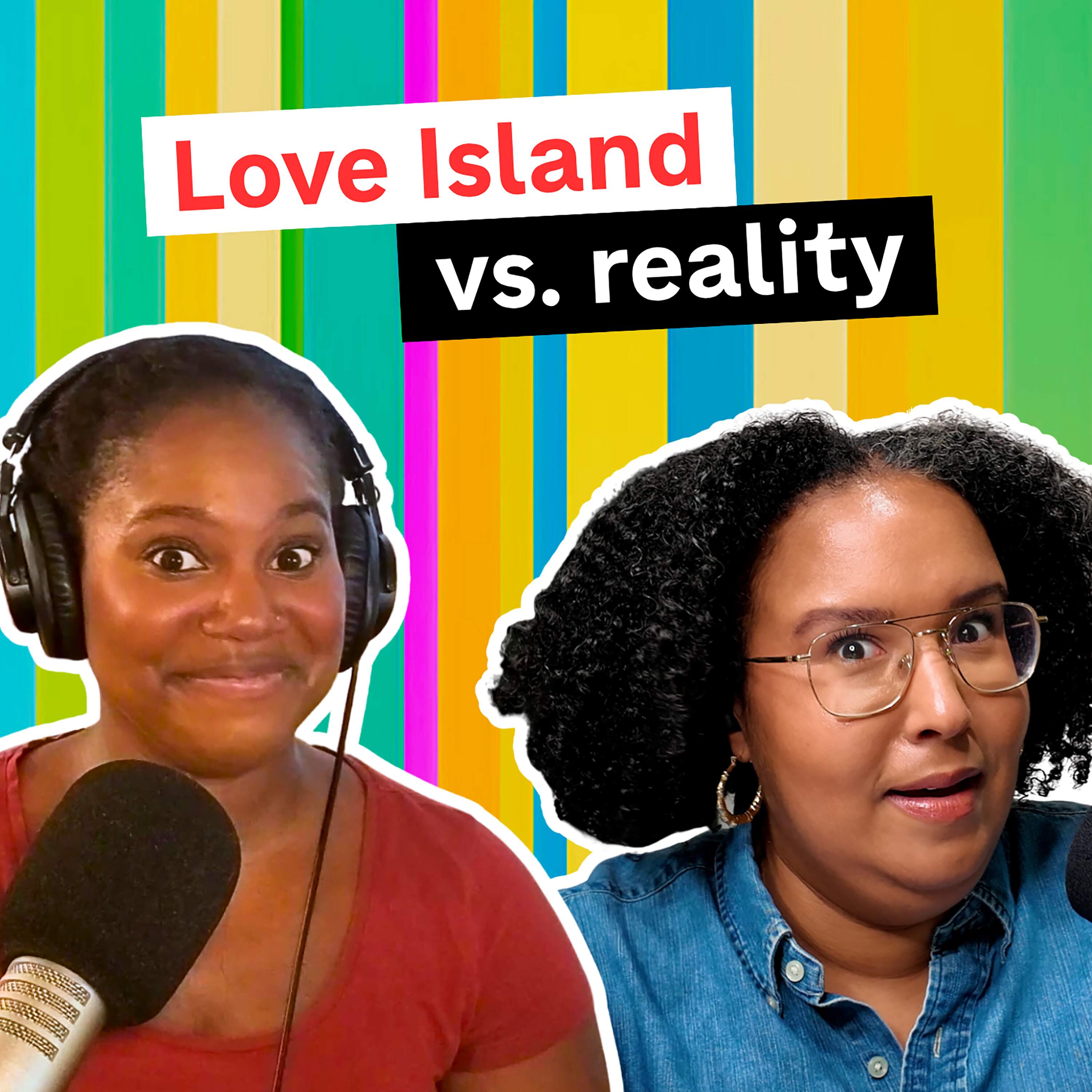
    Love Island vs. Reality

    Is it Love Island? Or a nightmare? Love Island USA, the reality show where attractive singles compete to find love, is in full swing. Over the course of its eighth season, there’s been everything from romance and friendship to betrayal and heartbreak. And what goes on inside the Love Island villa has sparked a lot of discourse outside of it. To understand this microcosm of modern dating and why the season's villains are finding defenders online, Brittany chats with Jonquilyn Hill, host of Vox's Explain it to Me podcast, and Marcus Jones, Awards Editor at IndieWire, to get into it. 00:00 Cold open 00:22 Love Island USA: A microcosm of modern dating culture 01:08 What makes Love Island USA discourse so interesting? How has it changed? 02:56 A new audience has entered the villa 06:00 Love Island drama: misogyny and 'red pill' behavior 08:18 The KC and Aniya Discourse 10:13 The bastardization of 'exploring' 13:48 The KC controversy 16:07 The concern around Love Island casting 19:50 'Red pill' rhetoric and Love Island's 'villains' 24:42 Love Island reflects our broken dating world 26:48 The power dynamics at play on reality TV 29:02 What's the point of dating discourse? For more episodes on reality television, check out: How to Enter Your Sporty Era Support Public Media. Join NPR Plus. Follow Brittany on Instagram: @bmluse For handpicked podcast recommendations every week, subscribe to NPR’s Pod Club newsletter at npr.org/podclub. See pcm.adswizz.com for information about our collection and use of personal data for sponsorship and to manage your podcast sponsorship preferences. NPR Privacy Policy
Showing 21–39 of 39 episodes