Skip to content
Artwork for It's Been a Minute
Society & CultureReligion & SpiritualitySpiritualityNewsNews Commentary

It's Been a Minute

NPR

Want in on a secret? Your likes and dislikes didn't develop by accident. There are subtle and not-so-subtle forces around you, shaping what you think, how you act, and even who you think you are. Brittany Luse is here to break the spell and help you feel wiser in a society that makes things blurry.

THE BEST POP CULTURE PODCAST AWARD WINNER AT THE 2025 SIGNAL AWARDS

It’s Been A Minute with Brittany Luse is the best podcast for understanding what’s going on in culture right now, and helps you consume it smarter. From how politics influences pop culture to how identity influences tech or health, Brittany makes the picture clearer for you every Monday, Wednesday, and Friday.It’s Been A Minute reaches millions of people every week. Join the community and conversation today.

Support public media by joining NPR+ at plus.npr.org. You’ll get perks for over 25 NPR podcasts, including sponsor-free listening for It's Been A Minute.
Play
  • 31 episodes
  • daily
  • Avg 26 min
  • English

Support the show

Goes straight to the publisher. podnod takes nothing.

Counted on this page — what you have heard stays on this device, so it is not something the list can be paged by.
  • Yesterday · 24 min

    Hitting the open road can lead to new beginnings

    What would it look like to have all of your needs met? That’s the question filmmaker Shatara Michelle Ford’s asks in their film, Dreams in Nightmares. As three Black queer friends take to the road to search for the fourth member of their group, they navigate the ups and downs of love, identity, and what it means to truly feel seen. Shatara joins the show to break down how Dreams in Nightmares went from an idea about the Wim Wenders film Paris, Texas to a journey of self-discovery. Support public media with NPR+ and enjoy perks for over 25 podcasts like this one. This show’s perks include sponsor-free listening. Learn more at plus.npr.org. See pcm.adswizz.com for information about our collection and use of personal data for sponsorship and to manage your podcast sponsorship preferences. NPR Privacy Policy

  • Wednesday · 19 min

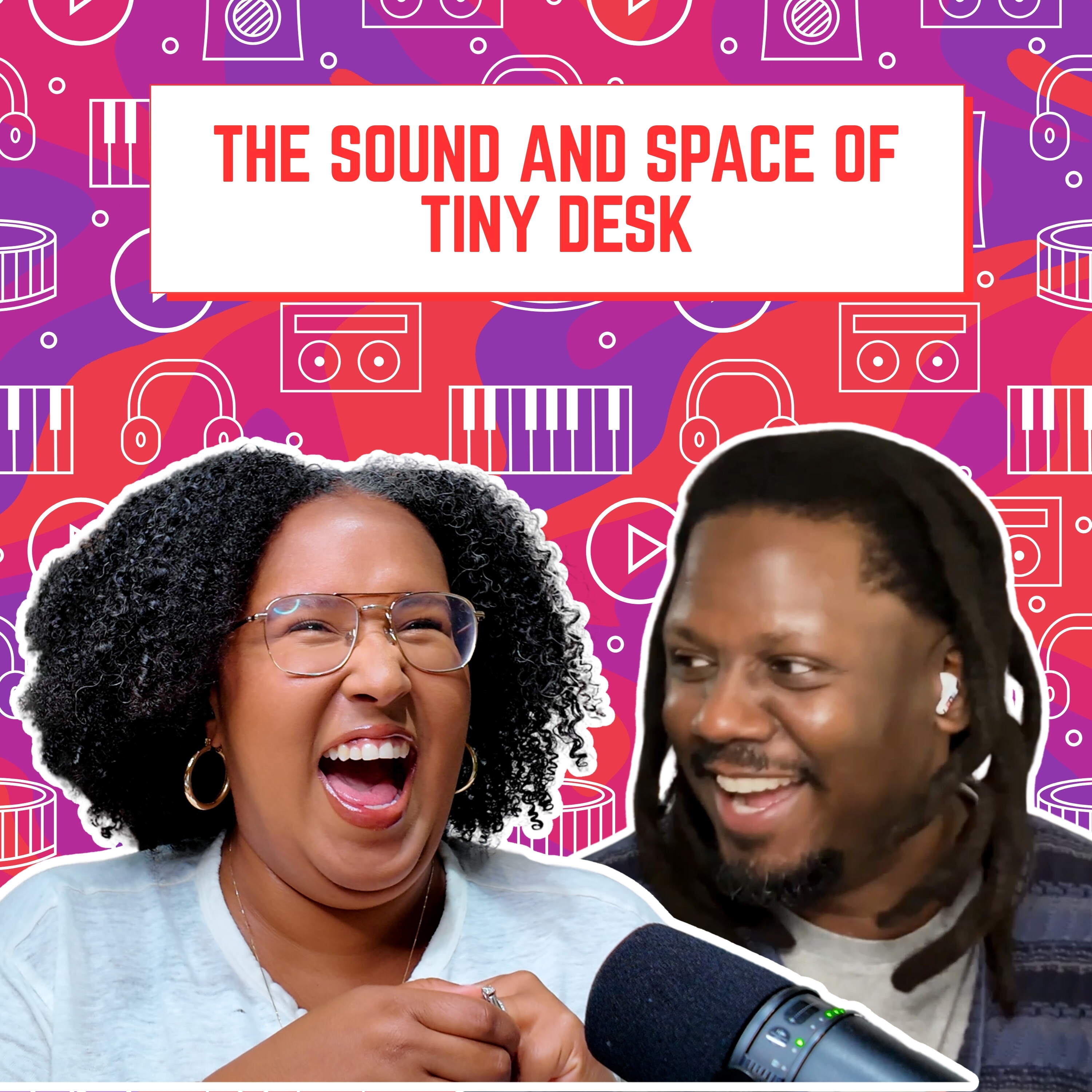
    The influencer era is dead. What's next?

    Would you go back to college? What if it looked less like four years of textbooks and cram sessions, and more like five days of non-stop streaming and content creation? That's the vision that Twitch megastreamer Kai Cenat had for his second annual Streamer University, where budding content creators descended on a liberal arts campus to learn how to be the best streamers they can be. But what does the success of Streamer University say about the creator economy and where our attention is headed? To find out, Brittany is joined by Rebecca Jennings, features writer for New York Magazine and Alyssa Mercante senior reporter at Digiday. Want more on social media and culture? Bite-sized shows are taking over the internet The questionable new ways to surveil your friends Support public media with NPR+ and enjoy perks for over 25 podcasts like this one. This show’s perks include sponsor-free listening. Learn more at plus.npr.org. See pcm.adswizz.com for information about our collection and use of personal data for sponsorship and to manage your podcast sponsorship preferences. NPR Privacy Policy
  • Tuesday · 37 min

    Books can teach you to love yourself. If you let them.

    How do you convince people to read more novels? You could ask author Jason Reynolds for a start. The acclaimed author of young adult novels, Look Both Ways, Long Way Down, and Ghost joins host Brittany Luse to discuss the lessons in empathy, friendship and hope that novels can inspire in all readers. He says, “In one book, everybody can change. In 300 pages, every character that you've met has become a new character by the end, and so what might you do in thirty days, let alone thirty years? ” What's the last book that changed you? Support public media with NPR+ and enjoy perks for over 25 podcasts like this one. This show’s perks include sponsor-free listening. Learn more at plus.npr.org. See pcm.adswizz.com for information about our collection and use of personal data for sponsorship and to manage your podcast sponsorship preferences. NPR Privacy Policy
  • Monday · 25 min

    Bite-sized shows are taking over the internet

    Microdramas are taking over the internet. But are they art – or products? The Double Life of My Billionaire Husband. Break Me, Princess. Married the Mafioso I Saved. These are all titles of microdramas that are taking the internet by storm. In case you haven’t heard, microdramas are often campy shows with short, minute-long episodes. The first few episodes get posted to social media for free, but viewers must go to another site where they can pay to watch the whole thing. And a lot of people do. It's an industry that started in China and is already worth several billions of dollars – so Hollywood is getting in on it. Issa Rae’s microdrama called Screen Time got nearly 75 million views in its first week, and now, Peacock, Fox, and Disney are producing their own. But this microdrama boom raises a few questions: who are these stories for, and what makes them so popular? And is the microdrama a new art form – or is it solely a product? Brittany is joined by Chang Che, a freelance writer who wrote about microdramas for The New Yorker, and Xochitl Gonzalez, author and contributor at The Atlantic, who wrote about them there. (00:00) The rise of the microdrama (03:14) Hollywood lacks chemistry - microdramas have that in spades. (07:32) Who are microdramas for? (11:33) Are microdramas art - or products? (16:46) Are marginalized actors and writers being shunted into microdramas? (20:47) The AI boom in microdramas For more episodes on what we’re watching and why, check out: People are struggling financially. Even on TV. Abortion access is limited. Is Hollywood to blame? Why Gen Z is movie-maxxing Support public media with NPR+ and enjoy perks for over 25 podcasts like this one. This show’s perks include sponsor-free listening. Learn more at plus.npr.org. See pcm.adswizz.com for information about our collection and use of personal data for sponsorship and to manage your podcast sponsorship preferences. NPR Privacy Policy
  • August 21 · 23 min

    'The Pitt' star Sepideh Moafi on being limitless

    Sepideh Moafi wants you to get raw with your emotions. Season 2 of HBO Max’s original series, The Pitt, brings a new doctor into the fold: Dr. Baran Al-Hashimi. An Iranian-Iraqi attending physician, she brings empathy and discipline into the chaotic ER that viewers have come to love. While she ruffled some feathers at first, her commitment to her fellow doctors and patients has made her a fan favorite. That’s all thanks to Sepideh. Her performance as Dr. Baran Al-Hashimi has earned her an Emmy nomination for outstanding supporting actress in a drama series. The nomination makes her the first Iranian woman and the first woman of Middle Eastern or SWANA - Southwest Asian, North African - descent to get nominated in the category. Sepideh joins the show to unpack how her journey as an opera singer and a human rights advocate led her to this historic moment. Support public media with NPR+ and enjoy perks for over 25 podcasts like this one. This show’s perks include sponsor-free listening. Learn more at plus.npr.org. See pcm.adswizz.com for information about our collection and use of personal data for sponsorship and to manage your podcast sponsorship preferences. NPR Privacy Policy
  • August 19 · 22 min

    Broadway has a labor issue

    It seems like no one on Broadway is happy. Actors are buckling under the weight of the eight-show week, producers aren't making their money back, and audiences are getting tired of paying astronomical ticket prices to see celebrities on stage. Is Broadway in danger of taking its final bow? To find out, Brittany is joined by Broadway sensitivity specialist Ann James, and entertainment lawyer and business journalist Marc Hershberg. Want more about the intersection of Broadway and culture? Check out these episodes: 'Cats: The Jellicle Ball' gets 10s across the board Tony nominee Jocelyn Bioh puts braiders centerstage Support public media with NPR+ and enjoy perks for over 25 podcasts like this one. This show’s perks include sponsor-free listening. Learn more at plus.npr.org. See pcm.adswizz.com for information about our collection and use of personal data for sponsorship and to manage your podcast sponsorship preferences. NPR Privacy Policy
  • August 18 · 30 min

    Are influencers in their flop era?

    The cultural supremacy of the influencer seems to be waning. For nearly a decade, they’ve become a fount of cultural commerce, affecting how to live, what to buy, and who to follow for advice. But a backlash – against everything from expensive shopping hauls to the very persona that built an influencer's brand – is leaving many questioning their cultural relevance. So what’s going on with influencers – or better yet – who’s going to replace them? To understand this cultural shift, we’re chatting with Ira Madison III, host of The Feedback with Ira Madison, to figure out what happens when the influencers lose influence. Support public media with NPR+ and enjoy perks for over 25 podcasts like this one. This show’s perks include sponsor-free listening. Learn more at plus.npr.org. See pcm.adswizz.com for information about our collection and use of personal data for sponsorship and to manage your podcast sponsorship preferences. NPR Privacy Policy
  • August 17 · 18 min

    Don't be THAT person at the music festival. Here's how

    Have some people forgotten how to behave at music festivals? Summer is peak music festival season, and that means many of us are braving huge crowds and sweltering heat to see a bunch of artists we love in one place. But is there a decline in social decorum in these concert settings? From using phones to being in the front row to navigating crowds, our friends at Pop Culture Happy Hour are sharing personal and passionate takes about music festival etiquette. For more episodes on culture and social etiquette, check out: How should we behave online? The social etiquette of sharing location Is your neighborhood riddled with dog poop? Support public media with NPR+ and enjoy perks for over 25 podcasts like this one. This show’s perks include sponsor-free listening. Learn more at plus.npr.org. See pcm.adswizz.com for information about our collection and use of personal data for sponsorship and to manage your podcast sponsorship preferences. NPR Privacy Policy
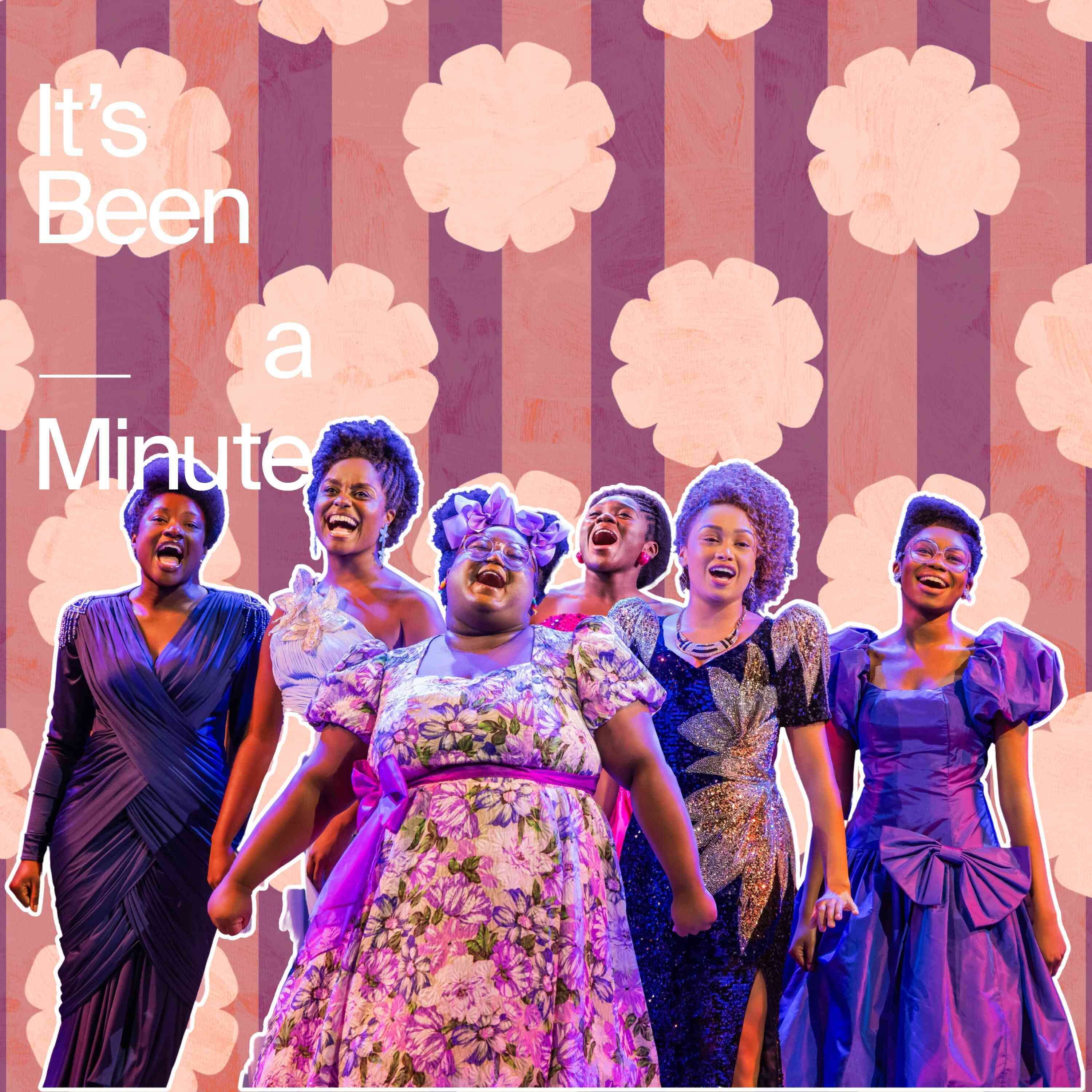
  • August 14 · 23 min

    People are struggling financially. Even on TV.

    Welcome to the age of ‘Broke TV.’ It seems like the days of prestige TV shows about the wealthy elite have been replaced by the vocal majority: the downwardly mobile. New Yorker TV critic, Inkoo Kang, noticed that her favorite shows so far this year all focused - in some respect - on the people whose lives have been financially squeezed beyond recognition by the very elite we used to enjoy watching. Building resentment about the shrinking middle class, a hopeless job market, and few political pathways towards change has made our entertainment reflect a devastating reality back to us. Inkoo joins the show to break down how we got to this point and the fine line between entertainment and catharsis on screen. You can read Inkoo’s article, ‘Welcome to the Age of Broke TV’, here. Support public media with NPR+ and enjoy perks for over 25 podcasts like this one. This show’s perks include sponsor-free listening. Learn more at plus.npr.org. See pcm.adswizz.com for information about our collection and use of personal data for sponsorship and to manage your podcast sponsorship preferences. NPR Privacy Policy
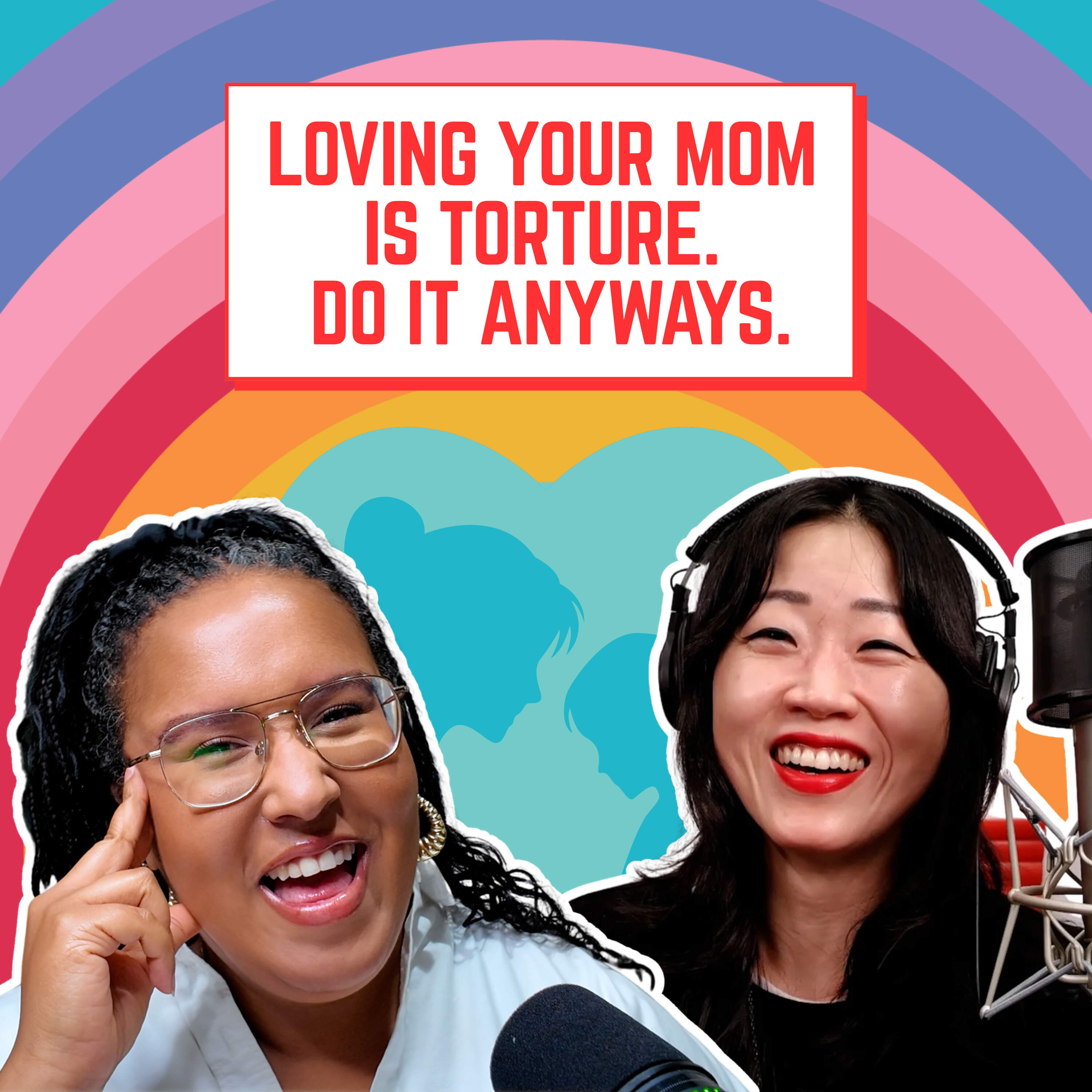
  • August 12 · 22 min

    What's with all the testosterone talk?

    Do you have what it takes to be "High-T?" Service members are about to find out, as Defense secretary Pete Hegseth announced that the military will be screening men for low testosterone, a hormone found in both women and men that supports bone mass development, red blood cell production, energy levels, and more. It's an important marker of overall health in men, but will it push the United States military to the 'leading edge of lethality' as promised by Hegseth? To get into the facts and fictions around testosterone, Brittany is joined by NPR health correspondent Will Stone, and Dr. Helen Bernie, Director of Sexual and Reproductive Medicine and associate professor of urology at Indiana University. Want more on gender and health? Check out these episodes: Boundaries, bodies, and better sex The key to thriving later in life: menopause Support public media with NPR+ and enjoy perks for over 25 podcasts like this one. This show’s perks include sponsor-free listening. Learn more at plus.npr.org. See pcm.adswizz.com for information about our collection and use of personal data for sponsorship and to manage your podcast sponsorship preferences. NPR Privacy Policy
  • August 11 · 40 min

    Who really counts as ‘working class’?

    What does it mean to be ‘working class’? It’s a term that we hear often (especially around election time), but more specifically, who are we actually talking about? According to labor economist Kathryn Anne Edwards, host of the Optimist Economy podcast (@optimist_economy), the working class is a group of people who have the least amount of pay, benefits, and protections in the labor market. In this week’s episode of It’s Been a Minute, host Brittany Luse chats with Kathryn about what economists, politicians, and everyday people get wrong about the working class. Support public media with NPR+ and enjoy perks for over 25 podcasts like this one. This show’s perks include sponsor-free listening. Learn more at plus.npr.org. See pcm.adswizz.com for information about our collection and use of personal data for sponsorship and to manage your podcast sponsorship preferences. NPR Privacy Policy
  • August 10 · 31 min

    Is your city shaped by yuppie taste?

    You might be more influenced by yuppie taste than you’d think. Back in the eighties – when pop music drowned in synths, the volume of everyone's hair was set to loud, and neon was in vogue – a new age dawned: the era of the yuppie. “Yuppie” comes from the acronym “YUP” – which stands for young, urban professional. Think Patrick Bateman from American Psycho or even Miranda Hobbes from Sex and the City. Nowadays, cities are full of young urban professionals, but this wasn't always the case. In his new book, Yuppies: the Bankers, Lawyers, Joggers and Gourmands Who Conquered New York, author Dylan Gottlieb argues that New York City was the first city to reorganize itself to cater to yuppies. And it's not just cities that have changed. Yuppies have transformed our country's economy, politics, and culture, too. Brittany is joined by Dylan, assistant professor of history at Bentley University, to break down how yuppies catapulted us into our current moment. For more episodes on the history that explains our culture today, check out: How often do you think about the American Empire? Americans want a royal family. Now they have two Were Americans actually healthier in the past? (00:00) What exactly is a yuppie? (05:37) The economics that created yuppies and their "meritocracy" (13:12) The violent cost of city revival (19:35) How yuppies created foodie culture (23:16) The politics of marathon-running (25:14) How yuppies remade the Democratic party (29:36) Should we bring back the term "yuppie"? Follow Brittany on Instagram: @bmluse Support public media with NPR+ and enjoy perks for over 25 podcasts like this one. This show’s perks include sponsor-free listening. Learn more at plus.npr.org. See pcm.adswizz.com for information about our collection and use of personal data for sponsorship and to manage your podcast sponsorship preferences. NPR Privacy Policy
  • August 7 · 23 min

    What's a pathway to freedom? Reading.

    How has literature changed your life? For poet and lawyer, Reginald Dwaye Betts, books meant freedom. After getting sentenced to 9 years in adult prison at 16, Dwayne felt a sense of hope and possibility whenever he was reading. Upon his release he founded Freedom Reads, an organization that builds libraries within prisons across the country to provide a physical space where those incarcerated can read and dream together. Today on the show, Dwayne joins Brittany to discuss how books and language can help us transform our reality. You can learn more about Dwayne's journey in his documentary, March Forth. Support public media with NPR+ and enjoy perks for over 25 podcasts like this one. This show’s perks include sponsor-free listening. Learn more at plus.npr.org. See pcm.adswizz.com for information about our collection and use of personal data for sponsorship and to manage your podcast sponsorship preferences. NPR Privacy Policy
  • August 5 · 26 min

    The questionable new ways to surveil your friends

    Would you pay for an app that might encourage your worst impulses? Some users are asking themselves the same question as Meta rolls out Instagram Plus, a new suite of features that promises users the opportunity to 'deepen your relationships.' But what do these features say about the way we interact with each other online, and how might they reflect our deepest anxieties back at us? To find out, Brittany is joined by Tatum Hunter, writer and journalist covering digital privacy and internet culture. Want more on tech and social media? The hidden money financing your favorite songs Who needs to know where you are? Support public media with NPR+ and enjoy perks for over 25 podcasts like this one. This show’s perks include sponsor-free listening. Learn more at plus.npr.org. See pcm.adswizz.com for information about our collection and use of personal data for sponsorship and to manage your podcast sponsorship preferences. NPR Privacy Policy
  • August 4 · 35 min

    Abortion access is limited. Is Hollywood to blame?

    Have our favorite shows and movies shaped the way we think about abortion? Hollywood has a huge impact of how we understand abortion. It can drive a plot, like in Dirty Dancing, or inspire conversations about who gets abortions, like in the television series Maude. It can also be dramatized – turning a common medical procedure into something good, bad, or anything in between, depending on who is telling the story and how. Brittany Luse chats with Janet Goldwater, a director of the documentary Hollywood Does Abortion, and Steph Herold at Advancing New Standards in Reproductive Health (ANSIRH) to understand how Hollywood handles, or mishandles the topic of abortion. See pcm.adswizz.com for information about our collection and use of personal data for sponsorship and to manage your podcast sponsorship preferences. NPR Privacy Policy
  • August 3 · 22 min

    Are you "just a girl" ... or are you a baby woman?

    “Baby woman” is the girlboss’s Wario. “Baby woman” is a term coined by Shannon Keating in a piece for The Cut to describe a particular kind of affect some women have: it’s not just girlishness, but also some abdication of adult responsibility. And Shannon’s seen some baby women behavior out in the culture, from Lena Dunham to Amanda Batula. But what drives some women to be baby? And what do they get out of it? To find out, Brittany is joined by Shannon Keating, freelance writer, and Ashley Reese, writer, culture critic, and author of the Bad Brain Substack. For more episodes on the women’s relationships to themselves and culture, check out: The price women pay for being online Numb girls & the humiliation of caring too much "Girl Math" does not add up to financial freedom Support Public Media. Join NPR Plus. Follow Brittany on Instagram: @bmluse See pcm.adswizz.com for information about our collection and use of personal data for sponsorship and to manage your podcast sponsorship preferences. NPR Privacy Policy
  • July 31 · 18 min

    This summer's hottest trend? Monoculture.

    Monoculture is so back…in more ways than one. From record breaking blockbusters, to nail-biting sports wins, to the chaos that is Love Island - there has been something for everyone this summer. But while we were in the streets rooting for the Knicks, following the World Cup, or waiting for IMAX tickets… heatwaves, wildfire smog, and explosive diarrhea also made notable appearances. Apparently, monoculture can be good, bad, and everything in between. Friend of the show and senior correspondent at Vox.com, Alex Abad-Santos, joins It’s Been a Minute to unpack the highs and lows of our deep desire for monoculture. Read Alex’s article, Welcome to America’s post-World Cup hangover, on Vox.com right now. Support Public Media. Join NPR Plus. Follow Brittany on Instagram: @bmluse For handpicked podcast recommendations every week, subscribe to NPR’s Pod Club newsletter at npr.org/podclub. See pcm.adswizz.com for information about our collection and use of personal data for sponsorship and to manage your podcast sponsorship preferences. NPR Privacy Policy
  • July 29 · 22 min

    Feeling stuck? Take a side quest.

    Feeling stuck? In a rut? Family or work driving you up a wall? Maybe it's time to take a side quest. Much like the optional, lore-building journeys in video games that enrich the main mission, real-life side quests bring a sense of whimsy to your daily routine. In real life, that could look like learning to sew, picking up kickball, or anything else that adds a little whimsy into your routine. To rediscover the childlike joy of taking a side quest, Brittany is joined by Marielle Segarra, host of NPR's Life Kit; Dr. Kyra Gaunt, associate professor of ethnomusicology at the University at Albany; and Sahara Moné, curator and owner of community activities collective Let's Play NYC. Want more on improving your quality of life? Check out these episodes: How to make friends & get good gossip This is your summer of self-love Support Public Media. Join NPR Plus. Follow Brittany on Instagram: @bmluse For handpicked podcast recommendations every week, subscribe to NPR’s Pod Club newsletter at npr.org/podclub. See pcm.adswizz.com for information about our collection and use of personal data for sponsorship and to manage your podcast sponsorship preferences. NPR Privacy Policy
  • July 28 · 39 min

    The heavy weight of diet culture

    Thin, is unfortunately in. The defining mantra of the 90s and early aughts, has reappeared as celebrities, influencers and everyday women shrink in size. But as people get smaller, others are talking. Online and in person, imperfect, candid and concern conversations are happening about the the thinner frames we see online and in person. But what’s the best way to have these conversations? To learn how Brittany spoke with Angelina Chapman, features writer at The Cut and Vanessa Scaringi, PhD, licensed psychologist, to learn how to express concern, without pointing fingers. Want more about body image? Check out these IBAM episodes: GLP-1s & eating disorders have a complicated relationship The difference between losing weight & being "healthy" Support Public Media. Join NPR Plus. Follow Brittany on Instagram: @bmluse See pcm.adswizz.com for information about our collection and use of personal data for sponsorship and to manage your podcast sponsorship preferences. NPR Privacy Policy

  • July 27 · 25 min

    The hidden money financing your favorite songs

    There are influencers taking money to promote music – and not telling you about it. It's great when you find people who put you on to hot new music that matches your taste. But online tastemakers might be getting secretly paid to shill for labels. This is not a conspiracy theory – it's a real practice. NPR music reporter Isabella Gomez Sarmiento spoke to several online content creators who told her about how labels approached them – and who they’re being asked to promote. By the way – this is potentially illegal. But what does it mean for regular music enjoyers that music discovery is so weighed down by dollars? And can we ever disentangle money from the Internet – and from culture? Brittany is joined by Isabella to get into the juicy details and the broader implications of this practice. (00:00) Whose music recommendations do you trust? (02:21) The influencers secretly paid to boost musicians (04:31) The tea on which artists are getting promoted (05:43) Is this secret money ethical - and legal? (12:39) Why music fans are so wary of "industry plants" (15:51) Do musicians need these secret campaigns to be successful? (18:12) Is the internet kind of dead? For more episodes on the state of music in culture, check out: The shelf life of a pop star The D-List pop star purgatory Can TikTok spark a new era of protests? Support Public Media. Join NPR Plus. Follow Brittany on Instagram: @bmluse See pcm.adswizz.com for information about our collection and use of personal data for sponsorship and to manage your podcast sponsorship preferences. NPR Privacy Policy

Showing 1–20 of 31 episodes