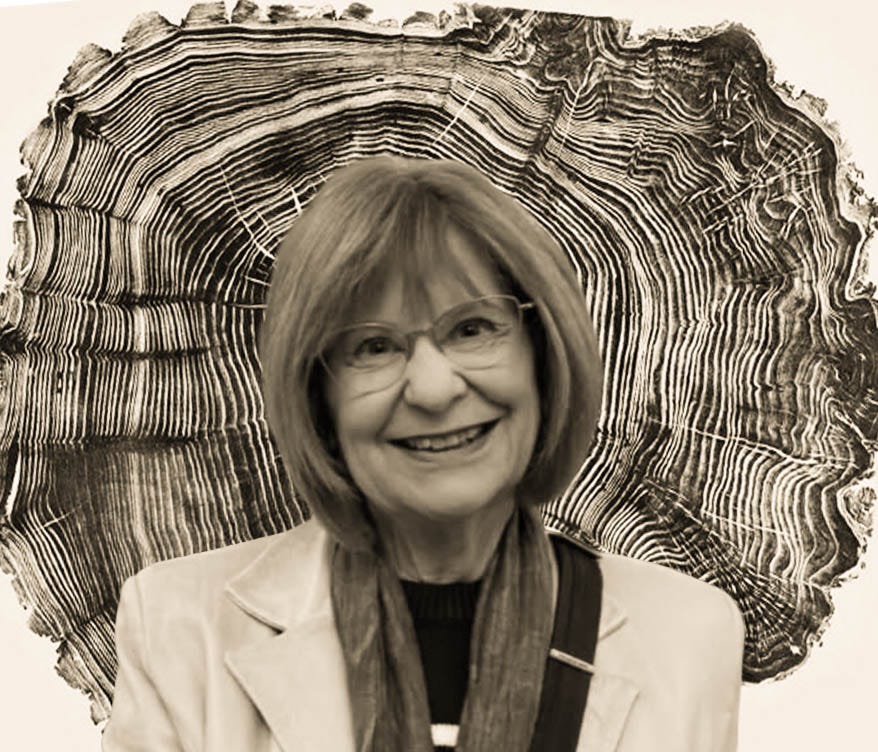
How Bed Rest Taught Kimberly Milo to Bring God Her Doubts
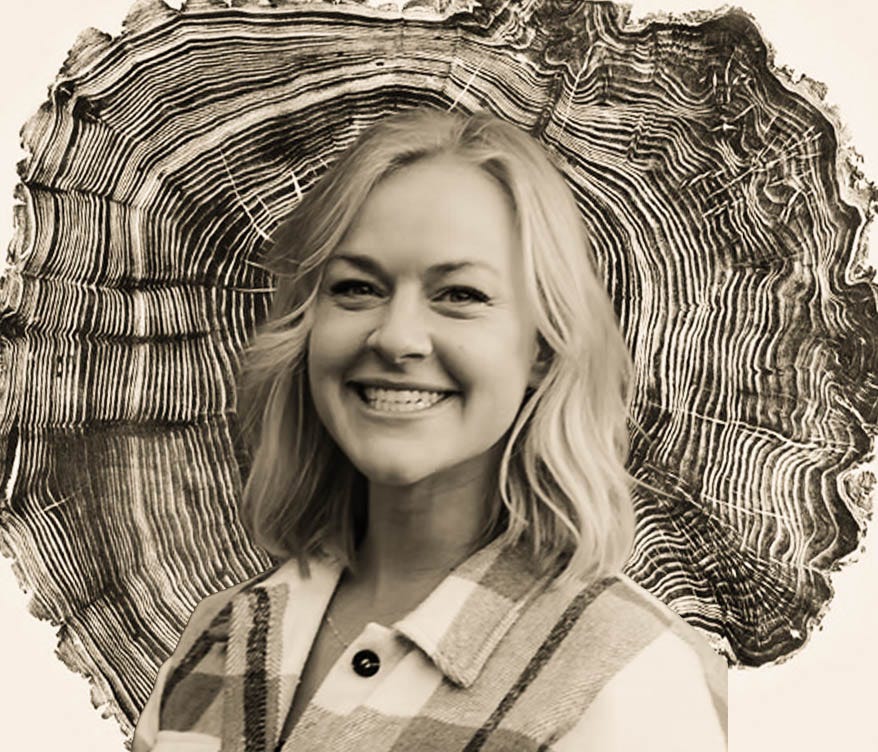
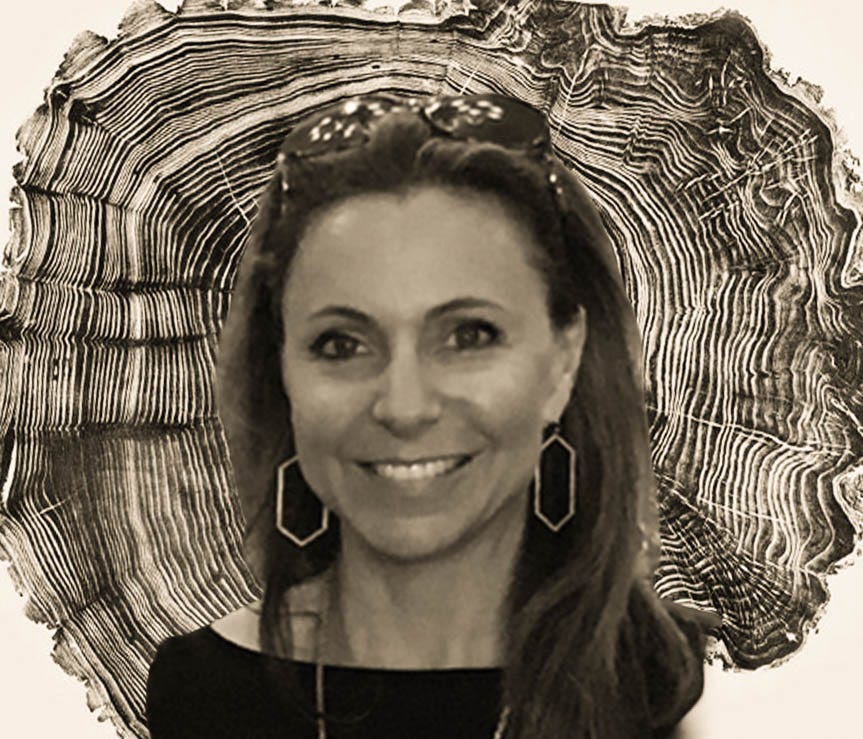
Description Kimberly Milo hosts Room At The Table, a weekly podcast for people who grew up around Jesus but never really got to know Him, along with the doubters and the curious. She’s been married 26 years, raised four kids. We talk about how motherhood changes the way you measure time, why you don’t find “the one” so much as keep choosing them, and why podcasting can feel lonely even when you talk to fascinating people every week. Then she tells the story behind her show’s name: thirteen weeks pregnant with her third son, a hemorrhage her specialist called one of the largest he’d seen, and months of strict bed rest where she refused to waste the time and heard God invite her to bring Him her doubts. We also get into how she makes decisions in seasons of waiting, why God isn’t a genie, and the question she turned back on me at the end. 10 Lessons from the Conversation 1. Motherhood changes how you measure time. Kim says her sense of time really started with her first child. From then on it was counted in her kids’ phases: am I feeding them, are they protected, what’s next, and then the next baby arrives. Now that her kids are leaving, she’s borrowing a reframe from another mom: it’s not an empty nest, it’s an open one, with more time than she may ever have had. [03:33] 2. You don’t find the one. You keep choosing them. Kim and her husband Rob dated for six and a half years before marrying, so she counts more than thirty years together. They’re very different people, an extrovert who talks to think and an engineer who can’t walk past a problem in the house, but their core values and shared vision for family are the same. She doesn’t buy the soulmate idea. Marriage, to her, means honoring each other by choosing the same person again and again, especially when it’s hard and messy. [14:34] 3. An open nest can feel like the wilderness. With one child left at home, Kim describes letting go of what she’s known for twenty years. She gets her energy from people, and kids bring instant community through schools and sports. Without that, she’s weighing a return to special education, working at a church, or staying with the podcast, and she says honestly that she doesn’t know yet. She compares it to the Israelites wandering in the desert: she knows God is building something, she just can’t see its shape. [18:29] 4. Even a calling needs a rhythm. Kim felt called to start a podcast five years before she did it. She said no because she had no time and didn’t know the technology. A year in, guests are coming faster and the admin is swamping her. The show is a ministry that costs her money rather than earning it, which makes her question how hard she should push. Her conclusion is that obedience isn’t the same as balance, and she’s still working out what a sustainable rhythm looks like. [22:06] 5. Prepare well so you can follow where the conversation goes. Kim’s instinct is to let the Holy Spirit guide a conversation and keep a topic to steer back to if it gets awkward. Matt compares it to the film directors he admires, who overprepare and then collaborate with their artists to let something original happen. Both agree that some of their best conversations never reached the planned questions. [25:11] 6. Every child needs something different from you. Asked whether faith is caught rather than taught, Kim says yes. The thing her kids have most clearly caught is her love of Christ, along with the sense that home is a safe place to return to. Her bigger lesson as a mom is that values stay constant but temperaments don’t. What works with one child won’t land with another, so her ongoing question has been whether she’s giving each kid what that particular kid needs. [34:43] 7. Don’t waste the waiting. At 13 weeks pregnant with her son Vincent, Kim learned she had a subchorionic hemorrhage that could have torn the placenta away. The specialist told her to go home, lie down, and not move until 32 weeks. Her sister had lost a baby the same way because no doctor had told her that. Kim followed every instruction while friends cared for her three-year-old and one-year-old. She refused to spend those months watching TV while others raised her children, so she read, journaled, and prayed. Vincent’s middle name, Joseph, honors the nephew her sister lost. [40:27] 8. There’s room at the table for your doubts. Kim considered herself a Christian, but she was only halfway in. Parts of the faith seemed unkind, the Bible felt confusing and archaic, and the God of the Old Testament seemed different from the God of the New. On bed rest she sensed God ask whether she’d be willing to come to Him with her doubts and start there. She said yes, began to study, debate, and push back, and kept finding wisdom she hadn’t expected. She adds that the Bible is hard to learn alone and that most people need someone to help. [45:31] 9. Wait until you feel more peace than anxiety. Kim’s trust comes from a track record. She knew she was supposed to marry Rob, sensed her daughters’ names before they were born, and was led into ministry and even an accessories business that made no sense at the time. Her rule for decisions in a season of waiting is to wait until one path brings more peace than anxiety, take it, and trust God to redirect if it’s wrong. She’s clear that He isn’t a genie who hands out what you want. Faith means trusting He’ll take care of you when you don’t get it, and Jesus, who asked why He’d been forsaken, knows what that feels like. [49:30] 10. It’s not too late to give Him the time. Turning her signature question on herself, Kim says her answer is people who think they already know Jesus but have never given Him real time, because that was her. She says He is love, and also just and merciful. You don’t have to agree with everything to start, and you may never understand all of it. But there’s a chair with your name on it, and she believes it’s the best seat you could have. [55:00] Get full access to Matt Heisler at mattheisler.substack.com/subscribe
- Transcript