
Skip to content
Artwork for I Believe
Society & CulturePhilosophyGovernment

I Believe

Joel K. Douglas

Philosophy from the American Experiment | A Spotify Rising Star Podcast

joelkdouglas.substack.com
Play
  • 28 episodes
  • Avg 22 min
  • English
Counted on this page — what you have heard stays on this device, so it is not something the list can be paged by.
  • Thursday · 17 min

    First Dates and Fifty Years

    Who should pay on the first date? People spend an enormous amount of time arguing about whether the man should pay, whether the bill should be split, or whether one person owes the other something because they paid for dinner. I’ve listened to people discuss this with a level of seriousness that I’d ordinarily associate with negotiating a peace treaty. But why are two people going on a date in the first place? Presumably, it’s because they want to spend time together. They find one another interesting or attractive, and they’d like an opportunity to get to know each other. That’s the purpose of the date. Once you’ve established that, the question becomes how to make it happen. Maybe one person pays for dinner. Maybe they split the bill. Maybe neither has enough money for dinner, so they go for a walk in the park. The details aren’t particularly important. What’s important is that they want to spend time together and find a way to achieve that purpose. And if someone has to promise another person dinner, money, or some other benefit just to convince them to show up, perhaps they shouldn’t be going on that date in the first place. When we’re young, we make the biggest decisions of our lives before we realize how big those decisions are. We choose careers. We go to college, or don’t. We decide where we’re going to live. We fall in love, get married, and sometimes have children. We make commitments that will shape the next twenty, thirty, or fifty years of our lives, often before we’ve lived long enough to appreciate what those commitments mean. How do two people keep a promise for fifty years when neither can know what those years will bring? That’s just part of being young. You make decisions based on what you know, what you want, and what you believe your future is going to look like. Then you spend much of the rest of your life discovering what those decisions mean. I was twenty-three when I married my wife. Next March, we’ll celebrate our twenty-fifth wedding anniversary. I wonder now why I thought it was a good idea to be married in the wintertime, but I’ve forgotten. Last year, I sat down and calculated the date when I would have spent more days of my life married than unmarried. That number was 8,663. I crossed that threshold last December. My wife crossed it this year. Not a milestone I hear often. Not everyone feels the urge to do random math problems. Nevertheless, we’ve each spent more of our lives married than unmarried. At twenty-three, I couldn’t have imagined what that would mean. When I was young, I occasionally attended someone’s fiftieth wedding anniversary. I remember thinking two things. First, those people were really old. And second, someday, if I got married, I’d probably have a fiftieth wedding anniversary of my own. I didn’t think there was anything particularly unusual about reaching fifty years of marriage. You got married, stayed married, and eventually somebody brought you a cake. That’s how I understood it. It hadn’t occurred to me that both people also had to live long enough to eat the cake. Of course, when you’re young, you don’t realize how much your life can change in fifty years, how much two people might change, or how fortunate they’d have to be simply to have that much time together. And recently, I became interested in just how fortunate those couples are. PAIGE In 2011, the United States Census Bureau reported that only about six percent of married American couples had reached their fiftieth wedding anniversary. Thirty-five percent had reached twenty-five years. Six percent. That’s a remarkably small number. That doesn’t mean only six percent of marriages will ever reach fifty years, that survey was a snapshot in time. But there’s another interesting statistic. In November 1980, the National Center for Health Statistics published a study examining how long American marriages would last. Using divorce and mortality rates from 1975, researchers estimated that among first marriages reaching their twenty-fifth anniversary, about one-third would survive to their fiftieth. Two-thirds wouldn’t. Now, those estimates reflected the conditions of the 1970s. Americans are living longer today, and improvements in life expectancy have increased the opportunity for couples to spend more years together. The point. Even after twenty-five years of marriage, reaching fifty depends on more than a couple’s willingness to remain married. It also depends on how much time they have. JOEL There are really two fundamental obstacles to celebrating a fiftieth wedding anniversary. Divorce and mortality. The first is something we have at least some influence over. The second, considerably less. If two people marry at twenty-five, they both have to live to seventy-five to celebrate fifty years. If they marry at thirty-five, they both have to live to eighty-five. They can have a wonderful marriage. Neither may ever consider divorce. They can remain completely committed to one another for the rest of their lives. And still never celebrate fifty years. That’s something I didn’t appreciate when I was young. I saw a fiftieth wedding anniversary as a measure of commitment. And it is. But it’s also a measure of good fortune. Now, as I approach fifty years old myself in a couple years, I’m increasingly conscious of how quickly time passes. I remember my short time as a squadron commander. I was thirty-nine years old, and one of my responsibilities was meeting the young airmen arriving in the squadron. We’d talk about the squadron, our standards, what I expected of them, and what they could expect from the organization. Most of these young airmen were eighteen or nineteen years old. Some hadn’t been born when I’d entered military service. And I remember sitting across from them and thinking about the difference in our ages. I’d already lived two of their lifetimes. And the strange thing was, I didn’t feel particularly old. I could still remember being their age, joining the military, and wondering what the future would hold. I remembered being the young officer arriving at a new unit. It didn’t seem like all that long ago. But apparently, the calendar had a different opinion. To those young airmen, I was the grizzled squadron commander. To me, it seemed like I’d been sitting on their side of the desk just a few years earlier. And I think that’s one of the peculiar things about getting older. Thirty-nine years seems like an eternity when you’re eighteen. But when you’re thirty-nine, those years don’t feel nearly as long as you’d imagined they would. I’m discovering that twenty-five years of marriage works much the same way. We experience life one day at a time. We get up, go to work, take care of our families, and do whatever needs to be done. We make dinner, pay bills, go to bed, and do it again tomorrow. Then one day you sit down and realize you’ve spent more of your life married than unmarried. And somehow, all those days have become twenty-five years. Which has led me to think about something else. When I consider how much life can change over twenty-five or fifty years, I find myself wondering why so much of our conversation about marriage seems concerned with details and arrangements that may not survive even the first few years. PAIGE There’s certainly no shortage of opinions about what men and women owe one another. Social media is full of arguments about who should pay for the first date, whether married couples should combine their finances, how much each person should contribute to household expenses, and how responsibilities should be divided. And these aren’t meaningless questions. Financial independence matters. Unpaid household work has value. An arrangement that appears equal on paper may place a much greater burden on one person than the other. But much of the debate focuses on what each person should receive from a relationship, rather than what the two people hope to achieve together. It’s a distinction between negotiating individual obligations and deciding on a common purpose. JOEL Let’s go back to the first date. Go to a coffee shop. On a walk in the tall weeds on a hot summer night. A motorcycle ride. Play pool. Stop in randomly at midnight at their house, thinking nothing of the hour. Are these dates? Who cares! I’ll say again, if someone has to bribe someone else with dinner, money, or some other benefit just to convince them to show up, maybe they shouldn’t be going on that date in the first place. I think something similar happens when people get married. Some may say the details of what someone owes someone else are the most important part of a marriage. I say, do not marry those people. My wife and I have always combined our finances. When we married, we had one household, one set of bills, and one shared future. We didn’t approach our finances by calculating which expenses belonged to which person. We were building a life together. The money was there to support that life. During my military career, we moved frequently. For about ten years, we moved every year or two. There were periods when my career largely determined where we lived and what our family could do. A tough arrangement when your wife loves to work and is independent. When our children were young, we were fortunate that she could spend time at home with them. That’s an opportunity I’m grateful our family had. But that also meant we weren’t contributing to the household in the same ways. And why would we expect to? We were doing different things because our family needed different things from each of us. If we’d approached our marriage as two individuals continuously calculating what one owed the other, I’m not sure how we would have accounted for all of that. How do you calculate the financial value of staying home with your children? How do you account for a career opportunity one person gives up so the other can pursue something? What about the years when one spouse earns more, or works longer hours, or takes on more responsibilities at home? You can try to assign a value to all of those things. And sometimes, for practical reasons, you have to. But keeping an accurate ledger is not the same thing as building a successful marriage. Now, I’m not suggesting every married couple needs a joint bank account. There are plenty of perfectly reasonable ways to organize a household. My cousin once sold his wife his used car! What works for my wife and me may not work for someone else. But there’s a fundamental difference between approaching marriage as two individuals negotiating their respective obligations and approaching it as two people committed to a shared purpose. And that difference becomes more important as the years pass. Because your circumstances change. You have children. Your careers change. You move. You become ill. Your parents get older. Sometimes one person can contribute more in one area while the other contributes more somewhere else. The arrangement that made perfect sense when you were twenty-five may make absolutely no sense when you’re forty-five or sixty-five. And if maintaining that arrangement has become your objective, then every change in circumstances becomes a problem. But if the arrangement exists to support a larger purpose, you can change the arrangement without abandoning what you were trying to achieve. That’s a distinction I came to appreciate during my military career, and it reminds me of the work of Air Force Colonel John Boyd. PAIGE John Boyd was an American fighter pilot and military strategist whose ideas influenced modern military thinking. He’s probably best known for the OODA loop: Observe, Orient, Decide, Act. It’s frequently described as a process for making decisions more quickly than an adversary. You observe what’s happening, orient yourself to the circumstances, decide what to do, and act. Then you repeat the process as new information becomes available. The popular interpretation is that whoever moves through the loop faster gains an advantage. But that misses the decisive part of Boyd’s thinking. Orientation isn’t simply another step in a sequence. It’s the process through which we interpret the world around us. Our experience, assumptions, knowledge, and expectations all influence how we understand the circumstances we’re facing. Think of orientation like it’s the way you’re facing. You can make the fastest decisions in the world and still not see what’s happening real time if you’re looking the other way. And if our understanding is wrong, making decisions more quickly doesn’t necessarily help. You just make the wrong decision sooner. JOEL So. First dates and fifty years. When you’re young, you make the most important decisions of your life, without having the wisdom of time to know how important they are. And there’s a great equalizer in life. Time and chance happen to us all. When I was young, I thought a fiftieth wedding anniversary was simply what happened if you stayed married long enough. But when you’re young, you don’t realize how much your life can change in fifty years, how much two people might change, or how fortunate they’d have to be simply to have that much time together. Next March, my wife and I will celebrate twenty-five years. Our first date? I have no idea what it was. That summer, we met in a coffee shop. Went on a motorcycle ride. Got bit by chiggers in the tall grass. Drifted down a river in a canoe. I’m not sure we even went on a formal date. I’m not halfway to some guaranteed destination. I have no idea what the next twenty-five years will bring or whether we’ll be fortunate enough to have them. I’m not offering anyone a lesson on how to have a successful marriage. I’ve only been married for almost twenty-five years, and I wouldn’t pretend to know everything there is to know about it. But I do wonder if we’ve begun asking the wrong questions. We spend an extraordinary amount of time debating what one person owes another, when maybe we ought to begin by considering what two people want to achieve together. The details will change. What we are trying to preserve is the life we are building together. Maybe that’s a different way of thinking about marriage. Sources The percentage of currently married American couples who had reached their 25th anniversary (35%) or 50th anniversary (6%), reported in 2011 using 2009 survey data: U.S. Census Bureau, “Census Bureau Reports 55 Percent Have Married One Time”. The 1980 federal study estimating that approximately one-third of first marriages reaching their 25th anniversary would survive to their 50th, based on 1975 divorce and mortality rates. The findings appear on page 10: James A. Weed, National Center for Health Statistics, National Estimates of Marriage Dissolution and Survivorship: United States (1980). Historical improvements in American life expectancy, including changes in remaining life expectancy at age 65 since 1975: Social Security Administration, “Period Life Expectancy,” 2024 Trustees Report, Table V.A4. Current American life expectancy, including 2024 life expectancy of 79.0 years at birth and remaining life expectancy at age 65 of 18.4 years for men and 20.8 years for women: CDC National Center for Health Statistics, “Mortality in the United States, 2024,” Data Brief No. 548 (January 2026). Colonel John Boyd’s original explanation of the OODA loop, particularly how orientation shapes observation, decisions, and actions, and how experience, cultural traditions, new information, and analysis influence orientation: John R. Boyd, The Essence of Winning and Losing (1996), edited edition by Chet Richards and Chuck Spinney. The deeper interpretation of Boyd’s strategic theory, including why reducing the OODA loop to decision-making speed overlooks the importance of orientation, learning, and adaptation: Frans P. B. Osinga, Science, Strategy and War: The Strategic Theory of John Boyd (Routledge, 2007). The economic value of unpaid household labor, including raising children, caregiving, and maintaining a household. The Government Accountability Office estimated that unpaid household work contributed at least $5.6 trillion in economic value in 2024: U.S. Government Accountability Office, “Unpaid Household Work: Estimated Value and Time Spent on Domestic Tasks and Caregiving” (September 17, 2026). Human outcomes are influenced by circumstances beyond individual control, expressed as “time and chance happen to them all”: Ecclesiastes 9:11, New International Version, via Bible Gateway. Get full access to I Believe at joelkdouglas.substack.com/subscribe

  • Tuesday · 14 min

    The Pickup Didn’t Fill Itself

    Imagine a little girl sitting in a restaurant with her dad. They order lunch. She gets a soda. It’s enormous, like a bucket of coke. The city is worried about obesity, diabetes, and what all that sugar is doing to people. In our history, New York City tried to limit the size of some sugary drinks. The courts eventually stopped the rule. But imagine the city had done something different. Imagine it looked at that little girl holding that giant soda and said, Coca-Cola did this. Instead of restricting the size of the drink, telling restaurants what they could sell, or trying to convince people not to drink so much soda, the city sued Coca-Cola. Maybe Pepsi too. The argument would be pretty simple. These companies sold sugary drinks. They knew drinking too much sugar was bad for people. People became obese. People developed diabetes. The city had to spend money dealing with the consequences. So, Coca-Cola should pay. There’s something about that argument that bothers us. Not because Coca-Cola would have no responsibility. Maybe it advertised too aggressively. Maybe it knew things about its product that people didn’t know. Maybe it targeted kids. Those things would matter. But somebody still picked up the cup and drank it. And the government that later sued Coca-Cola had spent years allowing the product to be sold, taxing the businesses that sold it, licensing the restaurants that served it, and watching its citizens buy it. That doesn’t make Coca-Cola innocent. It just makes the story more complicated. Now let’s think about the lawsuit from Boulder, Colorado, against ExxonMobil and Suncor Energy. The case made its way to the Supreme Court last week. Boulder says the oil companies should pay part of the costs associated with climate change. Boulder also alleges the companies knew their products contributed to climate change while concealing or misleading people about those dangers. The oil companies, meanwhile, argue that this is fundamentally an interstate and international emissions problem and that federal law, not state law, should govern it. The lawyers can fight about that. Underneath the legal argument there’s a more interesting question. If Colorado is saying oil companies bear responsibility for the consequences of people burning oil and gas, how much responsibility does Colorado bear? Because people in Colorado burned the oil and gas. They still do. They drive cars. They heat houses. They run tractors. They fly in airplanes. They move freight. They build roads. They use diesel equipment. They consume electricity generated from fossil fuels. And I’m not saying that as some kind of gotcha. Of course they did. What was the alternative? To sit in the dirt? That’s the part of this that gets lost. When somebody in Colorado filled up his truck in 1985, he probably wasn’t standing there thinking, I’d like to contribute to global climate change today. He was thinking, I need to get to work. A rancher using diesel wasn’t choosing pollution. He was choosing to feed cattle. A family heating a house wasn’t choosing carbon emissions. They were choosing not to freeze. A construction company burning diesel wasn’t trying to destroy the atmosphere. It was trying to build something. The oil and gas were useful. That’s why people bought them. So we’re left with a very simple question: if everyone had known everything, would they really have stopped? If an oil company executive had shown up at every gas station in Colorado forty years ago to scream, ‘Save Yourselves! This fuel contributes to climate change!”, would Coloradans have stopped buying gasoline? Would they have parked the cars? Stopped the tractors? Turned off the furnaces? Stopped building roads? Stopped flying? Maybe some people would’ve changed some things. Maybe governments would’ve acted sooner. Maybe companies would’ve invested differently. Those are fair possibilities. But would society have simply chosen not to use the energy? No. That’s ridiculous. And that’s where the philosophy starts to get spicy. We tend to confuse causing something with being morally responsible for all of it. Oil companies were part of the cause. Consumers were part of the cause. Governments were part of the cause. Industry was part of the cause. Everybody participated in the same energy system. That doesn’t mean everyone has equal responsibility, and it doesn’t mean the oil companies get a pass if they lied. If somebody sells you food and deliberately hides the fact that it’s dangerous, your decision to eat the food doesn’t make the seller innocent. Who knows what, and who can do something about it, matters. A family trying to get to work doesn’t have the same choices as a multinational corporation deciding what to research, disclose, advertise, or invest in. But the family still has some agency. The state has agency too. Colorado hasn’t been powerless. It has adopted stricter emissions rules. It has tried to reduce vehicle emissions. It has invested money in wildfire mitigation and forest management. That proves Colorado understands that governments have choices. So if responsibility is the principle, the principle has to work in both directions. That takes us to wildfires. A couple maybe three years ago I wrote about the strange contradiction in the way we manage forests and climate change. Wildfires release enormous amounts of carbon. We know many western forests have too much fuel in them: deadwood, overgrown stands, beetle-killed trees. We also know that reducing that fuel sometimes requires things people don’t like: mechanical thinning, logging, prescribed fire, disturbing habitat, cutting trees, spending taxpayer money. There are legitimate environmental reasons to be cautious about all of those things. Protect the snowy owl. Protect habitat. Protect old-growth trees. Those concerns are real. But fire is real too. Our forests are going to burn. That’s how forests heal themselves. There is no scenario in the future that every acre of forest doesn’t eventually burn. Choosing to do nothing means there’s more fuel for them to burn hotter and longer. And when they burn, the carbon doesn’t stop at the Colorado border. So now the philosophical question gets even stranger. Can Colorado say that emissions coming from oil companies outside Colorado helped damage Colorado, while emissions from a Colorado wildfire are just something that happened to Colorado? If responsibility crosses borders, then responsibility crosses borders. That doesn’t mean Colorado caused the beetles. It doesn’t mean Colorado caused the drought. It doesn’t mean Colorado caused climate change. It means that once the problem exists, choices still exist. How much do we thin? How much do we burn intentionally? How much do we log? How much money do we spend? How much environmental disruption do we tolerate today to avoid a larger environmental disruption tomorrow? That’s responsibility too. This is where I think we sometimes build a self-licking ice cream cone. Everyone uses the system. Everyone benefits from the system. Everyone contributes something to the consequences. Then everyone points at somebody else and says: you caused this. The oil company says consumers demanded the fuel. Consumers say the oil company sold it. The state says the corporation knew more. The corporation says the state regulated us and collected taxes from the activity. The federal government blames industry. Industry blames regulation. Everybody is somehow both participant and victim. That doesn’t mean nobody is responsible. It means responsibility is shared. That brings us back to something else. The International Court of Justice, sitting in The Hague, has said climate change threatens fundamental human rights and that states have obligations to address it. There’s an irony there that I still can’t get over. The Hague was badly damaged during World War II. After the war, Europe had to rebuild. American factories ran. We made steel and cement, moved ships and trucks, burned fuel. Smoke came pouring out of stacks. The industrial machine that rebuilt Europe produced huge amounts of pollution. And now, generations later, from a city rebuilt with the help of that industrial system, a court can sit in a comfortable room and declare that humanity has obligations to reduce the environmental consequences of industrial activity. That doesn’t make the court wrong. Standards should change. Technology should improve. We know things now that people didn’t know then. But you still feel a stitch in your side with the irony. Prosperity gives us the luxury to criticize the process that created prosperity. A society lying in rubble doesn’t begin with the carbon footprint of the cement kiln. It asks whether there is cement. A freezing person doesn’t begin with the emissions profile of his furnace. He asks whether the furnace works. Belief can tell us what kind of world we want, but biology keeps asking whether we can survive long enough to build it. And that’s where we are with Colorado. I’m not against Colorado trying to deal with climate change. I’m not necessarily on the side of the oil companies. If an oil company lied, prove it. If it concealed information, prove it. If it bears part of the cost, then make that case. But I don’t understand the philosophy of treating the producer as though everyone else was the victim. Colorado citizens consumed the fuel, its economy benefited, they regulated it. People from Colorado filled their vehicles with it. Its farms, construction sites, businesses, and homes depended on it. And when stricter alternatives became possible, Colorado made choices about how quickly to adopt them. So maybe the question isn’t whether Exxon is responsible. Maybe Exxon is responsible, at least partly. The question is whether responsibility ends there. I don’t think it does. If we’re serious when we say environmental harm creates responsibility, then the responsibility has to follow the whole chain: producer, seller, government, consumer. All of us. Maybe that’s uncomfortable. But shared responsibility isn’t the same thing as no responsibility. It just means we don’t get to hold the giant cup in our own hands and pretend it was somebody else’s fault we drank the coke. Sources The original 2018 Boulder County, City of Boulder, and San Miguel County complaint against ExxonMobil and Suncor, including the allegations concerning fossil-fuel production, promotion, climate harms, and the companies’ knowledge of climate risks: Boulder County District Court, “Complaint and Jury Demand,” April 17, 2018 Boulder County’s description of the lawsuit, including its position that the case seeks compensation for climate-related harms rather than regulation of fossil-fuel production or emissions: Boulder County, “Climate Lawsuit” The official U.S. Supreme Court docket for Suncor Energy (U.S.A.) Inc. v. County Commissioners of Boulder County, including the Court’s grant of review and the October 5, 2026 oral argument: Supreme Court of the United States, Docket No. 25-170 Supreme Court The official transcript of the October 5, 2026 Supreme Court oral argument, including Suncor’s argument that Colorado law is being applied to alleged harms resulting from global fossil-fuel use and greenhouse-gas emissions: Supreme Court of the United States, “Suncor Energy (U.S.A.) Inc. v. Commissioners of Boulder County,” Oral Argument Transcript, October 5, 2026 Supreme Court The official Supreme Court audio of the October 5, 2026 oral argument: Supreme Court of the United States, “Suncor Energy (U.S.A.) Inc. v. Commissioners of Boulder County,” Oral Argument Audio Supreme Court Colorado’s argument in support of allowing state courts to hear Boulder’s state-law claims against ExxonMobil and Suncor: Colorado Attorney General, “Attorney General Phil Weiser Defends State Courts’ Role in Climate Case Before U.S. Supreme Court” Colorado Attorney General New York City’s sugary-drink Portion Cap Rule, which prohibited covered food-service establishments from selling sugary drinks in containers larger than 16 ounces, and the New York Court of Appeals decision holding that the Board of Health exceeded its regulatory authority: New York Official Reports, “New York Statewide Coalition of Hispanic Chambers of Commerce v. New York City Department of Health & Mental Hygiene,” 2014 Westlaw Colorado’s adoption of the California Low Emission Vehicle standard in 2018 and subsequent consideration and adoption of a Zero Emission Vehicle program: Colorado Department of Public Health and Environment, “Zero Emission Vehicle Mandate Proposal” cdphe.colorado.gov Colorado’s current Zero Emission Vehicle requirements, including requirements applying to model-year 2023 and later vehicles: Colorado Department of Public Health and Environment, “Zero Emission Vehicles Program” cdphe.colorado.gov Colorado state spending and projects intended to reduce wildfire risk and improve forest health, including Forest Restoration and Wildfire Risk Mitigation grants for fuels treatment and forest-management work: Colorado State Forest Service, “Governor Polis, Colorado State Forest Service Announce 31 Wildfire Mitigation Grants,” April 2, 2024 Colorado State Forest Service Colorado’s broader wildfire and forest-management efforts, including more than $40 million awarded through the Colorado Strategic Wildfire Action Program from 2022 through 2025 and treatment of thousands of acres through state wildfire-risk programs: Colorado State Forest Service, “Living With Wildfire” Colorado State Forest Service The Forest Service’s analysis of mechanical thinning, prescribed fire, sensitive-species habitat, wilderness restrictions, road access, and other practical or administrative constraints on hazardous-fuel reduction: U.S. Forest Service, Rocky Mountain Research Station, “Mechanical Fuel Reduction Treatments: Constraints and Opportunities for Wildfire Crisis Strategy Landscapes” USFS Research & Development Research estimating that California’s 2020 wildfires emitted approximately 127 million metric tons of CO₂ equivalent and could rank as the state’s second-largest source of greenhouse-gas emissions for that year, offsetting years of emissions reductions elsewhere: Environmental Pollution, “Up in Smoke: California’s Greenhouse Gas Reductions Could Be Wiped Out by 2020 Wildfires,” 2022 ScienceDirect The International Court of Justice’s 2025 advisory opinion and underlying proceedings concerning states’ obligations under international law regarding climate change: International Court of Justice, “Obligations of States in Respect of Climate Change,” Case No. 187 International Court of Justice The destruction, evacuation, and wartime disruption of large portions of The Hague, including the forced displacement of roughly 135,000 residents for construction of the Atlantic Wall and the 1945 bombing of the Bezuidenhout district: The Hague Municipal Archives, “Den Haag in WO II (1940–1945)” Haags Gemeentearchief Postwar reconstruction of The Hague’s Atlantic Wall zone, including reconstruction planning begun immediately after the German capitulation: Netherlands Cultural Heritage Agency, “Den Haag Atlantikwallzone Kijkduin-Zorgvliet: een toonbeeld van wederopbouw” Rijksdienst voor het Cultureel Erfgoed Marshall Plan assistance to the Netherlands, including approximately $1.0835 billion in European Recovery Program aid between 1948 and 1952. This is the replacement for the broken USAID link: Congressional Research Service, “The Marshall Plan: Design, Accomplishments, and Significance,” R45079 Congress.gov Contemporary U.S. diplomatic records concerning the European Recovery Program and American assistance to the Netherlands during implementation of the Marshall Plan: U.S. Department of State, Office of the Historian, Foreign Relations of the United States, 1948, Western Europe, Volume III Get full access to I Believe at joelkdouglas.substack.com/subscribe

  • October 8 · 18 min

    The Party That Forgot the People

    We are a month away from the midterm elections, and the American people are poised to hold the party in power accountable. Republicans raised taxes on the American people. They called those taxes tariffs, but tariffs are taxes. Then they supported going to war in Iran, which created an energy supply problem. And whenever you have an energy supply problem, prices are going to go up, because as the price of energy goes up, the price of making things goes up and the price of delivering things goes up. So now prices are higher. And while some individual prices can come down, the overall price level generally does not go back to where it was before. If your groceries went from $100 to $120, slowing inflation does not make them cost $100 again. The American people understand that because they live it. So they are going to hold Republicans accountable. The Republican response may be that President Trump did those things, not Republican lawmakers. That is not the case. When a military officer crosses the yellow line to participate in Officer Training School, he or she accepts an obligation that goes beyond their own behavior. They swear that they will “not lie, cheat or steal, nor tolerate among us anyone who does.” The second part matters just as much as the first. It is not enough to say, “I did not do it.” There is a philosophical idea here that applies. A difference between doing something and allowing something to happen. Those are not exactly the same thing. But if you have the power to act, you understand what is happening, you have a responsibility to act, and you knowingly choose not to act, then that inaction is also a choice. That is what I mean by willful acquiescence. Republicans in Congress may not have voted directly for every tariff or every military action, but they were not powerless. Congress has authority over commerce. It has authority over spending. It has enormous power over war and executive action. They could have acted. They chose not to. So they do not get to say, “That was the president. It wasn’t us.” They chose not to stop him, and now the American people may hold them accountable for that choice. I say ‘may’ which also means ‘may not.’ Because the American voter has another problem. What’s the alternative? The Democratic Party is not exactly popular either. So if Democrats win the midterm elections, they have to be very careful about what they think happened. The American people may vote against Republicans without deciding that they suddenly trust Democrats. Those are two very different things. A voter can say, “I do not trust the Democrats very much, but somebody has to put a check on the Republicans.” That is not an endorsement. That is borrowed power. And if Democrats misunderstand that, they will waste the opportunity. Because the Democrats have a much bigger problem than Donald Trump. They do not have a plan. They can tell us which programs Republicans cut. They can tell us which programs they want to restore. They can tell us what they want to put back the way it was before Trump. But the American people already lived through the way it was before Trump. And then they elected Trump again. So simply going backwards is not a plan. If Democrats win in 2026, restore a few programs, congratulate themselves, and believe America has come back to them, they may lose again in 2028 to another candidate who should never have been competitive in the first place. So the Democrats have to answer a more basic question: Why do we exist? Simon Sinek uses the idea of Why, How, and What. That methodology is useful here. What is the Democratic Party’s Why? For most of modern American history, the Republican Party was fairly easy to understand. It was pro-business. It believed in lower taxes, free markets, deregulation, and a strong military. There is nothing inherently wrong with that. Business matters. Markets matter. Economic growth matters. But somebody has to balance the interests of business against the interests of the individual. That was supposed to be the Democratic Party. The Democrats were supposed to be the party that said, “Yes, business is important, but the people who work for that business are important too.” Over time, though, something changed. The Democratic Party stopped looking like the pro-people party and started looking like the pro-government party. That is a major problem, because government is not the point. The people are the point. Government is only a tool. And somewhere along the way, Democrats started to reverse the relationship. The central American philosophy is that the people are independent and the government serves them. But too often, the Democratic approach makes the government the king and makes the people the subjects. You have to qualify. You have to apply. You have to wait. You have to ask permission. You have to hope the program still exists next year. That is backwards. The government is not the sovereign. The people are. That needs to become the Democratic Party’s Why again: serve the people. Then you get to the How. How do you serve the people? By creating a system that makes them more capable of living their own lives. The goal should be autonomy, not dependence. Not dependence on a corporation, and not dependence on the government. The How is balancing the interests and power of business with the interests and power of the individual person. Government is the tool Democrats can use to keep that balance—changing the rules, regulating where necessary, and redesigning incentives so businesses can succeed while the people who work for them also succeed. But the answer is not simply to move more money through the government. It is to design the system so more of the benefit reaches people through their own work, their own wages, their own ownership, and their own choices. And that means Democrats have to think very differently about government programs. If somebody has to come to the government, prove that they qualify, fill out paperwork, wait to be approved, receive some benefit, and then worry that the next Congress is going to take that benefit away, that person may be receiving help. But they are also dependent on the continued permission of the government. Sometimes that is necessary. But it should not be the first answer to every problem. Take wages. If somebody works full time and still does not make enough money to buy food, the first question should not be, “How much government assistance should we give that person?” The first question should be, “Why does a person working full time not make enough money to buy food?” Because if an employer doesn’t pay enough to support the worker, and the government takes money from somebody else and gives it to the worker to make up the difference, what has really happened? The money may be the same. But the philosophical point is different. The worker is receiving part of what he or she needs to live from the government instead of through work. And the government has become the intermediary between the worker and economic independence. There is a better way. Instead of simply making the minimum wage higher everywhere—which ignores enormous differences between places like New York and South Dakota—we should think about how government can help businesses raise wages. Many businesses, especially businesses in rural America, don’t have unlimited revenue. Simply ordering them to pay substantially more may not work. But government can change incentives. It can change tax policy. It can design the rules so businesses have a financial reason, and the financial ability, to put more money into their employees’ paychecks. The point is not the exact mechanism. The point is where the money ends up coming from. Whenever possible, the worker would rather receive that money from his or her employer than receive it from the government. The money may ultimately cost society the same amount. But the relationship is completely different. One creates a worker earning a higher wage. The other creates a citizen waiting for a government benefit. That difference matters. SNAP is a good example. There are people who need help buying food. I am not criticizing those people. Many of them work. That is exactly the point. If somebody is working and still needs government assistance just to eat, then before we build another program, we should ask whether the rules of the economy can be changed so businesses are able and incentivized to pay higher wages. Government should try to make the better outcome the default. The same thing applies to housing. If people cannot afford housing, we can give them money to help pay rent. Sometimes we need to. But that cannot be the entire answer. Why is housing so expensive? Why is it so hard to build more of it? Why do we have rules that make construction harder? Why do we make it so difficult for the next generation to buy a house? If government can change the rules so more housing gets built and more people can afford it on their own, that is better than making people permanently dependent on a housing program. Healthcare is the same. If somebody has a $10,000 healthcare bill, we can build another government program to help pay the $10,000 bill. But at some point we have to ask why the bill is $10,000. The goal should not simply be helping people survive absurd prices. The goal should be making the prices less absurd. That is what I mean by being pro-people instead of pro-government. But there is an important exception. There are needs that we cannot solve by changing incentives. Some people have disabilities that prevent them from working. Some people have medical conditions that will never go away. Some children are born into circumstances they did not create. Some families get hit by disasters. There are people who genuinely cannot provide for themselves. In those cases, government should help them directly, reliably, and without making them feel ashamed about it. There is no better economic incentive that is going to make a person with a severe disability suddenly able to work. That is a need society has to meet. This is similar to what we talked about yesterday. Jesus fed people who were hungry. He addressed the need in front of him. There is a moral obligation to help someone who needs help. But that does not mean the goal is permanent dependence when independence is possible. Feed the person who is hungry. Support the person who cannot support himself or herself. But where people can become independent, design the system to make independence easier. That should be the Democratic Party’s How. And then we get to the What. The What is the actual legislation, the actual rules, and the actual results. Every proposal should have to answer one question: when this is over, does the citizen have more control over his or her own life? Can they afford a house? Can they support a family? Can they move to another job? Can they start a business? Can they get healthcare without being ruined? Can they live in their community without having to continually ask Washington for permission or assistance? That question is especially important in rural America, because Democrats have lost rural America. And they aren’t going to get it back with better messaging. They aren’t going to get it back by sending somebody to a county fair. They are not going to get it back because a national candidate puts on boots and takes a picture next to a tractor. And it is not enough to say there are Democrats in Congress who happen to come from rural states or rural districts. That is not the representation I mean. Rural America needs power inside the leadership of the Democratic Party. People from rural America need to be helping set the agenda, deciding what the party stands for, and determining what policies are worth pursuing. They need people in leadership who can say, “No. That may sound like a good idea here, but that will hurt people where I live.” That also means the Democrats need to develop national candidates who actually come from rural America. Not candidates who visit it. Candidates formed by it. Because the Democratic Party will not regain rural America when it learns how to speak to rural Americans. It will regain rural America when rural Americans once again have enough power inside the leadership of the party to speak for themselves. And that brings us back to this election. If Democrats win in November, they should not celebrate as though the American people have forgiven them. They should understand that the clock has started. They have two years. Two years to build an actual plan. Two years to decide what they believe. Two years to develop legislation and ideas that rural America can look at and say, “That makes my life better. That makes me more independent. That gives me more control over my own future.” Not another collection of government programs. Not another attempt to recreate the country as it existed before Trump. And not another campaign based primarily on telling us how terrible Republicans are. A real governing philosophy. The Why is the people. The How is balancing the interests and power of business with the interests and power of the individual, using government as the tool to maintain that balance. The What is legislation that leaves people more capable of governing their own lives. Protect the people who truly cannot stand alone. Help people who have an immediate need. But where independence is possible, build a system that makes it easier for people to stand on their own. If Democrats can do that, they can regain the trust of the American people. And if they can regain that trust, then they may once again have a chance to make a lasting contribution to American politics. But first they have to answer the simplest question. Are they the party of the government? Or are they the party of the people? Sources Tariffs as taxes on imported goods, their effects on consumer prices and purchasing power, and estimates of how much of the tariff burden is ultimately borne through higher prices: Congressional Budget Office, “The Effects of Tariffs on Inflation, Economic Output, and the Federal Budget” Evidence from household transaction data showing that tariffs are passed through into retail prices paid by American consumers: Federal Reserve Board, “The Unequal Effects of Tariffs on Consumer Prices” Congress’s constitutional authority over tariffs and foreign commerce, and the statutory authorities Congress has delegated to presidents to impose tariffs: Congressional Research Service, “Congressional and Presidential Authority to Impose Import Tariffs” Congressional authority over war, including Congress’s powers to declare war, appropriate funds, and regulate the armed forces: Congress.gov, Constitution Annotated, “War Powers” The War Powers Resolution and Congress’s statutory role in decisions involving the introduction of U.S. armed forces into hostilities: Congressional Research Service, “The War Powers Resolution: Concepts and Practice” The Declaration of Independence’s principle that governments are instituted to secure individual rights and derive “their just powers from the consent of the governed”: National Archives, “Declaration of Independence: A Transcription” The long-term political realignment of rural America toward the Republican Party and the widening Republican advantage among rural voters: Pew Research Center, “Changing Partisan Coalitions in a Politically Divided Nation” Americans’ unfavorable views of both major political parties, including the substantial share of Americans who view both Republicans and Democrats unfavorably: Pew Research Center, “Americans’ Views of the Republican and Democratic Parties” Working Americans receiving public benefits, including SNAP and Medicaid, and the prevalence of full-time employment among wage earners receiving those benefits: U.S. Government Accountability Office, “Public Assistance: Millions of Full-Time Workers Rely on Federal Health Care and Food Assistance Programs” Housing supply restrictions, land-use regulation, and the relationship between constraints on new construction and higher housing costs: National Bureau of Economic Research, “The Impact of Zoning on Housing Affordability” The unusually high cost of health care in the United States compared with other wealthy countries, including higher prices and administrative costs as important contributors to U.S. health spending: The Commonwealth Fund, “Mirror, Mirror 2024: A Portrait of the Failing U.S. Health System” The federal Supplemental Nutrition Assistance Program (SNAP), including eligibility, benefits, and its purpose of providing food assistance to low-income households: U.S. Department of Agriculture, Food and Nutrition Service, “Supplemental Nutrition Assistance Program (SNAP)” Jesus feeding the hungry and responding directly to immediate physical need in the feeding of the five thousand: Matthew 14:13–21, New International Version, via Bible Gateway The biblical principle of caring for people in need, including the hungry, thirsty, sick, and vulnerable: Matthew 25:34–40, New International Version, via Bible Gateway Get full access to I Believe at joelkdouglas.substack.com/subscribe

  • October 7 · 10 min

    Poverty, Work, and Dependency

    Beautiful October day. I’m walking in the park for some exercise. The leaves on some of the trees have turned yellow, with small flashes of red. There’s a maple tree that has turned maybe a dark burgundy. Blue skies, white clouds, green grass. The park has quite a few people today. There’s an older guy and a younger guy tossing a football, maybe father and son. And there’s a white butterfly floating across the green grass. My brain doesn’t turn off very easily. I’m exceptionally bad at small talk. Put me at a party with someone I don’t know, and I’m probably not very good at talking about nothing. Maybe these two things are related. Because here I am, walking through a park on a beautiful October afternoon, and what I’m thinking about is immediate need and permanent dependency. It’s a question that sounds simple until you start pulling on it: if part of my taxes goes to feed people, house people, provide medical care, or otherwise support people who need help, does any of that count toward our Christian obligation to give? This is not a question about Christianity as a whole, and it is not an attempt to define what every Christian should believe about government. It is a question about America. You can argue that America is not a Christian nation and still advocate strongly for public assistance to people in need. Or you could argue that the bedrock and basis of America’s Constitution and law is in Christian theology. Either way, here’s the question. If we use public money to help people in need, should the design of that help reflect the moral logic Christians see in Scripture? I do not know the answer. I am not the Almighty, and I’m not going to pretend that I can settle a theological question Christians have argued about for generations. But I think the question becomes more interesting when we stop asking only whether taxes count as a tithe and ask instead what a tithe, or Christian giving more broadly, is supposed to achieve. The biblical idea of giving was never simply to, “Take ten percent of your income and put it in an envelope for your local church.” In ancient Israel, tithes supported the religious community, including the Levites, but they also helped support widows, orphans, foreigners, and others who were vulnerable. That makes the modern situation complicated. Today, the government performs some of those functions. We pay taxes, and a portion of that money goes toward food assistance, housing assistance, medical care, disability programs, and other forms of public support. So maybe the question isn’t whether government should provide that assistance. If government is using our taxes to provide some of the same kinds of help Christians are commanded to provide, should that assistance follow the same moral logic? And that brings me to two stories. Consider the feeding of the five thousand. Whatever else that story means theologically, there is an extraordinarily simple act in the middle of it. People are hungry, and Jesus feeds them. He doesn’t stop to ask whether they made good choices. He doesn’t set up a job-training program before allowing them to eat. There is an immediate human need, and he meets it. Sometimes compassion is that simple. Someone is hungry tonight—feed them. Someone has nowhere to sleep—give them somewhere safe to sleep. Someone is sick—treat them. Immediate suffering creates an immediate obligation. But there is another category of stories in the Gospels. Jesus heals the blind. He heals the lame. He restores people who had been physically excluded from ordinary life. These people were restored to participation in society. They could move through their communities, support their lives where possible, participate in family and economic life, and become less dependent on others. And they could work. Possibly the most important way to participate in society and be independent, to eat your bread as a result of the sweat of your effort. So those stories suggest a second principle of compassion: meet the immediate need when the need is immediate, but when restoration is possible, structure the help toward restored capacity rather than unnecessary permanent dependency. That gives us a standard by which we can begin judging assistance itself. Does it function as a bridge through a period of need? Does it restore a person’s capacity to function and support his own life, where possible? Or does the system gradually become a permanent structure of dependency? And that question doesn’t apply only to the person receiving assistance. It can apply to businesses, too. If taxpayers repeatedly make up the difference between what a worker earns and what that worker needs to live, then assistance may be helping the worker survive, but it may also be allowing an employer to build that subsidy permanently into its labor model. So both sides become dependent on the system. But there is another side to this. Reducing dependency cannot simply mean reducing assistance. If someone is working and still cannot support a reasonable life, cutting aid does not restore independence. It simply recreates the immediate need. If the goal is restoration, reform has to work from both directions. Assistance should be structured so that people can move out of dependency. But our economy also has to make it possible for someone who works to actually make that move. Otherwise, we are not building a bridge out of poverty. We are pulling the bridge away while someone is still standing on it. So. Have we built a system that needs poverty to justify itself? And if that system perpetuates long-term dependency, then as Christians, shouldn’t we push to reform it so that it better aligns with the logic of the Almighty—meet the immediate need, restore the person where possible, avoid creating dependency, and build an economy in which that restoration can last? And maybe there is some humility required here, too. We have a tendency to believe that, with enough policy and expertise we can design a system better than the moral order we inherited. But we are not wiser than that moral order. It’s hilarious that we think otherwise, but the Almighty will not be mocked. A system that abandons people in genuine need will create resistance, because leaving suffering unanswered violates something deeply rooted in us. And a system that turns temporary help into permanent dependency will create resistance, too, because dependency is not restoration. Maybe the mistake is thinking we have to choose between compassion and independence. Can we build an American system that respects both? Sources Biblical tithing and support for Levites, foreigners, orphans, and widows: Deuteronomy 14:22–29 — Bible Gateway; Numbers 18:21–24 — Bible Gateway Christian obligation to feed, shelter, and care for those in need: Matthew 25:35–40 — Bible Gateway Bible Gateway Jesus feeding the five thousand and meeting an immediate need: Matthew 14:13–21 — Bible Gateway Jesus healing and restoring people to ordinary life and community: Matthew 11:2–6 — Bible Gateway; John 9 — Bible Gateway Work, independence, and providing for those in need: Genesis 3:19 — Bible Gateway; 1 Thessalonians 4:11–12 — Bible Gateway Bible Gateway; Ephesians 4:28 — Bible Gateway Bible Gateway Work, provision, and eating by the labor of one’s own effort: Genesis 3:19 — Bible Gateway — “By the sweat of your brow you will eat your food.” Federal food, housing, medical, and disability assistance programs: USDA — Supplemental Nutrition Assistance Program (SNAP); HUD — Housing Choice Voucher Program HUD; Medicaid.gov — Medicaid Medicaid; Social Security Administration — Benefit Types, including Disability and SSI Social Security Administration Working Americans who still rely on public assistance: U.S. Government Accountability Office, “Federal Social Safety Net Programs: Millions of Full-Time Workers Rely on Federal Health Care and Food Assistance Programs,” October 19, 2020 Government Accountability Office Benefit phaseouts, effective marginal tax rates, and incentives affecting movement from assistance toward greater earnings: Congressional Budget Office, “How Taxes and Transfers Affect the Work Incentives of People With Low and Moderate Income,” March 17, 2017 Congressional Budget Office Religion, Christianity, and the intellectual and political environment surrounding the American founding: Library of Congress, “Religion and the Founding of the American Republic”; Library of Congress, “Religion and the American Revolution” Get full access to I Believe at joelkdouglas.substack.com/subscribe
  • October 6 · 14 min

    Equal Access, Equal Obligation?

    I was cooking the other day when I thought about a lieutenant I haven’t seen in years. I don’t know why. That happens to me sometimes. A memory will just show up. Nothing in particular brings it to mind. I’ll be driving, or walking, or standing in the kitchen cutting onions, and suddenly I’m back in some room I haven’t thought about in years. This one has come back to me a couple of times recently. It was sometime around 2018 or 2019. I was a squadron commander in the Air Force, and one of my flight commanders, a captain and a mother, came to see me about one of her lieutenants. The lieutenant was a woman who had recently had a baby and had been away from normal operational duty for quite a while. I don’t remember the exact amount of time anymore, and I don’t want to pretend that I do. The Air Force had become increasingly generous with maternity and caregiver leave, and by the time this lieutenant was due to return, she had already been away for a significant stretch. Eventually, though, the leave ended. She was expected to come back to duty. In our squadron, duty didn’t mean showing up at an office at eight in the morning and going home at five. It meant going out on a weapons-system alert. Roughly thirty-six hours away from home. The lieutenant told her flight commander that she couldn’t go. She needed more time. She was breastfeeding. More specifically, she said she couldn’t pump enough breast milk ahead of time to leave her baby for the duration of the alert. Her husband was also active duty, but he worked a job that allowed him to be home. He could care for the baby while she was gone. The problem was not that there was no one to take care of the child. The problem was feeding the child. So my flight commander came to me and asked the question commanders eventually get paid to answer: What do we do? Do we send her back on duty? Do we give her more time? How much more? A month? Three months? Until the child turns one? And if nothing changes, then what? Do we simply accept that she cannot perform that portion of the job for as long as she is breastfeeding? I remember the problem because no answer made everybody happy. And I believed the lieutenant. I want to make that clear. I did not think she had invented a breastfeeding problem because she didn’t want to work. I think she had a baby, she was trying to feed that baby, and she was looking at thirty-six hours away from her child and saying, I don’t know how I can do this. That mattered. She had a responsibility for the child. But something else mattered too. Somebody had to go on alert. The mission didn’t disappear because one lieutenant had a difficult family situation. If she didn’t go, somebody else did. Somebody else stayed away from his or her family. Somebody else carried the burden. And suddenly a question that sounds like a personnel problem becomes a philosophical one. If we say everyone can do this job, can we also say some people don’t always have to do all of it? And if we say that, who decides when that is okay? That question is bigger than breastfeeding. But breastfeeding is what makes the question difficult, because biology is not imaginary. Pregnancy is real. Childbirth is real. Recovery is real. Breastfeeding is real. None of those things disappear because an institution adopts a policy of equal opportunity. That is where equality gets complicated. We often use the word equality as though it answers a question. Sometimes it only starts one. There is equality of access. Can you enter the profession? Can you compete for the position? Can you command? Can you serve in the operational role? Can you serve on the combat team? And then there is equality of obligation. Once you have the position, are the expectations the same? That distinction becomes uncomfortable because we like clean moral principles. Treat everyone the same. Accommodate people according to their circumstances. Both sound good until they run into each other. One way of thinking about this is the difference between equality and equity. Equality says people occupying the same role ought to face the same essential obligations. Equity says relevant differences may justify different treatment. The hard part is deciding which differences matter, and how much difference in treatment is still compatible with calling it the same job. Another way of thinking about it is role morality. Certain roles carry obligations that ordinary life does not. A judge cannot decide a case based on friendship. A physician cannot simply abandon a patient in the middle of surgery. A military officer accepts obligations that most citizens do not. That does not mean the officer stops being a mother, father, husband, wife, son, or daughter. It means those obligations sometimes collide. The philosopher W. D. Ross wrote about competing duties. You can have more than one genuine moral obligation at the same time. You can have a duty to your child, a duty to your fellow officers, a duty to the mission, a duty to obey lawful orders, and a duty not to place unreasonable burdens on other people. The fact that one duty is real does not make the others disappear. That is the part that gets lost when we turn difficult problems into slogans. Sometimes two good things really are in conflict. You can even make what you believe is the right decision and still leave something valuable damaged. Maybe you order the lieutenant back onto alert. The squadron is treated fairly, the mission is covered, and a mother believes she has been forced into a situation that makes caring for her infant harder. Something has been lost. Or maybe you excuse her. The mother and baby are protected, but another lieutenant goes in her place. And another time. And another. Something has been lost there too. There is no administrative form that makes the loss disappear. This question also has an interesting history in the American military. For much of the twentieth century, the institutional answer to pregnancy and motherhood was much harsher than it is today. Women could serve, but pregnancy would effectively end that service. One of the important cases in that history involved Air Force Captain Susan Struck, a nurse who became pregnant in 1970 and challenged the policy that would have forced her out of the service. Her case became part of the broader movement away from treating pregnancy as automatically incompatible with military service. That change was important. But it didn’t eliminate the problem. It moved the problem. At first, the institutional answer had essentially been: women can serve, but motherhood may end that service. Then the answer became: women can serve and become mothers. Which immediately creates another question: what happens when the obligations of motherhood and the obligations of military service conflict? That is not an argument against women serving. It is simply the next question. And over time the question became sharper. The military opened more roles to women: aviation, ships, operational specialties, and eventually direct ground combat positions. Each time a barrier came down, the debate centered on equal access. But another question always follows behind it. Does equal access imply equal obligation? Or can equal access coexist with different obligations? And if the answer is yes, how different can those obligations become before we are no longer talking about the same job? This is where historical fights over equality become more complicated than they first appear. A woman like Susan Struck was effectively saying that pregnancy shouldn’t automatically end her military career. I think she was right. But once an institution accepts that principle, it has to turn an individual claim into a general rule. Not because every woman necessarily wants exactly what she wanted. Not because every future mother will make the same decision. Institutions simply cannot operate on individual intent. They need principles. A person fights for the right to remain. The institution recognizes that right. Then, years later, someone else enters under that right and asks for an accommodation the earlier system would never grant. That does not mean the original principle was wrong. It means principles have consequences. Rights create obligations. Access creates expectations. Equality is not complete until we talk about both. There is an old philosophical test that helps here: ask what happens if the exception becomes the rule. Not because exceptions are always wrong. They are not. But because a functioning institution has to know where exceptions stop. Suppose any member with a serious personal obligation could decline an essential operational duty whenever the two conflicted. That sounds compassionate. It may be compassionate. But could the unit function? If not, then you need a limiting principle. Which circumstances justify accommodation? For how long? Who carries the burden in the meantime? At what point does accommodation change the nature of the position itself? Those questions apply far beyond pregnancy. A father can become a sole parent. A spouse can become seriously ill. A parent can require constant care. An officer can be injured. A family can suffer a tragedy. Everybody eventually encounters something outside work that matters more to them than work. And yet some professions exist precisely because society needs people who will sometimes place the obligation of the role ahead of the obligation of the moment. That is especially true in the military. Which brings me back to that lieutenant. She had a baby. She wanted to breastfeed. She said she could not produce enough milk to leave the child for thirty-six hours. Her husband could care for the baby. Her authorized time away from duty had reached its end. Her flight commander came to me and asked: What do we do? I know what I decided. I am not sure I want to tell you. At least not yet. Because the more interesting question is what you would have decided. Do you order her back on duty? Do you give her more time? If so, how much? And what principle are you using to decide? Because whatever rule you create for her has to become a rule you could defend for everyone else. Maybe that is the hardest part of leadership. Compassion is personal. Command cannot always be. So here is the question. If we say everyone can do the job, can we still say some people don’t always have to do all of it? And if the answer is yes, who decides when that is okay? Sources Air Force maternity-leave policy in effect beginning in 2016—12 continuous weeks of paid maternity leave: U.S. Air Force, “AF Implements New DOD-Wide Changes to Maternity Leave,” February 9, 2016 Air Force Air Force parental-leave policy adopted in 2018—six weeks maternity convalescent leave, six weeks primary-caregiver leave, and three weeks secondary-caregiver leave; caregiver leave was in addition to maternity convalescent leave: U.S. Air Force, “Air Force Implements New Parental Leave Policy, Secondary Caregivers Given 21 Days,” June 8, 2018 Air Force Contemporaneous Air Force summary of the 2018 policy, including its retroactive applicability and the distinction among maternity convalescent, primary-caregiver, and secondary-caregiver leave: U.S. Air Force, “Air Force Parental Leave,” June 18, 2018 Air Force The 1948 law formally integrating women as permanent members of the armed services: U.S. Government Publishing Office, Women’s Armed Services Integration Act of 1948, Public Law 80-625, June 12, 1948 GovInfo Historical overview of the Women’s Armed Services Integration Act, including the original limits on women’s participation and combat service: Naval History and Heritage Command, “Women’s Armed Services Integration Act”Naval History and Heritage Command Captain Susan Struck’s challenge to the Air Force regulation requiring discharge of pregnant female officers; the appellate opinion describes her pregnancy while serving in Vietnam and the Air Force’s attempt to discharge her: Struck v. Secretary of Defense, 460 F.2d 1372, U.S. Court of Appeals for the Ninth Circuit, 1972 OpenJurist U.S. Army historical discussion of Susan Struck’s case and its place in the changing relationship between motherhood and military service: U.S. Army, “Serving on Two Fronts—Finding Balance Between Motherhood and Military Service,” March 29, 2023 Army The Department of Defense’s 2015 decision opening all military occupations and positions—including direct ground-combat positions—to qualified women beginning in 2016: U.S. Department of Defense, “Carter Opens All Military Occupations, Positions to Women,” December 3, 2015 Defense.gov DoD’s implementation of women’s full integration into previously closed combat positions, including its stated emphasis on maintaining combat effectiveness and standards: U.S. Department of Defense, “Statement from Pentagon Press Secretary Peter Cook on Secretary Carter’s Approval of Women in Service Review Implementation Plans,” March 10, 2016 Defense.gov W. D. Ross’s idea of prima facie duties—multiple genuine moral obligations that can conflict, requiring judgment about which obligation carries the greatest weight in a particular situation: Stanford Encyclopedia of Philosophy, “William David Ross” Stanford Encyclopedia of Philosophy The philosophical concept of universalizability—the idea that a moral judgment should be defensible under the same standard regardless of which person happens to occupy the relevant position: Stanford Encyclopedia of Philosophy, “Impartiality,” section 4.2, “Impartiality and Universalizability” Stanford Encyclopedia of Philosophy Get full access to I Believe at joelkdouglas.substack.com/subscribe
  • September 30 · 11 min

    The Forethought of Grief

    Everybody seems to be scared of artificial intelligence. Or maybe the press makes it seem like everybody is scared of artificial intelligence. AI is going to take our jobs. AI is going to replace artists. AI is going to manipulate elections. AI is going to become smarter than us. Eventually AI is going to destroy civilization. Why are we always doing this? Why do human beings always think civilization is about to end? In my lifetime, first it was nuclear war. We are all going to die. Then the millennium change. Everything is going to stop working. Computers are going to fail. Civilization is going to fall apart. Then climate change. Now AI is going to destroy us all. Before that, people thought Halley’s Comet was going to poison everybody. In 1910, scientists detected cyanogen gas in the comet’s tail. Earth was going to pass through it. People bought gas masks and supposed remedies. Newspapers ran with it. There was real dread that this thing in the sky might kill everybody. Then Earth passed through the tail. And nothing happened. That does not mean every warning is stupid. Nuclear war was a real danger. It still is. Y2K was a real computer problem. People spent years fixing it. Climate change is real. AI is going to create real problems. But we have this habit of moving really quickly from, this could be bad, to, this could end civilization. And I keep coming back to the same thing. Every day has enough worry of its own. Do not tax your life with the forethought of grief. Enjoy the hard work of staying alive while you can. There is that Wendell Berry poem, The Peace of Wild Things. I am paraphrasing it, but it is something like: when I wake at night and worry about my life or my children’s future, I go lie down by the water, among the wild things who do not tax their lives with the forethought of grief. That phrase is just right. The forethought of grief. We do that all the time. We grieve things that have not happened yet. We suffer tomorrow before tomorrow gets here. What happens to my children? What happens to the climate? What happens if the Russians launch? What happens if the computers stop working? What happens if the machine becomes smarter than us? And some of those are reasonable questions. But at some point, you are just paying today for grief that may never come. That does not mean do nothing. Take climate change. Climate change is not going to kill every person on Earth. Do you know what might kill a lot of people? Doing nothing to prepare for climate change. If we need to shore up buildings, improve infrastructure, strengthen the electrical grid, prepare for drought, fires, flooding, storms, then do those things. That is useful. Sitting around worrying that civilization is going to collapse is not useful. Worry is not preparation. And I think AI is the same way. There are reasonable guardrails we can put around artificial intelligence without acting like the machine itself is evil. Start with personal responsibility. No fake lewd photographs or videos using another person’s likeness. That should be illegal. Not because AI made the image. Because you used somebody else’s face to hurt them. If an AI system hacks another company and causes millions of dollars in damage, somebody is responsible for that. “The AI did it” cannot become some excuse that means nobody is liable. A person deployed it. A company built it. Somebody authorized it to do something. Now, I do not think the AI company should automatically be responsible every time somebody misuses a model. That would be ridiculous. If the company demonstrated reasonable guardrails, reasonable security, reasonable efforts to prevent abuse, then no, they should not automatically be liable because somebody found a way around those protections. But if they knew there was a problem, knew their model was being used to do something harmful, had reasonable ways to stop it, and ignored it, then responsibility starts to move back toward the company. That would make AI companies pay attention really quickly. Not because somebody wrote a vague ethics statement. Because there would be consequences. There would be damages. There would be liability. And in a messed-up twist, I am not against the use of AI for military action. I do not think that is contradictory. The military already uses force that would be illegal in ordinary civilian life. The question is who is responsible. If an autonomous or semi-autonomous system strikes a target, somebody in the chain of command still owns that decision. “The algorithm decided” cannot be an excuse. Somebody authorized that system. Somebody gave it the authority to act. Somebody remains responsible. That gets into the philosophy behind all of this. Sartre comes to mind. Freedom creates responsibility. You are free to choose, so you are also responsible for what you choose. You do not get to hide behind the system. Or the institution. Or the role. Or, eventually, the algorithm. John Stuart Mill fits here too. Mill’s basic idea was that people should be left free to act unless their actions harm somebody else. The state should not interfere just because an action is unusual, risky, unpopular, or offensive. The line is harm. That is pretty close to how I think about AI. Do not regulate it because it frightens people. Do not regulate it because it is new. Do not regulate it because somebody can imagine a terrible future. Regulate conduct when it causes real harm to other people. That is a much cleaner rule. If someone uses AI to commit fraud, punish the fraud. If someone uses AI to create a nonconsensual sexual image, punish that. If a company negligently deploys a system that causes foreseeable damage, hold the company responsible. But do not build a giant apparatus around every hypothetical thing the technology might someday do. You will never keep up anyway. And I think the same principle applies to corporations. Corporations have rights. They can own property. They can enter contracts. They can sue and be sued. They have legal protections. Fine. Then they also have reasonable responsibility. You do not get rights without responsibility. That applies to individuals. It should apply to companies. So maybe the philosophy is something like this: Maximum freedom, with responsibility for foreseeable harm. Let people build things. Let companies innovate. Let people use powerful tools. But when somebody gets hurt, ask the same questions we already know how to ask. Who did it? Who authorized it? Who could reasonably foresee the harm? Who failed to take reasonable precautions? Fraud is still fraud. Theft is still theft. Defamation is still defamation. Negligence is still negligence. Calling it artificial intelligence does not make responsibility disappear. And that brings me back to the larger point. Maybe AI could someday create some civilization-level danger. I do not know. But every generation seems convinced it is standing at the edge of the end. Nuclear war. The millennium. Climate catastrophe. Artificial intelligence. Before that, Halley’s Comet. At some point, you have to live. If there is something useful to do, do it. If the climate is changing and infrastructure needs to be stronger, build stronger infrastructure. If AI can be used to make fake sexual images of people, make that illegal. If AI systems can cause real damage, establish liability. If companies put reasonable guardrails in place, do not punish them automatically because somebody misused the tool anyway. Do the work that needs doing. Fix what can be fixed. Prepare where preparation actually matters. And then live. Because every day already has enough trouble of its own. There are people to love. There are things to build. There are things to repair. There are books to read. There is dinner to make. There is work to do. There is a world that is still here this morning. Do not tax your life with the forethought of grief. Enjoy the hard work of staying alive while you can. Tomorrow has enough worry of its own. Sources Public fear around Halley’s Comet in 1910, including concern that cyanogen gas in the comet’s tail might threaten life on Earth, and contemporary anti-comet remedies and gas masks: Library of Congress, “Halley’s Comet: Topics in Chronicling America” Wendell Berry’s “The Peace of Wild Things,” including the phrase about not taxing one’s life with the forethought of grief: Academy of American Poets, “Life Lines: Wendell Berry” “Each day has enough trouble of its own”: Matthew 6:34, New International Version, via Bible Gateway Finding satisfaction in one’s labor during the brief life God gives us, and receiving the ability to enjoy that labor as a gift: Ecclesiastes 5:18–20, New International Version, via Bible Gateway Enjoying life, doing the work before you, and doing it with all your strength while you are alive: Ecclesiastes 9:7–10, New International Version, via Bible Gateway John Stuart Mill’s harm principle, liberty, and the idea that coercive power is justified primarily to prevent harm to others: Stanford Encyclopedia of Philosophy, “John Stuart Mill”; Stanford Encyclopedia of Philosophy, “Mill’s Moral and Political Philosophy” Jean-Paul Sartre on freedom, responsibility, and bad faith: Stanford Encyclopedia of Philosophy, “Jean-Paul Sartre”; Stanford Encyclopedia of Philosophy, “Authenticity” Corporations and other legal entities as legal persons capable of owning property, entering contracts, suing and being sued, while also carrying legal responsibilities and liabilities: Cornell Legal Information Institute, “Legal Person”; Cornell Legal Information Institute, “Artificial Person”; Cornell Legal Information Institute, “Corporation” AI risk management, governance, and reasonable safeguards designed to reduce harms while preserving flexibility and innovation: National Institute of Standards and Technology, “AI Risk Management Framework”; NIST, “Artificial Intelligence Risk Management Framework: Generative Artificial Intelligence Profile” Cybersecurity risks, vulnerabilities, and resilience issues involving artificial intelligence systems: National Institute of Standards and Technology, “AI Research: Security and Resilience” Autonomous weapon systems, human control, and legal and humanitarian questions surrounding machines that can select and apply force without further human intervention: International Committee of the Red Cross, “ICRC Position on Autonomous Weapon Systems” Get full access to I Believe at joelkdouglas.substack.com/subscribe

  • September 29 · 20 min

    Four Things This Week, From a Bucket of Hops

    Hey, this is Joel. I’m sitting next to a pile of flowers in the yard. I spent some time this morning taking hops vines out of our hoop house, and now I’m sitting on a bucket, picking the flowers off the vines. A buddy of mine brews beer. Sometimes he gives me some of it, so I’m going to give him a bunch of these. I grow several different varieties of hops in the hoop house. I’ve got some New Zealand varieties, some Cascade, and some Chinook. The Chinook seems to yield better than anything else I’ve tried here at high altitude. If you’ve never smelled a hop flower before, go get yourself a good, fresh West Coast IPA and really smell it before you drink it. That smell is hops. A West Coast IPA is usually very hop-forward, and when you break one of these fresh flowers open, there’s this strong green, citrusy, resinous smell. You immediately think, that smells like an IPA. Except it’s really the other way around. The IPA smells like this flower. My hands are busy, so I obviously can’t type anything. I’m sitting here talking to my phone instead. And with my hands busy, I’ve had some time to think about a few things from this week, even though I haven’t had time to write them down. The first one is cattle. I made a trip this week to the Buffalo Livestock Market up in northern Wyoming, and one of the things that stood out was the number of heifers. For people who don’t spend much time around cattle, a heifer is a young female that hasn’t had her first calf yet. If you want to grow a cow herd, you have to keep some of those young females. You breed them. They have calves. They become cows. That sounds simple enough. Except right now those heifers are worth a tremendous amount of money. An individual heifer can bring something like $2,500. If you keep her, maybe she has ten or twelve or fifteen calves over the course of her life. Maybe keeping her turns out to be a tremendous investment. But maybe cattle prices fall. Maybe three years from now you look back and realize somebody was willing to hand you $2,500 for that animal and you turned it down. And meanwhile, you have to feed her. You have to carry her through the winter. You have to buy hay. You have to buy fuel. You have all the other expenses that come with running a ranch. That was another thing people were talking about at the livestock market. Everybody hopes we get a lot of snow this winter. Snow means moisture. Moisture means grass. And grass matters because hay is expensive. Fuel is expensive. When diesel is expensive, even if there’s hay somewhere else, getting it to your ranch gets expensive in a hurry. So there’s this national conversation about the cattle herd being historically small and ranchers needing to retain heifers so we can rebuild it. But an individual rancher doesn’t operate the national cattle herd. He operates his ranch. He has bills. He has input costs. And he has an animal standing in front of him that somebody is willing to pay a lot of money for right now. Sometimes people ask why ranchers don’t just keep more heifers. Sometimes they can’t afford to. And sitting here picking hops, I realized I’ve got a pretty good example right in front of me. I’ve got thousands of these flowers. Suppose somebody came along and offered me a nickel or a dime for every one of them. At some point, the price might get high enough that I wouldn’t keep any to brew beer myself. I’d sell them. Not because I suddenly stopped liking beer. Not because I don’t know they might be useful later. The price somebody is willing to give me today changes the decision. That’s basically the position ranchers are in. The price can get high enough that you almost can’t afford not to sell the animal you would otherwise like to keep. The second thing I’ve been thinking about is Iran. Part of the reason I think about Iran more than most people probably do is my previous life working around nuclear weapons and strategy. And I keep coming back to the idea that maybe we are just too impatient with Iran. We want problems solved. We want regimes to change. We want countries to behave differently. But Iran isn’t a new country. Persia is one of the oldest civilizations in the world. There’s a story about Alexander the Great that I keep thinking about. Go back to 334 B.C. Alexander is about twenty-two years old. He crosses into Asia with a Macedonian army and takes on the Persian Empire, one of the great powers of the ancient world. And then he starts winning. He defeats Persian armies. He defeats Darius III. He pushes deeper and deeper into the empire. Eventually he gets through the Persian Gates and reaches Persepolis, the ceremonial heart of Persia. Parts of Persepolis are burned. So if you stop the story there, Alexander conquered Persia. He did. But then something interesting starts happening. Alexander begins adopting elements of Persian royal dress. He brings Persian nobles into his government. He brings Persian soldiers into his army. He marries into the Persian royal family. He encourages his officers to marry Persian women. And his Macedonian soldiers hate it. They marched across the known world to conquer Persia, and now they’re looking at their king thinking, wait a minute. We conquered them. Why are you starting to look like them? Persia could obviously be conquered. Alexander did it. But there’s something remarkable about a civilization that can lose the war and still influence the conqueror so deeply that the conqueror begins changing himself. Alexander conquered Persia. And then Persia changed Alexander. I think we ought to remember that. We don’t have to be Iran’s friend. We don’t have to accept Iran possessing nuclear weapons. We don’t have to accept attacks on shipping or attacks on its neighbors through militias and proxies. But maybe we should stop assuming that the final answer is somehow to make Iran into us. We’ve tried versions of that before. In 1953, the United States became involved in the overthrow of Prime Minister Mohammad Mossadegh and helped restore the Shah’s position. Over the next couple of decades, the United States became very closely associated with the Shah while he pursued rapid modernization, military expansion, and increasingly authoritarian rule. It’s probably too simple to say America was trying to make Iran culturally American. But we were deeply involved in determining who governed Iran and what direction the country would take. And eventually there was a backlash. The Iranian Revolution in 1979 had a lot of causes. Religion mattered. Economics mattered. Political repression mattered. The Shah mattered. Foreign interference mattered. And out of that revolution came a phrase Americans still recognize immediately. Death to America. Maybe there’s a lesson in that. Iran does not have to become us. We can deter Iran. We can contain Iran. We can protect our allies. We can oppose nuclear proliferation. We can respond when American troops or American interests are attacked. But those things are different from assuming we are going to redesign Iranian society. Even negotiating with Iran is complicated. Iran has several centers of political power. The elected government handles diplomacy and much of the ordinary work of government. But the Supreme Leader has the final say on the biggest national-security questions, and the Islamic Revolutionary Guard Corps answers to him, not to the elected president. So when an Iranian diplomat sits across the table from an American diplomat and signs something, the question isn’t just whether we got a signature. The question is whether the person across the table actually has the authority to bind the parts of the Iranian system that have the missiles, the ships, and the guns. Does the Supreme Leader support the agreement? Does the security establishment consider itself bound by it? Will the Revolutionary Guard carry it out? You can have diplomacy happening in one place while military pressure continues or resumes somewhere else. That doesn’t necessarily mean the Iranian diplomats are fake, and it doesn’t mean the Revolutionary Guard is some completely separate rogue government. It means we need to understand who actually has authority before we congratulate ourselves for reaching an agreement. And maybe the broader point is just patience. Patience isn’t the same thing as weakness. Sometimes patience means understanding the civilization in front of you well enough not to expect it to become something it isn’t. Anyway, I’m still sitting here picking hops. They’re going into a silver metal bucket. When I’m done, I’m going to spread them out on a screen, let them dry for a couple of days, and then freeze them. And while I’ve been doing that, I’ve also been thinking about Russia. I read a piece this morning in the Wall Street Journal about something Russia has become very good at doing. Russia takes actions against NATO countries that seem deliberately designed to stay just below the point where everybody immediately agrees an armed attack has taken place. Cyber operations. Sabotage. Electronic interference. Disinformation. Using proxies. Border pressure. Things that can create real damage without a Russian tank necessarily crossing a NATO border. And that creates a strange problem for NATO. Article 5 says an armed attack against one member is considered an attack against all. But real life is messier. Something gets sabotaged. Who did it? Can you prove it? Was it an armed attack? Was it espionage? Was it a criminal act? Was it a proxy? How much evidence do you need before you respond? And if you respond militarily, are you defending yourself or escalating something that was intentionally designed to sit below that threshold? Russia may not just be testing NATO’s military strength. It may be testing NATO’s decision-making machinery. From Moscow’s point of view, the ideal action might be something serious enough to frighten people and impose costs, but ambiguous enough that thirty-two NATO governments spend the next two weeks arguing over what exactly happened. I think we make a mistake if we assume there are only two possible responses. Do nothing. Or go to war. There is a lot of room between those two things. And geography gives NATO some choices. One place Americans don’t talk about very much is Kaliningrad. Kaliningrad is a small piece of Russian territory on the Baltic Sea, physically separated from the rest of Russia. It sits between Poland and Lithuania. Both are NATO countries. Kaliningrad is extremely important to Russia. It is home to major Russian military forces and Russia’s Baltic Fleet. It gives Russia a powerful position in the Baltic. But that geography also makes it vulnerable. It is Russian territory surrounded on land by NATO. And some of the land transit between mainland Russia and Kaliningrad crosses NATO territory. So if Russia wants to operate in the gray zone, NATO doesn’t necessarily have to answer every provocation by firing a missile. There are economic tools. There are diplomatic tools. There are transit rules. There are inspections. There are sanctions. There are ways to increase pressure gradually. You could imagine a ladder. Russia takes some deliberate action against NATO infrastructure. NATO responds by tightening restrictions. Russia escalates. NATO tightens them further. At the far end of that ladder, you could even start discussing suspension of some rail transit. The United States cannot simply close a railroad through Lithuania. It is Lithuanian territory. European Union law matters. Our allies matter. And completely closing access would be a very serious escalation. But that’s exactly why it can matter as leverage. Deterrence works when the other side knows there are things it values that can be put at risk. Kaliningrad is a Russian strength. It is also a Russian vulnerability. And if a new American president really wants to understand Russia, I think one of the first places he or she ought to go is Finland. Go to Finland and listen. Finland shares about 830 miles of border with Russia. The Finns have lived next to Russia for generations. They have fought Russia. They have negotiated with Russia. They have traded with Russia. They have deterred Russia. They built their military and a lot of their civil preparedness around the fact that Russia is going to remain next door no matter who happens to be sitting in the Kremlin. There’s something we can learn from that. Sometimes Americans think distance gives us objectivity. Sometimes distance just gives us distance. If you want to understand somebody, listen to the people who have to live next door to them. That doesn’t mean Finland is always right. It doesn’t mean Poland is always right. It doesn’t mean the Baltic states are always right. But their experience matters. We shouldn’t decide what Russia means from Washington and then call our European allies afterward to explain our decision to them. We should listen first. Sometimes the people who understand a rival best are the people who have had to live next door to it. And then there was one other thing from this week that has almost nothing to do with Iran or Russia. I went to a University of Wyoming football game Saturday. Wyoming played Hawai‘i. We recently dropped our oldest off at the University of Wyoming. Three weeks ago, maybe a month ago. It was great to see them. And it got me thinking about college. A lot of people are worried about college right now. And I understand why. College is expensive. Private universities can be extraordinarily expensive. Tuition has increased tremendously over the last several decades. And young people are looking at those numbers and asking a pretty reasonable question. Is this worth it? I think there was probably a period when too many people treated college as automatic. You graduated from high school, so you went to college. Nobody stopped to ask what you were studying. Nobody stopped to ask what the degree cost. Nobody stopped to ask what kind of job it might lead to. Nobody stopped to ask how much debt you would have when you finished. We should think about all of those things. But I wonder if we’re starting to swing too far in the other direction. Now there’s a growing cultural message that college just isn’t worth it. If you’re seventeen or eighteen years old, I’d be very careful about letting that cultural mood make the decision for you. When everybody starts moving in one direction, that’s usually a good time to stop and ask whether that direction makes sense for you. That doesn’t mean every kid should go to college. Absolutely not. There are great careers that don’t require a four-year degree. There are trades that pay extremely well. There are people who would be much better off becoming electricians, plumbers, welders, mechanics, or entrepreneurs than borrowing a hundred thousand dollars for a degree they don’t need. But the opposite is also true. If you can get a useful degree in a field where there is demand, at a price you can reasonably afford, and you have a good chance of finishing it, that can still be a very good investment. The question isn’t whether college is good or bad. It’s what are you trying to do? What education does that require? What will it cost? And what are you likely to get in return? Don’t go to college just because everybody else went. But don’t refuse to go because everybody around you suddenly decided college is a scam either. Make your own decision. And maybe that’s what all of these things I’ve been thinking about this week have in common. The cattle market. Iran. Russia. College. The easy answer is usually the one everybody repeats. Keep the heifers and rebuild the herd. Make Iran more like us. Either ignore Russia or go to war with Russia. College is always worth it. College is never worth it. But reality is usually more complicated than that. The rancher has to make payroll. Iran has thousands of years of history. Russia understands geography. And an eighteen-year-old has to live with their own decision long after everybody giving them advice has moved on to something else. Maybe the lesson from this week is just to slow down a little. Understand the incentives. Understand the history. Understand the geography. Listen to people who know something you don’t. Then make your own decision. Anyway, I’m still picking hops. I keep looking down at this bucket wondering when it’s ever going to be full. It’s like an infinite bucket. It never fills up. So I’ve still got plenty of flowers left to pick. Thanks to you all for keeping me company while I sit on this bucket and pick flowers. Sources Cattle / heifer retention USDA National Agricultural Statistics Service, United States cattle inventory down slightly — Jan. 30, 2026. This supports the small national herd and current inventory context. USDA NASS USDA Economic Research Service, Livestock, Dairy, and Poultry Outlook: February 2026. This is especially useful because it specifically discusses beef replacement heifers and says sustained heifer retention is needed before the beef cow herd can expand. Economic Research Service USDA ERS, Livestock Production Cycles Affect Long-Term Price Outlook for Cattle, Hogs, and Chickens. Good background on the cattle cycle, historically low inventories, and why low supplies produce high cattle prices. Economic Research Service U.S. Energy Information Administration, Weekly Retail Gasoline and Diesel Prices. Useful for the high-diesel-cost portion; national on-highway diesel was above $6.50 per gallon in the week of Sept. 21, 2026. U.S. Energy Information Administration Alexander and Persia Alexander the Great, World History Encyclopedia. Covers Alexander’s effort to integrate Macedonian and Persian elites, the Susa marriages, his marriage to a daughter of Darius III, adoption of Persian dress and manners, incorporation of Persians into the military, and Macedonian resistance to those policies. World History Encyclopedia Alexander the Great & the Burning of Persepolis, World History Encyclopedia. Useful for the conquest and destruction of Persepolis. World History Encyclopedia 1953 Iran coup / the Shah U.S. Department of State, Office of the Historian, Foreign Relations of the United States, Iran, 1951–1954. A 1954 CIA memorandum explicitly describes the U.S.-approved campaign to remove Mossadegh and replace his government with a pro-Western government under the Shah. Office of the Historian The same official documentary collection includes Eisenhower acknowledging that the United States helped bring about Mossadegh’s removal and the Shah’s restoration. Office of the Historian There are also contemporary CIA communications describing direct American support for the Shah during the operation. Office of the Historian Iranian political structure / IRGC Council on Foreign Relations, The Islamic Revolutionary Guard Corps. It explains that the IRGC answers directly to the Supreme Leader and that its command structure bypasses the elected president. It also covers the IRGC’s military, political, economic, and regional roles. Council on Foreign Relations Russia / NATO gray-zone activity NATO, Collective defence and Article 5. Particularly important because NATO explicitly says an “armed attack” is assessed case by case and that sufficiently serious cyber and other hybrid attacks can qualify under Article 5. NATO Kaliningrad Council of the European Union, EU sanctions against Russia: questions and answers. Useful for the legal and logistical reality of Kaliningrad transit; EU sanctions make specific provisions for goods moving between Russia and the Kaliningrad oblast. Council of the European Union NATO material describes Kaliningrad as a Russian exclave on the Baltic surrounded by Lithuania and Poland and discusses the importance of civilian and military transit. NATO Finland NATO material gives Finland’s land border with Russia as about 1,340 kilometers, or roughly 830 miles. NATO College costs and value College Board, Trends in College Pricing and Student Aid 2025. This is probably your best source for tuition, sticker prices, net prices, financial aid, and the long-term cost discussion. College Board Research College Board’s archive gives you historical reports back through the 1990s if you want to make a precise claim about thirty-year tuition growth rather than simply saying college has become expensive. College Board Research U.S. Bureau of Labor Statistics, Education pays, 2025. In 2025, workers with bachelor’s degrees had median weekly earnings of $1,578 and a 2.8% unemployment rate, with earnings generally increasing and unemployment generally declining as educational attainment rose. Bureau of Labor Statistics Get full access to I Believe at joelkdouglas.substack.com/subscribe

  • September 22 · 13 min

    The Flying Officer

    Thoughts from the week, in podcast conversation form. Joel: The watch is quiet. Dark. Day and night, you don’t know the difference. Joel: Every twelve hours, you set the clock. If it’s more than a second off, fast or slow, it’s out of spec. And you have to set all three clocks at once. Paige: Three clocks, one second. I hear that and feel like it’s important. I suspect you’re going to tell me it didn’t feel that way. Joel: You’re just setting the clock. It’s standard. Wherever we were in the world, we all had to agree on what time it was. Joel: I was a nuclear weapons officer for twenty-one years. For two of them, I commanded one of America’s nine squadrons that keep nuclear missiles on alert and stand ready, day and night. You get used to thinking in a common reference time. Somebody you’re working with could be six time zones away from you, but you still need to know what time it is for both of you. Paige: Zulu time. Joel: Right. You’ll have flashbacks, stories that pop into your head whenever some random event happens. One of those that caught my attention this week was this new Gallet watch. The Flying Officer. It’s only been out a couple of weeks. I haven’t seen one in person and I don’t know that I ever will. I’ve been looking at pictures of the face. Paige: It’s an old name. The first one came out in nineteen thirty-nine. Harry Truman wore one. Joel: Is that right. Joel: There are reference cities around the dial. It’s a twelve-hour face, but when everyone somewhere on the globe operates on a single reference time you’re thinking about a twenty-four-hour day and a twenty-four-hour globe, so two places can share an hour position, twelve hours apart. Joel: London is the reference to start with. Move clockwise, or to the right on the watch face, and it’s like moving east around the globe. Geneva then Cape Town then Nairobi. Go the other way, west into the Atlantic, and you’ve got the Azores. Paige: You’re reading it like a map. Joel: Yes. The globe on your wrist. After twenty-one years it gets ingrained. You think about people being in different time zones. It’s also just an interesting watch. Paige: Fair enough. Joel: Most of that job was waiting, alert. The watch. The capability is there. It’s ready. And the whole point is that you never use it. Joel: That followed me to Leavenworth and to the Army’s Command and General Staff College. Twelve officers in our classroom. I was the only Air Force officer. There was a Marine, a Canadian armor officer, and everybody else was Army. Joel: One exercise we worked through was a thought experiment conflict between Armenia and Azerbaijan. The question was whether we go in, and how much we’d commit to a peacekeeping mission. One of the factions was openly hostile to the U.S. Disrupting our activities in the area. Threatening terrorist attacks. The Marine was confident we should get involved in almost every regional conflict, and that it would be over quick. Joel: Most of the room said yes. I said no. I almost always said no. Paige: Wait. One country punishing people in another. And you said no. Joel: I did. Is it a tragedy? Yes. A vital U.S. interest? No. Would I support partners getting involved? Yes. Independent action? No. Paige: Partners tend to wait for us. Rwanda was a hundred days. Joel: I know. There’s a question of dependency there. And then we’d get to something I thought was important enough. Then what I was willing to accept in casualties was much higher than anybody else in the room. Paige: That sounds backwards. The man who never wants to go is the one who’ll pay the most once he’s there. Joel: Because I was looking at the objective. What were we going to achieve? Joel: The others were more willing to get into smaller conflicts. As a nuclear weapons guy, I’d look at those and think, we’re not going to have a decisive, long-term impact. Our effects need to last for 40 years, maybe even a hundred. Joel: If a major United States interest was threatened, that was different. But those are much bigger conflicts. World wars. Major conflicts involving our partners. Paige: I’ll give you that being able to intervene isn’t a reason to. But decisive is a high bar. Haven’t you walked the tunnels the North Koreans dug under the DMZ? Joel: I have. Paige: Nothing was decided there. No treaty. An armistice, signed in nineteen fifty-three, and two armies still looking at each other across it. By your test, Korea was a waste. Joel: No. It wasn’t. Paige: Seventy years of Seoul. Joel: Okay. Then decisive is the wrong word. Maybe durable. Does it last. Korea has. And we’re still paying to make it hold. That’s a cost I’d accept, for an ally, for a result that lasts that long. Joel: But there’s a cost to every one of those. When you use resources in one regional conflict, you don’t have them for something bigger. Joel: And we start from an extraordinary position. Oceans on both sides. No neighbor about to invade and subdue us. That gives us room to be patient. Joel: America will never lose a war, because nobody can come here and conquer us. Just this week we signed a security agreement with Denmark and Greenland to increase our presence on that critical piece of geography while denying China and Russia access. Further protecting American security interests in our region. Paige: Hold on. There’s a jump there. Keeping the homeland secure and winning a war abroad are two different things. Joel: I agree that’s a logic jump. What I mean is that no other country is going to subdue the United States on our shores. Joel: When we go somewhere else to fight, of course we can lose. We have a long logistical trail. We are at a disadvantage sustaining what we’re doing. And we can have enormous difficulty achieving our objectives. Paige: Which puts the weight back on the objective. What counts as success, and can the force we’re using produce it? Joel: Exactly. Our strength is in restraint. In having the capability and not always exercising it. Joel: Take Iran. We’ve been at war with Iran since the last day of February. Going on seven months. Joel: I was thinking about Cyrus the Persian this week, and how far back that history goes. Paige: About twenty-six hundred years. Joel: They aren’t going anywhere. Whatever we do over there, they’ll be living there when we’ve gone home. Paige: The country isn’t going anywhere. This government might. Joel: It hasn’t yet. We can blow things up. We’re blockading their ports right now. We can do a lot of things to hurt Iran. If we don’t get a durable American result out of it, what have we achieved? Joel: And I don’t think Israel’s immediate survival was at risk before this started. So why start a war when survival isn’t at risk? Paige: Let me make the case straight, because somebody should. A government that says Israel shouldn’t exist was enriching uranium well past what any power plant needs, even though they had never made a bomb. If the test is immediate survival, then with a bomb, immediate comes after it’s too late. You of all people know what one weapon does to a small country. Joel: I do. One weapon on a small country is a tragedy. But the state will survive. Paige: A lot of that country lives around one city. Joel: I know what I’m saying. If Iran ever used one, the world would stand against them. Israel would survive. That government wouldn’t. And it has spent more than forty years making sure it survives. That’s not a government looking to die. And remember, Iran never built a bomb. Our own intelligence says they had a weapons program and shut it down in two thousand three. Year after year, the same people said they hadn’t restarted it. It’s not in their best interest. Joel: And we had limits on them. Inspectors in the buildings. We walked away from that in twenty eighteen. Paige: The inspectors didn’t stop them from arming Hezbollah. Or Hamas. Or the Houthis. Joel: No. And Israel has been dealing with that. It has plenty of capability to defend itself, which America continues to support. I don’t see it as a threat to the survival of the state. And what’s the alternative? That we should preemptively attack every state that threatens a partner? Paige: Then we disagree about where the line is. Joel: We do. But wherever you put the line, you still have to answer what the war achieves. How do we end this on terms favorable to the United States? Joel: This conflict in Iran could go on for a dozen years. I don’t think we can count on them giving up because we’ve made them suffer enough. Joel: People under bombs don’t quit. London didn’t. Hanoi didn’t. Tokyo didn’t. They dig in, and they blame whoever’s dropping the bombs. Over there, suffering can even be seen as legitimacy. As righteousness. The more pain we inflict, the more of it the regime gets to claim. Paige: They quit in nineteen eighty-eight. Khomeini took the ceasefire with Iraq. He said it was like drinking poison, and he drank it. Joel: After eight years. Paige: After eight years. Joel: That’s my dozen. Paige: And a family burying a son doesn’t feel what the government tells it to feel. Joel: Fair. They aren’t one thing. But look at what each side will put up with. Our prices go up, and we vote out the party responsible. Their people are dying. Their oil isn’t moving. And they’re still shooting at our ships. Paige: One of their lawmakers said it this month. America is far away, so America doesn’t see this war as existential. They do. Joel: So we can’t assume more missiles buy more of the outcome we want. We may just be spending our strength. Paige: I don’t have an answer to that one. So name the outcome. Favorable terms could mean a lot of things. Joel: Ships moving freely through the Strait of Hormuz. A predictable Iranian government that doesn’t threaten other countries in the region. I think that’s it. Paige: Is the strait still ours to care about? Jimmy Carter said we’d go to war for the Gulf. Vital interests. That was nineteen eighty, and we were buying their oil. Joel: We produce so much of our own now. I don’t know that the Middle East is as important to us as it was. Paige: Oil trades in one world market. The strait closes, and the price goes up at a pump in Wyoming. We watched it happen this year. Joel: So we still have an interest. Paige: And everything you listed is a change in behavior. None of it requires Iran to like us. Joel: I don’t think we get past the hostility. The regime’s, at a minimum. We’ve meddled in their affairs too long for them to forget it. Paige: Then a deal has to work with the distrust still in it. And we have to offer something that makes keeping it worthwhile. Joel: I don’t know what we have to offer that we’re willing to give up. Are we going to pull all our bases out of the Middle East? We’re not going to abandon Israel because Iran wants us to. Paige: Those are enormous asks. There are smaller bargains. Money for specific limits we can check. That’s your Kennan essay. A country that’s profiting from an arrangement has something to protect. Friendship not required. Joel: No. And I’d take something like President Obama’s agreement again. Ease the economic pressure in exchange for nuclear limits and inspectors. We should be willing to accept terms like that. Joel: What I don’t hear much of is the Iranian side. What do you think they’re looking for? Paige: Whether the benefit is dependable. We left the last agreement in twenty eighteen, and the inspectors said they’d been keeping it. We want to know they’re keeping the limits. They want to know that keeping the limits gets them what they were promised. Joel: Yeah. Go on. Paige: So it’s a question about us. Can we hold a bargain through a change of presidents? Your patience applies to keeping a deal, not only to making one. Joel: What does dependable mean to you? Paige: Something they can use. Picture being told you can sell oil, but no bank will process the payment, because the bank thinks sanctions are coming back. Permission on paper. Nothing in the account. Dependable doesn’t mean unconditional. It means the terms for keeping it or losing it are clear. Joel: What they say in public is a lot bigger than that. Tolls on tankers through Hormuz. Lift sanctions. Our bases out of the Middle East. And the hostility to Israel existing isn’t going away. Paige: Some of that’s an opening bid. Some of it they won’t move on. We don’t know which is which, and we can’t assume. Joel: And we still have to make it hold. I think that takes other actors. I go back to the DMZ. Somebody standing in between. Paige: Korea’s an odd model. That command is American-led. It isn’t neutral. But the idea travels. A third party both sides accept, so nobody has to take the other’s word. Joel: Yes. Paige: Then the monitors report our violations as loudly as theirs. Joel: I think that’s a result of this war we won’t be able to avoid. Paige: And it has to hold after the people who signed it are gone. Ours and theirs. Joel: Right. Paige: Let’s go back to the Zulu time thing. What happens to the clocks when you go off watch? Joel: Somebody else sets them. Every twelve hours. Paige: And if nothing happens? Joel: Then it was a good watch. Sources Gallet Flying Officer Gallet & Co. “Flying Officer Automatic 40 — AG1701131C1A1.” 2026.https://www.gallet.com/ca-en/watches/flying-officer/flying-officer-automatic/AG1701131C1A1/ Hodinkee. “The Gallet Flying Officer.” August 2026.https://www.hodinkee.com/articles/the-gallet-flying-officer U.S. Nuclear Forces Congressional Research Service. U.S. Strategic Nuclear Forces: Background, Developments, and Issues, RL33640.https://www.everycrsreport.com/reports/RL33640.html Korea and the Armistice United Nations Command. “Armistice Negotiations, 1951–1953.” The 1953 Korean Armistice established the DMZ, Military Armistice Commission, and Neutral Nations Supervisory Commission. United Nations Command — Armistice Negotiations United Nations Command. “Military Armistice Commission — Secretariat.” Current information on administration, monitoring, inspections, and enforcement of the Korean Armistice Agreement. United Nations Command — UNCMAC Secretariat Iran’s Nuclear Program and the JCPOA International Atomic Energy Agency. Implementation of the NPT Safeguards Agreement in the Islamic Republic of Iran, GOV/2025/24. June 2025.https://www.iaea.org/sites/default/files/25/06/gov2025-24.pdf Office of the Director of National Intelligence. Iran: Nuclear Intentions and Capabilities. National Intelligence Estimate. 2007.https://fas.org/publication/nie_on_irans_nuclear_program_n/ U.S.–Iran Conflict Council on Foreign Relations. “Confrontation Between the United States and Iran.” Global Conflict Tracker. August 2026.https://www.cfr.org/global-conflict-tracker/conflict/confrontation-between-united-states-and-iran Center for Strategic and International Studies. “Iran and the Emerging Security Order in the Middle East.” 2026.https://www.csis.org/analysis/iran-and-emerging-security-order-middle-east Institute for the Study of War. “Iran Update Special Report: U.S. and Israeli Strikes.” February 28, 2026.https://understandingwar.org/research/middle-east/iran-update-special-report-us-and-israeli-strikes-february-28-2026/ Congressional Budget Office. Estimated Costs of Operation Epic Fury. September 2026.https://www.cbo.gov/system/files/2026-09/62756-Iran.pdf Strait of Hormuz and Energy U.S. Energy Information Administration. “World Oil Transit Chokepoints.”https://www.eia.gov/international/analysis/special-topics/world_oil_transit_Chokepoints Institute for Energy Research. “New EIA Report Shows Extent of Hormuz Oil Disruptions.” 2026.https://www.instituteforenergyresearch.org/fossil-fuels/gas-and-oil/new-eia-report-shows-extent-of-hormuz-oil-disruptions/ The Carter Doctrine Carter, Jimmy. “The State of the Union Address Delivered Before a Joint Session of the Congress.” January 23, 1980. The American Presidency Project. This is the address in which Carter declared an attempt by an outside power to control the Persian Gulf an assault on U.S. vital interests that could be repelled by military force. Jimmy Carter — 1980 State of the Union Address Arctic and Greenland Security Reuters / The Guardian. “US and Denmark Reach Security Deal After Trump’s Threats to Take Over Greenland.” September 18, 2026.https://www.theguardian.com/world/2026/sep/18/united-states-denmark-greenland-security Strategic Bombing and Coercion Pape, Robert A. Bombing to Win: Air Power and Coercion in War. Ithaca: Cornell University Press, 1996. Get full access to I Believe at joelkdouglas.substack.com/subscribe

  • September 15 · 17 min

    By Hand

    The shovel rings. Every year a couple or three fence posts rot along the front lane. Enough moisture gets in the wood and maybe a beetle or two, and the Earth wants to retake what it will. Everything eventually, ashes to ashes, dust to dust. She has a couple of spare fence posts in the barn. Not too many anymore. She shifts other posts to unbury them, and dust and soil puff up, catching in her nose. She carries one out and lays it on the ground next to the leaning post. It’s heavy enough that she can’t carry it and the tools and she has to go back to the barn for those, a shovel, pickaxe, post hole digger. She lays them next to the fence post. She puts on her gloves to protect her hands while she frees the three cross rails from the stubborn upright. Tough yellow tan leather, turning black at the fingertips. Each rail has a screw holding it to the upright, red dust lining the metal edges. She removes them one at a time and wiggles the upright side to side pulling them away from their slot. They stack there, still attached to the side post beside the rotting upright. Then she gets to the rotting fence post. First to remove it. The best way to make progress is just to break it. So she rocks it back and forth, pushes on it with her weight, until it gives at the base. Gray decay sifts into the grass. With the post removed, she gets to work on the rotted wood under the soil line. The shovel makes quick work at first, each bite of the shovel bringing up soft, rotted wood. Before long, the digging has her breathing hard as the hole deepens. She stops to rest, then works the pickaxe through pockets of stubborn wood. At intervals, she leans over and reaches in, feeling for the bottom of the rotted post. Often her hand meets packed earth, only to find more rotted wood just beneath. At last, her hand finds the bottom. She clears as much rotted wood as she can, sorting it from the soil piled beside the hole. Then she lowers the new post into place and shovels enough saved earth around the base to hold it upright. She sets the level against the wood and nudges the post till it stands true, unlike the last one, which still leans a little crooked. Only then does she fill the hole and tamp the earth firm around the post. When the upright stands true, she reattaches the three rails, driving each screw into the fresh wood. Then she gathers her tools. Half a world away, in Sumatra, another shovel bites into the Earth for a cinnamon tree. That evening, in the kitchen, she dusts the scraps of leftover pie dough with cinnamon. Her daughter’s favorite. The spice rises sharp in the air as she slides the small cookie sheet into the oven. While the scraps bake, she blind-bakes the pie crust and prepares the filling. She makes the dough with lard and butter, flour, salt, and water, lard for flake, butter for flavor, salt because salt makes everything better. Rolled thin on the counter over a dusting of flour, wrapped around the rolling pin, draped over the blue fluted pie dish. Foil to line the bottom, then the pie weights to stop the bubbles. Into the oven. She collects the other ingredients from the cupboard: pumpkin pie filling, Libby’s. Sugar, cinnamon, ginger, cloves, flour, condensed milk. She grabs eggs from the counter, fresh from the chickens in the yard. Pumpkin. Her favorite. The directions say to mix the dry ingredients separately, but she knows it doesn’t matter. She opens the can of pumpkin and uses a spoon to scrape out the last bits. She adds the eggs. She adds the dry ingredients straight to the pumpkin and eggs, gives everything a good stir, then pours in the condensed milk and mixes it again. About now the timer sounds. Potholders to grab the pie dish, foil and weights out, pie dish back in to finish the blind-bake. The next morning, pumpkin pie for breakfast. Out of the fridge comes the whipping cream. Two cups into the mixer, then sugar and vanilla. She starts it on low so the cream doesn’t splash out of the bowl, then turns it up to high until the stiff white peaks. The whisk turns faster than her hand could manage. She watches the cream thicken, stops the mixer, lifts the whisk to check. Peaks. She puts a dollop of the whipped cream onto her coffee, her favorite treat, then some onto the pie. She savors the vanilla in the cream, the bite of cinnamon and ginger mixed with the pumpkin, and heads into work. At work, the accounting sheets are waiting. Each needs checked and then checked again. There are more sheets than she has time to go through carefully. She opens a conversation with an AI. She details precise instructions. What she needs to check, what a mistake looks like, what should agree with what. Together they work on a piece of Python code to go through the documents one at a time. The first try isn’t quite right. She changes a term, explains it again. They try another approach. She runs the code, checks what it finds, changes the code, goes back to the conversation. A couple of hours pass this way. Eventually, it works. The code moves through the sheets finding the mistakes that need her attention. She gets to work fixing them. At a desk nearby, a mathematician works through a problem he has struggled with for years. He knows where he gets stuck. He can get partway to an answer, but the next step depends on something he hasn’t been able to prove. Every approach brings him back to the same place. He’s tried changing his starting assumptions. He’s tried approaching the problem from other directions. There are papers on his desk with passages underlined, calculations in the margins. Books and old computer programs he keeps because he thinks he might find the answer there. Some of that work belongs to people who have been working on the problem longer than he has. Some will never work on it again. He opens a conversation with an AI. Types the problem, gives it explicit details, explains where he gets stuck. The AI says it’s thinking about it. Gives an answer back. He reads it chewing on a pencil. For him to get to a final solution he has to prove every line, and he can’t get past the third. He goes back to the AI and explains the mistake, walks it through his reasoning. Another answer. This one a different route that arrives at the same difficulty. He checks each step again anyway. Over the next several days, he returns to the conversation. Sometimes it helps him work through a calculation. Sometimes he spends an hour finding out why a suggestion won’t work. Then the AI suggests a way of writing the problem differently. He copies it onto paper. Works through the first line, then the second. He tries a simple example whose answer he already knows. It works. He tries another. Then he goes back over what they have taken for granted, looking for something that slipped through unnoticed. For the first time, he can see a possible next step. There’s still work to do. He needs to know whether the approach works beyond these examples. He needs other mathematicians to look it over. A promising afternoon is a long way from his end goal. But he turns to a fresh page. We say she dug the hole by hand. We say she made the pie from scratch. And she did. But where does ‘by hand’ or ‘from scratch’ begin? She used a shovel. Somebody made it. Before someone could make the shovel, someone made steel. Someone extracted iron ore from the ground. Someone figured out how to turn it into something useful. They needed furnaces, fuel, equipment to move the material, tools to shape it, people to do the work. Every one of those had to be made or fed, too. And the handle. A tree had to grow. Somebody cut it, moved it, dried the wood, shaped it to fit the shovel, and shaped it so that your hand could hold it. Whatever fastens the blade to the handle has its own need: a pin, a screw, adhesive. How do you make resin from scratch? For every one of them, if you follow their trail backward, there’s more work. Even if she could obtain everything herself, every ingredient, she would still need to know what to do with them. Somebody makes every material. Somebody else discovered how. Somebody learned through years of mistakes what would work. What would hold together? What would fail or rust faster? We could learn what they know, but we don’t have time to live every one of their failures. She doesn’t need to know the history of metalwork. Other people have worked that out, and they gave her a tool she can hold. Most of their names don’t survive. People observed things long ago, before there were papers to publish or patents to file. They tried something. They remembered what happened. They showed somebody else. Knowledge traveled through a family or a community across generations. It could be lost, discovered again, changed by somebody who noticed something others missed. In the kitchen, she measures flour. She didn’t grow the wheat or grind it. If she had, she would use knowledge someone else taught her: when to plant, what to save for seed, how to recognize grain ready for harvest, how to turn it into flour, and how to make flour into something worth eating. The cinnamon arrived in a jar from Sumatra, halfway across the world. In that jar, there are people who grew and harvested it, people who prepared it, people who moved it from one part of the world to another, and behind their work is knowledge that they didn’t have to discover for themselves. When she turns on the mixer, she watches the cream turn into soft and then stiff peaks and decides when it’s ready. She can use the machine without knowing who built its motor or how they did it. She can take the cream out of the refrigerator without knowing how to make a refrigerator. And we still say that she made whipped cream from scratch. Then at work. She knows the result she needs, opens a browser window, explains how she needs to check them. The first version fails; she changes the code, and it fails again. She changes her instructions; it fails. She works through it over and over, tries again, until she achieves her goal. What part of that effort belongs to her? It’s a legitimate question. But we should ask the same question about the shovel, the flour, the refrigerator, the language she uses to explain the problem she has. The question, really, is: what does it mean to do something by hand? Human achievement depends on more human experience than any one person could ever accumulate. We start ahead of the finish line, beginning our lives with answers other people long dead spent their lives finding, and many spent their lives failing to find. Let’s pull on this thread some more and think about another facet of AI that no one is talking about: justice. It’s one of our six national goals, and it means equal treatment under the law, but it also means that a boy or girl who grows up in a trailer and is willing to put in the work can become great. And for AI especially, it’s not really a governance effort because it’s private enterprise. But let’s think about the effort in the context of: does it align with one of our national goals? We’ve already talked about how knowledge is inherited, but access to that knowledge isn’t equal. Some people grow up with great teachers or great professional connections. Their parents have connections, their friends have connections, or they have people who can explain how to start something. Others have ability and ambition, but they don’t have these connections or the guidance. Circumstances narrow our choices in life. If a boy or girl grows up in a trailer and they are curious and willing to work, their circumstances shouldn’t decide how far they can develop their abilities. AI as a tool creates another way to learn and attempt things and to build knowledge and skills that you wouldn’t be able to otherwise. It’s a place to ask questions, request more explanation about something, practice unfamiliar skills, build something useful. New abilities also create new opportunities. It can help finish a project, get a promotion, or develop new skills they can showcase to an employer or customer. AI isn’t an end-all, be-all. But it offers concrete steps toward the goal of an ordinary, worthwhile life: to love your work, raise your family in a safe neighborhood with good schools, and eat and drink with those you love. So let’s judge the technology not solely by the chatter, but by whom it enables and whether it advances our effort toward achieving a national goal. America exists to protect and enable the weak, not the strong. And to do so, we must take deliberate effort to empower those born with nothing who are willing to work to become great. So, what’s better? Human achievement only? Human achievement enhanced with AI ability? And a question we need to ask. There are answers we need for tough questions. When will we get to those answers alone? If one day the answer to the Navier-Stokes Millennium Problem about fluid motion helps us better model solutions for a changing climate, would we ignore the result? Postscript. My stories are mine. For this piece, I read into a microphone and used AI to transcribe for me. And yes, I use the hell out of it to help me write Python code. Around twenty-five hundred years ago we were thinking about the progress of knowlege: 8Ask the former generation and find out what their ancestors learned,9 for we were born only yesterday and know nothing, and our days on earth are but a shadow.10 Will they not instruct you and tell you? Will they not bring forth words from their understanding?” Job 8, 8-10, NIV Sources Steel production, iron ore, fuel, and the materials behind manufactured tools: World Steel Association, “Raw Materials”; World Steel Association, “The Steelmaking Process” Indonesian cinnamon from Sumatra and the people involved in its production: McCormick Science Institute, “Cinnamon”; McCormick, “Empowering Women in Indonesia’s Cinnamon Supply Chain,” March 8, 2023 Human knowledge accumulating through social learning, innovation, and transmission between people: Maxime Derex and Robert Boyd, “The Foundations of the Human Cultural Niche,” Nature Communications, 2015 Returning to dust: Ecclesiastes 3:20, New International Version, via Bible Gateway; the wording “ashes to ashes, dust to dust”: The Book of Common Prayer (1662), “At the Burial of the Dead,” Church of England Learning from earlier generations and the limits of one person’s experience: Job 8:8–10, New International Version, via Bible Gateway How new ideas and technologies spread through communication, social relationships, and adoption over time: Everett M. Rogers, Diffusion of Innovations, fifth edition, Free Press, 2003 Navier–Stokes equations, fluid motion, and the Millennium Prize problem: Clay Mathematics Institute, “Navier–Stokes Equation”; Charles L. Fefferman, official problem description, “Existence and Smoothness of the Navier–Stokes Equation” Mathematicians working with AI on fluid equations, building on earlier human research, and questions about credit and unpublished work: Tristan Buckmaster, public statement on his collaboration with Levent Alpöge and interactions with OpenAI, September 2026 OpenAI’s claimed Navier–Stokes solution and its account of the research process and concurrent mathematical work: OpenAI, “On the Navier–Stokes Millennium Prize Problem,” September 8, 2026 Fluid-motion equations in numerical weather prediction and modeling systems used for weather and climate: Met Office, “History of Numerical Weather Prediction”; Met Office, “Unified Model” Get full access to I Believe at joelkdouglas.substack.com/subscribe

  • September 1 · 16 min

    Heifers, Water, and Grass

    Taking stairs down two at a time from the giant stone building, music thrumming in her AirPods. She rounds the corner and her pace slows to a walk. The Commuter Express is still there, leaving the city. Three-tone white and green and blue, blue cloth seats, standing room only, people in suits and dress shoes. Above the windshield, Backlick Three Ninety-Five lit up in yellow. A twenty-six minute bus ride to the commuter lot. I-95 and then the parkway. The doors fold shut and then the hiss of air brakes. A young man moves his bag away from the seat next to him, but she reaches up to grab the strap hanging from the ceiling and braces for the turn onto the on-ramp. Eyes forward. She’s twelve hours in. During the darkest time of the year this is her favorite moment of the day. As they crest the top of the hill, a glowing river of red on her right. The HOV lane rules say minimum three passengers to get away from the gridlock, and most cars don’t have three. Their brake lights shine as far as she can see, the bus passing them one after another after another. Next stop, the commuter lot. The bus empties in less than a minute. Her car is close, she parked at five-forty this morning. On the way home, she stops at the supermarket. Less than ten minutes now to save the peace of a weekend morning with her coffee and the still of the screen porch, cardinals calling from the tree line and squirrels that chitter in the great woods that line the creek. Vegetables, potatoes, take and bake sourdough. Then the meat counter for some beef. Even the ground is more than seven dollars a pound. The world has gone mad. Heifers Before he can even get a toe to the wood floor she licks his foot. He walks out of the bedroom in the near-dark, and she’s already jogging a circle on the rug next to her food bowl. He puts a scoop in the bowl and hits the coffee grinder button as he walks through the kitchen. She finishes her portion, licks the bowl clean, and still beats him to the door. While she is outside he goes back to the coffee. Ten after five he hits ‘Brew’ and the coffee maker starts to gurgle. Out the sunroom window the sky to the east is a deep pink going yellow at the edge. Jesse is back at the screen door, ready for her treat. Red heeler, white Bentley mark on her forehead, nails ticking on the tile when the door swings. She wolfs the treat down in one bite and runs through the house ready to jump on anyone not out of bed yet. He drinks the coffee with some cream. Only one cup anymore. Jesse is back now; she watches the sparrows flit from tree to tree in the dim light. He grabs his felt with the cattleman’s crease. By six he’s in the pickup with the window down, diesel turbo whining along the two-track up to the north pasture to check water tanks. The tank on the north end runs off a solar well he put in four years ago, and the float sticks sometimes. Today the float is fine. The grass is not. He borrowed eleven thousand dollars through a USDA program four years ago to drill that well. For a cattleman, water means grass. It opened up enough ground to add forty pairs on a section that used to just grow sagebrush. He’s looked into what a second one for the east side would cost more than once. Another sixty pairs, maybe, if the grass would carry them. Imagine walking in to talk to a banker for a loan. Do you have any collateral? Sure do. It’s grass that I’m hoping will survive the drought. The north pasture is grazed short and has been brown all year. He asks Jesse aloud if they’re going to see any snow this winter. Then the math. How many head, how many acres, how much fuel will cost to truck hay in at more than five dollars a gallon for diesel. The math says what it said last year. Keeping cattle means losing money. The pickup idles through and he counts heifer calves. Steers already a check coming regardless. This year’s crop looks good. The kind you want to keep. He turns the radio up when the cattle market report comes on in the background. Heifer calves bringing between four-fifty and some near four-seventy-five a pound. He glances through his heifers. Near four seventy-five a pound means the calves in front of him are twenty-five hundred dollars. Apiece. Or he could lose money to keep them. Then the news. The announcer says the United States would import three hundred thousand metric tons of ground beef to be sold at twenty-five percent below current market prices. The president’s voice says the deal would reduce prices for American families while we work to rebuild the cattle herd and help our ranchers. He shakes his head and turns the radio back down. He looks at a heifer calf. If he keeps her there’s no check in October. She eats hay all winter, and the diesel to deliver it costs more than the hay. Then hope she breeds next summer, lose money again next winter, and then still wait another year. If. If. If. If she breeds. If they get enough snow to grow grass. If the coyotes don’t find the newborn. If all that happens, two springs from now she might put her first calf on the ground. But he still hasn’t made any money. For that to happen that calf would still have to grow, get weaned, and sell for a profit. This is twenty twenty-six. He could get paid in twenty twenty-eight. Somewhere around twenty-thirty, that calf is beef. He has a choice and he doesn’t like either option. He could spend money buying hay and paying veterinary bills and hope for luck for four years but that means losing money and a ranch that loses money doesn’t stay a ranch. Or he could put a check for twenty-five hundred dollars in his pocket right now but every year he does that his cattle herd shrinks and then makes less and less money every year and the ranch doesn’t stay a ranch. And the radio just told him the government will do everything it can to make the cattle market no longer profitable. He spends the rest of the day checking calves and water tanks with Jesse. Around the time he’s wrapping up he remembers a story his dad told him. His dad loved Reagan, always telling these old stories. 1989, just two months before the Berlin Wall fell, Boris Yeltsin visited a grocery store in Houston, Texas. He roamed the aisles of Randall’s, shaking his head in amazement. He said if ordinary Russians ever saw an American supermarket, “there would be a revolution.” He wonders what happens to the supermarket if ranchers can’t grow their herds. They’re headed back for supper. Outside the window the heifer calves are strung out along the creek in the last light, grazing down by the water. They’re worth more money than any calves in the history of this ranch, every one of them a check he can’t afford to cash, and can’t afford not to. We’ve Been Here Before, But We Were Coming From the Other Direction Nebraska, 1934. The Dust Bowl. America was five years into the Depression. Roosevelt had been president a little more than a year. Washington was inventing agencies faster than most people could learn their initials. None of them could make it rain. The grass had been gone two years. A rancher couldn’t keep an animal he couldn’t feed, and what he couldn’t keep, nobody wanted to buy. A calf was worth less than the corn it would have taken to fatten it, and the corn wasn’t growing either. The Drought Relief Service started buying cattle. Not to eat. To get them off land that couldn’t carry them anymore. Four dollars a head for calves, around a hundred dollars today. Ten to twenty for cows and steers, two fifty to five hundred. More than the packing plants could take. What they couldn’t take, trucks drove to pits we had already dug. Close to one in five of the cattle the government paid for were buried in the ground they’d been trying to graze. There are two ways for a country to spend money on beef it doesn’t have. There were ninety-two years between cattle pits in Nebraska and the meat counter in Northern Virginia. Then: not enough grass and water to grow too many cattle. Now: not enough cattle, and not enough grass and water to grow more. So. Two ways for a country to spend money on beef it doesn’t have. First, fast. Last week, Washington announced it would import up to three hundred thousand metric tons of foreign ground beef without the usual tariff. A ninety-day supply, priced twenty-five percent below market value. This isn’t necessarily wicked, a country buying beef. But let’s be honest about what that leaves us with when the ninety days run out. Not an extra acre of grass. Not a foot of pipe for water. Not one bred heifer standing in the snow we are praying for this winter. And another good question for this approach. Where did that beef come from? A calf that crosses a state line in America has an official tag and a history so USDA can ensure a safe food supply. Born here. Moved there. If it comes from a Western brand state, looked at by a brand inspector before it leaves the state. We know much less about beef imports. The second way. Slow. Painfully slow. Grass, water, and heifers. Grass. In August, a Republican from South Dakota and a Democrat from Minnesota introduced a bill to pay landowners to put marginal cropland back into permanent pasture. Up to twenty million acres under ten or fifteen-year contracts. Sunlight turning land into more grass to grow the national cattle herd. Water. We need more water across the West, and taking more from the Colorado River and aquifers isn’t the solution. If we put marginal crop ground into grazing land, those acres need a fraction of the water draw irrigated row crops need. And the Colorado: a hundred-year-old agreement promised states could take more water than has flowed in the river in decades. Last week, Washington changed those rules. Nevada already sued, arguing that the new decision would leave it with less than half the water it already uses. Nobody’s building a pipeline or a desalination plant by November. No quick solutions, so we better get to work. Heifers. Somebody has to feed her and take care of her, starting from the fall she isn’t sold to the fall her first calf brings a check two years later. Ask any other American small business the country relies on to skip revenue checks on half of their inventory for two years, and every one of them will go out of business. So ranchers need resources. Low-interest loans and tax credits to keep beef heifers. Marry the credits to the ear tags and brand inspections that already exist, so nobody collects on a heifer that quietly went to market. And put an end date on it. A bridge, not an entitlement. When we rebuild the herd, let it die. Then comes the hard part. We wait. The market isn’t broken. The price of calves is real: there aren’t enough of them. Anyone standing in front of a meat case promising lower beef prices by November is making a promise cattle biology doesn’t support. Cheap beef means abundance. Abundance means more cattle than the market wants to pay for. That’s the market working. Cheap beef means: Heifers. Water. Grass. Sources U.S. cattle herd at a 75-year low, ground beef averaging $6.69/lb in Dec. 2025, Argentina beef tariff-rate quota raised to 80,000 metric tons: The White House, “Fact Sheet: President Donald J. Trump Ensures Affordable Beef for the American Consumer,” Feb. 6, 2026; Federal Register, Proclamation 11010, “Ensuring Affordable Beef for the American Consumer” Trump executive order removing tariffs on beef, coffee, and tropical fruit, Nov. 14, 2025: PBS NewsHour / Associated Press NCBA CEO Colin Woodall statement opposing Argentina beef imports: The Center Square, via Yahoo News DOJ meatpacker price-fixing investigation, Executive Order 14364, Dec. 6, 2025: Wikipedia, “Executive Order 14364” Nevada v. Department of the Interior, Colorado River Record of Decision lawsuit, Aug. 24, 2026: Office of Nevada Governor Joe Lombardo, press release Colorado River Record of Decision and Final EIS, governor statements: Office of Nevada Governor Joe Lombardo; Office of Nevada Governor Joe Lombardo 1934 cattle purchase program, packing plants, condemned animals: Wikipedia, “Drought Relief Service” 8.3 million cattle purchased, $111,546,104 cost, 1.5 million condemned: Wikipedia, “Jones–Connally Act 1934” High Plains aquifer system, southeastern Wyoming extent and use: USGS, Scientific Investigations Map 3180; USGS, Fact Sheet 2011–3106, “Groundwater Quality of Southeastern Wyoming” Status of the High Plains aquifer in Kansas, 2023: Kansas Geological Survey, Technical Series 25 Ogallala aquifer depletion rates, Texas High Plains: Texas A&M, Ogallala Aquifer Program; Texas Tribune Irrigated vs. non-irrigated water use, Texas High Plains crop-livestock systems: Zilverberg et al., “Integrated Crop–Livestock Systems in the Texas High Plains: Productivity and Water Use,” 2014 Get full access to I Believe at joelkdouglas.substack.com/subscribe

  • August 25 · 21 min

    The Shortcut Looks Like the Way Home

    College girl. Blonde in a bright green shirt holding a clipboard, asking names and questions. Welcoming committee. What’s your major? Chemical engineering. Oh, you’re one of the smart ones. The van pulls forward through the maze of cones and kids wearing shirts that say “Unpack Your Future” that stand ready with laundry carts to take your life’s treasure into the unknown. Who will you meet on your journey? Through the great halls of stone and brick. Unknown sounds and the faces and voices of those someday familiar. Will you take the long road home? Or the shortcut? The shortcut looks like the way home. Your first meal at the feast. Your first night in a strange room. Act I. Argos Christmas Eve. The long night and the wind howling pelting snow sideways against the windows and the drifts that bury the paths and block the roads. Dreams of tunnels and forts and marshmallows dripping with chocolate. Bedtime in the far north. Two bathed now in pajamas and blankets, snuggled in with the old gray dog. Time for a story. The older is at the edge of story time and some nights he wants to listen and some nights not and days move on. Tonight, a new tale. Not an Odyssey. A tale of an Odyssey told from home. Those who remain behind. The reader starts with the title. “Argos. The Story of Odysseus as Told by His Loyal Dog” by Ralph Hardy. Book One. Chapter One. “On the Stupidity of Sheep.” The two giggle. The sheep refuse to find shelter from the storm. Their wool smells. Argos, the great hunting dog born of bear and wolf, their protector. Wet. Chapter One ends: “Some men did return to their homes from Troy to tell the tale. But my master and his men have not. The mountain eagles circle higher and higher, riding the rippling currents, looking for him as I have asked, but see him not. The seagulls I have ordered to fly over every ship to see if my master is enslaved report nothing. Even the vultures, which smell death everywhere, are silent. And so I believe he lives.” February. Smoke in the kitchen. The microwave door hangs open and the smell of burnt oatmeal goes all the way up the stairs. The boy stands back from it with the look of a man watching his first ship sink. Windows open. Ten below outside. The whole house breathing cold air until the smell surrenders. What’s done is done. The house stands. Later we laugh and carry the old microwave out into the snow drift and the smell inside it will never go away. That night, bedtime. Pajamas and blankets and the old gray dog. Book One. Chapter Sixteen. “Tales of Hades:” “I pray that…you set me on a pyre there and burn me with my armor….Do this for me, or I am cursed for eternity.” Honor by fire. Some nights he listens from the doorway. Tonight, he is under the blanket. March came and with it great snowstorms. First we dug tunnels tall enough for a boy to stand in. The roofs sagged and the mound slowly shrank. The book was nearly done now. Bedtime. The reader went up the stairs the way they had all winter. The two bathed and in pajamas under the blanket. The reader had to coax one out to listen, the book was nearly done. The old gray dog circled twice and lay down with his head on a leg. The last chapters. Odysseus returns at last, a stranger in his own home; only one creature in all of Ithaca knows him. Argos. Act II. Lessons Troy. The Trojan War. The legend Homer told took place around twelve hundred years before Christ. He told the tale around five centuries later. Homer begins near the end. For ten years, Greek warriors laid siege to a city that would not bend to their will. Troy’s location wasn’t an accident. It sat at a decisive point to control key geography. The straits didn’t cause the Trojan War, but they are why the city mattered. Then the trickery of the horse. Warriors inside the gates. The city slept. In the dark, the warriors climbed out and opened the gates for the army waiting outside. Houses burned through the night. Men who had names the day before, dead in the streets. They took women and children. Odysseus wasn’t watching Troy burn from a ship. He was inside the horse and inside the walls when the city fell. By dawn, the Greeks had destroyed the city. So. The war is over. There was a way home, and some of the other kings took it. He could go directly home, but there were other matters. Men he was tied to, arguments to settle, other things pulling at him, other routes to consider. Odysseus has a choice. The first: Go to class. Do the work. Come home when you said you would. Save some money. Keep the promise. Stay married. Train when you don’t feel like training. One foot in front of the other, the next step and then the next. None of those things feel heroic while you’re doing them. Or the other: the road that looks shorter. And so begins the Odyssey. Their first stop, a city called Ismarus. It had nothing to do with Troy, but they attacked it anyway. After the assault, Odysseus told the men it was time to go. For ten years there had been a time for war. Troy had fallen. That time was over. But there was food and wine and things to steal and divide, and they stayed too long. By morning, more men had come down from the country and they had to defend themselves. They fought all day, and by the time the Greeks got back to sea, six men from every ship were dead. There is a season, a time and place for everything. A time when your parents woke you up, reminded you where to be, knew where you were at night, and caught some of your mistakes before they became expensive. That season ends. Then an island where three of the men ate the lotus and forgot why they were trying to get home. Not who they were, really. They didn’t forget everything. Just the part where, somewhere across the water, there was another life they were supposed to want and get back to. They forgot. They didn’t want to leave. Odysseus had to drag them back to the ships crying and tie them down. Remember why you came. One of the great treasures in life is to find work you love. Don’t trade that away because something is easier or safer or more pleasant that makes you forget what you wanted in the first place. When you are young, you want to burn the world to the ground. Remember. Then the cave. The men find cheese and sheep and food, and they want to take some and get out. Odysseus wants to stay and meet whoever lives there, and that turns out to be a bad decision he could not have forecast at the time. The Cyclops comes home, rolls a stone across the entrance, and eats two of the men. Later he eats more. Odysseus gets him drunk, tells him his name is Nobody, blinds him, and the surviving men escape when the Cyclops lets the sheep out. It works. They’re back on the ship. They’re leaving. But Odysseus can’t stand that the Cyclops doesn’t know who beat him. So Odysseus shouts his real name and where he’s from. Turns out the Cyclops is Poseidon’s son. You don’t need to tell people how smart you are, how talented you are, how hard you work, how much potential you have. Don’t announce yourself. There’s plenty of time for people to know how great you are without you telling them. People will discover that on their own. Then the King of the Winds. He gives Odysseus a bag with every wind trapped inside except the one blowing toward Ithaca, so only the wind that will carry them home is free. For nine days they sail. Odysseus stays awake at the helm until he can’t take it anymore and falls asleep. When he does, they are close enough to Ithaca to see the fires of their home burning on shore. But the crew has been watching him guard the bag, and out of envy they decide it must contain treasure he hasn’t shared with them. They open it. All the winds come out at once. Odysseus wakes up and watches his home disappear over the horizon because the men he trusted thought he was hiding gold from them. They end up back where they started. You will meet people who have more than you. More money. Better grades. Better connections. There is always someone at the dance that is prettier than you. Maybe they earned it. Maybe they didn’t. It doesn’t matter. Envy will make you destroy your own voyage trying to open somebody else’s bag. Then the giants. Eleven ships go into the harbor. The giants rain rocks down from the cliffs. None come out. The one ship that stayed out of the harbor cuts its line and gets away. Time and chance happen to us all. You will make good choices and still have terrible things happen to you. Keep going. Next, Circe, daughter of the sun god. When Odysseus’s men reach her island, she welcomes them into her house, gives them food and wine, drugs them, strikes them with her wand, and turns them into pigs. Odysseus forces her to turn them back. And in a weird twist, they stay on the island for another year. They fight no battles. There’s no rowing, no storms, plenty of food to eat and warm beds. Eventually, the crew has to convince Odysseus that they should probably go home. There will be times when you need to stop, recover, change your major, take an easier semester, sleep, heal, enjoy yourself. None of those are failure. But eventually, you should probably get going. Then he goes to the land of the dead because Circe tells him that the way home now requires directions from people who are no longer alive. His mother is there, and she wasn’t dead when he left. He asks her what happened and learns that she died while he was gone, grieving for him. He tries to put his arms around her. There’s nothing to hold. He tries again and again. Twenty years is a long time. There are people waiting for you—their lives keep going while you have your adventure. Things happen to them, too. Next up, the Sirens. Odysseus has heard rumor from Circe of what their song does to men, but of course he still wants to hear it. So he comes up with a solution. He has his men put wax in their ears so they can’t hear the song, and then he has them tie him to the mast so he can. Crazypants. He tells them beforehand that no matter what he says, they are not to untie him. When he hears the song, he immediately wants loose. He begs, pleads, orders them, fights the ropes. They keep rowing and tie him tighter. Sometimes you know or suspect that you’re not going to make a good decision. Don’t put it off. Decide while you’re thinking clearly what you’re going to do when the circumstances make thinking clearly difficult. And, maybe Odysseus shouldn’t have listened to the song at all. You don’t have to figure out how close you can get to failure without being ruined. Maybe just put wax in your ears and keep rowing. Then a monster on one side of a passage and a whirlpool on the other. The whirlpool will destroy the ship and kill everyone on it. The monster will take six men. Odysseus knows this before they enter the strait, but he can’t tell the crew. He chooses the passage where six men will die. Some of you will do inherently dangerous things. All of you will face tough choices. Another island, where there are cattle belonging to the sun god. The instructions are simple: don’t eat the cattle. Odysseus tells the crew and makes them promise, and they promise they will not eat the cattle. But then storms keep the ship on the island. The food runs out. Odysseus goes off by himself to pray, and he falls asleep. The men have a choice: they can die from starvation, or they can risk the wrath of the sun god. They kill the cattle. When they finally leave the island, Zeus destroys the ship, and every one of the crew dies except Odysseus. Eat your bread with joy, drink your wine with a merry heart, and enjoy the hard work of being alive while you can. All the men who left Ithaca with Odysseus are gone. He survives, holding onto wreckage. And the lesson here, which isn’t really part of the story, is that everybody who takes the shortcut thinks they’re going to be the one who survives it. Maybe only one of you will make it. Then Calypso and the seven-year wait. She is more than a beautiful woman on an island paradise. Immortality, eternal youth, love, food, sex. Anything he wants. Except for the one thing. He sits by the sea, crying for home. The gods tell her to release him and he builds a raft and goes back onto the water and Poseidon destroys it. One day you might get an offer that seems like paradise, at least from the outside looking in. Judge well—there is no perfect offer, always a tradeoff, hidden or known. More money or stress or health risk or time away from family that will start their own Odyssey before you expect it. Is it worth it? Maybe yes and maybe no. Only you can decide. Do it with your eyes open. Twenty years after leaving Ithaca, Odysseus drifts ashore there asleep. And home isn’t the place he left. Men fill his house, eat his animals, drink his wine, and court his wife because they think he is dead. His son has grown up without him. His father is old. His mother is gone. Odysseus has spent the whole story trying to get home and when he finally gets there he goes in as a beggar. Nobody recognizes him. Well, almost. Except for Argos. When you go on your Odyssey, you can’t go home to the place you left, because neither you nor home waits in place. Act III. For Those of You Leaving Home in this Season As you go out into the world, The Lord bless you and keep you;Make His face to shine upon you and be gracious to you;Turn his face toward you and give you peace. To those left behind, we remember Argos and the blizzard. Sources Ralph Hardy, Argos: The Story of Odysseus as Told by His Loyal Dog, Harper Collins, 2016: Google Books, Argos Troy, archaeological site at Hisarlık, location near the Dardanelles, and traditional Late Bronze Age setting of the Trojan War: UNESCO World Heritage Centre, Archaeological Site of Troy Homer, approximately eighth century B.C.; Homeric epics recorded in roughly their present form around 750 B.C.; Iliad covers only a small portion of the ten-year siege; Trojan Horse and Sack of Troy preserved in the wider Trojan epic tradition: Metropolitan Museum of Art, “Lore About the Trojan War” Homer, Odyssey, Book 3. Division of the Greek leaders after Troy and the choices surrounding their return home: Perseus Digital Library, Odyssey Book 3 Odysseus and the Greek warriors inside the Trojan Horse and the sack of Troy: Perseus Digital Library, Odyssey Book 11 Ismarus and the Cicones; the Lotus-Eaters; Polyphemus, “Nobody,” Odysseus revealing his name, and Poseidon: Perseus Digital Library, Odyssey Book 9 Aeolus and the bag of winds; the Laestrygonians; Circe and the transformation of the men into pigs; the year spent on Circe’s island: Perseus Digital Library, Odyssey Book 10 Odysseus in the land of the dead; Tiresias; Anticleia, Odysseus’s mother; and the dead who cannot be embraced: Perseus Digital Library, Odyssey Book 11 The Sirens; Scylla and Charybdis; the cattle of Helios; destruction of Odysseus’s final ship and death of the remaining crew: Perseus Digital Library, Odyssey Book 12 Calypso; Odysseus held on Ogygia; his longing and weeping for home; offer of immortality; construction of the raft; Poseidon’s destruction of it: Perseus Digital Library, Odyssey Book 5 Odysseus carried home asleep by the Phaeacians and set ashore on Ithaca: Perseus Digital Library, Odyssey Book 13 Argos recognizes Odysseus after twenty years: Perseus Digital Library, Odyssey Book 17 “There is a season” / “a time for war, and a time for peace”: Ecclesiastes 3:1–8: Bible Gateway, Ecclesiastes 3 “Time and chance happen to them all”: Ecclesiastes 9:11, NKJV: Bible Gateway, Ecclesiastes 9:11 “Eat your bread with joy…drink your wine with a merry heart,” and the enjoyment of life and work: Ecclesiastes 9:7–10, paraphrased: Bible Gateway, Ecclesiastes 9:7–10 “The Lord bless you and keep you…make His face shine upon you and give you peace”: Numbers 6:24–26: Bible Gateway, Numbers 6:24–26 Get full access to I Believe at joelkdouglas.substack.com/subscribe

  • August 18 · 24 min

    The Night Shift | The Bottom 50% Own 2.5% of the Wealth of the Country

    Moths circle the streetlights in the mostly empty lot. Blacktop. White parking lines. Road noise. Pickup doors slam shut. They’re supposed to park at the back of the lot. Nobody who would care is here at eleven, and they’ll be gone before Beth gets in. She’s at the door, counting heads. Everyone calls her Lou. “I need you to go get Charlie,” she says. “He was supposed to be here an hour ago.” No problem. Charlie lives in a trailer park pretty close. Tires on gravel. Sideways glances. He bangs on the dark trailer door and waits. Quiet inside. Does it again. After a couple minutes Charlie opens the door, eyes bloodshot, smelling like too much of something. “I’ll be right behind you.” The kid leaves. When he gets back she’s still at the door. “He’ll be here,” she says. “He always comes.” Trucks back up to the dock. Boxes come down the rollers. Cardboard stacks up faster than anyone breaks it down. Most of the crew is new. Maybe they’ll last the week. Charlie comes in at midnight and works the line like a man paying something off. Nobody says anything. At the first break she’s smoking and eating a sandwich. Lettuce packed separate. Bread spread thin with dressing. John sleeps in the corner of the break room. Loud snores. He jerks awake, then nods off again. Above the time clock there’s a board with the stock price on it. Employee ownership plan. Somebody on day shift writes the new number in every day. “That’s not much mayonnaise,” the kid says. “Miracle Whip. If I could afford mayonnaise, I would spread it thick,” she says. He looks at his own sandwich. Eats the rest of it slower. At seven the doors open onto full daylight. The crew walks out squinting. Engines start across the lot, one after another. They pull out and head toward town and bed. He turns west, towards Midway, the sun in his mirrors. His shift at the dairy starts at seven thirty. Act I. Keys Lou’s ring of keys opens nearly every lock in the store. A key to the high valuables cage, the office, the cardboard compactor lockout. She carries them on a metal clip hung over her belt. When she walks the floor, you hear her coming. She keeps a copy of the schedule on a sheet folded in her back pocket. Not her schedule, because she has that one memorized. Everyone’s schedule. Her handwriting, all capitals, pencil. She schedules break times, teaches new workers how to unload trucks and run pallet jacks, moves people around based on who calls in. The store stays open until ten. Night shift starts at eleven. She arrived by nine, through the auto-open doors in pale jeans, shirt tucked in. She walked with highkneed purpose, denim falling straight to white sneakers. Pencil ready. The evening crew has their aisles faced and the dock swept before she comes through. Just before eleven o’clock, she’s at the door to let everyone in. Five tonight. Charlie, John, the kid, a new guy, and a woman who started Tuesday. The truck’s already backed in. She takes the paperwork from the driver and signs it on her leg. The night is orderly. Trailer, then the rollers, then her first Virginia Slim. Pallets to the floor, everyone split aisle by aisle, freight on the shelves, cardboard broken down flat and baled. Then the orders. She’s quick to jump in and fix a jam or rebuild a corner of a pallet herself so a new guy can watch. Then she hands him the next box. She explains to him, “A new truck every night. Nothing to stay in the stockroom, no back inventory. Six hundred boxes in, six hundred boxes onto shelves, cardboard baled, empty dock by seven, and another truck tomorrow.” This summer the kid is new to nights. He’s been with the store for a couple of years on evening shift, and he picked up a second job on the university dairy for the summer. When he got moved to nights she asked him about his schedule. Night shift, off at seven, dairy until five, sleep until ten, five days a week. “That’s not much sleep,” she says. She looks at him like he’s missing something obvious. Once every couple weeks the kid isn’t there at eleven. If the truck is full and the crew is short, she’ll call. If the truck is light she’ll let him sleep until one before she calls. When a truck pulls away she might sneak a puff outside the cone of the dock light. The moths shoot across the light in a streak. Around four the night gets long. Whoever’s dragging worst finds her coming down their aisle with a mini candy bar. She doesn’t say anything about it. The woman who started Tuesday asks her how long she’s been here. Nineteen years, she says. Nights for sixteen. A few nights later the woman asks about her hours. Lou takes the sheet out of her back pocket and looks at it. Thirty-two this week, she says. Forty next week. She folds it back up. Get a thousand hours in the year and you qualify for the profit sharing, she says. You still have to be here at the end of the year. The woman says okay and goes back to her aisle. One night she’s showing the kid how the order system works. He asks her why she doesn’t switch to days. Assistant manager, an office with a door and a chair. That job takes a degree, she says. She scans the barcode in front of an empty shelf to place an order. I’m fifty. Act II. The Crew Charlie arrives just after Lou most nights. He clocks in and heads straight to the dock to check out what the truck has brought him that night. He jokes with the college kids who are going home. The kid only has to go to his trailer once. Nobody brings it up. He works the west side of the store, toys and tools and home goods. He’s fast. Somewhere in the middle of the night he’ll say something the kid thinks about on the drive to Midway. One night, breaking down boxes: why would you worry about something that hasn’t happened yet? Then he tilts the bale of flattened cardboard on a pallet and gets the jack. Nights suit me, he says. John falls asleep whenever he sits down. Lou gives him jobs that keep him on his feet and moving. Clean and polish the floors, move pallets. When break time is up, they wake him up and tell him it’s time to go. That’s just John. Then one night in July, he’s different. Awake. Smiling when he comes through the door, talking during break. He tells everybody he got a machine that helps him breathe when he sleeps. Says he slept eight hours and can’t remember the last time he felt this good. He looks ten years younger. He eats his whole lunch without falling asleep. Along with Lou, they’re the regulars. The day shift is the lifers, evening for the college kids, nights for those caught in between. The crew turns over all summer. A guy who wanted a job with air conditioning. A lady who needed a paycheck, then she was headed to Springfield. They’re friendly and they work hard. Then Lou crosses their name off the schedule. The woman who started that first Tuesday lasts six weeks. One night she just stops coming in. She didn’t quit because she hated anybody. Nights are hard on your body. You work while you’re supposed to be sleeping and you sleep while you’re supposed to be working, and most people’s bodies can’t take it. Every so often a new person will ask: how long does it take your body to adjust? Opinions all around. Two weeks. A month. Six. The answer for some of them? Never. At three in the morning the store hums with noise from the fluorescent ballasts, John running the floor polisher, scrub pads turning circles on the tile, Charlie making the cardboard baler groan in the backroom. The whole town is dark, moths shooting across the parking lot lights, and they’re moving boxes in this lit-up one-hundred-thousand-square-foot metal box. Freight moving from a trailer to a shelf so a woman can buy diapers for her baby at seven a.m. One night a new guy asks about the sign by the time clock. Employee ownership. What’s the dollar sign written in marker? Lou explains. You sign up to buy company stock, they take money out of your check. For every dollar of stock you buy the company puts an extra fifteen cents into your account. Charlie says he thought about it, but he can’t eat stock. John says he signed up once and a doctor’s bill changed his mind. Nobody asks the kid. Lou puts her cigarette out and they go back to work. The stock price on the sign goes up just a little every week, all summer. By August, Lou, John, and Charlie are the only people who have been there longer than the kid. Act III. The Bobcat The sun is low on the horizon. Morning near Midway. He steps on the back of the bucket and into the cab. Safety restraint down, key on, and the diesel engine putters to life. Bucket up, tilt down to check the pins, everything checks out. Most of the day is in this Bobcat. Mixing feed in the auger, evening out the corn silage row, unloading alfalfa bales off semis, cleaning the freestall barn. Almost everyone who works on the dairy is a college kid, except for the manager and the guy who can fix everything. Throughout the day, the college kids talk. Did you hear Sean got a sweet job up in Minnesota? Then the milk parlor, clean the udders, mastitis check, milk machine, clean again. The Holsteins give more milk, the Jerseys more milk fat. The Food Science majors who work in the ice cream parlor on campus will use it to make Tiger Stripe, golden French vanilla with a dark Dutch chocolate ribbon. Gold and black. What do you think of the fall study abroad program in the Netherlands? In the afternoon somebody asks what he’s doing next year. After you graduate? I’m going to be a senior, but I’m not sure yet. I might go back to working with beef cattle. Or I might apply to vet school. Somebody says that’s cool. The talk moves back to Sean’s job. They hose and scrub the milk parlor down when they’re done milking. He drives east toward town, sleeps from five thirty to ten. At eleven, Lou is at the door, counting heads. Act IV. August Two weeks left in the summer. Classes start soon, and the store trades the college kids of summer for the kids of fall. David asks to see him one morning after the shift. White button-down collared shirt, dark pants, black shoes. Assistant manager. They meet near the high valuables cage. “How have you been doing?” he starts. Good. No, really. Beth told me about the dairy. Nights here, days there. We think it’s too much. The kid says he’s been getting along. A flash of concern on David’s face. Classes start in a couple weeks, right? Take those weeks off. Your job will be here when you get back. You’ll go back to evenings. The kid jokes the first thing he’s going to do is sleep for days. Then he asks who fills in on Lou’s crew. Don’t worry about Lou. We’ll make sure she’s good. She knows what’s going on. There is no last night. The shift before the meeting was it. Nobody knew except for Lou. He sees her again in the evenings, at nine o’clock, passing. He walks the store, checking the facing before they turn the shift over to her and John and Charlie. She never says anything about the summer. That year, evening shift helps nights unload the first truck before they leave. Postscript Thanks for joining me for The Night Shift. I’m Joel Douglas, and I believe in America. Every bit of this story is true. That summer I was nineteen. The store was the Walmart in Columbia, Missouri, on Nifong Boulevard. The building is a Hy-Vee Grocer now. The dairy is the University of Missouri’s ‘Foremost Dairy.’ The only place you can buy Tiger Stripe ice cream is Buck’s in Eckles Hall. They have very limited hours. The night crew is real. I changed most of the names. The mayonnaise exchange is near word for word. When summer ended I worked there another year. When I graduated, the district manager offered me a spot in the assistant manager training program. Assistant manager, then store manager, then maybe district. The job that takes a degree. I was twenty and I had one, and I had to turn him down. I already had an Officer Training School slot in the Air Force. The rules said they couldn’t make the same offer to Lou. On my way out the store manager told me if I stayed on the books a couple more weeks, I’d vest in something called profit sharing. I couldn’t stay. I believe she kept me on the books anyway. That June a check came for five hundred and seventy-five dollars, and I didn’t know what it was. Employee ownership was different. You could choose to buy stock out of your paycheck and the store kept the stock price on the sign next to the time clock. For every dollar of stock you bought, Walmart added fifteen cents to the same account. A fifteen percent match. Unheard of for 401Ks today. No degree or credit check or anything. You just had to choose to do it, and that probably meant you needed money left over at the end of the week. About one in four Walmart associates buys stock. Charlie told you why. You can’t eat stock. Now the philosophy. Dennis Kelleher said on a podcast that the bottom 50 percent of Americans, about 165 million people, hold 2.5 percent of the wealth of the country. It’s the Federal Reserve’s own quarterly data. Let’s think about the statistic first. The bottom half’s wealth has gone up, not down, for the last thirty years. Many of those are the youngest Americans who haven’t had time to own much. If we judge across history, Americans are extraordinarily prosperous. Owning wealth is different. Many Americans pay rent for shelter. Their health insurance is tied to a job. Their Social Security keeps them alive, but they can’t sell it or leave it to their kids. Security is important, but it isn’t the freedom of choice that comes with ownership. A paid-off truck means you can take another job. Home equity means you can move. Savings mean you can tell a boss no. A retirement account means more of your future is yours. Just like Lou explaining the store. Boxes come in, night shift puts the goods on the shelves. Nothing in the back room, no inventory. Another truck tomorrow. We designed economic security the same way. Benefits arrive just in time, are consumed, nothing remains. Then we act surprised the ownership column reads 2.5 percent. So. Instead of using it as ammunition for political theater, should we try to change it? Justice. One of our six national goals. Setting conditions so a kid born in a trailer can love their work and eat and drink with the people they love. Food on the table. Heat in the house. In turn, a house to put the table in. Is that enough? Should we make Americans buy stock? When bills are tight and a man picks up a second job, would we order him to buy equities with money he needs to pay a doctor’s note? That would violate another national goal: liberty. Lou never chose to be an owner. Sam Walton enrolled her automatically into profit sharing. The rule did it for her. Let’s recognize it’s not just the choice. It’s tough to pass judgment on someone who can’t afford to buy mayonnaise. But if we are serious, there are three principles that would move more Americans into the ownership half. None of them orders anyone to do anything. They are either automatic or a choice. One. Make ownership easier. Two. Make saving the default. Automatic. Three. Stop government rules that punish people for saving money. Three examples to go with them. An offer for first-time homebuyers: a three percent interest rate on a HUD loan, three and a half percent down, one time, owner-occupiers only, investors excluded. Combine this with building and zoning incentives. Auto-enrollment retirement accounts that you have to opt out of. Congress has proposed these accounts many times through bipartisan efforts. Raise the SSI asset limit and index it, so people can actually save money to buy something. To move more Americans into the ownership half, we have to break the chain of just-in-time benefits. I don’t know what happened to Lou. She’d be about seventy-seven now. I hope more than twenty years of profit sharing went home with her. I hope she’s sitting down to supper with people she loves. Mayonnaise spread thick. Eat your bread with joy.Drink your wine with a merry heart.Enjoy the hard work of staying alive,The Almighty takes pleasure in your pleasure. Sources Bottom 50 percent hold 2.5 percent of U.S. wealth: Federal Reserve, Distributional Financial Accounts; FRED series WFRBSB50215, Share of Total Net Worth Held by the Bottom 50% Dennis Kelleher, Better Markets: bettermarkets.org. Podcast episode here. Wealth by age of family head: Federal Reserve, Survey of Consumer Finances Associate Stock Purchase Plan. 15% match on the first $1,800, more than 400,000 participants, plan offered “for almost 30 years,” Sam Walton on share accessibility: Walmart, “Walmart Announces 3-for-1 Stock Split,” Jan. 30, 2024 U.S. associate workforce (approx. 1.6 million): Walmart, About Walmart Profit Sharing and 401(k) Plan annual reports: SEC EDGAR, Walmart Inc. Form 11-K filings SSI resource limits. $2,000 individual / $3,000 couple, unchanged since 1989: Social Security Administration, “Understanding SSI — Resources” SSI Savings Penalty Elimination Act: S. 1234, 119th Congress; H.R. 2540, 119th Congress Auto-enrollment retirement accounts: S. 1526, Retirement Savings for Americans Act of 2025, 119th Congress FHA loans, 3.5 percent down: U.S. Department of Housing and Urban Development, “Let FHA Loans Help You” Buck’s Ice Cream, Eckles Hall, Tiger Stripe (French vanilla with Dutch chocolate ribbon): University of Missouri CAFNR, Buck’s Ice Cream Foremost Dairy Research Center: Missouri Agricultural Experiment Station, Foremost Dairy Ecclesiastes 9, New King James, paraphrased. Get full access to I Believe at joelkdouglas.substack.com/subscribe
  • August 11 · 20 min

    Dogwoods and Two Grand Lies

    The dogwoods are blooming along the edge of the great lawn, dark pink and brilliant white. Below the hill, Brush Creek runs slow and clear past the parkway that shares its name. Beyond, Spanish mission buildings catch the morning sun. Saturday in April. The collie comes loping back up the slope. She drops the ball at his feet and barks and backs up, ready. “What’s her name?” The girl from the diner stands at the edge of the grass in a light sweater, holding two coffees. She hands him one. “Penny.” “You said you bring her out here on weekends.” She sits down on the grass. “So I figured Saturday.” He throws the ball. Penny goes. She has brought a stack of index cards, rubber-banded, thick as a fist. Names of bones on one side, in her small neat writing. “You mentioned school.” he says. “What classes are you taking?” “Medical school. UMKC.” He looks at her. “Medical school?” “It’s a six-year program. High school straight in. No college in between.” She turns a coffee cup in her hands, keeping them warm. “They gave me a patient the first month. Mostly I just took his blood pressure and listened to him talk about Korea.” “So what’s the diner?” “Tuition.” “What about you?” “Business school. Rockhurst.” He throws the ball again. “Nights and weekends at my uncle’s shop. Tool and die.” “What’s a die?” “A tool that makes the same part every time, until they eventually wear out.” She does not look at the cards once. They stay until the coffee is gone and then longer. Her hair is up and she smells somehow better than the dogwoods. When she leaves she touches his arm. He has a four o’clock shift at his uncle’s shop. Act I. The Match North Kansas City. A machine shop a block off the tracks. Hydraulic presses shook the concrete. Screw machines never seemed to stop. Over the tool bay radio, “Show Me the Way” played for what felt like the hundredth time while his uncle studied another purchase agreement. The new Cincinnati machining center had arrived in July. Five years of payments sat beside it. The shop makes tooling for the overhaul base at the airport. Engine stands, fixtures, jigs. TWA is the main customer, and they order more every year. The uncle takes the orders. His brother has a desk by the window. Eight years older, married, Missouri Air Guard airlift mechanic. His unit gets called up in December to what his brother calls “the sandbox.” His uniforms still in the office closet because no one believed he’d be gone long. By now he’s twenty. Still in business school across town, nights and weekends in the shop. With his brother deployed, the nights get longer. The uncle might be the boss on paper, but his brother ran the place. In February, his mother calls the office phone. He yells into the phone, a finger in his other ear. A truck rolled on a road north of the border. His brother is alive. His back is broken in two places. The shop fires up again Monday morning. He signs payroll checks for the first time in March. He copies the way his brother wrote them in the green ledger. Six cents and change of every guy’s check comes out of every dollar for Social Security. The shop puts in the same amount. A match. It seems plain enough. The men put in their share, the shop puts in. Someday the government pays it back. Both halves go to the bank in one deposit and then to the government every quarter. He looks for something that says what the money buys. There isn’t one. Just a booklet of tax tables instead. He changes his schedule to night classes. Tuesdays and Thursdays at six. In April a shipment comes back out of tolerance, a die is worn and no one measured it. The rework takes the nights for three weeks. He makes it to one final. Sleeps through the other. In the fall he signs up for two classes and drops one. She calls the shop on Sundays now. He’s there catching up on paperwork when the machines are down. She is on rotations now. They meet at the lawn on Saturdays when she is off and he can get away. Penny is glad to see her. His brother comes home in June with a cane. The cane is not going away. Some mornings he is at the shop, others he doesn’t make it. The uncle drinks his coffee on the floor and tells him. Your brother needs time. When he is right you go back to days. A year later the shop takes on two more men for the TWA work. He is twenty-one. He runs payroll again, eighteen checks and the deposit. In early July he sends the government the largest check he has ever signed. Half came out of the men’s pay. Half from the shop. Act II. The Stub Match Day comes on a Thursday in March. Six years of school for one envelope, opened in a hotel ballroom with everyone else. The envelope isn’t an invitation. It’s orders. Hers says Houston. He drives her to the airport in June. Penny rides in the back with her head out the window. At the curb she holds the dog’s face in both hands for a while, and then his, and then she goes. The Tercel gets sold to a cousin. Everything else fits in two bags. The years in Houston are call nights and loan payments. A hundred hours some weeks. She sleeps in the hospital more than the apartment. The first paycheck comes at the end of July. She reads the stub in the parking garage, line by line. Federal. State. FICA. She asks the chief resident what FICA is. “Social Security,” he says. “Everybody pays it.” She does not read another stub. Her mother mails the Kansas City paper now and then. The airline is in it twice, and then again, and she calls the shop on a Sunday. “It is quieter here than it used to be,” he says. He does not say more and she does not ask. They trade cards at Christmas. In her fourth year, a boy comes in at two in the morning with a burst appendix. Before she takes him back, his mother asks what it will cost. Not whether he will live. What it will cost. She says she doesn’t know, and it’s the stone cold truth. The boy does fine. She never sees a copy of the bill and has no idea how much it costs. She stays two more years after residency to learn children’s surgery. She is thirty-one, and for the first time in her life there’s nothing she wants more. That fall, an envelope comes from the Social Security Administration. She’s curious. Inside is every year she has ever worked and what she earned. She didn’t know someone knew all the history. The diner is there at the top of the list even though she earned nearly nothing. Eleven hundred dollars. Below it is a number for what she will receive at sixty-seven. At the bottom, a paragraph says Congress can change the law at any time, and that by the time she retires, the taxes coming in will cover about three-quarters of what the program has promised to pay. She reads it. She reads it again. Puts it in the envelope where she keeps seven years of paper copies of her taxes. Children’s Mercy calls that spring to offer her a children’s surgeon position. She comes home. The dogwoods are blooming when she signs. Act III. The Letters The uncle signs the shop over to him in ninety-eight. He keeps a key and his coffee mug and comes in on Tuesdays to stand on the floor. His brother signs as the witness. A competitor buys the airline in the spring. They have overhaul shops and suppliers of their own in other states. Orders come in slower all summer and stop in October. Twenty years of tooling sit on the racks in the back. Engine stands, fixtures, jigs. All of it built to print, property of the airline. Good tool steel, and none of it his. He calls three numbers before someone on the other end of the line knows anything. “Scrap it or store it,” the man says. “Nobody is coming for it.” The accountant doesn’t sugarcoat it. He can keep what he has in savings, or he can pay the guys their last payrolls. He tells the men after the final shift, when the checks are ready. Fifteen men shake his hand. One doesn’t. “Should’ve told us months ago, so we could have found another shop.” The men get paid. He takes the deposit to the bank; the men’s share and the shop’s match both. Then, an auction one day in March. The Cincinnati sells to a shop in Wichita. He keeps the green ledger. Her Christmas cards are tucked inside the back cover. The years go by at Children’s Mercy. Operation by operation. She gets good, and then she gets known. Residents ask to train under her. She tells them never to call an operation routine where a family can hear it. When the hospital raises money for the new tower, she gives enough that they ask about putting her name on something. She says no. The fund she starts pays the bills insurance will not for the families who have to ask what it costs. The auction is in the paper that spring, two lines. She reads them. At Christmas she signs the card the same as every year. The uncle dies in November. A widower. No children. He handles the arrangements and calls the number on the government website. The check that came that month has to go back, the woman on the phone tells him. There is a death payment of two hundred fifty-five dollars, for a spouse or a child. He has neither. “Then there is no payment,” she says. She is polite. He thanks her before he hangs up. At the funeral his brother reads the eulogy leaning on the cane. The page begins to shake. He steps beside him and holds the bottom corner. The paper statements stop coming. A card in the mail says they are online now. She creates an account and types a password twice. There it is. A record of every year. Even the diner. Eleven hundred dollars. The paragraph at the bottom is still there. The year beside it is closer. She reads it once. She prints it and files it with the taxes. In the back of the drawer are cards children made for her after their surgery. He gets a job fixing machines at other shops. First, at twelve dollars an hour, then eighteen, then twenty-six. He gets a small house north of the river with a fenced yard. Penny lives long enough to see the yard. He buries her under the maple the next winter. He waits a year before bringing home another collie, and when her time came, one more. The yard is big enough for them to chase the ball. He gets laid off and files for Social Security. He is sixty-two. Deposits come once a month. At sixty-five a letter comes about Medicare. Because of what she earns, her premium for the same coverage will run several times what most people pay. Same card. Same doctors. She reads it. She reads it again. The same week she sends her annual check to the fund at Children’s Mercy. The year he is sixty-five, a letter comes from the Social Security Administration. The trust fund is empty. Starting in January, the checks will be smaller. About twenty percent smaller. The law allows Congress to act at any time, the letter says. Congress has not. He sells the house with the yard in the spring. Moves into an apartment. Third floor. Rent set by his income. There is no yard. The park is a ten-minute drive. Some weeks they go twice. Some weeks they don’t. The collie is old now. She brings him the ball anyway. She chews it and drops it at his feet and backs away, ready. He rubs pain away on the side of his knee. Then he throws it. Postscript Thanks for choosing to spend time with me. Dogwoods and two grand lies. Bookends. At the start, they fall in love on the grounds of the Nelson-Atkins Museum of Art in Kansas City. April, when the dogwoods bloom brilliant white and dark pink. The Missouri state tree. What look like dogwood petals are really modified leaves. The flowers are the small cluster at the center. The wood is hard. Close-grained. Used for tools and machine parts. Beautiful from a distance. Hard enough for tool work. Now the other bookend. The two lies. The first grand lie: We can change the terms for successful people without betraying them because we believe they can afford it. Tax the rich. We tell ourselves this group doesn’t need Social Security. They must already have enough money. But we also say Social Security isn’t an investment. It’s societal insurance. We buy it so the elderly can live above the poverty line and those injured, disabled, or otherwise unable to work can survive. It works. Social Security keeps millions of Americans above the poverty line. A short, rich man in Jericho once stood up at dinner and gave half of everything he had to the poor. Nobody voted. What he gave freely was evidence of his character. What we are arguing about is different. Not what she gives, which is her business and enormous, but what we can force her to give. Generosity is one question. Honest scales, weights, and measures are another. So let’s ask: Social Security is social insurance tied to wages and not a general income tax. Should there be some relationship between what is insured, what is taxed, and what is paid out? Our debate today is really about that principle. Some argue that Social Security should transfer from the wealthy to the poor. They ask very high earners to finance more of the system, even if they receive little or no additional benefit. Others argue that doing so changes the point of the program. They posit what is supposed to be social insurance should be income-transfer. Maybe ability to pay is reason enough. But then we should say plainly what we are doing. Choosing one promise over another. Not keeping both. The second grand lie: We can reduce benefits for unsuccessful or unlucky people without betraying them because that is what the math says. Truth. Congress can change benefits at any time. Roosevelt insisted on payroll contributions because they gave workers a moral and political claim to their benefits and made the program nearly impossible to scrap. And he addressed reality. Before Social Security, the poorhouse was real. It even had an address. Today Social Security lifts millions of Americans above the poverty line. In a small apartment, that means heat, groceries, and rent. We will probably have to break faith with at least one of these groups. Someone will pay more than the agreed terms or receive less than the terms we promised. Let’s thank them with a gracious heart and not pretend they owed it or deserved it all along. And before we levy judgment on either group, let’s remember that none of us are good. We are not to judge between goats and rams. So. Let’s pull out our Social Security Statements and ask what they actually promise, who made that promise, and whether anyone ever had the authority to make it. And let’s stop believing there is someone else who can be made to pay the bill. Sources History and law Luther Gulick, “Memorandum on Conference with FDR Concerning Social Security Taxation, Summer 1941.” Social Security Administration, Historian’s Office, Research Note No. 23. Gulick’s memorandum records Roosevelt’s argument that payroll contributions would give workers a legal, moral, and political claim to benefits and make the program politically difficult to repeal. Flemming v. Nestor, 363 U.S. 603 (1960). The Supreme Court held that paying Social Security taxes does not create an accrued contractual right to a fixed or unalterable benefit. Congress retained authority to revise eligibility and benefit provisions. Helvering v. Davis, 301 U.S. 619 (1937). The Supreme Court upheld the old-age provisions of the Social Security Act under Congress’s taxing-and-spending power and its authority to provide for the general welfare. Social Security Administration, “Historical Background and Development of Social Security.” A history of poor relief, almshouses, poorhouses, poor farms, old-age dependency, and the conditions preceding the 1935 Social Security Act. Larry DeWitt, “The Development of Social Security in America.” Social Security Bulletin 70, no. 3 (2010). A history of the program and the tension between individual equity (what contributors believe they earned) and social adequacy (what society believes beneficiaries need.) Program rules and documents Social Security Administration, The 2026 Annual Report of the Board of Trustees.The Old-Age and Survivors Insurance fund is projected to pay full scheduled benefits until the fourth quarter of 2032. After depletion, continuing income would cover approximately 78 percent of scheduled benefits. Social Security Administration, A Summary of the 2026 Annual Reports. A shorter presentation of the retirement, disability, and combined-fund projections. Social Security Administration, “The History and Development of the Lump-Sum Death Benefit.” Congress established the $255 maximum lump-sum death payment in the 1954 amendments. Social Security Administration, “Lump-Sum Death Payment.” The current eligibility rules for the $255 payment to a qualifying surviving spouse or eligible child. 20 C.F.R. § 404.390, “Amount of the Lump-Sum Death Payment.” The federal regulation governing the amount of the payment. Social Security Act § 202(i). The statutory basis for the lump-sum death payment. Social Security Administration, “What to Do When Someone Dies.” SSA pays retirement benefits one month behind and pays no benefit for the month of death. A payment made for that month or a later month must be returned. Barbara A. Smith and Kenneth A. Couch, “The Social Security Statement: Background, Implementation, and Recent Developments.” Social Security Bulletin 74, no. 2 (2014). Documents nationwide paper mailings, their suspension in 2011, the online Statement introduced in 2012, and changes in Statement language and distribution. Social Security Administration, “Your Social Security Statement.” The current source for accessing, reviewing, and printing a personal Statement. Social Security Administration, “Social Security and Medicare Tax Rates.” Beginning in 1990, employees and employers each paid 6.2 percent for Social Security and 1.45 percent for Medicare. Internal Revenue Service, Publication 15: Employer’s Tax Guide. The employer guide to withholding, depositing, reporting, and paying payroll taxes. Social Security Administration, “Medicare Premiums: Rules for Higher-Income Beneficiaries.” Higher-income Medicare beneficiaries pay income-related adjustments for Part B and Part D. Poverty and the program’s effect Center on Budget and Policy Priorities, “Social Security Lifts More People Above the Poverty Line Than Any Other Program.” The analysis estimates that Social Security lifts approximately 16.9 million people age sixty-five and older above the official poverty line. Medicine and education University of Missouri–Kansas City School of Medicine, “B.A./M.D. Program.” UMKC accepts students directly from high school into an accelerated program in which the B.A. and M.D. can be completed in six years. University of Missouri–Kansas City School of Medicine, “Learning in Docent Teams.” Students begin clinical experiences early through UMKC’s docent system. National Resident Matching Program, “Requesting a Waiver or Deferral.” A Match creates a binding commitment between the applicant and the residency program unless the NRMP grants a waiver or deferral. National Resident Matching Program, “How the Matching Algorithm Works.” An explanation of how applicants and residency programs are paired. Children’s Mercy Kansas City. Institutional background for the pediatric hospital and the fictional surgeon’s later career. Rockhurst University, College of Business, Influence, and Information Analysis.Institutional background for his business studies. Kansas City, TWA, and period setting American Airlines, Annual Report on Form 10-K. American Airlines, through a subsidiary, purchased substantially all of TWA’s assets and assumed certain liabilities on April 9, 2001. Kansas City International Airport, “Airport History.” Background on TWA’s historical presence and overhaul operations in Kansas City. Dennis DeYoung, “Show Me the Way,” performed by Styx on Edge of the Century, 1990. Contemporary reporting on its Gulf War association. The song became associated with Gulf War requests and dedications during early 1991. Dogwoods Missouri Secretary of State, “Missouri State Tree.” The flowering dogwood became Missouri’s official state tree in 1955. Missouri Botanical Garden, Cornus florida. The small central cluster contains the true flowers. The conspicuous white or pink structures are modified leaves called bracts. U.S. Department of Agriculture, Forest Service, “Cornus florida—Flowering Dogwood.” Flowering dogwood wood is hard, strong, heavy, fine-grained, and shock-resistant. Historical uses include tool handles, mauls, pulleys, shuttles, and other working objects. Scripture Luke 19:1–10, King James. Zacchaeus gives half of his goods to the poor. Matthew 22:15–22, King James. “Render therefore unto Caesar the things which are Caesar’s; and unto God the things that are God’s.” Leviticus 19:35–36, King James. The command to use just balances, just weights, and honest measures. Ezekiel 34, King James. The Almighty will judge. Further reading Frances Perkins, The Roosevelt I Knew. New York: Viking Press, 1946. Perkins’s account of Roosevelt, the New Deal, and the formation of Social Security. Arthur M. Schlesinger Jr., The Coming of the New Deal. Boston: Houghton Mifflin, 1958. The first published appearance of Roosevelt’s payroll-tax remarks based on Gulick’s account. Larry DeWitt, “The Development of Social Security in America.” The single source for a listener who wants a deeper explanation of the program’s competing principles. Get full access to I Believe at joelkdouglas.substack.com/subscribe
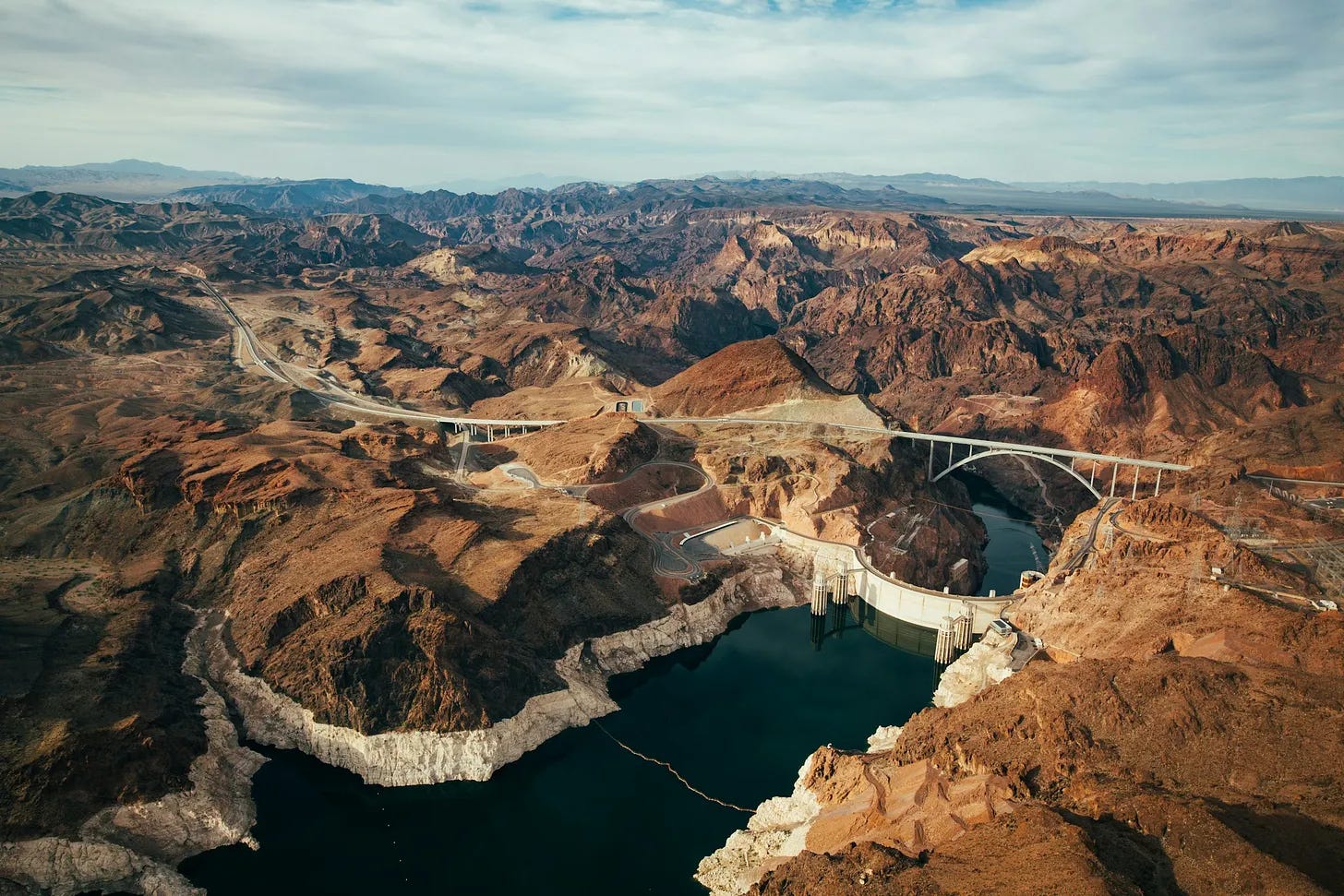
  • August 4 · 22 min

    A Yoke Built for Two | A Dead Hog, a Shovel, and a Fifteen-Year-Old

    May in Missouri. Warm, not hot like it will be in July. Humidity in the air, mist at the bottom of the hill hiding the green grass. Bright white gravel under tires. He opens the passenger door. He is fifteen. His grandma drove him. The Oldsmobile idles behind him until the screen door opens and a man comes out. Then she pulls away. The man is the rancher’s son. Sixty years old, maybe more. His truck is running in the yard. “You eat breakfast?” he says. Then, “Dad’s in the hospital. Nursing home after that, probably. He won’t be coming back to this.” The house first. Old, white, small, on top of the hill. A garden plot on the side, a shotgun sitting by the door nearest the garden. Dogwoods and oaks, leaves out full now. One level. Two bedrooms, a kitchen, a sitting room. Clean. The beds made tight with homemade quilts. Glass jugs on the floor by the kitchen door. “Dad’s corn whiskey,” the son says. The boy can eat lunch in here if he wants. Running water. The well is outside. A newspaper picture in a frame on the side table. Five generations. A new baby, and a great-great-grandmother still alive to hold him. “That’s my mom,” the son says. “Holding the baby. That picture is ten years old now.” Then the work. Build a cattle corral and an alley good enough to back a trailer in and load. Stay out of the old smokehouse. It’ll fall down any day now. One of those sheds needs knocked down before it falls down, you can use the tractor to help. The chicken coop needs cleaned out. Probably hasn’t been since Mom passed. Most of the perimeter fence needs checked. Water tanks sorted. The truck is still running. The son looks at his watch. Plenty to do. “But there’s a job that needs done before all that.” He points down past the pens, to a hog lot at the bottom of the slope. There’s a dead hog in it. “Drag it down the hill and bury it,” he says. “Shovels are in the shed. Twenty years ago I’d have dug it myself.” He shakes the boy’s hand. The truck backs around and goes down the drive and the sound of it fades and then it’s gone. Quiet after that. Wind in the oaks. A rooster somewhere below. Act I. The Hog Lot He doesn’t start with the hog. He walks the place first, down the hill and through all of it, to get eyes on everything. The corral isn’t started. The materials are already there, stacked and waiting. Old railroad ties. Cattle panels. Each tie has a mark on it, showing how deep to set it. The smokehouse is tall and narrow. He’s never seen one before. A fire pit dug in the dirt floor with a simple metal ring, chains hanging overhead. He doesn’t go in. The chicken coop is full of old bedding, gray with dust. Hornets have built above the door. He’ll have to take care of that. One of the water tanks is dry. Wolf spiders in the bottom, big ones. He throws a rock in and they scatter, but they can’t jump out of the tank. An old blue Ford tractor sits by the shed. Small. It doesn’t have a bucket to dig, and even if it did, he doesn’t know how to use it. He’ll have to learn. Shovels inside, and a manual post hole digger leaned in the corner. The pigs and chickens are closest to the house. Cattle beyond. The fields run out to meet wooded hills. Forty acres. A big pond on the far end you can barely see from the house, a smaller one tucked in by the woods. The cattle are moving through the field toward water, and he watches them go. He’s put it off as long as he could and another hour longer. He walks to the hog lot. A short metal hog house, small doors on each end. The hog is dead in the far corner. Big. On its side. The flies rise off it when he comes near and settle again. No mark on it that he can see. No telling what killed it. The son didn’t say how it died. He said drag it down the hill and bury it. He takes hold of a hind leg above the hoof and pulls. It moves about a foot across the metal grate floor, the hide loose over the bone in his grip. He lets go and stands there. The air in the hog house is close now. He takes hold again. It’s downhill. That’s the one thing going for him. He pulls and rests and pulls. The hog gathers grass and dirt ahead of itself. The flies come along. When he stops he can hear them. When he pulls he only hears his breath. He drags the hog under the wire fence. At the bottom of the hill he picks a spot away from the ponds, where the ground looks soft. Nobody said where. Nobody said how deep. The first foot is topsoil and goes easy. Then the shovel rings. Rock. He works around it, pries it, lifts it out. There’s another one under it. The afternoon goes like that. Ring, pry, lift. His hands blister. He walks up to the well, finds some gloves, has a drink and comes back down. He stands in the hole and thinks about how deep is deep enough. Shallow, and something digs it up. Coyotes, or dogs from the next place over. Then it’s all to do again, and worse. He keeps digging. The light goes long across the field. Whippoorwills call from the trees. Gravel at the top of the drive. Headlights swing across the field and stop. The Oldsmobile sits up by the house, lights on, pointed down the hill at him. She doesn’t honk. She waits. He drags the hog to the edge and tips it in. It lands heavy. Filling the hole goes faster than digging it. He mounds the dirt over and stands there a minute in what’s left of the light. Then he carries the shovel up the hill toward the headlights. That night there’s supper, and dishes, and then she asks. What were you doing out there tonight? He tells her. “Did you bury it deep enough to keep the coyotes off of it?” “I don’t know,” he says. They never talked about it again. Act II. Corral and Alley The next morning he starts on the corral. The railroad ties outweigh him. He can’t carry one, so he tips them end over end to where they need to go. The ground is the same ground he dug the grave in. Ring, pry, lift. Each tie has its mark. He digs until he thinks it’s deep enough, then tips each tie into the hole, lifts it out again, and digs some more until the mark disappears. He tamps the dirt back in layers, and pulls on the tie with his whole weight. It doesn’t move. He does the next one. Whoever marked the ties isn’t there to ask. His hands ache and cramp for ten days until they get used to the work. He learns the tractor in the yard. The throttle is steady, and his foot coming off the clutch is not. It lurches and rocks and then it doesn’t. He cleans the old bedding out of the chicken coop, swinging the spring door open and shut, and a hornet stings him in the ear. He buys hornet spray, empties it into the nest, knocks it off the coop with a fence post, and only gets stung the once. He cleans the coop down to the boards. The shed comes down easy. The tractor pushes and the frame lets go at once. He drags the boards clear and stacks what’s worth keeping. It’s good work and it goes fast. The son comes out one day and asks what happened. It was the wrong shed. He spends weeks walking the perimeter fence and fixes what needs fixed. At noon he takes his boots off and eats in the kitchen, standing up. The house stays clean. In late June he turns sixteen. He passes the test in town, and after that he drives himself out in the mornings. There’s a last morning she drives him. Neither of them marks it. After that the mornings are his. He drives the Oldsmobile out himself, plays Metallica too loud the whole way. His grandma hates Metallica. Some evenings he drives to the next town to see a girl he met. Alone, afternoons drift. He is sixteen. He daydreams. Some days he gets less done than he should, and nobody says anything about that either. The cattle get checked every day. By the end of July the corral stands, ties to the mark, panels hung, an alley wide enough to back a trailer in. He would be home for football camp in August. In the fall they sold the animals. The cattle went up the alley the boy built, into a trailer, and down the drive. They leased the ground to a neighbor. The boy went home, back to school. The old man never came home. Act III. Jennies Two summers later. Jerry and the boy ride in Jerry’s F-250 to the local college. Jerry is a rancher who needed another ranch hand. Jerry is more than a rancher. He teaches economics at the college full time, with summers mostly off, and he lays carpet and linoleum in his spare time. He hates the flooring work. He does it if the money’s good, or if he likes you. This job is at the college, and the money’s good. Industrial carpet in a dorm. Take out the old carpet, scrape and clean the floors, put in the new. They set up in the gym. Huge rolls of new carpet, and the boy carries them by himself. The boy brings in the radio. The college cheerleaders come in for practice. The Jennies. Three of them watch him carry a roll all the way across the gym. Then Garth Brooks comes on the radio, “Callin’ Baton Rouge,” and they start dancing, and they sing along. He’s seventeen. The old carpet comes out first. The boy cuts it loose and rolls it and carries the rolls out. Jerry tells him how the floors go: sweep, then sweep a second time. Every time you sweep again, you find something you missed. The boy sweeps a room and calls it clean. Jerry sweeps it behind him and holds out his hand. Two staples and a chip of tile. He doesn’t say anything. The boy sweeps the next one twice. The boy is fast and thorough, but Jerry works most jobs with him the first time he does one. After a few rooms they have a system. Jerry measures the cleaned rooms and marks the new carpet. The boy cuts on the marks, carries the carpet down the hall, and lays it out nearly finished. Jerry follows behind and makes the last cuts, and that room is done. The last cut at every doorway is Jerry’s. He kneels at the metal strip, sets the knife, and makes one pass. The edge lies flat. The boy watches how he holds it, where his weight is, what his off hand does. Jerry goes the speed he goes, whether the boy is watching or not. The rooms go by. Measure, mark, cut, carry, lay, finish. Music from the gym comes down the hall all afternoon. At the end of the day Jerry walks every finished room. He toes a seam. He presses a corner with his boot. He stands in each doorway, looking at the floor. “Good,” he says. They load the truck in the dark. Jerry put him on for as much as he could work. Summer and winter both. Tomorrow the work is hay and fences. Postscript Thank you for spending this time with me today. The entire story you just heard is true, as close as memory gets. The ranch is real. Forty acres in Missouri. The mist, the shotgun by the garden door, the corn whiskey by the kitchen door. The hog and shovel are real. The railroad ties really came with a mark showing how deep. The wrong shed really came down. The Oldsmobile is real. The dancing Jennies are real, and so is “Callin’ Baton Rouge.” Jerry is real. His name is really Jerry. Sweep, then sweep a second time. That’s what he did, job after job. The five-generations picture is real too. I never knew who the baby was. I did omit a key detail. I was the boy. Fifteen, then sixteen, then seventeen. The old man in the hospital was my great-grandfather. He lived to be near ninety-five. The man with the running truck was his son, my great-uncle. My grandpa had passed, so my great-uncle paid my wages to my grandma. And the woman in the Oldsmobile, who waited with her lights on while I finished in the dark, was my grandma. I lived with her that summer and took care of the ranch until the family could figure out what to do with it. What they figured out was to sell the animals. The cattle left through the corral I built. Years later, when my great-grandfather died, the family offered to sell me the land. I was a young man. I didn’t have the money. It sold to someone else and isn’t in the family anymore. One more thing for the ledger. The whole truth. The same summer I buried that hog, I left the ranch for two weeks. For some reason I still don’t know, the state sent me for proctored IQ and ACT tests and called me gifted, and there was a program for kids like that at the University of Missouri, where I’d go to college a few years later. Make a note of that, not because it’s important for me, but because we’ll need it in a minute for the philosophy. Now the question. A political philosopher named Michael Walzer wrote a famous book about justice, and in it he took a hard look at the work nobody wants. Dirty work. Degrading. And he made a claim: When people gain the power to refuse that kind of work, that’s a sign a society is succeeding. Somebody complains the welfare state made people unwilling to take certain jobs? Walzer says good. That was the point. Let’s hear that again. His premise, regarding work, is: The power to refuse degrading work is the measure of success. I’ll be fair to him first. Some people might refuse the work because they believe a yoke must be difficult. But mostly they refuse because it’s hard and it pays badly and nobody thanks them. That’s not weakness. It’s just the math. And I’ll be fair to the economists too. They’ll tell you that early hard work doesn’t make the man. The kid who works young and rises was usually the kid who already had advantages, and the work gets the credit. Believe them. You just heard about my two weeks at the university. I was that kid. If this story claimed the shovel made me, it would be a lie. So what’s true? Nobody told me how deep to bury the hog. Nobody checked. I worked on the ranch the rest of the summer and never checked. I didn’t want to know. My grandma asked the only question anyone ever asked about it. Did you bury it deep enough to keep the coyotes off? I said I don’t know. Thirty-some years on, I still don’t. The railroad ties came with a mark. Some man who wasn’t there set that standard, and it held long after he couldn’t come check it. But here’s what I learned about marks. A mark can tell you how deep. It can’t show you how. Alone, a boy guesses. Sometimes he guesses right and nobody ever knows. Sometimes he knocks down the wrong shed. Jerry showed me how. Jerry worked the first day of every new job beside me. Jerry marked, and I cut on his marks, and he made the last cut at every doorway, and at the end of the day he walked every room. And I think about who Jerry was. An economics professor with a ranch of his own. The man with the most choices in the county spent his summer days on his knees in a dorm hallway. He had every power Walzer measures. Every power to refuse. He did the work if the money was good. Or if he liked you. There’s another philosopher, John Rawls, and he asked a different question than Walzer did. Walzer looked at the hard work and asked who should have to do it, and what we owe the ones who do. Rawls said decide the rules before you know, because time and chance happen to us all. Decide the rules before you know whether you’re born the professor’s kid or the kid whose family is selling the ranch. Then tell me what’s fair. Rawls asked the better question. Because you don’t know. You don’t know if you’re the boy with the marks or the boy without them. And nobody can honestly answer “nobody should have to dig.” The hog doesn’t care about our philosophy. The hog is dead and somebody has to bury it and the tractor doesn’t have a bucket. Somebody has to dig. When we gain the power to refuse the work, the work doesn’t disappear. It moves to whoever can’t refuse it, and we agree not to look. So here’s my answer, and I don’t agree with Walzer. The measure of a society isn’t how many of us escape the work. It’s who climbs down into it on purpose, and who they bring with them. Scripture says, Come unto me, all ye that labour and are heavy laden. Take my yoke upon you, for my yoke is easy, and my burden is light. Something to note about that verse. The Greek word translated easy does not mean effortless. It carries the sense of something kind, good, or useful. Early Christians described Christ’s yoke as one that does not bruise the neck of the person carrying it. The burden is still a burden. But the yoke is easy, and the burden is good. And a key point: a yoke is built for two. For Christians, that might mean the Almighty is on one side of the yoke. In old agriculture, you pair a green animal with a seasoned one. The seasoned one carries the weight and sets the pace, and the young one learns the pull without being crushed by it. The burden never gets lighter. It gets shared. I stood in my first yoke alone for a summer. It worked out for me. You now know some of the reasons why, and they don’t have much to do with the shovel. For most kids standing alone, the numbers say it doesn’t work out. So here’s the ask. Be the one who chooses the work. The dirty job, the hard job, the one you’ve earned the right to refuse. Choose it in front of your kids, and teach them to choose it too. Not because suffering is holy. Because it’s work that needs done, and doing it next to someone is how people get made. Somewhere near you is a green kid. Don’t wait for a program to save them. A program can’t hold the other end of a yoke. Mark the cut. Stay in the room. My great-grandfather’s ranch is still out there, but it’s not in the family anymore. The corral too, as far as I know. And the grave? I never went back to look. It never stank. I never saw a coyote. But they mostly move at night. Sources Philosophy Michael Walzer, Spheres of Justice: A Defense of Pluralism and Equality. Basic Books, 1983, Chapter 6, “Hard Work.” My copy from Apple Books. John Rawls, A Theory of Justice. Belknap Press, 1971; rev. ed. 1999. Scripture and Language “My yoke is easy, and my burden is light.” Matthew 11:28–30, King James Version. Lincoln H. Blumell, “Is Jesus’s Yoke ‘Easy’? Reconsidering the Translation of Chrēstos in Matthew 11:30.” BYU Studies 65, no. 1 (2026): 6–36. Labor Economics and Mobility Christopher J. Ruhm, “Is High School Employment Consumption or Investment?” Journal of Labor Economics 15, no. 4 (1997): 735–776. V. Joseph Hotz, Lixin Xu, Marta Tienda, and Avner Ahituv, “Are There Returns to the Wages of Young Men from Working While in School?” Review of Economics and Statistics 84, no. 2 (2002): 221–236. Charles L. Baum and Christopher J. Ruhm, “The Changing Benefits of Early Work Experience.” Southern Economic Journal 83, no. 2 (2016): 343–363. An earlier version appeared as NBER Working Paper No. 20413, 2014. Jared Ashworth, V. Joseph Hotz, Arnaud Maurel, and Tyler Ransom, “Changes across Cohorts in Wage Returns to Schooling and Early Work Experiences.” Journal of Labor Economics 39, no. 4 (2021): 931–964. Thomas Le Barbanchon, Diego Ubfal, and Federico Araya, “The Effects of Working While in School: Evidence from Employment Lotteries.” American Economic Journal: Applied Economics 15, no. 1 (2023): 383–410. Raj Chetty et al., “Social Capital I: Measurement and Associations with Economic Mobility.” Nature 608 (2022): 108–121. Work and Identity Blake E. Ashforth and Glen E. Kreiner, “‘How Can You Do It?’: Dirty Work and the Challenge of Constructing a Positive Identity.” Academy of Management Review 24, no. 3 (1999): 413–434. Robin Nagle, Picking Up: On the Streets and Behind the Trucks with the Sanitation Workers of New York City. Farrar, Straus and Giroux, 2013. Youth Labor Law and Agricultural Safety Fair Labor Standards Act of 1938. Hazardous Occupations Orders, 29 C.F.R. Part 570. U.S. Department of Labor, Wage and Hour Division, “Fact Sheet #40: Overview of Youth Employment (Child Labor) Provisions of the Fair Labor Standards Act for Agricultural Occupations.” Revised December 2016. U.S. Department of Labor, Wage and Hour Division, “Child Labor Regulations, Orders and Statements of Interpretation; Child Labor Violations—Civil Money Penalties.” Federal Register 77, no. 103 (May 29, 2012): 31549–31551. Withdrawal of the proposed 2011 revisions to federal youth agricultural labor regulations. National Institute for Occupational Safety and Health, “Childhood Agricultural Injury Prevention.” National Children’s Center for Rural and Agricultural Health and Safety, Cultivate Safety. Music Dennis Linde, “Callin’ Baton Rouge.” Recorded by Garth Brooks on In Pieces. Liberty Records, 1993. Referenced by title; no lyrics reproduced. Further Reading Matthew B. Crawford, Shop Class as Soulcraft: An Inquiry into the Value of Work. Penguin Press, 2009. Robert D. Putnam, Bowling Alone: The Collapse and Revival of American Community. Simon & Schuster, 2000. Get full access to I Believe at joelkdouglas.substack.com/subscribe
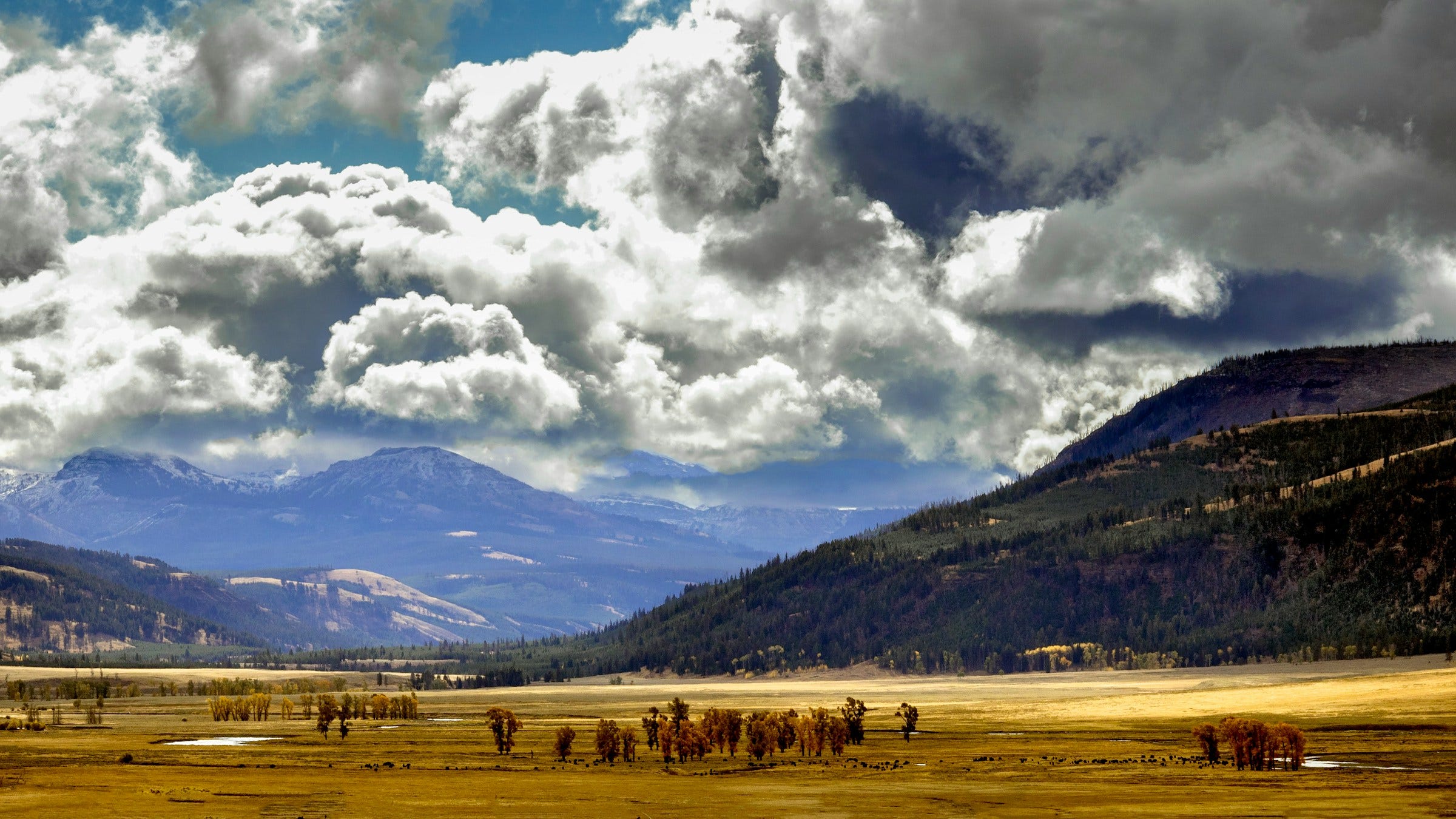
  • July 28 · 27 min

    Return Tomorrow | A Warehouse, a Granddaughter, and a Great Society

    Her eyes open at five twenty-eight. She lifts her head and switches the alarm off before it kicks on at five thirty. She’s up and moving. Chores to do. Coffee, dishwasher, shower, lunchbox. Their apartment is a one-bedroom in Lakewood, Colorado, on the west edge of Denver. Third floor. She starts the coffee maker and showers while it runs. On the refrigerator door, under a magnet, a printed listing for a two-bedroom on South Ammons Street. Four hundred ten thousand. Beneath the price, handwriting in blue ink: eighty-two thousand down. Below that a column of dates and smaller numbers, one for every month they’ve lived here. The paper has yellowed at one corner. She pours coffee into a steel travel mug, grabs her lunch, takes the stairs, and scrapes frost off the windshield with a plastic dustpan she keeps behind the seat. She drives west on Alameda with the defrost on high. At Kipling she turns north. On her right, Lakewood Park Tennis Center. On her left, a fence. Chain link, eight feet, three strands of barbed wire on top. It runs past the first stoplight. It runs past the second. There’s a gate with a guard shack and a yellow crossing arm, and a white sign that says United States Government Property. The fence keeps going. It takes her a full mile to run out of fence. She doesn’t look at it. It’s been there her whole life. At six twenty, she badges into the warehouse. The reader beeps. Inside the break room, on the long table by the time clock, somebody has laid out nine folders in three neat rows. New hires start today. She’s been here four years. She knows what’s in the folders. Act I. The Wage The safety video runs eleven minutes. She can hear it through the break room wall, the same narrator, the same music, while she tapes the first boxes of the morning. Nine new people in there with their folders open. At seven forty, the break room door opens, and the trainer walks in. His name is Dave. He’s holding his own copy of the folder, open to the tabs. Tab one is the handbook, he says. Tab two is your direct deposit. Tab three is your benefits election. Health kicks in at ninety days, dental at one eighty. Don’t wait on the paperwork, it doesn’t backdate. Tab four, he says, is community resources. Food assistance, Medicaid, child care assistance, help on the winter heat bill. The applications are in there, filled out down to the signature line. Plenty of folks use them the first year. Nothing to be embarrassed about. He says it the way he said the part about the fire exits. She takes one of the nine, a young woman named Reyna, out to the floor and trains her on the scanner. Point, squeeze, wait for the beep. The screen above the aisle shows a number; that number is the building’s rate. Green means the shift is on pace to meet their quota. She’s never seen it red for a whole shift. Somewhere around ten, the number turns green and stays that way. At lunch she eats what she packed at five fifty. Reyna sits across from her with a vending machine sandwich and asks if the insurance is any good. It’s insurance, she says. The deductible is four thousand. You’ll want the paycheck to clear before you pick a plan. Reyna nods and writes something in her folder. At the end of the table, one of the other new hires has his folder open to tab four. He’s copying numbers off a pay stub that isn’t his yet, from the sample page, doing the eligibility math with the folder’s own pencil. First shift. He hasn’t clocked a full day. The horn ends lunch at twelve thirty. Everybody stands at once. Act II. The Plant The afternoon starts out like the morning. Point, squeeze, beep. The screen stays green. Nothing in the building gets made in the building. It comes in full and goes out full. They work on line three. By last break, Reyna runs two under her rate. First day. The belt on line four goes down midshift. Nobody in the building can fix it. The tech comes Thursday, from Phoenix. Nothing to be done, that entire line goes home early. The horn releases the shift at four thirty. In the parking lot her phone buzzes. A text from the storage place on West Colfax. Your autopay of eighty-nine dollars was successful. Thank you for being a valued customer. She was headed there anyway. Two plastic totes in the trunk. Christmas decorations, going back until December. Unit two fourteen. She rolls the door up and the cold air inside smells like cardboard. The totes go on the shelf her husband built from scrap the first winter. Behind them, the rest of it. Her mother’s cedar chest. A kitchen table on its side, six chairs zip-tied to the legs. A crib in pieces, wrapped in a moving blanket, that was her mother’s before it was hers. In the back corner, under a second blanket, the lathe. It’s a South Bend, cast iron, older than everyone she knows. It took four grown men and a rented dolly to get it in here. She pulls the blanket square where it’s slipped off the tailstock, and under her hand there’s a small brass plate, screwed to the base, stamped with three words. War Production Board. She doesn’t know how to run it. Nobody living in the family does. She rolls the door down and clicks the padlock. Her grandmother calls while she’s still in the lot. She puts her on speaker and pulls out into traffic. You eat yet? Her grandmother says. I’m driving home to eat. You’re still paying for that unit. I’m still paying for it. You ought to sell that machine. You’d get something for it. Nobody’s run it in ten years. I’m not selling the lathe, Grandma. Her grandmother is quiet for a second. Then she says, your grandfather ran that lathe thirty-one years at Gates. Nights, at the end. They were going to throw it away, so he took it for his woodworking. Gates got the machine from the ammo plant, surplus sale. My mother made bullets out by you, on Kipling, the whole war. Rode the bus from Tenth Avenue, three shifts going around the clock, twenty thousand people out there. Half of them were women. I know, Grandma. It’s all offices now, her grandmother says. Anyway. You two are coming Sunday. We’re coming Sunday. Bring some folding chairs if you can. They’re in the unit, she says. I was just looking at them. Good, her grandmother says. Then you know right where they are. Act III. The Ledger Friday, twelve oh five. Reyna sets the folder next to her lunch and asks if she has a minute. The application is filled out down to the signature line, like Dave said. What’s left is the list on the back page. Proof of who you are. Proof of where you live. Proof of what you make, thirty days of it. I don’t have thirty days, Reyna says. I have four. There’s a line for that. Employer statement. HR prints it, you ask at the window. Reyna writes that on the folder. Then they schedule you an interview, she says. It’s a phone call. Keep your phone on you at break, and if you miss it, call back the same day. Don’t wait. Did you do all this, Reyna asks. She folds the wax paper over the half of her sandwich that’s left. My first year here, she says. Yeah. She takes her phone, puts it speaker up on the table, and calls the number. It starts with a recording: Last year we proudly served more than one hundred thousand Colorado families. The horn goes. Everybody stands at once. Sunday, her grandmother’s house smells like a roast that went in at seven. A brick ranch off Garrison, two bedrooms, one bath, a furnace that runs loud. Her grandmother has lived in it fifty-eight years. Her husband carries the folding chairs in from the trunk and sets them up at the long side of the table. The game is on low in the front room. Broncos Chargers. A small group watching it. Any luck on a house, her grandmother says, passing the potatoes. There’s a two-bedroom on Ammons we like. What are they asking? Four hundred ten. Her grandmother sets the potatoes down. Your grandfather paid seventeen thousand five hundred for this house, she says. Nineteen sixty-eight. Back then he made nine thousand a year. We lived on one paycheck, pinched every penny, but I didn’t work until your mother was in school. Nobody says anything. In the front room a whistle blows and the crowd complains. After the pie her grandmother stands and favors the new knee, and waves off help before anyone offers it. The knee’s fine, she says. Better than the old one. Four hundred dollars, that’s what the whole thing cost me. Medicare and the supplement took the rest. Four hundred, for a knee. Her grandmother brings out an old photo of her mother in a heavy machinery apron. Dirty. She brought out an old picture or two every time they ate Sunday dinner. This is my mother, your great-grandmother. She rode a bus to a three-shift line and came home tired. She went to work sick or tired or hurt, didn’t matter. They weren’t supposed to, but she got married the day before your great-grandpa left on the ship, and she told me she felt like she was making ammunition for him, and she wouldn’t let him run out. The work was hot and she was on food rations. Everybody was. Almost no meat, no butter. Then, when her husband came home, they wanted to get their own place right away, but there were no homes for sale anywhere. They lived in a shack for a year until houses started popping up. She likes the story every time she hears it. You need anything before we go, she asks her grandmother at the door. Groceries this week, anything. I’m fine, her grandmother says. Check comes next Wednesday, the house is paid, what do I need. She hands them the leftovers in a grocery bag, roast and potatoes in butter tubs, and tells her husband to take the chairs back to the unit. Then she looks at her granddaughter for a second longer than usual. When I’m gone this house is yours, she says. You know that. Grandma. I’m saying it so you know it. Act IV. Payday Friday is payday. The deposit lands at six in the morning while she’s scraping the windshield. That night after supper she stands at the refrigerator with the blue pen. Ninety minutes of overtime on the check. She writes the date and the number at the bottom of the column, under fourteen other dates, and puts the magnet back. Her phone buzzes on the counter. The app that watches the listing sends one line. This home is no longer available. She stands there a minute. Her husband looks up. Somebody bought Ammons, she says. He comes and reads the phone over her shoulder. Neither of them says anything. Then he takes the pen off the counter and draws one line through the address at the top of the sheet. Not through the price. Not through the column. Through the address. We’ll find another one you like, he says. The sheet stays under the magnet. Saturday they take the folding chairs back to the unit. She lifts the blanket square on the tailstock before they roll the door down. Monday she’s up and moving at five thirty. Chores to do. She drives west on Alameda with the defrost on high. At Kipling she turns north. On her right, the tennis center, courts empty in the cold. On her left, the fence starts, and at Gate One there’s a line of cars idling, brake lights back to the road, federal employees waiting to badge through onto the ground where twenty thousand people made the ammunition, going in to work at the offices. The fence runs past the first stoplight. Past the second. A full mile. This time she looks at it. At six twenty, she badges into the warehouse. The reader beeps. In the break room, on the long table by the time clock, somebody has laid out folders in three neat rows. New hires start today. Postscript Thanks for spending this half hour with me. This story is a fable on a bedrock of truth. I made up the characters, the house on Ammons, and the lathe in the storage unit. The warehouse experience is real. So is the fence on Kipling. You can drive by it yourself. And I did not make up the national power that once stood behind it. Behind that fence is the Denver Federal Center. Today it holds more federal agencies than any place outside Washington. During the Second World War, it was the Denver Ordnance Plant, run by Remington. At its peak, about twenty thousand people worked there, half of them women. They made ammunition around the clock. After the war the buildings became offices that now administer programs. The new-hire folder is real too. I’ve been a new hire in a warehouse. The Government Accountability Office found that millions of Americans work full-time while relying on food assistance and Medicaid. Many work in warehouses, retail stores, and restaurants. Some employers really do direct new workers to the applications. This is not the corporation’s fault. A corporate executive works for the shareholders. His job is to make money for them within the rules. If he spends company money on causes the law doesn’t require, like cutting pollution beyond the legal limit, meeting hiring quotas, or paying more than the labor market demands, he is spending someone else’s money on goals they did not choose. But just because the corporate officer has no duty to pursue social goals doesn’t mean no one does. If public money is going to be used for the public good, that work belongs to public servants. These duties matter enough that we created a specific kind of institution to carry them out. That institution is not the corporation. It is our representative government. Our elected officials have a duty to set the rules under which corporations operate. When they fail to do that, you, the taxpayer, make up the difference in wages. Let’s pause to highlight the contradiction. We can’t support policies that allow businesses to pay unsustainable wages and at the same time oppose social programs designed to mitigate the consequences of low incomes. A lot of families receive help from social programs. Half of American children do. Nothing in this story says those programs fail the people who use them. Since those programs began, poverty among older Americans has fallen from roughly one in three to less than one in ten. This is not a sermon against the people sitting at that table. Love your neighbor. But also: the principle to rend our hearts and not our garments means we have to do what matters. So we have a question to ask: Where does this arrangement leave us? When the taxpayer makes up for low wages, much of the money never reaches the worker. In places where only a few employers do most of the hiring, wage subsidies draw more people into the job market. That larger pool of workers makes it easier for employers to keep wages low. One study of the Earned Income Tax Credit program found that employers keep about seventy-two cents of every public dollar spent. Let’s hear that again. The taxpayer means to help the worker. Most of the help ends up staying with the employer and not the worker. That is not a failure of the worker. It’s the way the system works. The help keeps the person going while subsidizing the wages that made the help necessary. Programs started in two key time periods really set it up this way. The first was the nineteen thirties. At the time, Franklin Roosevelt’s relief chief, Harry Hopkins, said plainly that if you give a man a dole, you save his body and destroy his spirit. FDR was for work programs and largely against handouts. The America of FDR’s time built its help around work and contribution. Public jobs built things you can still drive across today, like the Hoover Dam that is the cover image of this piece. They designed Social Security as insurance. A worker paid into it and later collected their earned benefit. It wasn’t a handout they had to apply for. The New Deal was not free of mistakes. The same nineteen thirty-five law also created means-tested welfare, so to be honest we need to say that Roosevelt built both doors. But the main door was work. His programs asked what Americans could build, produce, and insure through their own labor. Thirty years later, America had spent two decades as the world’s dominant economic power. Factories across much of the rest of the world had been destroyed in the war. We had money coming out of our ears. In that setting, Lyndon Johnson sought to expand FDR’s goals. LBJ’s Great Society asked a different question: What goods and services should government “give” to people who don’t have them? Medicare. Medicaid. Food assistance. Housing support. Eligibility replaced contribution. The government bought services to give to someone instead of putting those people to work building something. Johnson wasn’t wrong about the suffering. Some of what he built is now indispensable. But our focus changed. We stopped asking what individual Americans could produce and began asking what we could give to them. Our spending became open-ended. The government promised to buy whatever help cost, and help never got cheaper. Last year, the federal government spent nearly a trillion dollars on interest alone. The arrangement is expensive because it maintains and maintains and maintains. There’s a constitutional problem here worth a minute of our time, including where the argument breaks down. The Constitution gives Congress the power to spend for the general welfare. In nineteen thirty-six, in United States versus Butler, the Supreme Court said that the general welfare power was broad but not unlimited. Public spending had to serve the common good, not private interests. Taxpayer money could not simply support big business. Then the Court contradicted itself. One year later, it upheld Social Security and more or less said that Congress gets to decide what counts as the general welfare. So no court is going to rule that a public benefit propping up the wage structure of profitable companies violates the general-welfare clause. The Constitution gives us the principle. It leaves enforcement to us, the voters. If seventy-two cents of every dollar intended to help a worker ends up on a corporate ledger, the answer isn’t a lawsuit. It’s citizens telling Congress that public money should build the public, not the corporation. Behind all of this is one central idea. It’s not fairness. Every great nation eventually faces a crisis it cannot buy its way out of. When that day comes, we will rely on the ability of ordinary people to preserve the whole. So the test we should apply to the individual is: Does our arrangement build her ability, or does it only keep her struggling well enough to return tomorrow? That question is bigger than one woman. It’s our factories, the skill of our workers, and the ability of our people to solve hard problems. We can’t buy our way out of a crisis. We need the skills, factories, supply chains, and public will to make what the crisis requires. The last time that day came, twenty thousand ordinary people went to work at an ammunition plant behind a fence in Denver and made what the country needed. And we’ll need to do that again someday. So here’s what I’m asking you to do with all of this. Ask one question. What got better? The next government program that comes through your town, whatever it is, will report its numbers. People enrolled. Dollars delivered. Families served. Don’t sneer at the numbers. They’re somebody’s grandmother, or somebody’s difficult first year. But stop accepting those numbers as the answer. When we think they’re the answer, half of American kids end up needing social program support instead of us insisting on workers making enough that their kids don’t need the programs anymore. Enrollment tells you what the program did. It doesn’t tell you whether anyone came out the other side stronger. So. Again. Ask: What got better? Did the help build the person? Did her skills grow? Did her wages cover her life? Did her savings get closer to what she needs to make the down payment on the house? Did she make, master, own, or pay off anything that would last? Or did our “help,” while trying to be perfectly kind, simply make her struggle bearable without helping her escape it? A great society isn’t a stack of programs. It’s a country where a woman who beats her alarm clock every morning of her life can build herself into someone the country may one day need. Where, on the other side of the crisis, she can enjoy her bread, her wine, and her family. We can build that. Or we can all just return tomorrow. Sources The fence and the ground behind it: the Denver Federal Center, formerly the Denver Ordnance Plant Colorado Encyclopedia, “Denver Ordnance Plant”: Remington-operated; peak near 20,000 workers on three shifts in summer 1943; women about half the workforce; site is now the Federal Center. “Ordnance Plant Has Fine Record,” April 3, 1943 contemporary news account, Plains Humanities Alliance, University of Nebraska. 15,000+ workers, 47 percent women at that date. History Colorado, “Doing Our Part”: $122M Remington contract, January 1941, on the former Hayden Ranch. “Denver Federal Center,” Wikipedia: largest concentration of federal agencies outside Washington, D.C.; West 6th & Kipling, Lakewood; former Denver Ordnance Plant. (For publication, confirm against the GSA Denver Federal Center page.) Full-time workers relying on public assistance GAO, Federal Social Safety Net Programs: Millions of Full-Time Workers Rely on Federal Health Care and Food Assistance Programs, GAO-21-45, October 2020, gao.gov. ~12 million working-age Medicaid enrollees and ~9 million SNAP recipients; two-thirds full-time; concentrated in restaurants, department stores, and grocery stores. Employers capture the wage subsidy Jesse Rothstein, The Unintended Consequences of Encouraging Work: Tax Incidence and the EITC, Princeton CEPS Working Paper 165, 2008, PDF. Low-skill single mothers keep $0.70 per dollar; employers capture $0.72; net transfer to workers under $0.28. Supporting: Ioana Marinescu & Eric A. Posner, “Why Has Antitrust Law Failed Workers?,” 105 Cornell Law Review 1343 (2020), Cornell Scholarship. Documents labor monopsony and the antitrust litigation gap. The alternative: FDR and Hopkins on work versus the dole Harry Hopkins, “Give a man a dole and you save his body and destroy his spirit,” quoted in Democracy in Transition (D. Appleton-Century, 1937), p. 264; corroborated by PBS American Experience and the VCU Social Welfare History Project. Franklin D. Roosevelt, 1944 State of the Union / Economic Bill of Rights, “the right to a useful and remunerative job in the industries or shops or farms or mines of the Nation,” FDR Presidential Library archive. What the programs did accomplish (the Medicare / elderly-poverty improvements) Elderly poverty fell from 35.2% (1959) to under 10% (1990s): SSA, “Reducing Poverty Among Elderly Women”, citing U.S. Census; NBER, “Social Security and Elderly Poverty”. The fiscal cost of maintaining our system Net interest ~$970 billion in FY2025, surpassing $1 trillion on the public-debt line for the first time: Committee for a Responsible Federal Budget; Peterson Foundation. Long-run trajectory (debt to 120% of GDP by 2036): CBO, The Budget and Economic Outlook: 2026 to 2036, February 2026, CBO Pub. 62105. The constitutional principle and its contradiction United States v. Butler, 297 U.S. 1 (1936), Ballotpedia summary. Broad Spending Clause power for the general welfare, but the AAA struck down on Tenth Amendment grounds. Helvering v. Davis, 301 U.S. 619 (1937), Justia; Constitution Annotated. Upheld Social Security; Congress decides what serves the general welfare unless the choice is “clearly wrong.” The oldest instruction (KJV) Genesis 3:19; Ecclesiastes 9:7 and 9:10; Ecclesiastes 5:18–19. King James Bible Online. Work and national power, the industrial-base warning GAO, Defense Industrial Base: Actions Needed to Address Risks Posed by Dependence on Foreign Suppliers, GAO-25-107283, July 24, 2025, gao.gov. Over 200,000 suppliers; little visibility into lower-tier and foreign dependencies for parts, materials, and microelectronics. A companion piece Joel Douglas, “A New Economics: Reward Work, Build Opportunity.” January 2025. Lincoln’s free-labor doctrine and Theodore Roosevelt’s square deal; the constitutional-mandate argument this postscript inherits. joelkdouglas.substack.com Get full access to I Believe at joelkdouglas.substack.com/subscribe

  • July 21 · 26 min

    What Counts | A Rancher, a Charging Station, and a Twelve-Million-Dollar Letter

    A family, driving north out of Denver. They left before light. Mom’s driving. Yellowstone tomorrow. Lamar Valley and the bison and wolves and trout. Tonight, the Sheridan Inn. The car planned this stop in Buffalo before they crossed the Platte. It planned every stop. Dad has the atlas open on his knees, the paper kind. Nobody’s looking at it. Two kids in the back. A yellow dog between them with his chin on the armrest. Somewhere past Kaycee the little one got carsick. Mom keeps empty cups up front for it, and she passed one back without looking. The windows are down now, summer heat and wind noise, and nobody’s saying why. In one mile, exit right. Charging stop. Buffalo, Wyoming. The chargers sit at the Miller Travel Center across the street from the Best Western. Eight stalls, white posts, painted lines. Mom backs in on the first try. Dad’s out of the car before it stops rocking. He takes a deep breath and clicks the cable home. The screen says thirty-five minutes. The kids step out slow. The dog tows the boy toward the grass strip at the edge of the lot, nose down, working. A good stop. Restrooms, coffee, a rack of postcards with bears on them. Everything works, and everything worked the whole way up, and it’ll work the whole way to the park. Somebody built all of it so that it would. A pickup comes down Sixteen pulling a stock trailer. You hear it before you see it. Nobody in the lot looks up except the dog. Leave the family at the charger. They’re fine. Go with the truck. Act I. The Bearing The same morning begins in the dark at both ends of the road. Four thirty, and the kitchen light’s the only one on for eleven miles. Coffee going. She’s up. She always is. The talk is the day’s work, not the letter that’s sitting on the table. Pairs come off the north lease today. The grass up there is done, and the section east of town has been resting since May. Move them today, or watch them walk it to dirt by Friday. The letter’s been on the table since Tuesday. It came certified, from a company out of Denver with a name that doesn’t say what it does. They want to buy the place. All of it, deeded ground and leases and water, and the letter names the number they’d pay. He read it once, standing up, and set it down, and neither of them has touched it since except to move it off the spot where the coffee goes. In a good year, this place clears a hundred and twenty thousand dollars. The number in the letter is not that kind of number. He takes the letter off the table on his way out. Not to do anything with it. It just doesn’t seem like something you leave lying around, the way you wouldn’t leave a loaded rifle on the porch. It rides on the dash. Jesse’s already at the truck. Red heeler, ears up, been waiting in the dark by the left rear tire since the kitchen light came on. Chores first, then town, because the baler’s down and the hay is nearly ready. The parts counter at six forty five smells like oil and popcorn from yesterday. The bearing he needs is backordered ten days. The counter man is a good man. He offers the other way out: the whole assembly, in stock, four hundred and change, upgraded, better than the old one ever was. He stands there maybe a minute. It’s not four hundred dollars against zero. It’s four hundred dollars against ten days of July, against what a rebuilt bearing costs, against how many seasons the old assembly has left anyway. He’s done this math his whole life, standing at this counter, in about this light. The old assembly has two good years in it. The bearing wins. So. Order the bearing. Borrow the neighbor’s baler in the meantime, which will cost him a favor, and favors get paid back in this county at par. Nobody calls it anything. There’s no form for it. But that minute at the counter is an audit, and everything that comes onto the ranch passes one just like it or it doesn’t come. The truck passed one. The trailer passed one. The dog passed one years ago. Out of the lot, up through town, and onto Sixteen with the empty gooseneck rattling behind. The chargers go by on the right. Eight stalls, white posts, painted lines, two cars on them with plates from somewhere else. His eyes do what a cattleman’s eyes do with any pen, any chute, any gate: measure it. The approach, the spacing, the turnaround. Thirty two feet of truck and trailer, and stalls drawn for sixteen. There’s nothing to think about, so he doesn’t think about it. North out of town the pavement gives out to gravel, and the gravel to two-track, and the two-track climbs to where the pairs are scattered across the last of the lease grass, heads coming up one by one at the sound of the diesel they know. Two hundred and fifty miles south, a family out of Denver is passing Chugwater, and their car is already counting on one of those stalls in Buffalo. Act II. The Measure The north lease is forty minutes of gravel and another ten on two-track, a section and change of short grass running up against the timber. The grass is done, time to move on. The pairs know the truck and start drifting toward the corrals before he’s got the gate. As soon as the driver’s door is open, Jesse is out and running. Before he’s in the saddle, she’ll be out of sight, bring in any pairs not with the main group, and come back loping, tongue hanging out the side of her mouth. Ray’s flatbed is already at the pens. Ray runs the neighboring lease and they work it together every year, no money in it, just the arithmetic of neighbors kept square. Ray’s cows wear collars now. He put them on two years ago when the math got undeniable, what the collars cost against what three miles of cross-fence was going to cost, and the fence never got built and never will. Nobody from any government office asked him to do it. Nobody sends him a form about it. The collars either paid for themselves and held his cows off the creek bottoms or they didn’t. They did, and that was the whole conversation. They work the pairs quiet. Hooves in the dust. Cows calling calves. Not much else. Jesse does most of the work. She’ll get the fat off his ribeye at supper. First load on. Ray talks for a minute about the sale barn and goes back to his flatbed. While Ray’s talking, without exactly deciding to, he takes the letter off the dash and puts it in the glovebox. Town is twenty-five minutes with a load on. Through Buffalo, Wyoming Public Radio comes over the speakers. The state’s federal charging program has yet to break ground. Twenty-six point eight million allocated, the announcer says, while the chargers already running, including Buffalo’s, were built by private companies. With zero chargers built, the state asked Washington to call the corridors complete. Then the weather, hot, and cattle prices, high. He’s watching his mirrors as he approaches the interstate by the travel center. Eight stalls, a car from Colorado on the cable, a yellow dog working the grass strip with a boy on the other end of the leash. The trailer rattles and the stalls go by at thirty. Small town. When the chargers went in, they got talked about at church for a month, same as everything else. Now they’re just the thing across from the Best Western. His eyes do what a cattleman’s eyes do. Measure. Every stall drawn for a car. You can’t back up to a charger pulling a cattle trailer. There’s nothing to think about, so he doesn’t. The east section is six miles on the other side of town, deeded ground, and it’s been resting since May, which is the only reason today works at all. Grass is there. Water is the problem. The section has one good well at the north end and nothing at the south, so the south half grazes short or doesn’t graze, and every dry August he hauls water to it in a tank on the flatbed, four hundred gallons at a trip. There’s a fix for that, and it’s not a mystery; it’s pipe. He heard about a grant and applied for it in the spring. Cost share, water development. There’s a conservation plan on file with his name on it, and the woman at the office says the money should be obligated when the government’s new year starts in October. Then the engineer. Then, if there’s a backhoe left in the county, dirt. If you asked the program today, it would say truthfully that the dollars are on track to be obligated. The way it works is he fronts the money and gets paid back after the work passes inspection, which is fair enough if you have the money to front. Fronting it means this fall’s steer money is spoken for until the government pays him back. He thinks maybe he’ll be able to break ground in November. The grass needs water in July. So the tank he’ll use again this August is the four hundred-gallon one on the flatbed, and the pipe exists in a plan, in a filing cabinet, in town. He unloads the first load through the north gate, and while the pairs sort themselves out and go to grass, he checks the well. The pump kicks on. On the pole above it there’s a meter with the co-op’s name on the tag, and the co-op’s name has been on this place longer than he has. Nineteen thirty six, a grange hall not far from here, and a man from the power company stood up in front of a room of ranchers and told them what everybody with credentials knew. Two thousand dollars a mile to string line to country like this, and no way it ever pays it back. He wasn’t lying. It was his honest math. The ranchers formed a cooperative, borrowed the money from the government at cost, hired their own crews and set their own poles, and built it for eight hundred and twenty five dollars a mile. They paid the loans back over decades, at a default rate under one percent. Nobody measured the program by how many meetings it held. The measure was whether the lights came on and whether the loan got paid. The lights came on. The loan got paid. The pump runs. He pays that outfit every month, ninety some years later. Two more loads before supper. Town, the curve, the seams, the stalls, thirty-two feet of truck and trailer. By the second pass, the Colorado car is gone, and another one is on the cable. Act III. The Tally Second load on, and coming south off the lease, his phone rings through the truck speakers. His daughter, from Denver. She calls when she’s walking somewhere, and he can hear the city moving around her. He’s happy to hear from her anytime and tells her she never needs a reason. Family logistics first. Her mother’s birthday, what she’s sending, whether he’s picked up anything yet. He hasn’t, but he’s known for months what he’s getting her. She knows this too. Then her weekend, because he asks. They took the car up to Estes on Saturday and pulled into a charger they couldn’t use. Wrong company. The plug fits the car and everything, but the company would only let their cars charge there, is how she explains it. Their charge app walked them back down the hill to a slow charger, and they sat for two hours having a beer in this old bar until they had enough charge to drive to a fast one they were allowed to plug into. She tells it as comedy. She says the word infrastructure the way her grandmother used to say the word government, and they both laugh, and neither of them explains the joke. She has to go into a meeting. Love you, Dad. The call drops off the speakers and the diesel comes back up under everything. Through town again. The Colorado car is gone off the cable and a Montana one is on it. Somewhere south of the stoplight he does the math, because her story left it sitting there. Sale barn run to Torrington this fall. Two hundred and fifty-five miles down with a full load of calves, and the electric trucks pull maybe a hundred and thirty miles with that weight behind them before they’re done. Say it’s a hundred and fifty being generous. That’s a charge stop each way if everything goes right, and the one fast charger in that country is fifty kilowatts. He knows now what fifty kilowatts is. His daughter sat two hours in one on Saturday. That’s if the stall is open and you can hook up with the trailer attached and the company likes your plug. And there’s nowhere in the arithmetic to put fourteen thousand pounds of calves standing in a steel box in the sun. The math takes him about as long as the bearing took. It’s not against the truck. The day the numbers come in, the truck is just another bearing, and he’ll buy one and never think about it again. The government can count dollars spent, stations built, corridors completed. He has to count what it costs to get a calf to market. Third load is the last and the shadows are getting long. Through town the last time, and the lot has a Montana car charging and a horse trailer parked way out at the edge of the gravel where the trucks go. The woman who hauled it is walking in for coffee she’ll carry back a hundred yards. Doesn’t take a meeting to figure out where to go if you’re pulling a trailer. You learn quick. At the east section gate he reaches into the glovebox for the tally book, and the letter comes out with it. He sets the letter on the seat and counts pairs through the gate against the book, out loud, under his breath. The count is right, and he opens the gate to the new grass. The pump is running at the north end, and the evening cool is coming down off the mountains, and for about a minute the whole outfit is doing exactly what it’s supposed to do, every piece of it paid for and working. That minute is what the hundred and twenty thousand is made of. No part of that minute will appear in any report anywhere, because there’s no line on any form for it. The letter rides home on the seat beside him. Act IV. The Number The yard light comes on by itself at dusk, the way it has since the co-op set the pole. Supper’s late because the day ran long. Jesse gets the fat off his ribeye, as promised. She’s finished with it as soon as it hits her bowl, and then she heads to the porch. The evening cools fast, goes gold and then blue. The letter came in from the truck with him. It’s on the kitchen table. His wife’s at the sink. He sits down with the coffee that’s left and reads it again, all the way through this time, sitting down. The company’s name still doesn’t say what it does. The paragraphs say the things those paragraphs say, honored to express interest, understand the deep connection to the land, prepared to move quickly. There’s a phone number of a man whose title is three words long. And there’s the number. Twelve million dollars. The pump out at the east section is running right now on ninety-year-old wire. The pipe for the south half is in a filing cabinet in town, on track to be obligated. The bearing is ten days out. The steer money is spoken for from October till whenever the inspection passes. And the number on the table is one hundred good years, and he doesn’t have one hundred years, and nobody who would pay twelve million dollars for this ground intends to run cows on it. He looks at it a while. She dries her hands and comes and reads it over his shoulder, which she hasn’t done since Tuesday, and neither of them says anything for a minute, and then she says supper’s getting cold, which is true. He folds the letter back into thirds. There’s a drawer in the kitchen where the important papers wait until they’re dealt with, brand renewals, the lease file, the grant paperwork with his name on it, and he doesn’t put it there. He sets it on the table, off to the side, on the spot where the coffee goes. They eat. The talk is tomorrow’s work. The bearing might come early, the hay won’t wait past Thursday, and somebody has to call about panels before fall. Outside the yard light hums, and the pairs are on new grass six miles east, and the well is running. Somewhere north, in a hotel room in Sheridan, a family is asleep with the curtains open, and their car is in the lot, charged, counting on nothing until morning. Tomorrow the wolves. Postscript A note on the reporting. You just spent half an hour with a mix of people I made up and ground truth, so I owe you a clear line between what I invented and what I didn’t. I made up the rancher, his wife, his daughter, Ray, the traveling family and their yellow dog, and the twelve-million-dollar letter. I did not make up Jesse. The red heeler is real, and she gets the fat off a ribeye from time to time. Everything else these people touched is real too. Every program, budget, regulation, and date in this story is real, and I’ve linked every source in the written version so you can check me. You should check me. If the charging program sounded too absurd to be true, start there. Congress allocated Wyoming twenty-six point eight million dollars for fast chargers along Interstates Twenty-Five, Eighty, and Ninety. In October of twenty twenty-five, the Federal Highway Administration certified Wyoming’s corridors as fully built out. Those two facts are next to each other on purpose, because the gap between them is the story: on the day of that certification, the program had installed nothing in the state. Not one charger. Private companies had built at least thirty-nine stations with their own money, and the state pointed at those to satisfy the federal standard. Certified complete, at zero. That’s not my satire. That’s the approval letter. Federal standards make a charging station report whether a trailer can pull through. They don’t require a station to let a trailer pull through. Nobody backs a one-ton with a loaded cattle trailer up to a charger, and nobody unhitches fourteen thousand pounds of calves in July to top off a battery. Let’s pull on that thread. Say the engineers get there, and one day an electric one-ton out-pulls a diesel, costs less to run, and can pull the heavy load the two hundred and fifty-five miles to the livestock sale barn without stopping. That’s the day the truck passes the rancher’s audit, the day he buys one and never thinks about it again. And on that day, the network waiting for him is one built to a standard that only ever asked whether a car could park, certified complete before he was ever its customer. The truck could earn its way onto the ranch tomorrow. The plug still couldn’t reach the trailer. If the towing math sounded rigged against the truck, testers measured it, I didn’t. A Ford Lightning pulling a sixty-one-hundred-pound camper went about a hundred miles. A Rivian went about a hundred and ten. And note that those trucks are half-tons. The truck that actually pulls a loaded gooseneck is a one-ton, and nobody builds an electric one-ton yet. So the story’s rancher was running his math on the closest truck that exists, and giving it the benefit of the doubt. A heavy trailer turns today’s electric pickups into hundred-to-hundred-fifty-mile trucks. That doesn’t make them bad trucks. It means you’d build the whole job around the range, the charge time, the weather, and whatever’s standing in the trailer while you wait. If the pipe in the filing cabinet felt like a cheap shot, it’s mechanics. The conservation program ranks applications, obligates money when the government’s new year starts in October, and pays the producer back after the work passes inspection. The producer fronts every dollar until then. Nothing there is unreasonable on paper. But notice that it asks the ranch to carry the government’s share for a season, and a project can hold its schedule inside an agency and still miss the grass. Both sides keep their word, and the water still doesn’t come. Ray’s collars, same test the story gives everything. Fence in rough country costs past ten thousand dollars a mile. The collars trade some of that for base stations, hardware, and a subscription. I won’t defend them or attack them. They either hold the cattle and save more than they cost, or they don’t. And if the grange hall sounded like nostalgia, it’s the record, and it cuts against easy conclusions in both directions. In the mid nineteen-thirties, nine American farms in ten ran on kerosene, because the utilities figured rural line at fifteen hundred to two thousand dollars a mile and said it would never pay. They weren’t lying. That was their honest math under their business model. Then the cooperatives standardized the designs, hired local crews, borrowed federal money at cost, and drove the price to about nine hundred forty-one dollars a mile by the end of nineteen thirty-six, under eight hundred twenty-five by thirty-nine. They built the loans to be repaid, and they repaid them. The default rate stayed under one percent. So before we conclude government programs can’t work, let’s remember that Washington held meetings, approved plans, and mailed checks, and one of the best-performing loan programs in American history came out the other end. The meetings weren’t why it worked. The lights came on, the pumps ran, and the money came back. That’s why it worked. A note on EV use. Colorado passed two hundred ten thousand electric vehicles in twenty twenty-five. Wyoming registered about eleven hundred, total. A charging network can serve real people and real demand and still fail the trucks, the trailers, and the distances of the country it crosses. Both things can be true at the same time, and the story asked you to hear them together. The letter is invented. The market that mails letters like it is not. Buyers like data centers are offering farm and ranch ground many times its agricultural worth, and in early twenty twenty-six, landowners turned down fifteen point seven million dollars and eighty million. The number is fiction. The choice on the kitchen table is not. Here’s why any of this should cost you a thought after the audio ends. The next program through your country, whatever or wherever that is, will report what it spent, who it enrolled, how many meetings it held, and what it mailed. Accepting that report as progress costs you nothing today. In the long run it costs you the water, and eventually the ranch. So ask the real question. What got cheaper because it existed. What got safer. What got built that stayed built. What operation came out stronger or more profitable as a result. That’s what counts. Sources The NEVI program in Wyoming: Wyoming’s allocation under the National Electric Vehicle Infrastructure program totals $26.8 million over five years ($3.9 million in 2022, roughly $5 million annually thereafter), for charging along the state’s Alternative Fuel Corridors, Interstates 25, 80, and 90. WYDOT program page (primary): https://www.dot.state.wy.us/home/planning_projects/electric-vehicle-infrastructure/national-electric-vehicle-infrastructure-(nevi)-program.html. In October 2025 the Federal Highway Administration certified Wyoming’s corridors as fully built out, making Wyoming the third state certified, with no NEVI-funded charger installed in the state; WYDOT identified at least 39 privately owned stations, built independent of federal funding, as satisfying the corridor requirements, and the updated federal guidance dropped the fifty-mile spacing rule. WYDOT announcement (primary): https://www.dot.state.wy.us/news/wydot-announces-nevi-plan-approval-major-program-updates. FHWA full build-out approval letter (primary): https://www.dot.state.wy.us/files/live/sites/wydot/files/shared/Planning/Electric%20Vehicles/2025%2010%2020%20WY%20NEVI%20Fully%20Built%20Out%20Approval%20Letter.pdf The Buffalo charging station: an eight-stall Tesla Supercharger at 74 US-16 in Buffalo (Miller’s Sinclair, formerly Maverik), announced open in March 2026; privately built, no NEVI funds. Station announcement: https://www.basenor.com/blogs/news/new-tesla-supercharger-opens-in-buffalo-wy-8-stalls. Site history and location detail, Tesla Motors Club: https://teslamotorsclub.com/tmc/threads/supercharger-buffalo-wy.333802. Federal minimum standards for NEVI-funded stations require operators to report whether a pull-through stall exists at each port but do not mandate one; 23 CFR Part 680 (primary): https://www.ecfr.gov/current/title-23/chapter-I/subchapter-H/part-680 Towing range of electric pickups: Car and Driver’s instrumented test, a Ford F-150 Lightning towing a 6,100-pound camper returned 100 miles of range, less than half its unloaded highway range; a Rivian R1T returned 110. Recap with figures: https://www.theautopian.com/the-2026-chevrolet-silverado-ev-tows-like-a-diesel-truck-but-america-isnt-ready-for-it-yet/. Edmunds four-truck tow test (Lightning vs. combustion pickups): https://www.edmunds.com/car-news/ev-tow-test-ford-lightning-ev-versus-the-world.html. Under heavy trailers, current electric pickups are realistically 100-to-150-mile trucks between fast-charge stops. The water development application: NRCS cost-share through the Environmental Quality Incentives Program; the relevant practices are Livestock Pipeline, Conservation Practice Standard Code 516 (primary): https://www.nrcs.usda.gov/sites/default/files/2022-09/Livestock_Pipeline_516_NHCP_CPS_2020.pdf, and Watering Facility, Code 614 (primary): https://www.nrcs.usda.gov/sites/default/files/2022-10/Watering_Facility_614_NHCP_CPS_2020.pdf. EQIP applications are ranked competitively, funded as dollars are obligated with the federal fiscal year beginning October 1, and paid by reimbursement after the completed practice passes NRCS certification; contracting mechanics (example state guidance, primary): https://www.nrcs.usda.gov/sites/default/files/2024-10/ND%20Fiscal%20Year%202025%20EQIP%20General%20Guidance_V2.pdf Virtual fencing economics: Base station, per-collar hardware, and annual subscription costs against $10,000-plus per mile for physical fence in rough country. Vendor cost overview with University of Arizona economic analysis: https://nodpa.com/n/9203/What-is-Virtual-Fencing. Peer-reviewed comparison of virtual versus physical fence economics, Rangelands (2025): https://www.sciencedirect.com/science/article/pii/S0190052824000415 The Rural Electrification Administration: Created by Executive Order 7037, May 11, 1935; roughly one farm in ten had central-station electricity. Private utilities’ construction estimates ran $1,500 to $2,000 per mile; REA cooperative borrowers, using standardized designs and their own crews, cut the cost to $941 per mile by the end of 1936 and under $825 per mile by 1939. Federal Reserve Bank of Richmond, Econ Focus (primary): https://www.richmondfed.org/publications/research/econ_focus/2020/q1/economic_history. Living New Deal, with the $825 figure quoted: https://livingnewdeal.org/glossary/rural-electrification-administration-rea-1935/. Encyclopedia.com on the 1936 cost reduction and the utility committee’s 1935 response: https://www.encyclopedia.com/education/news-and-education-magazines/rural-electrification-administration-1934-1941. The Rural Electrification Act of 1936, Section 4, self-liquidating loans at Treasury rates (primary act text): https://courseware.e-education.psu.edu/downloads/geog432/1936b.pdf. Cooperative history and the sub-one-percent default record on REA electric loans: America’s Electric Cooperatives (NRECA), https://www.electric.coop/our-organization/history FasTracks and the Northwest Rail: Approved by voters in 2004 at a projected $4.7 billion, funded by a 0.4 percent sales tax; RTD has spent more than $5.5 billion with four corridors unfinished; a 2025 report required by the legislature put completion at 2034 only if an additional $1.6 billion is found, and RTD’s funding-based projection for the Boulder–Longmont line has run to 2042–2044. 9News on the 2025 report (with the $5.5 billion and $1.6 billion figures): https://www.9news.com/article/travel/fastracks-passenger-rail-lines/73-ef75b633-c88e-4087-ad53-fb2fb2a464f1. Colorado Public Radio, October 2025: https://www.cpr.org/2025/10/24/rtd-report-potential-train-boulder-longmont/. RTD Northwest Rail Peak Service Study (primary, for the program’s own progress language): https://www.rtd-denver.com/about-rtd/projects/northwest-rail-peak-service-study. Corridor history including the 2044 revision: https://www.greaterdenvertransit.com/northwestrail/ Who owns the EVs: Colorado surpassed 210,000 EV registrations in 2025 and led the nation with 32.4 percent of new-vehicle sales electric in the third quarter; Colorado Energy Office (primary): https://energyoffice.colorado.gov/press-releases/colorado-tops-the-country-in-ev-sales-for-3rd-quarter-2025-setting-a-national-state. Wyoming’s registered all-electric fleet numbered roughly 1,100 as of the most recent federal count; U.S. Department of Energy, Alternative Fuels Data Center (primary): https://afdc.energy.gov/data/10962 The purchase letter: Fictional, but the market it arrives from is real: data-center and development buyers have offered multiples of agricultural value across farm country, with individual refusals of $15.7 million and $80 million reported in early 2026. Farm Policy News, University of Illinois: https://farmpolicynews.illinois.edu/2026/03/farmers-increasingly-rejecting-data-center-bids-for-land/ Get full access to I Believe at joelkdouglas.substack.com/subscribe
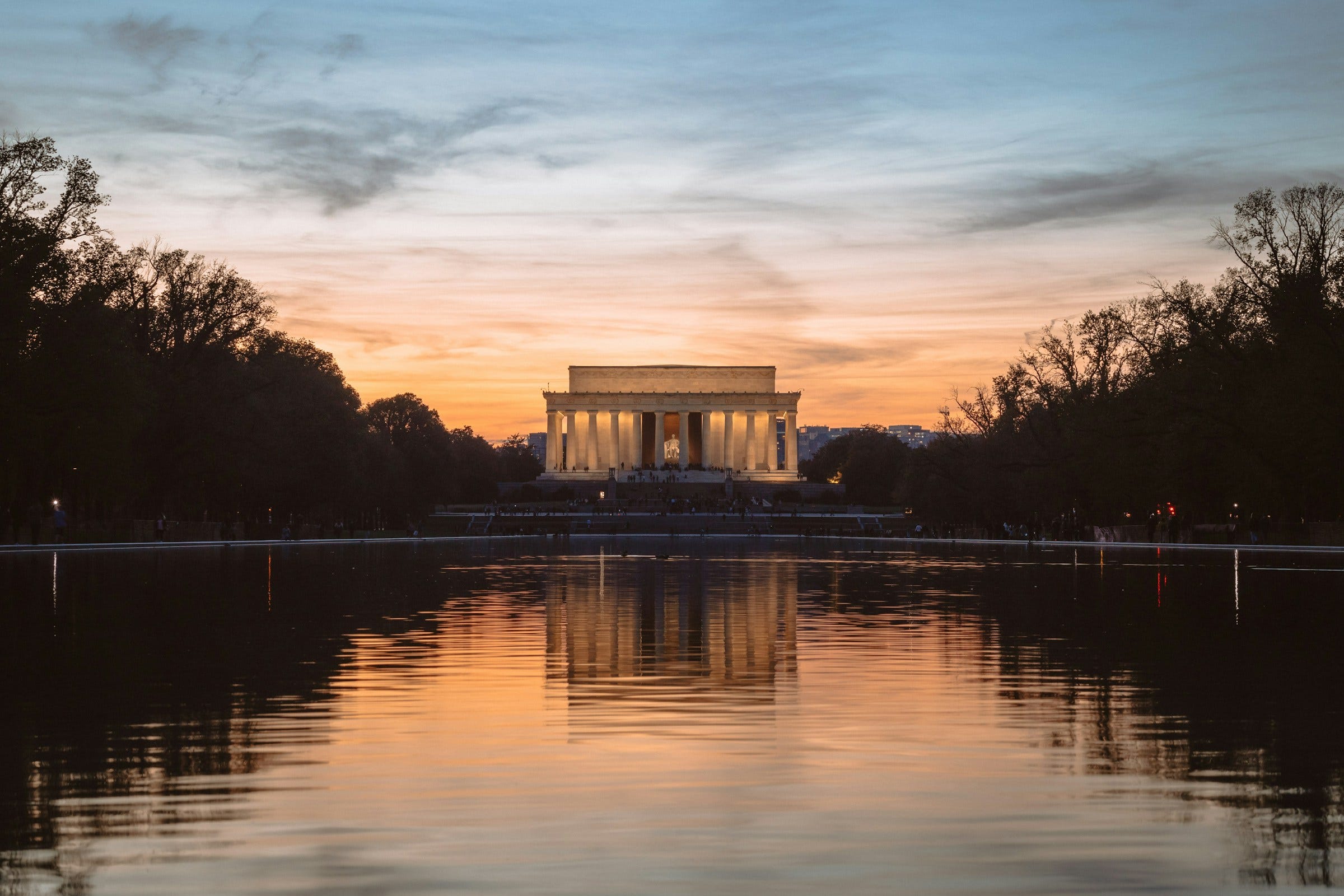
  • July 14 · 25 min

    Item Six

    The agenda is one page. Somebody ran it through the copier this afternoon and the toner is going, so item six is fainter than item five. You can read it anyway. Outside the county annex, there are nine pickups, a sheriff’s Tahoe, and a Buick that belongs to a woman named Arlene who has kept the minutes of this commission for thirty-one years. It is a Tuesday in March on the high plains of Nebraska. The wind is doing what the wind does. Inside, the fluorescent lights hum over four rows of folding chairs. Usually there are three people in them. Tonight there are twenty-six. There is a coffee urn on a card table by the door. It is older than some of the commissioners. Nobody has touched it. Item one is a culvert. Item two, a road easement. Item three is the ambulance service contract, and it runs long, because everything about the ambulance runs long in a county with one of them. Item four is approved without discussion. Item five is the fairgrounds. The grandstand roof failed inspection in October, and the bid to fix it came back at one hundred ninety thousand dollars, and the room takes this news the way you take news about a roof. Somebody says the fair is in July. Somebody else says everyone knows that. Then the chairman squares his papers and reads item six. Item six is a line in the county budget. One hundred twelve thousand dollars. It covers an office in the basement of this building: two salaries, a truck, a phone that gets answered. The line has been in the budget for one hundred and nine years. Tonight the commission decides whether it stays. Act I. Scene One. Nebraska The chairman reads item six the way he read item five, like reading a phone number. County appropriation, University of Nebraska Extension, interlocal agreement, one-hundred-twelve thousand dollars. He asks for a motion for discussion. It comes from his left. Then, a second. He does what the law of Nebraska requires him to do and opens the floor. Twenty-six people shift in their brown metal folding chairs. The extension educator goes first, because it is her office, and she has done this every March for nine years. Her name is Dana Fruehling. The university pays her salary. The county pays for everything that she needs to do her job: the truck, the basement office, the two women who run it, the phone. She has a photocopied annual report. She opens with the sentence that’s the cornerpost of the argument. You can hear that she likes it. The law says the work exists to aid in diffusing among the people of the United States useful and practical information on subjects relating to agriculture and home economics, and to encourage the application of the same. Land-grant university extension. Teaching people practical information they would otherwise never know. She gives the year. Two hundred forty soil samples. Thirty-one pesticide applicators certified. A hundred and six kids in 4-H. Somewhere north of nine hundred phone calls, logged by hand because the county never bought the software. Commissioner Ben Hollis waits until she sits down. Hollis sold crop insurance out of the same storefront for thirty-one years, which means he has read more balance sheets than anyone else in the room, including the bank. He is going to make the best argument anyone makes all night, and he is going to make it quietly. He says he has voted for this line eleven times. He says Dana does the work and everybody knows it. Instead of raising his voice he takes off his glasses. The whispers stop. I can tell you what we spent, he says. Eleven budgets, add it up, it’s north of a million dollars. What I can’t tell you is what we bought. Samples got tested. Kids showed their steers. The phone got answered. And in those same eleven years this county lost four hundred people, the school consolidated with Ainsworth, and there are six buildings on Main Street you could buy for back taxes. So show me. I’m asking honestly. Show me the line where the county changed because we kept that office open in the basement. Nobody answers him right away. It’s a fair question, and the room knows it. The woman with the binder stands up. She has been waiting since item one. Name, Carol Ann Vasek. Her binder has a green clover on the front. Eleven years of papers she doesn’t need to read. She says her oldest showed hogs in that program, and judged livestock, and stood up at contests in Lincoln and talked to strangers with his hat off, and he is twenty-six now and he came back. He works cattle and he does the books for three neighbors and he coaches the judging team on Tuesdays. She says: you all keep asking what brings our kids back. I am standing here telling you the one thing that brought mine home: 4-H. A rancher named Albers takes the floor after her and talks for ninety seconds about the drought year, the hay that came off the Petersen place, the call he made at seven in the morning because something told him not to feed it. Nitrates. Dana sent a sample for a test that afternoon. He runs a hundred and forty pairs. He says: you want to know what the office does, it answered the phone, and I still have a herd. Hollis puts his glasses back on. He says gently that he is glad about the herd. That nobody is arguing Dana doesn’t answer the phone. He is asking a different question, and he’d like somebody to answer the one he asked. And then old man Rasmussen, who has been coming to these meetings since before Arlene kept the minutes, cuts through all of it. A hundred and nine years, he says. This county has paid for that office for a hundred and nine years, my dad paid it and his dad paid it, and I would bet anyone in this room a dollar that nobody can say why we started. Act I. Scene Two. Boll Weevils Nineteen oh three. Terrell, Texas. The boll weevil is eating the South. It crossed the Rio Grande a decade ago and it takes the cotton, farm by farm, county by county. Nothing anybody knows will stop it. The federal government has a man named Seaman Knapp who knows something nobody in Washington believes: farmers distrust everything Washington knows. And he has an idea. Knapp doesn’t mail out a pamphlet. He finds one farmer, Walter Porter, with seventy acres. He asks Porter to work part of his land a new way. Weevil-resistant practice, Porter’s own tools, Porter’s own hands, Porter’s own risk. The neighbors can watch or not watch as they please. They watch. The field pays. And the neighbors believe it, because it didn’t happen in a college or in a pamphlet. It happened in the real world, across the fence, to a man they shared Sunday supper with. Knapp says: what a man hears, he may doubt. What he sees, he may possibly doubt. But what he does himself, he cannot doubt. That is the whole invention. County extension. That is the office in the basement. Because the knowledge was real, and it was locked up. In nineteen fourteen, colleges know how to double crop yields, and the average farm has never heard of any of it. Yields are flat. Soil is failing. Young people are leaving rural America in numbers that frighten the government enough that a presidential commission studies the countryside and comes back warning that the movement toward the towns, left alone, will sterilize the open country. So Congress makes a bargain, and the bargain has three parties. Washington pays a share. The state college pays a share. And the county pays a share, because the men who wrote it wanted the knowledge to live where the farmers live, in the courthouse, down the hall from the assessor, behind a door you could walk to. A person, not a pamphlet. The work is one tool, instruction and demonstration, the Porter farm written into federal law. The gap between what was known and what was done was the whole problem. Close the gap and the country lives. For a long time, that was true. In the annex, Carol Ann Vasek is halfway through a sentence about the fair. Act II. Scene Three. The Annex …the fair, which her family has worked every July since her oldest was nine. The fair doesn’t die if the office closes, she says. But somebody at this table explain to me who teaches the kids how to show. What happens to the fair if the kids stop, she asks. She sits down. The commissioner on the chairman’s left, the one who made the motion, asks Dana about the field day in August. The soil health one, out at the research plot. Dana says four people came. She says it’s on page six. She reports everything: the nine hundred phone calls and the folding chairs and the field days, it all goes in the report. Somewhere in the minutes Arlene is keeping, this same item appears in March of nineteen eighty-six, and March of nineteen sixty-one, and every March back to when the minutes were kept in ink that no one has looked at for years. The chairman asks Dana if she wants to respond to Commissioner Hollis before the board moves on. Eleven years. North of a million dollars of the county people’s money. What did we buy. What difference did it make. She closes the annual report and stands with it. She says she can’t point to a line in the budget that says, because of this office, that family stayed, or that herd lived, or that kid came home. What she can hand him is a list of what stops on April first. Thirty-one applicator cards. That card is federal law. There’s an online course now, sixty dollars, if you’ve got broadband and the patience for it, and half the men holding those cards have neither. Without this office, the in-person clinic is three counties away. The 4-H clubs can’t hold a bank account or sign the fairgrounds contract or insure a livestock show without the university standing behind them, so you don’t end 4-H with a speech, you end it with paperwork. And the phone. She looks at Albers when she says the phone. Then she opens the report again, to the front page, and reads the sentence a second time. To aid in diffusing among the people of the United States useful and practical information, and to encourage the application of the same. She says: that’s the job you’re buying. That’s the whole job. The first time she read that sentence tonight, it sounded like a cornerpost. This time it sounds like an argument. The question underneath the budget. If the work works, why does the county still look like this. If it doesn’t work, why write this check a hundred and tenth time. Nobody says it that way. It comes out as line items and a long look at the fairgrounds bid. But those are the questions. Hollis raises a hand, not to interrupt, to get in line. He says Dana just made the best argument of the night and he’s not sure she knows it. Why are we here. He says his dad farmed through the fifties and he couldn’t have done it without that office’s help. Hybrid seed when half the precinct still called it a swindle. Terraces on the dust ground when terraces looked like a rich man’s hobby. The agent back then didn’t wait to answer the phone, he says. He rang it. I sold the insurance on half the acres that office improved, and I priced the risk lower because of it, and that’s not a story, that’s fact. So I’ll grant Rasmussen his history question and Dana her law. That office unlocked this county, once. Somebody tell me what changed. Act II. Scene Four. Hybrid Corn For a long time, it was true. Nineteen thirty-three. Greene County, Iowa. There’s a new seed. Corn that yields a fifth more, stands up to drought, stands up to the mechanical picker. And the farmers of Greene County will not plant it. Not because they haven’t heard. The seed men made sure everybody heard. But because the seed is a hybrid, it doesn’t breed true. You can’t save it back. You have to buy it new every year, cash money, in the middle of the Depression, on the word of a salesman. What moves it isn’t the salesman. It’s the fence line. One neighbor plants forty acres. The agent, the college’s man in the county, the one party in the deal with no seed to sell, walks the rows with anybody who asks. And it’s watching that forty come through a dry August that does it. Nine years, on average, from the first time a farmer heard of hybrid corn to planting the last open-pollinated acre. By the war, there’s hardly an open-pollinated acre left in the county. Two sociologists drove out to figure out how the idea had moved, and drew the curve, and every idea you’ve ever heard called viral got measured against corn in Iowa. The same machinery ran everywhere. Terraces on the dust ground. Cattle herd testing that cleared brucellosis out of the dairy counties, organized from offices like the one in the basement. It worked. Then look at what success did. A man who doubles his yield needs half as many neighbors. The tractor the agent demonstrated, the seed he validated, the fertilizer he calibrated, every one of them meant fewer hands per acre and more acres per man. Six point eight million farms in America in nineteen thirty-five. Two million now. The yields drove the prices down, and the prices drove the neighbors out. The packers followed the arithmetic. In nineteen eighty, the four biggest companies killed about a third of the fat cattle in America. Today it’s eighty-five of every hundred head. And when one of the four decides a plant doesn’t pencil anymore, the town underneath it finds out what it was to the ledger. A payroll with a zip code. You can see what happened in the schools. Nebraska had seventy-two hundred school districts once. Five hundred and thirty-four by the time Carol Ann’s boy started school. None of it was a knowledge problem. The knowledge kept arriving anyway. Into the basement. Onto the truck. Over the phone. To people who knew exactly what to do and couldn’t afford to act on it. In the annex, nobody has answered Ben Hollis. Act III. Scene Five. The Agenda The commissioner on the chairman’s left offers Hollis an answer. Maybe everything changed, he says. His grandson sits in the pickup and pulls up more agronomy on a phone than that office mailed out in fifty years. Free. Tonight. In the cab. He says it kindly, like a man closing a book. Maybe the county’s been paying for a door the world walked around. Then Carol Ann’s boy stands up. The one who came home. He gives Arlene his name for the minutes and holds his cap in both hands. He says the commissioner’s right about the phone. He can pull up a grazing plan standing in the parking lot. He went to Dana’s workshop three winters ago, on rotational grazing, and he’ll tell anybody it’s the best thing he ever learned. He does the books for three outfits besides his own, so he can tell this board exactly what every one of those places knows it ought to do and hasn’t done. Cross-fencing. Water lines. He penciled his own place at forty thousand dollars, give or take. He’s priced the new way too. A tower. Collars on every cow. A subscription every year forever. Slick as anything. And the water still has to get piped either way. Knowing how is free now, he says. Doing it costs more than it ever did. And before anybody tells me to see the bank, the bank’s in Ainsworth now too, and before anybody tells me to get a better price for my calves, there’s four buyers in this country and every one of them knows there’s four… The chairman says it gently. That’s not what’s before the board tonight. No sir, the boy says. It never is. He sits down. The room is quiet. The agenda is one page. A culvert. An easement. An ambulance. A roof. An office. Not on it? The price of calves. The rate on an operating note. What the packers pay and what the land costs and where the bank went. This county looks the way it looks, and no county commission ever voted to make it that way, because no board on the high plains controls those things. Neither does the office in the basement. It had one way to change things. In nineteen fourteen, it was the right one. Dana’s report. To aid in diffusing among the people of the United States useful and practical information, and to encourage the application of the same. You can teach a man everything, and encourage him all the way to the bank door. Hollis asked what changed. Not the office. The other half of the sentence. Act III. Scene Six. Roll Call There is no further discussion. The chairman reads the motion back the way he read the agenda, like a phone number, and asks for the roll. Three men at a folding table. A simple majority. A hundred and nine years on one side of the ledger and a hundred twelve thousand dollars on the other, and the reach of everything decided in this room stops at the county line. The rooms where the rest of it was decided were never in this county. Who decides was settled a long time ago, and not here. Arlene calls the first name. No, the first man says. Arlene writes it in the minutes, next to March, and calls the second name… Coda May, nineteen thirty-five. Washington. The new agency has offices in a mansion on Massachusetts Avenue. Marble fireplaces. Ceilings you could lose a kite in. Another of the world’s great moments of irony: the house used to belong to George Westinghouse, the electricity baron himself. The Administrator is an engineer named Morris Cooke. He spent a dozen years arguing that a mile of rural power line costs a third of what the utilities say it costs, and he has the figures. Nine farms in ten in this country are dark. Kerosene, and a pump handle, and dark. Cooke’s first plan is simple. The government will offer the power companies cheap money, and the power companies will build the lines. He calls the executives to a conference and makes the offer. In July they answer him. A committee of utility men sends a letter to the mansion, and the letter says there are very few farms requiring electricity for major farm operations that are not now served. Still. Nine in ten farms. Dark. So the new agency stops asking. It will lend the money instead. To the farmers themselves, organized into cooperatives they own, boards they elect, lines they hold the mortgage on. Twenty-five years to repay. The government’s own interest rate. The lawyers draft the loan papers under the ceilings of the house that electricity built. Nineteen fourteen, the law said the government would aid in diffusing among the people useful and practical information. Nineteen thirty-six, the law said the Administrator is authorized and empowered to make loans. Diffuse. Lend. Arlene calls the second name in Nebraska. Sources Primary sources for factual claims, listed in the order they appear. The county meeting and all named characters in this meeting (Fruehling, Hollis, Vasek, Albers, Rasmussen, Arlene) are fictional composites; the procedures, budgets, statutes, and history are real. Nebraska county commission procedure — open meetings, the guaranteed public comment period, and the required recorded roll-call vote are governed by the Nebraska Open Meetings Act (Neb. Rev. Stat. §§ 84-1407 to 84-1414). Nebraska Legislature, roll-call vote requirement (primary): https://nebraskalegislature.gov/laws/statutes.php?statute=84-1413. County clerk duties at board sessions: https://nebraskalegislature.gov/laws/statutes.php?statute=23-1302 The Smith-Lever Act of 1914 (38 Stat. 372) — the statutory purpose clause quoted by Dana: “to aid in diffusing among the people of the United States useful and practical information on subjects relating to agriculture… and home economics, and to encourage the application of the same.” Current codified text, 7 U.S.C. § 341 (primary): https://www.law.cornell.edu/uscode/text/7/341. Note: the modern code inserts “uses of solar energy with respect to agriculture” and “rural energy,” added by Congress in 1977–1980; the piece quotes the 1914 original. Congressional Research Service overview of the extension system and its federal-state-county funding structure, including the university-pays-educator, county-pays-operations split: https://www.congress.gov/crs-product/R48071 Pesticide applicator certification — private applicators must be certified under FIFRA to purchase and apply restricted-use pesticides; in Nebraska, training and testing run through the UNL Pesticide Safety Education Program, with online and in-person options. UNL PSEP: https://pested.unl.edu. EPA, applicator certification under FIFRA: https://www.epa.gov/pesticide-worker-safety 4-H legal structure — clubs operate under charters authorized through the state extension office and 4-H National Headquarters; the charter underpins the tax-exempt group ruling, bank accounts, contracts, and event insurance. National 4-H: https://4-h.org The Porter demonstration farm, 1903 — Seaman Knapp, USDA special agent; seventy acres of Walter C. Porter’s farm near Terrell, Kaufman County, Texas; selected February 26, 1903; Porter’s own tools and labor, local businessmen’s indemnity fund (unneeded — Porter cleared roughly $700 over his old methods). Texas State Historical Association, Porter Farm (primary): https://www.tshaonline.org/handbook/entries/porter-farm. TSHA on Knapp: https://www.tshaonline.org/handbook/entries/knapp-seaman-asahel. University of Arkansas extension history, with the indemnity fund and Porter’s returns: https://www.uaex.uada.edu/extension-policies/history/. Knapp’s aphorism — “What a man hears, he may doubt; what he sees, he may possibly doubt; but what he does himself, he cannot doubt” — is quoted throughout Cooperative Extension centennial histories as the founding maxim of the demonstration method. The boll weevil — crossed from Mexico into Texas circa 1892, devastating the southern half of the state by 1903. TSHA: https://www.tshaonline.org/handbook/entries/boll-weevil The Country Life Commission, 1909 — appointed by Theodore Roosevelt, chaired by Liberty Hyde Bailey; the report’s warning, verbatim: the townward movement “tends to sterilize the open country and to lower its social status.” Full 1909 report (primary): https://www.fca.gov/template-fca/about/1909_Report_of_The_Country_Life_Commission.pdf Hybrid corn and the diffusion study — Bryce Ryan and Neal C. Gross, “The Diffusion of Hybrid Seed Corn in Two Iowa Communities,” Rural Sociology 8:15–24 (1943); fieldwork 1941 among 259 farmers in Jefferson and Grand Junction, Greene County, Iowa. Roughly 20% yield advantage, slow early-1930s adoption, the 1936 drought as catalyst, ~nine years from first awareness to full adoption, near-total adoption by the war. Journal record: https://www.proquest.com/openview/7de2b2276a089fe888071663de12b6a0/1. The study founded the diffusion-of-innovations paradigm (Everett Rogers, Diffusion of Innovations). Brucellosis and tuberculosis herd testing — the county-organized area testing plans of the early-to-mid twentieth century ran through extension’s local infrastructure. USDA APHIS, cattle disease eradication programs: https://www.aphis.usda.gov/livestock-poultry-disease/cattle Farm consolidation — U.S. farms peaked near 6.8 million in 1935 and stand at roughly 1.9–2.0 million today. USDA Economic Research Service, Farming and Farm Income: https://www.ers.usda.gov/data-products/ag-and-food-statistics-charting-the-essentials/farming-and-farm-income Meatpacker concentration — the four-firm concentration ratio for steer and heifer slaughter rose from 36 percent in 1980 to 85 percent. USDA ERS, Amber Waves (primary): https://www.ers.usda.gov/amber-waves/2024/january/concentration-in-u-s-meatpacking-industry-and-how-it-affects-competition-and-cattle-prices Nebraska school districts — from a peak of 7,264 districts in 1920 to 534 as of 2002. Wessels Living History Farm, K-12 & Consolidation: https://livinghistoryfarm.org/farming-in-the-1940s/k-12-consolidation/ Virtual fencing economics — base station, per-collar hardware or lease, and annual per-collar subscription; representative published pricing includes ~$10,000 base stations with ~$40/collar/year (Vence) and ~$250–300 collars with $5,000–6,000 stations (Gallagher eShepherd); water infrastructure remains a fixed cost regardless of system. Vendor cost overview with University of Arizona economic analysis: https://nodpa.com/n/9203/What-is-Virtual-Fencing. Peer-reviewed comparison of virtual versus physical fence economics, Rangelands (2025): https://www.sciencedirect.com/science/article/pii/S0190052824000415 Nitrate toxicity in drought-stressed forage — the acute drought-hay hazard on the high plains; extension facilitates rapid forage testing before feeding. UNL Extension beef resources: https://beef.unl.edu The Rural Electrification Administration, 1935 — created by Executive Order 7037, May 11, 1935; Morris L. Cooke appointed Administrator. America’s Electric Cooperatives (NRECA), history: https://www.electric.coop/our-organization/history. Cooke’s pre-REA engineering case that rural lines cost a fraction of utility claims, and his 1934 report to Ickes pricing full rural electrification near $200 million: https://arxiv.org/pdf/cs/0109064. Roughly one farm in ten had central-station electricity in 1935. The mansion — REA leased the James G. Blaine Mansion, 2000 Massachusetts Avenue NW, beginning in 1935; George Westinghouse owned the house from 1901 until his death in 1914. https://en.wikipedia.org/wiki/James_G._Blaine_Mansion The utility industry’s July 1935 answer — a committee of utility executives reported to Cooke, verbatim: “there are very few farms requiring electricity for major farm operations that are not now served.” Quoted across rural electric cooperative histories, e.g.: https://wemc.com/history/ and https://farmerselectric.coop/about-my-cooperative/who-we-are/ The Rural Electrification Act of 1936 (49 Stat. 1363) — Section 4: the Administrator “is authorized and empowered, from the sums hereinbefore authorized, to make loans for rural electrification…” to cooperatives and public bodies, self-liquidating within twenty-five years, at interest equal to the average rate payable by the United States on its long obligations. Original act text (primary): https://courseware.e-education.psu.edu/downloads/geog432/1936b.pdf Get full access to I Believe at joelkdouglas.substack.com/subscribe

  • June 23 · 14 min

    The Art of the Deal

    The shouts pass over the water to Lincoln. He sits there, silent. The man who, more than any other, overstepped his authority in a time of war. Habeas corpus suspended. A nation half at arms. And the question underneath all of it, whether any nation so conceived and dedicated could long endure. He broke the limit. But he never pretended he was above it. He answered to the Congress, to the ballot, to the cost, and he paid that cost in the open for the only stake that could justify it. The Republic. Real power accepts its limits. Performed power breaks them, and breaks the one thing we can’t rebuild: Our power to say no. Humidity on the night air. The statues of Washington and Jefferson and Lincoln and Roosevelt look down on the South Lawn of the White House. There, a cage. A hulking structure of steel and chain link named The Claw. Seven fights tonight. Men punching and kicking and choking each other on the grass where children roll Easter eggs in the spring, steps from the Oval Office. A million-dollar restoration commitment waited for the grass. Ruined by morning. The president comes out of the Oval and down the colonnade beside the man who runs the fights. Dana White is smiling. Behind them, four thousand people. Cabinet secretaries. Generals. The Secretary of Defense. The Vice President. Mark Zuckerberg. Active duty troops in the seats. The Zac Brown Band sings the national anthem. The Blue Angels and Thunderbirds come over the house low and loud, and the president raises his hand and salutes. A chant starts somewhere in the dark. U-S-A. U-S-A. The broadcast goes out on Paramount. Closed captioning brought to you by TrumpCoins dot com. Limited quantities available now. It is the fourteenth of June. The Republic is two hundred and fifty years old this year. The president is eighty years old today. He wrote a book about power called The Art of the Deal. In that book, the deal is the close. The handshake, the signing, the moment in the room with the cameras running. The deal is the thing they watch you win. The spectacle. The theater. The entertainment. There is an older book about real power. The loudest move on the board is the weakest one, and a man who has to show you strength has already lost it. The statues keep looking down. They knew the difference between the two books. It is why we carved them in stone. Act I. Two Books He saw his name on everything. On the towers. On the steaks. On the water bottles and the ties. On the airplane that brought him in. Gold letters. His letters. Big enough to catch the light. A thing was not his until his name was on it. Then it was his. Then all men knew it. That was the book he had written. The Art of the Deal. A deal was a hand coming out. A flash. Men leaning in so they would be in the picture. Hold it. There. That was the one. They hung the picture on a wall. But a picture on a wall is quiet. A quiet thing dies. So there had to be another one. Another hand. Another flash. Another tower. Another name in gold. A man was only as strong as the last picture. The last picture was already fading. So the man was always late. Always running. Always losing the thing he had just won. It was a loud way to live. Loud and bright and over. And it had to be seen. A handshake in private never happened. A name in the dark was no name. He knew this as other men know weather. He had never done a thing that did not need a witness. The other book had no gold on it. It did not shine. It was old and plain and small enough to put in a coat pocket. Another book of Art. Of War. It did not ask to be looked at. He did not like that about it. He opened it and read a little. The words were old. They had crossed too much time to be in a hurry. They spoke of ground and water and waiting. They spoke of the fight won before the fighting. They spoke of not striking when the shape of things was already moving for you. He shut the book. Outside, the river moved below the house. He went down and stood on the bank. The water moved without hurry. It didn’t strike the bank. It took the low places. It went around stone. It slid under the willow roots and carried leaves and silt and small sticks and the cold of the mountains. It was going the way he needed it to go. He could have let it go. There was no one there to see that. There was no flash. No hand to shake. No wall to hang the picture. The river made no speech. It did not say his name. He watched it and felt nothing happen. That was the trouble. Nothing happening looked like losing. Long later than any man could live, the water would have the rock. It would not take it in one morning. There would be no sound of surrender. No one would know the hour. The rock would simply be smaller. Then smooth. Then the canyon would be there, and men would stand at the edge and call it beautiful. The river would not have signed it. He looked back at the house. The two books were still on the table. One had his name on it, the other did not. He knelt and put his hand in the water. It was colder than he thought. He closed his fist hard and stood. The water ran out between his fingers. Act II. The Siege There was a real river, and it was running his way. By the winter of that year, Iran was coming apart from the inside. The money was worthless. A man’s wages on Monday would not buy his bread on Friday. The women walked bareheaded into the street. They had cut their hair and burned the cloth the state put between them and the world. Girls had done it too, in schoolyards, with the cameras watching and the men with guns close enough to come for them. The people went into the streets in numbers the country had not seen since the revolution that made it, in every province, and the regime answered the only way it knew, and still they came back the next night, and the next. A government that must shoot its own people is a failing one. No one had to push it. It was going down on its own, and all we had to do was wait on the bank and watch. The night before the strikes, a man went on television and said the word peace. The talks had been running for weeks, led by Oman. A deal was within reach. On the table: Iran would never stockpile the material for a bomb. Inspectors would have the run of the place. The enriched uranium already in the country would be blended down and turned to fuel and made irreversible. It was not signed. It was a hand, extended. The thing his own book is built on. A hand coming out, across the table, in the room. We did not take it. He reached into the water and he closed his fist. It came the next night, all at once. The supreme leader, killed in his house. His family with him. While the smoke was still going up, a message went out to the Iranian people, telling them the hour of freedom was at hand, telling them to rise up and finish it. Regime change, announced from a podium, as a thing we had come to do. The regime that was falling on its own, for free, we now had to knock down ourselves, in front of everyone, so that everyone could see who knocked it down. And then the water did to him what he could not see coming. Iran had cards left to play, and one was made of water. The Strait of Hormuz, a narrow throat, a fifth of the world’s oil moving through it. They closed it. We ran a blockade. We sent the Navy to walk the ships through by force and called it Project Freedom, and the oil did not move, and the price of everything climbed, and week after week we spent another show of force to hold a thing that yielded nothing. The man who could not believe that power was water was being beaten, now, by water. By a current he could not strike and could not reopen and could not sign. So he went to the table after all. Versailles. Iran set the terms. They handed us the plan in April. The nuclear question, the only one we ever said mattered, unanswered. The toughest question set aside for later. We released billions of dollars for them. We agreed to help rebuild what we had spent the spring destroying. In exchange they opened the strait they had closed, the strait that was only ever closed because we refused to wait on the bank. We had a better deal in February. We tore it up to get a worse one in June. And the man went out and told the crowd it was a big day for world peace. He held up his fist, dripping, to show them how much of the river he had caught. Act III. Curtain It cost a great deal and bought almost nothing. Iran is far away. They were never coming for us. The strait will open and the oil will move and the price of gas will fall and you will forget the name of the war by autumn. You’ll not lose any sleep. Here is the thing to keep you up. There is a room where they decide whether the country goes to war. The men who built it had just finished a war against a king, and they put the power to start the next one in the hands of the many, not the one, because they had seen what the one does with it. The room was empty. No one came to it before the bombs fell. No one stood in it and made the case to the people, the way you are supposed to make the case before you spend their sons. The president did not come. And the men and women who keep the room, whose whole job is to keep the room, let him go around it, and said nothing, and watched the water drain from his fist. Later, when it was safe, they voted. The war was already lost. The thing was already done. They didn’t vote on whether to do it. That vote would have had their names on it. They voted on whether to make him stop, a vote they had counted beforehand and knew would lose, and they cast it into the air where it could not land on anyone, and they went home and told their districts they had tried. So now the room stays empty. The next man knows the way around it. He watched. Once we asked a man to be king. He had won the war. The crowd was his. He could have kept it. He gave it back, and went home to his farm, and that is the only reason there is a country here to write about. He made himself small under the thing he served. The man on the lawn put his name in gold on the buildings and the steaks and the water and the planes. He looked for a thing big enough to stand under, and could not find one. Not even the Republic. The next one is watching. Taking notes. The grass is already ruined. Sources UFC Freedom 250, staged on the South Lawn of the White House on June 14, 2026. The South Lawn venue, the seven-fight card, the White House setting, the Paramount+ broadcast, and the Lincoln Memorial fight-week material are documented by the UFC Freedom 250 event page, Paramount+’s UFC at the White House page, Fox News event footage, and TIME’s photo essay from the event. TIME’s earlier interview with Dana White documents the June 14 date, Flag Day and the president’s 80th birthday, the South Lawn staging, the 4,000-plus spectators, the Ellipse fan-fest plan, the Oval Office walkout concept, the canopy over the Octagon, and UFC’s responsibility for damaged grass. See Sean Gregory, “How Dana White Took the UFC From the Fringes to the White House,” TIME, May 26, 2026. For the Blue Angels and Thunderbirds flyover during the national anthem, see AP’s photo gallery, “An octagon on the White House lawn for Trump’s 80th birthday,” June 14, 2026. For the reported $60 million event cost, “The Claw” nickname, closed-captioning sponsorship, invited crowd, military seats, and conflict-of-interest context, see Reuters, “White House’s UFC fights concentrate Trump’s sporting, political and economic power,” June 14, 2026. For lawn restoration, use the more cautious formulation “reported lawn-restoration costs” or “a restoration commitment” and cite Fox Business, “The science behind restoring the White House South Lawn after UFC Freedom 250”, which reports a $1 million ScottsMiracle-Gro restoration commitment, rather than relying only on the $700,000 figure. The federal conflict-of-interest lawsuit over the event. The lawsuit seeking to block UFC Freedom 250 on the South Lawn, alleging permitting, environmental-review, and conflict-of-interest problems, is reported here: Fox News, “Federal lawsuit seeks to block UFC Freedom 250 from being held on the White House South Lawn,” June 7, 2026. The captioning sponsorship should be sourced to Reuters, which reported that closed captioning for the Paramount+ stream was sponsored by Trump Coin. Reuters also links the event to Trump-family business interests and World Liberty Financial bonus money. See Reuters, “White House’s UFC fights concentrate Trump’s sporting, political and economic power,” June 14, 2026. The related Trump Coins product page is here: Trump Coins, “The Official Gold and Silver of UFC Freedom 250”. Donald J. Trump with Tony Schwartz, The Art of the Deal. Power as the close, the deal as the event in the room, the win that must be witnessed to count. Publisher page: Penguin Random House, Trump: The Art of the Deal. Sun Tzu, The Art of War. The treatment of force as the last instrument rather than the first, the supreme victory won before the fighting begins, and the image of the highest power as water, shapeless, patient, taking the low ground, wearing the stone without striking it. Composed in the fifth century BC and traditionally attributed to the military strategist Sun Tzu; the water passages appear chiefly in the chapters on “Weak Points and Strong” and “Tactical Dispositions.” Public-domain Lionel Giles translation, 1910: Project Gutenberg, The Art of War. Iran’s internal collapse, late 2025 into early 2026. Nationwide protests beginning December 28, 2025, the collapse of the rial, economic grievances, the lethal state crackdown, and the spread of unrest across the country are documented by HRANA, “The Crimson Winter: A 50 Day Record of Iran’s 2025–2026 Nationwide Protests,” February 23, 2026; the UK Home Office, “Country bulletin Iran: protests of December 2025 to January 2026”; Amnesty International, “What happened at the protests in Iran?” January 26, 2026; and Iran Human Rights, “At Least 3428 Protesters Killed in Iran; Serious Risk of Further Bloodshed,” January 14, 2026. Lead with HRANA-confirmed counts and institutional summaries. Do not state the “30,000 in 48 hours” figure as fact. The women-led resistance inside Iran. For the “Woman, Life, Freedom” uprising after Mahsa/Jina Amini’s death, the state’s continuing campaign against women and girls, and the wider moral meaning of compulsory veiling as a regime-control mechanism, see Amnesty International, “Iran: Two years after ‘Woman Life Freedom’ uprising, impunity for crimes reigns supreme,” September 2024, and Reuters, “Mahsa Amini’s death in Iran custody was unlawful, says UN mission,” March 18, 2024. The Omani breakthrough, the night before the strikes. Omani Foreign Minister Badr bin Hamad Al Busaidi’s televised statement that a deal was within reach is available in the CBS transcript, “Full Transcript: Omani Foreign Minister Badr Albusaidi tells ‘Face the Nation’ a U.S.-Iran deal is ‘within our reach,’” February 27, 2026, and the CBS video, “Oman’s foreign minister says U.S.-Iran nuclear ‘deal is within our reach’”. The transcript supports the claims that Iran would accept zero stockpiling, full IAEA verification, down-blending of existing stockpiles, conversion into fuel, and full access for inspectors. The accurate framing is that this was a proposed framework, not a signed agreement, and that it still left limited low-level enrichment on Iranian soil. The United States position before the strikes. For Trump’s public frustration with the talks and Steve Witkoff’s maximalist demands, see Kelsey Davenport, Arms Control Association, “Analysis: U.S. Negotiators Were Ill-Prepared for Serious Nuclear Talks With Iran,” April 2026, and ABC News, “Trump envoy Witkoff reveals more details of US negotiations with Iran prior to war,” March 26, 2026. The February 28 strikes and the killing of the supreme leader. The joint U.S.-Israeli strikes, the killing of Ayatollah Ali Khamenei, and the uncertainty around early reports are documented by AP, “Iran’s supreme leader killed in major attack by US and Israel,” February 28, 2026, and Reuters, “US-Israeli strikes kill Khamenei and Iranian retaliation shakes Gulf — as it happened,” March 1, 2026. Do not cite the “900 strikes in twelve hours” figure unless independently confirmed. Regime change as a stated objective. The president’s address to the Iranian people, including “the hour of your freedom is at hand,” is available from PBS NewsHour, “Read Trump’s full statement on Iran attack,” February 28, 2026. For reporting that the address was understood as a call for Iranians to rise up or take over their government, see ABC News, “Trump says new call for regime change in Iran justified by ‘imminent’ threat,” February 28, 2026, and El País, “Trump urges Iranians to rise up: ‘Now is the time to seize control of your destiny,’” February 28, 2026. The Strait of Hormuz, the blockade, and Project Freedom. Iran’s closure of the strait, reduced shipping, the U.S. counter-blockade on ships entering or leaving Iranian ports, and Project Freedom are documented by CENTCOM, “U.S. Military Supports Launch of Project Freedom in Strait of Hormuz,” May 3, 2026; the House of Commons Library, “Israel/US-Iran conflict 2026: Reopening the Strait of Hormuz,” June 8, 2026; and USNI News, “Report to Congress on the Iran Conflict and Strait of Hormuz,” March 13, 2026. For the statement that the blockade remained in effect pending the agreement, see USNI News, “Naval Blockade to Remain In Effect Until Official Agreement is Signed by Iran, U.S.,” June 15, 2026. The agreement. The deal built off the mid-June framework to reopen the Strait of Hormuz, lift or ease sanctions, release frozen assets, and begin a 60-day process for nuclear negotiations. Use AP, “US and Iran sign initial deal to end war, ease sanctions and open strait as nuclear talks continue,” June 17, 2026; AP, “Iran’s nuclear program still must be negotiated after initial deal,” June 17, 2026; Reuters, “White House sends text of interim US-Iran agreement to US Congress,” June 18, 2026; and Financial Times, “What is in the US-Iran deal?” June 2026. The nuclear question was deferred to a later negotiation window, not resolved. The February framework offered clearer nuclear constraints before the war; the June agreement reopened the strait and deferred the hardest nuclear questions into a later window. The War Powers vote. The House passed H. Con. Res. 86 on June 3, 2026, by 215 to 208: Office of the Clerk, U.S. House of Representatives, Roll Call 199. The Senate vote on May 19 was a procedural vote to discharge or advance a war-powers measure, not final passage: U.S. Senate, Roll Call Vote 129, 119th Congress, 2nd Session. A later Senate effort failed 47 to 48 on June 16: AP, “Senate fails to advance war powers resolution on Iran war,” June 17, 2026. Abraham Lincoln’s suspension of habeas corpus during the Civil War. For Lincoln’s suspension of habeas corpus, the Merryman controversy, and congressional authorization through the Habeas Corpus Suspension Act of 1863, Library of Congress, “Abraham Lincoln and Civil Liberties in Wartime”, the National Constitution Center, “Ex parte Merryman and debates over wartime civil liberties”, and Federal Judicial Center, Ex parte Merryman. Lincoln overstepped; he did not pretend the limit did not exist. The Gettysburg Address. For “so conceived and dedicated,” and “government of the people, by the people, for the people,” Library of Congress, “Gettysburg address delivered at Gettysburg Pa. Nov. 19th, 1863”. George Washington’s refusal of further power and his handing it back. For Washington’s Farewell Address, Founders Online, National Archives, “Farewell Address, 19 September 1796”. For Washington’s resignation of his military commission, National Archives, “George Washington’s Resignation Speech, December 23, 1783”. Get full access to I Believe at joelkdouglas.substack.com/subscribe

  • June 16 · 18 min

    Man Eaters

    The mess. Mid rats. He came in a couple minutes early. He ate fast, at a table that became a hospital bed for the wounded, and then he cleared his tray and dishes and moved into the narrow passage with the pipes running low overhead, ducking his head around them. Up the metal stairs to starboard. A couple of minutes with the sea before the watch. The deck was nearly empty. In a few minutes the others would join him, shadowed faces moving through the dark. He stood at the rail to watch the sea under the dark sky. Clouds. Stars. The wake ran out like a long trail behind the ship, two glittering edges. In the morning he would commune with the sea again, and the wake would have a bright spine where the sun shone along it, further and further until the sea stopped being water and became sky. Forward of him a younger sailor stood the rail, eyes on the water, a phone cord running from his chest into the dark. The boy would relieve him. Then the watch. Below him the ship hummed, scopes and gauges and green light on men’s faces. Up here there was only his eyes and the water. He watched for the thing that would come out of the trail in the dark that the machines could not catch, and when he saw it he would call it down the wire to a man he could not see. He knew the man would answer. Nothing came for hour after hour. You stood there for a thousand nights so that you would be there on the one night it did. No thanks for the thousand. No one would know about the one. The wind crossed the swell and laid whitecaps on water. He smelled salt in the air. Act One. Brasada The brush did not care that he had left, or that he had come home. It just was, gray and low and thick, mesquite and blackbrush and cenizo that flowered purple after the rain but was not purple now. The ground under it, white dust that stayed on his boots. Nothing in the country was soft. The catclaw reached out and took his sleeve. He stopped and worked the thorn loose and then went on. By midmorning the heat had settled in. A caracara sat the fence post and watched him. To the south the river and past the river more of the same. He had stood the watch a long way from here. He had thought about this ground and what it would mean to come back. Now he was on it, hot and full of hooks, and he was glad to be here. His father was at the pens. He never asked the boy to help him do a job he could do himself, which was nearly everything. He did not ask how long the boy was home. He did not look up from the gate he was wiring shut. A plane flew overhead, low. “Cow’s calf is off in the tasajillo,” the old man said. “She’s bawling for it.” They found it in thick brush, in the only shade for a quarter mile, lying down. It was small and it did not get up. The son went down on one knee in the white dust and saw the navel and the wound. Wet and dark and moving. He knew. The wound was full of them, packed in tight and working deeper, head down, feeding, and the smell came up off it sweet and wrong and turned his stomach. He did not pull back. He looked at the small animal and the small mouths in it. He held the phone over the navel of the calf and took the picture and did not look at it. “Screwworm,” the old man said. Then he said, “We’ll doctor it,” and went for the truck. He cleaned it and picked them out and dressed it. The rider came up the road in the heat of the afternoon while they were still at it. Horses could go where you could not take a truck, and the rider wore leather to the knee against the thorns. He came this way every week, working the river and the ranches along it, looking at what crossed and what strayed. The watch. He looked down at the calf and at the navel they had cleaned, and his face changed, and he asked to see the picture, and the son gave him the phone. The rider looked at it a long moment. Then he made his calls, quiet, off to the side. He had hoped he would not have to. “Got word last week to watch the river hard,” he said. “Somebody south of here saw something.” He took some larvae from the dust. After that it moved fast. The sample went somewhere far north the old man had never seen. And then more planes. They came over low in the early morning, day after day, working a pattern above the brush, and the son stood out in the white dust and watched. He knew what they were carrying. Flies. Sterile. They would drop them out over the country by the millions so that the ones already here would breed to nothing and burn out. The cure and the sickness were the same bug, one barren and dropped from the sky onto the other. The son went back to the calf. It lived. First they fed it with bottles and then it got up on the fourth day and went to the cow. The wound dried and began to close. By the end of the week it ran from him along the fence and the old man watched it and was satisfied. “All that,” the old man said that evening on the porch. “Government flying airplanes around. Dropping bugs out of an airplane. Over one calf.” He drank his coffee. “And the calf’s fine. Hell, I doctored a hundred calves in my life and never needed the government to help me do it.” “You never saw one before,” the son said. “Never had to.” He finished the pot into his cup. “Man depends on a thing he can’t see and can’t fix, he’s not a free man anymore. He’s just waiting on somebody else to keep doing him a favor.” He drank. “I never wanted to be that man.” “You’re not wrong,” the son said. “The day they quit, we’re in trouble.” He watched the calf along the fence. “But the day they quit isn’t this day. This day the calf’s alive because a man in Panama didn’t quit. And a pilot you’ll never meet didn’t. The most you and I could do tonight was clean a wound. The rest of it we can’t do.” The old man thought about that and judged it foolish. “Hell of a thing,” he said. “Spend a man’s taxes on something that don’t happen.” He finished his coffee and went in to bed. The son stayed out on the porch. He had stood a great many watches full of things that did not happen. He knew what they cost and who paid for them. The cost wasn’t money. It was that a man who never stood the watch got to believe, his whole life, that there had never been anything out there in the dark at all. Act One and a Quarter. The Line Moscow. February. The cold came through the wall behind him. Someone in Washington had cabled a small question. Why do the men across the way behave as they do? He sat down to answer it. He filled one page and started another. The thing across the way did not hate them over this quarrel or that. Not the kind of quarrel men settle and forget. It hunted an enemy because it needed one. Take the enemy away and it would find another, because without an enemy it could not explain itself to its own people. He saw. Wrote it down. The answer ran too long for the wire. He broke it into five parts and sent them through one after another. The clerk worked the key deep into the night. Moscow to Washington. Piece by piece. He did not know if anyone would read it the way he meant it. He sent it anyway and went to bed. He said we could not beat the thing head-on. The trying would break us. He said we should stand at every place it tried to widen. Hold there. Wait. Let it spend itself against its own nature. The thing carried the seed of its own ruin and would rot from the inside if we only denied it room. Men on the far side had to hold too. They needed roads and radios and law. They needed officers who would answer when called, and clerks who would send the message, and pilots who would fly the route. They needed men who could see the thing when it came. We could not be their backbone forever, but we could bring tools and money and time, and we could leave them able to hold their own ground. He could not prove it and that was the trouble. Hold and wait looked like weakness to good men, and good men told him so. He could read the enemy one way and they could read it another, and no one could open the thing up and see who was right. He held it on faith and argued it the rest of his life and never got to be sure. Far south, another man chased an insect, and the insect gave him the proof the other man never got. He could not poison the screwworm off the land. It bred faster than he could kill it. It bore him no malice. It was hungry, and it would never stop being hungry. So he stopped trying to kill the ones in front of him. He took hold of one thread, even though other men laughed at it. The female mates only once in her life. He reared the flies by the thousand. Fed them gamma rays until they could not breed. Turned them loose to find the wild ones. The wild female spent her one mating on a barren male. Her young never came. The next brood came fewer. The one after that thinner still. The thing emptied itself out of a country without a shot, not from a blow of force, but from its own breeding turned against it. He tried it first on a small island two miles off Florida. He dropped the barren flies by the thousand and watched the count fall. Then the count quit falling. The island sat two miles out, and the mated females flew back across the water faster than the barren males could empty them. So close. It didn’t take. The line had a far side he did not hold, and the fly walked back across it from the country next door. So he looked for ground with no country next door. He found it forty miles out in the warm sea. He flew the same barren flies down from Orlando, packed in paper bags, and ran the same lines a mile wide over the brush, week after week. This time the count fell and kept falling. Four generations of it. Then one morning he read the trap and nothing answered. He read it again before he believed it. Here was the proof the other man died wanting. Hold the line, deny the thing room, and it ruins itself from the inside. Neither man knew the other. Neither knew their idea was the same, or that it would come back seventy years later, a thousand miles north, over a calf neither would live to see. Act Two. The River Morning. He liked to be early so he didn’t have to rush. He could drive the truck, but he wouldn’t find the cattle in the brush unless he was in the brush. He could drive the truck and park and walk, but that ended up with him as far from the truck as the barn. So he saddled the horse in the dark, a bay. He rode to the edge of the cenizo and waited for the light. No sense in pushing into somewhere he couldn’t see. Then the sun and the brush and the heat with it. He knew the cattle would be near enough to the water and rode out to look. He worked through the cows and their calves one at a time, lifting tails, checking navels and ears and the soft places where a wound starts. Even a tick bite would be large enough for the man eater to lay her eggs. Last week he had spent twenty minutes chasing a calf through the brush to inspect a scratch no bigger than his thumbnail. He felt foolish afterward. He was glad to find nothing but he did not trust it. He knew the thing came when you were not looking and knew that tomorrow he would look again. The land ran south to the river, low and brown. Past it more brush went on into the other country where the thing had come up from. It lived down there and it was not going to stop. You could not kill it because the man eater is hungry like anything else. What you did was hold it below a line and keep holding it, and the watch had no end. The plane came over while he sat the horse. It came low and worked its pattern. He watched it and knew what was falling out of it. The flies, barren, by the millions, drifting down onto the brush to find the wild ones and leave no young. Some of these sterile flies came up from Panama, where the line had been held in the jungle longer than he had been alive. Some from Mexico, just across the brown water. He sat there and thought that the flies over his father’s ground had crossed two borders to get there, made by men in other countries he would never meet, for a war his father did not believe was being fought. He thought that he had left the watch when he left the sea. He had only traded the water for the brush. Act Three. Altitude Engines hum. Boxes strapped down, cold coming off them to keep the flies dormant. They’re the same boxes they drop north of here, but the crew doesn’t think of that. They have flown the pattern for a while now. It’s a good job and the hours are steady. They fly it easy, talking about other things. None of them has ever seen the thing they fly to stop. The crew chief and his wife are expecting. The shower is today, back home. She is hoping for a girl. He is hoping for a healthy mother and a healthy baby and tells her he doesn’t need more than that. He means it. Below them the jungle is green and goes on green as far as the eye can see. The sun is up and full and lights up the river that runs through the trees, a bright spine on the water, the light running further and further until the green stops being land and becomes sky. It is a good morning. Clear all the way. The chute feeds. The flies go out cold into the warm air and wake as they fall, scattering, drifting down over the canopy, barren. These flies will have no offspring. The crew chief watches the load go out and thinks about the drive home and whether the icing will melt. The flies fall into the light over the jungle. No one below will ever know they came. Sources A literary nonfiction essay. Factual claims link below to a primary or reputable secondary source, current as of June 10, 2026. The pest. The New World screwworm is Cochliomyia hominivorax, the species name translates as “man eater.” Its larvae burrow into the living flesh of warm-blooded animals through wounds and body openings, including the navel of newborns, and untreated infestations are often fatal. * New World Screwworm — USDA APHIS * New World Screwworm Myiasis — CDC DPDx * Eradicating New World Screwworm with Sterile Insect Technique (fact sheet, PDF) — USDA APHIS The female mates only once in her life. This single biological fact is what makes the sterile insect technique work. * Deconstructing the eradication of New World screwworm in North America — Medical and Veterinary Entomology (PMC) Deterrence structure of the essay (the thousand nights for the one night, the watch that no one thanks) is sourced to the author’s personal background. The factual counterpart is the prevention paradox of the screwworm barrier: a permanent, forward-deployed effort whose success looks like nothing happening. The Panama-based biological barrier held the line at the Darién Gap for decades. * The New World Screwworm in the United States: A Narrative Review — Pathogens (PMC) — documents eradication by the 1960s and containment thereafter “by a Panama-based biological barrier.” The calf. The fictional calf newborn, a navel wound packed with larvae, found in South Texas brush, is the real index case. On June 3, 2026, USDA APHIS confirmed New World screwworm in a three-week-old calf with larvae in its umbilical area in Zavala County, Texas (La Pryor), roughly fifty miles from the Mexico border. A rancher noticed distress and called a veterinarian. It was the first confirmed detection in U.S. livestock in nearly sixty years. * USDA Confirms New World Screwworm in Texas (June 3, 2026) — USDA APHIS * New World Screwworm Confirmed in Zavala County Calf (June 3, 2026) — Texas Parks & Wildlife Department * First U.S. Cases of New World Screwworm Detected — American Farm Bureau Federation, Market Intel * First U.S. screwworm case confirmed in South Texas — The Texas Tribune The sample going “somewhere far north.” Confirmation is done at the USDA National Veterinary Services Laboratories (NVSL) in Ames, Iowa. * Texas Animal Health Commission — New World Screwworms The rider, the surveillance line, “somebody south of here saw something.” The forward-monitoring network: nearly 8,000 traps are jointly monitored along the border, with surveillance coordinated across the U.S., Mexico, and Central America. The pest reemerged in Chiapas, Mexico in November 2024 and moved progressively north, which is the “word from the south” the rider carries. * New World screwworm confirmed in United States — dvm360 * New World Screwworm: Rise, Fall and Resurgence — American Society for Microbiology The planes and the sterile flies. Eradication works by releasing sterile male flies that mate with wild females; because the female mates only once, she then lays unfertilized eggs and the population dies out. “The cure and the sickness were the same bug” is literal. Sterile flies were already being released aerially in the affected area at roughly four million per week before the detection. * New World Screwworm — USDA APHIS * New World screwworm confirmed in United States — dvm360 “Some came up from Panama... some from Mexico.” The only sterile-fly production facility in operation in North America is jointly managed and funded by USDA and Panama’s Ministry of Agriculture Development (MIDA) through COPEG, the Commission for the Eradication and Prevention of Screwworm. Dispersal facilities operate in Mexico and South Texas. * New World Screwworm — USDA APHIS — USDA–Panama (MIDA) joint facility through COPEG. * New World screwworm confirmed in United States — dvm360 — dispersal facilities in Mexico and South Texas. “Held below a line... the watch had no end.” The containment-not-elimination posture is the actual strategy: the parasite remains endemic in South America and the Caribbean, so the barrier must be held indefinitely. This is the structural fact under the essay’s deterrence argument. There is no morning the work is declared done. * The New World Screwworm in the United States: A Narrative Review — Pathogens (PMC) Edward F. Knipling, the sterile insect technique The single insight under the whole screwworm strand — that the female mates only once, so breeding sterile males into her range collapses the next generation — was conceived in the late 1930s by USDA entomologist Edward F. Knipling, working with Raymond C. Bushland at the USDA laboratory in Menard, Texas. Knipling grew up raising cattle with his father in Port Lavaca, Texas, where he saw firsthand what the screwworm did to the herds — the rancher’s son who left the brush, understood the enemy, and came back at it with something larger than one man’s hands. He and Bushland shared the 1992 World Food Prize for the technique. * Edward F. Knipling — National Academy of Sciences Biographical Memoir (PDF) * Edward Fred Knipling Papers — USDA National Agricultural Library, Special Collections * The Life and Vision of Edward F. Knipling — USDA Agricultural Research Service * Knipling, E.F. (1955). “Possibilities of insect control or eradication through the use of sexually sterile males.” Journal of Economic Entomology 48: 902–904. * 1992 World Food Prize: Knipling and Bushland The production scale and the new facility. USDA broke ground in April 2026 on a sterile-fly production facility at Moore Air Base near Edinburg, Texas, expected to produce roughly 300 million sterile flies per week once operational in 2027. A separate sterile-fly dispersal facility in Texas was announced at a cost of about $8.5 million. These figures ground the scale of the airborne effort the crew is flying. * New World screwworm confirmed in United States — dvm360 — Moore Air Base groundbreaking, ~300 million flies/week, 2027. * As USDA prepares to fight New World screwworm — University of Florida IFAS — $8.5M dispersal facility; 300 million flies/week. The cold-keeping of the flies. Sterile flies are chilled to keep them dormant in transit and released to wake as they warm. * Eradicating New World Screwworm with Sterile Insect Technique (PDF) — USDA APHIS Historical anchor The United States eradicated screwworm domestically by 1966 using the sterile insect technique, and eliminated a small Florida Keys outbreak in 2016–2017. The first field trial was on the island of Curaçao in 1954, where the fly was eradicated within four months. Since 2023, the pest has moved north again through Central America and Mexico, the reemergence that frames the present moment. * New World Screwworm — USDA APHIS * New World Screwworm: Rise, Fall and Resurgence — American Society for Microbiology * New World Screwworm Information — Oklahoma State University Extension The Philosophy The spine is Cold War containment debate: Kennan’s forward partnership against Nitze’s capability, with Niebuhr standing watch. George F. Kennan — the Long Telegram (February 22, 1946) The 5,000-word cable from Moscow that became the founding document of containment. Kennan’s true argument is not the cartoon of walls and patience but forward engagement: choosing points of resistance deliberately, building the strength and confidence of partners so the contest is held at the source rather than at home. * The Long Telegram — Teaching American History (full text) George F. Kennan — “The Sources of Soviet Conduct” (the X Article, Foreign Affairs, July 1947) The public expansion of the Long Telegram, published under the pseudonym “X.” This is where containment became doctrine, and where Kennan’s emphasis on the adroit, vigilant application of counter-force at constantly shifting points, not brute militarization, is most clear. Kennan spent the rest of his life objecting that the doctrine had been read as a call to arms rather than a call to forward, patient partnership. * George F. Kennan, “The Sources of Soviet Conduct,” Foreign Affairs (July 1947) Paul H. Nitze — NSC-68 (April 1950) “United States Objectives and Programs for National Security.” Drafted under Nitze, who had replaced Kennan as head of the State Department’s Policy Planning Staff, NSC-68 is the capability argument in full: marshal overwhelming political, economic, and military strength rather than rely on restraint or the goodwill of others. The father’s porch speech, that a free man keeps his own ground with his own hands and does not wait on a favor, is NSC-68 compressed into one stubborn man. The Kennan-to-Nitze succession at Policy Planning is the seam the essay dramatizes. * NSC-68, 1950 — U.S. Department of State, Office of the Historian (Milestones) * Foreign Relations of the United States, 1950, Vol. I, Document 85 (full NSC-68 text) — Office of the Historian * NSC-68 — Harry S. Truman Library & Museum Reinhold Niebuhr, the watchman’s conscience Niebuhr is the moral frame, not a single document: the insistence that a nation acts within history without ever seeing the full account, that virtue and self-interest are tangled, and that the honest posture is faith held before the verdict. His The Irony of American History (1952) is the closest single text, the argument that American power must act without the comfort of knowing it is innocent or that it will be vindicated. * Reinhold Niebuhr, The Irony of American History (1952) — University of Chicago Press The unspoken ending is Habakkuk 3:17–19 — rejoicing though the fig tree does not blossom and the fields yield no food. The watchman’s faith before the outcome, which is the son on the porch and the crew over the jungle, neither told the wall holds. * Habakkuk 3:17–19 — Bible Gateway (KJV) Sources verified June 10, 2026. Get full access to I Believe at joelkdouglas.substack.com/subscribe

  • June 9 · 18 min

    Latrines

    Behold again the stars. The light. The stairs down. Down. There are no windows in the basement of the residence hall. The light comes from tubes that hum in the ceiling. It does not change, the same at five in the morning as at noon. He could work an entire spring semester down here and never once know what the sky was doing. He lets himself in with the key on the loop at his belt. The door shuts behind him. The hum of the fixtures, the only sound in the part of the building that is awake. He fills the bucket at the mop sink. Warm water. It will be gray inside the hour. He wheels the cart down the tiled row to the elevator. The squeaky casters have needed oil since before he started this job and he has stopped hearing them. He begins on the third floor at the far end, where the rooms are worst, because the morning can only get better after those. He works the stalls first. He doesn’t think much about what the weekend has left him. It’s the same every Monday. He mops. Wrings the mop. Sets the yellow sign across the door though no one will come for an hour. He does the work the way it needs done because there is no reason to do it the other way. A bathroom is clean or it is not. A great and shining institution cannot have filthy bathrooms, and so the bathrooms are clean. Who would clean them? And so he does. It’s not the hardened waste or urine on the floor or vomit or hair or broken glass or cups or mud or the smell that beats him. It’s the wall under the hand dryers. The hot air throws water off wet hands and the water carries what is on them, and over the years it streaks down into the paint, a yellow bloom low on the wall in the shape of everyone who ever made the mark and walked out. He scrubs. He has scrubbed since September. He found the cabinet with the stronger chemical and used the stronger chemical. The bloom lifts a shade. It’s the color of piss, but it’s been scrubbed clean. The supervisor is an older man who has been in the building longer than some of the faculty. He stops on his round and looks at the wall and tells him kindly to give it another go. The supervisor believes the wall comes clean. It is his building and his name on the schedule, and he cannot allow himself to believe it will never come clean. Even though he knows only paint will make the wall white again, the boy gets back to it. He works the brush in tight circles. The chemical bites the back of his throat. The musty heat of the room comes up through his jeans. Above him the dryers wait their turn. He scrubs it again. It does not come clean. Act I. No Windows Ten O’Clock. The boy’s hands, clean and resting on a table on the second floor, where there are windows. He showered. Changed his shirt. The cart back in its closet, yellow sign hung above the mop sink. None of the morning is on him now. Not the smell or the chemical, nothing a person could see. The room is comfortable in a way the basement was not. The light moves through clouds outside. He takes a seat where he can watch it. There are nine of them and the professor. They are reading Rawls. The professor asks a question he is fond of. Imagine you do not know who you will be. Rich or poor. Gifted or ordinary. This family or that one. You must choose the rules of the society before the curtain lifts and you are told which life is yours. He lets it sit. Would you choose this one? The boy across the table answers first. He almost always answers first. This boy’s room is on the third floor. A corner suite, good light, and two windows. The nearest bathroom to his is the worst room in the hall. The third-floor boy doesn’t know that anyone knows this. All he knows is that the room is clean when he wakes. He has never wondered who cleans it. No reason he would. The world arrives each morning already ready for his use, the way it always has. The loud boy says society is just. He speaks well. He says that the door is open to anyone and that the ones who walk through it do so because of who they are, not who they were. On the other side of the door is a place that doesn’t ask where you came from, only what you can do. No one hands you anything here. The boy who scrubbed his bathroom at five stays silent. He could say something. He knows the thing you would say. He read it in this very seminar, three weeks back. They had all read it. There are as many students here from the top percent of the country as from its entire bottom three-fifths. He knows which part he came from. He cleans bathrooms at five in the morning. He could lay it out for them now. He does not. The attention is not on him and he would rather keep it that way. He folds his hands. Watches the cloud move across the light. The seminar runs its hour. The professor is not cruel. Not one of them is lying. But the room cannot see. Up here, the room believes everyone here is equal. The corner room boy believes the door is open because when he walked through it, it was open. The professor believes the question is still a question. Only the boy with the mop sees both parts of the building, and he says nothing because there is nothing to say that the room will hear. The professor closes the book. The hour is up. The boy from the third floor gathers his things and goes, and does not look at him on the way out, the way you do not look at what you do not know is there. At five tomorrow, he will be scrubbing the wall again. At ten, he will be back in this chair. He is the only one at the table who is both, and no one at the table knows it, and that is the stain. Act II. The Dark Page There is a window. At night the window is a black square with his reflection in it, not a view. He sits at the desk in the dark so as not to wake his roommate. The light comes off the screen and the cursor waits on him. The assignment. Six pages. Take the veil of ignorance and test it against a life. He can finish the essay in an hour. He has it in his head already. He starts. “Behind the veil, not knowing whether we will be rich or poor, we would build a society that protects the worst off, since any of us might be the worst off.” True. He keeps going. He writes that protecting the worst off does not have to mean the dishwasher and the surgeon take home the same pay. It means the dishwasher’s kid gets a fair run at the surgeon’s job. He thinks of a runner’s analogy and writes that fast runners should be allowed to run. He believes a piece of it. After all, in a classroom, he is a fast runner and has always been. That’s how he came to be at this university. He has known since he was small that his mind closes on a problem faster than the room around him, and he cannot pretend otherwise. He also knows there are slower runners, and you can’t make a slow runner fast. He writes that the rules should clear the track so a man or woman willing to run can get somewhere. This is what justice owes a person. Not the finish line, but a fair run at it. He reads it back. It is clean. Correct. He cannot find a false sentence in it. And it is a lie. Not in what it says. In what it leaves out, which is the whole of his own life. He is fast. And he cleans the bathroom at five. Both. No one cleared the track for him; he ran it carrying a mop, at an hour the corner-room boy will never see, and he is going to make it anyway, and the essay he just wrote would say that proves the system works. The fast runner ran and won. It is a lie. He keeps at the philosophy and the philosophy keeps beating him. Reward the runner who’s willing to run. Fine. But who handed the runner the will? The ability to run with the pain in your side. The discipline to run the sprints, quarter mile after quarter mile. He didn’t build the part of himself that works. It came down to him, from a mother, from somewhere, set before he could choose it, the same as the fast came down to him. Praise a man for trying and you’re praising him for something somebody handed him. Turn it the other way, though, and it’s worse. If trying comes down to pure luck, then nothing is earned, by anyone. A world that hands the man who runs and the man who sits the same bread will get a great deal less running. He has seen it. He knows the difference between a man who works and a man who waits, even if neither one chose the engine he was born with. The philosopher can prove on paper that no one earns anything. The boy who cleans the floor at five has seen too much to believe him, and could not tell you why. The old king had it three thousand years ago and the seminar hasn’t caught up. The race is not to the swift, nor the battle to the strong, nor bread to the wise. Not because the swift aren’t swift. Because the race was never the only thing happening. Time and chance happen to us all. It goes through his mind but he doesn’t write it down. The professor wants Rawls, not an old king. He looks at the clean, correct, lying page, and he does the only thing there is to do with a thing that will not come clean. He turns it in. Act III. The Stage The professor hands the papers back on a Tuesday. He saves the boy’s for last, and he means to discuss it. He sets it down and taps it and says it is good work, but that he lost the thread at the end. The connection to Rawls fell apart. Would the boy say a little more about what he was reaching for. The room glances at him. He could give them the quick easy version. He has it in his head already. But he can’t quite get to it. Instead he says he wasn’t reaching for anything. He says he was trying to write down what he already knew and couldn’t make sense of. He doesn’t say this out loud, but he knows it in his gut because he cleans the bathrooms, but putting it into words is…is… They wait. He knows it the way he knows the weight of a mop bucket, and they don’t. He says: you asked us to imagine not knowing who we’d be. He says he doesn’t have to imagine it. He says the man who wrote the question didn’t have to imagine it either. Rawls learned it somewhere the man beside him died and he didn’t, for no reason that made any sense to anyone, and he couldn’t afterward call the difference earned. That much comes out plain. He watches it land on nothing and keeps going anyway. He says everyone in this room was born on one side of the veil and has never seen the other. He looked. They didn’t have to. They know which cards life dealt them. They’ve known since they were small. The exercise asks them to pretend for an hour not to know, which is something a person can’t do. If your belly has never been empty, how can you pretend to know what hungry is? He says this university is the finest institution one could make and he means it. The professors teach well and no one is cruel and not one of them is lying. The question he can’t answer is: how you can build a thing this crooked while not doing a single thing wrong? They let him in and took his picture for the brochure, but he has to clean the bathrooms. He reaches for the last part. The part he wrote in the dark and deleted. Whose father’s name opens the door, and why the door has to stay this narrow to be worth walking through. He reaches for it, and it will not come. He says, finally, the only piece of it he can say plainly: that the building runs on the public’s money, and hangs the public’s oldest word over the door, and he has cleaned its floors at five in the morning and still does not know who the place is for. The ones who pay for it, or the ones who run it. Then he is done, because the rest of it will not come. For a moment there is a quiet that could go either way. A phone buzzes. A boy across the table drops his eyes to it under the lip of the table, reads, half-smiles at whatever it is, and is gone. Somewhere else now. The professor lets the quiet finish and nods. He says that is a rich response. He says it raises the distributive question Rawls cares most about, the difference principle, and that it would make a strong revision if the boy grounded it more firmly in the text. He says they are nearly out of time. He says good work again, and means it, and moves to the next paper. And that is all. Then, Spring, outside in the yard, in the late morning. They call his name and he crosses the stage. Shakes a hand. He is out of the basement for good, up the stairs, into the open air. He will not return. He finds his seat in the rows. The speeches run on and at some point he stops hearing them. That evening, the party. His parents are there, his friends from before. Some of them want him to go take on the world, to prove it could be done. His mother wants him home. And a few, the honest ones, know that a man who comes back from up here only makes the dark harder to sit in, and would not thank him for it. He cannot tell anymore whether he can’t go home or won’t. The sky opens up, and the first of them show. Somewhere, a wall waits under a dryer for somebody’s smartest child. He got out, and the getting out is what seals the next kid in. He looks up. Cold and far and indifferent. The same ones over everyone who ever got out and everyone who never did. Behold again the stars. Sources Primary sources for factual claims, listed in the order their material appears. Anthony Abraham Jack, The Privileged Poor: How Elite Colleges Are Failing Disadvantaged Students (Harvard University Press, 2019). The “Community Detail” work-study program. Low-income students cleaning the dormitory bathrooms of their wealthier peers, mopping up after weekend parties, is documented here, along with the segregated scholarship-ticket lines and the spring-break dining-hall closures. Publisher (primary): https://www.hup.harvard.edu/books/9780674248243. Harvard Educational Review, confirming the bathroom-cleaning program: https://www.harvardeducationalreview.org/content/89/3/509. The Chronicle of Higher Education profile of Jack, quoting the “Community Detail” passage and the student’s words directly: https://www.chronicle.com/article/can-this-man-change-how-elite-colleges-treat-low-income-students/ Raj Chetty, David J. Deming & John N. Friedman, “Diversifying Society’s Leaders? The Determinants and Causal Effects of Admission to Highly Selective Private Colleges,” NBER Working Paper No. 31492 (2023). Children from the top 1% are more than twice as likely to attend an Ivy-Plus college as middle-class applicants with comparable SAT/ACT scores; two-thirds of the gap is the admissions rate itself. Attending Ivy-Plus raises the odds of reaching the top 1% of earnings by roughly 60%. Full paper (primary): https://www.nber.org/system/files/working_papers/w31492/w31492.pdf. Non-technical summary, Opportunity Insights: https://opportunityinsights.org/paper/collegeadmissions/ Chetty et al. (2017), “Mobility Report Cards,” for the income-share figure. At Harvard, ~15% of students come from the top 1%, roughly equal to the share from the entire bottom three-fifths of the income distribution. (38 colleges, including five Ivies, enroll more students from the top 1% than from the bottom 60%.). Opportunity Insights, college mobility data: https://opportunityinsights.org/paper/mobilityreportcards/ Peter Arcidiacono, expert report and testimony in Students for Fair Admissions v. Harvard (2018 trial; decided U.S. Supreme Court, 2023). The “ALDC” category, Athletes, Legacies, applicants on the Dean’s interest list, and Children of faculty/staff made up under 5% of applicants but roughly 30% of admits, and roughly three-quarters of white ALDC admits would have been rejected absent the tip. Supreme Court opinion, SFFA v. Harvard (2023): https://www.supremecourt.gov/opinions/22pdf/20-1199_hgdj.pdf John Rawls, A Theory of Justice (Harvard University Press, 1971; rev. ed. 1999). The original position and the veil of ignorance; the difference principle (inequalities are just only insofar as they benefit the worst-off). Publisher: https://www.hup.harvard.edu/books/9780674000780 Rawls’s war (the unnamed soldier in Act III): Rawls served in the Pacific in WWII (New Guinea, the Philippines, occupied Japan), an experience widely tied by scholars to the moral intuition behind the veil. Thomas Pogge, John Rawls: His Life and Theory of Justice (Oxford, 2007): https://global.oup.com/academic/product/john-rawls-9780195136371 Ecclesiastes 9:11, King James Version. I returned, and saw under the sun, that the race is not to the swift, nor the battle to the strong, neither yet bread to the wise, nor yet riches to men of understanding, nor yet favour to men of skill; but time and chance happeneth to them all. Traditionally attributed to Solomon (”the Preacher, the son of David, king in Jerusalem,” Ecclesiastes 1:1). KJV, full chapter: https://www.biblegateway.com/passage/?search=Ecclesiastes+9&version=KJV Dante Alighieri, Inferno — the closing line, e quindi uscimmo a riveder le stelle (”and thence we came forth to behold again the stars”), Canto XXXIV. Public-domain text, Project Gutenberg: https://www.gutenberg.org/ebooks/8789 Plato, Republic, Book VII — the Allegory of the Cave (the prisoner freed into the sun; the question of return). Public-domain translation, Project Gutenberg: https://www.gutenberg.org/ebooks/1497 Raj Chetty et al., “Social Capital I & II,” Nature (2022). Cross-class friendship (”economic connectedness”) is the single strongest predictor of upward mobility for low-income children. The value of the room is who is in it. Opportunity Insights, Social Capital Atlas: https://socialcapital.org/ Michael J. Sandel, The Tyranny of Merit (2020). On meritocracy’s hubris in the winners and humiliation in the losers, even when it “works.” Publisher: https://us.macmillan.com/books/9780374289980/thetyrannyofmerit Get full access to I Believe at joelkdouglas.substack.com/subscribe

Showing 1–20 of 28 episodes