By Hand
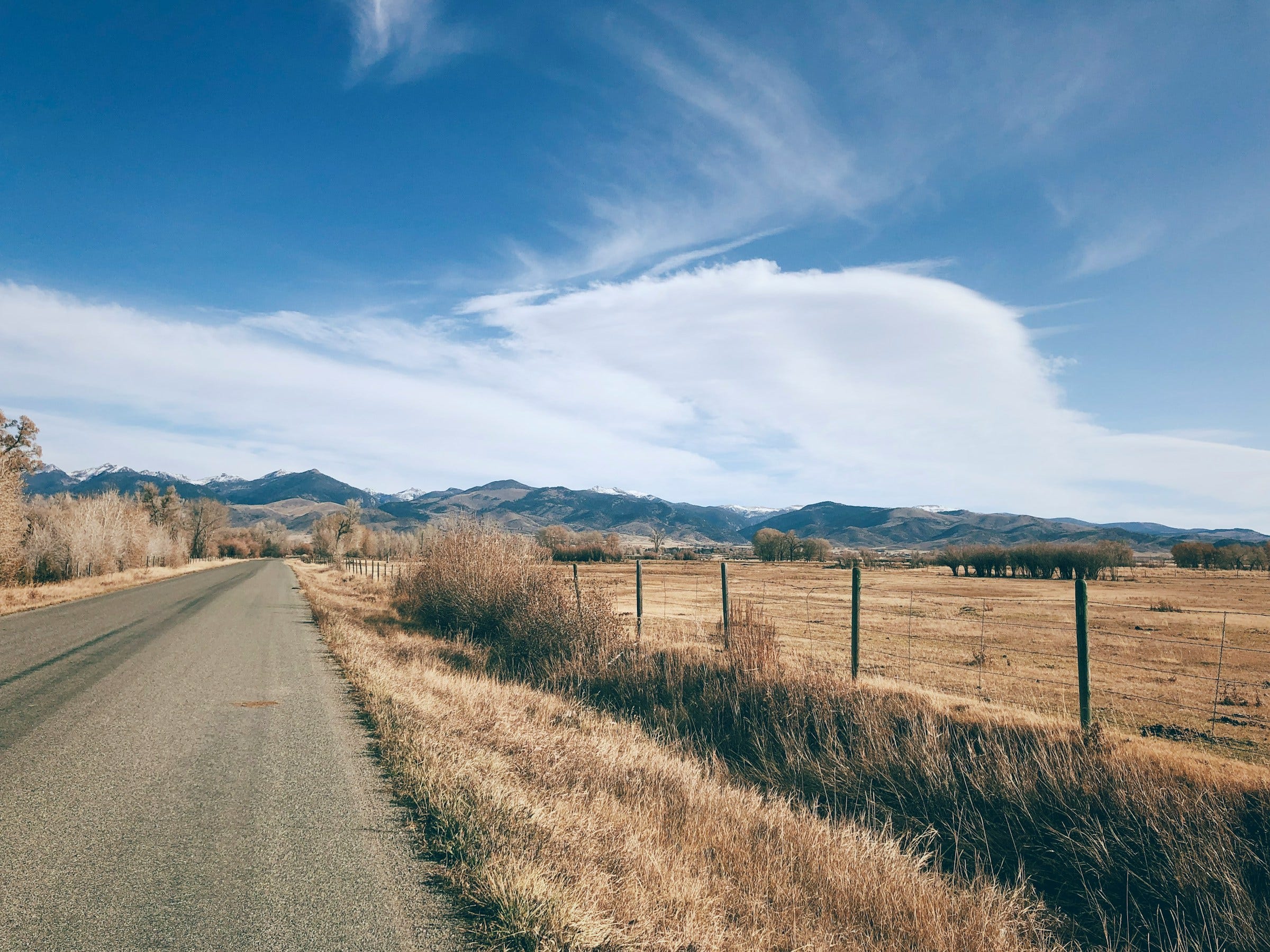
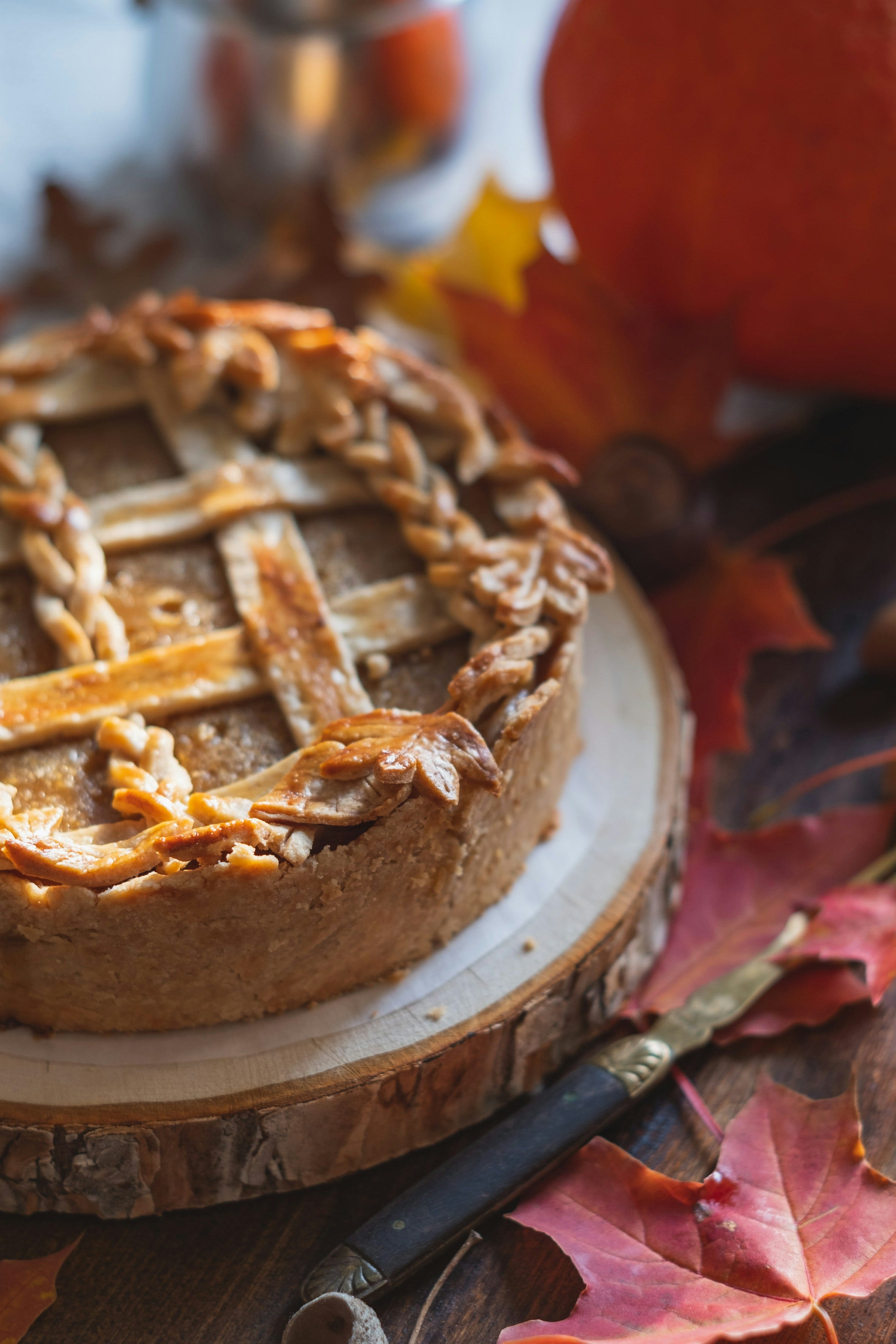
The shovel rings. Every year a couple or three fence posts rot along the front lane. Enough moisture gets in the wood and maybe a beetle or two, and the Earth wants to retake what it will. Everything eventually, ashes to ashes, dust to dust. She has a couple of spare fence posts in the barn. Not too many anymore. She shifts other posts to unbury them, and dust and soil puff up, catching in her nose. She carries one out and lays it on the ground next to the leaning post. It’s heavy enough that she can’t carry it and the tools and she has to go back to the barn for those, a shovel, pickaxe, post hole digger. She lays them next to the fence post. She puts on her gloves to protect her hands while she frees the three cross rails from the stubborn upright. Tough yellow tan leather, turning black at the fingertips. Each rail has a screw holding it to the upright, red dust lining the metal edges. She removes them one at a time and wiggles the upright side to side pulling them away from their slot. They stack there, still attached to the side post beside the rotting upright. Then she gets to the rotting fence post. First to remove it. The best way to make progress is just to break it. So she rocks it back and forth, pushes on it with her weight, until it gives at the base. Gray decay sifts into the grass. With the post removed, she gets to work on the rotted wood under the soil line. The shovel makes quick work at first, each bite of the shovel bringing up soft, rotted wood. Before long, the digging has her breathing hard as the hole deepens. She stops to rest, then works the pickaxe through pockets of stubborn wood. At intervals, she leans over and reaches in, feeling for the bottom of the rotted post. Often her hand meets packed earth, only to find more rotted wood just beneath. At last, her hand finds the bottom. She clears as much rotted wood as she can, sorting it from the soil piled beside the hole. Then she lowers the new post into place and shovels enough saved earth around the base to hold it upright. She sets the level against the wood and nudges the post till it stands true, unlike the last one, which still leans a little crooked. Only then does she fill the hole and tamp the earth firm around the post. When the upright stands true, she reattaches the three rails, driving each screw into the fresh wood. Then she gathers her tools. Half a world away, in Sumatra, another shovel bites into the Earth for a cinnamon tree. That evening, in the kitchen, she dusts the scraps of leftover pie dough with cinnamon. Her daughter’s favorite. The spice rises sharp in the air as she slides the small cookie sheet into the oven. While the scraps bake, she blind-bakes the pie crust and prepares the filling. She makes the dough with lard and butter, flour, salt, and water, lard for flake, butter for flavor, salt because salt makes everything better. Rolled thin on the counter over a dusting of flour, wrapped around the rolling pin, draped over the blue fluted pie dish. Foil to line the bottom, then the pie weights to stop the bubbles. Into the oven. She collects the other ingredients from the cupboard: pumpkin pie filling, Libby’s. Sugar, cinnamon, ginger, cloves, flour, condensed milk. She grabs eggs from the counter, fresh from the chickens in the yard. Pumpkin. Her favorite. The directions say to mix the dry ingredients separately, but she knows it doesn’t matter. She opens the can of pumpkin and uses a spoon to scrape out the last bits. She adds the eggs. She adds the dry ingredients straight to the pumpkin and eggs, gives everything a good stir, then pours in the condensed milk and mixes it again. About now the timer sounds. Potholders to grab the pie dish, foil and weights out, pie dish back in to finish the blind-bake. The next morning, pumpkin pie for breakfast. Out of the fridge comes the whipping cream. Two cups into the mixer, then sugar and vanilla. She starts it on low so the cream doesn’t splash out of the bowl, then turns it up to high until the stiff white peaks. The whisk turns faster than her hand could manage. She watches the cream thicken, stops the mixer, lifts the whisk to check. Peaks. She puts a dollop of the whipped cream onto her coffee, her favorite treat, then some onto the pie. She savors the vanilla in the cream, the bite of cinnamon and ginger mixed with the pumpkin, and heads into work. At work, the accounting sheets are waiting. Each needs checked and then checked again. There are more sheets than she has time to go through carefully. She opens a conversation with an AI. She details precise instructions. What she needs to check, what a mistake looks like, what should agree with what. Together they work on a piece of Python code to go through the documents one at a time. The first try isn’t quite right. She changes a term, explains it again. They try another approach. She runs the code, checks what it finds, changes the code, goes back to the conversation. A couple of hours pass this way. Eventually, it works. The code moves through the sheets finding the mistakes that need her attention. She gets to work fixing them. At a desk nearby, a mathematician works through a problem he has struggled with for years. He knows where he gets stuck. He can get partway to an answer, but the next step depends on something he hasn’t been able to prove. Every approach brings him back to the same place. He’s tried changing his starting assumptions. He’s tried approaching the problem from other directions. There are papers on his desk with passages underlined, calculations in the margins. Books and old computer programs he keeps because he thinks he might find the answer there. Some of that work belongs to people who have been working on the problem longer than he has. Some will never work on it again. He opens a conversation with an AI. Types the problem, gives it explicit details, explains where he gets stuck. The AI says it’s thinking about it. Gives an answer back. He reads it chewing on a pencil. For him to get to a final solution he has to prove every line, and he can’t get past the third. He goes back to the AI and explains the mistake, walks it through his reasoning. Another answer. This one a different route that arrives at the same difficulty. He checks each step again anyway. Over the next several days, he returns to the conversation. Sometimes it helps him work through a calculation. Sometimes he spends an hour finding out why a suggestion won’t work. Then the AI suggests a way of writing the problem differently. He copies it onto paper. Works through the first line, then the second. He tries a simple example whose answer he already knows. It works. He tries another. Then he goes back over what they have taken for granted, looking for something that slipped through unnoticed. For the first time, he can see a possible next step. There’s still work to do. He needs to know whether the approach works beyond these examples. He needs other mathematicians to look it over. A promising afternoon is a long way from his end goal. But he turns to a fresh page. We say she dug the hole by hand. We say she made the pie from scratch. And she did. But where does ‘by hand’ or ‘from scratch’ begin? She used a shovel. Somebody made it. Before someone could make the shovel, someone made steel. Someone extracted iron ore from the ground. Someone figured out how to turn it into something useful. They needed furnaces, fuel, equipment to move the material, tools to shape it, people to do the work. Every one of those had to be made or fed, too. And the handle. A tree had to grow. Somebody cut it, moved it, dried the wood, shaped it to fit the shovel, and shaped it so that your hand could hold it. Whatever fastens the blade to the handle has its own need: a pin, a screw, adhesive. How do you make resin from scratch? For every one of them, if you follow their trail backward, there’s more work. Even if she could obtain everything herself, every ingredient, she would still need to know what to do with them. Somebody makes every material. Somebody else discovered how. Somebody learned through years of mistakes what would work. What would hold together? What would fail or rust faster? We could learn what they know, but we don’t have time to live every one of their failures. She doesn’t need to know the history of metalwork. Other people have worked that out, and they gave her a tool she can hold. Most of their names don’t survive. People observed things long ago, before there were papers to publish or patents to file. They tried something. They remembered what happened. They showed somebody else. Knowledge traveled through a family or a community across generations. It could be lost, discovered again, changed by somebody who noticed something others missed. In the kitchen, she measures flour. She didn’t grow the wheat or grind it. If she had, she would use knowledge someone else taught her: when to plant, what to save for seed, how to recognize grain ready for harvest, how to turn it into flour, and how to make flour into something worth eating. The cinnamon arrived in a jar from Sumatra, halfway across the world. In that jar, there are people who grew and harvested it, people who prepared it, people who moved it from one part of the world to another, and behind their work is knowledge that they didn’t have to discover for themselves. When she turns on the mixer, she watches the cream turn into soft and then stiff peaks and decides when it’s ready. She can use the machine without knowing who built its motor or how they did it. She can take the cream out of the refrigerator without knowing how to make a refrigerator. And we still say that she made whipped cream from scratch. Then at work. She knows the result she needs, opens a browser window, explains how she needs to check them. The first version fails; she changes the code, and it fails again. She changes her instructions; it fails. She works through it over and over, tries again, until she achieves her goal. What part of that effort belongs to her? It’s a legitimate question. But we should ask the same question about the shovel, the flour, the refrigerator, the language she uses to explain the problem she has. The question, really, is: what does it mean to do something by hand? Human achievement depends on more human experience than any one person could ever accumulate. We start ahead of the finish line, beginning our lives with answers other people long dead spent their lives finding, and many spent their lives failing to find. Let’s pull on this thread some more and think about another facet of AI that no one is talking about: justice. It’s one of our six national goals, and it means equal treatment under the law, but it also means that a boy or girl who grows up in a trailer and is willing to put in the work can become great. And for AI especially, it’s not really a governance effort because it’s private enterprise. But let’s think about the effort in the context of: does it align with one of our national goals? We’ve already talked about how knowledge is inherited, but access to that knowledge isn’t equal. Some people grow up with great teachers or great professional connections. Their parents have connections, their friends have connections, or they have people who can explain how to start something. Others have ability and ambition, but they don’t have these connections or the guidance. Circumstances narrow our choices in life. If a boy or girl grows up in a trailer and they are curious and willing to work, their circumstances shouldn’t decide how far they can develop their abilities. AI as a tool creates another way to learn and attempt things and to build knowledge and skills that you wouldn’t be able to otherwise. It’s a place to ask questions, request more explanation about something, practice unfamiliar skills, build something useful. New abilities also create new opportunities. It can help finish a project, get a promotion, or develop new skills they can showcase to an employer or customer. AI isn’t an end-all, be-all. But it offers concrete steps toward the goal of an ordinary, worthwhile life: to love your work, raise your family in a safe neighborhood with good schools, and eat and drink with those you love. So let’s judge the technology not solely by the chatter, but by whom it enables and whether it advances our effort toward achieving a national goal. America exists to protect and enable the weak, not the strong. And to do so, we must take deliberate effort to empower those born with nothing who are willing to work to become great. So, what’s better? Human achievement only? Human achievement enhanced with AI ability? And a question we need to ask. There are answers we need for tough questions. When will we get to those answers alone? If one day the answer to the Navier-Stokes Millennium Problem about fluid motion helps us better model solutions for a changing climate, would we ignore the result? Postscript. My stories are mine. For this piece, I read into a microphone and used AI to transcribe for me. And yes, I use the hell out of it to help me write Python code. Around twenty-five hundred years ago we were thinking about the progress of knowlege: 8Ask the former generation and find out what their ancestors learned,9 for we were born only yesterday and know nothing, and our days on earth are but a shadow.10 Will they not instruct you and tell you? Will they not bring forth words from their understanding?” Job 8, 8-10, NIV Sources Steel production, iron ore, fuel, and the materials behind manufactured tools: World Steel Association, “Raw Materials”; World Steel Association, “The Steelmaking Process” Indonesian cinnamon from Sumatra and the people involved in its production: McCormick Science Institute, “Cinnamon”; McCormick, “Empowering Women in Indonesia’s Cinnamon Supply Chain,” March 8, 2023 Human knowledge accumulating through social learning, innovation, and transmission between people: Maxime Derex and Robert Boyd, “The Foundations of the Human Cultural Niche,” Nature Communications, 2015 Returning to dust: Ecclesiastes 3:20, New International Version, via Bible Gateway; the wording “ashes to ashes, dust to dust”: The Book of Common Prayer (1662), “At the Burial of the Dead,” Church of England Learning from earlier generations and the limits of one person’s experience: Job 8:8–10, New International Version, via Bible Gateway How new ideas and technologies spread through communication, social relationships, and adoption over time: Everett M. Rogers, Diffusion of Innovations, fifth edition, Free Press, 2003 Navier–Stokes equations, fluid motion, and the Millennium Prize problem: Clay Mathematics Institute, “Navier–Stokes Equation”; Charles L. Fefferman, official problem description, “Existence and Smoothness of the Navier–Stokes Equation” Mathematicians working with AI on fluid equations, building on earlier human research, and questions about credit and unpublished work: Tristan Buckmaster, public statement on his collaboration with Levent Alpöge and interactions with OpenAI, September 2026 OpenAI’s claimed Navier–Stokes solution and its account of the research process and concurrent mathematical work: OpenAI, “On the Navier–Stokes Millennium Prize Problem,” September 8, 2026 Fluid-motion equations in numerical weather prediction and modeling systems used for weather and climate: Met Office, “History of Numerical Weather Prediction”; Met Office, “Unified Model” Get full access to I Believe at joelkdouglas.substack.com/subscribe