Skip to content
Artwork for Humans + AI
BusinessManagementTechnologyEntrepreneurship

Humans + AI

Ross Dawson

Exploring and unlocking the potential of AI for individuals, organizations, and humanity

Play
  • 32 episodes
  • weekly
  • Avg 35 min
  • English
Counted on this page — what you have heard stays on this device, so it is not something the list can be paged by.
  • S3 · E65
    Yesterday · 38 min

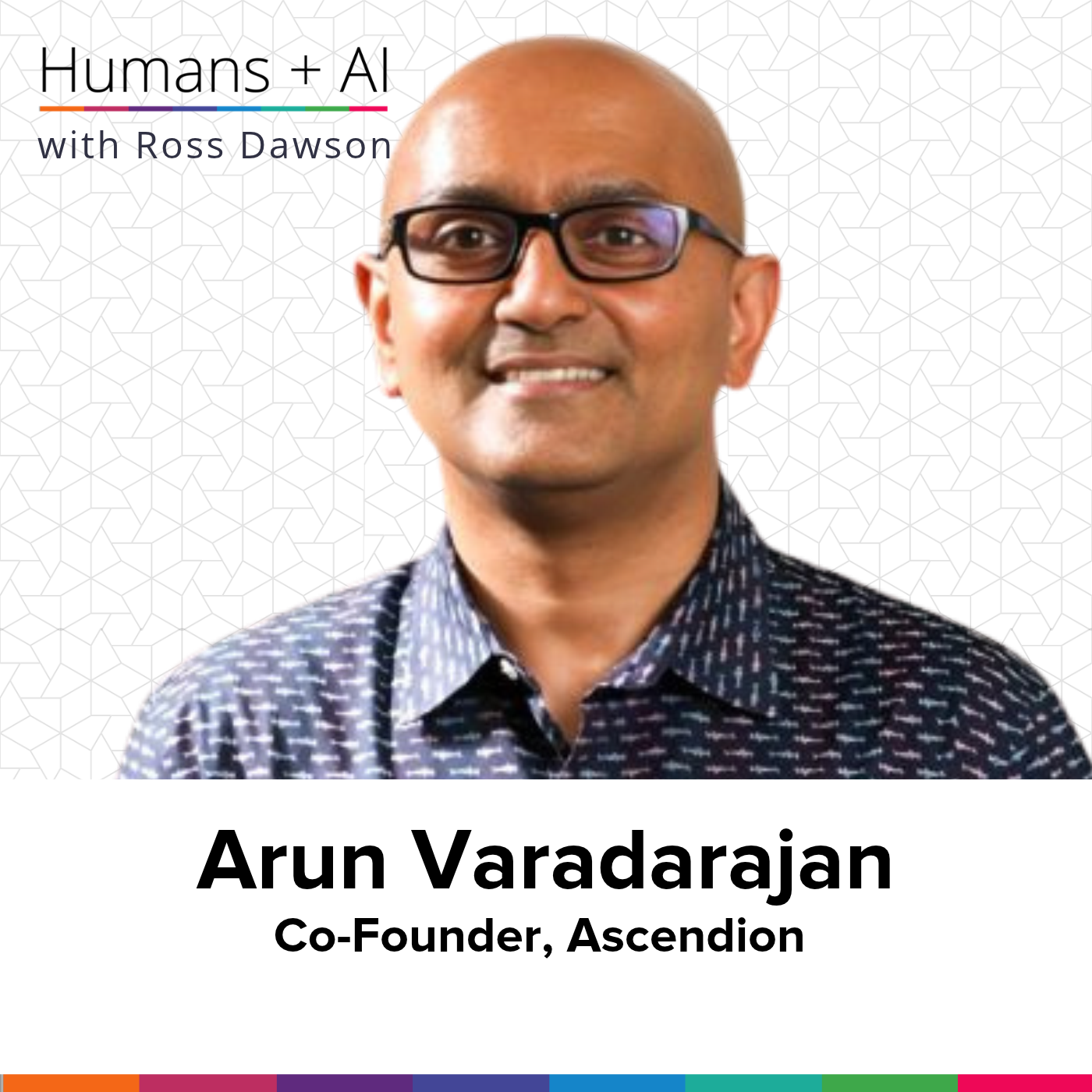
    Arun Varadarajan on outcome orientation, judgment as muscle, challenging AI, and barbell organizations (HAI Ep65)

    Arun Varadarajan, Co-founder and Chief Commercial Officer at Ascendion, an AI-native engineering company, explores how generative AI can raise productivity while expanding human creativity and problem-solving. He explains how organizations can focus on building better things, combine AI tools with traditional models and human judgment, and redesign approval processes to challenge AI outputs responsibly. The conversation also covers expert-led talent barbells, AI-assisted apprenticeship, outcome-based services, strategic stress-testing, pre-mortems, and using blast radius to guide higher-quality decisions.

  • S3 · E64
    November 18 · 36 min

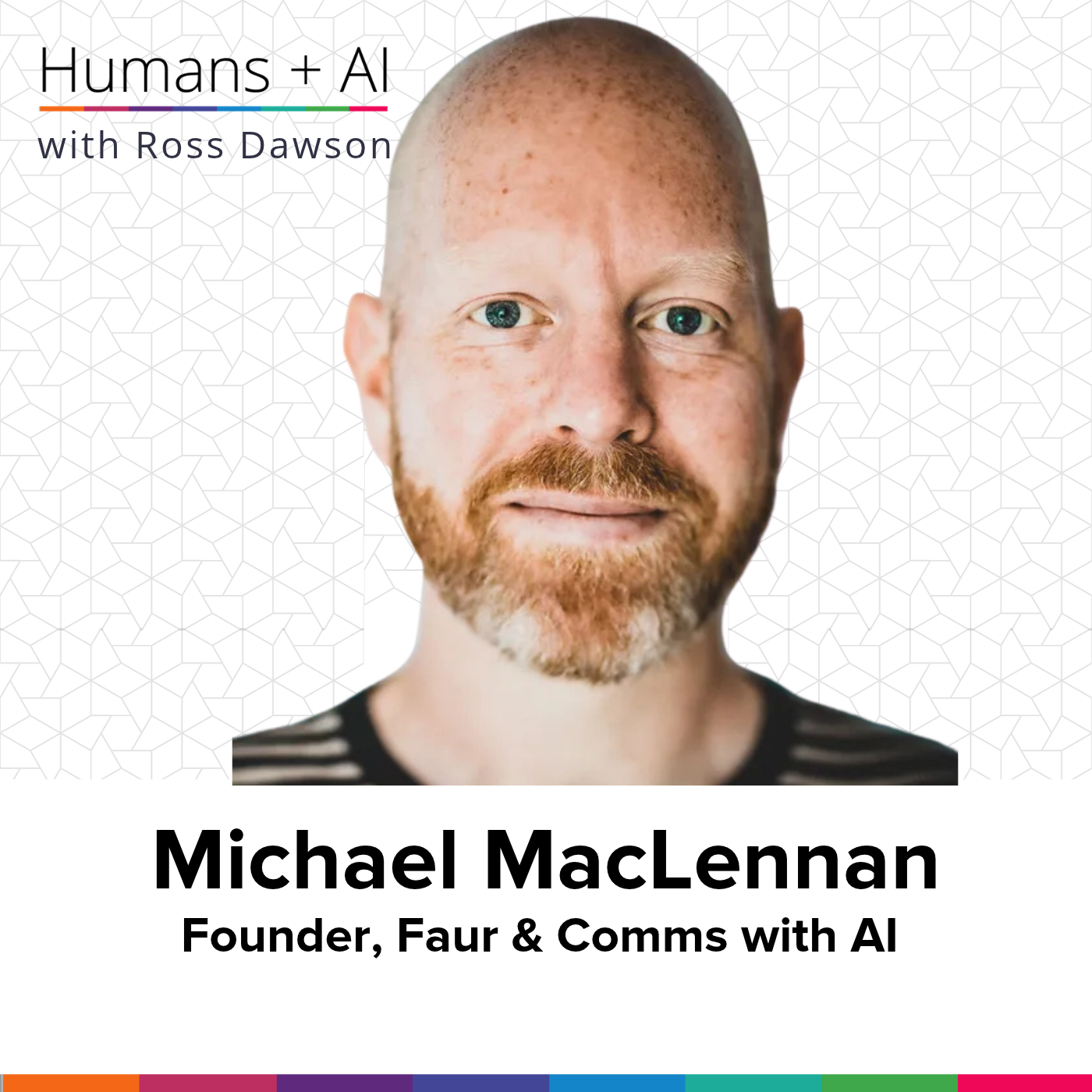
    Michael MacLennan on comms with AI, philosophy of language, workflow collaboration, and credibility for agents (HAI Ep64)

    Michael MacLennan, Founder of communications consultancy Faur and Comms with AI, explores how AI is transforming organizational communications for internal and external audiences. He explains how to define mission, positioning, audience, and brand voice; refine language options; test messaging against audience personas; and keep foundational communications documents current. You’ll also learn how to audit websites, social channels, and internal knowledge bases, apply AI to stakeholder analysis and risk identification, and build human approval points, escalation processes, and assurance gates that support clarity, credibility, transparency, trust, and evidence.

  • S3 · E63
    November 12 · 33 min

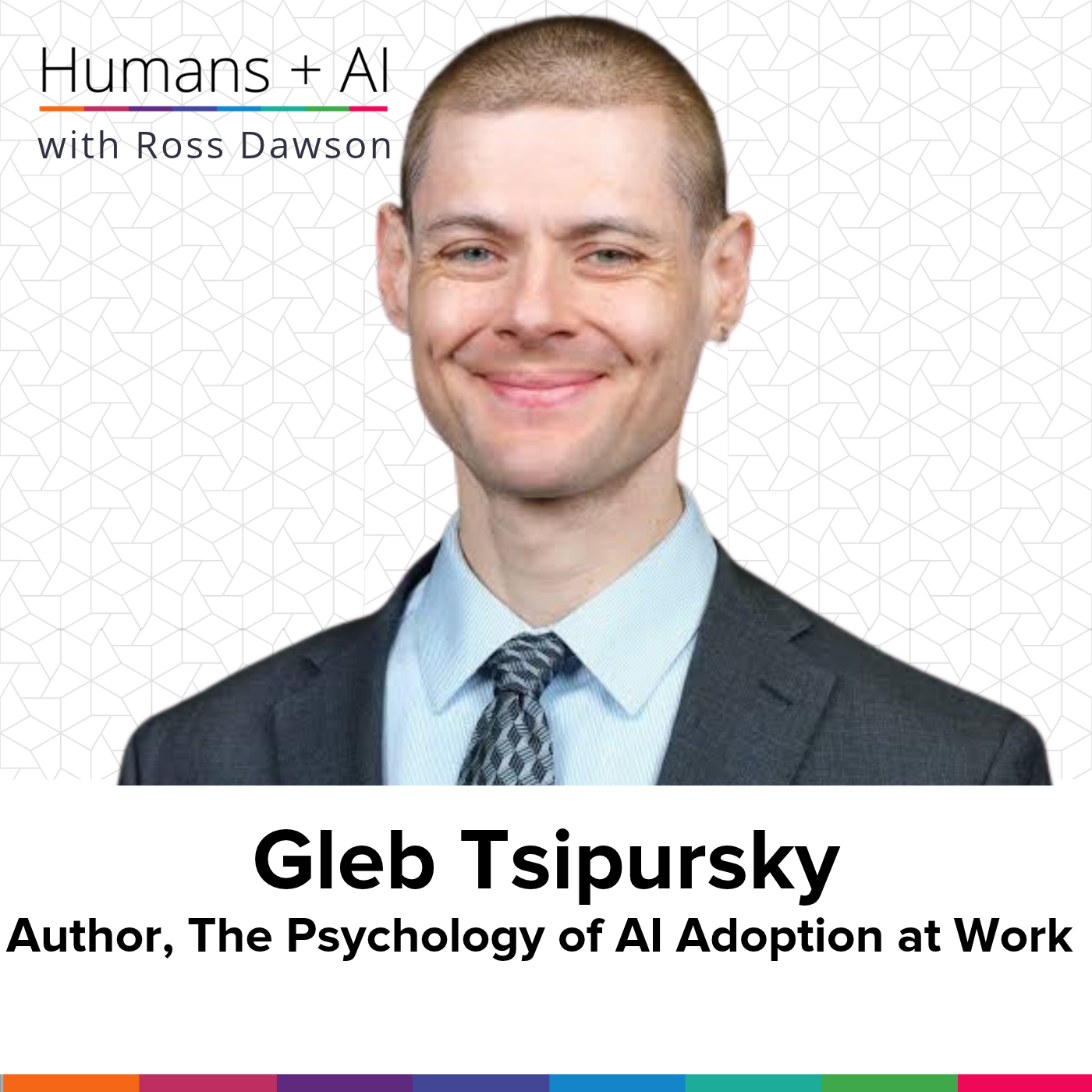
    Gleb Tsipursky on the psychology of AI adoption, work identity, beyond social stigma, and win-win dynamics (HAI Ep63)

    Gleb Tsipursky, CEO of future-of-work and behavioral economics consultancy Disaster Avoidance Experts, explains why most AI pilots fail to deliver measurable value at organizational scale. Drawing on cognitive neuroscience and his book The Psychology of AI Adoption at Work, he explores how employee psychology, fear of job loss, and professional identity shape AI adoption more than technology quality. Learn how individualized use cases, low-risk tasks, transparent reasoning, thoughtful work redesign, leadership modeling, psychological safety, and shared success stories can reduce AI-related stigma and help organizations redeploy employees for growth.

  • S3 · E62
    November 4 · length unknown

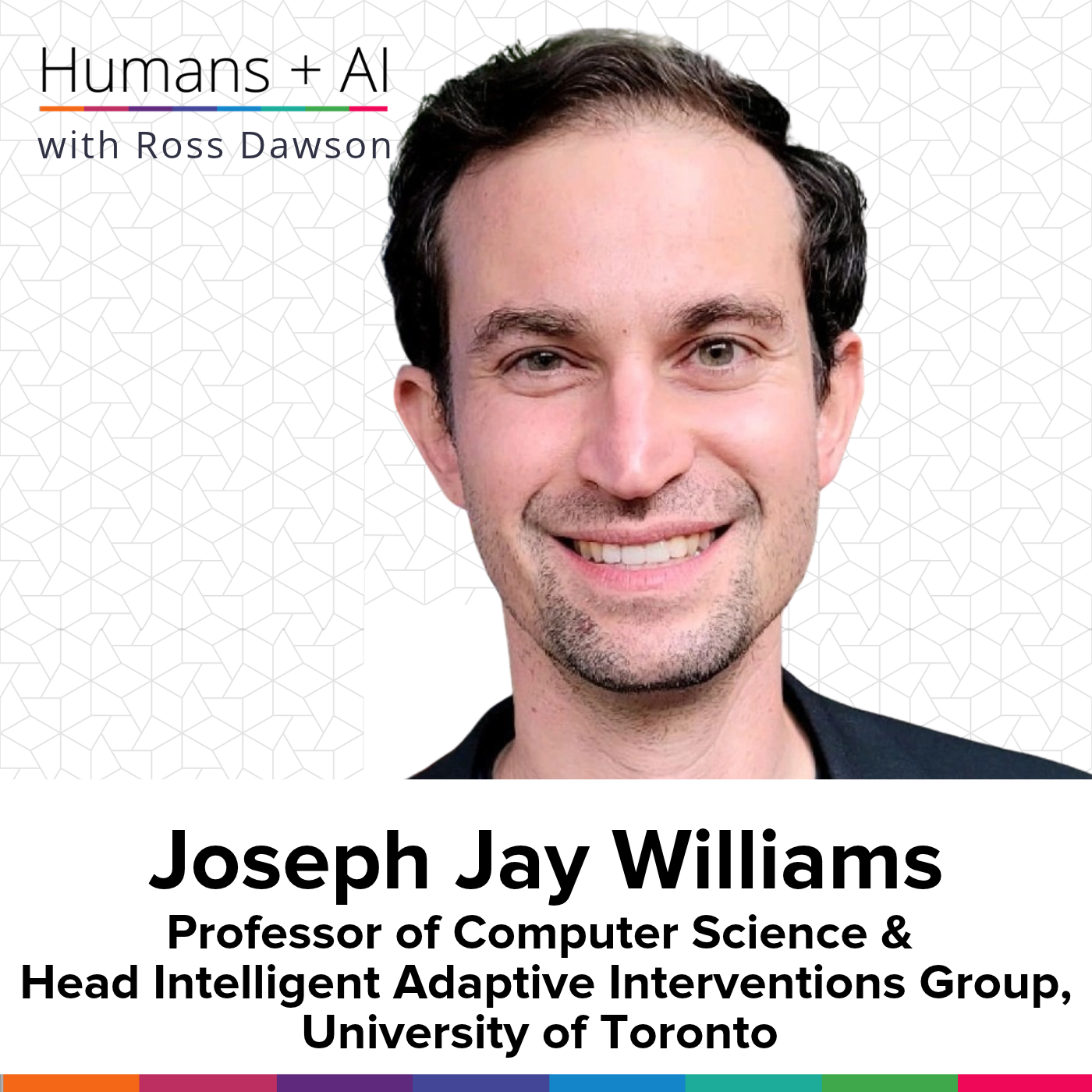
    Joseph Jay Williams on adaptive experimentation, positive behavior change, AB prompting, and one minute experiments (HAI Ep62)
    Joseph Jay Williams, Assistant Professor of Computer Science at the University of Toronto and leader of the Intelligent Adaptive Interventions research group, explores how adaptive experimentation can uncover better solutions to everyday problems. Learn how one-minute experiments simplify behavior change, reframing stress improves focus and collaboration, and AI combined with psychology can personalize interventions for individual needs. Williams also explains how adaptive AI systems can optimize for meaningful outcomes instead of attention alone, challenge unhelpful beliefs, support healthier decisions, and help people think more critically with tools such as AB Prompter and AB Scribe.

  • S3 · E61
    October 28 · 44 min

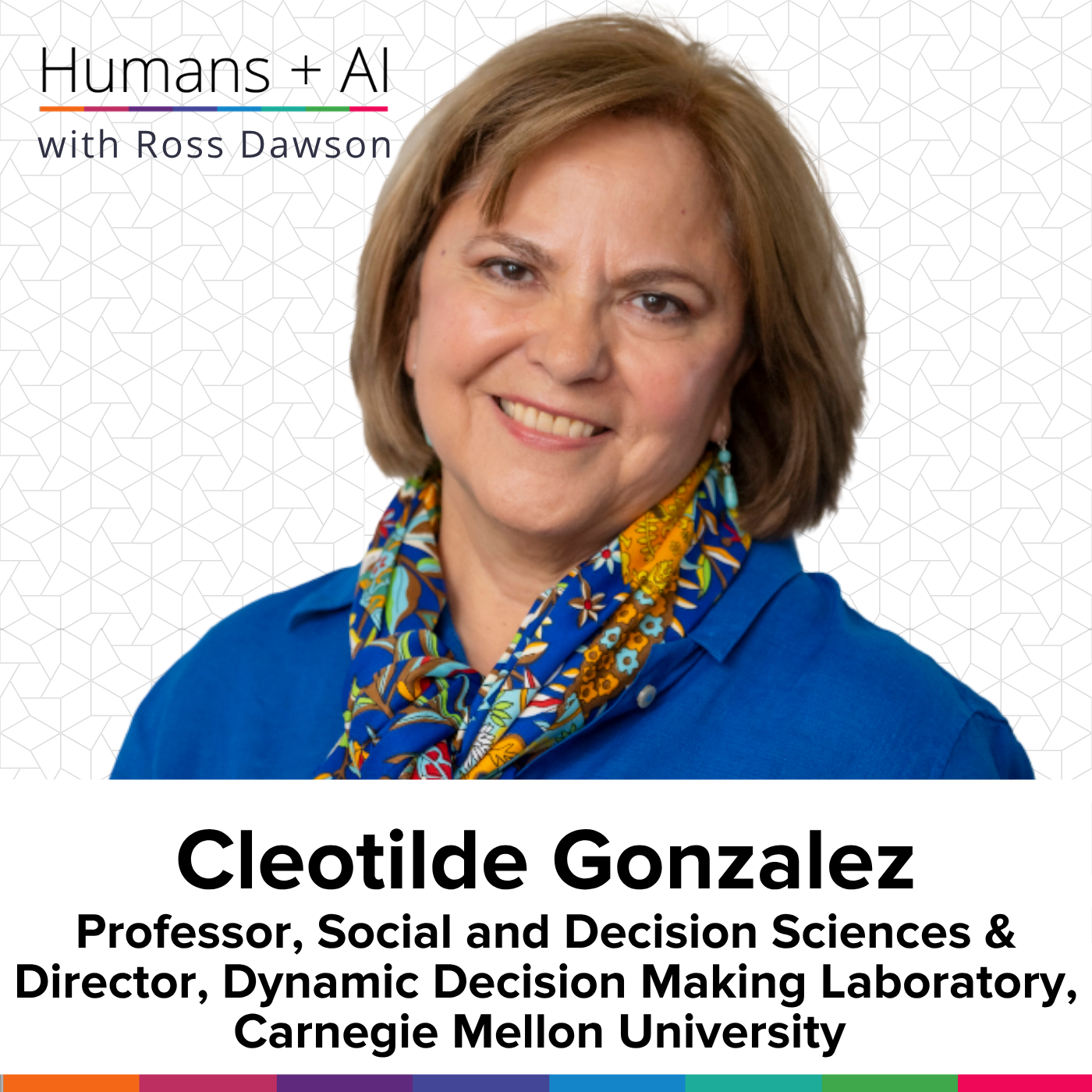
    Cleotilde Gonzalez on human-AI complementary intelligence, theory of mind in teams, dynamic decision making, and metrics of complementarity (HAI Ep61)

    Join Cleotilde Gonzalez, Professor of Social and Decision Sciences at Carnegie Mellon University and founding director of the Dynamic Decision Making Laboratory, as she explores the crucial differences between human-AI augmentation and genuine complementarity in decision making. Drawing on cognitive science and collective intelligence, Dr. Gonzalez discusses why effective human-AI teams require more than simply adding AI—highlighting the importance of theory of mind, mutual understanding, and thoughtful team role design. Listeners will gain actionable insights into measuring collaborative process metrics, distributing workload, and pioneering new organizational forms to enhance human-AI collaboration in high-stakes decisions.

  • S3 · E60
    October 21 · 34 min

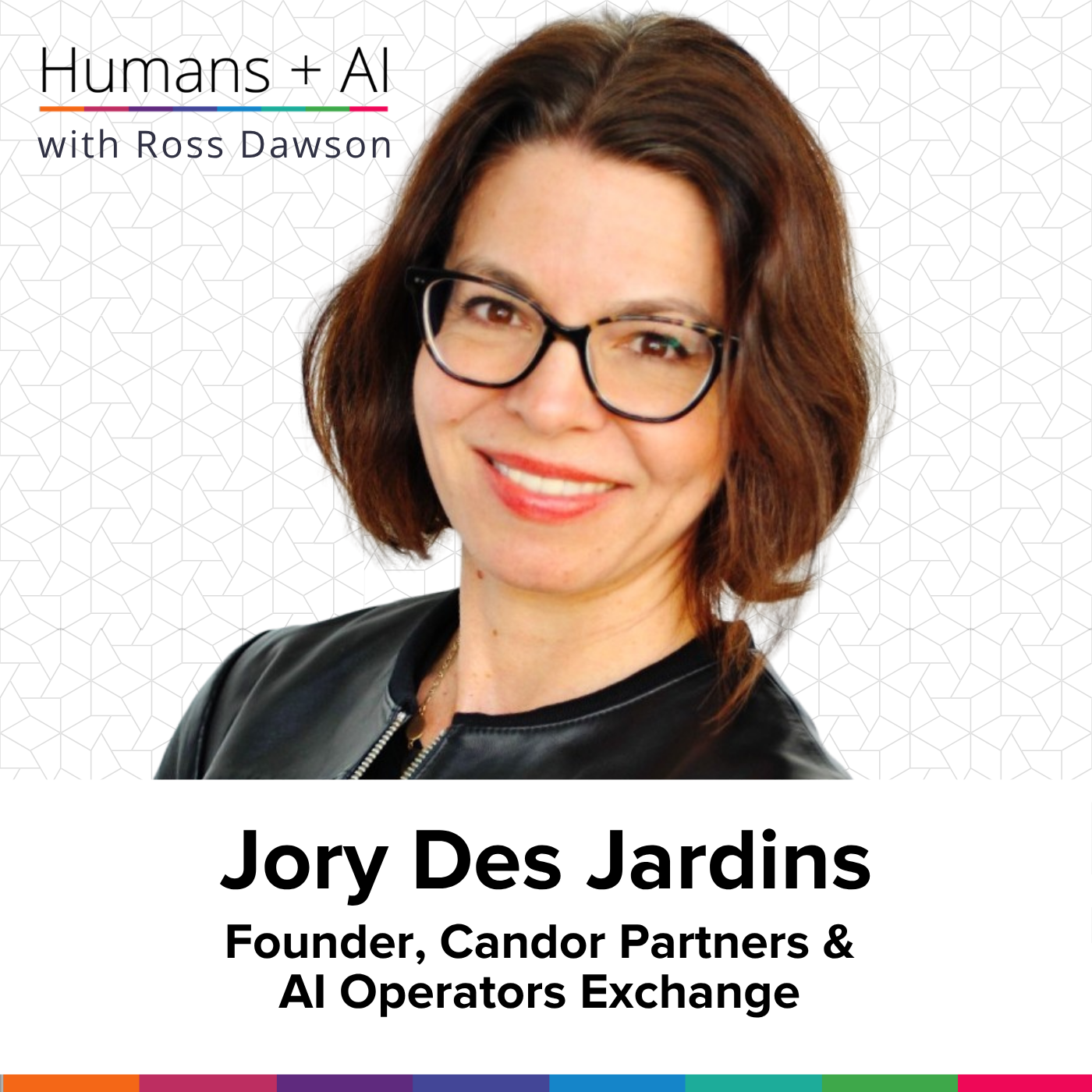
    Jory Des Jardins on human agency architecture, following the judgment, human calibration, and brain capital (HAI Ep60)

    In this episode, Jory Des Jardins—Founder & Principal at Candor Partners and author of 'Human Agency Architecture'—explores how organizations can navigate AI adoption while preserving essential human judgment and skill retention. Drawing on her experience leading initiatives like BlogHer and the AI Operators Exchange, Jory discusses frameworks for task delegation, the risks of cognitive foreclosure and succession hollowing, and the importance of transparency in building trust. Listeners will learn practical strategies for balancing productivity with human flourishing, ensuring organizations adapt to AI without sacrificing unique human strengths.

  • S3 · E59
    October 14 · 36 min

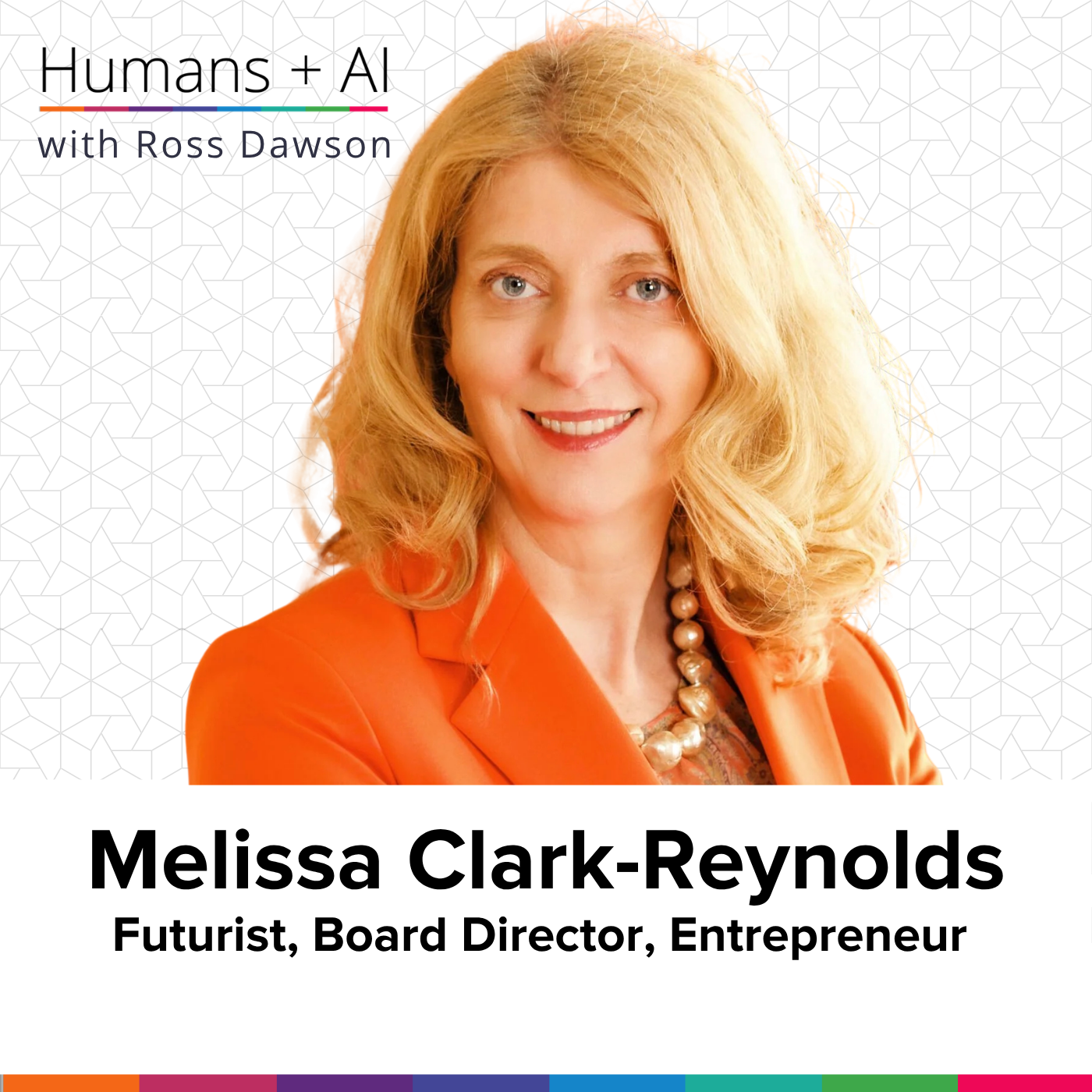
    Melissa Clark-Reynolds on AI in the boardroom, improving judgment, creative friction, and foresight for agile strategy (HAI Ep59)

    Futurist and professional director Melissa Clark-Reynolds, founder of FutureCentre.nz and NZ Order of Merit appointee, joins the podcast to explore how boards and senior leaders can navigate the myths and realities of AI adoption. Drawing on her expertise in strategy and disruptive business models, Clark-Reynolds discusses why embracing a capability multiplier mindset toward AI drives genuine productivity and how prompt engineering and board-level education are key. Listeners will gain practical foresight tools, learn strategies for effective AI governance, and discover how leaders can enhance their own judgment while reimagining their organization’s operating models for an AI-enabled future.

  • S3 · E58
    October 7 · 37 min

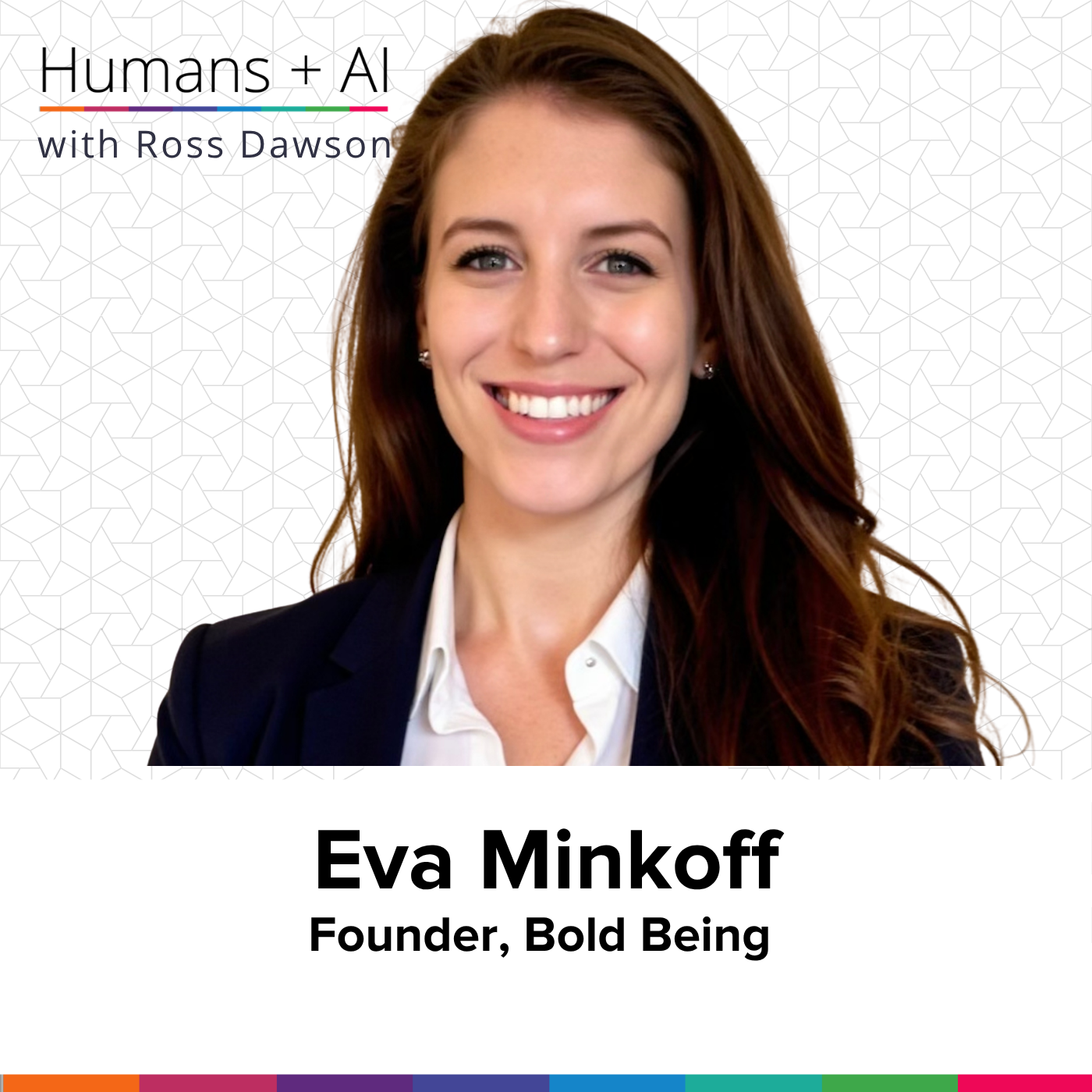
    Eva Minkoff on connection to self, identity threat, augmenting ourselves, and the AIM method (HAI Ep58)
    In this episode, Eva Minkoff, Founder of Bold Being and Chief Transformation Officer at Transformental, explores how rapid AI disruption is reshaping human identity, leadership, and wellbeing. She shares insights from her work with healthcare executives, offering practical strategies for cultivating self-compassion, authentic human connection, and resilience amid deep uncertainty. Listeners will learn why embracing vulnerability, admitting uncertainty, and augmenting human creativity are essential leadership skills for navigating transformational change in an AI-driven era.

  • S3 · E61
    September 30 · 36 min

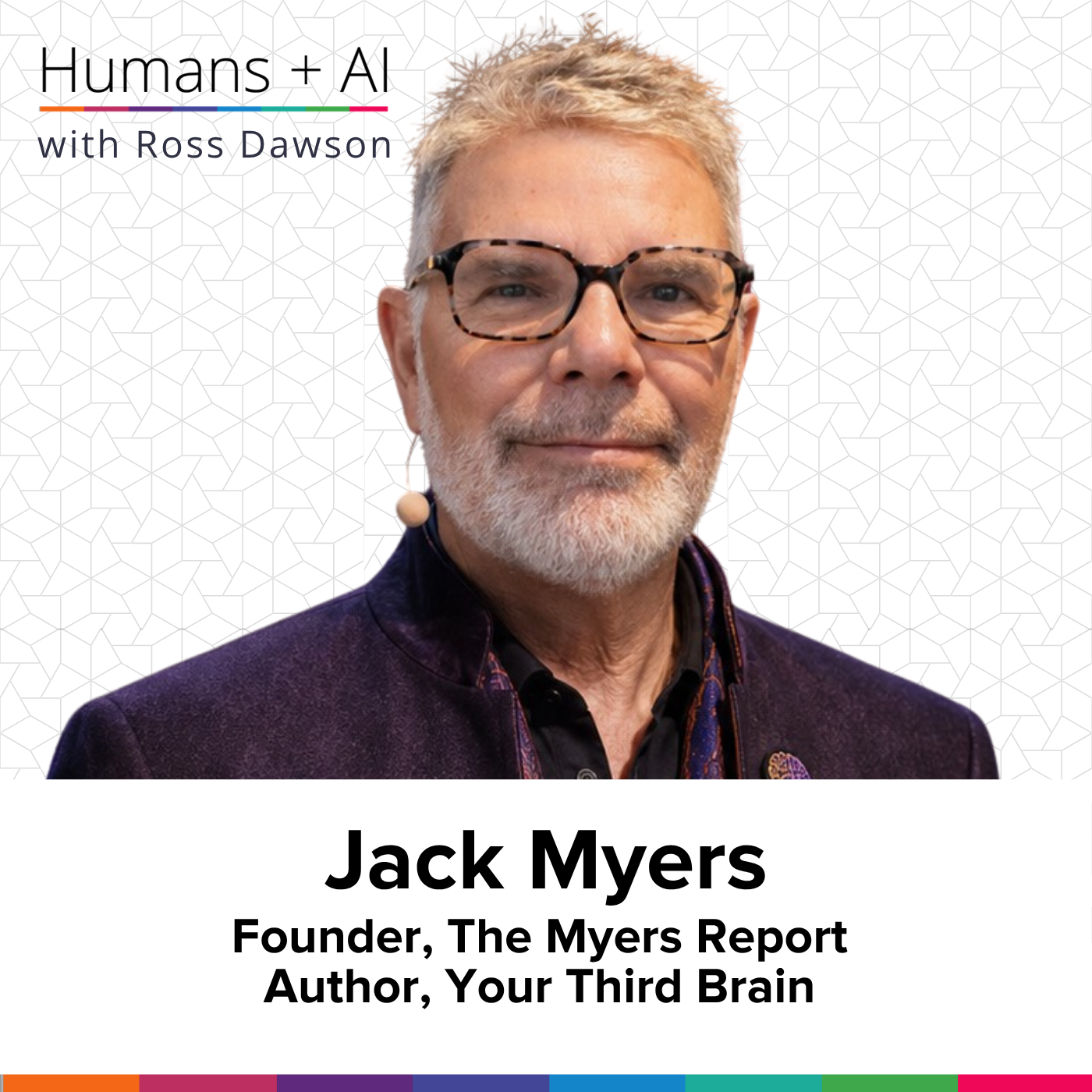
    Jack Myers on media ecology, techno intuition, positive evolution, and your third brain (HAI Ep57)
    In this episode, Jack Myers—media ecologist and founder of The Myers Report—explores the crucial interplay between human judgment and AI, drawing on his expertise and his latest book, Your Third Brain. Listeners will discover how 'third brain thinking' fosters a collaborative partnership between people and machine intelligence, and why techniques like 'techno intuition,' intentional pauses, and useful friction lead to smarter decisions. Myers also discusses the importance of preserving trust, empathy, and deep human connection as leaders navigate automation, offering actionable strategies to harness AI for collective intelligence and meaningful growth.

  • S3 · E56
    September 23 · 39 min

    Pukar Hamal on personal agency, compute equality, being good at intelligence, and human inspiration (HAI Ep56)
    In this episode, Pukar Hamal—Founder & CEO of SecurityPal AI and Nepalese startup hub Silicon Peaks—explores the emotional impact gap between AI-generated writing and human creativity, and examines how intelligence augmentation, not full automation, should guide AI’s future. Drawing on his cybersecurity expertise, Pukar discusses emerging concepts like zero data retention and the agentic security paradigm, highlighting why automation with verification, layered human validation, and compute equality are vital. Listeners will gain valuable insights into expanding human agency, overcoming the barrier to launching, and supporting focus and perseverance in an AI-driven world.

  • S3 · E55
    September 9 · 40 min

    Oren Etzioni on the evolution of AI agents, bounded autonomy, augmenting science, and democratizing capabilities (HAI Ep55)

    Join Professor Oren Etzioni, Professor Emeritus of Computer Science at the University of Washington and founding CEO of the Allen Institute for Artificial Intelligence, as he explores the evolution of agentic AI from early software agents to today’s autonomous assistants. Discover how natural language breakthroughs have transformed human-AI interaction, the challenges of building digital trust, and why maintaining human accountability remains essential. Tune in for practical insights on effective interface design, ways to bound AI autonomy, and how AI is democratizing cognitive potential and accelerating expert work.

  • S3 · E54
    August 19 · 19 min

    Ross Dawson on Recursive Self-Improvement in Humans + AI Systems (HAI Ep54)
    In this episode, futurist and strategy advisor Ross Dawson, Chairman of Advanced Human Technologies and founder of Informivity, explores how recursive self-improvement and double loop learning are transforming both AI systems and human learning in organizations. Listeners will discover key differences between single and double loop systems, the role of reinforcement learning in AI advancement, and practical steps for integrating effective learning loops to enhance AI-human collaboration. Ross shares why maintaining human judgment is crucial as AI evolves, and offers insights for chief learning officers on redesigning organizational learning for the AI era.

  • S3 · E53
    August 5 · 37 min

    David Weinberger on beautiful particulars, healing the mind/body split, morality, and the case for optimism (HAI Ep53)

    In this episode, David Weinberger—author of 'Beautiful Particulars' and researcher at Harvard MetaLab—explores how artificial intelligence is reshaping Western ideas about universal laws, human cognition, and the value of lived, bodily experiences. Listeners will discover why AI thrives on processing immense particulars and how integrating human generalization with AI’s specificity can build complementary intelligence. Weinberger offers insight into the philosophical impact of technology, the centrality of embodiment for meaning and morality, and an optimistic vision for using conversational AI to deepen learning and curiosity in real-life situations.

  • S3 · E52
    July 29 · 34 min

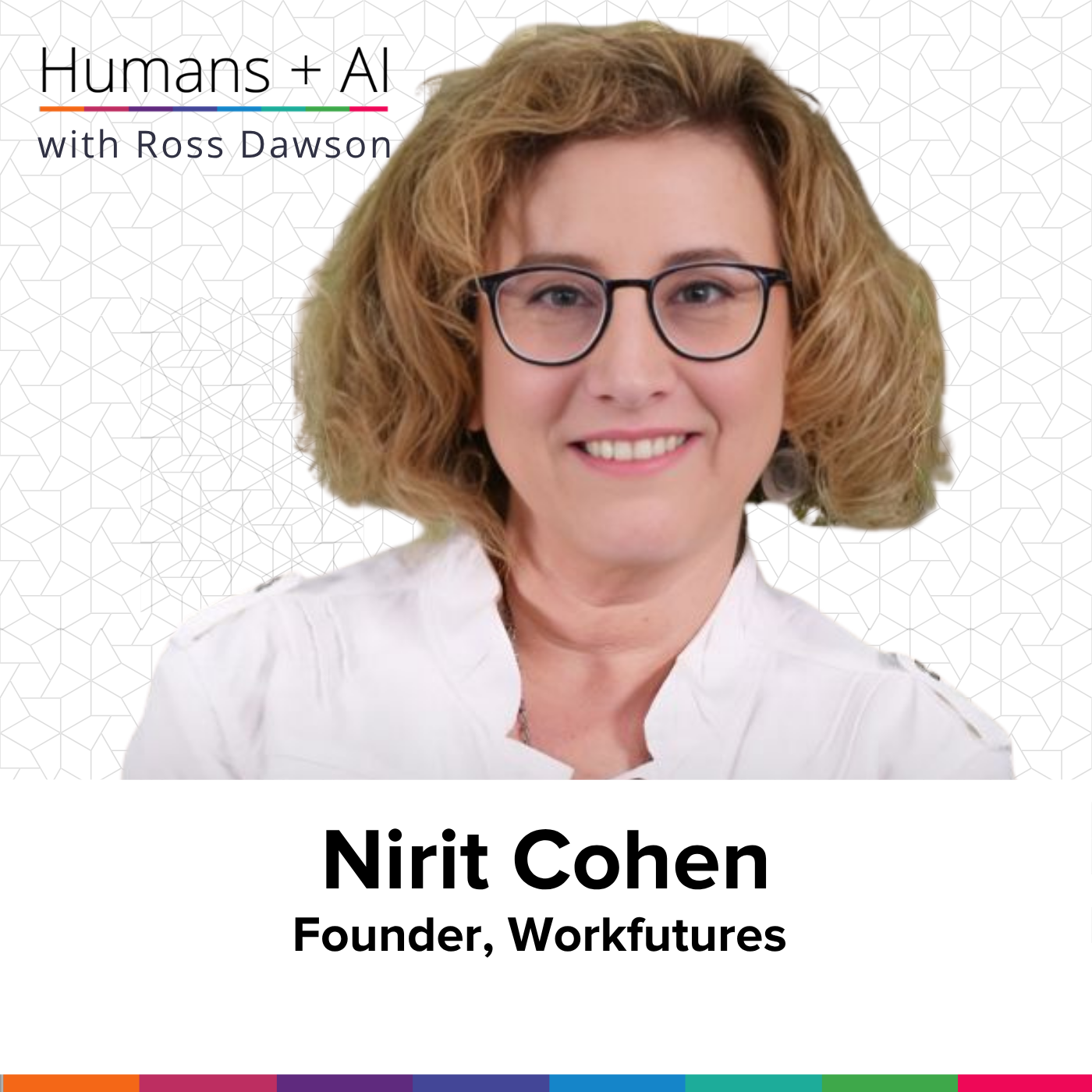
    Nirit Cohen on uniquely human contribution, questions over answers, horizontal knowledge sharing, and intentional chaos (HAI Ep52)

    In this episode, Nirit Cohen—founder of Workfutures and former senior global people leader at Intel—explores the shifting boundaries between work and life in an era shaped by technology and automation. Drawing on her expertise in digital workplace transformation, Cohen discusses why uniquely human contributions remain critical, how to uncover hidden value within organizations, and the dangers of viewing people as interchangeable with AI. Listeners will gain new perspectives on nurturing adaptability, collaboration, and human-centered leadership as organizations evolve in the face of automation and changing roles.

  • S3 · E51
    July 22 · 39 min

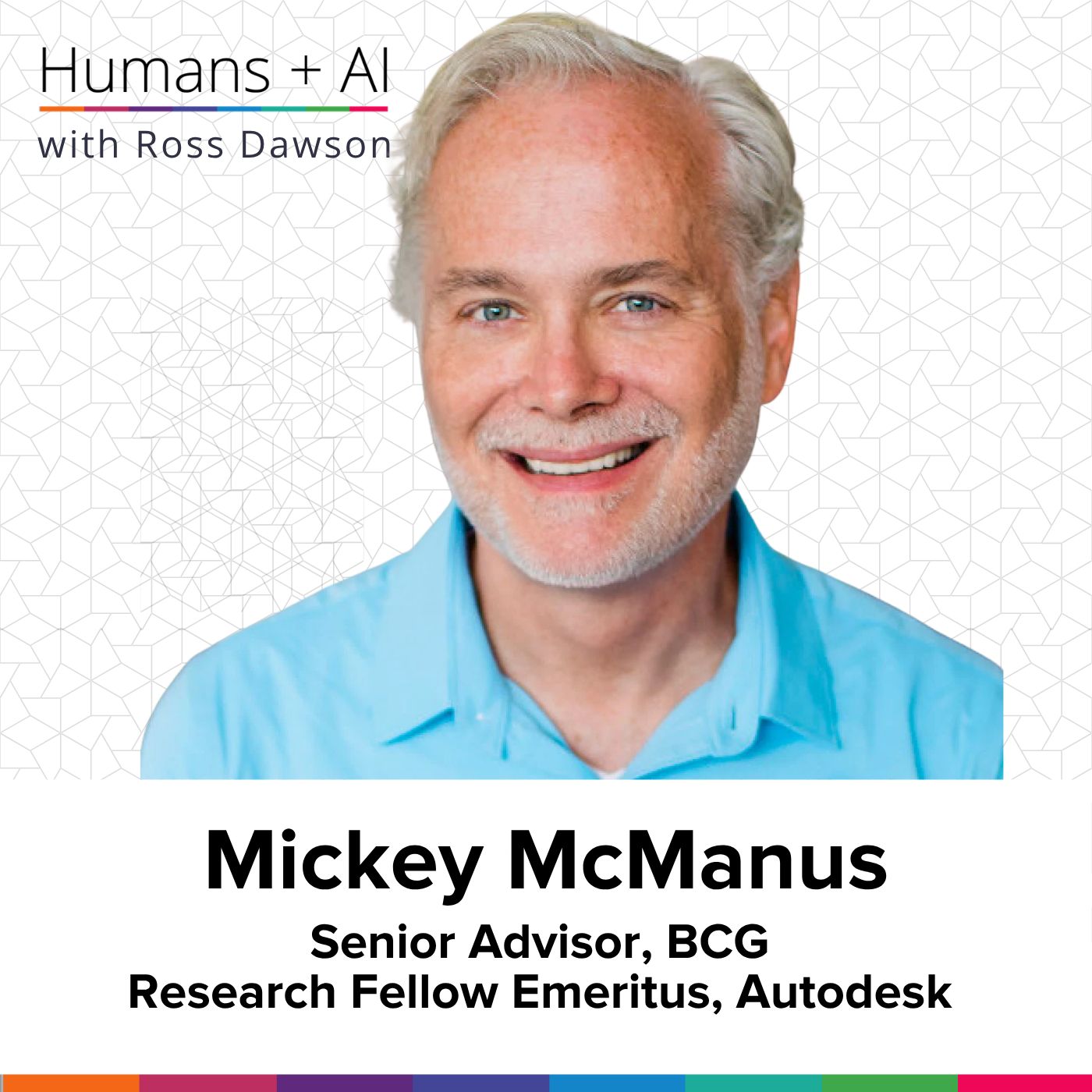
    Mickey McManus on co-thinking, beautiful complexity, pro-social design, and evolutionary social science (HAI Ep51)

    Join Mickey McManus, Executive Coach and Senior Advisor at Boston Consulting Group, as he explores the frontiers of embodied intelligence and cognitive scaffolding in AI-driven transformation. Drawing from evolutionary design principles and his experience in innovation labs, Mickey explains how human cognition extends into our environments and how feedback loops—both augmenting and corrupting—shape the future of pro-social AI and organizations. Listeners will gain valuable insights on pace layering, spatial thinking, and hands-on strategies for adopting AI, including ethical considerations at the cutting edge of synthetic biology.

  • S3 · E50
    July 15 · 58 min

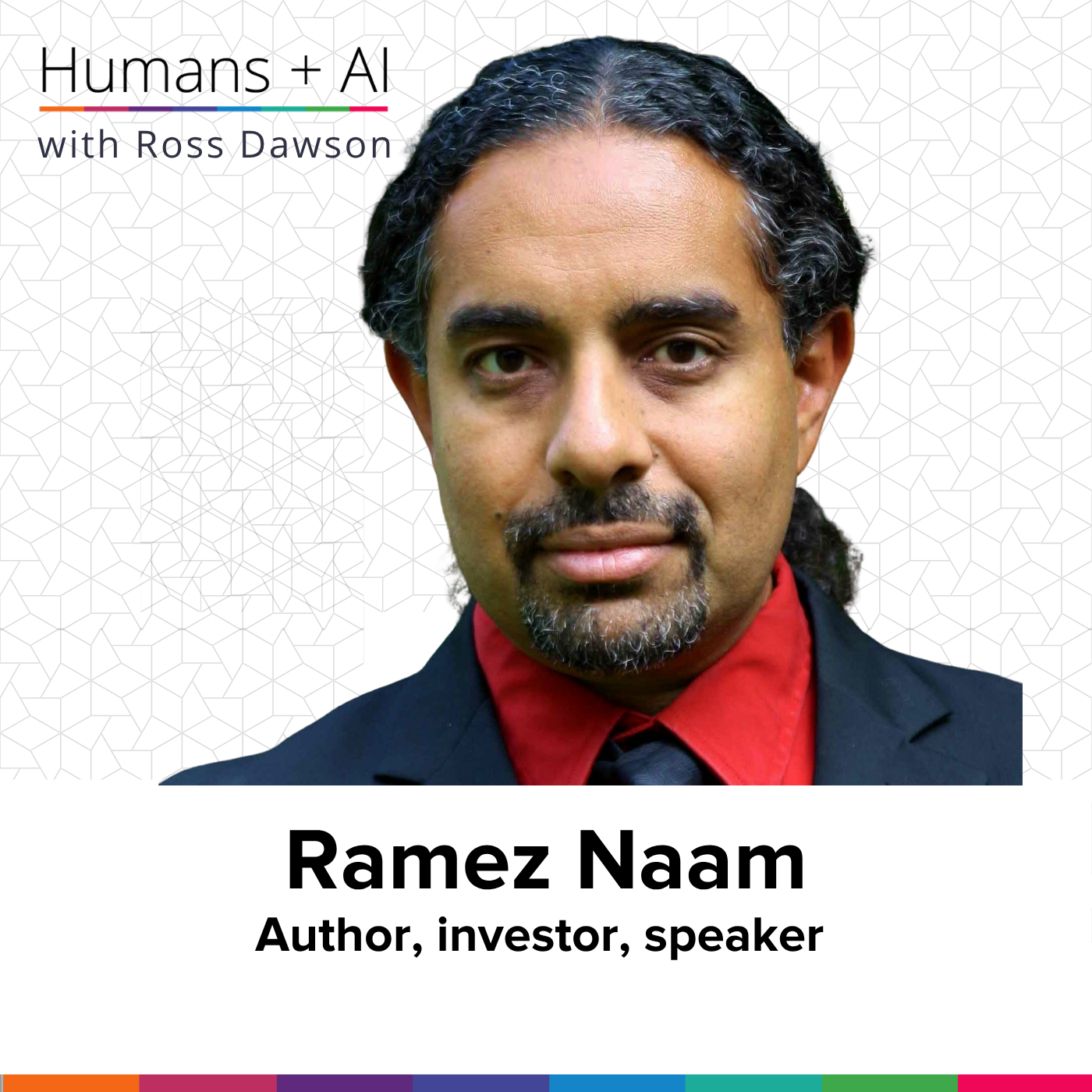
    Ramez Naam on cognitive prostheses, the infinite resource, AI and human rights, and mass empowerment of humanity (HAI Ep50)

    Join author, investor, and climate innovator Ramez Naam—co-chair of Singularity University’s Energy & Environment group—as he explores how cognitive prosthesis and brain-to-AI interfaces are reshaping human expertise and collaboration. Drawing from his background in clean energy and science fiction, Naam discusses how decentralized, open-weight AI models and a climate solutions mindset can foster resource abundance, democratize intelligence, and fuel curiosity-driven progress. Listeners will gain insight into the promise of augmenting human agency and the societal risks and rewards of rapidly evolving AI technologies.

  • S3 · E49
    July 8 · 38 min

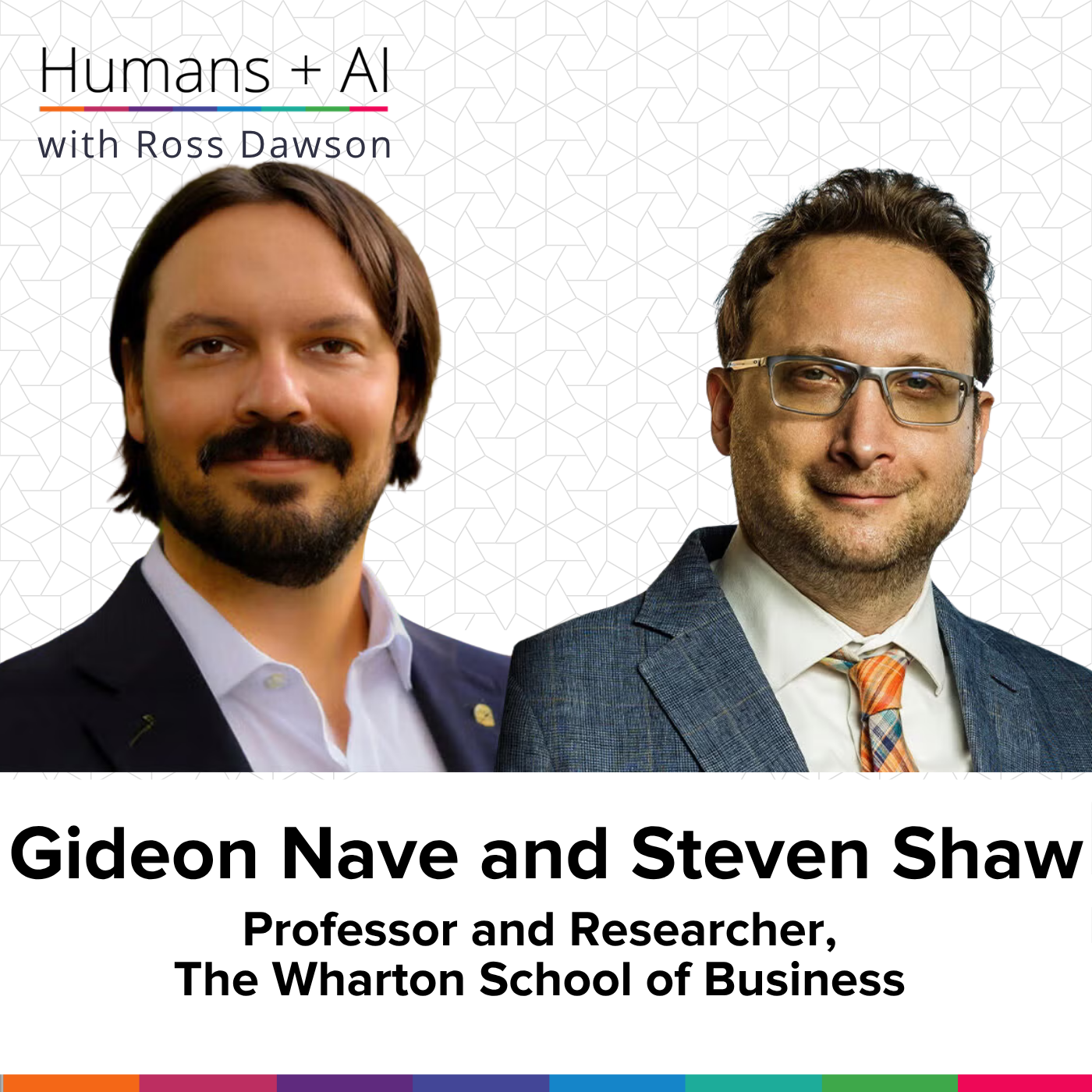
    Gideon Nave and Steven Shaw on system 3 thinking, strategic delegation, cognitive surrender, and the ethics of AI in marketing (HAI Ep49)

    Join Gideon Nave, Associate Professor of Marketing at Wharton, and Steven Shaw, postdoctoral researcher, as they unpack their influential work on 'system three' cognition—the idea of AI as an artificial thinking system. They explain the distinction between cognitive offloading and the deeper dangers of cognitive surrender when humans rely too fully on AI, and reveal both the improvements and risks this shift poses for our reasoning and critical thinking. Drawing from empirical research, the episode explores strategies for intentional AI use, the psychological and ethical implications for society, and why calibrated trust and thoughtful guardrails are now essential in automated decision-making.

  • S3 · E48
    June 24 · 27 min

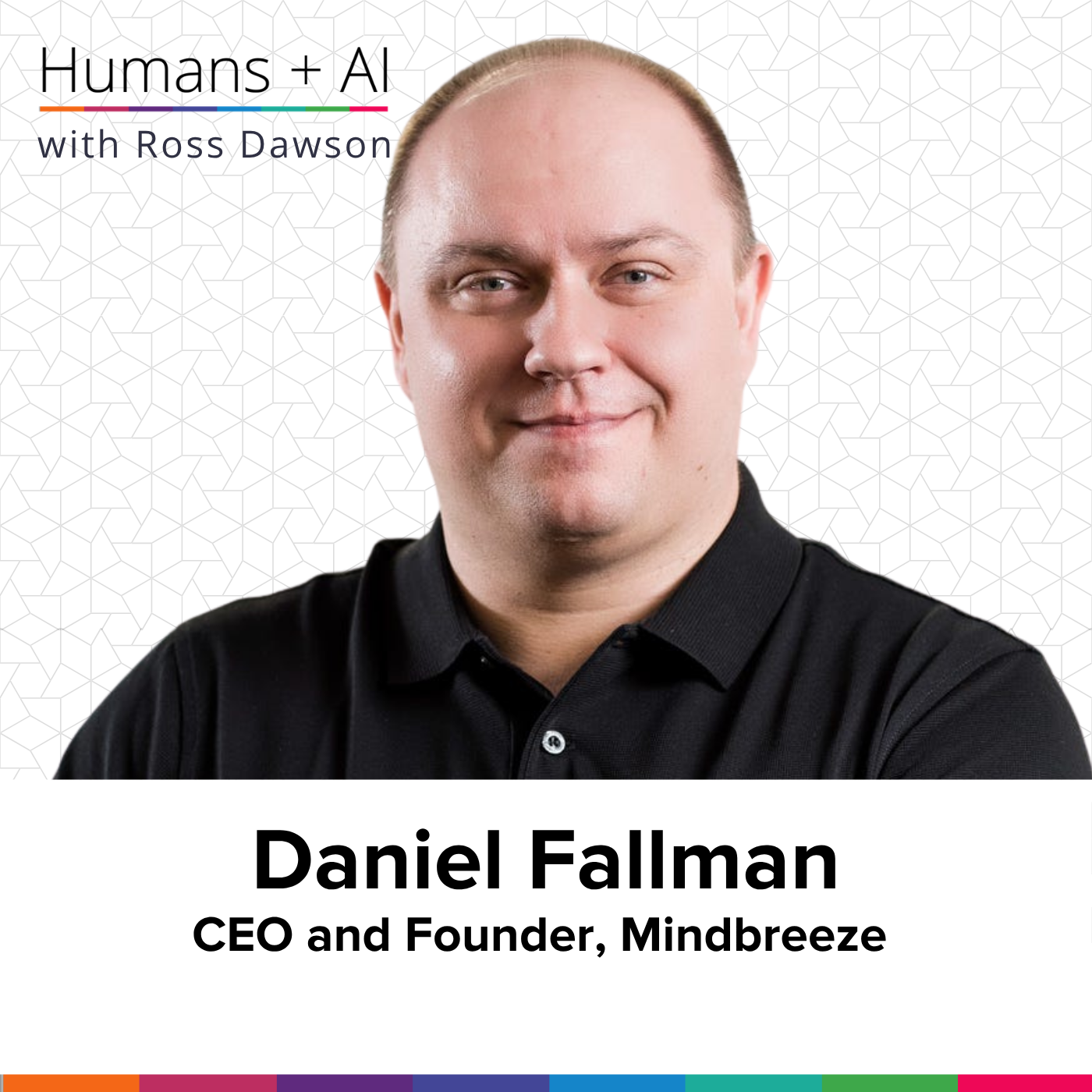
    Daniel Fallmann on democratizing expertise, dynamic interfaces, judgment amplification, and organizational intelligence (HAI Ep48)

    In this episode, Mindbreeze CEO Daniel Fallmann explores the evolution of AI from automation to the augmentation of human expertise, focusing on how organizations can leverage agentic workflows, context-aware decision support, and collective intelligence. Listeners will learn strategies for balancing human judgment and AI in complex decisions, how connecting distributed knowledge across organizational silos empowers better outcomes, and the importance of explainability and traceable audit trails. Gain insights into judgment amplification, enterprise simulations, and the future of end-to-end agentic AI for informed, transparent decision making.

  • S3 · E47
    June 17 · 33 min

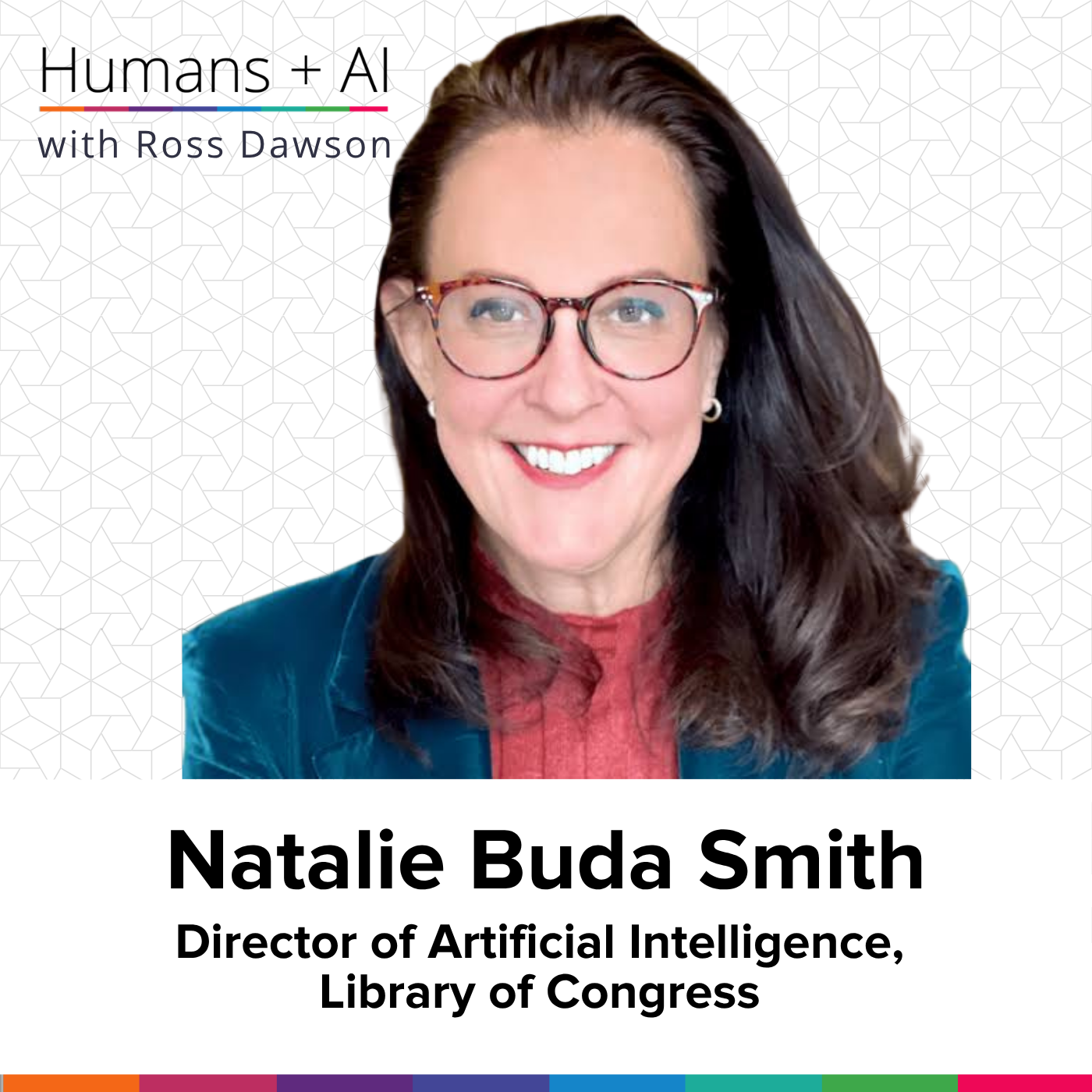
    Natalie Buda Smith on AI in libraries, human at the center, deeper storytelling, and language recreation (HAI Ep47)

    Join Natalie Buda Smith, Director of AI at the Library of Congress, as she explores how digital interfaces and AI are revolutionizing access to human knowledge and cultural memory. In this episode, you'll learn about the shift from primary source access to information intermediated by AI, the importance of preserving historical context through multiple digitization versions, and the challenges of navigating proprietary data and open APIs. Natalie Buda Smith shares firsthand insights into empowering staff with AI tools, fostering personalized information delivery, and how collaborative, AI-powered projects are surfacing new connections and creative storytelling across diverse collections.

  • S3 · E46
    June 10 · 35 min

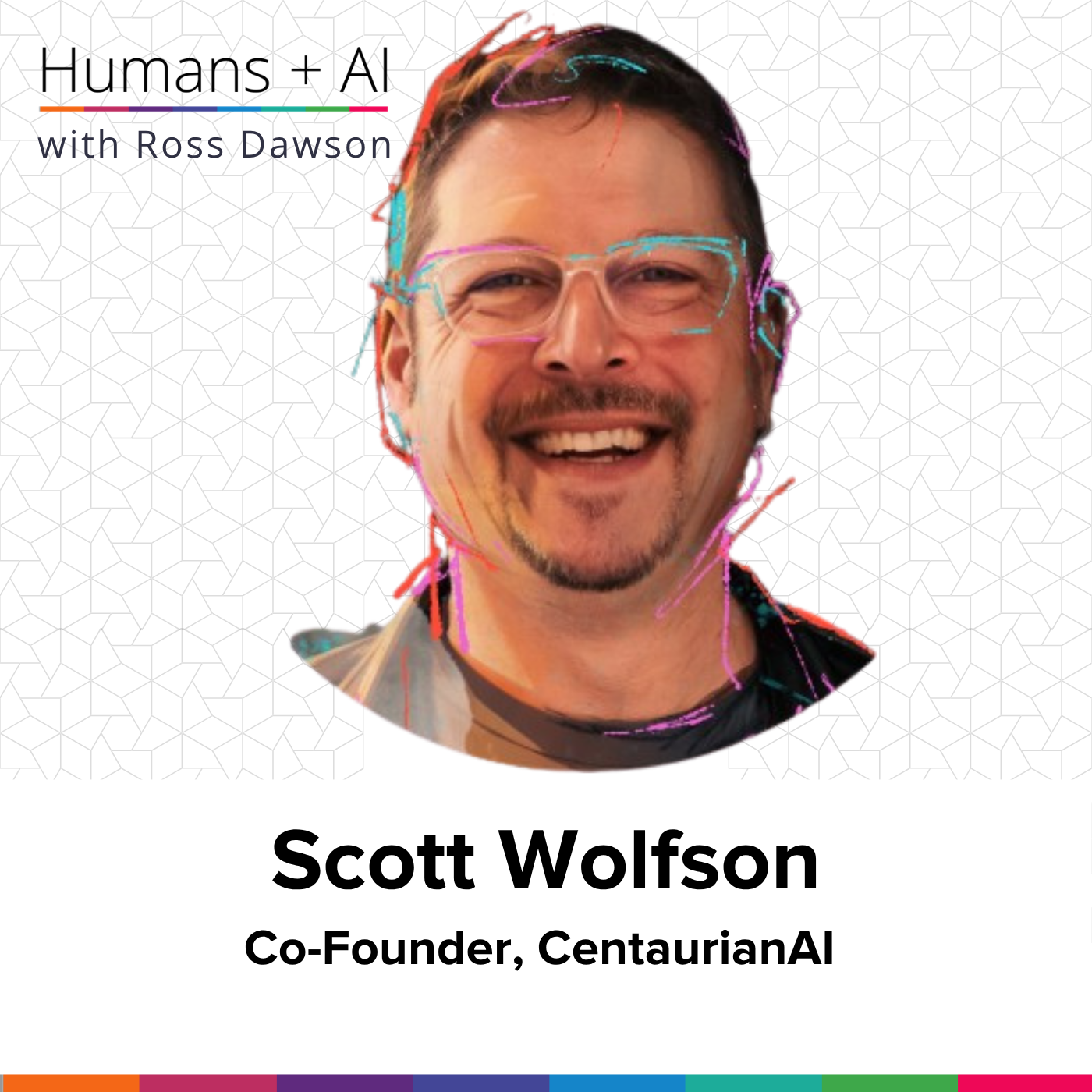
    Scott Wolfson on cognitive fitness, System 3 thinking, mastery skill games, and Strategic Imagination Machines (HAI Ep46)

    In this episode, CentaurianAI Co-Founder shares how becoming 'unbottable' is essential in the age of AI and explores the Centaur chess mindset for thriving alongside intelligent machines. Listeners will discover practical techniques—like brain dumping, ignorance mapping, and the 'think, prompt, check' approach—to boost cognitive fitness, foster independent thinking, and future-proof their unique value. The conversation delves into mastery skill games, motivational intelligence, and the power of collective, connected intelligence for building a truly wisdom-driven future with AI.

Showing 1–20 of 32 episodes